











When you're shopping for a premium 65-inch TV, you're not just buying a screen—you're choosing how your living room will look and function for the next several years. The Hisense 65" S7N CanvasTV and LG OLED evo C5 represent two completely different philosophies about what a modern TV should be. One focuses on blending seamlessly into your home's design while still delivering solid performance, while the other prioritizes absolute picture quality above all else.
Both TVs launched in 2024-2025, representing the latest thinking in their respective categories. The Hisense CanvasTV emerged as a direct competitor to Samsung's popular Frame TV, offering an art-focused lifestyle approach at a more accessible price point. Meanwhile, the LG C5 continues LG's reputation for pushing OLED technology forward, building on years of refinement in organic light-emitting diode displays.
The fundamental difference between these TVs lies in how they create the images you see. The Hisense CanvasTV uses QLED (Quantum Dot Light Emitting Diode) technology, which is essentially a very advanced LCD display. Behind the screen, LED lights shine through quantum dots—tiny crystals that convert blue light into precise red and green colors—before passing through liquid crystal layers to create the final image. This sounds complicated, but the result is vibrant colors and good brightness, especially useful in bright rooms.
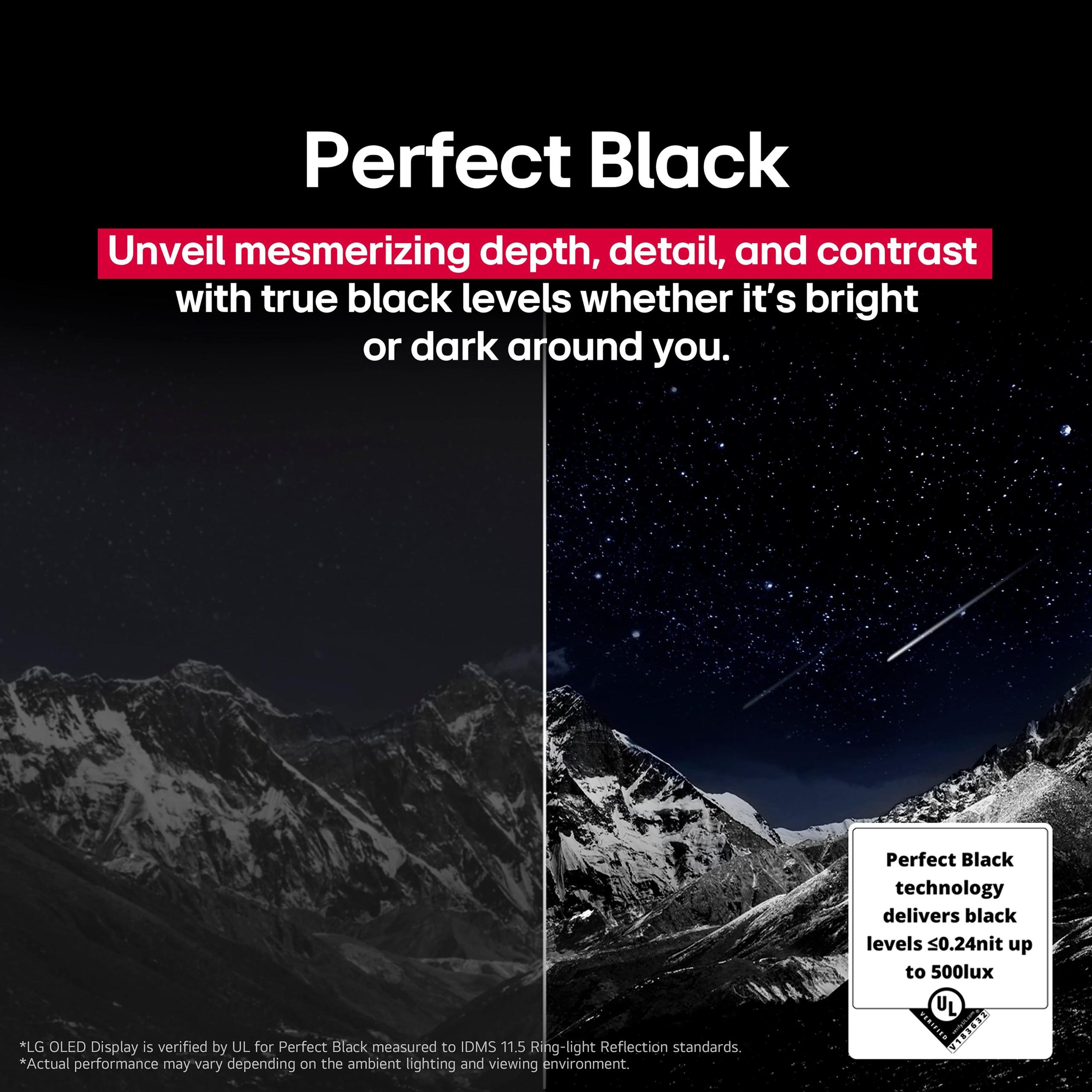
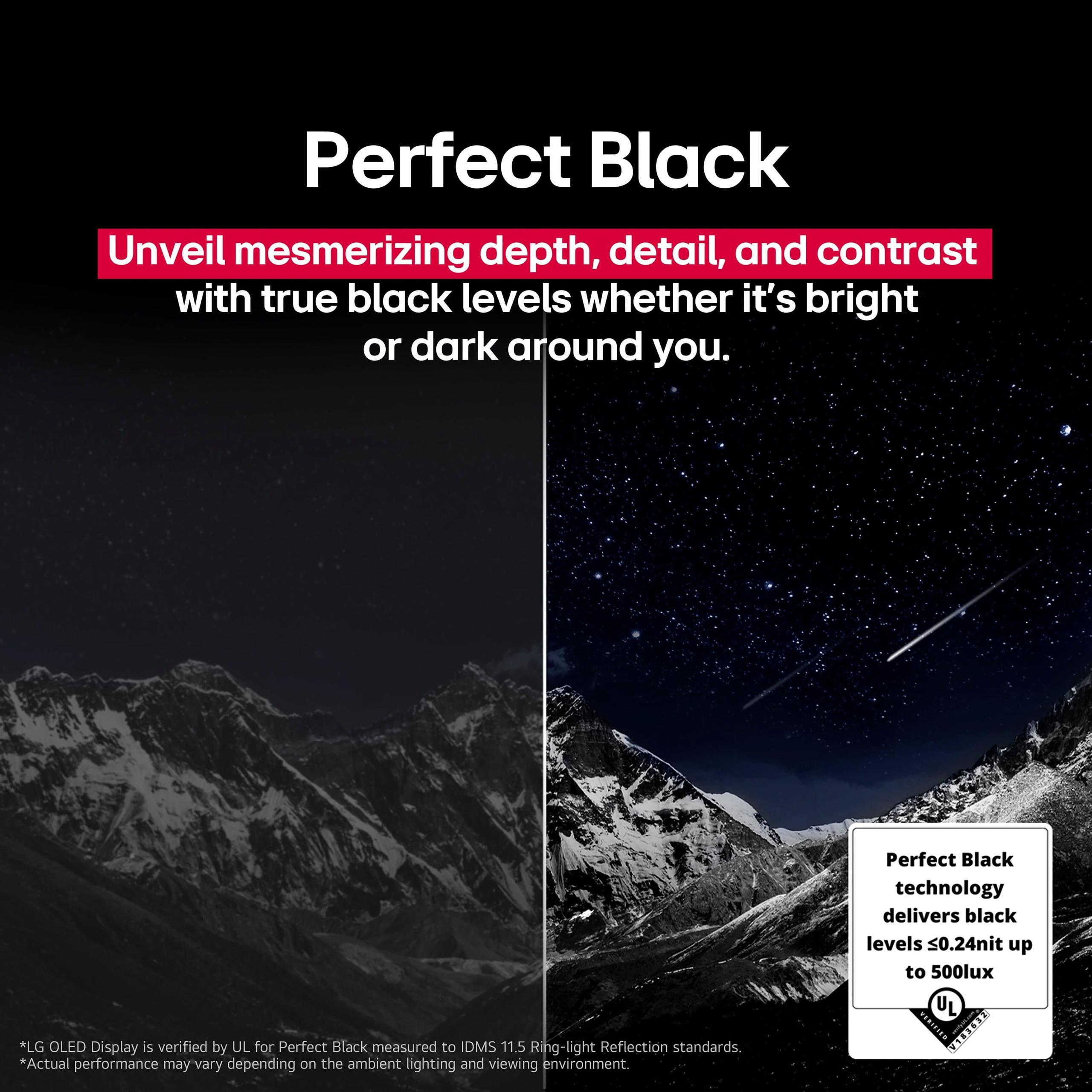
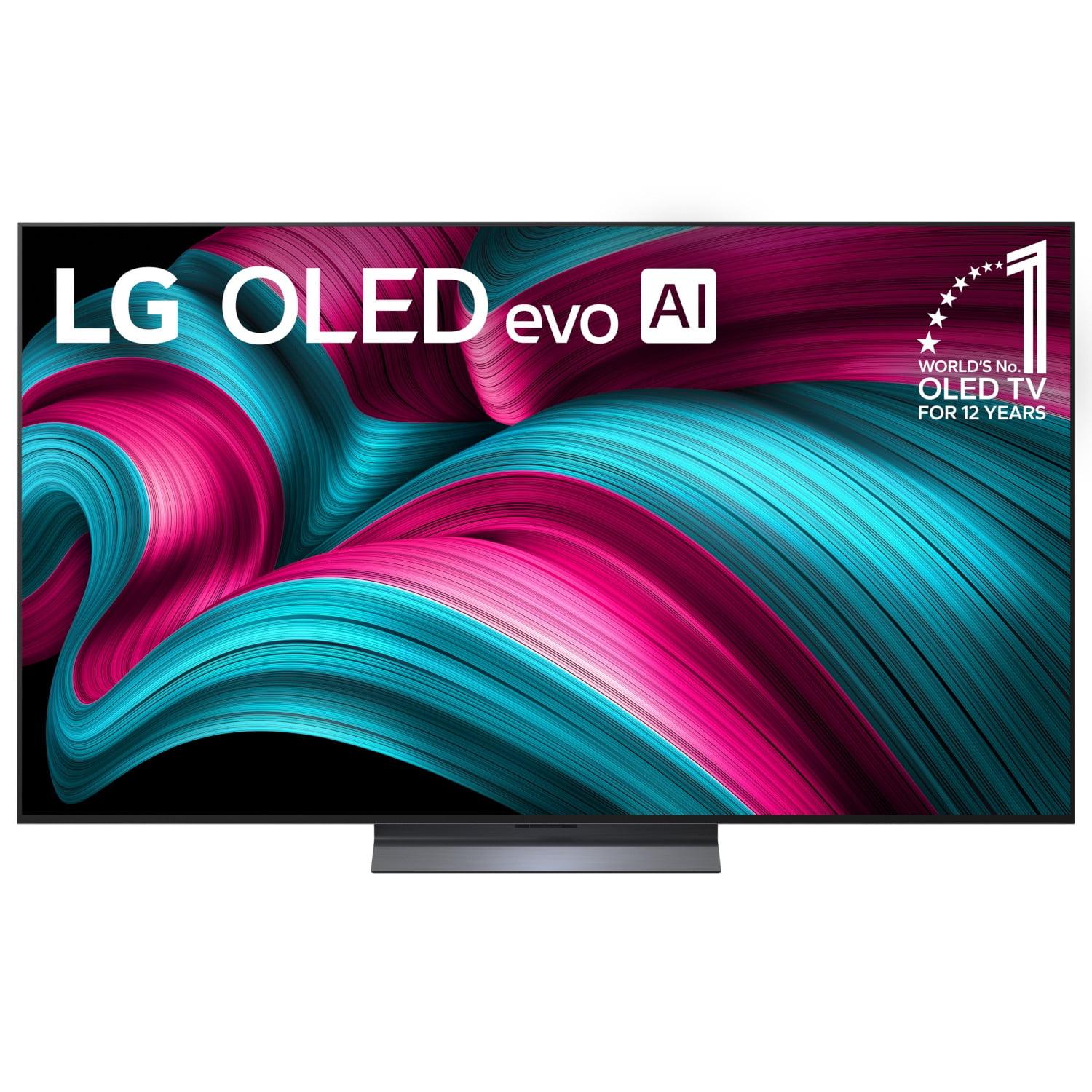
The LG C5, on the other hand, uses OLED (Organic Light Emitting Diode) technology where each individual pixel generates its own light. Think of it like having over 8 million tiny light bulbs that can turn completely on, completely off, or anywhere in between. When a pixel needs to show black, it simply turns off entirely, creating what's called "perfect black"—something no backlit display can achieve.
This technological difference ripples through every aspect of performance. QLED displays like the Hisense CanvasTV typically get brighter and handle reflections better, making them excellent for living rooms with lots of windows. OLED displays like the LG C5 excel in darker environments where their infinite contrast ratio—the difference between the brightest whites and deepest blacks—creates an almost three-dimensional image quality that many consider superior.
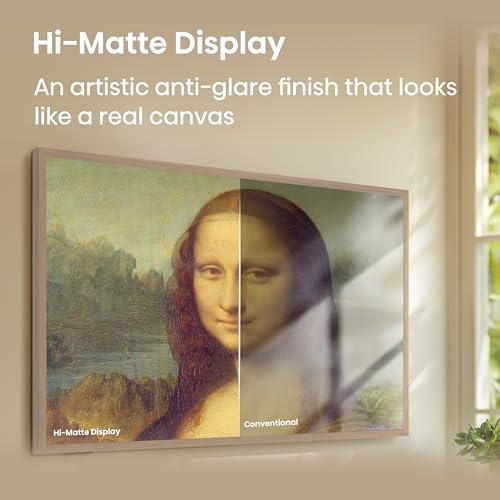
The Hisense CanvasTV takes a unique approach to brightness with its Hi-Matte anti-glare display. Rather than just pushing peak brightness higher, Hisense focused on managing reflections, reducing them to just 5% of what you'd see on a typical glossy screen. This means you can watch TV comfortably even with windows directly behind you or overhead lights creating glare. The matte finish also gives the screen a texture that mimics real artwork when displaying paintings in Art Mode.
Peak brightness reaches 450 cd/m² (candelas per square meter—a measure of how much light the screen can produce), which is solid for a QLED display in this price range. More importantly, the anti-glare coating means this brightness remains effective even in challenging lighting conditions.
The LG C5 approaches brightness differently. While OLED TVs historically struggled with brightness compared to LCD-based displays, LG has made significant improvements in recent years. The C5 offers enhanced SDR (Standard Dynamic Range) brightness compared to previous C-series models, and LG specifically markets it as "Bright Room Ready." However, it still can't match the raw peak brightness of QLED displays like the Hisense CanvasTV.
Where the LG C5 truly excels is in HDR (High Dynamic Range) content. Because each pixel can turn completely off, the contrast between bright highlights and dark shadows creates a more realistic, impactful image. When you're watching a movie with both bright sky and deep shadows, the OLED can display both simultaneously without compromise—the bright areas don't cause the dark areas to look gray, which can happen with backlit displays.
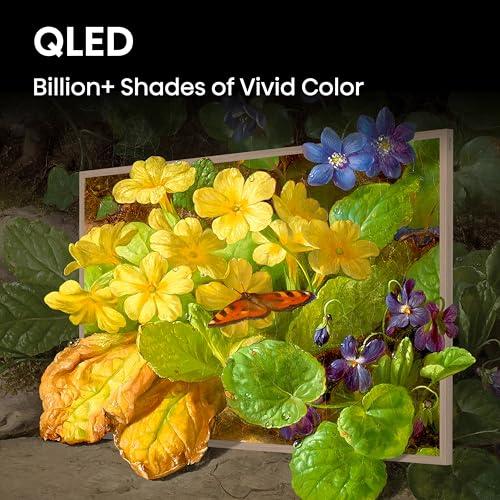
The Hisense CanvasTV uses quantum dot technology to achieve over a billion color combinations with impressive accuracy. Quantum dots act like tiny color filters, converting light into very pure, saturated colors. This technology particularly excels at reproducing vibrant reds and greens, making nature documentaries and animated content look exceptionally vivid.
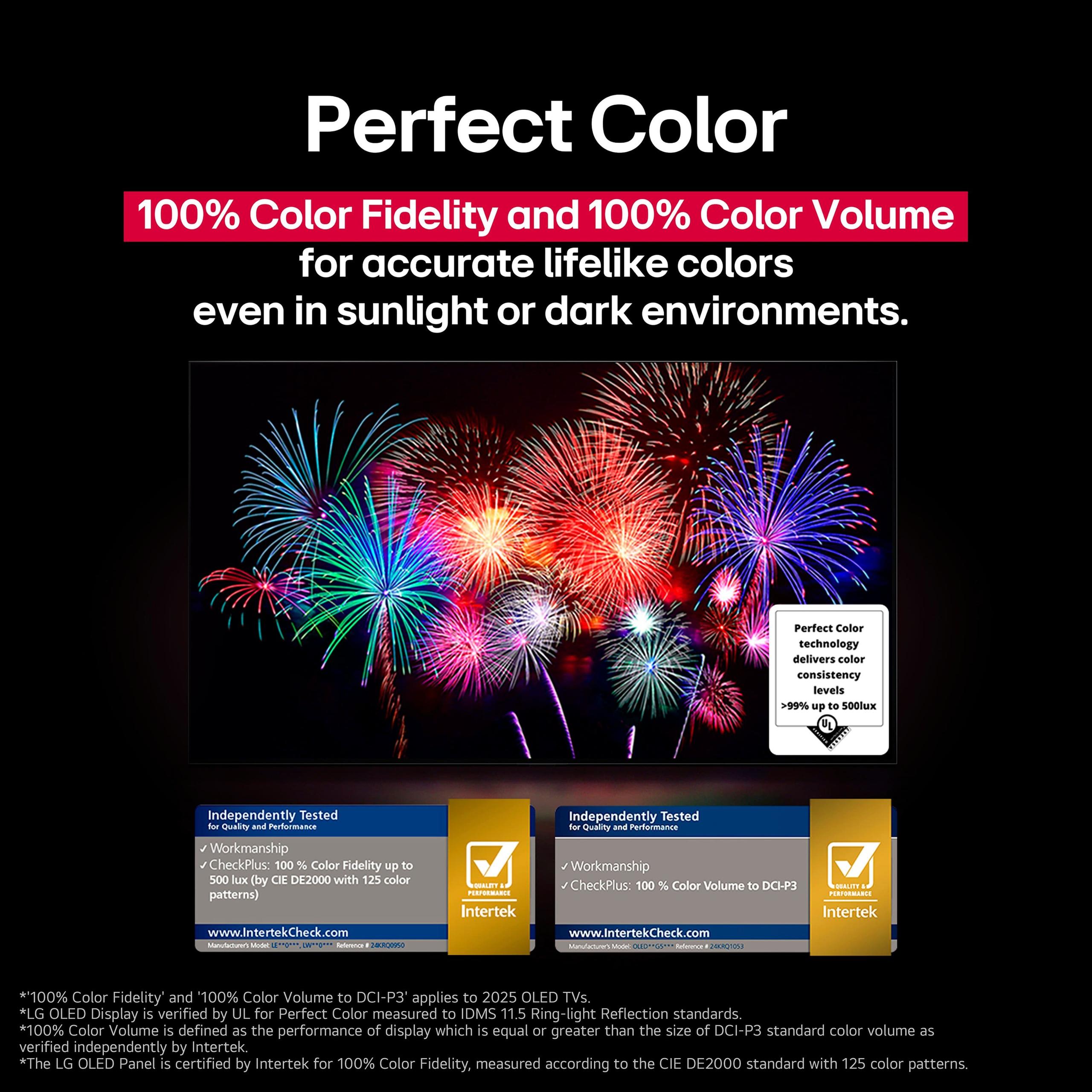
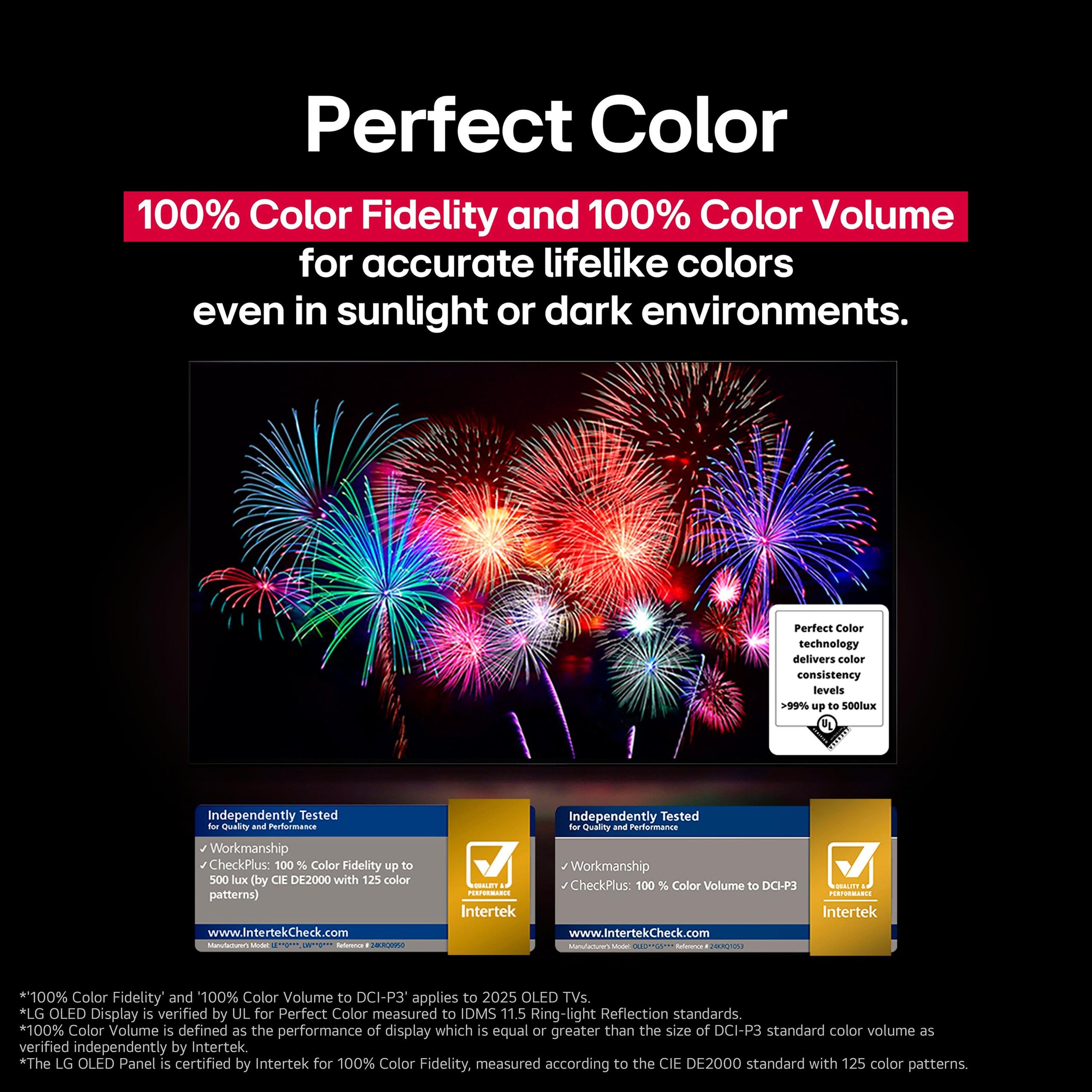
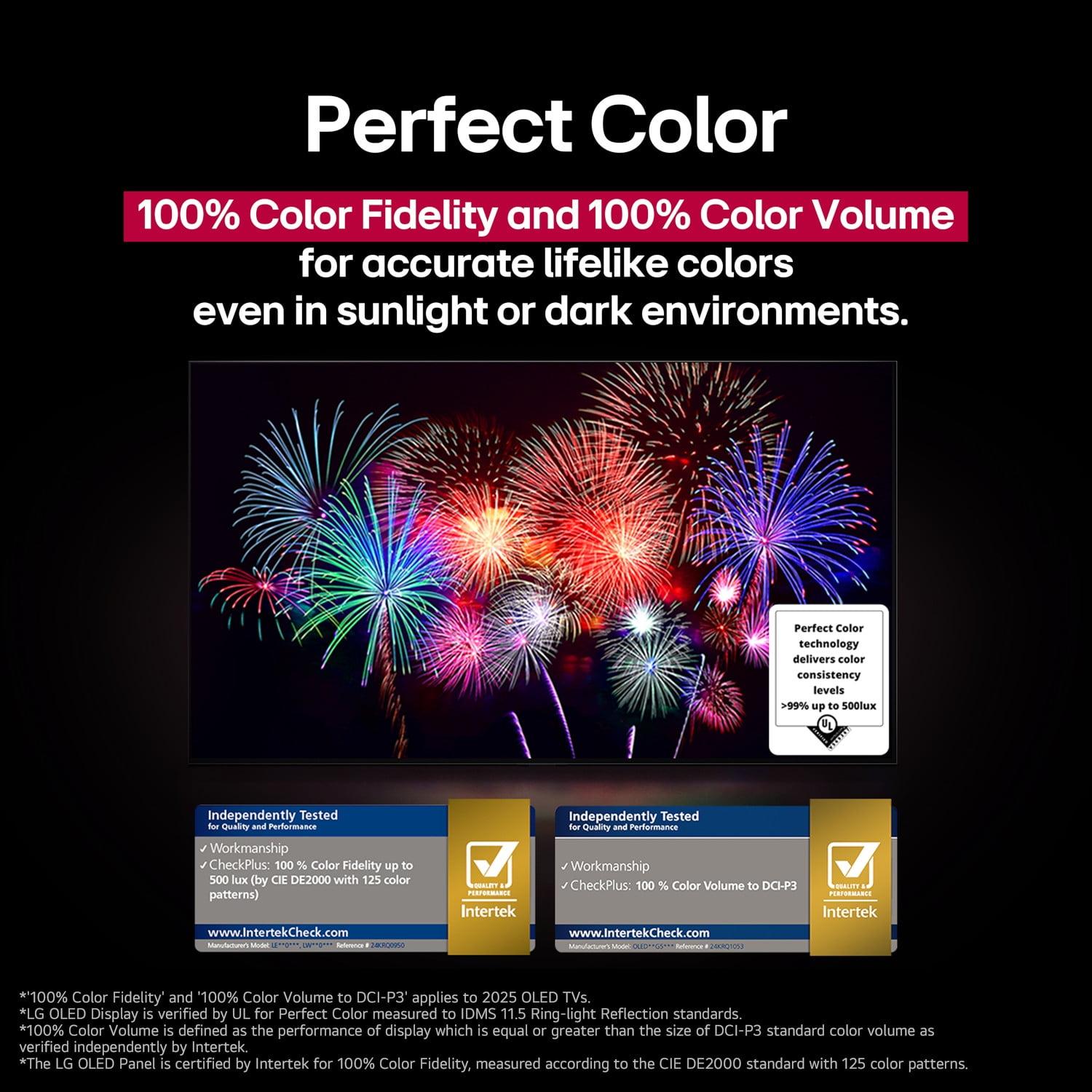
However, our research suggests the LG C5 has a slight edge in overall color accuracy, particularly out-of-the-box. Many professional reviews note that the C5's color accuracy surpasses even premium competitors like Sony's A95L, requiring minimal calibration to achieve reference-quality results. This matters if you watch a lot of movies and want to see them as the directors intended.
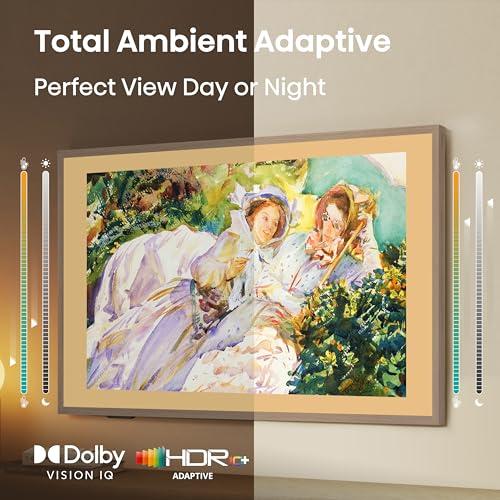
Both TVs support major HDR formats, but there's a difference in implementation. The Hisense CanvasTV supports Dolby Vision, HDR10, HDR10+, HDR10+ Adaptive, and HLG—basically every format you might encounter. The LG C5 focuses on Dolby Vision and HDR10, which cover the vast majority of content, but drops support for some less common formats.
For gamers, the differences between these TVs become very apparent. The LG C5 offers what many consider the gold standard for gaming performance with its 0.1ms response time. Response time measures how quickly a pixel can change from one color to another, and lower numbers mean less motion blur in fast-moving games. The 0.1ms figure is essentially instantaneous—you won't see any ghosting or trailing behind moving objects.
Input lag—the delay between when you press a button and see the result on screen—is equally impressive on the LG C5 at around 5-10ms in game mode. The TV also supports Variable Refresh Rate (VRR), which synchronizes the TV's refresh rate with your gaming console or PC's frame rate, eliminating screen tearing and stuttering.
The Hisense CanvasTV offers respectable gaming performance with a 4.8ms response time and 5.4ms input lag, which is still very good for most gaming scenarios. Where it potentially edges ahead is refresh rate flexibility—it supports both 4K at 144Hz and 1080p at 240Hz, giving competitive gamers more options for ultra-high frame rate gaming.
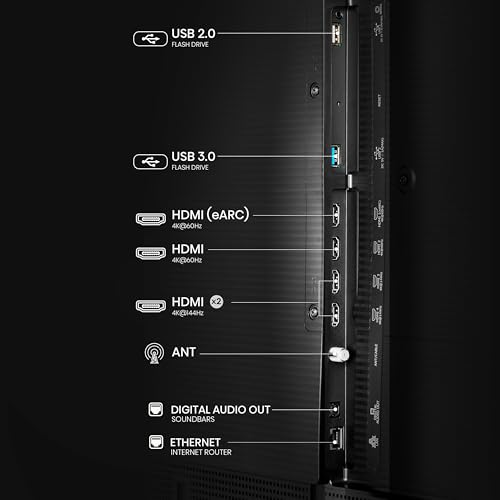
However, the LG C5 counters with four full-bandwidth HDMI 2.1 ports compared to the Hisense CanvasTV's mix of HDMI 2.1 and 2.0 ports. This means you can connect multiple next-gen gaming consoles, a high-end PC, and other devices without compromising on features or having to constantly swap cables.
For serious gamers, especially those who play competitive shooters or racing games where every millisecond counts, the LG C5 provides a measurable advantage. For casual gaming or those who prioritize other features, the Hisense CanvasTV offers perfectly adequate performance.
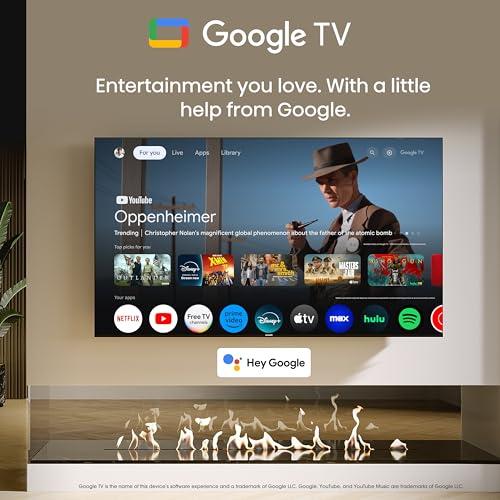
The smart TV experience represents another area where these displays diverge significantly. The Hisense CanvasTV runs Google TV, which has evolved into a clean, intuitive interface that aggregates content from multiple streaming services. It's straightforward and gets out of your way, which many users prefer over more complex systems.
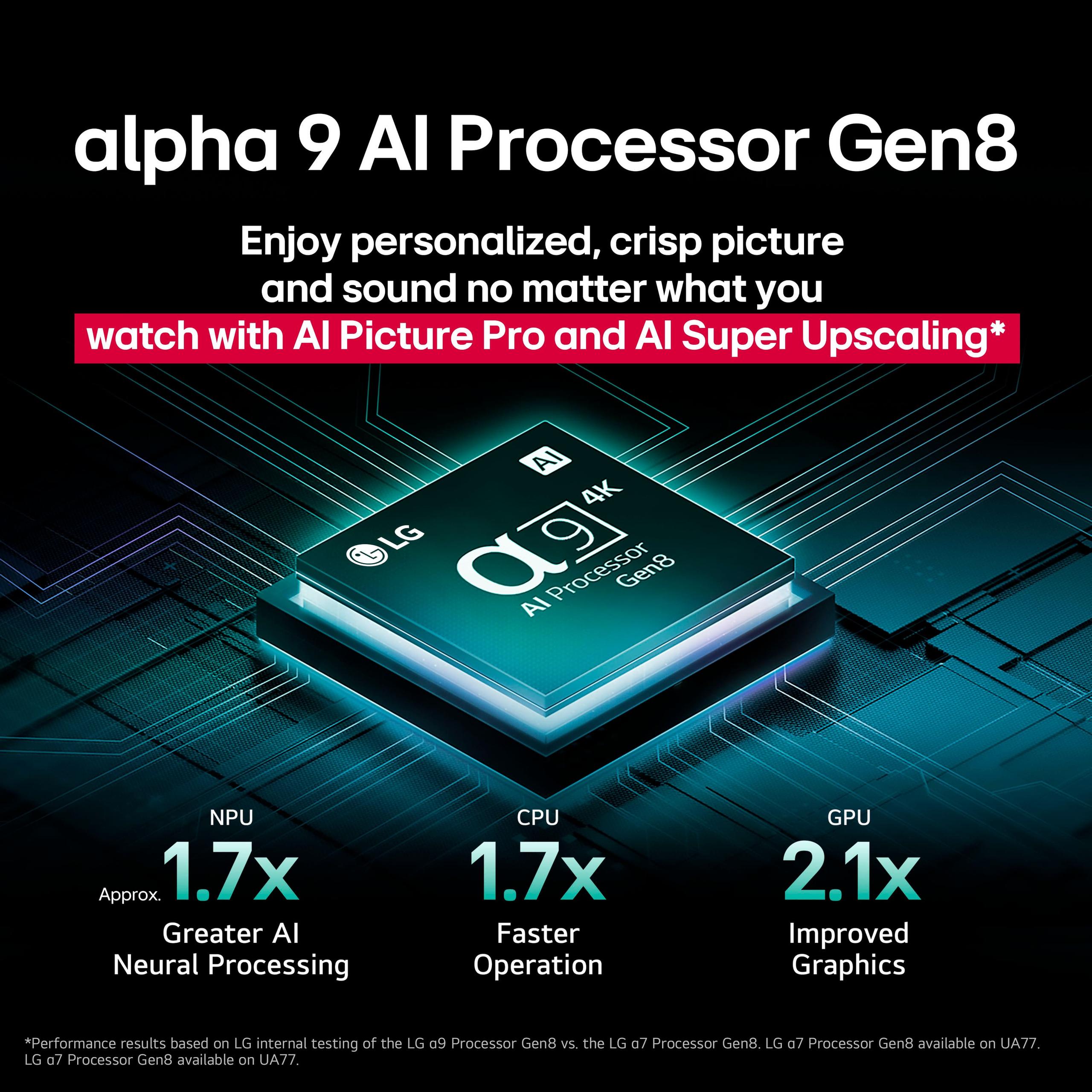
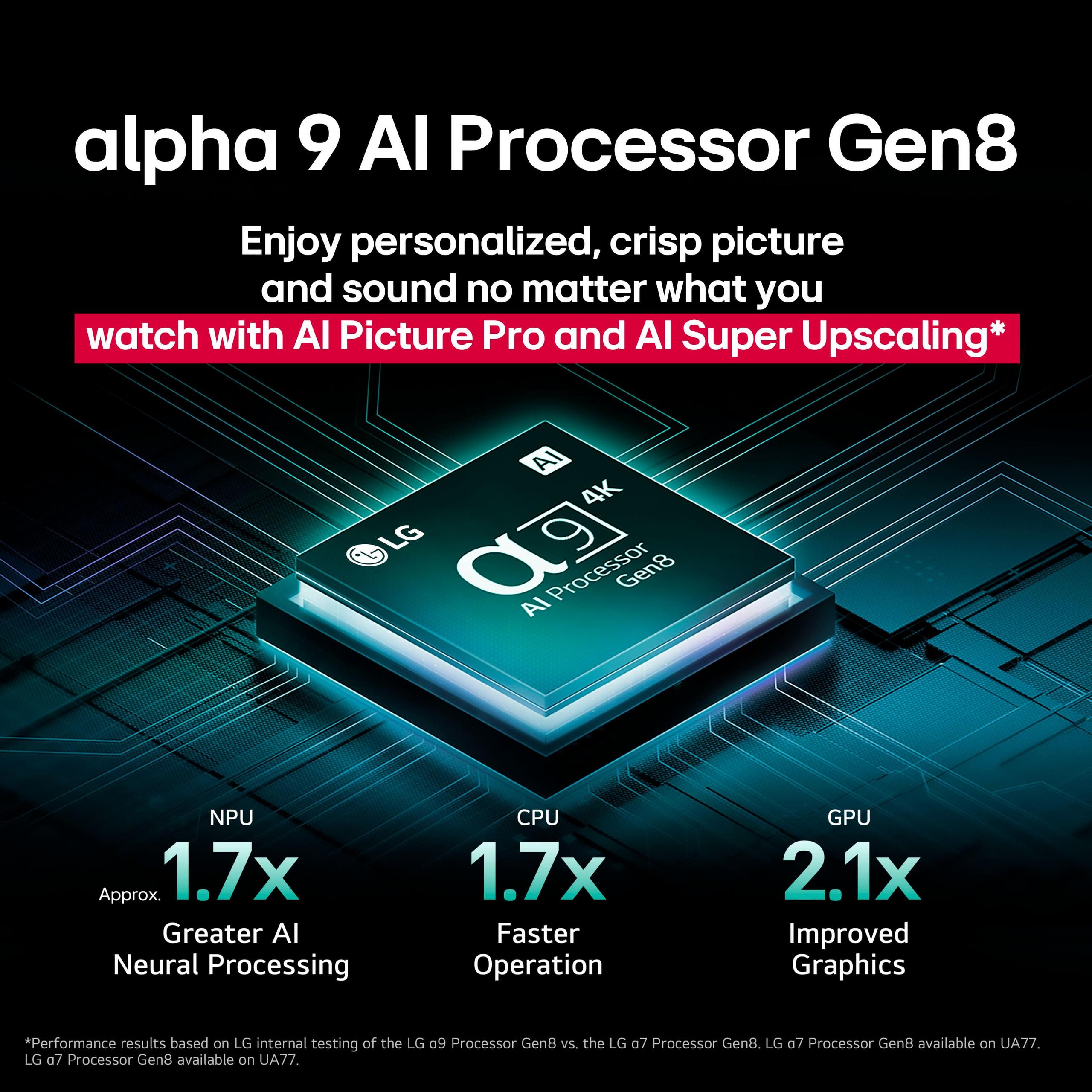
The LG C5 runs webOS 25, LG's latest smart TV platform, powered by the Alpha 9 Gen8 AI processor. This processor doesn't just handle the interface—it actively analyzes what you're watching and adjusts picture and sound settings in real-time. The AI upscaling feature takes lower-resolution content and intelligently adds detail to make it look closer to 4K quality.
This processing power difference becomes apparent in day-to-day use. The LG C5 feels more responsive when navigating menus, switching between apps, or loading content. The 32GB of internal storage also provides more room for apps and faster performance compared to TVs with limited memory.
Both TVs support major streaming services and voice assistants, but the LG C5 offers more advanced features like personalized recommendations based on viewing habits and the ability to group apps in customizable "Quick Cards" for easier access.
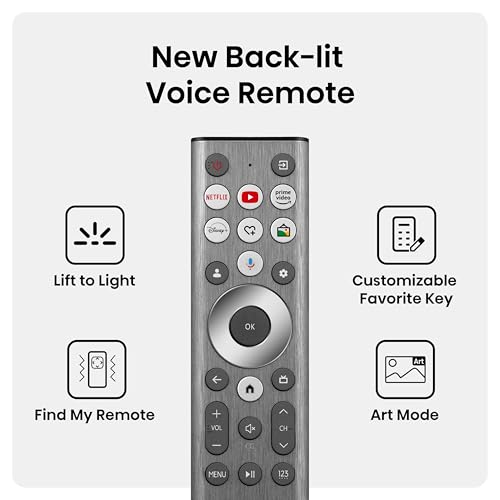
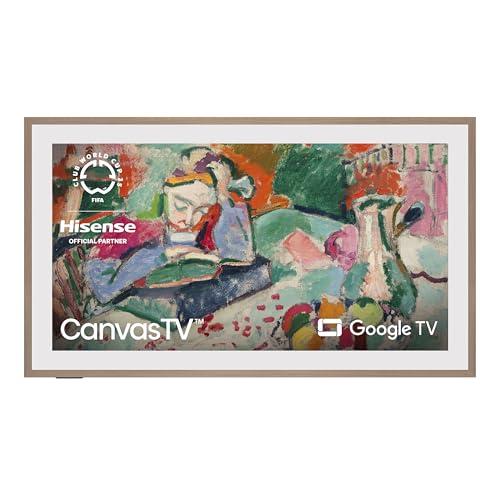
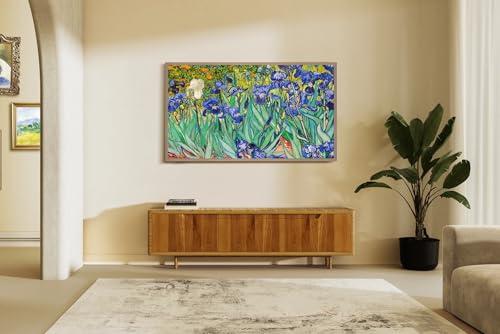
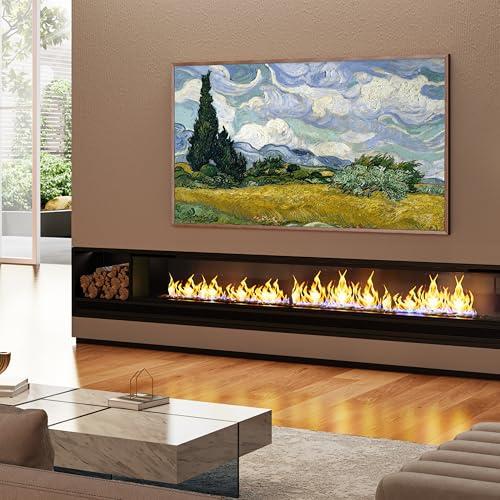
Here's where the Hisense CanvasTV offers something truly unique that the LG C5 simply cannot match. Art Mode transforms the TV into a digital art gallery when you're not actively watching content. Unlike Samsung's Frame TV, which requires a subscription for its art library, the Hisense CanvasTV includes hundreds of artworks at no additional cost.
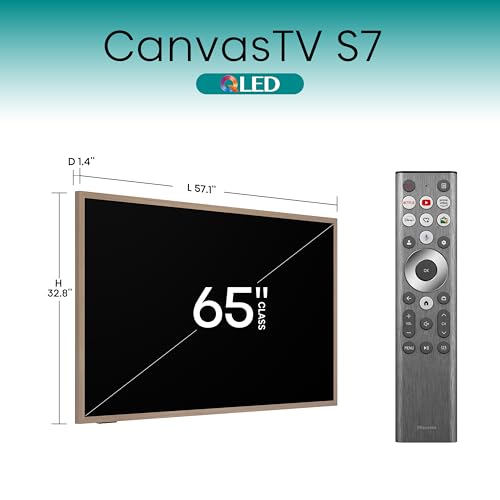
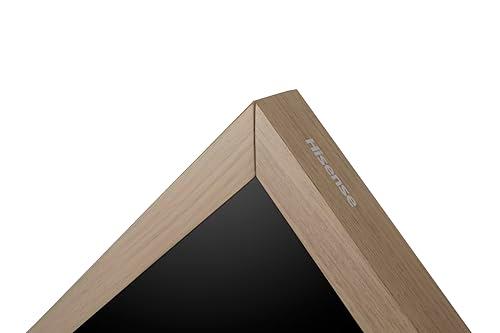
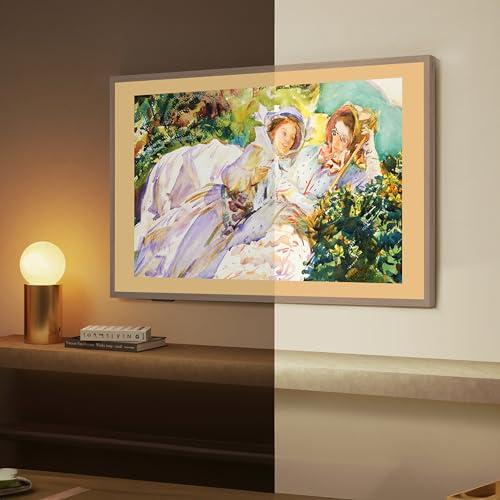
The implementation is thoughtful—a motion sensor automatically activates Art Mode when someone enters the room, and a light sensor adjusts brightness to minimize power consumption. The included magnetic frames can be swapped between teak, white, and walnut finishes to match your décor, and the ultra-slim wall mount positions the TV just 3mm from the wall, creating an authentic artwork appearance.
This feature transforms how you think about TV placement. Instead of trying to hide a black rectangle when not in use, the Hisense CanvasTV becomes an active part of your room's design. If you have a formal living room or want to minimize the visual impact of technology in your space, this capability alone might justify choosing the Hisense over technically superior alternatives.
The LG C5 can display photos or artwork, but it lacks the dedicated sensors, frame system, and art-focused optimization that make the Hisense CanvasTV genuinely function as décor.
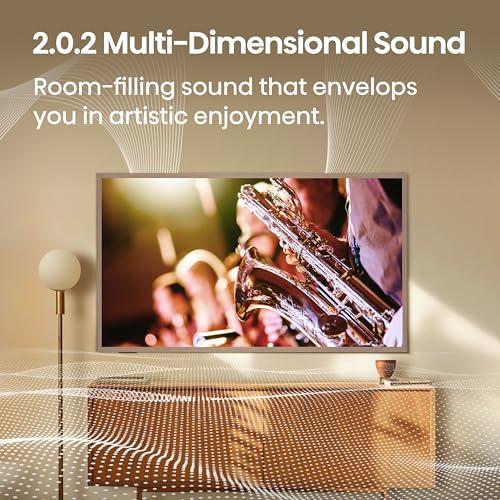
Both TVs include competent built-in audio systems, though neither replaces a dedicated soundbar or speaker system for serious home theater use. The Hisense CanvasTV features a 2.0.2 surround sound system with upward-firing speakers for height effects and DTS Virtual:X processing. User reviews consistently praise the audio as "booming" and sufficient for casual viewing.
The LG C5 includes Dolby Atmos support and what LG calls "AI Sound Pro," which adjusts audio settings based on content type and room acoustics. However, the thin profile limits speaker size, so while the processing is sophisticated, the physical limitations remain.
For home theater enthusiasts, both TVs support eARC (enhanced Audio Return Channel) for passing high-quality audio to external sound systems, so the built-in speakers become less relevant if you're planning a serious audio setup.
The design philosophies couldn't be more different. The Hisense CanvasTV is explicitly designed to disappear into your décor, with customizable frames and a matte finish that mimics real artwork. The ultra-slim wall mount creates a floating appearance that genuinely looks like a framed painting when displaying art.
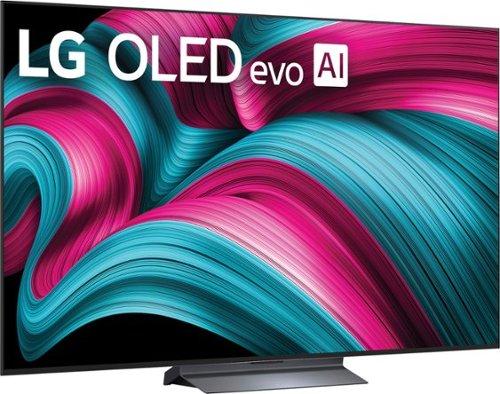
The LG C5 takes a more traditional premium TV approach with an almost invisible bezel and sleek profile. It's undeniably attractive as a piece of technology, but it clearly looks like a TV whether on or off. The design focuses on minimizing visual distraction from the content rather than actively contributing to room aesthetics.
Both approaches have merit—it depends whether you want your TV to blend in (Hisense CanvasTV) or make a subtle high-tech statement (LG C5).
At the time of writing, these TVs target different value propositions. The Hisense CanvasTV typically costs significantly less than the LG C5, making it attractive for buyers who want premium features without premium pricing. The unique Art Mode functionality adds value that goes beyond traditional TV specifications.
The LG C5 commands a higher price but justifies it with superior display technology and gaming performance. LG also commits to five years of software updates through their Re:New Program, ensuring the TV remains current with new features and security updates.
Long-term durability considerations differ between the technologies. QLED displays like the Hisense CanvasTV have no burn-in concerns and can display static images indefinitely without damage. OLED displays, while much more durable than earlier generations, still require some care with static content like news tickers or video game HUDs, though modern panels are quite resilient with proper usage.
Choose the Hisense 65" S7N CanvasTV if you want a TV that enhances your living space even when turned off. The Art Mode capability transforms it from a device into décor, while the Hi-Matte display ensures excellent performance in bright rooms. It's ideal for design-conscious buyers who don't want to compromise their room's aesthetic for technology, and the lower cost makes premium features accessible to more buyers.
The LG OLED evo C5 is the choice for performance purists who prioritize picture quality above all else. If you're a serious movie enthusiast who appreciates perfect blacks and infinite contrast, or a competitive gamer who needs the fastest possible response times, the technical advantages justify the higher investment. It's also better suited for dedicated home theaters or media rooms where lighting can be controlled.
Both represent thoughtful approaches to the premium TV market, but they serve different needs. The Hisense CanvasTV asks "how can a TV improve your living space?" while the LG C5 asks "how can we make the best possible picture?" Your answer to those questions should guide your decision.
| Hisense 65" S7N CanvasTV QLED 4K Smart Display | LG OLED evo C5 65" 4K TV 2025 |
|---|---|
| Display Technology - Fundamental difference affecting contrast, brightness, and viewing experience | |
| QLED with Quantum Dot Color and VA panel | OLED evo with self-illuminating pixels |
| Peak Brightness - Critical for bright room viewing and HDR impact | |
| 450 cd/m² with Hi-Matte anti-glare coating (5% reflections) | Enhanced brightness over previous models, "Bright Room Ready" but lower than QLED |
| Black Levels and Contrast - Determines depth and realism of dark scenes | |
| 5000:1 static contrast ratio (good but limited by LED backlighting) | Perfect blacks with infinite contrast ratio (each pixel turns completely off) |
| Refresh Rate - Smoothness for gaming and fast motion content | |
| 144Hz native (supports 4K@144Hz, 1080p@240Hz) | 120Hz native (up to 144Hz for gaming) |
| Gaming Response Time - Speed for competitive gaming where milliseconds matter | |
| 4.8ms response time, 5.4ms input lag | 0.1ms response time (essentially instantaneous) |
| HDMI 2.1 Ports - Future-proofing for next-gen consoles and high-end PCs | |
| 2 HDMI 2.1 ports, 2 HDMI 2.0 ports | 4 full-bandwidth HDMI 2.1 ports |
| Smart TV Platform - Interface speed and feature richness | |
| Google TV (clean, straightforward interface) | webOS 25 with Alpha 9 Gen8 AI Processor (advanced AI features, 32GB memory) |
| Art Mode and Design - Lifestyle integration when TV is off | |
| Dedicated Art Mode with motion/light sensors, magnetic swappable frames, 3mm wall mount | Standard photo display, sleek TV design but clearly looks like technology |
| HDR Format Support - Compatibility with premium streaming content | |
| Dolby Vision, HDR10, HDR10+, HDR10+ Adaptive, HLG | Dolby Vision, HDR10, HLG (focuses on most common formats) |
| Audio System - Built-in sound quality without external speakers | |
| 2.0.2 surround with upward-firing speakers, DTS Virtual:X | Dolby Atmos support with AI Sound Pro processing |
| Burn-in Risk - Long-term durability with static content like news tickers | |
| No burn-in concerns (QLED technology immune to static images) | Minimal risk with modern OLED panels but requires some care with static content |
| Best Room Environment - Lighting conditions where each excels | |
| Bright rooms with windows/glare (anti-glare coating excels here) | Darker controlled environments (perfect blacks shine in dim conditions) |
| Long-term Software Support - Updates and new features over time | |
| Standard Google TV updates | 5-year Re:New Program commitment with ongoing feature additions |
The LG OLED evo C5 delivers superior picture quality overall, especially for dark room viewing. Its self-illuminating pixels create perfect blacks and infinite contrast, making movies and shows look more realistic with deeper shadows and brighter highlights. The Hisense 65" S7N CanvasTV offers excellent QLED color reproduction with over a billion colors, but can't match the contrast performance of OLED technology.
Yes, the Hisense 65" S7N CanvasTV excels in bright rooms thanks to its Hi-Matte anti-glare display that reduces reflections to just 5%. This makes it ideal for living rooms with windows or overhead lighting. The LG OLED evo C5, while improved for bright rooms, still performs best in controlled lighting environments where its perfect blacks can shine.
The LG OLED evo C5 is the superior gaming TV with its 0.1ms response time, four HDMI 2.1 ports, and support for all major gaming features like VRR and ALLM. Competitive gamers will notice the difference in responsiveness. The Hisense CanvasTV offers good gaming performance with 144Hz refresh rate and low input lag, making it suitable for casual gaming but not quite matching the LG C5's performance.
Art Mode on the Hisense 65" S7N CanvasTV transforms the TV into a digital art gallery when not in use. It includes hundreds of artworks at no subscription cost, motion sensors that activate the display when someone enters the room, and magnetic swappable frames in different finishes. The LG OLED evo C5 can display photos but lacks the dedicated art features and frame system.
Both TVs are built to last, but they have different considerations. The Hisense CanvasTV uses QLED technology that has no burn-in risk and can display static images indefinitely. The LG OLED evo C5 is much more durable than older OLED models but still requires some care with static content like news tickers or video game HUDs to prevent potential burn-in over many years.
The Hisense 65" S7N CanvasTV is specifically designed for wall mounting with an included UltraSlim mount that positions it just 3mm from the wall, creating an authentic artwork appearance with its customizable frames. The LG OLED evo C5 can be wall mounted and has a sleek profile, but it's clearly designed to look like a premium TV rather than artwork.
The LG OLED evo C5 offers more advanced smart features with webOS 25, AI-powered recommendations, and the Alpha 9 Gen8 processor that optimizes picture and sound in real-time. It includes 32GB of memory for faster performance. The Hisense CanvasTV runs Google TV, which is clean and straightforward but lacks the advanced AI features of the LG C5.
For dedicated home theaters, the LG OLED evo C5 is the better choice due to its perfect blacks, infinite contrast, and exceptional color accuracy that reproduces movies as directors intended. The controlled lighting in a home theater maximizes OLED's advantages. The Hisense CanvasTV works well for home theater use but truly excels in living room setups where its anti-glare properties and art functionality add value.
The Hisense 65" S7N CanvasTV achieves higher peak brightness levels, making HDR highlights more impactful in bright rooms. However, the LG OLED evo C5 delivers better overall HDR performance due to its perfect blacks creating superior contrast, even though its peak brightness is lower. The OLED's ability to display true black alongside bright highlights creates more realistic HDR imagery.
Both the Hisense CanvasTV and LG OLED evo C5 have no subscription fees for basic smart TV features. The Hisense CanvasTV includes its art library at no additional cost, unlike some competitors. The LG C5 offers five years of software updates through LG's Re:New Program, ensuring ongoing feature additions without extra charges.
The Hisense 65" S7N CanvasTV typically offers better value with its unique Art Mode features, solid QLED performance, and lower cost of ownership. The LG OLED evo C5 costs more but justifies it with superior display technology and gaming performance. Your choice depends on whether you prioritize unique lifestyle features and value (Hisense) or absolute picture quality performance (LG C5).
The Hisense CanvasTV is specifically engineered for bright living rooms with its Hi-Matte anti-glare coating that maintains image quality even with direct sunlight or overhead lighting. The LG OLED evo C5 has improved brightness compared to previous models and is marketed as "Bright Room Ready," but the Hisense CanvasTV remains the better choice for challenging lighting conditions.
We've done our best to create useful and informative comparisons to help you decide what product to buy. Our research uses advanced automated methods to create this comparison and perfection is not possible - please contact us for corrections or questions. These are the sites we've researched in the creation of this article: bestbuy.com - hisense.sg - tomsguide.com - content.syndigo.com - rtings.com - hisense-usa.com - youtube.com - bestbuy.com - youtube.com - displayspecifications.com - displayspecifications.com - manuals.plus - displayspecifications.com - bestbuy.com - hisense-canada.com - manuals.plus - bargainoutletandmore.com - bestbuy.com - device.report - bestbuy.com - rtings.com - youtube.com - businessinsider.com - youtube.com - bestbuy.com - lg.com - files.bbystatic.com - lg.com - flatpanelshd.com - lg.com - blvdhome.com - bhphotovideo.com - flanners.com - videopro.com.au

Privacy Policy
Terms and Conditions - Affiliate Policy
Home Security
© Copyright 2008-2026.
11816 Inwood Rd #1211, Dallas, TX 75244