

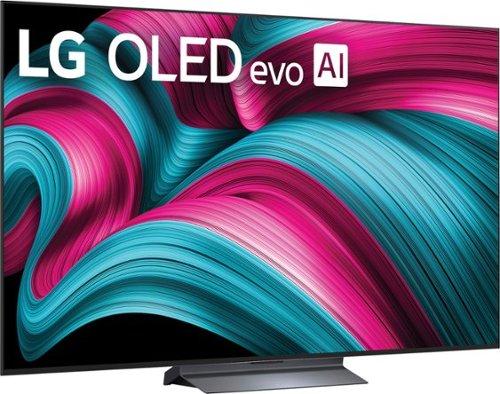






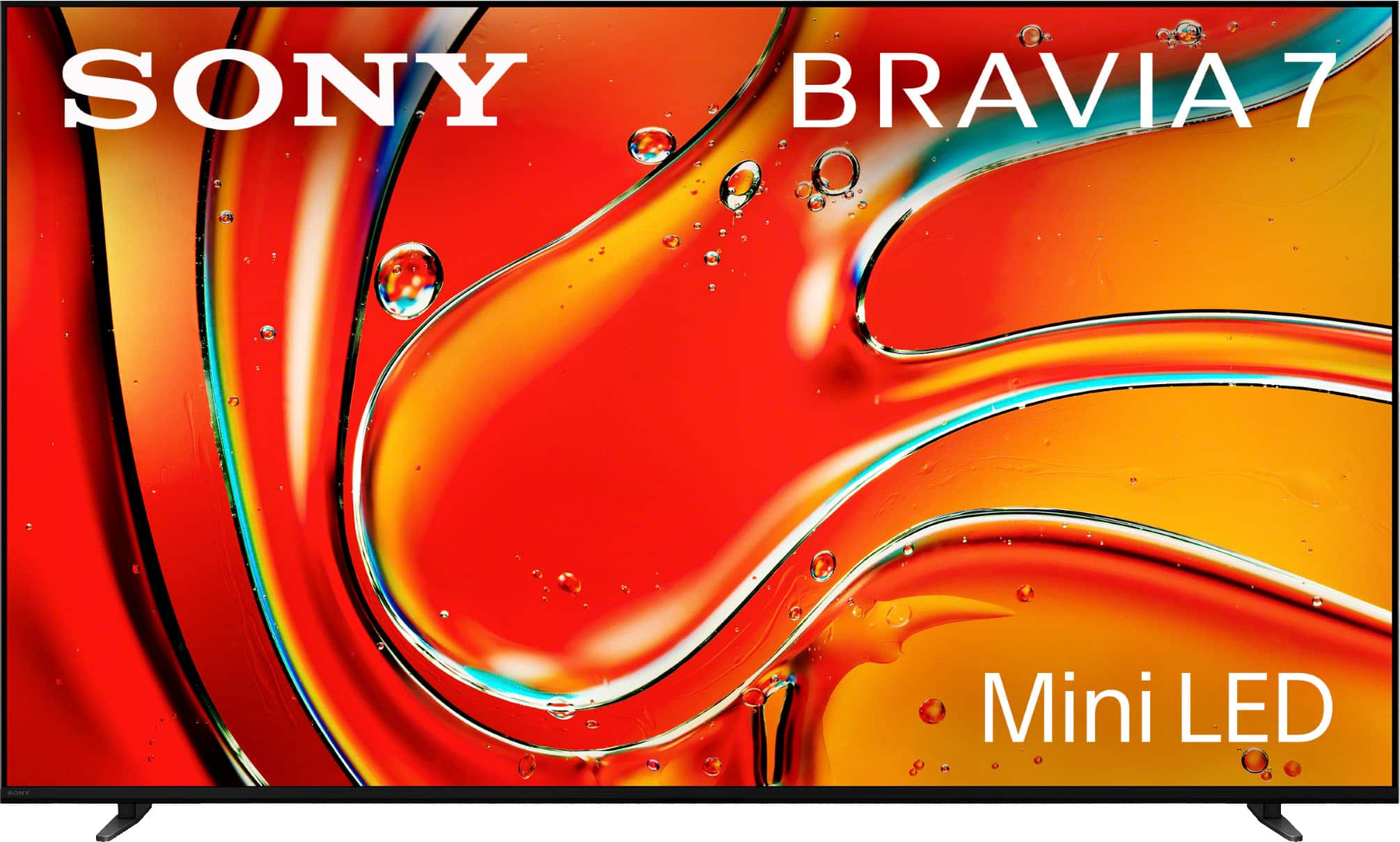
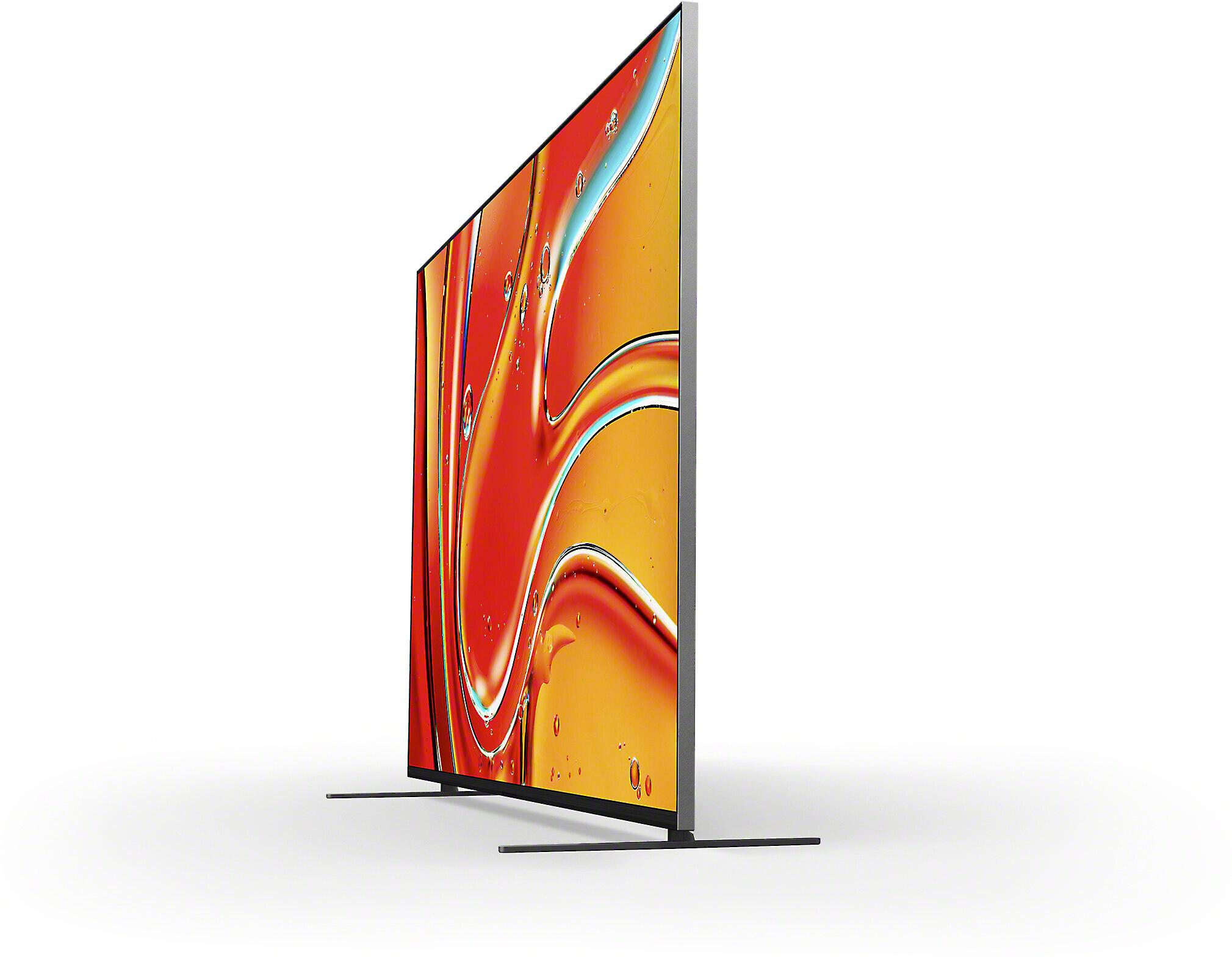
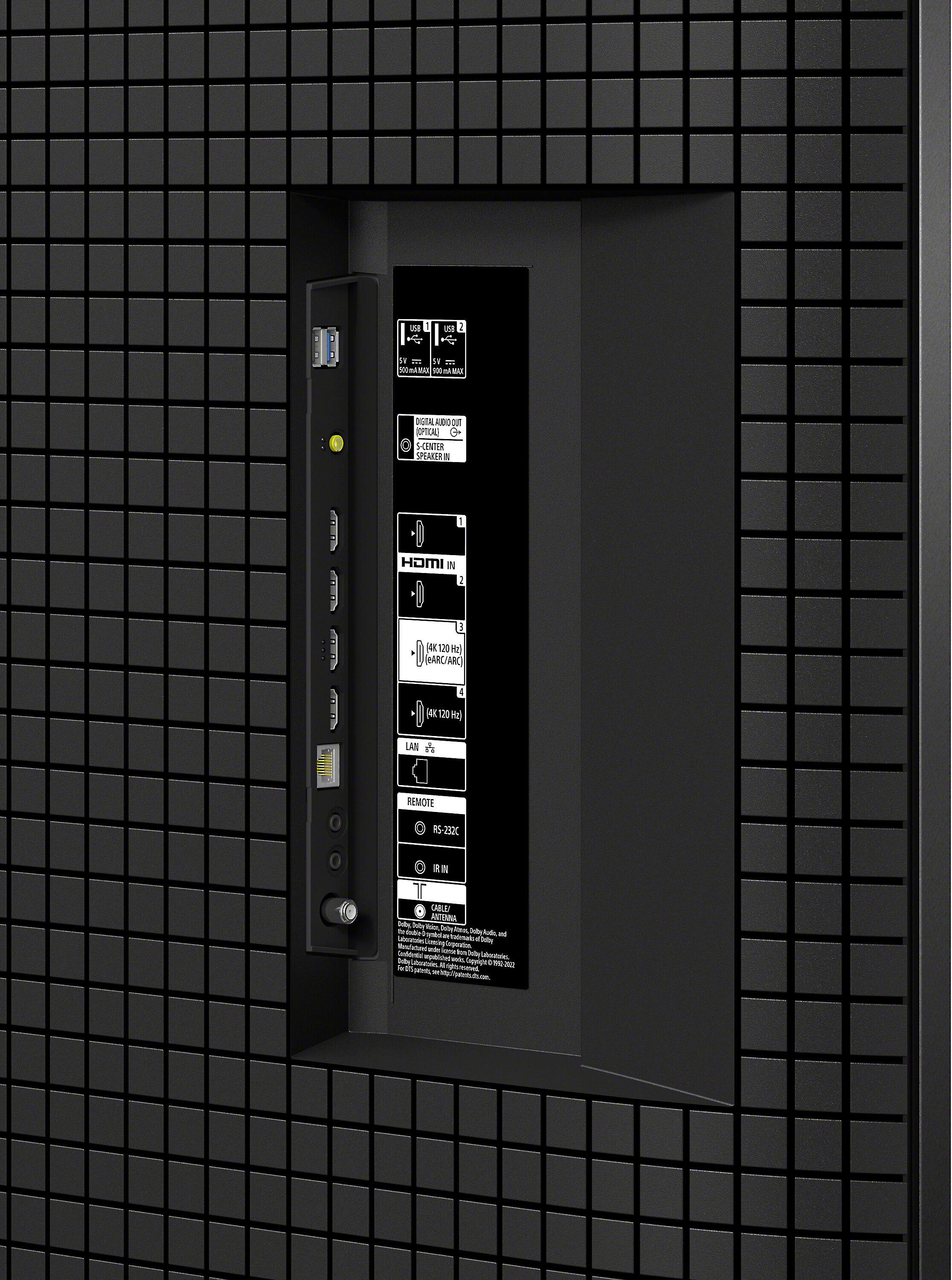
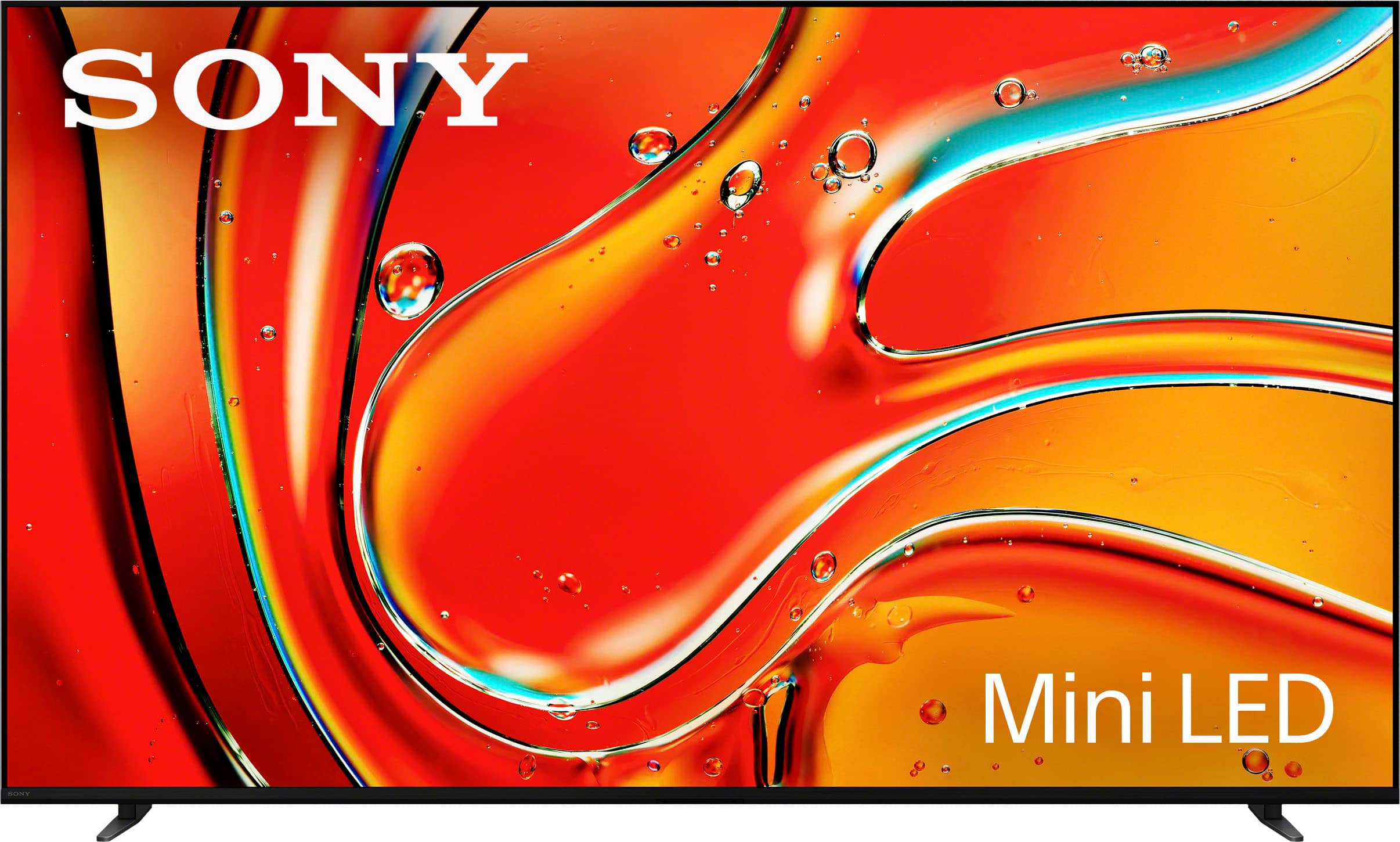
Shopping for a new 65-inch TV can feel overwhelming, especially when you're trying to decide between two very different approaches to picture quality. The LG OLED evo C5 65" 4K TV 2025 at $2,197 and the Sony BRAVIA 7 65" 4K UHD Smart Google TV at $1,323 represent two distinct philosophies in TV technology, each with compelling advantages depending on your specific needs and viewing environment.
The 65-inch premium mid-range category has become the most competitive segment in the TV market, and for good reason. These TVs offer the sweet spot between flagship performance and reasonable pricing, making them ideal for most living rooms and home theaters. Unlike budget models that cut corners on picture quality, or flagship models that command premium prices for incremental improvements, premium mid-range TVs deliver excellent performance across all the features most people actually use.
When evaluating TVs in this category, you're looking at several key factors that directly impact your viewing experience. Display technology forms the foundation—whether you're getting an OLED panel with self-lit pixels or an advanced LED-LCD with sophisticated backlighting. Gaming capabilities have become increasingly important as modern consoles push 4K resolution at high refresh rates. Smart platform performance affects daily usability, while audio quality determines whether you'll need to invest in external speakers immediately.
The room where you'll use the TV matters enormously. A bright living room with large windows demands different characteristics than a dedicated home theater with controlled lighting. Understanding these trade-offs helps you choose the technology that best fits your specific situation.
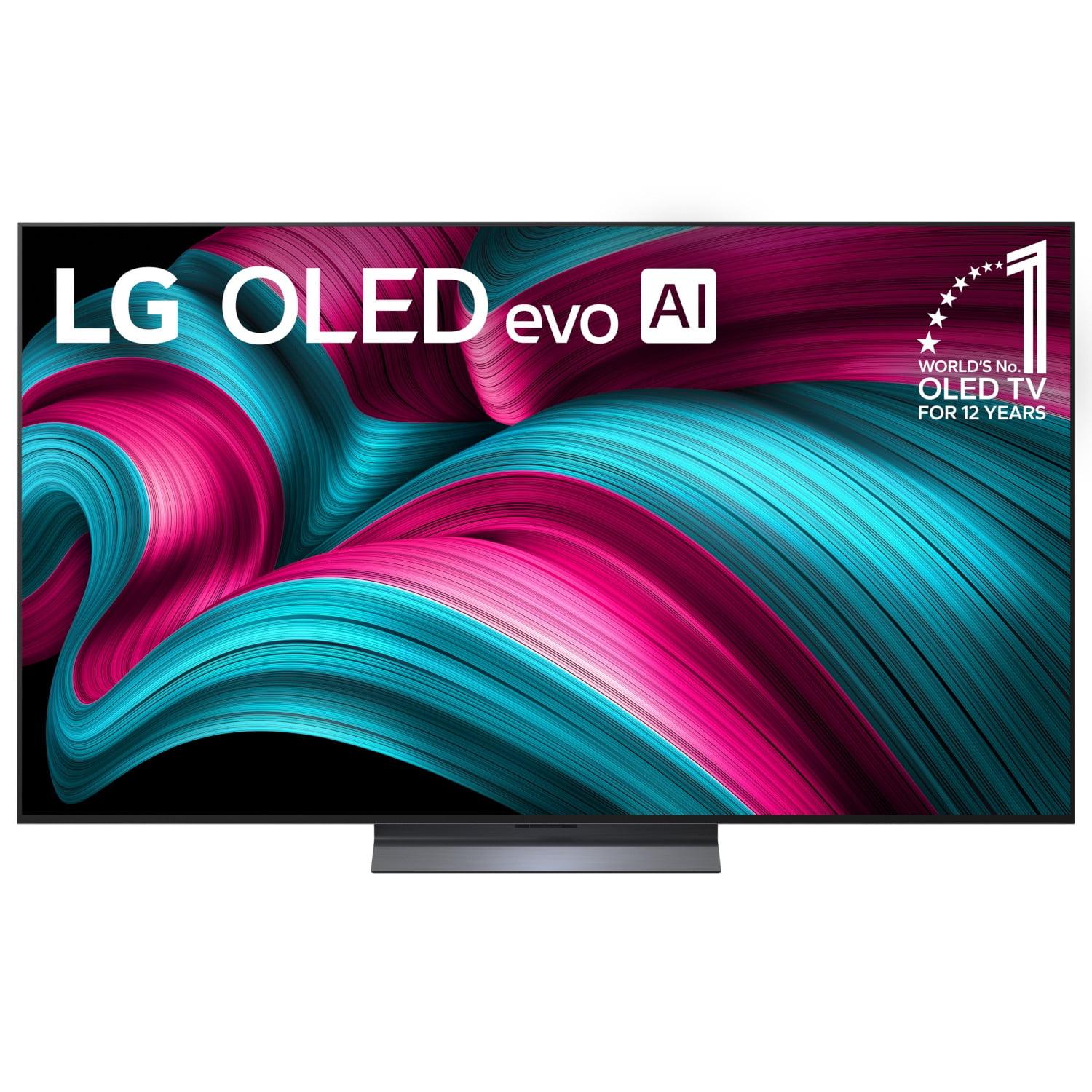
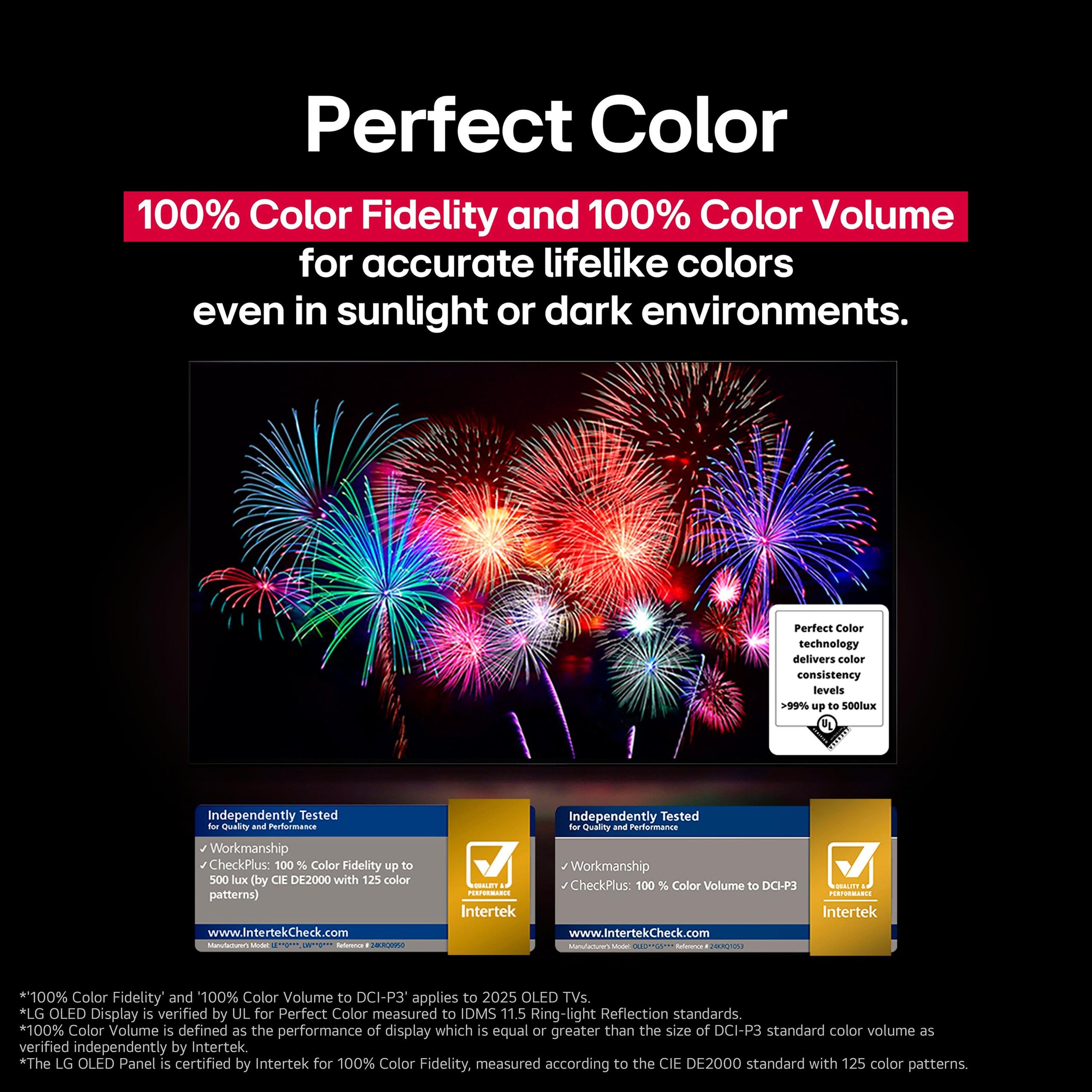
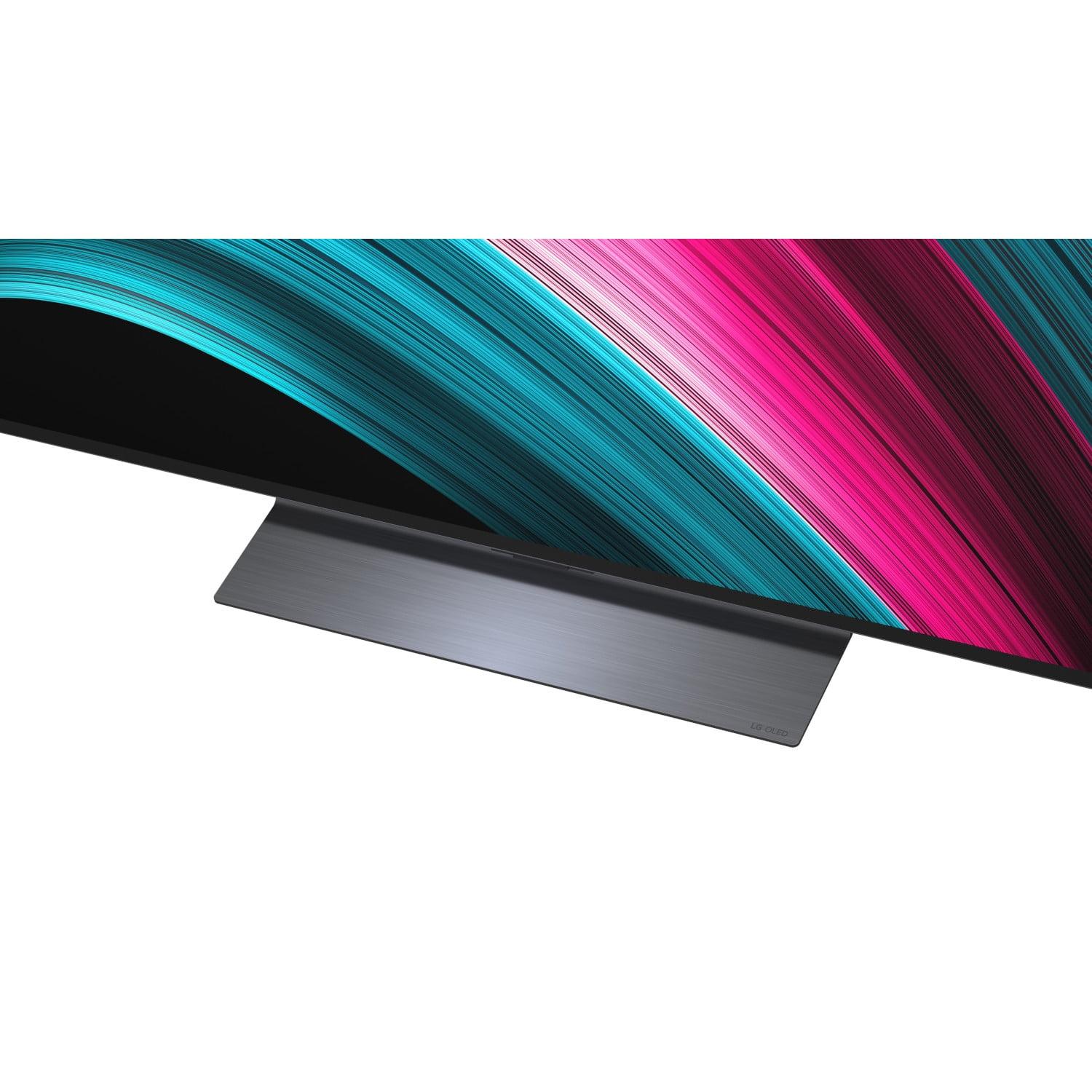
The LG OLED evo C5 represents the latest iteration of LG's OLED technology, released in March 2025 as part of their mid-range lineup. OLED stands for Organic Light-Emitting Diode, which means each pixel produces its own light instead of relying on a backlight. This fundamental difference creates perfect blacks—when a pixel needs to be black, it simply turns off completely, producing true darkness that no LED-LCD can match.
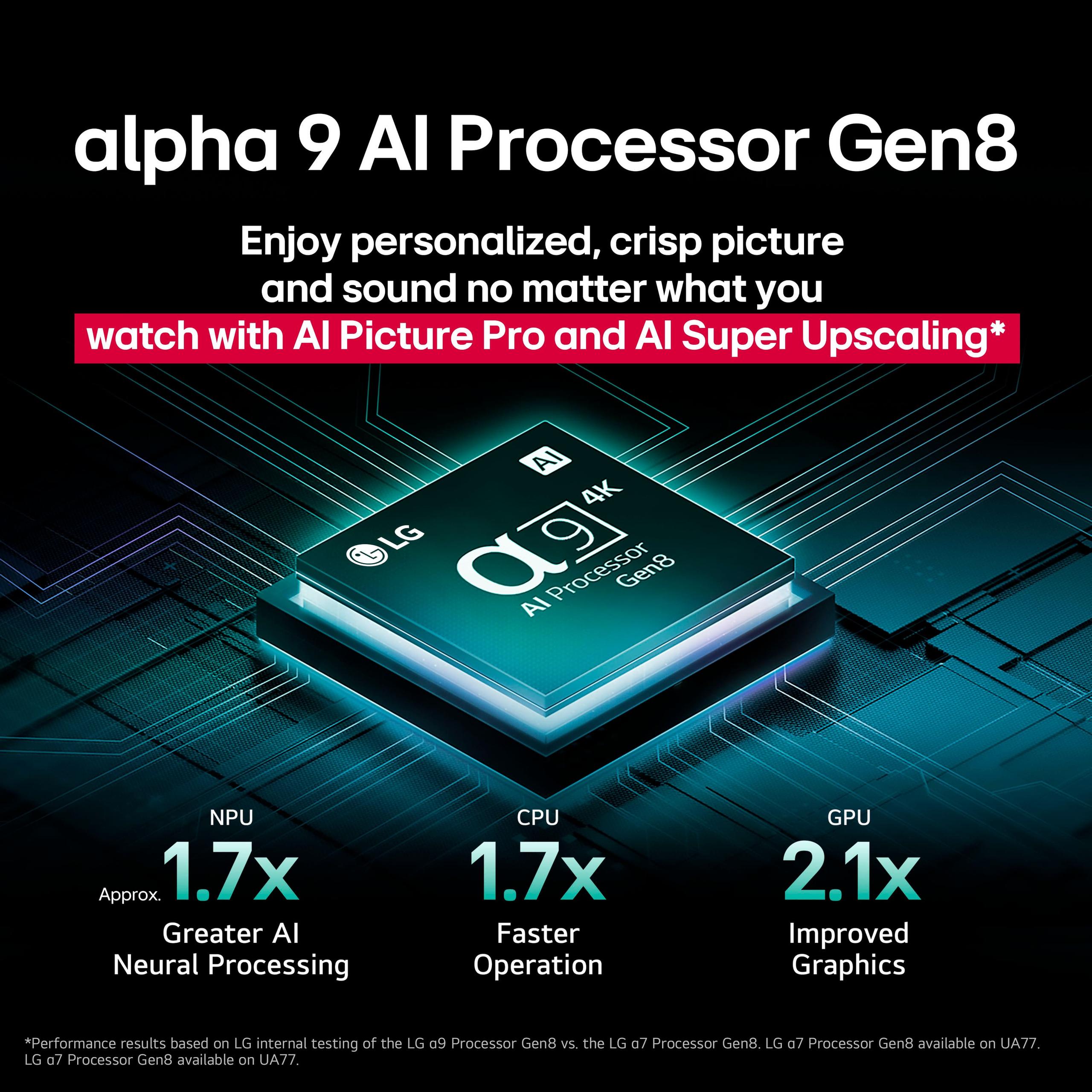
LG's "evo" designation indicates their brightest OLED panel technology, addressing one of OLED's traditional weaknesses compared to LED-LCD TVs. The C5 uses their Alpha 9 Gen8 AI processor, which continuously analyzes content and adjusts picture settings in real-time. This processor handles upscaling (making lower resolution content look better at 4K), motion processing (reducing blur in fast action), and HDR tone mapping (optimizing the brightness and contrast of high dynamic range content).
The C5's "Bright Room Ready" technology represents a significant improvement over previous generations. Traditional OLEDs struggled in bright rooms because they couldn't compete with the ambient light reflecting off the screen. The C5's enhanced brightness capabilities and improved anti-reflective coatings make it more versatile, though it still performs best in controlled lighting conditions.
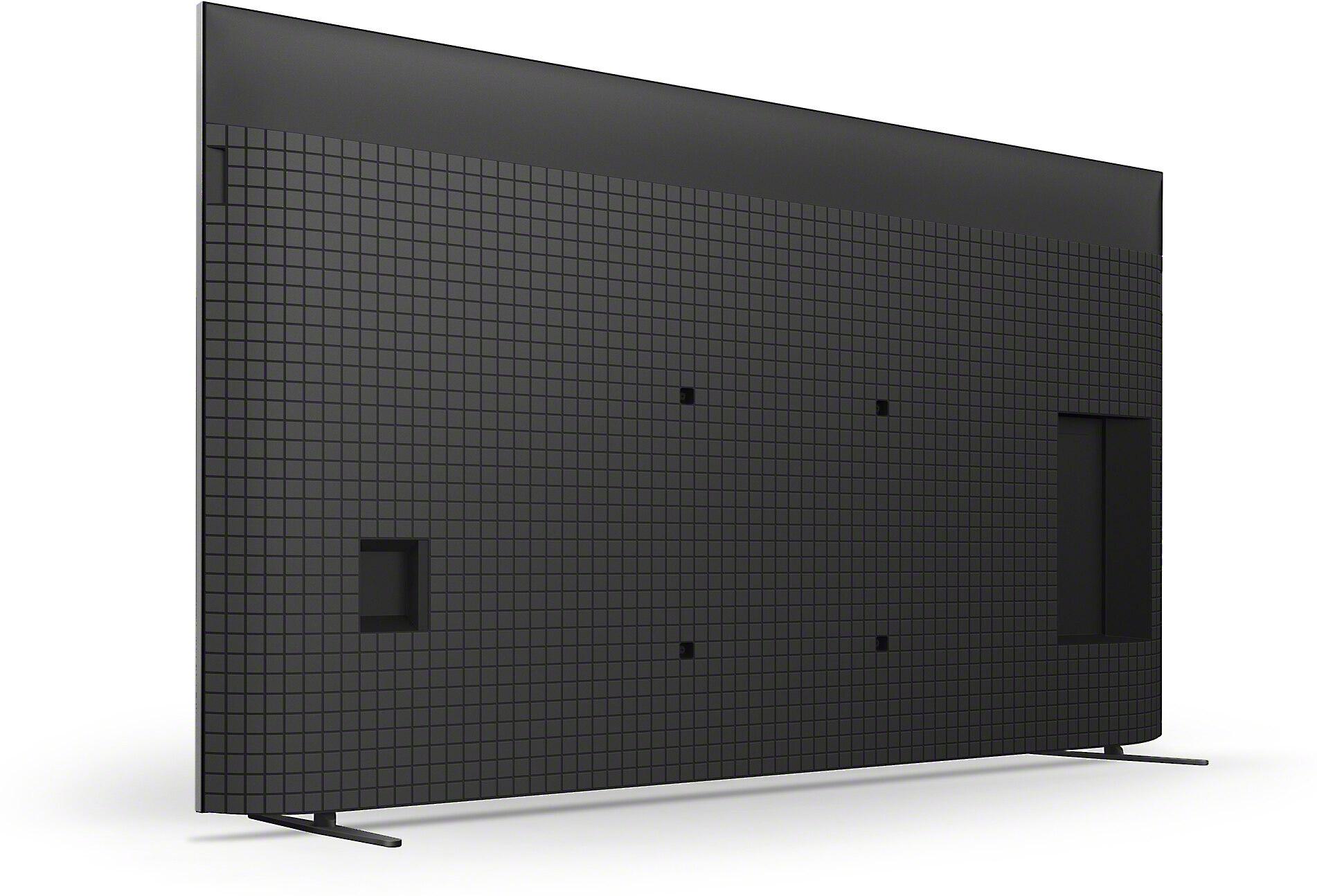
The Sony BRAVIA 7, released in 2025, takes a different approach entirely. Instead of self-lit pixels, it uses a sophisticated LED backlight system with local dimming zones. These zones can brighten or dim independently, creating contrast by making bright areas brighter and dark areas darker. While this doesn't achieve OLED's perfect blacks, it can produce significantly higher peak brightness levels.
Sony's XR processor focuses on cognitive intelligence—analyzing content the way human brains process visual information. This means prioritizing the parts of the image your eyes naturally focus on, like faces or main subjects, while optimizing the surrounding areas to support that focus. The result is often a more natural, comfortable viewing experience, especially during long viewing sessions.
The BRAVIA 7's LED technology excels in bright rooms because it can produce enough light to overcome ambient lighting and reflections. Where an OLED might appear washed out next to a sunny window, the BRAVIA 7 maintains its contrast and color saturation.
This is where the fundamental technology differences become most apparent. The LG C5's OLED panel delivers infinite contrast ratios because it can produce perfect blacks alongside bright highlights. When you're watching a movie with a night scene, the darkness appears truly black, not the dark gray you get from LED-LCD TVs. This creates a more immersive, cinematic experience that's particularly noticeable in darker viewing environments.
I've found that OLED's perfect blacks become most apparent when watching content with mixed lighting—think a scene with a bright window in a dark room, or car headlights on a dark street. The contrast is immediate and dramatic, creating depth that draws you into the scene.
The Sony BRAVIA 7 can't match this absolute black level, but its local dimming system gets surprisingly close. More importantly, it can produce much brighter highlights. Where the LG might peak at 800-1000 nits (a measure of brightness), the Sony can reach 1200-1500 nits or more. This higher brightness makes HDR content more impactful, particularly bright scenes like explosions, sunlight, or fire.
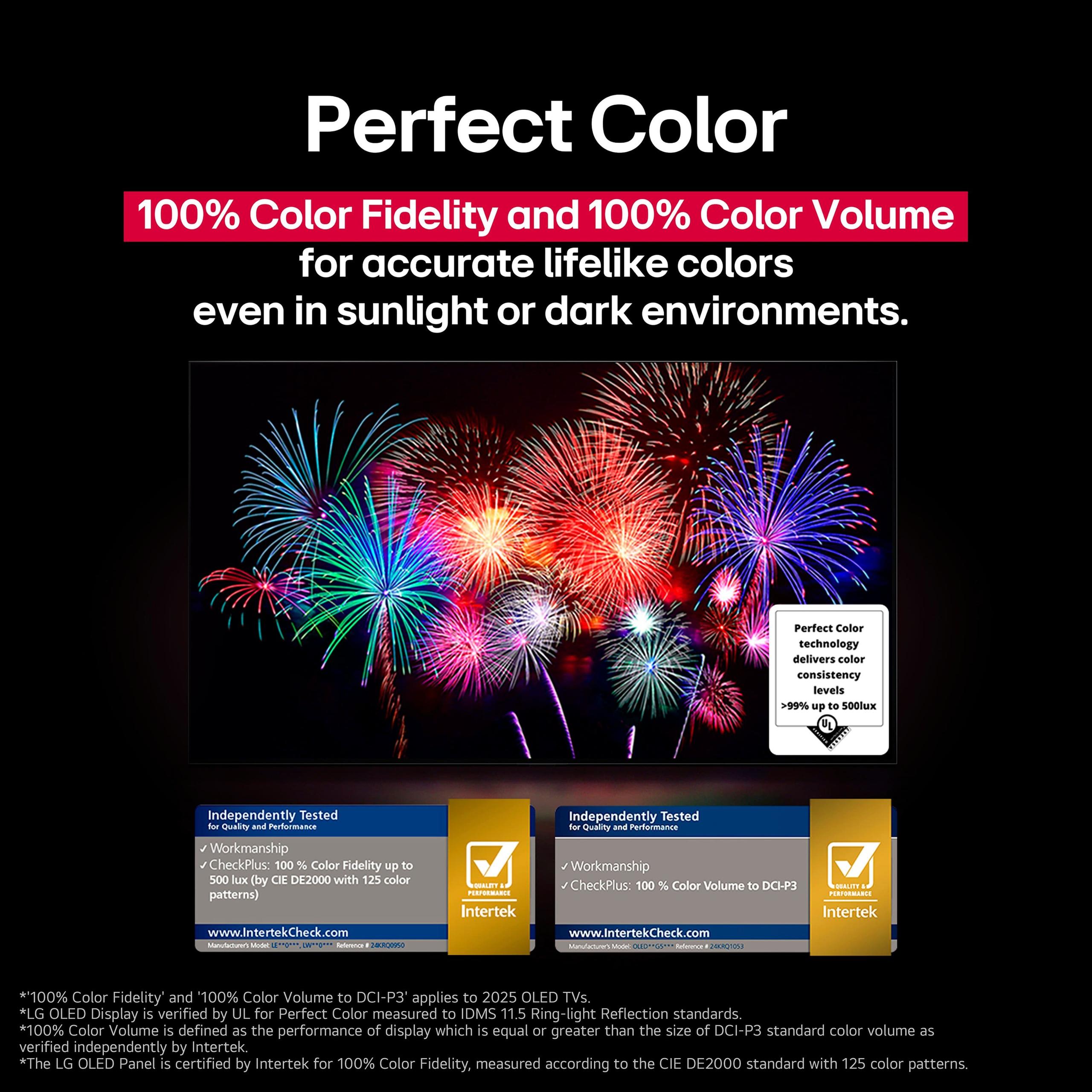
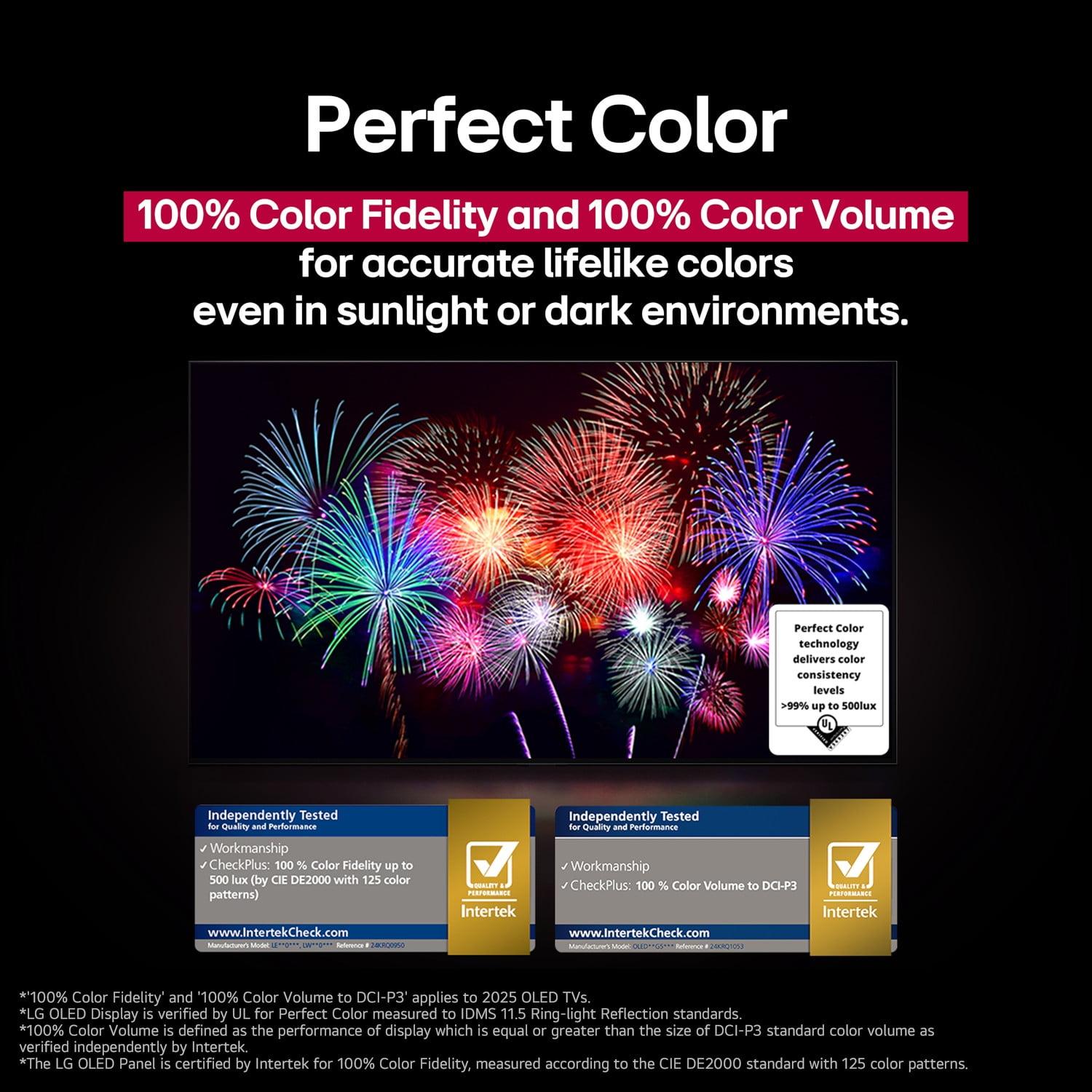
Both TVs excel in color reproduction, but in different ways. The LG C5 delivers exceptional color accuracy out of the box, often requiring minimal calibration to achieve professional-grade results. Its OLED technology naturally produces pure, saturated colors because each pixel can control its own output precisely.
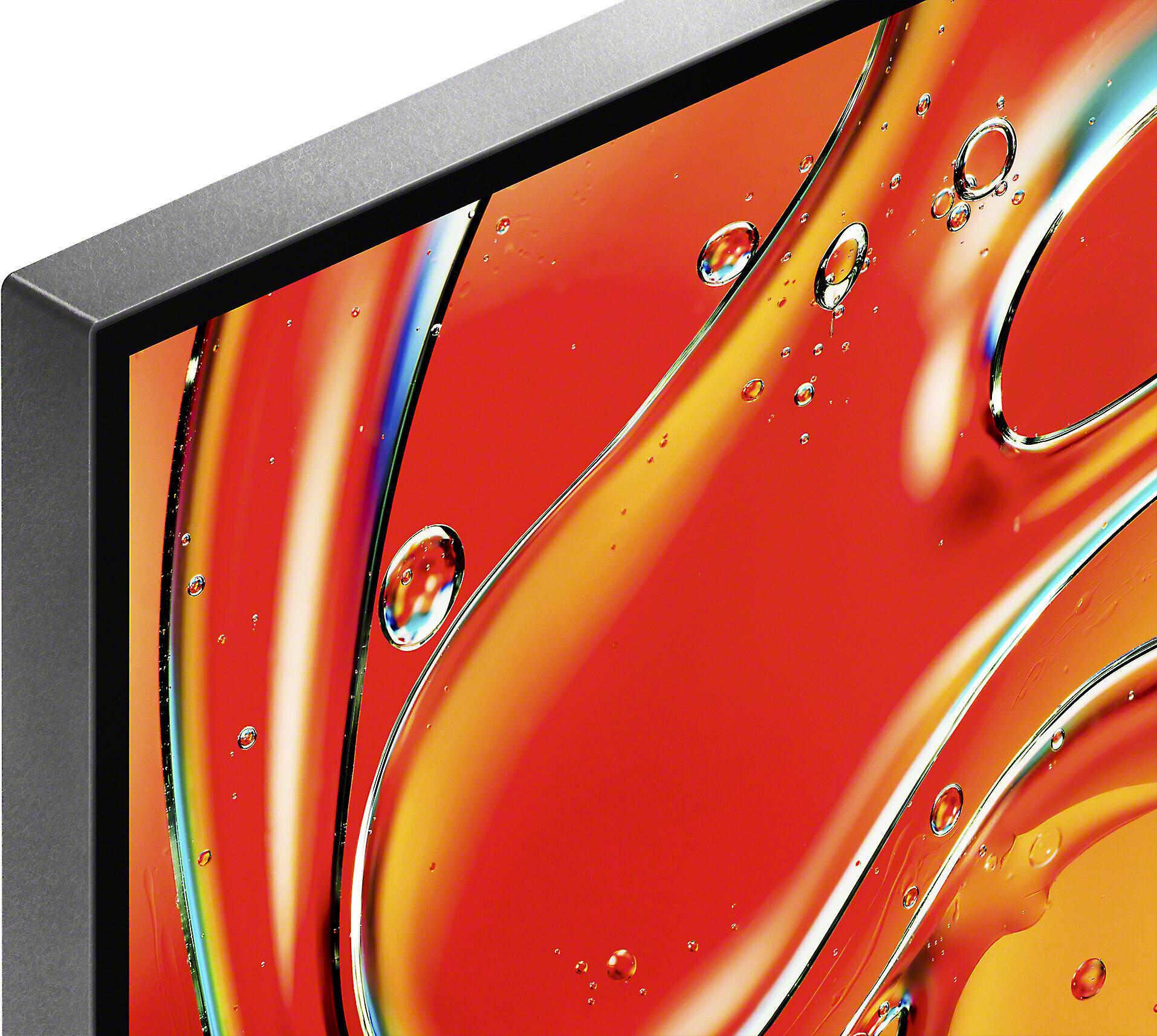
The Sony BRAVIA 7 uses quantum dot technology (though Sony doesn't heavily market this term) to expand its color gamut. While it may not match OLED's accuracy in darker scenes, it can produce more vibrant, punchy colors in bright content. For sports, nature documentaries, or animated content, this can actually create a more engaging viewing experience.
Color volume—the ability to maintain color saturation at different brightness levels—favors the Sony in bright scenes and the LG in darker ones. This means the Sony's colors remain vivid even in very bright scenes, while the LG maintains color accuracy in shadows and darker areas where the Sony might lose detail.
Gaming capabilities have become a crucial differentiator in modern TVs, and this is where the LG OLED evo C5 really pulls ahead. Its support for 4K resolution at 144Hz refresh rate is genuinely impressive—most TVs, including the Sony, cap out at 120Hz. This higher refresh rate means smoother motion in fast-paced games, reduced input lag, and better compatibility with high-end gaming PCs.
The C5 includes four HDMI 2.1 ports, all capable of full bandwidth. HDMI 2.1 is the latest standard that supports 4K at high refresh rates, Variable Refresh Rate (VRR) to eliminate screen tearing, and Auto Low Latency Mode (ALLM) that automatically switches to game mode when it detects a gaming console. Having four ports means you can connect multiple gaming systems, a PC, and a soundbar simultaneously without needing to swap cables.
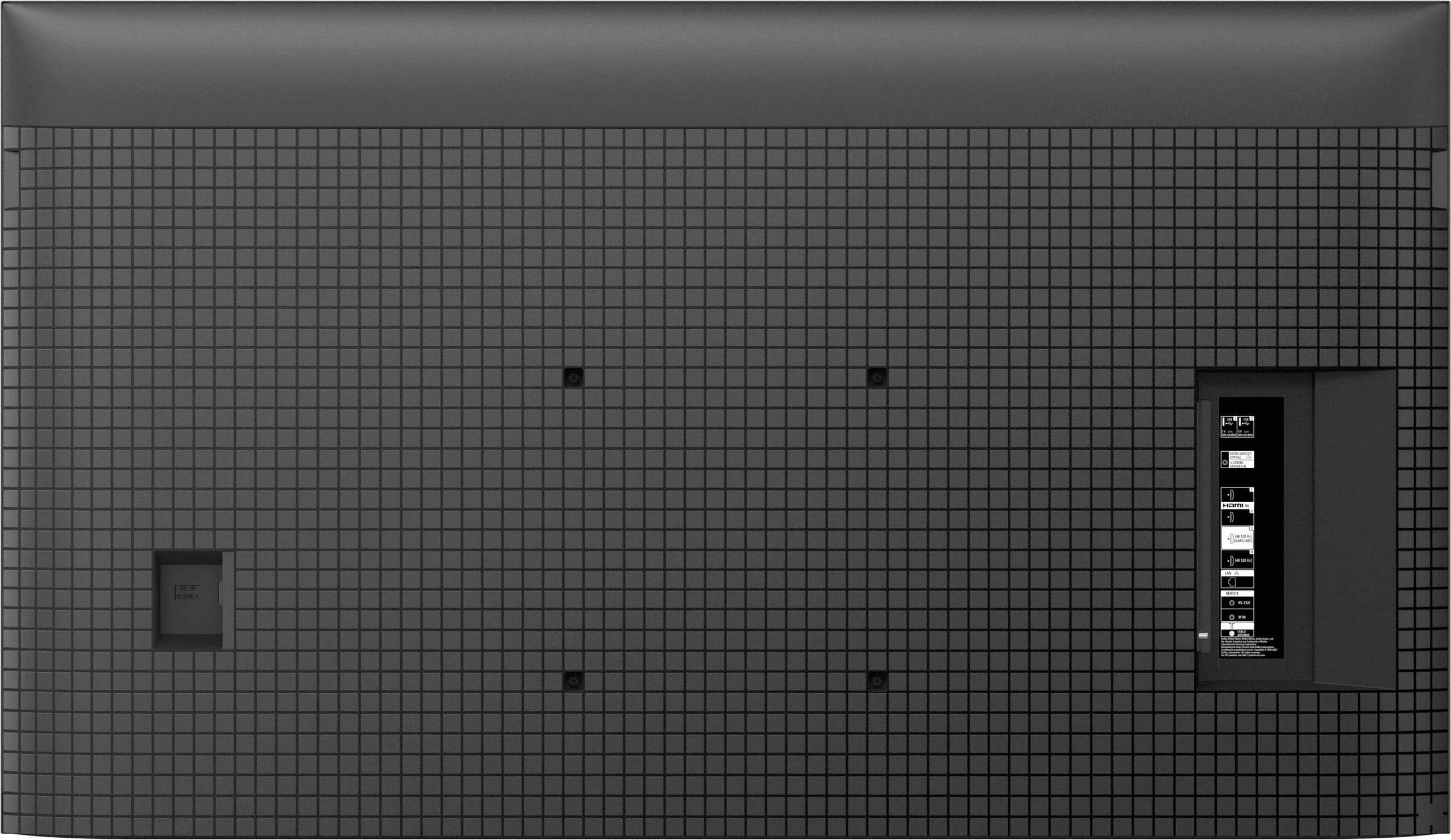
The Sony BRAVIA 7 offers solid gaming performance with 4K at 120Hz, VRR, and ALLM support, but typically only two HDMI 2.1 ports. For most users, this is perfectly adequate—you can connect a PlayStation 5 and Xbox Series X, or a gaming PC and console, without issues. The Sony also includes specific optimizations for PlayStation 5, automatically adjusting HDR settings for the best gaming experience.
Response time—how quickly the TV can change pixels—strongly favors the LG at 0.1ms compared to the Sony's typical 8-10ms. While both are fast enough for gaming, the LG's near-instantaneous response creates a more immediate, responsive feeling that competitive gamers particularly appreciate.
The smart TV experience varies significantly between these models, and your preference might depend on your existing ecosystem. The LG C5 runs webOS 25, LG's latest interface that emphasizes AI-driven personalization. The system learns your viewing habits and suggests content across different streaming services, creating a unified experience that feels tailored to your preferences.
WebOS 25 includes LG's Magic Remote, which functions like a computer mouse—you can point and click on interface elements rather than navigating with traditional directional buttons. This makes browsing and text input much faster and more intuitive. The interface feels responsive and modern, with quick access to popular apps and seamless switching between inputs.
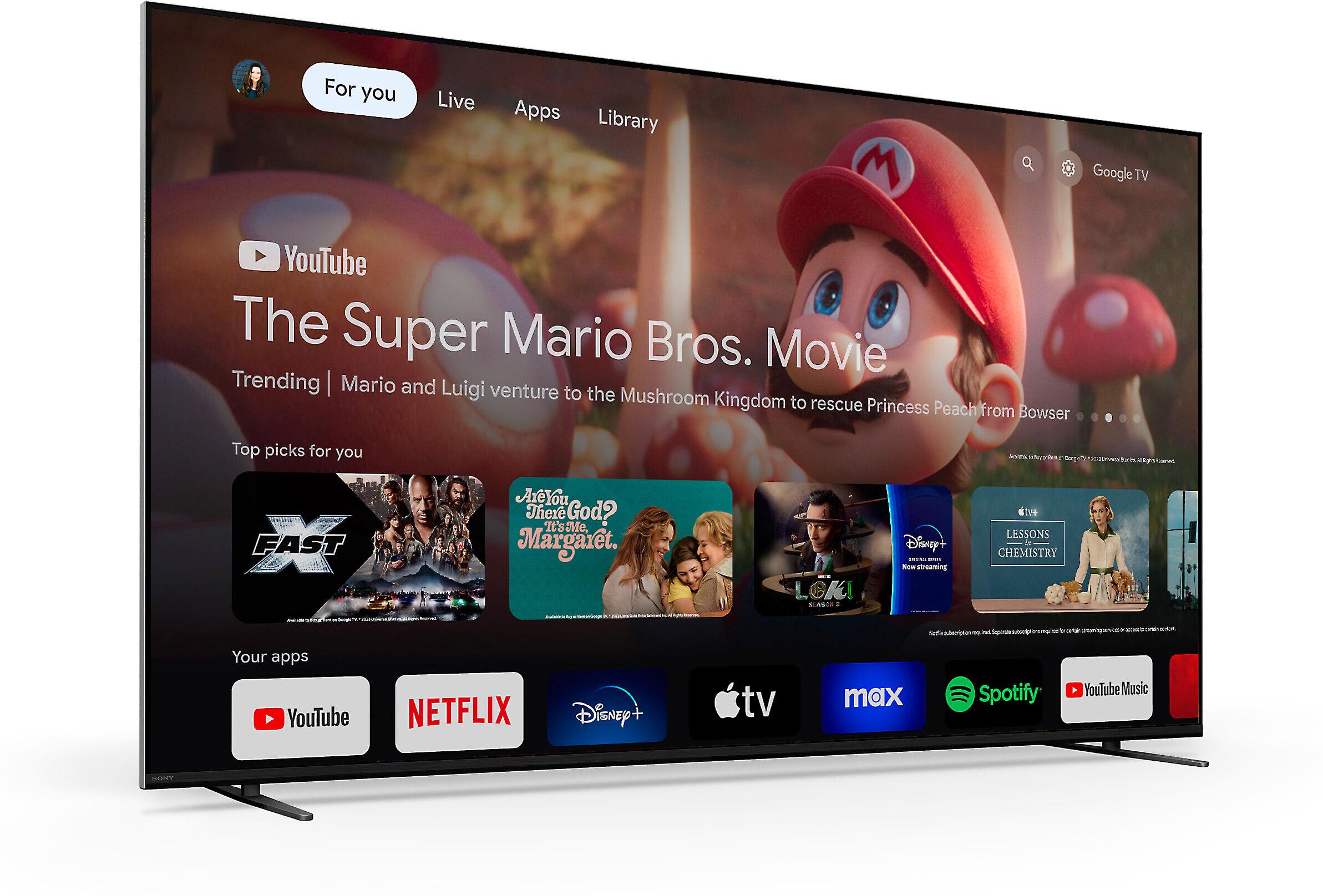
The Sony BRAVIA 7 uses Google TV, which is Google's latest evolution of Android TV. This platform excels at content aggregation—it shows you available movies and shows across all your subscribed services in one interface, rather than forcing you to open individual apps. Google Assistant integration is particularly strong, allowing natural voice commands for search, smart home control, and general questions.
Google TV's strength lies in its ecosystem integration. If you use Google services, have a Google Home setup, or prefer Chromecast for streaming from your phone, the Sony provides a more cohesive experience. The platform also supports a broader range of apps, including some niche streaming services that might not be available on webOS.
Audio quality represents one of the clearest advantages for the Sony BRAVIA 7. Sony has traditionally excelled at built-in TV audio, and the BRAVIA 7 continues this tradition with support for Dolby Atmos, DTS:X, and room calibration technology that adjusts sound based on your seating position and room acoustics.
The Sony's speakers are positioned to create a more immersive soundstage, with better bass response and clearer dialogue than most TVs in this price range. While it's not a replacement for a dedicated sound system, it's substantially better than what you'd get from most TVs, including the LG.
The LG C5 includes Dolby Atmos support and AI Sound Pro processing, but its audio performance is more typical for the category—adequate for casual viewing but likely to leave you wanting more for movies or music. Additionally, LG removed DTS audio passthrough from their 2025 models, which could be problematic if you have a sound system that relies on DTS formats.
For home theater use, this difference matters significantly. The Sony might eliminate the immediate need for external speakers, while the LG almost certainly requires a soundbar or surround sound system for optimal audio performance.
The $874 price difference between these TVs represents more than just a number—it reflects different value philosophies. The LG OLED evo C5 at $2,197 delivers premium picture quality and gaming features that justify its higher cost for users who prioritize these aspects. If you're building a home theater, are a serious gamer, or simply want the best possible picture quality, the additional cost buys you capabilities that LED-LCD technology simply cannot match.
The Sony BRAVIA 7 at $1,323 represents exceptional value for users who want good performance across all categories without paying premium prices. It's bright enough for any room, includes solid gaming features, offers better built-in audio, and provides a excellent smart TV experience. For many households, it delivers everything needed for a satisfying viewing experience.
Your viewing environment significantly impacts which TV makes more sense. In a dedicated home theater with controlled lighting, the LG's OLED advantages shine brightest. The perfect blacks create an immersive experience that draws you into movies and shows, while the improved brightness handles HDR content beautifully.
However, in a bright living room with large windows, the Sony's higher brightness and better reflection handling might provide a more practical viewing experience. I've observed that OLEDs can appear washed out in bright ambient light, while quality LED-LCD TVs maintain their contrast and color saturation.
Choose the LG OLED evo C5 if picture quality is your top priority and you have the budget for premium features. It's ideal for movie enthusiasts who appreciate cinematic blacks and contrast, serious gamers who want cutting-edge features, and anyone setting up a dedicated home theater space. The improved brightness makes it more versatile than previous OLEDs, though it still performs best in controlled lighting.
Choose the Sony BRAVIA 7 if you want excellent overall performance at a more accessible price point. It's perfect for bright rooms, offers better built-in audio, and provides solid gaming capabilities for most users. The $874 savings could fund a quality soundbar or other home theater accessories.
Both TVs represent smart choices in their respective categories. The LG pushes the boundaries of picture quality and gaming performance, while the Sony delivers well-rounded excellence at a compelling price. Your decision should ultimately reflect your specific needs, room setup, and budget priorities rather than abstract notions of which is "better."
| LG OLED evo C5 65" 4K TV 2025 | Sony BRAVIA 7 65" 4K UHD Smart Google TV |
|---|---|
| Price - Significant cost difference affects overall value | |
| $2,197 | $1,323 |
| Display Technology - Core difference affecting picture quality and room compatibility | |
| OLED evo (self-lit pixels for perfect blacks) | LED-LCD with local dimming (brighter but no perfect blacks) |
| Peak Brightness - Critical for HDR performance and bright room viewing | |
| 800-1000 nits (excellent for OLED, struggles in very bright rooms) | 1200-1500+ nits (superior for bright rooms and HDR highlights) |
| Gaming Refresh Rate - Higher rates provide smoother motion for competitive gaming | |
| 4K at 144Hz (industry-leading for TVs) | 4K at 120Hz (excellent for console gaming) |
| HDMI 2.1 Ports - More ports mean less cable swapping for multiple devices | |
| 4 ports (all full bandwidth) | 2 ports (typical for mid-range) |
| Response Time - Lower is better for gaming, especially competitive play | |
| 0.1ms (virtually instant) | 8-10ms (good for gaming) |
| Smart Platform - Affects daily usability and long-term satisfaction | |
| webOS 25 with AI features and Magic Remote | Google TV with superior content aggregation |
| Built-in Audio Quality - Determines if you need external speakers immediately | |
| Average (soundbar recommended) | Above average with room calibration |
| Audio Format Support - Important for home theater setups | |
| Dolby Atmos only (no DTS passthrough) | Dolby Atmos, DTS:X, and full format support |
| Viewing Angles - Matters for seating arrangements and room layouts | |
| Excellent (OLED strength) | Good but not as wide as OLED |
| Black Level Performance - Most noticeable difference in dark scenes | |
| Perfect blacks (pixels turn completely off) | Very good but not true black |
| Best Use Case - Where each TV excels most | |
| Home theaters, gaming, controlled lighting | Bright rooms, families, budget-conscious buyers |
The Sony BRAVIA 7 at $1,323 offers better overall value for most buyers, delivering solid performance across all categories at a competitive price. The LG OLED evo C5 at $2,197 costs $874 more but provides superior picture quality and gaming features that justify the premium for enthusiasts and serious gamers.
The LG OLED evo C5 uses self-lit pixels that can turn completely off to create perfect blacks and infinite contrast. The Sony BRAVIA 7 uses LED backlighting with local dimming zones, which can't achieve true blacks but produces much higher peak brightness for better performance in bright rooms.
The LG OLED evo C5 is superior for gaming with 4K at 144Hz support, four HDMI 2.1 ports, and 0.1ms response time. The Sony BRAVIA 7 offers good gaming performance with 4K at 120Hz and two HDMI 2.1 ports, which is adequate for most console gamers but not as advanced as the LG.
The Sony BRAVIA 7 performs significantly better in bright rooms due to its higher peak brightness (1200-1500+ nits) and better anti-glare properties. The LG OLED evo C5 has improved brightness over previous OLEDs but still works best in controlled lighting environments.
The Sony BRAVIA 7 has notably better built-in audio with Dolby Atmos, DTS:X support, and room calibration, potentially eliminating the immediate need for external speakers. The LG OLED evo C5 has average built-in audio and lacks DTS passthrough, making a soundbar or surround system more necessary.
Both offer excellent smart platforms with different strengths. The LG OLED evo C5 runs webOS 25 with AI personalization and the intuitive Magic Remote. The Sony BRAVIA 7 uses Google TV with superior content aggregation and deeper Google ecosystem integration.
The LG OLED evo C5 is exceptional for home theaters with its perfect blacks, infinite contrast, and cinematic picture quality in controlled lighting. The Sony BRAVIA 7 works well for home theaters but can't match OLED's contrast performance, though it offers better built-in audio.
The LG OLED evo C5 delivers superior overall picture quality with perfect blacks, infinite contrast, and excellent color accuracy. The Sony BRAVIA 7 offers good picture quality with brighter highlights and better performance in ambient light, but can't match OLED's contrast capabilities.
The LG OLED evo C5 includes LG's Re:New program promising 5 years of software updates and feature refreshes. The Sony BRAVIA 7 typically receives 3-4 years of Android/Google TV updates, with Sony's solid track record for long-term support.
The LG OLED evo C5 is superior for movie watching due to its perfect blacks, infinite contrast, and support for all major HDR formats including Dolby Vision. The cinematic experience is particularly impressive in darker viewing environments where OLED technology excels.
Yes, both handle 4K HDR excellently but differently. The LG OLED evo C5 excels with perfect blacks and accurate colors in HDR content. The Sony BRAVIA 7 delivers brighter HDR highlights and better performance in ambient light, with support for HDR10, Dolby Vision, and HLG.
The Sony BRAVIA 7 at $1,323 is the clear budget choice, offering excellent performance for $874 less than the LG OLED evo C5. The Sony delivers solid picture quality, good gaming features, and better built-in audio, making it ideal for buyers who want premium features without premium pricing.
We've done our best to create useful and informative comparisons to help you decide what product to buy. Our research uses advanced automated methods to create this comparison and perfection is not possible - please contact us for corrections or questions. These are the sites we've researched in the creation of this article: bestbuy.com - rtings.com - youtube.com - businessinsider.com - youtube.com - bestbuy.com - lg.com - files.bbystatic.com - lg.com - flatpanelshd.com - lg.com - blvdhome.com - bhphotovideo.com - flanners.com - videopro.com.au - bestbuy.com - bestbuy.com - avsforum.com - avsforum.com - crutchfield.com - sony.com - rtings.com - schaeferstv.com - youtube.com - displayspecifications.com

Privacy Policy
Terms and Conditions - Affiliate Policy
Home Security
© Copyright 2008-2026.
11816 Inwood Rd #1211, Dallas, TX 75244