

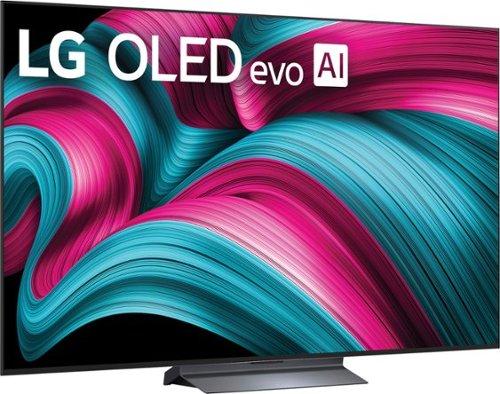
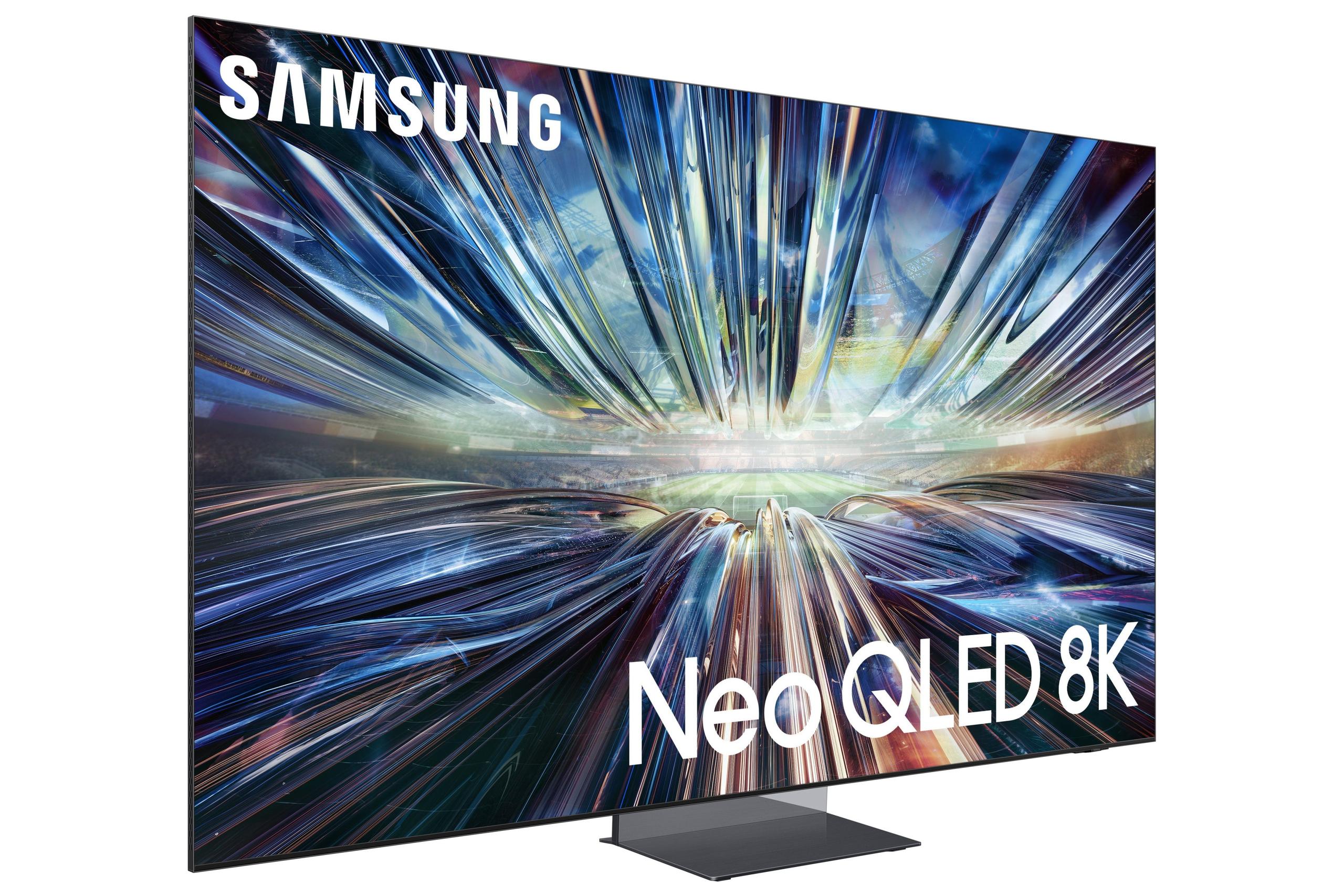
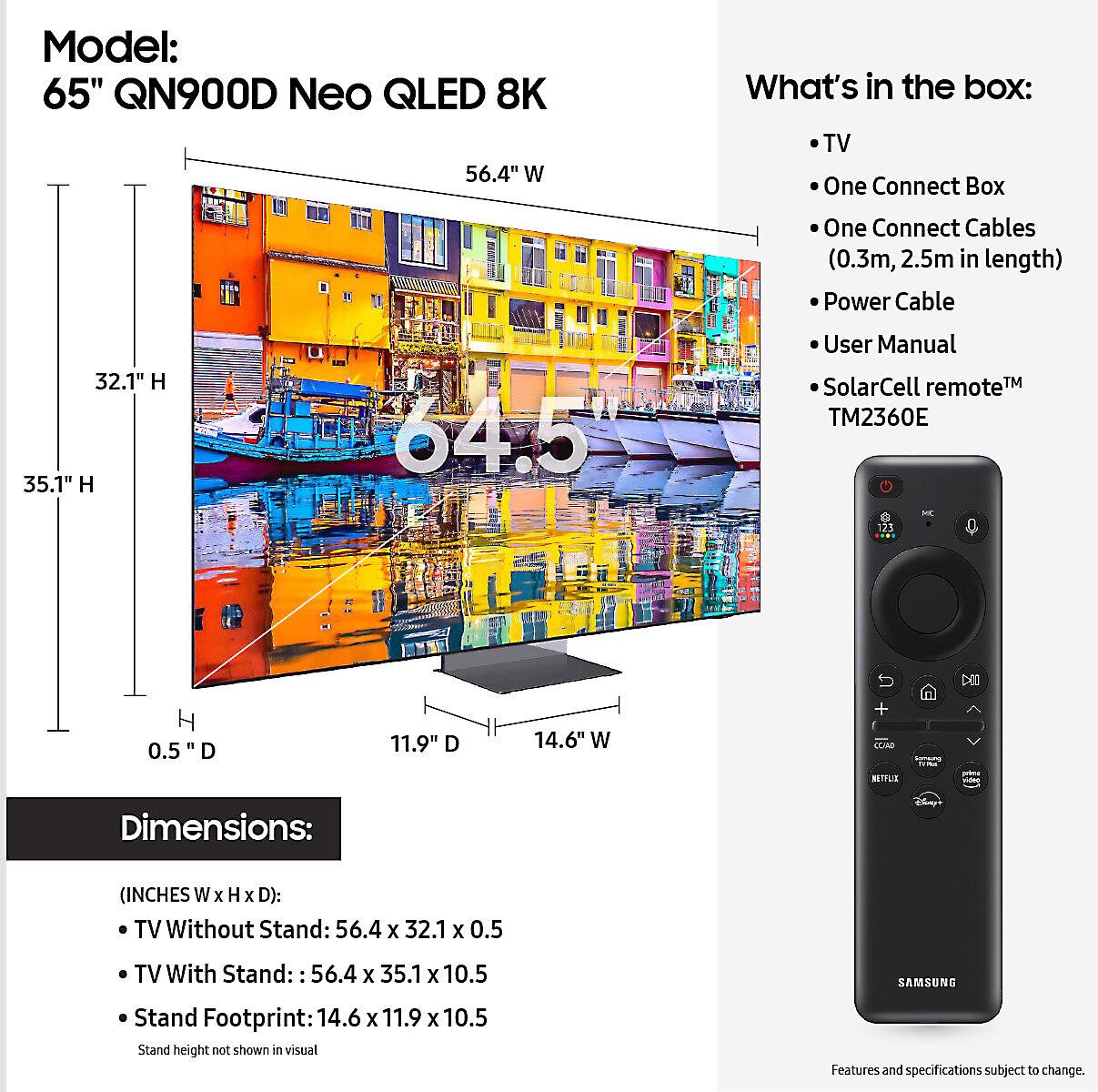
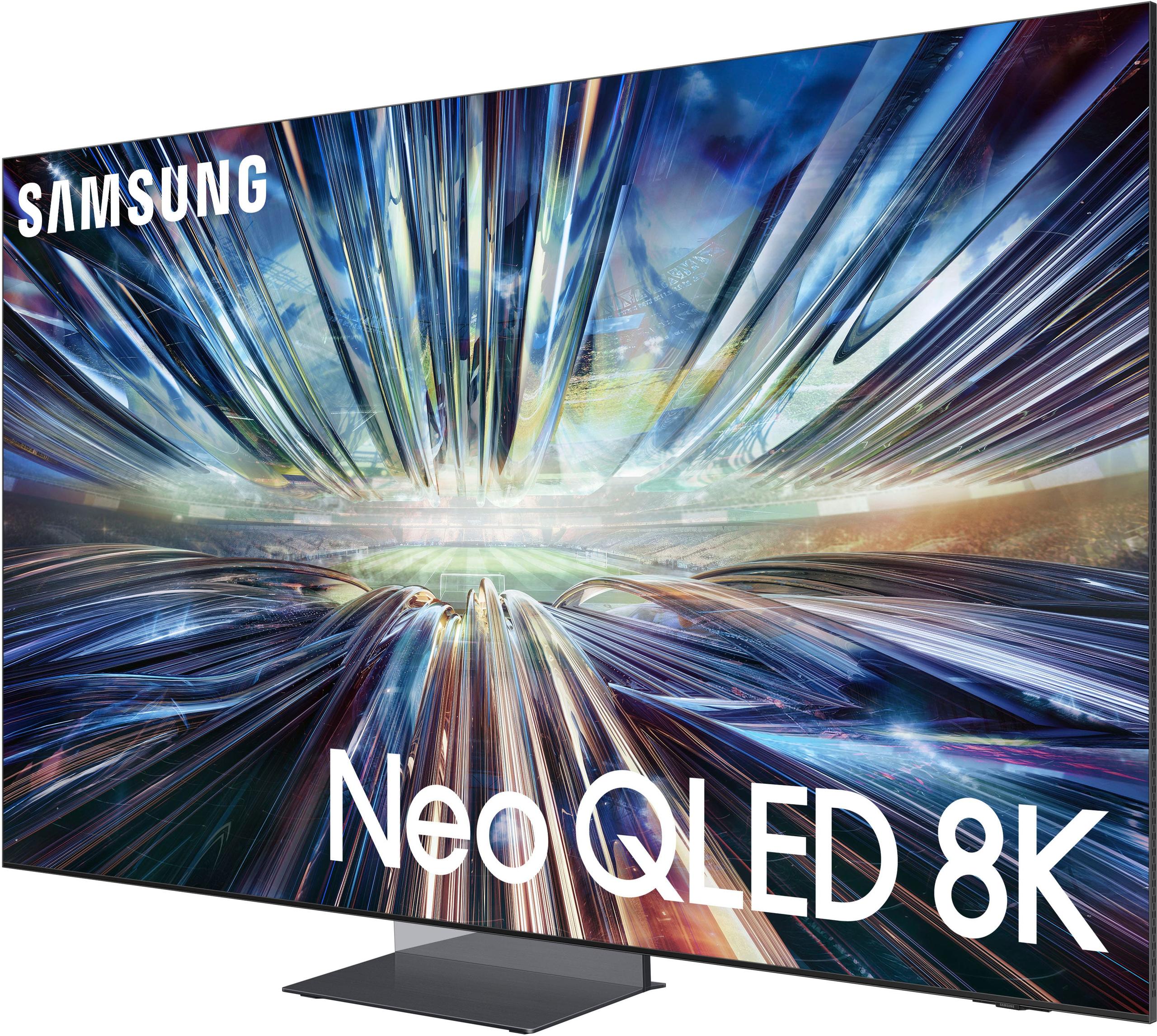
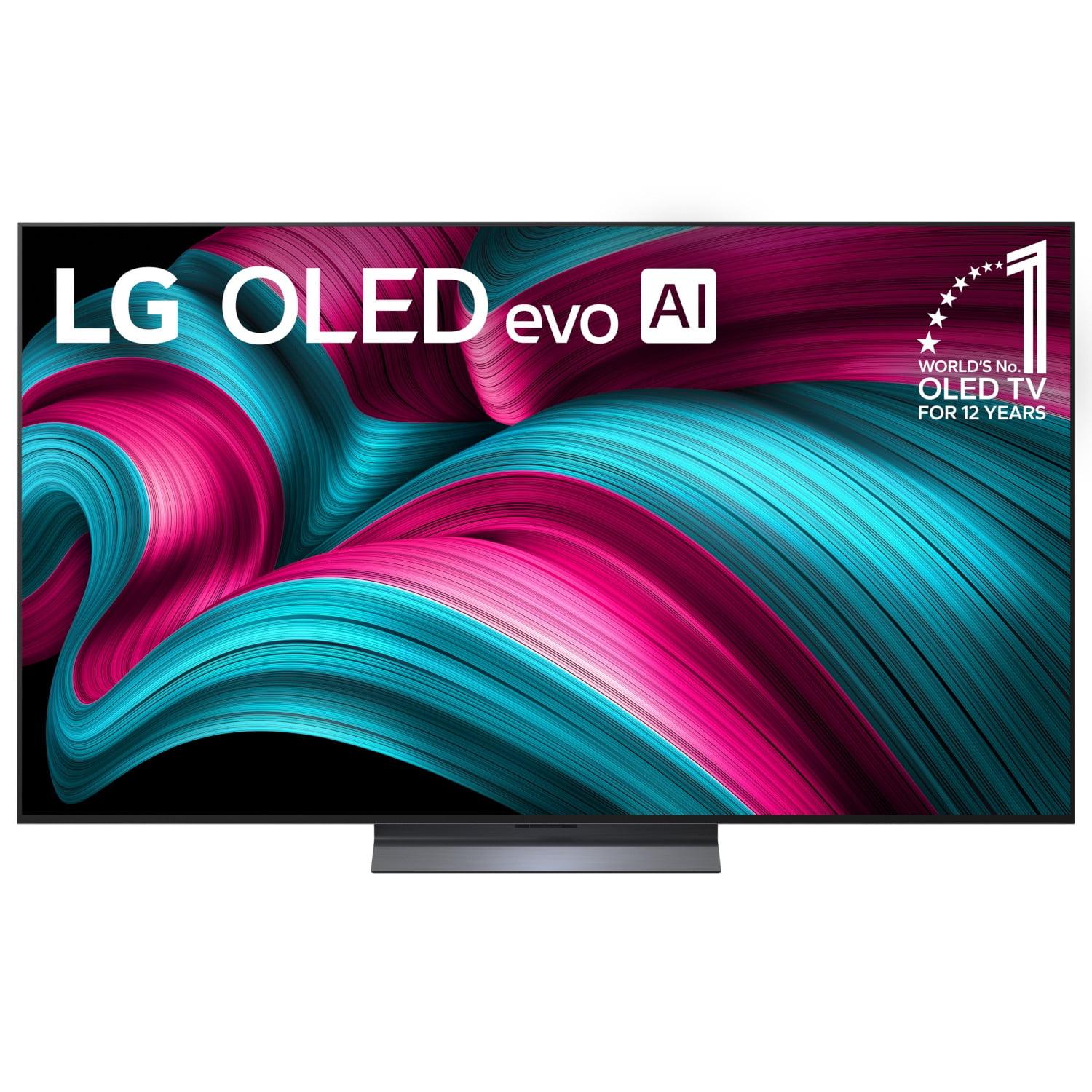
Shopping for a premium 65-inch TV can feel overwhelming, especially when you're looking at two completely different display technologies. The LG OLED evo C5 65" 4K TV ($2,197) and Samsung QN900D Series 65" Neo QLED 8K Smart TV ($2,897) represent two distinct approaches to creating an exceptional viewing experience. One focuses on perfect contrast and cinematic accuracy, while the other emphasizes extreme brightness and cutting-edge resolution. Let me walk you through everything you need to know to make the right choice for your home.
Premium televisions have evolved dramatically over the past few years, with manufacturers pushing the boundaries of what's possible in display technology. We're now seeing TVs that can produce perfect blacks, extreme brightness levels, and colors that seem to jump off the screen. The key battleground today is between OLED technology (where each pixel creates its own light) and advanced LCD/QLED technology (where a backlight illuminates the screen through various layers).
The fundamental considerations when choosing a premium TV include picture quality in your specific room environment, gaming capabilities, smart features, and of course, value for money. With prices ranging from $2,000 to $4,000+ for premium 65-inch models, these TVs represent a significant investment that you'll likely live with for 5-7 years.
The LG OLED evo C5 launched in July 2025 as LG's latest mid-range OLED offering, building on years of OLED refinement. LG has been perfecting OLED technology since they first introduced consumer OLED TVs in 2013, and the C5 represents their most advanced midrange model yet. The "evo" designation indicates this uses their third-generation OLED panel technology, which delivers brighter images than previous OLED generations while maintaining those perfect blacks that made OLED famous.
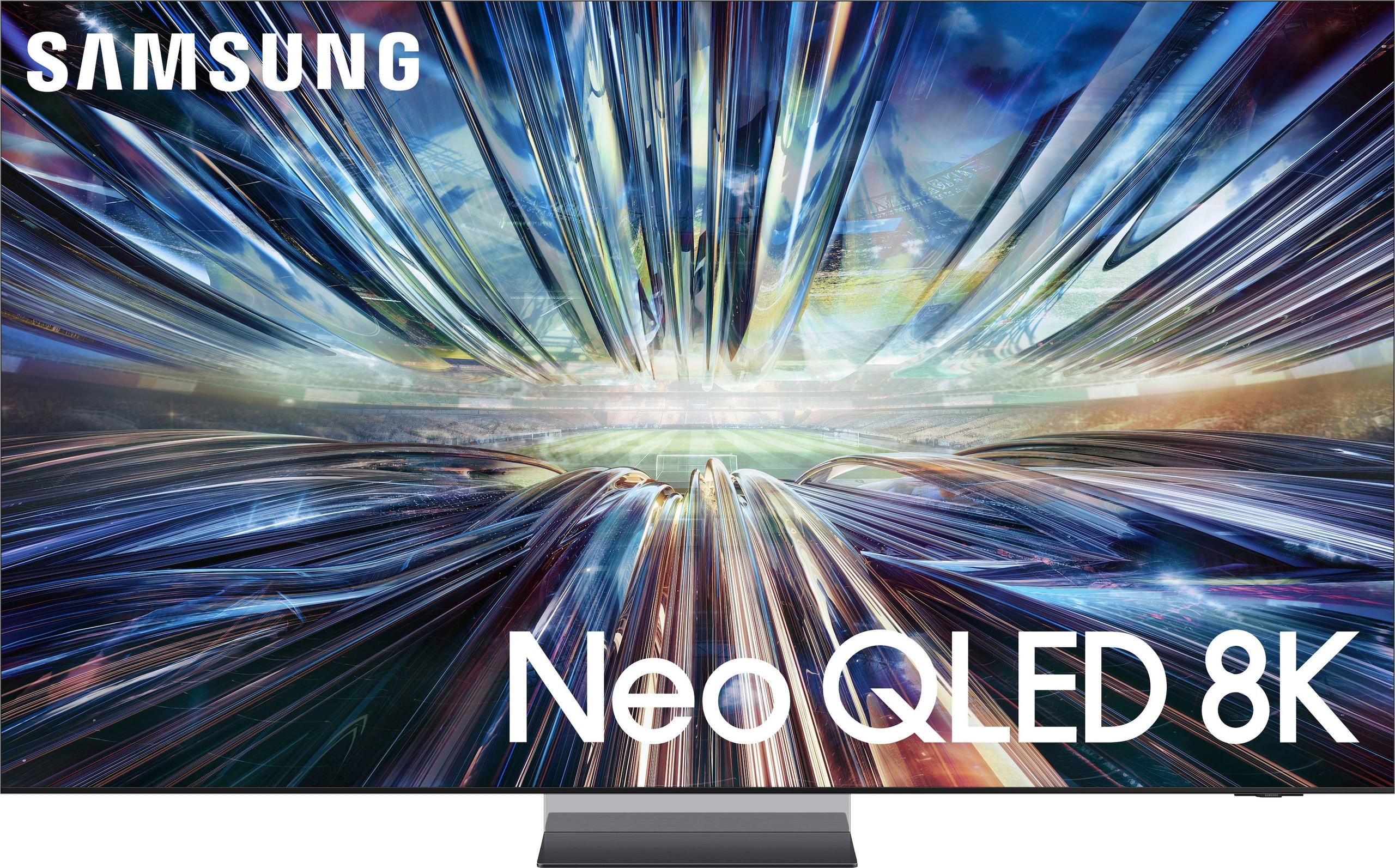
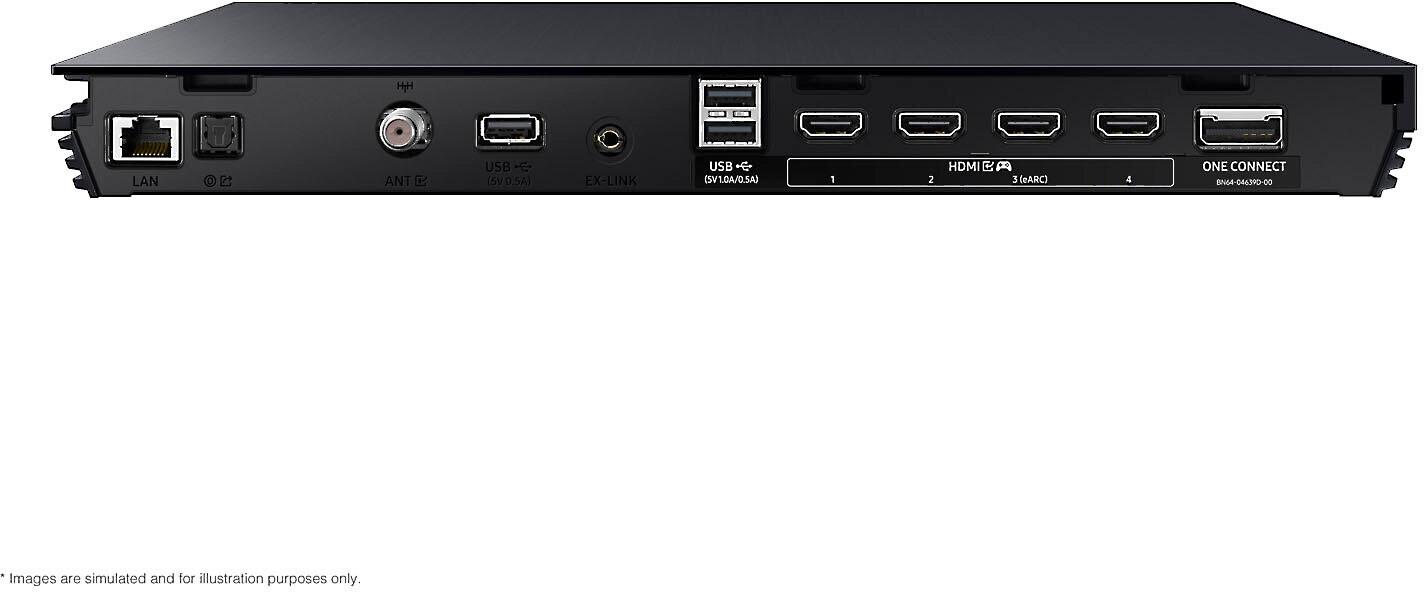
The Samsung QN900D arrived in early 2025 as Samsung's flagship 8K offering, representing their continued push into ultra-high resolution displays. Samsung has been developing their Neo QLED technology since 2021, which combines traditional QLED benefits with Mini-LED backlighting for improved contrast and brightness control. The QN900D showcases Samsung's belief that 8K resolution, paired with advanced AI upscaling, represents the future of premium television.
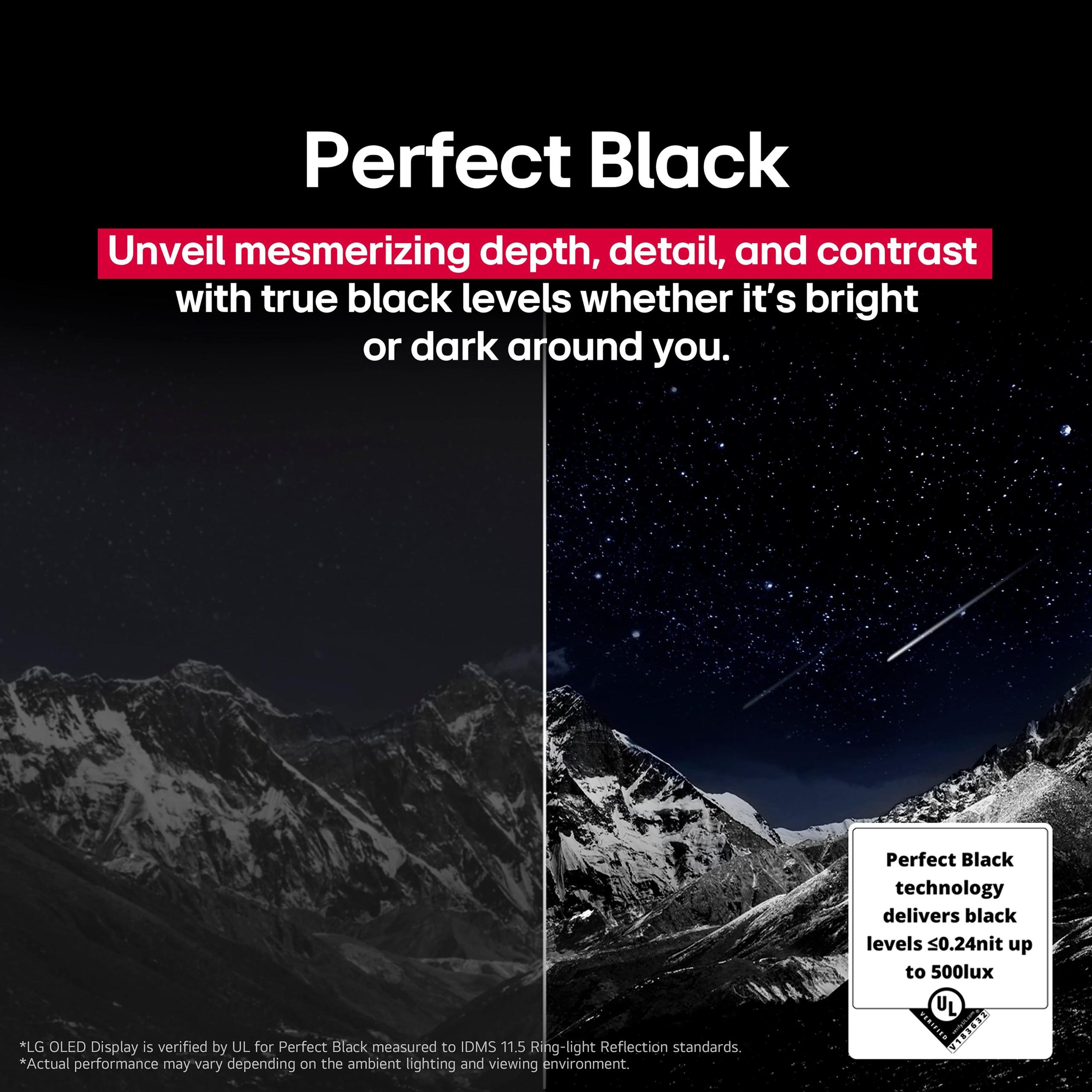
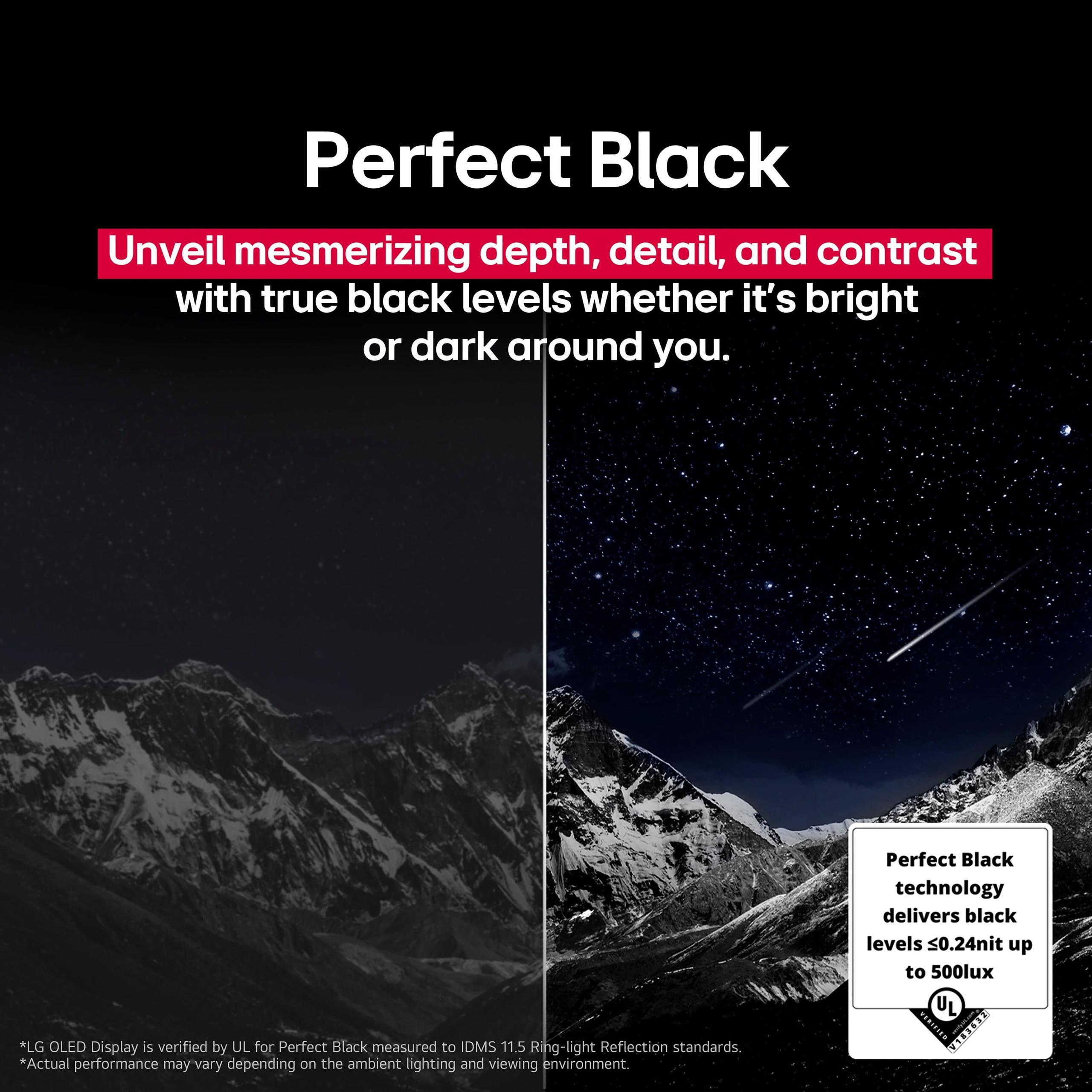
Here's where these two TVs take completely different approaches, and it's probably the most important difference for most viewers. The LG OLED C5 uses what's called a WOLED (White OLED) panel, where each of the 8.3 million pixels can turn completely off. When I say "completely off," I mean it produces absolute zero light – creating what we call "perfect blacks." This isn't marketing speak; it's a fundamental advantage that no backlit display can match.
Imagine watching a movie scene in space. With the OLED, the black space around stars and spaceships is truly black, making bright objects appear to float in an infinite void. This creates an almost three-dimensional effect that's particularly striking in dark room viewing.
The Samsung QN900D takes a different approach with its Neo QLED technology. It uses thousands of tiny Mini-LED backlights arranged in precise zones behind the screen. These zones can dim or brighten independently, creating what's called "local dimming." While this can't achieve the absolute blacks of OLED, it can get impressively close while delivering significantly higher peak brightness levels.
In practical terms, the Samsung can produce blacks that appear very deep to most viewers, especially in bright rooms where the ambient light makes perfect blacks less noticeable anyway. However, you might occasionally notice "blooming" – a subtle halo effect around bright objects on dark backgrounds – which is the trade-off for that extreme brightness capability.
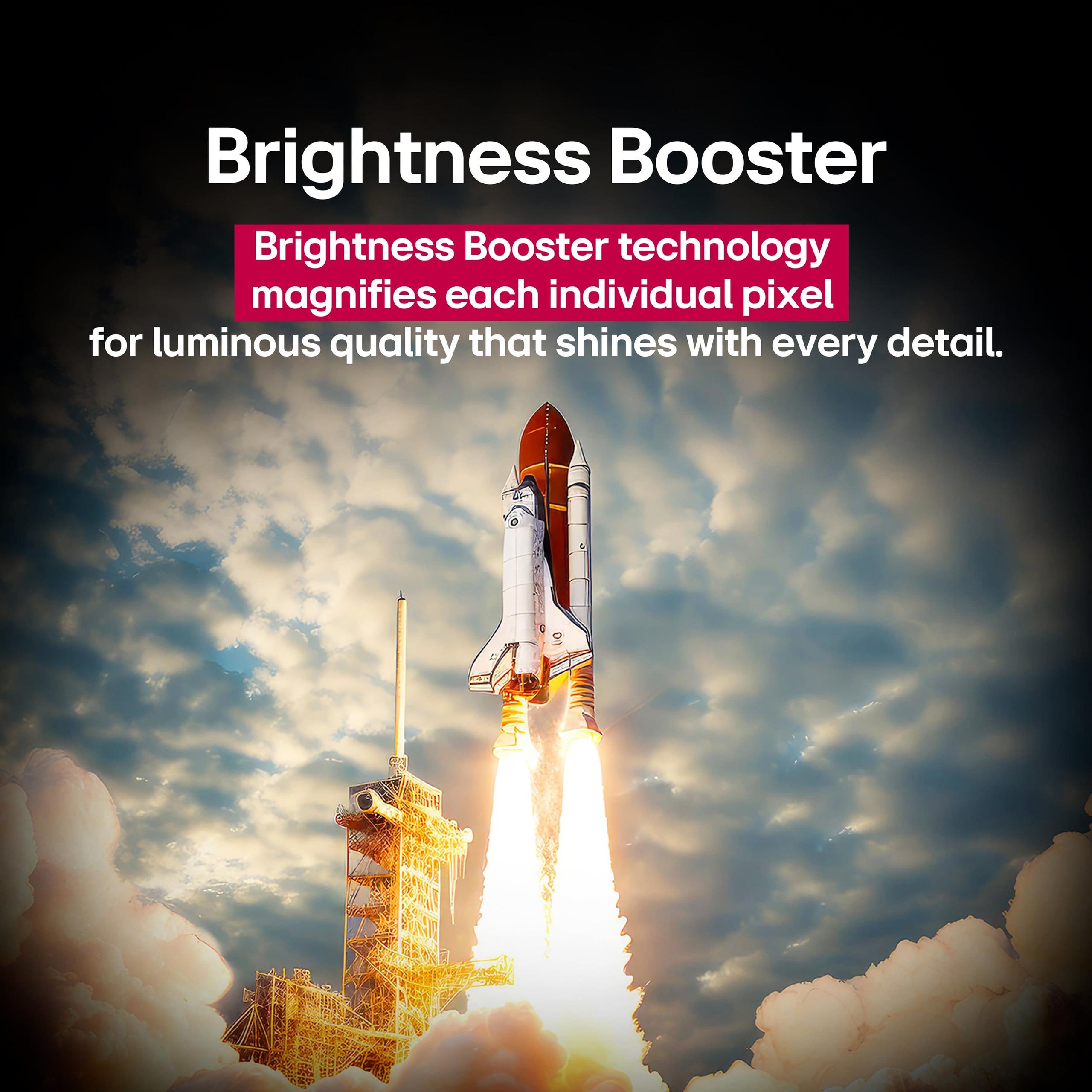
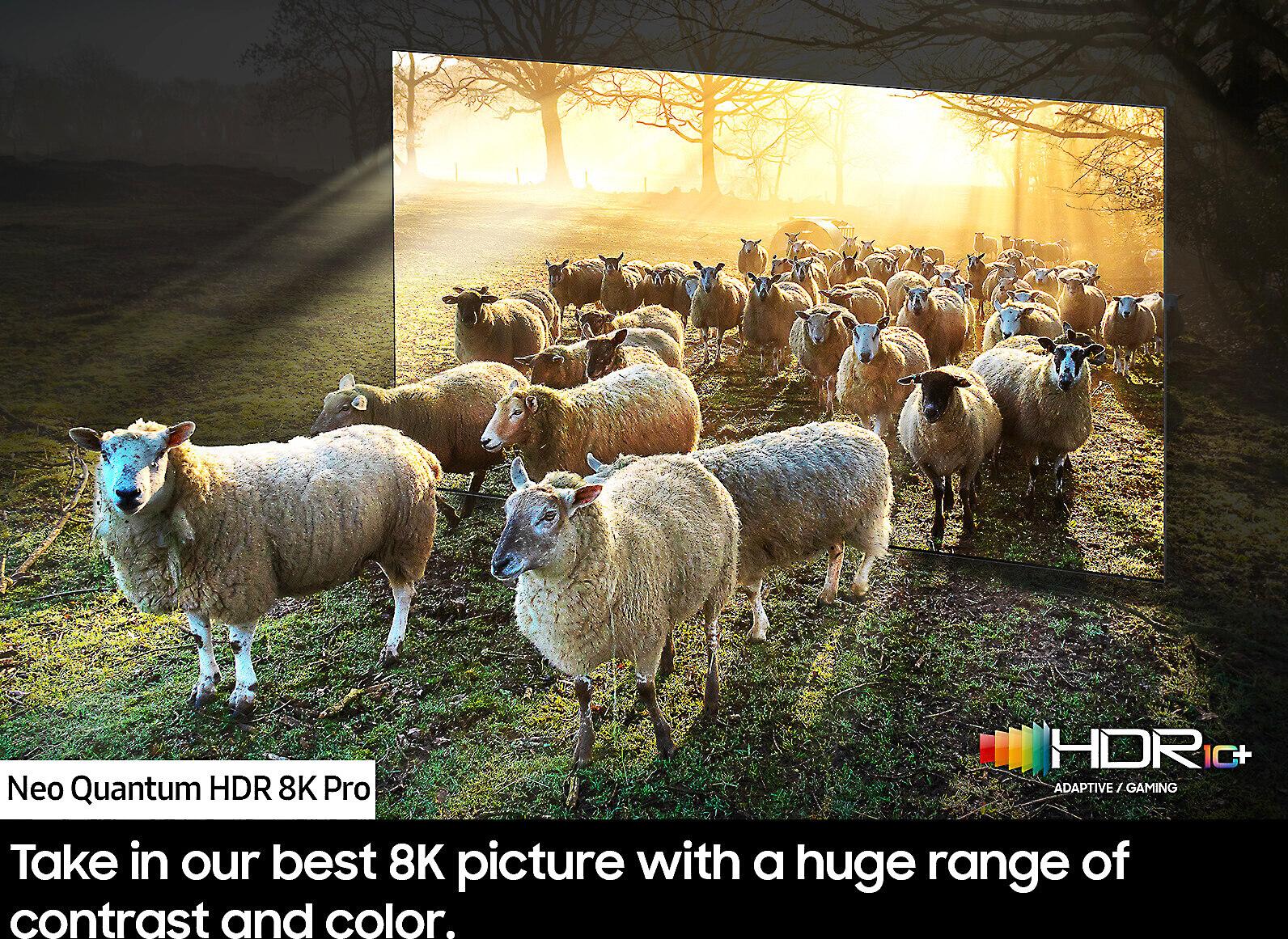
This is where the Samsung QN900D truly shines (literally). Modern HDR content is designed to use brightness levels that mimic real-world lighting conditions. Think about the difference between a candle flame and sunlight reflecting off snow – that's the kind of range HDR tries to reproduce.
The Samsung QN900D can produce extremely bright highlights, making HDR content look more realistic and impactful. When you're watching a sunset scene, the sun doesn't just look bright – it looks genuinely luminous. This extreme brightness also helps the TV overcome ambient light in your room, making it excellent for daytime viewing or rooms with large windows.
The LG OLED C5, while significantly brighter than previous OLED generations, still can't match the Samsung's peak brightness levels. However, it compensates with its perfect blacks, creating contrast ratios that are technically infinite. In darker viewing environments, this often results in more dramatic and cinematic images.
For HDR movie watching, both TVs excel but in different ways. The LG supports Dolby Vision, which is a premium HDR format used by Netflix, Apple TV+, and many 4K Blu-rays. Dolby Vision provides more precise brightness and color instructions to the TV, often resulting in more accurate reproduction of the filmmaker's intent. The Samsung supports HDR10+, which is similar but not as widely adopted.
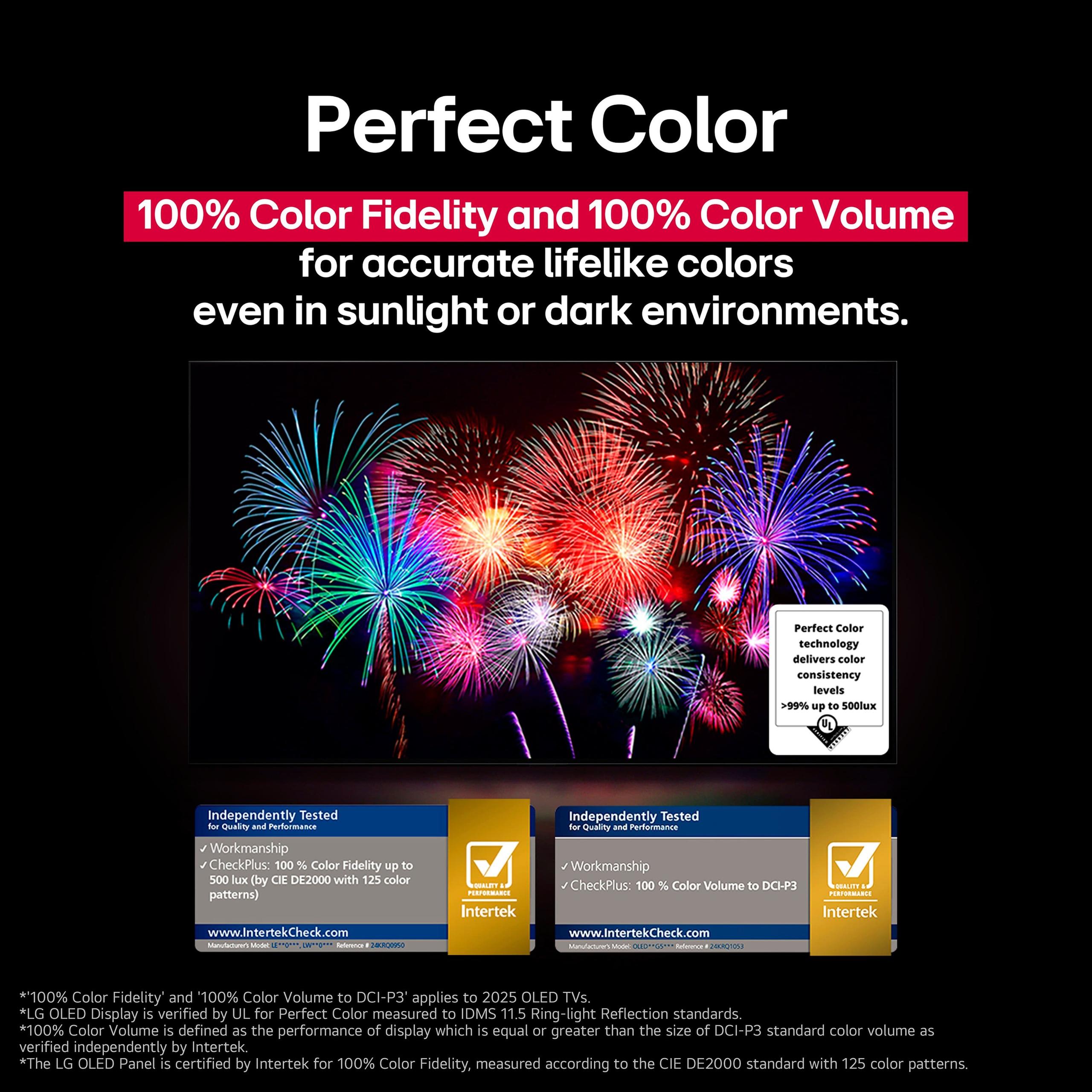
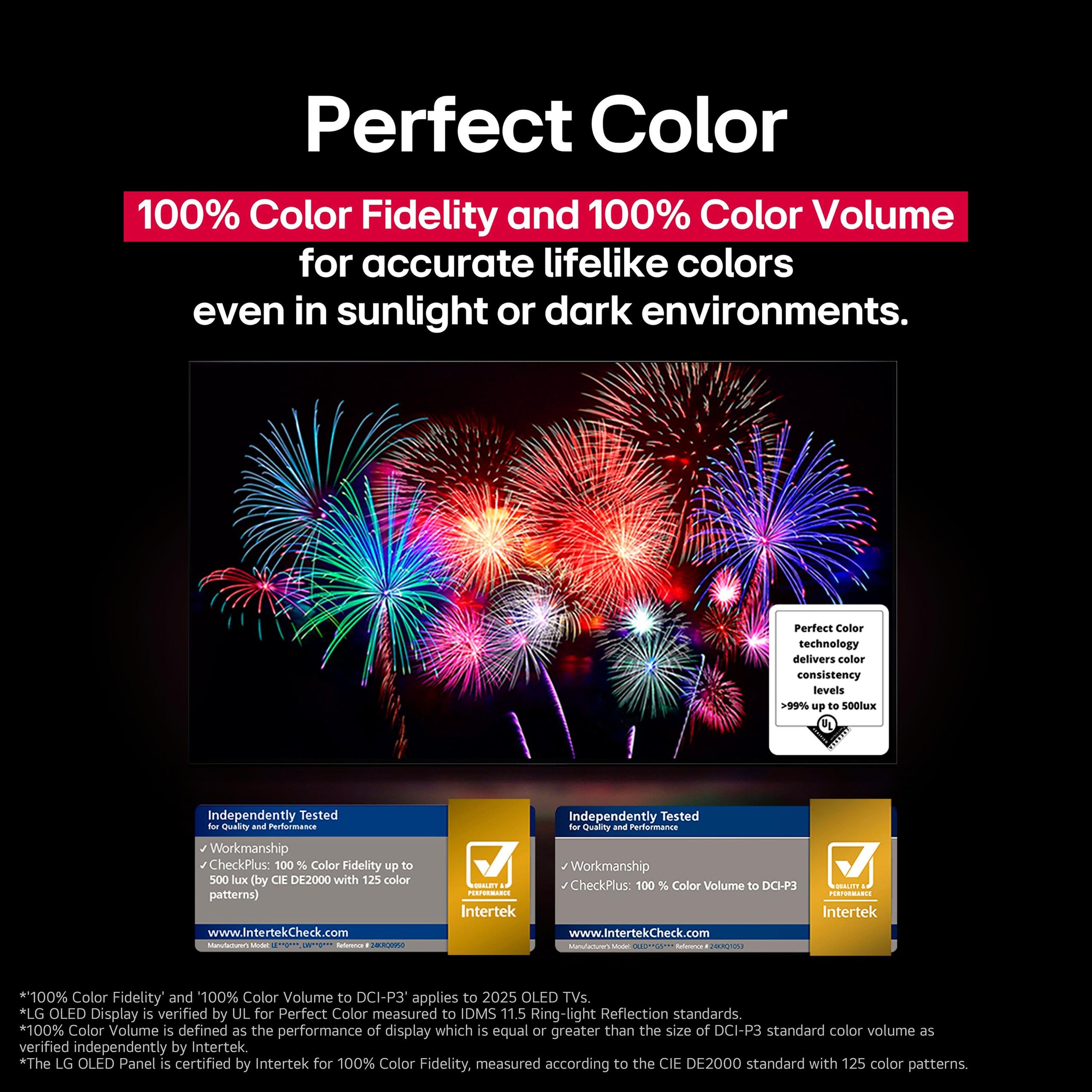
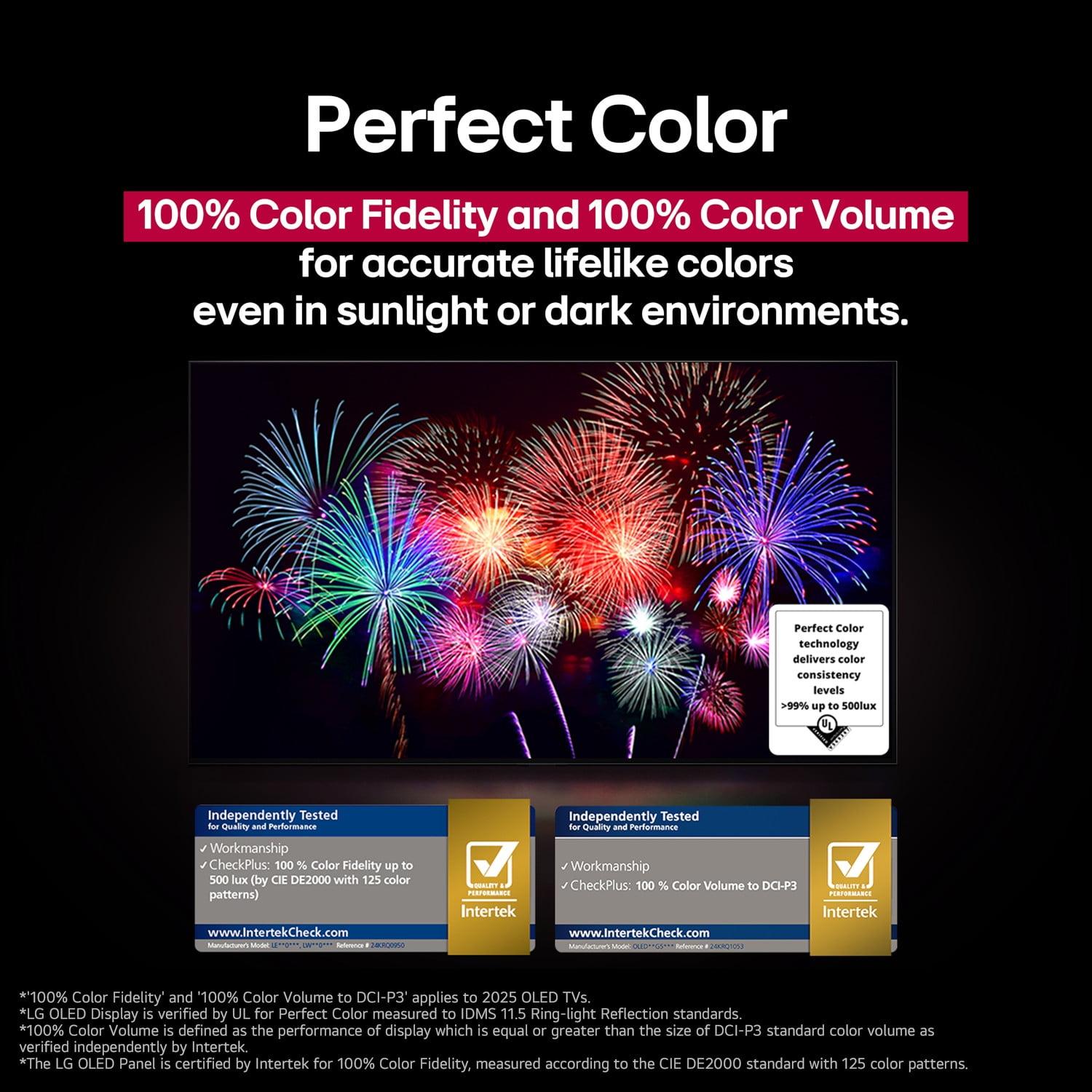
Color reproduction is where these technologies show their distinct personalities. The LG OLED C5 delivers what I'd call "reference quality" colors – they're accurate, natural, and consistent across different brightness levels. The TV's out-of-the-box color accuracy is exceptional, often better than what you'd get from much more expensive professional monitors.
The Samsung QN900D uses Quantum Dot technology, which allows it to produce more vibrant colors, especially at high brightness levels. Colors can appear more saturated and "pop" more from the screen. This isn't necessarily more accurate, but many viewers prefer this more vivid presentation, particularly for sports and HDR content.
The technical term here is "color volume" – essentially how well a TV can maintain color saturation as brightness increases. The Samsung excels here, maintaining vibrant colors even in the brightest highlights. The LG, while excellent, can show some color desaturation in the very brightest HDR highlights.
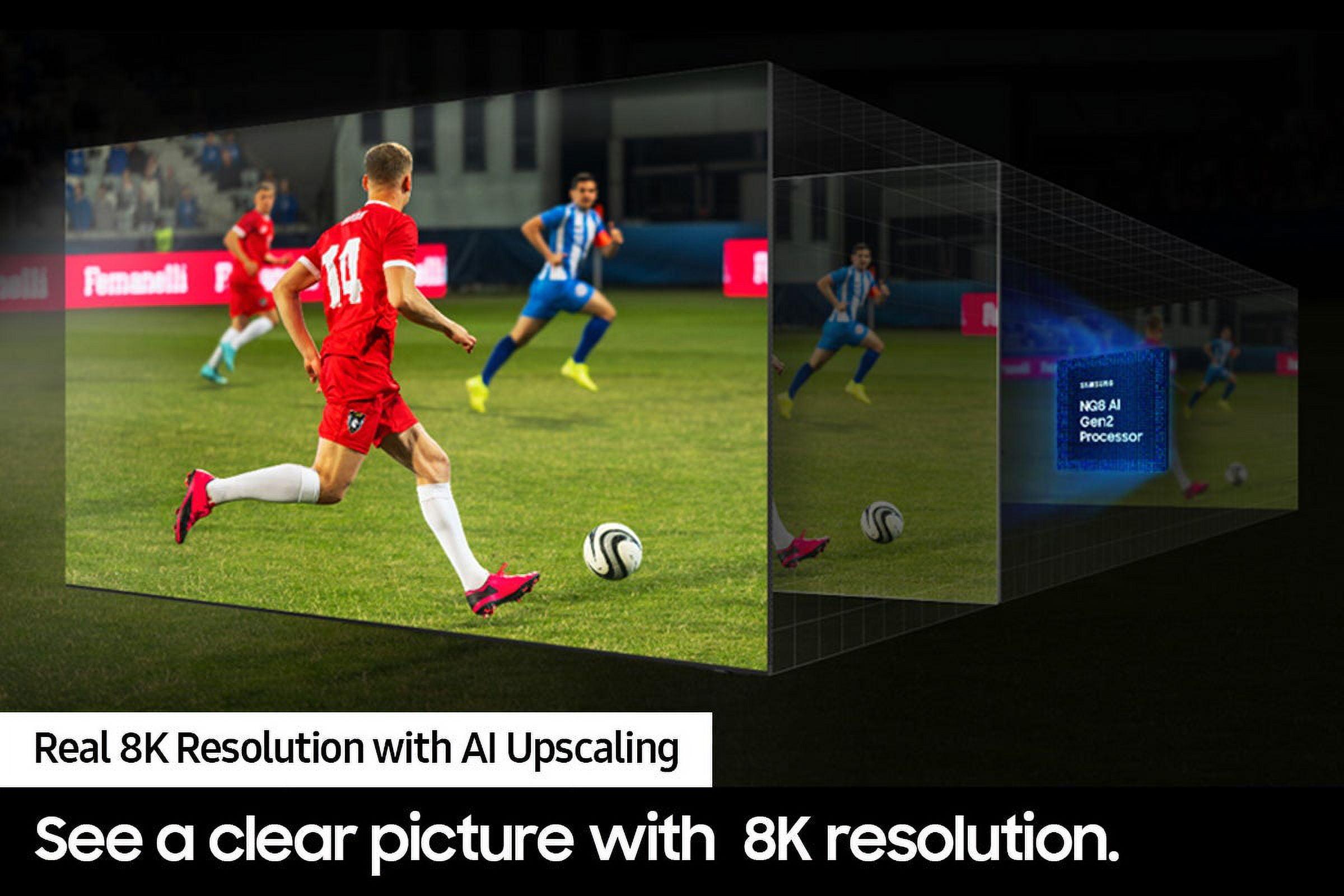
This is probably the most debated aspect of these two TVs. The Samsung QN900D offers 8K resolution (7680 x 4320 pixels), which is four times the detail of 4K. That sounds impressive, but here's the reality: there's virtually no native 8K content available to consumers today.
What Samsung has done is invest heavily in AI upscaling technology. Their Neo Quantum Processor 8K analyzes incoming video and intelligently adds detail to make 4K content look sharper on the 8K display. In my experience, this upscaling can be quite effective, particularly with high-quality 4K sources. You might notice improved texture detail in clothing, skin, or natural environments.
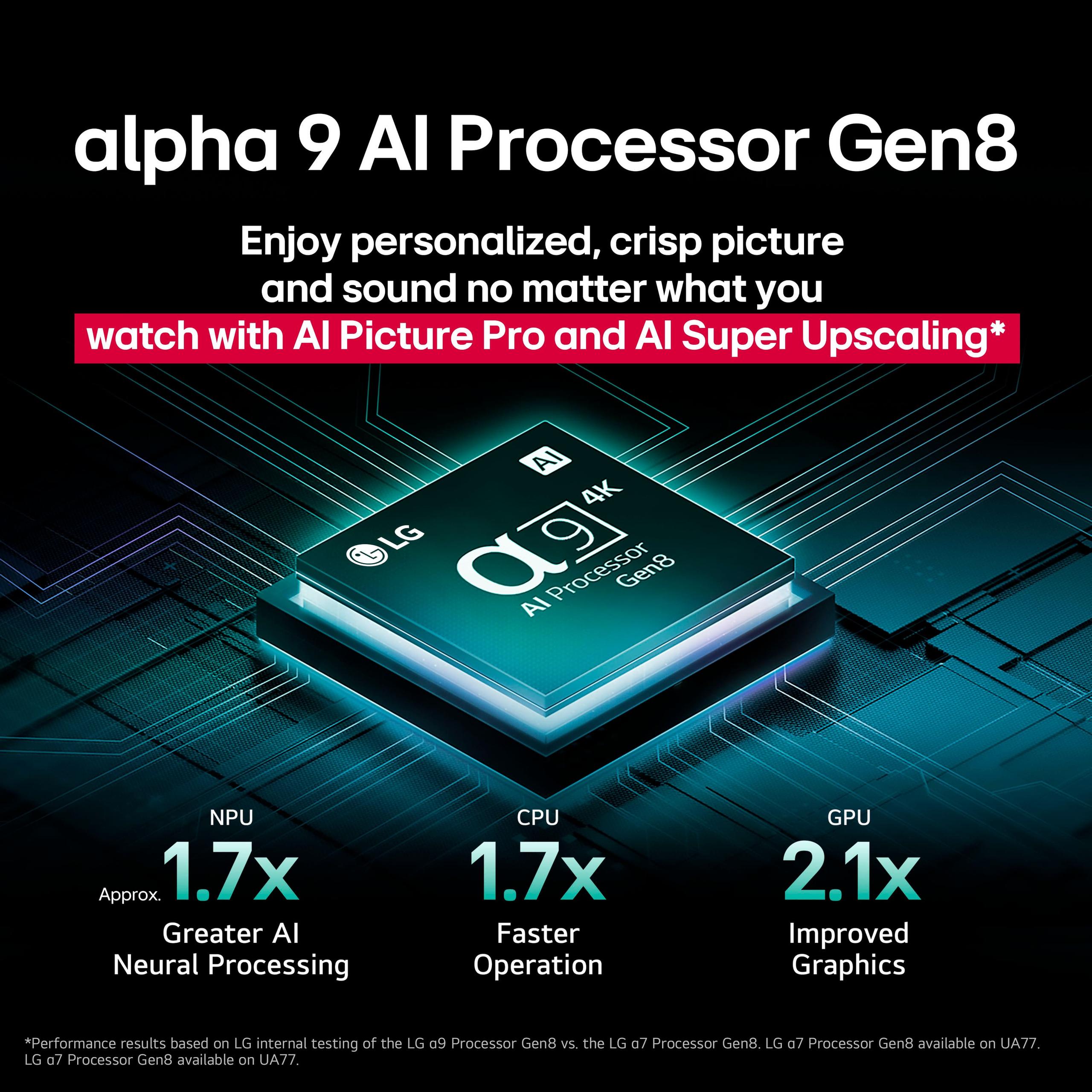
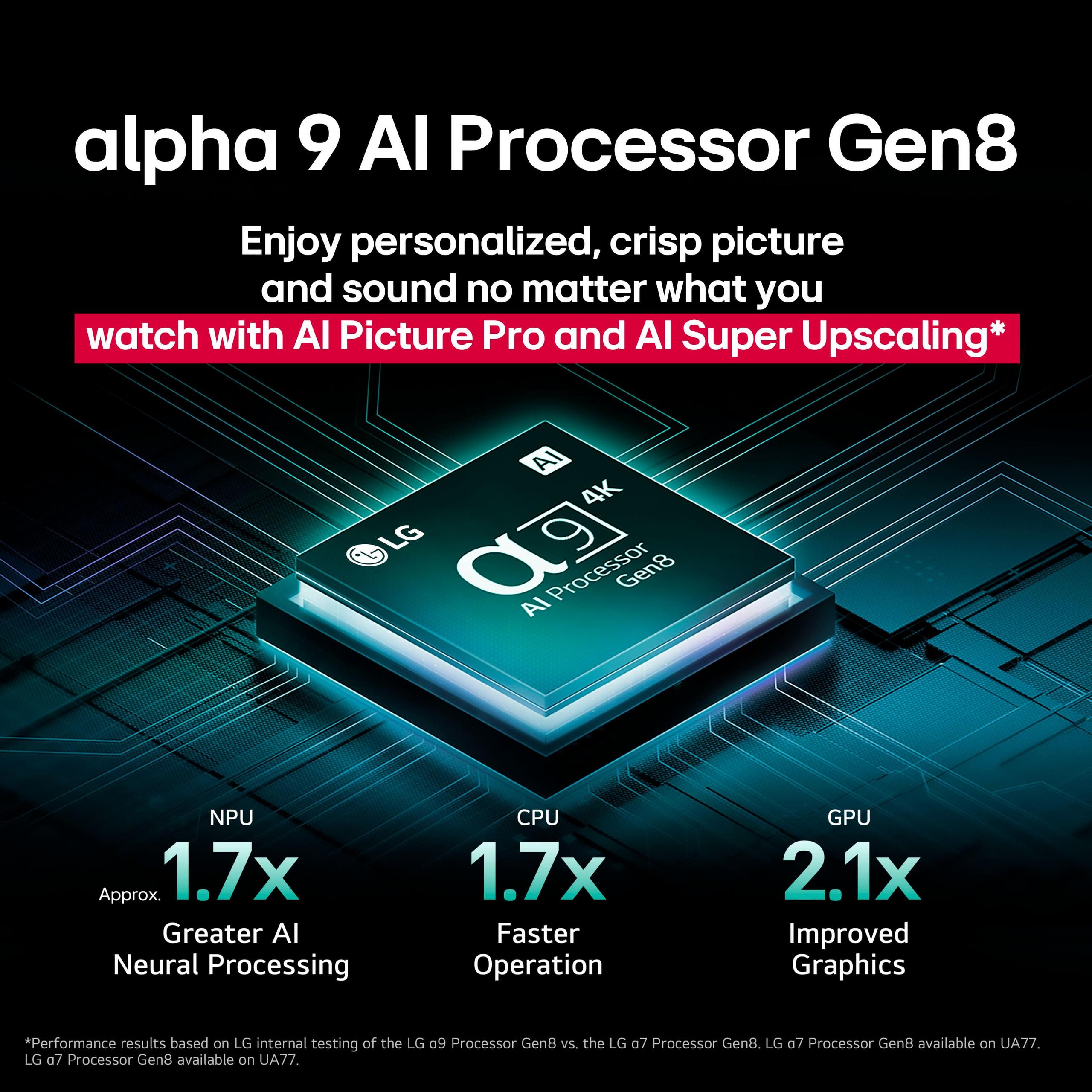
The LG OLED C5 sticks with 4K resolution, which perfectly matches virtually all current content. Its Alpha 9 Gen8 AI processor focuses on optimizing 4K content rather than upscaling to higher resolutions. This approach ensures that all content displays at its native quality without any processing artifacts.
The practical question is whether 8K upscaling provides enough visual benefit to justify the extra cost. At normal viewing distances (8-10 feet for a 65" TV), the difference is subtle at best. However, if you sit closer to your TV or plan to keep it for many years, the 8K capability could become more valuable as content eventually catches up.
Both TVs are designed to handle the latest gaming consoles and PC gaming setups, but they approach gaming performance differently. The LG OLED C5 offers what's arguably the best gaming experience available today, with a 0.1ms response time that's essentially instantaneous. This means there's virtually no delay between when you press a button and when the action appears on screen.
The C5 also supports 120Hz refresh rates natively, with Variable Refresh Rate (VRR) technology that eliminates screen tearing. All four HDMI ports support the full HDMI 2.1 specification, so you can connect multiple gaming devices without compromise. For competitive gaming, particularly fast-paced shooters or fighting games, this responsiveness can make a real difference in your performance.
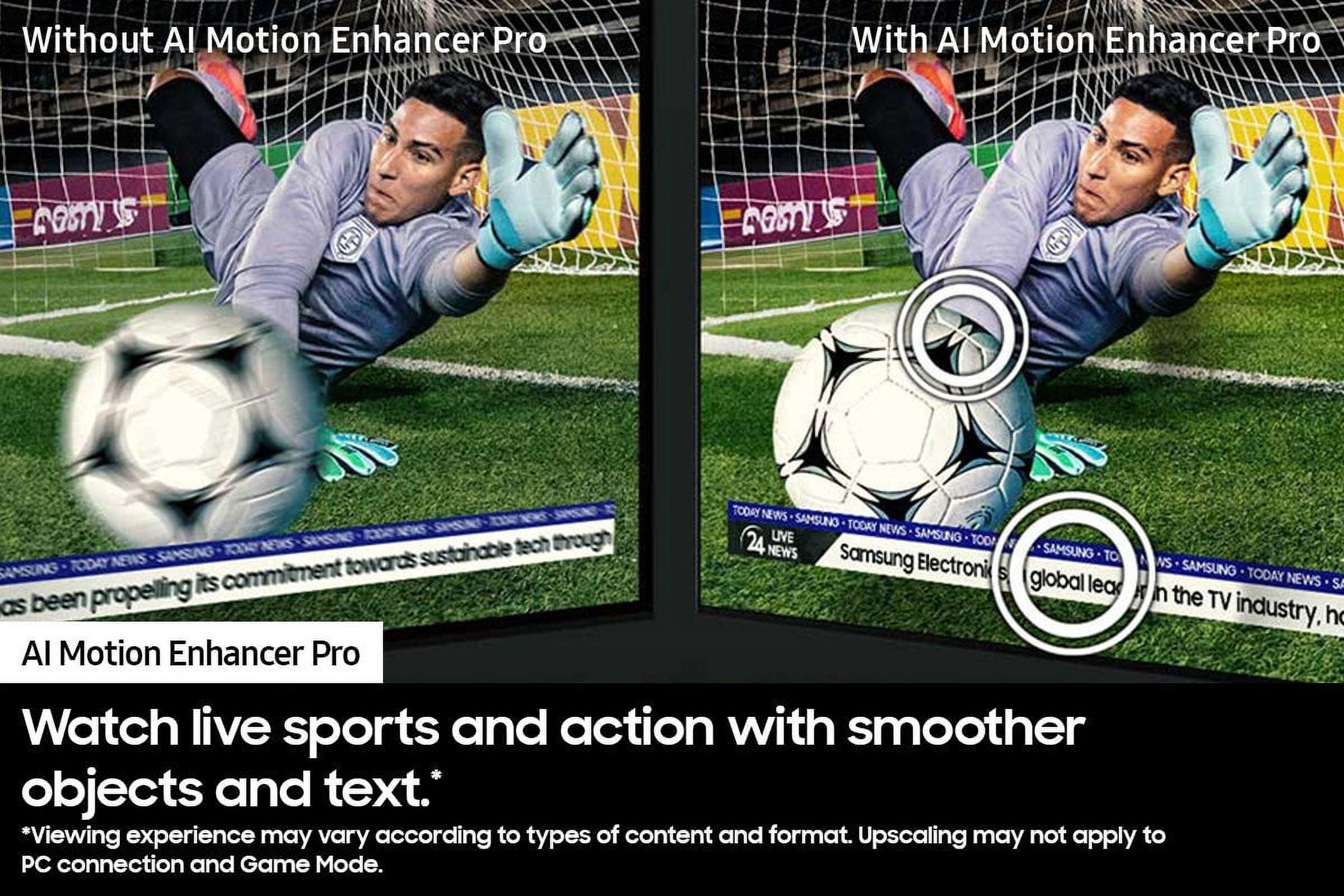
The Samsung QN900D offers excellent gaming performance as well, with low input lag when Game Mode is activated. It also supports 120Hz gaming with VRR, and the extreme brightness can make HDR gaming more impactful. However, the response time isn't quite as fast as the OLED, and you might notice slightly more motion blur in very fast-moving scenes.
One unique advantage of the Samsung is its ability to display games at 8K resolution at 60Hz, though this capability is limited by the graphics cards and consoles available today. Most current gaming systems max out at 4K, making this more of a future-proofing feature.
Both TVs run sophisticated smart TV platforms that have evolved significantly over the past few years. The LG OLED C5 runs webOS 25, which I find to be one of the most intuitive smart TV interfaces available. The AI-driven recommendations actually improve over time as the system learns your viewing preferences, and the Quick Cards feature makes it easy to organize and access your favorite apps.
The Magic Remote that comes with the LG is particularly well-designed, with voice control that works reliably and point-and-click navigation that feels natural. The TV supports both Google Assistant and Amazon Alexa, plus it's compatible with Apple HomeKit for smart home integration.
The Samsung QN900D runs Tizen OS, which offers a robust app ecosystem and smooth performance. Samsung's smart TV platform integrates well with their SmartThings ecosystem, making it a good choice if you're already invested in Samsung smart home devices. The AI features analyze your viewing habits to optimize picture settings automatically.
One notable difference is HDR format support. The LG supports Dolby Vision, which is used by major streaming services like Netflix, Apple TV+, and Disney+. The Samsung doesn't support Dolby Vision, relying instead on HDR10+, which isn't as widely adopted. For movie enthusiasts, this could be a significant consideration.
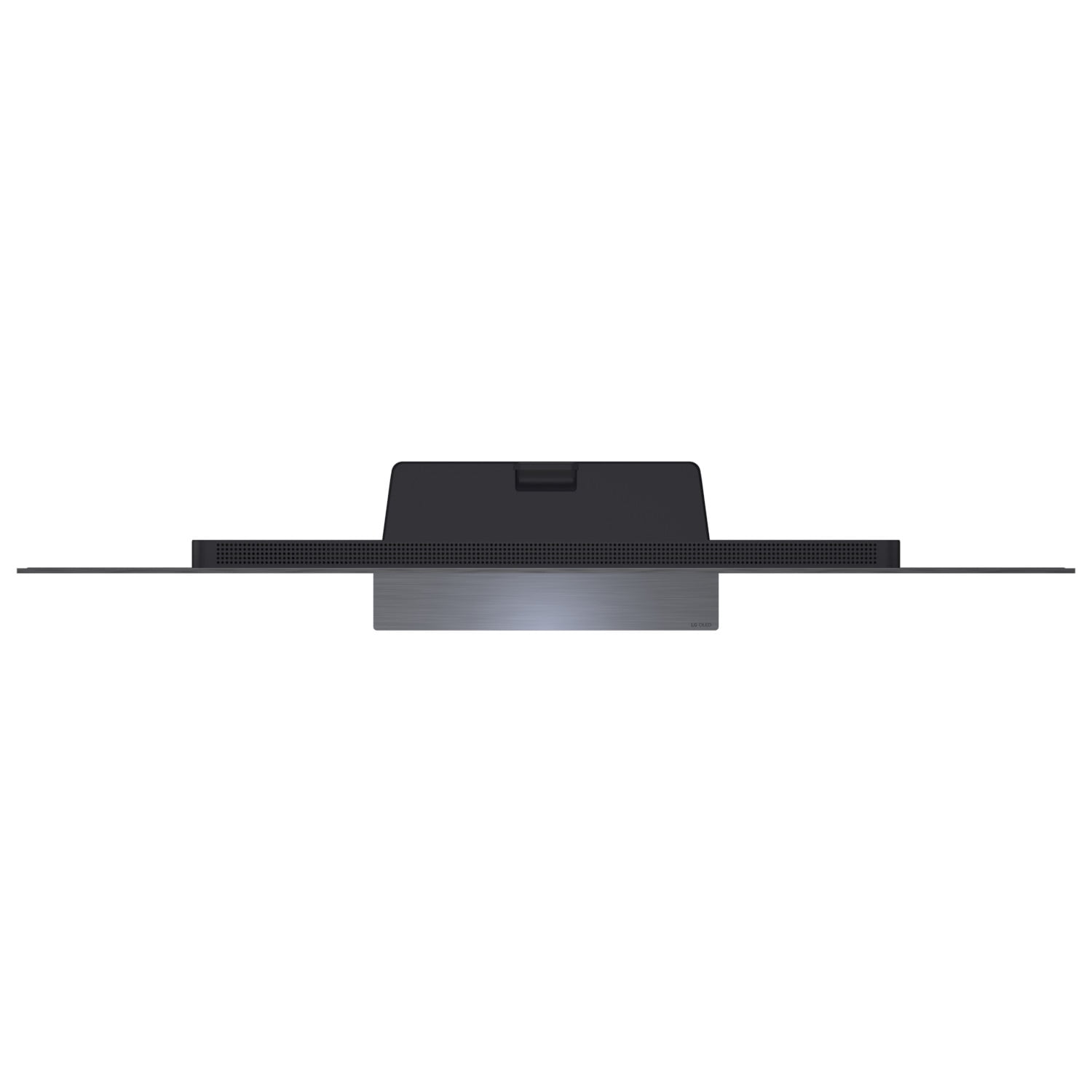
If you're building a dedicated home theater or have a room where you can control lighting, the LG OLED C5 is exceptionally well-suited for this environment. The perfect blacks and infinite contrast create a truly cinematic experience that's hard to match. The TV's wide viewing angles mean everyone in the room gets a great picture, regardless of where they're sitting.
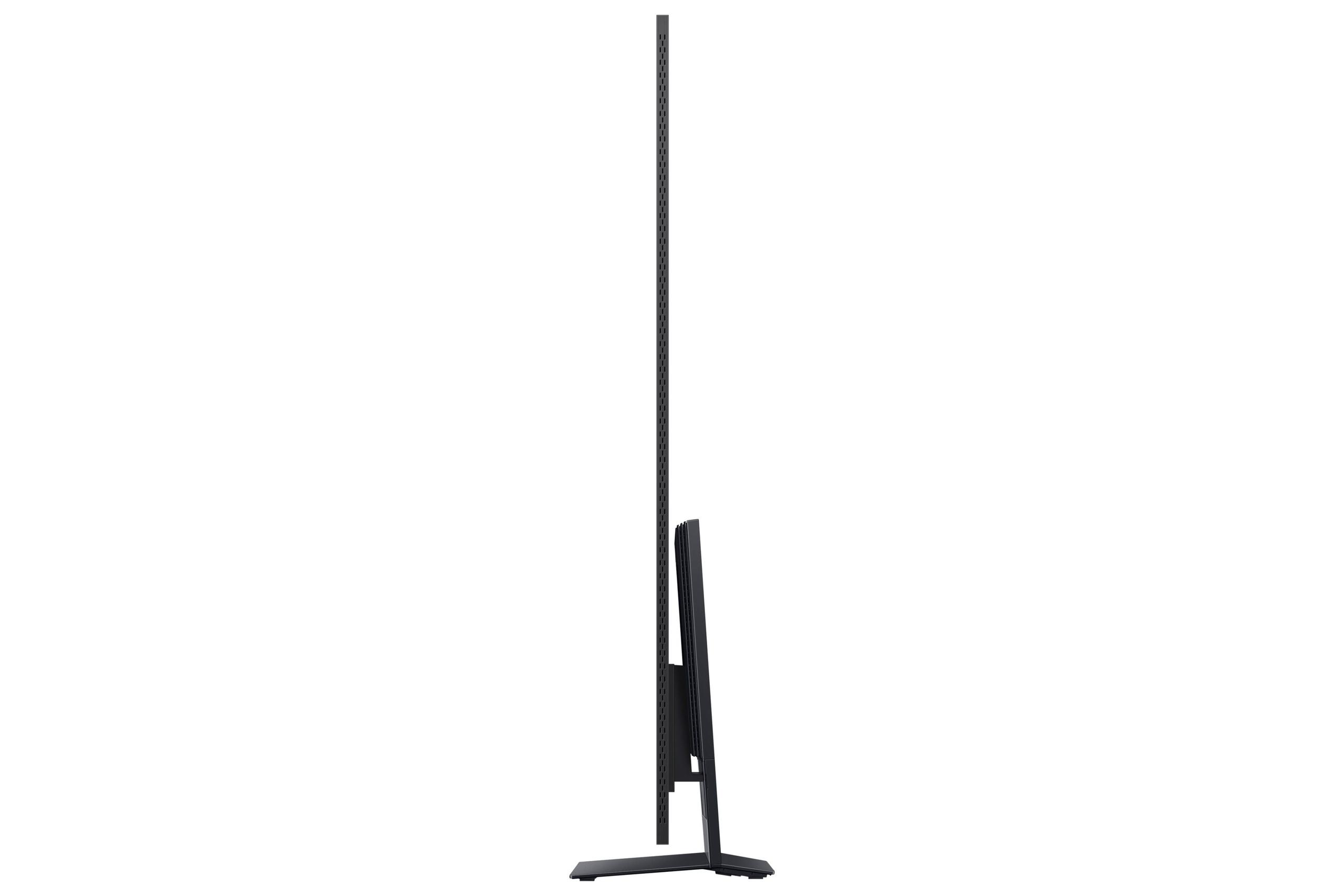
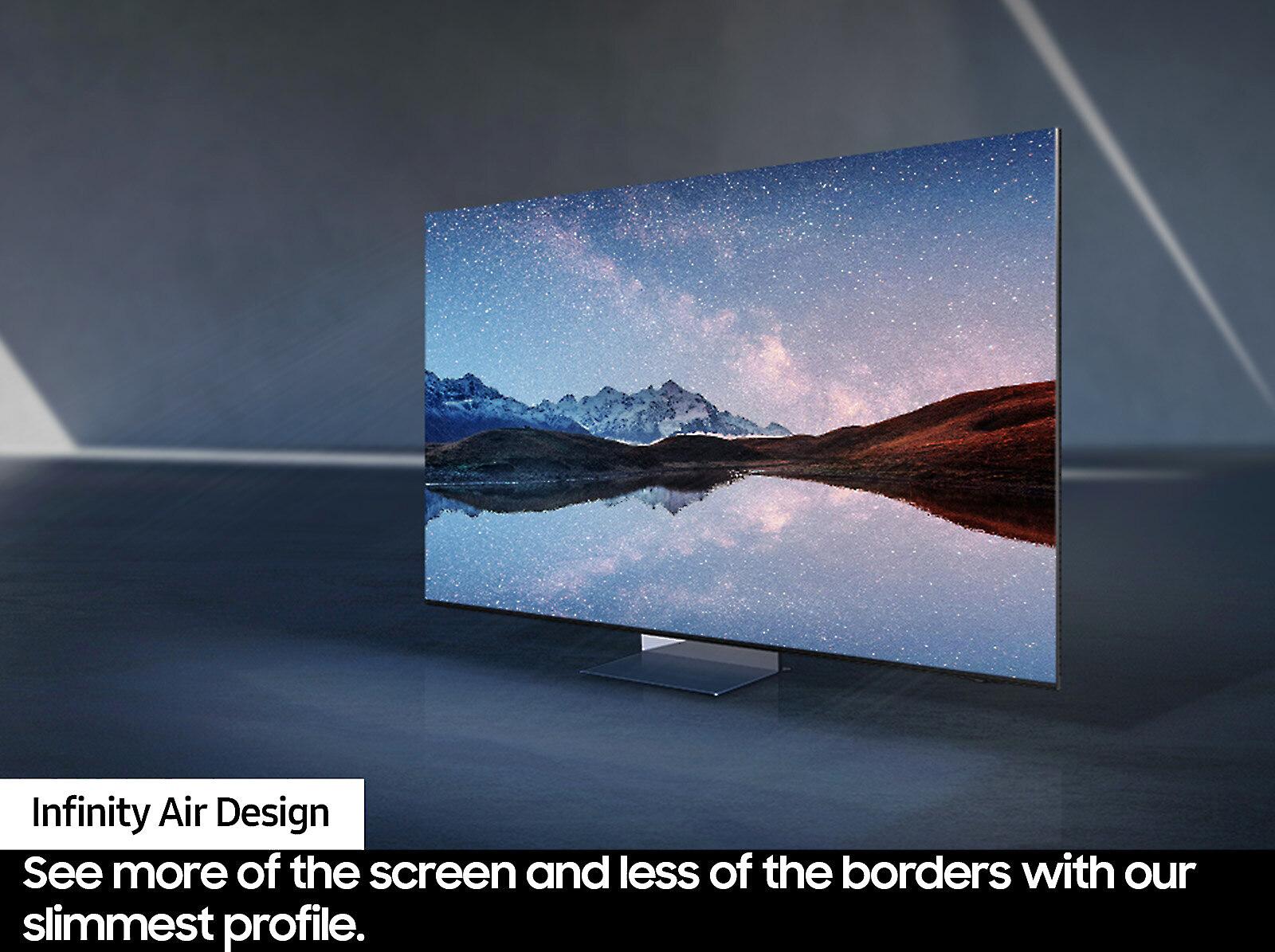
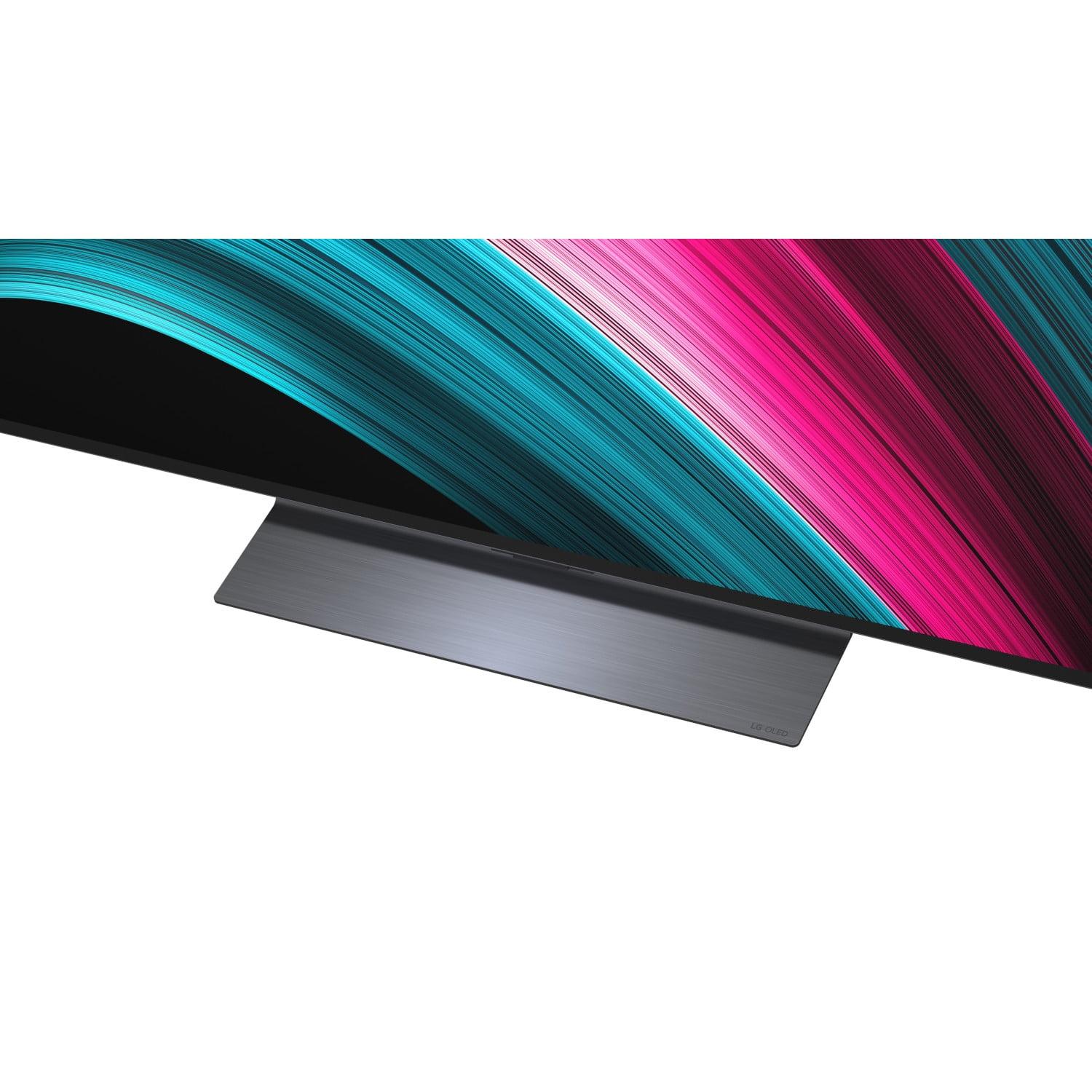
The C5's support for Dolby Vision and Dolby Atmos (when paired with a compatible sound system) provides the premium home theater experience that many enthusiasts are looking for. The TV's thin profile and nearly invisible bezels help it disappear into the room, letting you focus entirely on the content.
The Samsung QN900D can work well in a home theater setting, particularly if you can't achieve complete light control. Its extreme brightness capabilities mean it can overcome some ambient light while still delivering impressive HDR performance. However, the potential for blooming around bright objects might be more noticeable in the controlled environment of a dark home theater.
The decision between these two excellent TVs really comes down to your specific viewing environment and preferences. If you have a dark or dimly lit room where you primarily watch movies and play games, the LG OLED C5 ($2,197) offers exceptional value with its perfect blacks, outstanding gaming performance, and cinematic picture quality.
The Samsung QN900D ($2,897) makes more sense if you have a bright living room with lots of windows, prioritize the latest technology features, or want the bragging rights of 8K resolution. The extra $700 gets you extreme brightness, 8K upscaling, and a more future-proof feature set.
For most viewers, I'd recommend the LG OLED C5 as the better value proposition. It delivers reference-quality picture performance, best-in-class gaming capabilities, and proven reliability at a more accessible price point. The money saved could be invested in a quality sound system, which often provides a more noticeable improvement to your overall entertainment experience than the jump from 4K to 8K resolution.
However, if you specifically need a TV that can overcome bright ambient light or you want the latest and greatest technology regardless of current content limitations, the Samsung QN900D represents the cutting edge of display technology.
Both TVs will likely serve you well for many years, representing the pinnacle of their respective technologies. The choice ultimately depends on whether you prioritize the proven excellence of OLED technology or the future-focused approach of 8K Neo QLED.
| LG OLED evo C5 65" 4K TV 2025 | Samsung QN900D Series 65" Neo QLED 8K Smart TV |
|---|---|
| Price - $700 difference impacts value proposition significantly | |
| $2,197 | $2,897 |
| Display Technology - Fundamentally different approaches to picture quality | |
| WOLED (White OLED) with self-lit pixels | Neo QLED with Mini-LED backlight and Quantum Dots |
| Resolution - 8K future-proofing vs proven 4K optimization | |
| 4K (3840 x 2160) - matches all current content | 8K (7680 x 4320) - 4x more pixels, relies on AI upscaling |
| Black Levels - Critical for contrast and cinematic experience | |
| Perfect blacks (pixels turn completely off) | Very deep blacks with Mini-LED local dimming |
| Peak Brightness - Determines HDR impact and bright room performance | |
| High but limited compared to QLED technology | Extremely high - excellent for bright rooms and HDR |
| Gaming Response Time - Crucial for competitive gaming | |
| 0.1ms (industry-leading) | Low input lag in Game Mode (slightly higher than OLED) |
| HDR Format Support - Affects streaming and 4K Blu-ray compatibility | |
| Dolby Vision, HDR10, HLG | HDR10+, HLG (no Dolby Vision support) |
| Smart TV Platform - Daily usability and app ecosystem | |
| webOS 25 with AI recommendations | Tizen OS with SmartThings integration |
| Refresh Rate - Important for gaming and sports | |
| Native 120Hz with VRR on all 4 HDMI 2.1 ports | 120Hz with VRR support |
| Viewing Angles - Matters for group viewing and room layout | |
| Wide angles with minimal color/brightness loss | Good angles but some potential blooming at extremes |
| Power Consumption - Ongoing operational costs | |
| Energy efficient OLED technology | Higher consumption due to bright backlight |
| Durability Concerns - Long-term reliability considerations | |
| Potential burn-in with static content (rare in modern OLEDs) | More durable for 24/7 usage, no burn-in risk |
| Content Optimization - How well it handles current media | |
| Excellent with native 4K content | Advanced AI upscaling makes 4K content look sharper |
| Room Lighting Suitability - Performance in your actual environment | |
| Best in dark to moderately lit rooms | Excellent in bright rooms with windows |
The LG OLED evo C5 65" 4K TV ($2,197) offers better value for most buyers, delivering exceptional picture quality, perfect blacks, and premium gaming performance at $700 less than the Samsung QN900D ($2,897). The Samsung justifies its higher price with 8K resolution and extreme brightness, but the LG provides better performance per dollar for current content.
The LG OLED C5 uses self-lit pixels that can turn completely off for perfect blacks and infinite contrast, ideal for dark room viewing. The Samsung QN900D uses Mini-LED backlighting with quantum dots for much brighter images that excel in well-lit rooms, though it can't achieve true blacks.
The Samsung QN900D's 8K resolution provides minimal benefit today since virtually no 8K content exists. However, its AI upscaling does make 4K content look slightly sharper. Most viewers won't notice the difference at normal viewing distances, making the LG OLED C5's native 4K optimization more practical.
The LG OLED C5 is superior for gaming with its 0.1ms response time, native 120Hz refresh rate, and four HDMI 2.1 ports. The Samsung QN900D offers good gaming performance but can't match the OLED's instantaneous response time, making the LG better for competitive gaming.
The Samsung QN900D excels in bright rooms with its extreme peak brightness and anti-glare capabilities, easily overcoming ambient light. The LG OLED C5 performs well in moderately lit rooms but can struggle with direct sunlight or very bright environments due to lower peak brightness.
The LG OLED C5 is exceptional for home theater use with perfect blacks, infinite contrast, and Dolby Vision support that creates a truly cinematic experience in dark rooms. The Samsung QN900D lacks Dolby Vision and may show blooming around bright objects, making the LG the better choice for movie enthusiasts.
Both the LG OLED C5 and Samsung QN900D fully support PlayStation 5, Xbox Series X/S, and modern PC gaming with HDMI 2.1, VRR, and 120Hz capabilities. The LG offers slightly better gaming performance while the Samsung can theoretically support 8K gaming if future consoles support it.
The LG OLED C5 runs webOS 25 with intuitive navigation and AI-driven recommendations, while the Samsung QN900D uses Tizen OS with excellent app selection and SmartThings integration. Both offer comprehensive streaming app support, though the LG's interface is generally considered more user-friendly.
The LG OLED C5 supports Dolby Vision, HDR10, and HLG formats used by Netflix, Apple TV+, and most streaming services. The Samsung QN900D only supports HDR10+ and HLG, missing Dolby Vision support, which could impact your streaming and 4K Blu-ray experience.
Both the LG OLED C5 and Samsung QN900D are built to last 5-7 years with normal use. The Samsung has no burn-in risk and handles static content better, while the LG's modern OLED technology has minimal burn-in concerns with varied viewing. Both offer excellent long-term reliability.
The Samsung QN900D is better for sports with its extreme brightness, vibrant colors, and excellent performance in bright rooms where sports are often watched. The LG OLED C5 also delivers excellent sports performance but shines more in darker viewing environments.
The LG OLED C5's 4K resolution perfectly matches all current content and provides excellent value, while the Samsung QN900D's 8K resolution offers future-proofing and improved upscaling. For most buyers, 4K remains the practical choice, making the LG the better value unless you specifically want cutting-edge technology.
We've done our best to create useful and informative comparisons to help you decide what product to buy. Our research uses advanced automated methods to create this comparison and perfection is not possible - please contact us for corrections or questions. These are the sites we've researched in the creation of this article: bestbuy.com - rtings.com - youtube.com - businessinsider.com - youtube.com - bestbuy.com - lg.com - files.bbystatic.com - lg.com - flatpanelshd.com - lg.com - blvdhome.com - bhphotovideo.com - flanners.com - videopro.com.au - rtings.com - videoandaudiocenter.com - bestbuy.com - avsforum.com - bestbuy.com - walts.com - images.samsung.com - samsung.com - merlinstv.com - samsung.com - avsforum.com - samsung.com

Privacy Policy
Terms and Conditions - Affiliate Policy
Home Security
© Copyright 2008-2026.
11816 Inwood Rd #1211, Dallas, TX 75244