

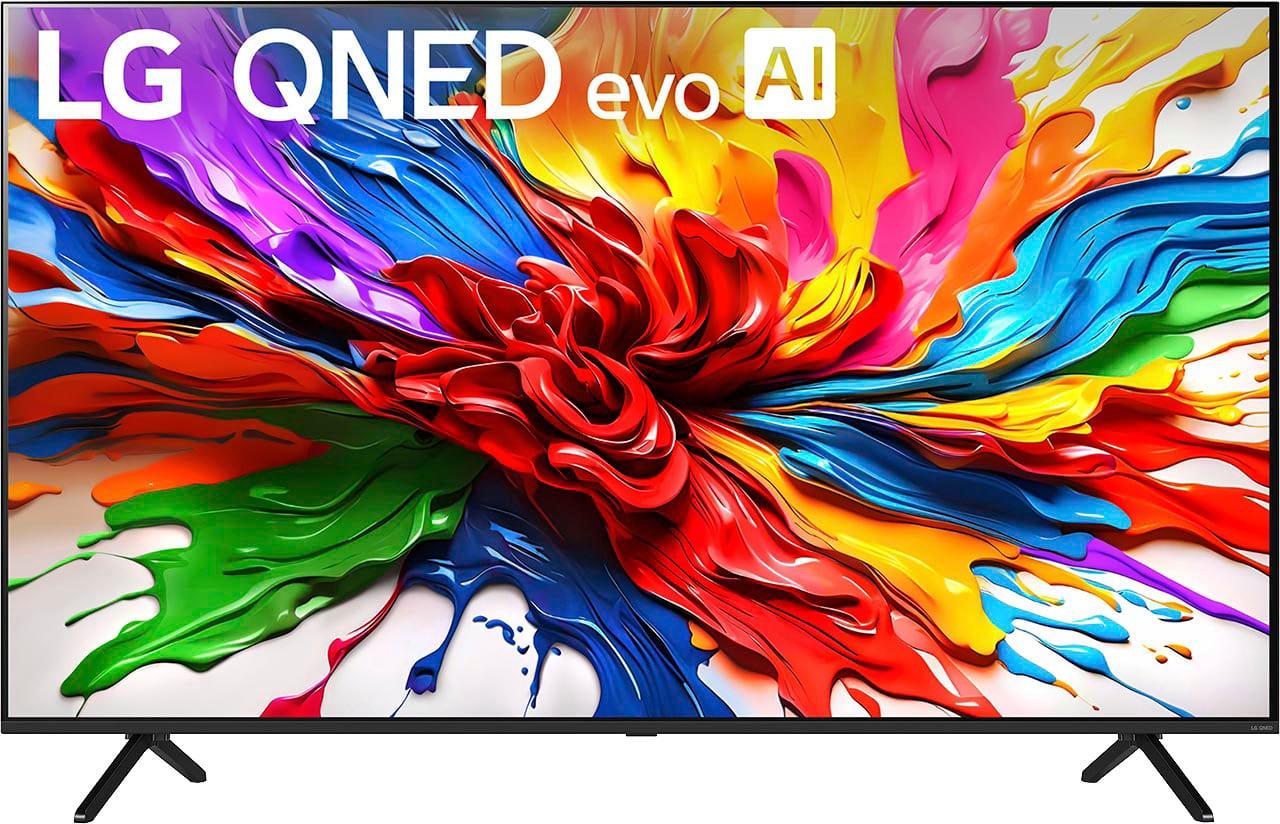
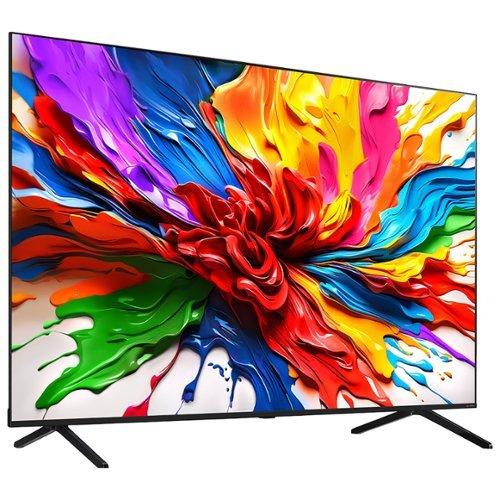
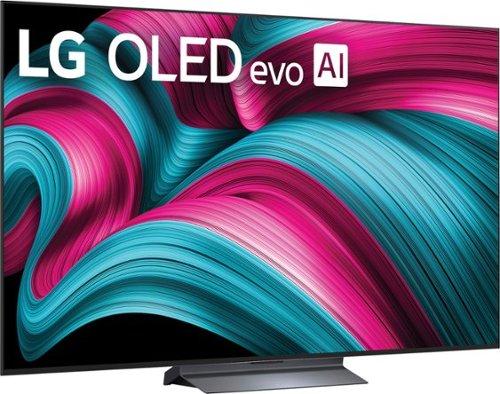


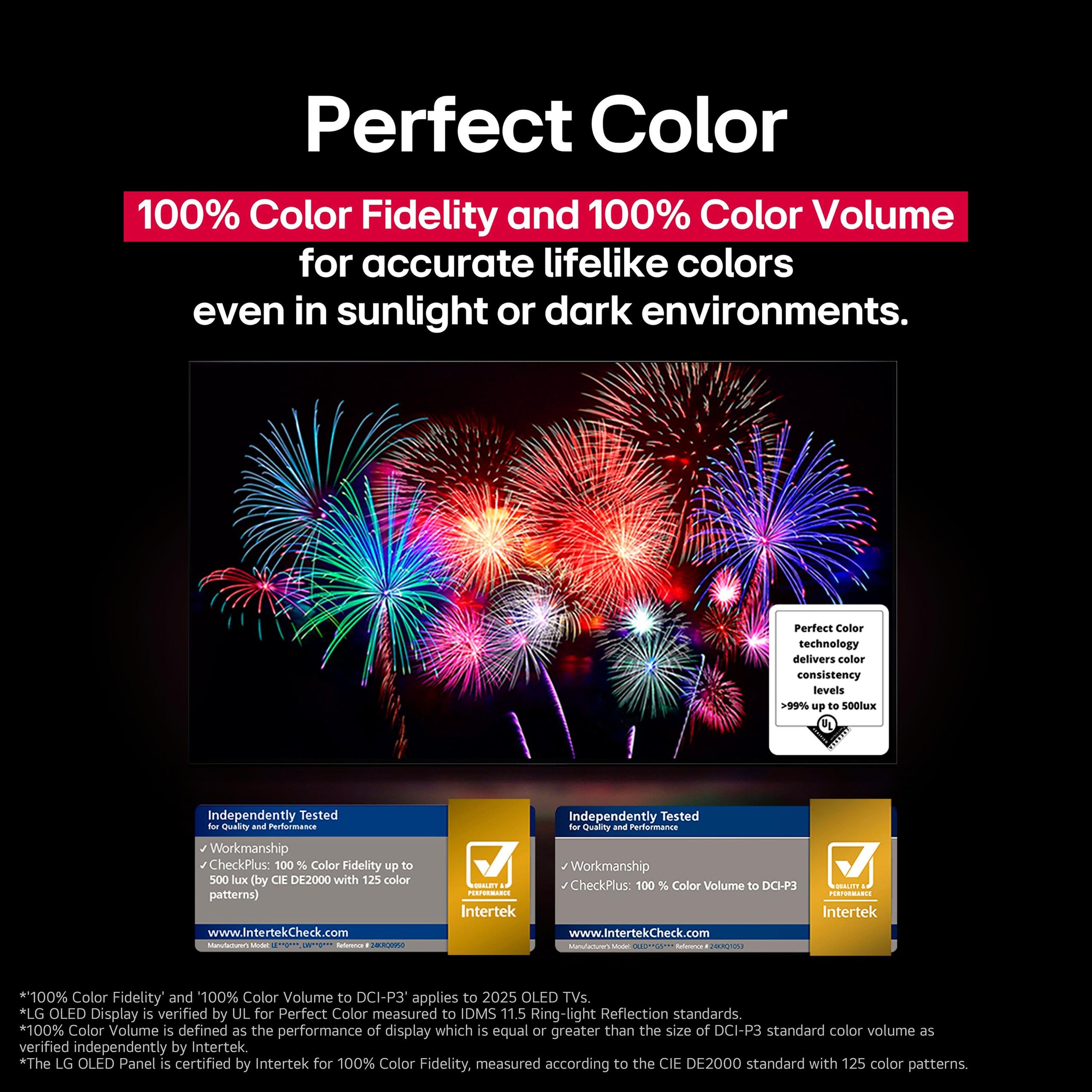


When you're shopping for a high-end 65" TV in 2025, you'll likely encounter two impressive options from LG: the QNED92A QNED evo AI Mini LED ($1,681.99) and the OLED evo C5 ($1,697-$2,196.99). Both represent the pinnacle of their respective display technologies, but they take completely different approaches to delivering stunning picture quality. Understanding these differences is crucial because the "best" choice depends entirely on your specific viewing environment and preferences.
The fundamental difference between these TVs lies in how they create light and color. The QNED92A uses a sophisticated Mini LED backlight system with thousands of tiny LEDs positioned behind a Quantum Dot and NanoCell LCD panel. Think of it like having thousands of tiny flashlights that can dim independently to create bright highlights and darker shadows. Meanwhile, the OLED C5 uses self-emissive pixels – each of the 8.3 million pixels can turn completely on, completely off, or anywhere in between without needing a backlight at all.
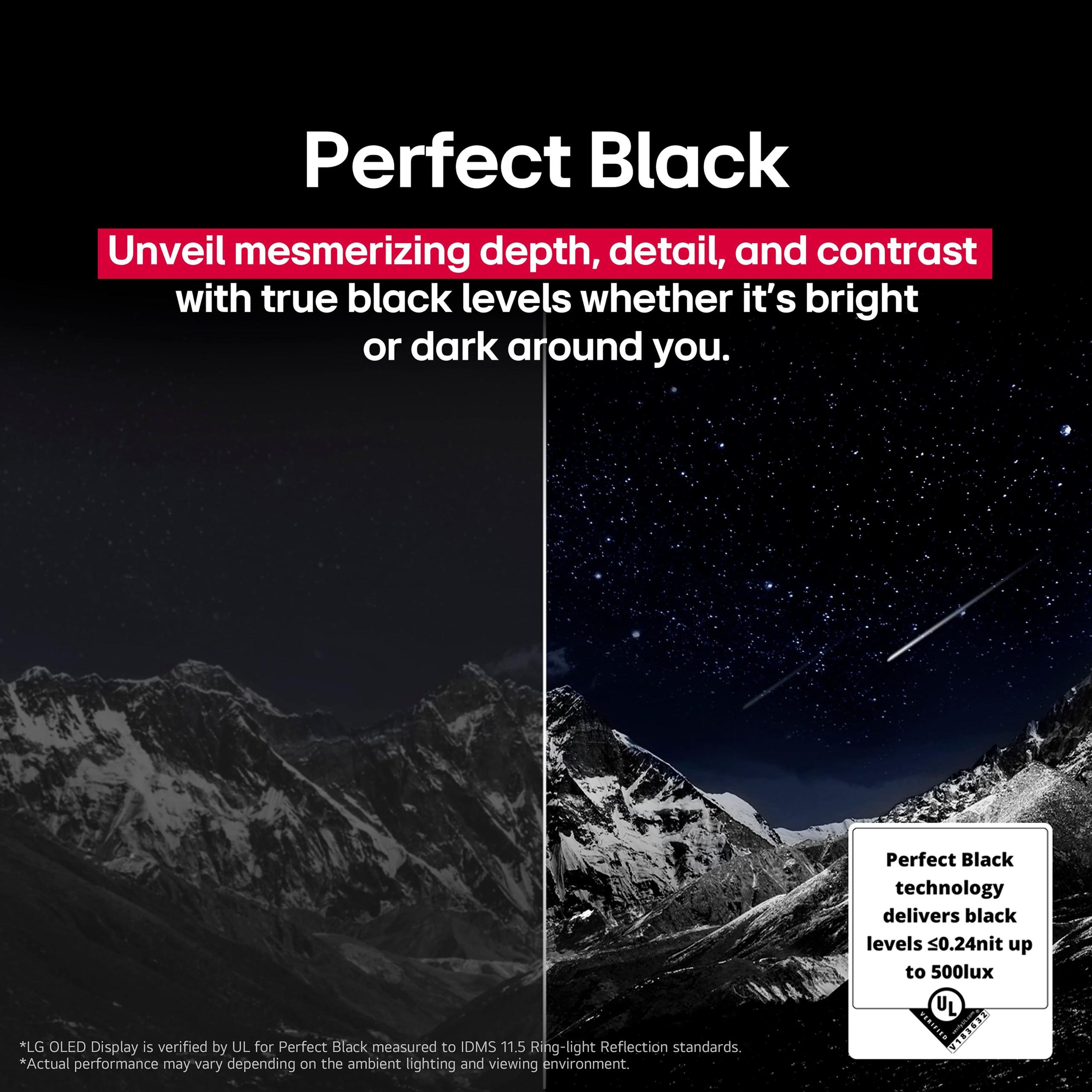
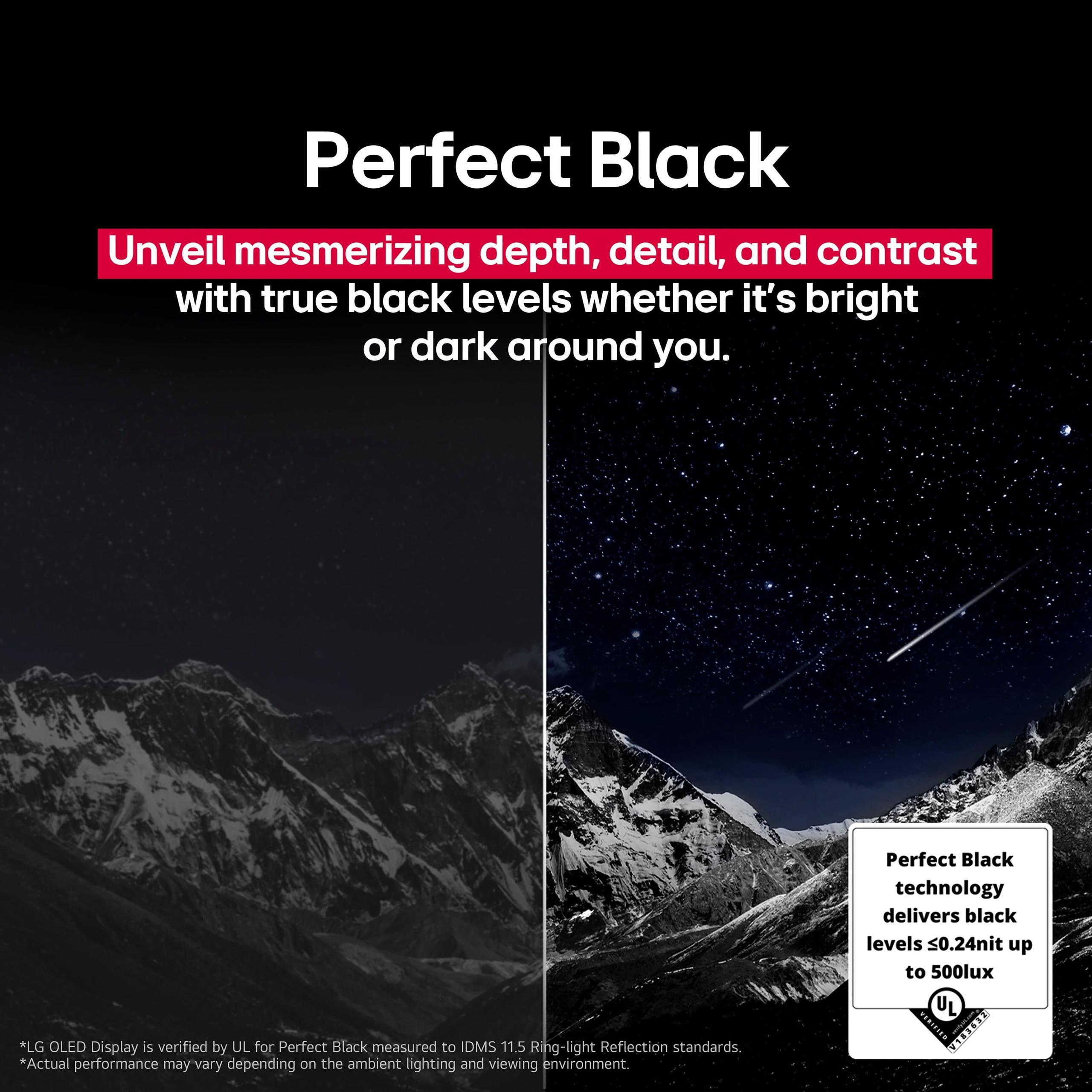
This technological split creates a fascinating trade-off. Mini LED excels at raw brightness – the kind that cuts through afternoon sunlight streaming through your living room windows. OLED, on the other hand, delivers perfect blacks because pixels can turn completely off, creating infinite contrast that makes dark movie scenes look incredibly realistic.
Both TVs launched in early 2025, with the OLED C5 hitting shelves in March and the QNED92A following shortly after. LG's 2025 lineup represents significant improvements over their 2024 predecessors. The C5 features enhanced brightness compared to the C4, addressing one of OLED's traditional weaknesses, while the QNED92A introduces improved dimming algorithms that reduce the haloing effect (bright glows around objects) that plagued earlier Mini LED TVs.
The timing is particularly interesting because both models showcase LG's commitment to their dual-display strategy. Rather than abandoning LCD technology entirely for OLED, LG continues refining both approaches, recognizing that different users have different needs.
Contrast ratio – the difference between the brightest whites and darkest blacks – is where these TVs diverge most dramatically. The OLED C5 achieves what engineers call "infinite contrast" because its pixels can turn completely off, creating true black. When you're watching a space movie and see stars against the void, those black areas are actually producing zero light. It's remarkable how this affects your viewing experience; dark scenes in movies like "Dune" or "The Batman" reveal details that simply disappear on lesser displays.
The QNED92A can't match this perfection because its LCD panel always has some light leaking through, even in the darkest scenes. However, its Mini LED backlight system with hundreds of dimming zones comes surprisingly close. The improvement over traditional LED TVs is substantial – instead of the entire screen sharing a few dozen dimming zones, the QNED92A can control brightness in much smaller areas, reducing the blooming effect where bright objects create halos in dark scenes.
Here's where the QNED92A absolutely shines – literally. With peak brightness exceeding 1,520 nits, it can make HDR highlights pop even in brightly lit rooms. To put this in perspective, a typical sunny day produces about 1,000 nits, so this TV can actually create highlights brighter than natural daylight. This matters tremendously if you watch TV during the day or have large windows in your viewing room.
The OLED C5 has made significant brightness improvements over previous generations, but physics still limits how bright organic compounds can get before degrading. While LG hasn't published exact figures, testing suggests the C5 reaches respectable brightness levels that work well in moderately lit rooms, just not the blazing output of Mini LED.
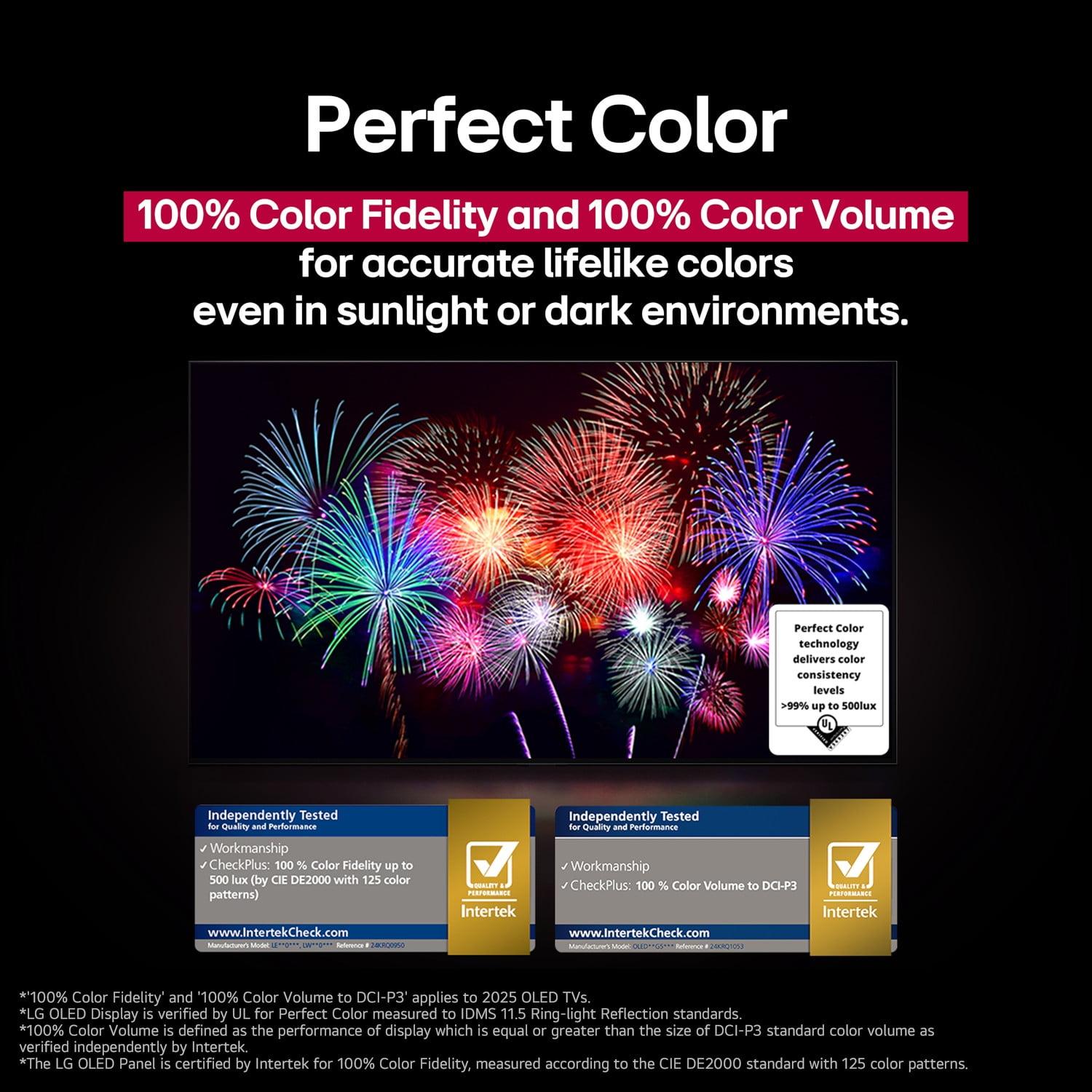
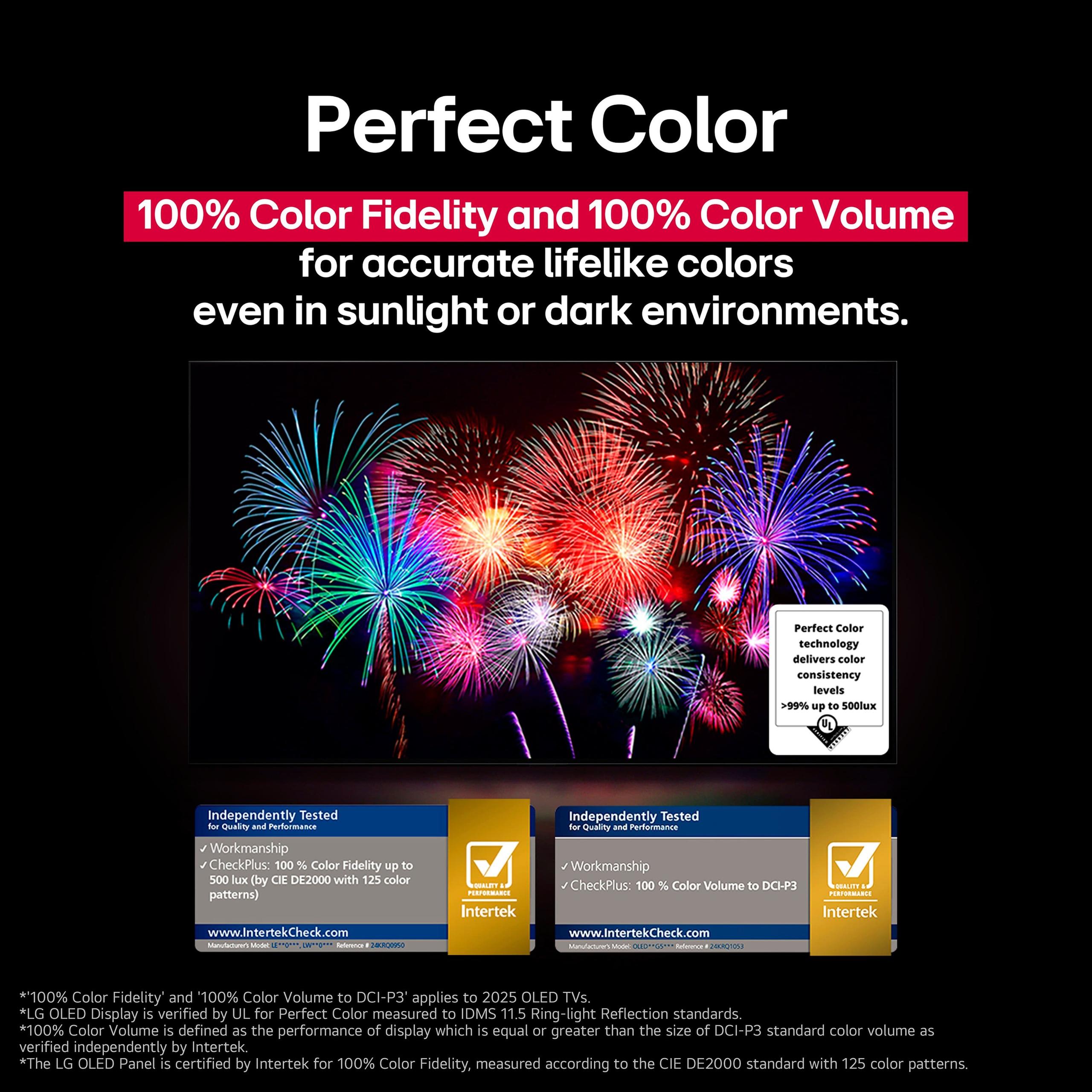
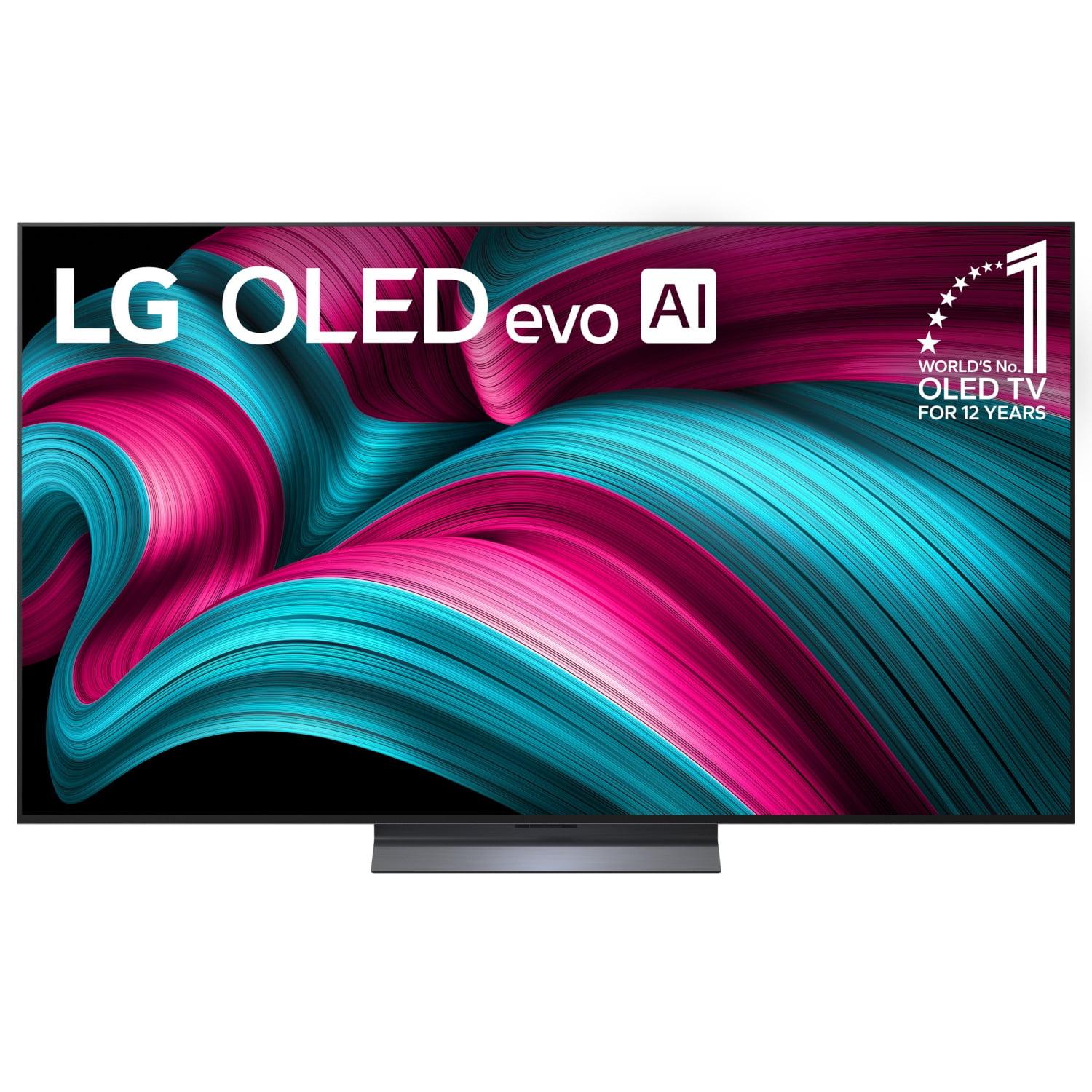
Both TVs excel at color reproduction, but in different ways. The OLED C5 delivers exceptional out-of-box color accuracy – often better than displays costing thousands more. Each pixel can produce its own color independently, leading to incredibly precise gradations and smooth color transitions. When watching nature documentaries or animated films, the color reproduction feels natural and inviting.
The QNED92A achieves 97% coverage of the DCI-P3 color space (the standard used in movie theaters) through its Quantum Dot and NanoCell technology. Quantum dots are microscopic particles that convert light into very specific colors when excited, while NanoCell technology filters out impure colors. The result is vibrant, accurate colors, though not quite as precise as OLED at extreme viewing angles.
For serious gamers, response time – how quickly pixels can change from one color to another – is crucial. The OLED C5 achieves an incredible 0.1ms response time. This means virtually no motion blur during fast-paced gaming, whether you're playing competitive shooters or racing games. The individual pixel control of OLED technology makes this possible since each pixel can change states almost instantaneously.
The QNED92A measures 9.6ms input lag, which is excellent for Mini LED technology but can't match OLED's near-instantaneous response. For most gamers, this difference won't be noticeable, but competitive esports players might prefer the OLED's edge.
Both TVs support the full suite of modern gaming features. All four HDMI ports on each model support HDMI 2.1, enabling 4K resolution at 120Hz refresh rates – perfect for PlayStation 5 and Xbox Series X. Variable Refresh Rate (VRR) synchronizes the TV's refresh rate with your console's output, eliminating screen tearing. Both also support AMD FreeSync and NVIDIA G-Sync for PC gaming compatibility.
The OLED C5 goes a step further by supporting refresh rates up to 144Hz, beneficial for high-end PC gaming. It also includes adjustable SDR peak brightness in game mode, addressing a common complaint about OLEDs appearing too dim for certain games.
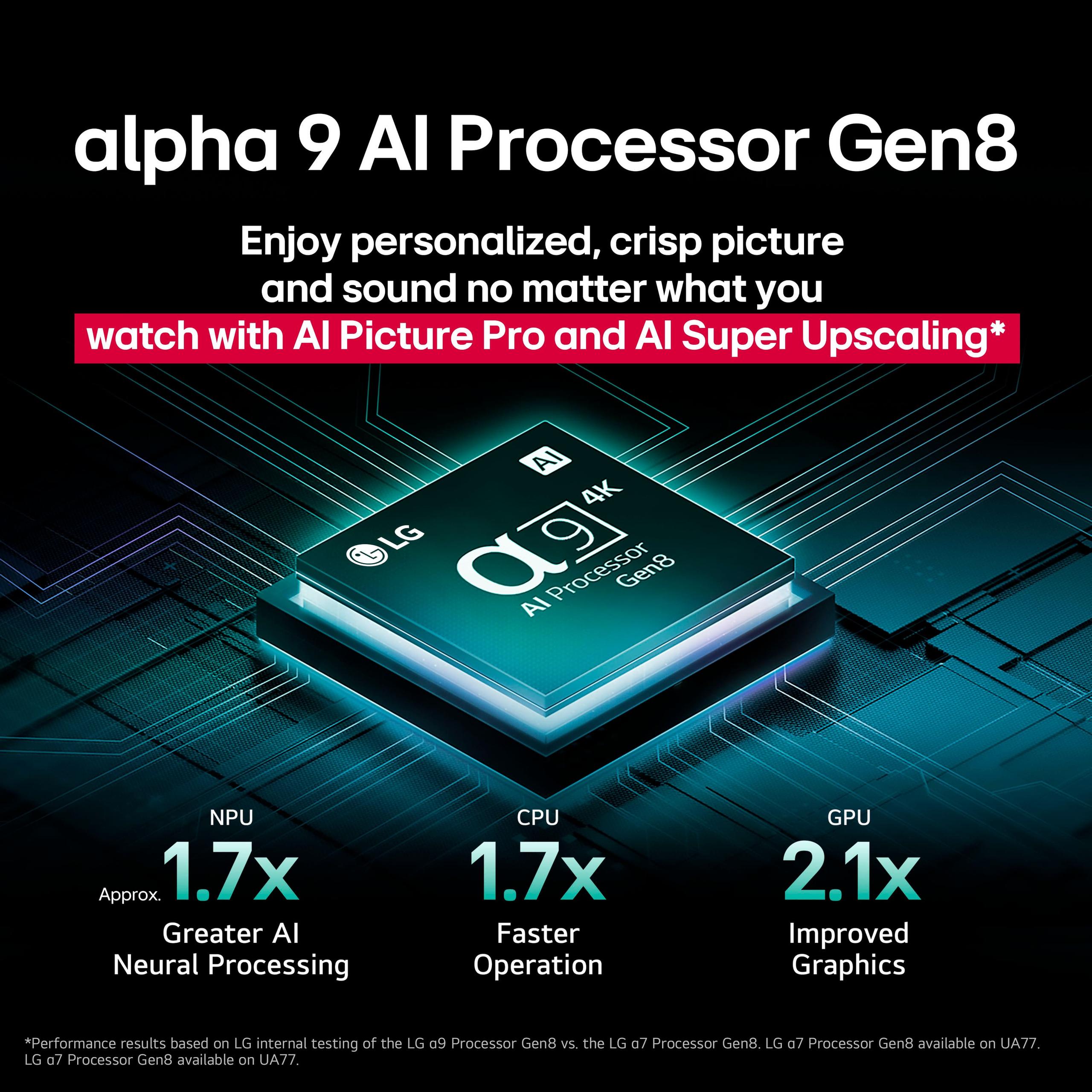
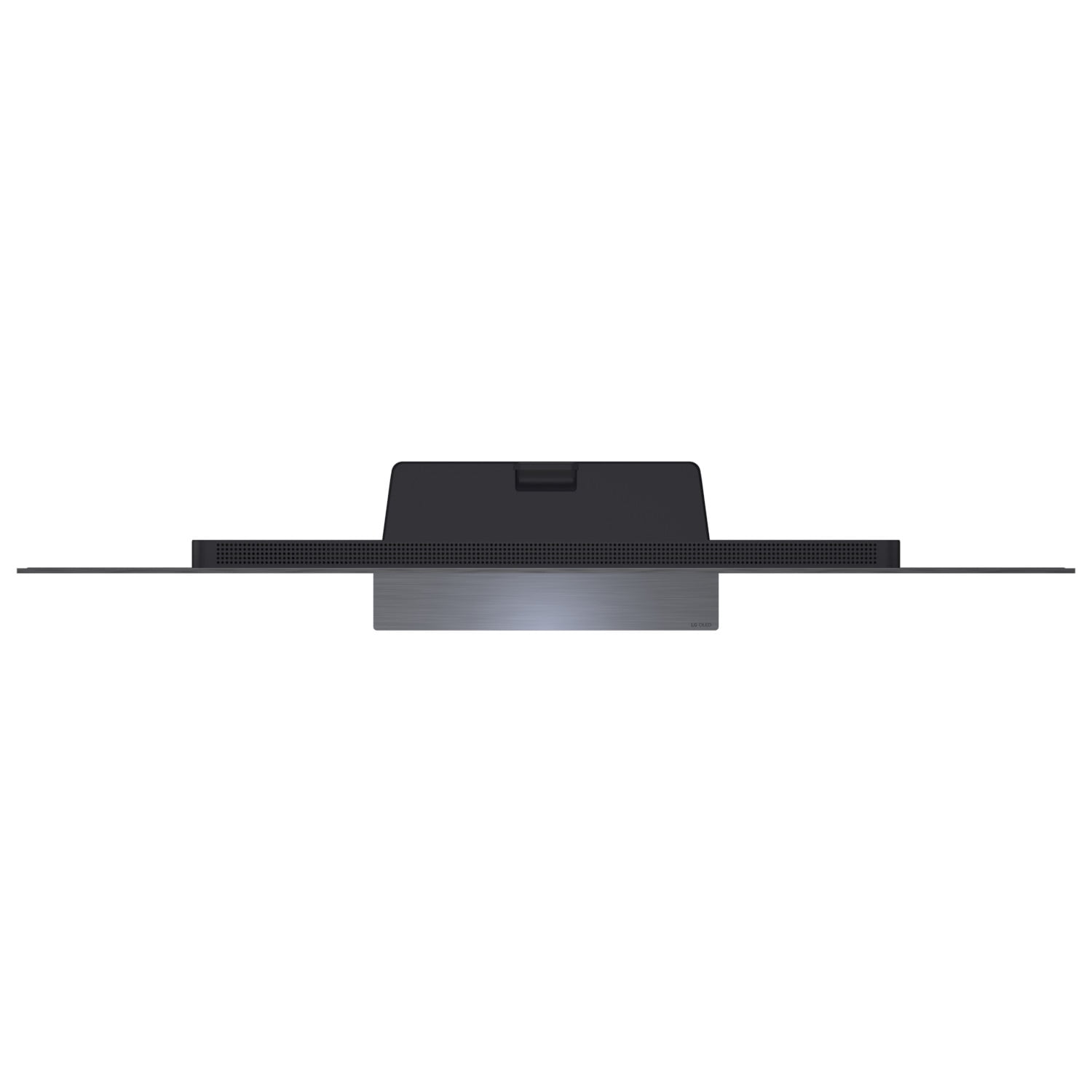
While both TVs include competent built-in audio systems, neither will replace a dedicated sound system for serious home theater use. The OLED C5 integrates speakers into its slim profile with Dolby Atmos processing, while the QNED92A features a 2.2 channel system with α8 AI Sound Pro. Both support LG's sound enhancement features, but the physical limitations of thin TV speakers mean external audio will always provide a more immersive experience.
Both models run webOS 25, LG's latest smart TV platform, which offers intuitive navigation and comprehensive app support. The Magic Remote provides point-and-click control along with voice commands through integrated Google Assistant and Amazon Alexa support. LG's commitment to long-term software support means both TVs will receive feature updates for up to five years through their Re:New Program.
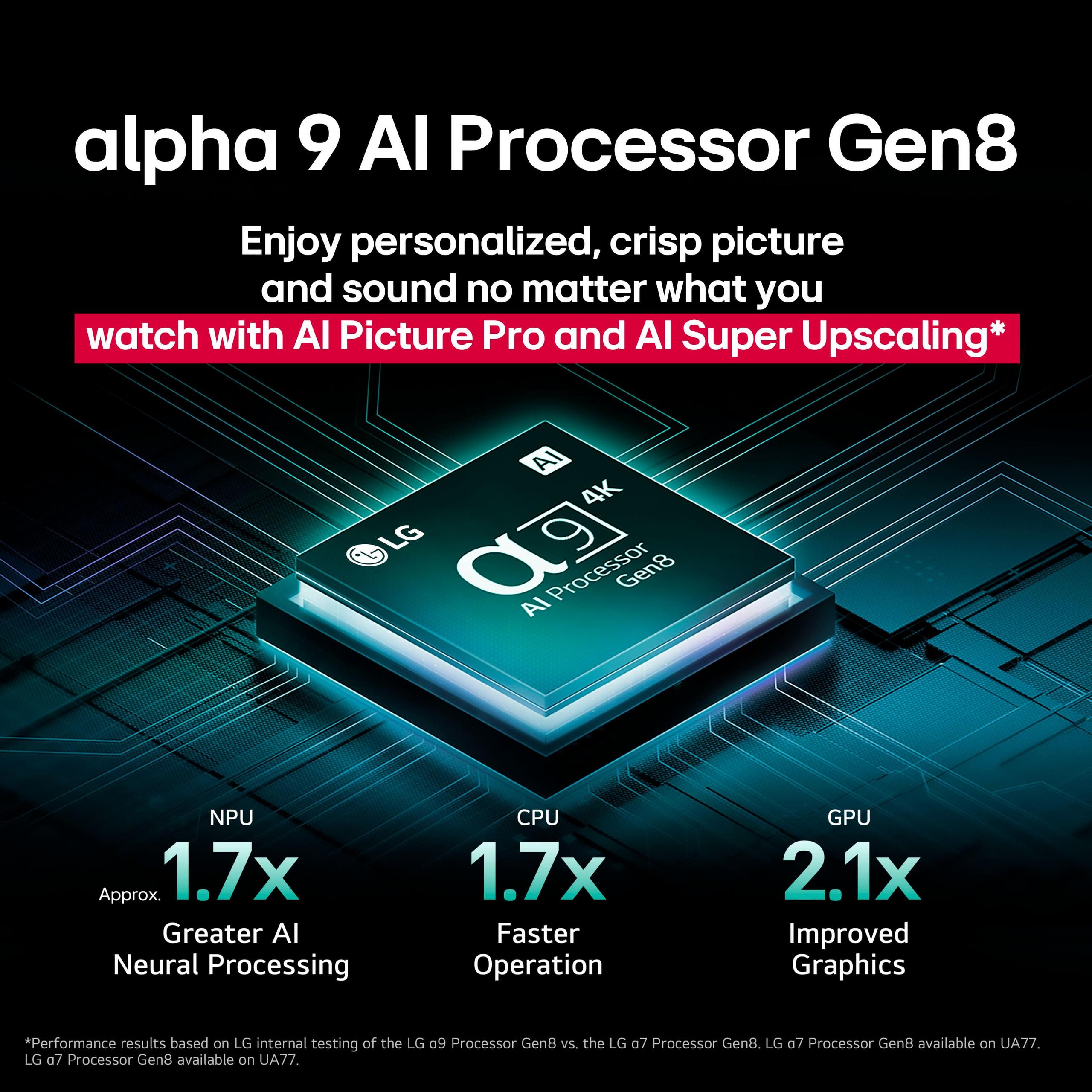
The AI processing in both models continuously optimizes picture and sound based on content type and viewing conditions. This adaptive approach means the TV automatically adjusts settings whether you're watching a dark movie, bright sports game, or playing video games.
The pricing tells an interesting story. The QNED92A at $1,681.99 represents impressive value for Mini LED technology, offering flagship-level brightness and features at a competitive price point. The OLED C5's price range of $1,697-$2,196.99 reflects the premium nature of OLED technology, though it's more accessible than LG's flagship G5 series.
From a pure feature-per-dollar perspective, the QNED92A offers exceptional brightness performance that would cost significantly more in other brands' Mini LED offerings. The OLED C5 provides the cinematic experience that enthusiasts crave, with perfect blacks and color accuracy that justify the premium for many users.
For dedicated home theater setups, the choice becomes more nuanced. If you've invested in blackout curtains and ambient lighting control, the OLED C5 becomes incredibly compelling. The perfect blacks create an almost three-dimensional image depth that draws you into the content. Movies shot in dark environments reveal details that simply aren't visible on other display types.
However, if your "home theater" is actually a multi-purpose living room, the QNED92A might serve you better. Its superior brightness means picture quality doesn't suffer when someone turns on a lamp or opens blinds during the day. The practical reality is that most people watch TV in less-than-perfect lighting conditions, where the QNED92A's brightness advantage becomes valuable.
One consideration that often gets overlooked is long-term durability. The QNED92A uses traditional LCD technology that's essentially immune to burn-in – the permanent image retention that can occur with static elements like channel logos or game HUDs. This makes it worry-free for varied usage patterns.
Modern OLEDs like the OLED C5 have dramatically improved burn-in resistance compared to early generations, but the risk isn't completely eliminated. For typical mixed usage, this shouldn't be a concern, but users who display static images for extended periods might prefer the peace of mind that comes with LCD technology.
After extensive consideration of both models, the decision ultimately comes down to your viewing environment and priorities. If you watch TV primarily in bright rooms or during daytime, the QNED92A's superior brightness makes it the clear choice. The difference in bright room performance is dramatic – what appears washed out on the OLED remains vibrant and engaging on the Mini LED.
Conversely, if you can control your viewing environment or watch primarily in darker conditions, the OLED C5's perfect blacks and superior contrast deliver a more immersive experience that justifies the price premium. The cinematic quality is genuinely superior for movies and shows.
For gaming enthusiasts, both TVs excel, but the OLED C5 has a slight edge due to its faster response times and higher refresh rate capability. The difference matters most for competitive gaming, where every millisecond counts.
Budget-conscious buyers will find the QNED92A offers exceptional value, delivering flagship-level features without the premium associated with OLED technology. The worry-free ownership and bright room performance make it an excellent choice for families or mixed-use environments.
Ultimately, both TVs represent the pinnacle of their respective technologies. The QNED92A excels in bright environments and offers worry-free ownership, while the OLED C5 provides superior picture quality in controlled lighting conditions. Your room's lighting characteristics and viewing habits should guide your decision – both will deliver years of exceptional entertainment when matched to the right environment.
| LG 65" QNED92A QNED evo AI Mini LED 4K TV 2025 | LG OLED evo C5 65" 4K TV 2025 |
|---|---|
| Current Price - Value proposition for premium 65" TVs | |
| $1,681.99 | $1,697-$2,196.99 |
| Display Technology - Fundamental difference affecting all picture quality | |
| Mini LED backlight with Quantum Dot + NanoCell LCD panel | Self-emissive OLED pixels (no backlight needed) |
| Peak Brightness - Critical for bright room viewing and HDR impact | |
| 1,520+ nits (excellent for daytime viewing) | Improved but lower than Mini LED (better for controlled lighting) |
| Black Levels - Most important for dark room movie watching | |
| High contrast but some backlight bleed | Perfect blacks with infinite contrast |
| Processor - Affects AI features and picture optimization | |
| α9 AI Gen8 Processor | Alpha 9 AI Processor Gen8 |
| Gaming Response Time - Critical for competitive gaming | |
| 9.6ms input lag (very good for Mini LED) | 0.1ms response time (near-instantaneous) |
| Maximum Refresh Rate - Important for high-end PC gaming | |
| 120Hz native | 120Hz native (up to 144Hz for gaming) |
| HDMI 2.1 Ports - Needed for 4K@120Hz gaming | |
| 4 ports (full bandwidth) | 4 ports (full bandwidth) |
| Color Accuracy - Affects realistic color reproduction | |
| 97% DCI-P3 coverage, good viewing angles | Exceptional out-of-box accuracy, excellent viewing angles |
| Burn-in Risk - Long-term durability consideration | |
| No burn-in risk (LCD technology) | Minimal risk with modern panels but still possible |
| Smart Platform - User experience and app support | |
| webOS 25 with 5-year update guarantee | webOS 25 with 5-year update guarantee |
| Audio System - Built-in sound capabilities | |
| 2.2 channel with α8 AI Sound Pro | Integrated speakers with Dolby Atmos |
| Best Use Case - Where each TV excels | |
| Bright rooms, daytime viewing, worry-free ownership | Dark rooms, home theater, cinematic experience |
The LG QNED92A Mini LED ($1,681.99) is significantly better for bright rooms. With peak brightness exceeding 1,520 nits, it can overcome ambient light and maintain picture quality during daytime viewing. The OLED C5 has improved brightness over previous OLEDs but still can't match Mini LED's raw brightness output, making it better suited for controlled lighting environments.
The QNED92A is priced at $1,681.99, while the OLED C5 ranges from $1,697-$2,196.99 depending on retailer and promotions. The QNED92A offers slightly better value at entry level, though both TVs are competitively priced for their respective premium display technologies.
The OLED C5 delivers superior black levels with perfect blacks and infinite contrast since each pixel can turn completely off. The QNED92A offers high contrast with its Mini LED dimming zones but cannot achieve true black levels due to its LCD panel, resulting in some backlight bleed in dark scenes.
For dedicated home theaters with controlled lighting, the OLED C5 is superior due to its perfect blacks, infinite contrast, and cinematic picture quality. However, if your home theater doubles as a living room with ambient light, the QNED92A's superior brightness might be more practical for consistent picture quality.
Choose the QNED92A if your living room has lots of natural light or you watch TV during the day, as its superior brightness handles ambient light better. Choose the OLED C5 if you can control lighting and prioritize the best possible picture quality for movies and entertainment, accepting the slightly higher price.
We've done our best to create useful and informative comparisons to help you decide what product to buy. Our research uses advanced automated methods to create this comparison and perfection is not possible - please contact us for corrections or questions. These are the sites we've researched in the creation of this article: stereoindex.com - youtube.com - youtube.com - digitaltrends.com - abt.com - lg.com - youtube.com - ecoustics.com - hometheaterforum.com - lg.com - valueelectronics.com - listenup.com - pcrichard.com - furnitureconnectionnd.com - avnirvana.com - files.bbystatic.com - lg.com - lgnewsroom.com - techradar.com - bestbuy.com - bestbuy.com - youtube.com - youtube.com - bestbuy.com - rtings.com - youtube.com - businessinsider.com - youtube.com - bestbuy.com - lg.com - files.bbystatic.com - lg.com - flatpanelshd.com - lg.com - blvdhome.com - bhphotovideo.com - flanners.com - videopro.com.au

Privacy Policy
Terms and Conditions - Affiliate Policy
Home Security
© Copyright 2008-2026.
11816 Inwood Rd #1211, Dallas, TX 75244