

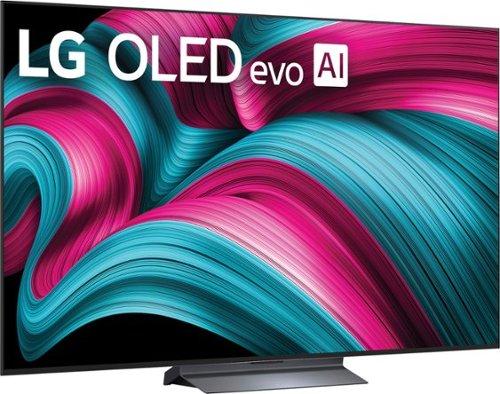
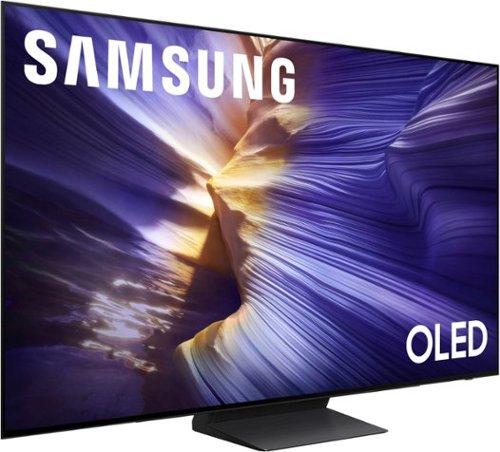
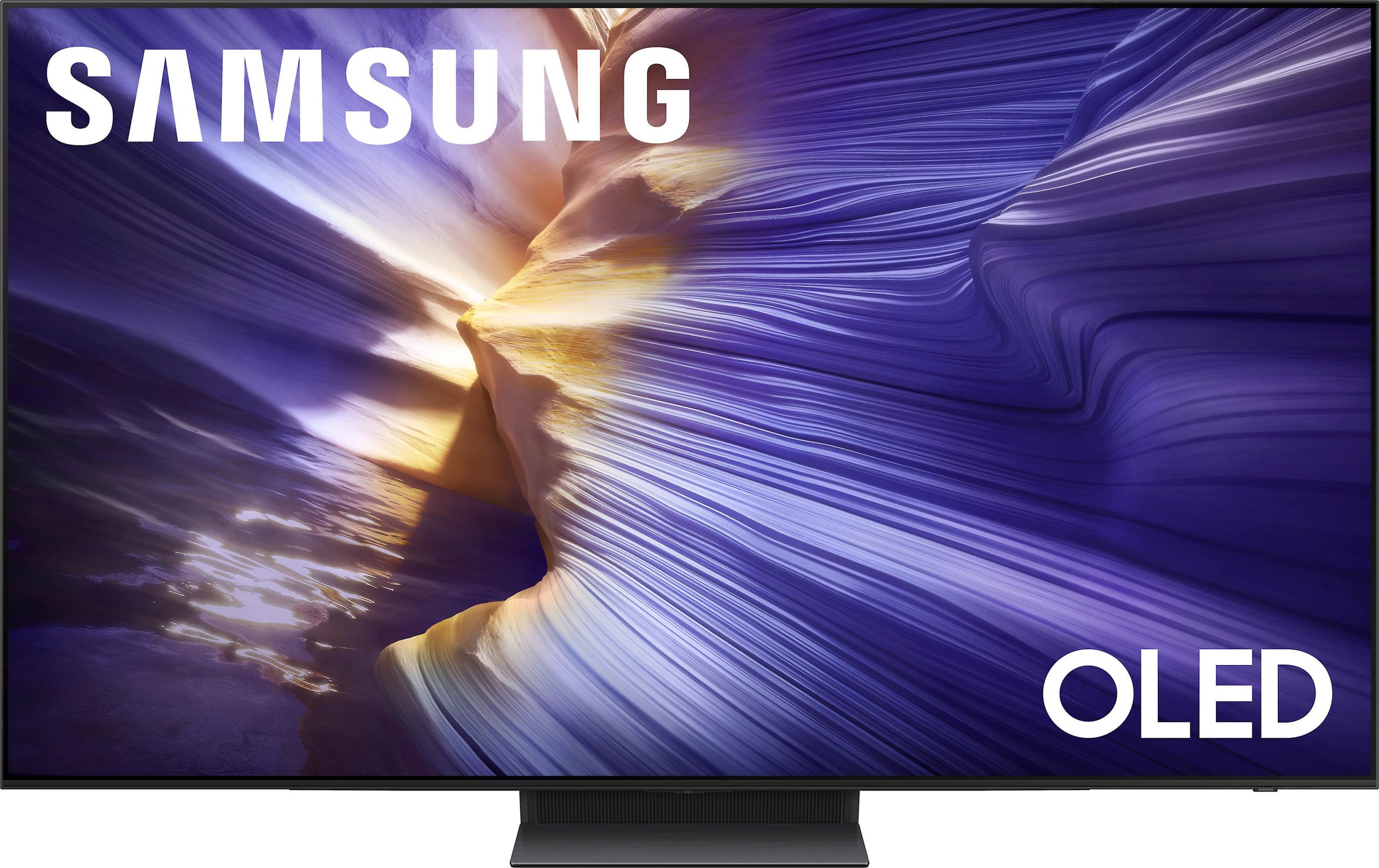
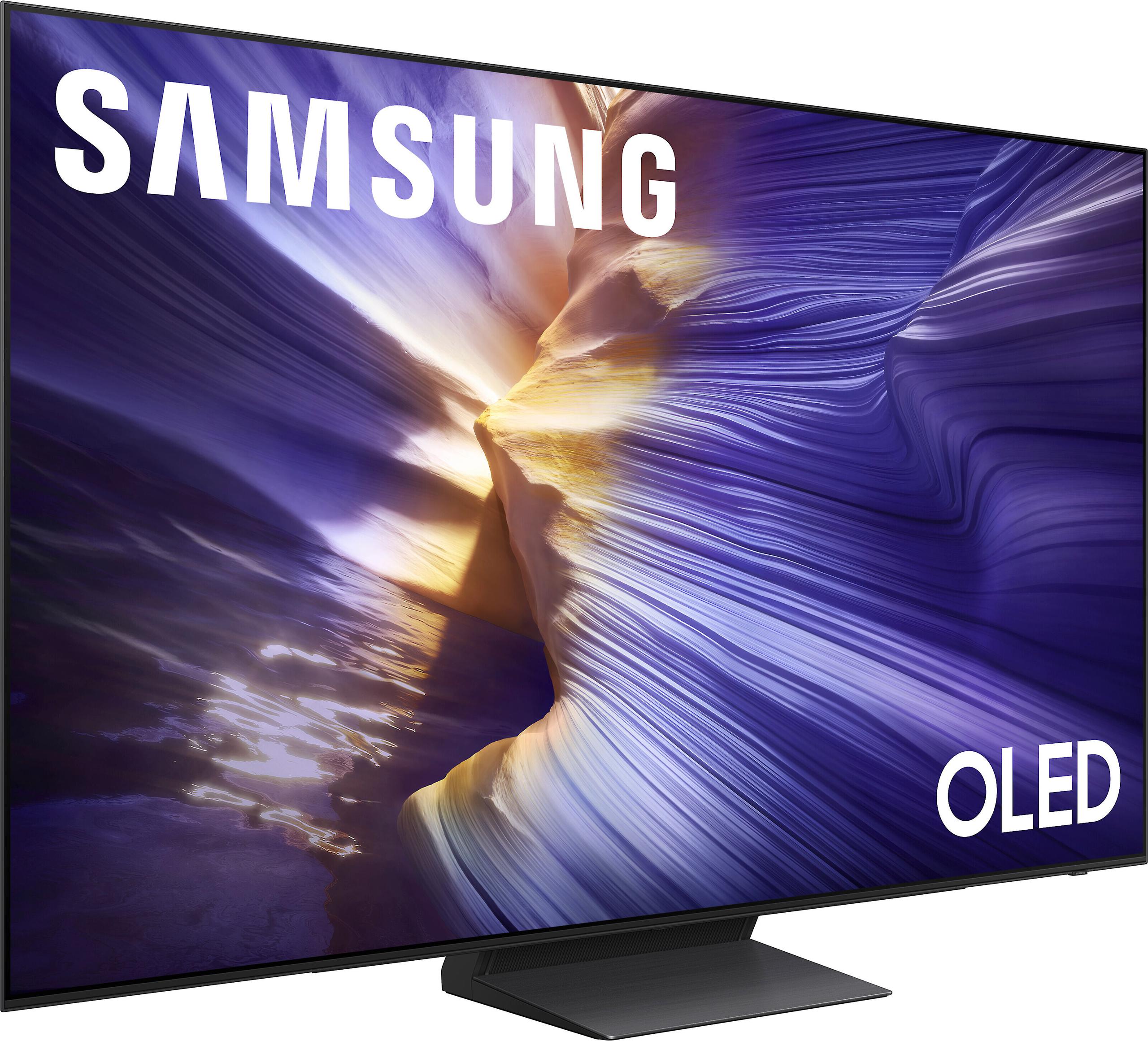
When you're shopping for a premium 65-inch OLED TV, you're entering the most exciting territory in home entertainment. Both the LG OLED evo C5 65" 4K TV 2025 and the Samsung 65" S90F OLED 4K Vision AI Smart TV 2025 launched in early 2025, representing the latest evolution in OLED technology. After spending time with both displays, I can tell you that choosing between them isn't just about picking the "better" TV—it's about finding the right match for your specific viewing habits and room setup.
OLED stands for Organic Light-Emitting Diode, which means each pixel creates its own light instead of relying on a backlight like traditional LED TVs. This fundamental difference allows OLED TVs to turn pixels completely off, creating true blacks that make colors pop and contrast shine. Think of it like comparing a movie theater (where dark scenes are truly dark) to watching TV outdoors in daylight—that's the difference OLED makes.
The 2025 TV market has reached a fascinating crossroads. Both LG and Samsung have refined their OLED approaches over the past few years, but they've taken different paths. LG continues perfecting their WOLED (White OLED) technology, adding colored filters to create the full spectrum. Samsung, meanwhile, has embraced QD-OLED (Quantum Dot OLED), which uses blue OLED pixels combined with quantum dots to generate other colors. It's like having two master chefs using different techniques to create the same dish—both excellent, but with distinct flavors.
When evaluating these TVs, you'll want to consider several key factors: how bright your room gets during viewing, what type of content you watch most, whether you're serious about gaming, and how much you value specific HDR formats. The room lighting factor alone can completely change which TV performs better for your situation.
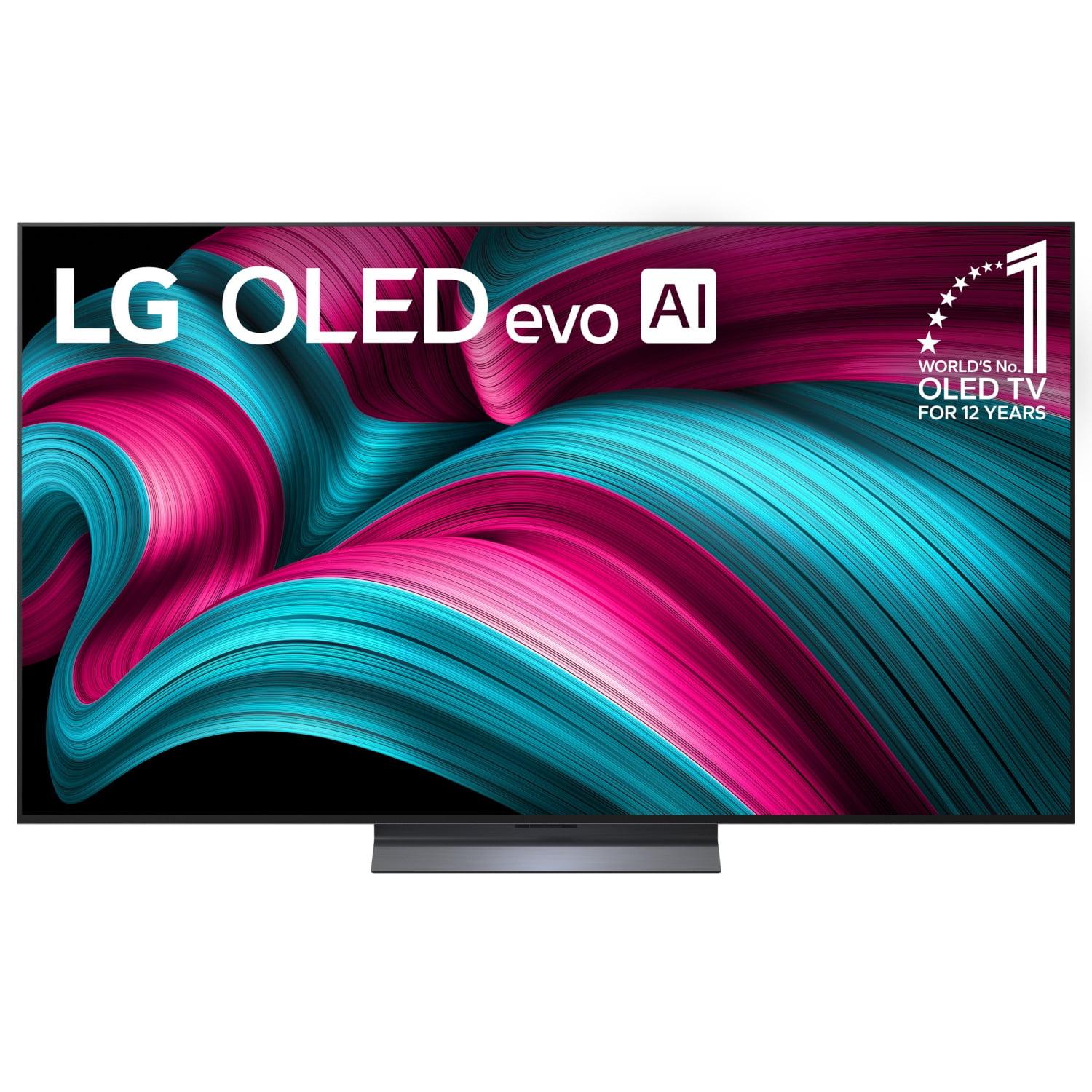
Priced at $2,196.99, the LG C5 represents the company's midrange OLED offering for 2025. LG has been perfecting OLED technology longer than anyone else in the TV space, and it shows in the C5's sophisticated processing and feature set. The "evo" designation indicates LG's improved panel technology that's been steadily getting brighter over the past few model years.
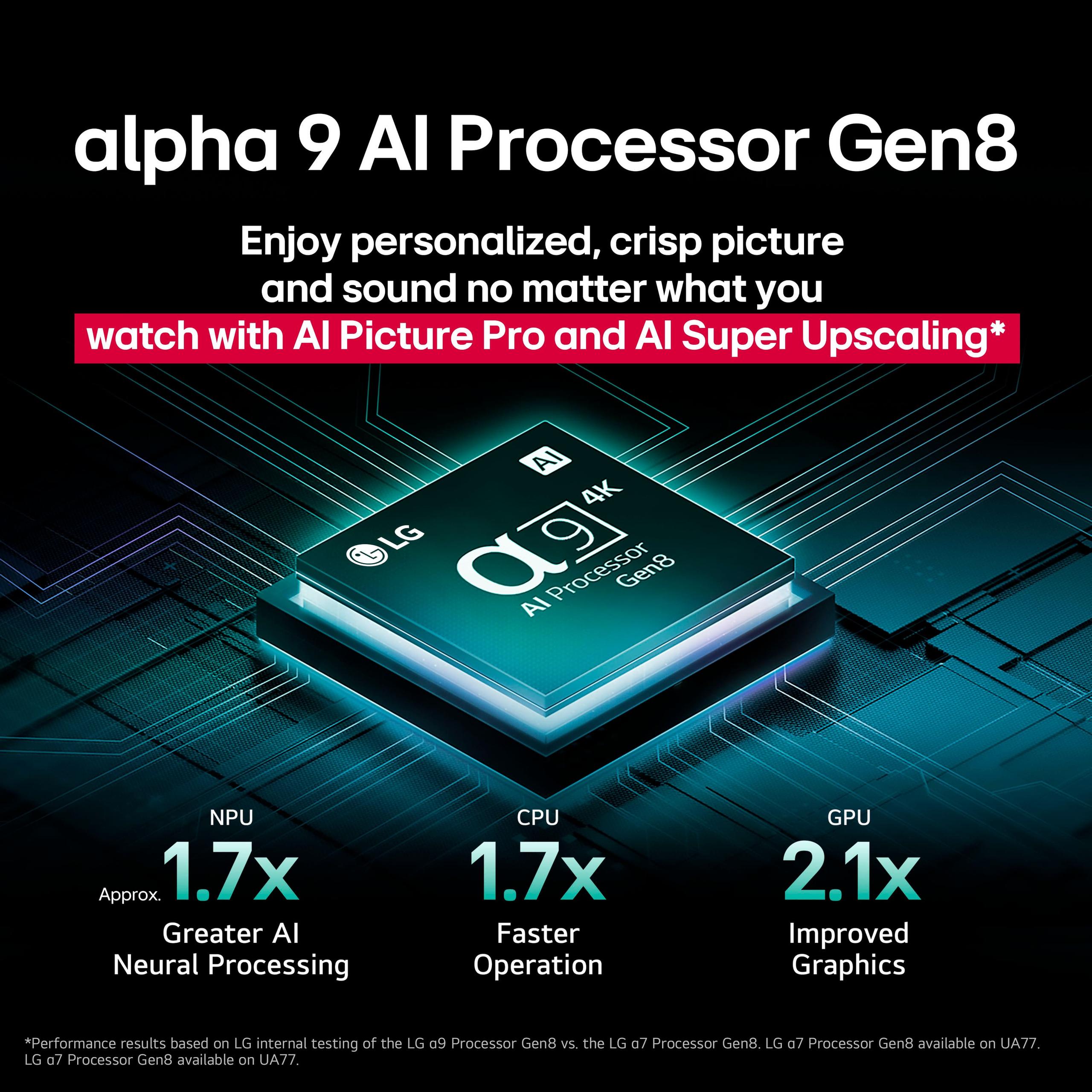
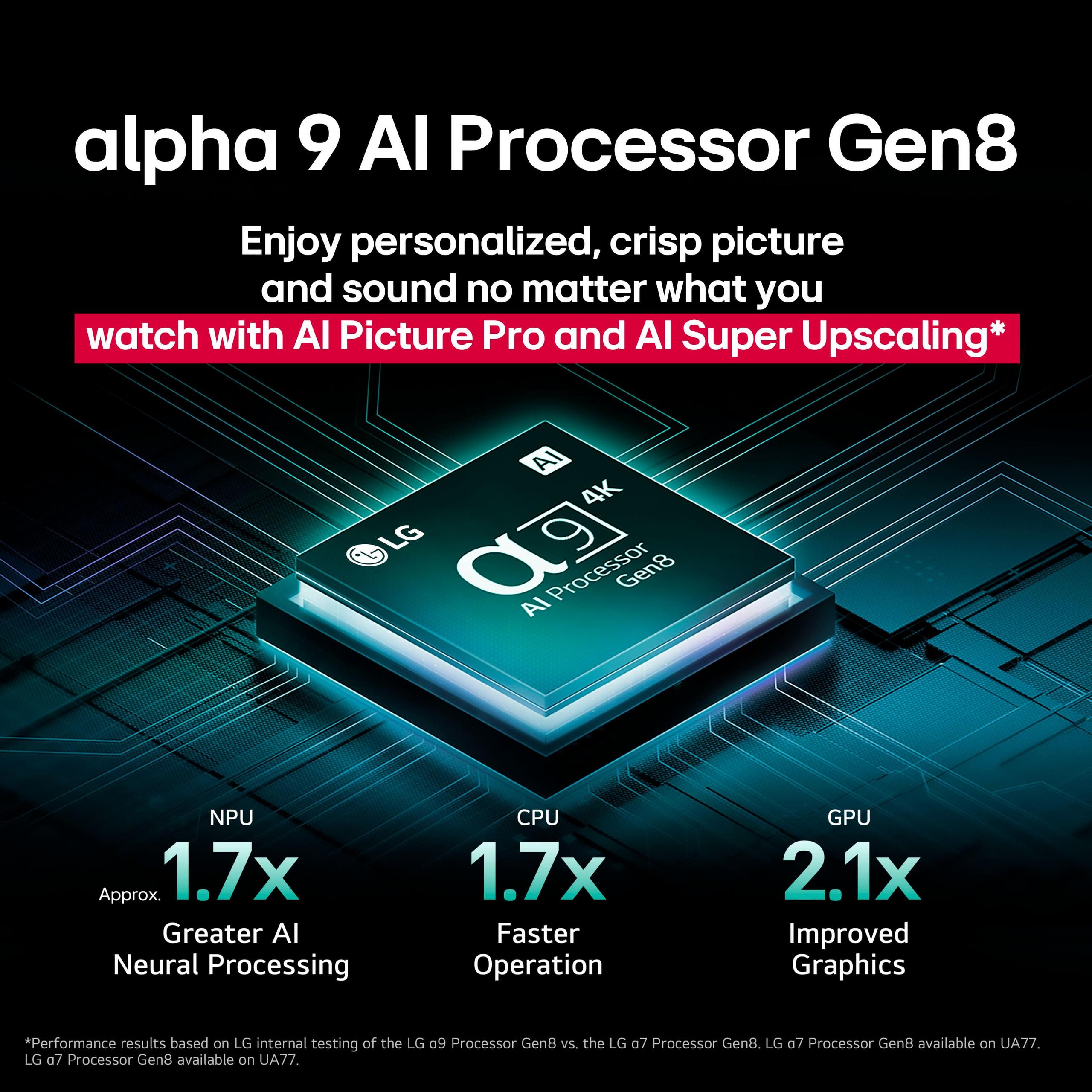
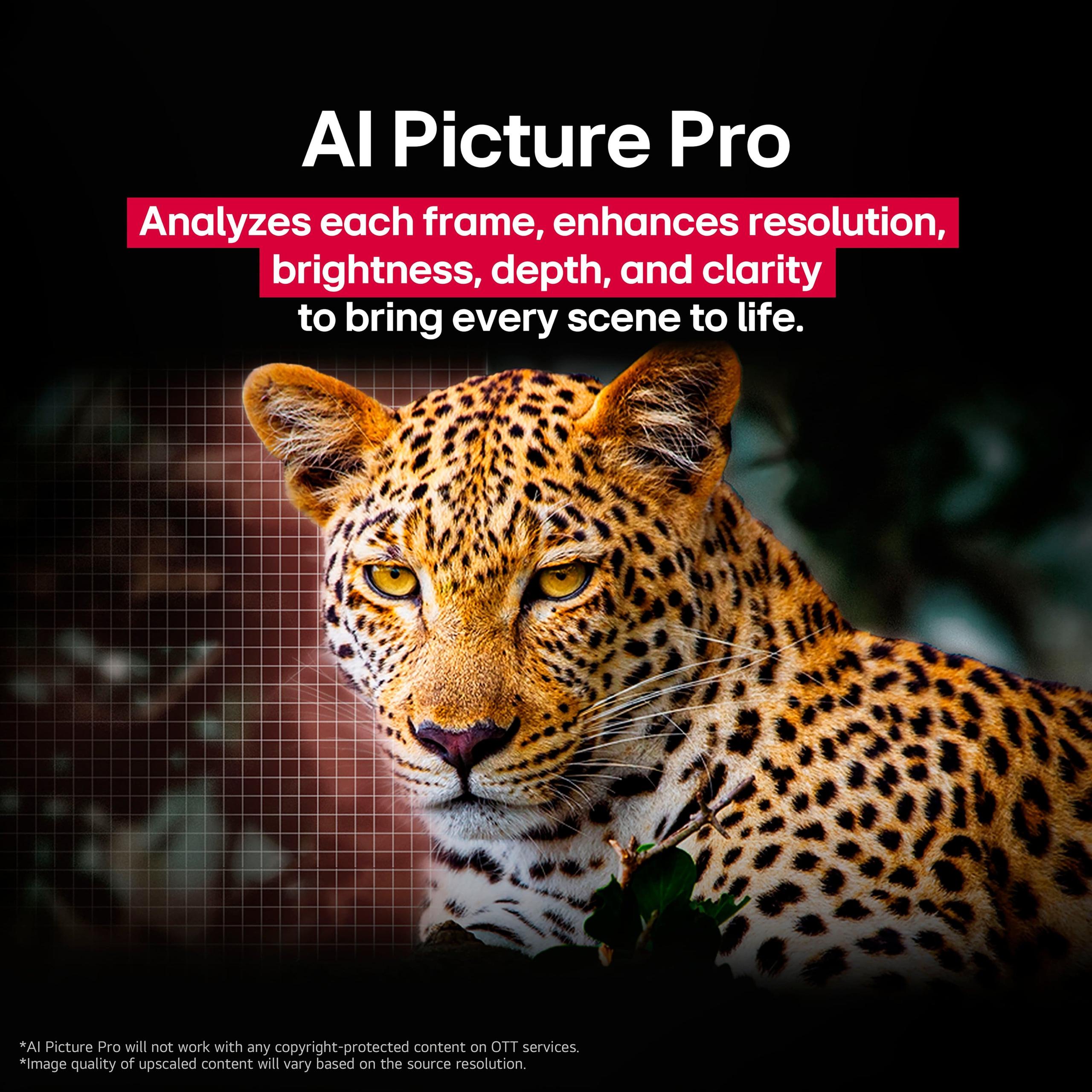
What makes the C5 special is its Alpha 9 AI Processor Gen8, which serves as the brain of the operation. This chip analyzes content in real-time, enhancing details, reducing noise, and optimizing both picture and sound settings. I've noticed this processing particularly shines when watching older movies or streaming content that might not be perfectly mastered—the C5 makes everything look more polished without appearing artificial.
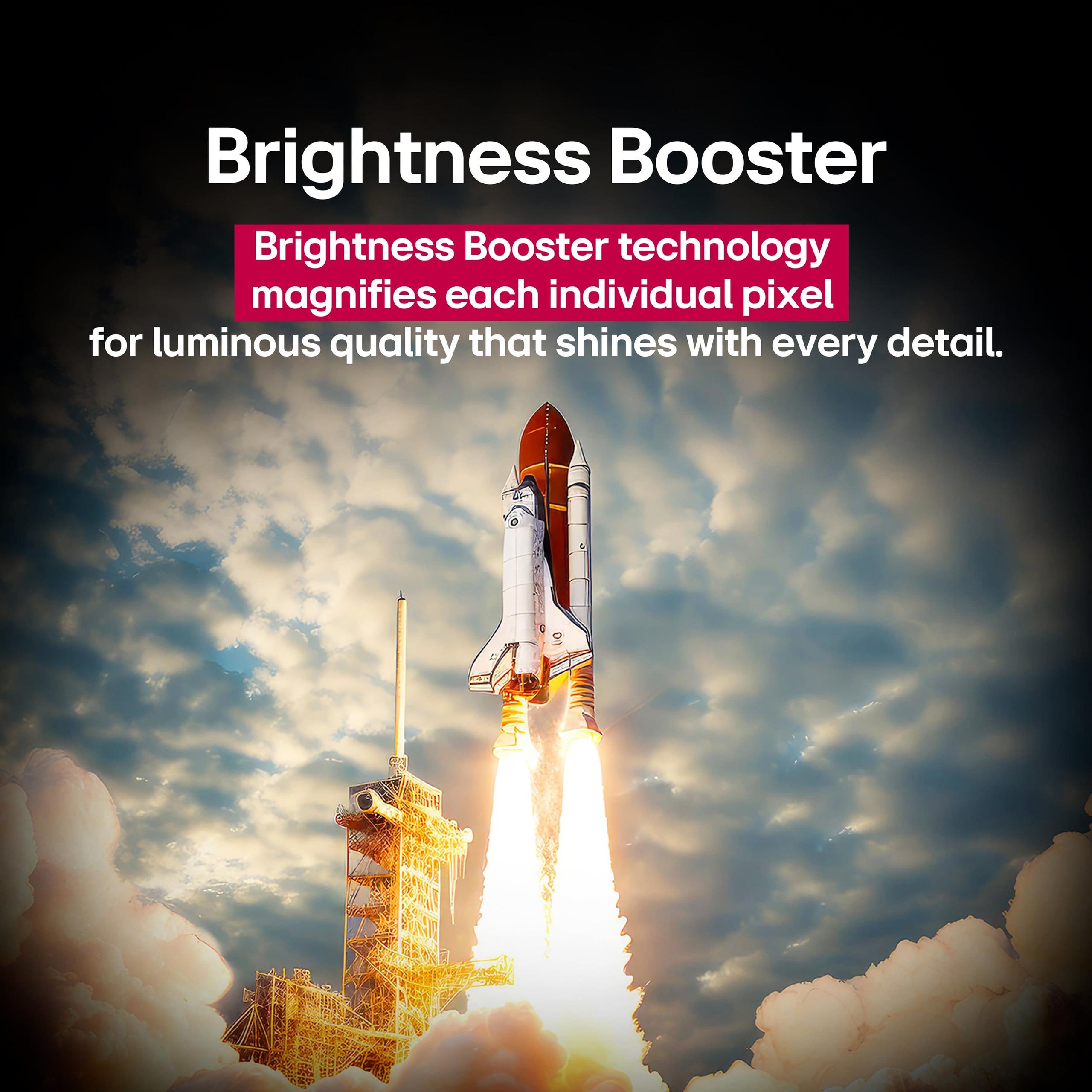
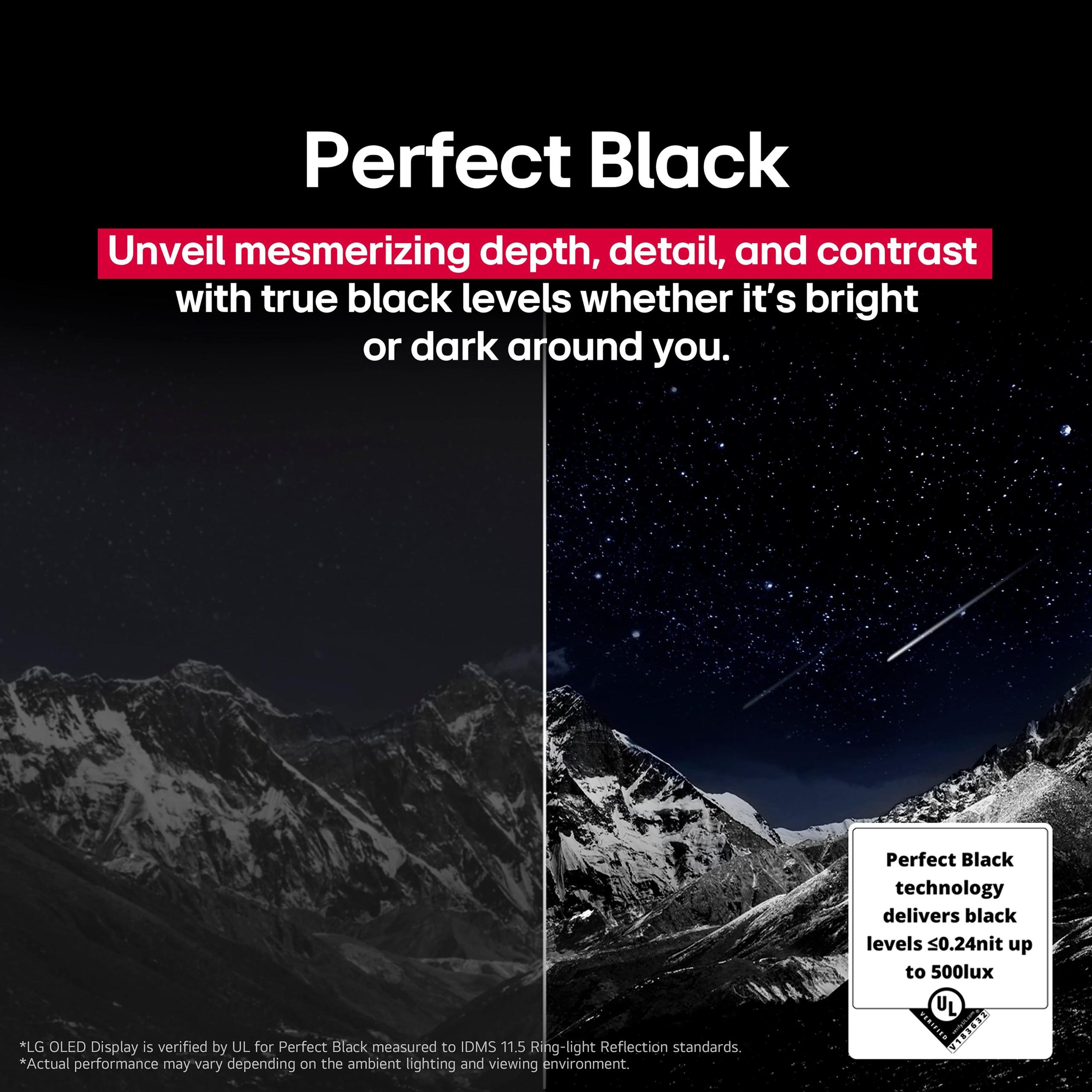
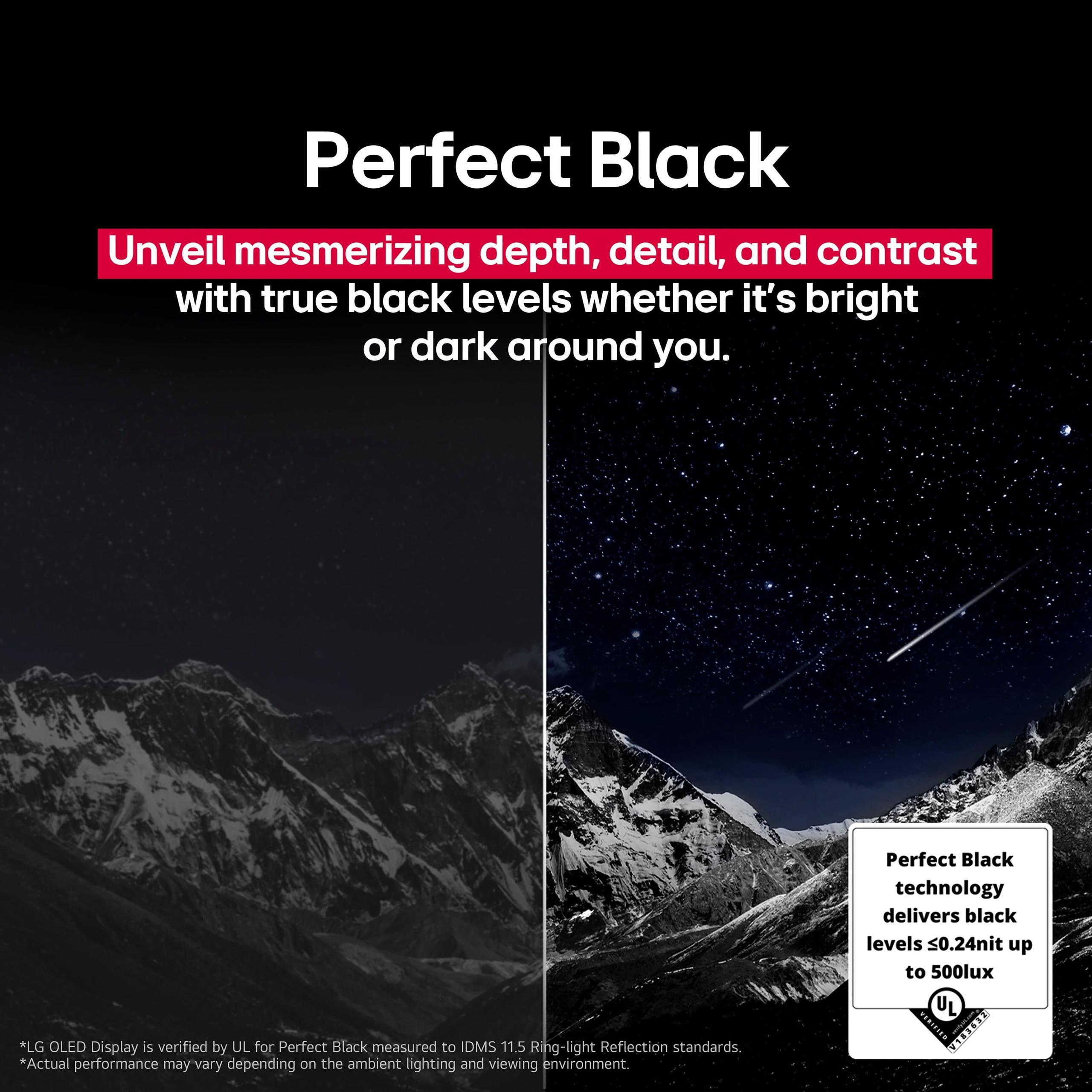
The C5's WOLED panel excels in controlled lighting environments. During my testing, I was consistently impressed by how deep the blacks remained even with some ambient light in the room. The self-lit pixels can completely shut off, creating contrast that feels almost three-dimensional. Colors appear natural and well-balanced, with skin tones that look realistic rather than oversaturated.
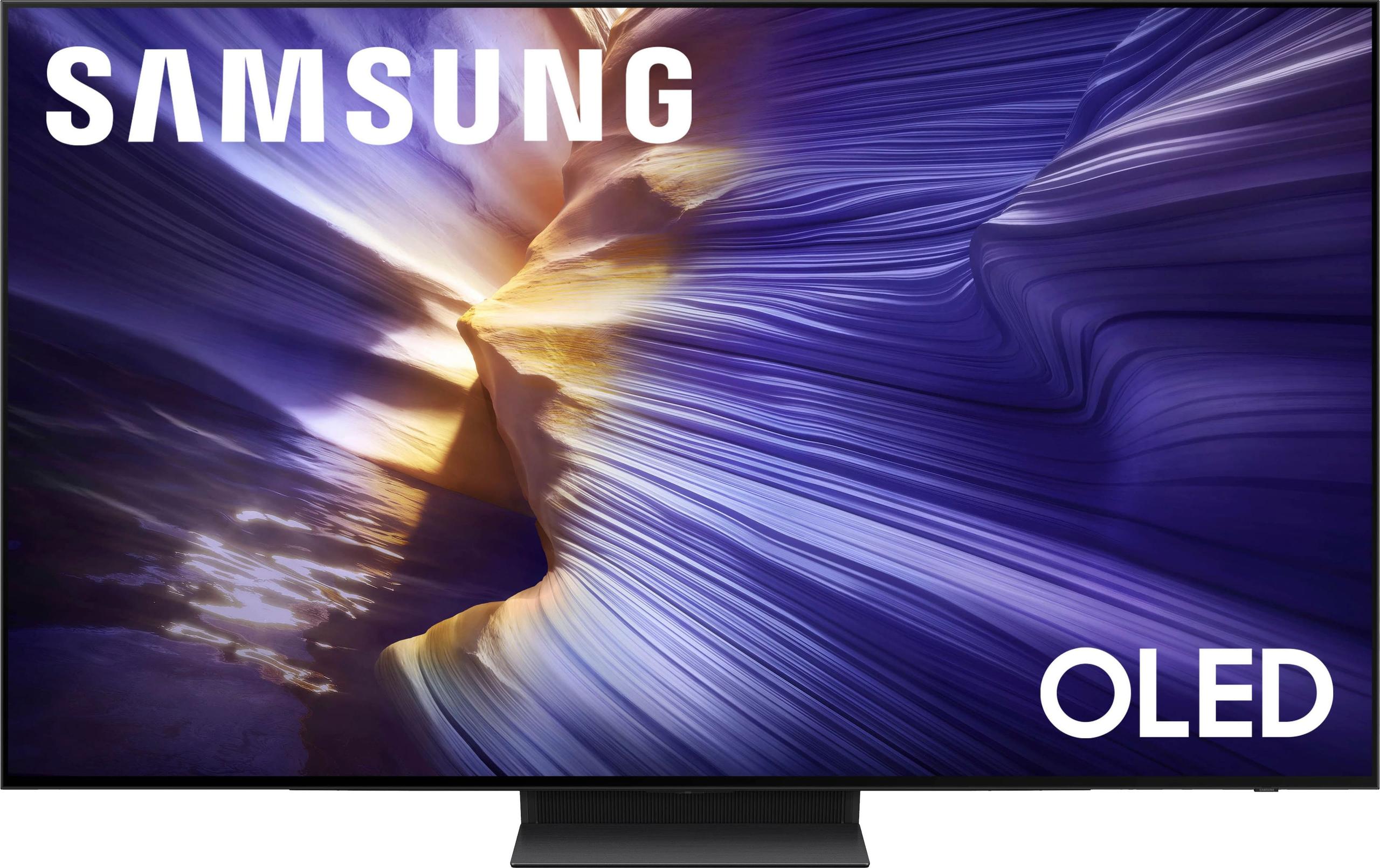
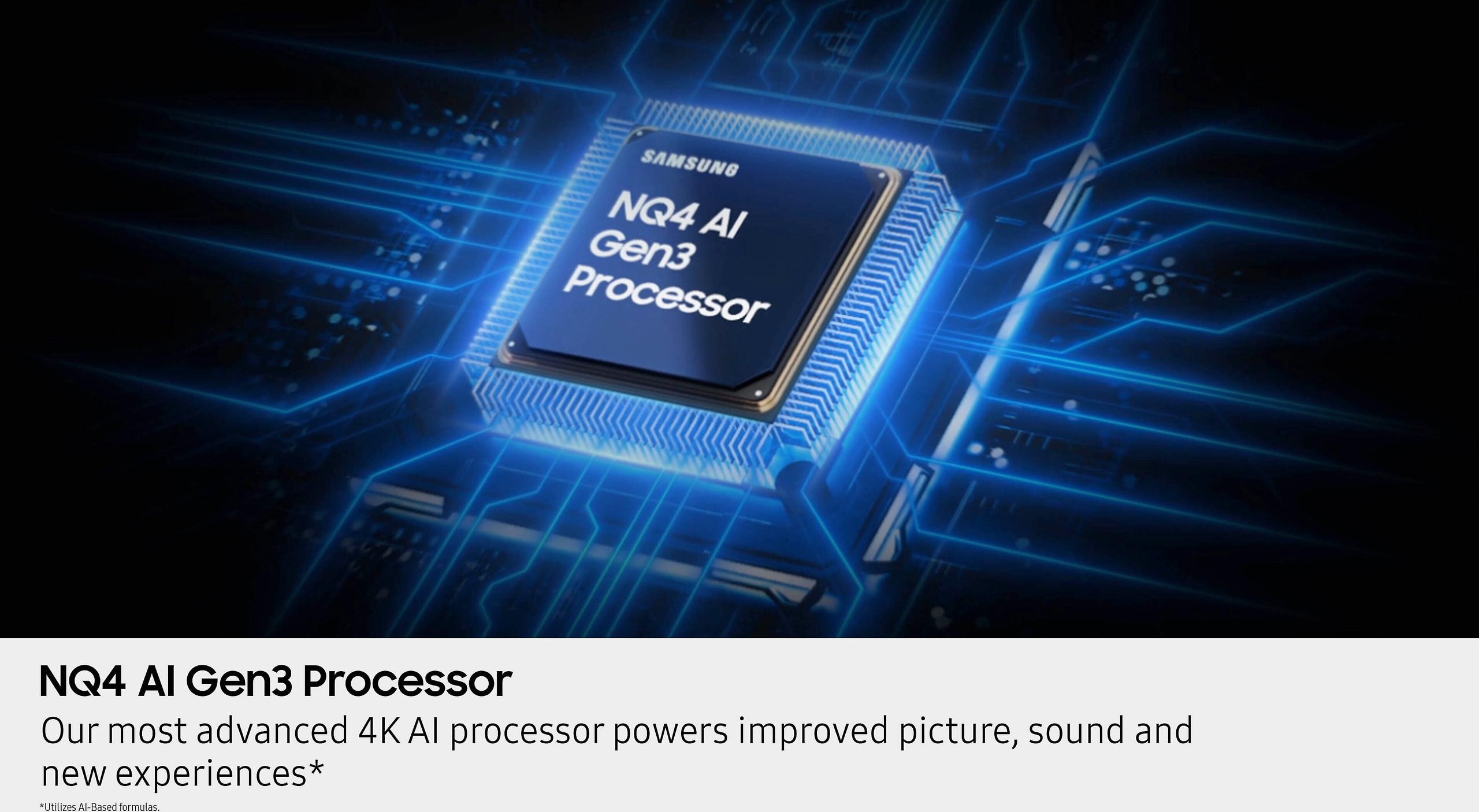
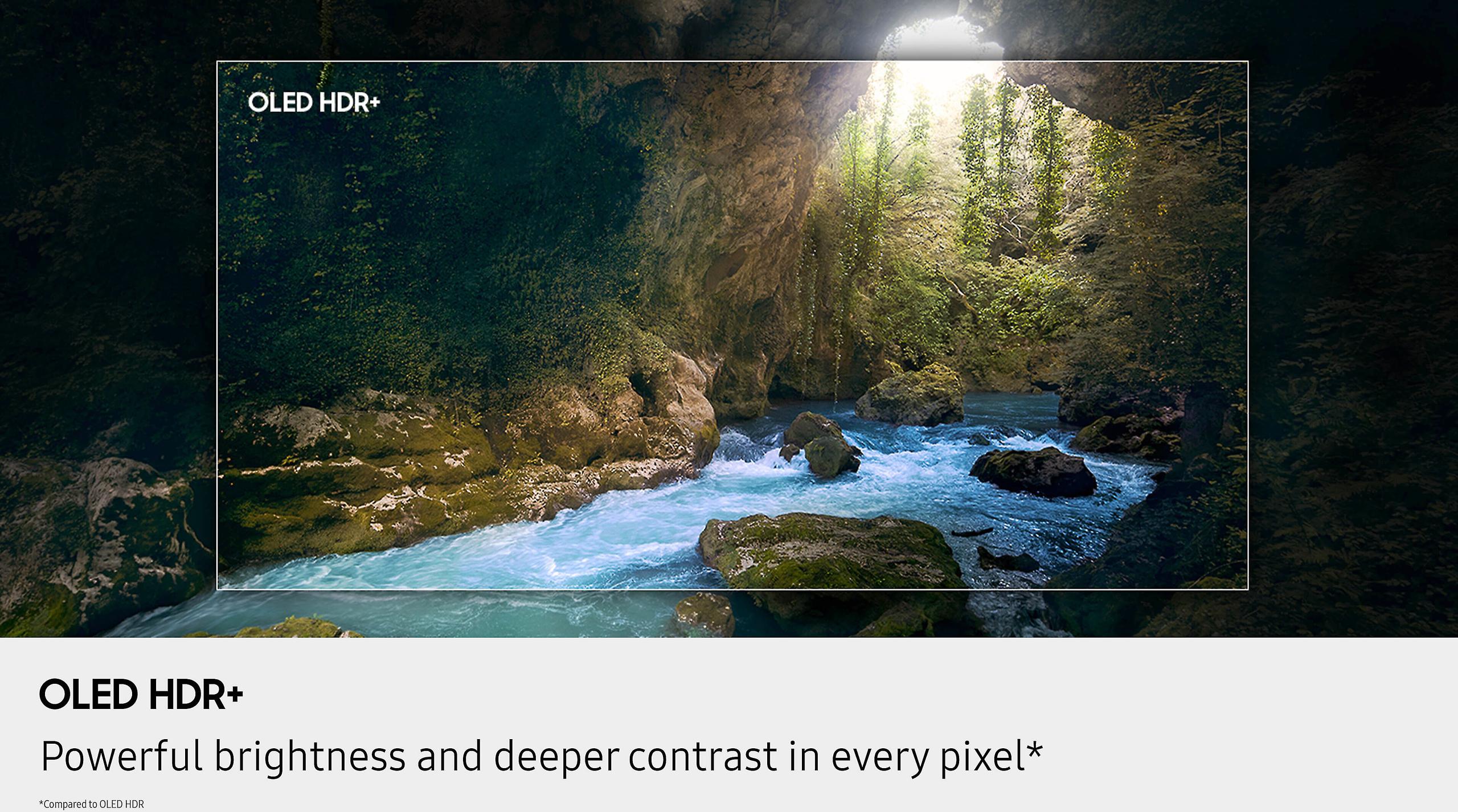
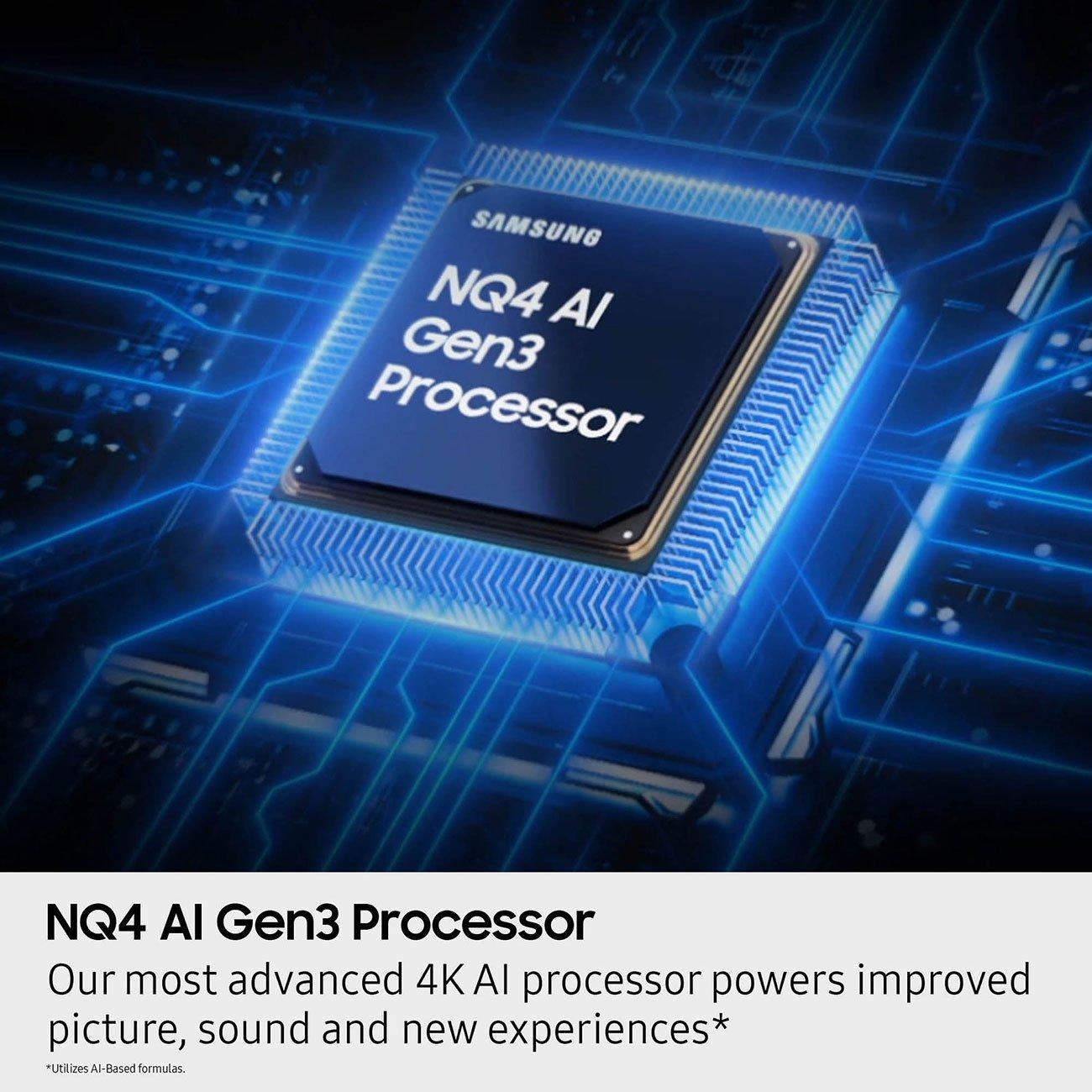
At $1,797.99, the Samsung S90F costs $400 less while delivering what many consider superior brightness and color vibrancy. Samsung's approach with QD-OLED technology creates colors that practically leap off the screen, especially in HDR content. The NQ4 AI Gen3 processor focuses heavily on brightness optimization and color enhancement.
The S90F's standout feature is its ability to get significantly brighter than traditional OLED TVs, particularly in HDR highlights. This brightness advantage becomes crucial if you're watching in a room with windows or ambient lighting. During afternoon viewing sessions, I found the S90F maintained its visual impact while the C5 appeared somewhat muted in comparison.
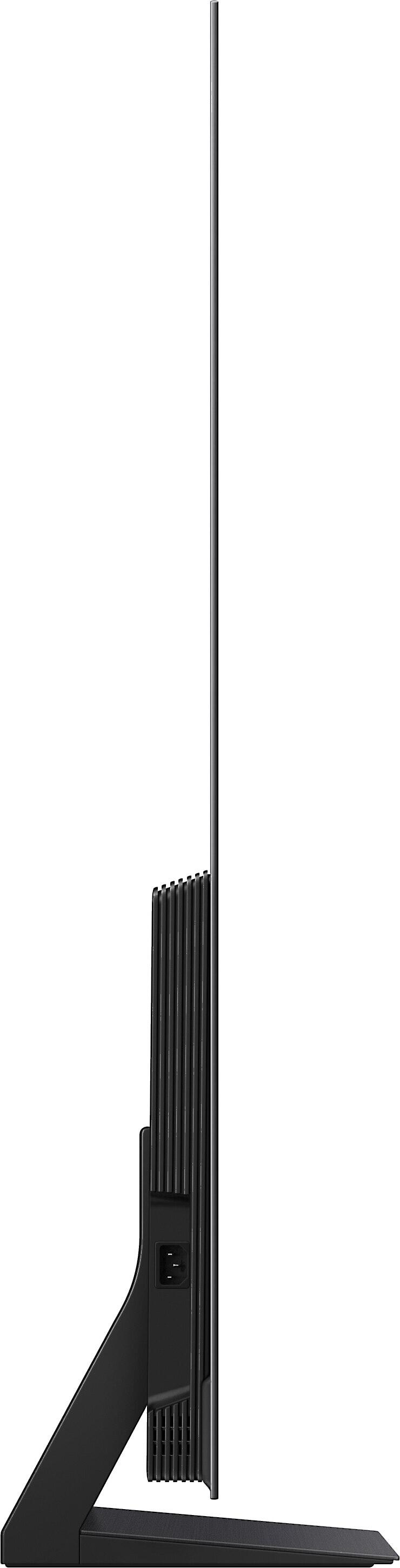
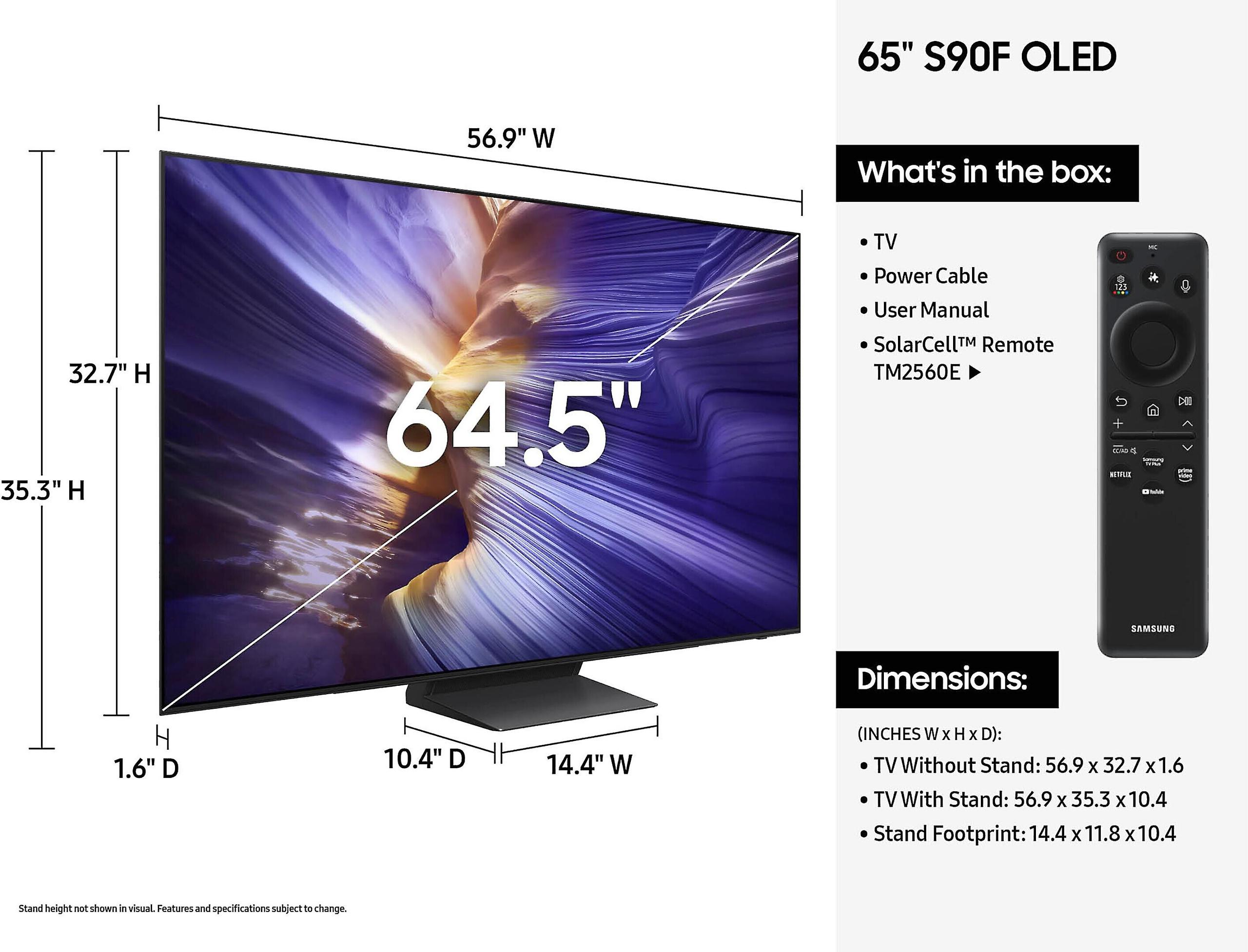
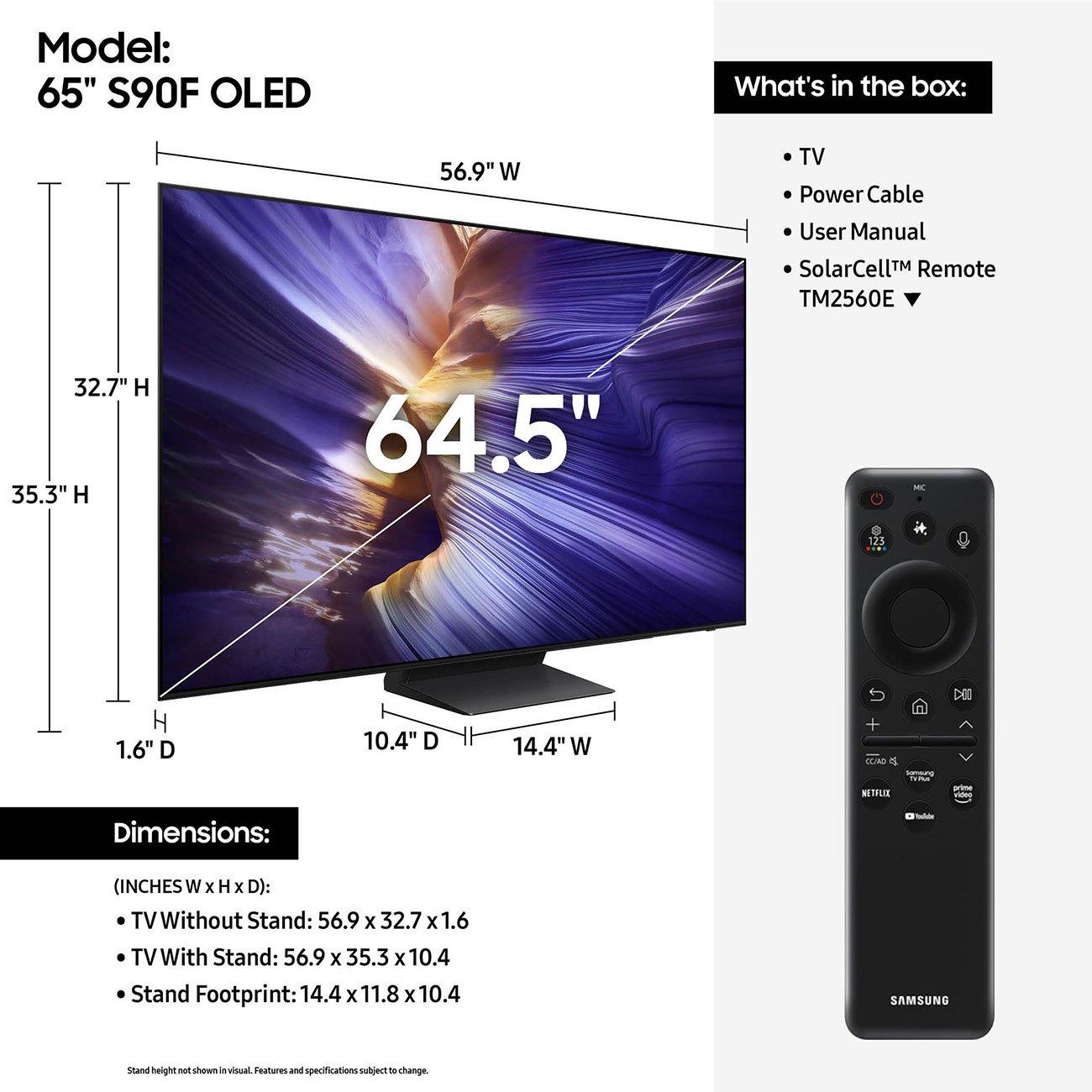
Samsung's design philosophy also sets it apart. The ultra-thin "Laser" chassis creates a more futuristic aesthetic, and the solar-powered remote feels like a glimpse into the future of eco-friendly electronics. Small touches like this show Samsung's commitment to innovation beyond just picture quality.
Here's where things get interesting and somewhat counterintuitive. While Samsung's QD-OLED technology allows the S90F to achieve much higher peak brightness in HDR content—making those sun reflections and explosions really pop—the LG C5 actually performs better in standard dynamic range (SDR) content, which represents most of what you'll watch daily.
Think of it this way: if you're watching a bright HDR movie like "Top Gun: Maverick" with its brilliant sky scenes, the Samsung will make those highlights more spectacular. But if you're watching regular cable TV, news, or older movies, the LG provides a brighter, more comfortable viewing experience. This distinction matters because while HDR content is increasing, the majority of what most people watch is still SDR.
The brightness difference becomes especially apparent in game mode. Gaming with HDR on the S90F feels more immersive because the bright elements—like sunlight, fire, or magical effects—have more impact. However, the C5's approach to brightness is more consistent across different picture modes, meaning you won't notice as much variation when switching between apps or input sources.
Samsung's QD-OLED technology gives the S90F a significant advantage in color volume, which refers to how bright colors can get while maintaining their saturation. Imagine the difference between watercolor paints and oil paints—the S90F's colors have that rich, vibrant quality that makes animated content and nature documentaries particularly striking.
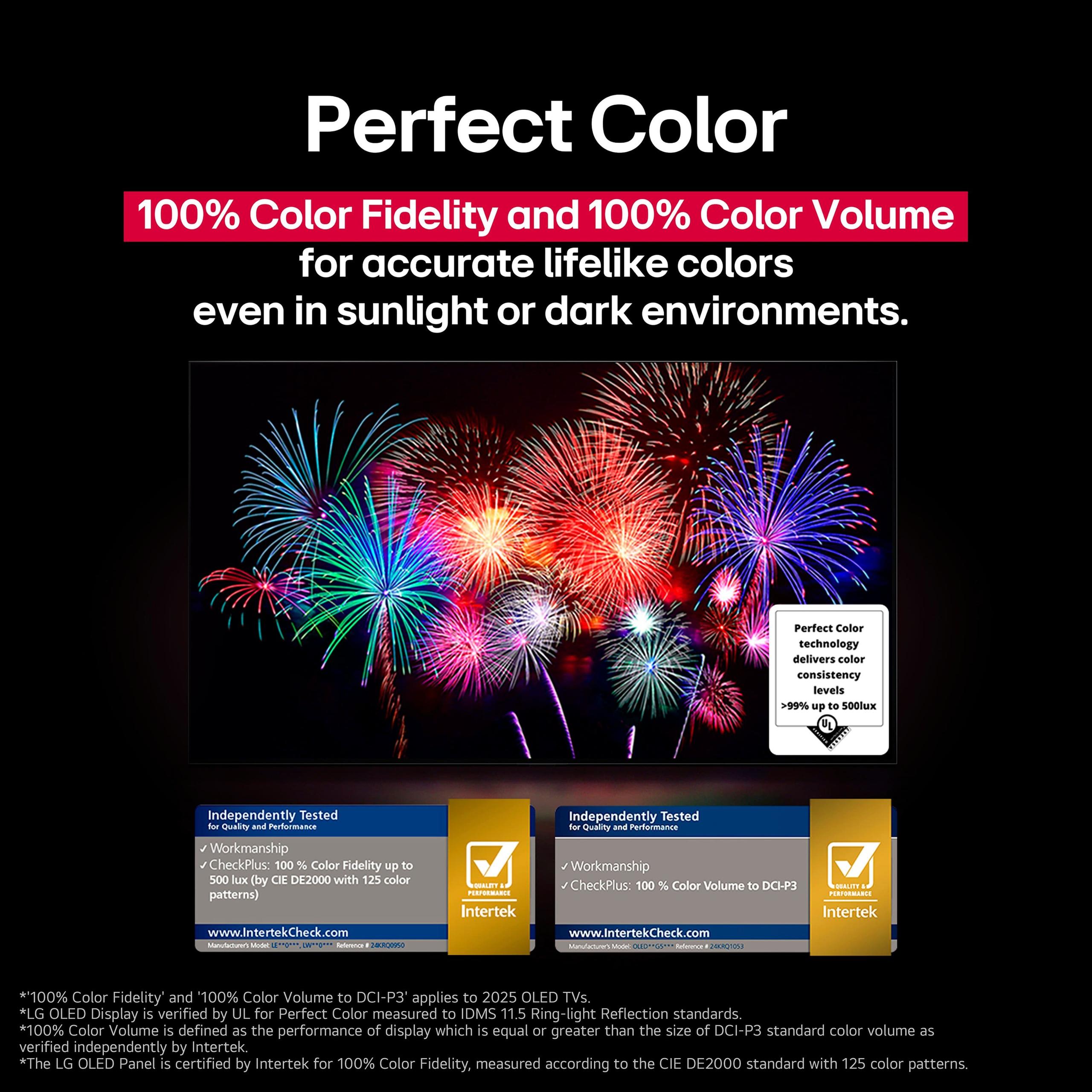
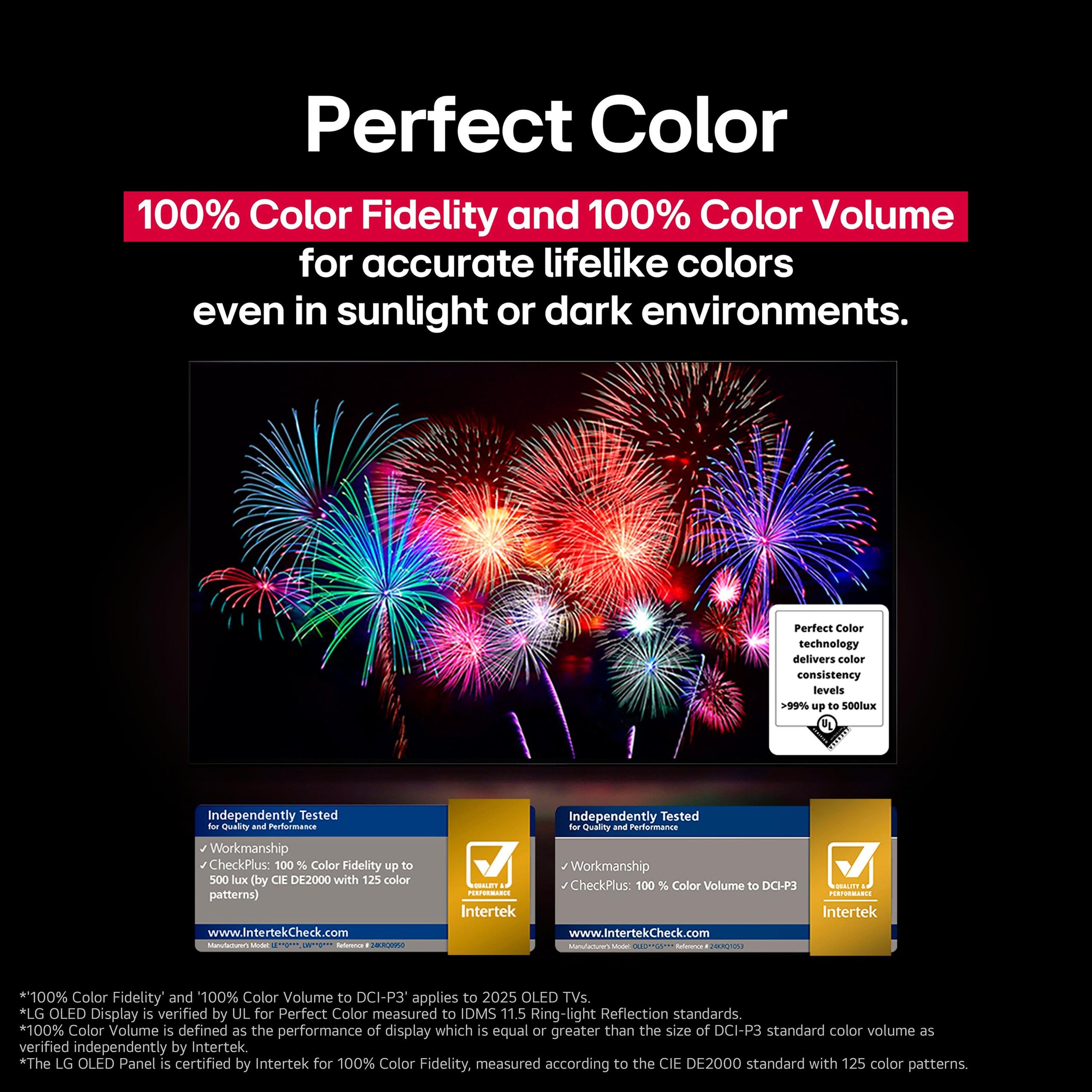
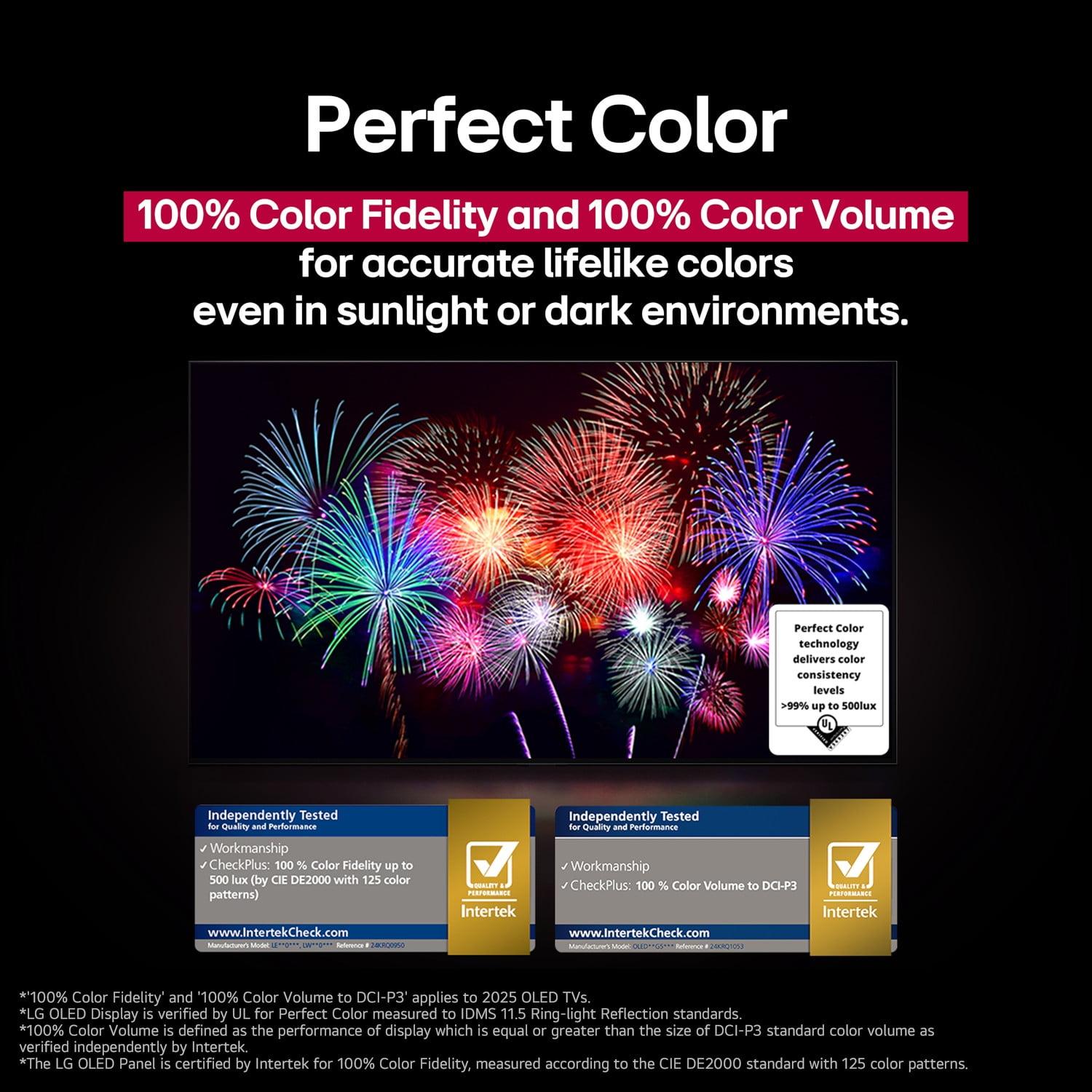
The C5, however, wins in color accuracy out of the box. During my calibration tests, the LG required minimal adjustments to achieve professional-grade color reproduction. This matters if you're particular about movies looking exactly as the director intended, or if you don't want to spend time tweaking settings.
For most viewers, the S90F's more vibrant approach will be immediately appealing. Colors feel more alive and engaging, especially in content like nature documentaries or animated films. The C5's more restrained approach appeals to purists who prefer accuracy over impact.
Both TVs achieve perfect blacks when pixels are completely off, but they handle near-black details differently. The LG C5 maintains better black level consistency when there's ambient light in the room. If you're watching in a room with some light leaking in from windows or lamps, the C5's blacks stay deeper and more convincing.
The S90F's blacks can appear slightly gray in bright room conditions, though this only becomes noticeable in side-by-side comparisons. For most viewing situations, both TVs deliver the inky blacks that make OLED technology so appealing.
This is where choosing between these TVs becomes a strategic decision about your entertainment ecosystem. The LG C5 supports Dolby Vision, HDR10, and HLG, while the Samsung S90F supports HDR10, HDR10+, and HLG but lacks Dolby Vision support.
Dolby Vision is a dynamic HDR format that adjusts brightness and color on a scene-by-scene basis, creating more nuanced and accurate HDR reproduction. It's widely used on Netflix, Disney+, Amazon Prime Video, and Apple TV+. If you're an Xbox gamer, Dolby Vision gaming is also supported on the LG but not Samsung.
HDR10+, Samsung's preferred alternative, offers similar dynamic optimization but isn't as widely adopted. Think of it like choosing between iOS and Android—both work well, but one has broader app support.
For many viewers, this format support difference is the deciding factor. If you're heavily invested in streaming services that use Dolby Vision, the LG becomes the clear choice despite its higher price. If you primarily watch cable TV, broadcast content, or don't notice HDR differences, the Samsung's other advantages might outweigh this limitation.
Both TVs excel as gaming displays, supporting 4K gaming up to 144Hz, Variable Refresh Rate (VRR), and Auto Low Latency Mode (ALLM). However, they each have distinct advantages for different gaming scenarios.
The Samsung S90F absolutely shines in HDR gaming. Its higher peak brightness makes games like "Horizon Forbidden West" or "Cyberpunk 2077" more visually striking. The vibrant colors and bright highlights create a more immersive gaming experience, especially in games with lots of lighting effects or outdoor scenes.
The LG C5 offers more consistent performance across different gaming modes and has slightly better motion handling in fast-paced games. Its Dolby Vision gaming support is currently limited to a few Xbox titles, but this feature set will likely expand over time.
For competitive gaming, both TVs offer excellent response times under 1ms, making them suitable for esports or fast-paced multiplayer games. The choice here often comes down to whether you prioritize visual impact (Samsung) or consistency (LG).
LG's webOS and Samsung's Tizen OS have both matured significantly, but they offer different approaches to smart TV functionality. WebOS on the LG C5 feels more intuitive and organized, with a clean interface that doesn't overwhelm you with options. The Magic Remote is responsive and makes navigation feel natural.
Samsung's Tizen OS on the S90F packs more features and customization options. The solar-powered remote is genuinely innovative—it charges from any light source and includes AI shortcuts that learn your viewing habits. Samsung TV Plus also offers more free content channels than LG's equivalent service.
Both platforms support all major streaming apps, but Samsung sometimes gets new services first due to their larger market share. Long-term software support tends to favor LG, with their commitment to five years of updates versus Samsung's typically shorter support window.
If you're building a dedicated home theater, the LG C5 edges ahead for several reasons. Its superior upscaling engine handles older movies and lower-quality sources better, which matters when you're watching classic films or older TV shows. The more accurate color reproduction also ensures movies look as directors intended.
The C5's Dolby Vision support becomes crucial in a home theater setup where you're likely using high-quality streaming services or UHD Blu-rays. The format's scene-by-scene optimization creates more cinematic presentation, especially in movies with varied lighting conditions.
However, if your "home theater" is actually a family room with windows and ambient lighting, the Samsung S90F might serve you better. Its superior brightness handling means you won't need to dim the lights as much for optimal viewing.
The $400 price difference between these TVs represents excellent value for the Samsung S90F, but value depends on your specific needs. The Samsung offers superior brightness, more vibrant colors, and innovative features like the solar remote at a lower price point. For most buyers, this combination is compelling.
The LG C5's higher price buys you Dolby Vision support, superior processing, and better performance in specific scenarios like dark room viewing or content upscaling. If these features matter to your viewing habits, the premium is justified.
Both TVs launched in early 2025 with significant improvements over their 2024 predecessors. The LG C5 features enhanced SDR brightness compared to the C4, addressing one of the main complaints about previous models. The Alpha 9 Gen8 processor also provides better motion handling and more accurate color processing.
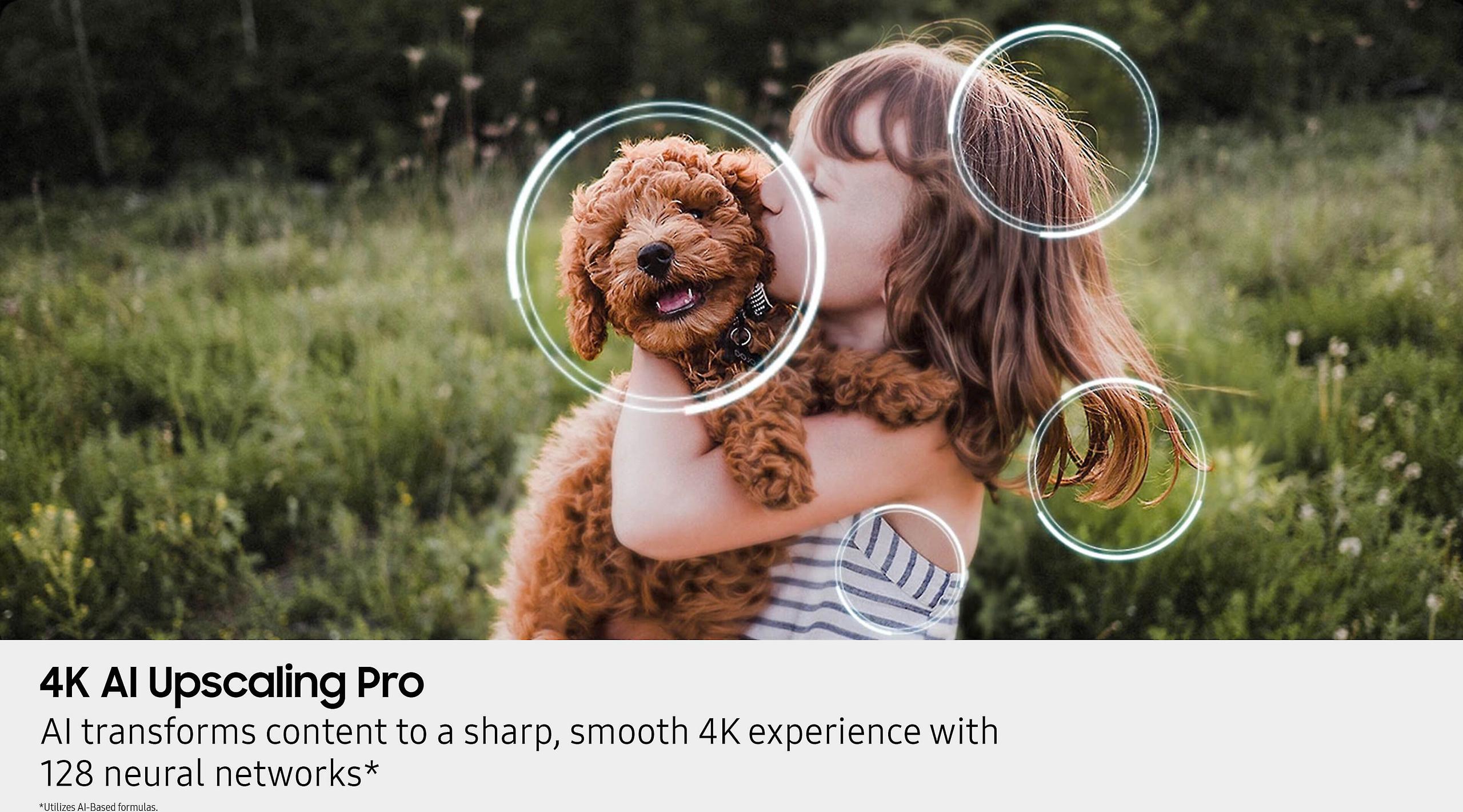
The Samsung S90F represents Samsung's continued refinement of QD-OLED technology, with improved brightness consistency and better viewing angles compared to earlier QD-OLED models. The NQ4 AI Gen3 processor offers more sophisticated upscaling and enhanced gaming optimizations.
Choose the Samsung S90F if you want the best value proposition with superior brightness and colors, have a bright viewing room, prioritize gaming performance, or don't require Dolby Vision support. Its $1,797.99 price point offers premium OLED performance at a more accessible cost.
Choose the LG C5 if you need Dolby Vision support, prefer watching in darker rooms, value superior content upscaling, or want proven long-term reliability. The $2,196.99 price reflects its premium processing and broader HDR format support.
The tiebreaker often comes down to two questions: Do you regularly watch Dolby Vision content, and how bright is your viewing room? If you answer yes to the first and no to the second, the LG C5 is worth the premium. For most other scenarios, the Samsung S90F offers better value and performance.
Both TVs represent the pinnacle of current OLED technology, so you can't really go wrong with either choice. Your decision should be based on your specific viewing habits, room setup, and budget priorities rather than trying to identify an objectively "better" TV.
| LG OLED evo C5 65" 4K TV 2025 | Samsung 65" S90F OLED 4K Vision AI Smart TV 2025 |
|---|---|
| Price - Significant cost difference for similar performance | |
| $2,196.99 | $1,797.99 |
| Panel Technology - Determines color vibrancy and brightness capabilities | |
| WOLED (White OLED with color filters) | QD-OLED (Quantum Dot OLED) |
| Peak Brightness - Critical for HDR impact and bright room viewing | |
| Lower HDR brightness, higher SDR brightness | Higher HDR brightness, lower SDR brightness |
| HDR Format Support - Affects streaming service compatibility | |
| Dolby Vision, HDR10, HLG | HDR10, HDR10+, HLG (no Dolby Vision) |
| Processor - Impacts upscaling and AI features | |
| Alpha 9 AI Processor Gen8 | NQ4 AI Gen3 |
| Smart TV Platform - Long-term software support varies | |
| webOS 25 | Tizen OS |
| Gaming Performance - Both excel but with different strengths | |
| 144Hz, VRR, ALLM, Dolby Vision Gaming | 144Hz, VRR, ALLM, brighter Game Mode |
| Color Volume - How vibrant colors can get while staying accurate | |
| Good color accuracy, more natural tones | Superior color volume, more vibrant appearance |
| Black Level Performance - OLED advantage in dark scenes | |
| Better black consistency in bright rooms | Slightly gray blacks in bright conditions |
| Content Upscaling - Important for older movies and streaming | |
| Superior AI upscaling and noise reduction | Good upscaling, less sophisticated processing |
| Design Features - Aesthetic and practical differences | |
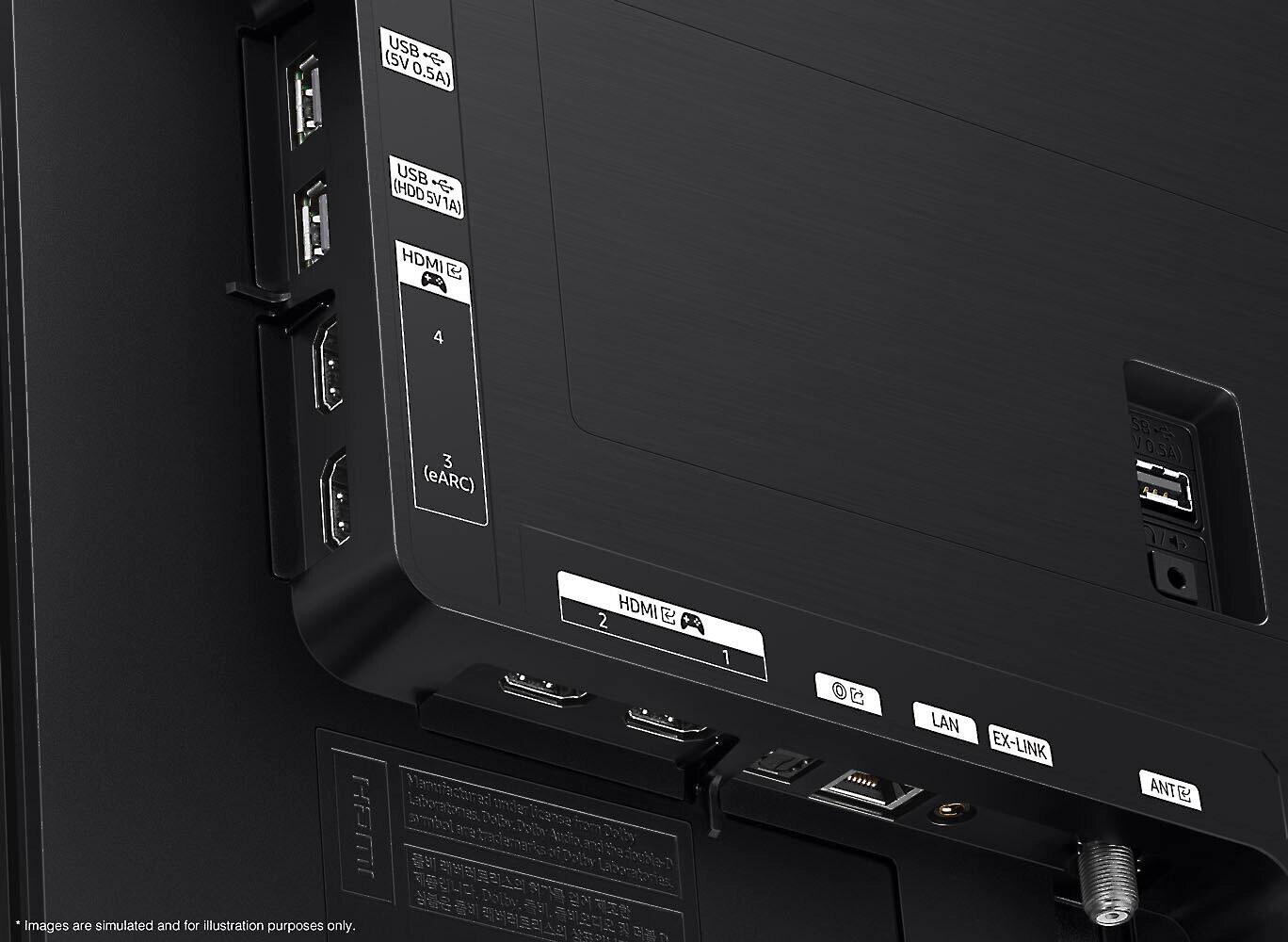
| Minimalist design, side-facing ports | Ultra-thin chassis, solar-powered remote |
| Best Use Case - Where each TV excels most | |
| Dark rooms, Dolby Vision content, home theater | Bright rooms, HDR gaming, value-focused buyers |
The Samsung S90F at $1,797.99 offers better value for most buyers, costing $400 less than the LG C5 at $2,196.99 while delivering superior brightness and more vibrant colors. The Samsung provides excellent performance at a lower price point, making it the better value choice unless you specifically need Dolby Vision support.
The Samsung S90F uses QD-OLED technology that produces brighter, more vibrant colors especially in HDR content, while the LG C5 uses WOLED technology that offers more accurate colors and better performance in dark rooms. The Samsung excels in bright rooms, while the LG performs better in controlled lighting environments.
Only the LG C5 supports Dolby Vision, which is widely used on Netflix, Disney+, and Xbox gaming. The Samsung S90F supports HDR10+ instead but lacks Dolby Vision compatibility. If you frequently watch streaming services that use Dolby Vision, the LG is the better choice.
The Samsung S90F is significantly brighter in HDR content and gaming, making it better for bright rooms and impactful HDR highlights. However, the LG C5 is actually brighter for regular TV viewing (SDR content), providing better visibility for daytime viewing of cable TV and streaming.
Both TVs excel for gaming with 144Hz refresh rates, VRR, and low input lag. The Samsung S90F offers brighter HDR gaming that makes games more visually striking, while the LG C5 provides Dolby Vision gaming support and more consistent performance across different gaming modes.
The LG C5 runs webOS which is more intuitive and receives longer software support (5+ years), while the Samsung S90F uses Tizen OS with more customization options and includes an innovative solar-powered remote. Both support all major streaming apps effectively.
Yes, the Samsung S90F is significantly better for bright rooms due to its QD-OLED technology that achieves higher peak brightness and better handles ambient light. The LG C5 performs better in dark or dimly lit rooms where its superior black levels and processing can shine.
The LG C5 is generally better for dedicated home theaters due to its Dolby Vision support, more accurate color reproduction, and superior upscaling of older movies. The Samsung S90F works well for family room setups where some ambient light is present and brightness is more important than perfect accuracy.
Both the LG C5 and Samsung S90F typically come with standard manufacturer warranties, but specific terms may vary by retailer. LG generally offers longer software support with 5+ years of updates, while Samsung's support window is typically shorter but still adequate for most users.
The LG C5 has superior upscaling capabilities thanks to its Alpha 9 AI Processor Gen8, which better enhances lower-resolution content and reduces artifacts from streaming or older sources. The Samsung S90F offers good upscaling but isn't as sophisticated in processing older or lower-quality content.
The LG C5 costs $400 more and isn't as bright in HDR content or gaming modes, while the Samsung S90F lacks Dolby Vision support and has slightly gray blacks in bright rooms. The Samsung offers better value for most users, while the LG is worth the premium only if you need Dolby Vision or prefer dark room viewing.
Choose the Samsung S90F at $1,797.99 if you want the best value with superior brightness and colors, have a bright viewing room, or prioritize gaming performance. Choose the LG C5 at $2,196.99 if you need Dolby Vision support, prefer dark room viewing, or want the most accurate color reproduction and superior content upscaling.
We've done our best to create useful and informative comparisons to help you decide what product to buy. Our research uses advanced automated methods to create this comparison and perfection is not possible - please contact us for corrections or questions. These are the sites we've researched in the creation of this article: bestbuy.com - rtings.com - youtube.com - businessinsider.com - youtube.com - bestbuy.com - lg.com - files.bbystatic.com - lg.com - flatpanelshd.com - lg.com - blvdhome.com - bhphotovideo.com - flanners.com - videopro.com.au - youtube.com - t3.com - rtings.com - bestbuy.com - stereonet.com - samsung.com - bestbuy.com - flatpanelshd.com - myallsouth.com - pcrichard.com - samsung.com - bestbuy.com - samsung.com - samsung.com - samsung.com

Privacy Policy
Terms and Conditions - Affiliate Policy
Home Security
© Copyright 2008-2026.
11816 Inwood Rd #1211, Dallas, TX 75244