

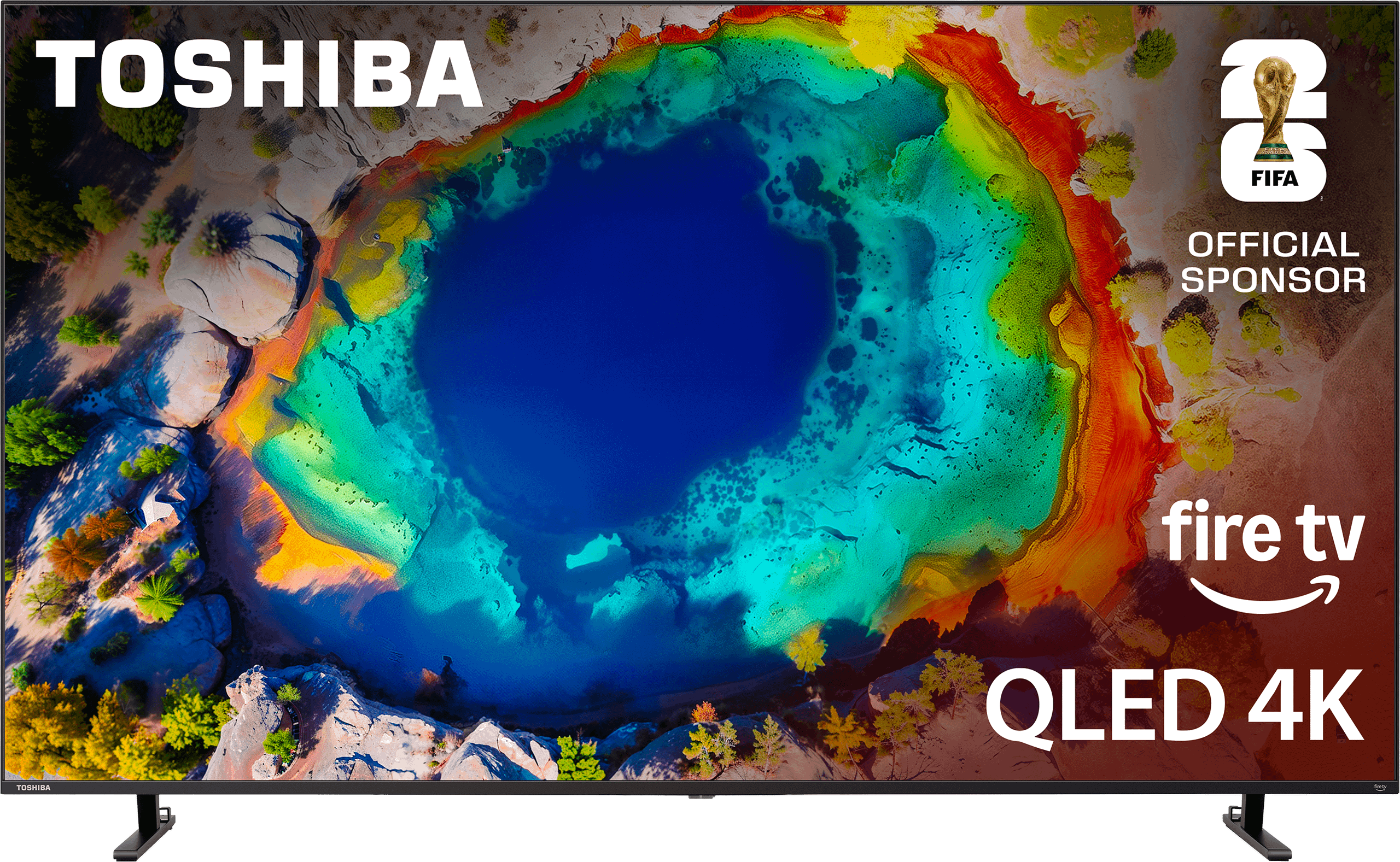
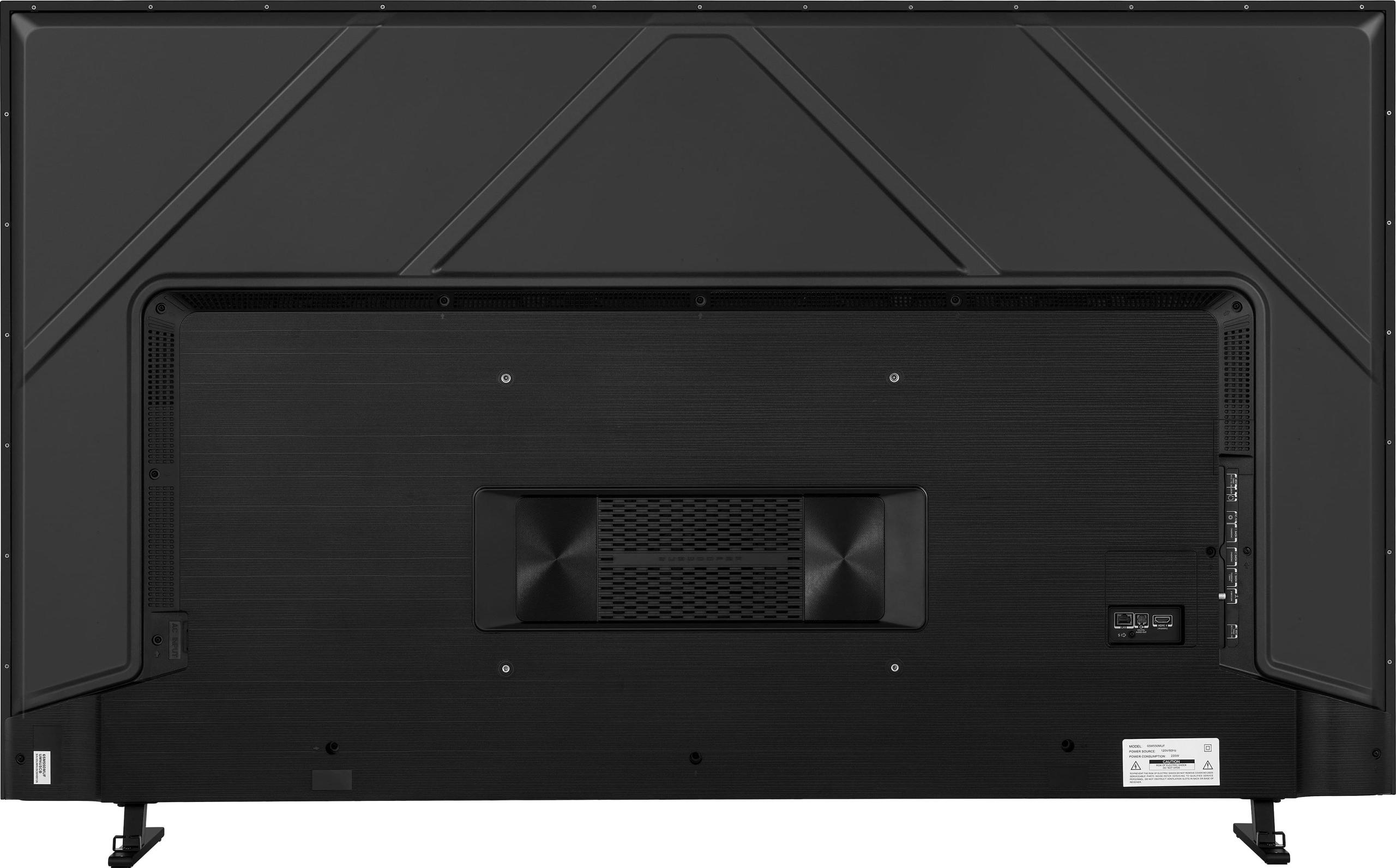
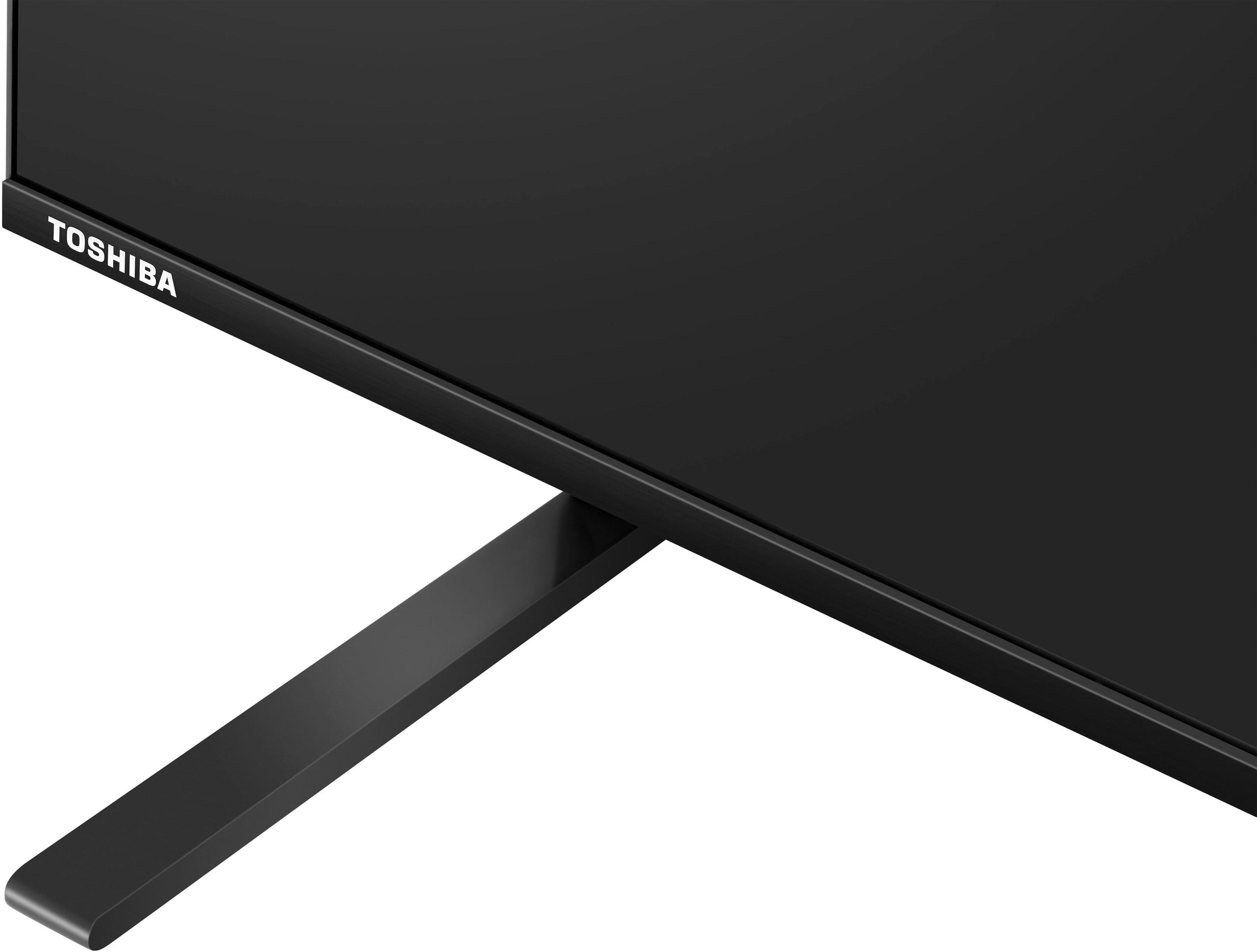
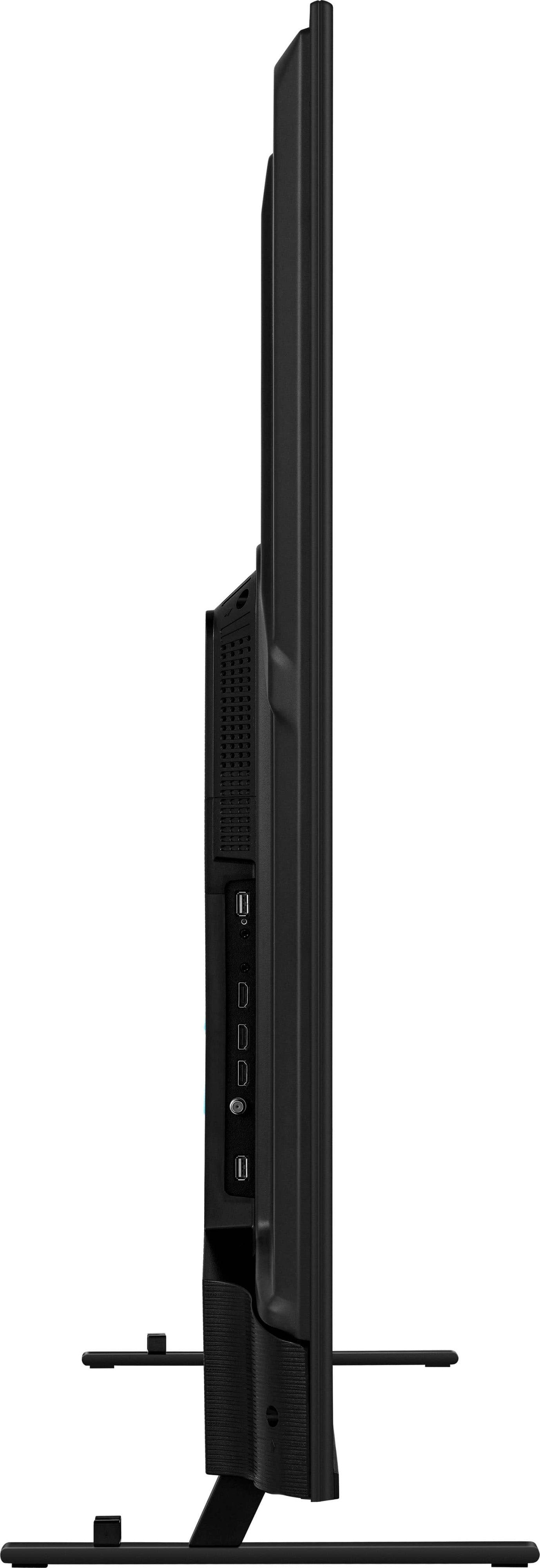
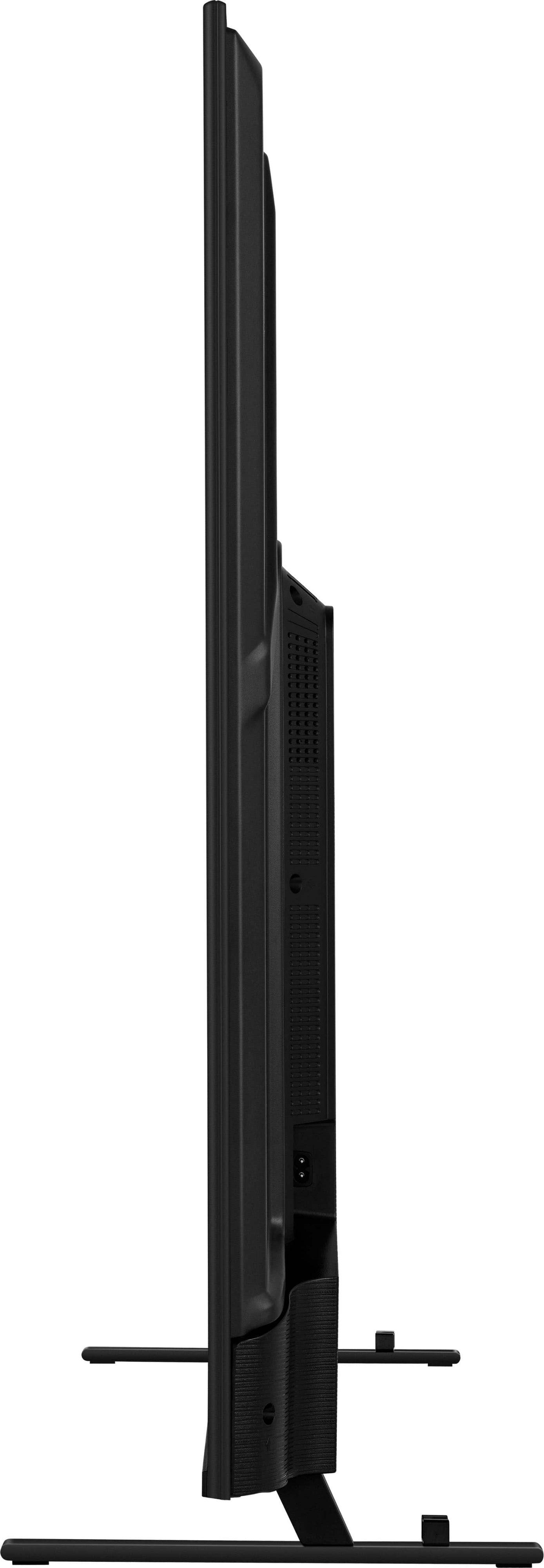
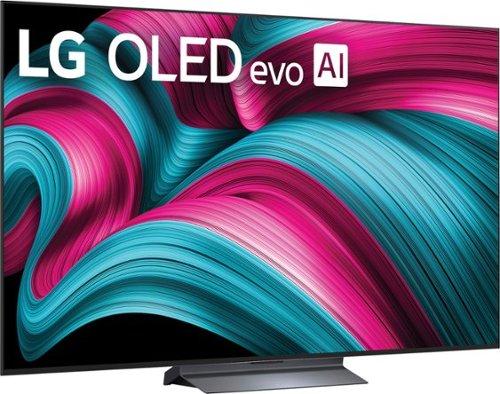
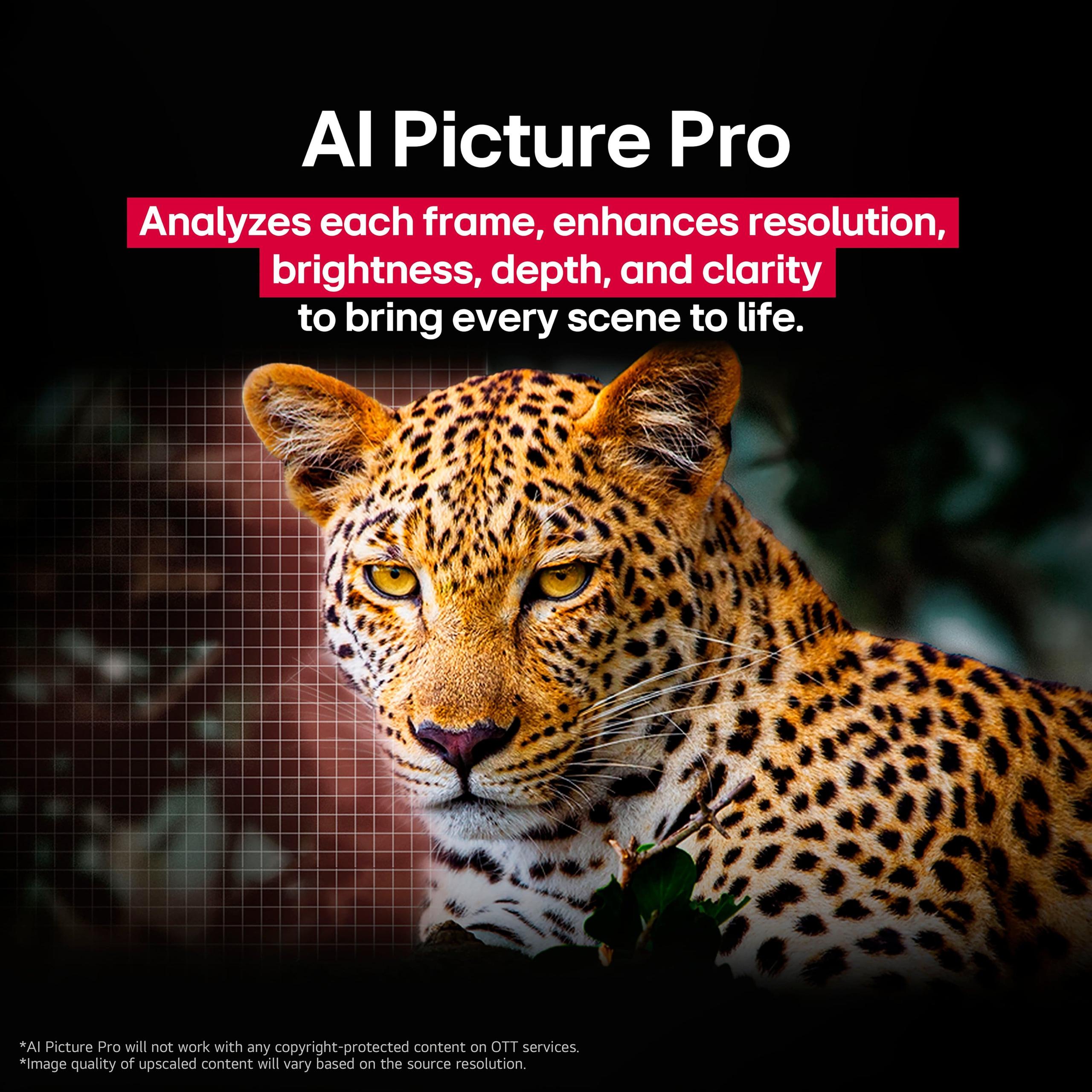
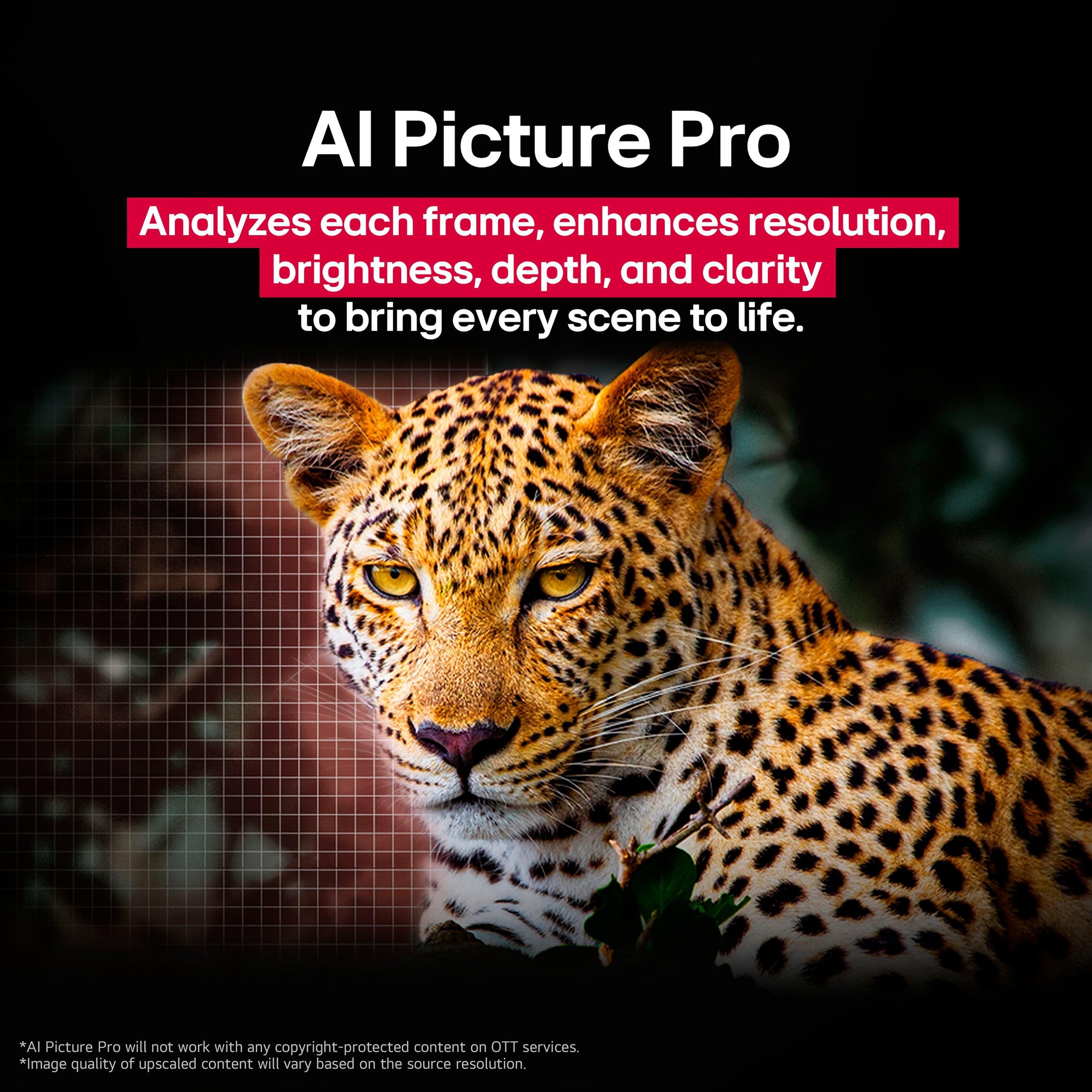
When you're shopping for a 65-inch TV, you'll quickly discover two very different approaches to delivering big-screen entertainment. The Toshiba M550 QLED Fire TV represents the budget-friendly path—focusing on solid performance and exceptional value. Meanwhile, the LG OLED evo C5 embodies the premium route, utilizing cutting-edge display technology for the best possible picture quality.
Released in 2021, the Toshiba M550 has established itself as a reliable workhorse that punches well above its weight class. The LG C5 OLED, launching in 2025, represents four years of technological advancement and sits at the forefront of consumer display technology. Understanding the fundamental differences between these approaches will help you decide which TV best fits your needs and budget.
The most significant difference between these TVs lies in how they create the images you see. The Toshiba M550 uses LED-LCD technology, which means it has a backlight (made of LED lights) that shines through a liquid crystal display to create pictures. Think of it like a flashlight shining through a colored transparency—the backlight provides the brightness, while the LCD panel controls which colors get through.
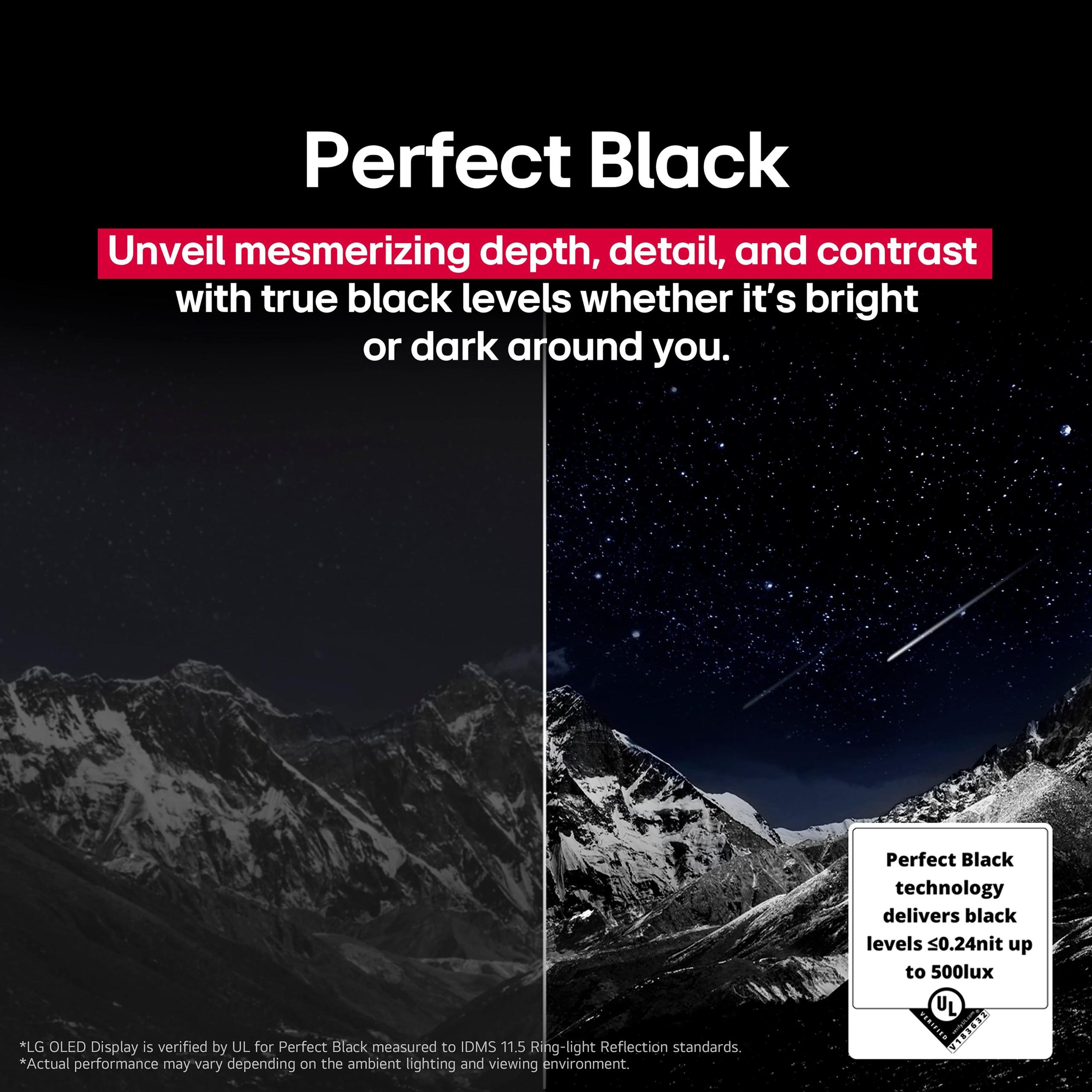
The LG C5 OLED works completely differently. OLED stands for Organic Light-Emitting Diode, and each individual pixel generates its own light. This means when a pixel needs to be black, it simply turns off completely. There's no backlight bleeding through, creating what we call "perfect blacks." It's the difference between trying to block a flashlight with your hand versus simply switching the flashlight off.
This fundamental difference impacts everything else about these TVs' performance. The Toshiba M550 includes 48 local dimming zones—sections of the backlight that can be controlled independently to improve contrast. While this helps create deeper blacks than basic LED TVs, it can't match the pixel-perfect control of OLED technology.
When evaluating picture quality, contrast ratio matters most. Contrast ratio measures the difference between the brightest whites and darkest blacks a display can produce. The LG C5 OLED achieves infinite contrast because its pixels can turn completely off, while the Toshiba M550 relies on its local dimming system to approximate deep blacks.
In practical terms, this means the LG C5 excels in dark room viewing. When you're watching a space movie with stars against black backgrounds, or a dimly lit thriller, the OLED's perfect blacks create an almost three-dimensional depth that LED TVs struggle to match. However, the Toshiba M550 holds its own in bright rooms, where ambient light washes out the contrast advantage of OLED displays.
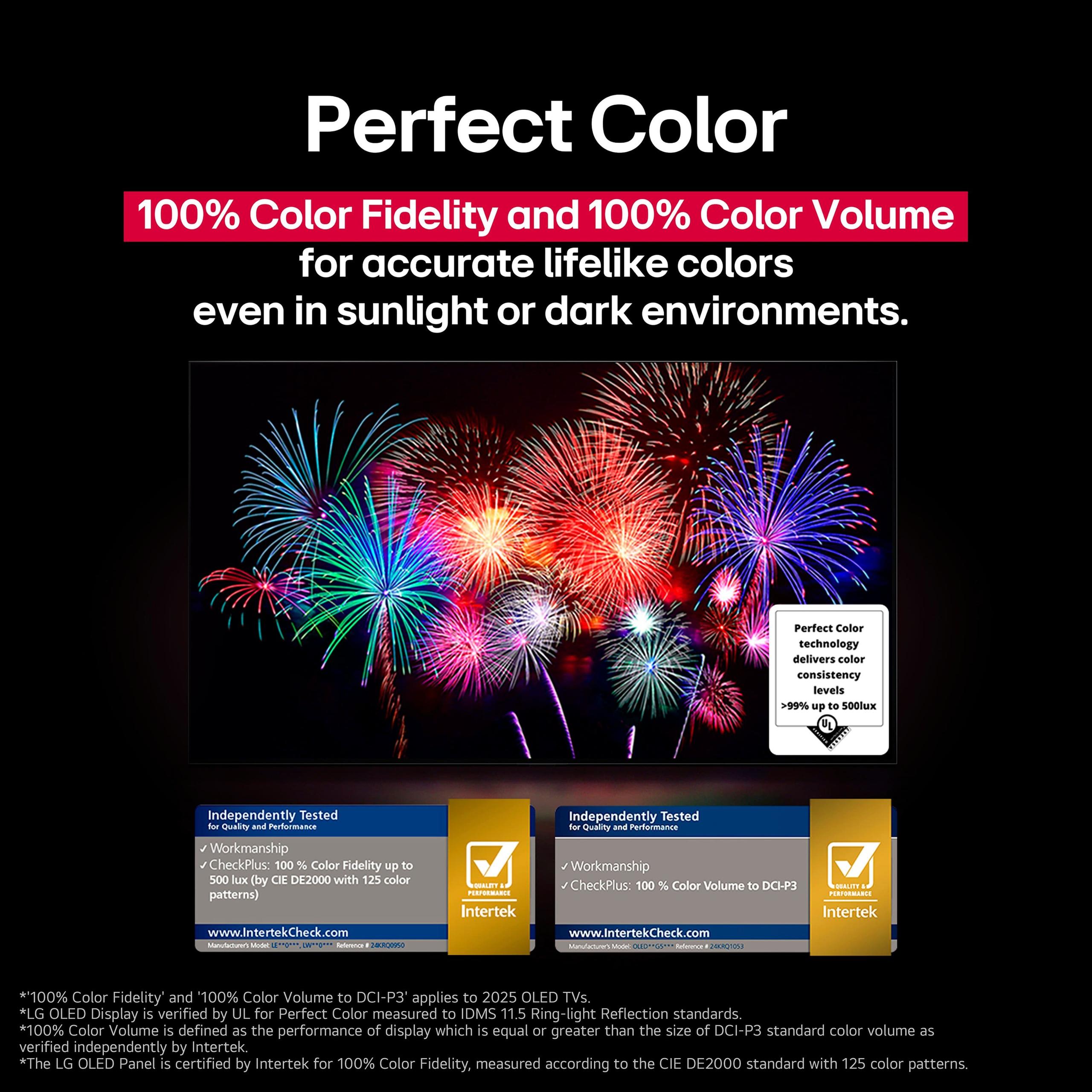
Color accuracy represents another crucial difference. The LG C5 reportedly achieves professional-grade color accuracy right out of the box, covering over 90% of the DCI-P3 color space that movie studios use. The Toshiba M550 uses Quantum Dot technology to enhance its color reproduction, delivering more vivid colors than standard LED TVs, though not quite matching OLED precision.
HDR (High Dynamic Range) performance showcases these technologies' different strengths. Both TVs support Dolby Vision, HDR10, and other HDR formats, but they handle bright highlights differently. The LG C5 renders specular highlights—like reflections on water or car chrome—with impressive realism, while maintaining perfect shadow detail. The Toshiba M550 provides consistent brightness levels that work well for HDR content, though it can't match OLED's dynamic range.
Based on extensive user feedback and professional reviews, the LG C5 delivers superior picture quality overall, particularly for movie enthusiasts and those who control their viewing environment lighting. The Toshiba M550 offers impressive picture quality for its price point and actually performs better in consistently bright rooms.
Gaming represents one area where the technology gap between these TVs becomes most apparent. The LG C5 OLED was designed with modern gaming in mind, featuring four HDMI 2.1 ports that support the full bandwidth needed for next-generation consoles like the PlayStation 5 and Xbox Series X.
HDMI 2.1 enables 4K resolution at 120Hz refresh rates, meaning games can display 120 frames per second at full 4K resolution. The LG C5 goes further, supporting up to 144Hz for PC gaming, along with Variable Refresh Rate (VRR) technology that synchronizes the TV's refresh rate with your gaming device's frame rate, eliminating screen tearing.
Input lag—the delay between pressing a controller button and seeing the action on screen—matters enormously for competitive gaming. The LG C5 achieves a 0.1ms response time, essentially instantaneous for human perception. Auto Low Latency Mode (ALLM) automatically switches to game mode when it detects a gaming source, optimizing settings without manual intervention.
The Toshiba M550 faces limitations here due to its 2021 design. While it features a native 120Hz panel, its HDMI ports only support 4K at 60Hz. This means you can't take full advantage of the PlayStation 5 or Xbox Series X's capabilities when playing at 4K resolution. The TV does support 120Hz at 1440p resolution, which provides smooth gaming at a slightly lower resolution.
For casual gamers who primarily play single-player games, the Toshiba M550 performs adequately. However, competitive gamers or anyone wanting to maximize their modern console's capabilities should seriously consider the LG C5's advanced gaming features. The four-year technology gap really shows in this category.
The smart TV platform significantly impacts your daily viewing experience. The Toshiba M550 runs Amazon's Fire TV platform, which integrates deeply with Alexa voice control and Amazon's ecosystem. The interface feels familiar to anyone who's used a Fire TV stick, with easy access to Prime Video, Netflix, and other popular streaming services.
However, user reports consistently highlight performance issues with the Toshiba M550's Fire TV implementation. The TV's processor struggles with the platform's demands, leading to 30-60 second app loading times and occasional crashes. Some users report the TV booting to advertisements rather than returning to their last-watched content, which can be frustrating.
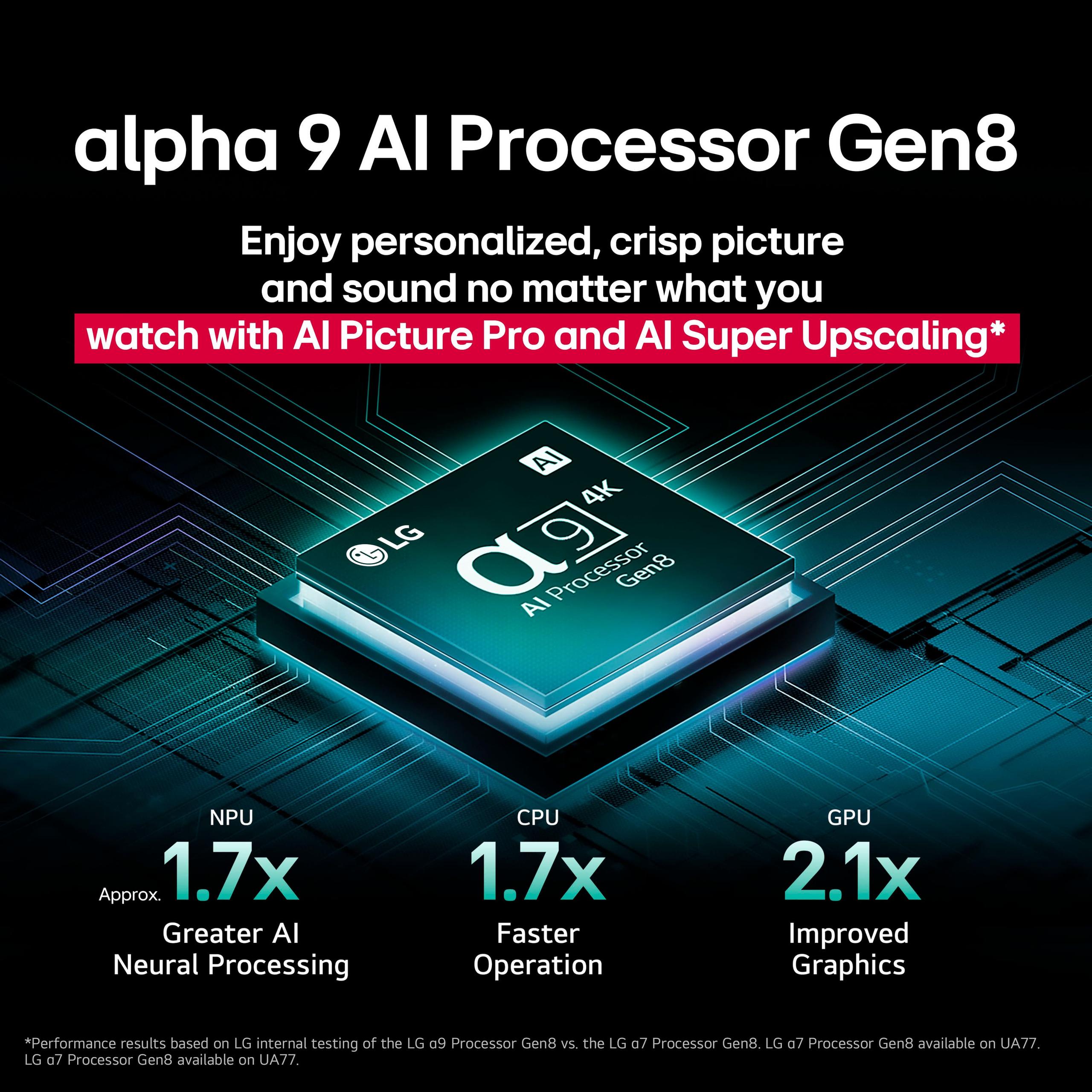
The LG C5 runs webOS 25, LG's proprietary smart TV platform that has evolved significantly since 2021. The system feels responsive and includes AI-powered content recommendations based on your viewing habits. LG's Magic Remote offers intuitive point-and-click navigation, similar to using a computer mouse.
More importantly, LG commits to five years of software updates through their Re:New Program, ensuring your TV stays current with new streaming services and security updates. This long-term support becomes crucial as smart TV platforms evolve rapidly.
For users heavily invested in Amazon's ecosystem, the Toshiba M550's Fire TV integration offers advantages despite performance limitations. However, the LG C5's superior processing power and long-term update commitment make it the better choice for most users, particularly those planning to keep their TV for many years.
Here's where the Toshiba M550 delivers a genuine surprise. Unlike most modern TVs that prioritize thin profiles over audio quality, the Toshiba includes a dedicated bass woofer and REGZA Power Audio Pro system. User reviews consistently praise the TV's audio as exceptional for a built-in system, with many reporting they don't need a separate soundbar.
The TV delivers 40-49 watts of power through dual clear speakers plus the woofer, creating fuller, richer sound than typical TV speakers. For families watching sitcoms, dramas, or casual content, this audio quality represents significant value—you save money by not needing external speakers.
The LG C5 OLED includes Dolby Atmos processing, which creates virtual three-dimensional sound from the built-in speakers. While this provides an immersive experience, the TV's ultra-thin profile limits speaker size and power. Like most premium TVs, it's designed with the assumption that serious viewers will add a soundbar or surround sound system.
For movie enthusiasts building a home theater setup, both TVs support modern audio formats and work well with external audio systems. However, if you want good sound without additional purchases, the Toshiba M550's superior built-in audio represents substantial added value.
At the time of writing, these TVs target completely different price segments, with the LG C5 costing roughly three times more than the Toshiba M550 when found on sale. This price difference reflects not just current technology gaps, but also long-term value considerations.
The Toshiba M550, being a 2021 model, offers exceptional immediate value for budget-conscious buyers. You get a large 4K display with solid picture quality, great audio, and basic smart features at an affordable price. However, the TV's age means limited future software support and HDMI capabilities that are already becoming outdated for modern gaming.
The LG C5 represents an investment in cutting-edge technology and future-proofing. Its HDMI 2.1 ports will remain relevant for years to come, and LG's five-year update commitment ensures the smart platform stays current. For buyers planning to keep their TV for 7-10 years, the premium price may prove worthwhile.
Consider also the rapid advancement in streaming technology. 4K streaming with higher frame rates and advanced HDR formats continue expanding. The LG C5's superior processing power and modern connectivity better positions it to handle these future developments.
For dedicated home theater setups, display technology choices become more critical. The LG C5 OLED excels in controlled lighting environments where you can minimize ambient light. Its perfect blacks and wide viewing angles create an cinematic experience that rivals commercial theaters.
FILMMAKER MODE, available on the LG C5, preserves movies as directors intended by disabling motion smoothing and adjusting colors to match studio standards. Combined with Dolby Vision HDR support, serious movie enthusiasts get reference-quality picture reproduction.
The Toshiba M550 performs well for family movie nights and casual home theater use. Its bright output and solid HDR support create engaging visuals, while the excellent built-in audio eliminates the immediate need for additional speakers.
However, if you're building a serious home theater with controlled lighting and external audio, the LG C5's superior picture quality justifies the investment. The technology gap becomes most apparent when viewing high-quality 4K HDR content in optimal conditions.
Choose the Toshiba M550 QLED Fire TV if you need a large, affordable TV for everyday family viewing, prioritize built-in audio quality, primarily watch in bright rooms, or aren't concerned with cutting-edge gaming features. It represents exceptional value for its price point and delivers solid performance for most viewing scenarios.
Select the LG OLED evo C5 if picture quality is your top priority, you game regularly on modern consoles, watch movies in controlled lighting conditions, or want a TV that will remain current for many years. The premium price delivers genuinely superior technology that enhances every viewing experience.
The four-year technology gap between these models is significant, particularly for gaming and smart TV features. While both TVs serve their intended markets well, they target fundamentally different user needs. The Toshiba M550 maximizes value for budget-conscious buyers, while the LG C5 delivers the best possible viewing experience for those willing to invest in premium technology.
Consider your specific viewing habits, room lighting, and long-term plans when making this decision. Both represent good choices within their respective categories, but the right choice depends on matching the technology to your actual needs and budget.
| Toshiba 65" M550 Series QLED Fire TV | LG OLED evo C5 65" 4K TV 2025 |
|---|---|
| Display Technology - Determines picture quality, especially contrast and black levels | |
| LED-LCD with Quantum Dots and 48-zone local dimming | OLED evo with self-lit pixels and infinite contrast |
| Gaming Performance - Critical for PlayStation 5 and Xbox Series X optimization | |
| 4K @ 60Hz only, 120Hz at 1440p, basic game mode | 4K @ 144Hz, 0.1ms response time, VRR, ALLM, four HDMI 2.1 ports |
| Brightness Capability - Important for bright room viewing and HDR impact | |
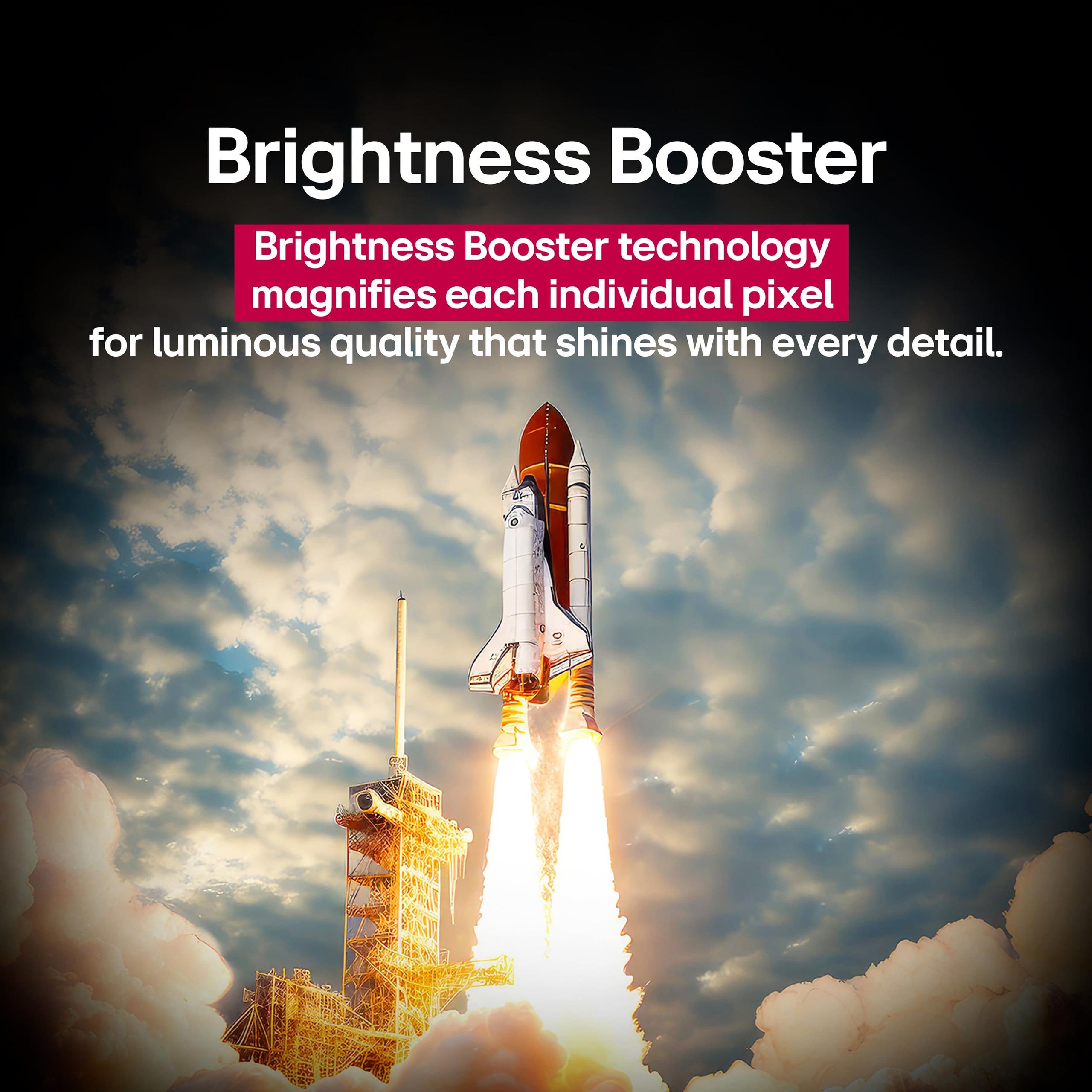
| Consistently bright LED backlight, good for well-lit rooms | Enhanced OLED brightness with "Bright Room Ready" technology |
| Audio Quality - Affects whether you need to buy a separate soundbar | |
| Exceptional built-in audio with bass woofer (40-49W total) | Standard OLED audio with Dolby Atmos processing |
| Smart TV Platform - Daily user experience and long-term software support | |
| Fire TV with Alexa (slow processor, frequent crashes reported) | webOS 25 with 5-year update commitment and responsive performance |
| Black Level Performance - Most noticeable difference in dark room movie viewing | |
| Good blacks with local dimming, some backlight bleeding | Perfect blacks with pixels that turn completely off |
| Color Accuracy - Important for realistic picture reproduction | |
| Enhanced colors with Quantum Dots, good for price range | Professional-grade accuracy out of box, covers 90%+ DCI-P3 |
| Release Year & Future-Proofing - Affects how long the TV will remain current | |
| 2021 model with limited update potential | 2025 model with modern connectivity and long-term support |
| HDR Support - Enhanced picture quality for streaming and 4K Blu-ray | |
| Dolby Vision, HDR10, HDR10+ with solid processing | Dolby Vision, HDR10, HLG with superior dynamic range |
| Viewing Angles - Important for family seating arrangements | |
| Standard LED viewing angles (quality decreases off-center) | Wide OLED viewing angles maintain quality from any position |
| Value Proposition - Who gets the best deal at typical pricing | |
| Exceptional budget value with great audio and solid picture | Premium investment for best-in-class picture and gaming features |

Privacy Policy
Terms and Conditions - Affiliate Policy
Home Security
© Copyright 2008-2026.
11816 Inwood Rd #1211, Dallas, TX 75244