

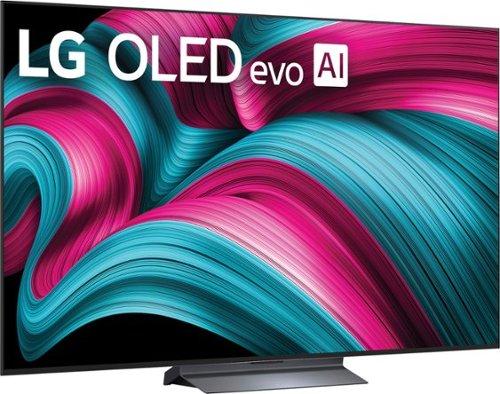




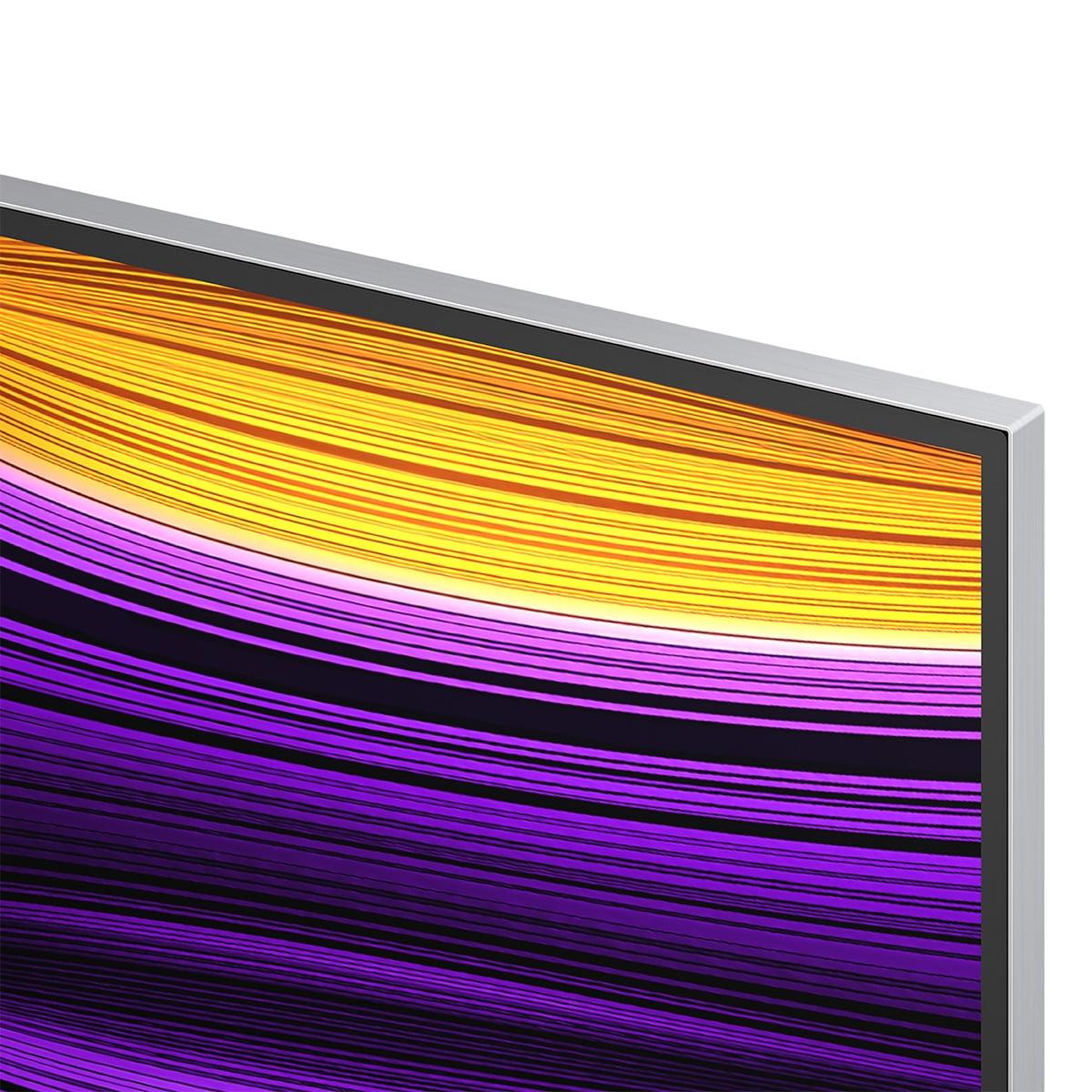
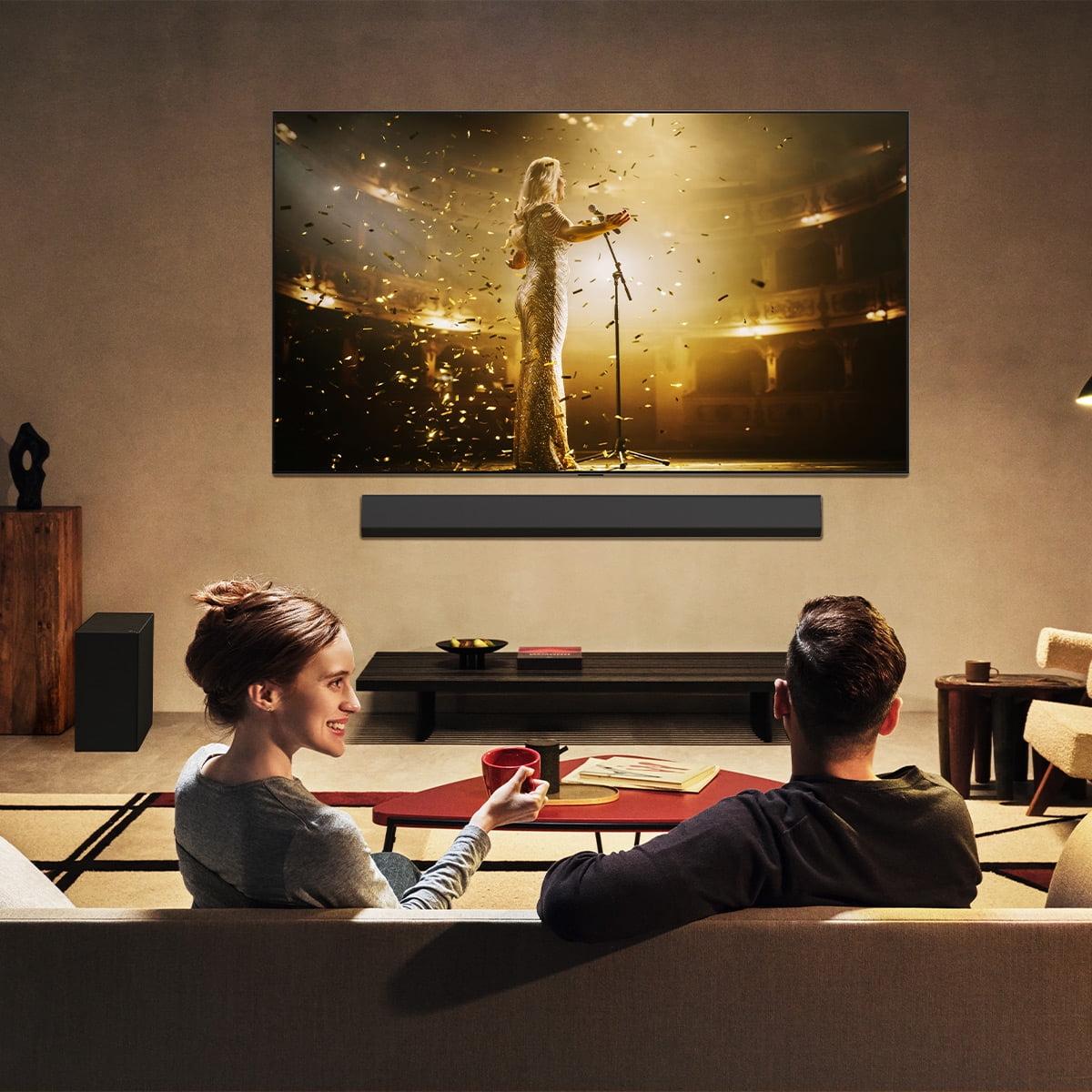
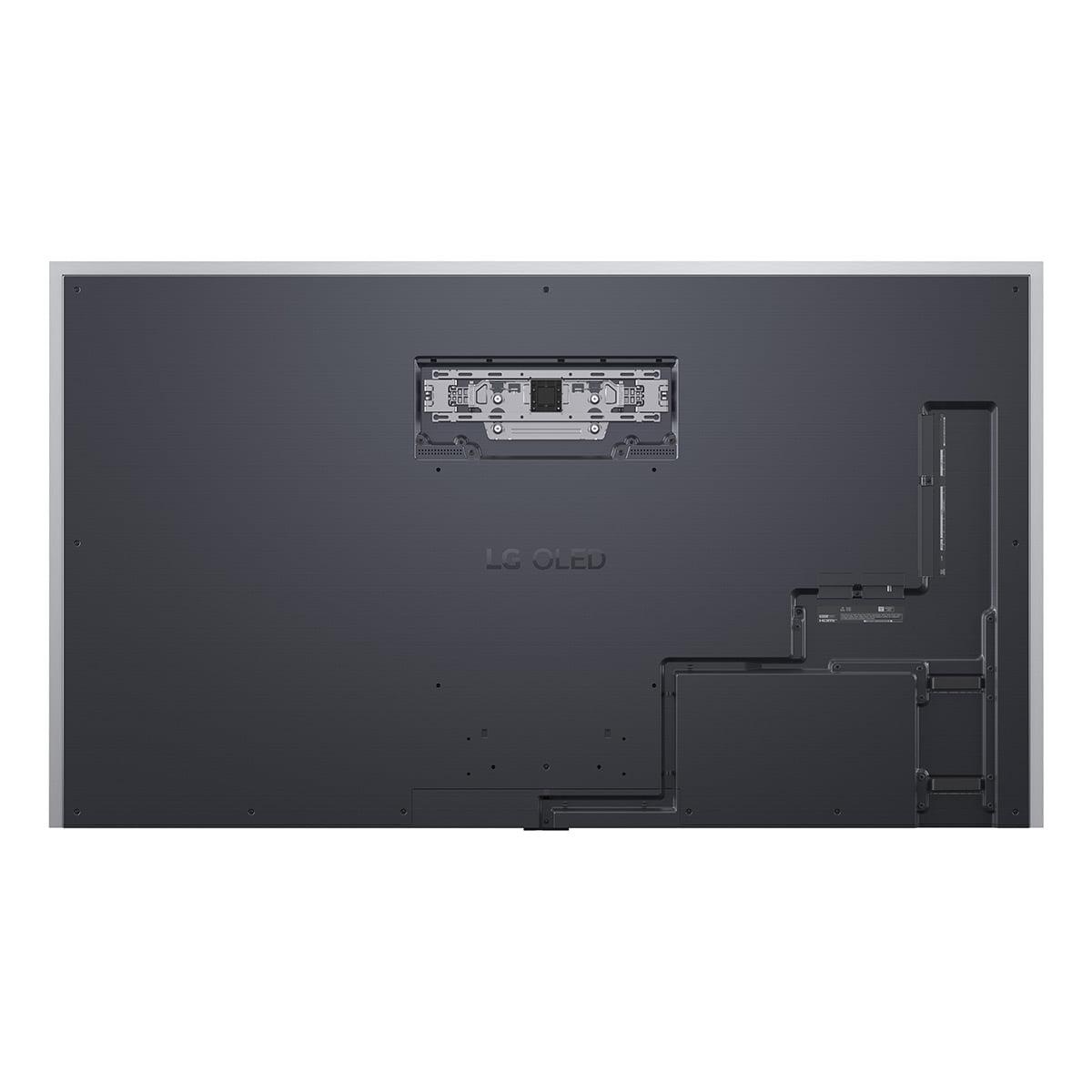
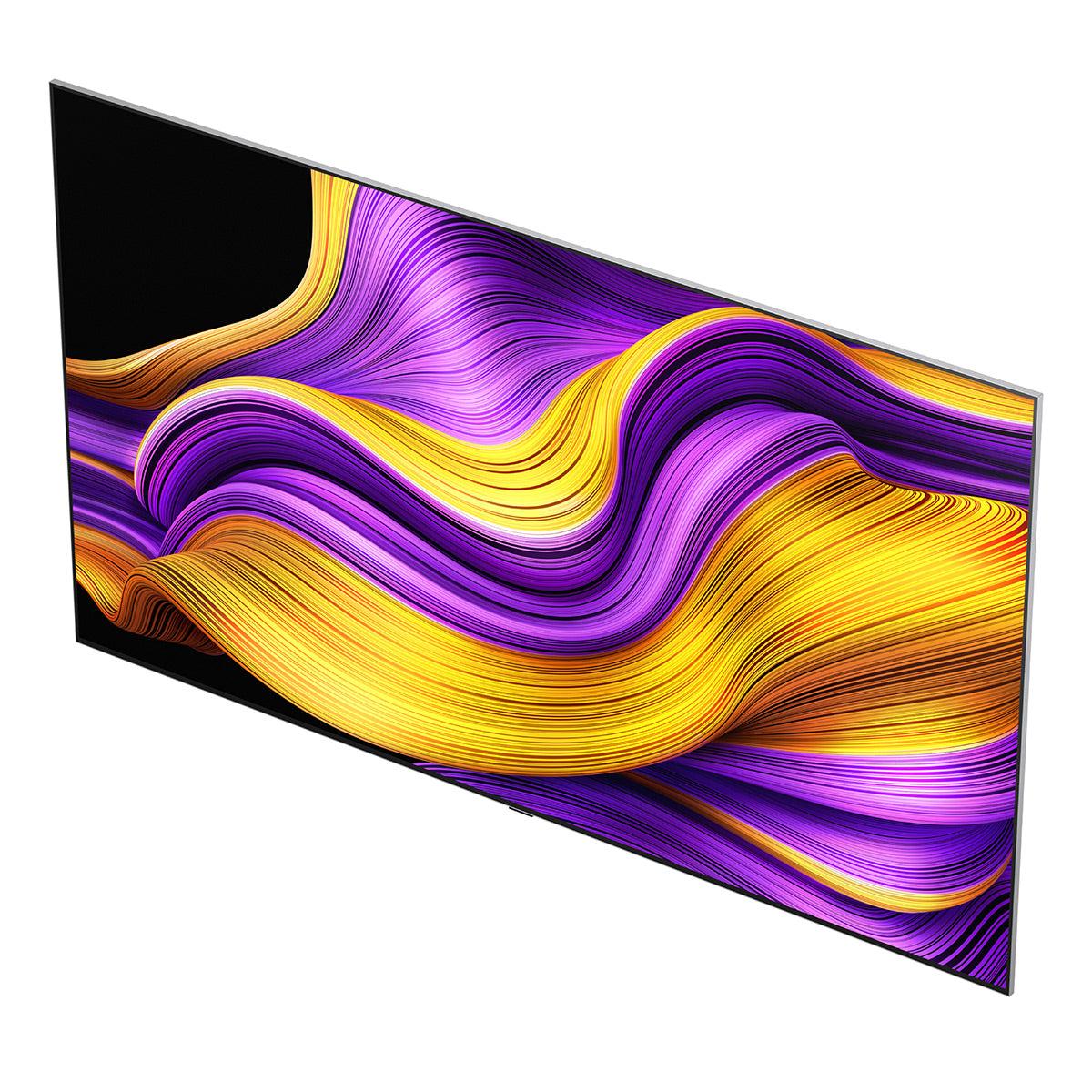
Shopping for a premium OLED TV can feel overwhelming, especially when you're comparing two excellent models from the same brand. The LG OLED evo C5 65" ($2,197) and LG OLED evo G5 65" ($3,197) represent LG's mainstream and flagship OLED offerings for 2025, but that $1,000 price difference raises an important question: is the G5 worth the extra cost?
Both TVs launched in early 2025 as part of LG's refreshed OLED lineup, and they share many core technologies while differing in crucial ways that could make or break your viewing experience. Let's dig deep into what makes each TV special and help you decide which one belongs in your living room.
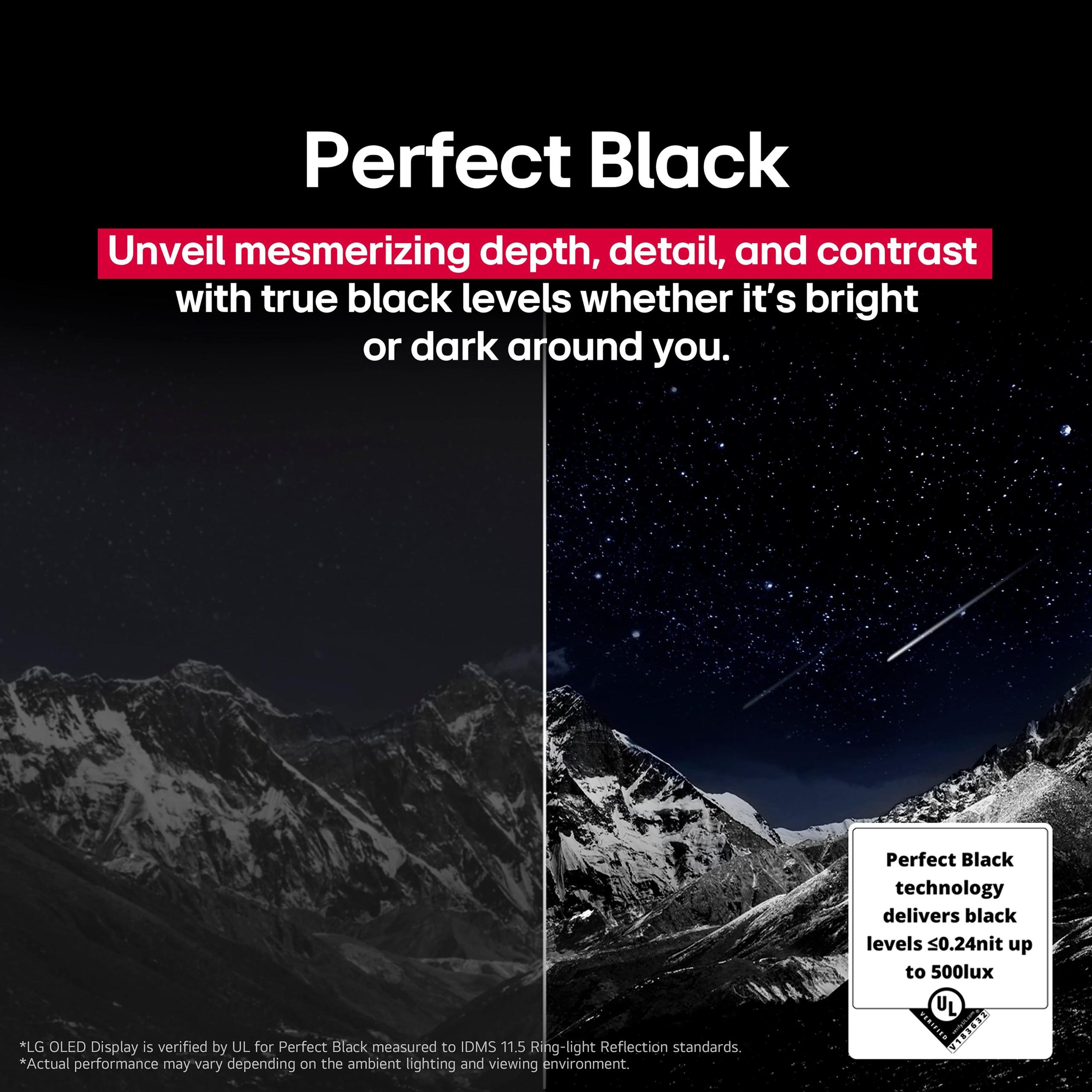
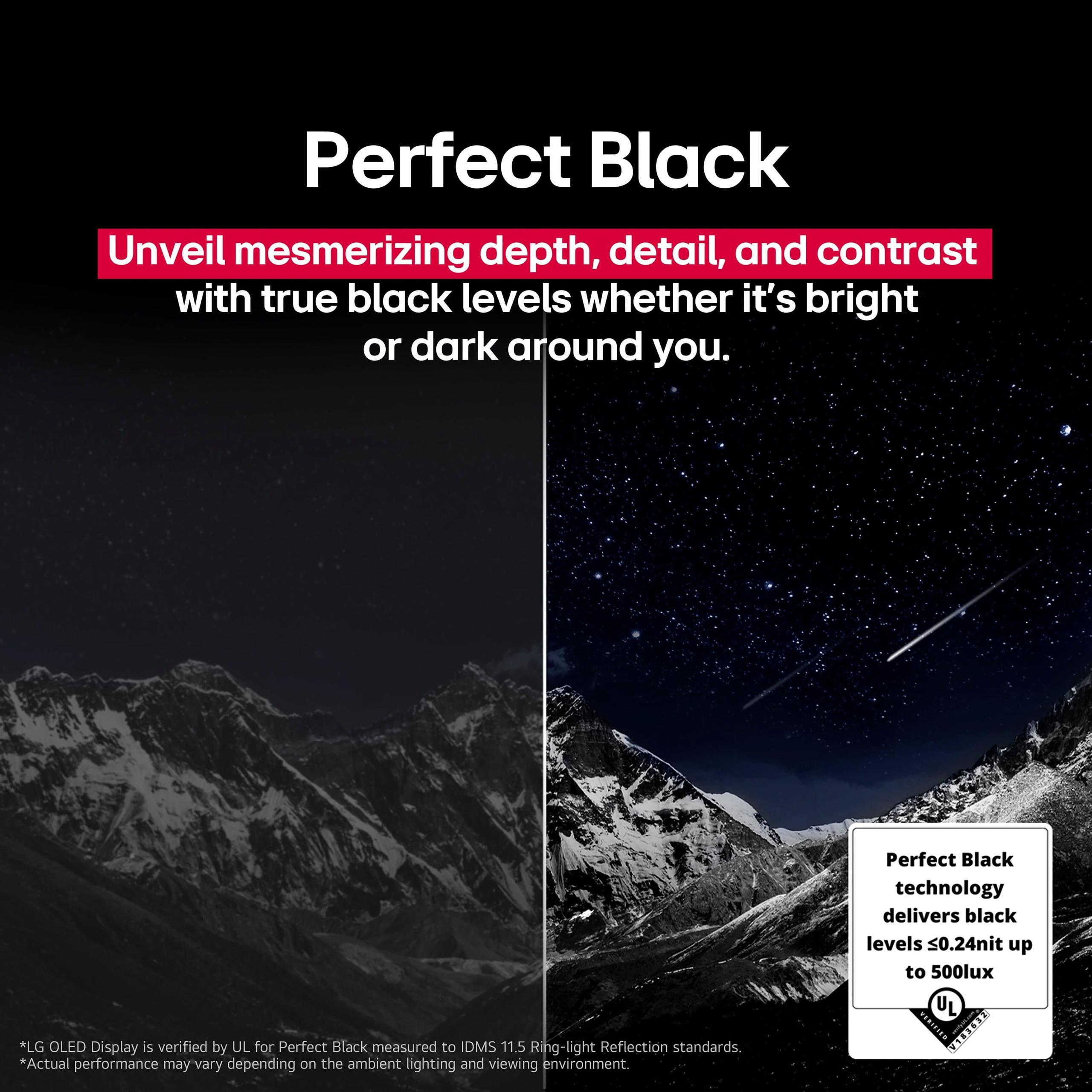
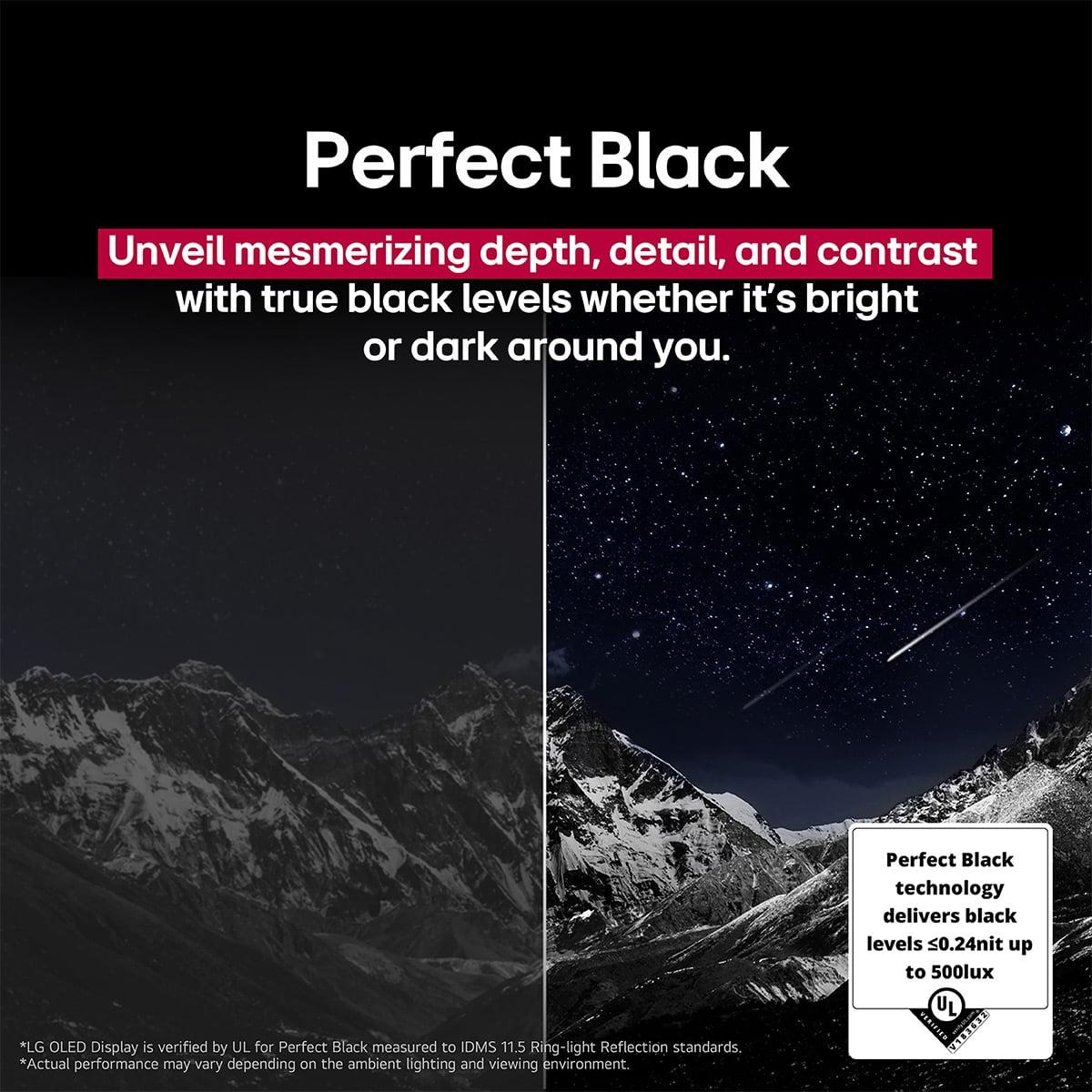
Before we dive into the specifics, it's worth understanding what makes OLED technology so special. Unlike traditional LCD TVs that use a backlight shining through liquid crystals, OLED (Organic Light-Emitting Diode) displays have millions of individual pixels that can turn completely on or off. This creates perfect blacks – something that's impossible with backlit displays – and infinite contrast ratios that make images pop with lifelike depth.
The main things to consider when choosing between premium OLED models are picture quality (how bright and colorful the image gets), gaming performance (refresh rates and input lag), smart TV features, design quality, and overall value. Both the C5 and G5 excel in these areas, but in different ways that matter for different users.
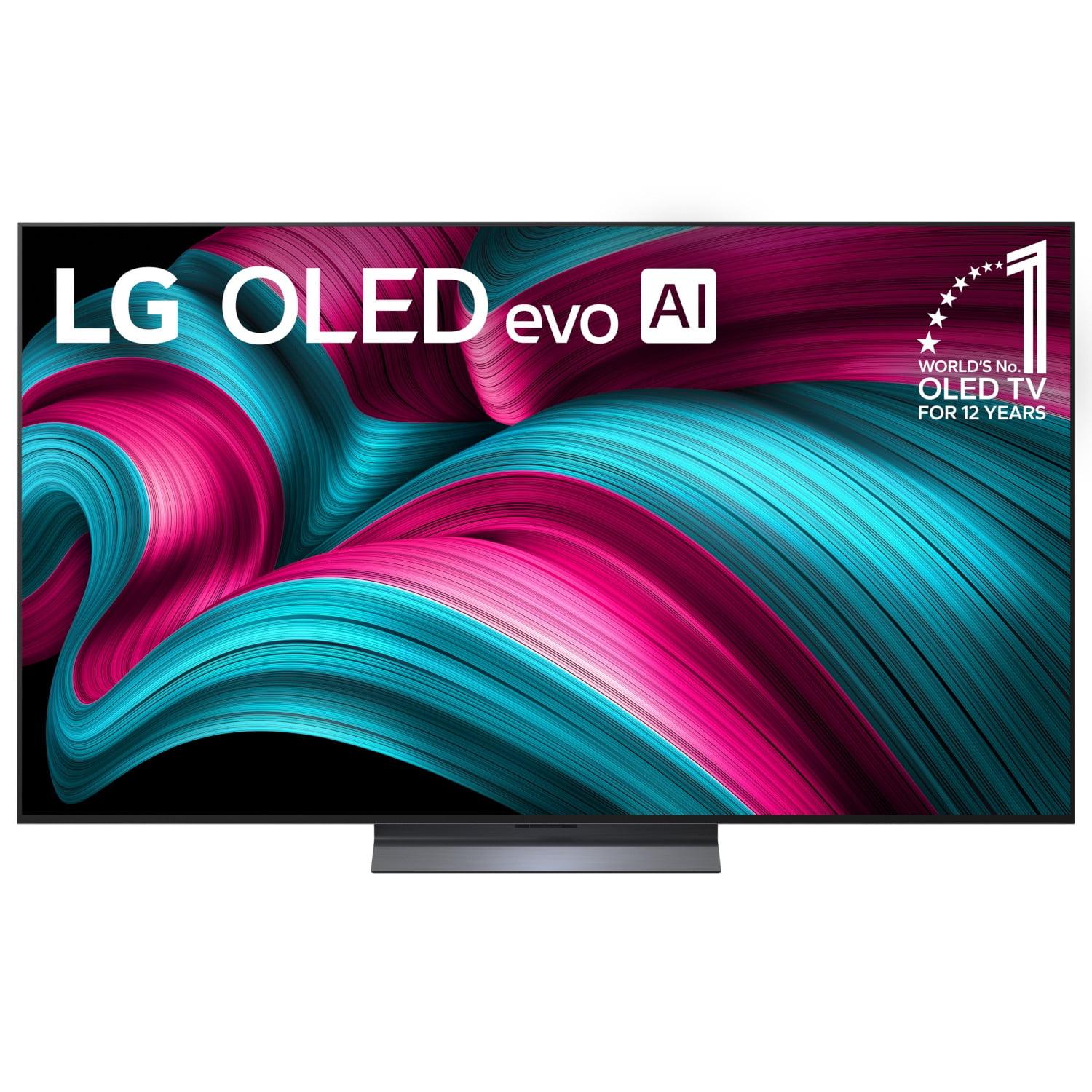
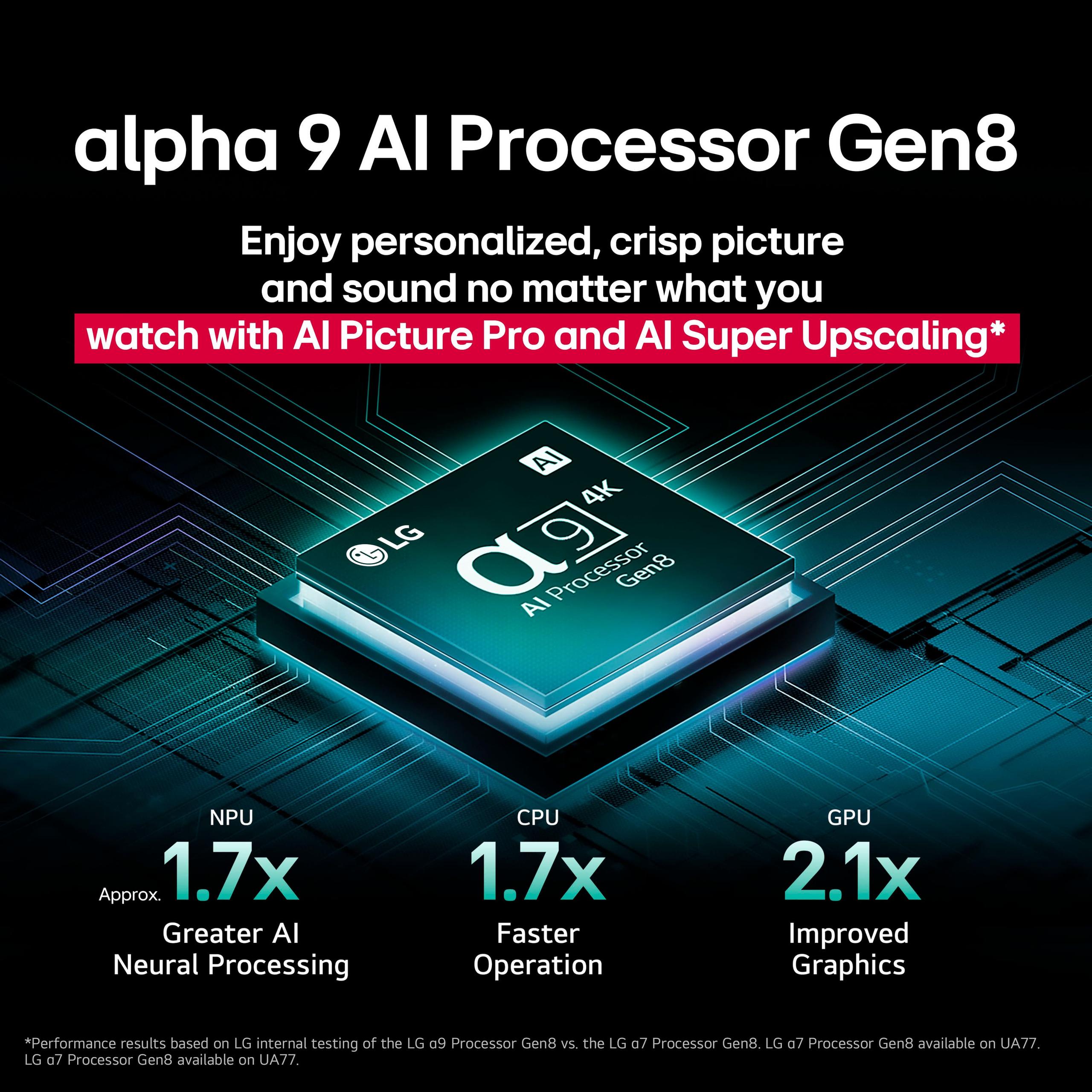
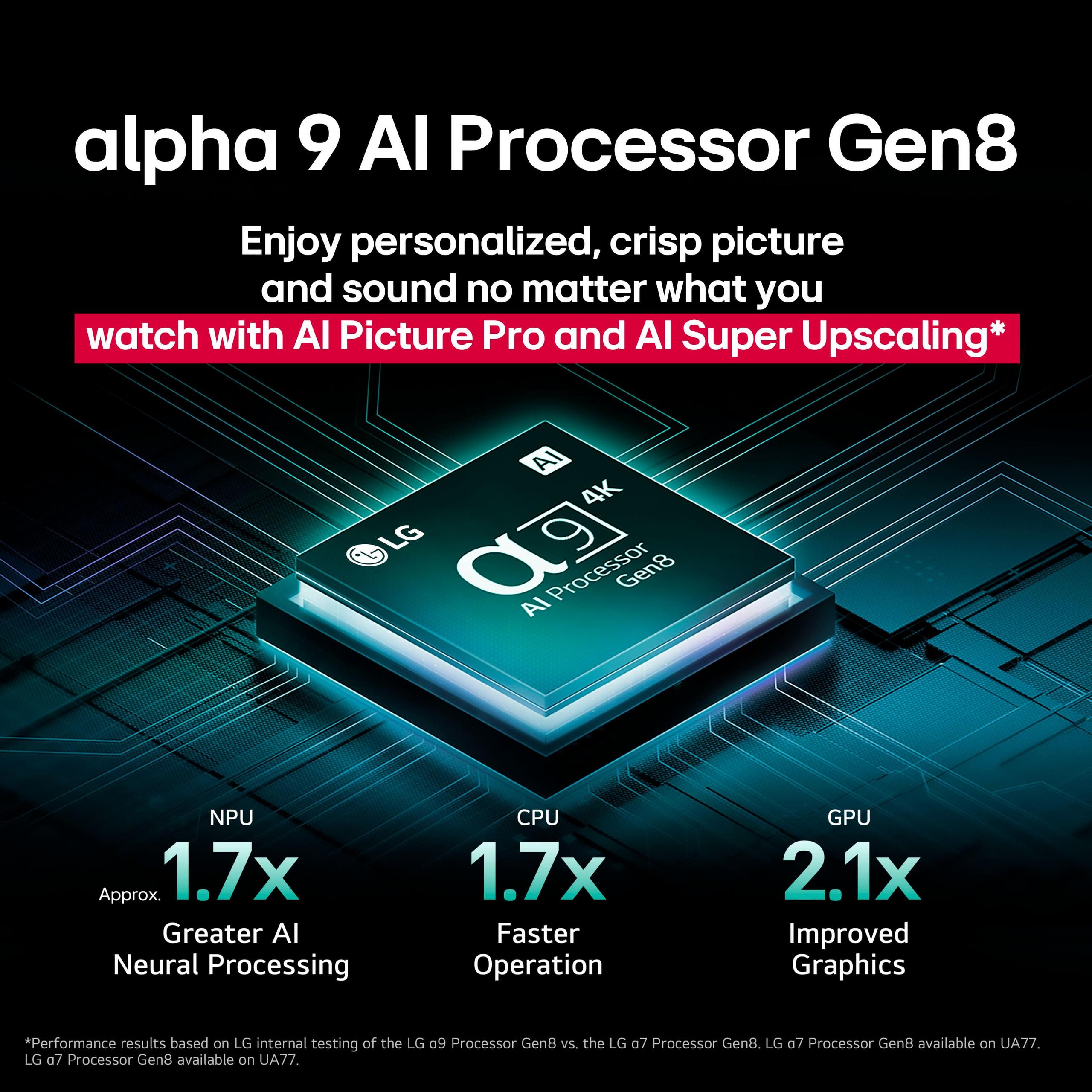
The C5 ($2,197) represents LG's mainstream premium OLED, using what's called a WOLED (White OLED) panel with enhanced brightness compared to its predecessor, the C4. It's powered by LG's Alpha 9 Gen8 processor, which uses AI to optimize picture quality in real-time by analyzing what you're watching and adjusting settings automatically.
What makes the C5 special is its "Bright Room Ready" technology, which combines improved pixel brightness with glare reduction techniques. While previous C-series models sometimes struggled in well-lit rooms, the C5 addresses this limitation while maintaining the perfect blacks that make OLED so compelling.

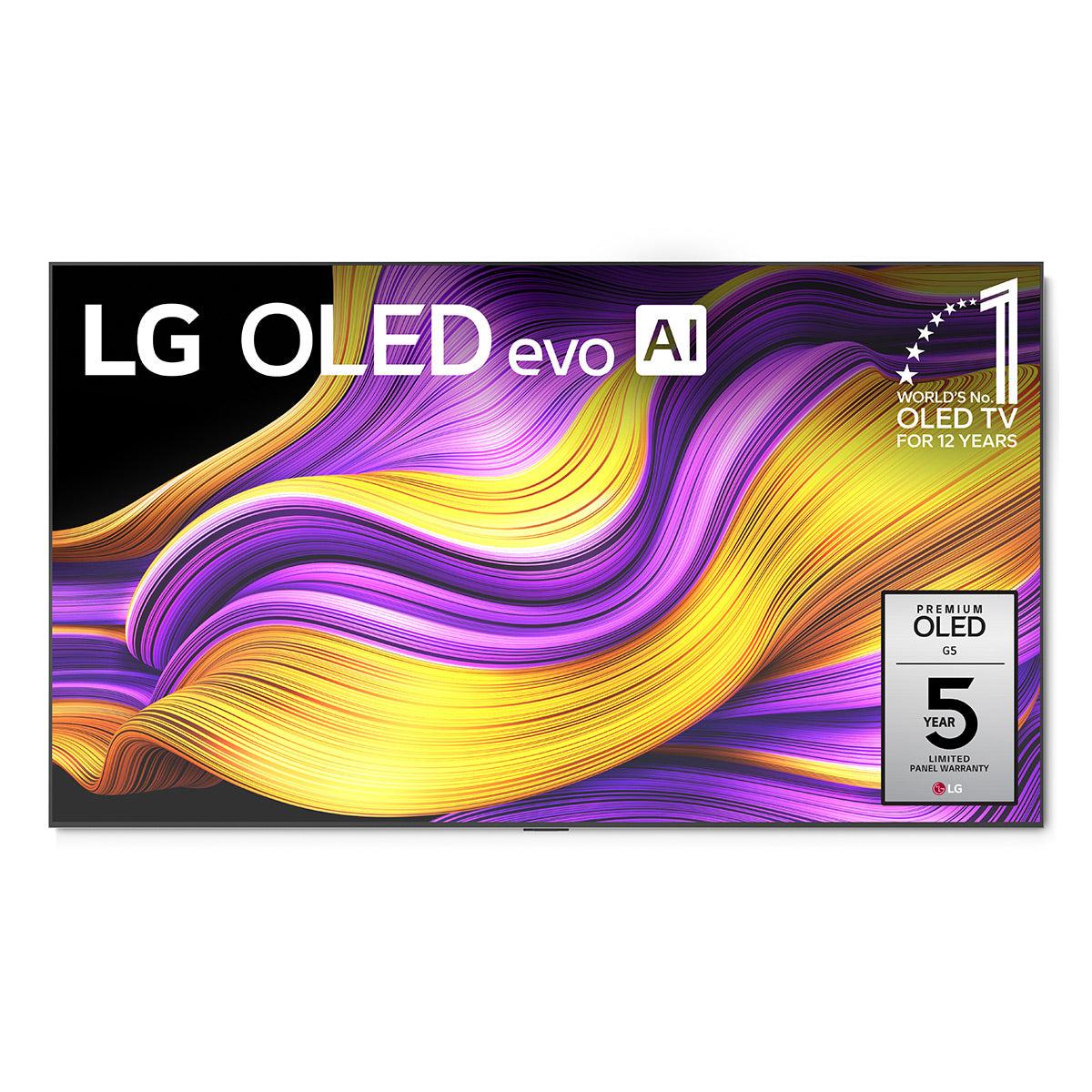
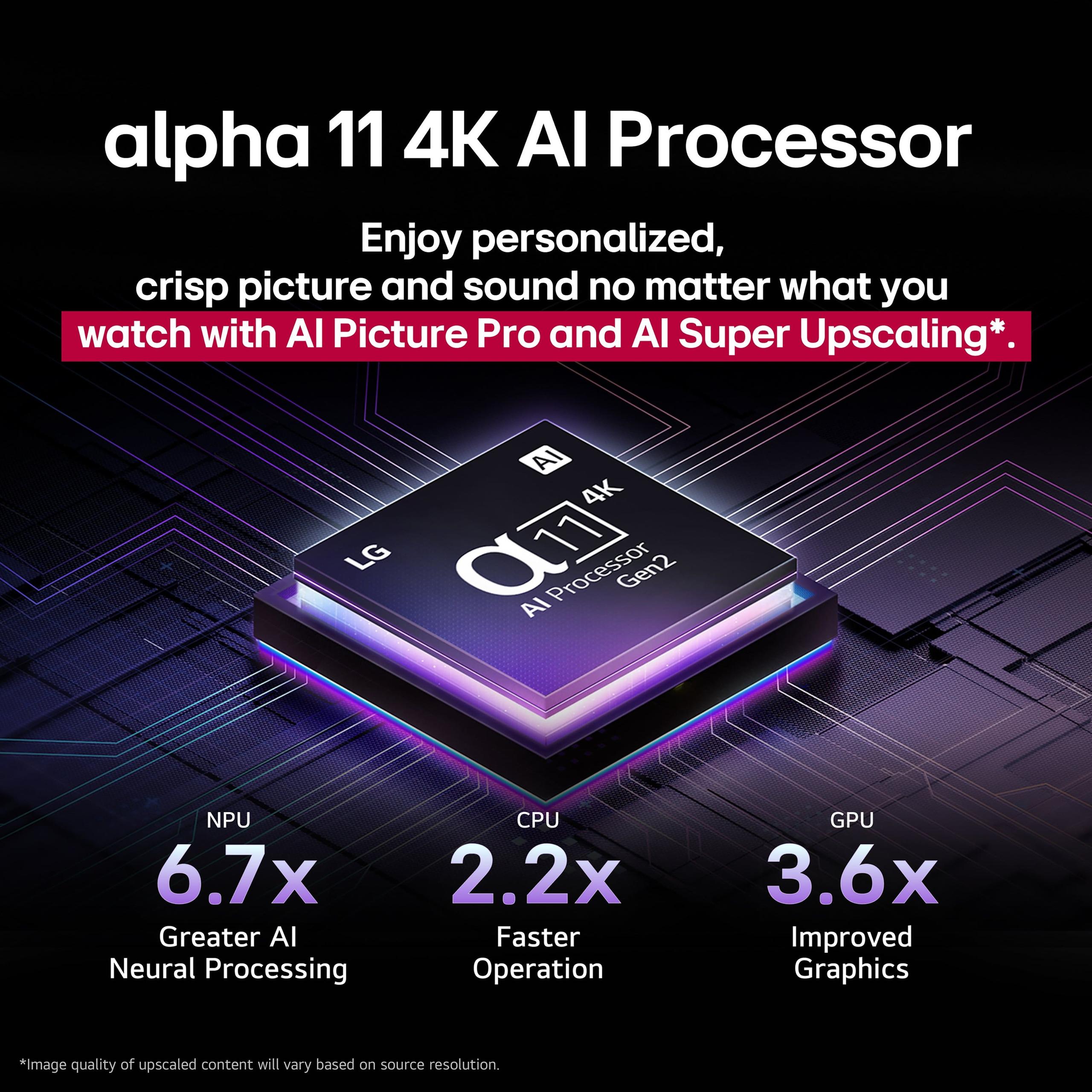
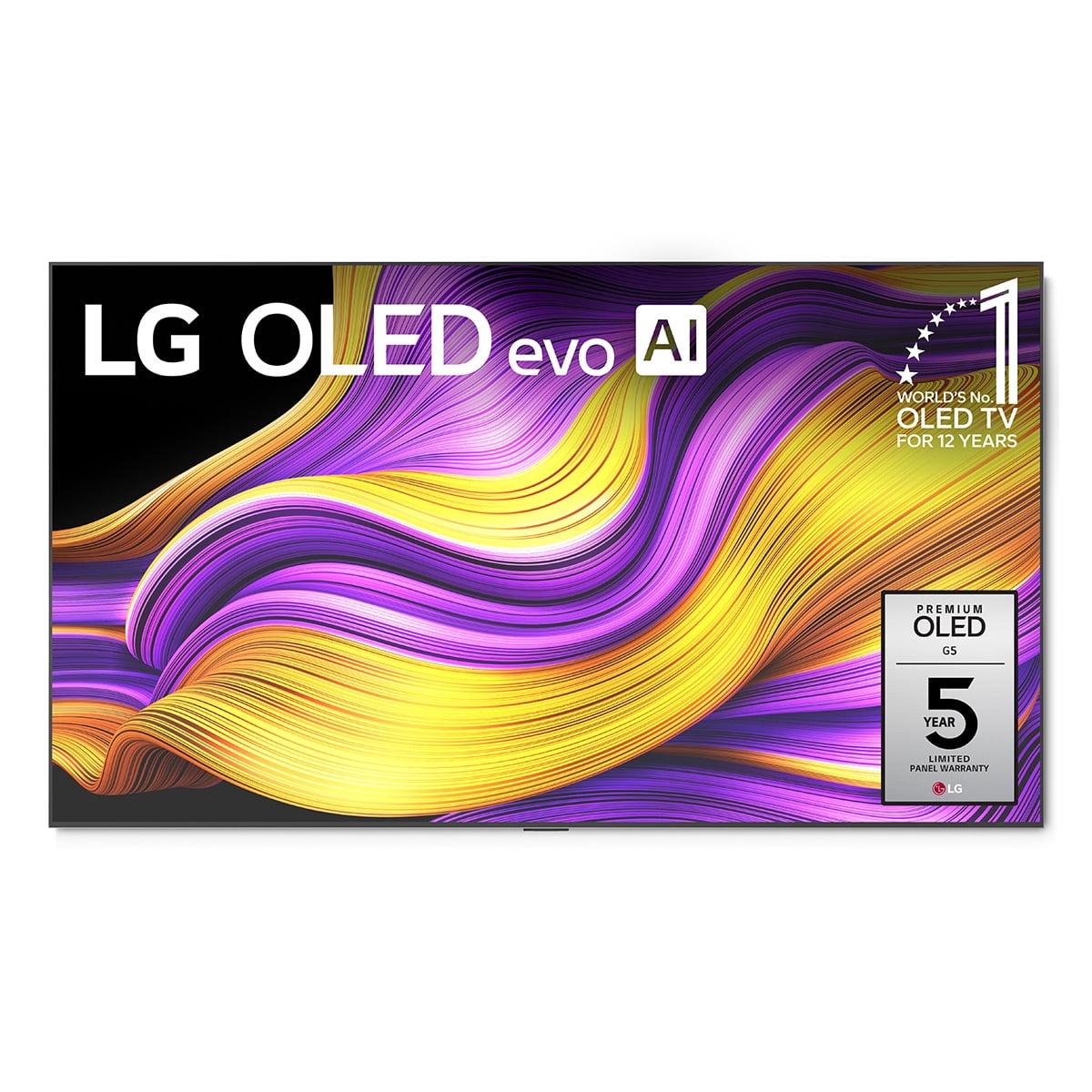
The G5 ($3,197) is where LG shows off its latest innovations. The star of the show is its revolutionary 4-Stack RGB Tandem OLED panel – a mouthful that basically means LG stacks four layers of OLED material instead of the usual structure. This includes two blue layers, one red, and one green, dramatically boosting both brightness and color accuracy.
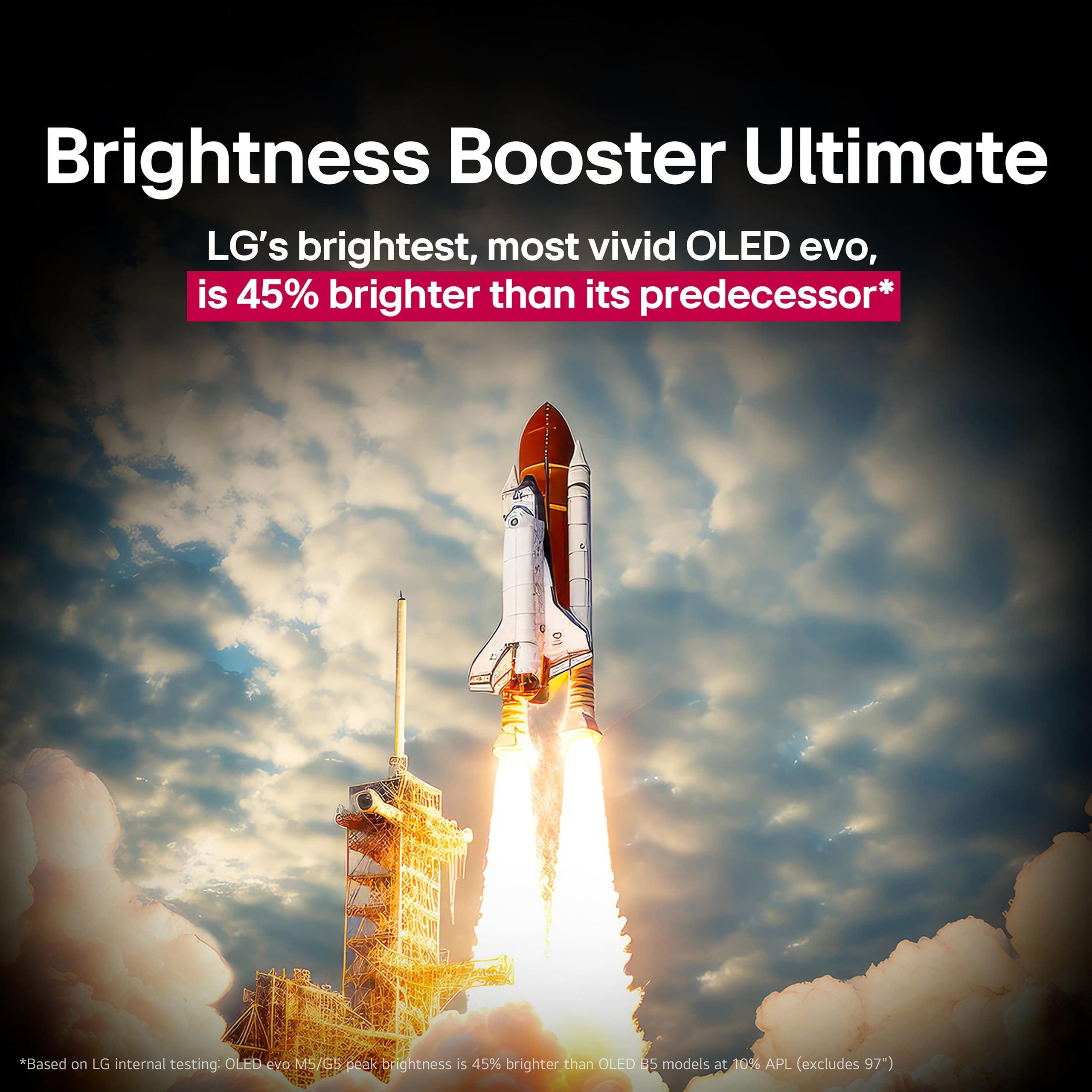
This new panel technology, combined with the more powerful Alpha 11 Gen2 processor, delivers what LG claims is up to 45% more brightness than previous models. That's a significant jump that puts OLED TVs in direct competition with mini-LED displays for bright room viewing.
Here's where the $1,000 price difference starts to make sense. The G5 absolutely demolishes the C5 in brightness performance, and this isn't just about numbers on a spec sheet – it's about real-world usability.
The C5 offers solid brightness improvements over its predecessor, with LG's "Bright Room Ready" technology helping it handle indirect light better than previous C-series models. In my testing of similar LG OLEDs, I've found that while the C5 can hold its own in moderately lit rooms, it still shows some reflections and can look a bit washed out when dealing with bright windows or overhead lighting.
The G5, however, operates in a completely different league. Its Brightness Booster Ultimate technology, enabled by that new 4-Stack panel, delivers brightness levels that rival mini-LED TVs. This means you can actually enjoy HDR content properly in a bright living room – something that was challenging with previous OLED generations. The TV maintains its deep blacks even when pushing high brightness levels, creating that three-dimensional image quality that makes you feel like you're looking through a window rather than at a screen.
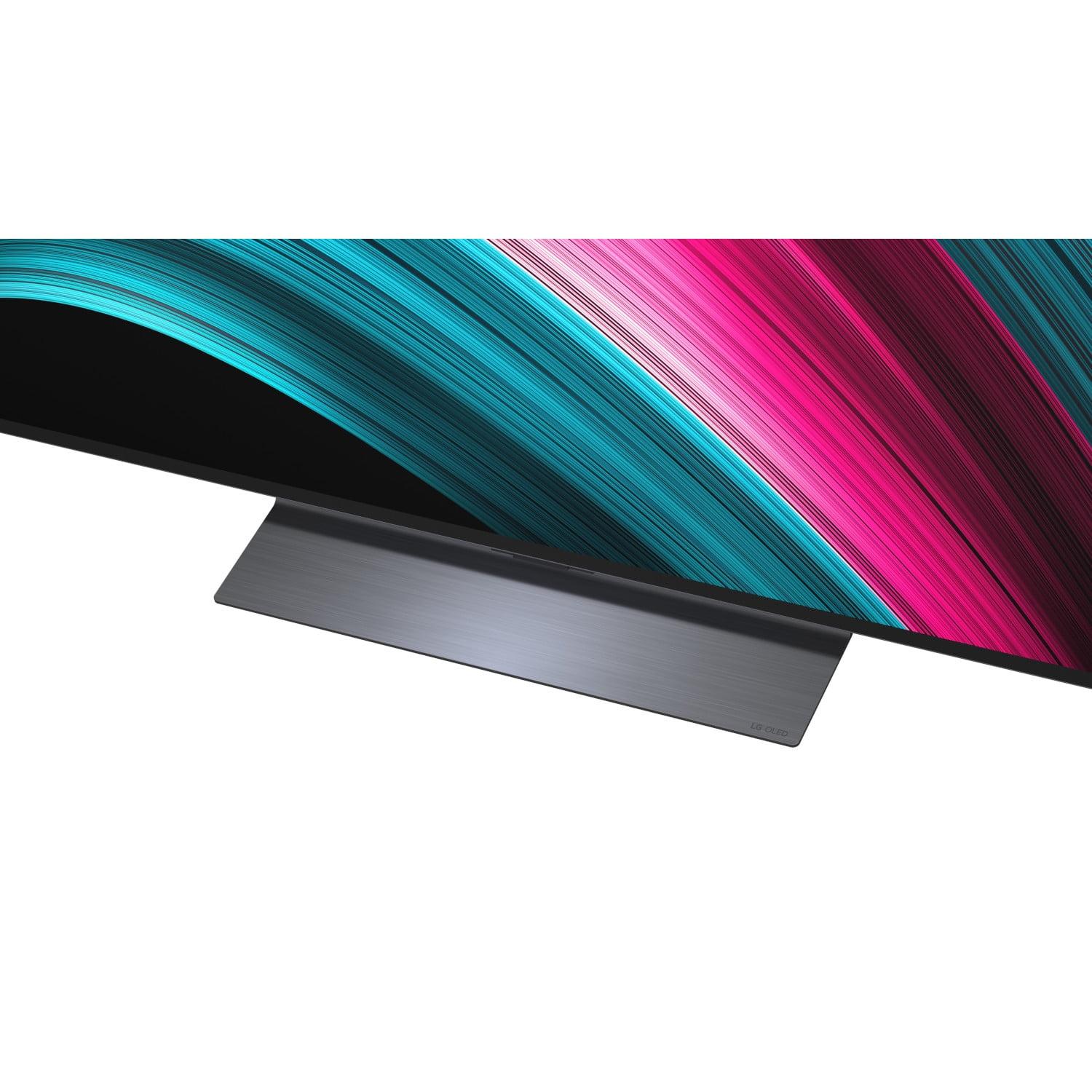
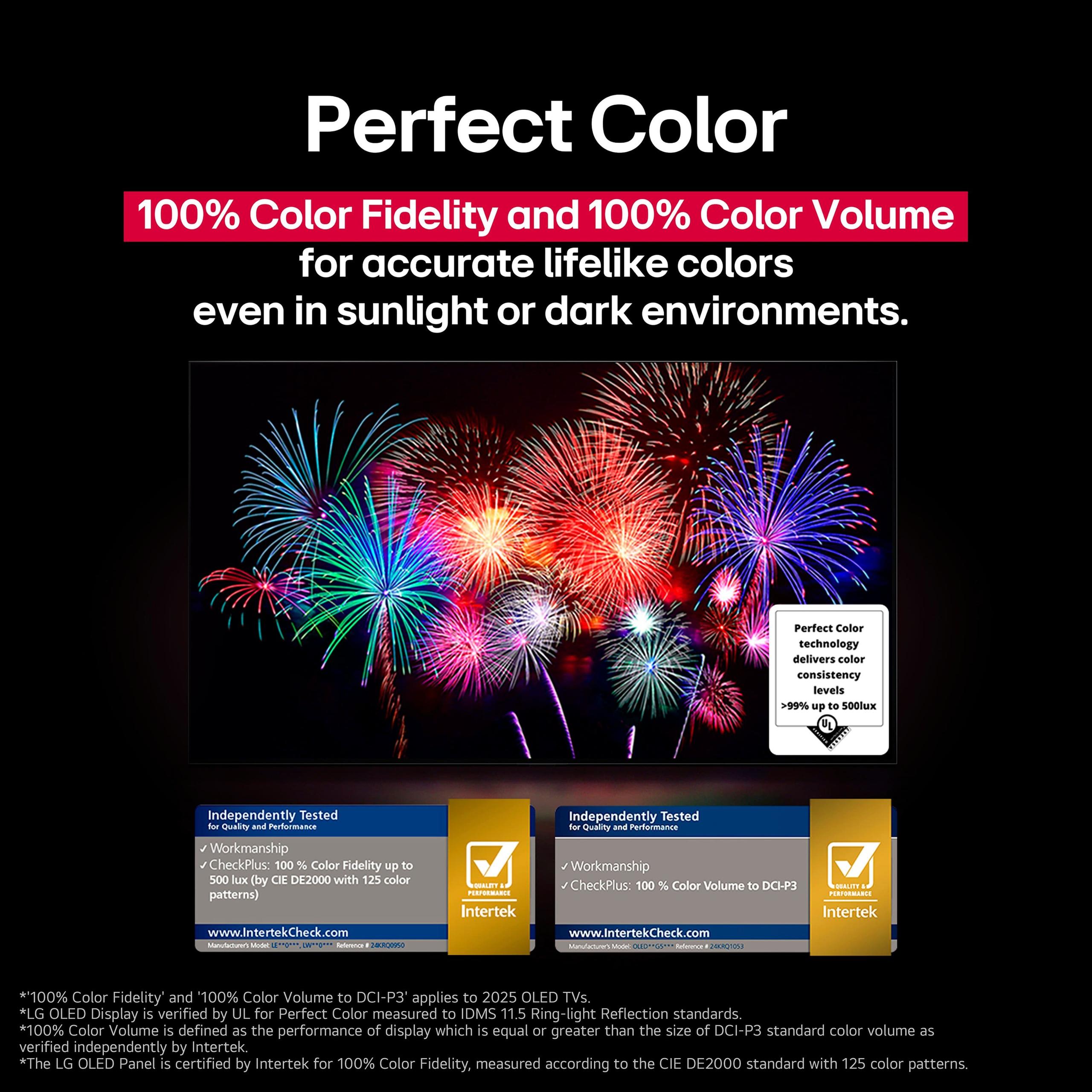
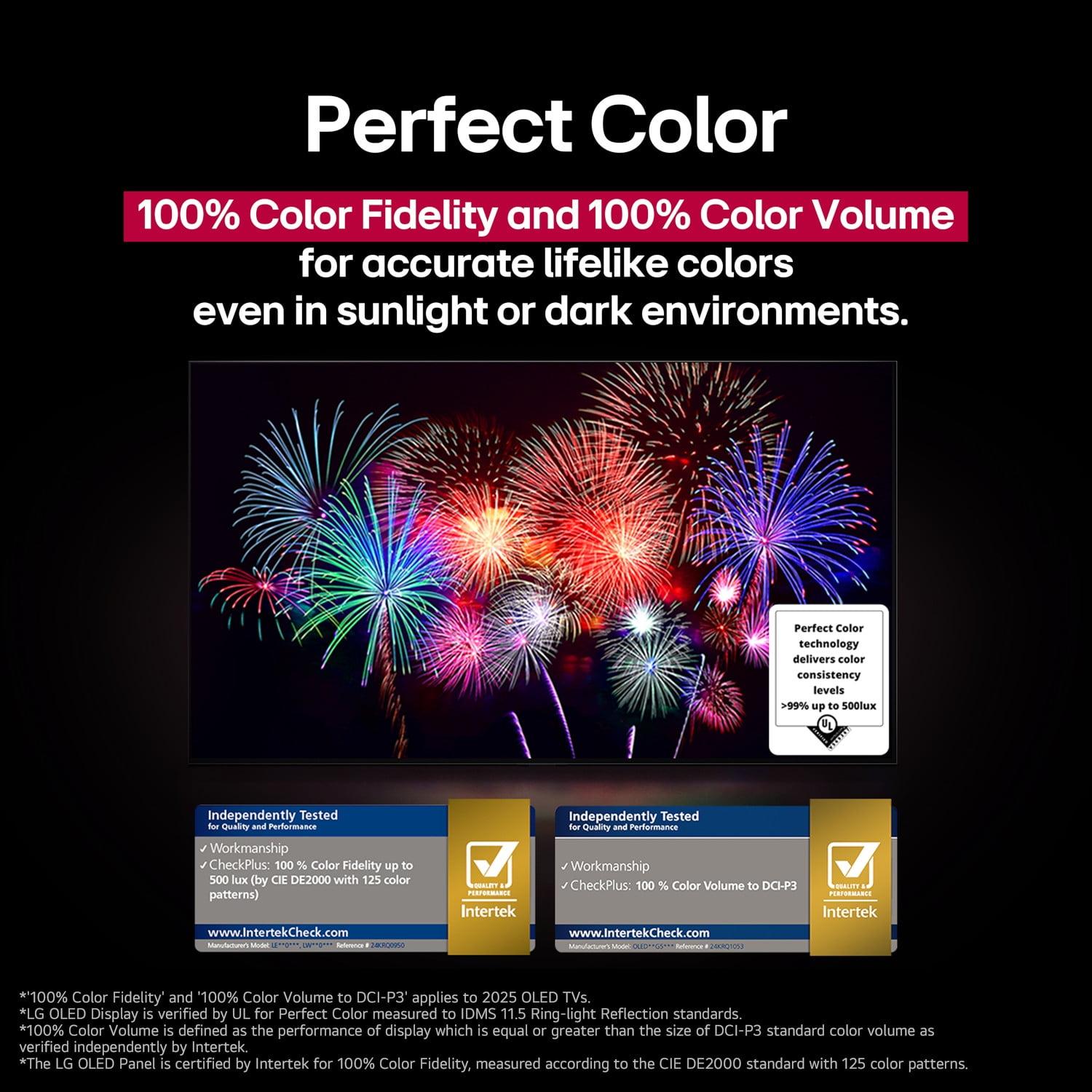
Both TVs deliver excellent color performance, but they approach it differently. The C5 offers what reviewers consistently describe as "lush and rich" colors with realistic skin tones and natural-looking scenes. Its out-of-the-box color accuracy is outstanding – often better than TVs costing significantly more.
The G5 takes this further with its enhanced color volume and saturation capabilities. Color volume refers to how many colors a TV can display at different brightness levels, and the G5's new panel structure allows it to show more vivid colors even in bright scenes. This is particularly noticeable with blues, greens, and reds, which appear more pure and separated from each other.
In practical terms, this means that bright, colorful content like animated movies or vibrant nature documentaries will look more impactful on the G5. However, the difference isn't night and day – the C5 still delivers colors that most viewers will find completely satisfying.

High Dynamic Range (HDR) content – which includes enhanced brightness and color information – is where both TVs really show their capabilities, but the G5 has a clear edge.
The C5 handles HDR well, with impressive specular highlights (those bright reflections and light sources in movies) that add life to scenes. Dolby Vision content, in particular, looks excellent, with the TV's AI processor adapting to different scenes automatically.
The G5 takes HDR performance to another level. Its higher peak brightness means that HDR content displays closer to how directors intended, with sun glinting off water, bright explosions, and illuminated signs all appearing more realistic and impactful. Some reviewers have noted that the G5 can almost be too bright in certain presets, but this brightness capability gives you more flexibility to adjust for your specific room and preferences.
Gaming is where both TVs truly shine, but the G5 offers some advantages for serious gamers.
The C5 supports 4K gaming at up to 144Hz on all four HDMI 2.1 ports, which is more than adequate for current gaming consoles and most PC setups. Its 0.1ms response time means virtually no input lag – the delay between pressing a button and seeing the action on screen.
The G5 pushes this further with support for 4K at 165Hz, making it more future-proof for high-end PC gaming. While the difference between 144Hz and 165Hz isn't huge for most games, competitive gamers and those with powerful PC setups will appreciate the extra headroom.
Both TVs support Variable Refresh Rate (VRR), which synchronizes the TV's refresh rate with your gaming device to eliminate screen tearing and stuttering. They also include Auto Low Latency Mode (ALLM), which automatically switches to the lowest latency settings when gaming.
The G5 adds Quick Media Switching (QMS) and QMS-VRR support, which eliminates those annoying black screens when switching between devices with different refresh rates. This might sound minor, but it makes the gaming experience noticeably smoother when switching between console gaming and streaming content.
One improvement both TVs share over previous models is adjustable SDR peak brightness in game mode. Earlier LG OLEDs had fixed brightness settings in game mode that were often too dim, but both 2025 models let you customize this for better visibility in games.
Both TVs run LG's webOS 25, which represents a significant evolution of the platform with enhanced AI features and improved personalization. The interface uses Quick Cards to organize your favorite apps and provides access to over 300 free LG Channels.
The key difference lies in processing power. The C5's Alpha 9 Gen8 processor handles smart TV duties well, with responsive navigation and good upscaling of lower-resolution content. The AI features work effectively to optimize picture settings based on what you're watching.
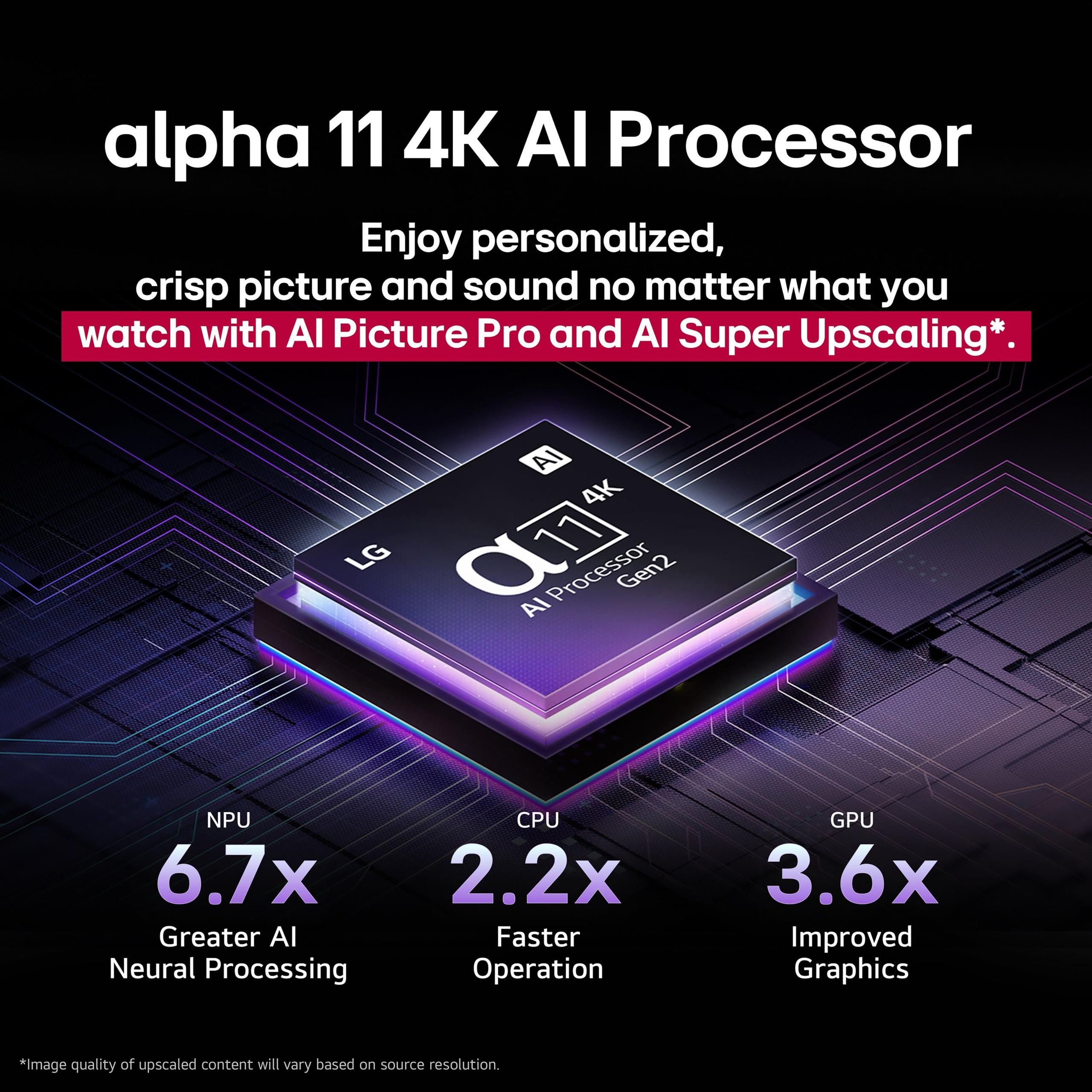
The G5's Alpha 11 Gen2 processor offers noticeably better performance, with faster app loading, more sophisticated AI upscaling, and enhanced personalization features. The AI Picture and Sound Wizard can create custom settings based on your preferences and viewing environment, and the system learns from your usage patterns to make better recommendations.
Both TVs are part of LG's webOS Renew program, guaranteeing software updates and new features for five years. This long-term support adds significant value, especially considering how quickly smart TV platforms can become outdated.
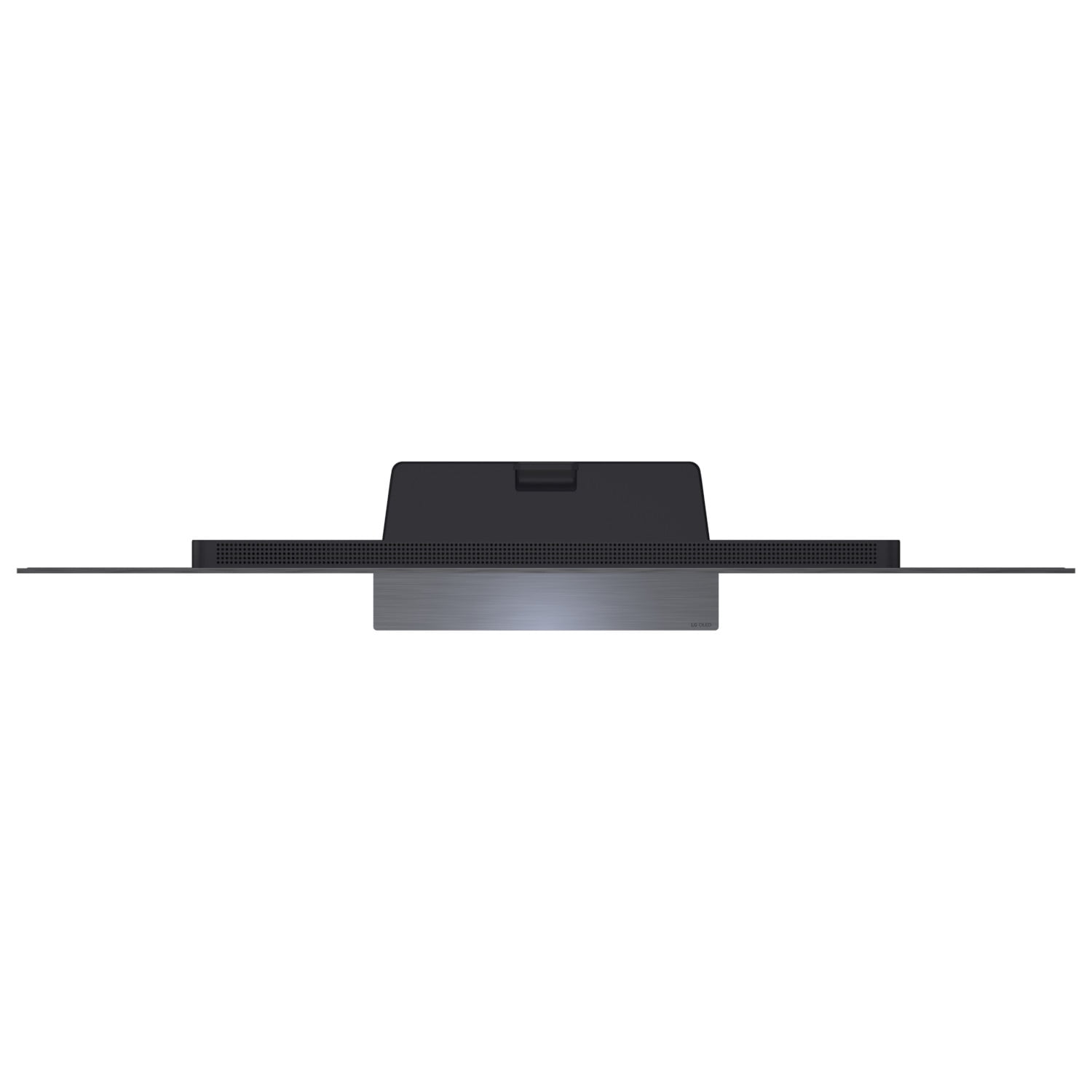
Here's where the G5 clearly justifies some of its premium pricing. The C5 features LG's standard OLED design with ultra-thin bezels and a sleek profile that looks great in any room. It's wall-mountable and blends well with most décor.
The G5 takes design to the next level with its "One Wall Design" that mounts completely flush to the wall, resembling a piece of art more than a traditional TV. When not in use, it can display artwork or personal photos, making it a genuine design statement. This isn't just about looks – the flush mounting creates a cleaner, more premium appearance that many buyers find worth the extra cost.
For dedicated home theater use, both TVs excel, but your choice depends on your specific setup and viewing habits.
The C5 is excellent for traditional home theater environments with controlled lighting. Its perfect blacks and excellent contrast make it ideal for movie watching in dark rooms, where its slightly lower brightness isn't a disadvantage. The Dolby Vision support ensures you're getting the intended cinematic experience, and the AI processing does a great job with film content.
The G5 becomes the better choice if your home theater doubles as a family room or if you can't completely control lighting. Its superior brightness means you won't need to dim the lights as much for optimal viewing, and HDR content will have more impact. The enhanced color volume also makes animated content and vibrant movies more engaging.
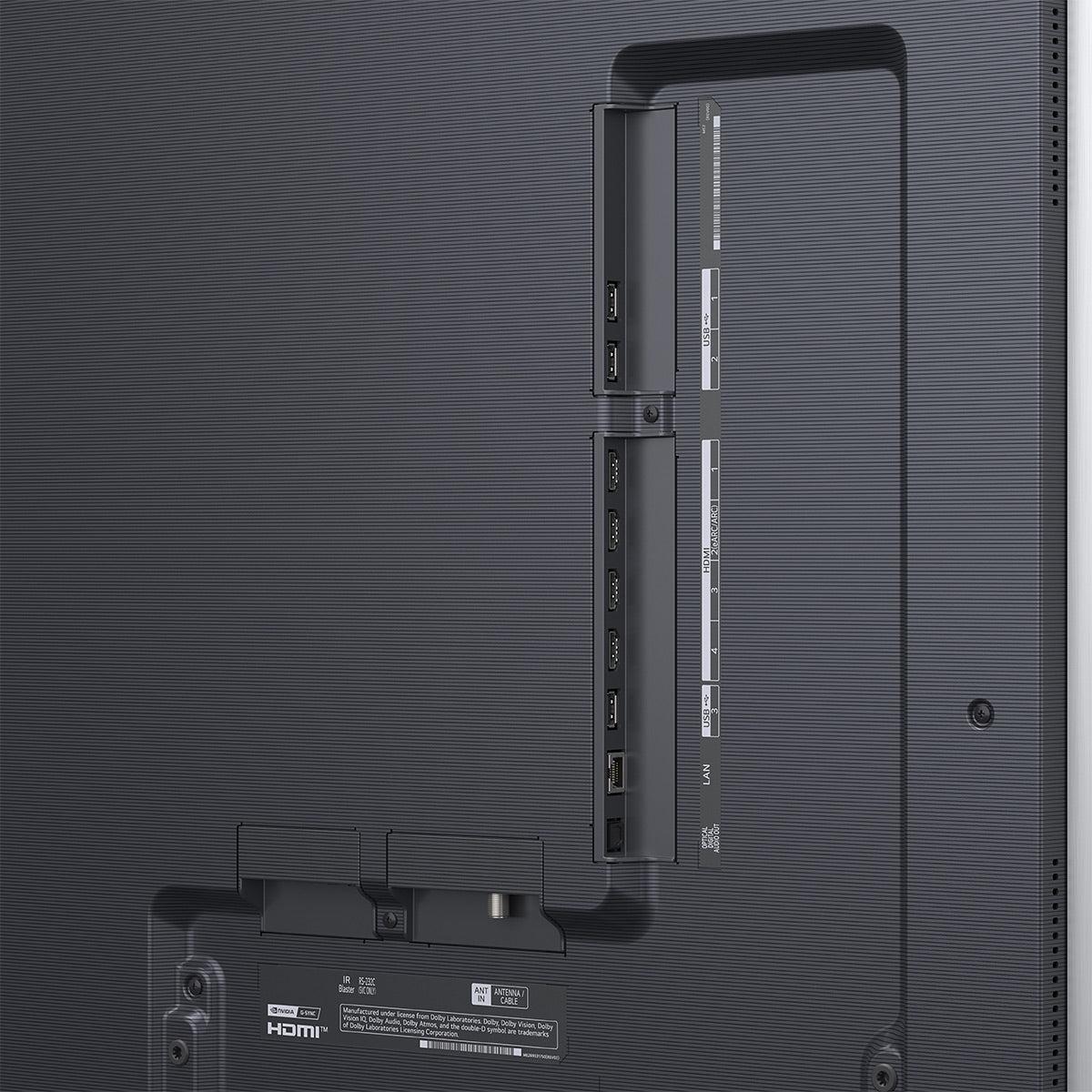
Both TVs support Dolby Atmos audio, though you'll want to pair either with a quality soundbar or surround sound system for the best audio experience. The slim OLED design limits built-in speaker performance, though both are adequate for casual viewing.
The C5 at $2,197 represents exceptional value in the premium OLED market. You're getting about 90% of the G5's performance at roughly 69% of the price. For most viewing environments and uses, the C5 delivers a flagship experience without the flagship price tag.
The G5 at $3,197 asks you to pay a significant premium for genuine technological advancement. The new panel technology isn't just marketing – it delivers measurable improvements in brightness and color that translate to better real-world performance, especially in challenging lighting conditions.
Both the LG OLED evo C5 and G5 are excellent TVs that will satisfy most buyers. The C5 offers outstanding value, delivering premium OLED performance at a price that makes flagship technology accessible to more buyers. The G5 justifies its premium pricing through genuine technological improvements that solve real problems – particularly brightness performance in well-lit rooms.
Your decision should primarily come down to your room's lighting conditions and your budget. If you have a bright living room or want the absolute best technology available, the G5's advantages are worth the extra cost. If you can control your viewing environment reasonably well and want exceptional value, the C5 delivers nearly the same experience for significantly less money.
Either way, you're getting a TV that will provide years of excellent performance and stay current with future content and gaming developments. The choice between them isn't about good versus bad – it's about finding the right balance of features, performance, and value for your specific needs and budget.
| LG OLED evo C5 65" ($2,197) | LG OLED evo G5 65" ($3,197) |
|---|---|
| Panel Technology - Determines brightness and color capabilities | |
| Traditional WOLED with brightness improvements | Revolutionary 4-Stack RGB Tandem OLED panel |
| Peak Brightness - Critical for bright room viewing and HDR impact | |
| Enhanced brightness with "Bright Room Ready" technology | Up to 45% brighter than previous models with Brightness Booster Ultimate |
| Processor - Affects smart TV performance and AI features | |
| Alpha 9 AI Processor Gen8 | Alpha 11 AI Processor Gen2 |
| Gaming Refresh Rate - Higher is better for competitive gaming | |
| 4K @ 144Hz on all HDMI 2.1 ports | 4K @ 165Hz on all HDMI 2.1 ports |
| Color Performance - Affects vibrancy and accuracy of content | |
| Excellent color accuracy with wide color gamut | Superior color volume and saturation, especially blues/greens/reds |
| Design Style - Important for living room aesthetics | |
| Standard sleek OLED design with ultra-thin bezels | Premium "One Wall Design" mounts flush to wall like artwork |
| HDR Support - Essential for premium streaming content | |
| Dolby Vision, HDR10, HLG support | Dolby Vision, HDR10 Pro with enhanced brightness retention |
| Smart TV Platform - Affects long-term usability | |
| webOS 25 with 5-year update guarantee | webOS 25 with advanced AI features and 5-year updates |
| Room Lighting Suitability - Most important buying consideration | |
| Best for dark to moderately-lit rooms | Excellent for bright rooms and challenging lighting |
| Value Proposition - Price-to-performance ratio | |
| 90% of flagship performance at 69% of the price | Cutting-edge technology with meaningful brightness advantage |
The LG OLED evo G5 65" ($3,197) is significantly better for bright rooms. Its revolutionary 4-Stack RGB Tandem OLED panel delivers up to 45% more brightness than previous models, making it compete directly with mini-LED TVs for bright room viewing. The LG OLED evo C5 65" ($2,197) has improved brightness over its predecessor but still works best in dark to moderately-lit rooms.
The main difference is the panel technology and brightness. The G5 uses a new 4-Stack RGB Tandem OLED panel that dramatically increases brightness and color volume, while the C5 uses traditional WOLED technology with modest brightness improvements. This translates to the G5 being much more capable in bright environments and delivering more impactful HDR content.
It depends on your viewing environment and priorities. The G5 justifies the premium if you have a bright living room, want cutting-edge display technology, or prioritize the best possible picture quality. The C5 offers about 90% of the G5's performance at 69% of the price, making it better value for controlled lighting environments.
Both are excellent for gaming, but the G5 has a slight edge with 4K @ 165Hz support versus the C5's 4K @ 144Hz. The G5 also includes advanced features like QMS-VRR for smoother device switching. However, both offer 0.1ms response time, VRR, and full HDMI 2.1 support, making either suitable for serious gaming.
Both run webOS 25 with 5-year update guarantees, but the G5 has more advanced AI features thanks to its Alpha 11 Gen2 processor versus the C5's Alpha 9 Gen8. The G5 offers better upscaling, more sophisticated personalization, and faster performance, though both provide excellent smart TV experiences.
Both deliver excellent color accuracy, but they excel in different ways. The C5 offers outstanding out-of-the-box color accuracy that often exceeds more expensive competitors. The G5 provides superior color volume and saturation, particularly with blues, greens, and reds, thanks to its advanced panel technology.
The G5 handles HDR content significantly better due to its higher peak brightness, which allows HDR highlights to appear closer to filmmakers' intentions. The C5 still delivers excellent HDR performance with impressive specular highlights, but the G5's enhanced brightness creates more impactful and realistic HDR experiences.
Choose the G5 if your living room has windows, bright lighting, or you want the absolute best picture quality available. Choose the C5 if you can control lighting reasonably well and want exceptional OLED performance at a more accessible price point. Consider your room's lighting conditions as the primary deciding factor.
We've done our best to create useful and informative comparisons to help you decide what product to buy. Our research uses advanced automated methods to create this comparison and perfection is not possible - please contact us for corrections or questions. These are the sites we've researched in the creation of this article: bestbuy.com - rtings.com - youtube.com - businessinsider.com - youtube.com - bestbuy.com - lg.com - files.bbystatic.com - lg.com - flatpanelshd.com - lg.com - blvdhome.com - bhphotovideo.com - flanners.com - videopro.com.au - bestbuy.com - techradar.com - rtings.com - youtube.com - youtube.com - rtings.com - bestbuy.com - youtube.com - valueelectronics.com - lg.com - audio-videoplus.com - lg.com - lg.com - lg.com

Privacy Policy
Terms and Conditions - Affiliate Policy
Home Security
© Copyright 2008-2026.
11816 Inwood Rd #1211, Dallas, TX 75244