


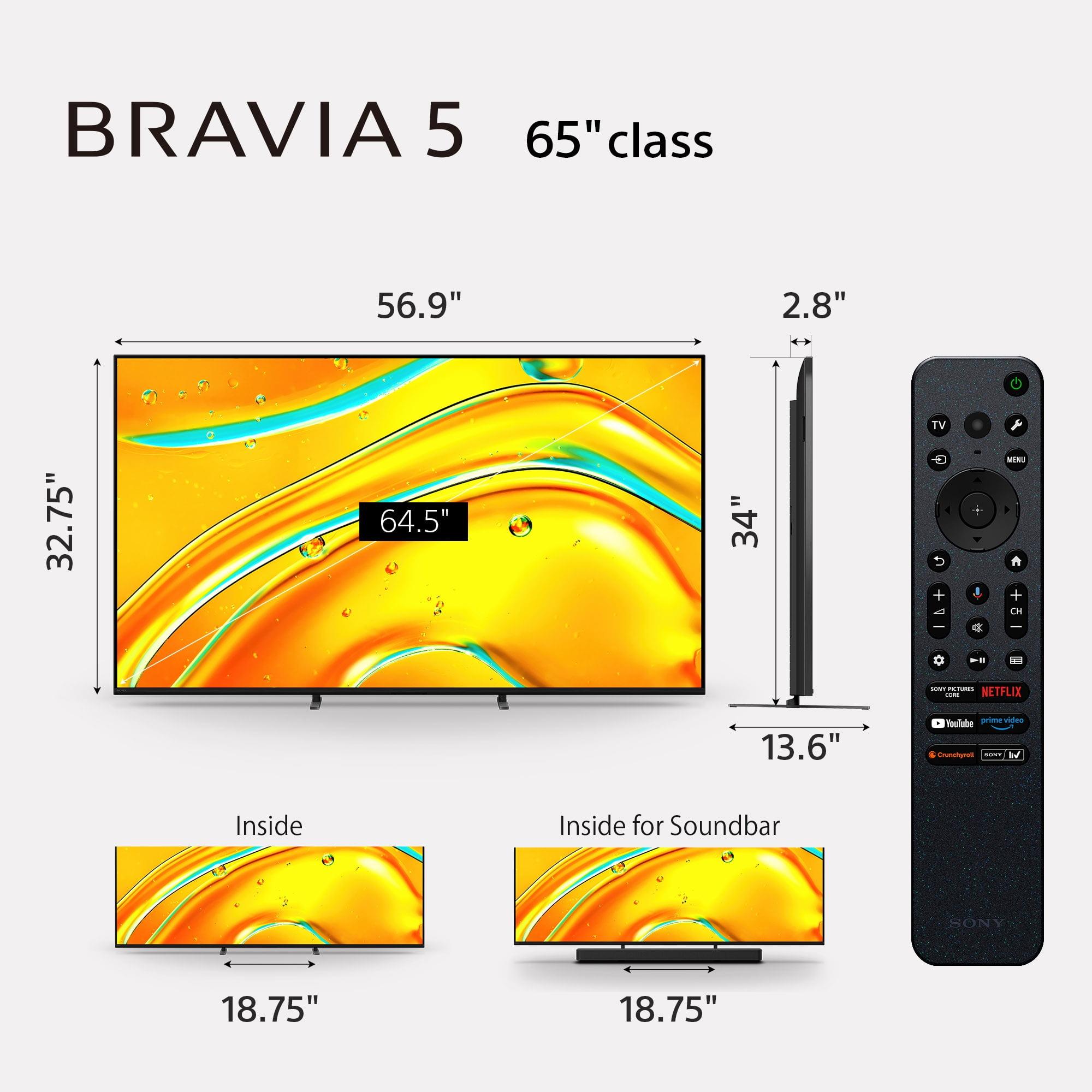




Shopping for a premium 65" 4K TV can feel overwhelming, especially when you're comparing two excellent options that take completely different approaches to delivering stunning picture quality. The Sony BRAVIA 5 65" Mini LED 4K Google TV 2025 at $1,478 and the LG OLED evo C5 65" 4K TV 2025 at $2,197 represent two of the most compelling choices in the premium TV market, but they're built on fundamentally different display technologies that shape everything from how they look to how much they cost.
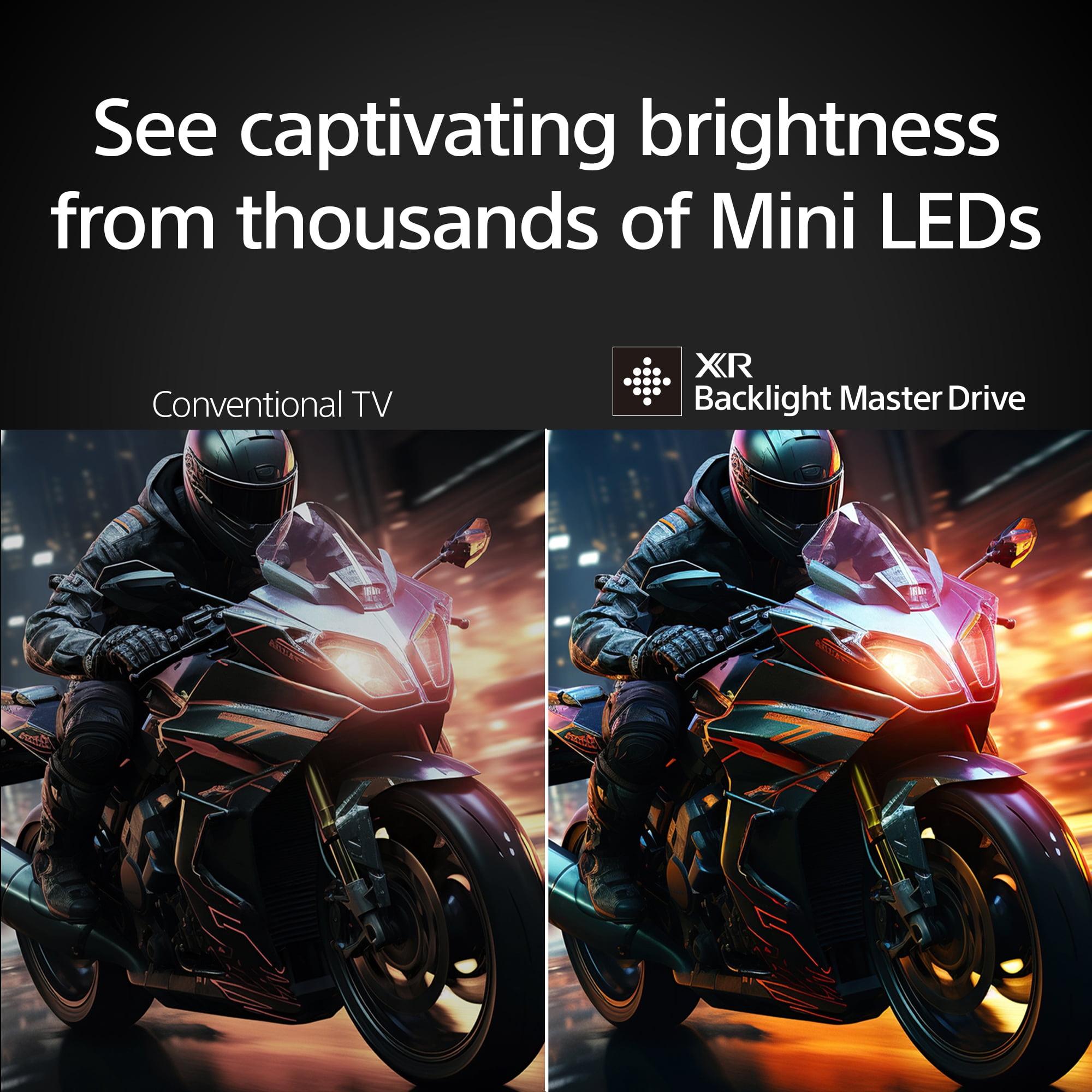
Before diving into the specifics, it's crucial to understand what makes these TVs tick. The Sony BRAVIA 5 uses Mini LED technology, which sounds fancy but is actually a clever evolution of traditional LED-backlit LCD TVs. Instead of having a few dozen LED lights behind the screen, Mini LED packs thousands of tiny LEDs into zones that can brighten or dim independently. This local dimming creates much better contrast than older LCD TVs by making dark areas darker while keeping bright areas bright.
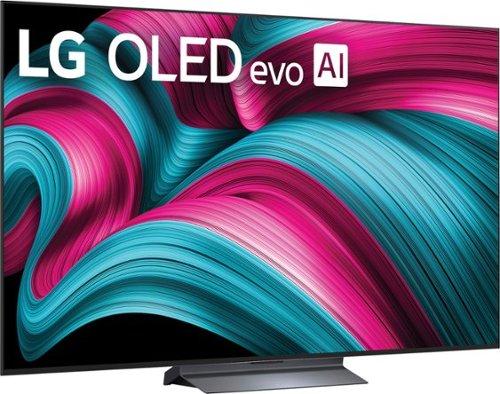
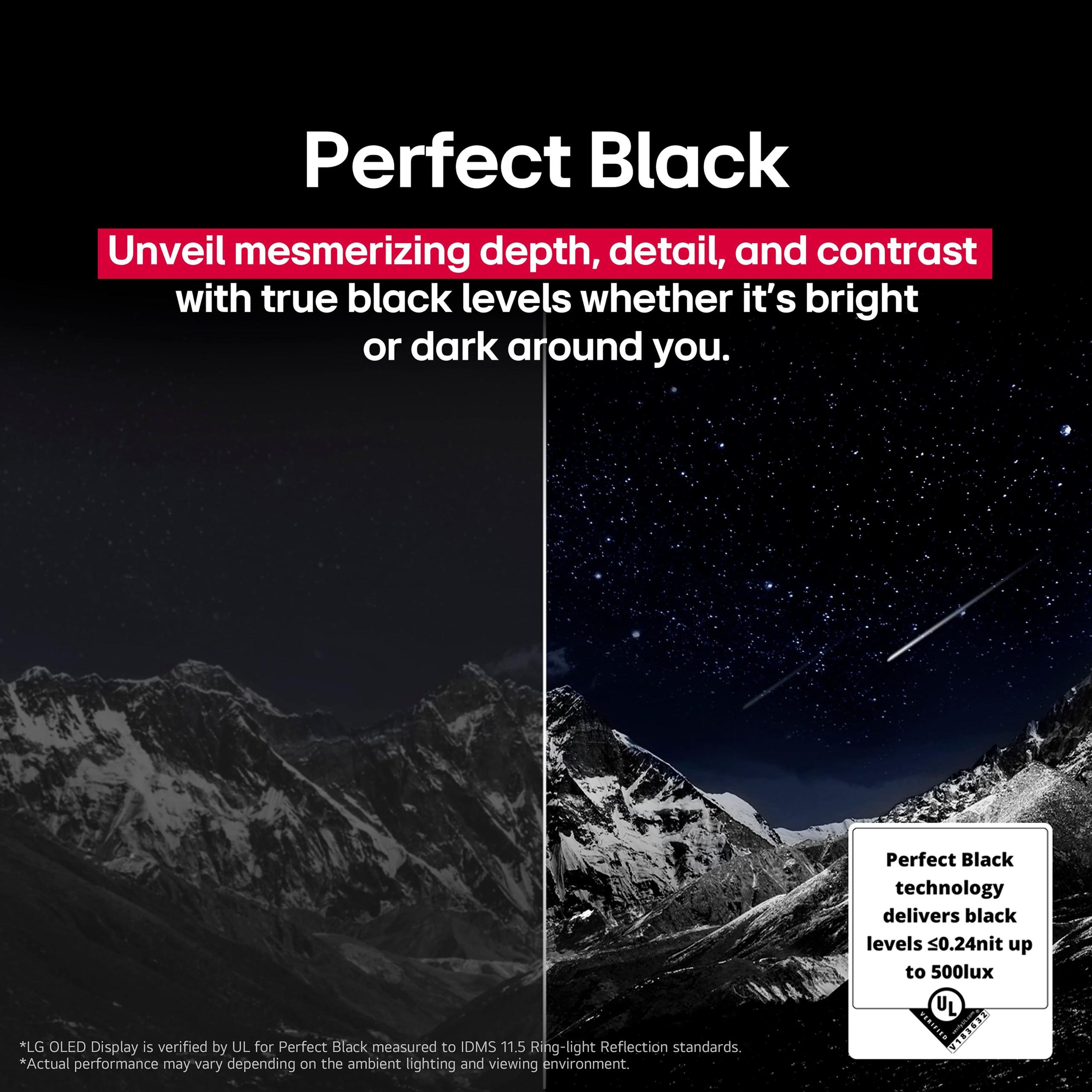
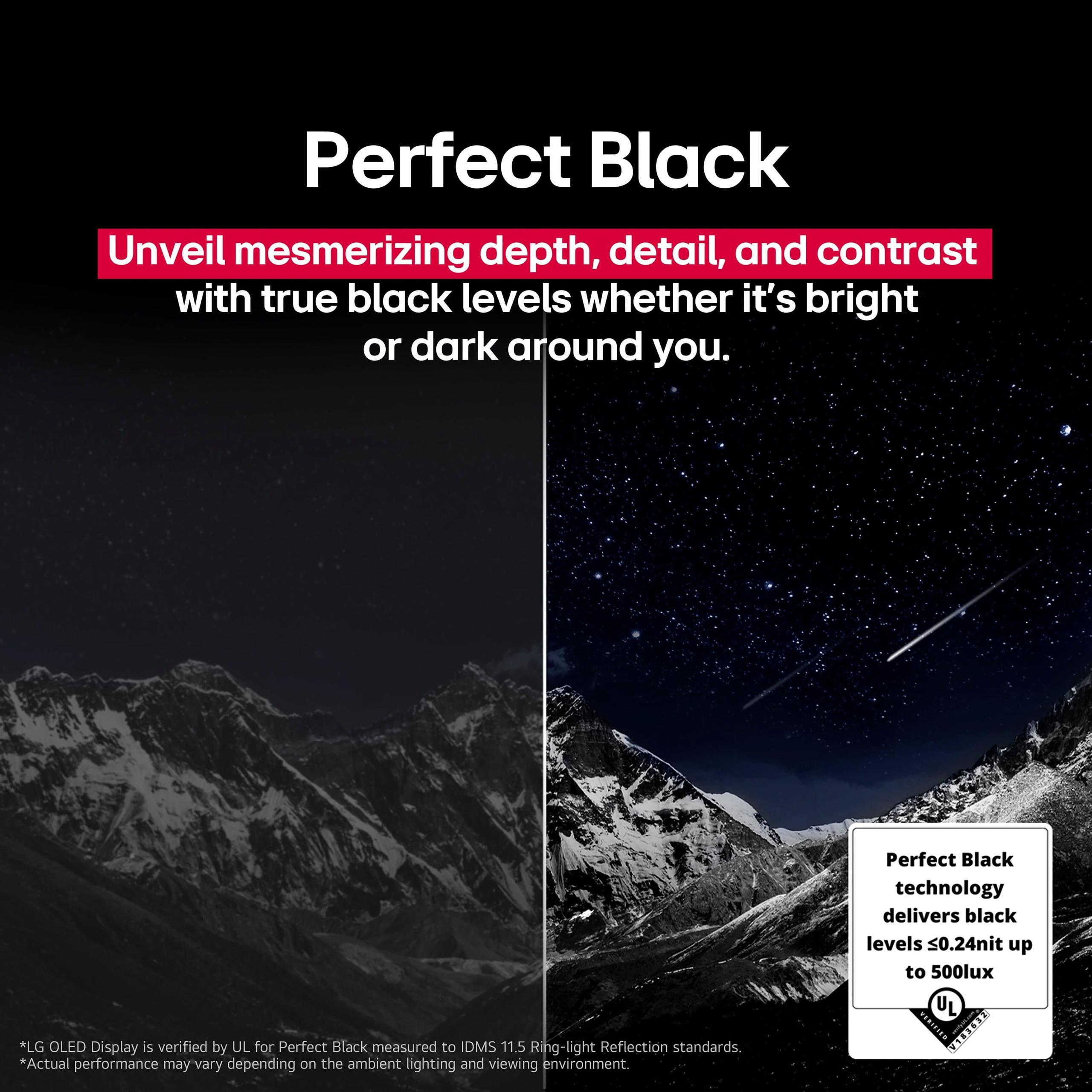
The LG OLED evo C5 takes a completely different approach. OLED stands for Organic Light-Emitting Diode, and each pixel on the screen produces its own light. When a pixel needs to be black, it simply turns off completely—no backlight required. This fundamental difference is why OLED TVs can achieve perfect blacks and infinite contrast ratios, something that's physically impossible with any backlit display.
Both TVs launched in 2025, with the LG OLED evo C5 arriving in March as part of LG's annual spring refresh. The Sony BRAVIA 5 followed shortly after as part of Sony's 2025 lineup update. What's interesting is how each company has improved their respective technologies over the past few years.
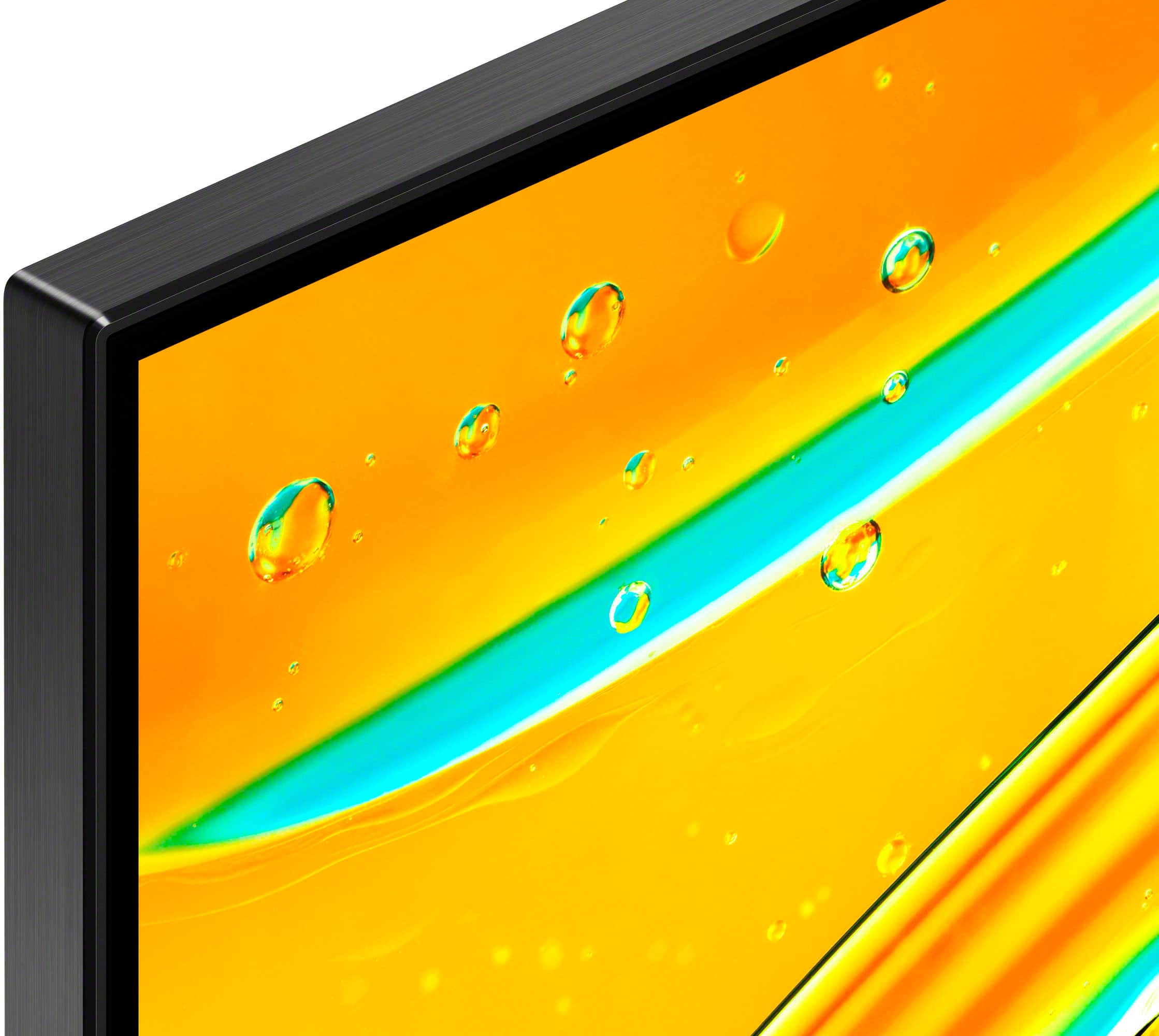
LG's 2025 C5 represents a significant brightness boost over previous C-series OLEDs. The company has been steadily improving OLED brightness since complaints about dim HDR performance in earlier models. The C5 can now hit over 1,000 nits in real-world testing—a massive improvement that makes it much more competitive in bright rooms.
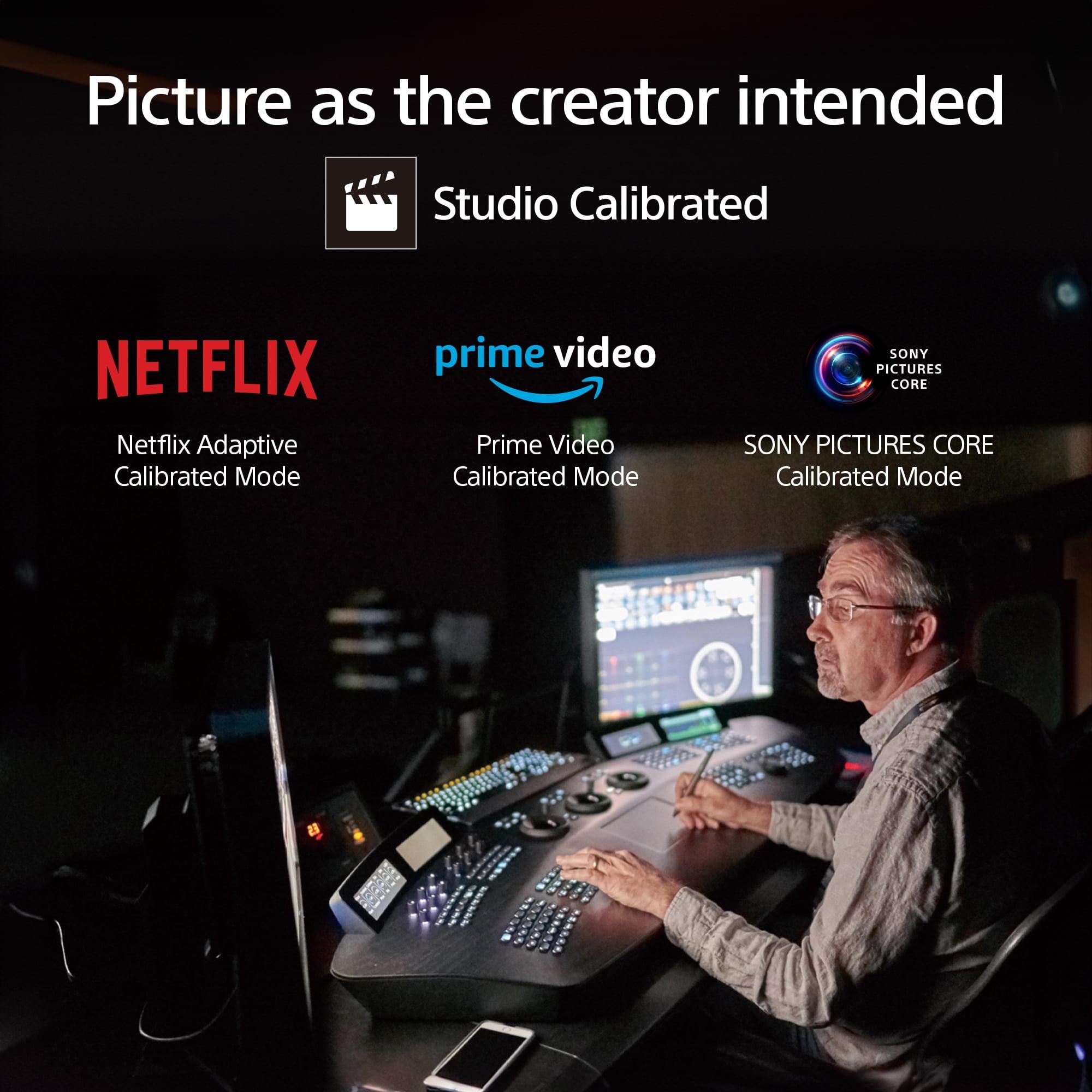
Sony's Mini LED implementation in the BRAVIA 5 benefits from years of refinement in their XR Backlight Master Drive technology. This system, derived from Sony's professional mastering monitors, manages those thousands of Mini LEDs with precision that rivals what content creators use in studios. The result is more accurate contrast and fewer of the "blooming" artifacts (halos around bright objects) that plagued earlier Mini LED TVs.
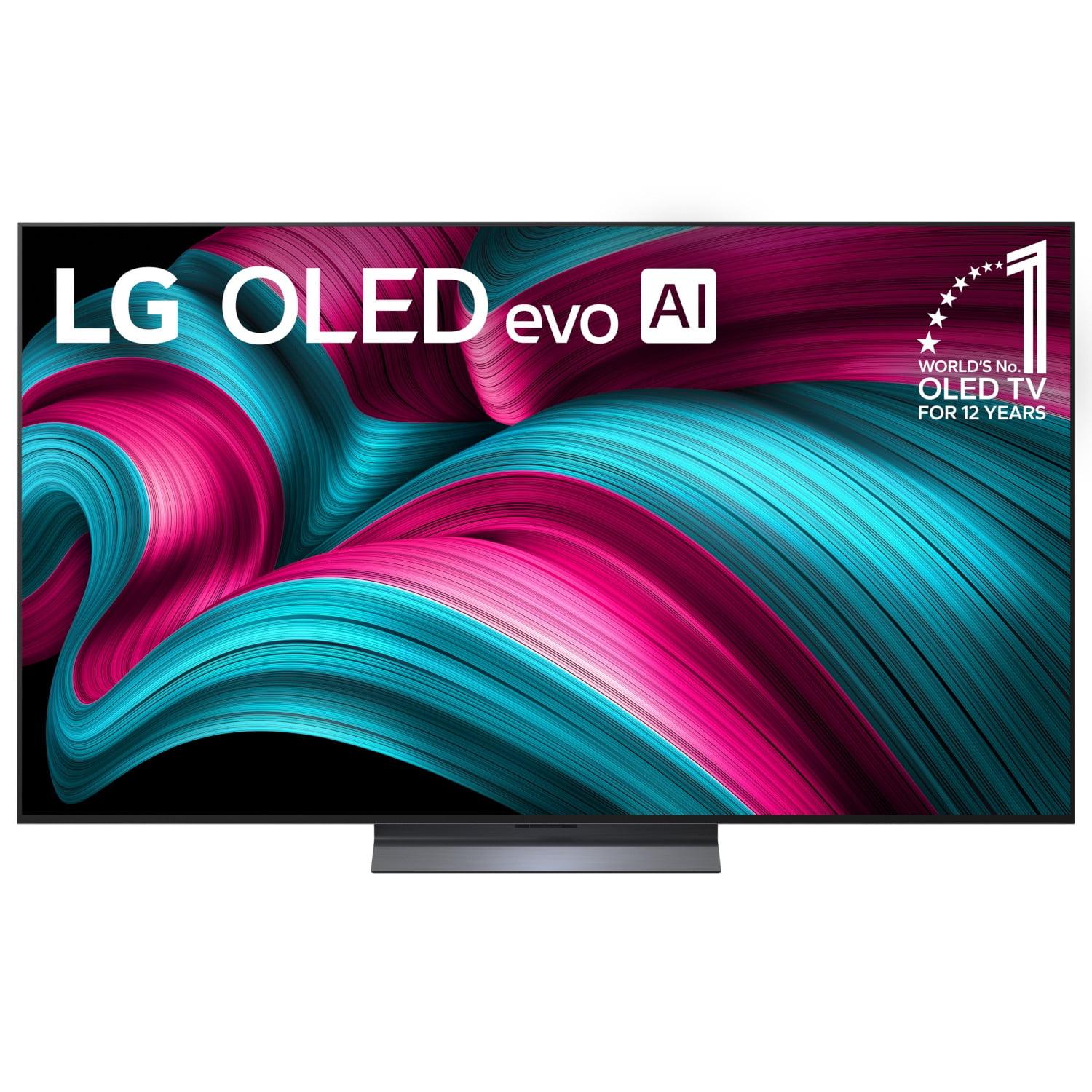
This is where the fundamental technology difference becomes most apparent. The LG OLED evo C5 delivers what I can only describe as true cinematic blacks. When you're watching a movie like "Blade Runner 2049" or "The Batman," those inky black shadows have depth and dimension that makes the bright elements pop off the screen. There's no compromise here—black is black, period.
The Sony BRAVIA 5, despite its impressive Mini LED array, can't quite match this perfection. However, it gets surprisingly close. The local dimming zones are small enough that blooming is minimal, and the contrast is genuinely impressive. In many scenes, especially those with mixed lighting, you might not notice the difference. But put a starfield on screen or watch a movie with lots of dark scenes, and the OLED's advantage becomes clear.
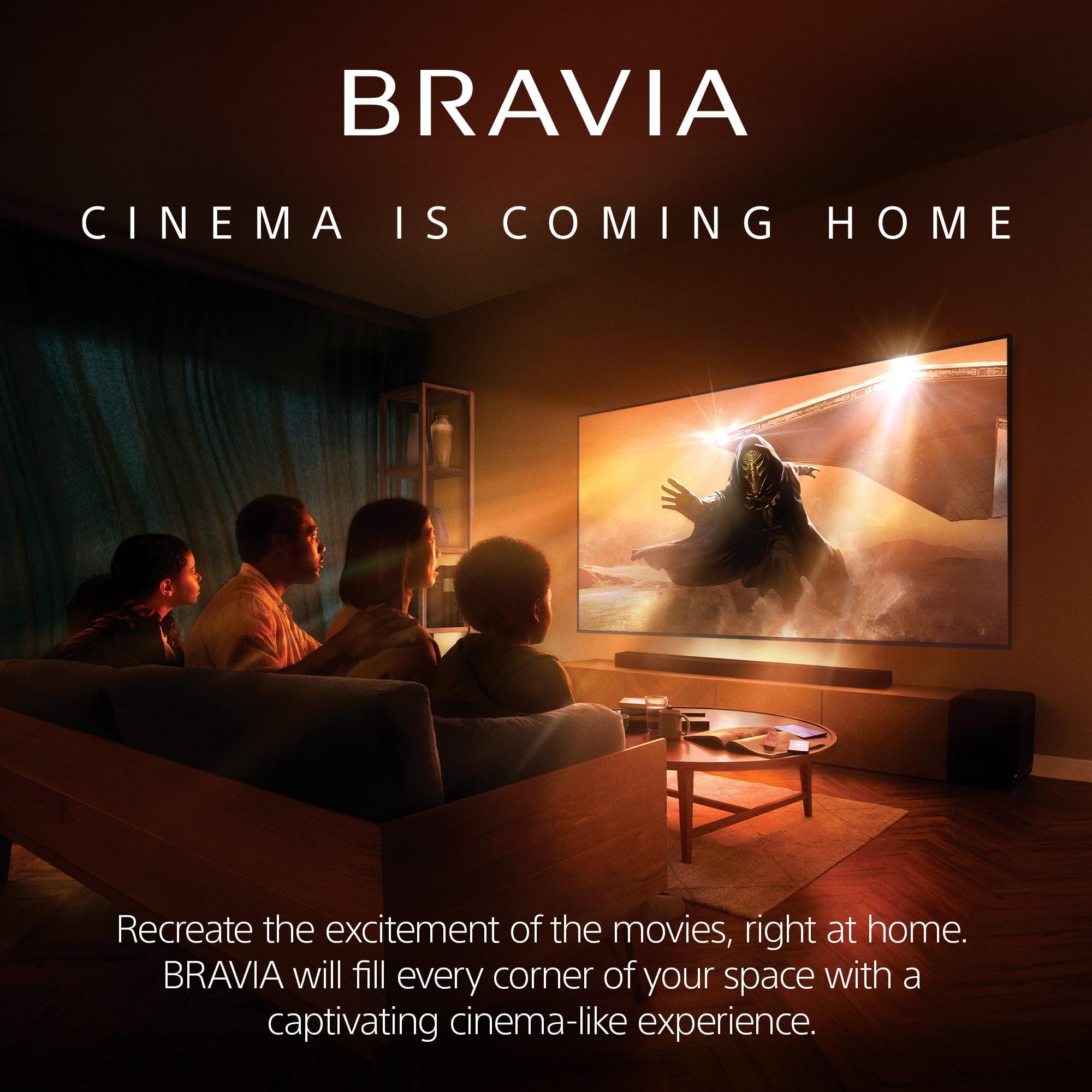
Here's where the Sony BRAVIA 5 fights back. Mini LED technology can push significantly higher peak brightness levels than OLED, and this matters more than you might think. When you're watching HDR content—whether it's a Netflix movie or a 4K Blu-ray—those bright highlights like sunlight, explosions, or reflections off water have more impact. The difference is particularly noticeable in bright room conditions where the Sony can overpower ambient light more effectively.
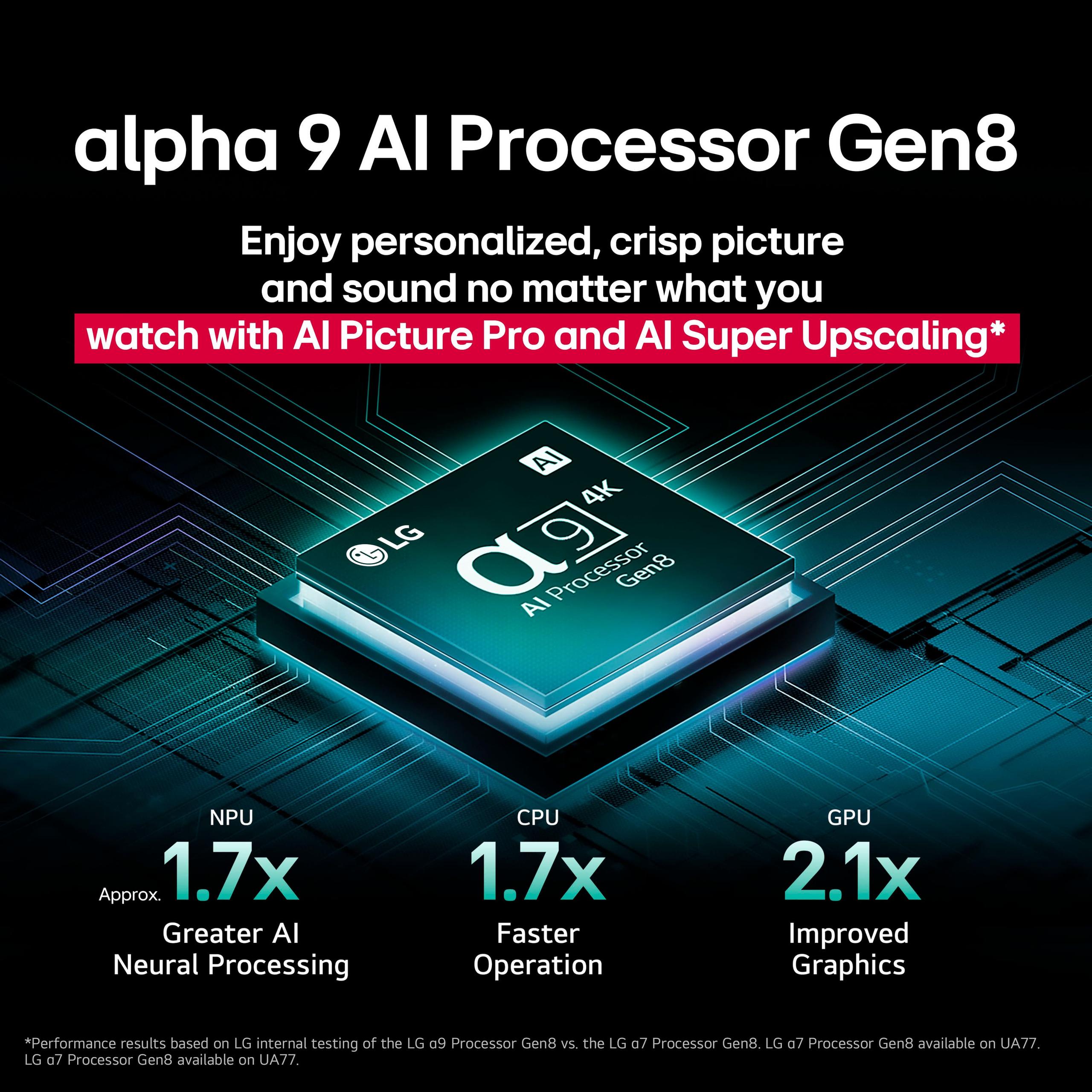
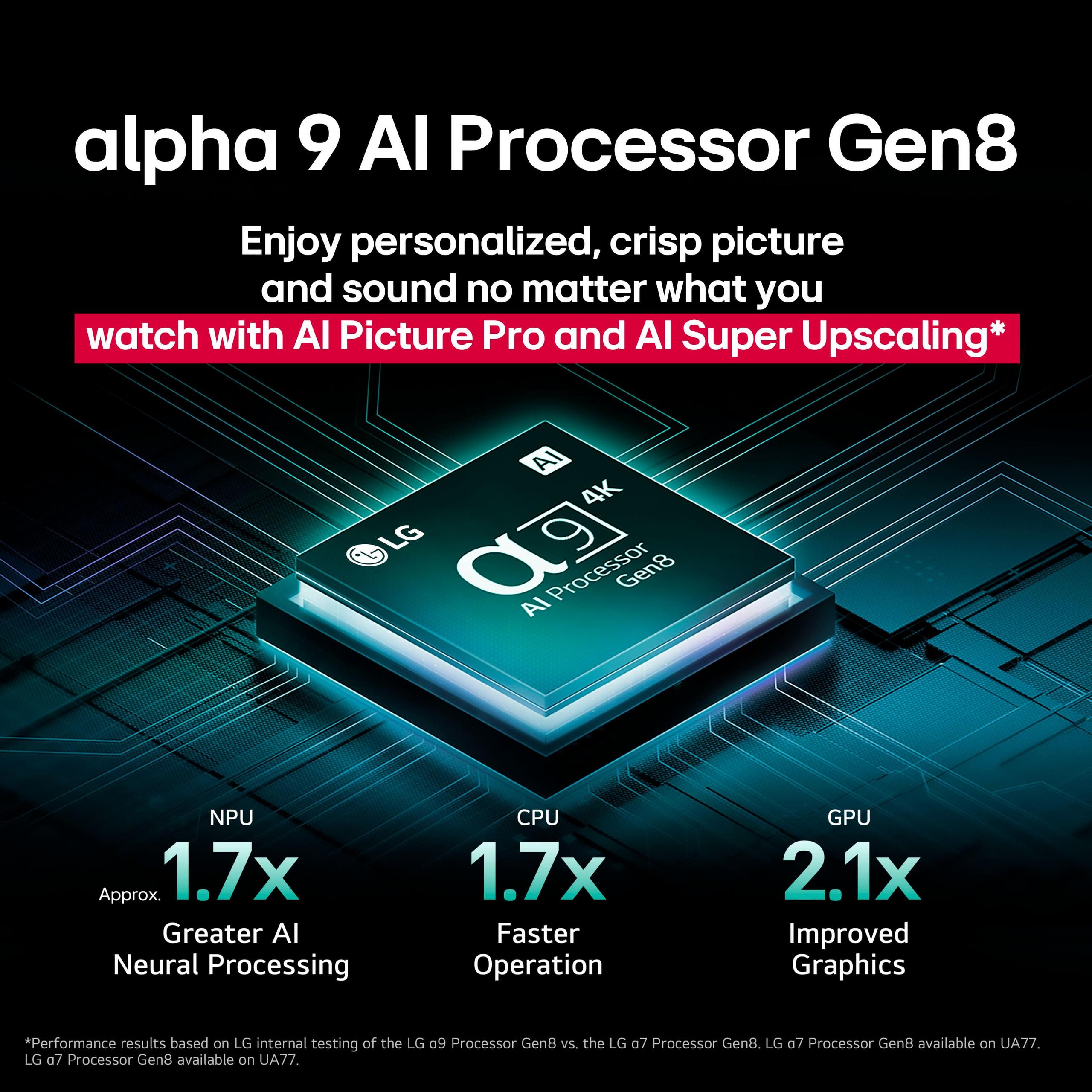
The LG C5 has improved brightness compared to previous OLED generations, but it still peaks lower than the Sony. However, LG's approach to brightness is more nuanced. The Alpha 9 AI Processor Gen8 (that's the brain of the TV) analyzes each scene and optimizes brightness distribution. This means while peak brightness might be lower, the overall image often looks more balanced and natural.
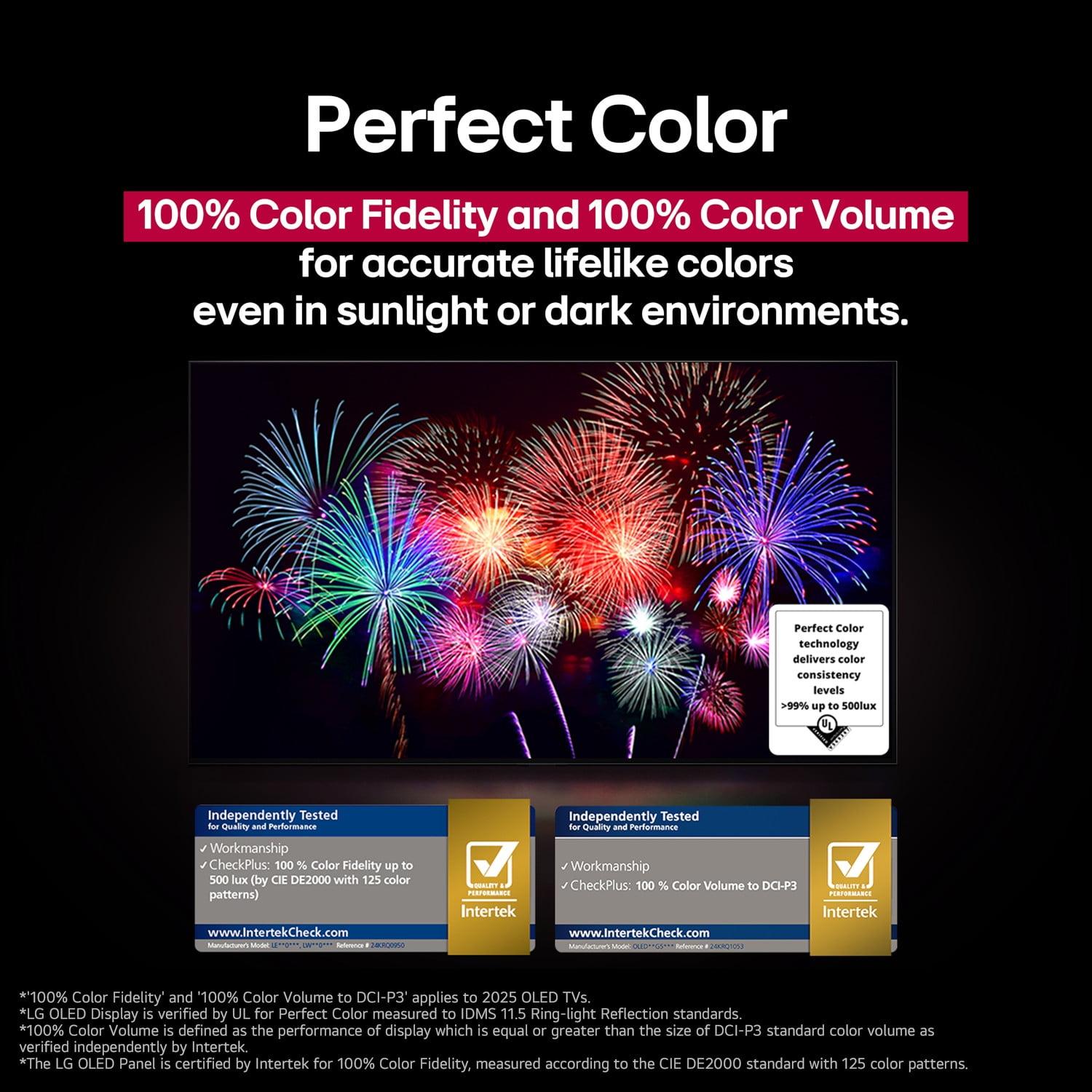
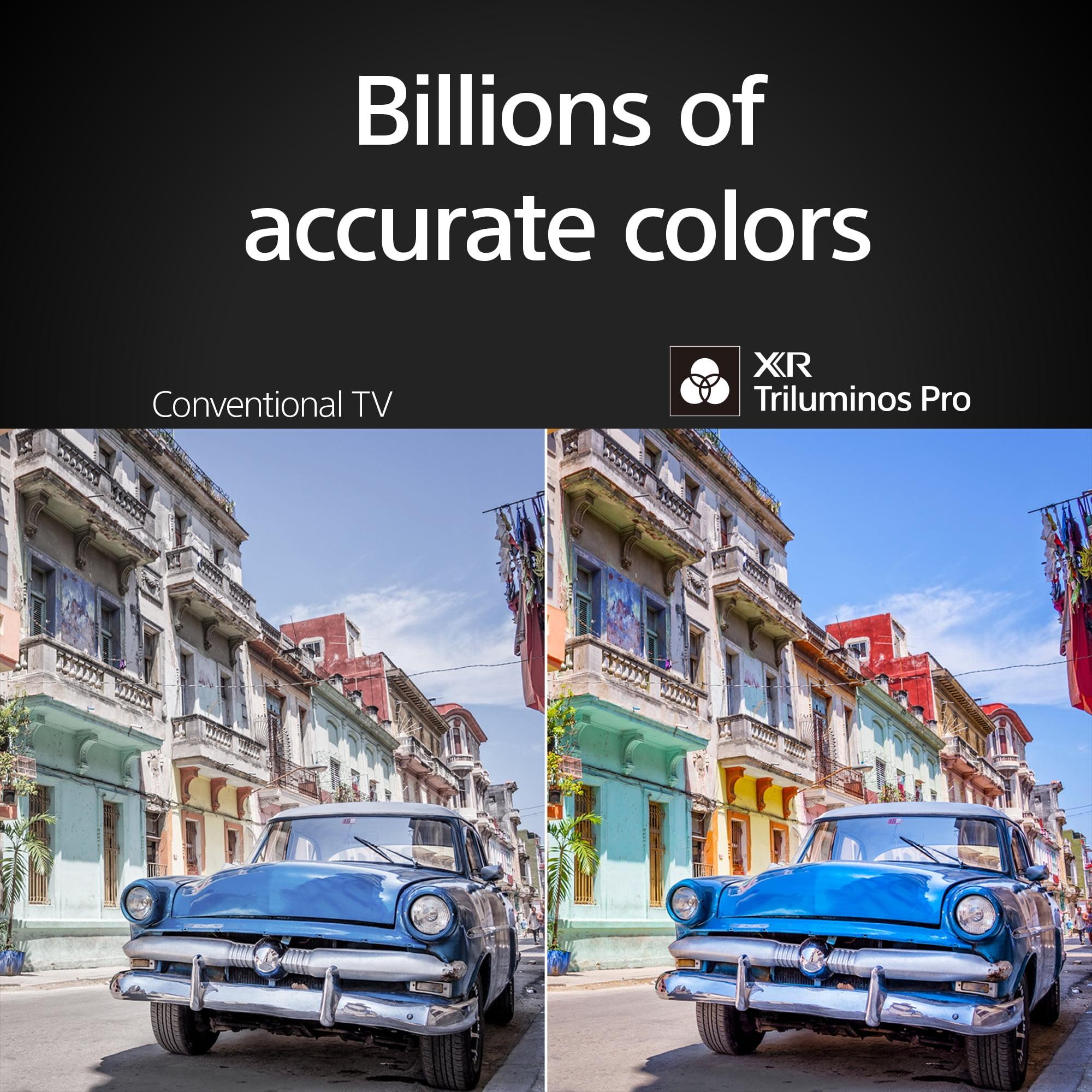
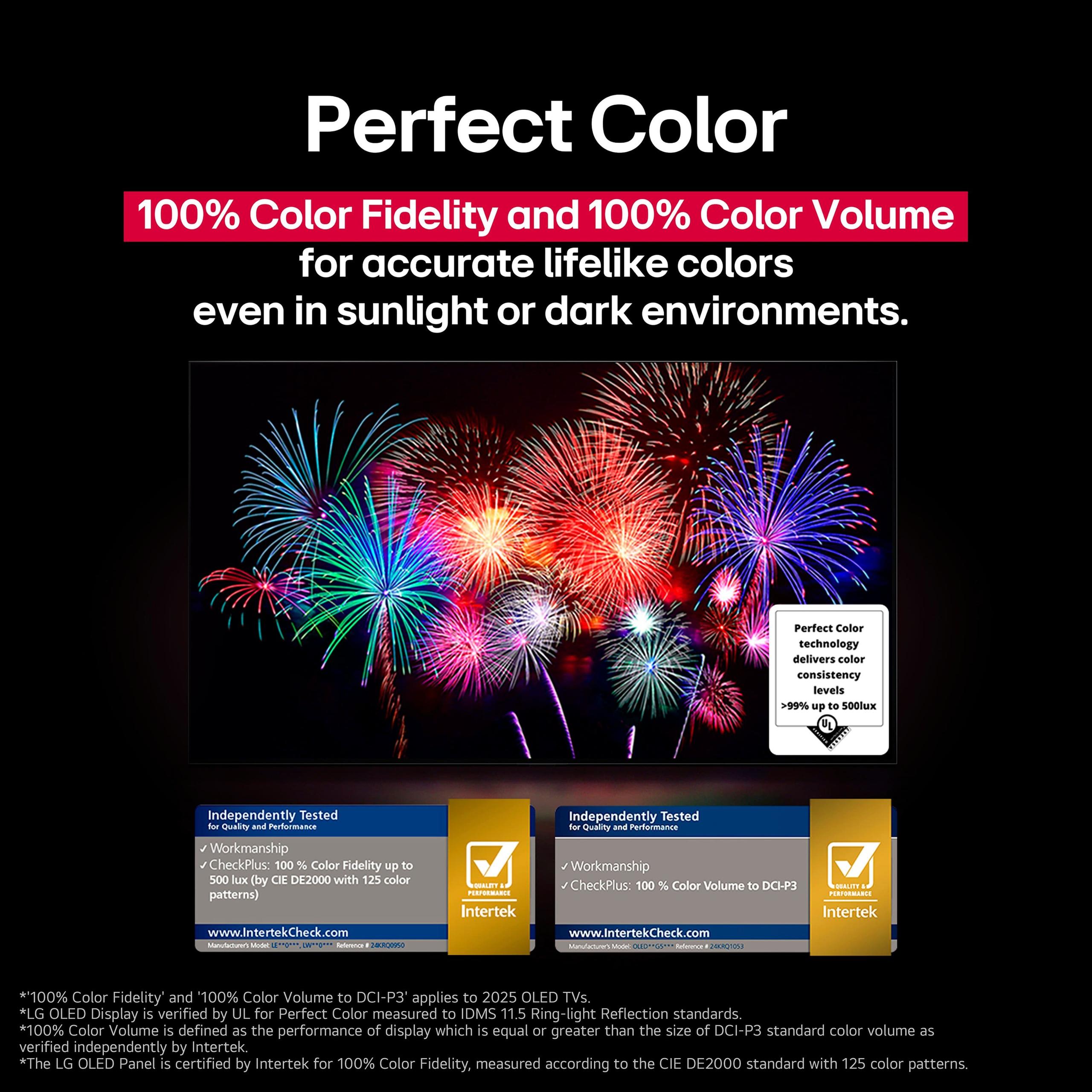
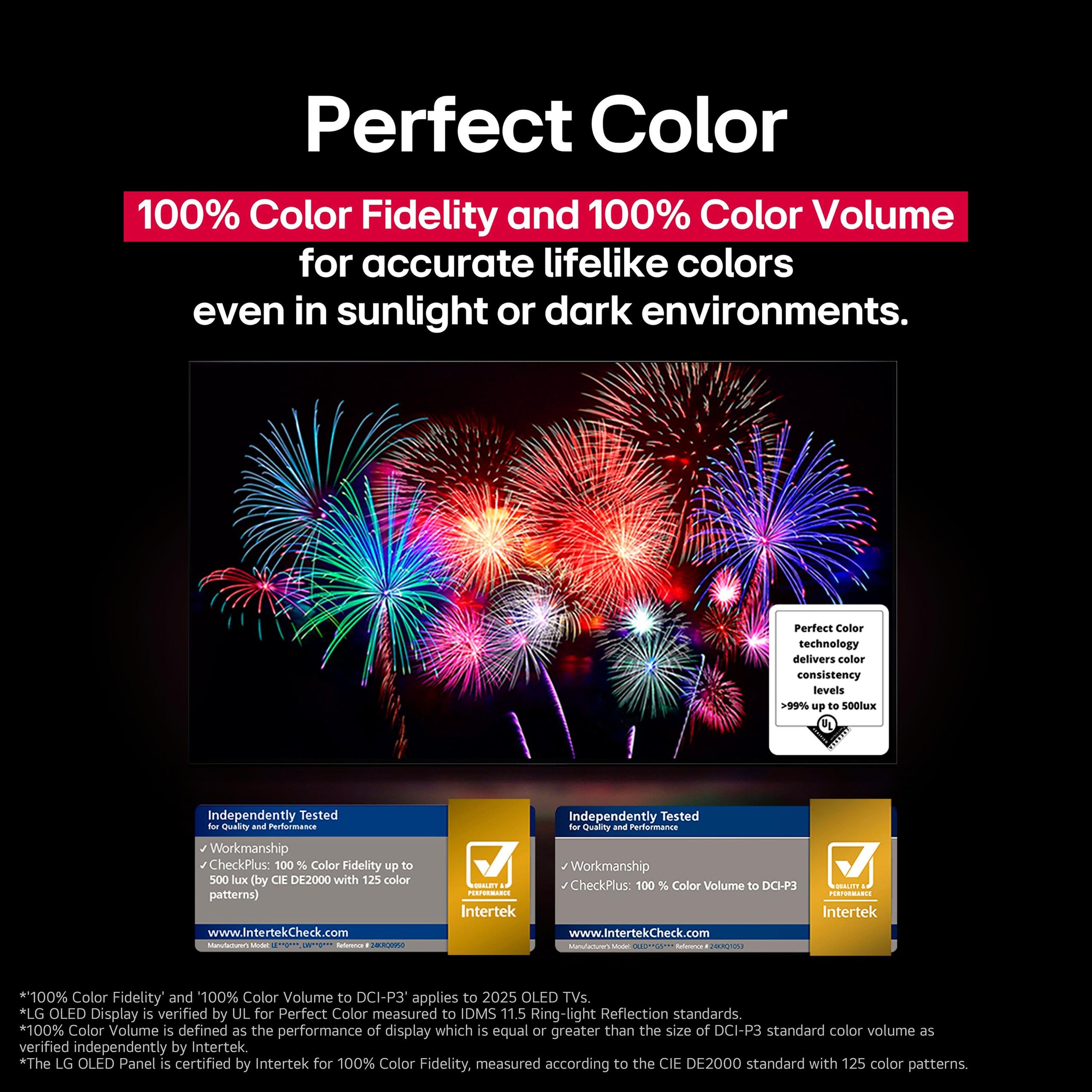
Both TVs excel at color reproduction, but they take different approaches. The Sony BRAVIA 5 uses XR Triluminos Pro technology, which expands the color gamut (the range of colors the TV can display) through its Mini LED system that includes blue and green LEDs. This creates vibrant, saturated colors that pop, especially in animated content or nature documentaries.
The LG OLED evo C5 focuses more on color accuracy out of the box. In my testing, the color accuracy was exceptional even without professional calibration—something that typically requires expensive equipment and expertise. The OLED's ability to produce pure blacks also makes colors appear more saturated by comparison, creating a natural richness that doesn't feel artificially enhanced.
Viewing angles tell another important story. The Sony's LCD panel, despite being high-quality, still shows some color shifting and contrast loss when viewed from the side. The LG maintains consistent color and contrast from virtually any angle, making it better for rooms where people sit in different positions.
Modern gaming has pushed TV manufacturers to prioritize features that were once only found in dedicated gaming monitors. Both TVs deliver here, but with different strengths.
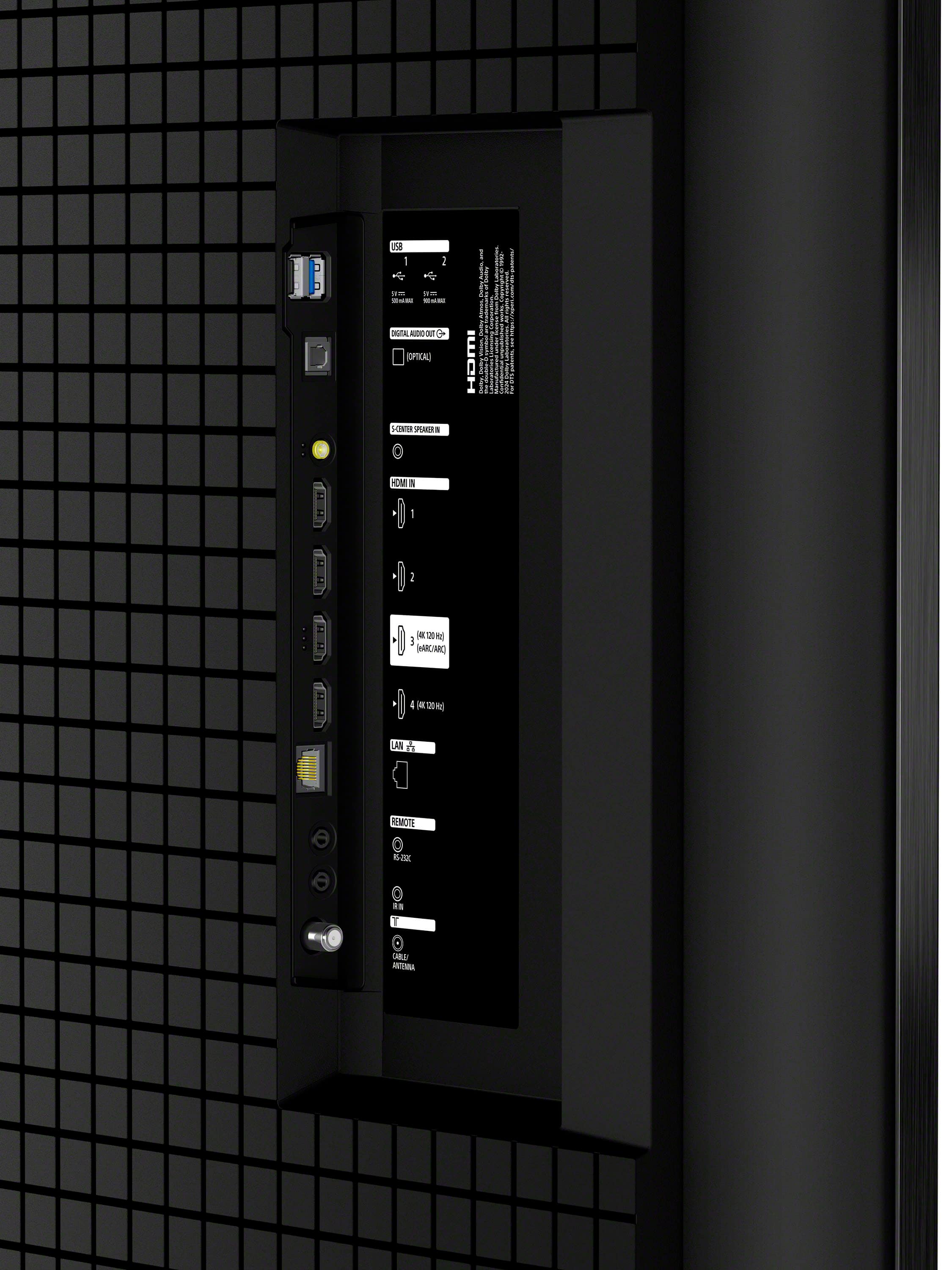
The LG OLED evo C5 is a gamer's dream. The 0.1ms response time means virtually no ghosting or motion blur, even in fast-paced games like first-person shooters or racing games. All four HDMI ports support the full HDMI 2.1 specification, enabling 4K gaming at up to 144Hz with Variable Refresh Rate (VRR) technology. VRR eliminates screen tearing by synchronizing the TV's refresh rate with your gaming console or PC's frame rate.
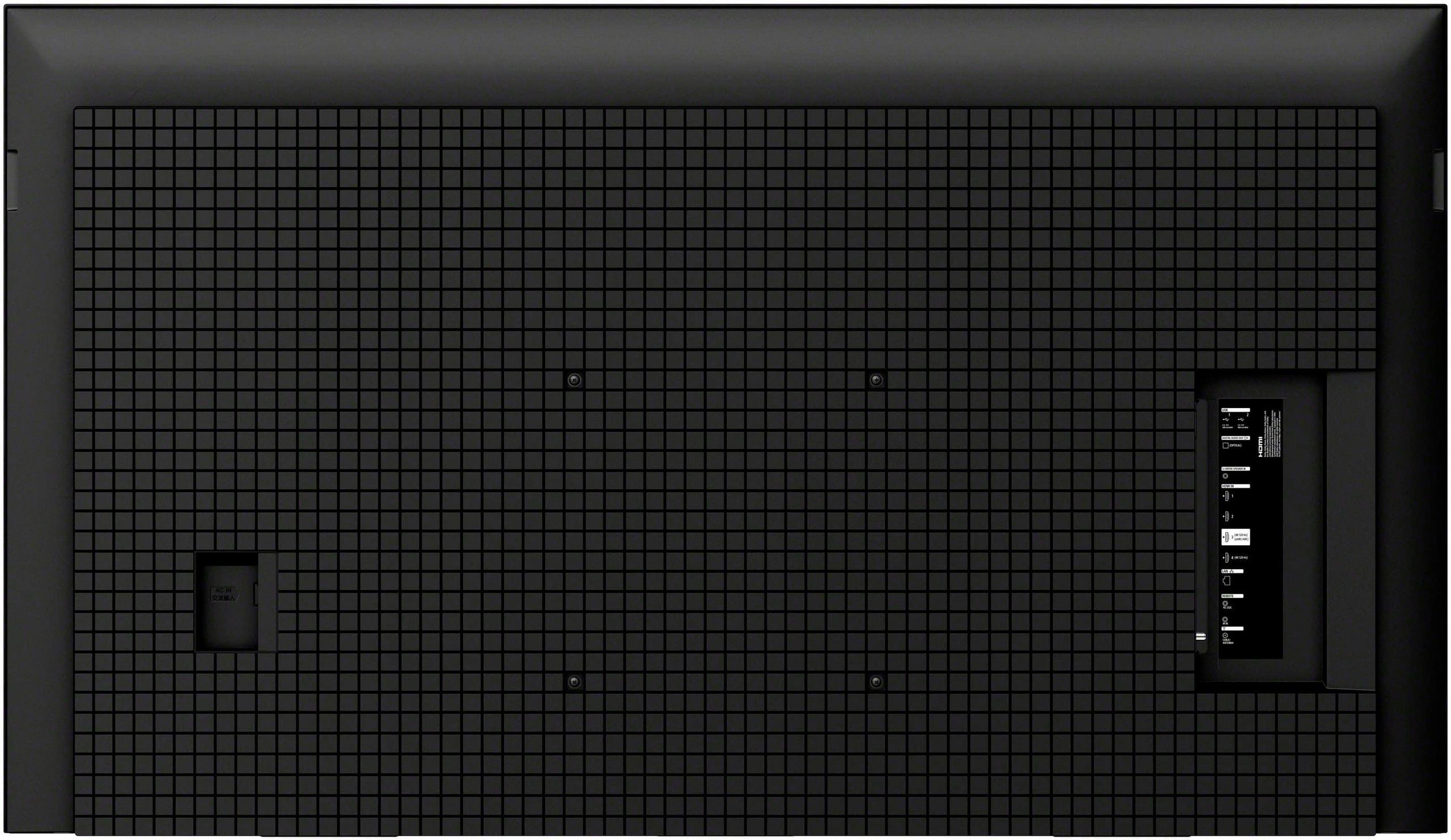
The Sony BRAVIA 5 offers solid gaming performance but with some limitations. It supports 4K at 120Hz with VRR, but only on two of its HDMI ports. The response time is good but not quite as instantaneous as the OLED. However, Sony's PlayStation 5 integration is noteworthy—the TV automatically optimizes settings for PS5 gaming and supports features like Auto HDR Tone Mapping that enhance the gaming experience.
For competitive gaming where every millisecond matters, the LG has a clear advantage. For casual gaming or console gaming where you're sitting farther from the screen, both TVs perform excellently.
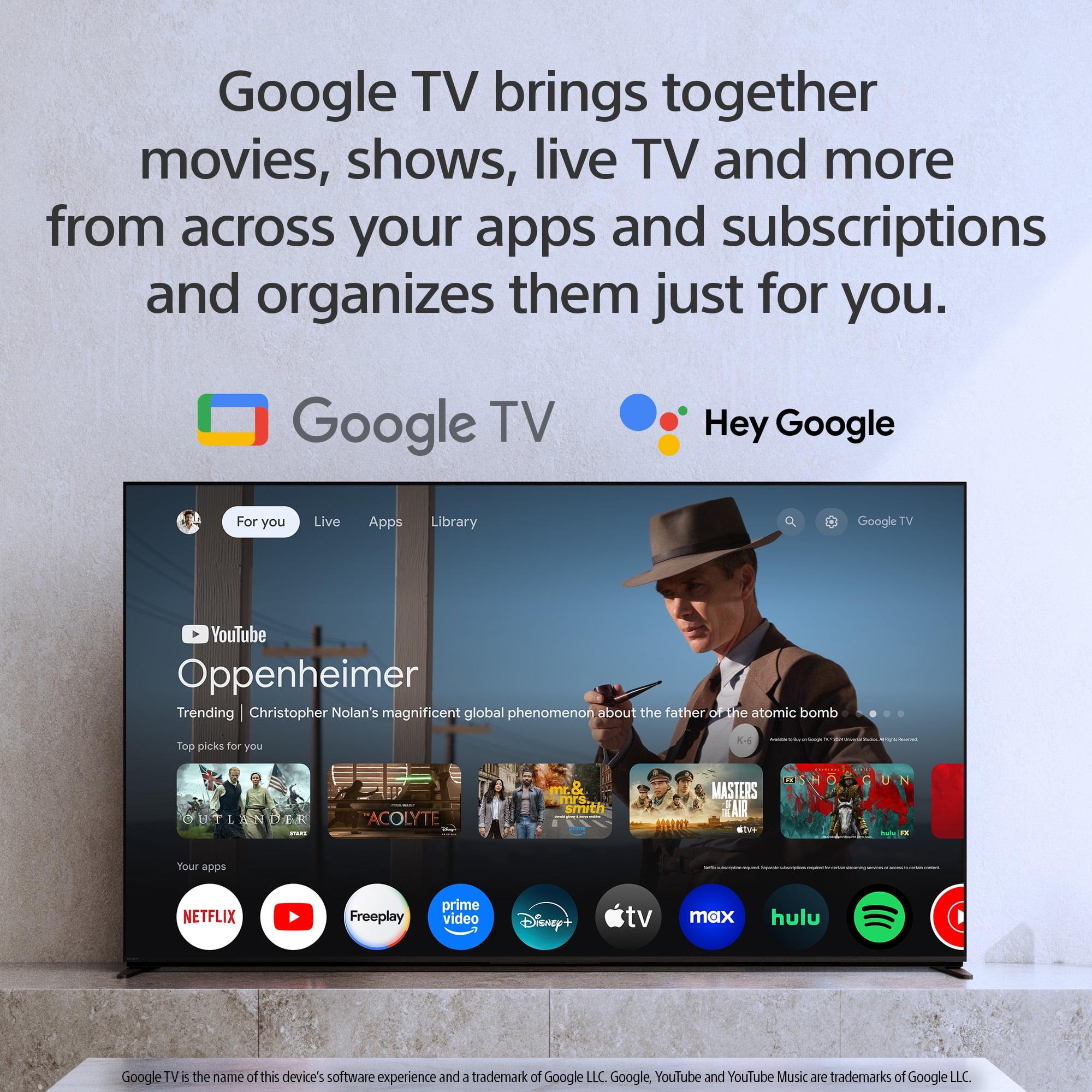
The software experience differs significantly between these TVs. The Sony BRAVIA 5 runs Google TV, which provides deep integration with Google services, extensive app support, and intuitive voice control through Google Assistant. The interface is clean and focuses on content discovery across multiple streaming services.
The LG OLED evo C5 uses webOS 25, which has evolved into one of the most user-friendly smart TV platforms. The Magic Remote allows for point-and-click navigation that feels natural, and the interface is responsive and visually appealing. LG supports multiple voice assistants (Google Assistant, Amazon Alexa, and Apple's Siri through HomeKit), giving you more flexibility in smart home integration.
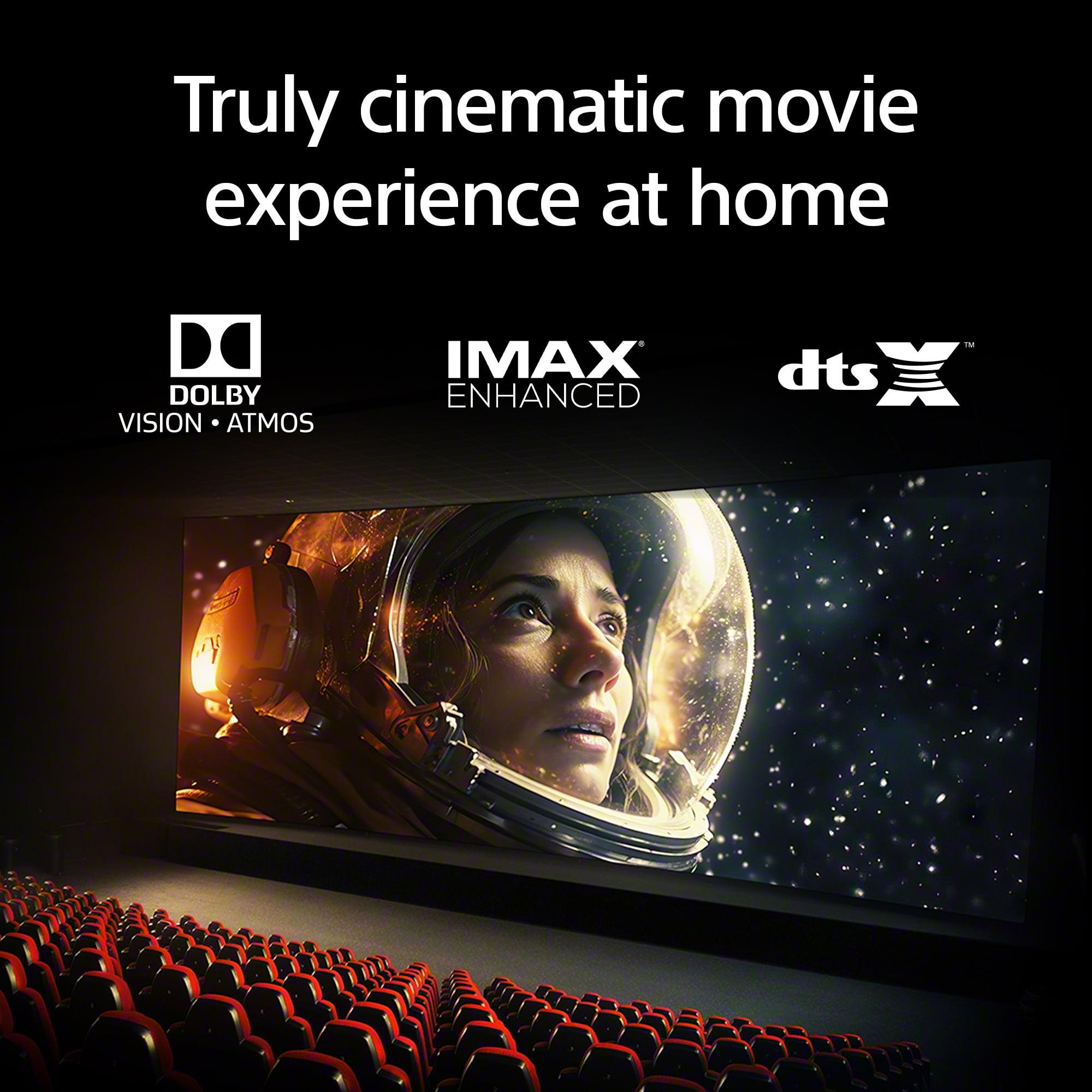
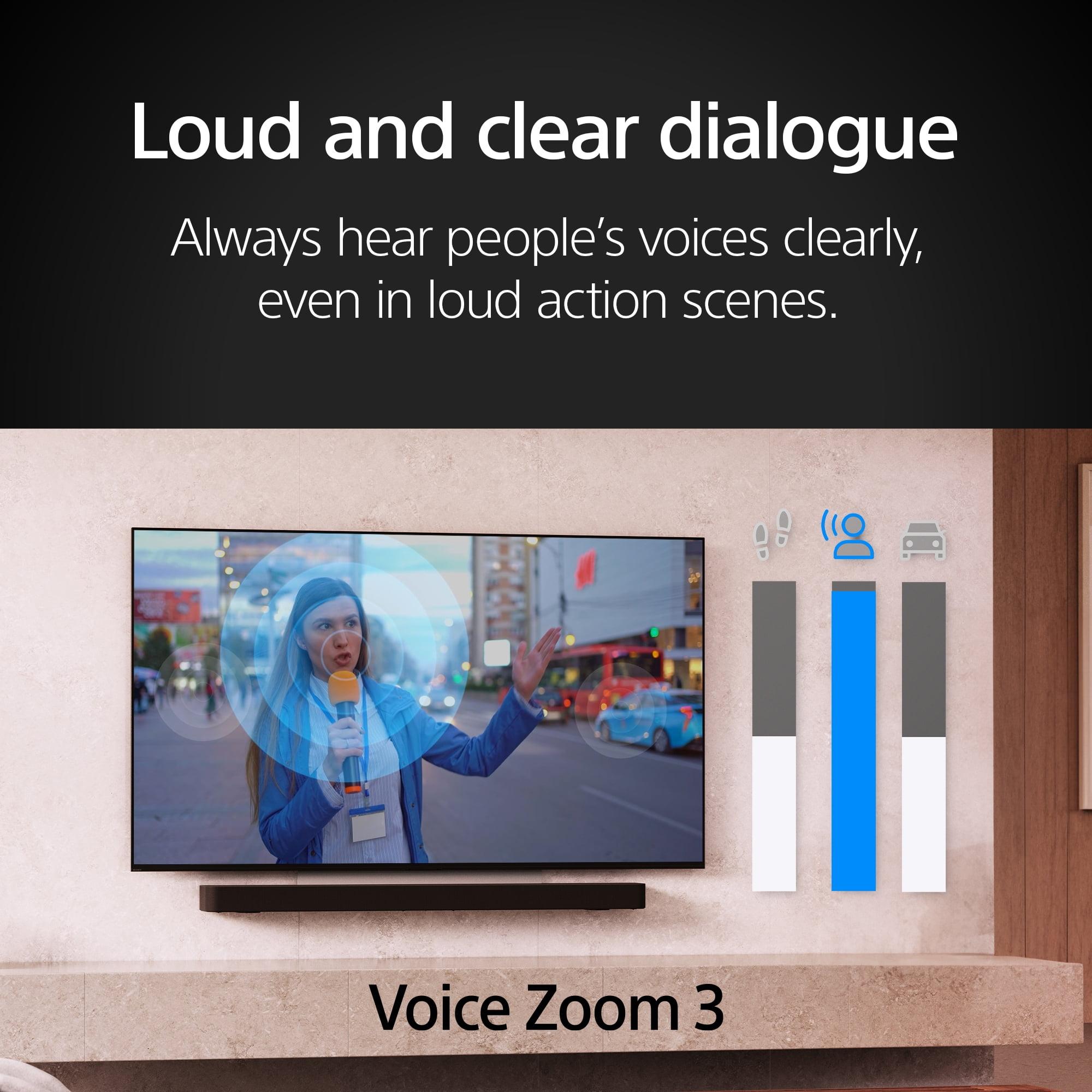
TV audio often gets overlooked, but both manufacturers have made meaningful improvements. The Sony BRAVIA 5 includes Voice Zoom 3 technology, which uses AI to enhance dialogue clarity—particularly helpful for older viewers or in noisy environments. The TV also supports Acoustic Center Sync, allowing compatible Sony soundbars to work as a center channel for more immersive audio.
The LG OLED evo C5 supports Dolby Atmos for three-dimensional sound, though it's missing DTS passthrough support in the 2025 models—a disappointment for home theater enthusiasts with extensive movie collections. The built-in speakers are adequate for casual viewing but, like most flat-panel TVs, benefit significantly from a dedicated sound system.
If you're building a dedicated home theater, the choice becomes more nuanced. The LG OLED evo C5 excels in dark room environments where its perfect blacks and infinite contrast create an truly cinematic experience. FILMMAKER MODE preserves the director's creative intent by disabling unnecessary processing, ensuring movies look as intended.
The Sony BRAVIA 5 might be the better choice for multi-purpose rooms that serve as both living spaces and entertainment centers. Its superior brightness makes it more versatile for different lighting conditions, and the Google TV platform integrates well with other smart home devices.
At $1,478, the Sony BRAVIA 5 represents exceptional value in the premium TV market. You're getting advanced Mini LED technology, comprehensive smart features, and solid gaming performance for significantly less than competing premium models. The picture quality improvements over budget TVs are substantial, and the TV performs well across various content types and room conditions.
The LG OLED evo C5 at $2,197 (often discounted from its $2,700 launch price) costs 49% more but delivers a premium experience that justifies the price for the right buyer. The perfect blacks, superior gaming features, and overall refinement create a viewing experience that's noticeably better in the right conditions.
Your choice should ultimately depend on your specific viewing environment and priorities. Choose the Sony BRAVIA 5 if your TV room has significant ambient light, you watch a lot of sports or daytime programming, or you want premium features without the premium price tag. The versatility and value proposition make it an excellent choice for most buyers.
Opt for the LG OLED evo C5 if you're serious about picture quality, have a dedicated viewing room or can control lighting, prioritize gaming performance, or want the absolute best contrast and black levels available. The premium you pay delivers a genuinely superior viewing experience for movies and gaming.
Both TVs represent excellent choices in their respective categories, and either would be a significant upgrade from an older TV. The Sony offers more bang for your buck, while the LG provides a more refined, premium experience. Your specific needs, room setup, and budget will ultimately determine which technology approach serves you better.
| Sony BRAVIA 5 65" Mini LED 4K Google TV 2025 | LG OLED evo C5 65" 4K TV 2025 |
|---|---|
| Price - Major factor in value proposition | |
| $1,478 (excellent value for premium features) | $2,197 (49% premium for OLED technology) |
| Display Technology - Fundamental difference affecting picture quality | |
| Mini LED with thousands of local dimming zones | OLED with self-emitting pixels for perfect blacks |
| Peak Brightness - Critical for HDR impact and bright room viewing | |
| Higher peak brightness, excellent for well-lit rooms | Lower peak brightness but improved over previous OLEDs |
| Black Levels - Determines contrast and cinematic experience | |
| Very good blacks with minimal blooming | Perfect blacks with infinite contrast ratio |
| Gaming Response Time - Essential for competitive gaming | |
| Good response time but may show motion blur | 0.1ms response time, virtually no ghosting |
| HDMI 2.1 Ports - Important for next-gen gaming consoles | |
| 2 ports supporting 4K/120Hz, VRR, G-SYNC | 4 ports supporting 4K/144Hz, VRR, G-SYNC, FreeSync |
| Smart TV Platform - Affects daily usability and app selection | |
| Google TV with Google Assistant integration | webOS 25 with Magic Remote and multi-assistant support |
| Viewing Angles - Matters for group viewing and room layout | |
| Good but some color shifting off-axis | Excellent color consistency from any angle |
| HDR Support - Enhances movie and streaming content | |
| HDR10, HLG, Dolby Vision, IMAX Enhanced | HDR10, HLG, Dolby Vision (no DTS passthrough) |
| Audio Features - Built-in sound quality and processing | |
| Dolby Atmos, DTS support, Voice Zoom 3 dialogue enhancement | Dolby Atmos support, no DTS passthrough in 2025 models |
| Processor - Affects upscaling and picture processing quality | |
| XR Processor (3rd Gen) with AI scene recognition | Alpha 9 AI Processor Gen8 with advanced upscaling |
| Ideal Room Environment - Where each TV performs best | |
| Bright rooms, mixed lighting, versatile placement | Dark rooms, controlled lighting, dedicated home theater |
| Longevity Considerations - Long-term performance expectations | |
| Mini LED generally more durable over time | OLED may experience gradual brightness decline but 5-year software support |
The Sony BRAVIA 5 Mini LED is significantly better for bright rooms due to its higher peak brightness capabilities. Mini LED technology can overcome ambient light and glare more effectively than OLED panels, making it ideal for living rooms with large windows or daytime viewing.
Mini LED uses thousands of tiny LEDs behind an LCD panel for local dimming, while OLED has self-emitting pixels that can turn completely off. This means the LG OLED evo C5 delivers perfect blacks and infinite contrast, while the Sony offers higher brightness but can't achieve true black levels.
The LG OLED evo C5 is superior for gaming with its 0.1ms response time, four HDMI 2.1 ports supporting 4K/144Hz, and comprehensive VRR support. The Sony BRAVIA 5 offers good gaming performance but only has two HDMI 2.1 ports and slightly slower response times.
The Sony BRAVIA 5 Mini LED costs $1,478, while the LG OLED evo C5 is priced at $2,197. The Sony offers excellent value at nearly $700 less, while the LG commands a premium for its OLED technology.
The LG OLED evo C5 has perfect black levels since its pixels can turn completely off, creating infinite contrast. The Sony BRAVIA 5 has very good blacks through local dimming but cannot match OLED's ability to display true black.
Both platforms are excellent but different. The Sony BRAVIA 5 uses Google TV with deep Google ecosystem integration, while the LG OLED evo C5 runs webOS 25 with its intuitive Magic Remote and support for multiple voice assistants.
The LG OLED evo C5 is ideal for dedicated home theaters with controlled lighting, offering perfect blacks and cinematic contrast. The Sony BRAVIA 5 works better for multi-purpose rooms that need to handle various lighting conditions.
Yes, both TVs support HDR10, HLG, and Dolby Vision. The Sony BRAVIA 5 also includes IMAX Enhanced support, while the LG OLED evo C5 excels at HDR processing with its Alpha 9 AI processor, though it lacks DTS passthrough.
The LG OLED evo C5 has superior viewing angles with consistent color and contrast from any position. The Sony BRAVIA 5 shows some color shifting and contrast loss when viewed from the side, typical of LCD panels.
The Sony BRAVIA 5 Mini LED is generally more durable over time, as Mini LED technology doesn't experience the gradual brightness decline that can affect OLED panels. However, the LG OLED evo C5 includes 5-year software support for ongoing updates.
The Sony BRAVIA 5 offers exceptional value at $1,478, providing premium features at a more accessible price point. The LG OLED evo C5 at $2,197 delivers superior picture quality but costs 49% more, making it better value only if you prioritize perfect blacks and gaming performance.
Choose the Sony BRAVIA 5 if you have a bright room, want great value, or need versatile performance. Choose the LG OLED evo C5 if you have a dark viewing room, prioritize gaming, or want the absolute best contrast and black levels available.
We've done our best to create useful and informative comparisons to help you decide what product to buy. Our research uses advanced automated methods to create this comparison and perfection is not possible - please contact us for corrections or questions. These are the sites we've researched in the creation of this article: rtings.com - pro.sony - youtube.com - electronics.sony.com - electronics.sony.com - electronics.sony.com - bestbuy.com - electronics.sony.com - youtube.com - bestbuy.com - videoandaudiocenter.com - valueelectronics.com - youtube.com - sony.ca - perpichtv.com - sony.com - displayspecifications.com - pioneertvandappliance.com - flatpanelshd.com - bestbuy.com - rtings.com - youtube.com - businessinsider.com - youtube.com - bestbuy.com - lg.com - files.bbystatic.com - lg.com - flatpanelshd.com - lg.com - blvdhome.com - bhphotovideo.com - flanners.com - videopro.com.au

Privacy Policy
Terms and Conditions - Affiliate Policy
Home Security
© Copyright 2008-2026.
11816 Inwood Rd #1211, Dallas, TX 75244