



The 65-inch TV market has become fascinating in recent years, especially as manufacturers have started thinking beyond just picture quality. While some companies focus on delivering the absolute best image possible, others are reimagining what a television can be in your living space. This creates an interesting choice for buyers: do you want a TV that disappears into your décor, or one that delivers reference-level performance?
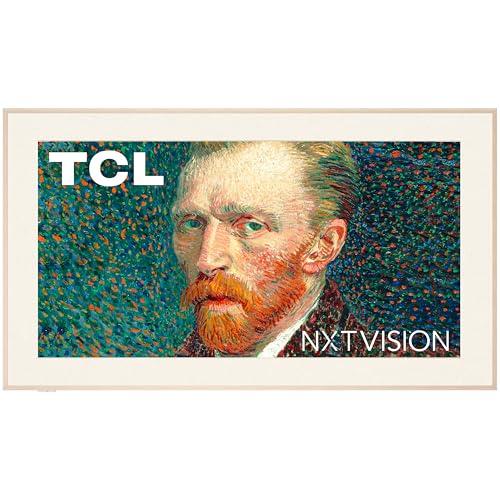
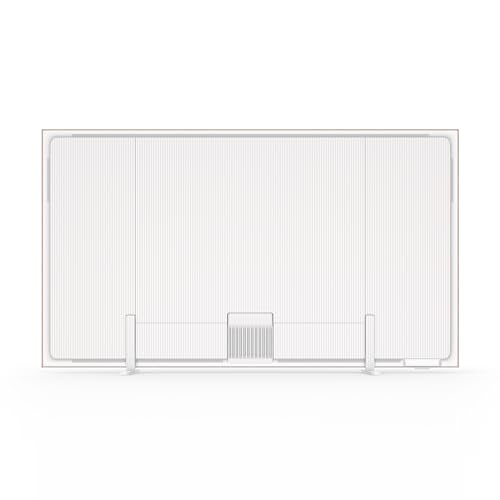
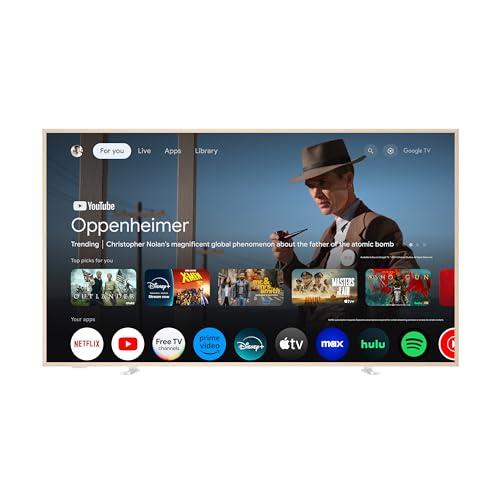
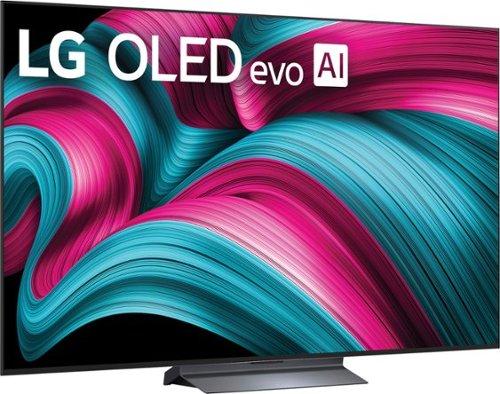
The TCL 65" NXTVISION QLED 4K Art Frame TV, released in 2024, represents the lifestyle-first approach. It's designed to transform into a piece of wall art when you're not watching content. The LG OLED evo C5 65" 4K TV, launching in 2025, takes the performance-first route with cutting-edge OLED technology and gaming features that push the boundaries of what home entertainment can deliver.
Understanding which approach suits your needs requires diving into what makes each TV special, where they excel, and frankly, where they fall short.
The premium TV landscape has evolved dramatically since 2020. We've moved beyond the simple "bigger screen, better picture" mentality to TVs that serve multiple purposes. Some prioritize blending into home décor, others focus on gaming performance that rivals dedicated monitors, and the best attempt to balance everything.
When evaluating any premium TV, the core considerations remain consistent: picture quality in various lighting conditions, gaming capabilities for modern consoles and PCs, smart features and platform experience, design and build quality, and long-term value. However, the weight you give each factor depends entirely on how you plan to use the TV.
For home theater enthusiasts, contrast ratio and color accuracy matter most. For gamers, response time and HDMI 2.1 support are non-negotiable. For design-conscious buyers, aesthetic integration and art display capabilities take priority. The TCL NXTVISION and LG C5 represent two distinctly different philosophies in addressing these needs.
The most fundamental difference between these TVs lies in their display technology, which affects everything from how they look to how they perform.
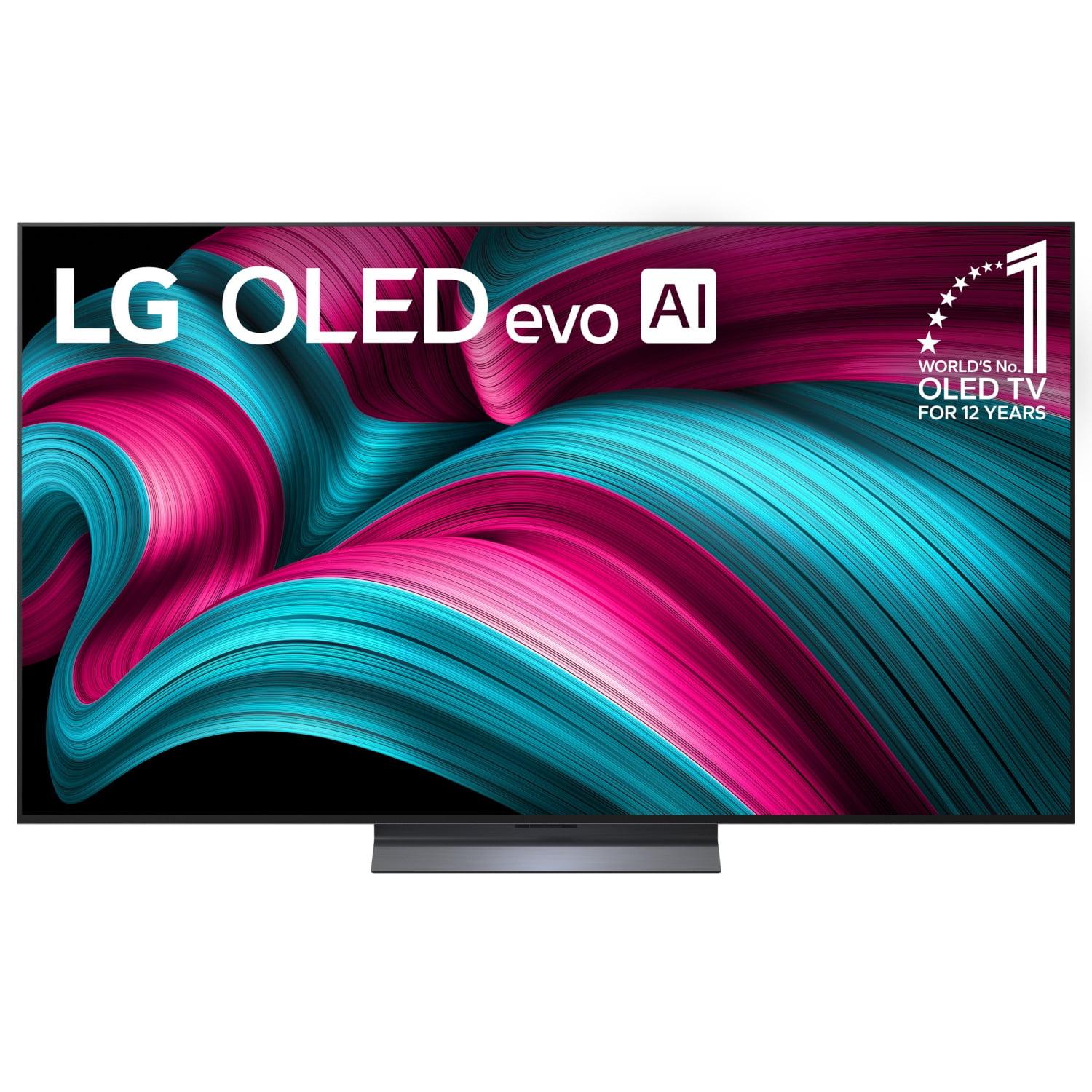
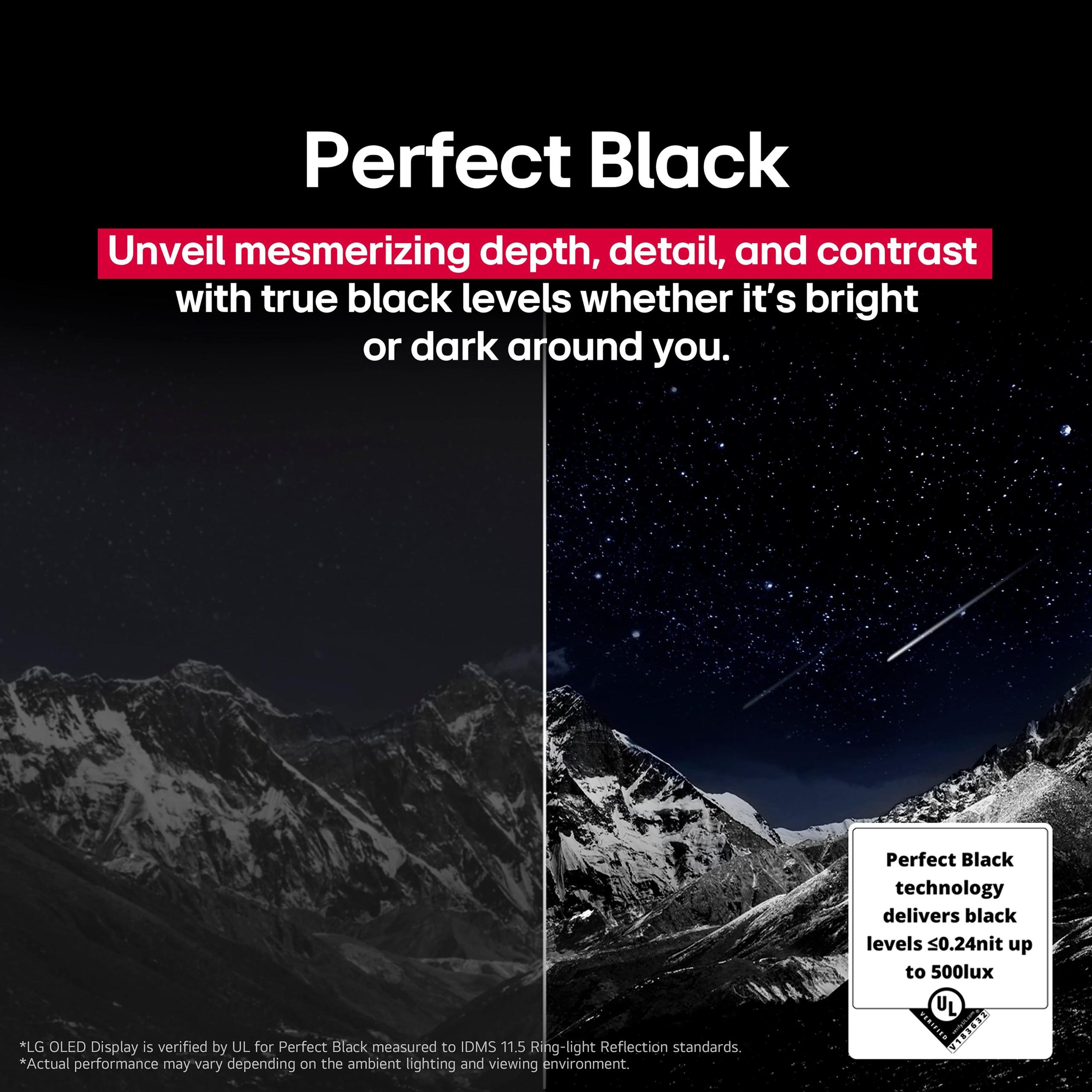
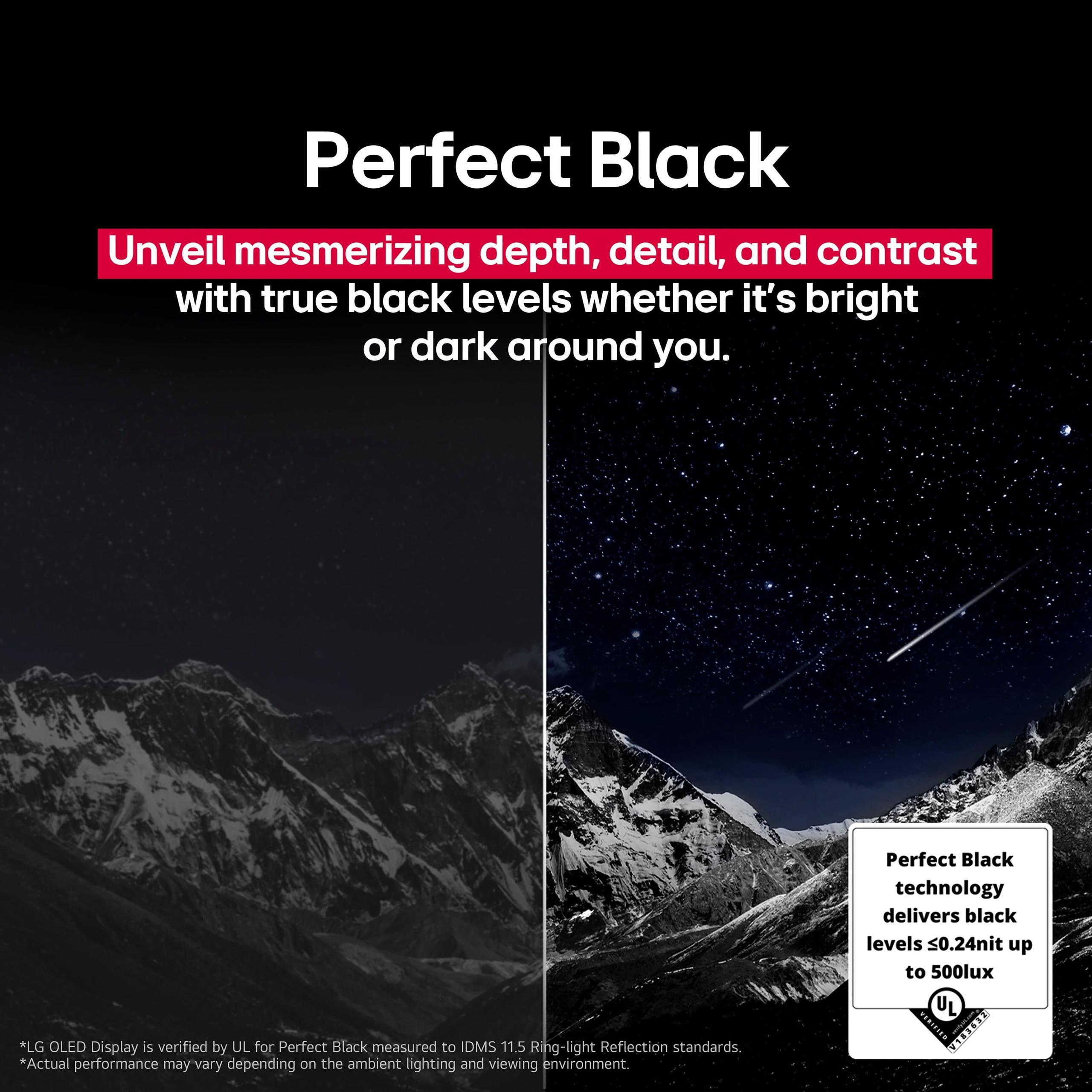
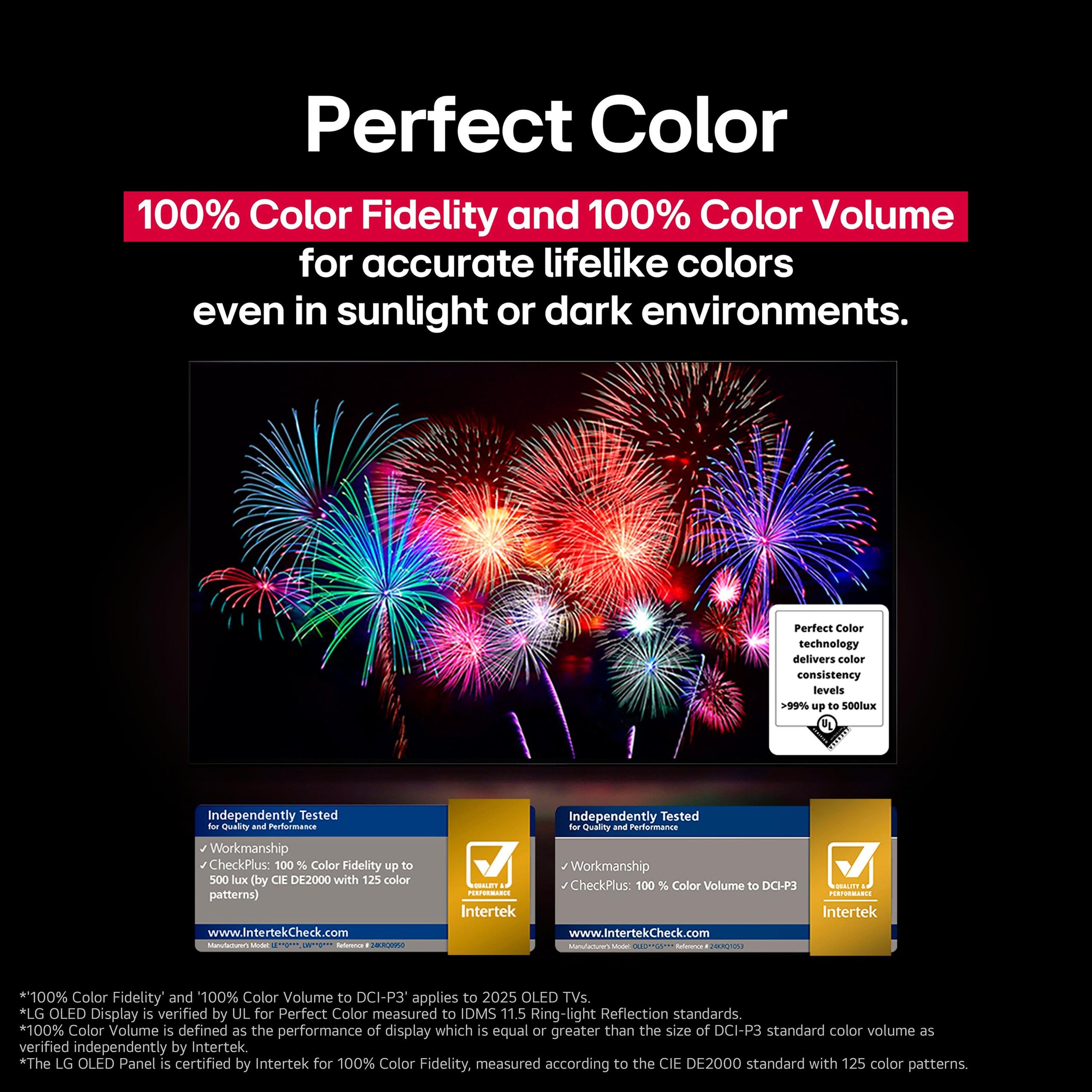
The LG C5 uses OLED evo technology, which stands for Organic Light Emitting Diode. In simple terms, each of the 8.3 million pixels generates its own light and can turn completely off. When a pixel turns off, it produces perfect black – not dark gray, but true black. This creates what's called infinite contrast ratio, meaning the difference between the darkest and brightest parts of an image is essentially unlimited.
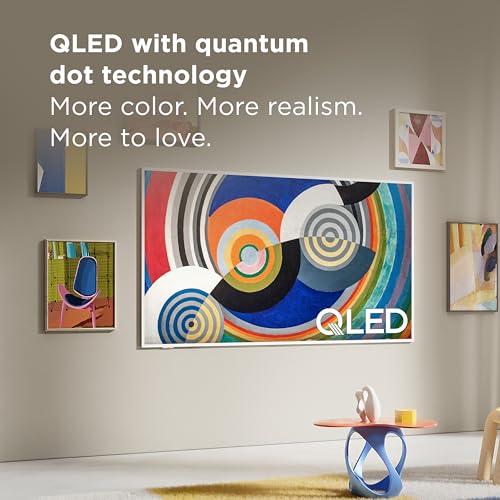
The TCL NXTVISION uses QLED technology with edge-lit LED backlighting. QLED stands for Quantum Dot LED, where quantum dots are microscopic particles that enhance color production. However, the TV still relies on LED backlights positioned around the edges of the screen to illuminate the entire panel. This means it can't achieve true blacks because some light always leaks through.
Based on our research into professional reviews and user feedback, this difference is immediately noticeable in dark room viewing. The LG C5 delivers exceptional depth in movie scenes, especially in darker content like sci-fi films or thrillers. Shadow detail remains visible without crushing blacks to gray, something edge-lit displays struggle with.
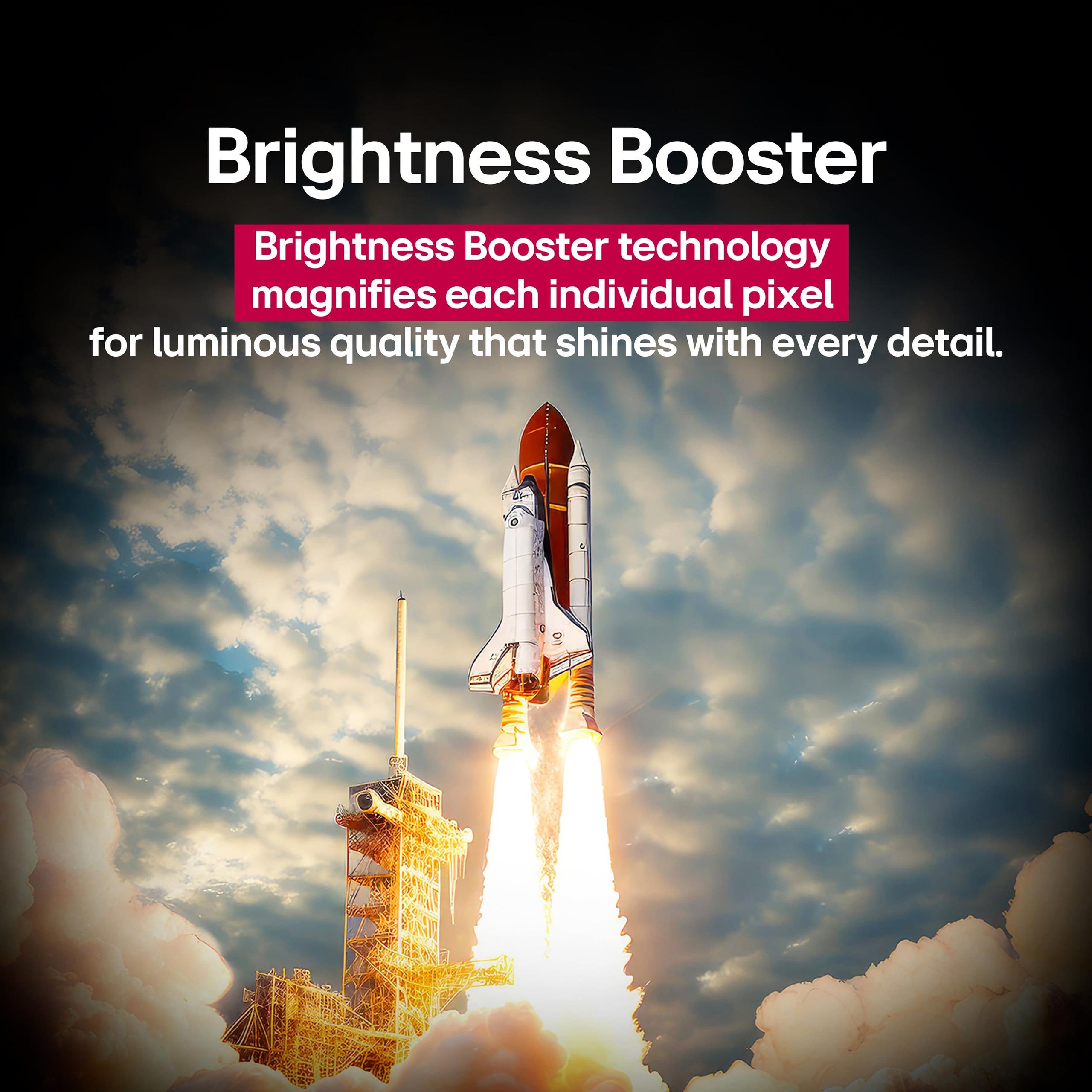
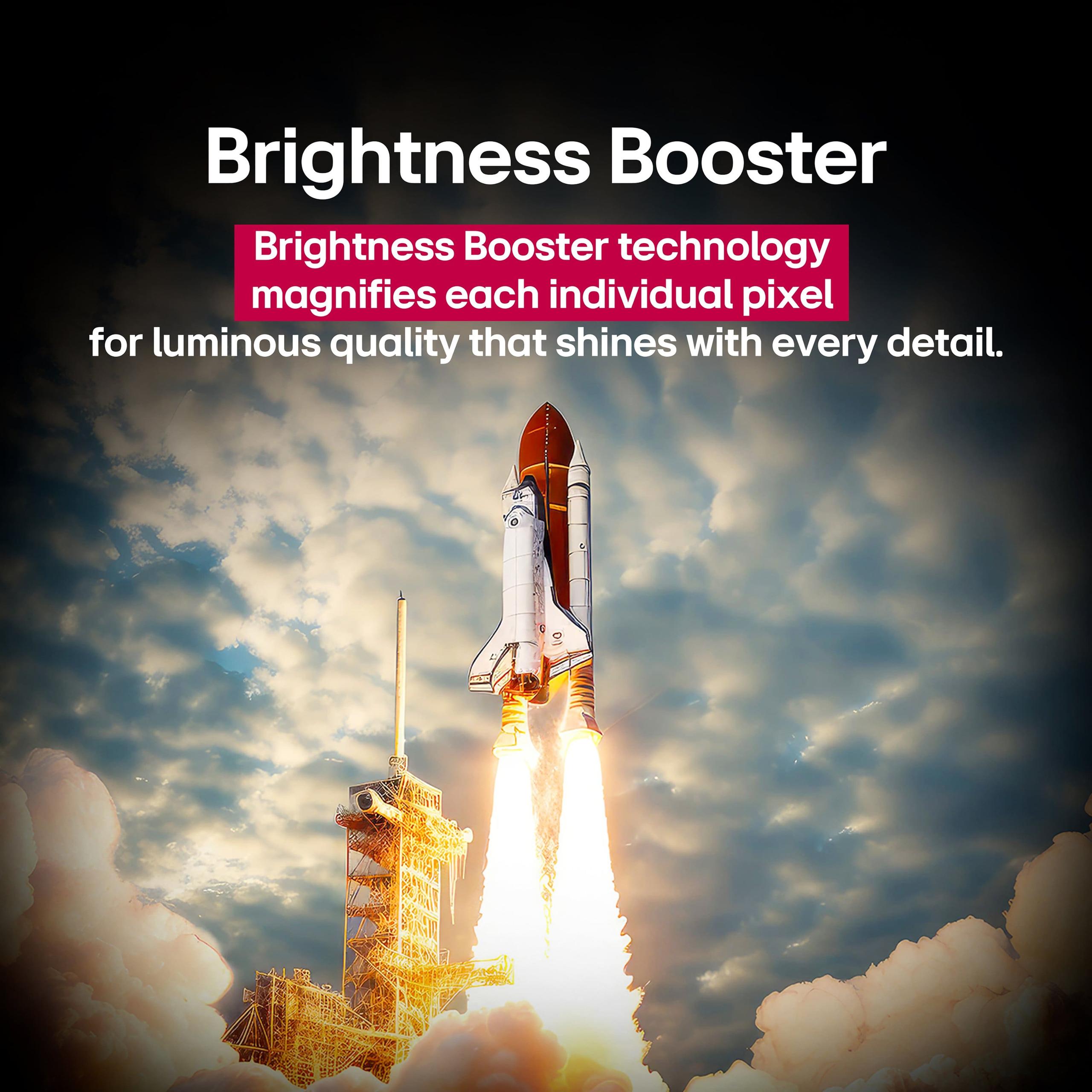
However, the TCL NXTVISION compensates with its High Brightness+ LED system, which can potentially produce brighter highlights than OLED panels. For bright room viewing during daytime, this can actually provide better visibility, especially when combined with the ultra-matte anti-glare screen.
HDR (High Dynamic Range) support varies significantly between these models, and it matters more than you might expect. The TCL NXTVISION supports Dolby Vision IQ, HDR10+, HDR10, and HLG – basically every major HDR format available. The LG C5 notably excludes HDR10+, supporting only Dolby Vision, HDR10, and HLG.
HDR10+ is Samsung's dynamic metadata format that adjusts brightness scene-by-scene, similar to Dolby Vision. While Dolby Vision is generally considered superior and more widely adopted, some streaming content and 4K Blu-rays use HDR10+. If your content library heavily features HDR10+ material, the TCL NXTVISION provides broader compatibility.
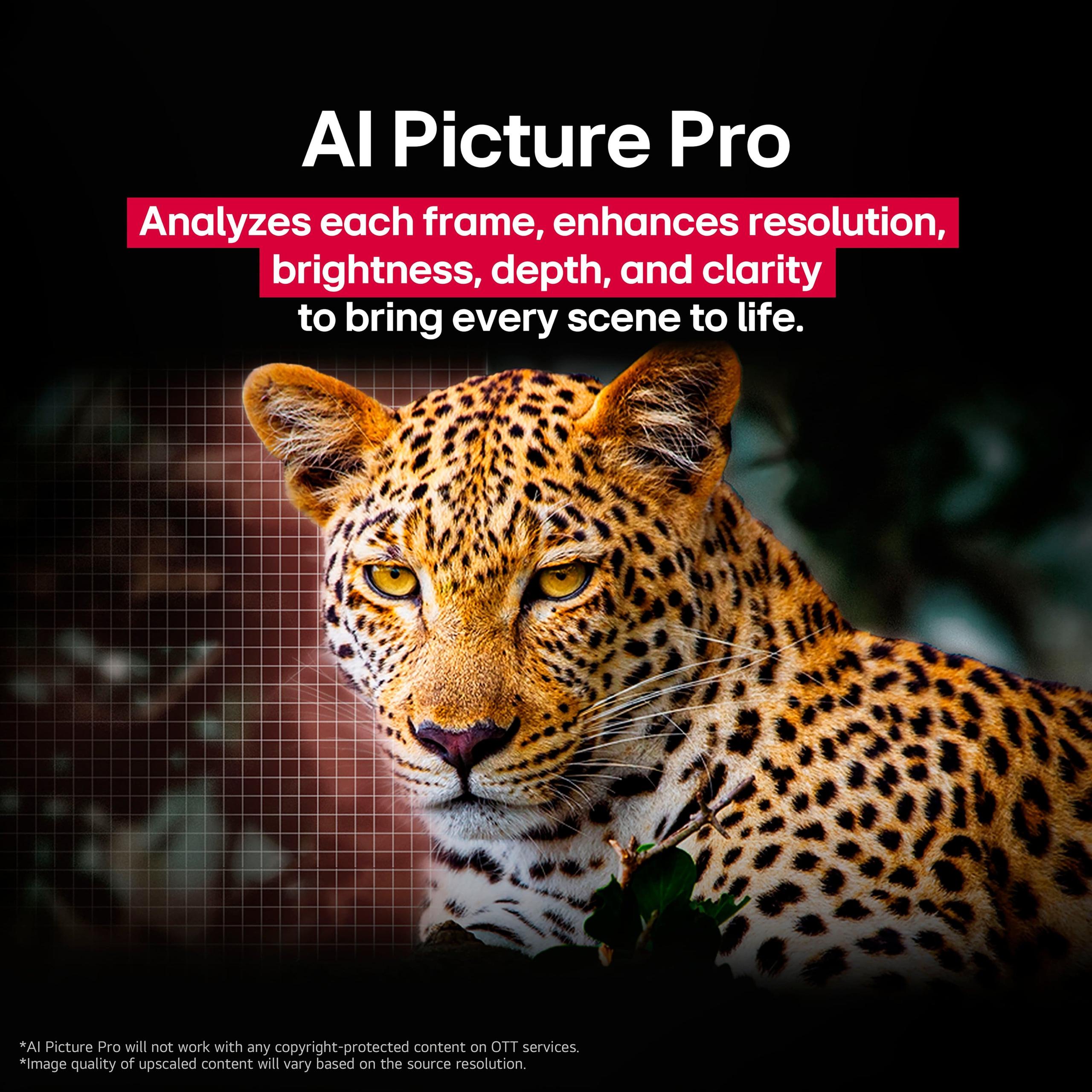
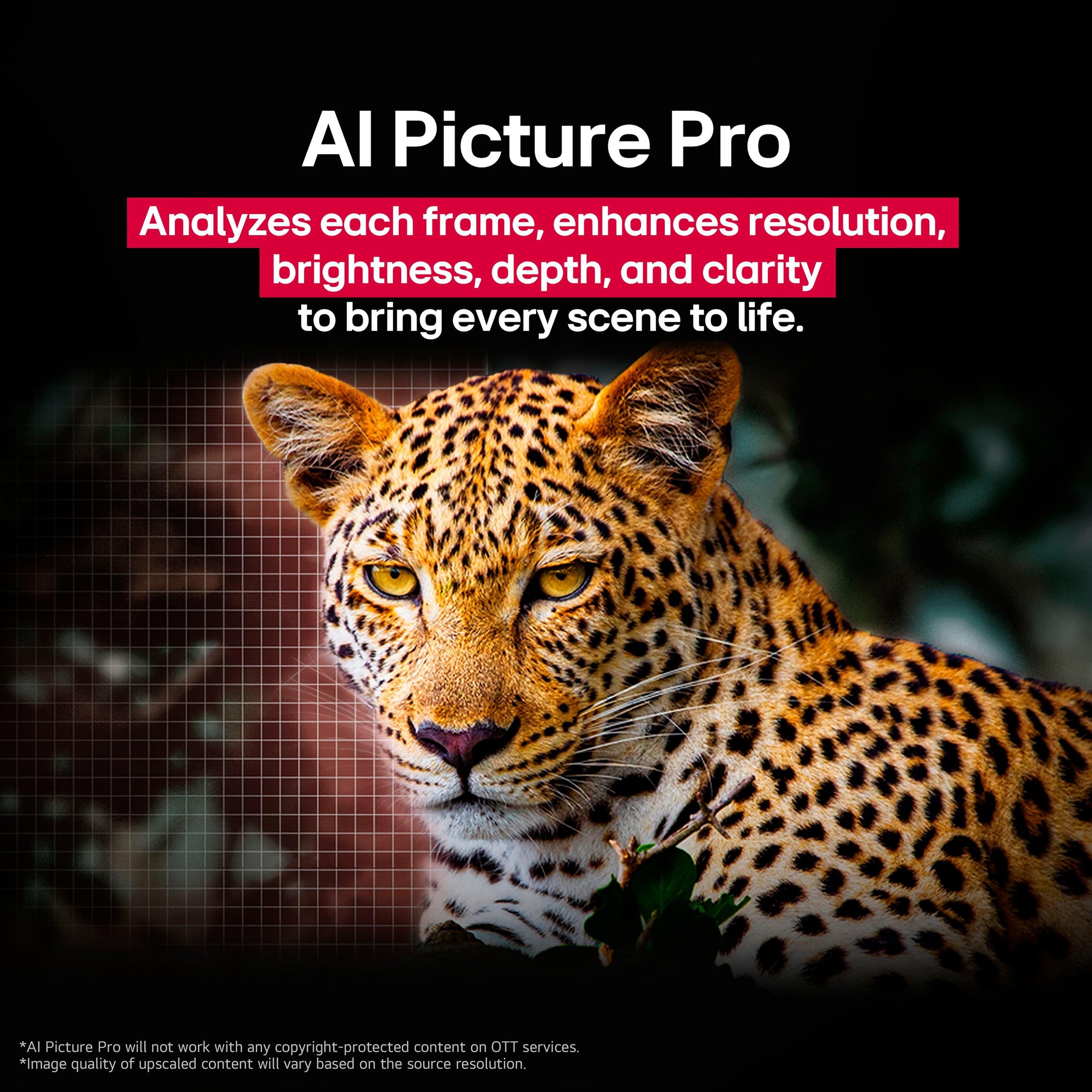
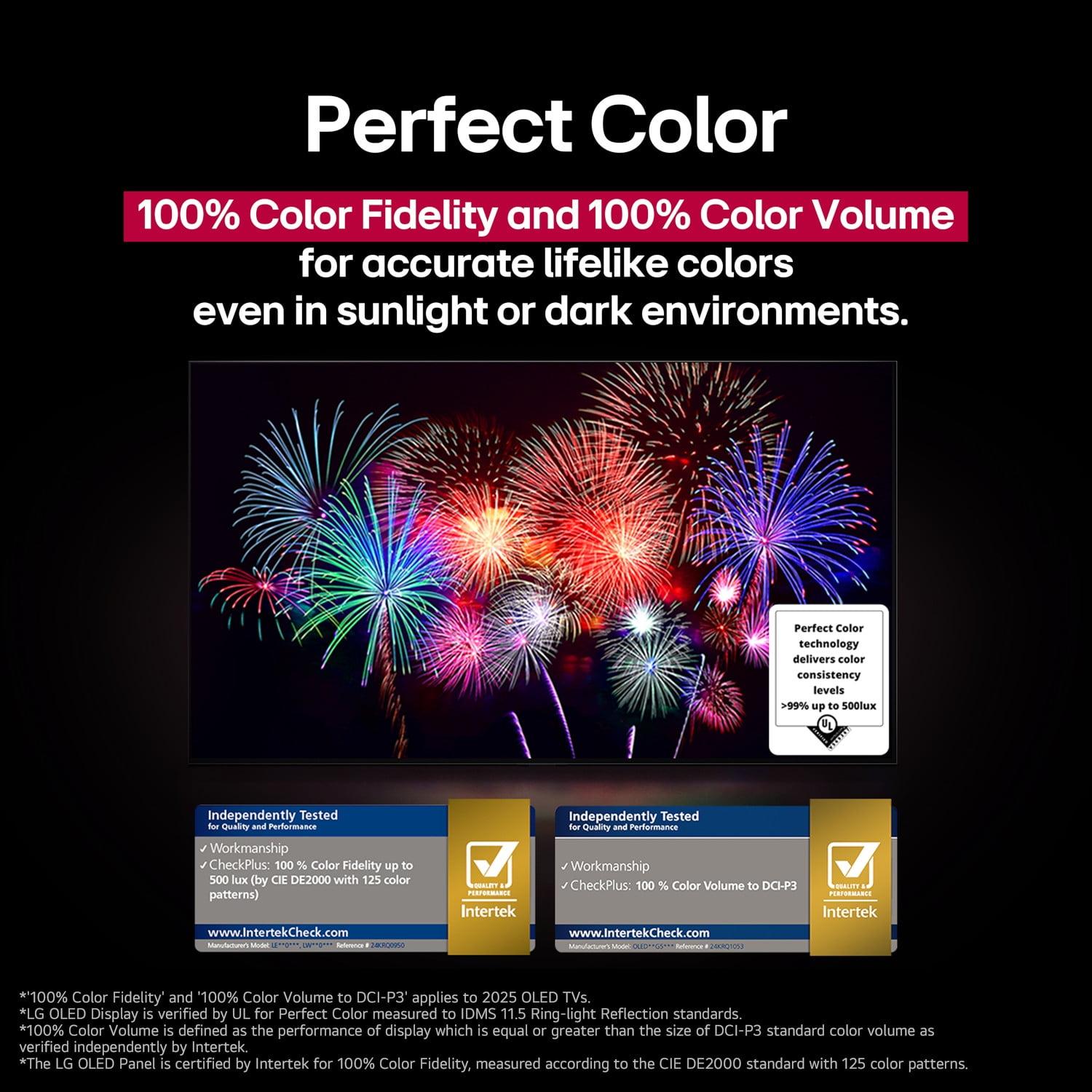
However, the LG C5's OLED technology inherently handles HDR more effectively. The infinite contrast ratio means bright highlights can truly pop against perfect blacks, creating the dramatic visual impact HDR was designed to deliver. Professional reviews consistently praise OLED's HDR presentation, even when peak brightness numbers might be lower than competing technologies.
Gaming performance has become crucial for modern TVs, especially with PlayStation 5, Xbox Series X, and high-end PC gaming demanding more from displays.
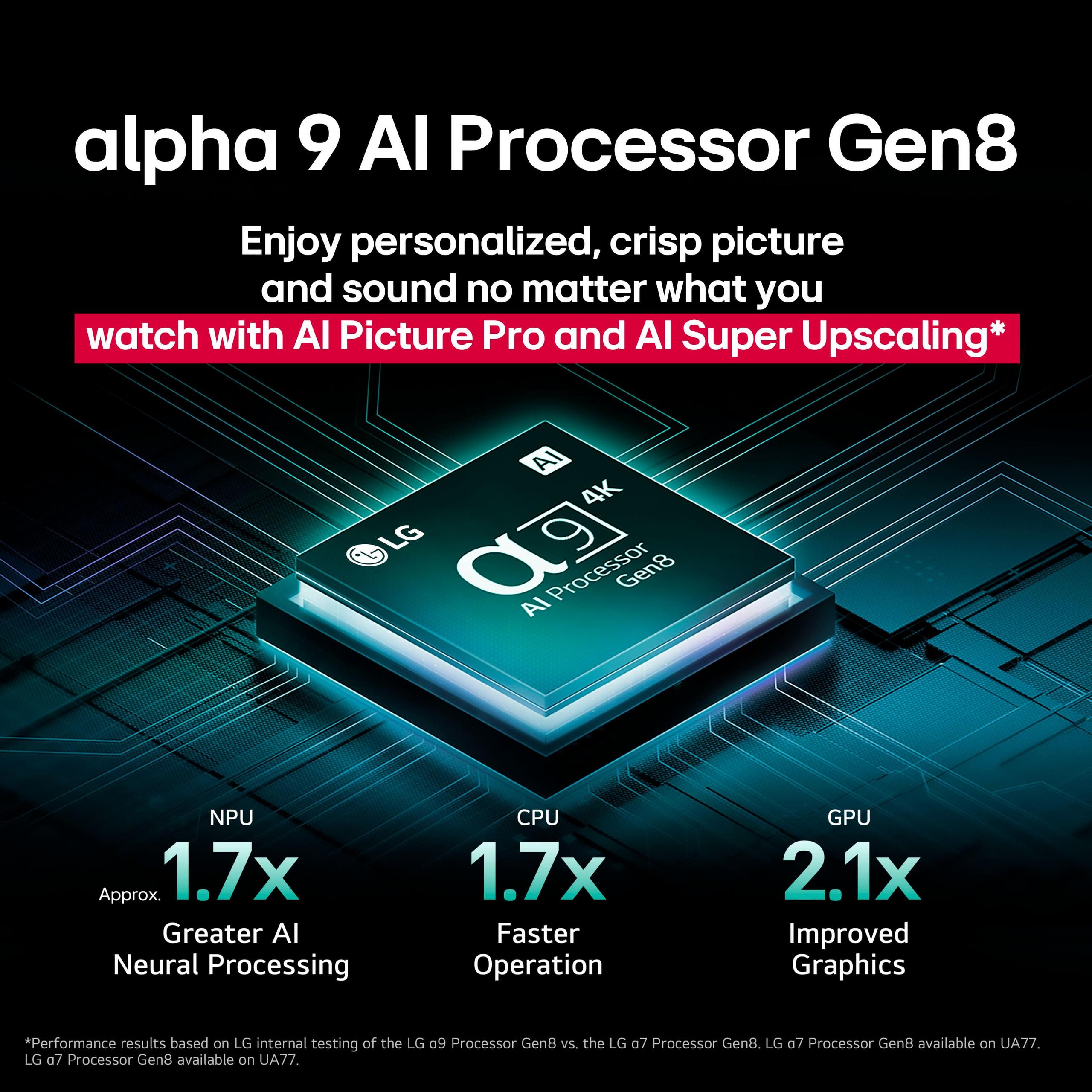
The LG C5 delivers a 0.1ms response time, which is essentially instantaneous. Response time measures how quickly pixels can change colors, affecting motion clarity and reducing ghosting artifacts during fast action. This specification puts the LG C5 in territory typically reserved for dedicated gaming monitors.
The TCL NXTVISION doesn't specify response time, but edge-lit QLED panels typically range from 8-15ms. Our research into user reviews suggests noticeable motion blur during fast-paced gaming, particularly in first-person shooters or racing games where quick reactions matter.
Input lag – the delay between controller input and on-screen response – affects both TVs, but the LG C5 excels here too. OLED technology combined with dedicated gaming modes typically produces input lag under 10ms, while the TCL NXTVISION likely ranges 15-25ms based on similar models.
This is where the differences become stark. The LG C5 provides four HDMI 2.1 ports with full bandwidth, supporting 4K at 144Hz, Variable Refresh Rate (VRR), and Auto Low Latency Mode (ALLM) across all inputs. VRR synchronizes the TV's refresh rate with your gaming device's output, eliminating screen tearing – those horizontal lines that appear during rapid movement.
The TCL NXTVISION offers only two HDMI 2.1 ports, with the remaining two being standard HDMI. For households with PlayStation 5, Xbox Series X, gaming PC, and Apple TV 4K, this limitation becomes problematic. You'll need an HDMI switch or constant cable swapping.
The LG C5 also supports Nvidia G-Sync and AMD FreeSync, plus Dolby Vision for Gaming – a newer standard that maintains HDR quality during gameplay. These features collectively create a premium gaming experience that the TCL NXTVISION simply cannot match.
Here's where the TCL NXTVISION truly differentiates itself. This isn't just marketing – it's genuinely engineered as an art display first, television second.
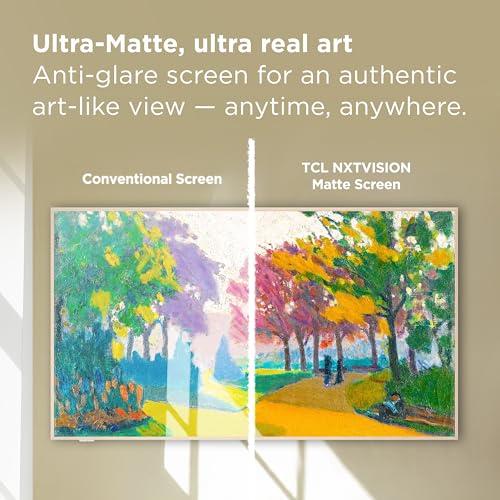
The TCL NXTVISION's ultra-matte anti-glare screen uses specialized coating that diffuses reflections while maintaining image clarity. Unlike typical anti-glare treatments that can make images appear soft or washed out, this implementation creates an authentic canvas texture. When displaying artwork, it genuinely looks like a framed painting rather than a digital screen.
Professional reviews consistently praise this feature, noting that even in rooms with direct sunlight, artwork remains clearly visible without the mirror-like reflections common on standard TVs. This matters enormously if you plan to actually use the art mode regularly rather than treating it as a novelty feature.
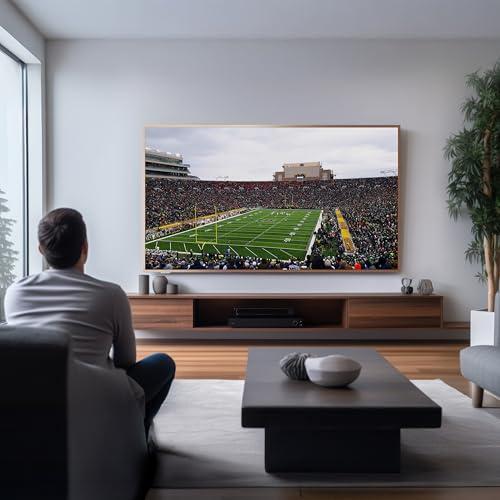
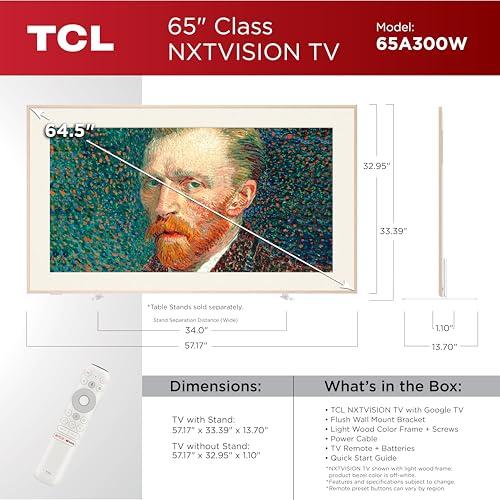
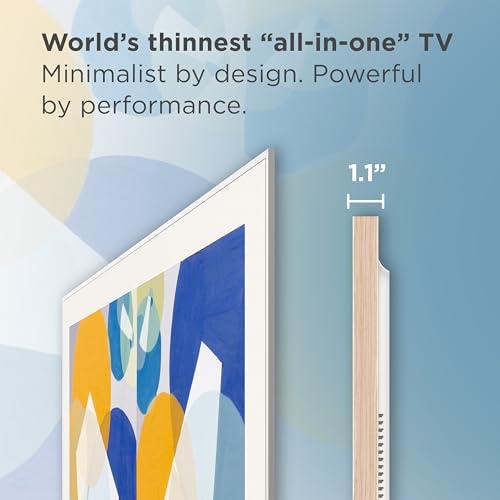
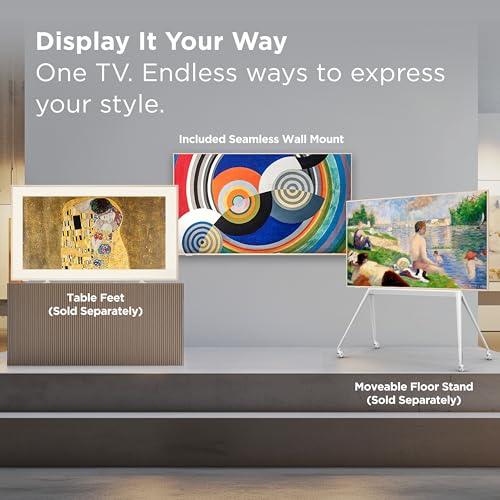
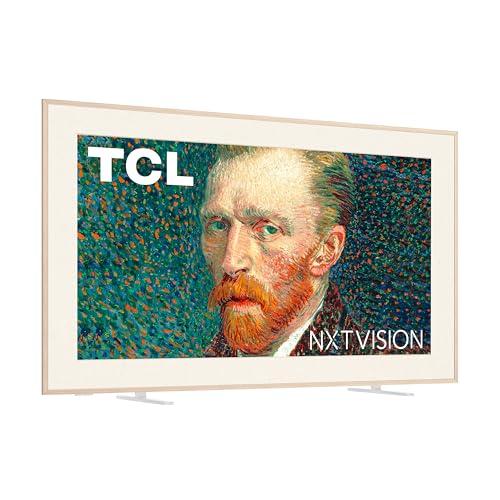
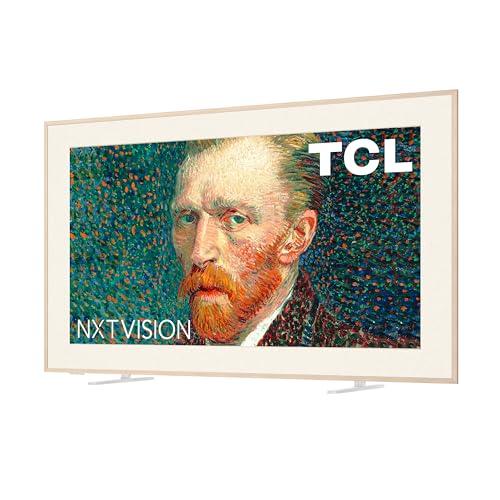
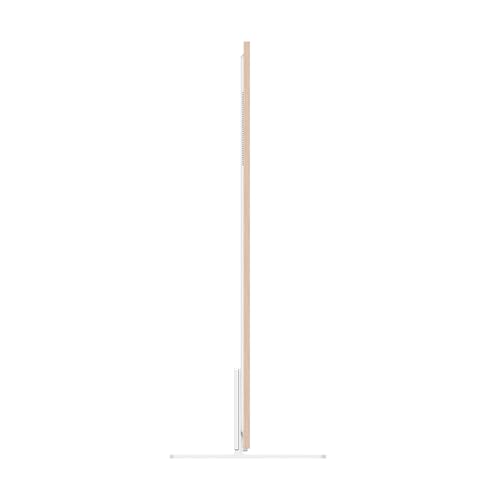
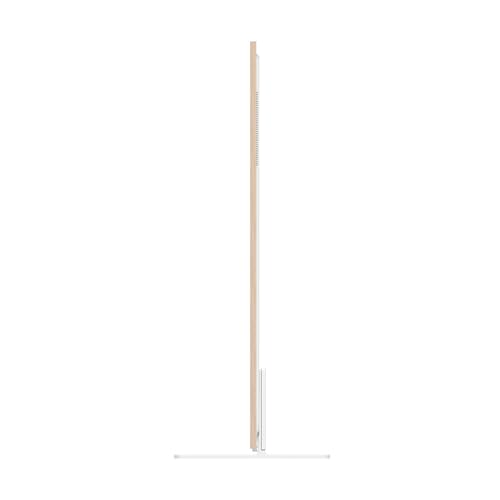
At just 1.1 inches deep, the TCL NXTVISION is remarkably thin – thinner than many picture frames. The built-in chassis eliminates external boxes, cables, and mounting hardware that would break the illusion. The included flush wall mount creates a seamless installation that genuinely resembles gallery artwork.
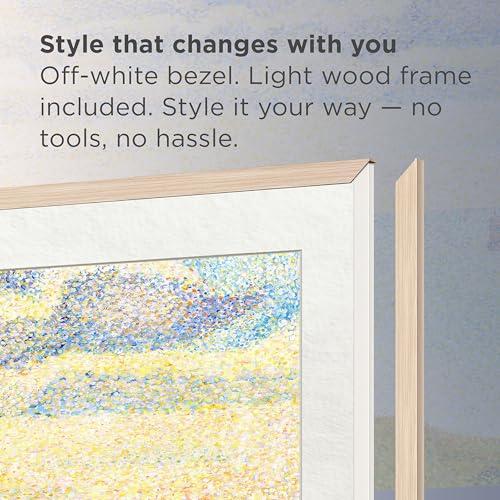
The magnetic wooden frame can be swapped for different finishes, and the TV's design accommodates this flexibility. When not displaying content, it automatically transitions to art mode, displaying curated works or personal photos with appropriate matting and presentation.
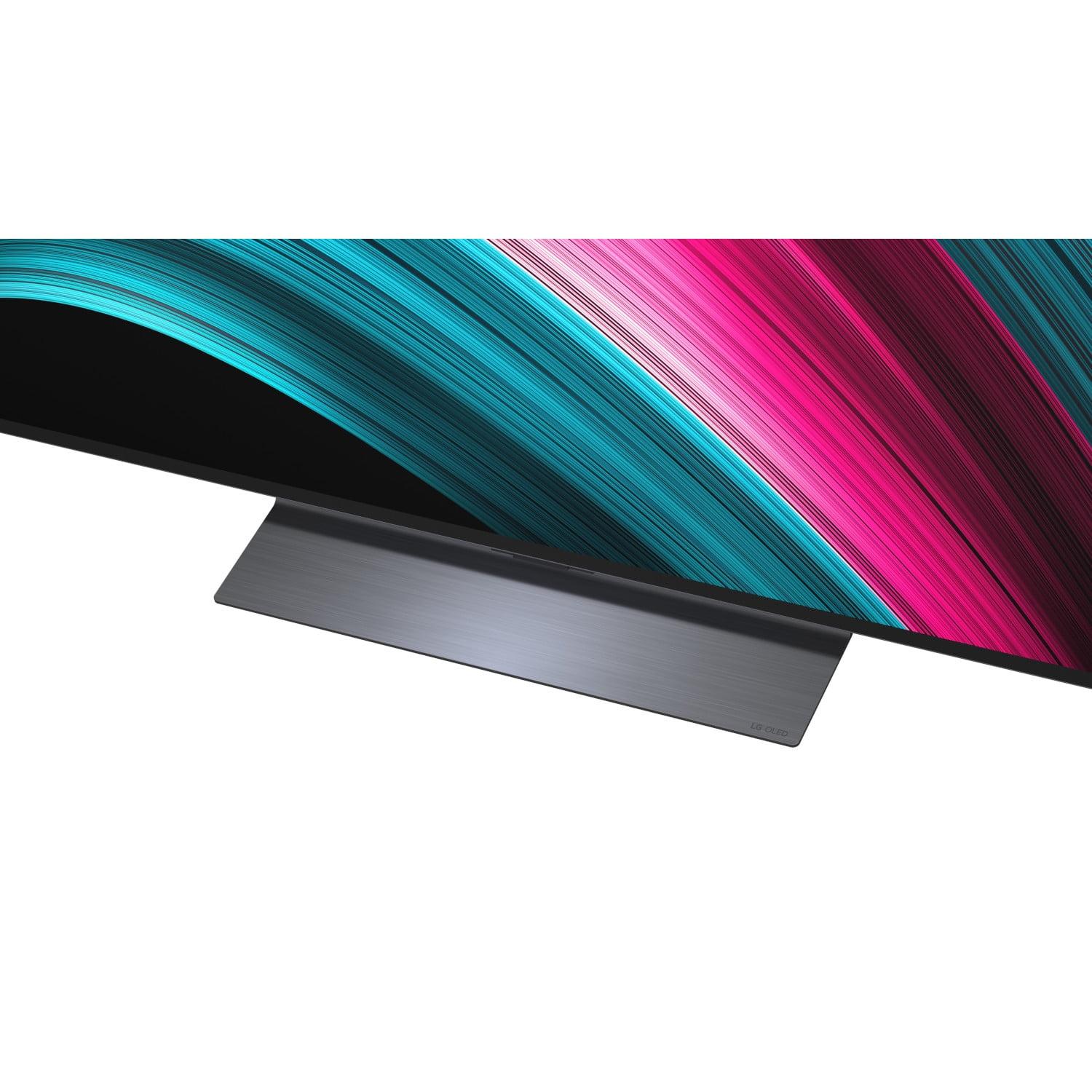
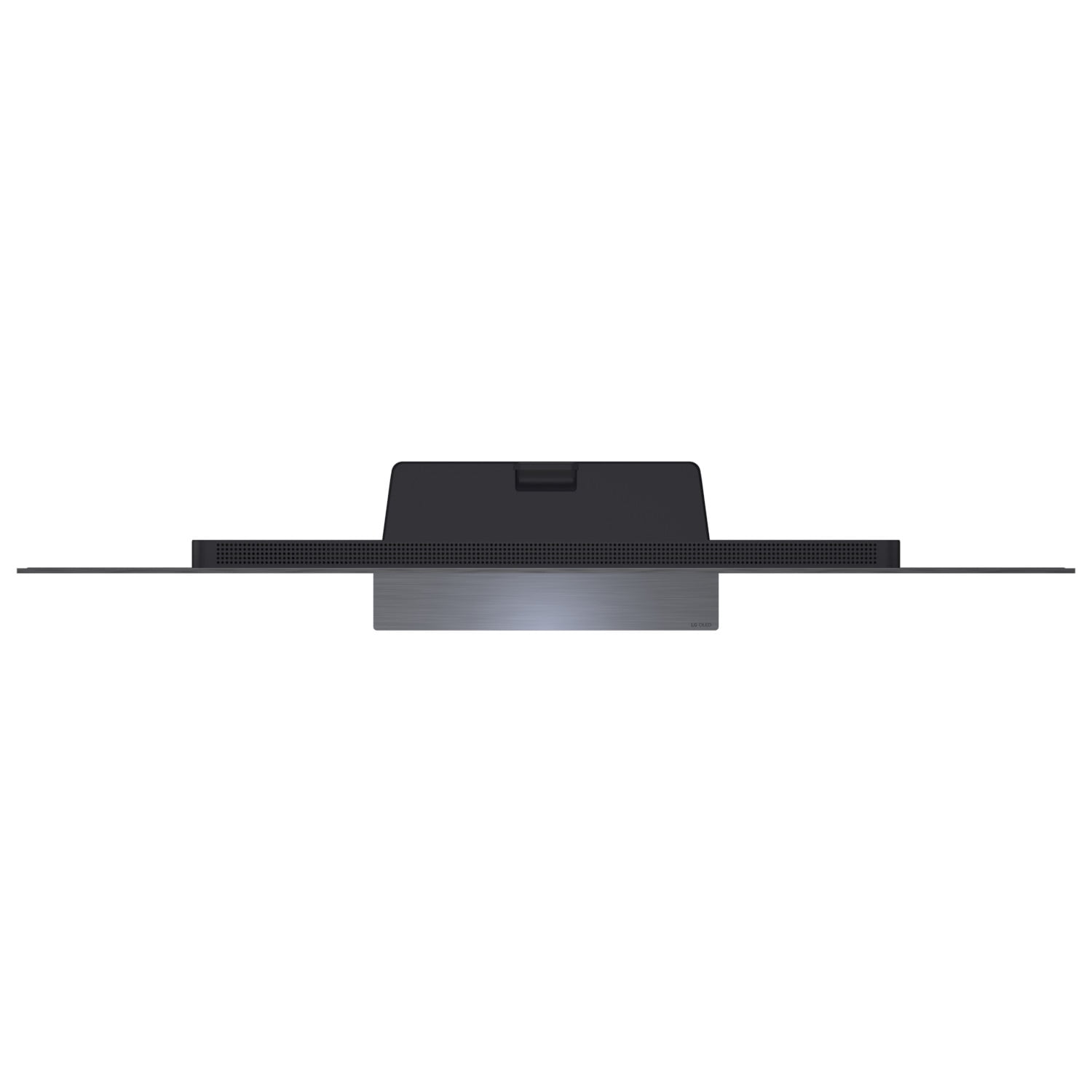
The LG C5, while featuring an almost invisible bezel and premium aesthetics, measures 1.8 inches thick and clearly appears as a television, even when wall-mounted. The art display functionality exists but feels supplementary rather than central to the design philosophy.
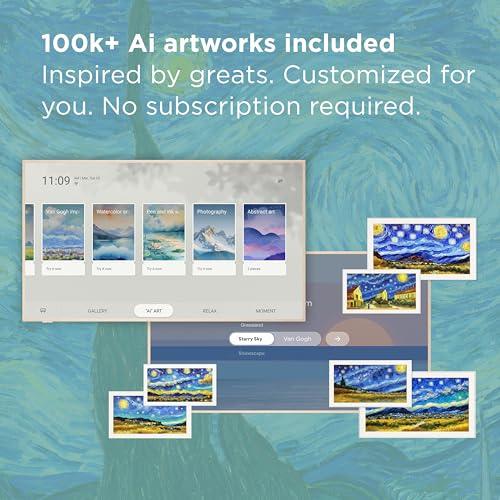
The TCL NXTVISION includes access to over 400 curated artworks spanning various styles and periods. The AI art generation feature can create unique pieces based on prompts or preferences, theoretically providing unlimited variety. Personal photo gallery mode automatically formats and presents your images with appropriate matting and frame styling.
These features transform the TV into functional home décor. Based on user reviews, many owners genuinely use art mode as the primary display state, with television content being secondary. This represents a fundamental shift in how we think about TVs in living spaces.
The software experience differs significantly between these models, affecting daily usability and long-term satisfaction.
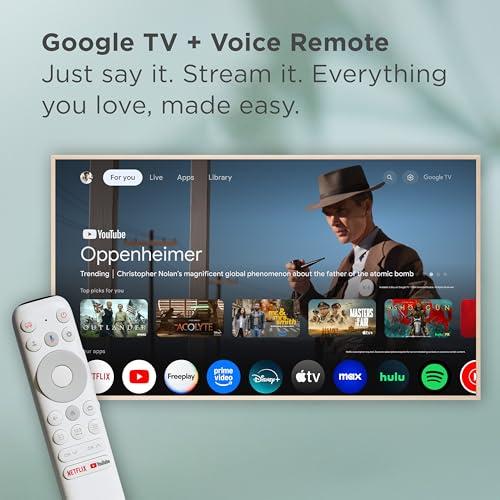
The TCL NXTVISION runs Google TV, which emphasizes content aggregation and discovery across multiple streaming services. The interface learns viewing preferences and surfaces relevant content regardless of which app contains it. Chromecast built-in and Apple AirPlay 2 support enable seamless casting from mobile devices.
The LG C5 features webOS 25, LG's latest platform iteration. WebOS prioritizes customization and personalization, with AI-driven content recommendations and Quick Cards for organizing frequently accessed content. The Magic Remote includes voice control and pointer functionality for intuitive navigation.
Both platforms provide comprehensive streaming app support, but webOS 25 generally offers more sophisticated personalization features and smoother performance based on professional reviews. Google TV excels in content discovery across services but can feel overwhelming for users who prefer simpler interfaces.
The TCL NXTVISION provides hands-free voice control with Google Assistant, enabling control without the remote. Smart home integration works through Google's ecosystem, controlling lights, thermostats, and other compatible devices.
The LG C5 supports Google Assistant, Amazon Alexa, and Apple HomeKit, providing broader smart home compatibility. The enhanced voice control in webOS 25 reportedly handles complex queries more effectively than previous versions.
Both TVs deliver adequate but unremarkable audio performance, which is common for slim displays that prioritize aesthetics over speaker size.
The TCL NXTVISION's 20W audio system (2 x 10W speakers) supports Dolby Atmos, DTS:X, and other advanced audio formats. However, the ultra-thin design severely limits speaker size and placement, resulting in thin sound that lacks bass response.
The LG C5 includes downward-firing speakers with AI audio processing designed to optimize sound based on room characteristics and content type. While more sophisticated than the TCL's approach, the fundamental limitations of thin TV speakers remain.
For serious listening, both TVs would benefit from external audio solutions. The LG C5 provides eARC support across its HDMI ports for high-quality audio passthrough to soundbars or AV receivers, while the TCL NXTVISION offers similar connectivity but with fewer HDMI 2.1 options.
Build quality differences extend beyond specifications to real-world durability and user satisfaction.
The TCL NXTVISION's ultra-thin design raises questions about long-term reliability. Concentrating all components into such a slim profile creates thermal challenges and potential failure points. However, user reviews from 2024 haven't revealed widespread reliability issues, suggesting TCL has managed these challenges adequately.
The LG C5 benefits from LG's extensive OLED manufacturing experience. The company's commitment to five years of software updates through the Re:New Program provides long-term support that maintains functionality and adds features over time. OLED panels themselves are proven technology with predictable longevity when used reasonably.
Both TVs come with standard one-year warranties, but extended warranty consideration might favor the LG C5 due to LG's established service network and parts availability.
At the time of writing, these TVs occupy different market segments despite similar screen sizes.
The TCL NXTVISION positions itself as a mid-range offering that delivers premium lifestyle features at accessible pricing. The art frame functionality, ultra-thin design, and adequate picture quality provide strong value for buyers prioritizing aesthetics and design integration.
The LG C5 commands premium pricing justified by reference-level OLED performance, advanced gaming features, and sophisticated smart platform capabilities. For buyers prioritizing absolute picture quality and cutting-edge features, the investment proves worthwhile.
The value equation depends entirely on your priorities. If art display functionality and design integration matter more than perfect blacks and gaming performance, the TCL NXTVISION delivers exceptional value. If picture quality and gaming capabilities are non-negotiable, the LG C5 justifies its premium positioning.
For dedicated home theater use, these TVs serve different purposes and excel in different scenarios.
The LG C5 is the clear winner for dark room movie watching. The perfect blacks, infinite contrast ratio, and excellent HDR handling create the cinematic experience that home theater enthusiasts seek. The wide color gamut and accurate out-of-box calibration mean minimal setup required for reference-quality viewing.
The TCL NXTVISION works better for multi-purpose rooms where the TV serves dual functions as entertainment display and wall art. The bright room performance and anti-glare screen make it more versatile for spaces that aren't dedicated home theaters.
For sound integration, the LG C5's superior HDMI 2.1 implementation and eARC support across multiple ports provide more flexibility for complex audio setups with multiple sources.
The TCL NXTVISION suits buyers who:
The LG C5 appeals to users who:
Neither TV is objectively better – they excel at different things and serve different needs. The TCL NXTVISION revolutionizes how TVs integrate into living spaces, while the LG C5 pushes the boundaries of home entertainment performance.
Your choice should align with how you actually plan to use the TV. If you want a display that genuinely functions as wall art when not in use, the TCL NXTVISION is unmatched in its category. If you want the best possible viewing and gaming experience, the LG C5 sets the standard for 2025 OLED performance.
Both represent the evolution of television beyond simple content display – one toward lifestyle integration, the other toward performance excellence. Understanding which philosophy matches your needs will guide you to the right choice.
| TCL 65" NXTVISION QLED 4K Art Frame TV | LG OLED evo C5 65" 4K TV 2025 |
|---|---|
| Display Technology - Determines contrast, black levels, and overall picture quality | |
| QLED with edge-lit LED backlighting | OLED evo with 8.3 million self-lit pixels |
| Black Levels & Contrast - Critical for dark room viewing and HDR impact | |
| Limited blacks due to always-on backlight | Perfect blacks with infinite contrast ratio |
| Gaming Response Time - Essential for competitive gaming and fast action | |
| Not specified (typically 8-15ms for edge-lit panels) | 0.1ms (essentially instantaneous) |
| HDMI 2.1 Ports - Future-proofing for multiple next-gen gaming devices | |
| 2 out of 4 HDMI ports support 2.1 | All 4 HDMI ports support full 2.1 bandwidth |
| HDR Format Support - Affects compatibility with streaming and disc content | |
| Dolby Vision IQ, HDR10+, HDR10, HLG (comprehensive) | Dolby Vision, HDR10, HLG (missing HDR10+) |
| Art Frame Features - For users wanting TV as décor when not watching | |
| Ultra-matte anti-glare screen, 400+ art library, AI art generation, magnetic frames | Basic art display mode (supplementary feature) |
| Physical Design - Impact on room aesthetics and installation | |
| Ultra-slim 1.1" depth, flush wall mount, wood magnetic frame | Premium 1.8" depth, almost invisible bezel, standard mounting |
| Smart Platform - Daily user experience and app performance | |
| Google TV with Chromecast built-in | webOS 25 with advanced AI personalization |
| Gaming VRR Support - Eliminates screen tearing for smoother gameplay | |
| Up to 144Hz VRR, AMD FreeSync Premium | Up to 144Hz VRR, G-Sync, FreeSync, Dolby Vision Gaming |
| Weight Without Stand - Affects installation difficulty and wall mount requirements | |
| 49.6 lbs (requires robust mounting) | 36.6 lbs (easier installation) |
| Peak Brightness - Affects visibility in bright rooms and HDR highlight impact | |
| High Brightness+ LED (specific nits not published) | OLED Brightness Booster (improved but still OLED limitations) |
| Color Accuracy - Important for accurate content reproduction | |
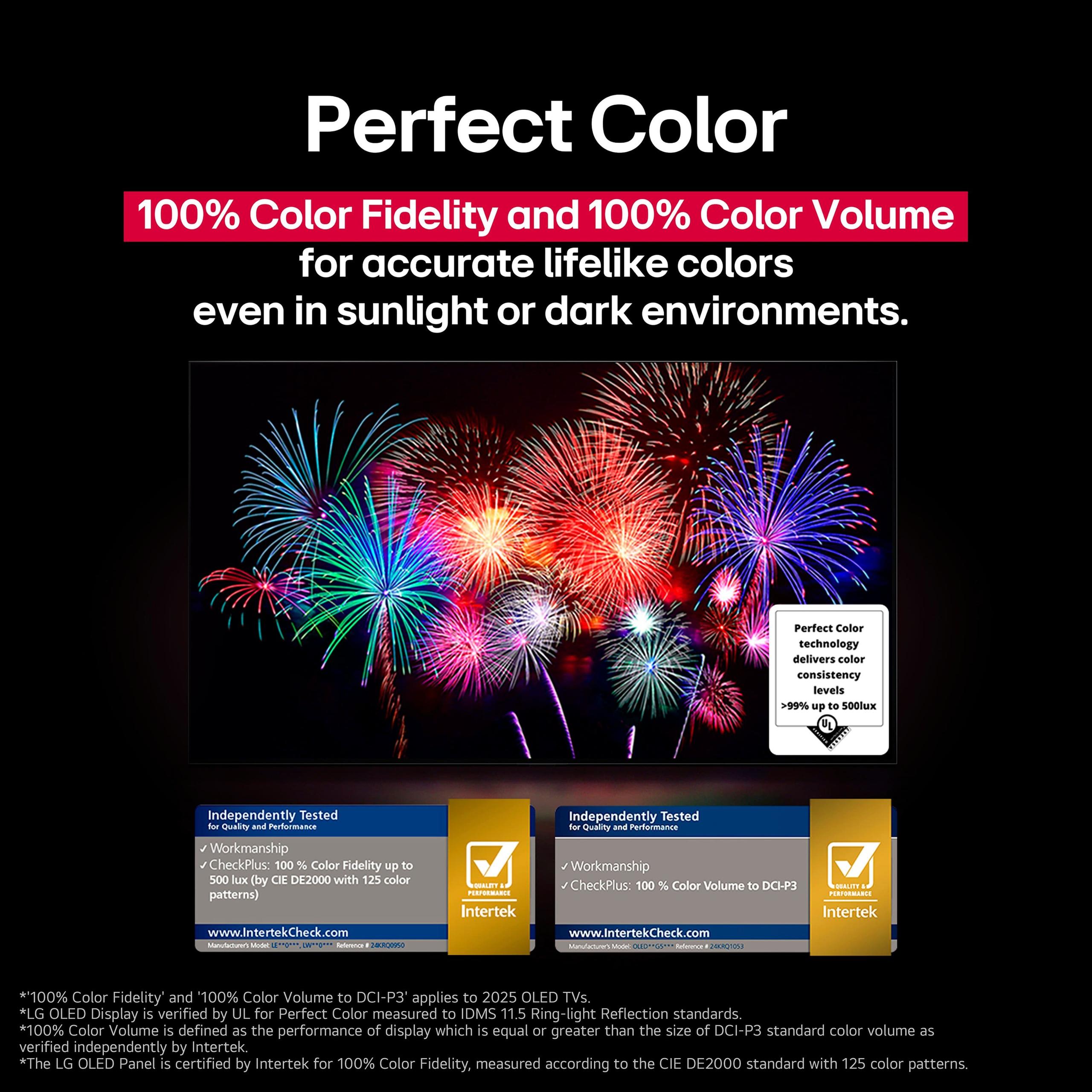
| KSF phosphor coating for enhanced color separation | 99.67% Rec. 709 coverage, 1.25 Delta-E out-of-box |
| Audio System - Built-in sound quality (both benefit from external audio) | |
| 20W total (2 x 10W), Dolby Atmos support | Downward-firing speakers with AI processing, Dolby Atmos |
| Connectivity Standards - Future-proofing for wireless devices and streaming | |
| Wi-Fi 5, Bluetooth 5.0 | Wi-Fi 6E, Bluetooth 5.3 |
| Target Market - Best suited for different user priorities | |
| Design-focused users wanting functional wall art | Performance enthusiasts prioritizing picture quality and gaming |
The LG OLED evo C5 delivers superior picture quality for movies and shows, especially in dark rooms. Its OLED technology produces perfect blacks and infinite contrast, creating exceptional depth in cinematic content. The TCL NXTVISION offers good picture quality with vibrant colors, but cannot match the contrast performance of OLED for serious movie watching.
Yes, the TCL NXTVISION excels as functional wall art. Its ultra-matte anti-glare screen creates an authentic canvas appearance, and at just 1.1 inches deep with a flush wall mount, it genuinely looks like framed artwork. The TV includes 400+ curated artworks, AI art generation, and magnetic frames. The LG C5 offers basic art display but treats it as a secondary feature.
The LG OLED evo C5 is significantly better for gaming. It offers 0.1ms response time, four HDMI 2.1 ports, and supports all major gaming technologies including G-Sync, FreeSync, and Dolby Vision Gaming. The TCL NXTVISION has only two HDMI 2.1 ports and slower response times, making it less suitable for serious gaming.
The TCL NXTVISION handles bright rooms better due to its High Brightness+ LED backlighting and ultra-matte anti-glare screen that reduces reflections. The LG C5 includes Brightness Booster technology that improves OLED performance in bright rooms, but OLED panels generally perform best in controlled lighting conditions.
The LG OLED evo C5 has more advanced smart features with webOS 25, offering sophisticated AI personalization and content recommendations. The TCL NXTVISION uses Google TV, which excels at content discovery across streaming services. Both support major streaming apps, but the LG C5 provides a more refined user experience.
For dedicated home theater use, the LG OLED evo C5 is the clear winner. Its perfect blacks, infinite contrast, and excellent HDR performance create reference-quality viewing in dark rooms. The TCL NXTVISION works better for multi-purpose rooms where the TV doubles as wall art, but lacks the contrast performance serious home theater enthusiasts demand.
The TCL NXTVISION supports more HDR formats, including Dolby Vision IQ, HDR10+, HDR10, and HLG. The LG C5 notably lacks HDR10+ support, only supporting Dolby Vision, HDR10, and HLG. This gives the TCL NXTVISION broader compatibility with various content sources.
The TCL NXTVISION is remarkably thin at 1.1 inches and includes a proprietary flush wall mount for seamless installation. The LG C5 measures 1.8 inches thick and uses standard VESA mounting. For wall art aesthetics, the TCL NXTVISION creates a more seamless, gallery-like appearance.
Both TVs have modest built-in audio systems. The TCL NXTVISION provides 20W total output with Dolby Atmos support, while the LG C5 includes AI-enhanced audio processing. Neither excels at audio, and both would benefit from external sound systems for optimal home theater experience.
The LG OLED evo C5 is much better for multiple gaming devices with four HDMI 2.1 ports supporting full bandwidth. The TCL NXTVISION has only two HDMI 2.1 ports, limiting simultaneous connections of next-gen consoles, gaming PCs, and other high-bandwidth devices.
The LG C5 offers better long-term support with LG's Re:New Program providing up to five years of software updates and new features. Both TVs come with standard warranties, but LG's established service network and commitment to ongoing updates provide better long-term value for software support.
Choose the TCL NXTVISION if aesthetic integration and art display functionality are priorities - it genuinely transforms your living space. Choose the LG OLED evo C5 if picture quality, gaming performance, and home theater experience matter most. The TCL NXTVISION excels at lifestyle integration, while the LG C5 delivers superior entertainment performance.
We've done our best to create useful and informative comparisons to help you decide what product to buy. Our research uses advanced automated methods to create this comparison and perfection is not possible - please contact us for corrections or questions. These are the sites we've researched in the creation of this article: rtings.com - tcl.com - bestbuy.com - tcl.com - bestbuy.com - tcl.com - youtube.com - rcwilley.com - businessinsider.com - bestbuy.com - target.com - youtube.com - support.tcl.com - nfm.com - woodruffappliance.com - flatpanelshd.com - tcl.com - bestbuy.com - rtings.com - youtube.com - businessinsider.com - youtube.com - bestbuy.com - lg.com - files.bbystatic.com - lg.com - flatpanelshd.com - lg.com - blvdhome.com - bhphotovideo.com - flanners.com - videopro.com.au

Privacy Policy
Terms and Conditions - Affiliate Policy
Home Security
© Copyright 2008-2026.
11816 Inwood Rd #1211, Dallas, TX 75244