

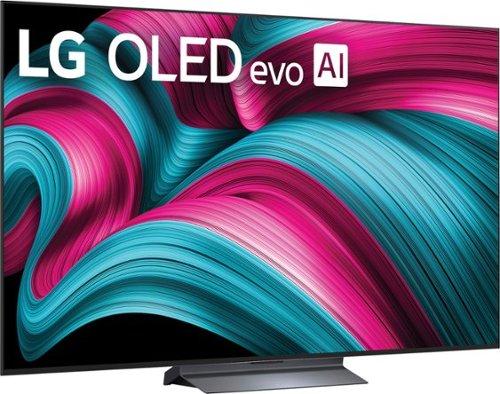
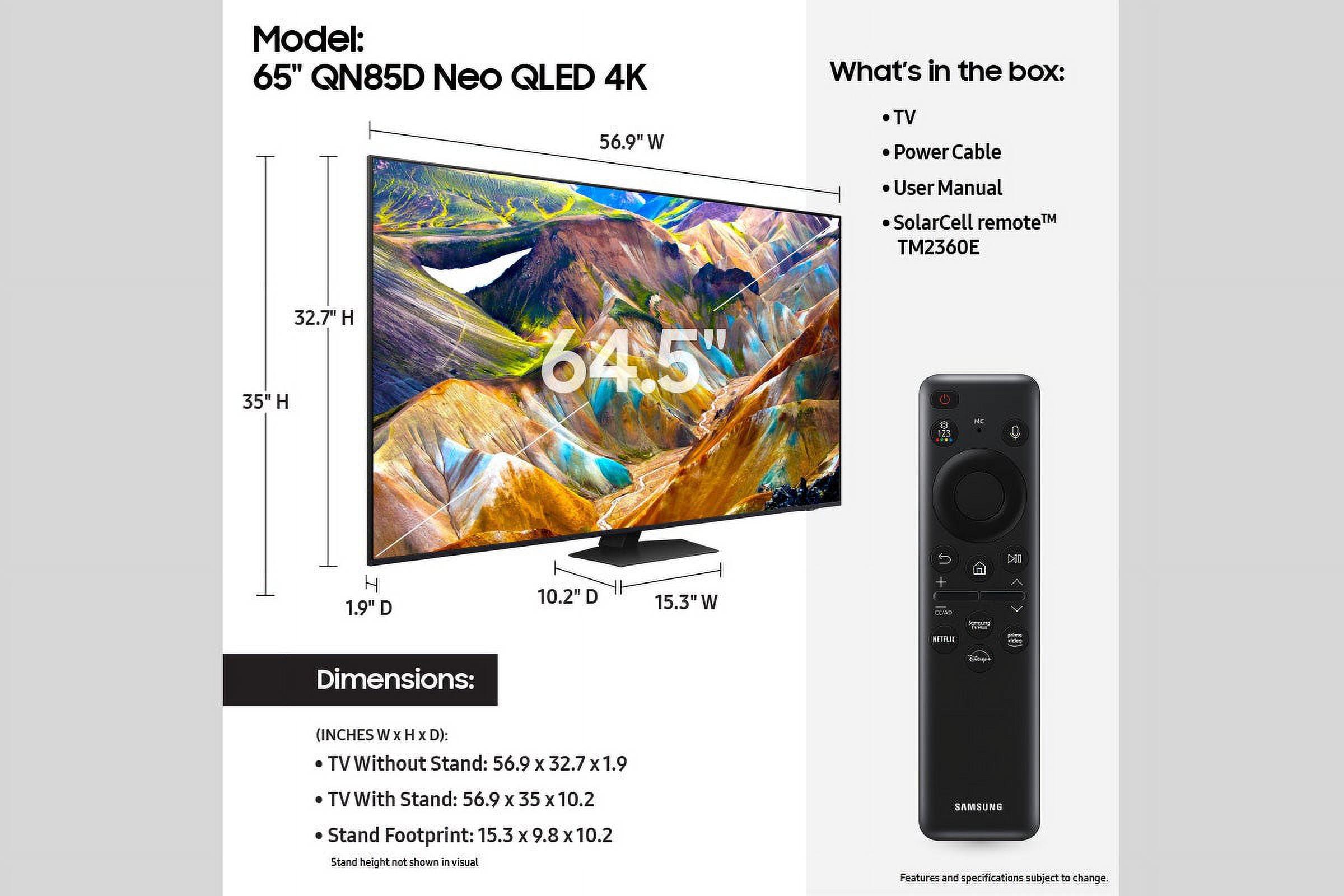
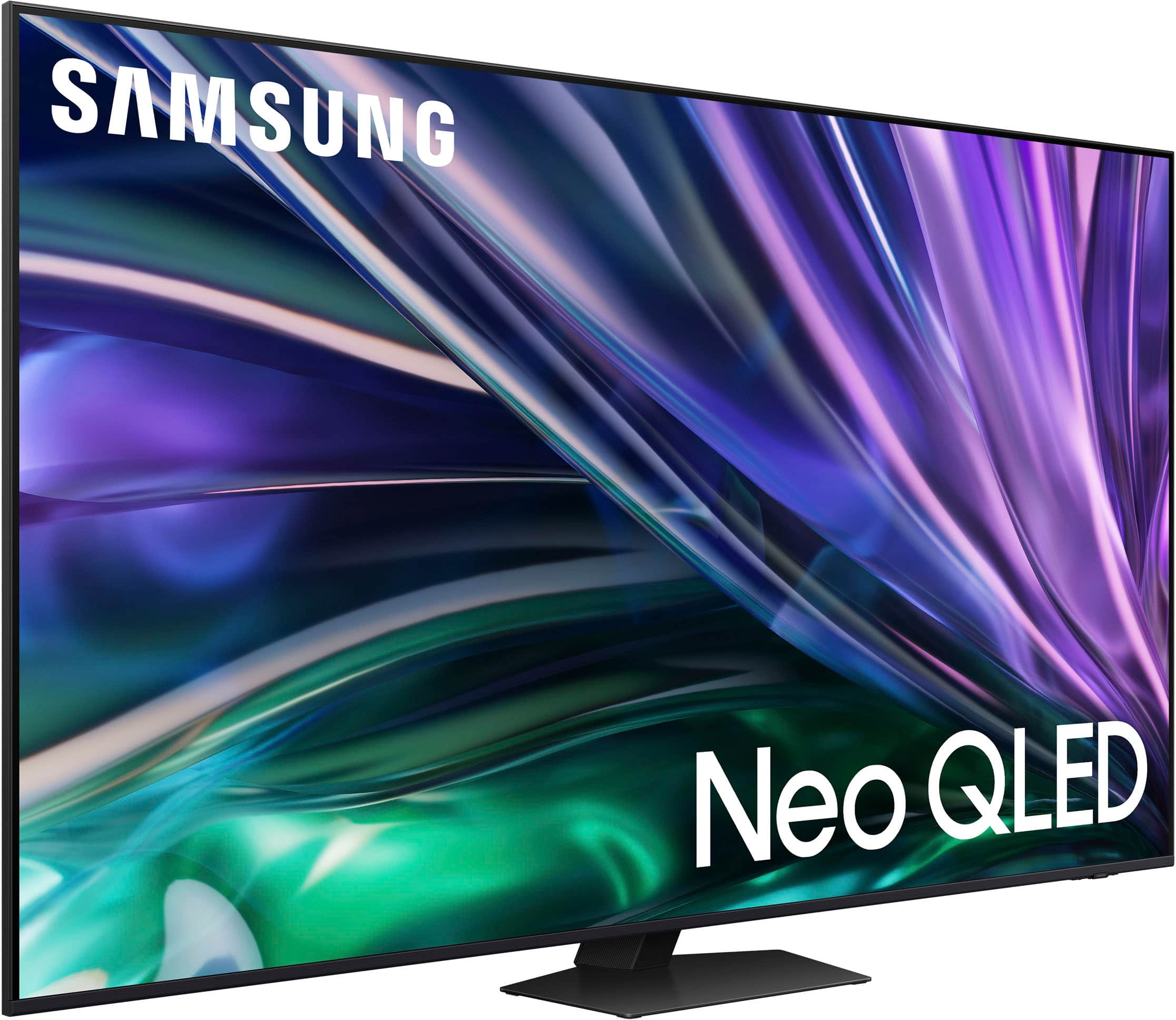

Shopping for a premium 65-inch TV in 2025 means choosing between two fundamentally different technologies that each excel in different ways. The LG OLED evo C5 65" 4K TV ($2,196.99) and Samsung 65" QN85D Neo QLED 4K Smart TV represent the latest evolution in display technology, but they take completely different approaches to delivering an exceptional viewing experience.
Both TVs launched in early 2025 as part of their manufacturers' flagship lineups. LG's C5 continues the company's tradition of bringing premium OLED technology to a slightly more accessible price point, while Samsung's QN85D showcases the latest advances in Mini-LED backlighting that the company has been perfecting over the past few years.
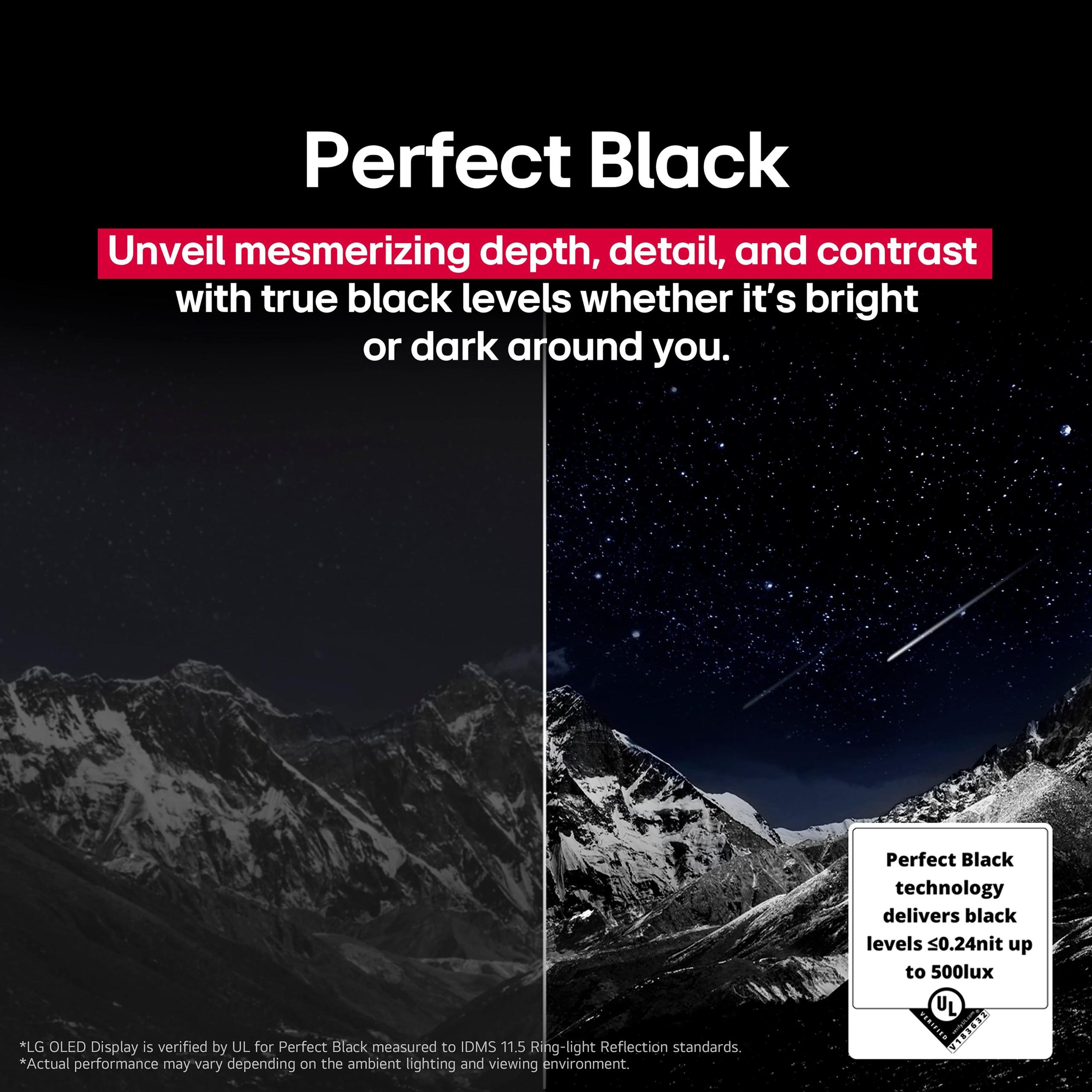
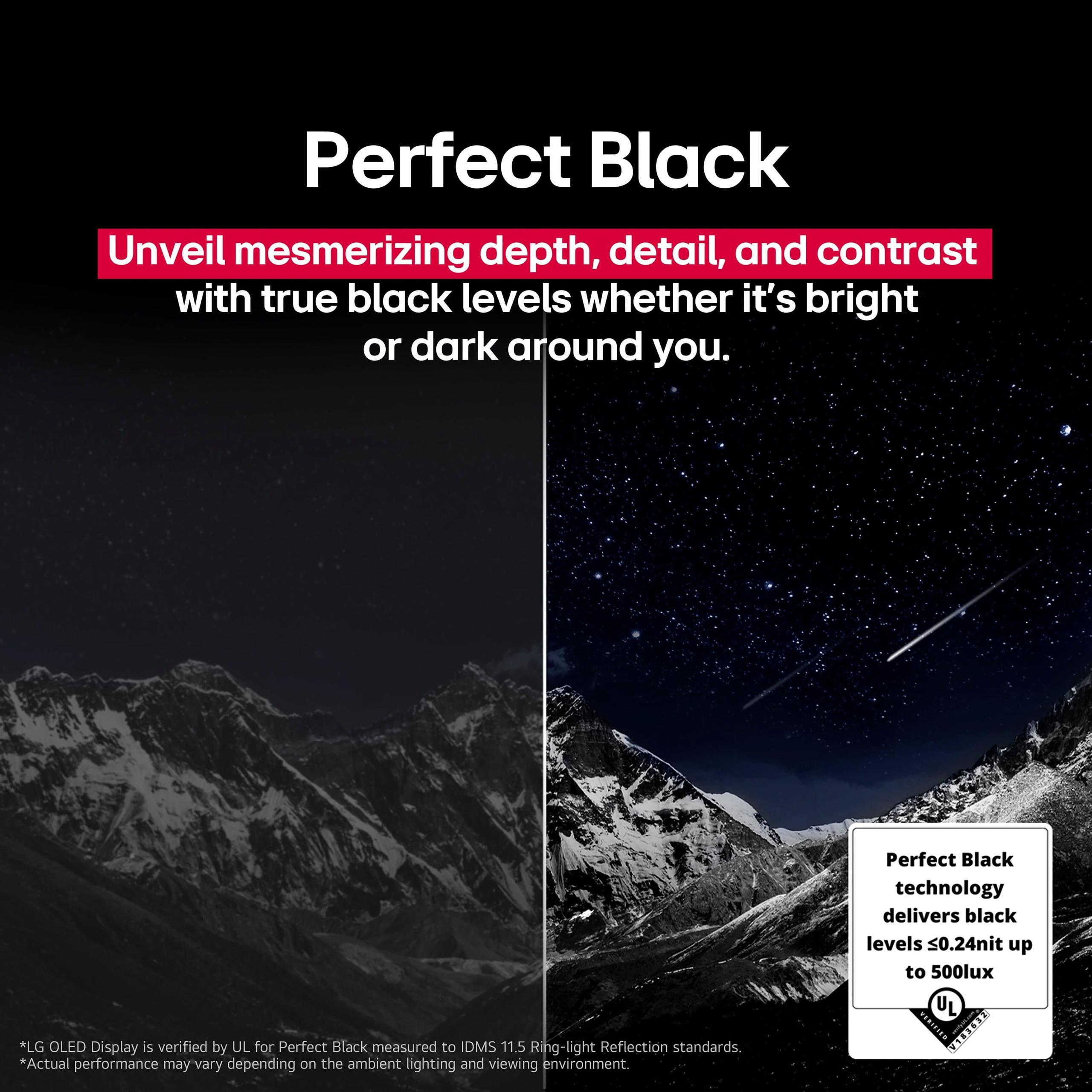
The choice between these TVs really comes down to understanding two competing philosophies in display technology. OLED (Organic Light-Emitting Diode) uses pixels that produce their own light and can turn completely off to create perfect blacks. Think of it like having millions of tiny light bulbs that can individually turn on and off. When a pixel needs to be black, it simply turns off completely – no light leaks through.
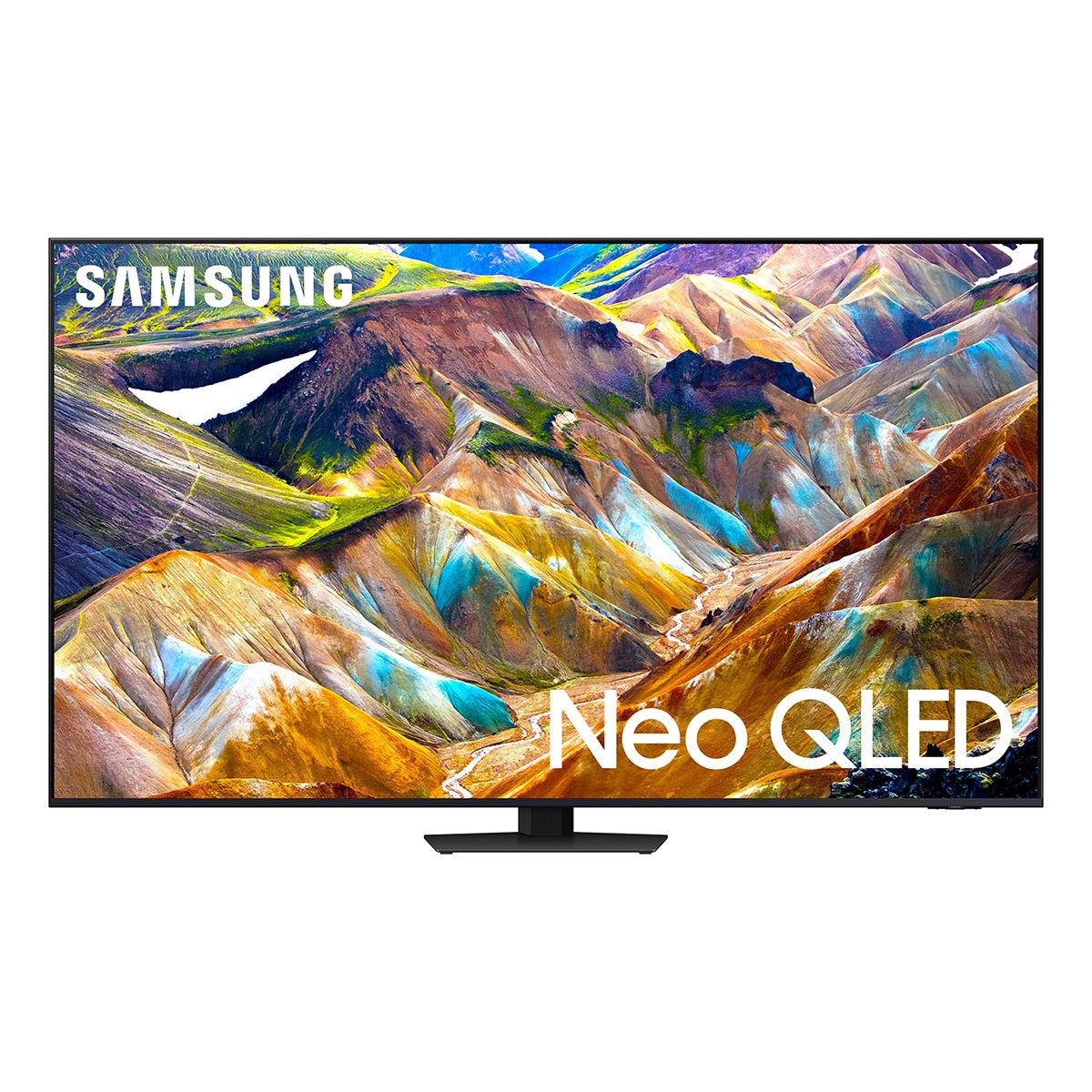
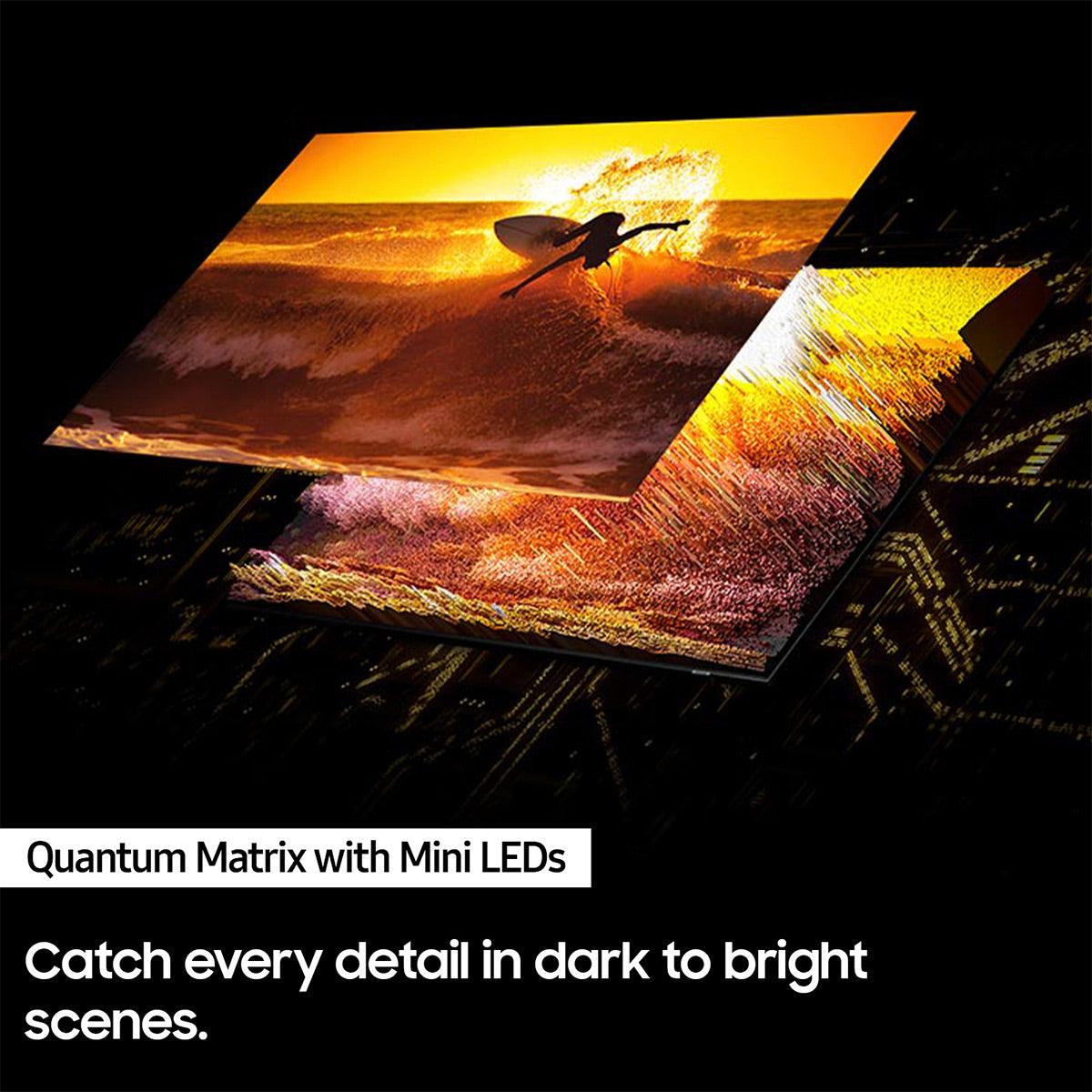
Neo QLED, on the other hand, uses thousands of Mini-LEDs as a backlight behind a traditional LCD panel. These Mini-LEDs are much smaller than regular LED backlights, allowing for more precise control over brightness in different areas of the screen. A Quantum Dot layer enhances colors by converting some of the blue light from the LEDs into pure red and green light, creating more vibrant and accurate colors.
The fundamental difference affects everything about how these TVs perform. OLED excels at contrast and deep blacks but has physical limitations on how bright it can get. Neo QLED can get much brighter but can never achieve the perfect blacks of OLED because there's always some backlight bleeding through.
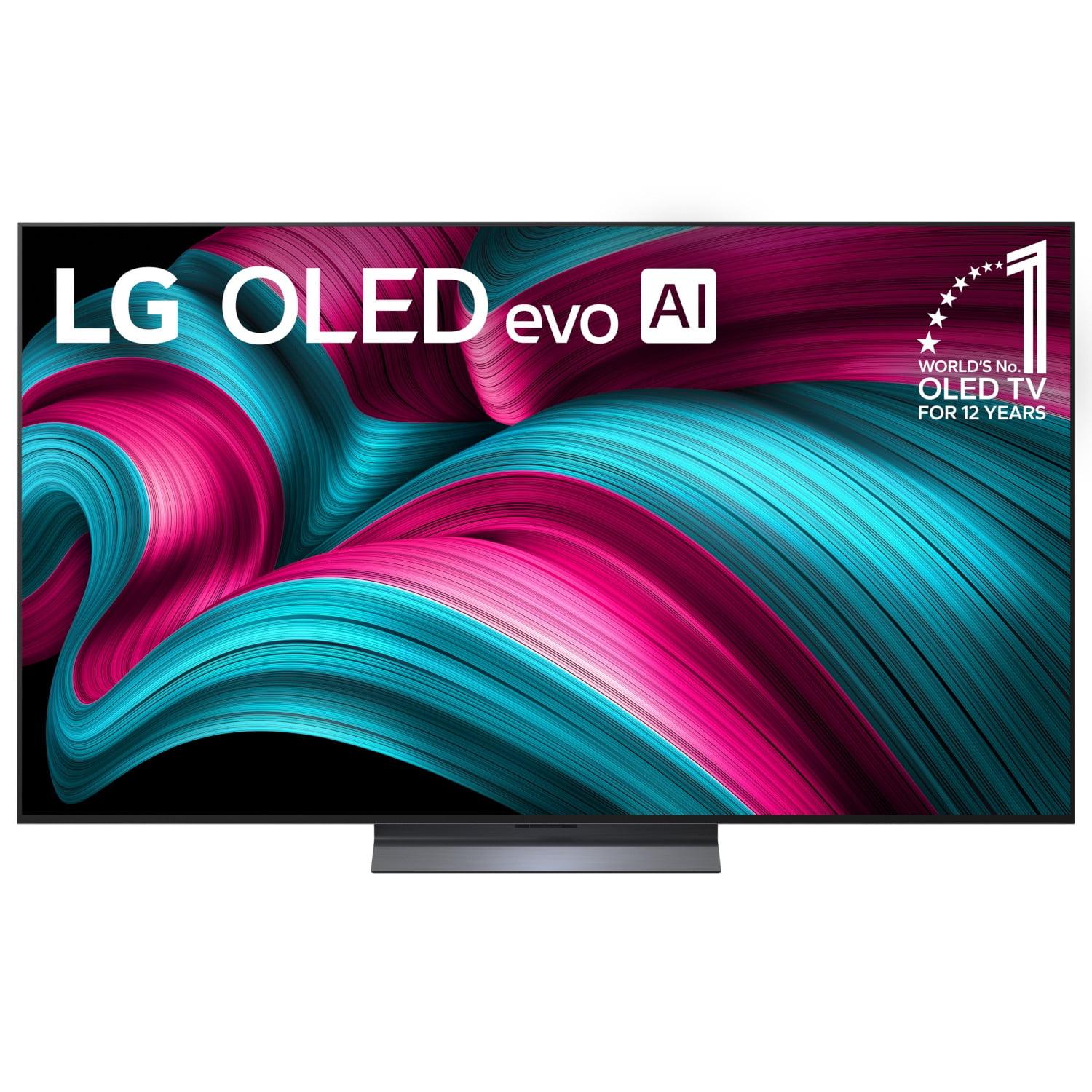
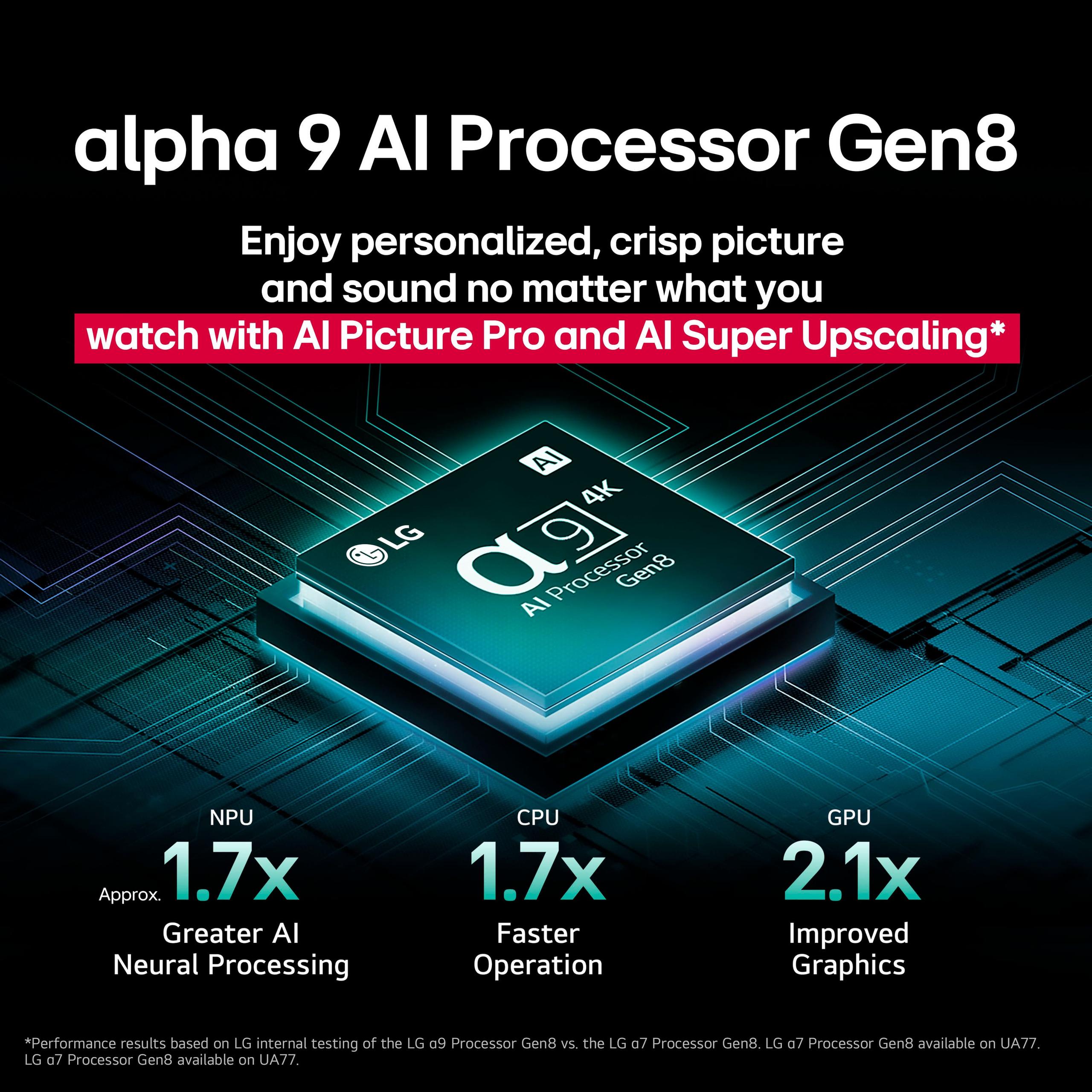
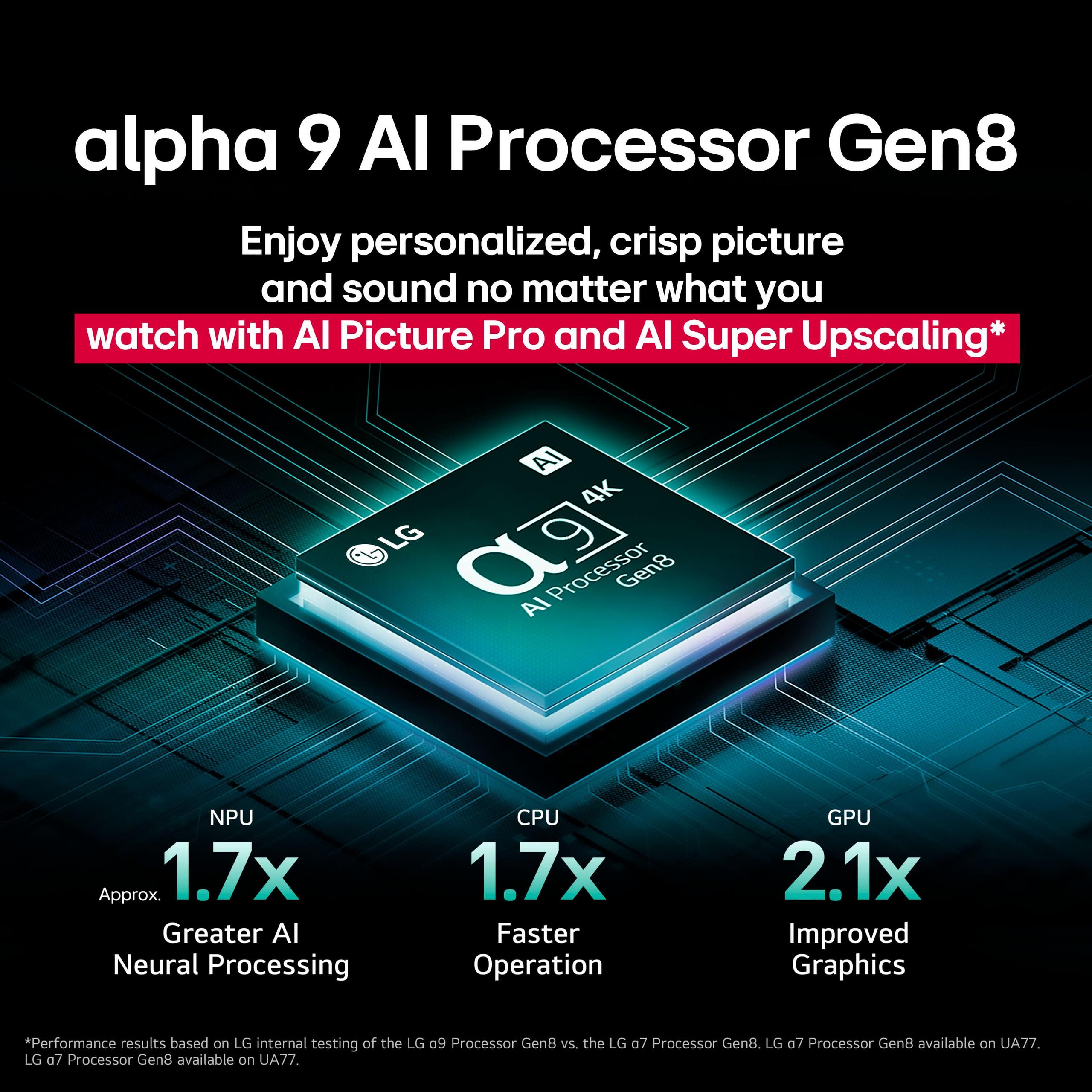
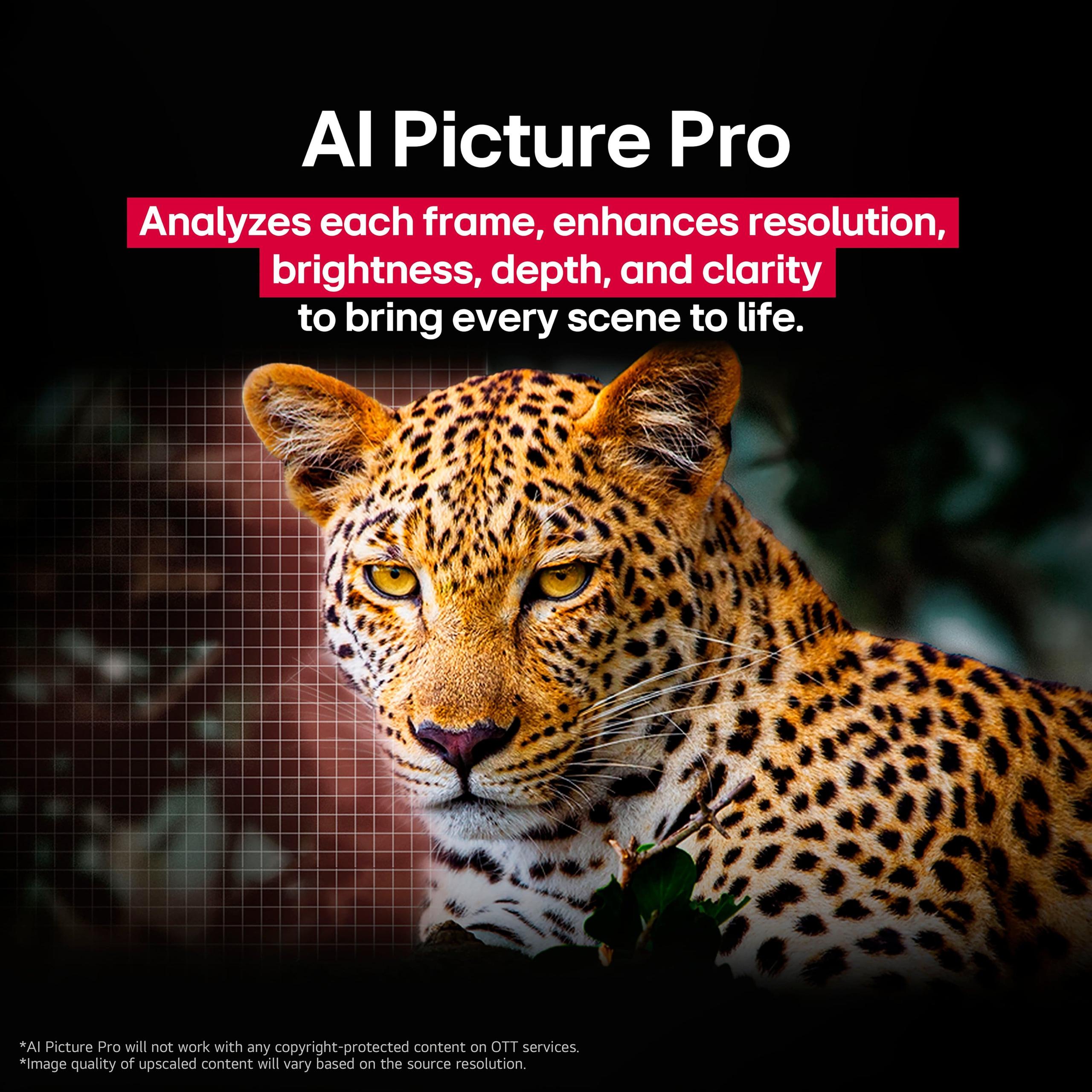
Both manufacturers made significant improvements for their 2025 models. The LG C5 represents a notable step forward from the 2024 C4, primarily in brightness performance. LG's engineers managed to increase SDR (Standard Dynamic Range) brightness substantially, addressing one of the main complaints about previous OLED models in bright rooms. The new Alpha 9 AI Processor Gen8 brings improved upscaling and motion processing, while the "Bright Room Ready" certification indicates LG's confidence in the TV's ability to perform well in various lighting conditions.
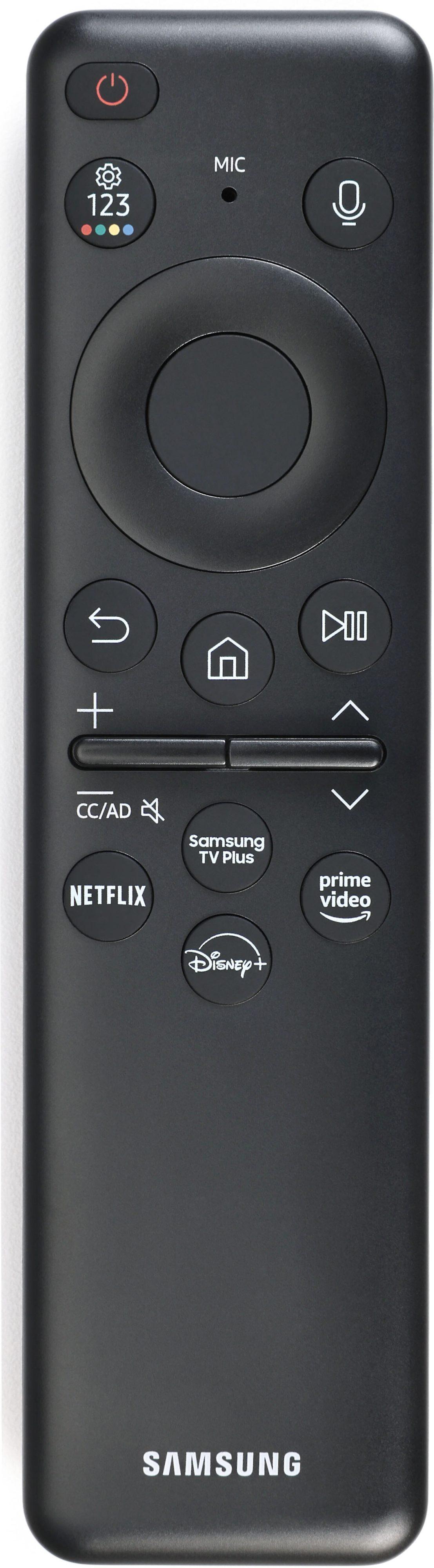
Samsung's QN85D builds on years of Mini-LED refinement, with the company's NQ4 AI Gen2 processor delivering better scene analysis and optimization. The Quantum Matrix technology has been enhanced to provide more precise dimming control, reducing the blooming effect (where bright objects create halos on dark backgrounds) that plagued earlier Mini-LED implementations.
This is where the fundamental technology differences create the most dramatic performance gap. The LG OLED evo C5 delivers what I consider the gold standard for contrast performance. When watching a movie like "Blade Runner 2049" with its mix of bright neon signs and deep shadows, the OLED's ability to display true blacks makes the bright elements pop with incredible intensity. There's no light bleed, no glow around bright objects – just pure, inky blackness where the director intended.
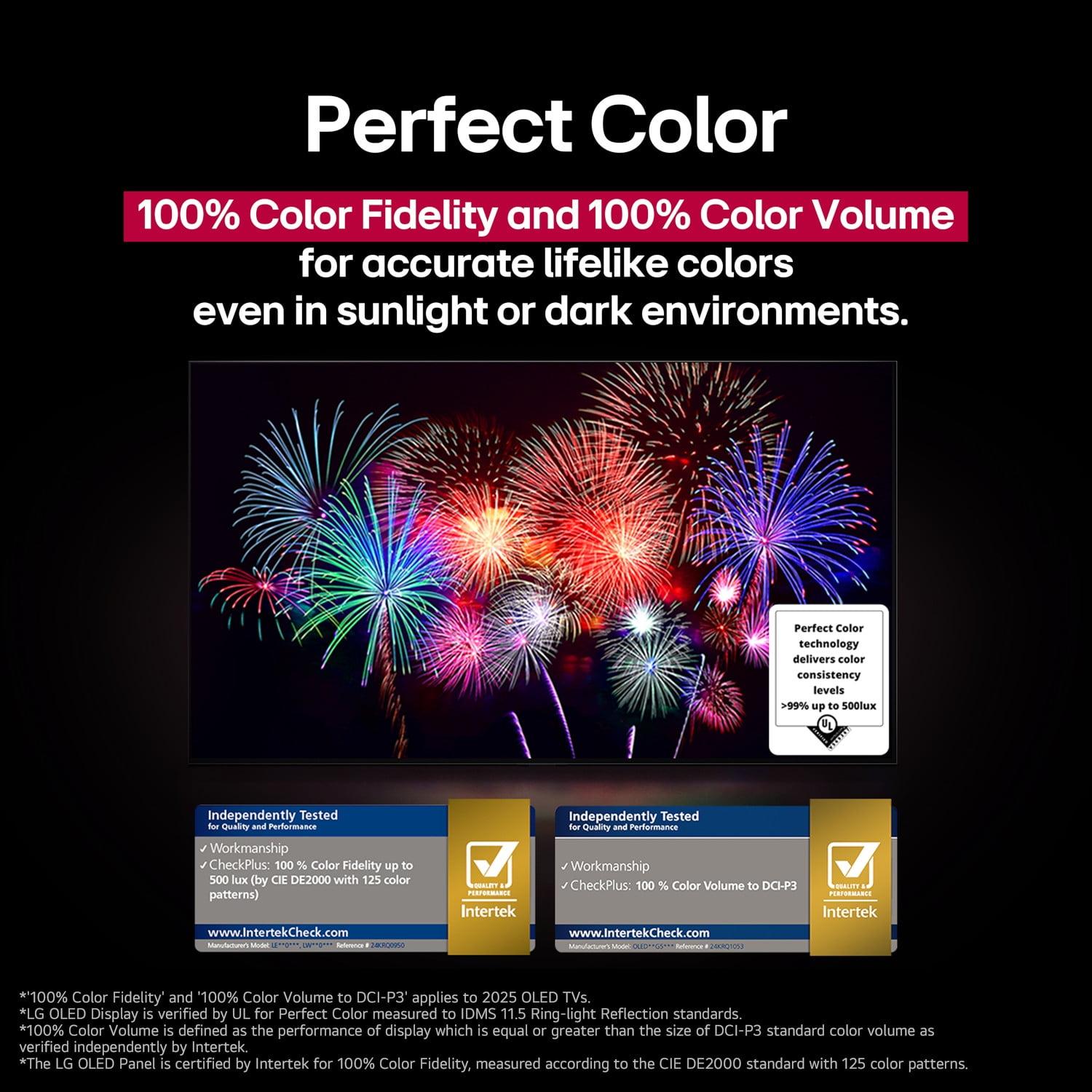
The Samsung QN85D can't match this level of contrast perfection, but it gets surprisingly close for a backlit display. The thousands of Mini-LEDs create much more precise dimming zones than traditional LED TVs. However, physics still applies – there will always be some light leaking through in dark scenes, creating a subtle glow that becomes more noticeable in completely dark rooms.
Here's where the tables turn dramatically. HDR (High Dynamic Range) content is designed to use much brighter whites and deeper blacks than standard content, mimicking how our eyes see the real world. The Samsung QN85D absolutely dominates in this area, capable of producing eye-searing highlights that make HDR content truly impactful.
Watching "Top Gun: Maverick" on both TVs reveals the difference clearly. The sun reflecting off the aircraft canopy, the bright sky during flying sequences, and the intense cockpit displays all appear more realistic and impactful on the Samsung. The LG C5 improved significantly over previous generations, but OLED technology still has physical limits that prevent it from matching the Neo QLED's peak brightness.
This brightness advantage extends beyond just HDR content. In bright rooms with lots of windows, the Samsung maintains better visibility and color accuracy. The LG C5's improved brightness helps considerably, but it still can't overcome strong ambient light as effectively as the Samsung.
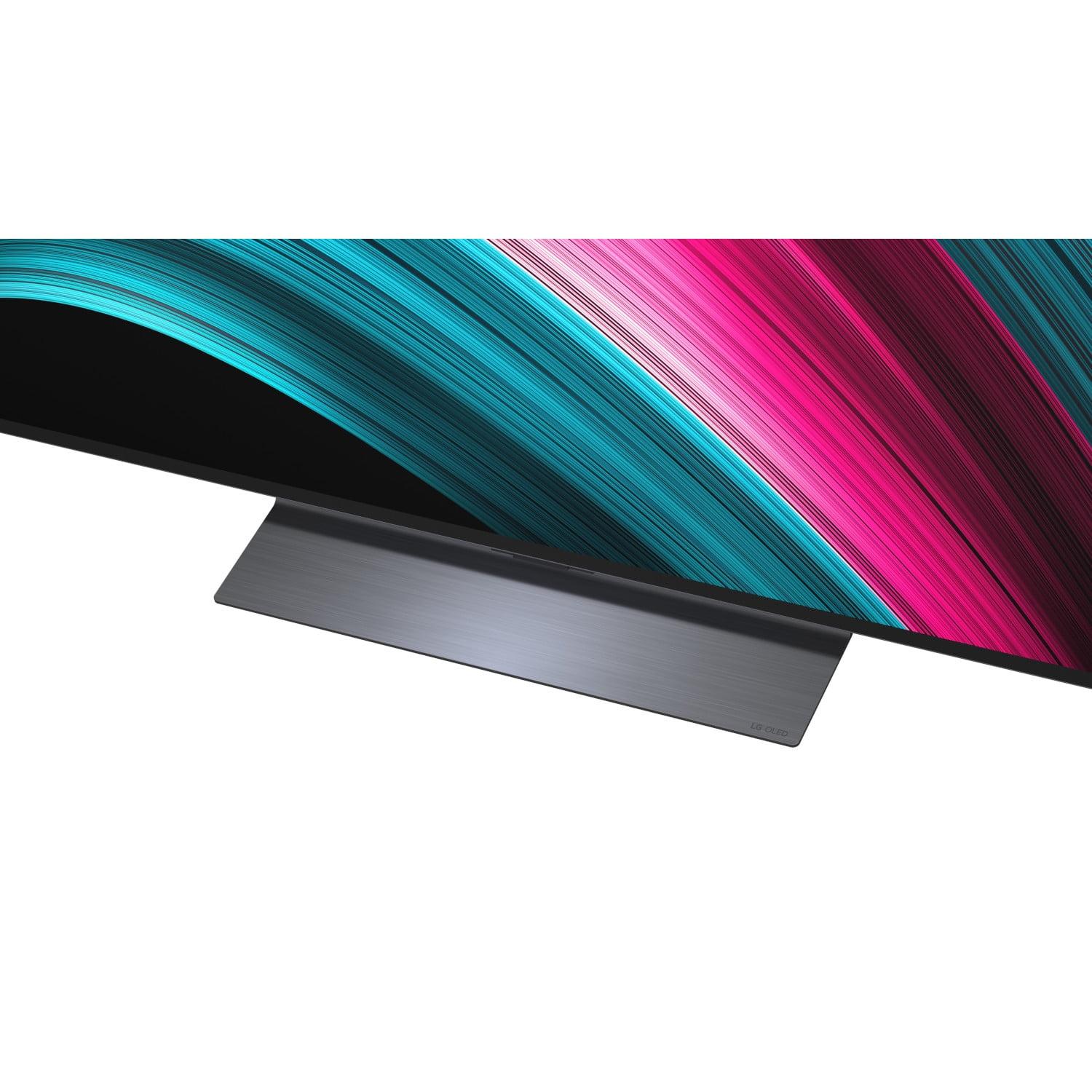
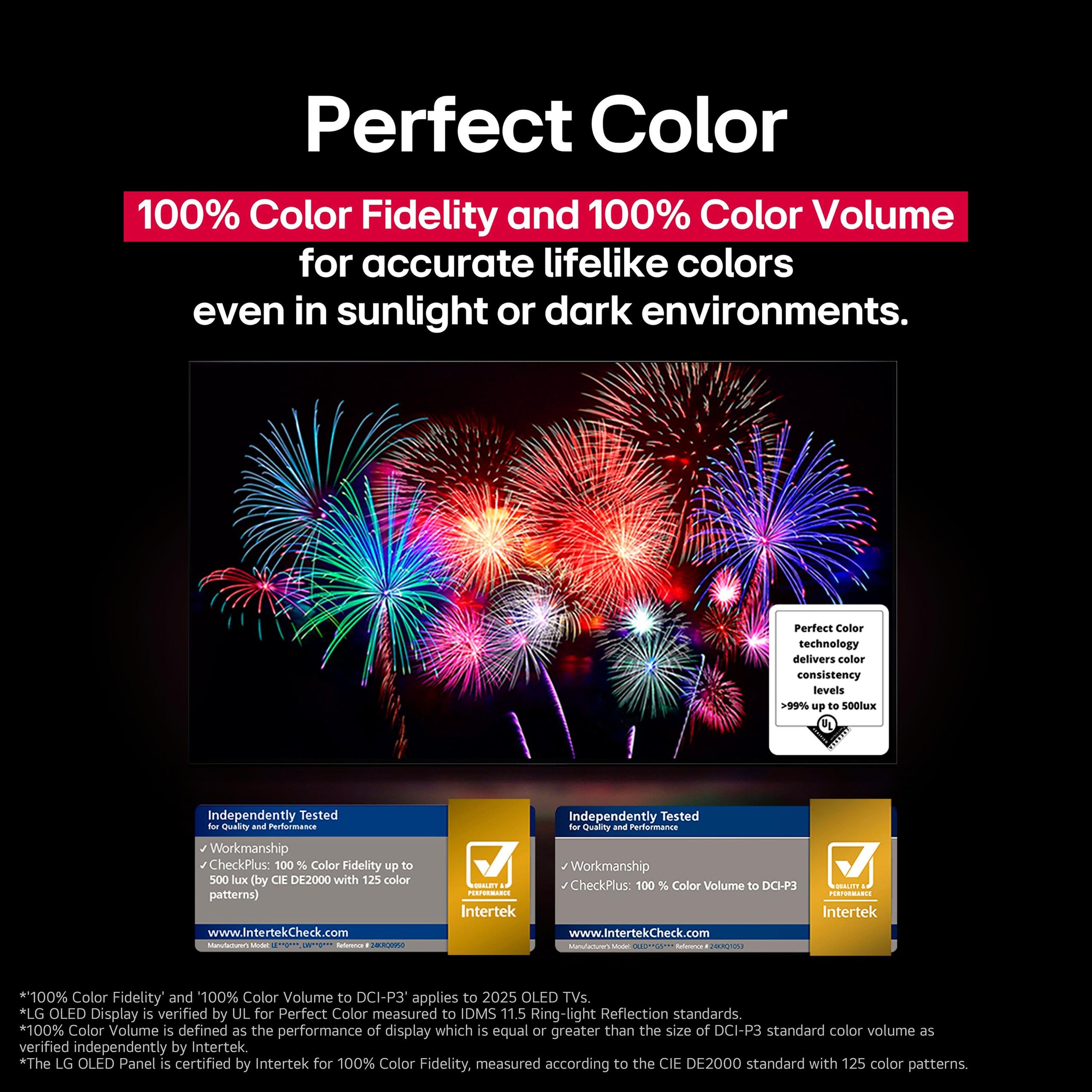
Color volume refers to a display's ability to produce saturated colors at high brightness levels – something that becomes crucial for vibrant HDR content. The Samsung QN85D excels here thanks to its Quantum Dot technology. These microscopic crystals convert light very efficiently, maintaining color saturation even when the display is pushed to high brightness levels.
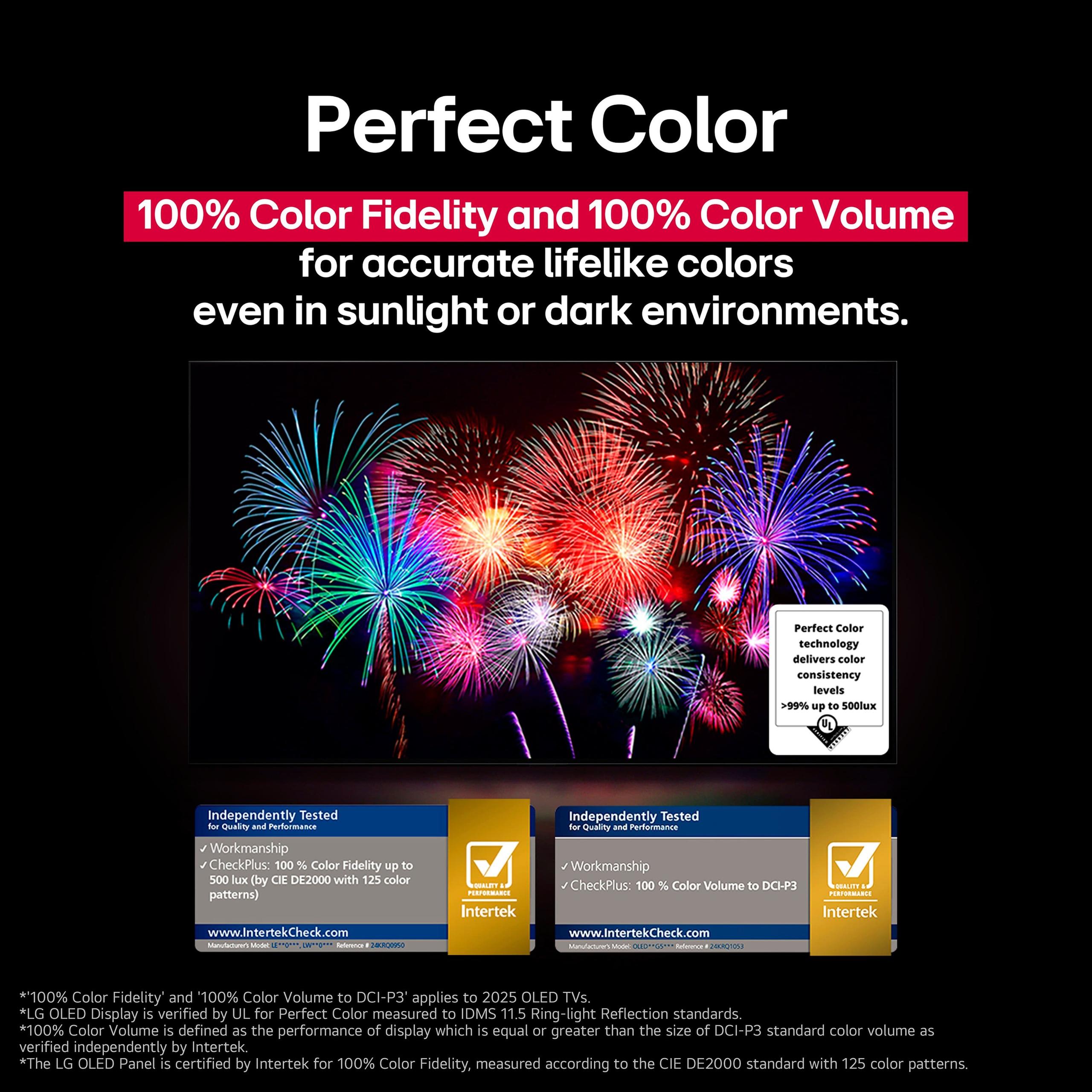
The LG C5 produces exceptionally accurate colors out of the box, often requiring minimal calibration for professional use. However, OLED technology tends to desaturate colors as brightness increases, which means the most vibrant HDR scenes may not appear as punchy as they should. In normal viewing conditions, this difference is subtle, but it becomes more apparent with content specifically mastered to take advantage of high brightness levels.
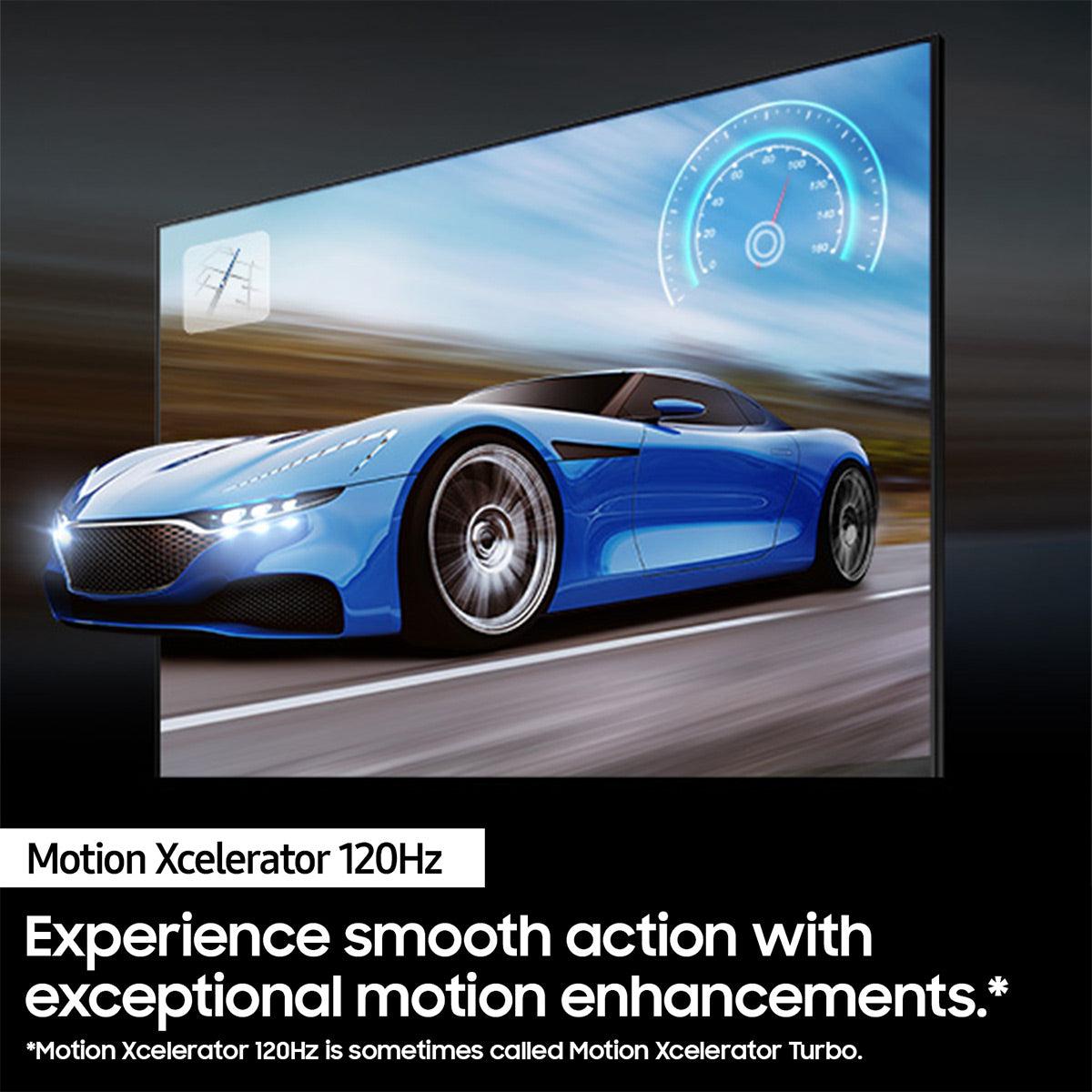
Gaming represents one of the most demanding use cases for modern TVs, requiring low input lag, high refresh rates, and fast response times. The LG OLED evo C5 maintains OLED's traditional dominance in this area with its 0.1ms response time. This essentially eliminates motion blur and ghosting, providing incredibly crisp movement that competitive gamers particularly appreciate.
Both TVs support 120Hz refresh rates and all the latest gaming features including VRR (Variable Refresh Rate), ALLM (Auto Low Latency Mode), and support for both NVIDIA G-Sync and AMD FreeSync. The LG even supports up to 144Hz for PC gaming, making it future-proof for high-end gaming setups.
However, the Samsung's brightness advantage becomes relevant for gaming too. Games with bright, colorful graphics – think "Horizon Forbidden West" or "Spider-Man 2" – benefit from the higher peak brightness that makes HDR effects more impactful. The choice often comes down to whether you prioritize absolute motion clarity (LG) or more vibrant, bright visuals (Samsung).
One practical consideration: the LG C5 finally addresses a long-standing complaint by allowing SDR peak brightness adjustment in game mode. Previous LG OLEDs locked this setting, making some games appear too dim.
Both TVs run mature, feature-rich smart TV platforms that have evolved significantly over the past few years. The LG C5 uses webOS 25, which I find intuitive and responsive. The Magic Remote remains one of the best TV remotes available, with its point-and-click interface feeling natural after years of smartphone use. The platform includes over 300 free channels and integrates well with popular streaming services.
Samsung's Tizen OS on the QN85D offers a different approach with its Smart Hub interface. The platform includes Samsung's Gaming Hub, which provides access to cloud gaming services like Xbox Game Pass and NVIDIA GeForce Now without needing a console. This could be valuable for casual gamers who don't want to invest in gaming hardware.
Both platforms support major voice assistants and smart home integration, with regular updates adding new features. The choice between them often comes down to personal preference rather than significant functional differences.
Audio performance in thin TVs remains challenging, but both models include meaningful improvements. The LG C5 features Dolby Atmos support with AI Sound Pro, which analyzes content and adjusts audio settings accordingly. The integrated speakers provide surprisingly good performance for their size, though serious movie watching still benefits from a dedicated sound system.
The Samsung QN85D includes Object Tracking Sound Lite, which attempts to match audio positioning with on-screen action. During car chase scenes, you'll hear the audio move across the screen as vehicles pan from left to right. It's an impressive effect that adds to the immersion, though it works better with some content than others.
For dedicated home theater setups, the choice becomes more nuanced. The LG OLED evo C5 excels in the controlled lighting environment that most home theaters provide. The perfect blacks and excellent contrast create a cinematic experience that's hard to match, especially when paired with a quality sound system.
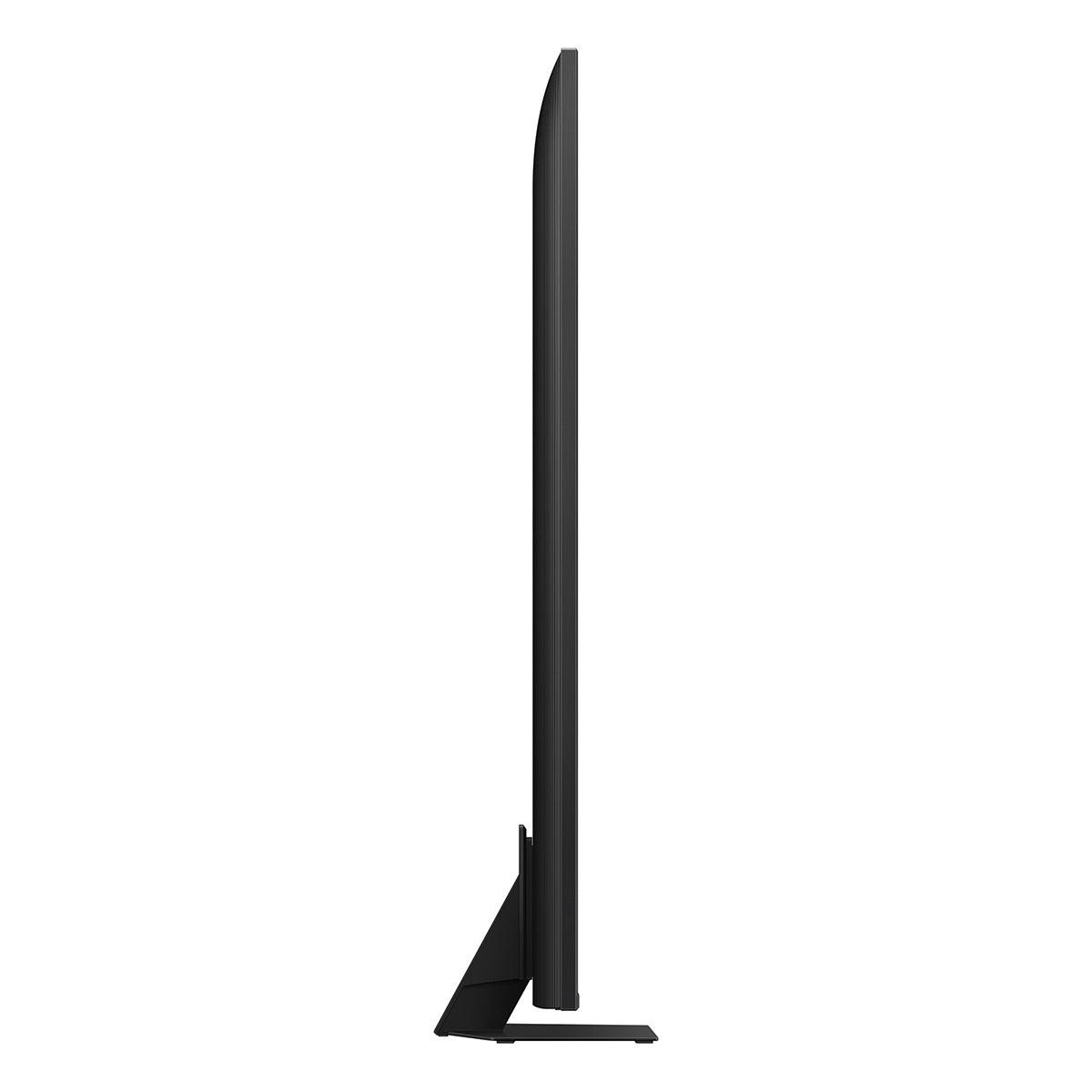
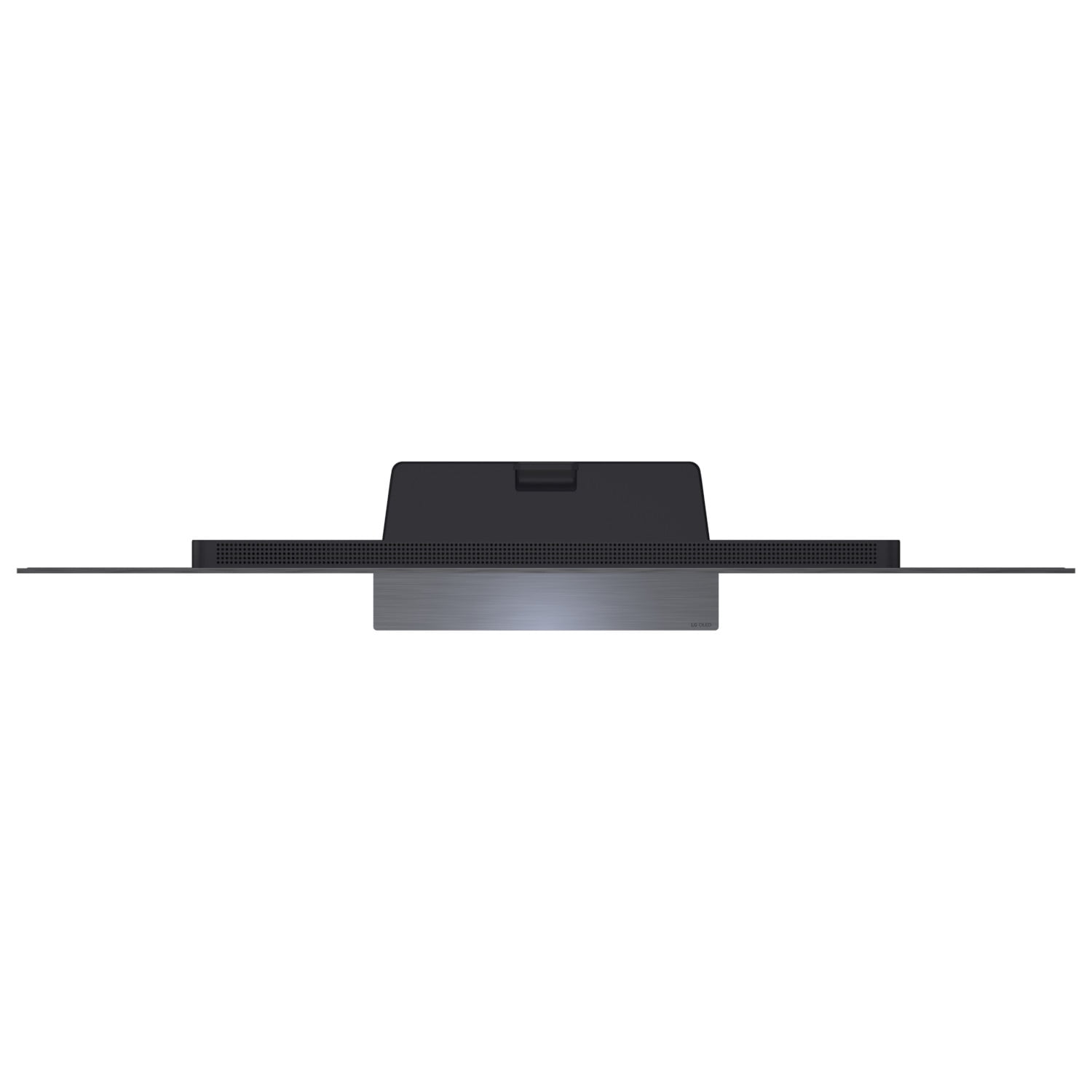
The TV's thin profile and nearly invisible bezels help it disappear into the room when wall-mounted. The improved brightness over previous generations means it can handle a bit more ambient light than older OLEDs, though it still performs best in darker environments.
The Samsung QN85D might be the better choice for multi-purpose rooms that serve as both living space and entertainment center. Its higher brightness helps overcome ambient light from windows or room lighting, while the Mini-LED backlighting provides impressive contrast for the technology type.
OLED technology has improved dramatically regarding durability, but burn-in remains a theoretical concern with static content like news tickers or gaming HUDs. Modern OLEDs include numerous protective features, and burn-in is much less common than it was in early models, but it's still worth considering for specific use cases.
The Samsung QN85D uses traditional LCD technology that doesn't suffer from burn-in, making it potentially more suitable for commercial use or situations with lots of static content. The Mini-LED backlight may dim over many years of use, but this degradation is typically gradual and less noticeable than potential OLED issues.
Both manufacturers offer comprehensive warranties and have good track records for software updates, with LG promising five years of updates through their Re:New Program.
Choosing between these excellent TVs depends heavily on your specific viewing environment and priorities. The LG OLED evo C5 ($2,196.99) represents the pinnacle of contrast performance and gaming responsiveness. It's ideal for dedicated home theaters, serious gamers, and anyone who values cinematic picture quality above all else.
The Samsung QN85D Neo QLED offers better versatility for everyday use, especially in brighter rooms. Its superior HDR brightness and color volume make it excellent for sports, bright movies, and varied family viewing. The lack of burn-in concerns makes it worry-free for any content type.
For my home theater setup, I'd lean toward the LG C5 for its superior contrast and gaming performance. However, for a bright family room where the TV needs to perform well in various lighting conditions, the Samsung QN85D would be the more practical choice.
Both TVs represent significant investments that should provide years of excellent entertainment. The "wrong" choice between them is minimal – you're really choosing between two different approaches to achieving premium picture quality, both of which succeed admirably in their intended use cases.
| LG OLED evo C5 65" 4K TV 2025 | Samsung 65" QN85D Neo QLED 4K Smart TV |
|---|---|
| Display Technology - Fundamentally affects contrast, brightness, and viewing experience | |
| OLED evo (W-OLED) with self-emissive pixels | Neo QLED with Mini-LED backlighting and Quantum Dot |
| Peak Brightness - Critical for HDR performance and bright room viewing | |
| Enhanced brightness vs previous generation, but still OLED-limited | Much higher peak brightness, excellent for HDR highlights |
| Black Levels - Determines contrast ratio and cinematic depth | |
| Perfect blacks with pixels that turn completely off | Very good blacks but some light bleed due to backlight |
| Response Time - Essential for gaming and fast motion | |
| 0.1ms (virtually instantaneous pixel switching) | Fast but not OLED-level (typical Mini-LED response) |
| Gaming Features - Important for console and PC gaming | |
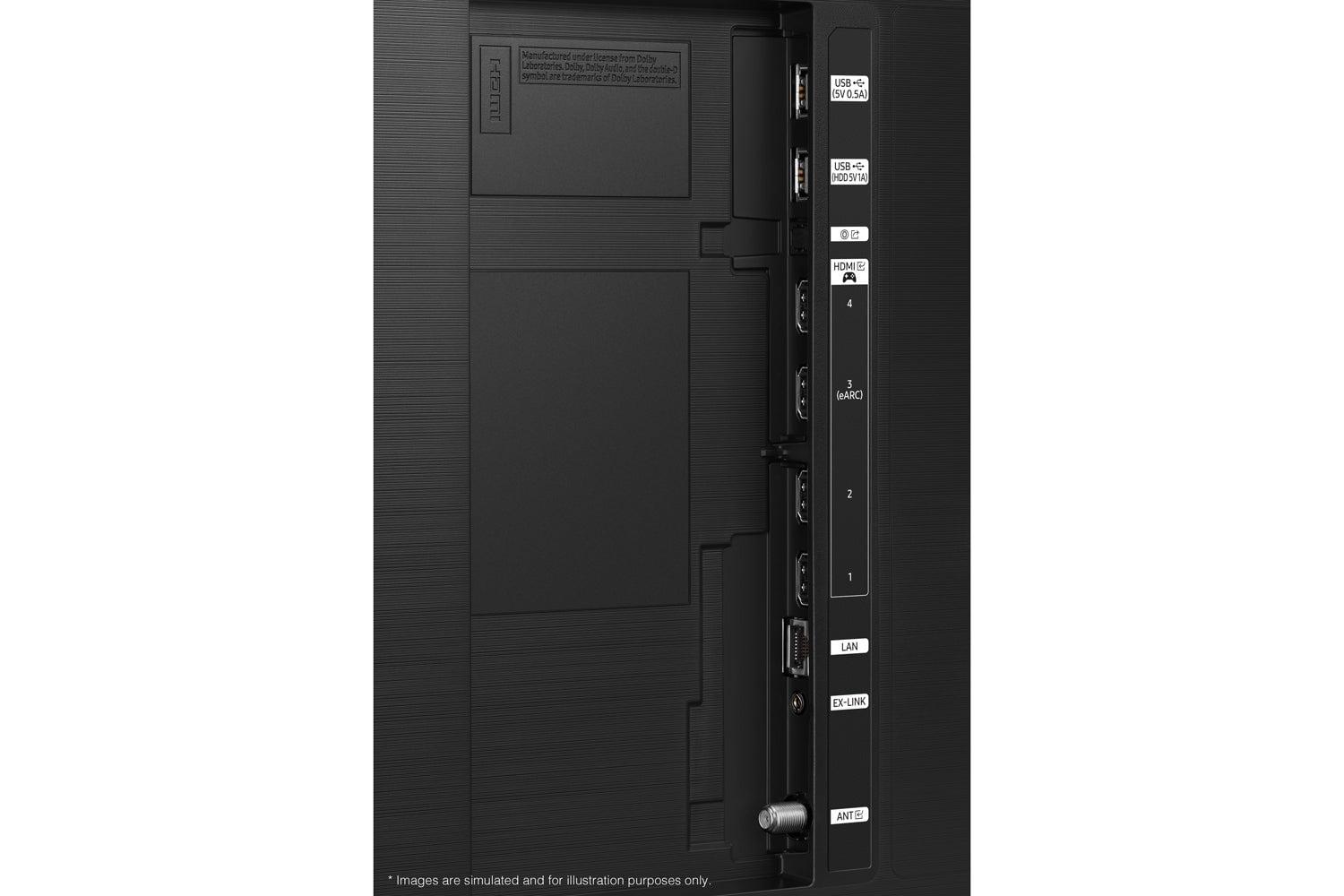
| 4K@144Hz, VRR, ALLM, G-Sync/FreeSync on all 4 HDMI 2.1 ports | 4K@120Hz, VRR, ALLM, Gaming Hub with cloud gaming |
| Processor - Affects upscaling and smart features | |
| Alpha 9 AI Processor Gen8 with AI Picture Pro | NQ4 AI Gen2 Processor with scene optimization |
| Smart Platform - Determines app selection and user experience | |
| webOS 25 with Magic Remote and personalized features | Tizen OS with Samsung Smart Hub and Gaming Hub |
| Audio Technology - Built-in sound quality | |
| Dolby Atmos with AI Sound Pro | Dolby Atmos with Object Tracking Sound Lite |
| Burn-in Risk - Long-term reliability consideration | |
| Potential risk with static content (much improved vs older OLEDs) | No burn-in risk (traditional LCD technology) |
| Viewing Angles - Important for group viewing | |
| Excellent (maintains quality from wide angles) | Very good but not OLED-level |
| Best Use Case - Where each TV excels | |
| Dark rooms, home theaters, competitive gaming | Bright rooms, HDR content, family viewing |
| Price - Value consideration | |
| $2,196.99 premium OLED pricing | More affordable Neo QLED with strong feature set |
The LG OLED evo C5 65" 4K TV 2025 is significantly better for dark room viewing. OLED technology produces perfect blacks by turning pixels completely off, creating infinite contrast that makes movies look cinematic. The Samsung 65" QN85D Neo QLED 4K Smart TV has good contrast but can't match OLED's perfect blacks due to its backlight system.
The Samsung 65" QN85D Neo QLED gets much brighter than the LG OLED evo C5. Samsung's Mini-LED backlighting can produce eye-searing highlights that make HDR content more impactful, especially bright scenes like explosions or sunlight. While LG improved brightness in 2025, OLED technology still has physical limitations for peak brightness.
The LG OLED evo C5 65" 4K TV 2025 is better for serious gaming, offering 0.1ms response time and support for 4K at 144Hz. Both TVs support VRR, ALLM, and have four HDMI 2.1 ports, but OLED's instantaneous pixel response eliminates motion blur. The Samsung QN85D is still excellent for gaming but can't match OLED's motion clarity.
The Samsung 65" QN85D Neo QLED 4K Smart TV performs much better in bright rooms. Its higher peak brightness helps overcome ambient light, while the LG C5 can struggle with glare despite 2025 improvements. Samsung's anti-reflective coating and superior brightness make it ideal for living rooms with lots of windows.
The LG OLED evo C5 65" 4K TV 2025 has superior out-of-the-box color accuracy, often requiring minimal calibration. However, the Samsung QN85D maintains color saturation better at high brightness levels thanks to Quantum Dot technology. For professional use, LG wins; for vibrant, bright content, Samsung excels.
The Samsung 65" QN85D Neo QLED is more reliable long-term since it uses traditional LCD technology with no burn-in risk. The LG OLED evo C5 has greatly improved durability but still carries theoretical burn-in risk with static content like news tickers or gaming HUDs, though this is rare in modern OLEDs.
The LG OLED evo C5 65" 4K TV 2025 is superior for dedicated home theater setups. Perfect blacks and infinite contrast create a cinematic experience that's hard to match in controlled lighting. The Samsung QN85D works better for multi-purpose rooms where ambient light is a factor.
Both TVs offer excellent smart platforms. The LG C5 uses webOS 25 with the intuitive Magic Remote, while the Samsung QN85D features Tizen OS with Samsung's Gaming Hub for cloud gaming. Choice depends on personal preference, though Samsung's gaming integration gives it an edge for casual gamers.
The Samsung 65" QN85D Neo QLED 4K Smart TV typically offers better value, providing premium features at a lower price point than the LG OLED evo C5 ($2,196.99). However, if you prioritize perfect picture quality and have a dark viewing environment, the LG justifies its premium pricing.
The LG OLED evo C5 65" 4K TV 2025 has superior viewing angles, maintaining consistent picture quality from wide angles. The Samsung QN85D has good viewing angles for an LCD TV but can't match OLED's consistency when viewed from the side, making LG better for group viewing.
The Samsung 65" QN85D Neo QLED 4K Smart TV is better for sports in most home environments. Its higher brightness performs well in bright rooms where sports are typically watched, and the vibrant colors make uniforms and grass look more vivid. The LG C5 excels in dark rooms but struggles with ambient light during daytime sports.
Choose the LG OLED evo C5 65" 4K TV 2025 if you have a dark viewing environment, prioritize perfect picture quality, or game competitively. Choose the Samsung 65" QN85D Neo QLED if you watch TV in bright rooms, want better value, or need worry-free reliability without burn-in concerns. Both are excellent TVs with different strengths.
We've done our best to create useful and informative comparisons to help you decide what product to buy. Our research uses advanced automated methods to create this comparison and perfection is not possible - please contact us for corrections or questions. These are the sites we've researched in the creation of this article: bestbuy.com - rtings.com - youtube.com - businessinsider.com - youtube.com - bestbuy.com - lg.com - files.bbystatic.com - lg.com - flatpanelshd.com - lg.com - blvdhome.com - bhphotovideo.com - flanners.com - videopro.com.au - videoandaudiocenter.com - shopjetson.com - mysoundconcepts.com - samsung.com - merlinstv.com - youtube.com - samsung.com - samsung.com

Privacy Policy
Terms and Conditions - Affiliate Policy
Home Security
© Copyright 2008-2026.
11816 Inwood Rd #1211, Dallas, TX 75244