

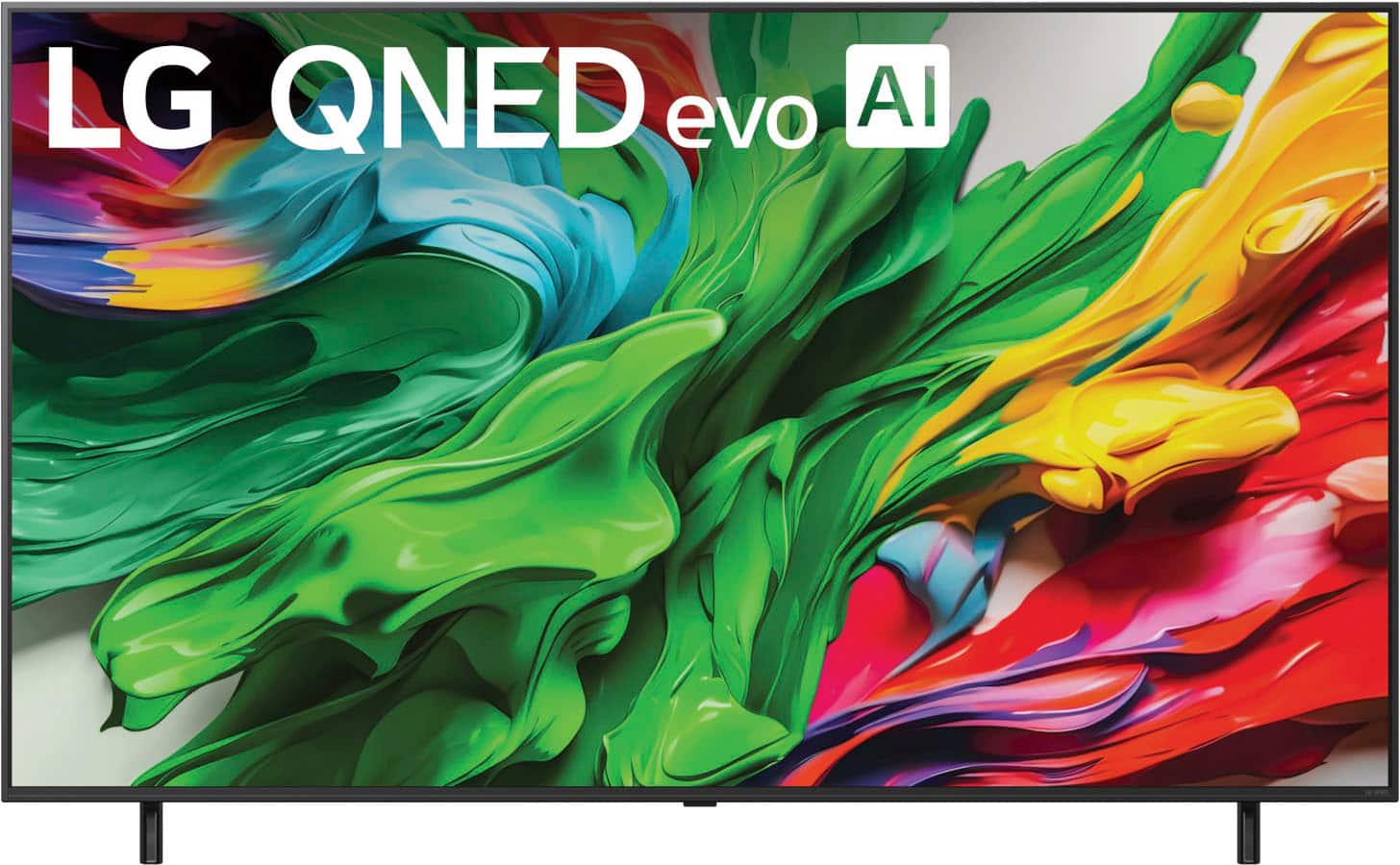
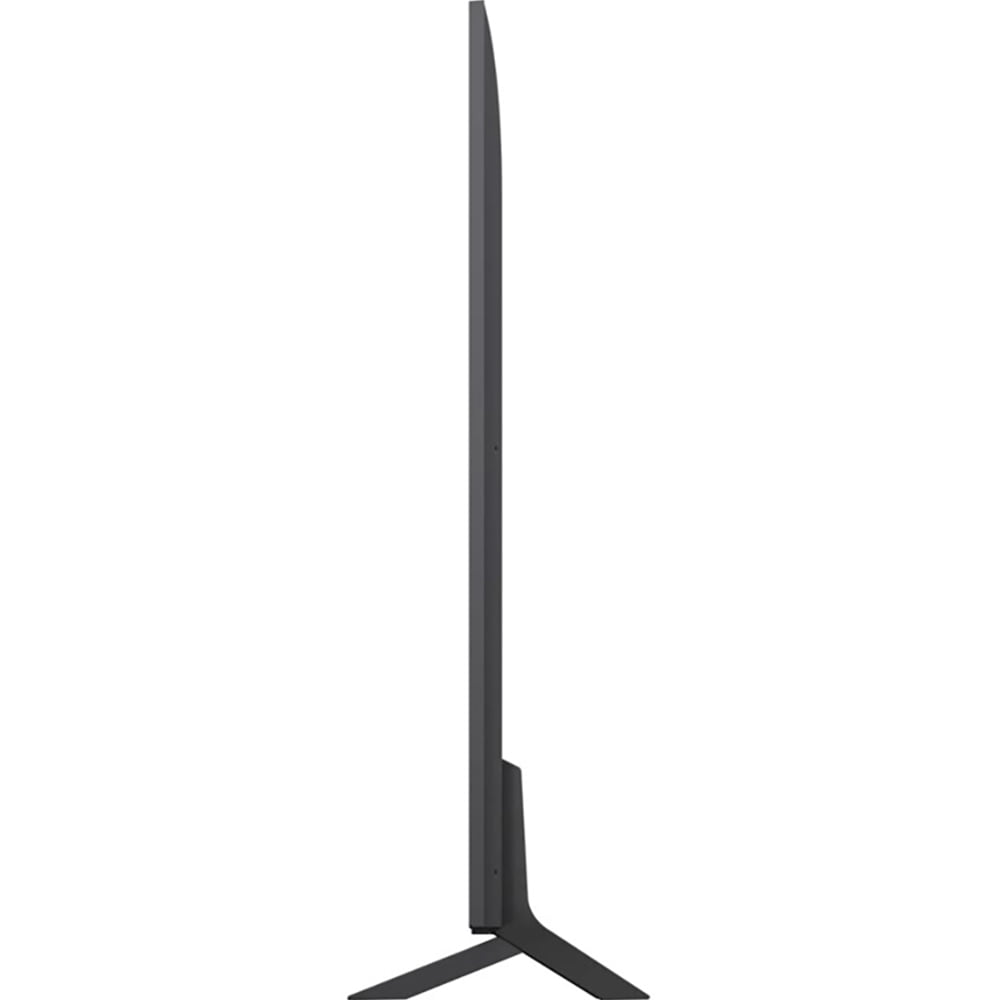
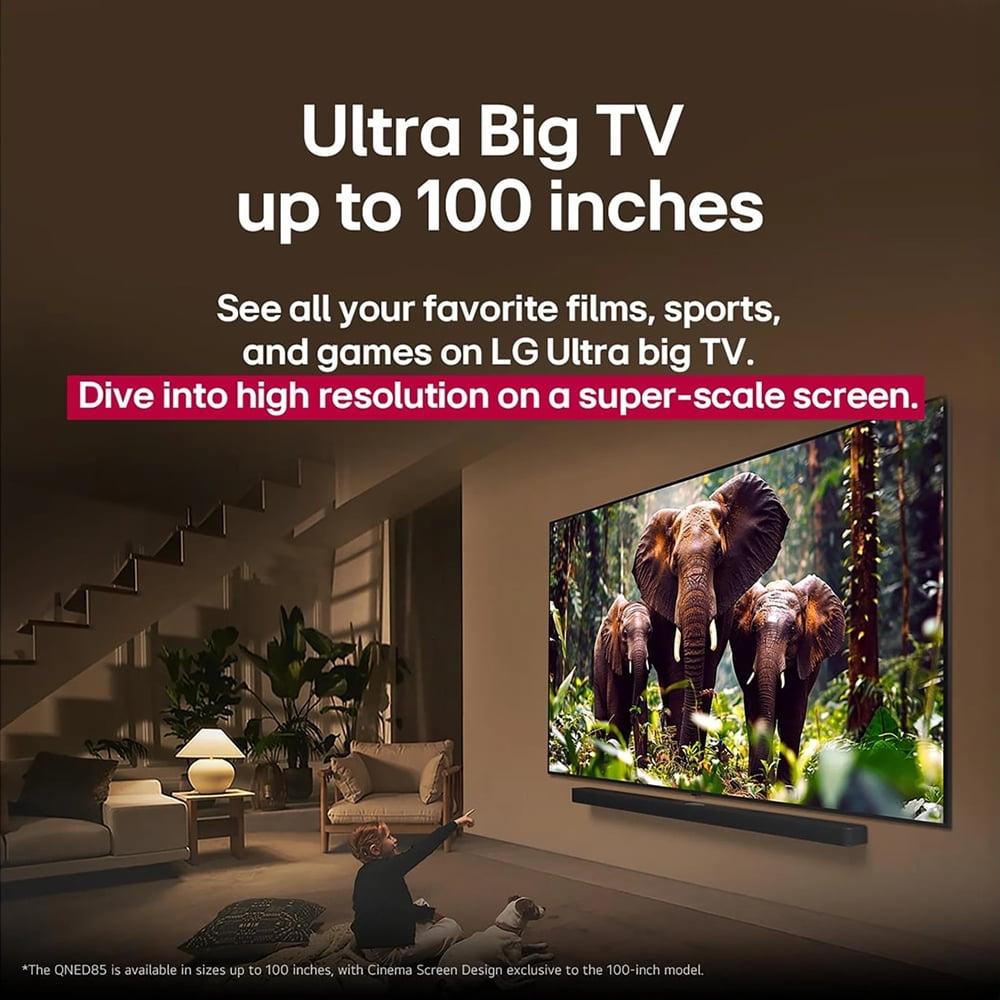


Shopping for a new TV can feel overwhelming, especially when you're looking at two excellent options that take completely different approaches to delivering great picture quality. That's exactly the situation with LG's 65" QNED evo AI QNED85A for $999.99 and the OLED evo C5 65" for $2,196.99. Both hit the market in early 2025, but they represent fundamentally different display technologies that excel in different situations.
Before diving into the specifics, let's talk about what makes these TVs tick. The TV world has essentially split into two camps: LCD-based displays (like the QNED85A) and OLED displays (like the C5). Think of it like comparing a flashlight to a candle – both produce light, but in completely different ways.
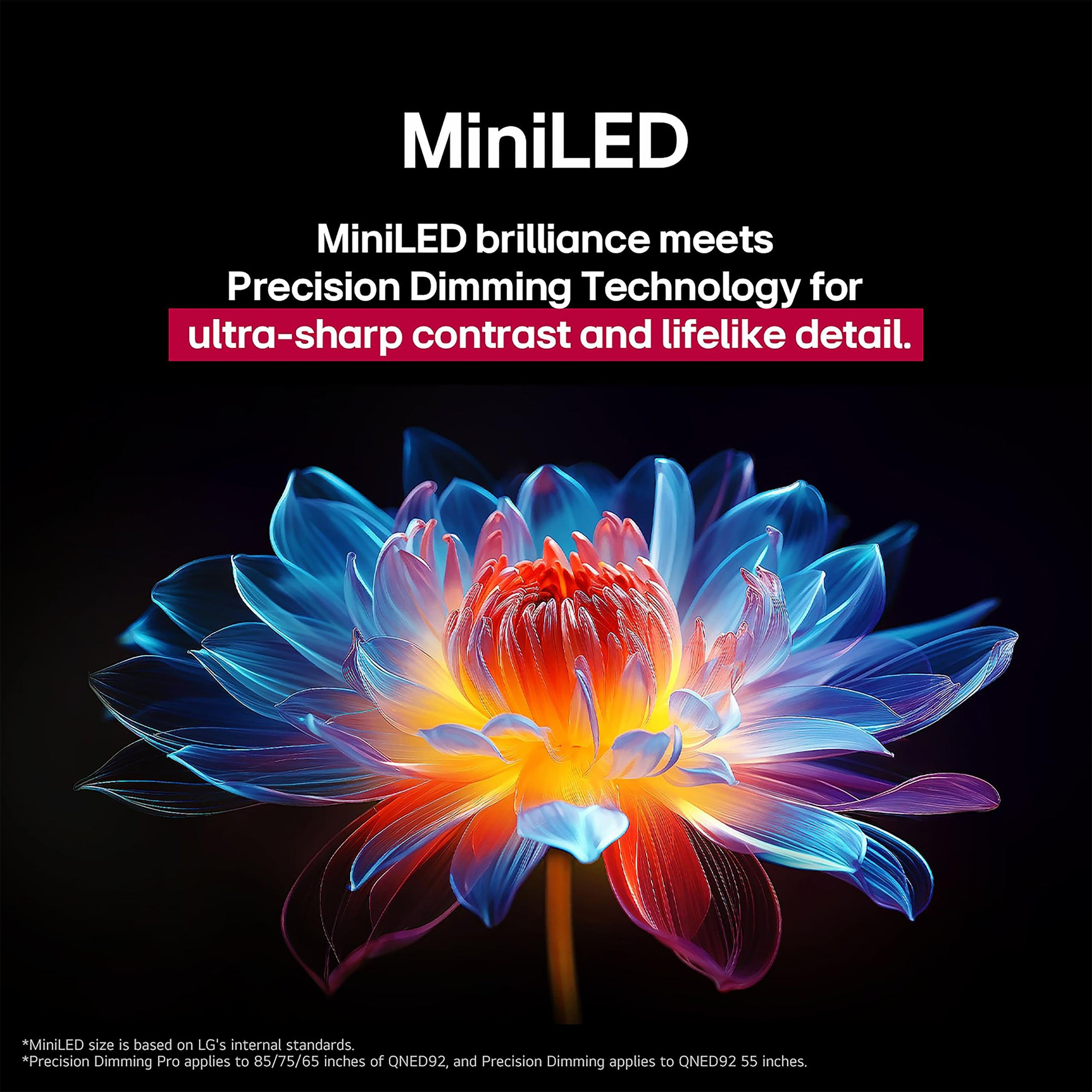
The QNED85A uses what's called MiniLED backlighting, which means thousands of tiny LED lights sit behind the screen, shining through liquid crystals to create the picture. It's like having a massive grid of tiny flashlights that can dim and brighten independently. This approach can get incredibly bright – we're talking over 1,000 nits of peak brightness, which is roughly 10 times brighter than your typical living room lighting.
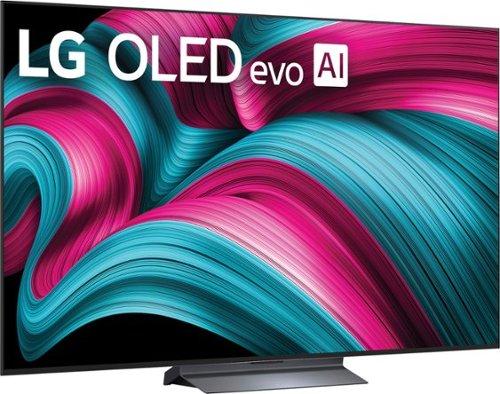
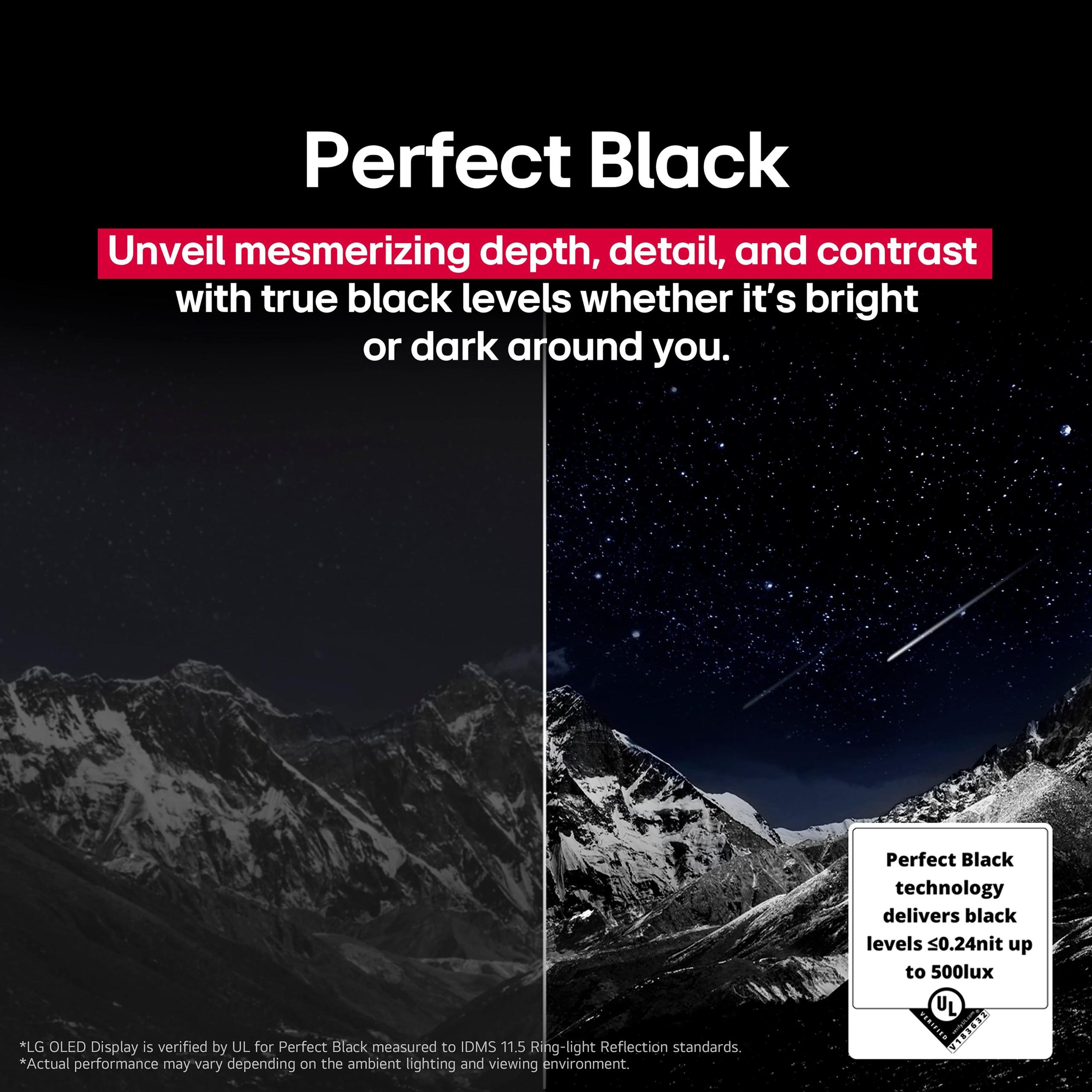
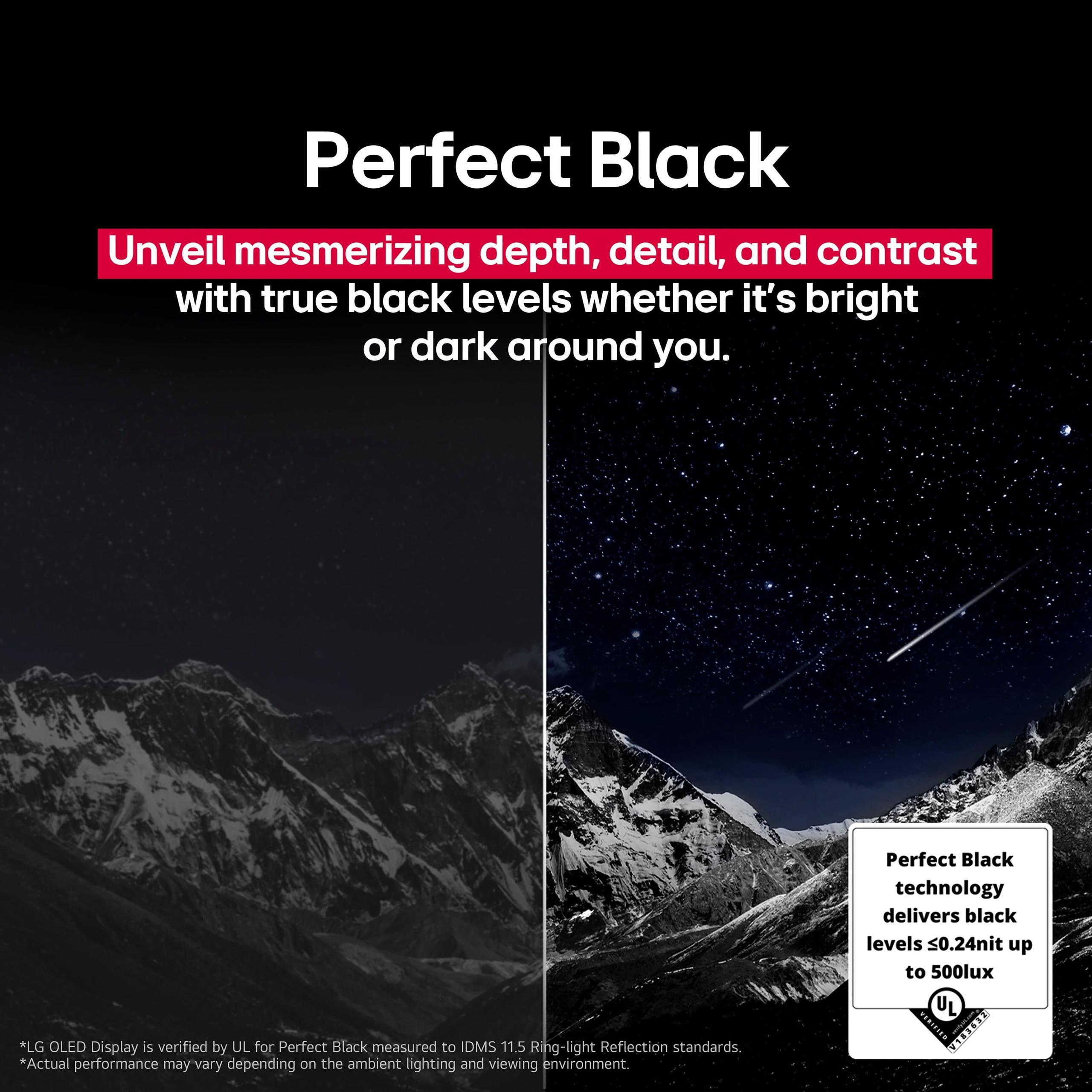
The OLED C5, on the other hand, uses pixels that create their own light. Each of the 8.3 million pixels can turn completely on or completely off, like individual candles that can be snuffed out instantly. This means when you're watching a scene with a starry night sky, those black areas are truly black – not just dark gray like on traditional TVs.
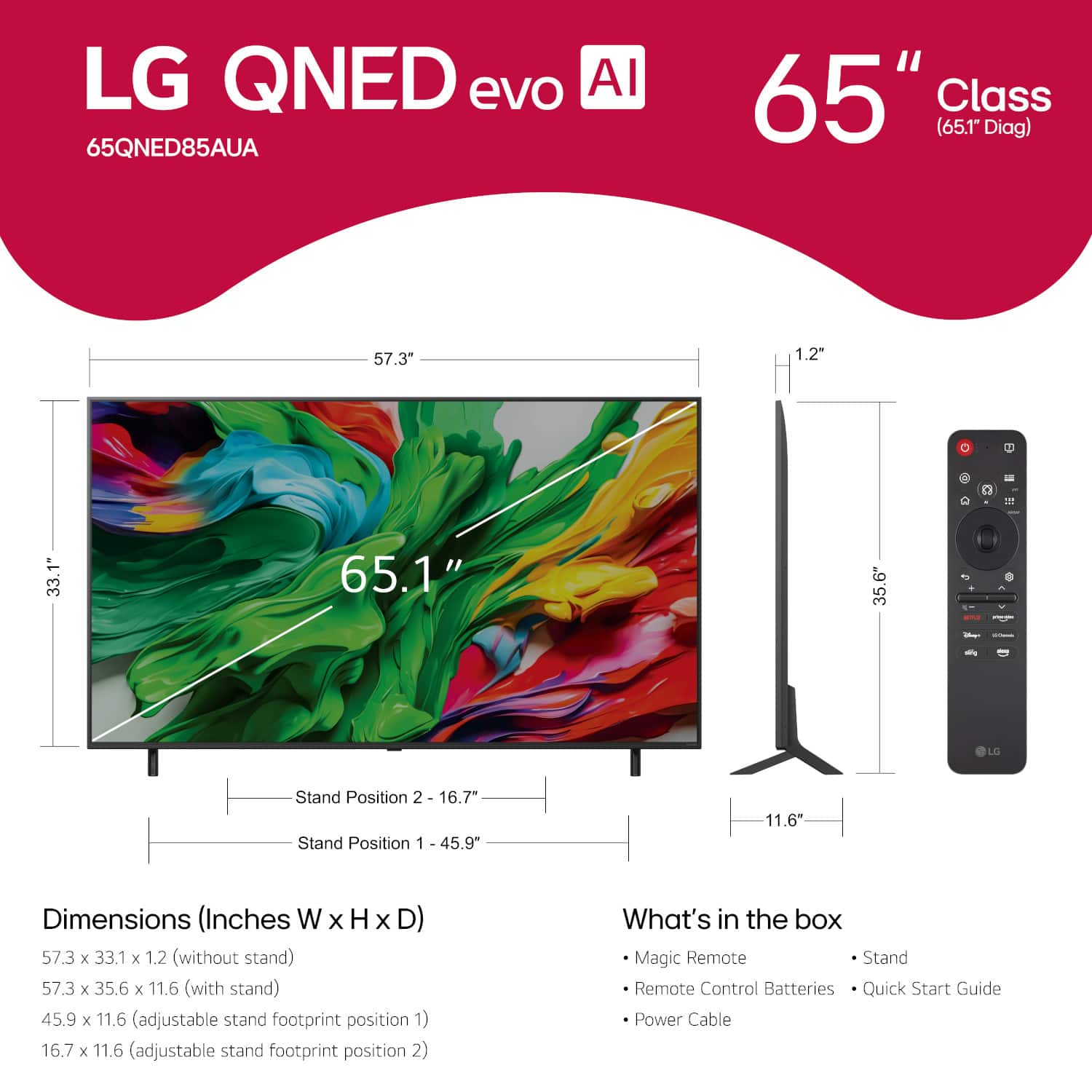
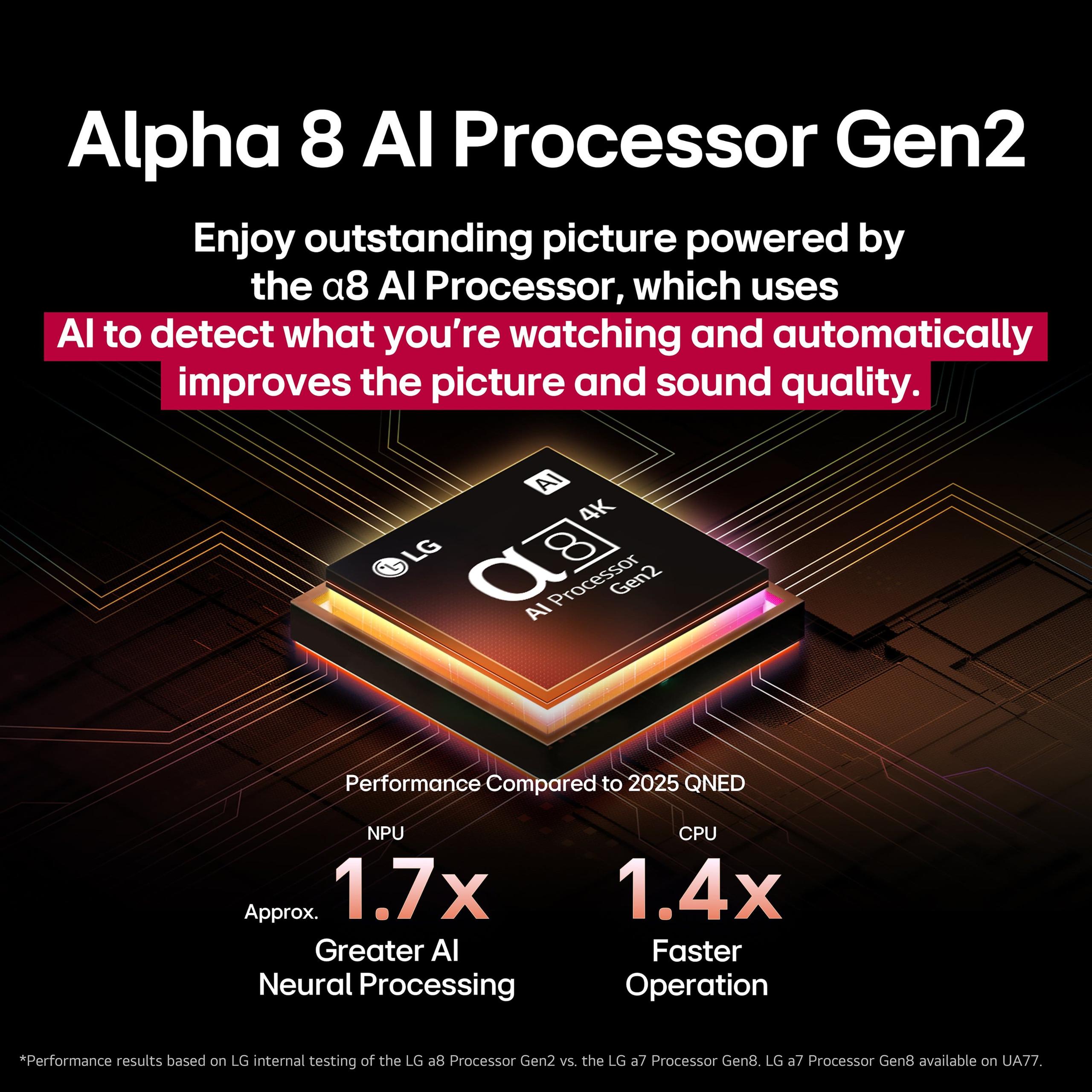
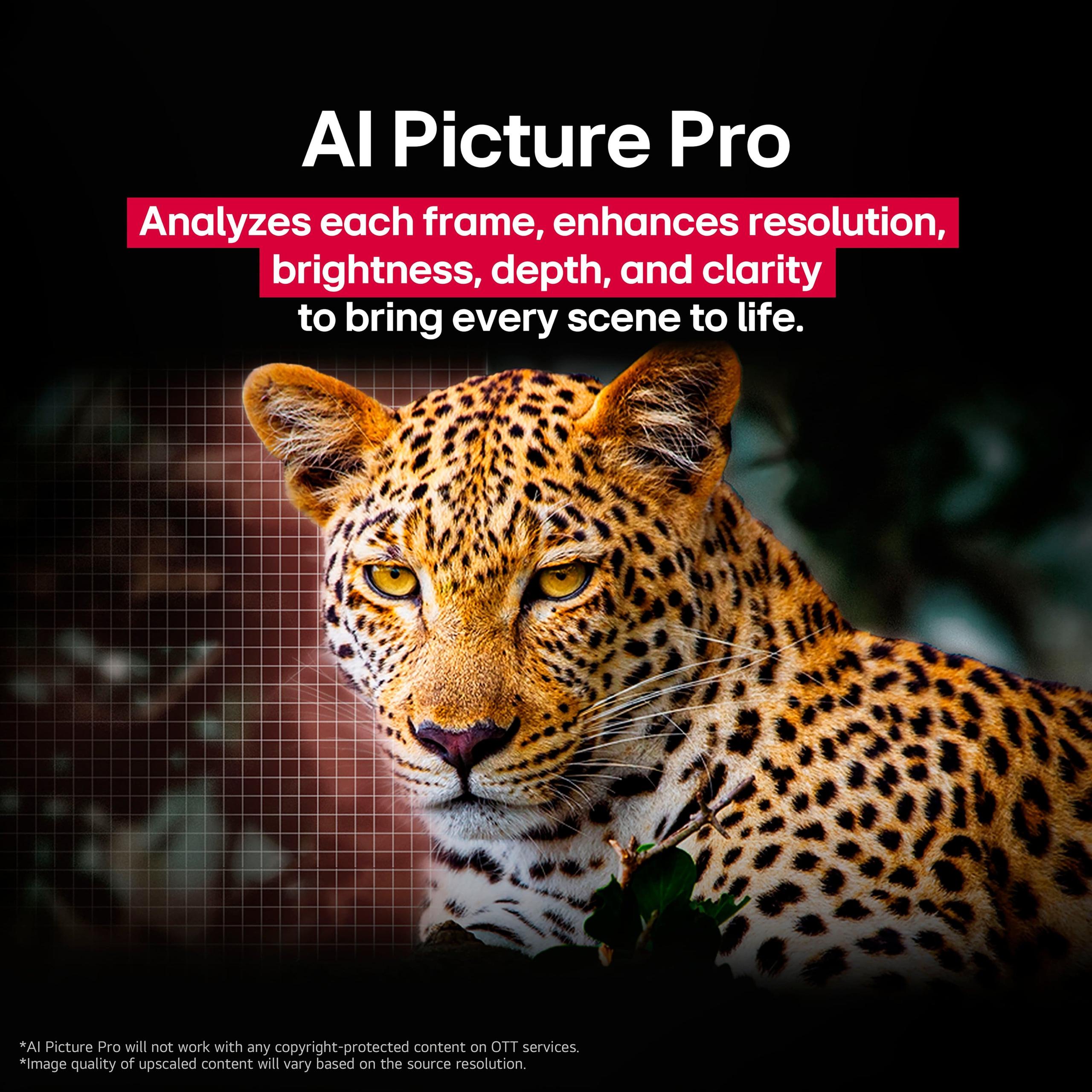
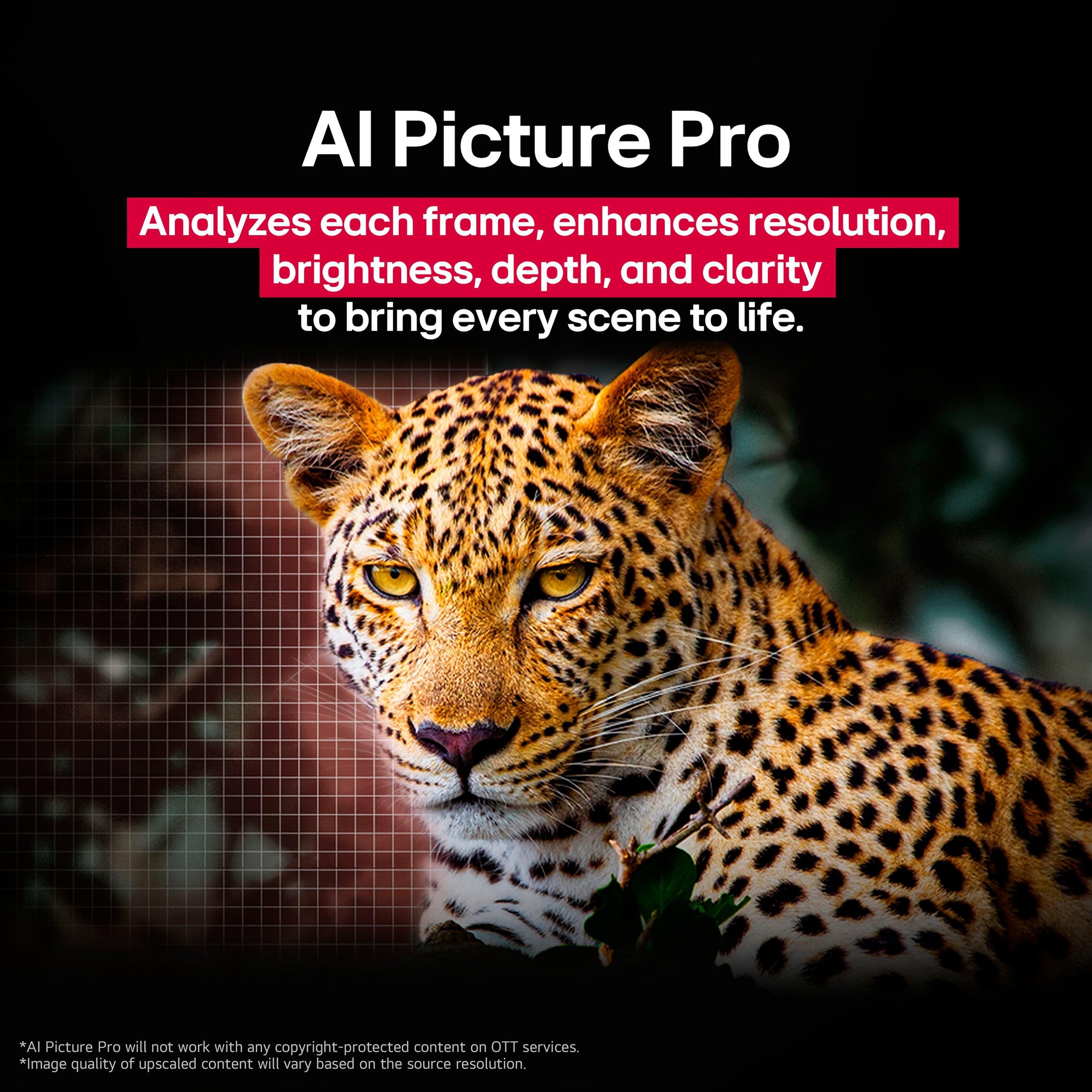
Both TVs launched in early 2025 with some significant upgrades from their predecessors. The QNED85A received LG's new α8 Gen 2 AI Processor, which delivers up to 70% better AI performance than the previous generation. This isn't just marketing speak – it means the TV can better analyze what you're watching and adjust things like noise reduction and color enhancement in real-time.
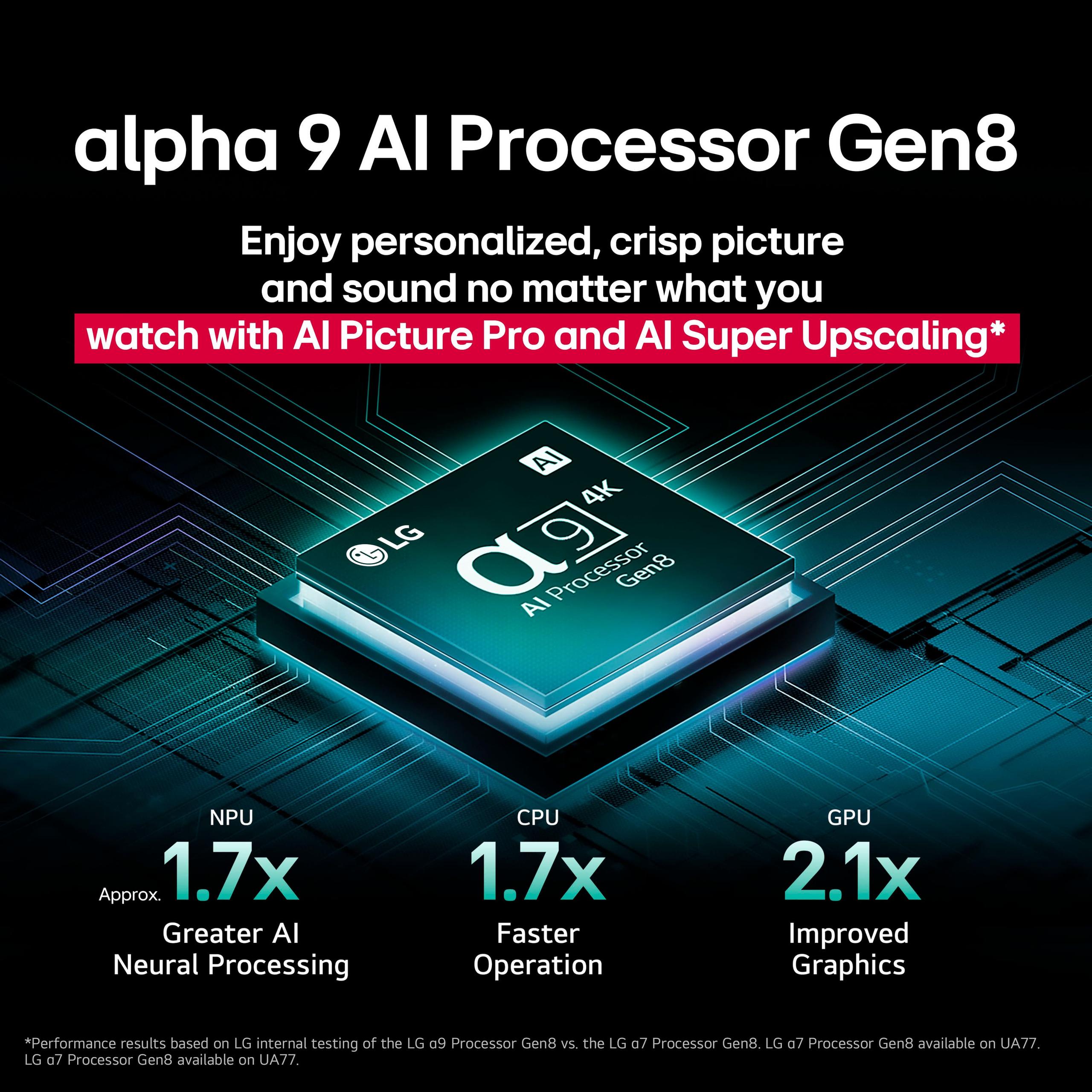
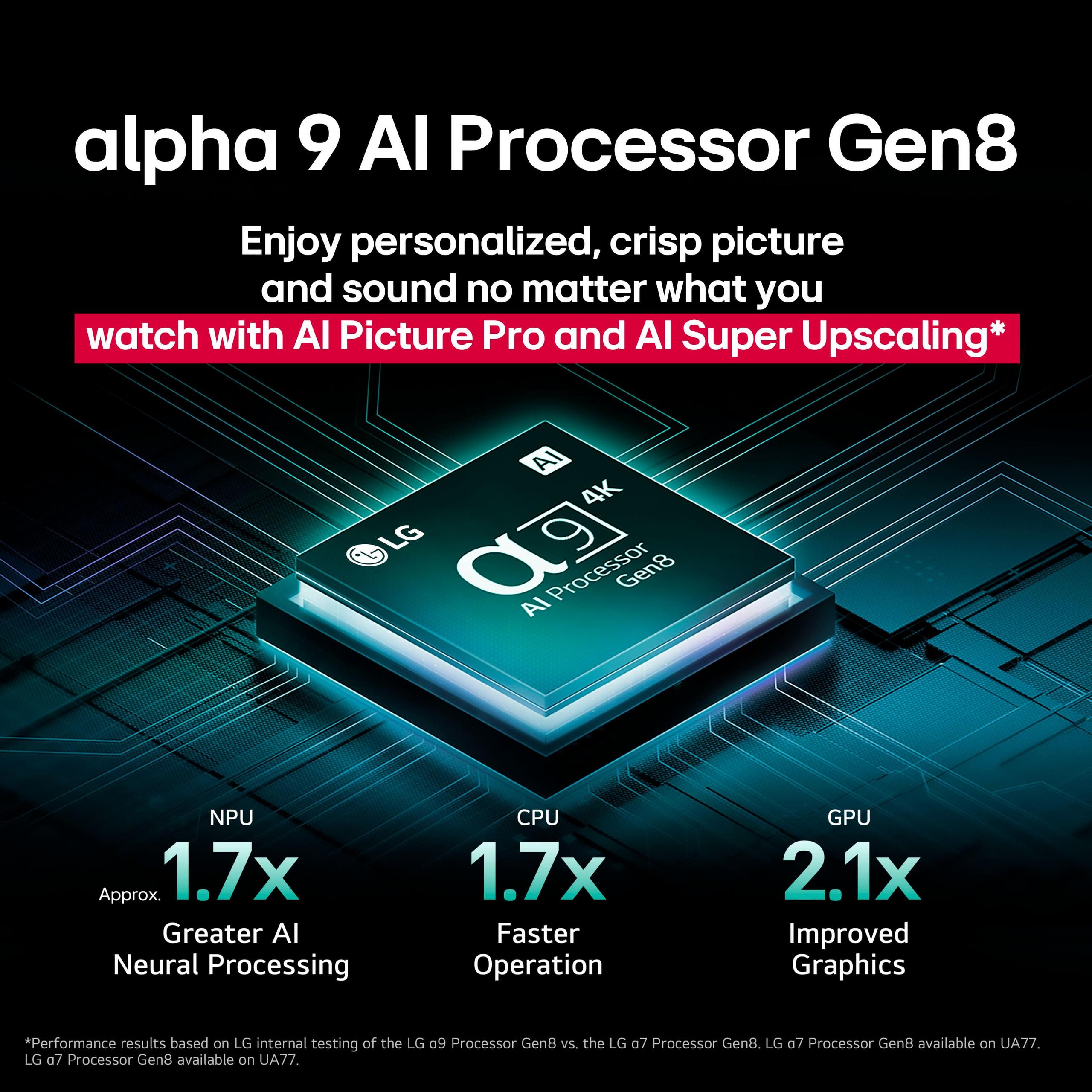
The OLED C5 got the Alpha 9 AI Processor Gen8, plus what LG calls "Bright Room Ready" technology. This addresses one of OLED's traditional weaknesses – performing well in bright rooms. While it's still not as bright as the QNED85A, it's a meaningful improvement over the 2024 C4 model.
Both TVs run webOS 25, LG's latest smart TV platform, which promises five years of software updates through the Re:New Program. This is huge for long-term value, as your TV will keep getting new features and security updates well into the future.
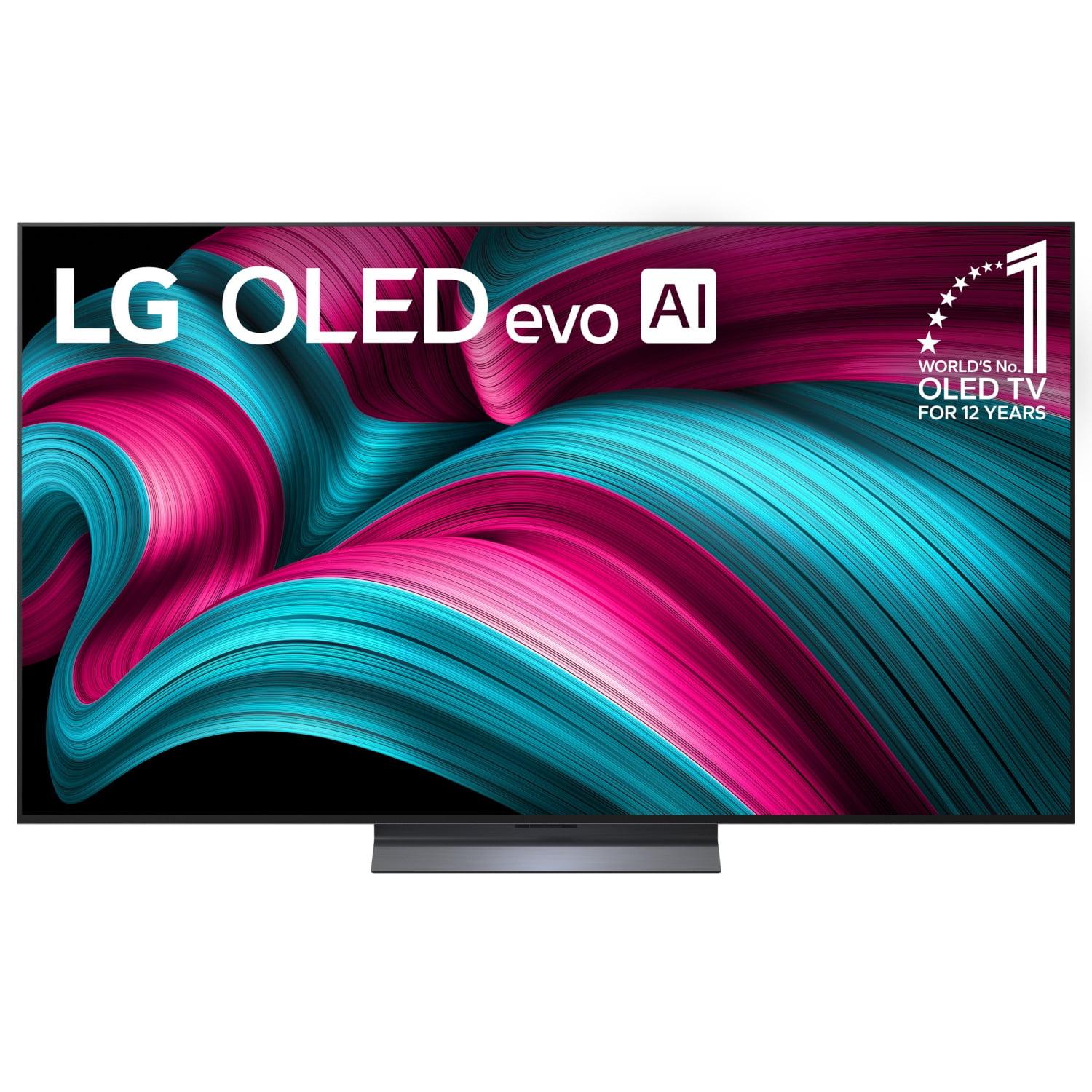
When it comes to picture quality, these TVs excel in different areas. The QNED85A is what I'd call a "bright room champion." If your living room has big windows or you watch TV during the day, this is where MiniLED technology really shines. The peak brightness capability means HDR content – those scenes with bright explosions or sunny landscapes – will have that eye-popping impact that makes you feel like you're there.
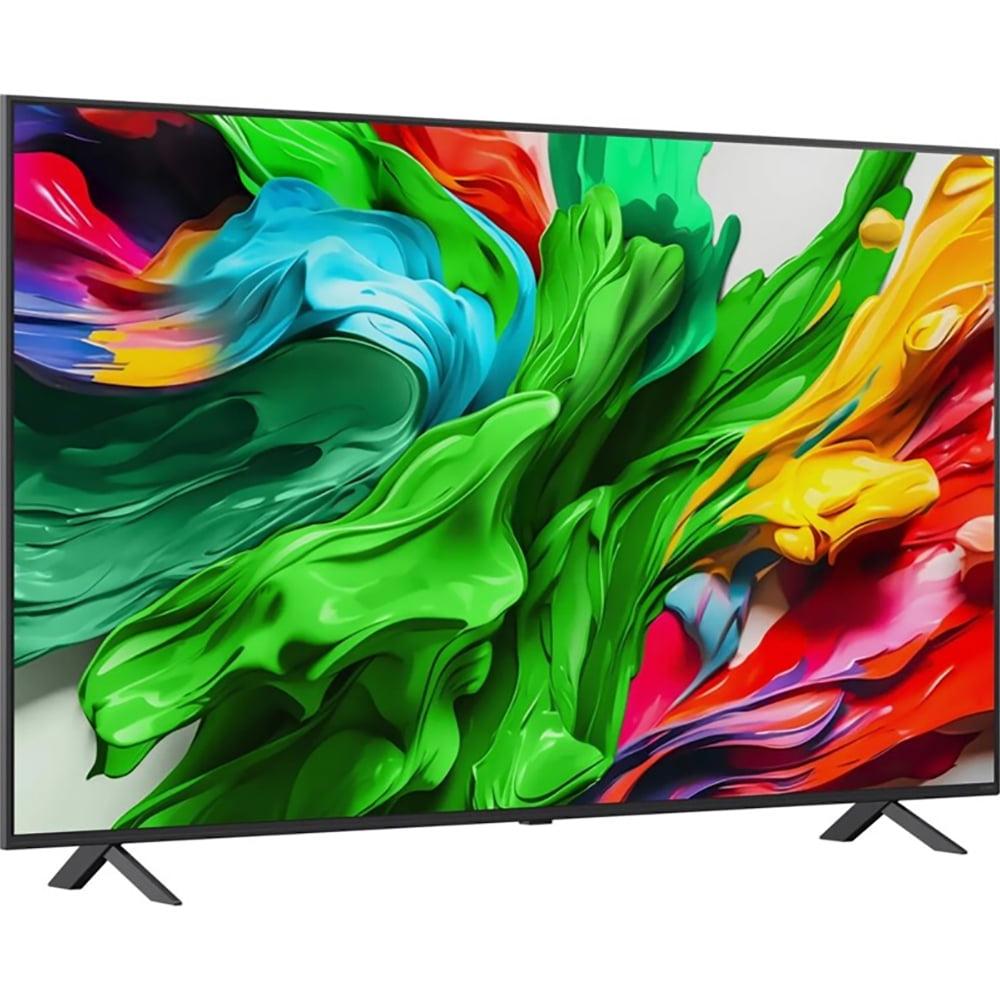
However, there's a trade-off called "blooming." Since the MiniLED zones are still relatively large compared to individual pixels, bright objects on dark backgrounds can create a subtle halo effect. It's most noticeable when watching credits roll over a black background or seeing bright stars against a dark sky. The QNED85A's Precision Dimming Pro helps minimize this, but it can't eliminate it entirely.
The OLED C5 approaches picture quality from the opposite direction. Its perfect blacks create what's called "infinite contrast" – the difference between the darkest and brightest parts of the image. When you're watching a movie like "Blade Runner 2049" or any space thriller, those dark scenes have incredible depth and detail that LCD TVs simply can't match. Colors also appear more natural and film-like, partly because they're not fighting against a backlight.
The brightness improvements in the C5 are noteworthy. While it still can't match the QNED85A's peak brightness, it's now bright enough for most living rooms, especially with some basic light control like closing curtains during day viewing.
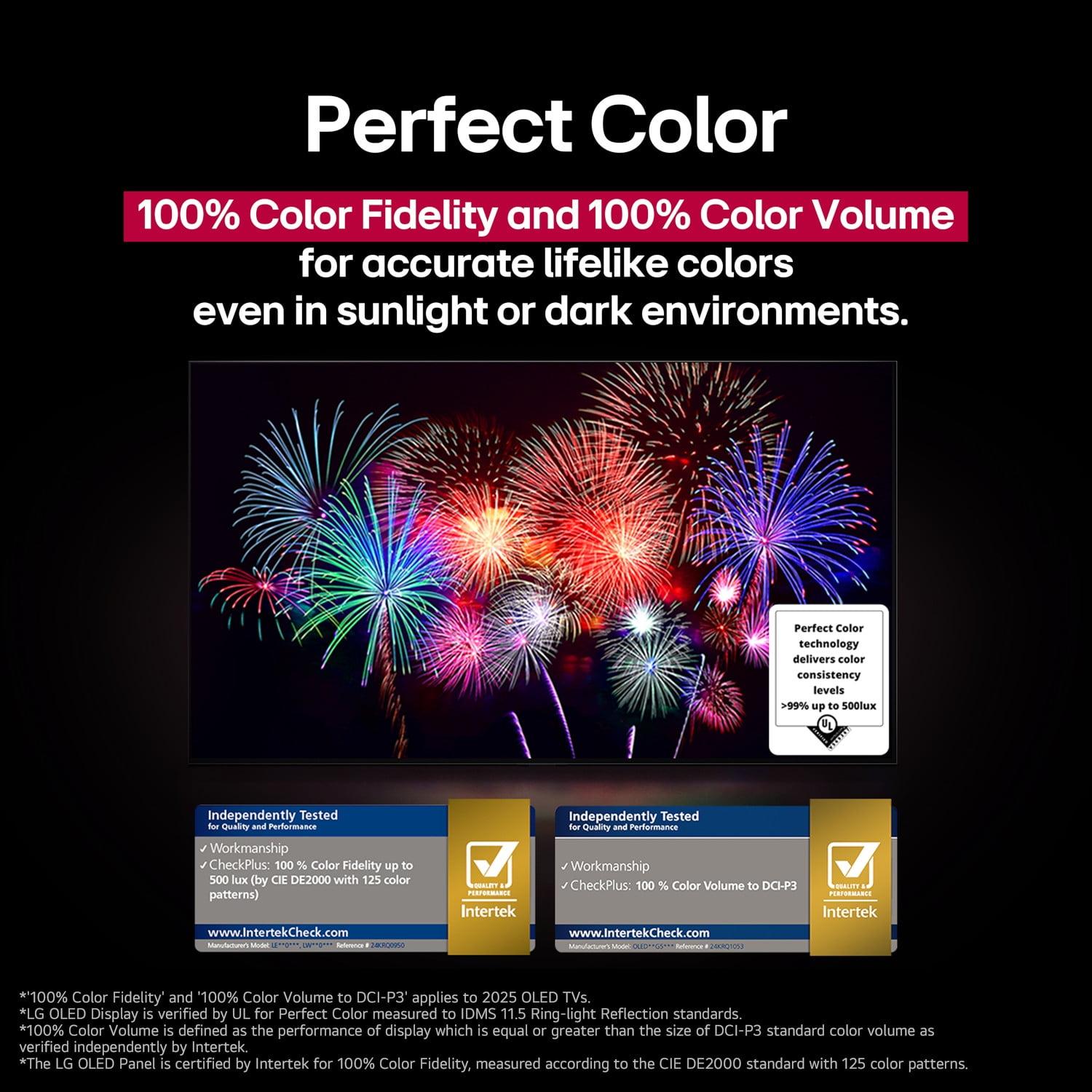
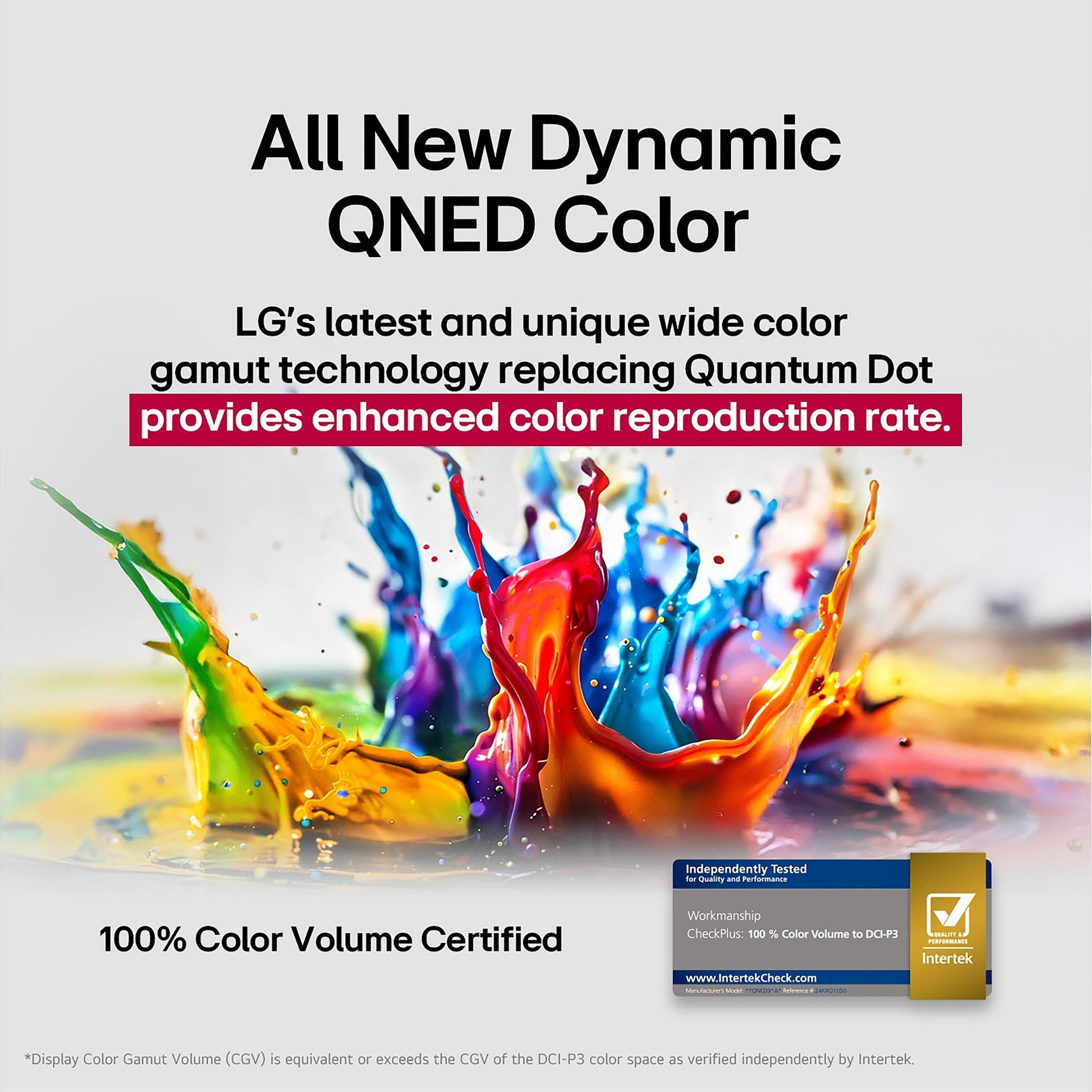
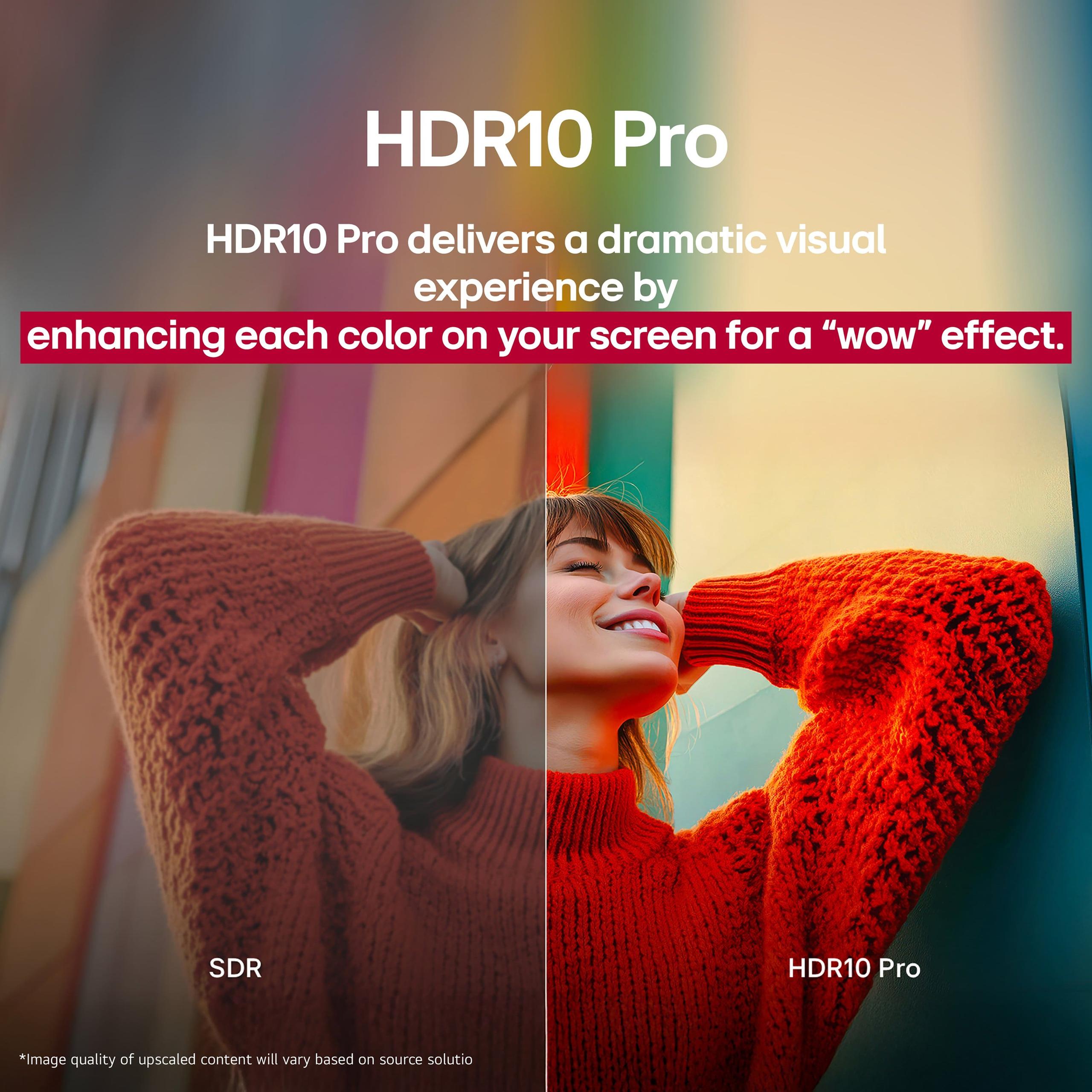
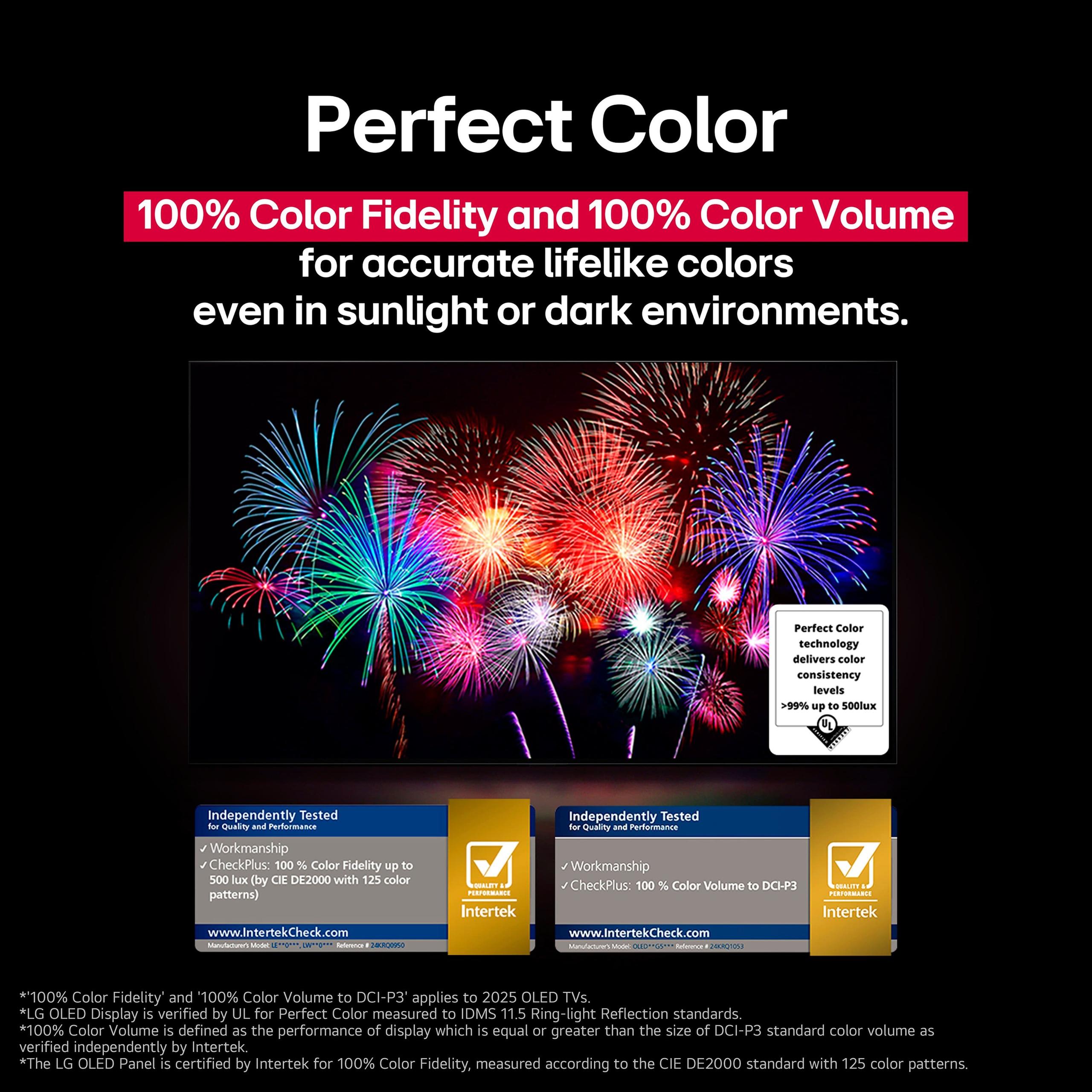
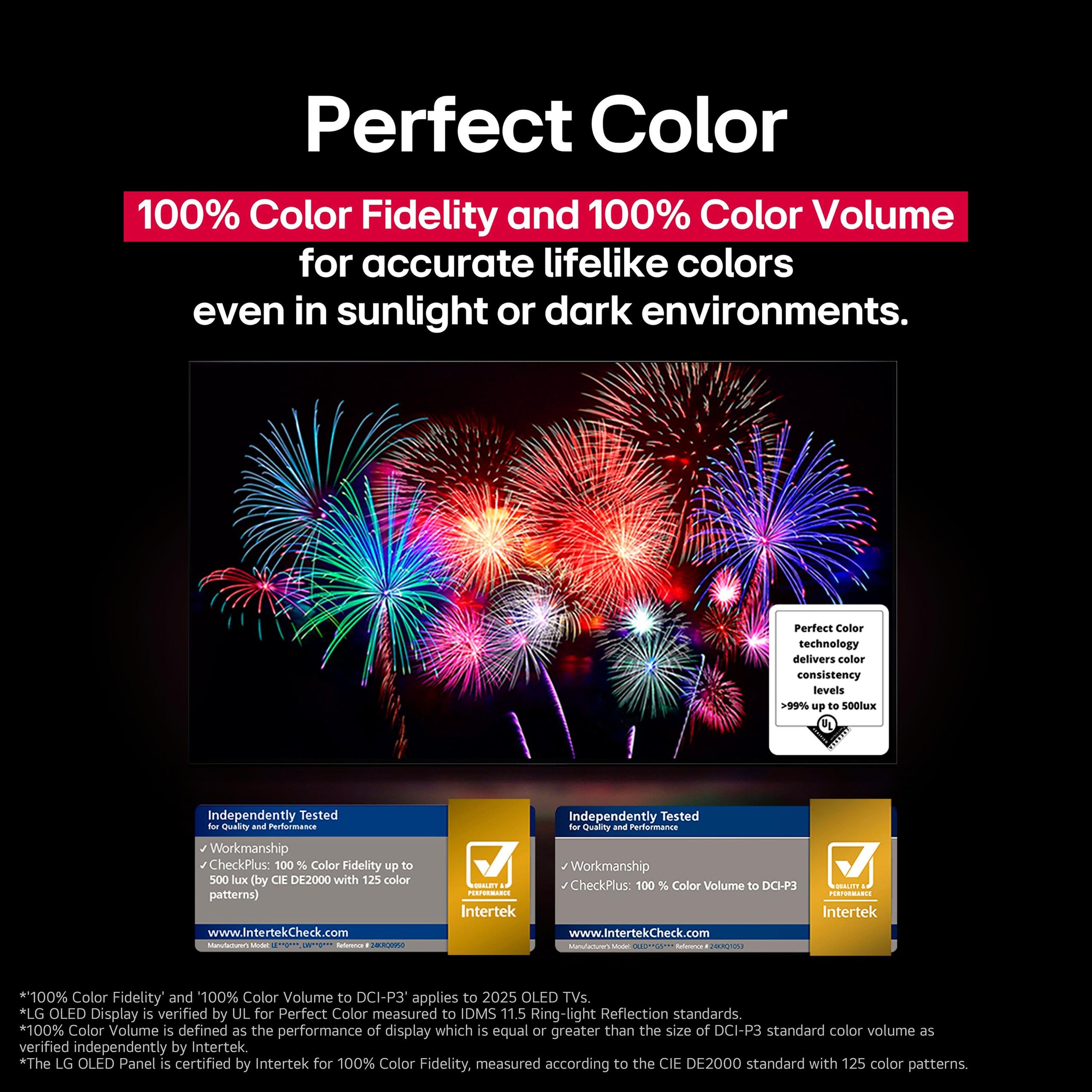
Color reproduction is where these technologies show their different personalities. The QNED85A uses Quantum Dot technology combined with NanoCell layers to achieve what LG calls "100% Color Volume." This means it can display vivid, saturated colors even in bright scenes – think of the vibrant jerseys in a sunny football game or the rich colors in animated movies.
The OLED C5 takes a more refined approach. Its color accuracy out of the box is exceptional, often surpassing even premium models from other brands. Colors look natural and film-like, which is why many movie enthusiasts prefer OLED. The self-emissive pixels also maintain color consistency across different brightness levels, something LCD TVs can struggle with.
Both TVs are excellent for gaming, but they excel in different scenarios. The QNED85A supports up to 144Hz refresh rates when connected to a compatible PC graphics card, making it great for competitive PC gaming. The high brightness also helps in bright gaming environments or when playing HDR games with lots of outdoor scenes.
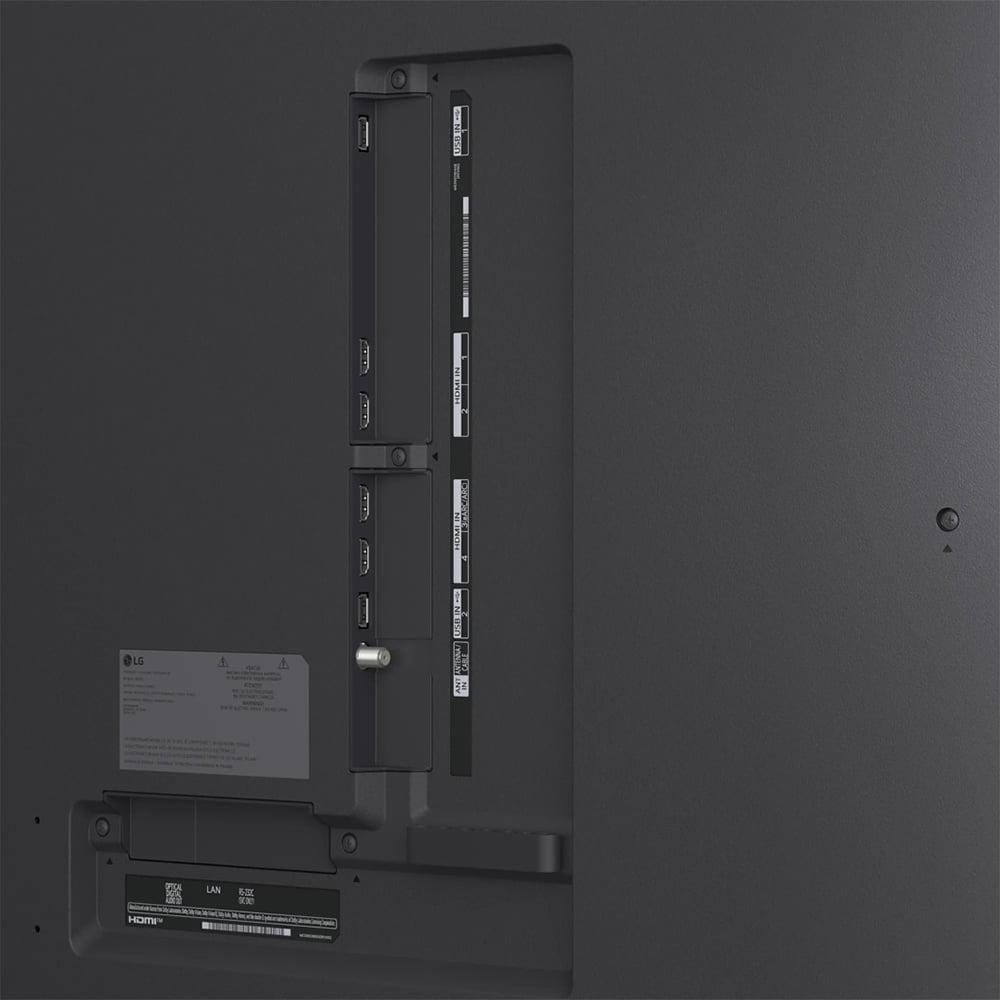
The OLED C5 is what I'd call the "enthusiast's choice" for gaming. Its 0.1ms response time is essentially instantaneous – you literally cannot perceive any delay between your controller input and the action on screen. All four HDMI ports support the full HDMI 2.1 specification, meaning you can connect multiple next-gen consoles and PCs without worrying about bandwidth limitations.
For gaming in dark rooms – which many serious gamers prefer – the OLED's perfect blacks create an incredibly immersive experience. Horror games, space simulators, and cinematic adventures all benefit from that infinite contrast ratio.
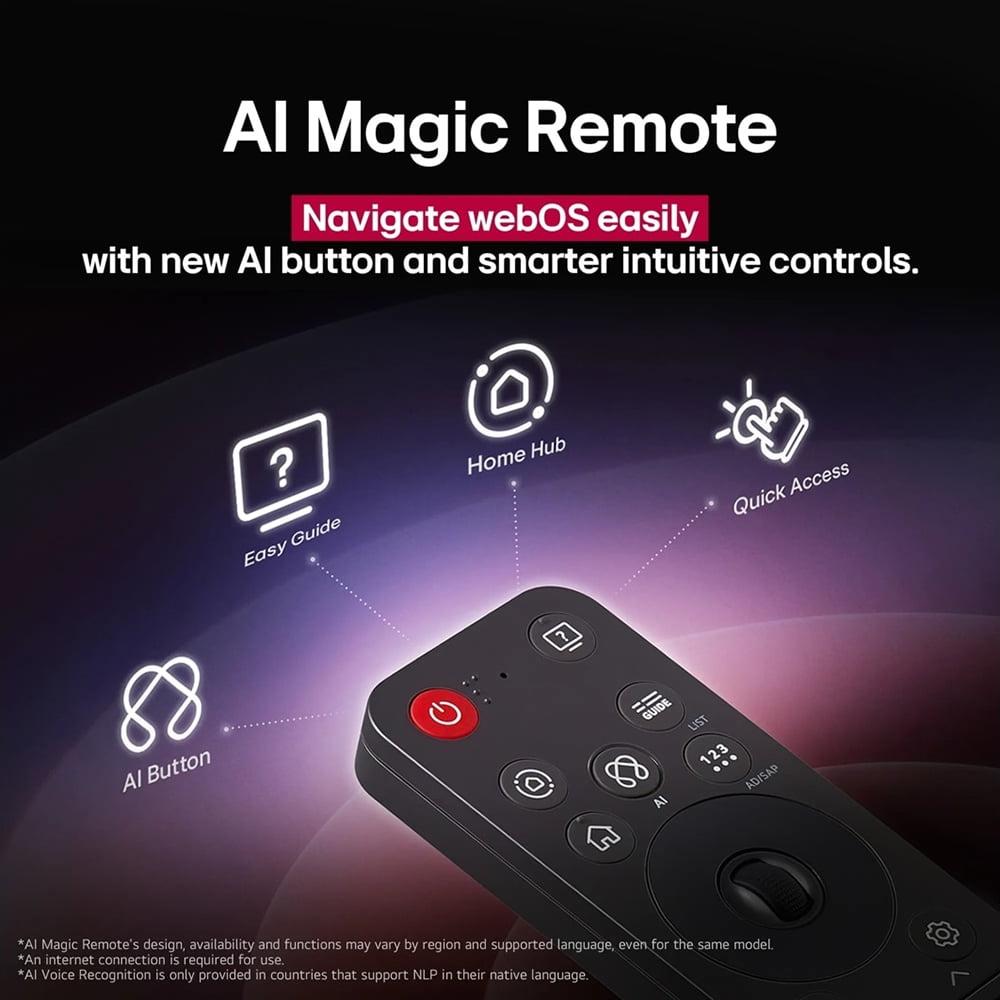
Both TVs run webOS 25, which is genuinely one of the best smart TV platforms available. The new Magic Remote includes an AI button that can analyze what you're watching and provide personalized recommendations. It's surprisingly useful – point it at a scene and it might suggest similar movies or provide information about the actors.
The AI features go beyond just recommendations. Both TVs can recognize different family members through AI Voice ID, switching to their preferred settings and showing personalized content suggestions. The AI Concierge can help organize your viewing schedule and even troubleshoot issues.
Microsoft Copilot integration is new for 2025, allowing you to use natural language to control your TV and get information. You can ask questions like "What's the weather like tomorrow?" or "Find me comedies from the 90s" and get helpful responses.
This is where the different technologies show a clear distinction. The QNED85A uses approximately 209 kWh per year, while the OLED C5 consumes about 302 kWh annually. Over five years, that's roughly $150-200 more in electricity costs for the OLED, depending on your local rates.
The difference comes down to how the technologies work. LCD panels with backlights are inherently more efficient at producing bright images, while OLED pixels consume more power as they get brighter. For environmentally conscious buyers, this could be a meaningful consideration.
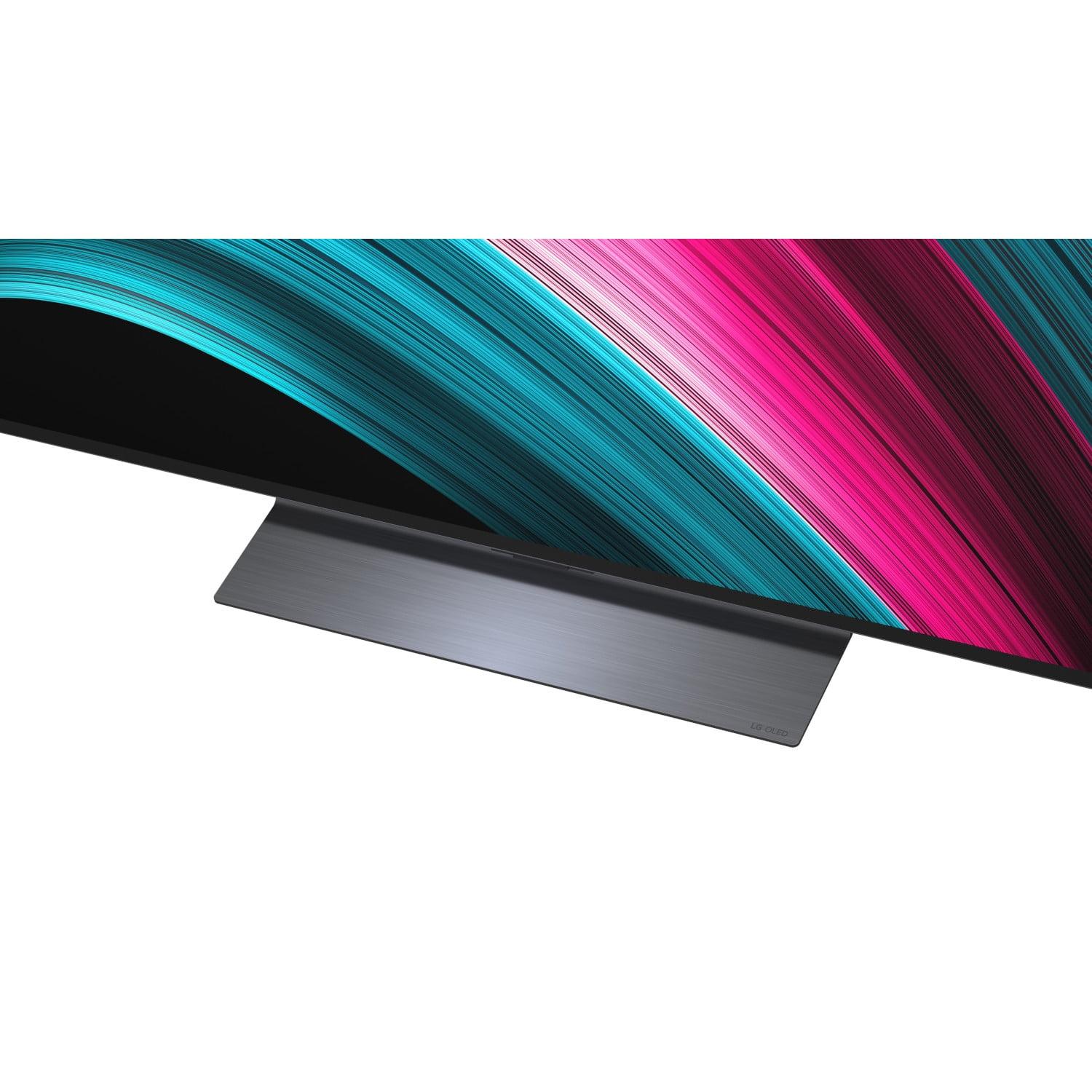
If you're setting up a dedicated home theater, the OLED C5 has some clear advantages. Its perfect blacks and infinite contrast ratio create a more cinematic experience, especially in a dark room. The wide viewing angles mean everyone in the room gets a great picture, regardless of seating position.
The C5 also supports FILMMAKER MODE, which preserves the director's original intent by disabling motion smoothing and other processing that can make movies look artificial. For serious movie watching, this is invaluable.
However, if your "home theater" is actually a bright family room or basement with lots of ambient light, the QNED85A's superior brightness might actually provide a better experience. The key is matching the TV to your specific environment.
One concern that often comes up with OLED is burn-in – the possibility of static images leaving permanent marks on the screen. Modern OLEDs like the C5 have extensive protection against this, including pixel shifting, automatic brightness limiting, and sophisticated screen savers. In practical terms, burn-in is rare with normal TV viewing habits.
The QNED85A has no burn-in risk whatsoever, which might provide peace of mind for families with heavy TV usage or those who leave static content on screen for extended periods.
Both TVs come with LG's standard warranty, but the company's Re:New Program means you'll get software updates and new features for at least five years, extending the useful life of either choice.
After spending time with both technologies, I've found that the decision usually comes down to your specific viewing environment and priorities. The QNED85A at $999.99 offers incredible value for a premium TV experience, especially if you have a bright room or mixed viewing habits.
The OLED C5 at $2,196.99 commands a premium price, but delivers what many consider the ultimate TV experience for movies and gaming in controlled lighting conditions.
For most people, I'd recommend starting with your room setup. If you have a bright living room with lots of windows, the QNED85A will likely provide better day-to-day performance. If you can control the lighting in your viewing space, the OLED C5 will deliver a more premium, cinematic experience.
Budget is obviously a factor too. The QNED85A gives you about 80% of the premium TV experience for less than half the price. The OLED C5 delivers that last 20% of performance that enthusiasts crave, but you'll pay significantly more for it.
Both represent excellent choices that will serve you well for years to come. The key is understanding what matters most in your specific situation and choosing accordingly.
| LG 65" QNED evo AI QNED85A 4K MiniLED Smart TV 2025 | LG OLED evo C5 65" 4K TV 2025 |
|---|---|
| Price - Major cost difference for similar size and smart features | |
| $999.99 | $2,196.99 |
| Display Technology - Fundamental difference affecting picture quality | |
| MiniLED LCD with Quantum Dot (bright, some blooming) | OLED evo (perfect blacks, infinite contrast) |
| Peak Brightness - Critical for HDR impact and bright room viewing | |
| 1,000+ nits (excellent for bright rooms) | 700-800 nits (improved but still best in dark rooms) |
| Black Levels - Affects contrast and dark scene detail | |
| Excellent for LCD but not true black | Perfect blacks with infinite contrast |
| Processor - Impacts AI features and upscaling quality | |
| Alpha 8 AI Processor Gen2 (capable mid-tier) | Alpha 9 AI Processor Gen8 (premium OLED-optimized) |
| Gaming Performance - Response time and advanced features | |
| 120Hz/144Hz VRR, good response time | 0.1ms response time, 4x HDMI 2.1, G-Sync/FreeSync |
| Energy Consumption - Long-term operating costs | |
| 209 kWh/year (~$35 annually) | 302 kWh/year (~$50 annually) |
| Burn-in Risk - Long-term durability concern | |
| No burn-in risk (LCD technology) | Minimal risk with modern protections |
| Best Room Type - Where each TV performs optimally | |
| Bright living rooms, multi-purpose viewing | Dark rooms, dedicated home theaters |
| Color Accuracy - Out-of-box picture quality | |
| Vibrant colors, 100% Color Volume | Superior natural color accuracy |
| Value Proposition - What you get for the price | |
| Premium LCD features at accessible price | Ultimate picture quality at premium cost |
The LG 65" QNED evo AI QNED85A is significantly better for bright rooms due to its MiniLED technology that can reach over 1,000 nits of peak brightness. This makes it ideal for living rooms with lots of windows or daytime viewing. The LG OLED evo C5 performs best in dark or dimly lit rooms where its perfect blacks can shine.
The LG QNED85A costs $999.99 while the LG OLED C5 is priced at $2,196.99. That's over a $1,100 difference, making the QNED85A the more budget-friendly option while still offering premium features like 4K resolution and smart TV capabilities.
Picture quality depends on your viewing environment. The OLED C5 delivers superior contrast with perfect blacks and more natural colors, making it ideal for movies and dark room viewing. The QNED85A offers brighter, more vibrant colors that work better in well-lit spaces, though it can't achieve true black levels.
The LG OLED C5 is generally better for movies due to its perfect blacks, infinite contrast, and more natural color reproduction. It also supports FILMMAKER MODE to preserve the director's original intent. However, the QNED85A can be better for movies watched in bright rooms due to its superior brightness.
Yes, both TVs run webOS 25 and include identical smart features like AI Voice ID, personalized recommendations, and voice assistant support. Both come with LG's new Magic Remote and support the same streaming apps and connectivity options.
Value depends on your priorities. The QNED85A at $999.99 offers excellent value with premium features at an accessible price point. The OLED C5 at $2,196.99 provides superior picture quality but at more than double the cost, making it better value only if you prioritize the ultimate viewing experience.
We've done our best to create useful and informative comparisons to help you decide what product to buy. Our research uses advanced automated methods to create this comparison and perfection is not possible - please contact us for corrections or questions. These are the sites we've researched in the creation of this article: rtings.com - rtings.com - youtube.com - lg.com - smarthomesounds.co.uk - abt.com - abt.com - lg.com - displayspecifications.com - walmart.com - bestbuy.com - lg.com - lg.com - lg.com - files.bbystatic.com - flatpanelshd.com - north-side-appliance.com - lgnewsroom.com - lg.com - youtube.com - youtube.com - hindustantimes.com - bestbuy.com - rtings.com - youtube.com - businessinsider.com - youtube.com - bestbuy.com - lg.com - files.bbystatic.com - lg.com - flatpanelshd.com - lg.com - blvdhome.com - bhphotovideo.com - flanners.com - videopro.com.au

Privacy Policy
Terms and Conditions - Affiliate Policy
Home Security
© Copyright 2008-2026.
11816 Inwood Rd #1211, Dallas, TX 75244