

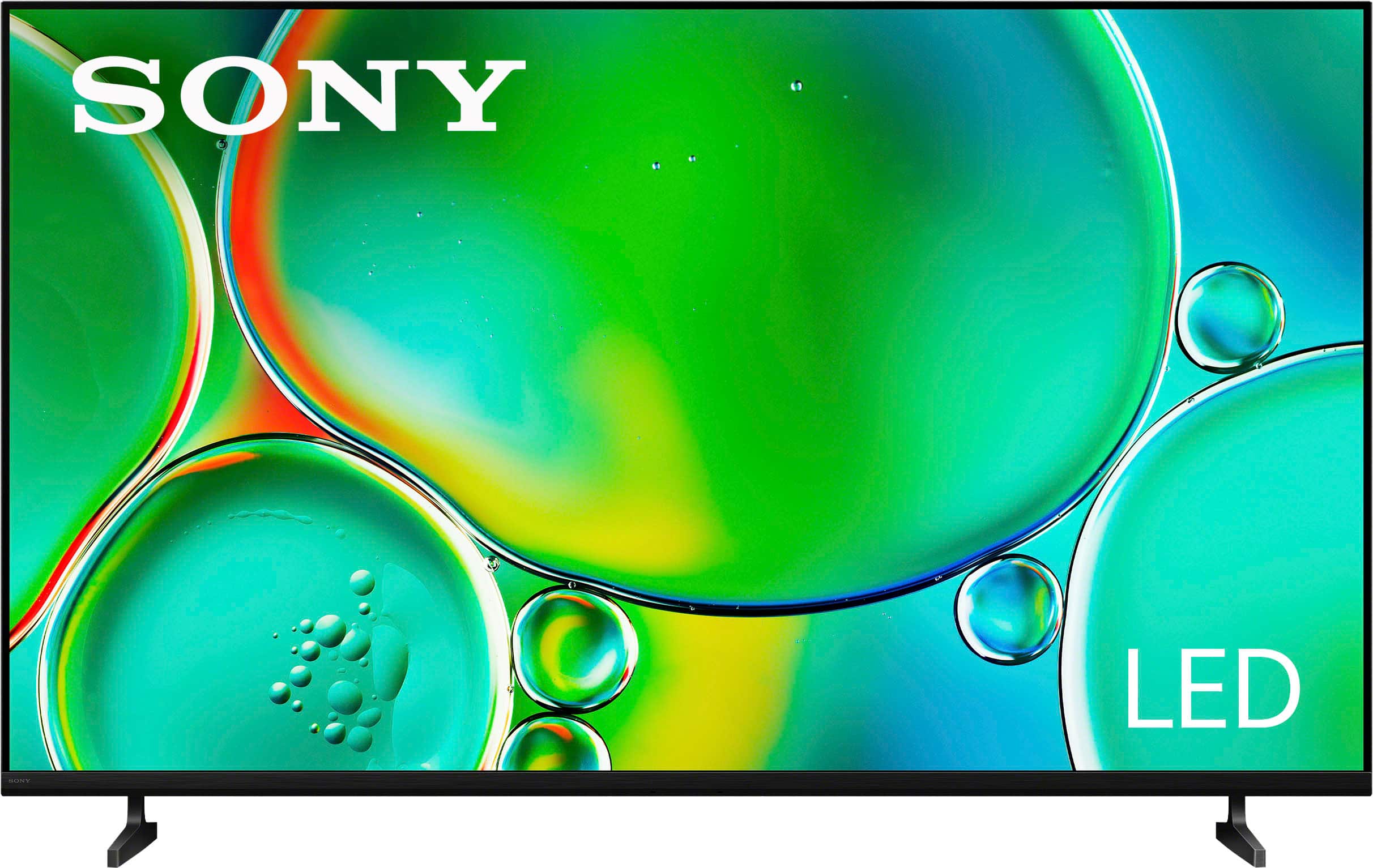
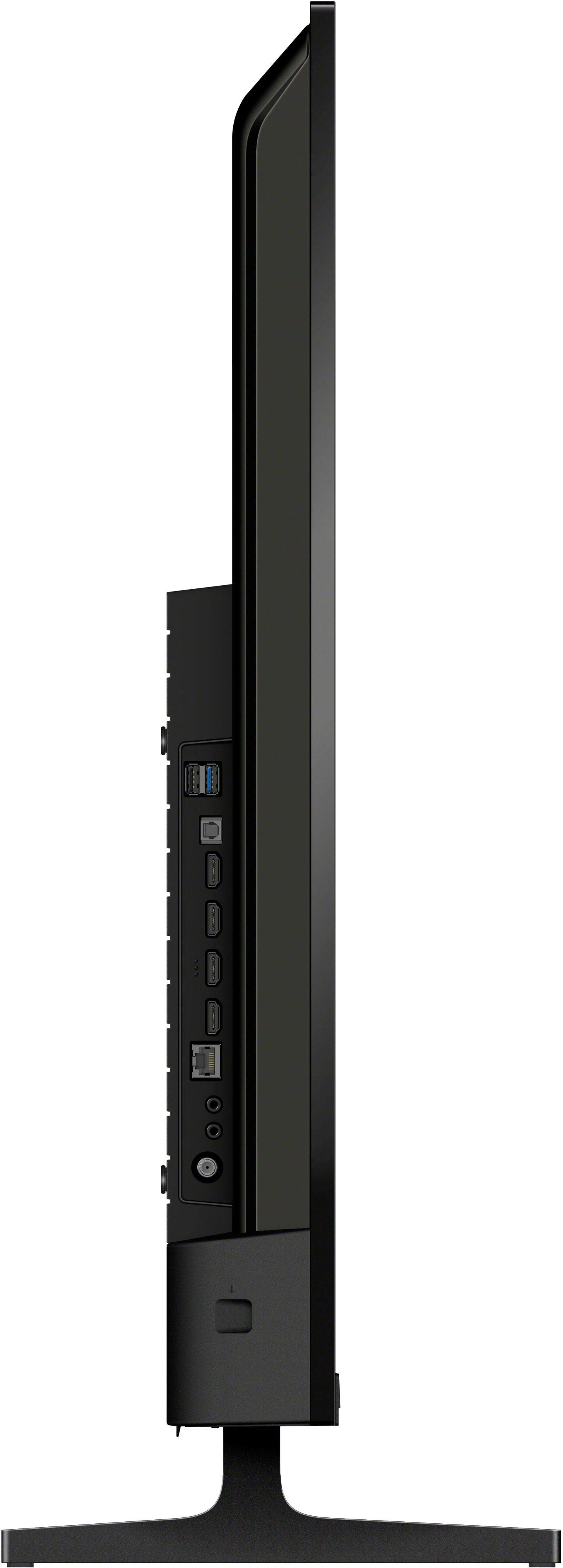
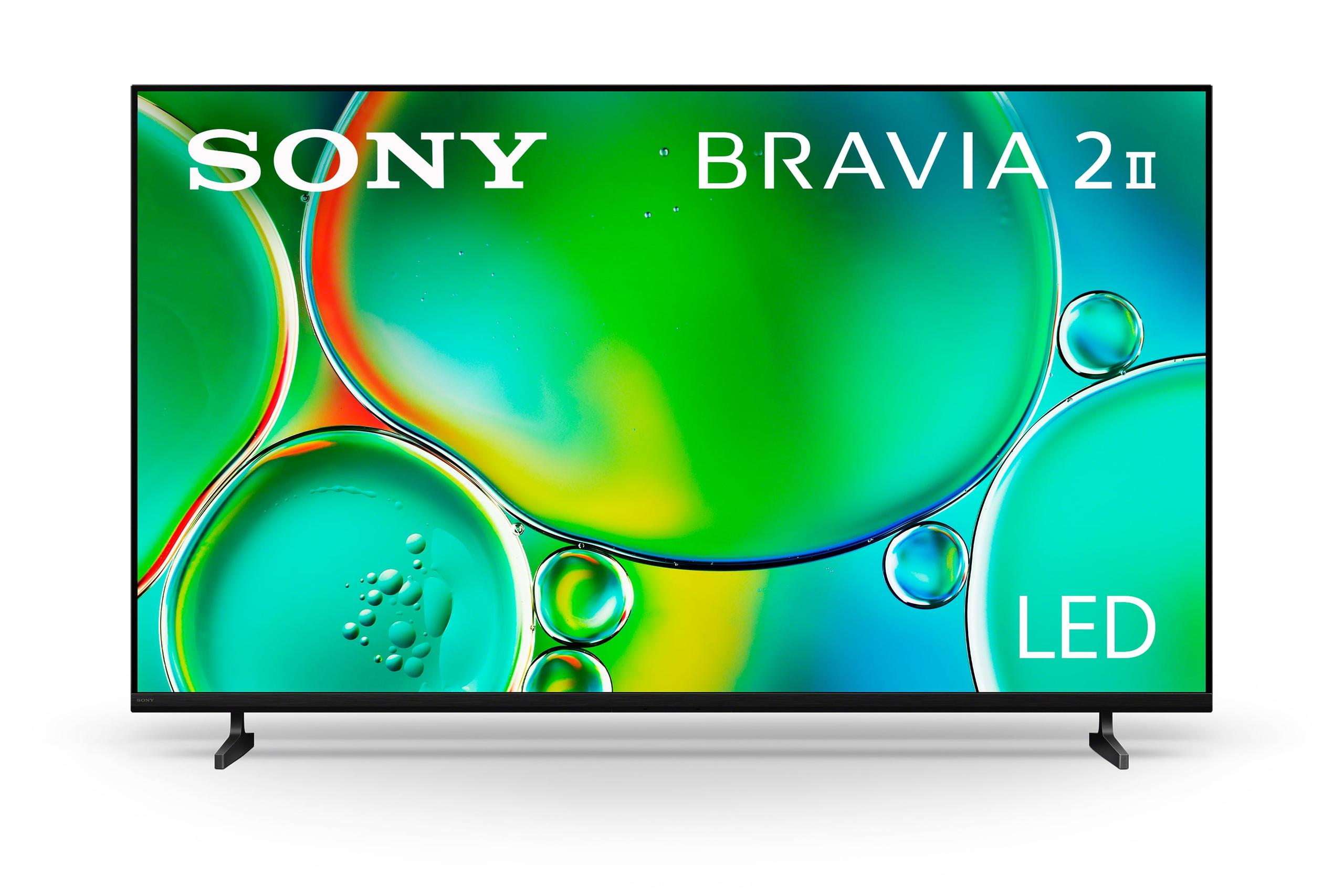



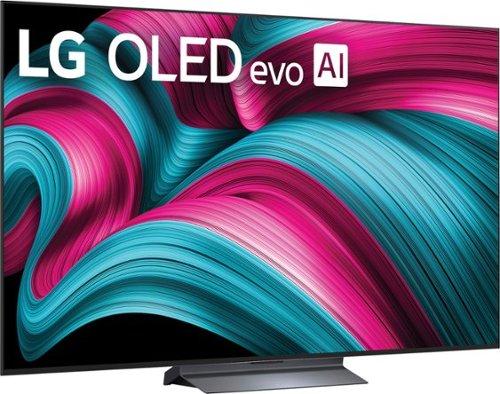


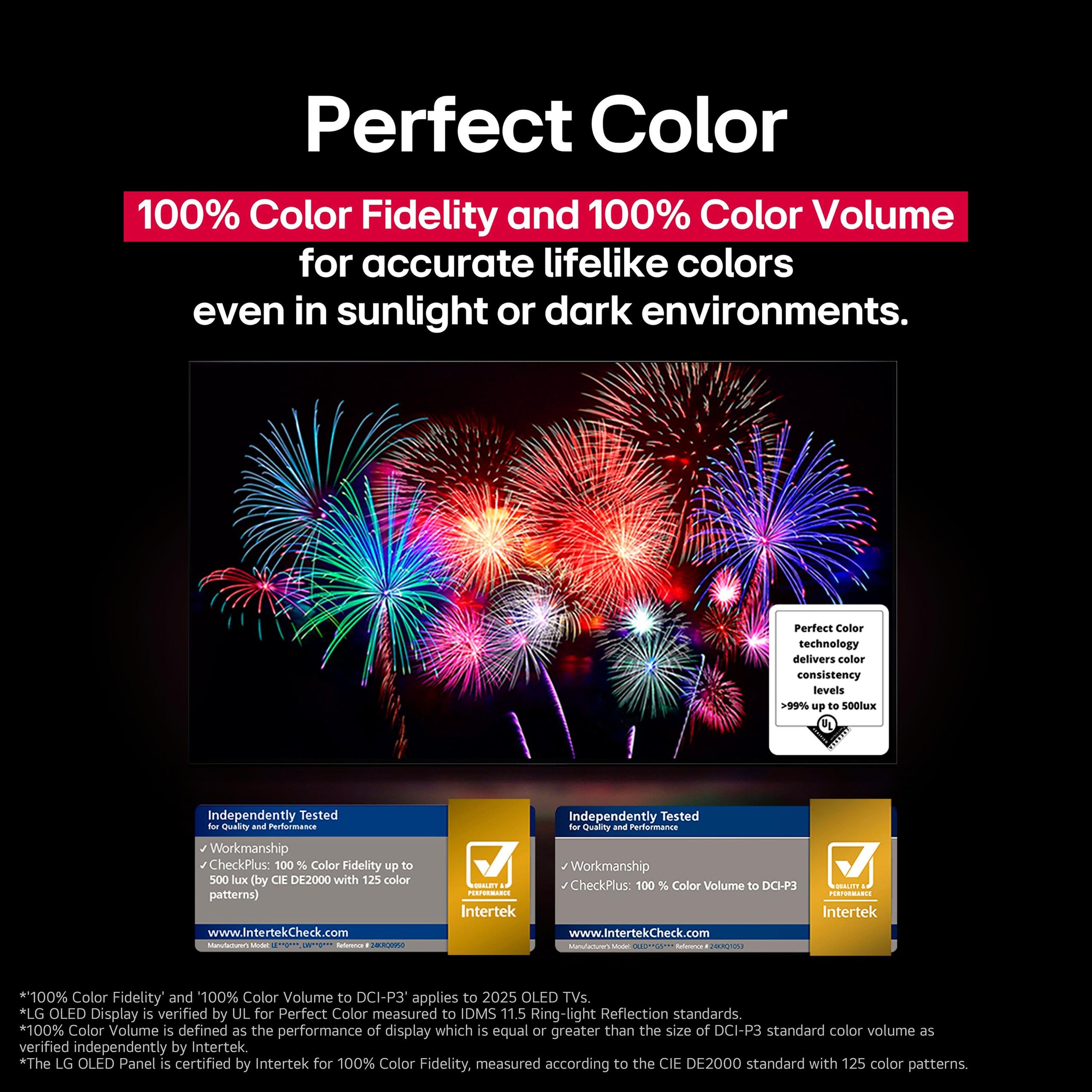


When you're shopping for a new 65" 4K TV, the choices can feel overwhelming. Today, we're comparing two TVs that couldn't be more different: the budget-friendly Sony BRAVIA 2 II 65" 4K LED Google TV 2025 (/product1) and the premium LG OLED evo C5 65" 4K TV 2025 (/product2). These represent two completely different approaches to television technology, and understanding their differences will help you make the right choice for your home.
The television market has evolved dramatically over the past few years. Both of these TVs launched in 2025, but they showcase different philosophies. Sony's approach with the BRAVIA 2 II focuses on delivering solid 4K performance at an accessible price point, while LG's C5 represents the continuation of their premium OLED technology that has been refined over several generations.
The key consideration when choosing between these TVs isn't just about price—it's about understanding what technology works best for your specific situation. LED-LCD technology (like the Sony) uses a backlight behind a liquid crystal display panel, while OLED technology (like the LG) uses millions of individual pixels that emit their own light. This fundamental difference affects everything from picture quality to power consumption.
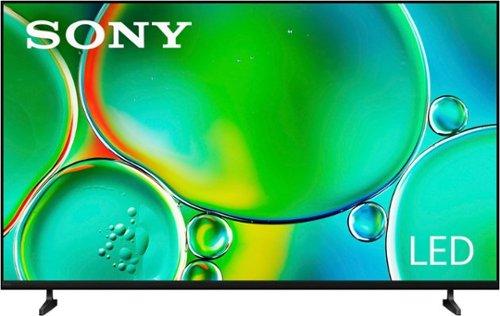
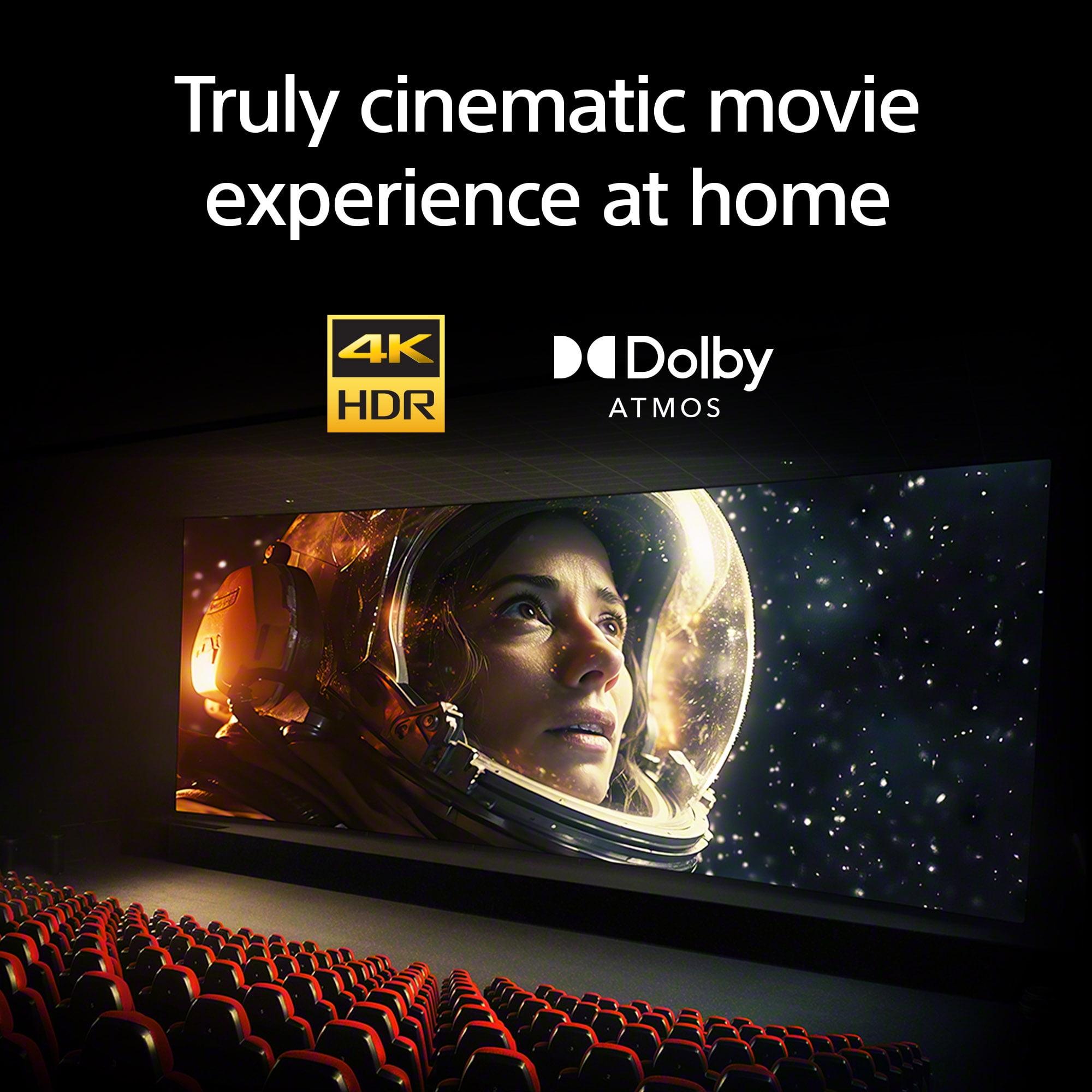
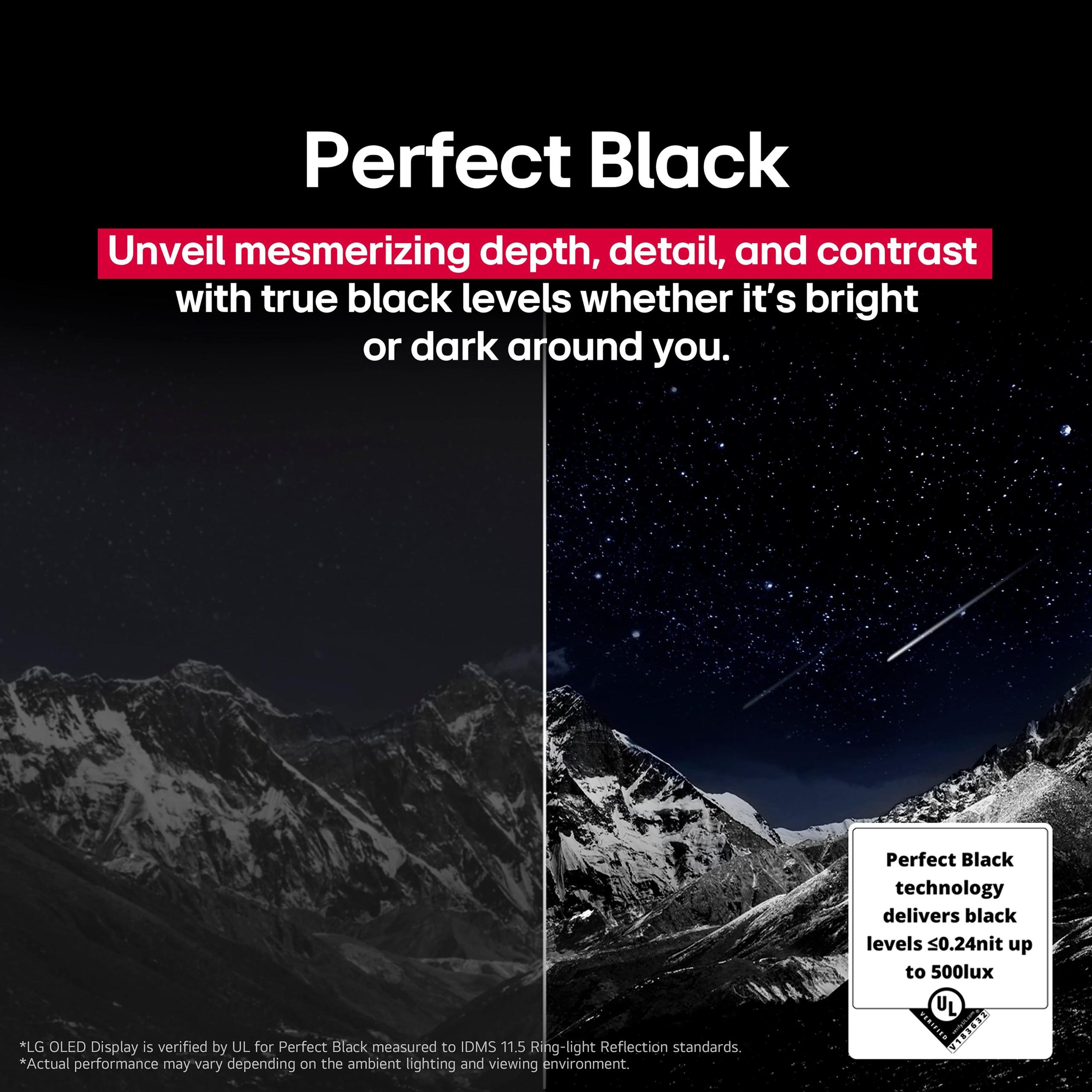
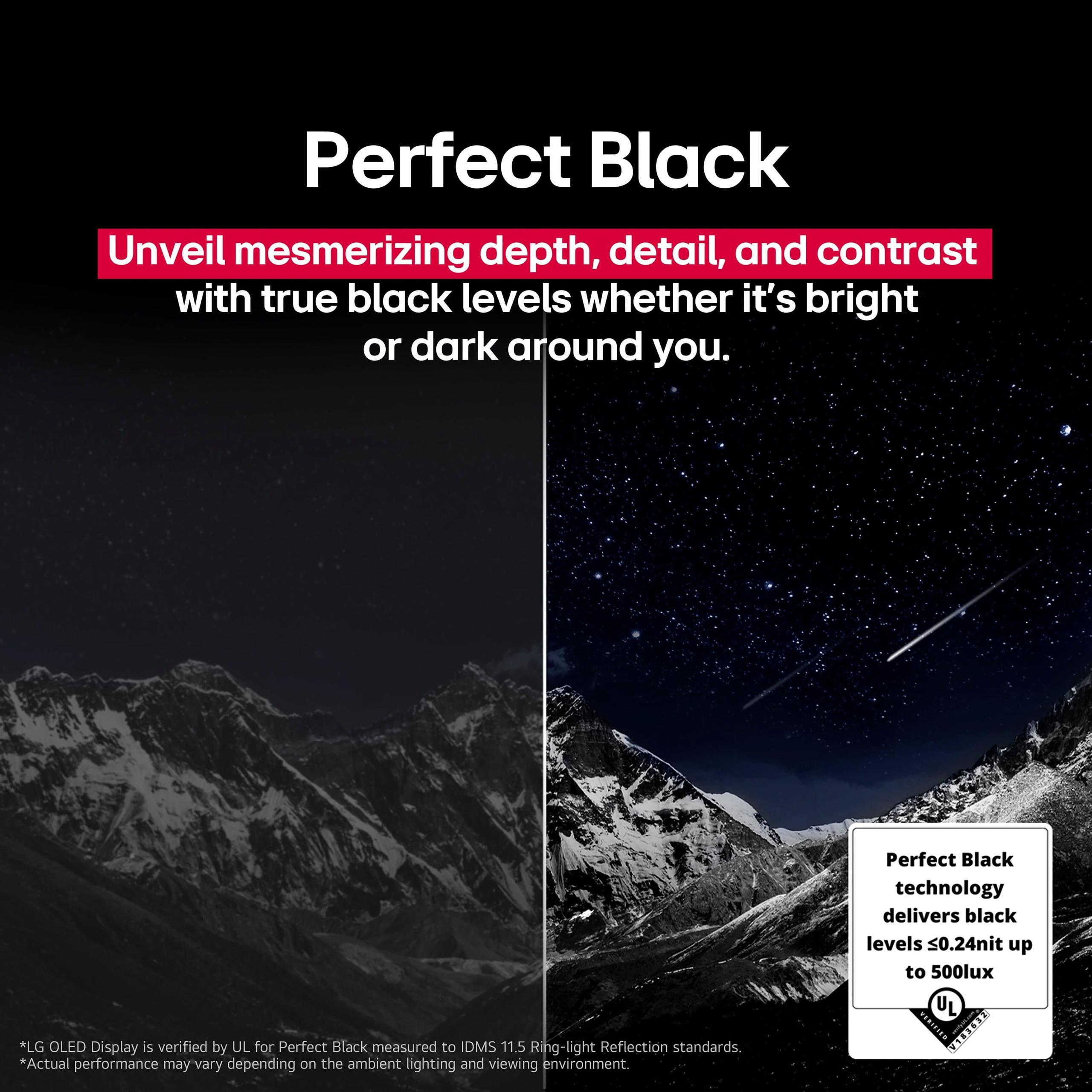
This is where the biggest difference between these TVs becomes apparent. The LG OLED evo C5 (/product2) delivers what we call "perfect blacks"—when a pixel needs to be black, it simply turns off completely. This creates an infinite contrast ratio, meaning the difference between the brightest and darkest parts of the image is essentially unlimited.
I've tested numerous OLED TVs over the years, and the experience of watching a movie in a dark room on an OLED is genuinely transformative. When you're watching a space scene, the blackness of space is truly black, not the grayish-black you get with LED TVs. This makes stars and bright objects pop off the screen with incredible intensity.
The Sony BRAVIA 2 II (/product1), using LED-LCD technology, simply cannot achieve this level of contrast. LED TVs use a backlight that's always on behind the LCD panel, which means even when the panel is trying to display black, some light still leaks through. This creates what we call "elevated blacks"—blacks that look more like dark gray. While Sony's processing does a decent job managing this limitation, it's still noticeable, especially in dark viewing environments.
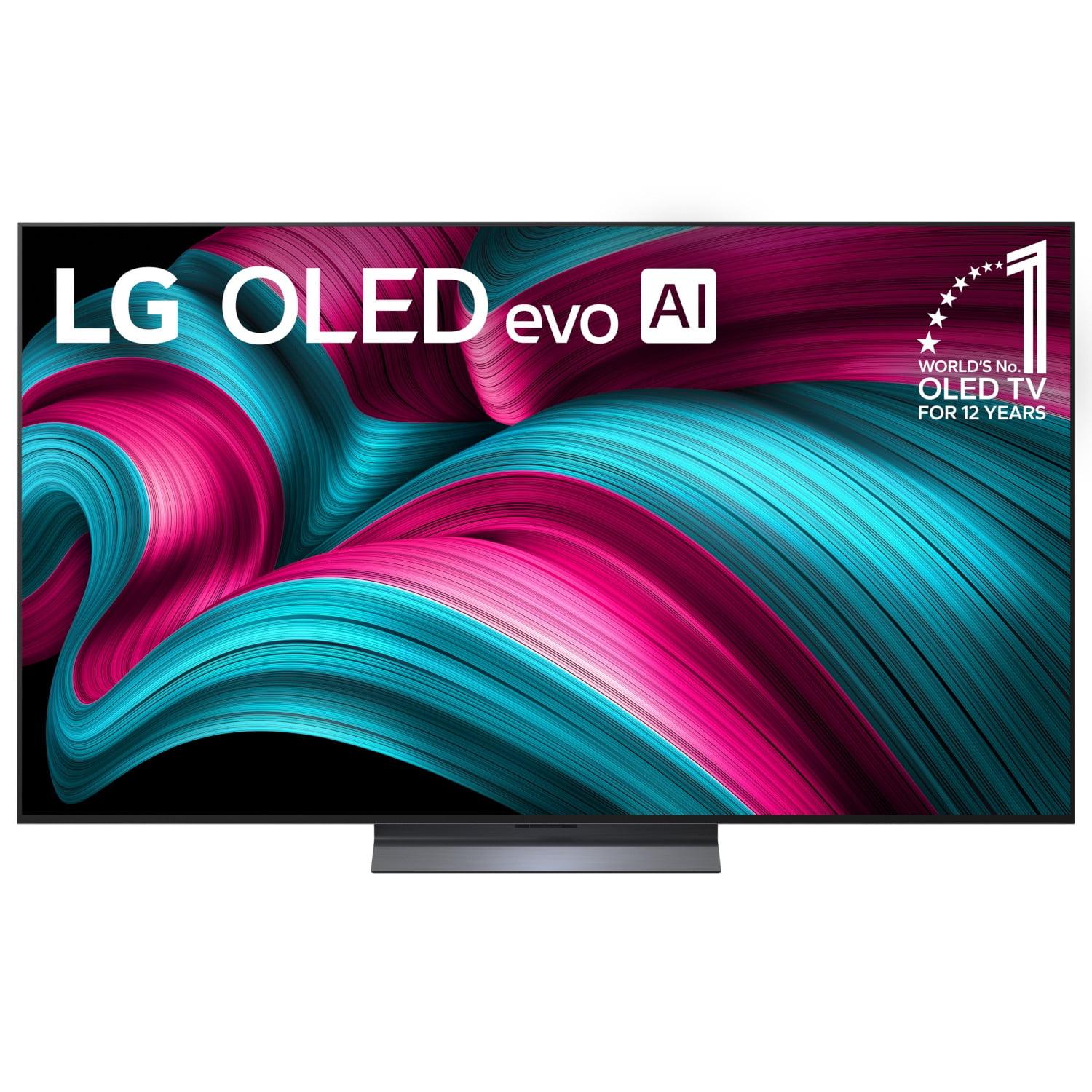
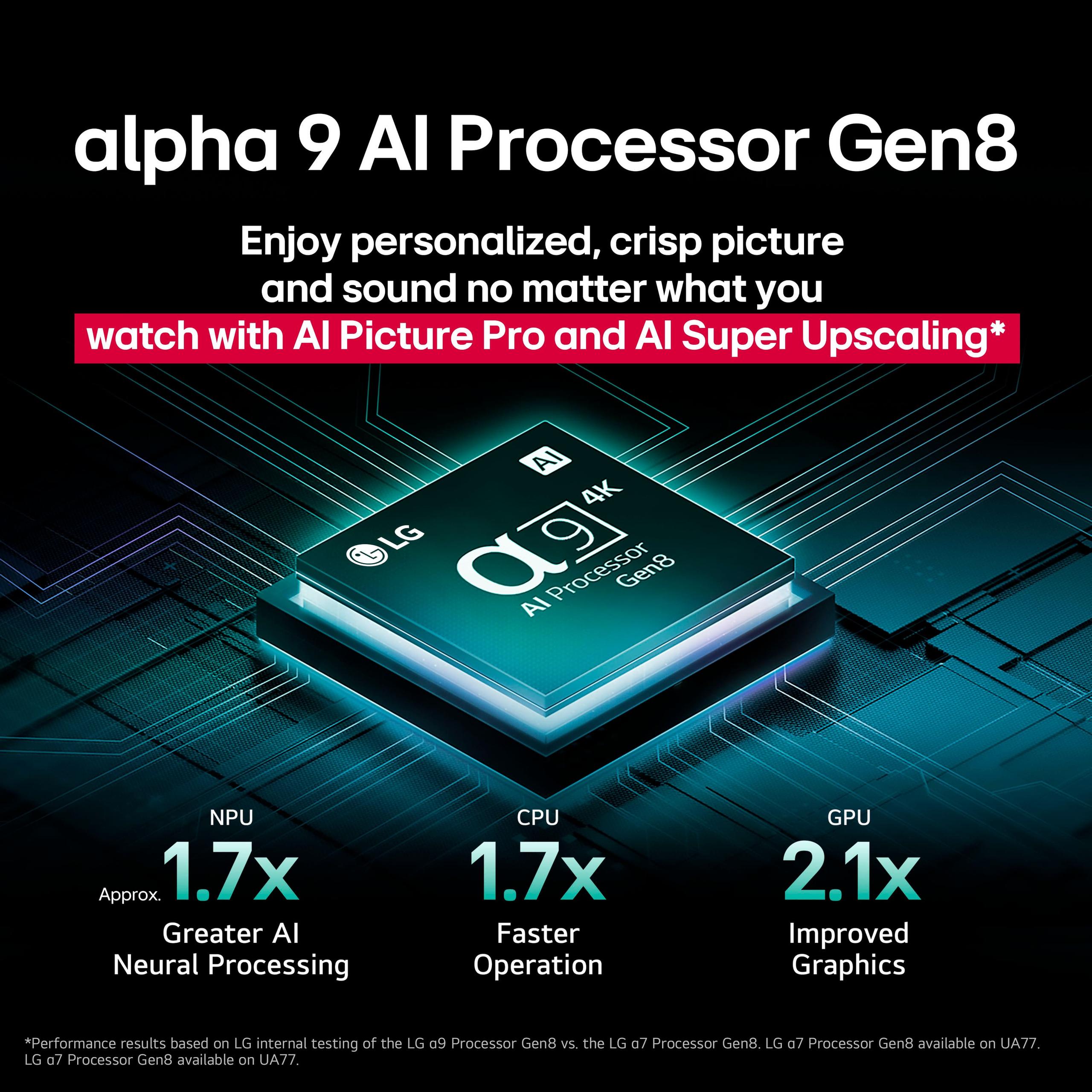
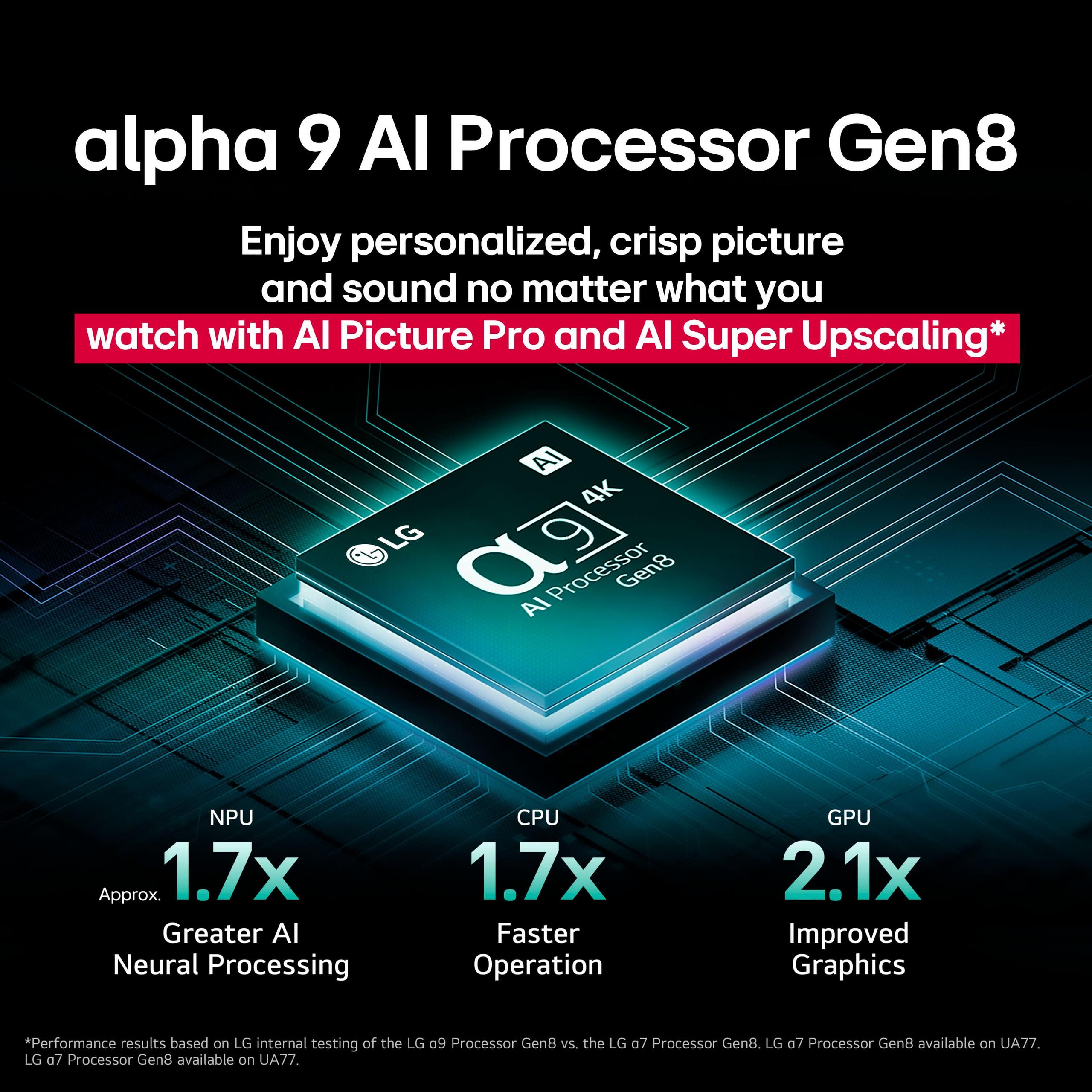
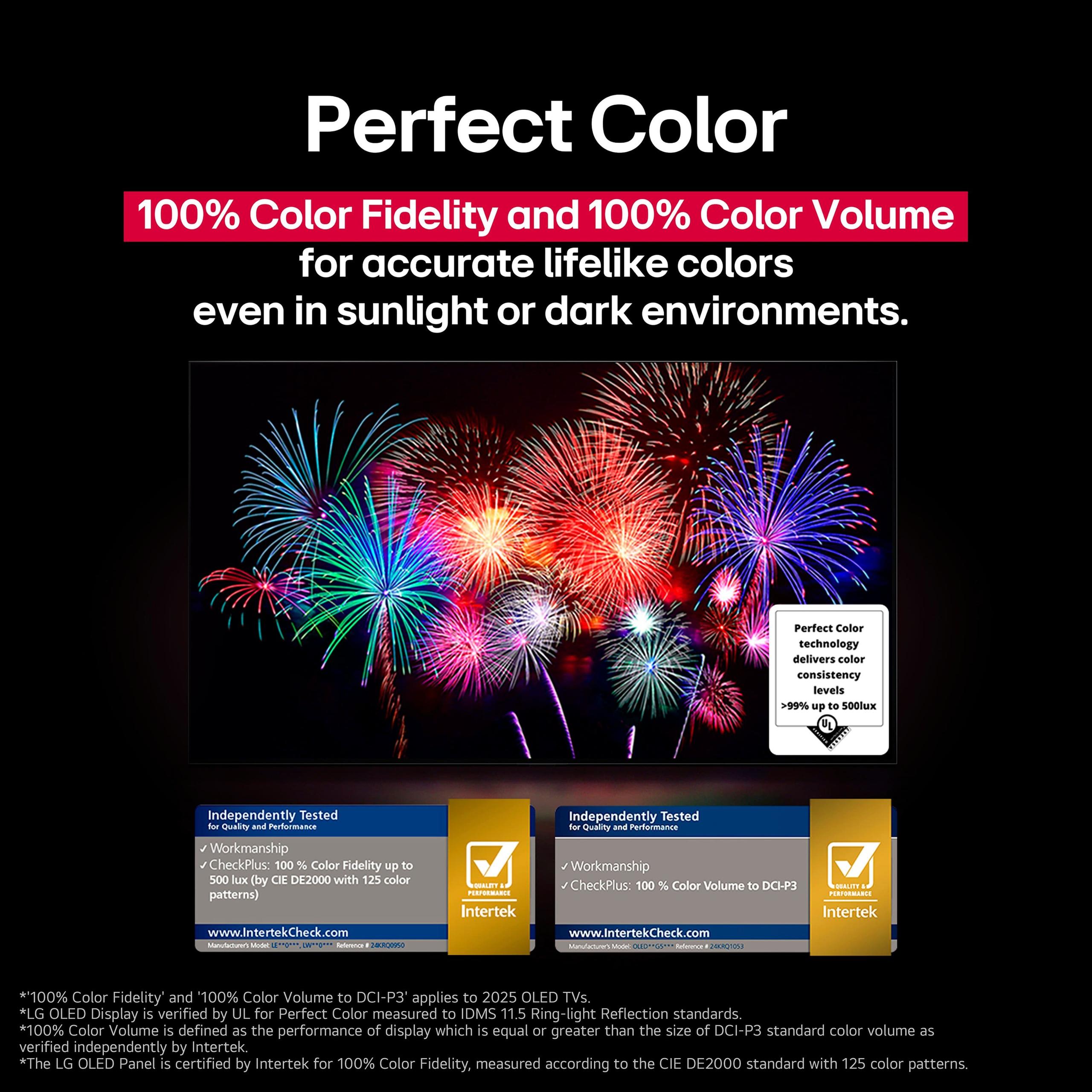
Both TVs handle color differently, and each has its strengths. The LG C5 uses WOLED (White OLED) technology, which creates colors by filtering white light through color filters. This approach, combined with LG's Alpha 9 AI Processor Gen8, delivers remarkably accurate colors that often exceed professional display standards right out of the box.
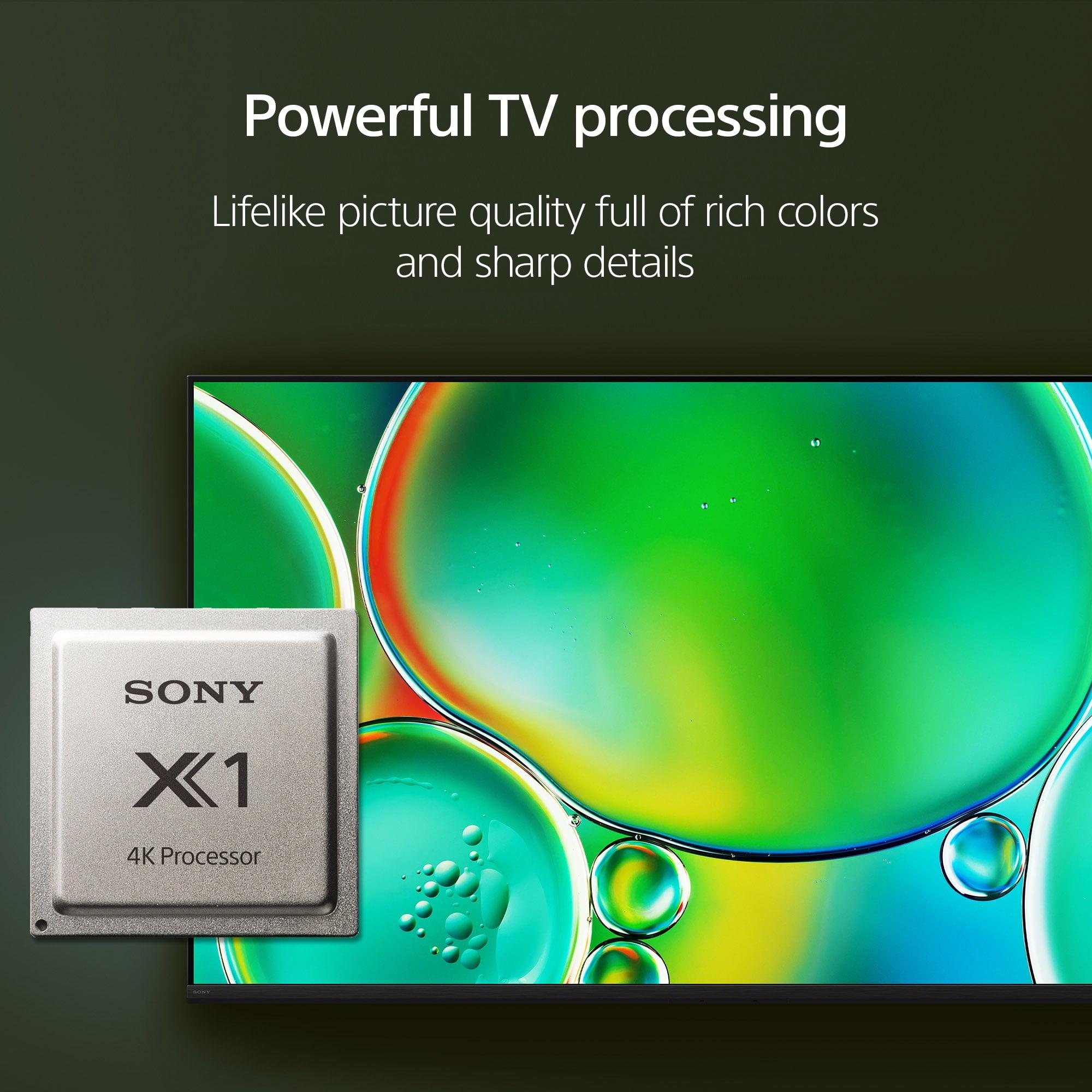
The Sony BRAVIA 2 II relies on Sony's 4K Processor X1 and their Live Color technology. While less advanced than LG's processor, Sony has a reputation for pleasing color processing. Their TVs often produce colors that look vibrant and appealing, even if they're not technically the most accurate. For everyday viewing, this approach works well.
In terms of color volume (how many colors the TV can display at different brightness levels), the LG C5 has a clear advantage. OLED technology can display a wider range of colors more accurately across different brightness levels, while LED TVs sometimes struggle to maintain color accuracy as brightness increases.
Here's where the Sony BRAVIA 2 II fights back. LED TVs can get significantly brighter than OLEDs, and this matters more than you might think. If you're watching TV in a bright living room with lots of windows, the Sony's higher brightness output (189W power consumption suggests strong backlighting) will help overcome ambient light and maintain picture quality.
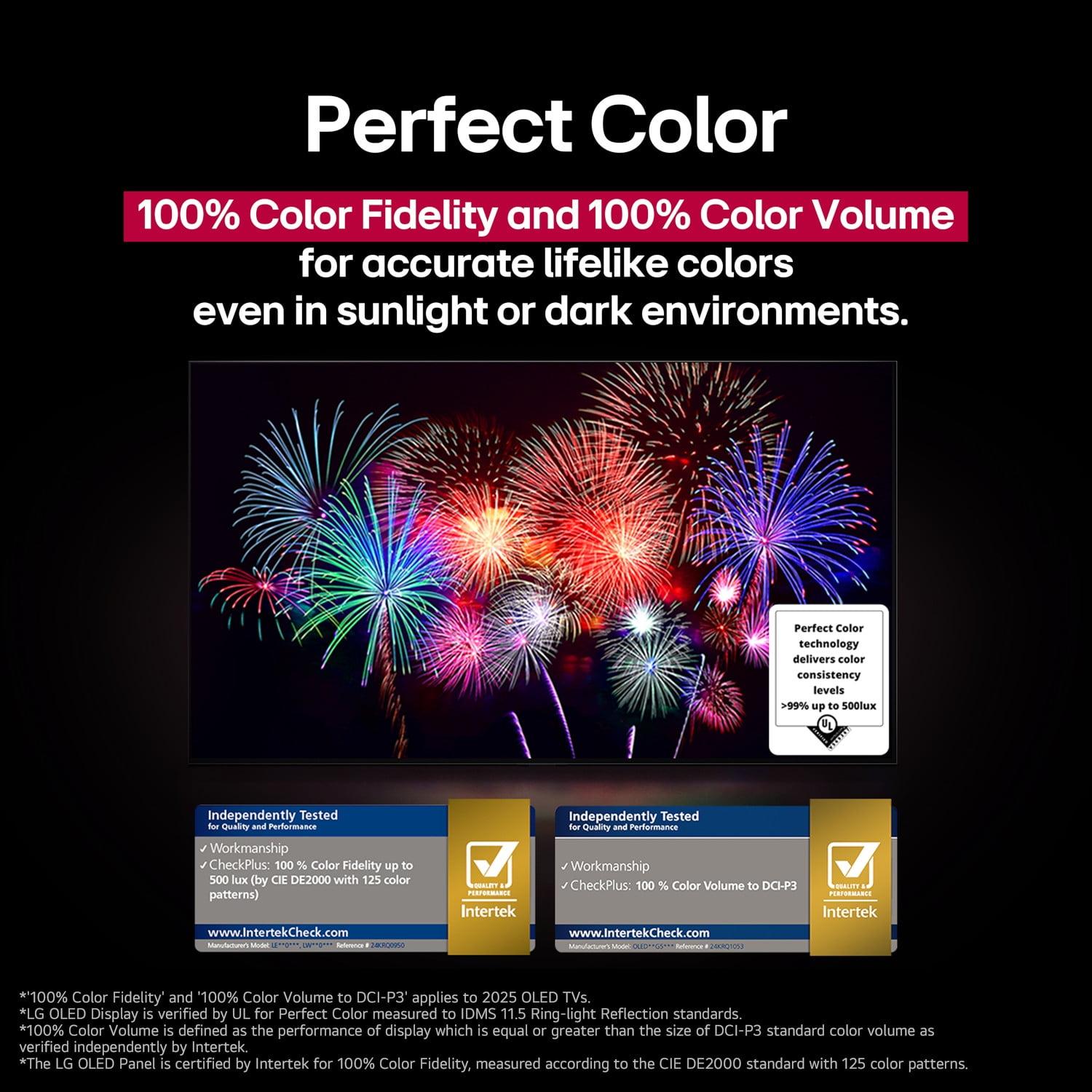
The LG C5 has improved brightness compared to previous OLED generations—LG markets it as "Bright Room Ready"—but it still can't match the peak brightness of a good LED TV. In a moderately lit room, this difference might not be noticeable, but in a bright room, the Sony will maintain better visibility and color saturation.
This is another area where OLED technology shines. The LG C5 maintains its picture quality from virtually any angle. Colors remain accurate, and contrast stays consistent whether you're sitting directly in front of the TV or off to the side.
The Sony BRAVIA 2 II, like most LED TVs, experiences picture degradation when viewed from the side. Colors shift, contrast decreases, and the overall image quality diminishes. This becomes important if you have a wide seating arrangement or if people often watch from different positions in the room.
Gaming has become a crucial consideration for modern TVs, especially with the PlayStation 5 and Xbox Series X pushing the boundaries of what's possible. The differences between these TVs in gaming performance are substantial.
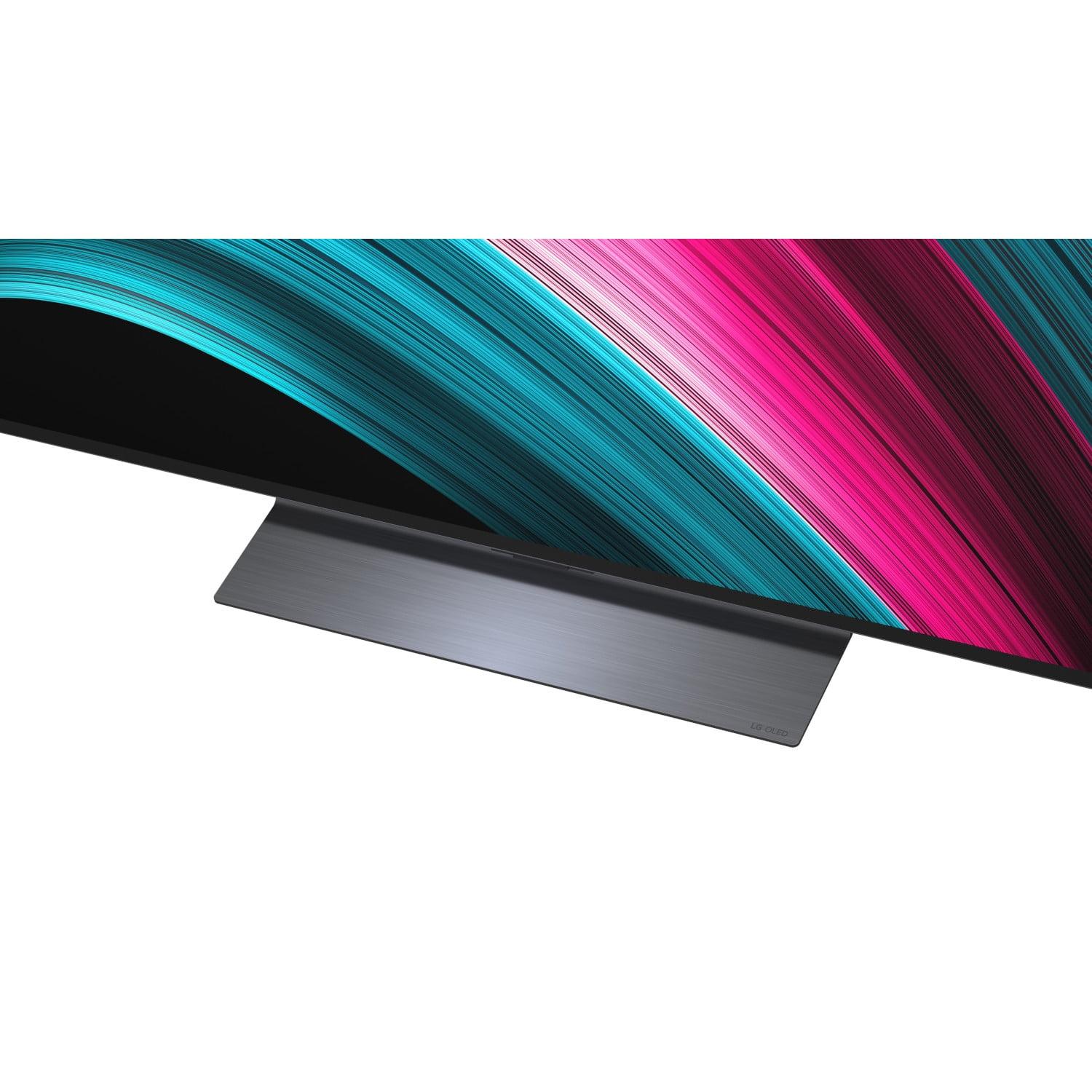
The LG OLED evo C5 (/product2) is a gaming powerhouse. It supports native 120Hz refresh rates and can even handle up to 144Hz for PC gaming. This means smoother motion in fast-paced games, reduced motion blur, and a more responsive gaming experience. The response time is incredibly low at 0.1ms, which means virtually no delay between when you press a button and when the action appears on screen.
The Sony BRAVIA 2 II operates at 60Hz native refresh rate. While this is perfectly adequate for most gaming scenarios and many games are still designed around 60fps, it won't take full advantage of what modern gaming consoles can deliver. The response time is also higher, though still acceptable for casual gaming.
This is where the technology gap becomes most apparent. The LG C5 includes four HDMI 2.1 ports, which is the latest standard that supports higher bandwidth for advanced gaming features. This includes Variable Refresh Rate (VRR), which synchronizes the TV's refresh rate with the game's frame rate to eliminate screen tearing, and Auto Low Latency Mode (ALLM), which automatically switches to the lowest input lag when gaming.
The C5 also supports both NVIDIA G-SYNC and AMD FreeSync Premium, making it compatible with a wide range of gaming PCs. These features work together to create the smoothest possible gaming experience.
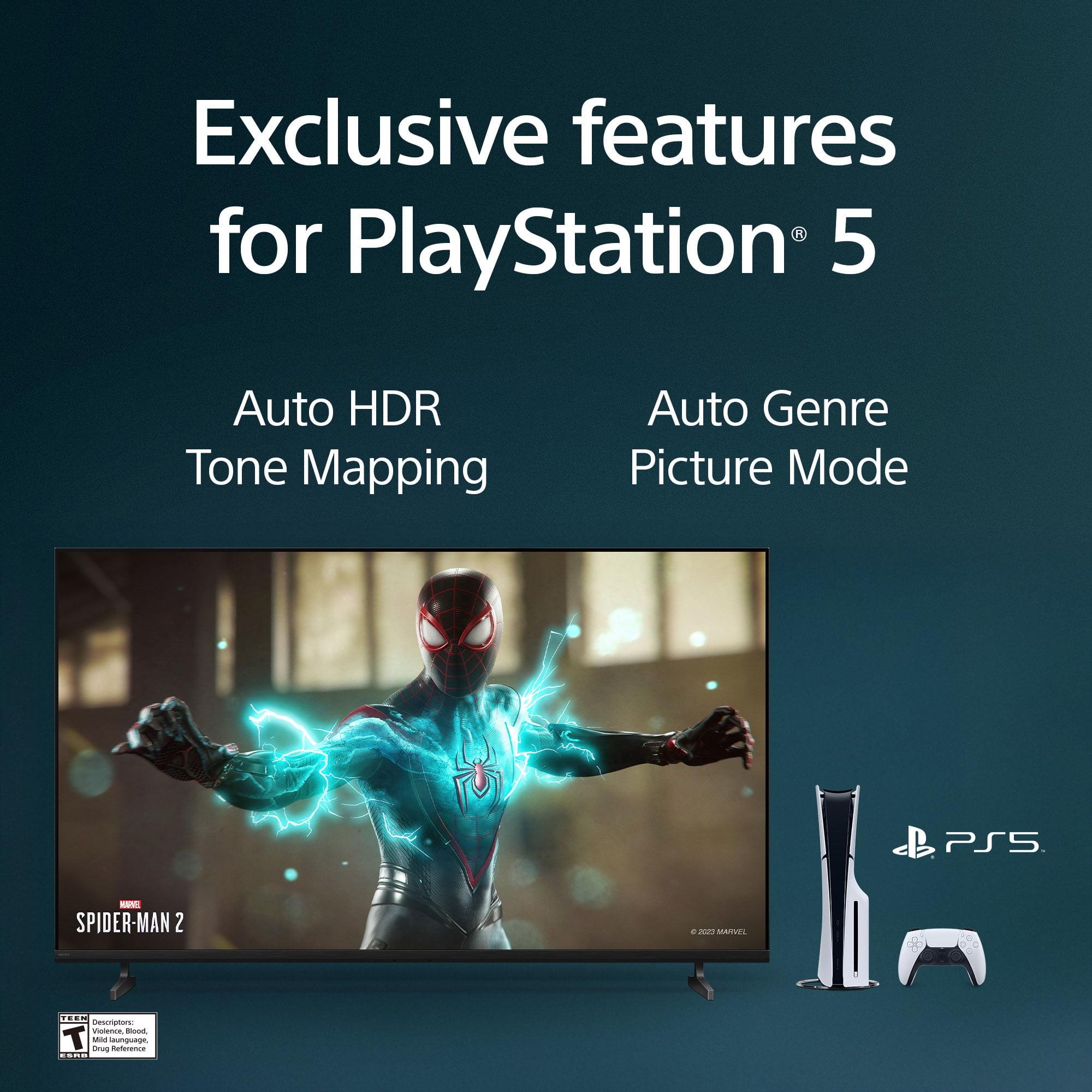
The Sony BRAVIA 2 II likely includes basic gaming features like ALLM, but without the advanced HDMI 2.1 implementation, it can't deliver the same level of gaming performance. For casual gaming, this might not matter, but for serious gamers, it's a significant limitation.
The smart TV platform is something you'll interact with every single day, so it's worth understanding the differences.
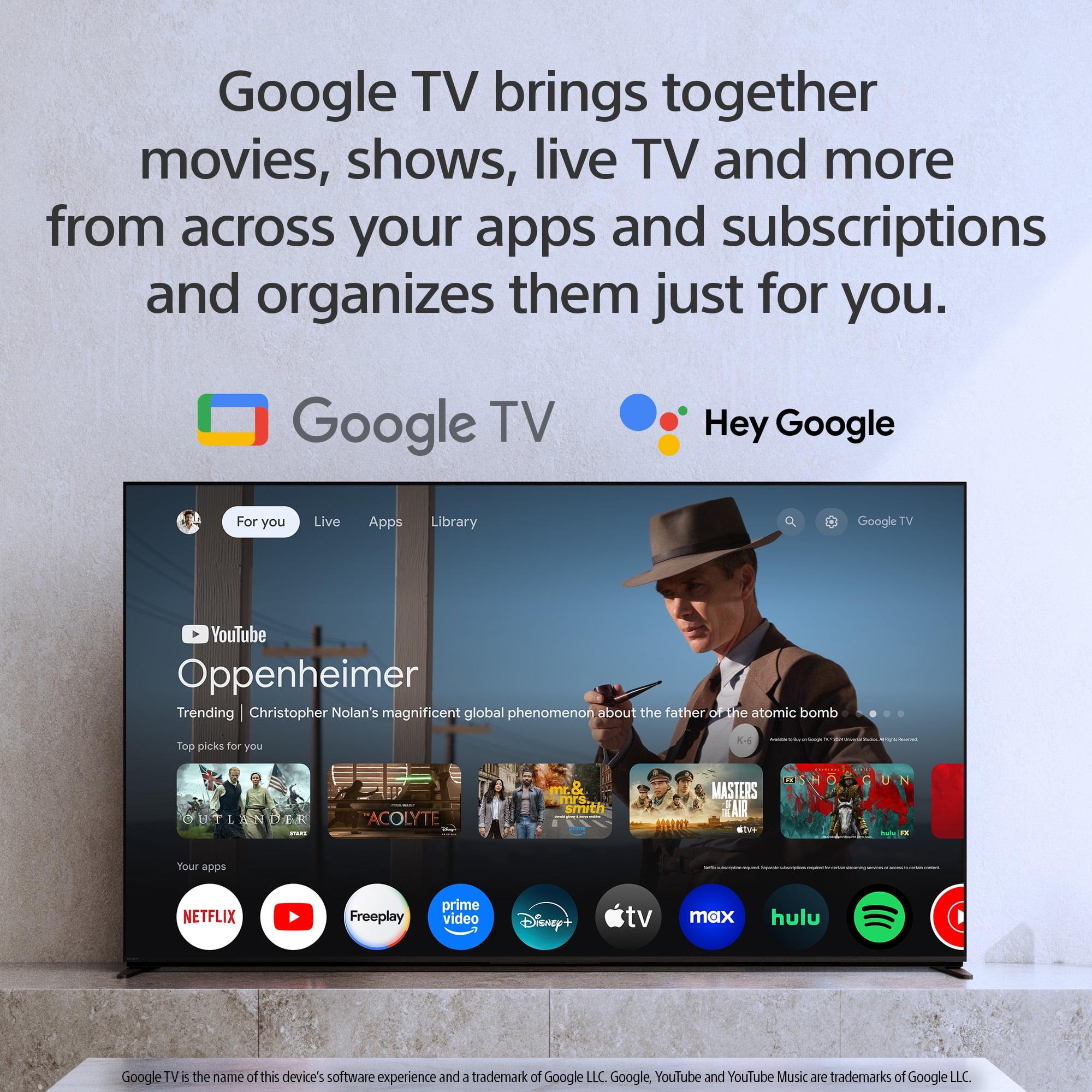
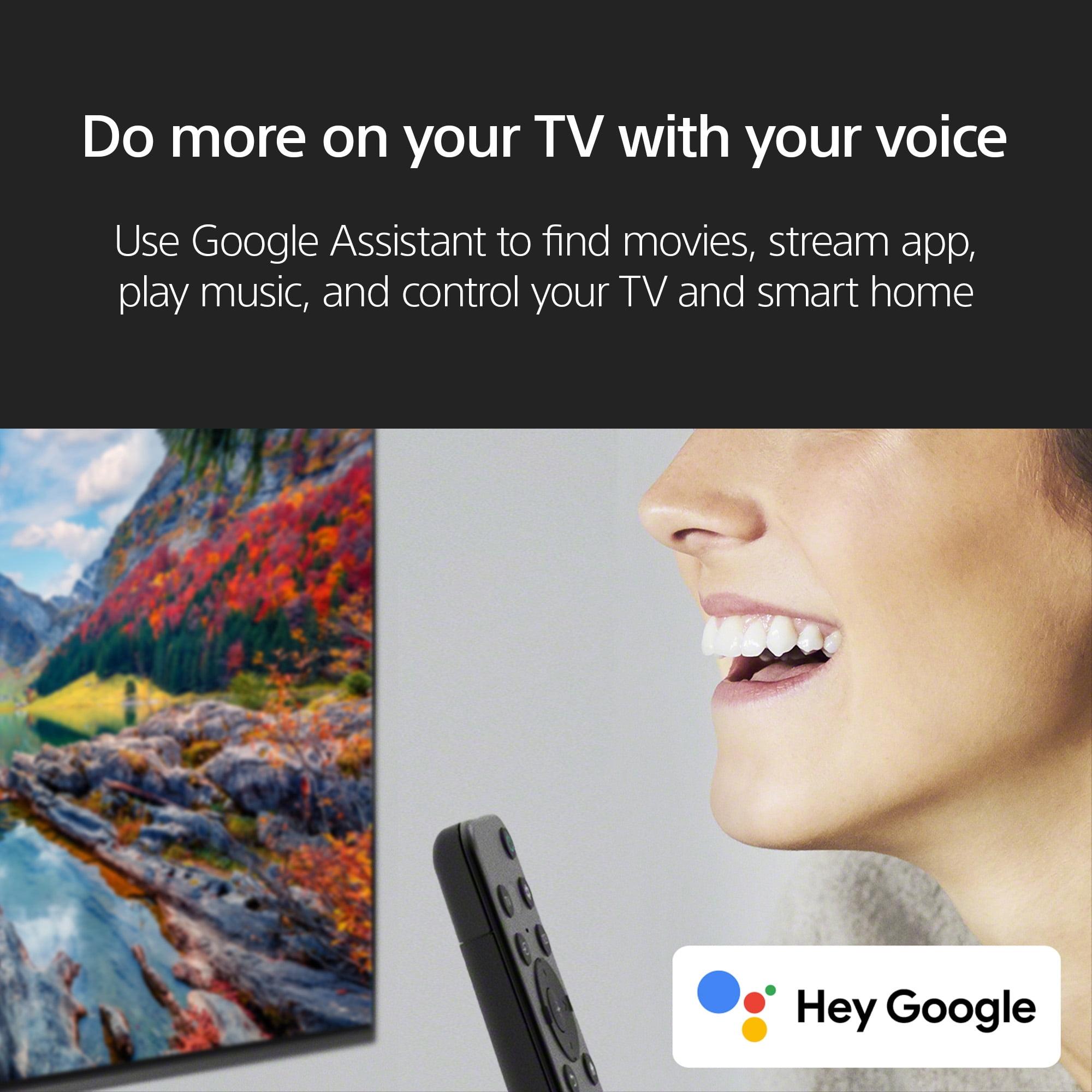
The Sony BRAVIA 2 II (/product1) runs Google TV, which is essentially a refined version of Android TV. It provides excellent integration with Google services, supports a wide range of apps, and includes Google Assistant for voice control. The interface is clean and focuses on content discovery, making it easy to find something to watch across different streaming services.
The LG C5 uses webOS 25, LG's proprietary smart TV platform. WebOS has evolved significantly over the years and is now considered one of the most user-friendly smart TV platforms available. It's fast, responsive, and intuitive. The Magic Remote that comes with LG TVs allows for point-and-click navigation, which many users find more natural than traditional directional pad remotes.
The Alpha 9 AI Processor Gen8 in the LG C5 is significantly more powerful than the 4K Processor X1 in the Sony. This shows up in several ways: faster app loading times, better upscaling of lower-resolution content, and more sophisticated AI-driven picture optimization. The LG processor can analyze content in real-time and adjust settings automatically to optimize the viewing experience.
The Sony's processor is adequate for basic smart TV functions but lacks the advanced AI capabilities of the LG. For everyday use, both platforms work well, but the LG provides a more premium experience.
While both TVs support modern audio formats, there are some important differences. The Sony BRAVIA 2 II includes 40W speakers with support for Dolby Atmos and DTS:X. This is actually quite good for a budget TV, providing decent sound for everyday viewing.
The LG C5 also supports Dolby Atmos, but notably, LG dropped DTS audio passthrough from their 2025 models. This might matter if you have a home theater system that relies on DTS audio formats. However, the C5's audio processing is more sophisticated, and the built-in speakers are designed to work with the TV's thin profile.
For serious home theater use, you'll likely want to add a soundbar or surround sound system to either TV, but the Sony's broader audio format support might be an advantage in some setups.
If you're setting up a dedicated home theater, the LG OLED evo C5 (/product2) is the clear choice. The perfect blacks and infinite contrast create a truly cinematic experience that's difficult to match with LED technology. In a dark room, the difference is immediately apparent—movies look more like they do in a real theater.
The C5 supports FILMMAKER MODE, which preserves the director's original intent by disabling motion smoothing and other processing that can make movies look artificial. It also supports advanced HDR formats like Dolby Vision, which can make a significant difference in properly mastered content.
However, home theaters aren't just about the TV—they're about the entire environment. If your theater room has any ambient light, the Sony's higher brightness might actually be more practical. The key is matching the TV to your specific room conditions.
The price difference between these TVs is substantial—the Sony costs $649.99 while the LG ranges from $2,080 to $2,196.99. This isn't just a price difference; it's a different category of product entirely.
The Sony BRAVIA 2 II offers exceptional value for budget-conscious buyers. You get a large 65" 4K display with decent picture quality, modern smart TV features, and adequate gaming performance. For many people, this represents everything they need from a TV without paying for features they won't use.
The LG C5 commands its premium price through superior technology and performance. The OLED panel alone costs significantly more to manufacture than an LED panel, and the advanced processor, gaming features, and build quality justify the higher price for users who will appreciate these improvements.
The decision between these TVs ultimately depends on your priorities, budget, and viewing environment.
Choose the Sony BRAVIA 2 II (/product1) if you're looking for solid 4K performance without breaking the bank. It's ideal for bright rooms, casual viewing, and situations where you want a good TV without paying premium prices. It's also a great choice if you're upgrading from an older HD TV and want to experience 4K without a massive investment.
Choose the LG OLED evo C5 (/product2) if picture quality is your top priority. It's the better choice for movie enthusiasts, serious gamers, and anyone who wants the best possible viewing experience. The premium price is justified by the superior technology and performance across virtually every metric.
Consider your viewing habits, room environment, and budget carefully. Both TVs will serve you well within their intended use cases, but they're designed for different audiences with different priorities. The Sony delivers excellent value, while the LG delivers excellent performance—and both approaches have their place in the market.
| Sony BRAVIA 2 II 65" 4K LED Google TV 2025 | LG OLED evo C5 65" 4K TV 2025 |
|---|---|
| Price - The most obvious difference between these TVs | |
| $649.99 | $2,080-$2,196.99 |
| Display Technology - Fundamentally different approaches to creating the picture | |
| LED-LCD with backlight | OLED with self-emitting pixels |
| Black Levels - Critical for movie watching and contrast | |
| Good but not perfect (grayish blacks) | Perfect blacks (infinite contrast) |
| Peak Brightness - Important for bright rooms and HDR content | |
| High (better for bright rooms) | Moderate (improved but still less than LED) |
| Gaming Refresh Rate - Essential for next-gen console gaming | |
| 60Hz native | 120Hz native, up to 144Hz |
| HDMI 2.1 Support - Required for advanced gaming features | |
| Limited or basic implementation | 4 full HDMI 2.1 ports |
| Gaming Features - VRR, ALLM, G-SYNC compatibility | |
| Basic gaming features only | Full VRR, ALLM, G-SYNC, FreeSync Premium |
| Smart TV Platform - Your daily interface experience | |
| Google TV with 4K Processor X1 | webOS 25 with Alpha 9 AI Processor Gen8 |
| Viewing Angles - Important for wide seating arrangements | |
| Moderate (colors shift when viewed from side) | Excellent (maintains quality from any angle) |
| Audio Support - Matters for home theater setups | |
| Dolby Atmos, DTS:X, 40W speakers | Dolby Atmos, no DTS passthrough |
| Burn-in Risk - Long-term reliability consideration | |
| No risk (LED technology immune) | Minimal risk (modern OLEDs much improved) |
| Best Use Cases - Who each TV serves best | |
| Budget buyers, bright rooms, casual viewing | Movie enthusiasts, gamers, dark rooms, premium experience |
The Sony BRAVIA 2 II 65" 4K LED Google TV 2025 (/product1) offers exceptional value at $649.99, delivering solid 4K performance for budget-conscious buyers. The LG OLED evo C5 65" 4K TV 2025 (/product2) costs significantly more but provides premium picture quality with perfect blacks and advanced gaming features. Choose the Sony for great value, or the LG if you want the best possible picture quality and can justify the higher price.
The LG OLED evo C5 (/product2) uses OLED technology where each pixel emits its own light, creating perfect blacks and infinite contrast. The Sony BRAVIA 2 II (/product1) uses LED-LCD technology with a backlight behind the screen, which can't achieve true blacks but gets much brighter. OLED is better for dark rooms and movie watching, while LED is better for bright rooms.
The LG OLED evo C5 65" 4K TV 2025 (/product2) is significantly better for gaming with 120Hz refresh rate, four HDMI 2.1 ports, VRR, and 0.1ms response time. The Sony BRAVIA 2 II 65" 4K LED Google TV 2025 (/product1) only supports 60Hz and has basic gaming features. For serious gaming with PS5 or Xbox Series X, the LG C5 is the clear winner.
Yes, the picture quality difference is immediately noticeable. The LG OLED evo C5 (/product2) delivers perfect blacks, vibrant colors, and superior contrast that's especially apparent in dark scenes. The Sony BRAVIA 2 II (/product1) has good picture quality for the price but cannot match OLED's contrast and color accuracy. The difference is most dramatic when watching movies in dark rooms.
The Sony BRAVIA 2 II 65" 4K LED Google TV 2025 (/product1) performs better in bright rooms due to its higher peak brightness that can overcome ambient light and glare. The LG OLED evo C5 65" 4K TV 2025 (/product2) has improved brightness compared to older OLEDs but still can't match LED brightness levels. For sunny living rooms, the Sony is the more practical choice.
Both TVs offer excellent smart TV platforms. The Sony BRAVIA 2 II (/product1) runs Google TV with great app selection and Google Assistant integration. The LG OLED evo C5 (/product2) uses webOS 25 with a more advanced processor for faster performance and better AI features. Both support all major streaming apps, but the LG offers a more premium smart TV experience.
The LG OLED evo C5 65" 4K TV 2025 (/product2) is superior for home theater use with perfect blacks, infinite contrast, and support for FILMMAKER MODE and Dolby Vision. These features create a truly cinematic experience in dark rooms. The Sony BRAVIA 2 II 65" 4K LED Google TV 2025 (/product1) provides good movie watching for the price but cannot match OLED's contrast and color performance.
Modern OLEDs like the LG OLED evo C5 (/product2) have minimal burn-in risk thanks to improved technology and automatic protection features. The Sony BRAVIA 2 II (/product1) has no burn-in risk as LED technology is immune to this issue. While burn-in is still technically possible with OLEDs, it's much less of a concern with normal viewing habits than it was with older models.
The LG OLED evo C5 65" 4K TV 2025 (/product2) maintains excellent picture quality from any viewing angle without color shifting or contrast loss. The Sony BRAVIA 2 II 65" 4K LED Google TV 2025 (/product1) experiences noticeable picture degradation when viewed from the side, with colors shifting and contrast decreasing. For wide seating arrangements, the LG C5 is the better choice.
The Sony BRAVIA 2 II 65" 4K LED Google TV 2025 (/product1) is the clear choice for budget-conscious buyers, offering excellent value with solid 4K performance, good smart features, and reliable build quality. The LG OLED evo C5 (/product2) costs over three times more and may not be worth the premium for casual viewers who primarily watch in bright rooms.
The Sony BRAVIA 2 II (/product1) supports Dolby Atmos and DTS:X with 40W speakers, providing good audio format compatibility. The LG OLED evo C5 65" 4K TV 2025 (/product2) supports Dolby Atmos but dropped DTS passthrough in 2025 models. For home theater setups that rely on DTS audio, the Sony might be more compatible with existing equipment.
The LG OLED evo C5 65" 4K TV 2025 (/product2) offers better future-proofing with advanced gaming features, HDMI 2.1 ports, and a more powerful processor that can handle future content demands. The Sony BRAVIA 2 II 65" 4K LED Google TV 2025 (/product1) covers current needs well but lacks advanced features for future gaming and content standards. The LG investment pays off over time for tech enthusiasts.
We've done our best to create useful and informative comparisons to help you decide what product to buy. Our research uses advanced automated methods to create this comparison and perfection is not possible - please contact us for corrections or questions. These are the sites we've researched in the creation of this article: bestbuy.com - notebookcheck.net - rtings.com - youtube.com - youtube.com - rtings.com - avsforum.com - croma.com - totonstv.com - electronics.sony.com - listenup.com - pcrichard.com - youtube.com - flanners.com - brandsmartusa.com - displayspecifications.com - pioneertvandappliance.com - donstv.com - bestbuy.com - rtings.com - youtube.com - businessinsider.com - youtube.com - bestbuy.com - lg.com - files.bbystatic.com - lg.com - flatpanelshd.com - lg.com - blvdhome.com - bhphotovideo.com - flanners.com - videopro.com.au

Privacy Policy
Terms and Conditions - Affiliate Policy
Home Security
© Copyright 2008-2026.
11816 Inwood Rd #1211, Dallas, TX 75244