

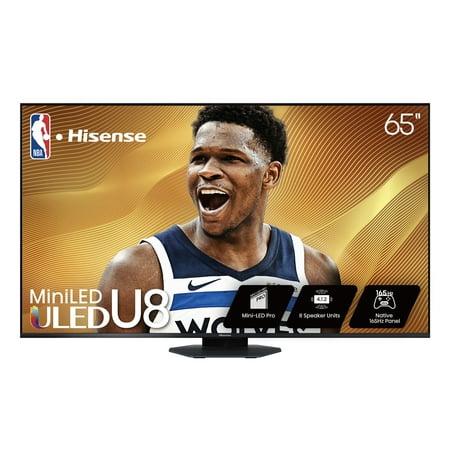
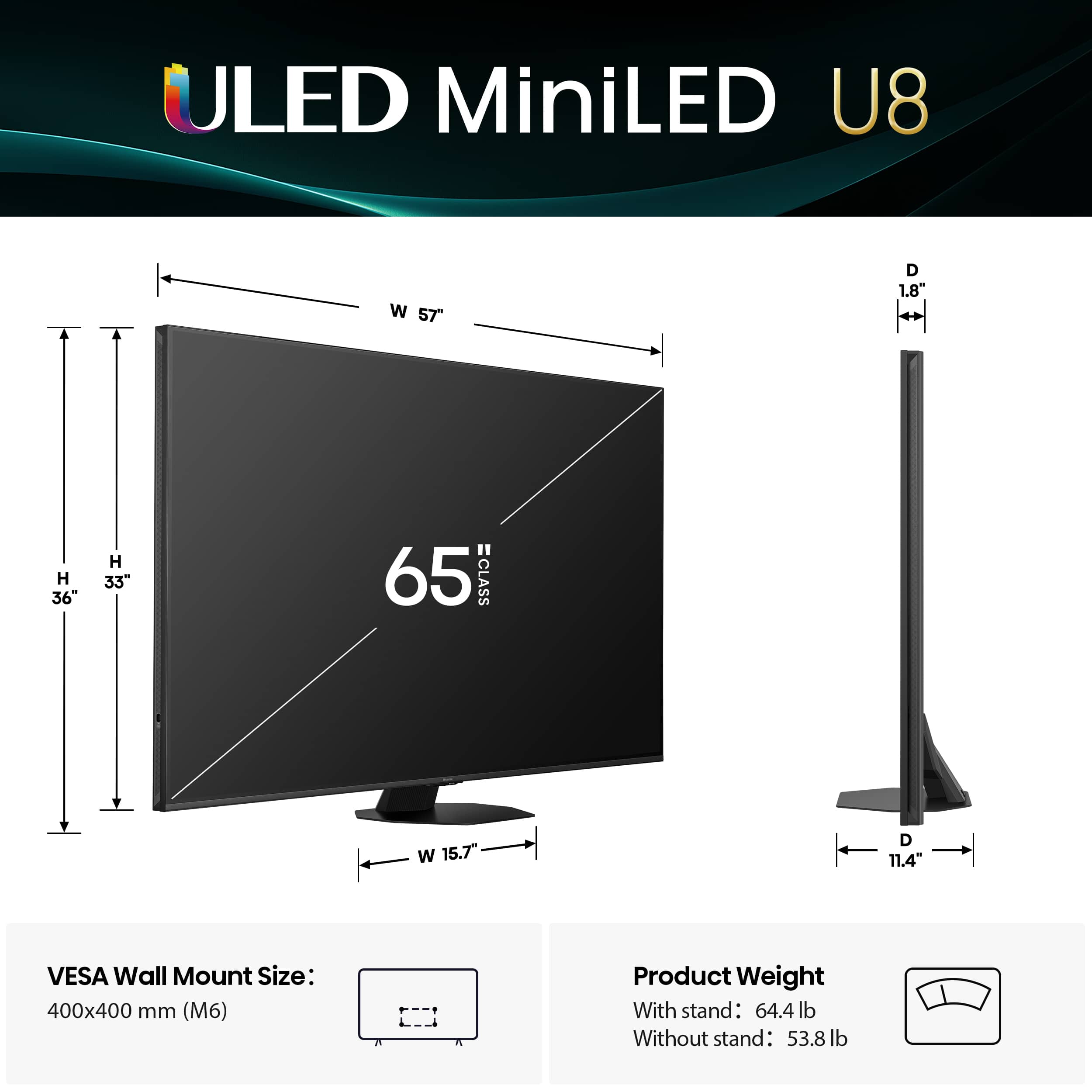
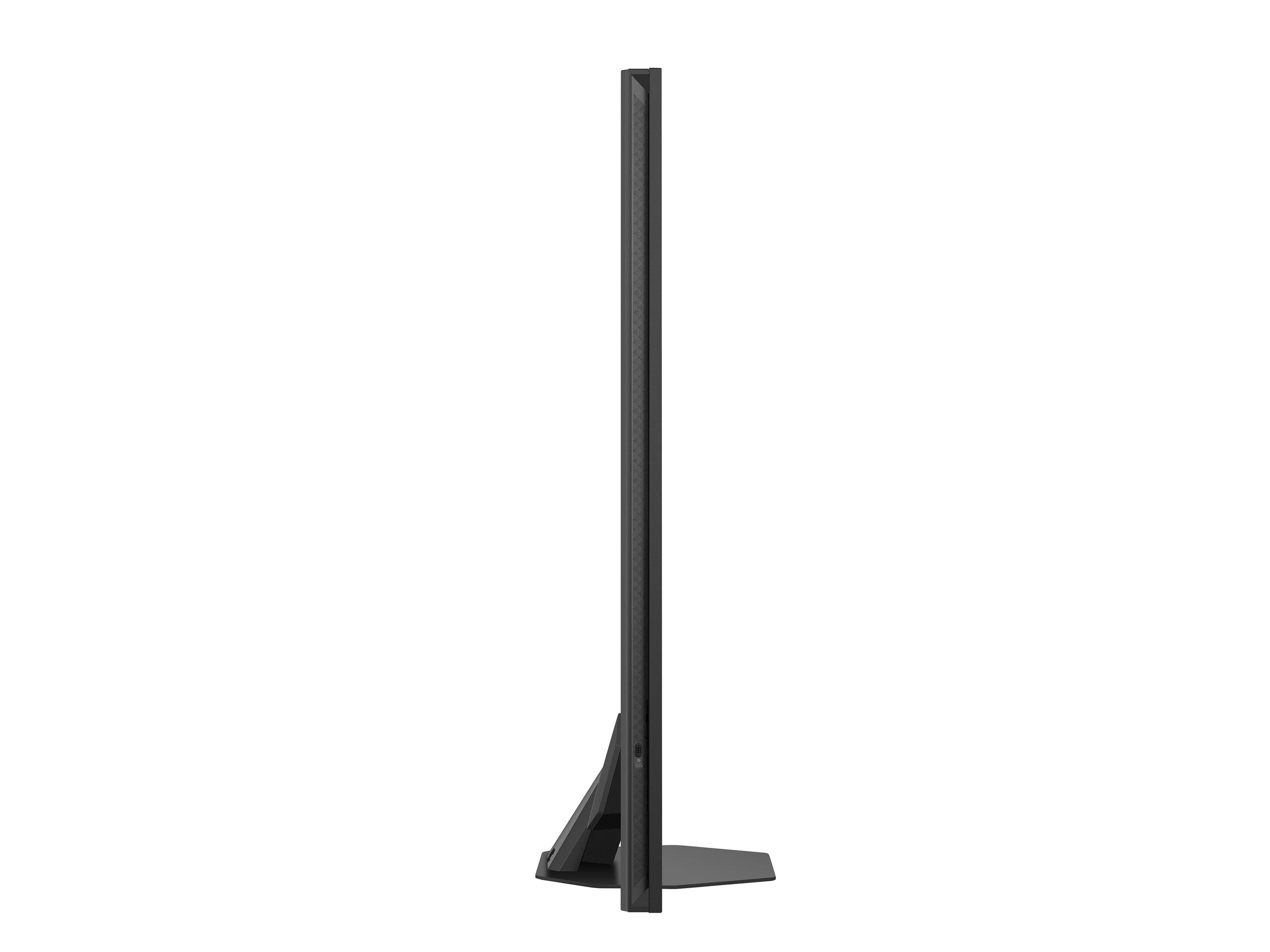
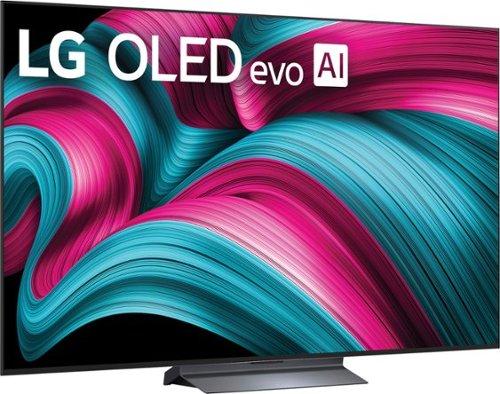
When you're shopping for a premium 65-inch 4K TV, you're entering a fascinating world where two completely different technologies are competing for your living room. The Hisense 65" U8 Series Mini-LED ULED 4K Google TV at $998 and the LG OLED evo C5 65" 4K TV 2025 at $2,197 represent two fundamentally different approaches to creating stunning images on your screen.
Think of it this way: one uses thousands of tiny lights behind the screen (Mini-LED), while the other has millions of pixels that light themselves up individually (OLED). Both create beautiful pictures, but they do it in completely different ways – and that makes all the difference in how they perform in your home.
The premium 65-inch TV market is where manufacturers showcase their best technology without the astronomical prices of their flagship models. These TVs are designed for people who want exceptional picture quality, smooth gaming, and smart features that'll last for years to come.
When you're comparing TVs in this category, you're essentially looking at how well they handle five key areas: picture quality in different lighting conditions, gaming performance, smart features, audio quality, and overall value. The sweet spot is finding a TV that excels in the areas that matter most to how you actually use it.
What makes this comparison particularly interesting is that both TVs launched in 2025, representing the latest innovations from their respective manufacturers. The Hisense U8 hit the market in early 2025, while LG announced the C5 in March 2025. This means you're comparing cutting-edge technology from both companies, not older models against newer ones.
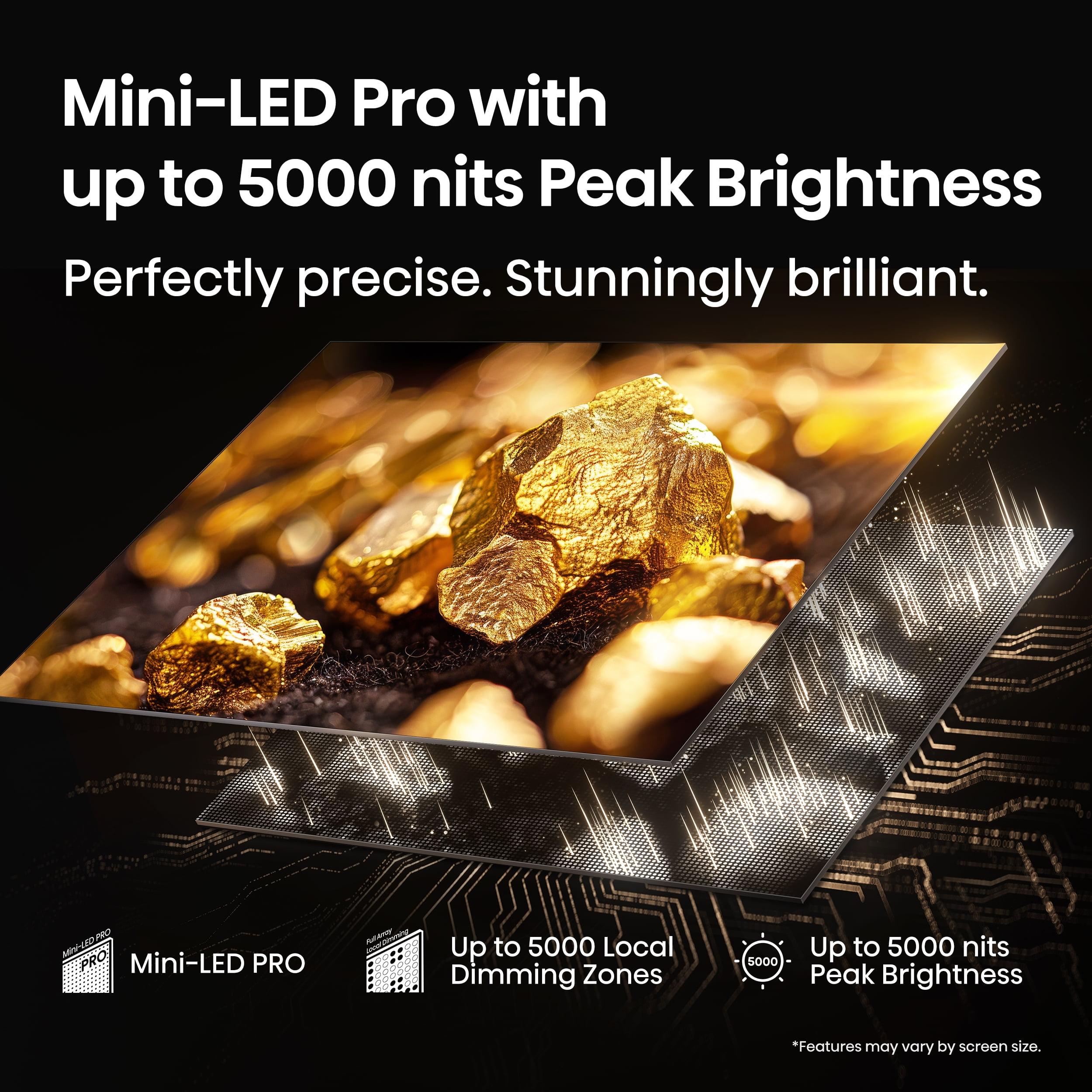
The Hisense U8's Mini-LED technology is like having thousands of tiny spotlights behind your TV screen. Traditional LED TVs might have a few dozen lights, but Mini-LED uses thousands of LEDs that are much smaller – hence the "mini" in the name. The U8 packs over 2,000 local dimming zones, which means it can control light and darkness with incredible precision.
Here's what this means for you: when you're watching a movie scene with a bright explosion against a dark night sky, the Mini-LED system can make those bright areas pop while keeping the dark areas truly dark. It's like having a lighting director behind your screen, constantly adjusting thousands of tiny lights to create the perfect image.
The big advantage of Mini-LED is brightness – and I mean serious brightness. The U8 can reach up to 3,000 nits, which is bright enough to make HDR content look stunning even in a room with all the lights on. For comparison, most TVs struggle to hit 1,000 nits.
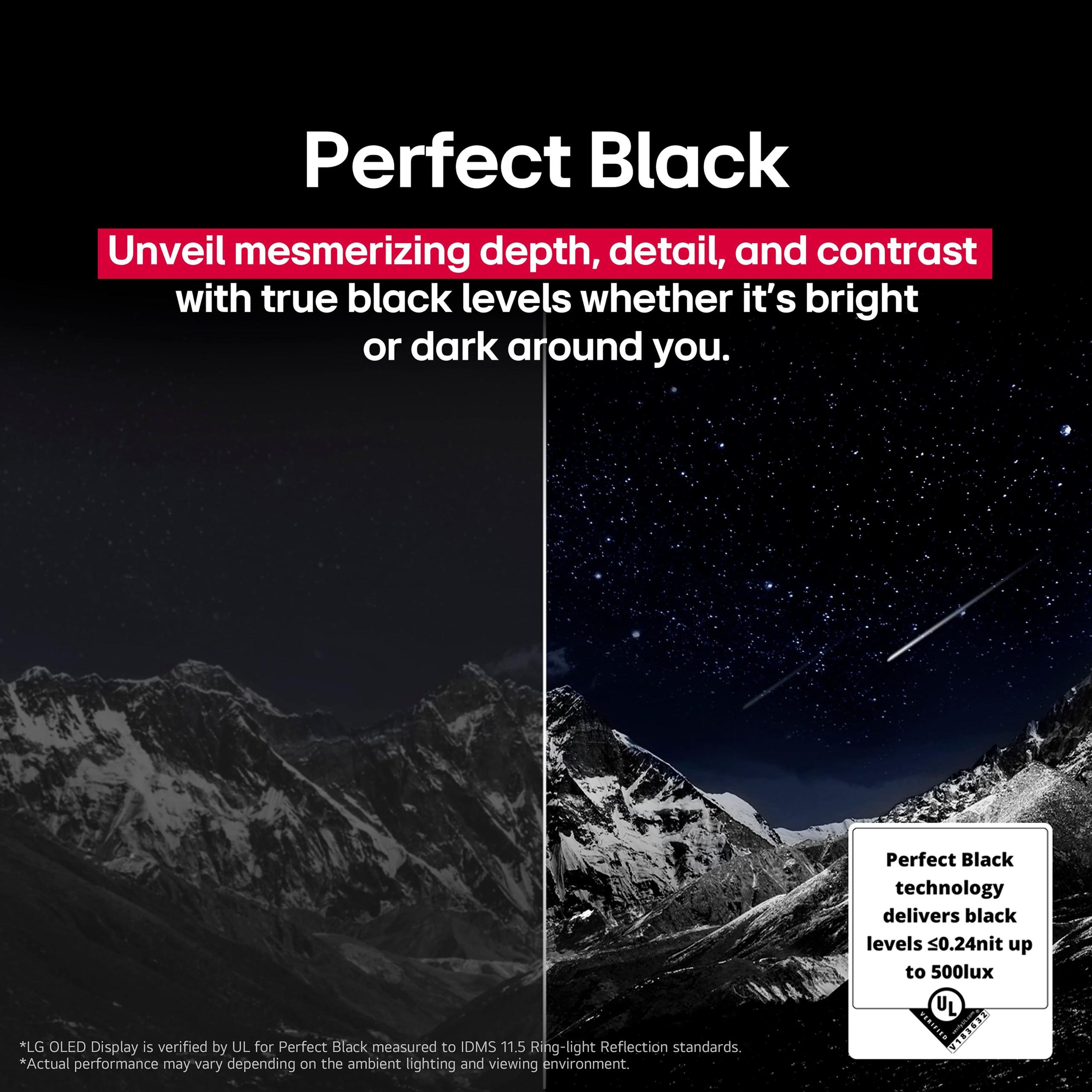
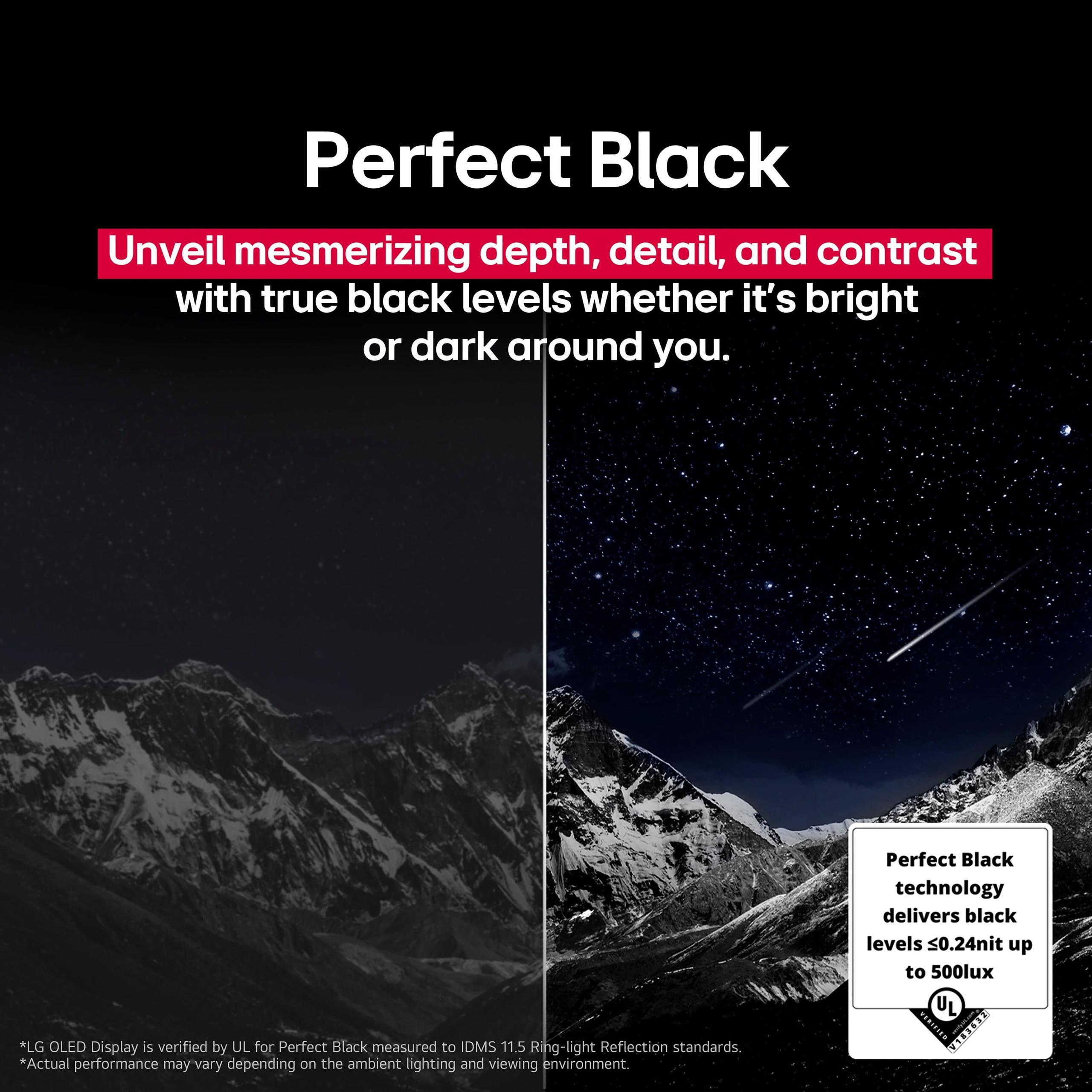
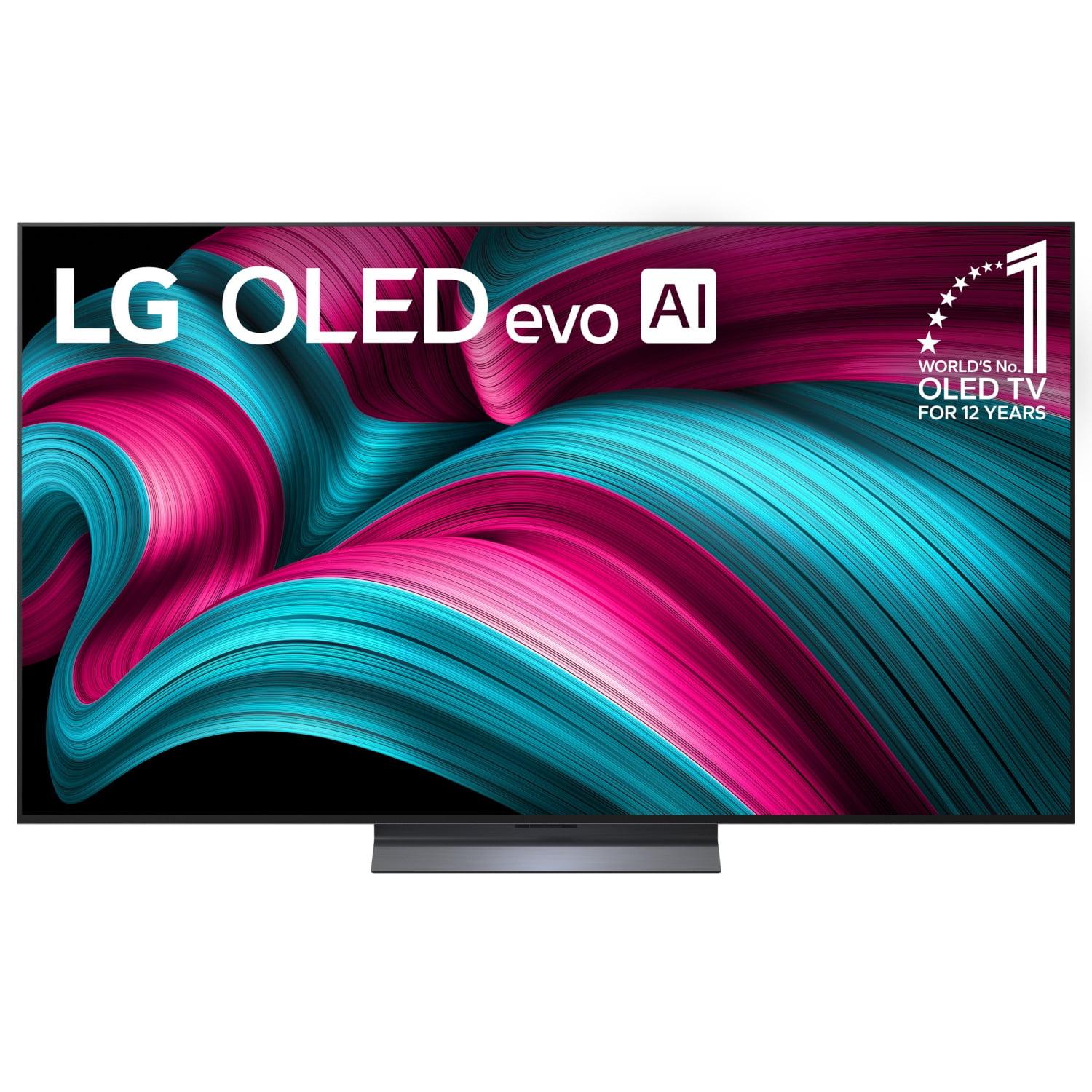
The LG C5's OLED technology takes a completely different approach. Instead of having lights behind the screen, each pixel creates its own light. Think of it like having 8.3 million tiny light bulbs that can turn on and off independently. When a pixel needs to be black, it simply turns off completely – no light leaks through from behind because there's no backlight.
This creates what we call "perfect blacks" – something that's impossible to achieve with any backlight-based system. When you're watching a movie in a dark room, those black letterbox bars at the top and bottom of the screen literally disappear. It's like looking through a window rather than at a screen.
The trade-off is brightness. While OLED technology has improved dramatically over the years, the C5 tops out at around 800 nits – still plenty bright for most content, but not as dazzling as Mini-LED in bright rooms.
This is where the technology differences really show up. The LG C5's perfect blacks create an infinite contrast ratio – the difference between the darkest and brightest parts of an image. When you're watching a movie like "Blade Runner 2049" with its moody, dark scenes punctuated by bright neon lights, the OLED's ability to turn pixels completely off creates an otherworldly viewing experience.
The Hisense U8, despite having over 2,000 dimming zones, still has some light leakage around bright objects in dark scenes – what we call "blooming." It's minimal and much better than cheaper TVs, but it's still there. However, in practical viewing, especially in rooms with ambient light, this difference becomes much less noticeable.
High Dynamic Range (HDR) is all about showing both the darkest shadows and the brightest highlights in the same image, just like your eyes see in real life. This is where the Hisense U8 truly excels. With its 3,000-nit peak brightness, HDR content like "Planet Earth" documentaries or action movies with bright explosions and sunlit scenes look absolutely spectacular.
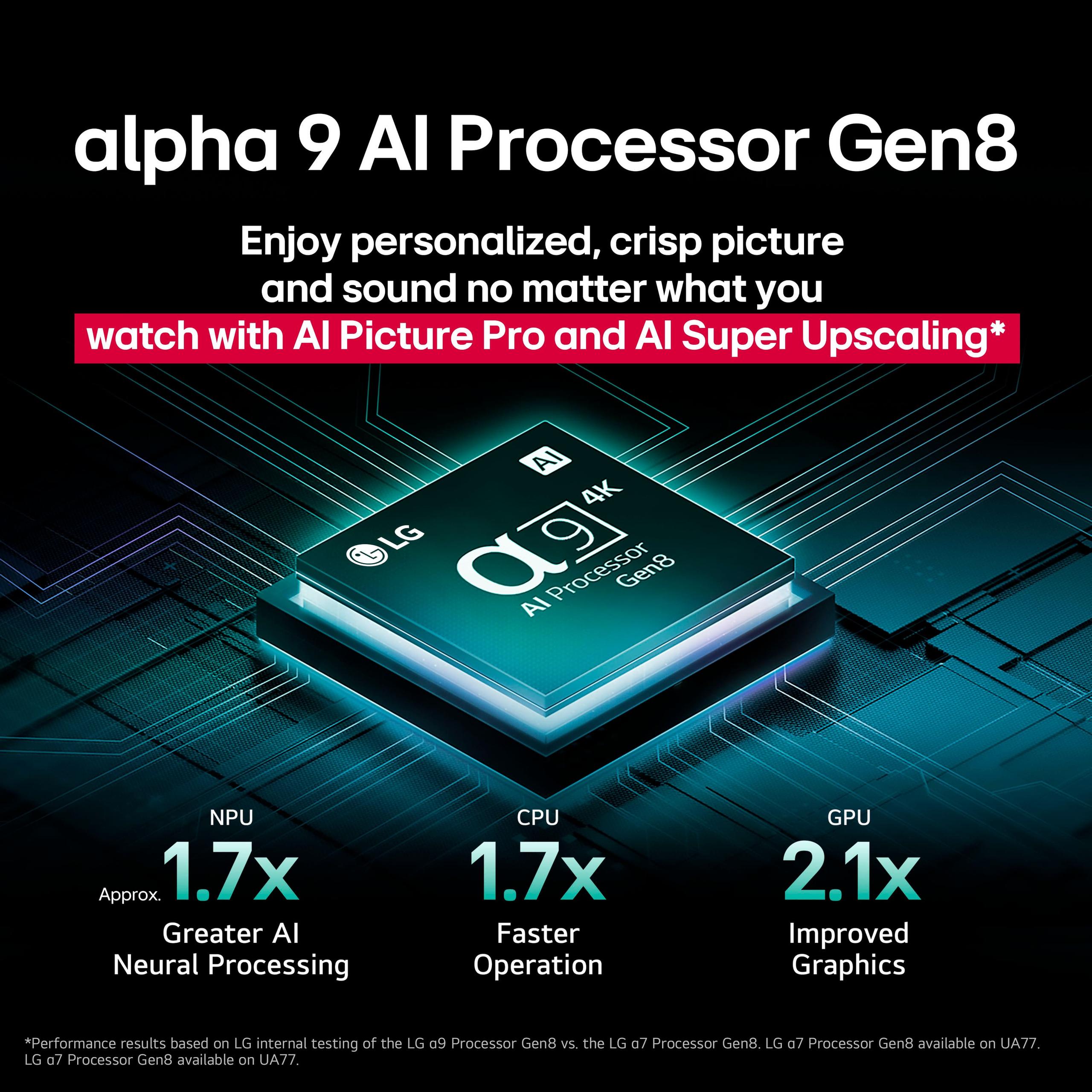
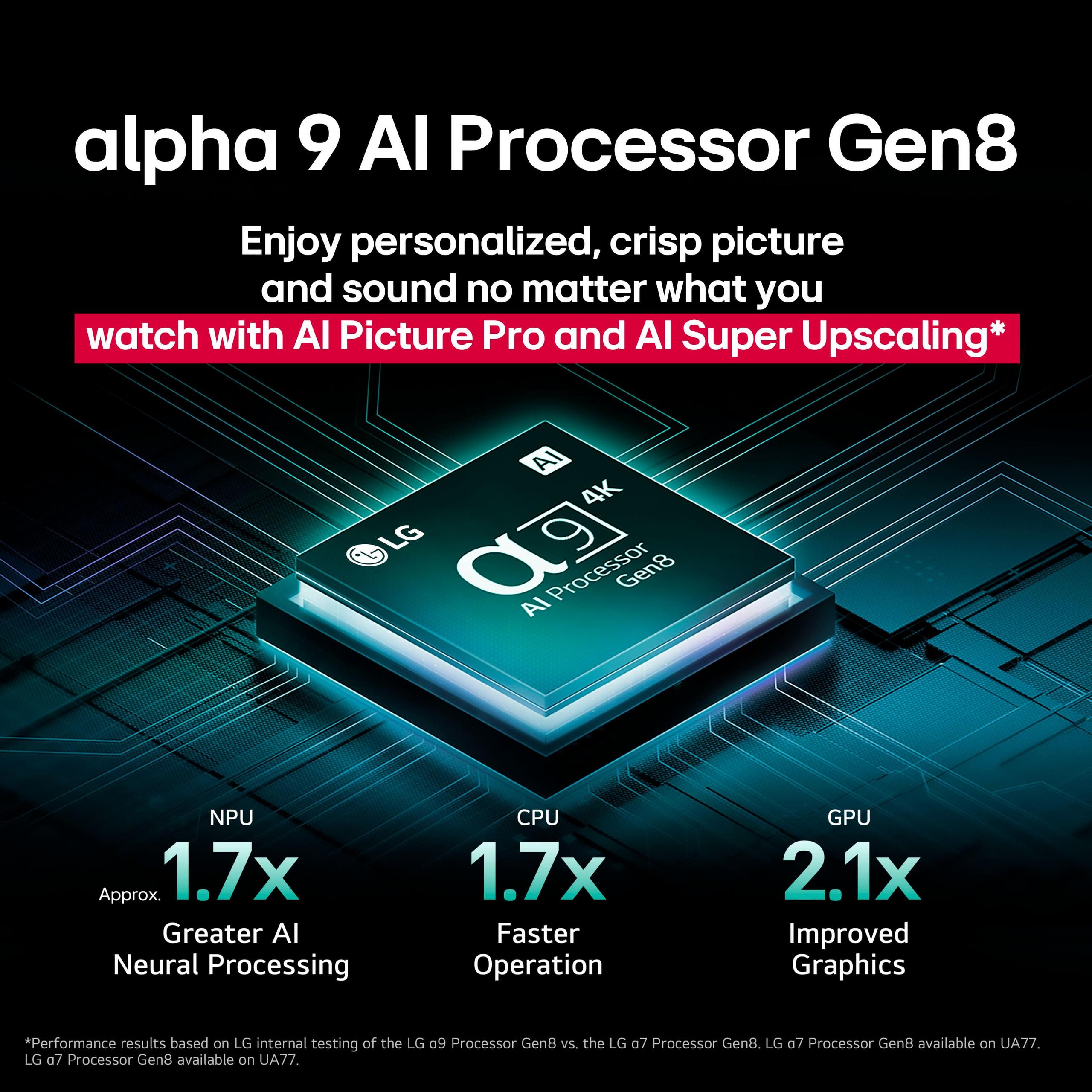
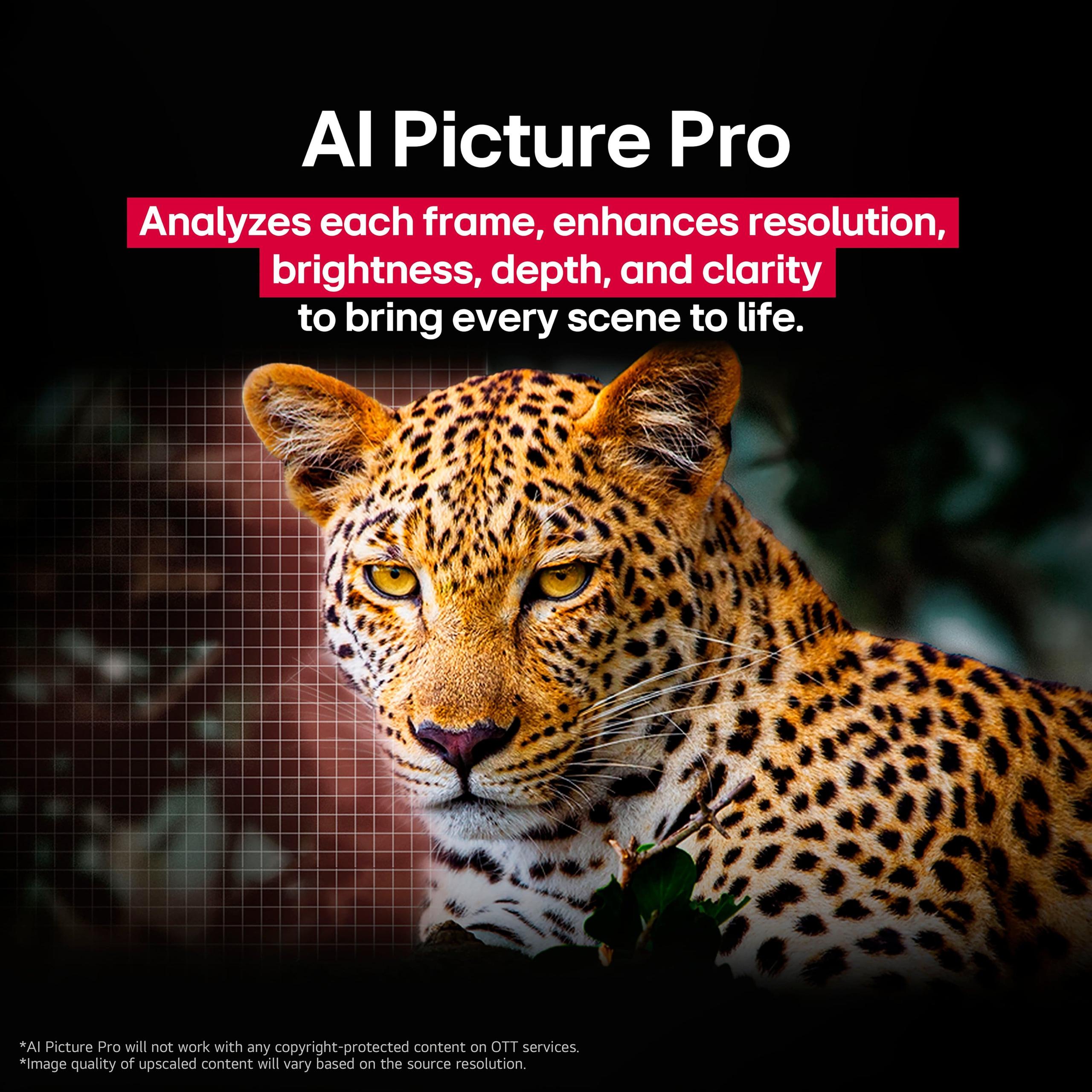
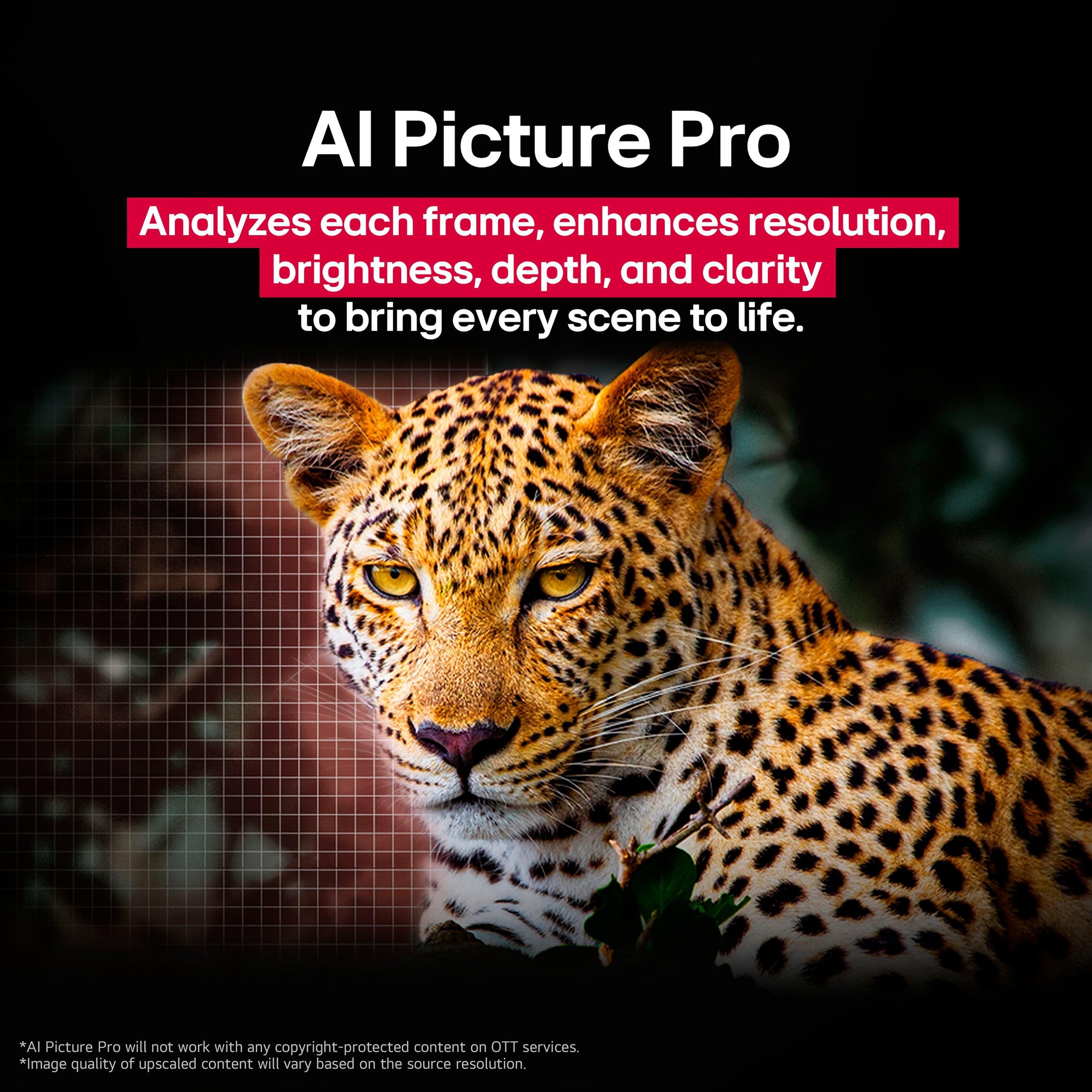
The LG C5, while excellent at handling HDR, simply can't match that level of brightness. However, it compensates with superior processing and color accuracy. The Alpha 9 AI Processor Gen8 in the C5 analyzes each frame and optimizes the picture in real-time, making even lower-brightness HDR content look more natural and film-like.
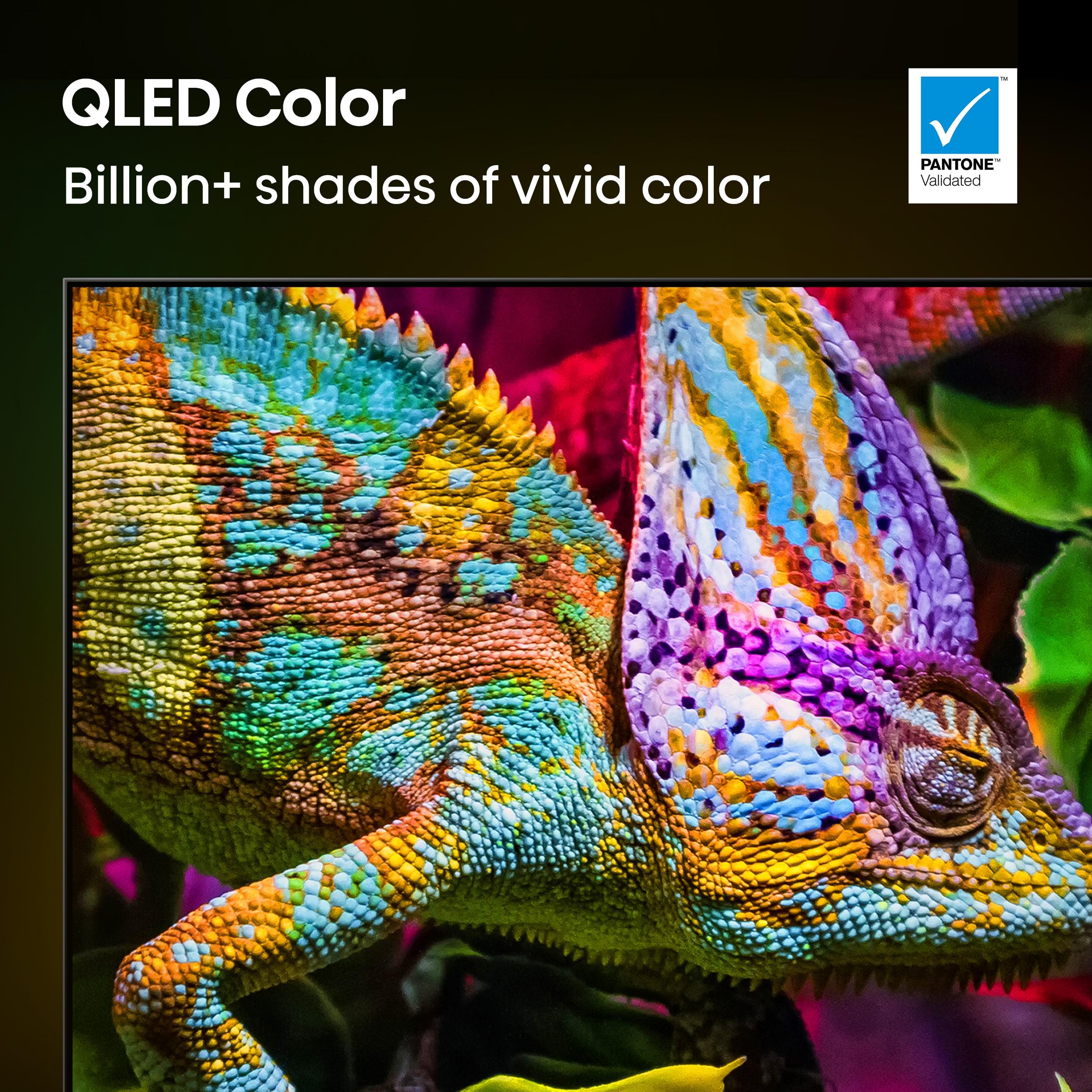
Both TVs support a wide color gamut – the range of colors they can display. The U8 uses Quantum Dot technology, which creates vibrant, punchy colors that really pop off the screen. It's particularly impressive with animated content or nature documentaries where you want those colors to really grab your attention.
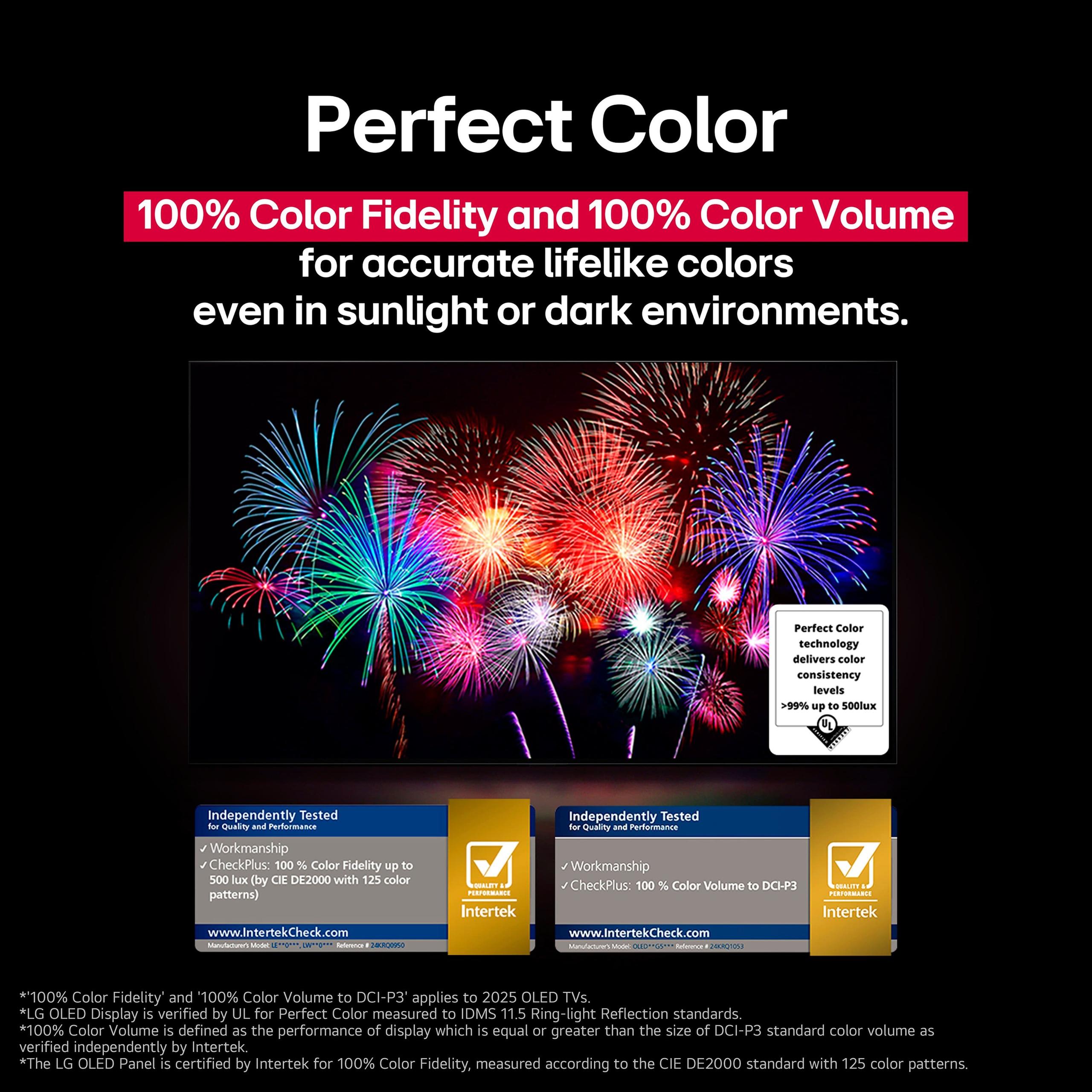
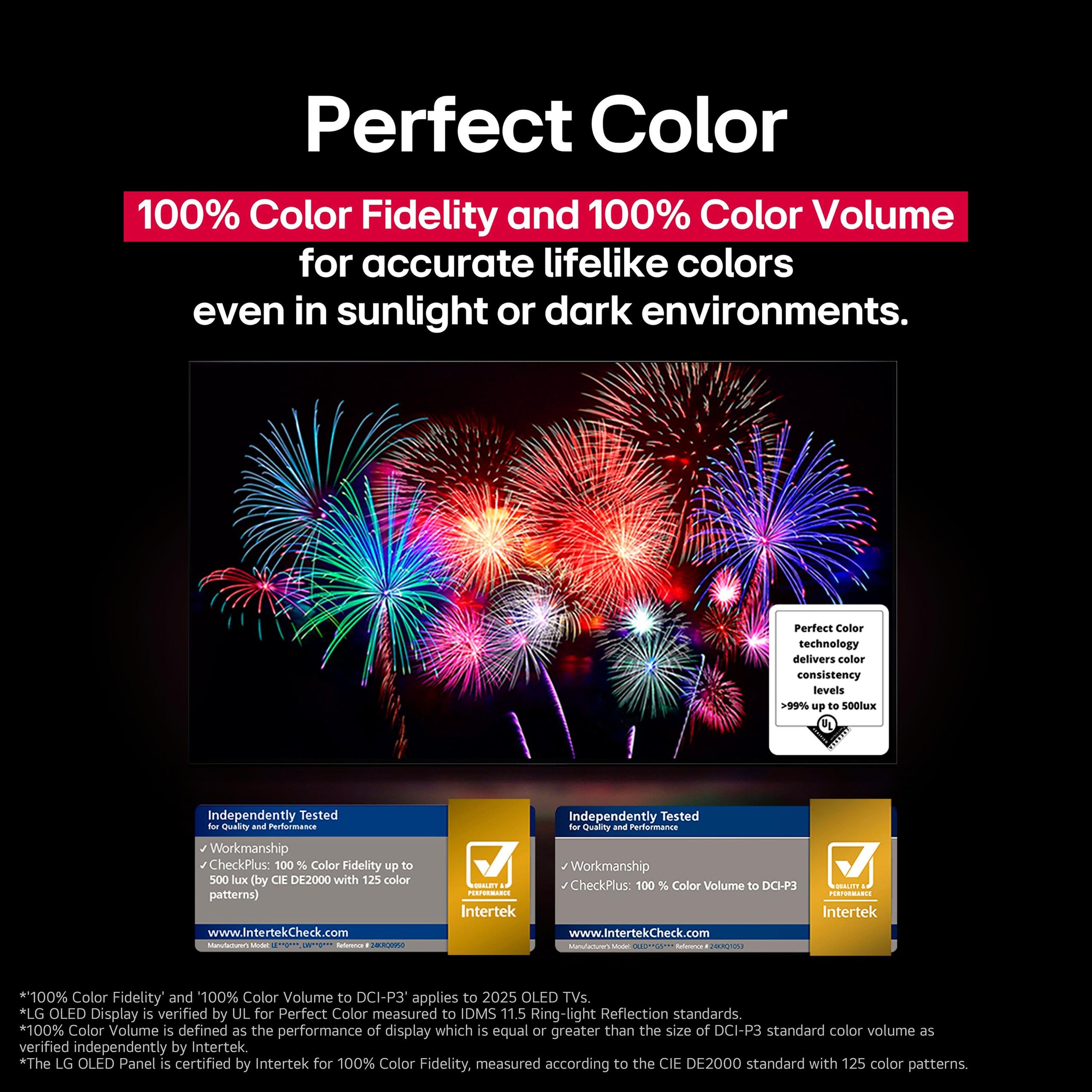
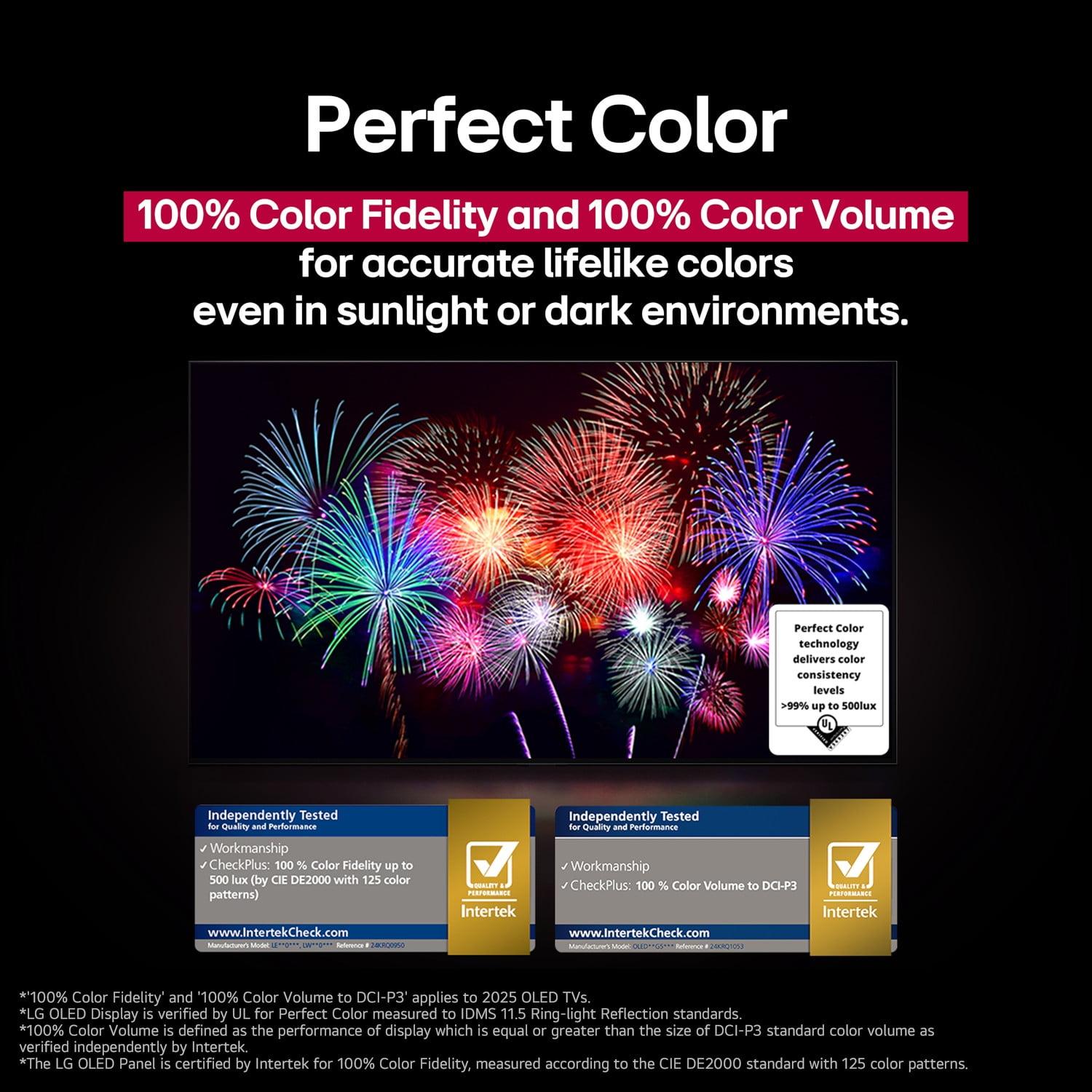
The C5's color reproduction is more subtle but arguably more accurate. Out of the box, it delivers colors that are closer to what content creators intended. This matters more than you might think – skin tones look more natural, and the overall image has a more film-like quality that's less fatiguing during long viewing sessions.
Both TVs are serious gaming machines, but they approach it differently. The gaming landscape has changed dramatically in recent years, with consoles now supporting 4K resolution at 120Hz and variable refresh rates (VRR) – technology that synchronizes the TV's refresh rate with the game's frame rate to eliminate screen tearing.
The LG C5 offers a 0.1ms response time, which is essentially instantaneous. This matters most for competitive gaming where every millisecond counts. The TV also supports NVIDIA G-SYNC and AMD FreeSync Premium, ensuring smooth gameplay regardless of your gaming setup.
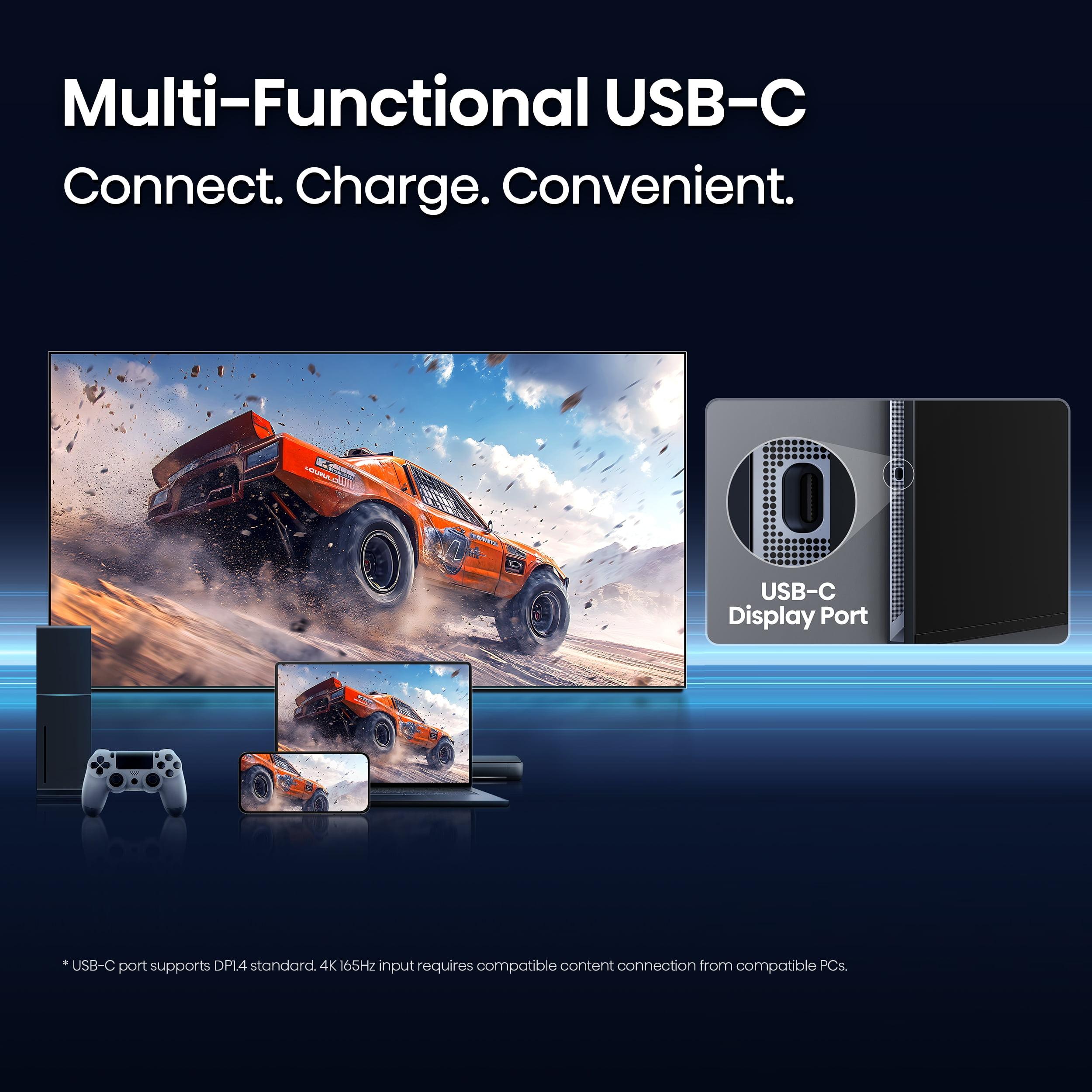
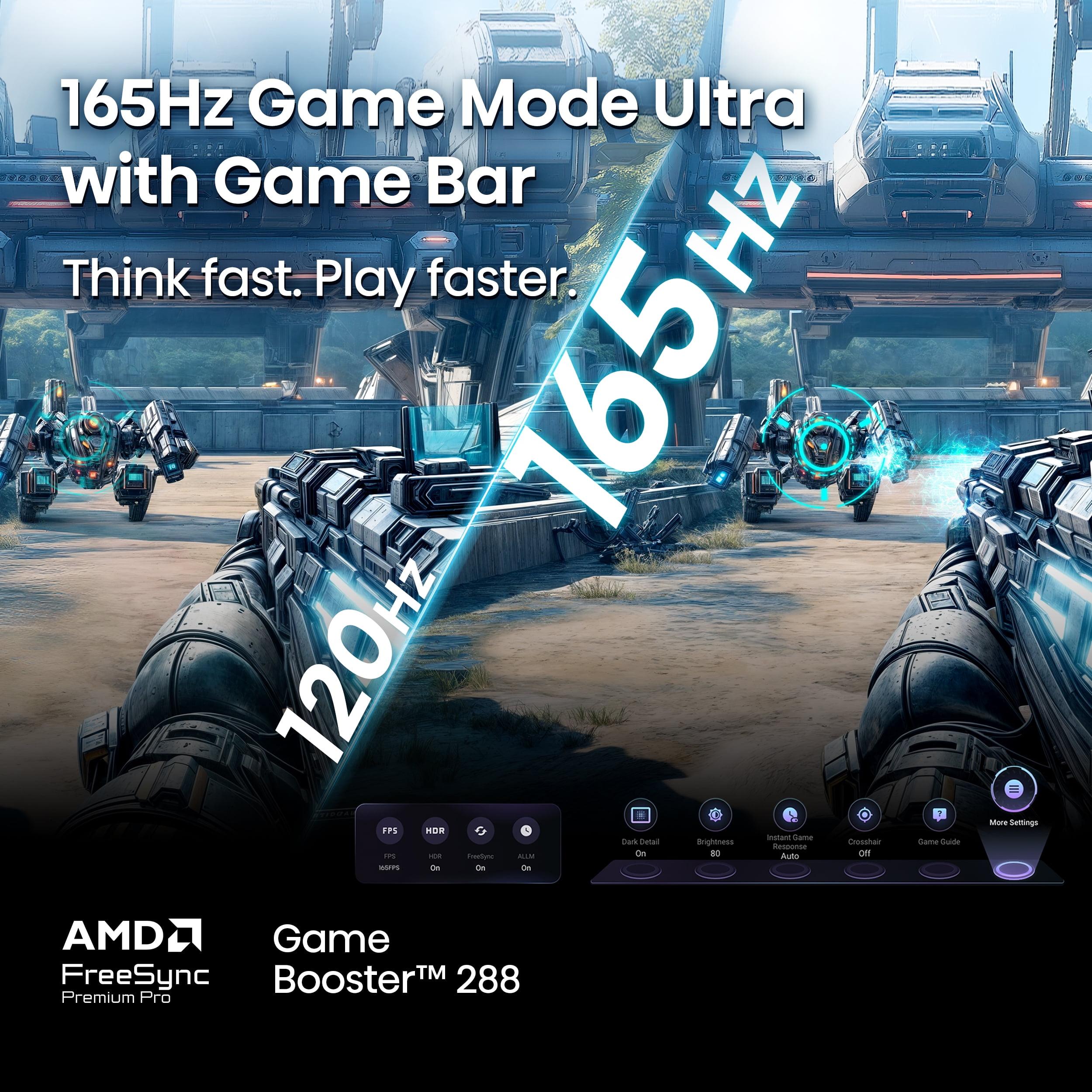
The Hisense U8 pushes the refresh rate even higher, supporting up to 144Hz for PC gaming. This is particularly beneficial if you're gaming on a high-end PC graphics card that can push frame rates above 120fps. The U8 also includes AMD FreeSync Premium Pro and a customizable Game Bar that lets you adjust settings without leaving your game.
Both TVs feature Auto Low Latency Mode (ALLM), which automatically switches to game mode when it detects a gaming console, reducing input lag without you having to remember to change settings.
The smart TV experience has evolved far beyond just streaming Netflix. Today's TVs are essentially computers with sophisticated processors that handle everything from upscaling lower-resolution content to optimizing audio and providing personalized recommendations.
The LG C5 runs webOS 25, which I find to be one of the most intuitive smart TV platforms available. The Magic Remote makes navigation feel natural, and the AI-driven recommendations actually seem to understand what you want to watch. The Alpha 9 AI Processor Gen8 continuously learns from your viewing habits and optimizes the picture accordingly.
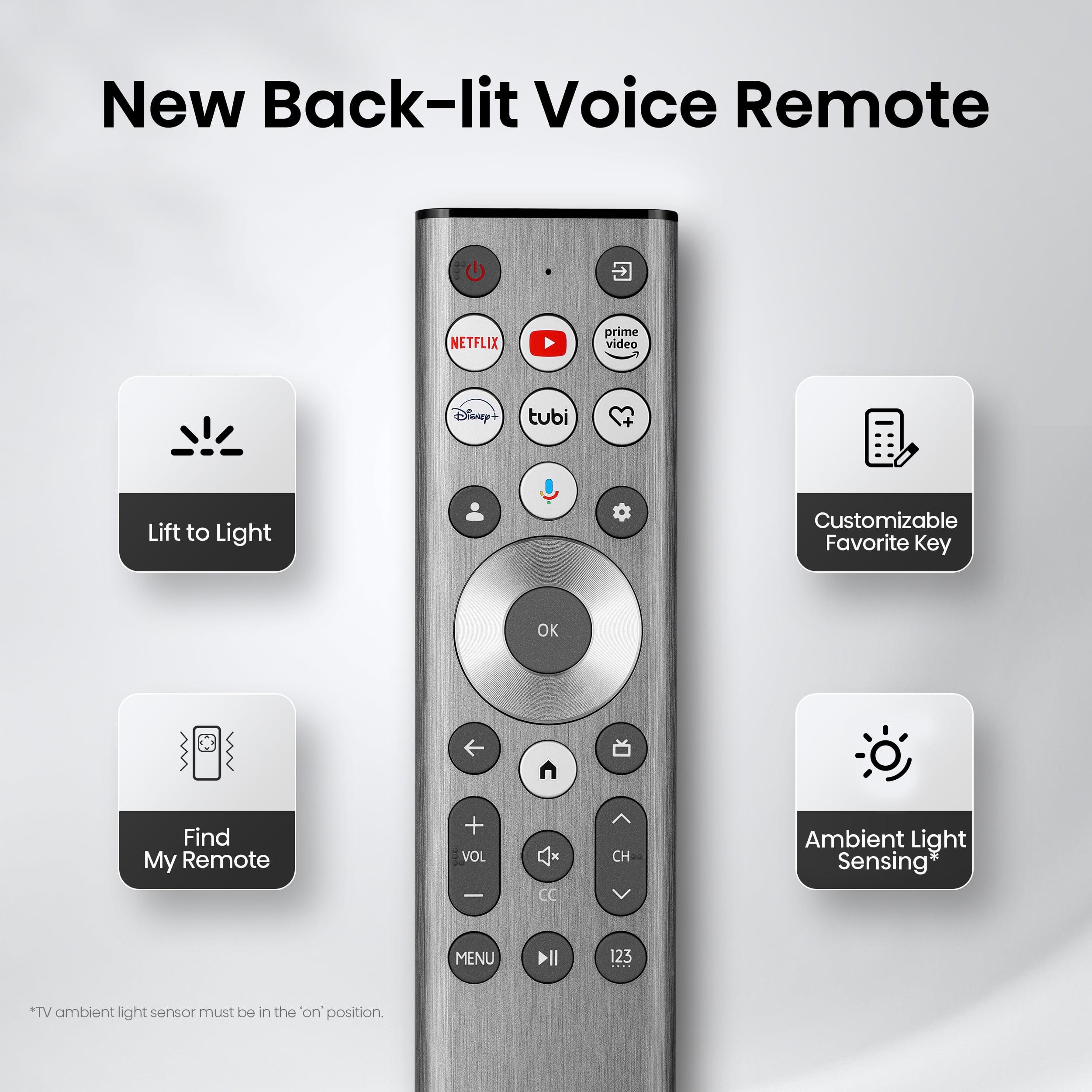
The Hisense U8 uses Google TV, which integrates seamlessly with other Google services and offers excellent voice control. If you're already in the Google ecosystem with an Android phone or Google Home devices, the integration feels seamless. The Hi-View Engine PRO handles AI processing, and while it's not as sophisticated as LG's processor, it still does an excellent job with upscaling and content optimization.
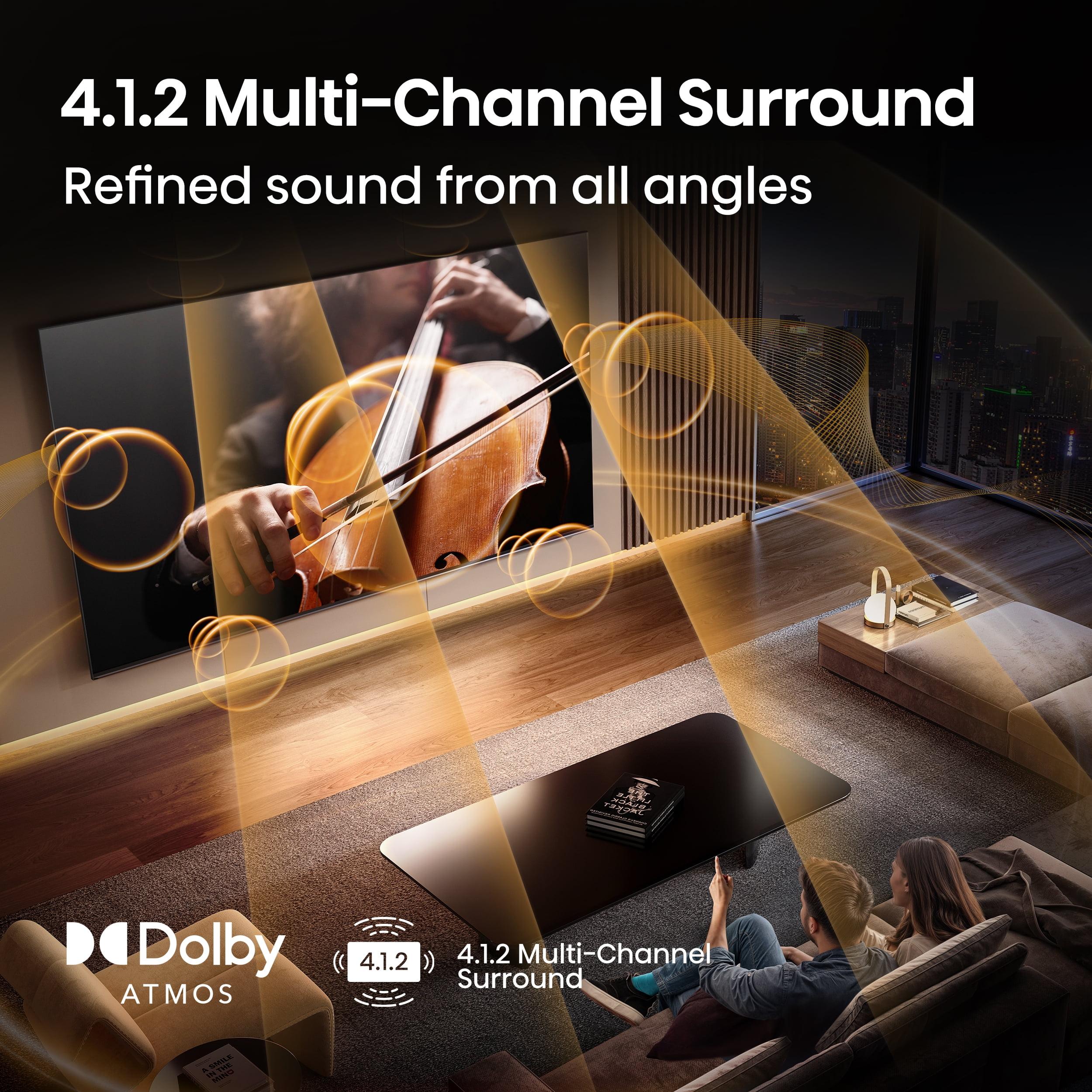
Here's where the Hisense U8 surprises many people. Its 50W 2.1.2 channel system with built-in subwoofer and Dolby Atmos support delivers genuinely impressive sound for a TV. The system includes upward-firing speakers that create a sense of height and dimension that's rare in built-in TV audio.
The LG C5 also supports Dolby Atmos and includes AI Sound Pro processing, but its built-in speakers are more typical of premium TVs – good but not exceptional. Most C5 owners end up adding a soundbar, while many U8 owners find the built-in audio sufficient for their needs.
At $998, the Hisense U8 represents exceptional value in the premium TV market. You're getting about 80% of the picture quality of TVs costing twice as much, plus some features (like higher refresh rates and better built-in audio) that even more expensive models don't offer.
The LG C5 at $2,197 commands a premium price, but it's justified by the reference-quality picture and advanced processing. If you're serious about picture quality and have a dedicated home theater setup, the additional cost delivers tangible benefits.
In a dedicated home theater environment – a room where you can control lighting and optimize the viewing experience – the LG C5 truly shines. The perfect blacks create an almost three-dimensional image quality that's mesmerizing in dark rooms. The wide viewing angles mean everyone in the room gets a great picture, regardless of seating position.
The Hisense U8 is more versatile for mixed-use rooms. Its superior brightness and anti-glare technology mean it performs well whether you're watching TV during the day with windows open or settling in for a movie night. The built-in audio also means fewer components and cables in your setup.
Both TVs represent significant advances over their predecessors. The U8 features double the local dimming zones of previous models and improved processing that reduces blooming and enhances HDR performance. The C5 includes LG's latest OLED evo panel technology with improved brightness and the company's most advanced AI processor.
The gaming features in both TVs reflect the industry's shift toward higher refresh rates and variable refresh rate technology. These weren't standard features just a few years ago, but now they're essential for next-generation gaming.
Choose the Hisense U8 Mini-LED if you want the best bang for your buck without sacrificing performance. It's ideal for bright rooms, offers excellent gaming features, and delivers impressive picture quality at a price that won't break the bank. The superior built-in audio is a bonus that could save you hundreds on a separate sound system.
Choose the LG OLED evo C5 if picture quality is your top priority and you have the budget for a premium experience. It's the better choice for dedicated home theaters, offers the most advanced smart features, and delivers the kind of picture quality that makes movies feel cinematic.
The bottom line? Both TVs are excellent, but they excel in different areas. The Hisense U8 offers incredible value and versatility, while the LG C5 provides reference-quality performance for serious enthusiasts. Your room, budget, and priorities will determine which one belongs in your home.
| Hisense 65" U8 Series Mini-LED ULED 4K Google TV | LG OLED evo C5 65" 4K TV 2025 |
|---|---|
| Price - The most important factor for most buyers | |
| $998 (exceptional value for premium features) | $2,197 (premium pricing for reference quality) |
| Display Technology - Fundamentally different approaches to picture quality | |
| Mini-LED with 2,000+ local dimming zones | OLED with 8.3 million self-lit pixels |
| Peak Brightness - Critical for HDR impact and bright room viewing | |
| 3,000 nits (excellent for daytime viewing) | ~800 nits (good for controlled lighting) |
| Black Levels - Determines contrast and dark scene detail | |
| Very good with minimal blooming | Perfect blacks with infinite contrast |
| Gaming Refresh Rate - Higher numbers mean smoother gameplay | |
| 144Hz (ideal for high-end PC gaming) | 120Hz (perfect for consoles and most PC gaming) |
| Gaming Response Time - Lower is better for competitive gaming | |
| Low input lag (excellent for all gaming) | 0.1ms (best possible for competitive gaming) |
| Smart TV Platform - Your daily interface experience | |
| Google TV (great Google integration) | webOS 25 (intuitive with Magic Remote) |
| Built-in Audio - Can save money on separate speakers | |
| 50W 2.1.2 with subwoofer (surprisingly good) | Standard TV speakers (soundbar recommended) |
| Viewing Angles - Important for group watching | |
| Narrow (best viewed straight-on) | Wide (excellent from any seating position) |
| Burn-in Risk - Long-term reliability concern | |
| No risk (LCD-based technology) | Minimal risk with modern OLED panels |
| Best Room Type - Where each TV performs optimally | |
| Bright/mixed lighting rooms | Dark rooms and home theaters |
| Warranty - Peace of mind for expensive purchase | |
| 2 years (double industry standard) | Standard 1-year warranty |
The Hisense 65" U8 Series Mini-LED ULED 4K Google TV is significantly better for bright rooms with its 3,000-nit peak brightness and anti-glare technology. The LG OLED evo C5 65" 4K TV 2025 struggles with reflections and performs best in controlled lighting environments.
The Hisense U8 Series costs $998, while the LG OLED evo C5 is priced at $2,197. That's more than a $1,200 difference, with the Hisense offering exceptional value for premium features.
The LG OLED evo C5 has superior picture quality with perfect blacks and infinite contrast, especially in dark rooms. The Hisense U8 Mini-LED offers excellent picture quality with brighter highlights but can't match OLED's perfect black levels.
Yes, both are excellent gaming TVs. The LG C5 offers 0.1ms response time and 4K 120Hz, while the Hisense U8 supports up to 144Hz refresh rate. Both include VRR, ALLM, and modern gaming features for smooth gameplay.
The LG OLED evo C5 is superior for dedicated home theater setups due to its perfect blacks, cinematic picture quality, and wide viewing angles. The Hisense U8 works well in mixed-use rooms but excels more in brighter environments.
The Hisense U8 Series has surprisingly good built-in audio with a 50W 2.1.2 system including a subwoofer. The LG C5 has standard TV speakers that typically require a soundbar for optimal audio experience.
The Hisense U8 Mini-LED has no burn-in risk and comes with a 2-year warranty. The LG OLED C5 has minimal burn-in risk with modern technology but includes a standard 1-year warranty.
The Hisense U8 uses Google TV with excellent Google integration and voice control. The LG C5 runs webOS 25 with the intuitive Magic Remote and AI-driven recommendations.
The Hisense 65" U8 Series offers exceptional value at $998, delivering about 80% of premium TV performance at 45% of the cost. The LG C5 provides premium quality that justifies its higher price for serious enthusiasts.
Yes, both excel at HDR. The Hisense U8 delivers more impactful HDR with its 3,000-nit brightness, while the LG OLED C5 offers more accurate HDR processing with superior color and contrast handling.
The LG OLED evo C5 has excellent viewing angles that maintain picture quality from any seating position. The Hisense U8 Mini-LED has narrower viewing angles and is best viewed from directly in front.
Choose the Hisense U8 at $998 if you want excellent performance and value, especially for bright rooms. Choose the LG C5 at $2,197 if you prioritize absolute picture quality and have a dedicated home theater setup with controlled lighting.
We've done our best to create useful and informative comparisons to help you decide what product to buy. Our research uses advanced automated methods to create this comparison and perfection is not possible - please contact us for corrections or questions. These are the sites we've researched in the creation of this article: bestbuy.com - hisense-usa.com - rtings.com - bestbuy.com - rtings.com - hisense-usa.com - youtube.com - hisense-usa.com - avsforum.com - hisense-usa.com - hisense-usa.com - rtings.com - avsforum.com - hisense-usa.com - prnewswire.com - hisense-usa.com - bestbuy.com - youtube.com - hisense-usa.com - bestbuy.com - rtings.com - youtube.com - businessinsider.com - youtube.com - bestbuy.com - lg.com - files.bbystatic.com - lg.com - flatpanelshd.com - lg.com - blvdhome.com - bhphotovideo.com - flanners.com - videopro.com.au

Privacy Policy
Terms and Conditions - Affiliate Policy
Home Security
© Copyright 2008-2026.
11816 Inwood Rd #1211, Dallas, TX 75244