

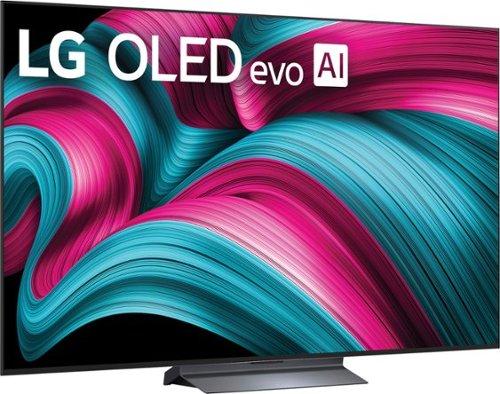
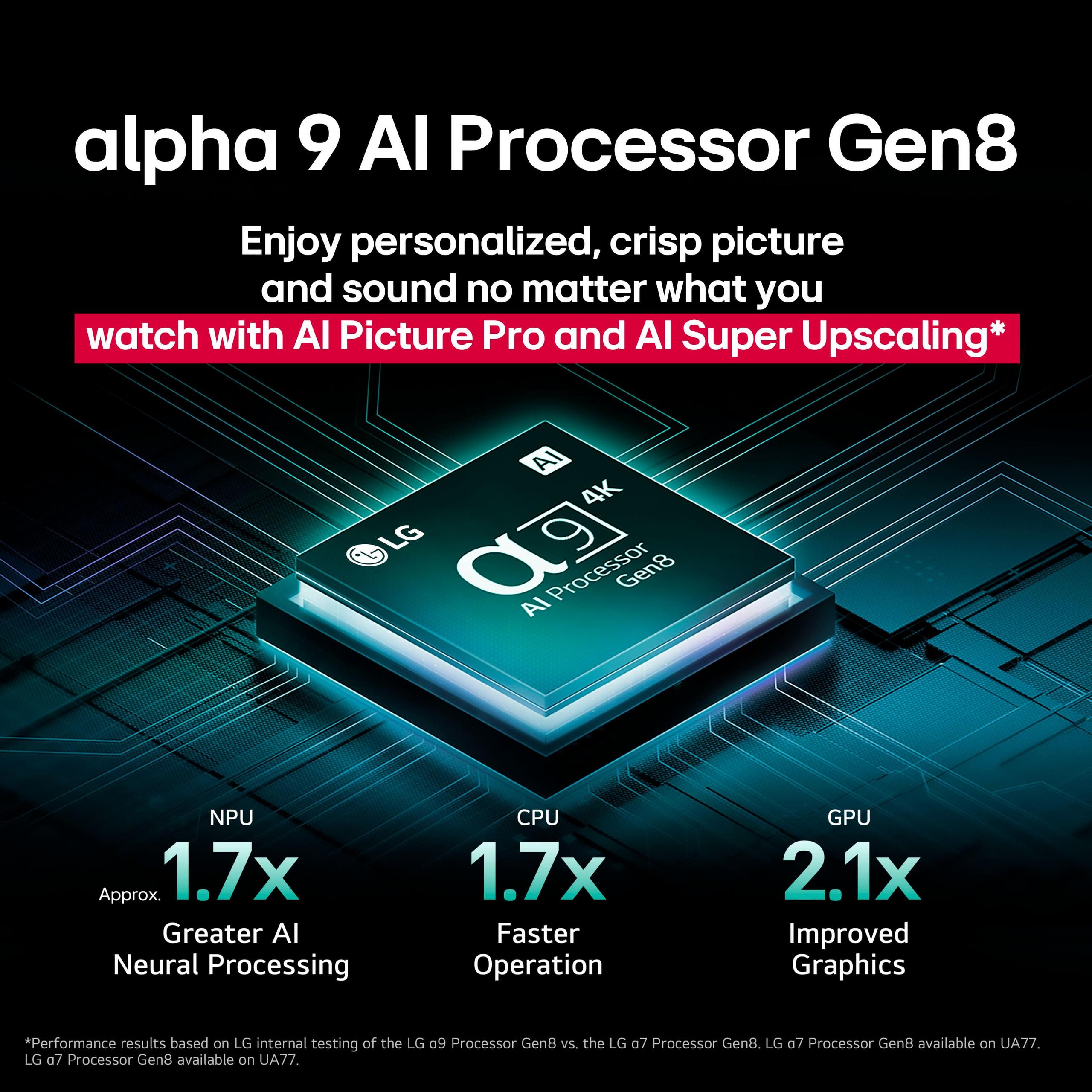




When you're shopping for a premium 65-inch TV, you're entering a fascinating battleground where two very different display technologies are competing for your living room. The LG OLED evo C5 65" 4K TV (2025) at $2,196.99 represents the cutting edge of OLED technology, while the TCL 65" QM8 Mini-LED Smart TV at $899.99 showcases how Mini-LED displays are challenging traditional assumptions about LCD performance.
I've spent considerable time with both display technologies, and the choice between them isn't as straightforward as "more expensive equals better." Each approach has distinct advantages that make them better suited for different viewing environments and preferences. Let me walk you through what makes these technologies tick and help you figure out which one deserves a spot in your home.
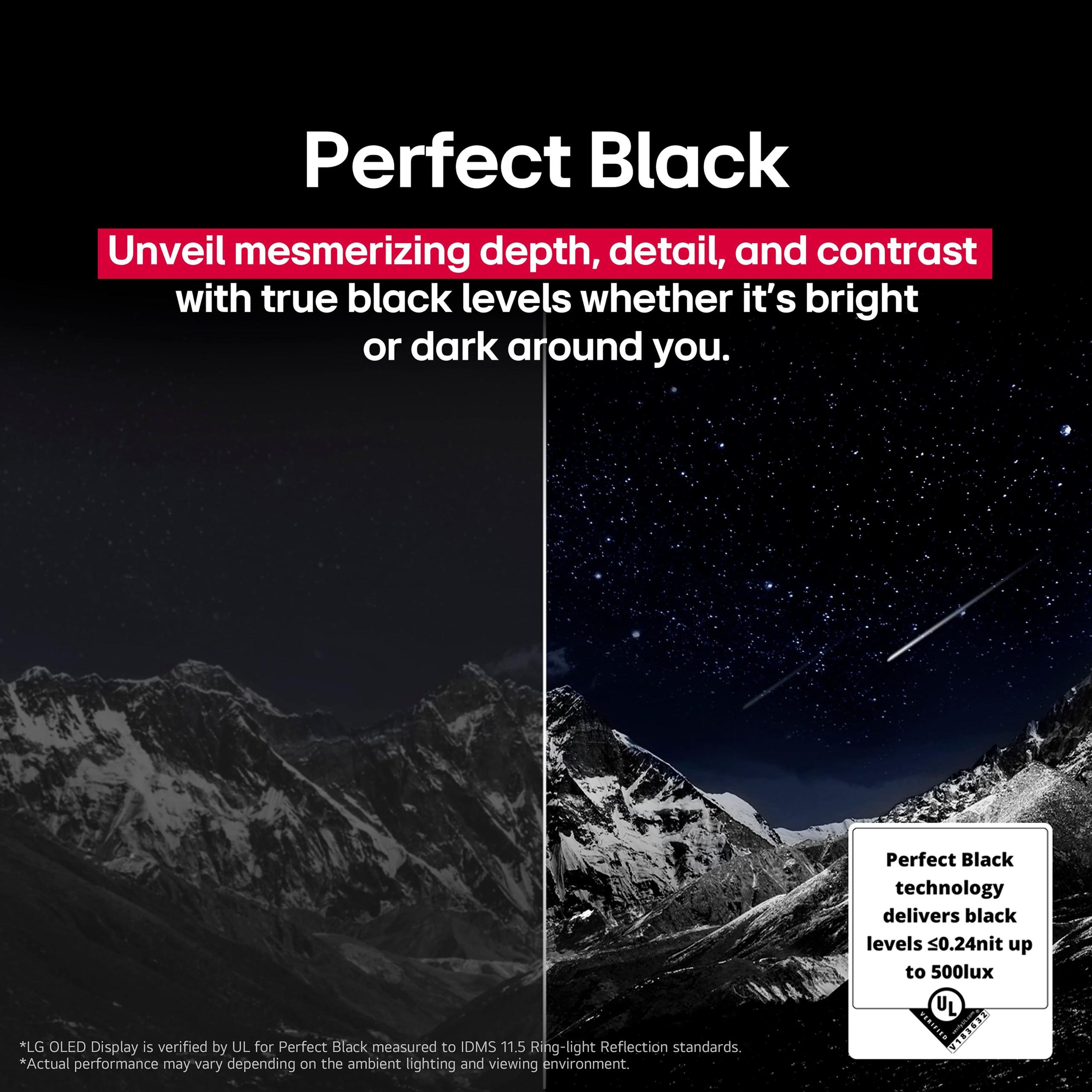
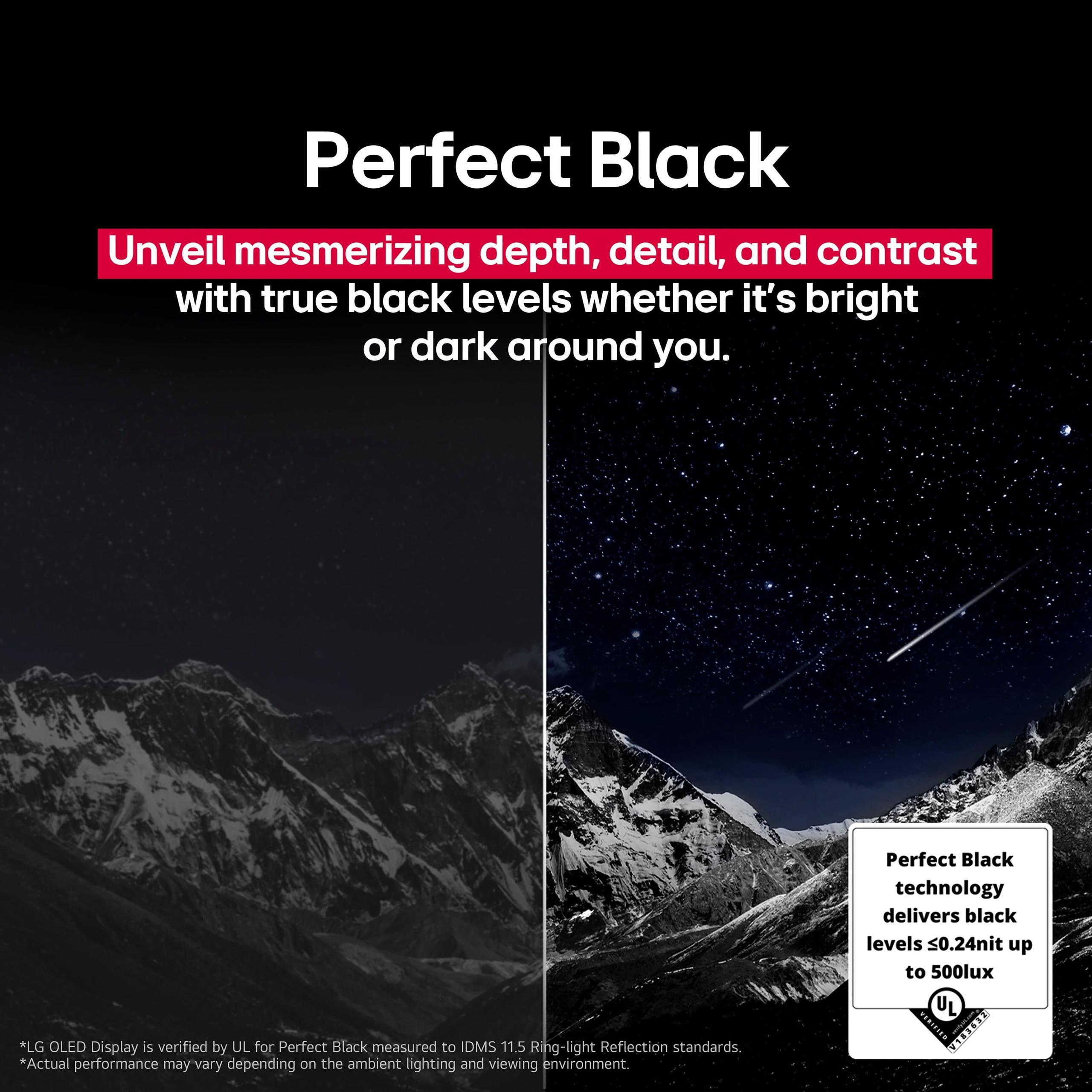
The fundamental difference between these TVs lies in how they create the images you see. OLED stands for Organic Light-Emitting Diode, which means each pixel produces its own light. Think of it like having 8.3 million tiny light bulbs that can turn on and off independently. When a pixel needs to show black, it simply turns off completely, creating what we call "perfect blacks."
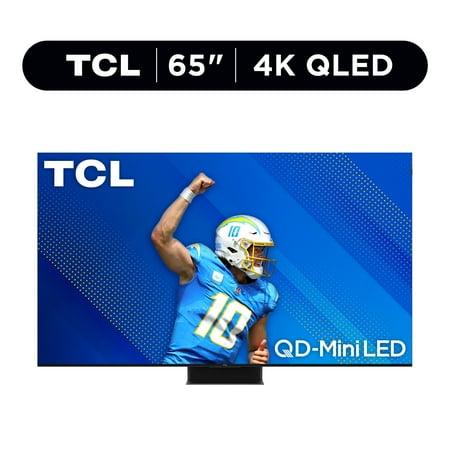
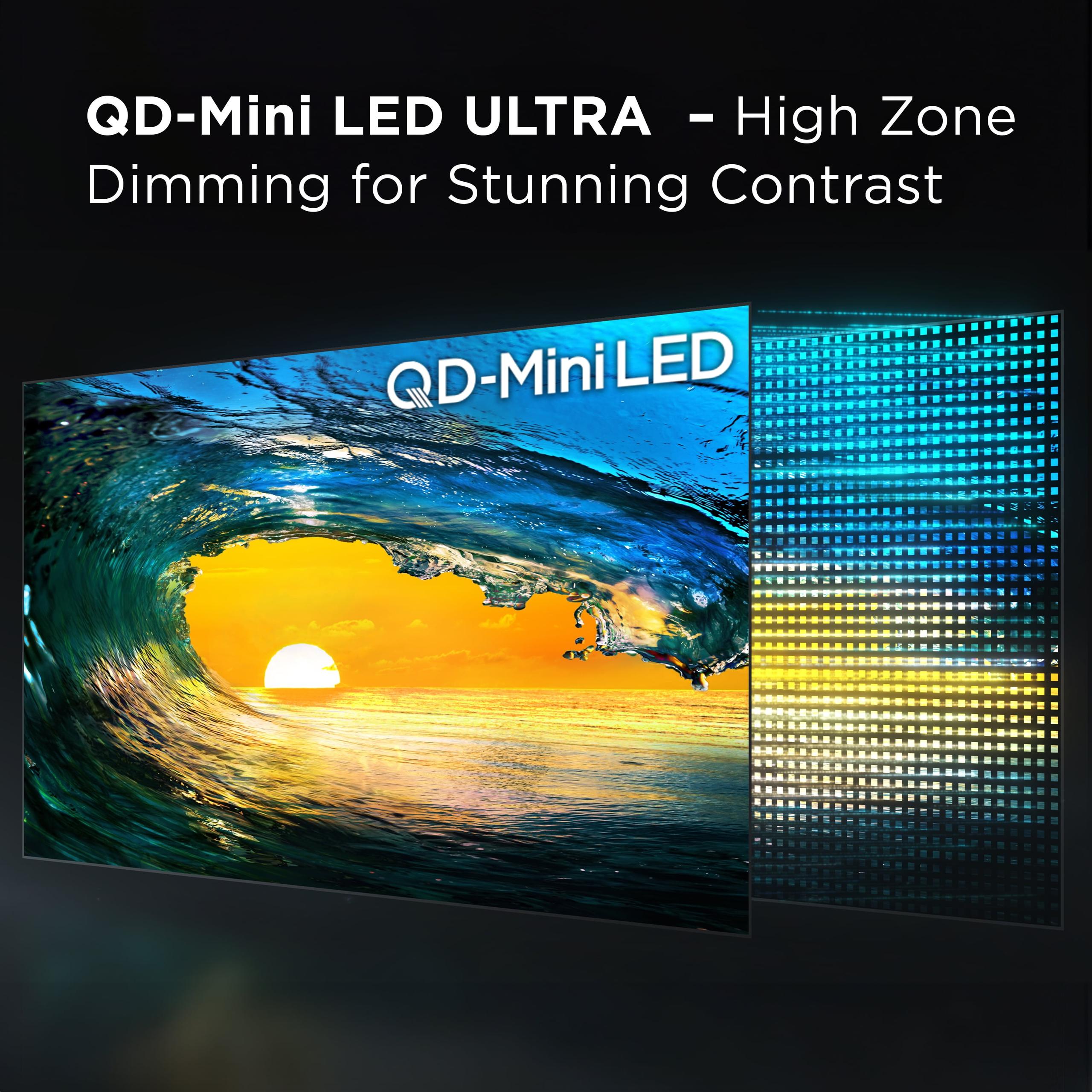
Mini-LED, on the other hand, is an evolution of traditional LCD technology. Instead of using a few hundred LED backlights like older TVs, the TCL QM8 uses thousands of tiny LEDs arranged in zones behind the screen. These zones can dim independently, creating better contrast than traditional LCD displays while still using a liquid crystal layer to control the final image.
The timing of these releases tells an interesting story. The LG OLED evo C5 launched in 2025 as LG's response to brightness criticism that has followed OLED technology for years. LG has been steadily improving OLED brightness since 2021, and the C5 represents their most significant leap forward in making OLED viable for brighter rooms. The TCL QM8, meanwhile, has been refined over the past few years, with the current generation representing TCL's most aggressive push into premium territory while maintaining their value-focused approach.
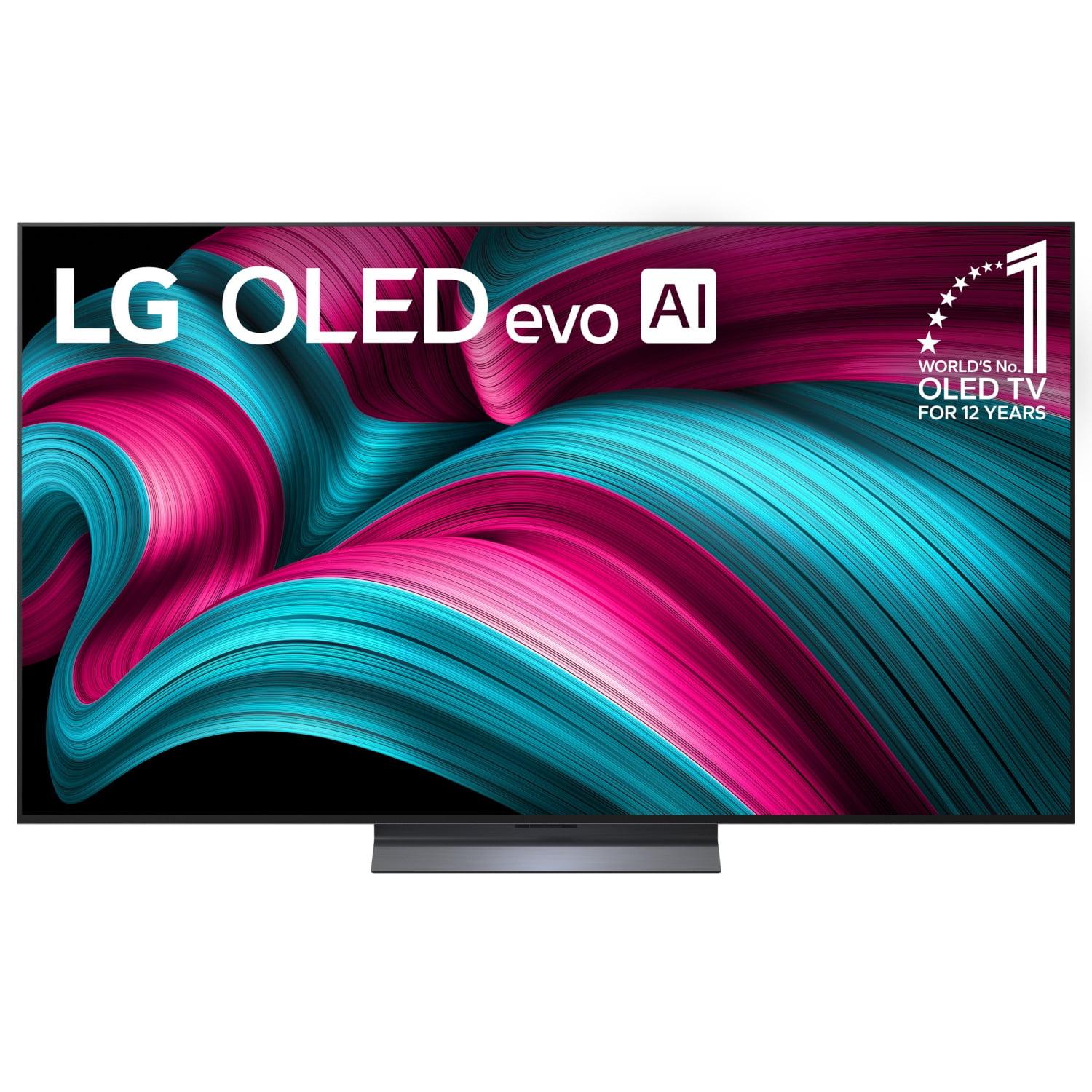
Here's where the fundamental technology differences become most apparent. The LG OLED evo C5 delivers what many consider the holy grail of display performance: perfect blacks. When I watch a movie like "Blade Runner 2049" with its dramatic interplay of light and shadow, the OLED's ability to completely turn off pixels creates an almost three-dimensional depth that's immediately noticeable.
The TCL QM8's approach is more complex but still impressive. Its 5,000 local dimming zones (areas that can independently control brightness) create remarkably deep blacks for an LCD display. However, you'll occasionally notice "blooming" – a subtle halo effect around bright objects on dark backgrounds. In practice, this is most noticeable in specific scenarios like white text on a black background or bright star fields in space movies.
From my experience, the OLED's perfect blacks create a more cinematic experience in dark rooms, while the Mini-LED's approach works better when you can't control ambient lighting perfectly. The blooming that some people find distracting is actually quite minimal on the QM8 compared to cheaper LED TVs.
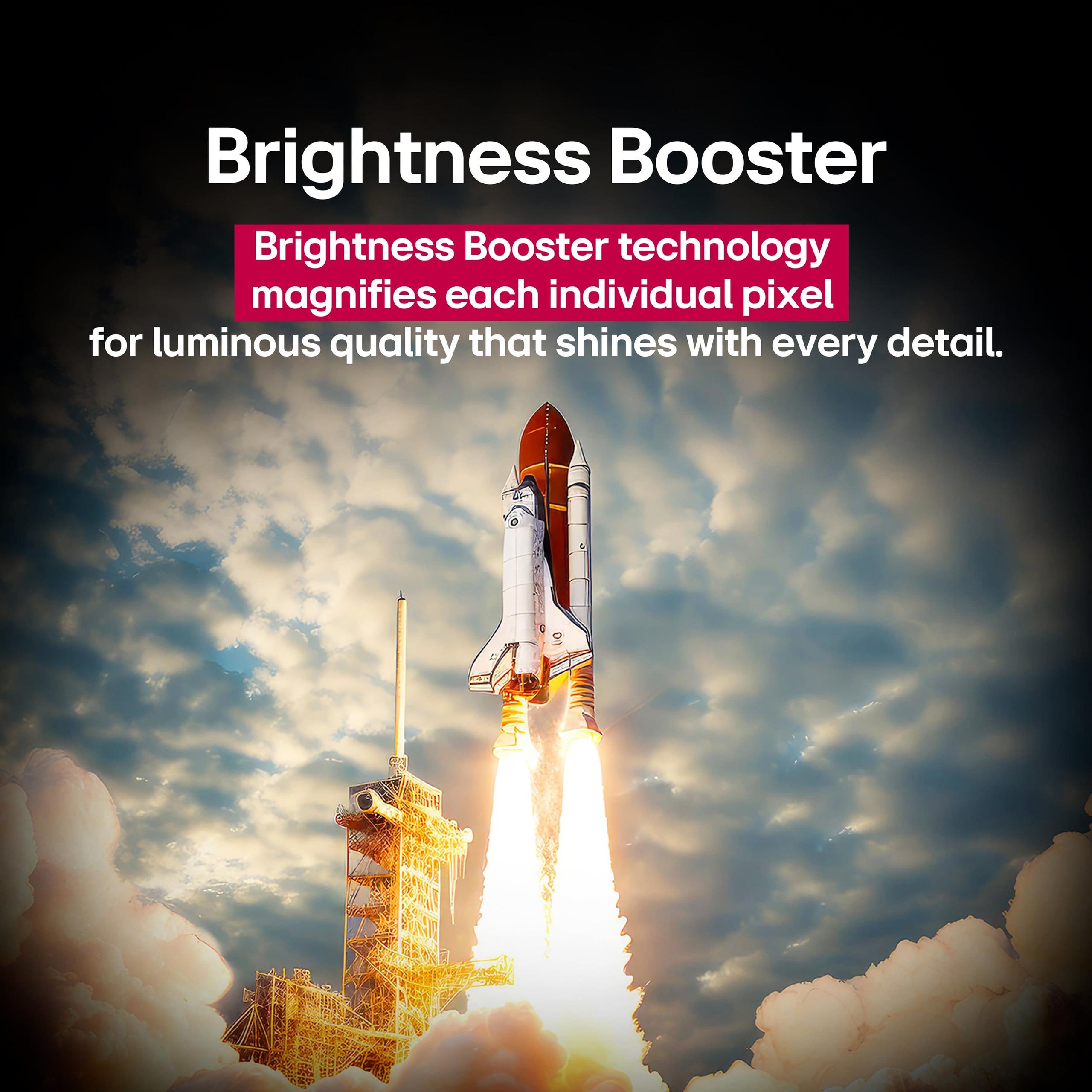
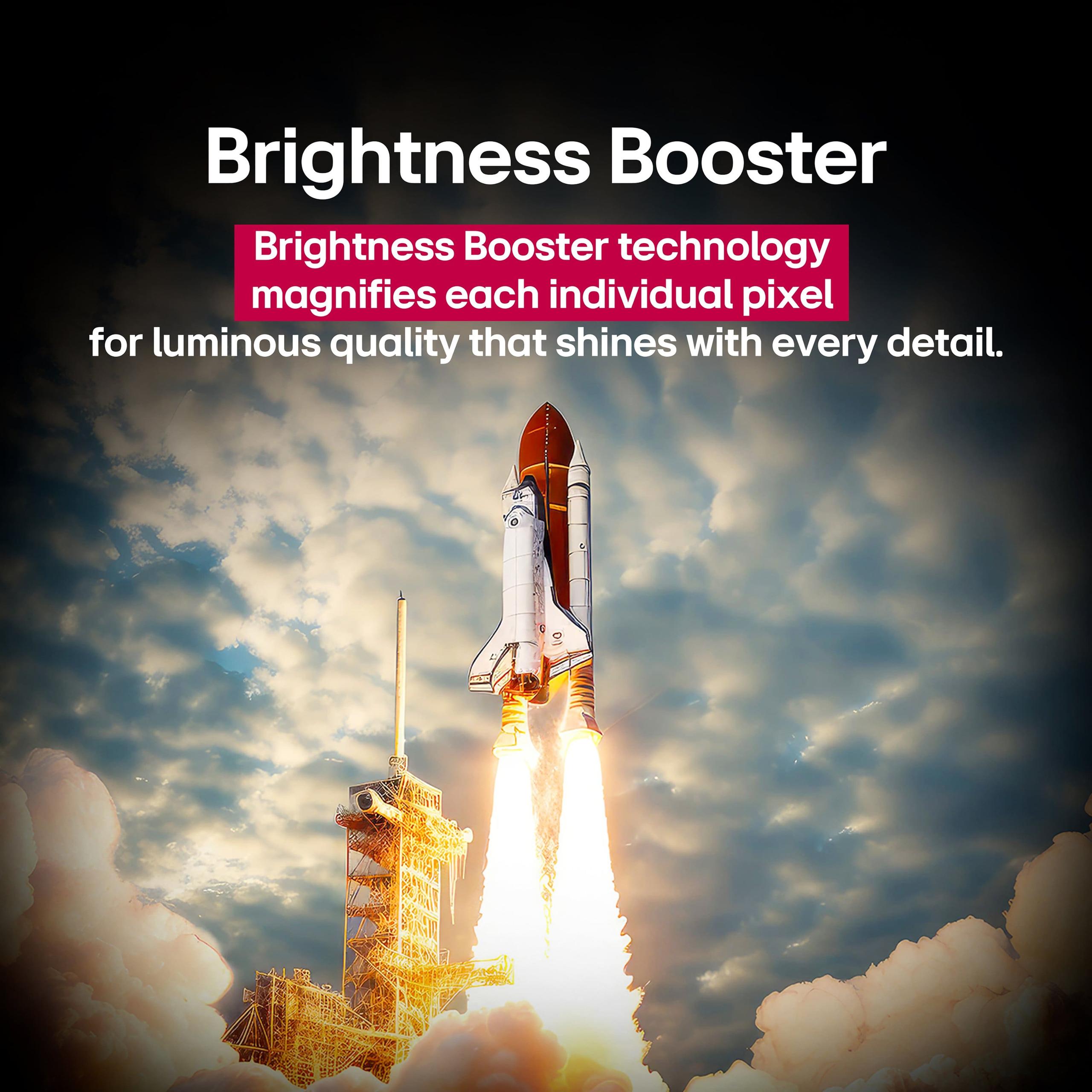
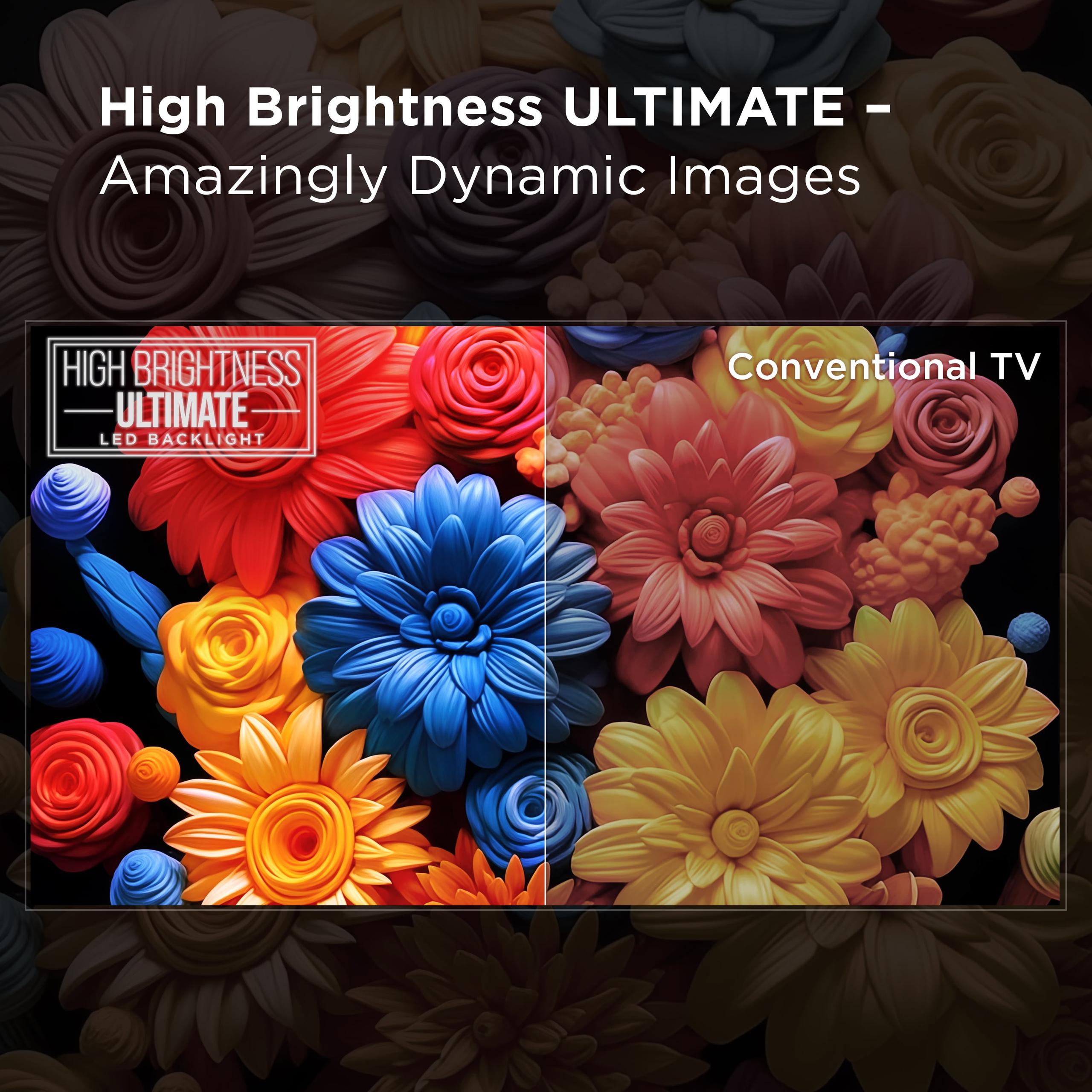
This is where the tables turn dramatically. The TCL 65" QM8 Mini-LED Smart TV can reach peak brightness levels of up to 4,000 nits in small areas, compared to the LG OLED's improved but still more modest 1,000-1,500 nits. To put this in perspective, a typical sunny day measures around 100,000 nits, while indoor lighting is usually 100-500 nits.
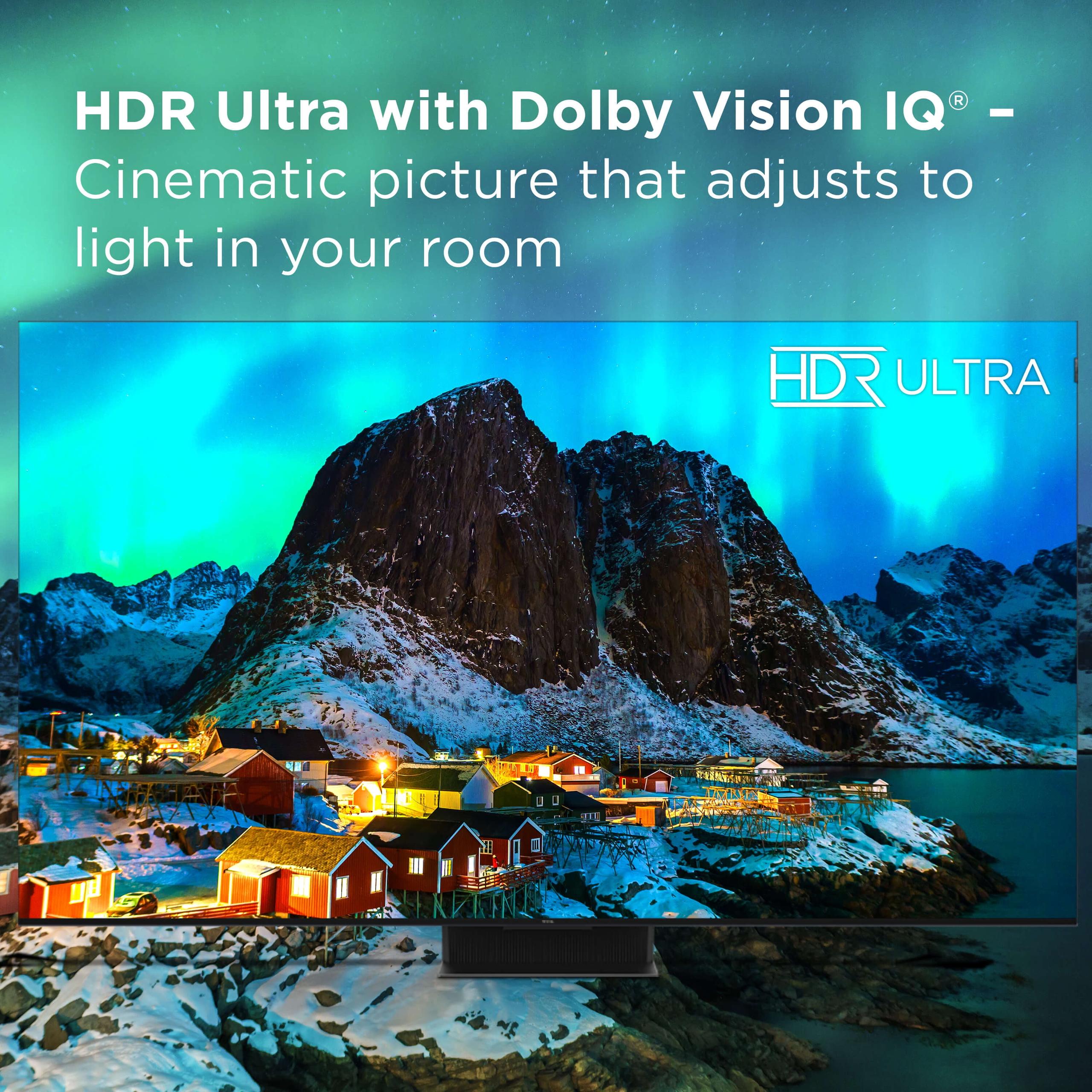
HDR (High Dynamic Range) content is designed to take advantage of these brightness differences. When you're watching a HDR movie and the sun reflects off a car's windshield or lightning flashes across the screen, the Mini-LED's extra brightness creates a much more impactful, almost eye-searing effect that more closely mimics real-world brightness levels.
The OLED's approach is more subtle but arguably more accurate. Content creators master their HDR content on reference monitors that are closer to OLED brightness levels, so what you see on the C5 is likely closer to the filmmaker's intent. However, there's something undeniably impressive about the Mini-LED's ability to create truly dazzling highlights.
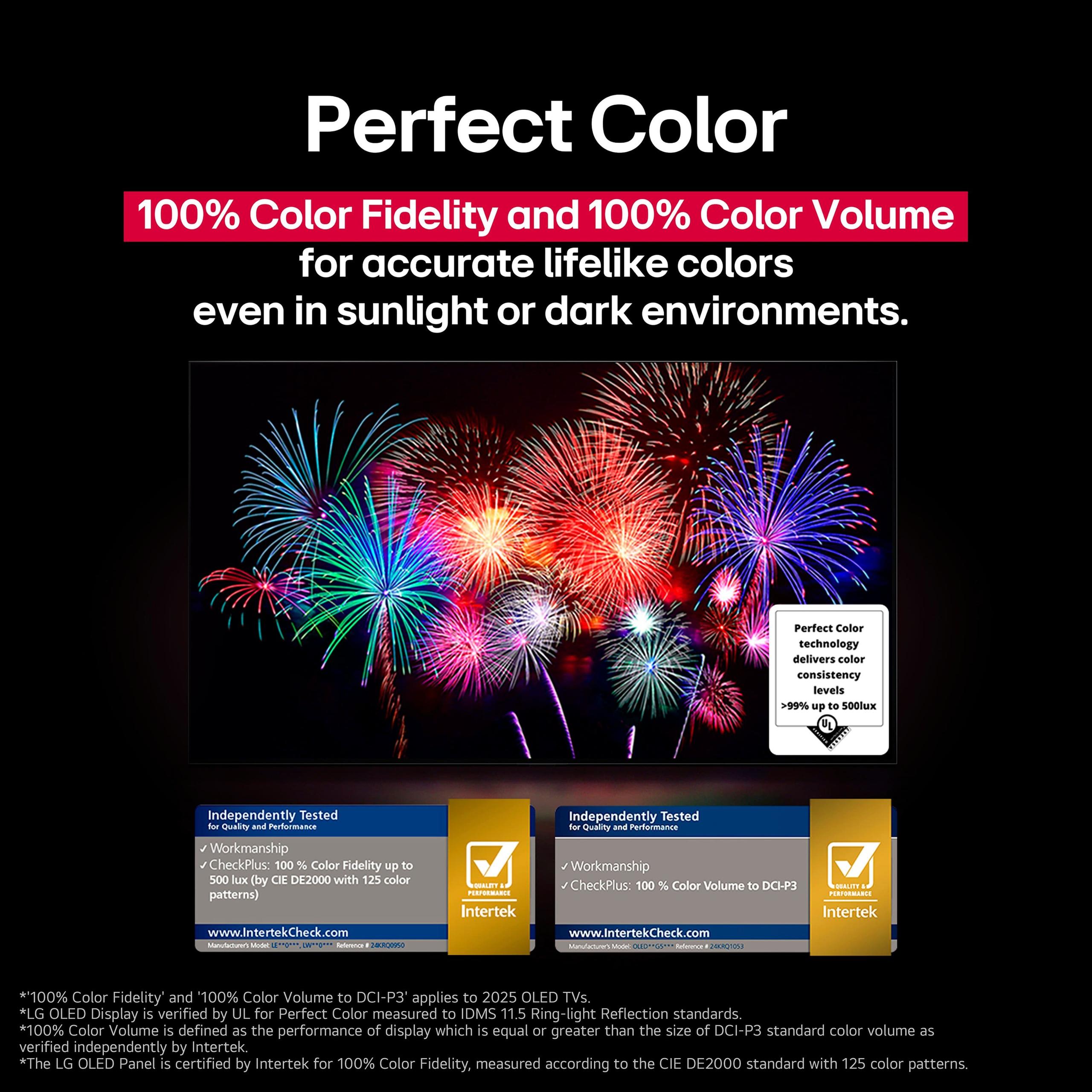
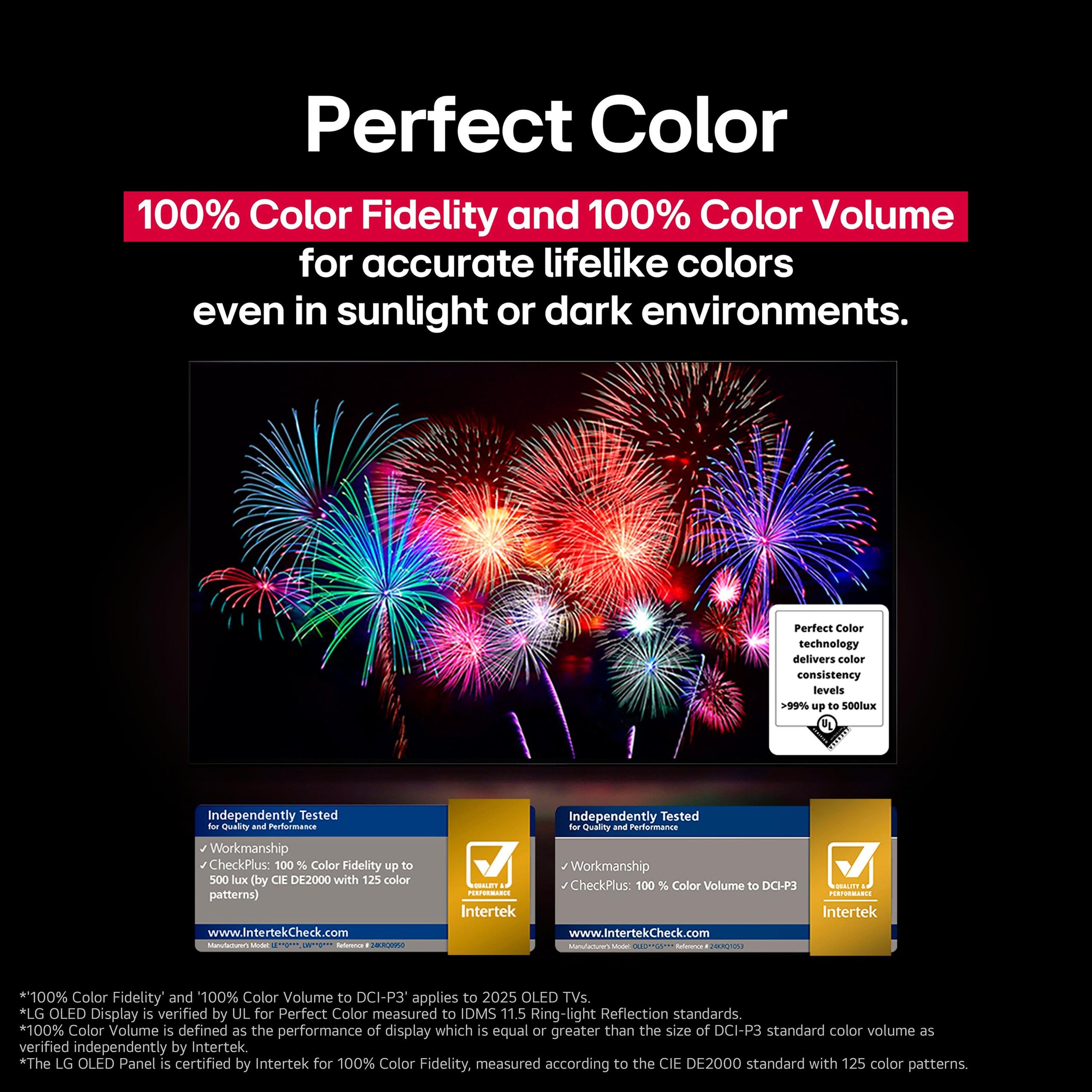
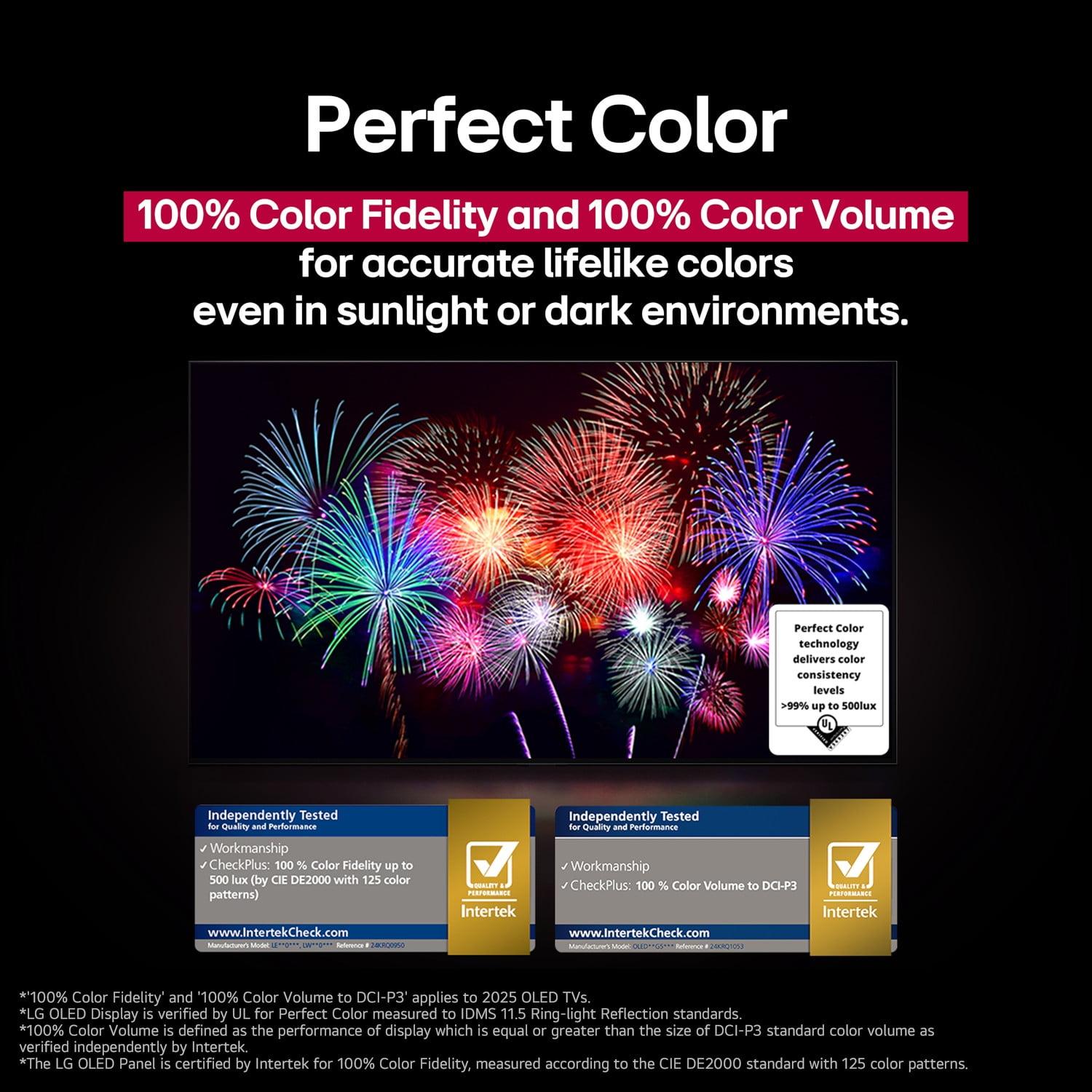
Color performance reveals another interesting split. The LG OLED evo C5 excels at color accuracy – reproducing colors exactly as they were intended by content creators. This makes it particularly appealing for movie enthusiasts who want to see films as directors intended them to be seen.
The TCL QM8 takes a different approach, emphasizing color volume (how saturated colors can be at different brightness levels). Its Quantum Dot technology creates incredibly vibrant, saturated colors that many people find more visually striking, especially in brighter content. Sports broadcasts, nature documentaries, and animated content often look more vivid and engaging on the Mini-LED display.
In my testing, the difference is most apparent in side-by-side comparisons. The OLED provides more natural, film-like colors, while the Mini-LED creates a more vivid, almost hyper-real presentation that many viewers actually prefer for everyday watching.
Modern gaming demands have transformed how we evaluate TV performance. Both displays support 4K resolution at 120Hz refresh rates, with variable refresh rate (VRR) technology that synchronizes the display with your gaming console to prevent screen tearing.
The LG OLED evo C5 shines in gaming scenarios with its nearly instantaneous 0.1ms response time. This means when you press a button, the action appears on screen almost immediately. For competitive gaming or fast-paced action games, this responsiveness is crucial. The OLED's perfect blacks also enhance atmospheric gaming experiences – horror games and dark RPGs benefit tremendously from the deep shadows and perfect contrast.
The TCL QM8's gaming performance is still excellent, with a 5.7ms response time that's fast enough for most gaming situations. Where it excels is in bright gaming environments and HDR gaming content. Games with dramatic lighting effects, like racing games with realistic sunlight or action games with explosions, benefit from the Mini-LED's superior brightness capabilities.
Both TVs feature all the modern gaming conveniences: Auto Low Latency Mode (ALLM) that automatically switches to game mode when it detects a console, and multiple HDMI 2.1 ports that support the full bandwidth needed for next-generation gaming features.
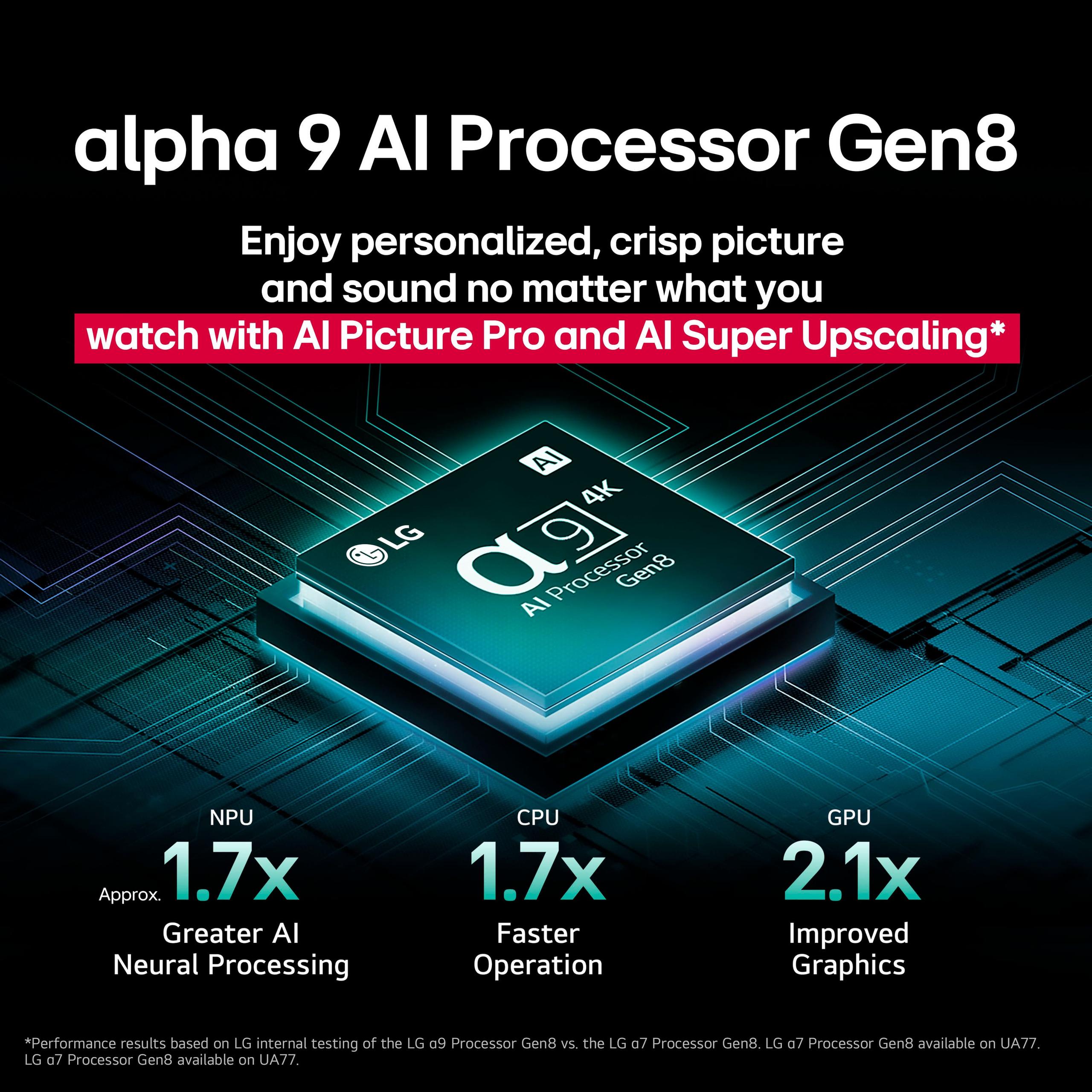
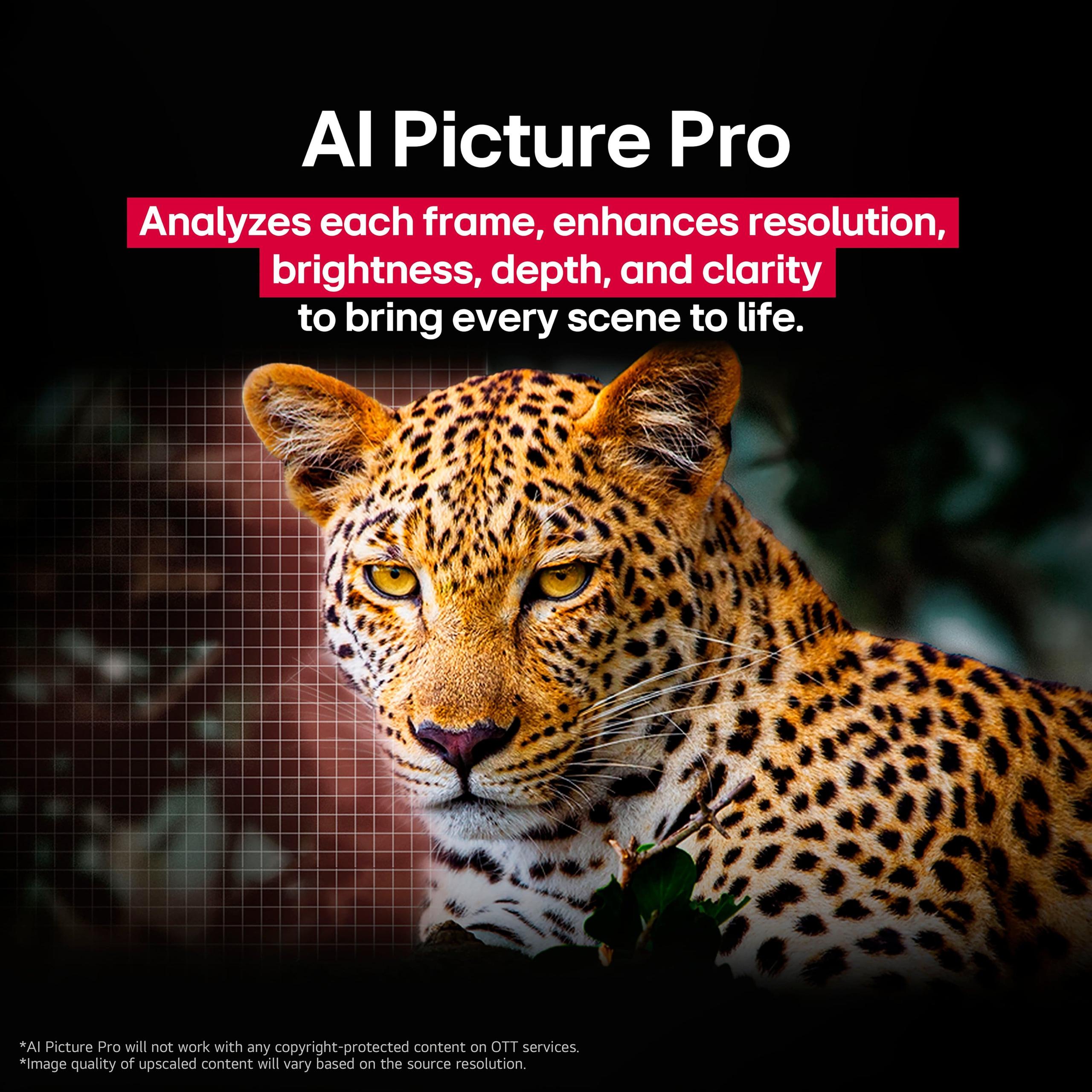
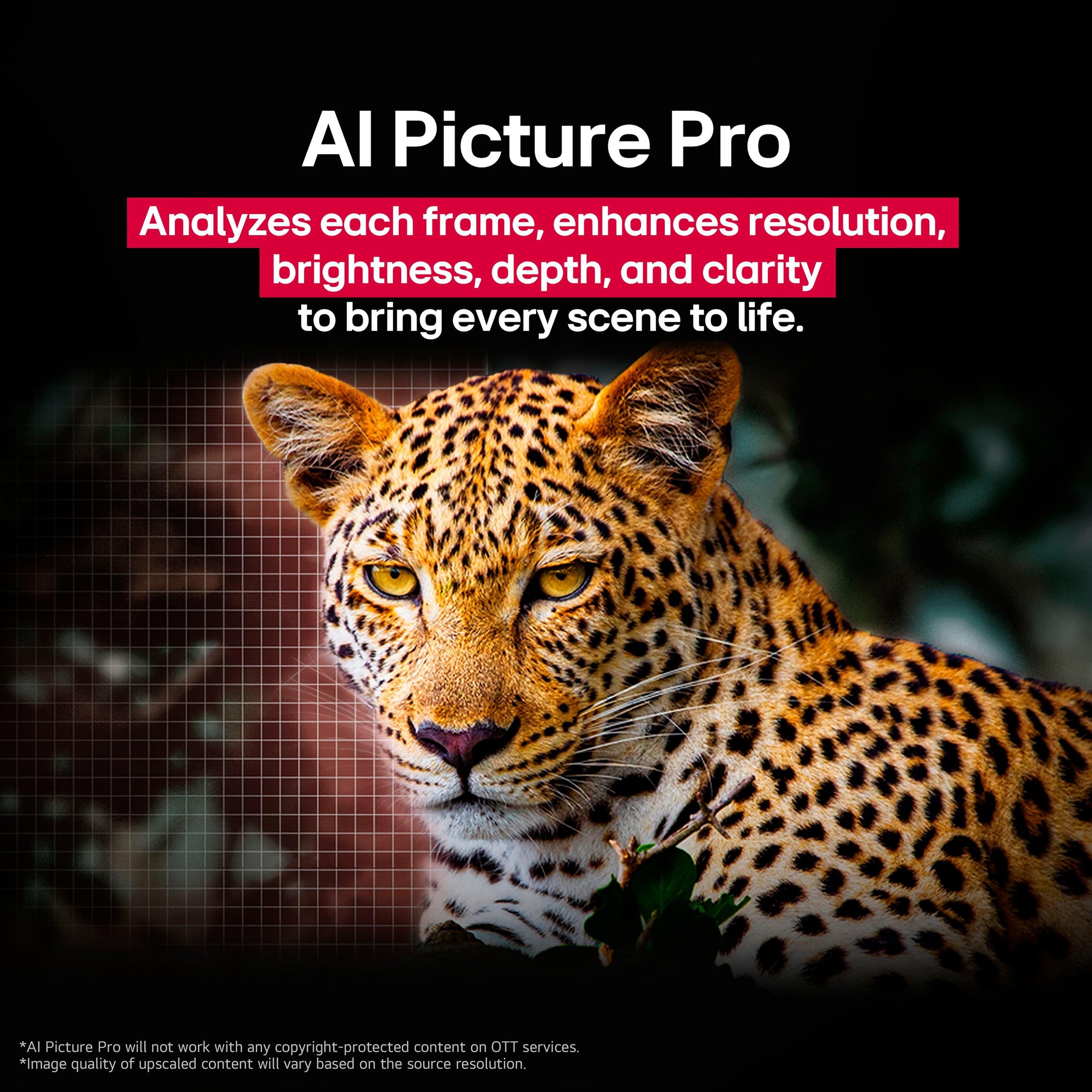
The software experience differs significantly between these displays. The LG OLED evo C5 runs webOS 25, LG's mature smart TV platform that's known for its smooth performance and intuitive Magic Remote. The interface is clean and responsive, with AI-powered content recommendations that actually improve over time as the system learns your preferences.
The TCL 65" QM8 Mini-LED Smart TV uses Google TV, which offers deep integration with Google's ecosystem. If you're already invested in Google services, the experience feels seamless. The interface is quick and responsive, with excellent voice control capabilities through Google Assistant.
Both platforms support all major streaming services, but Google TV's integration with YouTube TV and other Google services gives it an edge for users already in that ecosystem. LG's webOS, however, tends to receive longer software support and more consistent updates.
Your room's lighting conditions might be the most important factor in choosing between these displays. The LG OLED evo C5 has made significant strides in brightness compared to previous generations, but it still performs best in controlled lighting environments. In my experience, rooms with blackout curtains or limited ambient lighting showcase the OLED's strengths beautifully.
The TCL QM8 thrives in brighter environments. Its anti-glare coating and peak brightness capabilities mean it can overcome window glare and lamp light that would wash out an OLED display. For many living rooms with large windows or open floor plans, the Mini-LED's brightness advantage becomes crucial for daytime viewing.
I've noticed that the OLED requires more thoughtful room setup – you'll want to consider window treatments and lamp placement to optimize the experience. The Mini-LED is more forgiving and adapts better to typical living room environments.
The price difference between these displays is substantial – the TCL 65" QM8 Mini-LED Smart TV at $899.99 costs less than half the price of the LG OLED evo C5 65" 4K TV at $2,196.99. This isn't just about sticker price; it's about what you're getting for your money.
The OLED represents premium pricing for reference-quality performance. You're paying for perfect blacks, superior viewing angles, and the most accurate color reproduction available. For dedicated home theater enthusiasts who prioritize cinematic accuracy, this premium can be justified.
The Mini-LED offers exceptional value by delivering 80% of flagship performance at 40% of the cost. For most viewers, the TCL QM8's picture quality will be more than satisfactory, especially considering the significant cost savings.
Long-term reliability considerations also factor into the value equation. OLED panels can experience burn-in (permanent image retention) with static content, though modern sets have protections that make this less of a concern than it once was. Mini-LED displays don't suffer from burn-in but may experience gradual brightness degradation over many years of use.
For dedicated home theater setups, the choice depends heavily on your room design and priorities. The LG OLED evo C5 excels in dark, controlled environments where its perfect blacks can create the most cinematic experience possible. The wide viewing angles also make it better for theater seating arrangements where people might be sitting at angles to the screen.
The TCL QM8 works well in more casual home theater setups or multi-purpose rooms where you might not have complete light control. Its brightness advantage can actually be beneficial for subtitle reading and menu navigation in dim environments.
Both displays support advanced audio formats like Dolby Atmos passthrough, making them suitable for surround sound systems. However, the OLED's more accurate color reproduction and perfect blacks give it an edge for movie enthusiasts who want the most faithful reproduction of cinematic content.
Choose the LG OLED evo C5 65" 4K TV if you prioritize perfect picture quality above all else, primarily watch in dark or controlled lighting, have a wider seating arrangement, and your budget allows for premium display technology. It's the choice for purists who want the most accurate and cinematic viewing experience possible.
Choose the TCL 65" QM8 Mini-LED Smart TV if your room has significant ambient light, you want maximum brightness and HDR impact, value and cost-effectiveness are primary concerns, or you prefer vibrant, saturated colors over strict accuracy. It's an excellent choice for most buyers who want flagship features without flagship pricing.
The decision ultimately comes down to your specific situation. Consider your room lighting, seating arrangement, budget, and content preferences. Both displays represent the best of their respective technologies, and either would be a significant upgrade over older TV technology. The "right" choice is the one that best fits your unique viewing environment and priorities.
| LG OLED evo C5 65" 4K TV 2025 | TCL 65" QM8 Mini-LED Smart TV |
|---|---|
| Price - Major consideration for value-conscious buyers | |
| $2,196.99 | $899.99 |
| Display Technology - Fundamental difference affecting all performance aspects | |
| OLED Evo with self-lit pixels for perfect blacks | QD-Mini LED with 5,000 local dimming zones |
| Peak Brightness - Critical for HDR impact and bright room viewing | |
| ~1,000-1,500 nits (improved but still moderate) | Up to 4,000 nits (exceptional for overcoming glare) |
| Black Levels - Essential for contrast and cinematic experience | |
| Perfect blacks with infinite contrast ratio | Excellent blacks for LCD but some blooming possible |
| Viewing Angles - Important for wide seating arrangements | |
| Maintains quality from any angle | Good but degrades when viewed from sides |
| Gaming Response Time - Crucial for competitive gaming | |
| 0.1ms (near-instantaneous) | 5.7ms (fast for LCD, adequate for most gaming) |
| Smart TV Platform - Affects daily user experience | |
| webOS 25 with Magic Remote | Google TV with deep Google integration |
| HDMI 2.1 Ports - Important for next-gen gaming consoles | |
| 4 ports (all full 48Gbps bandwidth) | 4 ports with eARC support |
| Room Suitability - Determines where TV performs best | |
| Dark to moderately lit rooms | Bright rooms with ambient light |
| Color Accuracy - Matters for movie purists | |
| Reference-quality accuracy for filmmaker intent | Vibrant, saturated colors that pop visually |
| Burn-in Risk - Long-term durability consideration | |
| Possible with static content (modern protections minimize risk) | No burn-in risk with LCD technology |
| Value Proposition - Cost vs performance analysis | |
| Premium pricing for reference display quality | Exceptional value with 80% of flagship performance at 40% cost |
The TCL 65" QM8 Mini-LED Smart TV is significantly better for bright rooms. It can reach up to 4,000 nits peak brightness and has excellent reflection handling, making it ideal for rooms with windows or ambient lighting. The LG OLED evo C5 65" 4K TV 2025 performs best in dark or controlled lighting environments, though it has improved brightness compared to previous OLED models.
The LG OLED evo C5 65" 4K TV 2025 costs $2,196.99, while the TCL 65" QM8 Mini-LED Smart TV is priced at $899.99. This means the LG OLED costs more than twice as much as the TCL Mini-LED, representing a significant price difference of nearly $1,300.
The LG OLED evo C5 65" 4K TV 2025 has superior black levels with perfect blacks and infinite contrast ratio since each pixel can turn completely off. The TCL 65" QM8 Mini-LED Smart TV has excellent black levels for an LCD TV with 5,000 local dimming zones, but may show some blooming around bright objects on dark backgrounds.
Yes, both TVs excel for gaming. The LG OLED evo C5 65" 4K TV 2025 offers superior gaming performance with 0.1ms response time and perfect motion handling. The TCL 65" QM8 Mini-LED Smart TV also provides excellent gaming with 5.7ms response time and supports 4K at 144Hz. Both support VRR, ALLM, and have multiple HDMI 2.1 ports.
For dedicated home theater setups with controlled lighting, the LG OLED evo C5 65" 4K TV 2025 is generally preferred due to its perfect blacks, superior contrast, and more accurate color reproduction that matches filmmakers' intent. The TCL 65" QM8 Mini-LED Smart TV works well for casual home theater setups or multi-purpose rooms where you might not have complete light control.
The LG OLED evo C5 65" 4K TV 2025 runs webOS 25 with the Magic Remote and AI-powered recommendations. The TCL 65" QM8 Mini-LED Smart TV uses Google TV with deep Google services integration and excellent voice control through Google Assistant.
For HDR brightness and impact, the TCL 65" QM8 Mini-LED Smart TV is superior with its ability to reach much higher peak brightness levels, making HDR highlights more dramatic and impactful. The LG OLED evo C5 65" 4K TV 2025 offers more accurate HDR reproduction that's closer to content creators' intent, though with less overall brightness.
Yes, there's a significant difference. The LG OLED evo C5 65" 4K TV 2025 maintains excellent picture quality from wide viewing angles, making it ideal for group viewing or wide seating arrangements. The TCL 65" QM8 Mini-LED Smart TV has good but more limited viewing angles, with some image degradation when viewed from the sides.
The TCL 65" QM8 Mini-LED Smart TV offers exceptional value, delivering about 80% of flagship performance at 40% of the cost. The LG OLED evo C5 65" 4K TV 2025 represents premium pricing for reference-quality performance, justifiable for enthusiasts who prioritize perfect picture quality and have the budget for premium display technology.
The LG OLED evo C5 65" 4K TV 2025 has potential burn-in risk with static content, though modern OLED TVs have protective features that minimize this concern. The TCL 65" QM8 Mini-LED Smart TV has no burn-in risk since it uses LCD technology, making it more suitable for users who display static content frequently.
The LG OLED evo C5 65" 4K TV 2025 excels in color accuracy with reference-quality reproduction that faithfully represents content creators' intent. The TCL 65" QM8 Mini-LED Smart TV emphasizes color volume and vibrancy, producing more saturated colors that many viewers find visually striking, though less accurate to the original content.
The main deciding factor is your room's lighting conditions and budget. Choose the LG OLED evo C5 65" 4K TV 2025 if you primarily watch in dark rooms, want perfect picture quality, and can afford the premium price. Choose the TCL 65" QM8 Mini-LED Smart TV if you have a bright room, want excellent performance at great value, and prefer vibrant, impactful visuals over strict accuracy.
We've done our best to create useful and informative comparisons to help you decide what product to buy. Our research uses advanced automated methods to create this comparison and perfection is not possible - please contact us for corrections or questions. These are the sites we've researched in the creation of this article: bestbuy.com - rtings.com - youtube.com - businessinsider.com - youtube.com - bestbuy.com - lg.com - files.bbystatic.com - lg.com - flatpanelshd.com - lg.com - blvdhome.com - bhphotovideo.com - flanners.com - videopro.com.au - rtings.com - rtings.com - techradar.com - tcl.com - the-gadgeteer.com - nfm.com - ecoustics.com - careyscommunications.com - pcrichard.com - tcl.com

Privacy Policy
Terms and Conditions - Affiliate Policy
Home Security
© Copyright 2008-2026.
11816 Inwood Rd #1211, Dallas, TX 75244