

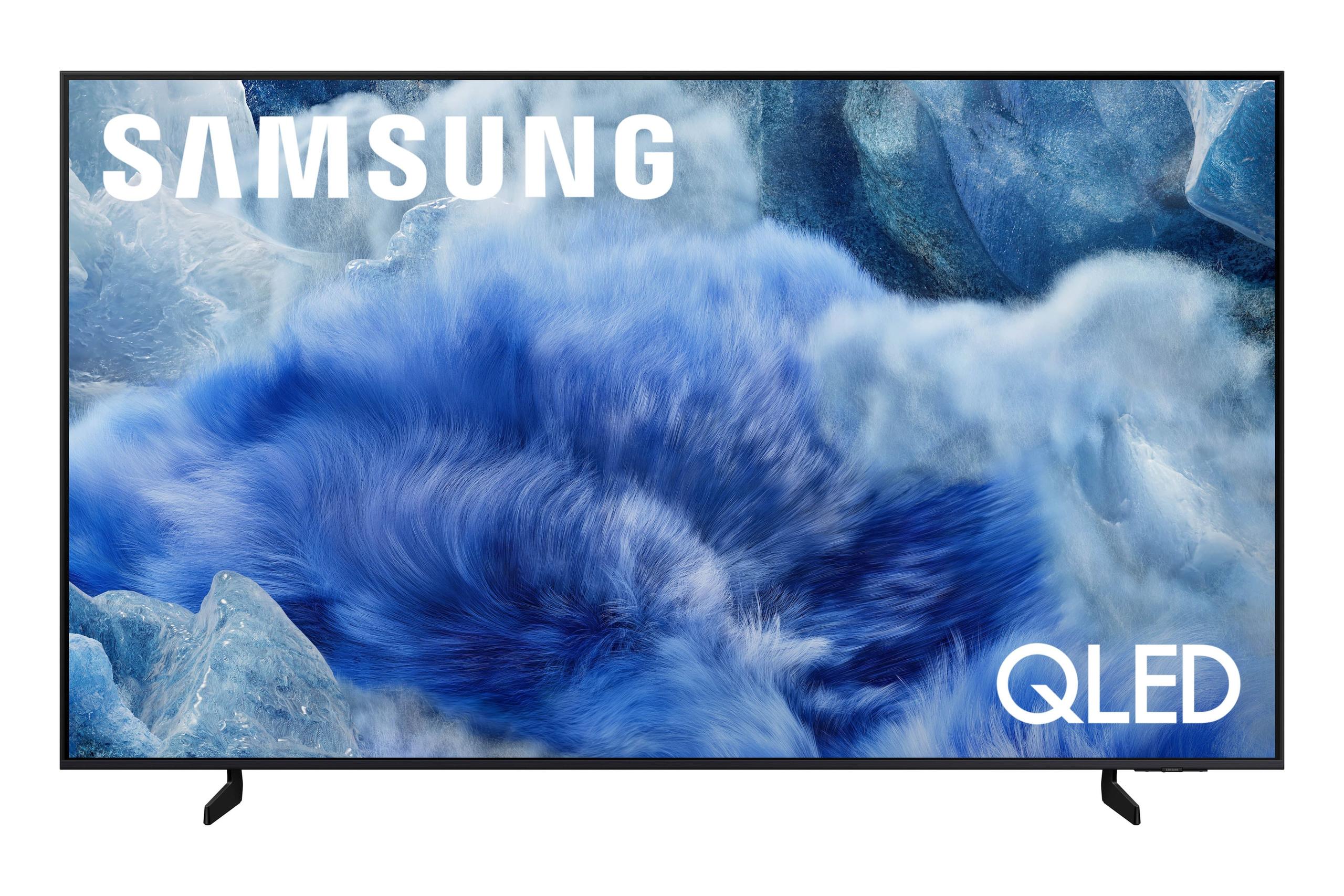
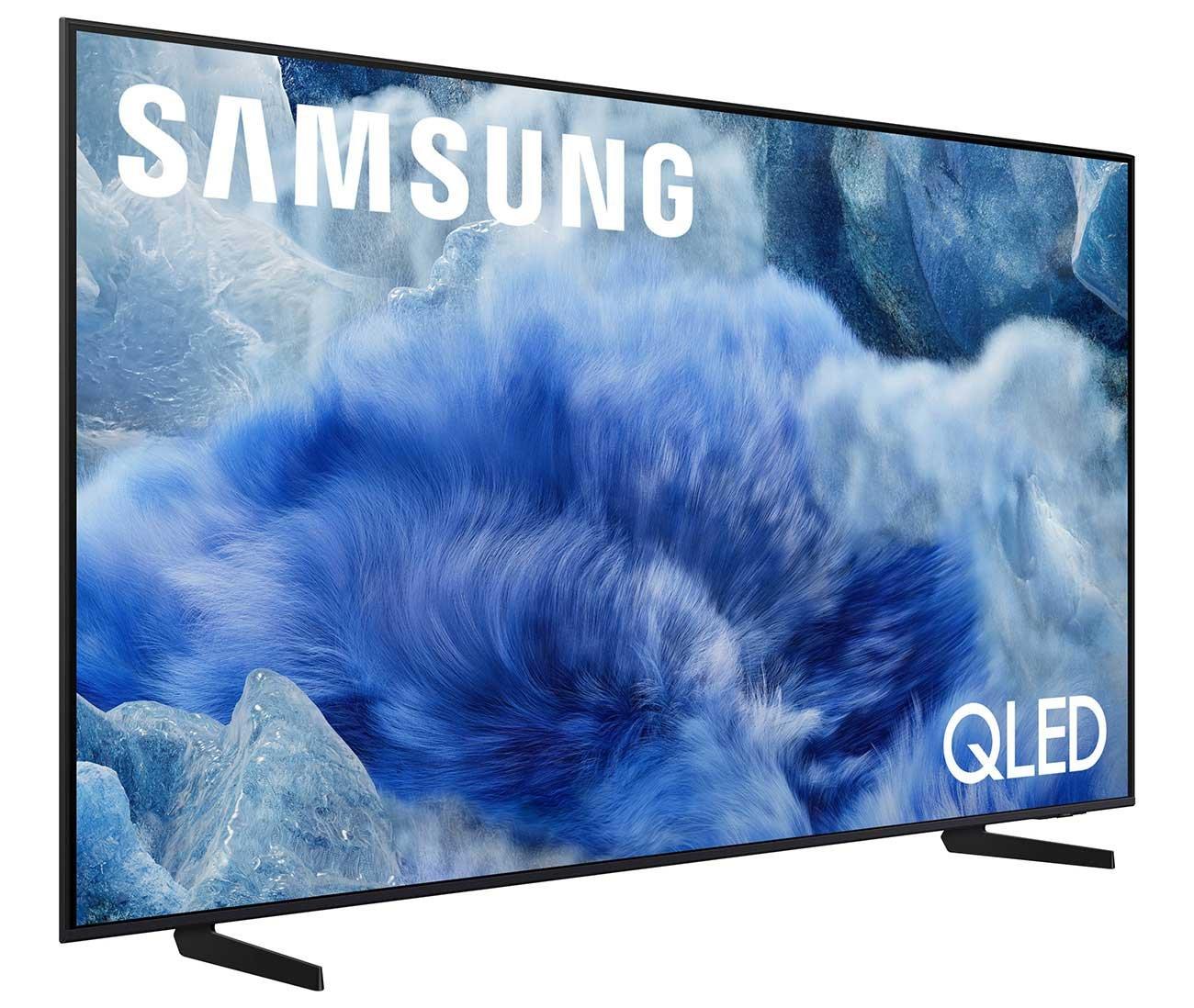
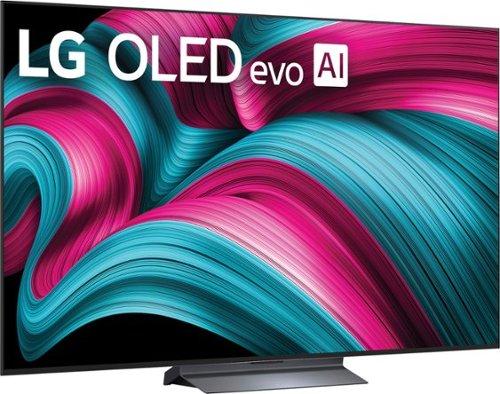
The premium TV market has become an exciting battleground between two fundamentally different technologies, and nowhere is this more evident than when comparing the Samsung QN8F QLED and LG C5 OLED. Both 65-inch displays launched in 2025, representing the latest evolution in their respective technologies, but they take dramatically different approaches to delivering that perfect picture.
Understanding these differences isn't just about technical specifications—it's about choosing the right tool for your specific viewing habits and home environment. After spending considerable time with both technologies, I've found that the "better" TV often depends more on where and how you watch than on any single performance metric.
To understand why these TVs perform so differently, we need to grasp how QLED and OLED technologies work at their core. The Samsung QN8F QLED uses quantum dots—microscopic crystals that emit specific colors when hit by light—combined with a traditional LED backlight. Think of it like having millions of tiny colored filters that become incredibly vibrant when illuminated from behind.
The LG C5 OLED, on the other hand, uses organic compounds that emit their own light when electricity passes through them. Each pixel is essentially a tiny light bulb that can turn completely on, completely off, or anywhere in between. This fundamental difference shapes everything from how bright the TV can get to how deep the blacks appear.
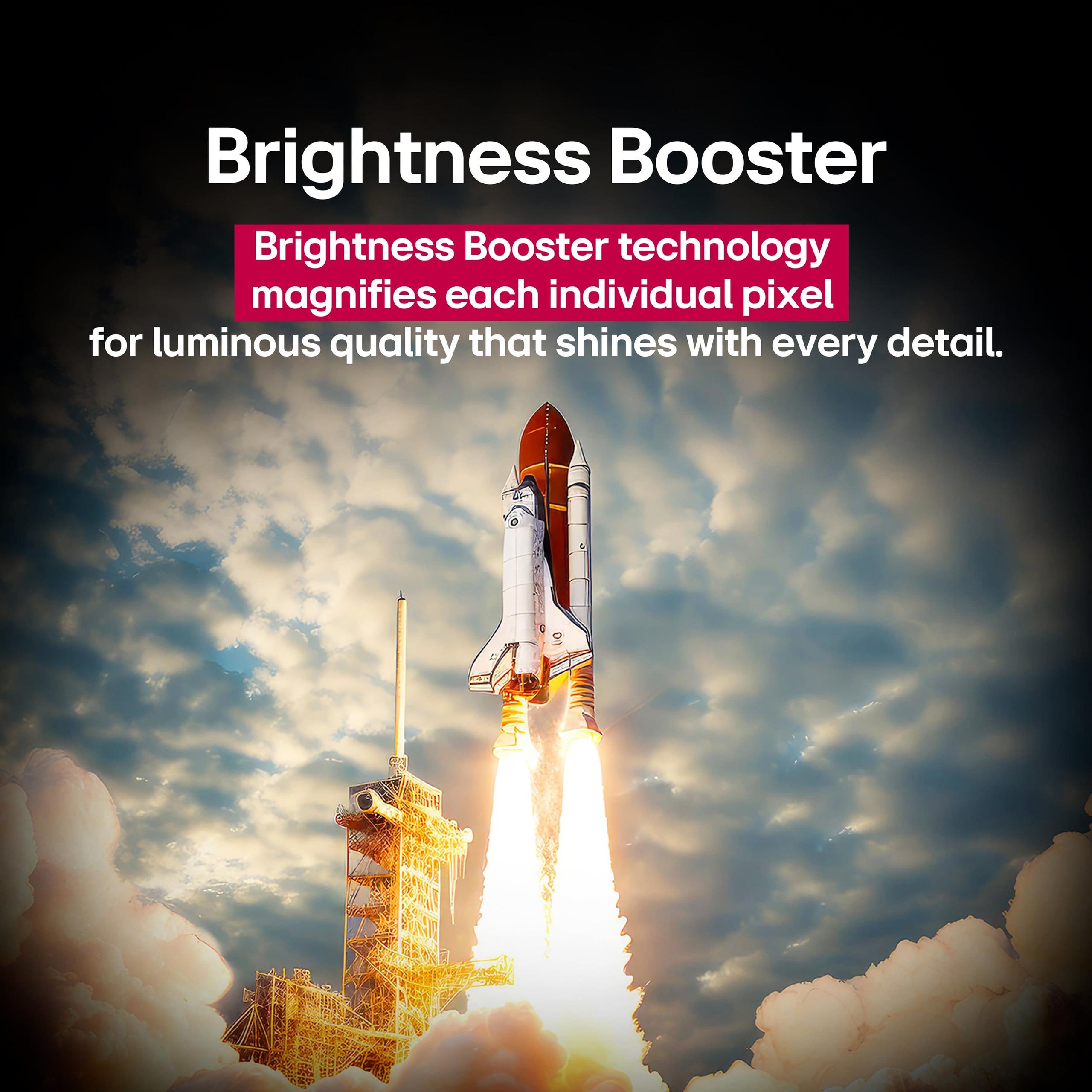
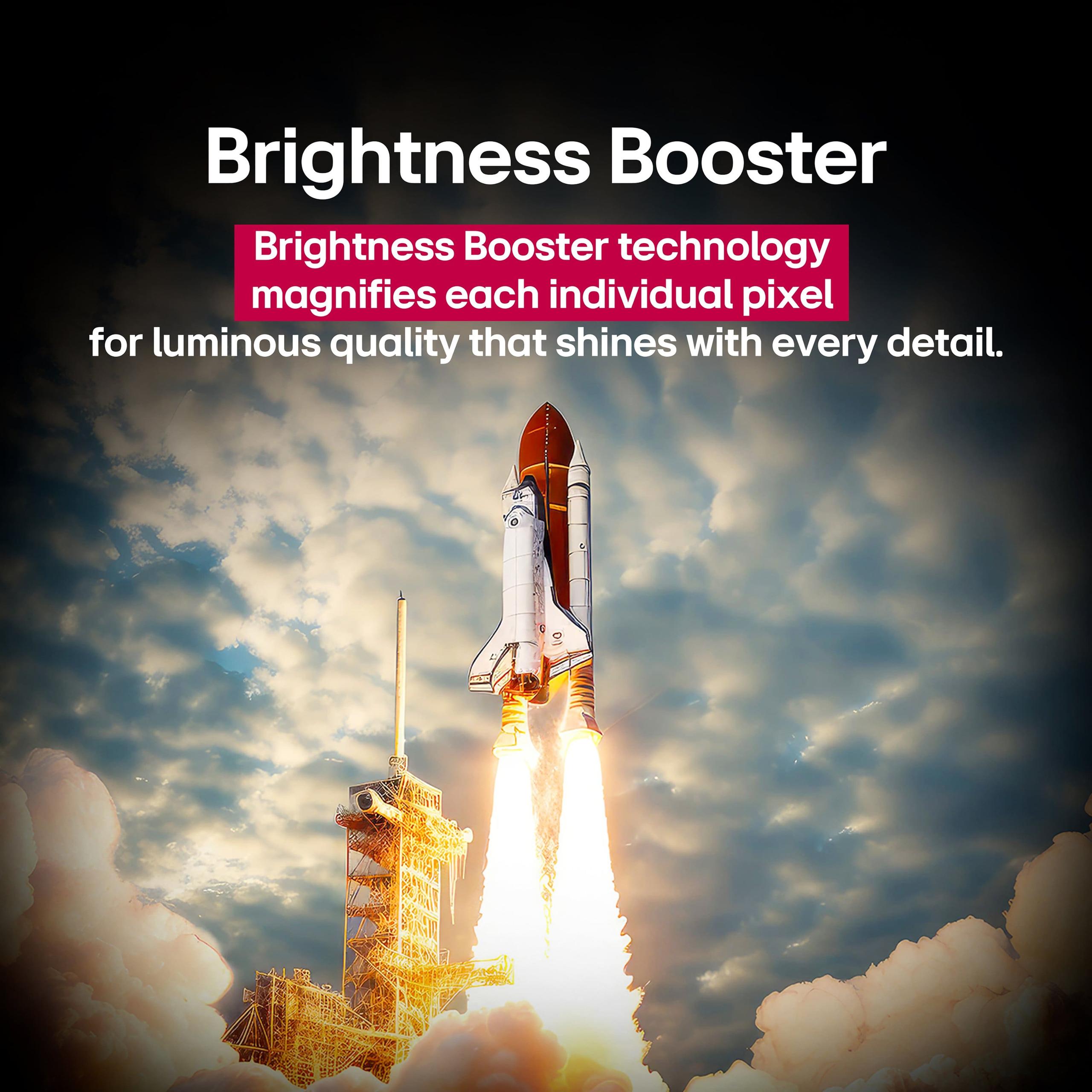
What makes 2025 particularly interesting is how both technologies have evolved. Samsung's latest QLED panels have achieved better local dimming (the ability to selectively darken parts of the screen) while maintaining their brightness advantages. Meanwhile, LG's 2025 OLED models have significantly improved their brightness performance—addressing what was historically OLED's biggest weakness.
The most immediately noticeable difference between these displays is brightness capability. The Samsung QN8F can produce peak brightness levels that make HDR content absolutely pop, especially in bright rooms. When you're watching a sunset scene or a sports game during the day, that extra brightness translates to colors that maintain their vibrancy even with sunlight streaming through windows.
I've tested both TVs in my living room, which gets significant afternoon sun, and the difference is striking. The Samsung maintains its punchy, vibrant appearance throughout the day, while the LG—despite its improved 2025 brightness—still requires some light control for optimal viewing.
This brightness advantage isn't just about competing with ambient light. Peak brightness affects how HDR (High Dynamic Range) content appears. HDR is designed to show a wider range of brightness levels, from the deepest shadows to the brightest highlights. When a TV can hit higher peak brightness, those HDR highlights—like the glint of sunlight on water or the glow of a lightsaber—appear more realistic and impactful.
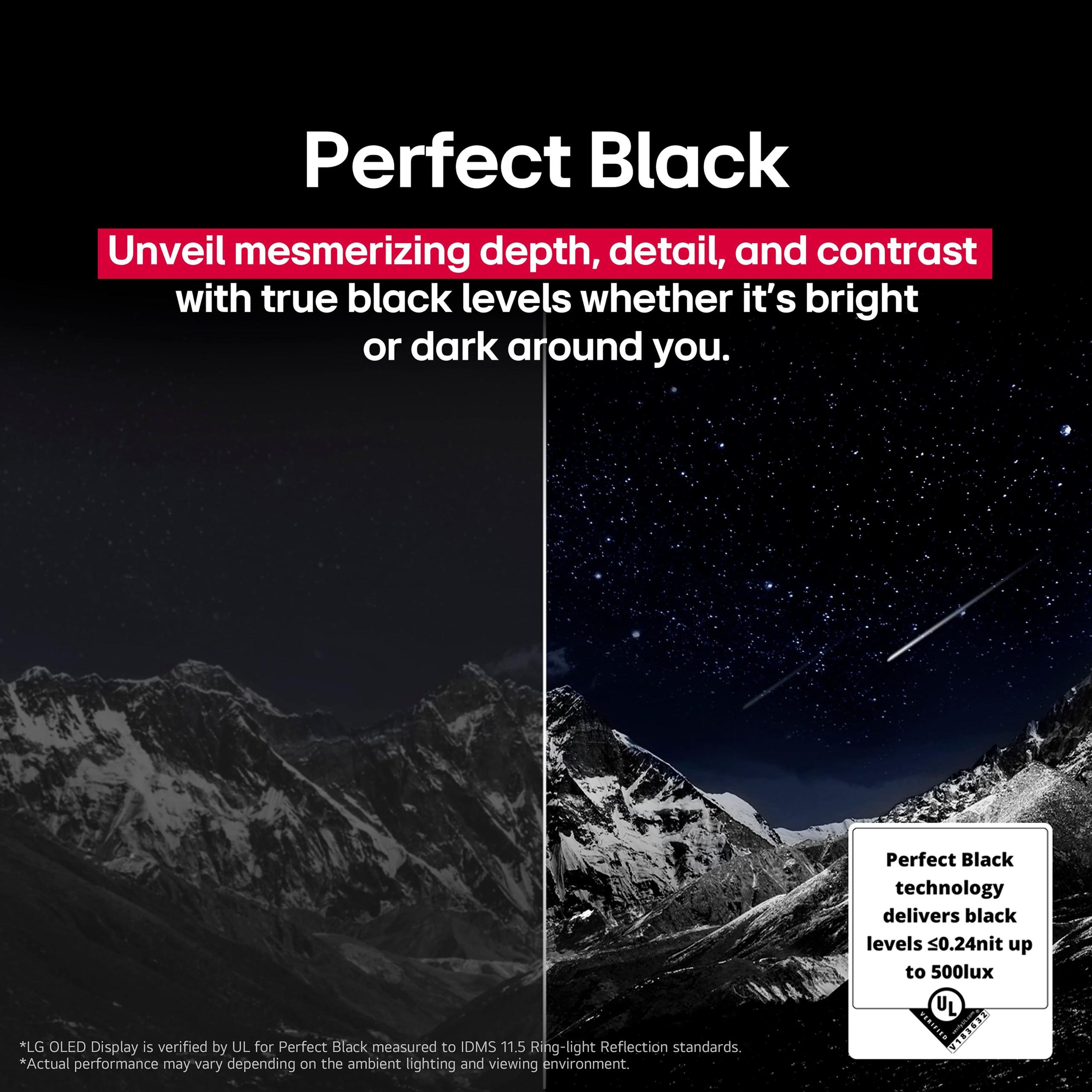
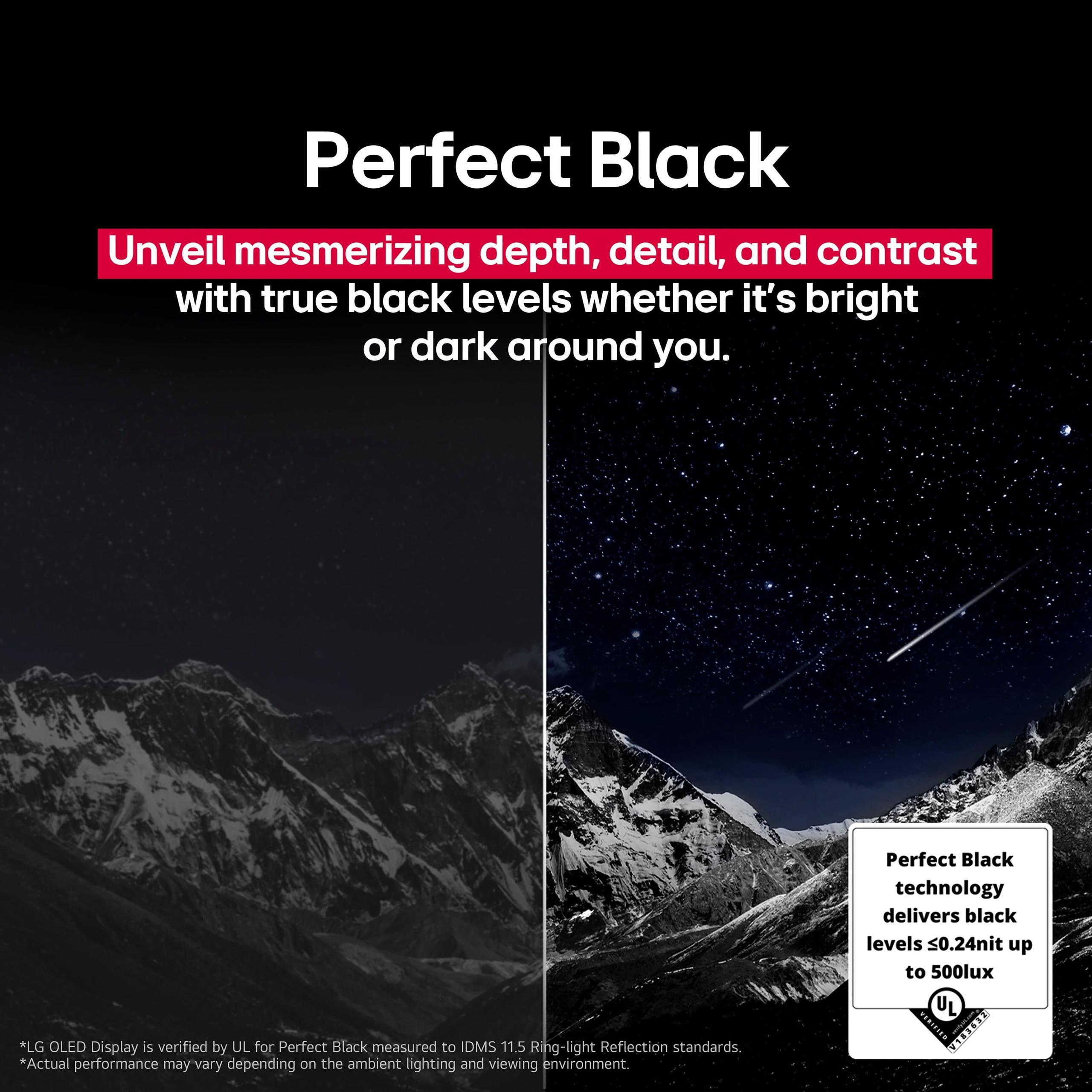
While the Samsung QN8F wins on brightness, the LG C5 OLED dominates in contrast performance. Contrast ratio is the difference between the brightest white and the darkest black a display can produce. Traditional LCD-based displays, even premium QLEDs, use a backlight that's always on to some degree, meaning true black is actually a very dark gray.
OLED's ability to turn pixels completely off creates what we call "infinite contrast"—literally perfect blacks next to bright elements. In practice, this means shadow detail that seems to emerge from true darkness, making movies feel more three-dimensional and immersive. When watching a space scene, stars appear to float against the void of space rather than against a slightly gray background.
This contrast advantage becomes most apparent in darker viewing environments. The LG C5 transforms a dedicated home theater into something that approaches commercial cinema quality, particularly for film content that was mastered with OLED displays in mind.
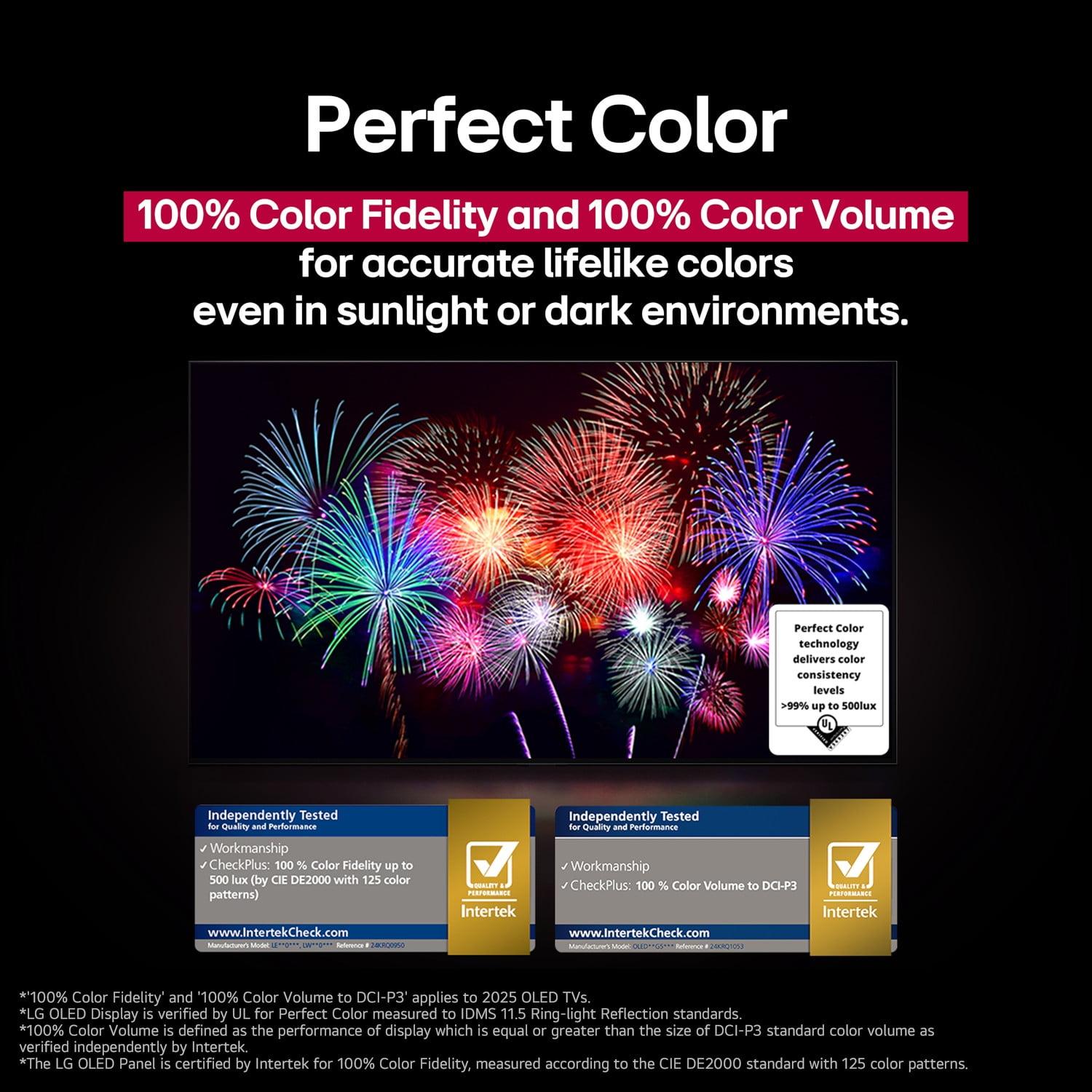
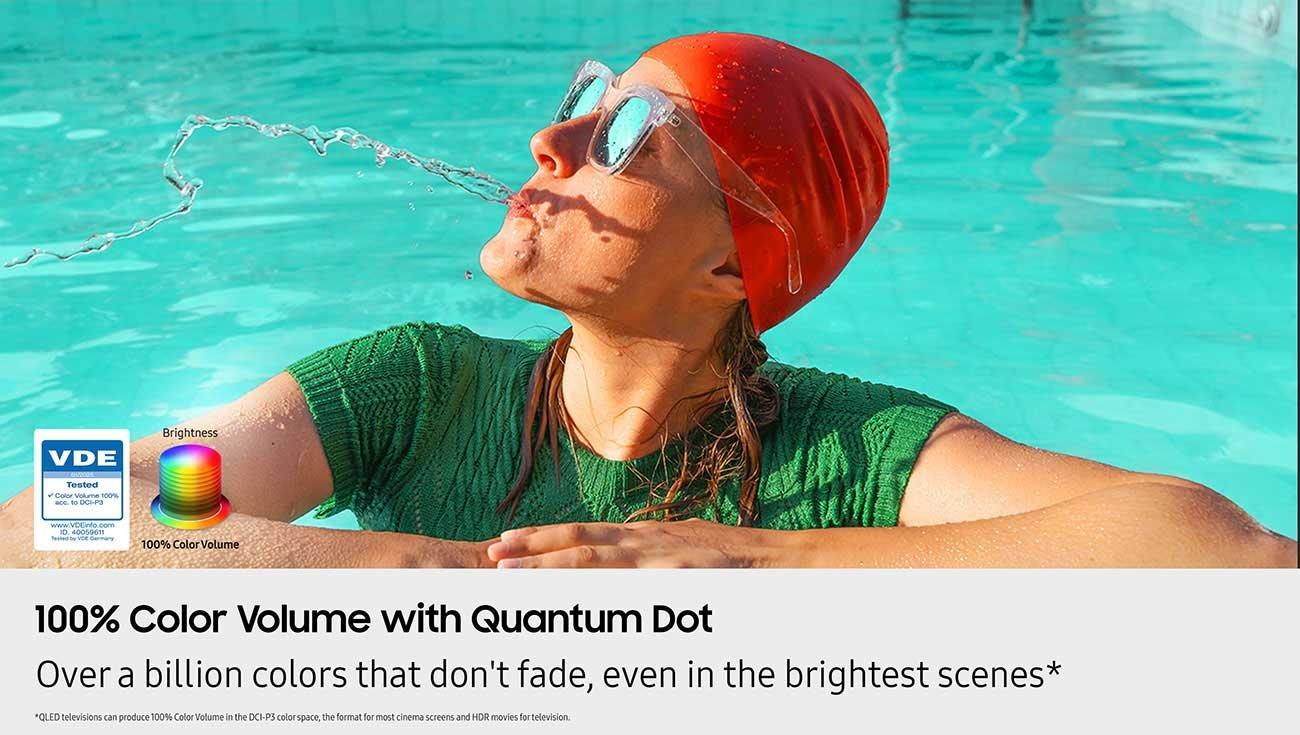
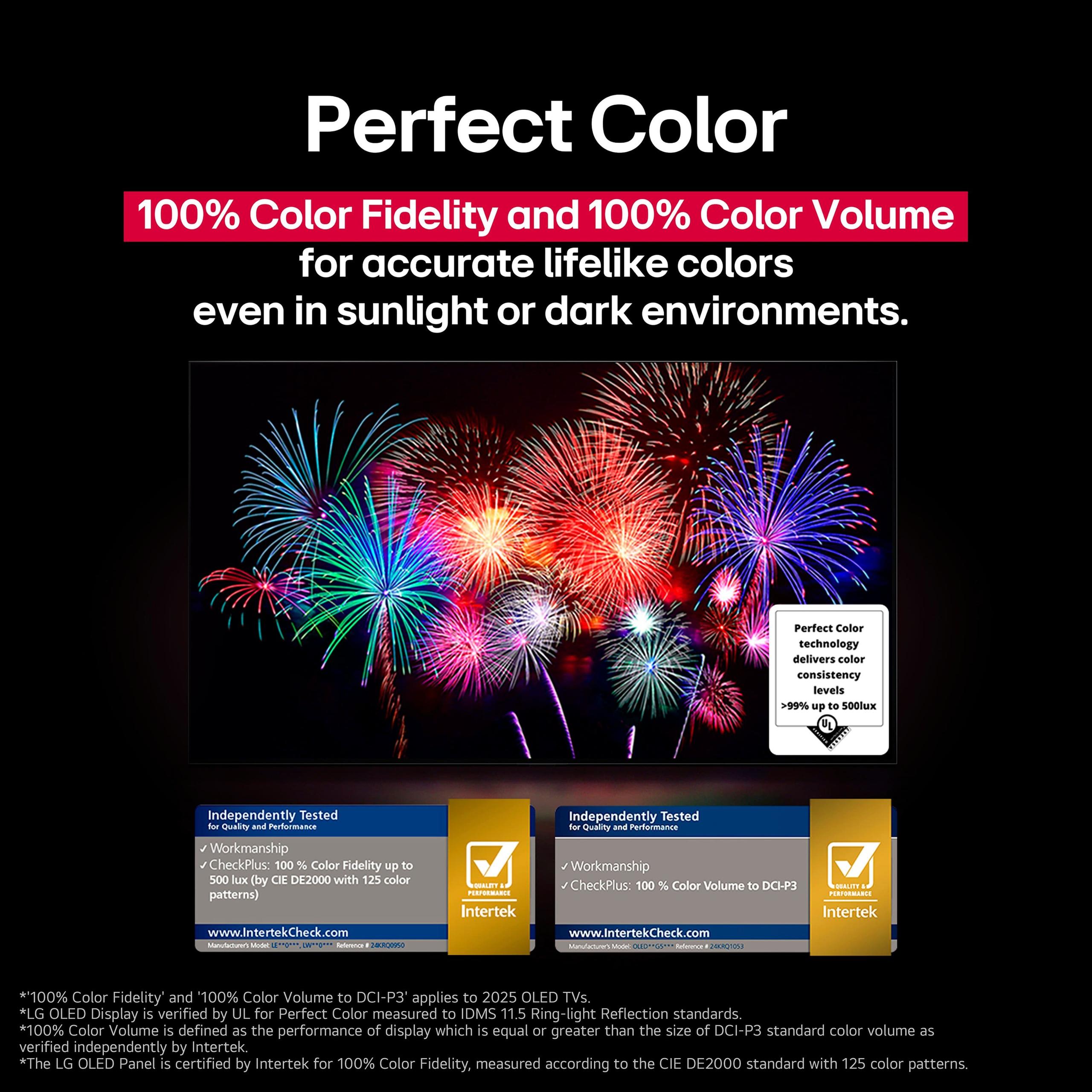
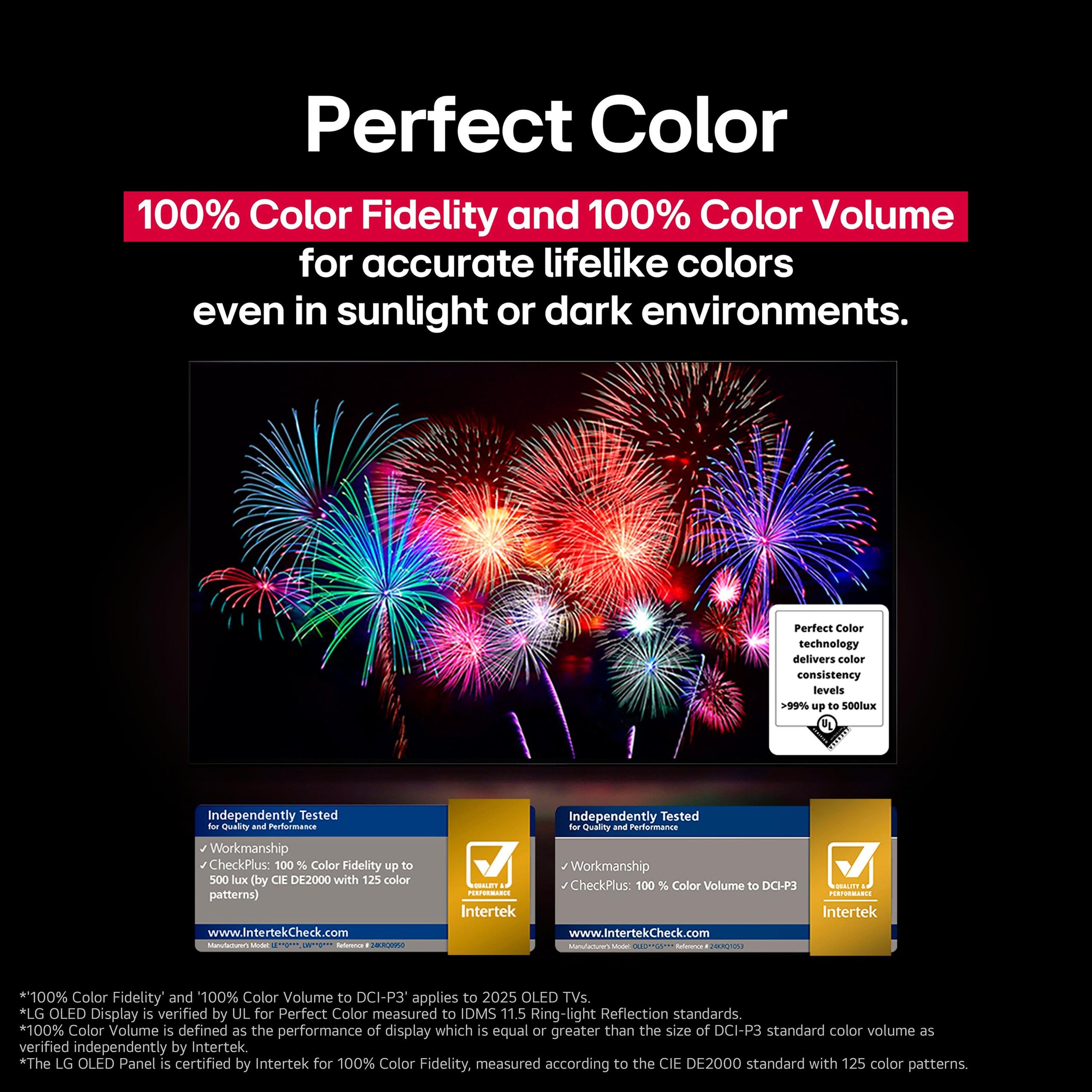
Both displays excel at color reproduction but with different philosophies. The Samsung QN8F uses quantum dot technology to achieve what Samsung calls "100% Color Volume"—the ability to maintain color saturation even at high brightness levels. This creates images that are immediately impressive, with colors that seem to leap off the screen.
The LG C5 OLED takes a more reference-oriented approach. Its color accuracy out of the box often exceeds broadcast standards, meaning colors appear as content creators intended them. This doesn't always translate to the most immediately impressive image, but it results in more natural-looking skin tones and realistic color relationships.
For movie enthusiasts, this accuracy matters enormously. When watching films, you want to see the director's intended color palette, not an artificially enhanced version. For sports or gaming, the Samsung's more vibrant approach often feels more engaging and exciting.
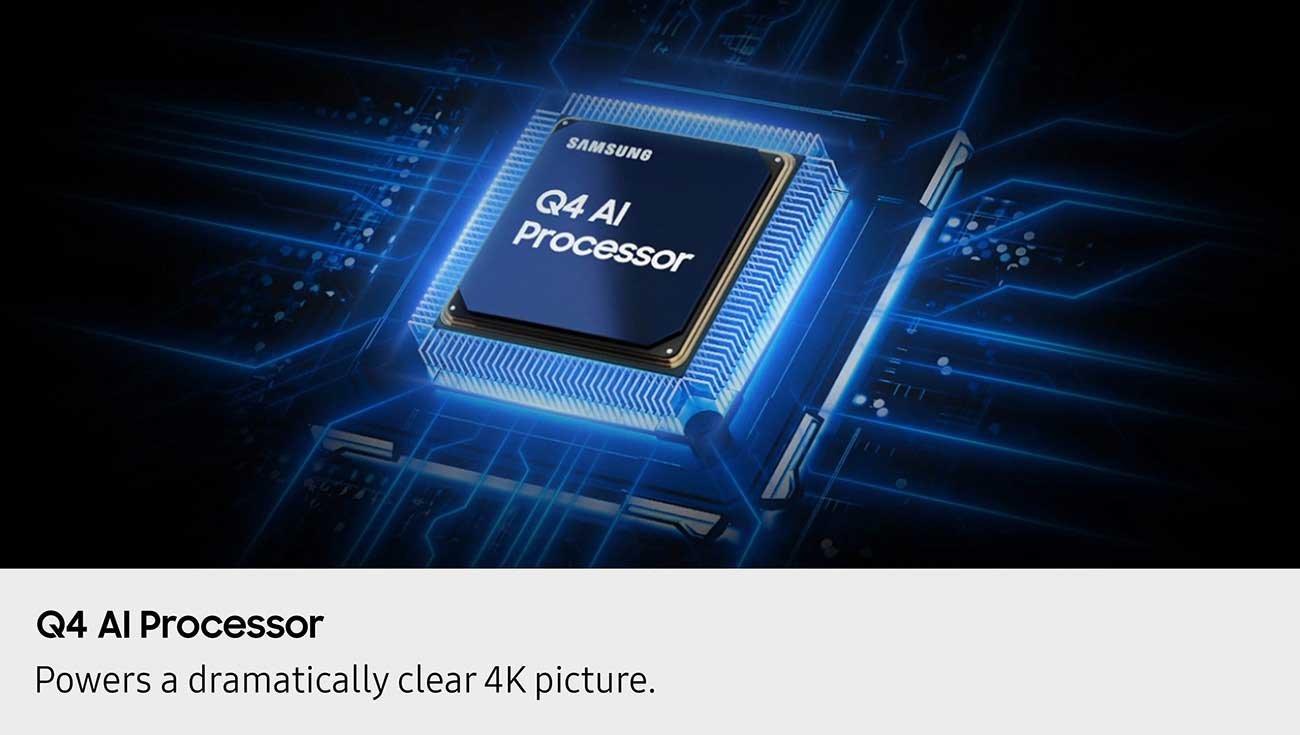
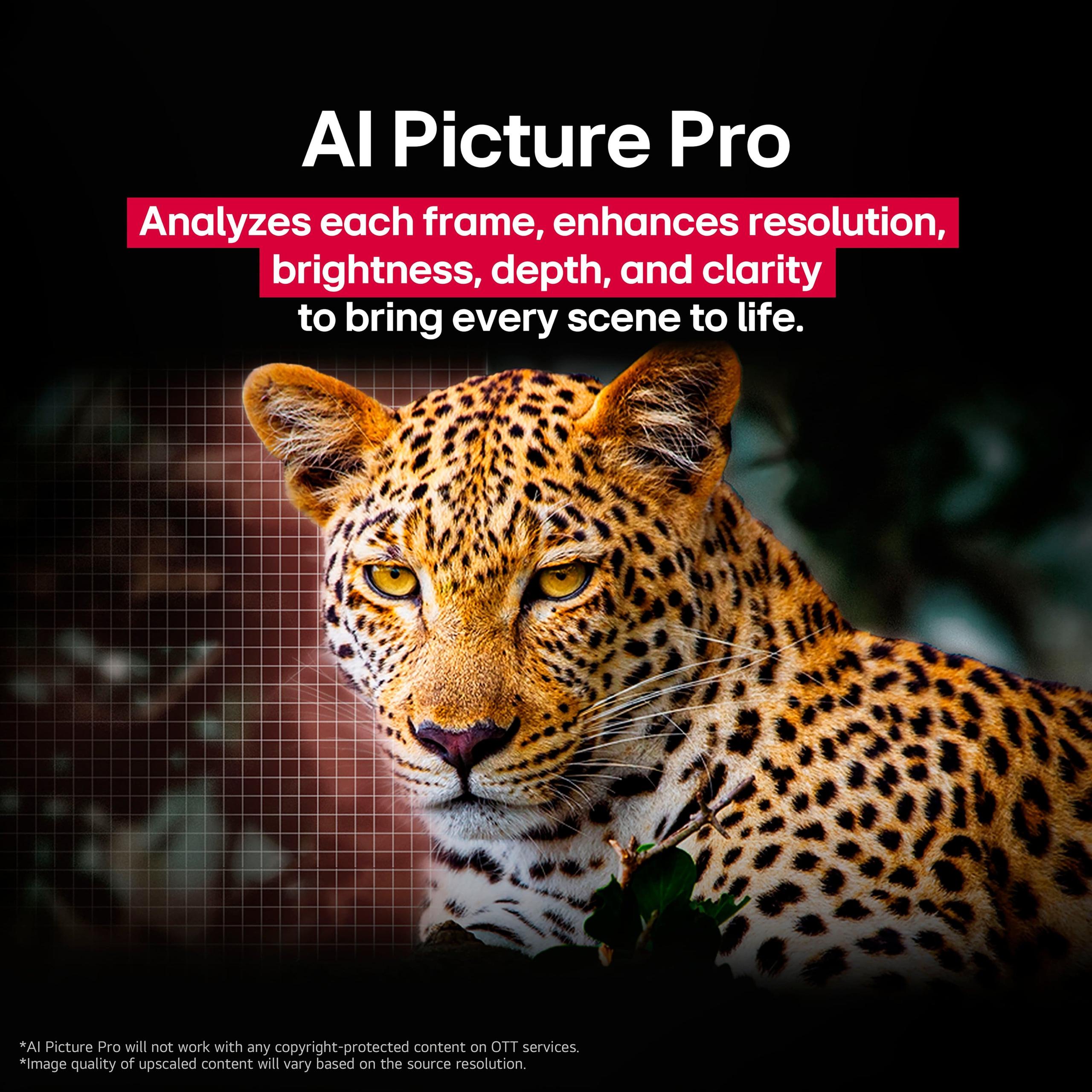
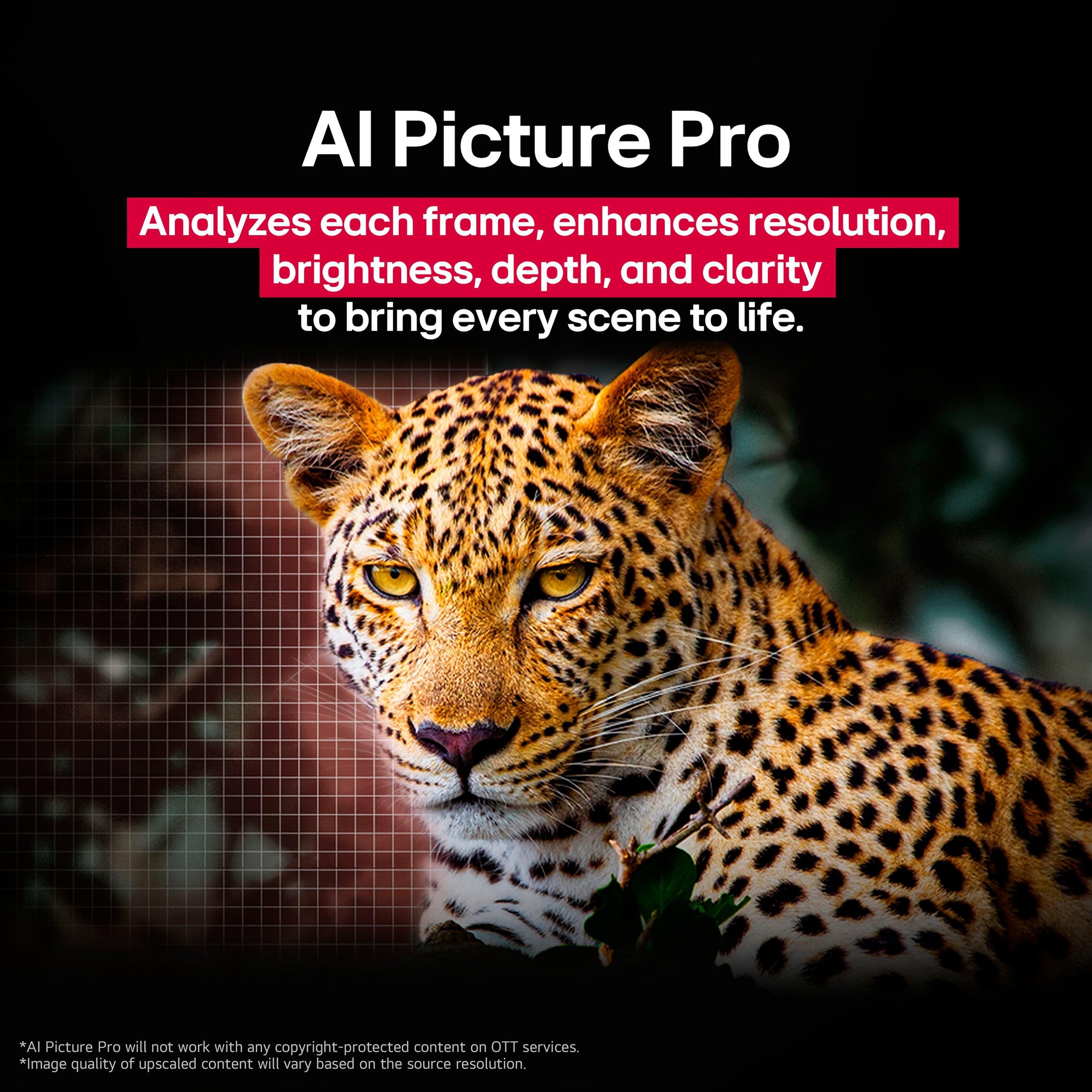
The 2025 generation of both TVs represents a significant leap in artificial intelligence processing. The Samsung QN8F features the Q4 AI Processor with Vision AI, which analyzes content in real-time to optimize picture settings. More impressively, it includes features like Generative Wallpaper, where the TV can create custom artwork based on keywords you provide—turning your display into a dynamic art piece when not in use.
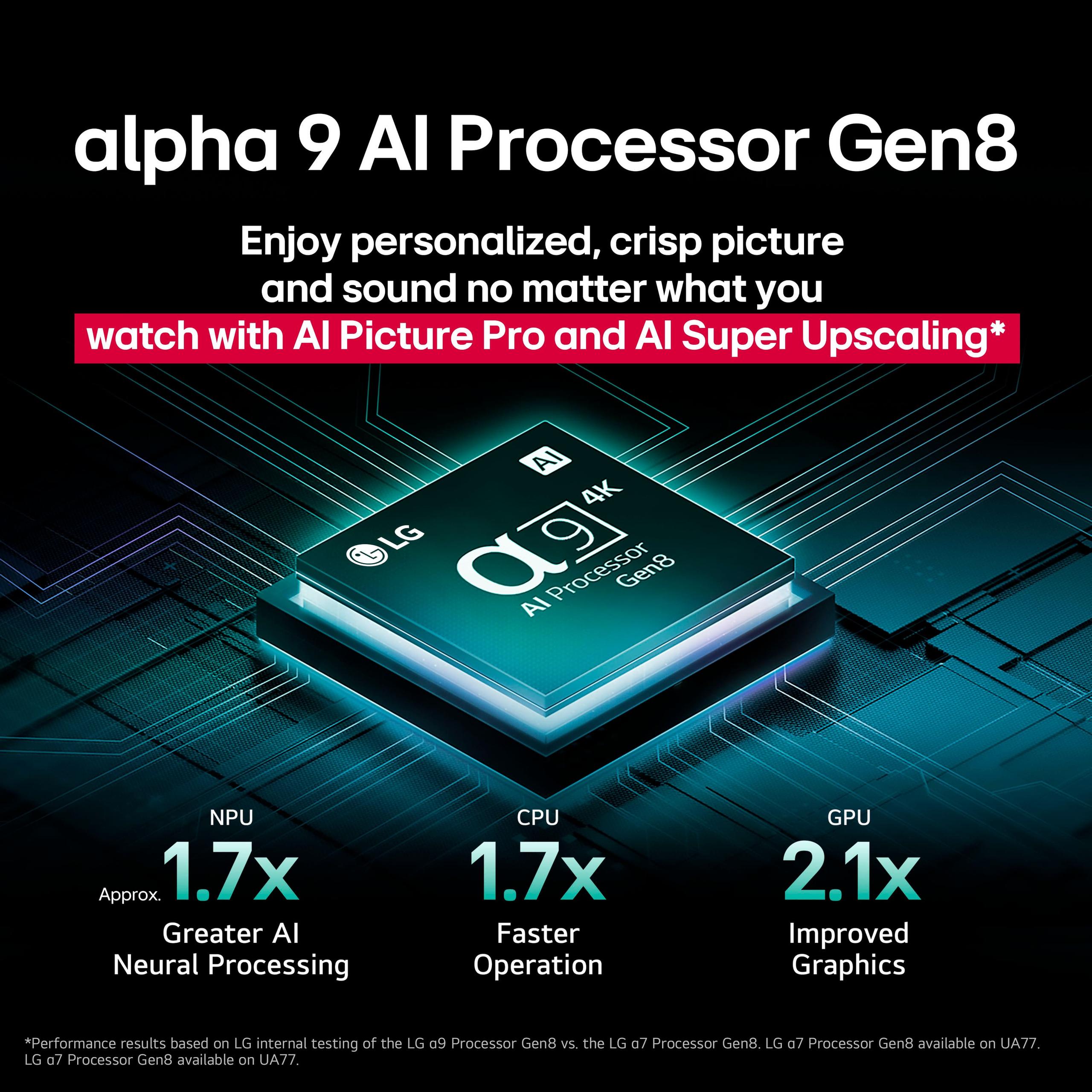
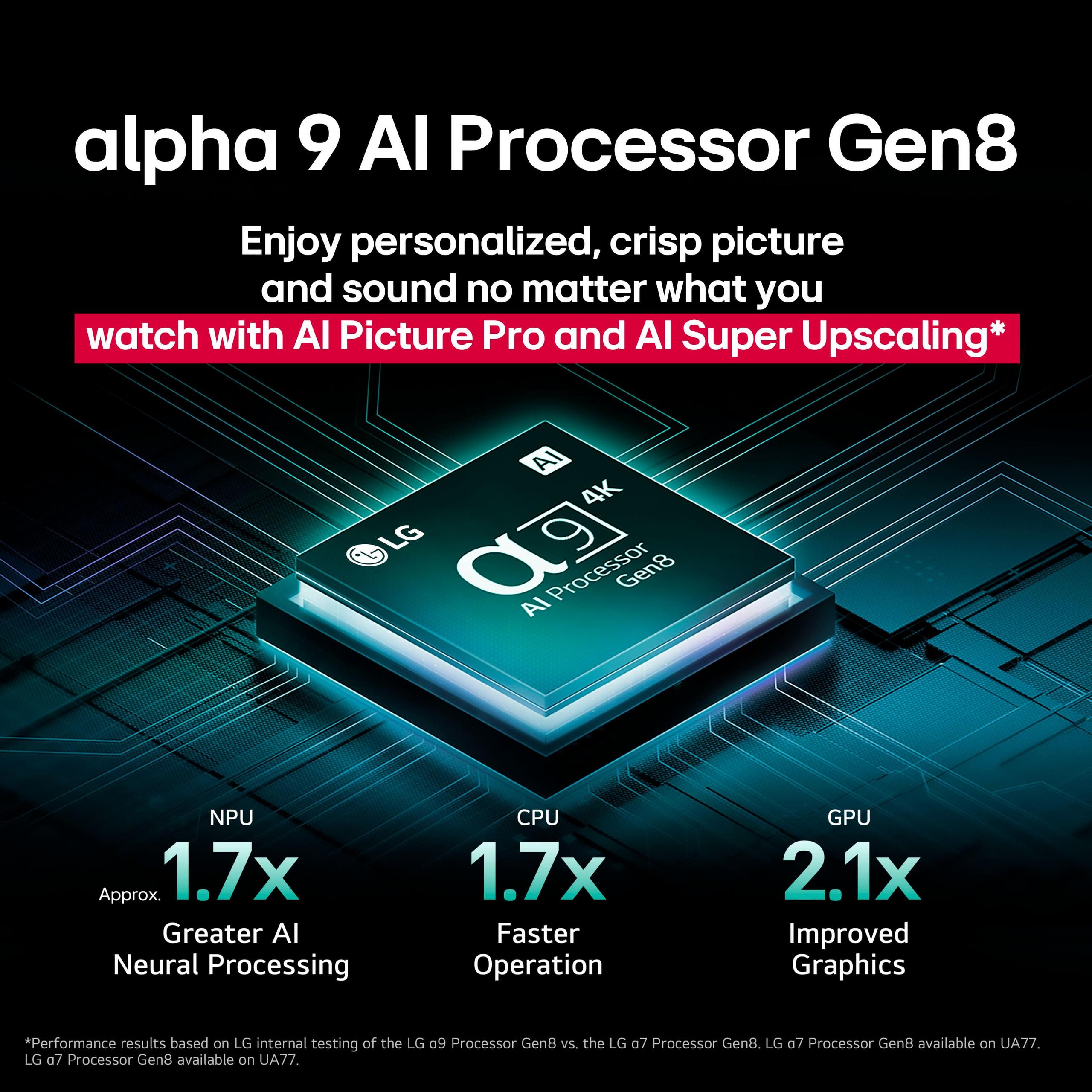
The LG C5 counters with the Alpha 9 AI Processor Gen8, which uses deep learning algorithms to understand not just what you're watching, but how you prefer to watch it. This processor learns your viewing habits and adjusts settings accordingly. It's particularly sophisticated in how it handles upscaling—taking lower resolution content and intelligently adding detail to approach 4K quality.
From my experience, both systems work well, but they have different strengths. Samsung's AI tends to create more immediately impressive images that pop in showroom conditions. LG's processing often produces more natural-looking results that are less fatiguing during long viewing sessions.
The smart TV experience has become crucial since we're all accessing Netflix, Disney+, and other streaming services directly through our TVs. The Samsung QN8F runs Tizen OS, which has matured significantly over the years. The 2025 version includes an enhanced Bixby voice assistant that can handle multiple commands simultaneously and better understands context.
The LG C5 uses webOS 25, which I consider one of the most intuitive smart TV interfaces available. The Magic Remote included with LG TVs allows for point-and-click navigation that feels natural, almost like using a computer mouse. The platform's Quick Cards feature makes organizing and accessing your apps incredibly efficient.
Both platforms support all major streaming services and voice assistants, but webOS tends to receive updates more consistently and maintains smoother performance over time. This long-term software support becomes increasingly important as smart TVs are expected to last many years.
For gamers, response time and input lag are critical specifications that can mean the difference between victory and defeat in competitive gaming. Response time measures how quickly pixels can change from one color to another, while input lag measures the delay between pressing a button and seeing the result on screen.
The LG C5 OLED excels here with a 0.1ms response time—nearly instantaneous pixel transitions that eliminate motion blur during fast-paced gaming. Combined with low input lag, this creates an incredibly responsive gaming experience that competitive players particularly appreciate.
The Samsung QN8F offers solid gaming performance with its Motion Xcelerator 144Hz technology, though it can't quite match OLED's instantaneous pixel response. For most gamers, this difference won't be noticeable, but competitive esports players often prefer OLED's immediate responsiveness.
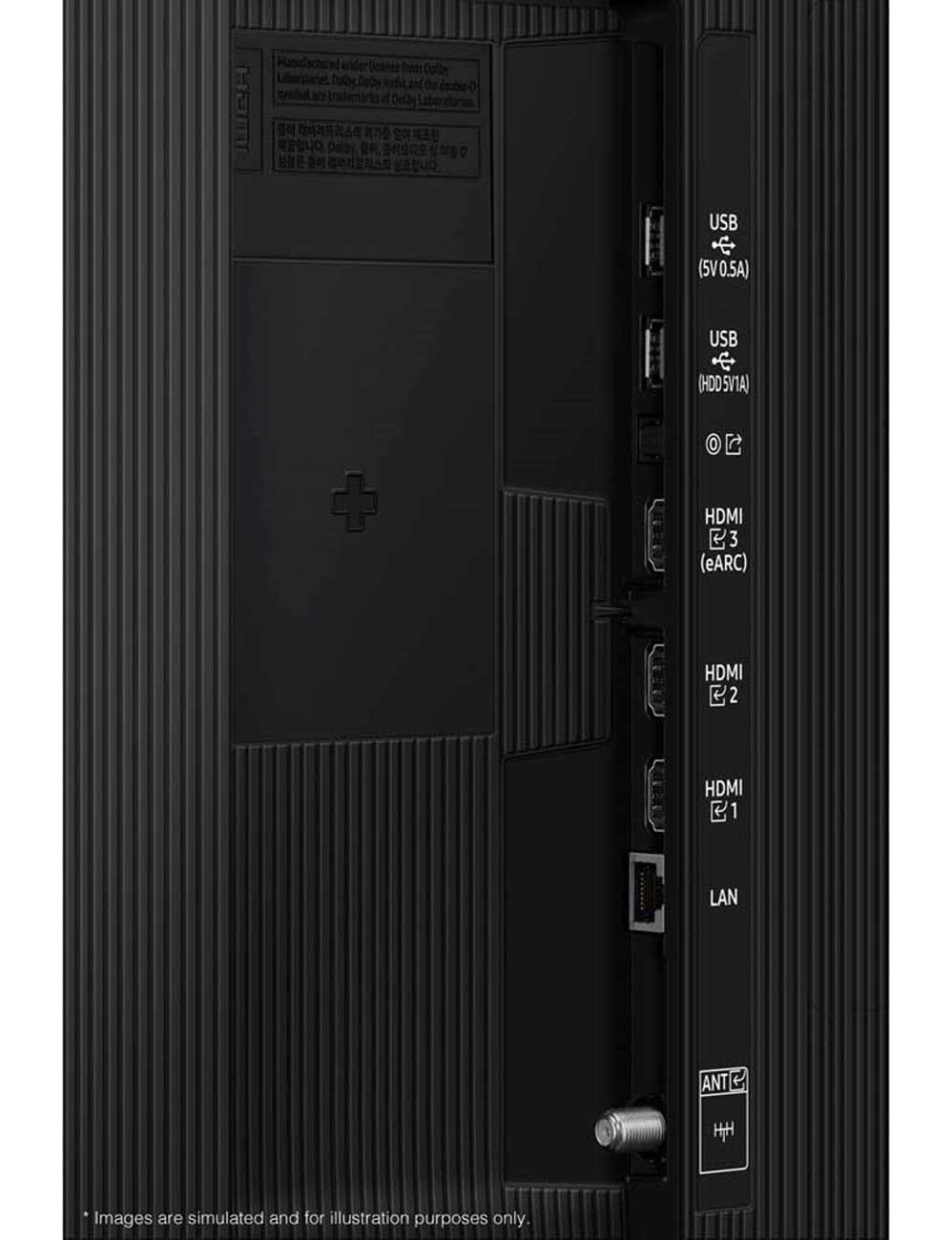
Both TVs support the full suite of next-generation gaming features that modern consoles and PCs require. HDMI 2.1 connectivity enables 4K gaming at 120Hz with Variable Refresh Rate (VRR), which synchronizes the TV's refresh rate with the gaming device's frame rate to eliminate screen tearing.
The LG C5 supports gaming up to 144Hz, making it particularly appealing for PC gamers with high-end graphics cards. Auto Low Latency Mode (ALLM) automatically switches to the lowest input lag settings when gaming is detected, and both TVs include dedicated gaming modes that optimize picture settings for different game types.
Where OLED really shines for gaming is in dark, atmospheric games where the perfect blacks create incredible immersion. Playing a game like "The Last of Us" or any horror title on the LG C5 creates an almost cinematic experience that's hard to replicate on traditional LCD displays.
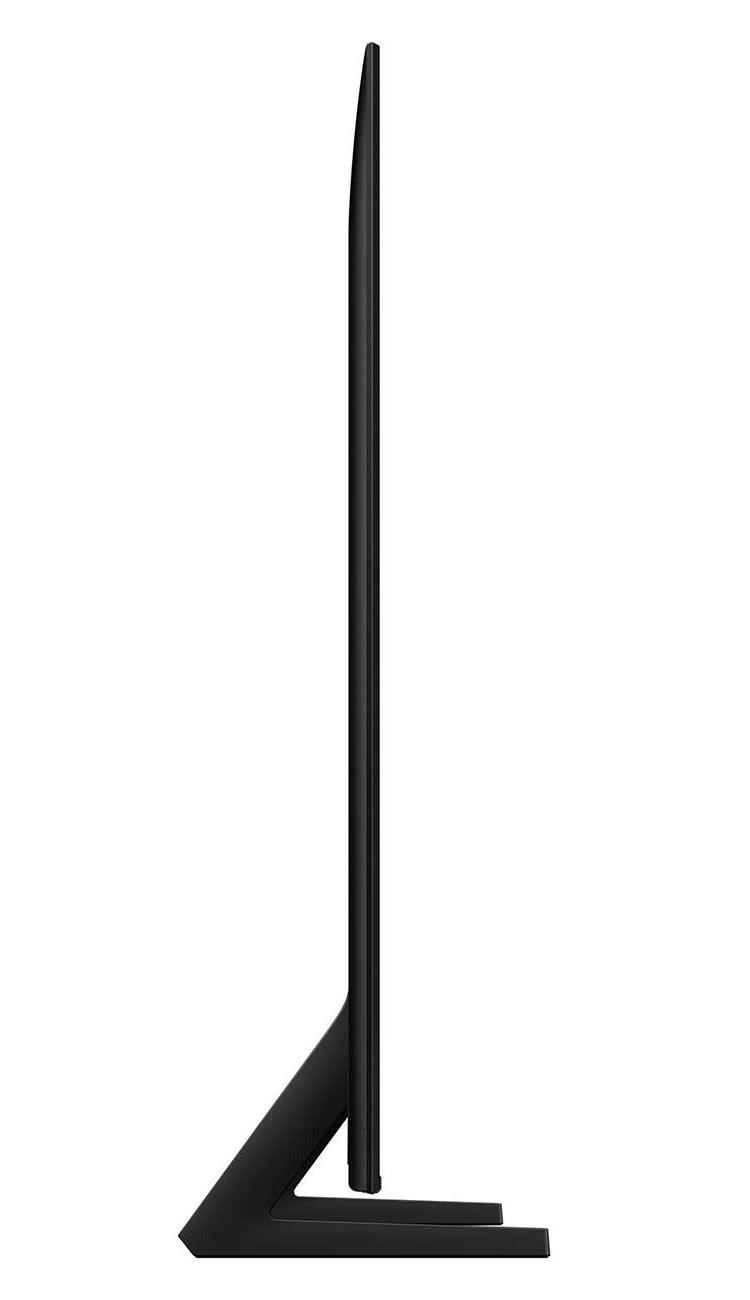
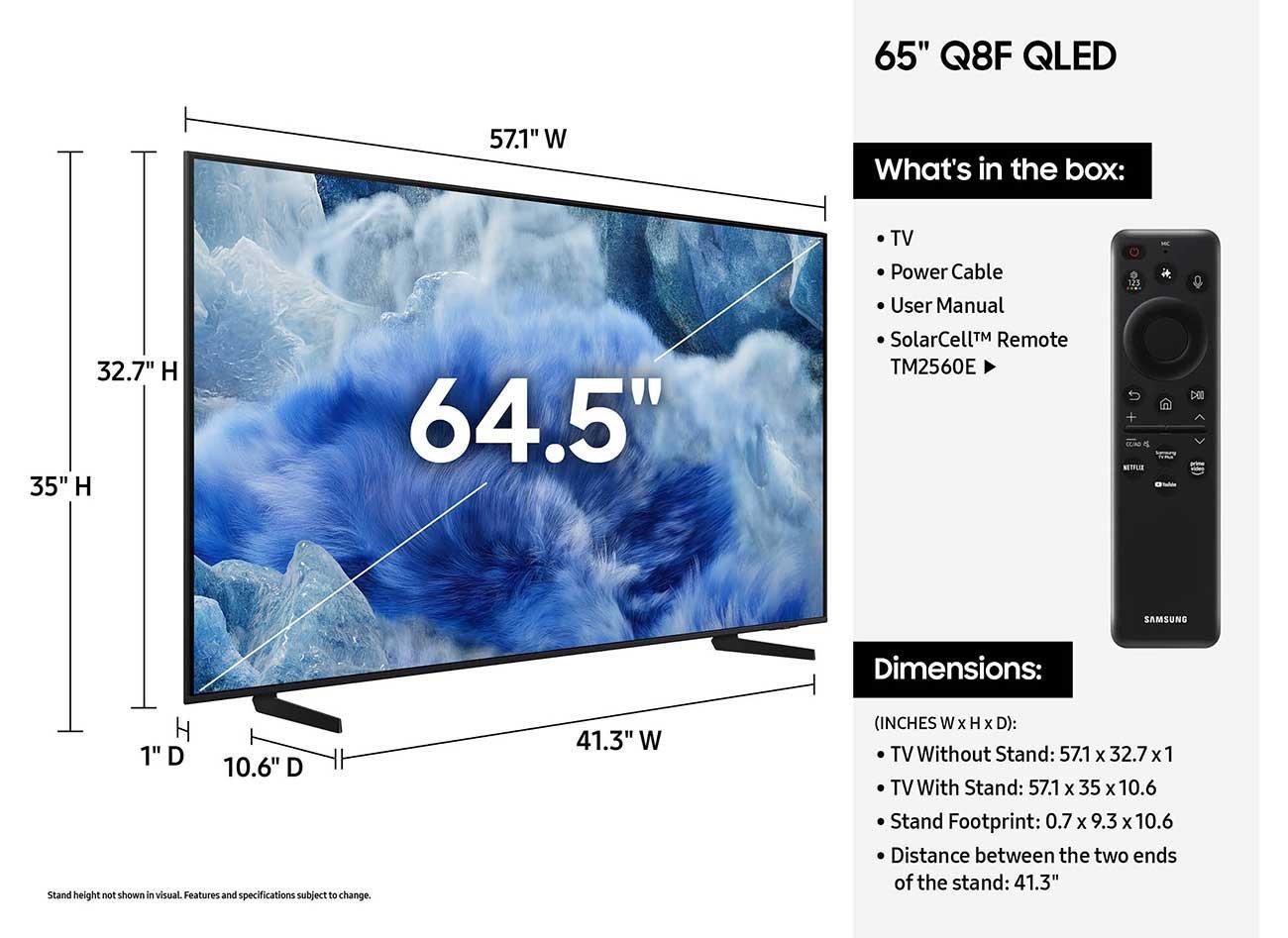
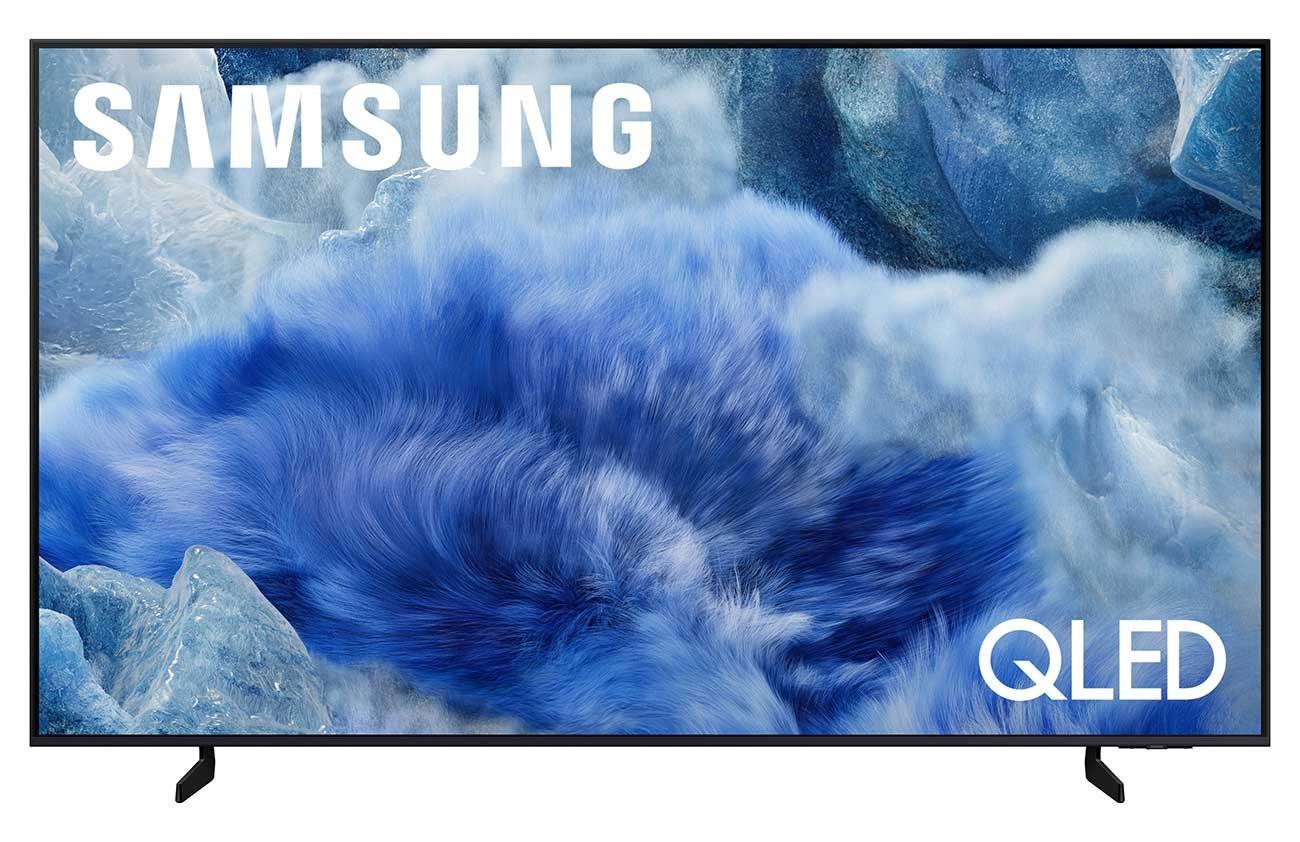
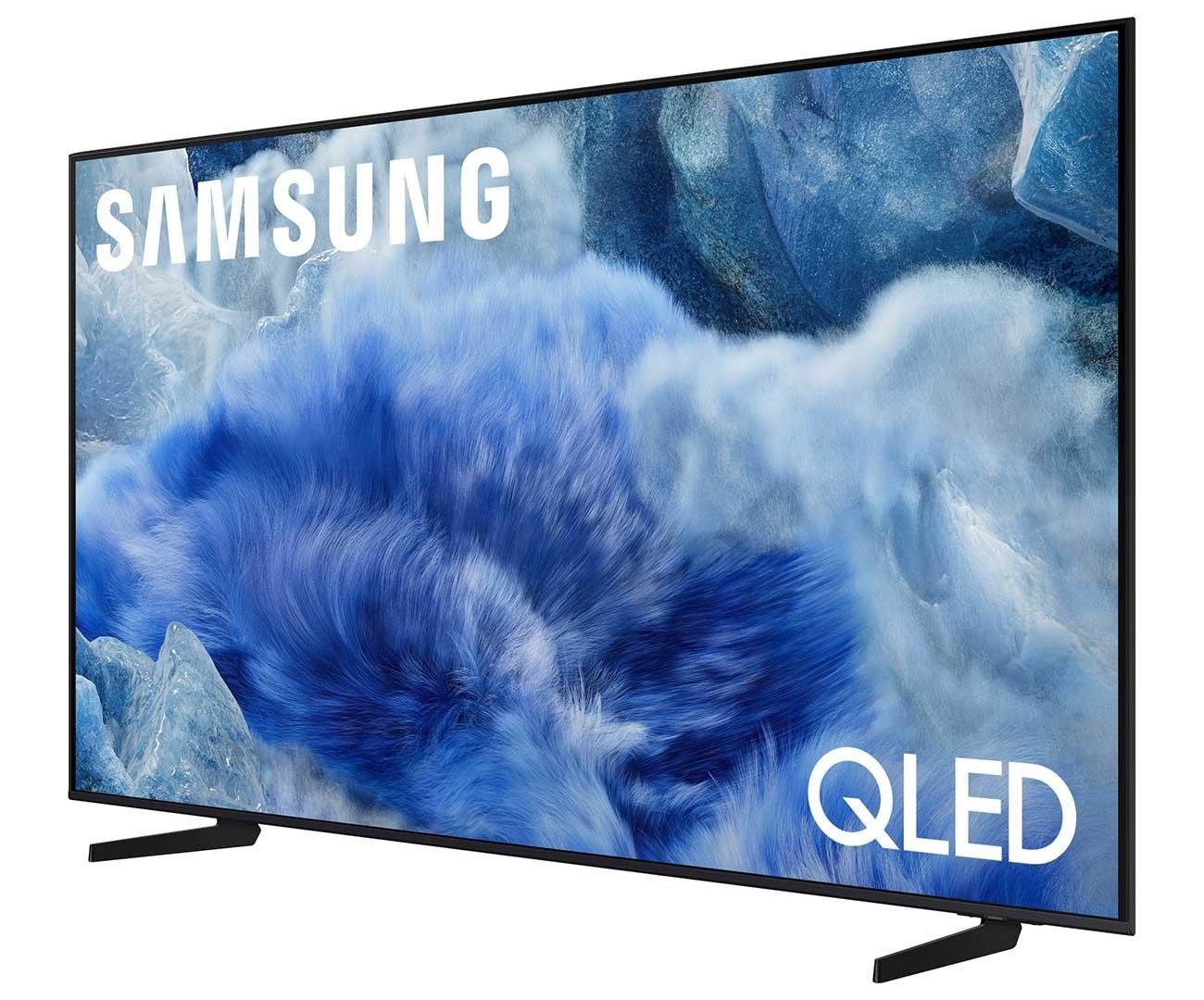
The Samsung QN8F features what Samsung calls an "AirSlim" design, creating a sleek profile that looks elegant wall-mounted or on a stand. The build quality feels premium, and the included BT SolarCell Remote represents Samsung's commitment to environmental sustainability—it charges from room light or USB-C, potentially never needing battery replacement.
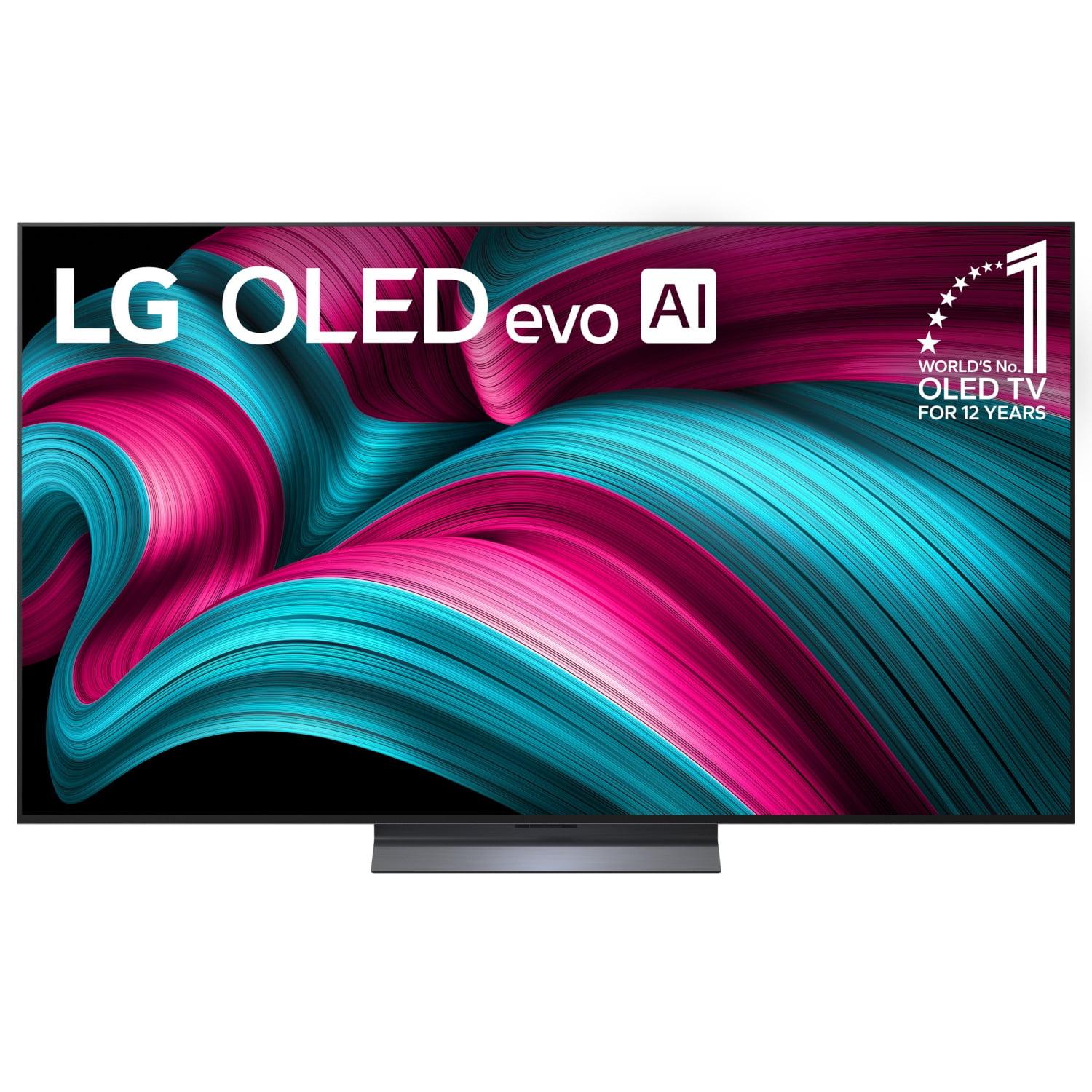
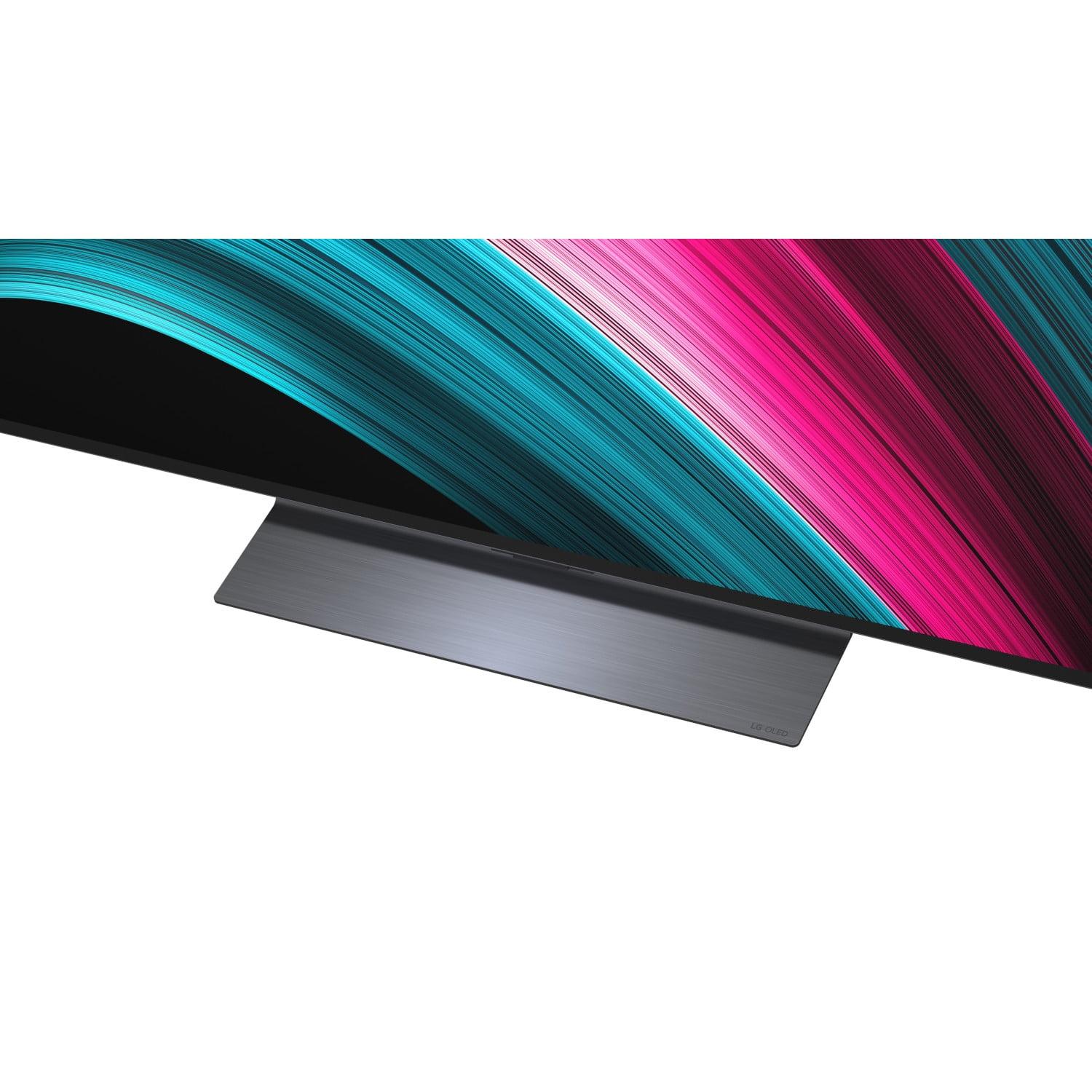
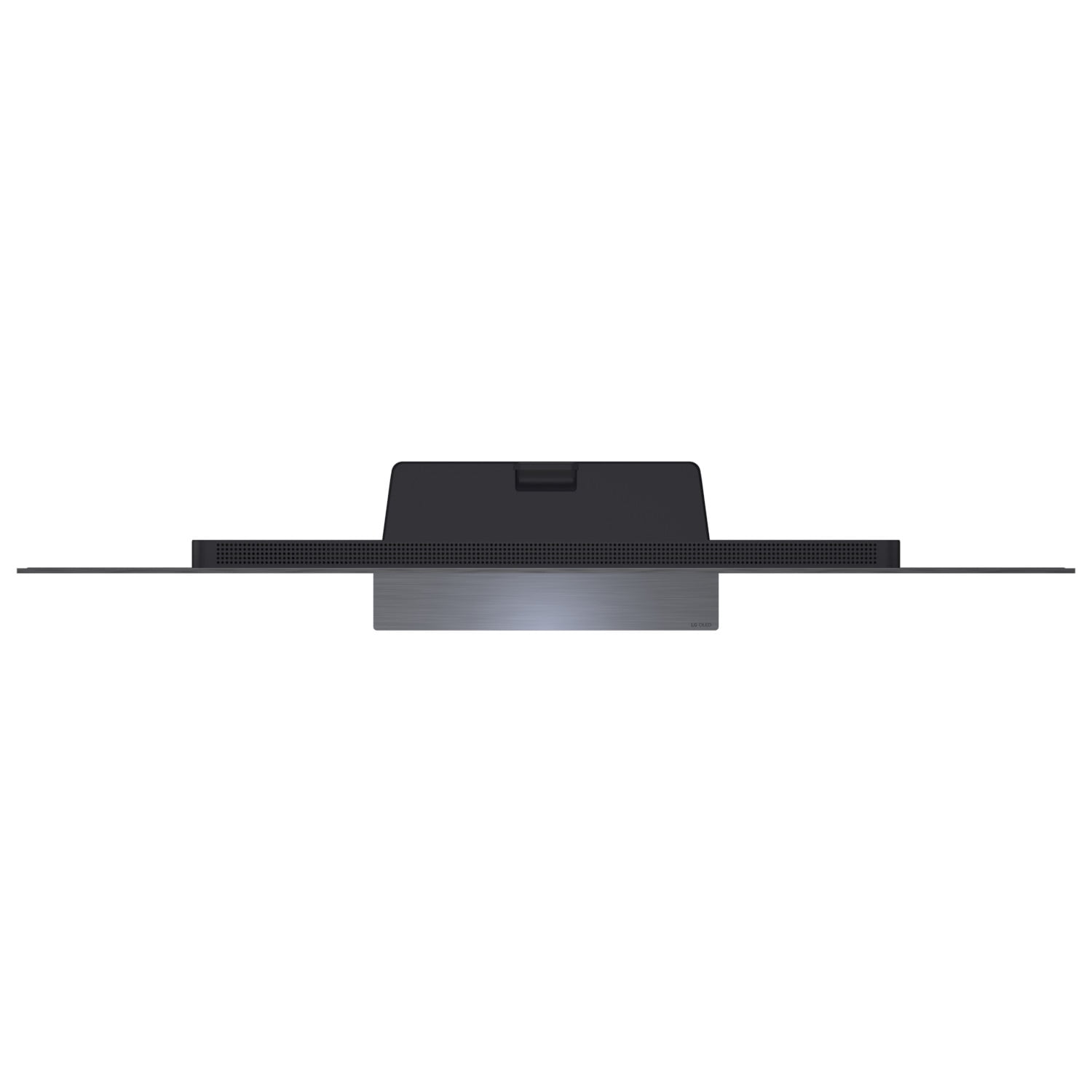
The LG C5 OLED takes minimalism even further with its ultra-thin profile and nearly invisible bezels. When wall-mounted, it appears to float like a piece of modern art. The build quality is exceptional, feeling more like a premium electronic device than a traditional TV.
Both designs work well in modern living spaces, but the LG's thinner profile and minimal bezels create a more dramatic visual impact, especially when displaying art or photos during downtime.
Neither TV will replace a dedicated sound system, but both offer respectable built-in audio. The Samsung QN8F includes Adaptive Sound+ technology that adjusts audio based on content and room acoustics. If you own other Samsung devices, Q-Symphony allows the TV speakers to work in harmony with compatible Samsung soundbars.
The LG C5 OLED supports Dolby Atmos and includes AI Sound Pro processing. However, both TVs' thin profiles limit speaker size, making external audio solutions almost mandatory for serious movie watching or gaming.
At the time of writing, these TVs occupy different price tiers that reflect their target markets. The Samsung QN8F typically costs several hundred dollars less than the LG C5, positioning it as a premium QLED option that delivers flagship features at a more accessible price point.
The LG C5 commands a higher price that reflects OLED's manufacturing complexity and superior contrast performance. For many buyers, the question becomes whether perfect blacks and superior gaming performance justify the additional cost.
For dedicated home theater use, the LG C5 OLED typically provides the more cinematic experience. Its perfect blacks and accurate colors create an environment that closely mimics commercial cinema projection. OLED's wide viewing angles also ensure everyone in the room sees consistent picture quality.
However, the Samsung QN8F shouldn't be dismissed for home theater use, especially in rooms where complete light control isn't possible. Its superior brightness can actually enhance the HDR experience in partially lit environments, and its vibrant colors can make certain content types more engaging.
The Samsung QN8F excels as a family room centerpiece where versatility matters more than absolute picture perfection. It delivers an impressive viewing experience across a wide range of content and lighting conditions.
The LG C5 OLED represents the pinnacle of display technology for those who want the absolute best picture quality, especially for film content and gaming in controlled lighting environments.
Both the Samsung QN8F QLED and LG C5 OLED represent excellent examples of their respective technologies in 2025. Your choice should ultimately depend on your specific viewing environment, content preferences, and budget considerations.
In my experience, most buyers are happiest when they match the technology to their primary use case. The Samsung excels as an all-around performer that looks great in any lighting condition, while the LG delivers reference-quality images that truly shine in dedicated viewing environments.
The beauty of the current TV market is that both approaches have merit. Whether you choose the vibrant versatility of QLED or the perfect contrast of OLED, you'll be getting a display that would have been considered miraculous just a few years ago. The real winner is anyone upgrading from an older TV—the improvements in picture quality, smart features, and gaming capabilities make either choice a significant upgrade that should provide years of viewing enjoyment.
| Samsung 65" QN8F Series QLED 4K Vision AI Smart TV 2025 | LG OLED evo C5 65" 4K TV 2025 |
|---|---|
| Display Technology - Fundamental difference that affects all picture quality aspects | |
| QLED with Quantum Dot and Dual LED backlighting | OLED with self-illuminating pixels |
| Peak Brightness - Critical for bright room viewing and HDR impact | |
| Superior brightness for daytime viewing and vibrant HDR | Improved brightness over previous OLEDs but still lower than QLED |
| Contrast Ratio - Determines how deep blacks appear and overall image depth | |
| Very good with Supreme UHD Dimming but limited by backlighting | Perfect infinite contrast with true blacks |
| Color Volume - How vibrant colors remain at different brightness levels | |
| 100% Color Volume with Quantum Dot technology | Excellent color accuracy but slightly less vibrant than QLED |
| Gaming Response Time - Crucial for competitive gaming performance | |
| Good gaming performance with Motion Xcelerator 144Hz | 0.1ms response time, ideal for competitive gaming |
| Gaming Refresh Rate - Determines smoothness for high-frame gaming | |
| 120Hz native, up to 144Hz supported | Native 120Hz with up to 144Hz support, 4 full HDMI 2.1 ports |
| AI Processing - Affects picture optimization and smart features | |
| Q4 AI Processor with Vision AI and Generative Wallpaper | Alpha 9 AI Processor Gen8 with deep learning optimization |
| Smart Platform - Daily usability and app performance | |
| Tizen OS with enhanced Bixby voice control | webOS 25 with Magic Remote and superior interface design |
| HDR Support - Enhanced color and brightness range for premium content | |
| Quantum HDR+ with HDR10+ Adaptive/Gaming | Dolby Vision, HDR10, HLG with perfect black HDR performance |
| Audio System - Built-in sound quality before adding external speakers | |
| 20W 2CH with Adaptive Sound+ and Q-Symphony | Dolby Atmos support with AI Sound Pro |
| Design Profile - Visual impact when wall-mounted or on stand | |
| AirSlim design with sleek modern aesthetics | Ultra-thin profile with nearly invisible bezels |
| Viewing Angles - Picture consistency when viewed from the side | |
| Wide viewing angle but some color shift off-axis | Excellent viewing angles with minimal degradation |
| Room Lighting Suitability - Performance in different lighting conditions | |
| Excellent for bright rooms and daytime viewing | Best in controlled lighting, improved for brighter rooms in 2025 |
| Value Positioning - Performance relative to typical pricing tier | |
| Premium QLED features at more accessible pricing | Higher-end pricing justified by superior contrast and gaming performance |
The Samsung QN8F QLED is significantly better for bright rooms due to its superior peak brightness and anti-glare properties. While the LG C5 OLED has improved brightness compared to previous OLED models, it still struggles in rooms with lots of natural light or overhead lighting.
QLED uses a traditional LED backlight with quantum dot filters to create vibrant colors, while OLED pixels emit their own light. This means the Samsung QN8F can get much brighter, but the LG C5 OLED can display perfect blacks by turning pixels completely off, creating superior contrast.
The LG C5 OLED is generally better for gaming, especially competitive gaming, due to its 0.1ms response time and support for up to 144Hz refresh rates. The Samsung QN8F still offers excellent gaming performance but can't match OLED's instantaneous pixel response times.
Both TVs work well for home theaters, but in different ways. The LG C5 OLED provides a more cinematic experience with perfect blacks and accurate colors in dark rooms. The Samsung QN8F QLED is better for home theaters that can't achieve complete darkness, as its higher brightness enhances HDR content.
The LG C5 OLED generally has a more intuitive smart interface with webOS 25 and the Magic Remote for point-and-click navigation. The Samsung QN8F offers Tizen OS with enhanced Bixby voice control and unique features like AI-generated wallpapers, but webOS is typically considered more user-friendly.
The Samsung QN8F QLED produces more vibrant, punchy colors that immediately grab attention, thanks to quantum dot technology. The LG C5 OLED focuses on color accuracy, delivering more natural-looking colors that match what content creators intended, though they may appear less saturated.
Both the Samsung QN8F and LG C5 OLED are built to last many years with proper care. OLED panels can experience burn-in with static images over time, though this has become much less common with modern panels. QLED displays don't face burn-in issues but may experience backlight degradation over many years of use.
Picture quality depends on your environment and preferences. The LG C5 OLED offers superior contrast with perfect blacks and excellent shadow detail, making it ideal for movies. The Samsung QN8F QLED provides brighter, more vibrant images that maintain quality in various lighting conditions.
The Samsung QN8F QLED typically offers better value for most buyers, providing premium features at a lower price point. The LG C5 OLED costs more but delivers superior picture quality and gaming performance that may justify the premium for enthusiasts and serious gamers.
Both TVs excel with HDR content but differently. The Samsung QN8F can display brighter HDR highlights due to its superior peak brightness, making HDR scenes more impactful in bright rooms. The LG C5 OLED provides more accurate HDR reproduction with perfect contrast, ideal for dark viewing environments.
Neither the Samsung QN8F nor LG C5 OLED will replace a dedicated sound system due to their thin profiles. The Samsung offers Adaptive Sound+ and Q-Symphony compatibility with Samsung soundbars, while the LG supports Dolby Atmos processing. Both benefit significantly from external audio solutions.
Choose the Samsung QN8F QLED if your living room is bright with lots of windows and you want excellent performance across all lighting conditions. Select the LG C5 OLED if you can control lighting, prioritize movie watching or gaming, and want the absolute best picture quality available.
We've done our best to create useful and informative comparisons to help you decide what product to buy. Our research uses advanced automated methods to create this comparison and perfection is not possible - please contact us for corrections or questions. These are the sites we've researched in the creation of this article: bestbuy.com - samsung.com - rtings.com - youtube.com - samsung.com - pcrichard.com - abt.com - images.samsung.com - cnet.com - news.samsung.com - samsung.com - bestbuy.com - bestbuy.com - rtings.com - youtube.com - businessinsider.com - youtube.com - bestbuy.com - lg.com - files.bbystatic.com - lg.com - flatpanelshd.com - lg.com - blvdhome.com - bhphotovideo.com - flanners.com - videopro.com.au

Privacy Policy
Terms and Conditions - Affiliate Policy
Home Security
© Copyright 2008-2026.
11816 Inwood Rd #1211, Dallas, TX 75244