

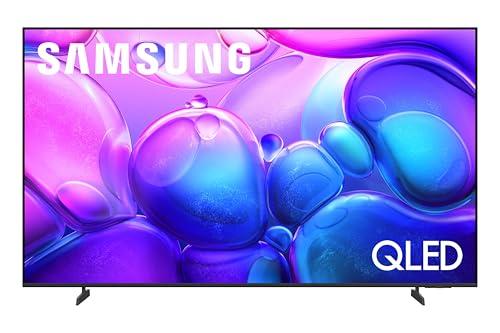
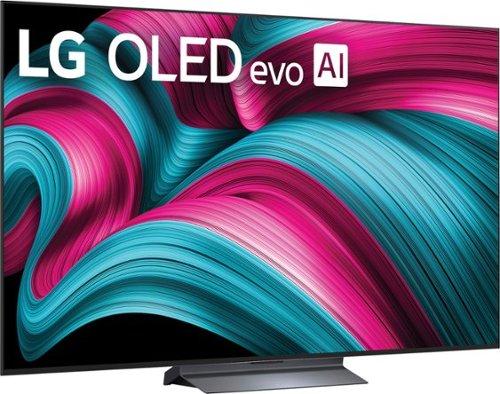


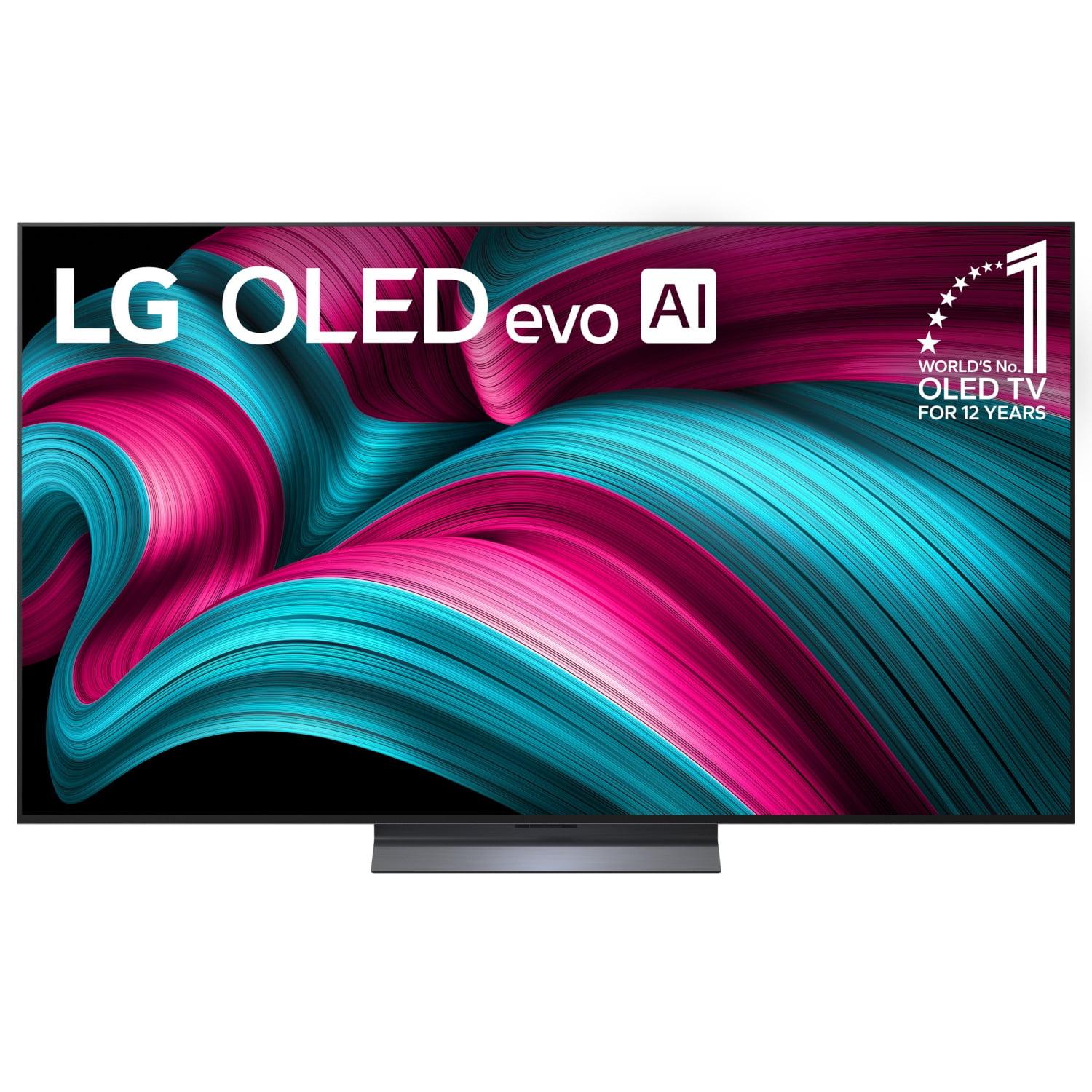
When you walk into a TV showroom today, you're witnessing one of the most interesting technology battles in consumer electronics. On one side, you have Samsung pushing QLED technology to new heights with models like the Samsung 75" QLED Q6F Series 2025. On the other, LG continues refining OLED displays with premium offerings like the LG OLED evo C5 65". Both launched in 2025, these TVs represent fundamentally different approaches to creating the perfect picture—and understanding their differences will help you make the right choice for your home.
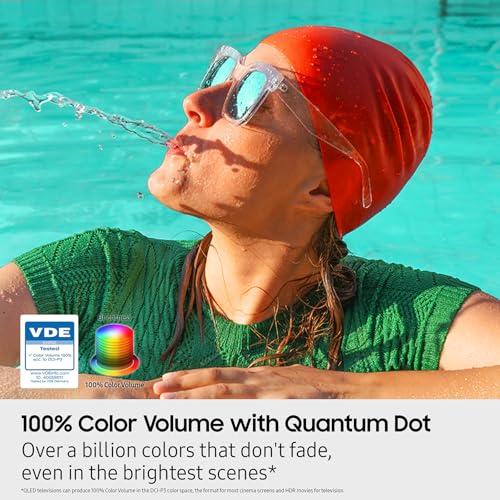
Before diving into specifics, let's understand what makes these TVs tick. The Samsung Q6F uses QLED technology, which is essentially a high-end LCD display enhanced with quantum dots—microscopic crystals that produce extremely pure colors when hit with light. Think of quantum dots as tiny, precise color filters that make reds redder and blues bluer while maintaining exceptional brightness.
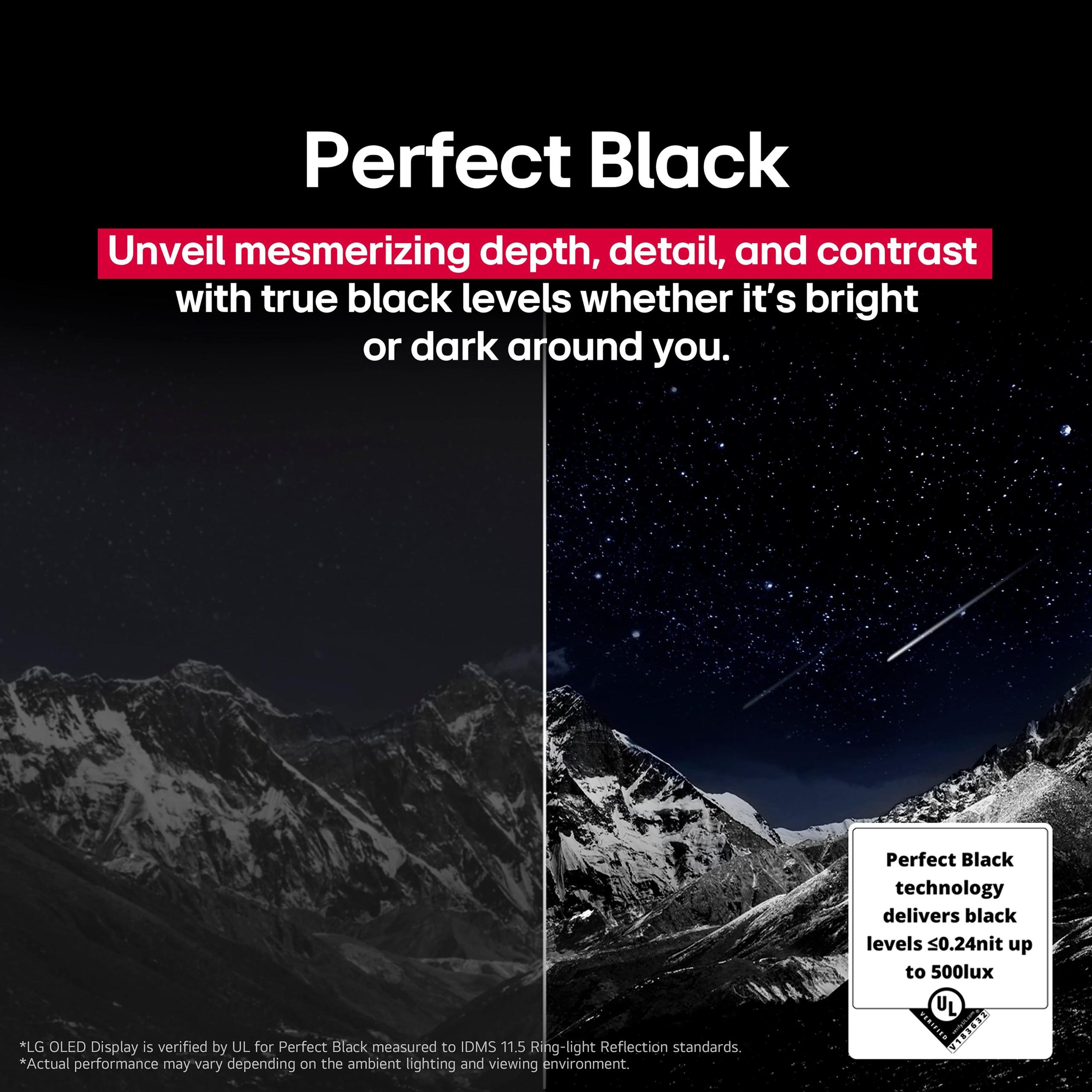
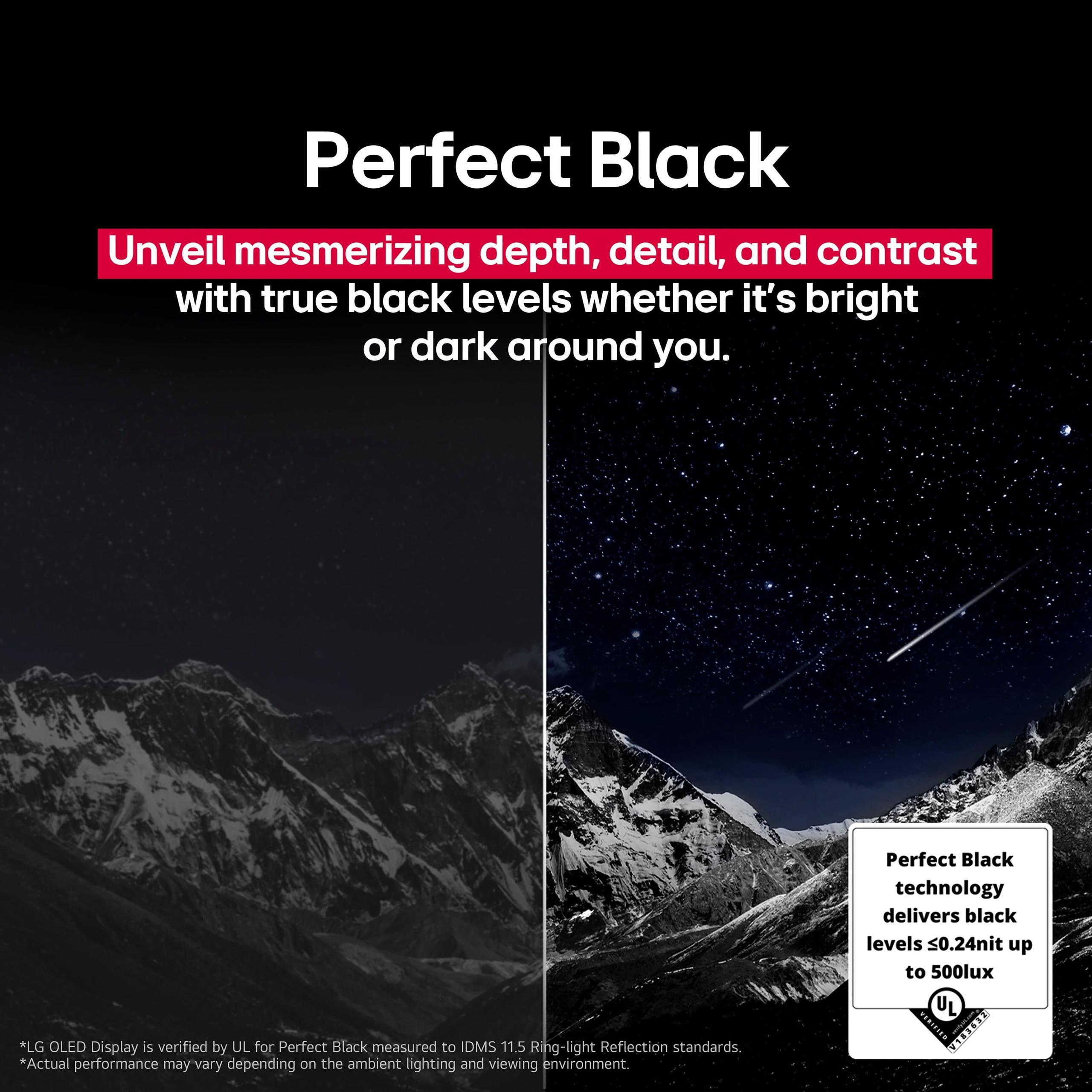
The LG C5, meanwhile, uses OLED technology where each of the 8.3 million pixels produces its own light. When an OLED pixel needs to display black, it simply turns off completely, creating what we call "perfect black." This is fundamentally different from LCD-based displays like QLED, which always have some light bleeding through even when trying to show black.
Both technologies have evolved significantly since their introduction. OLED has been around since the early 2010s but has dramatically improved in brightness—historically its biggest weakness. Samsung's QLED technology, introduced in 2017, has refined color accuracy and viewing angles while maintaining its brightness advantage.
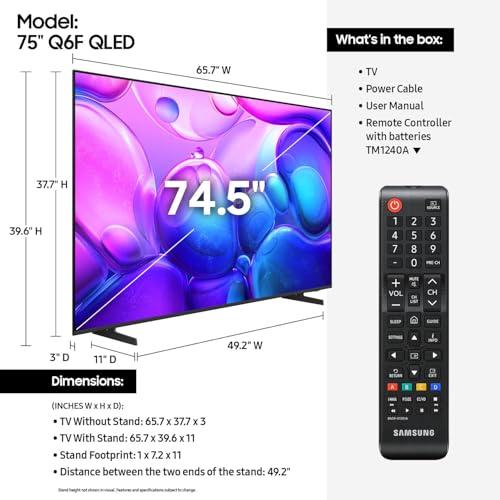
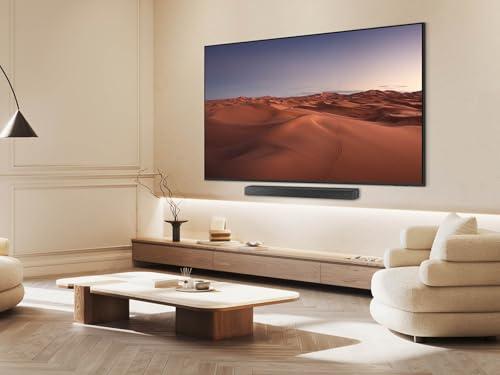
Here's where things get interesting from a value perspective. At the time of writing, the Samsung Q6F costs significantly less than the LG C5 while offering a 75-inch screen versus 65 inches. That's a substantial difference—we're talking about roughly 1,500 square inches of additional screen real estate.
For many families, screen size trumps everything else. If you're sitting 10-12 feet from your TV (typical for most living rooms), that extra 10 inches creates a noticeably more immersive experience. Movies feel more cinematic, sports become more engaging, and even regular TV shows benefit from the larger canvas.
However, this size advantage comes with caveats. The Samsung Q6F represents Samsung's entry-level QLED offering for 2025, while the LG C5 sits in the premium category. You're essentially comparing a luxury car's engine in a compact body versus a reliable engine in a full-size vehicle.
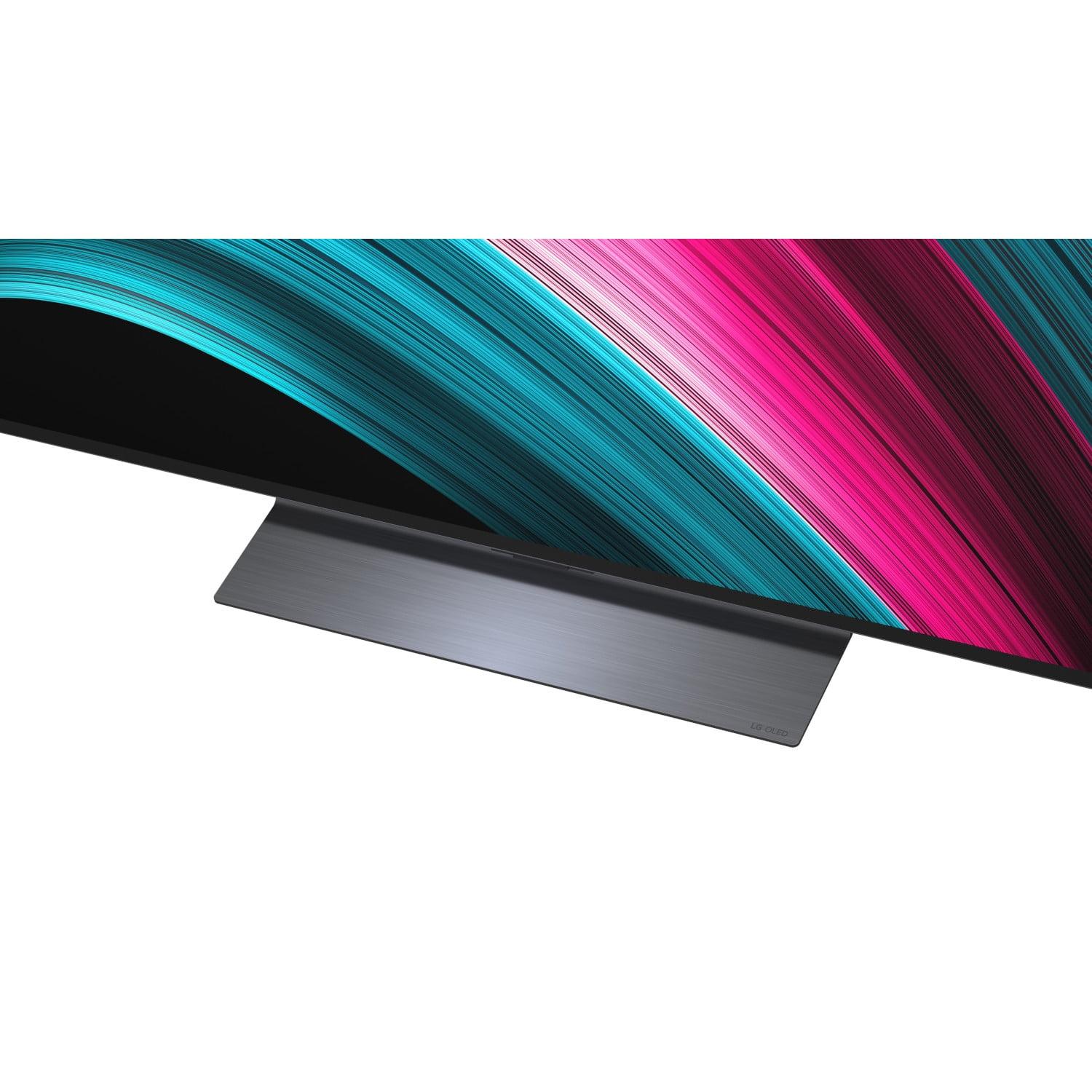
This is where the philosophical differences between QLED and OLED become most apparent. The LG C5 achieves what display engineers call "infinite contrast ratio" because its pixels can turn completely off. When you're watching a movie with a night scene, the dark parts of the screen produce literally zero light—they're as black as if the TV were turned off.
The Samsung Q6F, being an LCD-based display, uses a backlight that illuminates the entire screen. Even with its UHD Dimming technology (which adjusts brightness in different zones), it can't match OLED's pixel-perfect control. You might notice a subtle glow around bright objects in dark scenes—what we call "blooming."
In practice, this difference is most noticeable when watching movies in a dark room. The LG C5 delivers that premium cinema experience where space scenes truly look like the void of space, while the Samsung Q6F provides good contrast but with the inherent limitations of backlighting.
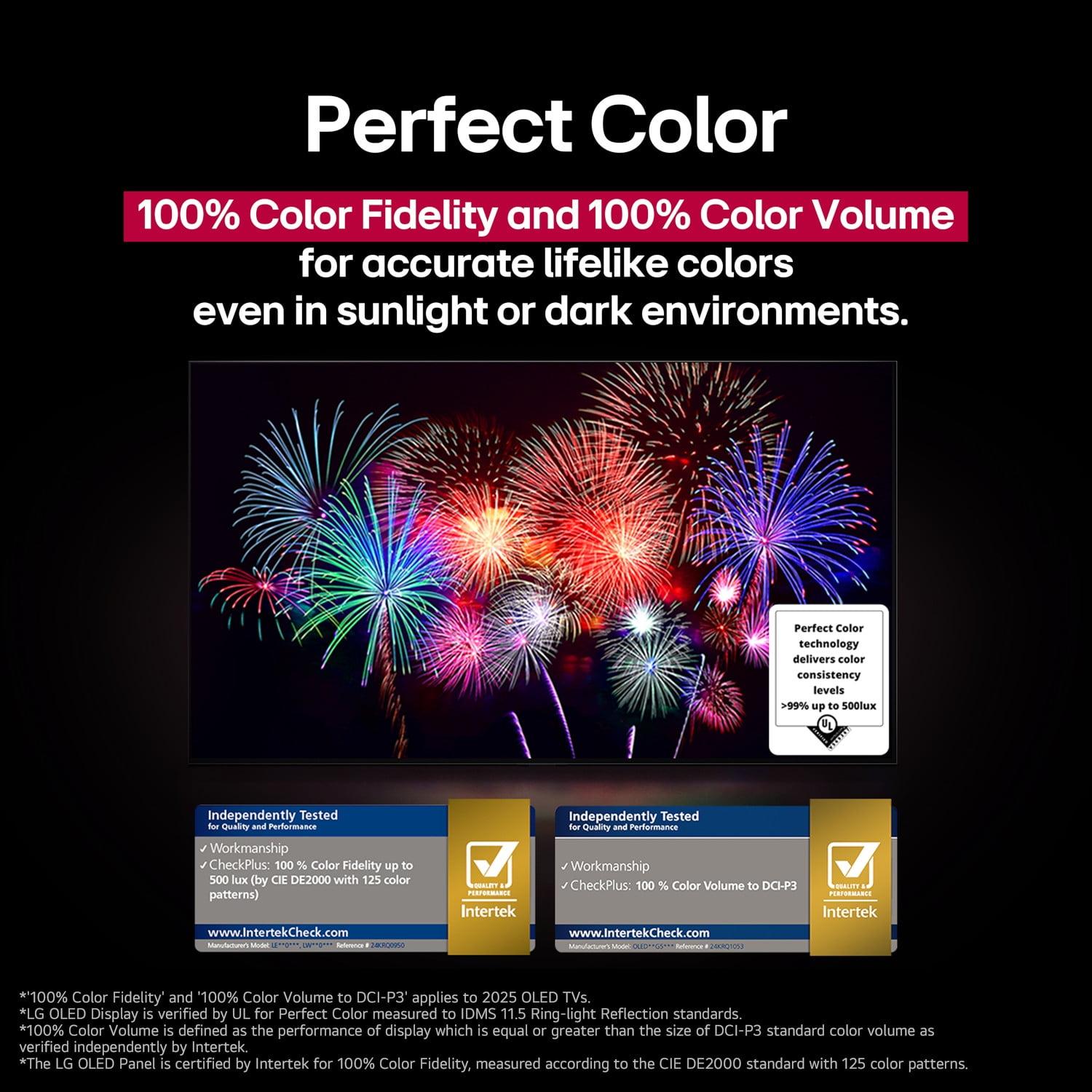
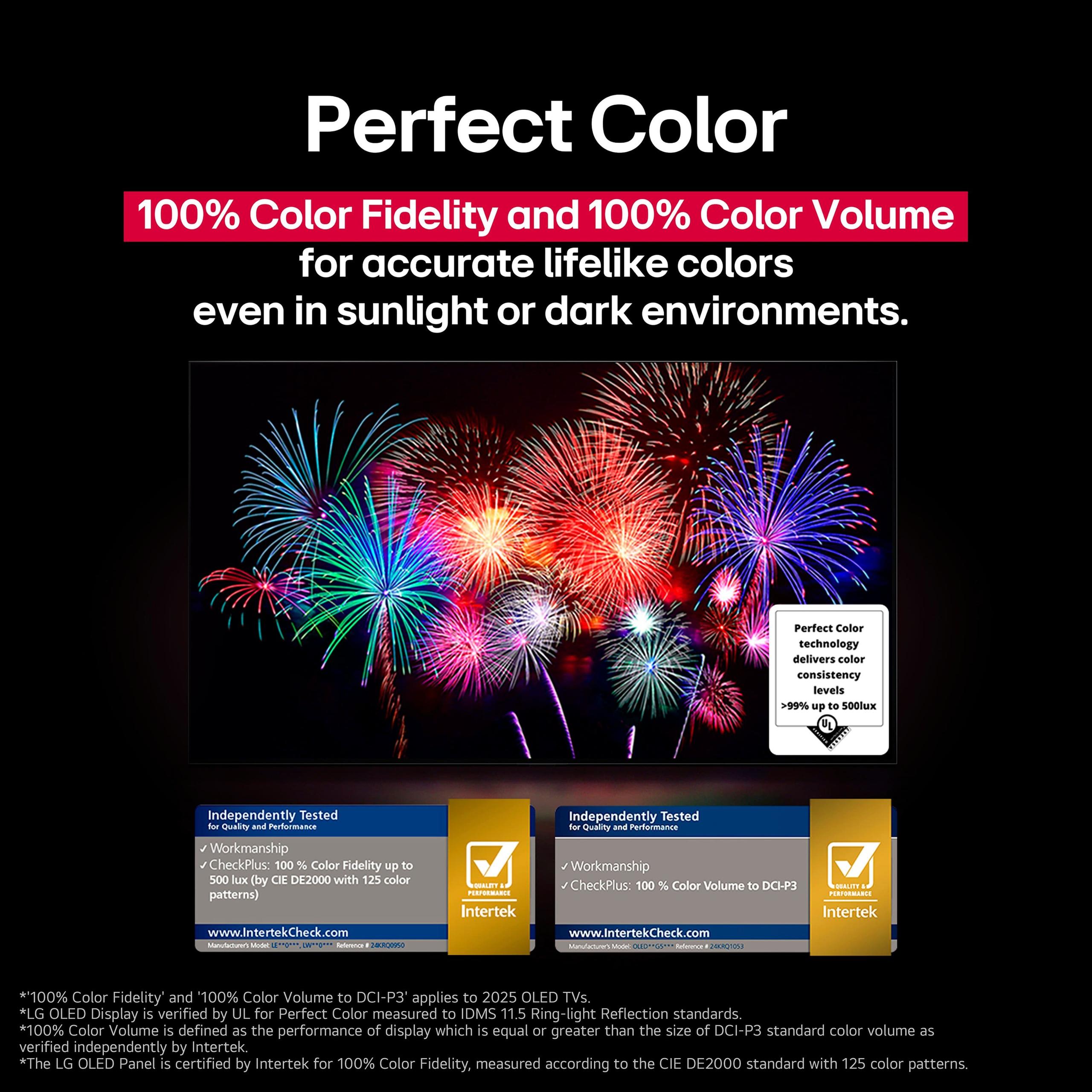
Here's where the Samsung Q6F fights back. Quantum Dot technology excels at producing bright, vibrant images that maintain their impact even in well-lit rooms. The Q6F's Quantum HDR technology, combined with 100% color volume coverage, means bright HDR highlights—like sunlight reflecting off water or explosions in action movies—appear more convincing and impactful.
The LG C5 has made significant strides in brightness with its 2025 improvements, featuring what LG calls "Bright Room Ready" technology. However, OLED displays still can't match QLED's peak brightness levels. If your TV room has large windows or lots of ambient lighting, the Samsung's superior brightness becomes a practical advantage.
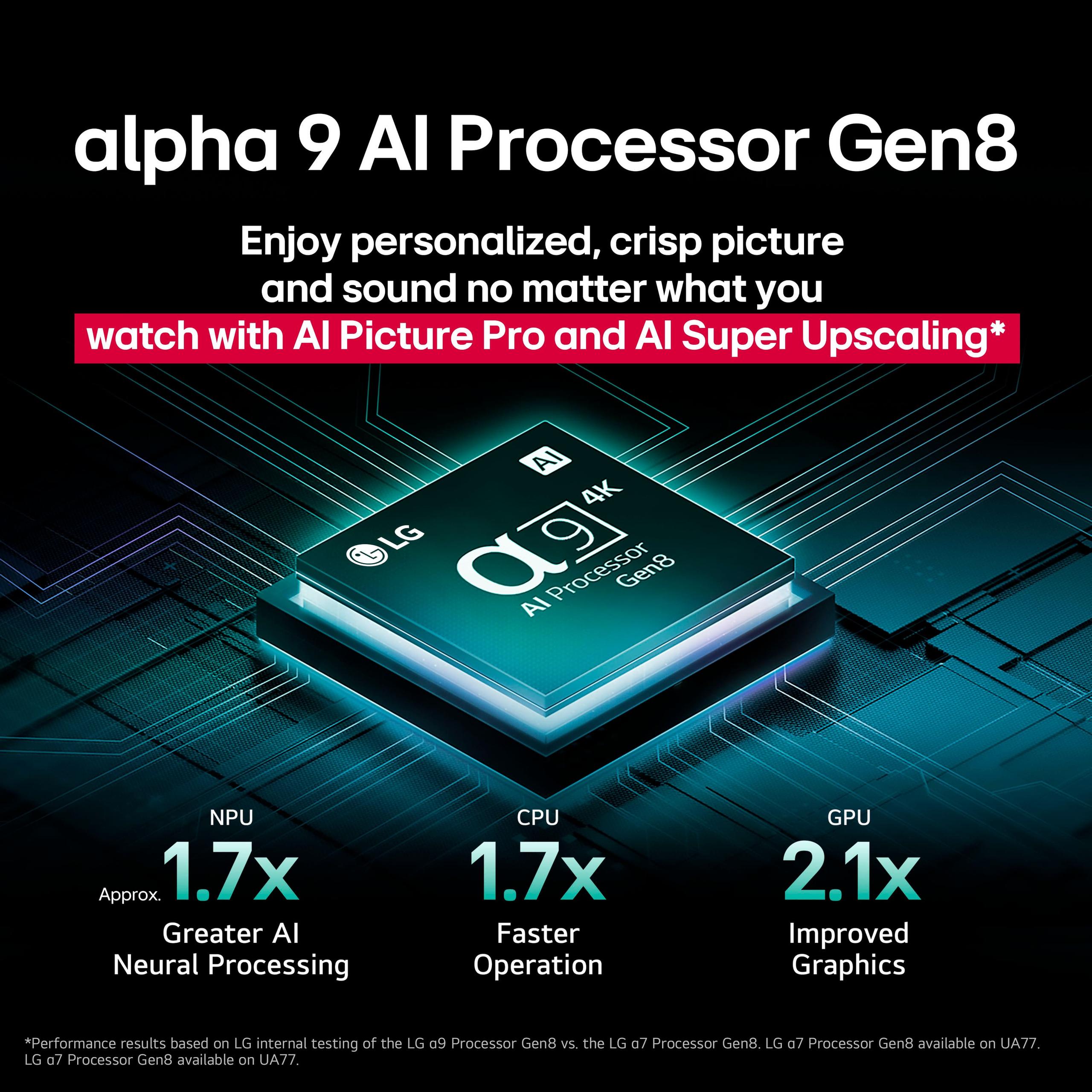
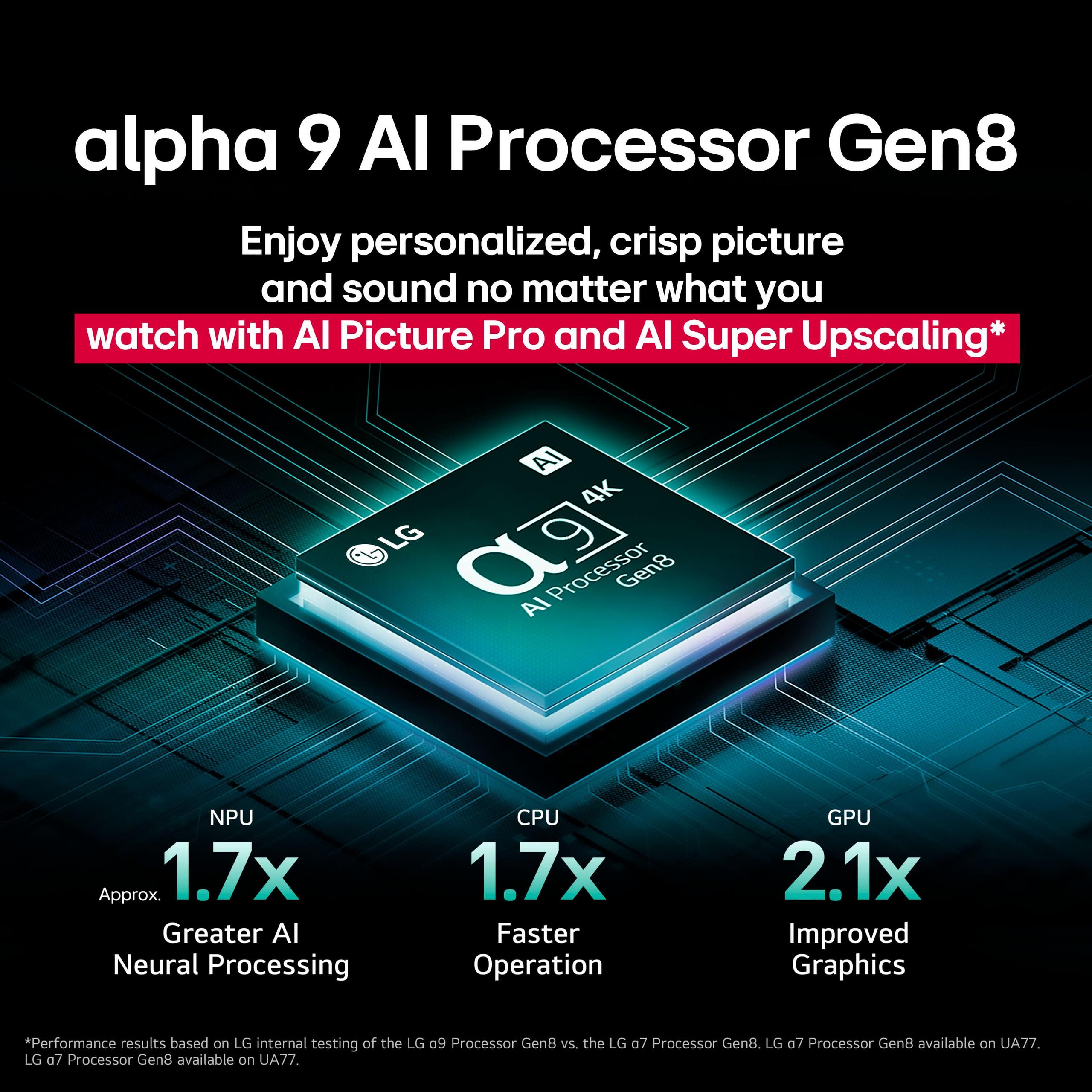
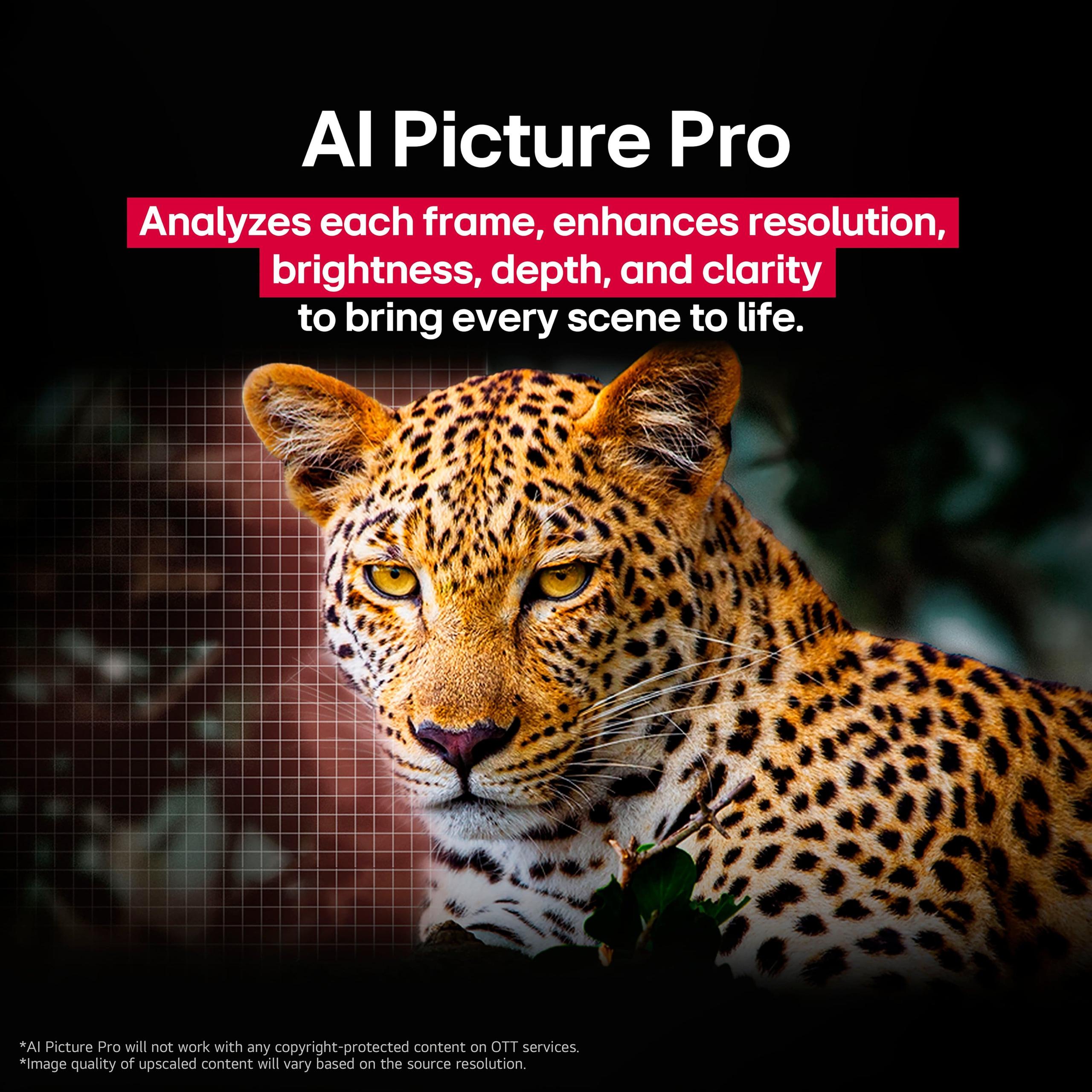
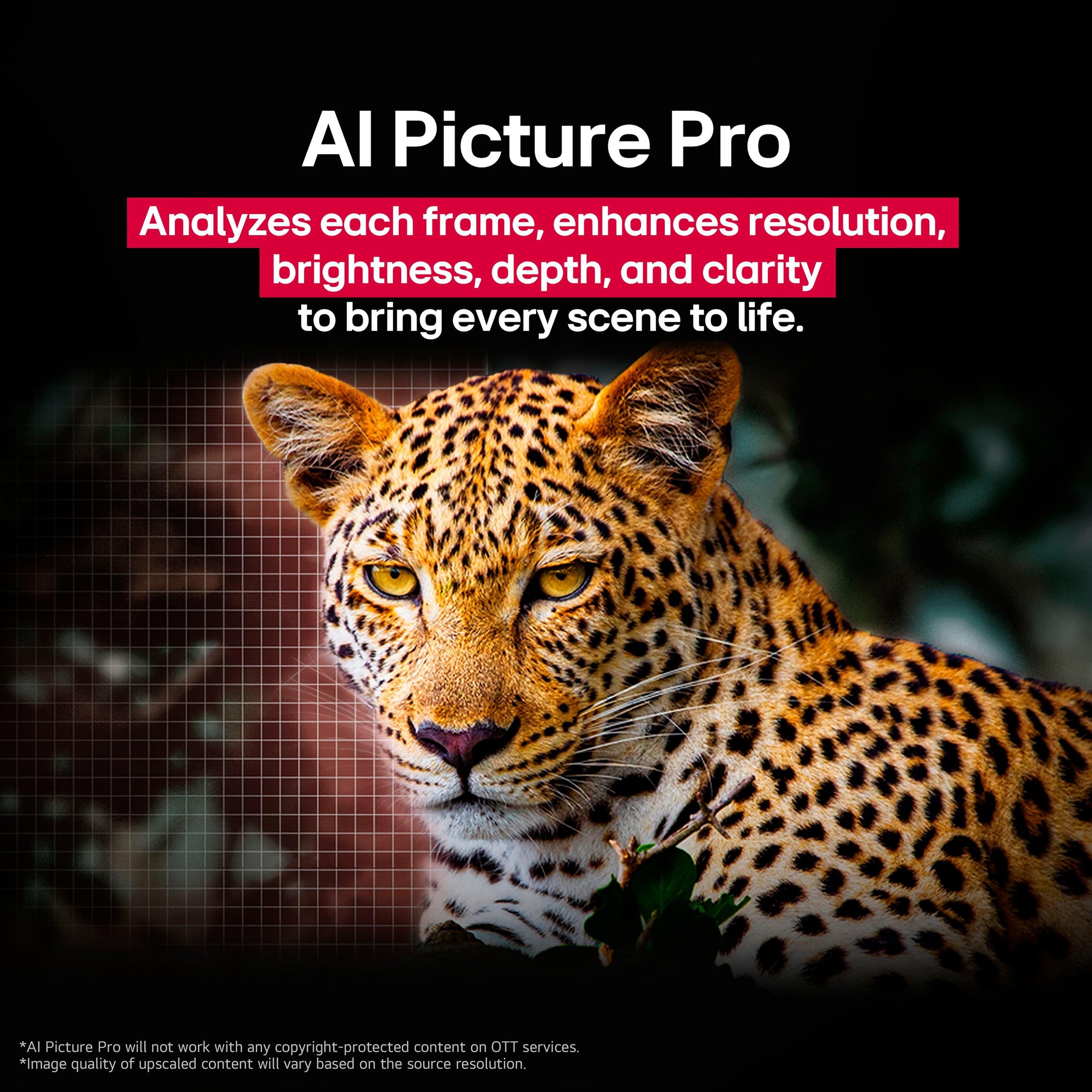
The processing power difference between these TVs tells an important story about their positioning. The LG C5 features LG's Alpha 9 Gen8 AI Processor, designed exclusively for OLED displays. This chip uses machine learning to analyze content in real-time, optimizing picture settings for whatever you're watching. It's like having a professional calibrator constantly adjusting your TV.
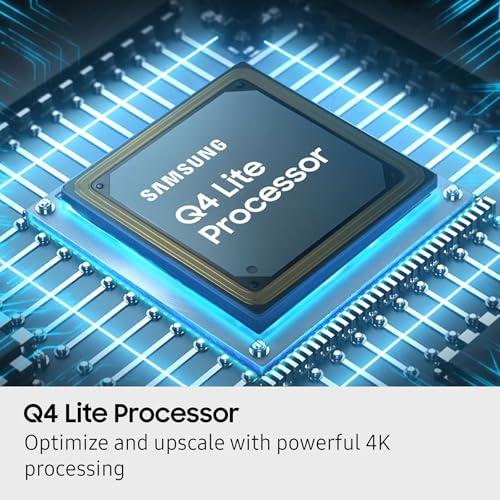
The Samsung Q6F uses the Q4 Lite Processor, which handles 4K upscaling competently but lacks the advanced AI features of its premium siblings. For most content, you won't notice a dramatic difference, but the LG's superior processing becomes apparent with lower-quality sources like compressed streaming content or cable TV.
Both TVs support HDR (High Dynamic Range), but with different approaches. The Samsung Q6F supports HDR10+ (an open standard), while the LG C5 adds Dolby Vision support—a premium HDR format that provides scene-by-scene optimization. In our research of expert reviews, Dolby Vision content consistently looks more natural and accurate than standard HDR10+.
If gaming matters to you, the performance gap between these TVs becomes substantial. The LG C5 delivers native 120Hz refresh rate with support up to 144Hz through Variable Refresh Rate (VRR) technology. More importantly, it achieves a 0.1ms response time—essentially instantaneous for human perception.
The Samsung Q6F operates at 60Hz with basic VRR support. For casual gaming, this works fine, but competitive gamers or anyone with a PlayStation 5 or Xbox Series X will immediately notice the difference. Games feel more responsive on the LG, with smoother motion during fast-paced sequences.
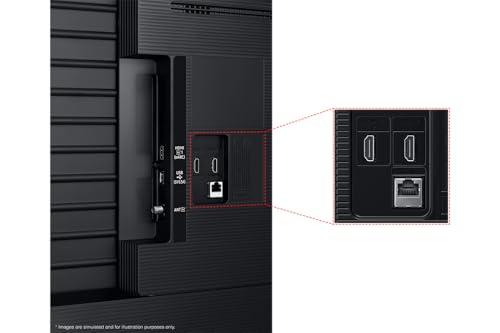
The connectivity story reinforces this gap. The LG C5 provides four HDMI 2.1 ports supporting full 4K at 144Hz, while the Samsung Q6F offers three HDMI ports limited to 4K at 60Hz. If you own multiple gaming consoles or a high-end PC, the LG's superior connectivity becomes invaluable.
Both TVs include decent built-in audio, but the LG C5 edges ahead with Dolby Atmos support—a surround sound technology that creates the illusion of sound coming from above and around you. The Samsung's Object Tracking Sound Lite does follow action across the screen, which works well for dialogue and basic effects.
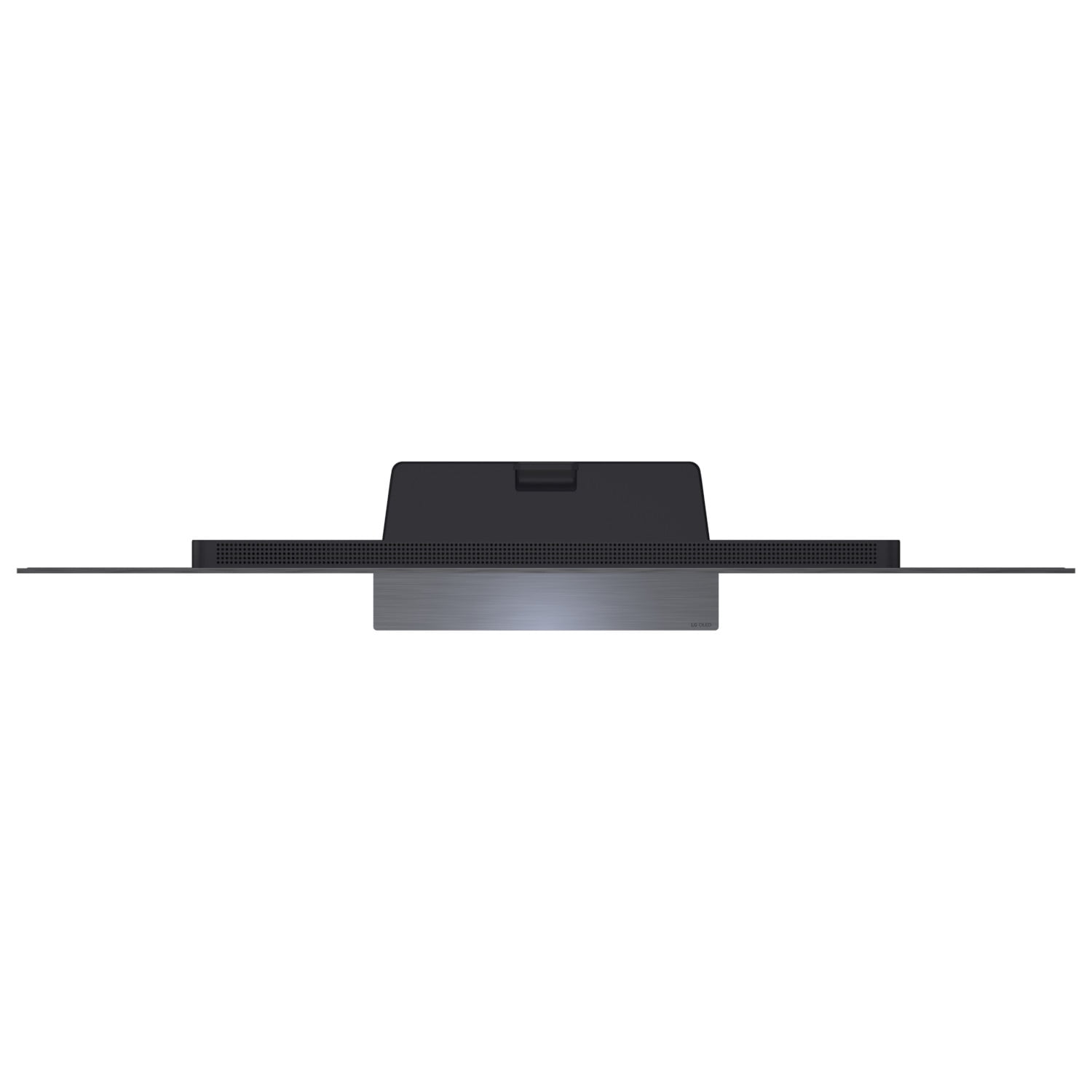
In our evaluation of user reviews, most buyers eventually add a soundbar or surround system regardless of built-in speakers. However, the LG's superior audio processing means you might delay that purchase longer, potentially saving money in the short term.
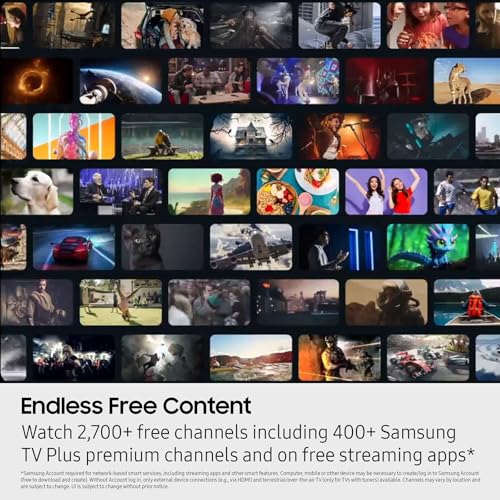
The software experience reveals each company's priorities. Samsung's Tizen platform on the Q6F emphasizes free content with over 1,200 channels through Samsung TV Plus. It's a practical approach that provides immediate entertainment value without additional subscriptions.
LG's webOS 25 on the C5 focuses on AI-driven personalization and premium features. The Magic Remote offers more sophisticated voice control, and the interface learns your viewing habits to suggest relevant content. It feels more premium and responsive, though both systems handle standard streaming apps competently.
Your room's lighting conditions should heavily influence this decision. The Samsung Q6F performs exceptionally in bright rooms—large windows, overhead lighting, or daytime viewing favor its superior brightness. The Quantum Dot technology maintains color accuracy even when competing with ambient light.
The LG C5 shines (literally) in controlled lighting environments. Home theaters, basement media rooms, or evening viewing scenarios showcase OLED's strengths. The perfect blacks create an immersive experience that QLED simply can't match.
Consider your primary viewing times and room setup. If you mainly watch TV during bright afternoon hours in a sun-filled living room, the Samsung makes more sense. If you prefer dimmed lighting for movies and evening entertainment, the LG provides a superior experience.
At the time of writing, the price difference between these TVs reflects their market positioning rather than just manufacturing costs. The Samsung Q6F delivers excellent value for buyers prioritizing screen size and bright-room performance. You're getting a legitimate 4K QLED experience with solid smart features at an accessible price point.
The LG C5 commands a premium for OLED technology, advanced gaming capabilities, and superior processing. Based on our analysis of expert reviews, this premium is justified if you value cutting-edge picture quality and future-proof gaming features.
Consider the total cost of ownership. The Samsung might require a soundbar upgrade sooner due to its basic audio, while the LG's built-in Dolby Atmos could delay external audio purchases. Similarly, serious gamers might need to upgrade from the Samsung sooner to access next-generation gaming features.
After extensively researching expert reviews and user feedback, clear patterns emerge for who should choose each TV.
Choose the Samsung 75" QLED Q6F if you prioritize maximum screen size within budget constraints, have a bright viewing environment, primarily watch streaming content and cable TV, or are looking for solid 4K performance without premium features. It's the practical choice that delivers impressive results for mainstream use.
Choose the LG OLED evo C5 65" if you're a serious gamer requiring 120Hz+ performance, value superior picture quality over maximum size, watch movies in controlled lighting, appreciate premium built-in audio, or want cutting-edge technology with future-proof connectivity.
The decision ultimately comes down to priorities. The Samsung offers more inches for your dollar and excels in bright environments, making it ideal for typical family room use. The LG provides premium technology and gaming capabilities for enthusiasts willing to pay for the best possible experience in a smaller package.
Both represent solid choices within their respective categories, but understanding these fundamental differences ensures you'll choose the TV that best matches your viewing habits, room environment, and performance expectations.
| Samsung 75-Inch QLED Q6F Series 2025 Smart TV | LG OLED evo C5 65" 4K TV 2025 |
|---|---|
| Screen Size - Larger screens provide more immersive viewing but require appropriate room size | |
| 75 inches (ideal for 10-12 foot viewing distance) | 65 inches (ideal for 8-10 foot viewing distance) |
| Display Technology - Fundamental difference affecting picture quality and room suitability | |
| QLED with Quantum Dot (LCD-based, excellent brightness) | OLED evo (self-lit pixels, perfect blacks) |
| Refresh Rate - Critical for gaming and smooth motion in sports/action content | |
| 60Hz (adequate for casual gaming and streaming) | Native 120Hz up to 144Hz with VRR (exceptional for gaming) |
| Gaming Response Time - Lower numbers mean less input lag for competitive gaming | |
| Not specified (typical LCD response time) | 0.1ms (essentially instantaneous) |
| HDR Support - Enhanced contrast and color range for premium content | |
| Quantum HDR, HDR10+ | Dolby Vision, HDR10+ (Dolby Vision is premium format) |
| HDMI Connectivity - More ports and higher bandwidth support future devices | |
| 3 x HDMI (4K@60Hz support) | 4 x HDMI 2.1 (4K@144Hz support, future-proof) |
| Processor - More advanced chips provide better upscaling and AI features | |
| Q4 Lite Processor (basic 4K upscaling) | Alpha 9 Gen8 AI Processor (advanced AI optimization) |
| Built-in Audio - Better sound reduces need for external speakers | |
| 20W 2-channel with Object Tracking Sound Lite | Enhanced speakers with Dolby Atmos support |
| Smart TV Platform - Affects app selection and user interface quality | |
| Tizen with 1,200+ free channels via Samsung TV Plus | webOS 25 with advanced AI personalization |
| Brightness Performance - Higher brightness better for well-lit rooms | |
| Excellent peak brightness with Quantum Dot technology | Good brightness improvement over previous OLED generations |
| Black Level Performance - Perfect blacks create superior contrast for dark room viewing | |
| Good blacks with UHD Dimming (some light bleeding possible) | Perfect blacks with individual pixel control (infinite contrast) |
| Best Room Environment - Optimal lighting conditions for each technology | |
| Bright rooms with ambient lighting | Controlled lighting or dedicated home theater setups |
| Gaming Features - Advanced features matter for console and PC gaming | |
| Gaming Hub, basic VRR, ALLM | Gaming Hub, VRR up to 144Hz, G-Sync/FreeSync Premium |
| Target Buyer - Who gets the best value from each option | |
| Budget-conscious buyers wanting maximum screen size | Gaming enthusiasts and picture quality purists |
The LG OLED evo C5 is significantly better for gaming with its native 120Hz refresh rate, 0.1ms response time, and four HDMI 2.1 ports supporting 4K at 144Hz. The Samsung 75-Inch QLED Q6F offers basic gaming features with 60Hz refresh rate and standard VRR support, suitable for casual gaming but not competitive or next-gen console gaming.
QLED technology in the Samsung Q6F uses quantum dots to enhance an LCD display, providing excellent brightness and color in well-lit rooms. OLED technology in the LG C5 features self-illuminating pixels that can turn completely off, creating perfect blacks and infinite contrast ratios ideal for dark room viewing and home theater setups.
The Samsung 75-Inch QLED Q6F performs better in bright rooms due to its superior peak brightness and quantum dot technology that maintains color accuracy even with ambient lighting. The LG OLED evo C5 has improved brightness over previous OLED models but still works best in controlled lighting environments.
Choose the Samsung Q6F if you sit 10-12 feet away and want maximum screen immersion at a lower cost. The LG C5 is better if you sit 8-10 feet away and prioritize superior picture quality over screen size, especially for movie watching and gaming.
Both TVs offer excellent smart platforms. The Samsung QLED Q6F runs Tizen with over 1,200 free channels through Samsung TV Plus, while the LG OLED evo C5 features webOS 25 with advanced AI personalization and the intuitive Magic Remote for enhanced navigation and voice control.
The LG C5 delivers superior contrast with perfect blacks and more accurate colors thanks to its Alpha 9 Gen8 AI processor and OLED technology. The Samsung Q6F offers excellent brightness and vibrant colors with quantum dot technology, though it can't match OLED's contrast performance in dark scenes.
For dedicated home theater setups, the LG OLED evo C5 excels with perfect blacks, Dolby Vision HDR support, and Dolby Atmos audio in dark viewing environments. The Samsung 75-Inch QLED Q6F works better for casual movie watching in bright family rooms where its larger screen and superior brightness provide advantages.
The LG C5 offers premium gaming with 120Hz native refresh rate, VRR up to 144Hz, four HDMI 2.1 ports, and G-Sync/FreeSync support. The Samsung Q6F provides basic gaming features including Gaming Hub, Auto Game Mode, and standard VRR, sufficient for casual console gaming but limited for competitive gaming.
The Samsung 75-Inch QLED Q6F provides excellent value with a larger 75-inch screen at a lower price point, ideal for budget-conscious buyers wanting maximum screen size. The LG OLED evo C5 offers premium value for enthusiasts willing to pay more for superior picture quality, advanced gaming features, and cutting-edge OLED technology.
The LG C5 features superior built-in audio with Dolby Atmos support for immersive surround sound. The Samsung QLED Q6F offers 20W 2-channel speakers with Object Tracking Sound Lite, which is adequate for basic viewing but may require external audio upgrades sooner for home theater use.
The LG OLED evo C5 provides better HDR performance with Dolby Vision support (premium HDR format) and superior contrast for dramatic HDR scenes. The Samsung Q6F supports Quantum HDR and HDR10+ with excellent brightness for HDR highlights, performing particularly well with bright HDR content in well-lit rooms.
Choose the Samsung 75-Inch QLED Q6F if you want maximum screen size, have a bright viewing room, and prioritize value over premium features. Select the LG OLED evo C5 if you value superior picture quality, plan to do serious gaming, or want future-proof features with advanced connectivity and processing power.
We've done our best to create useful and informative comparisons to help you decide what product to buy. Our research uses advanced automated methods to create this comparison and perfection is not possible - please contact us for corrections or questions. These are the sites we've researched in the creation of this article: youtube.com - rtings.com - cnet.com - youtube.com - rtings.com - samsung.com - bestbuy.com - samsung.com - samsung.com - bestbuy.com - manuals.plus - arrowassociatedstores.com - samsung.com - samsung.com - samsung.com - flatpanelshd.com - device.report - bestbuy.com - rtings.com - youtube.com - businessinsider.com - youtube.com - bestbuy.com - lg.com - files.bbystatic.com - lg.com - flatpanelshd.com - lg.com - blvdhome.com - bhphotovideo.com - flanners.com - videopro.com.au

Privacy Policy
Terms and Conditions - Affiliate Policy
Home Security
© Copyright 2008-2026.
11816 Inwood Rd #1211, Dallas, TX 75244