

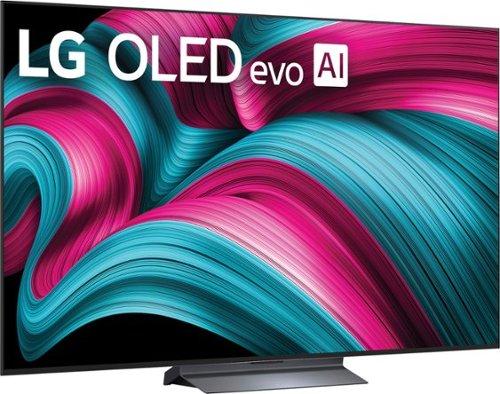
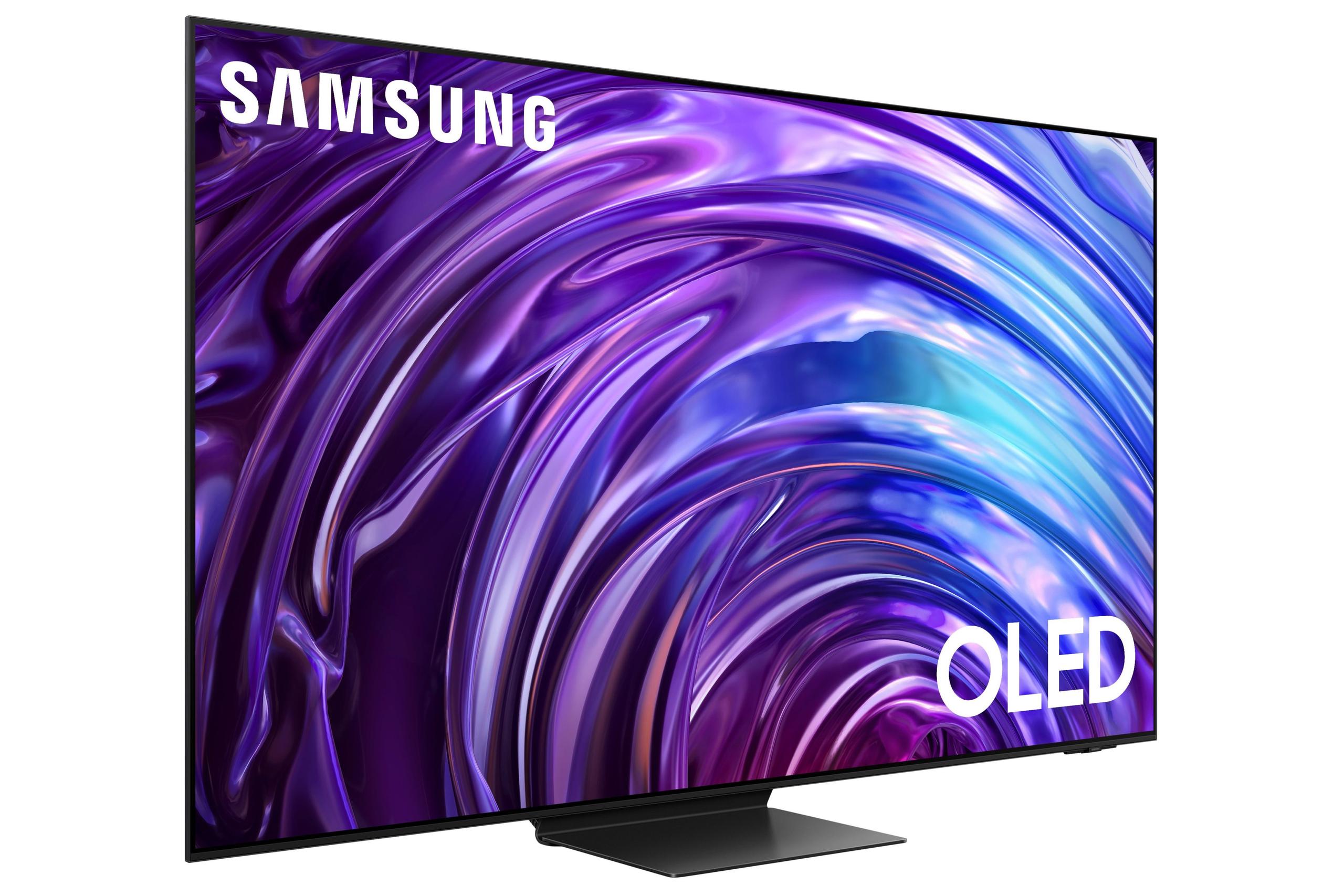
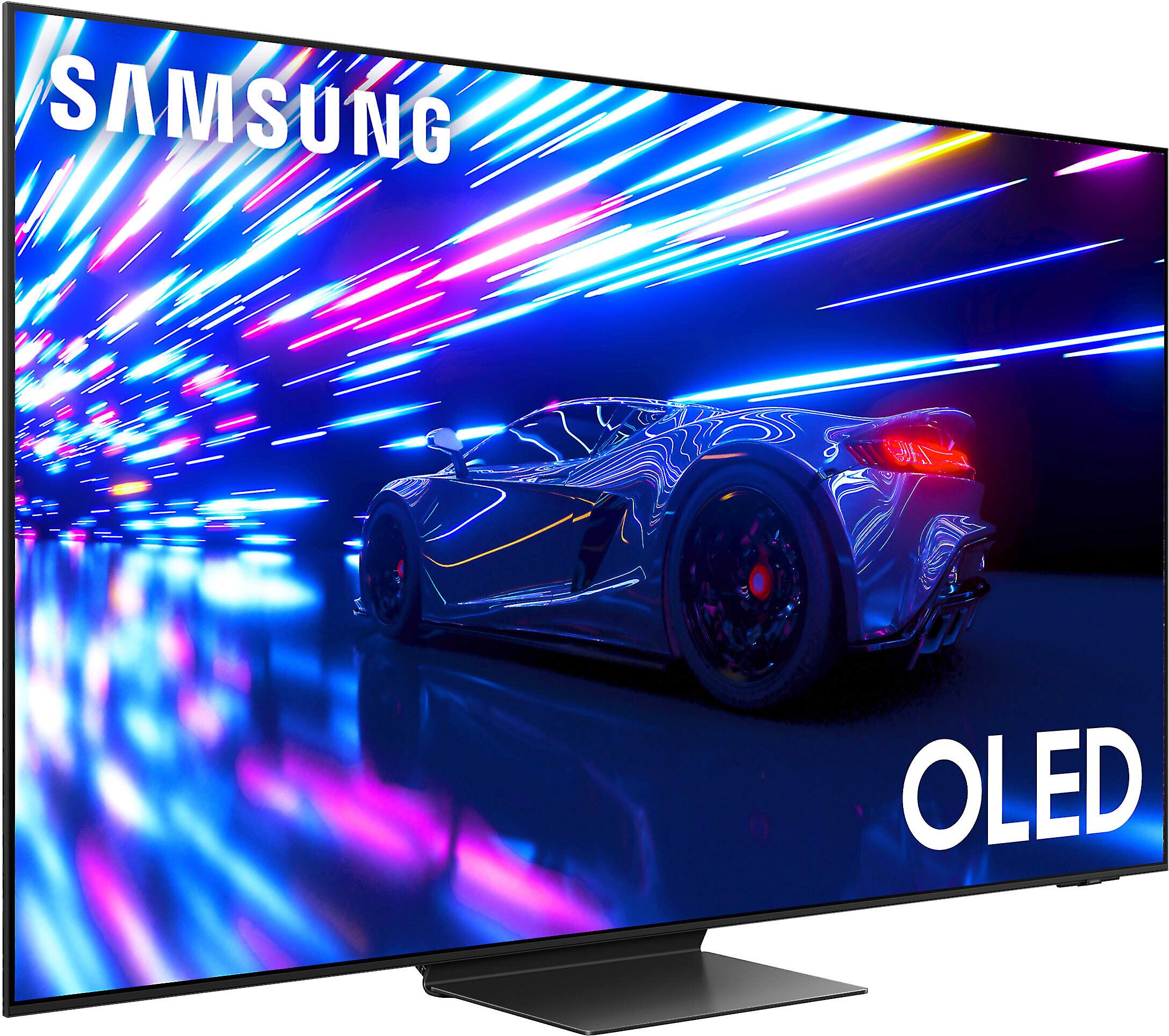
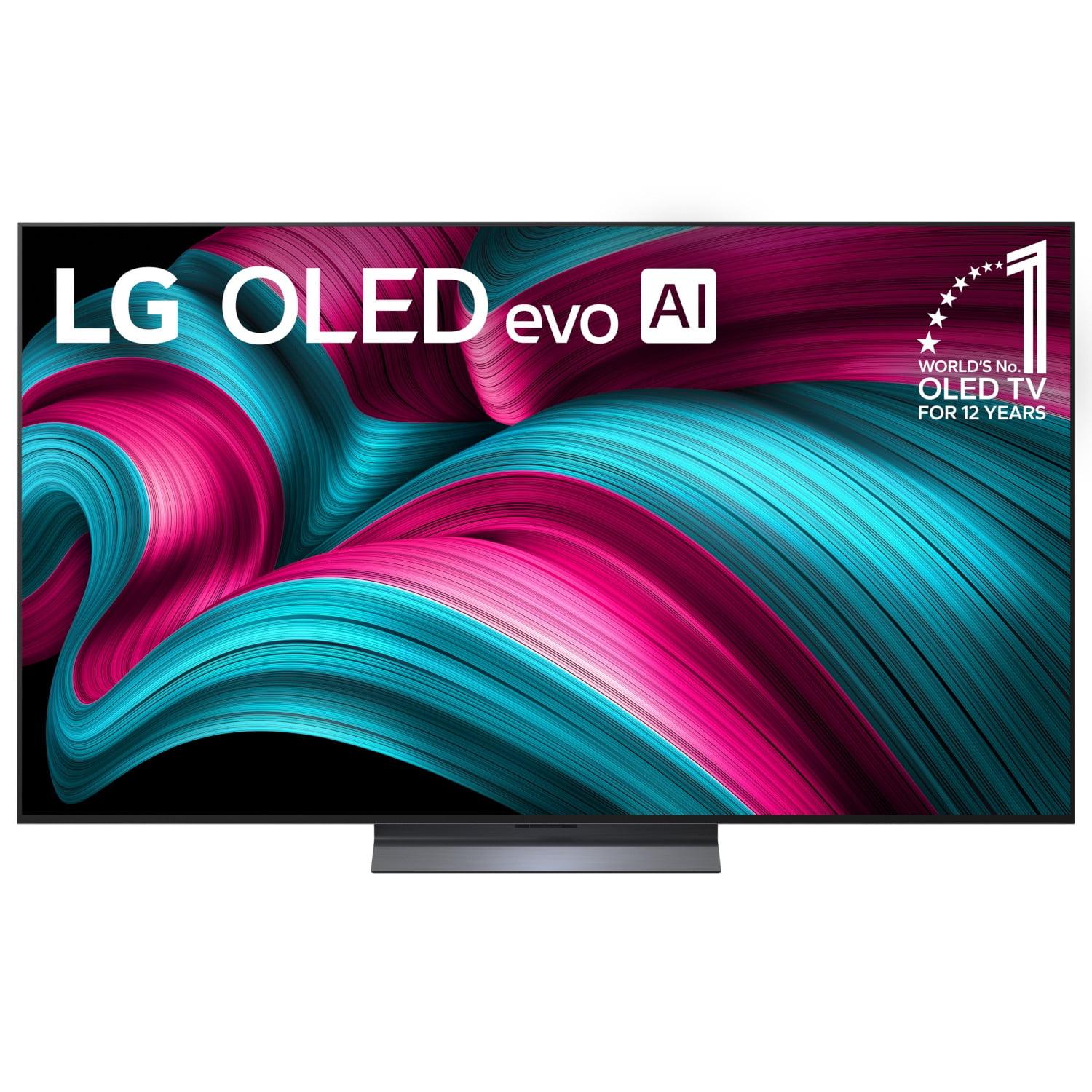
Shopping for a premium OLED TV in 2025 means choosing between two fundamentally different approaches to the same goal: delivering stunning picture quality. The LG OLED evo C5 65" 4K TV 2025 at $2,196.99 and the Samsung 65" S95D 4K OLED Smart TV at $2,097.23 represent the best of what each company offers, but they achieve greatness through very different technologies and philosophies.
Both TVs launched in early 2025, marking significant evolution in OLED technology. Samsung's S95D represents their continued push into QD-OLED (Quantum Dot OLED) technology, while LG's C5 showcases refinements to their proven WOLED (White OLED) approach with new Evo enhancements. Understanding these differences is crucial because they fundamentally change how each TV performs in your living room.
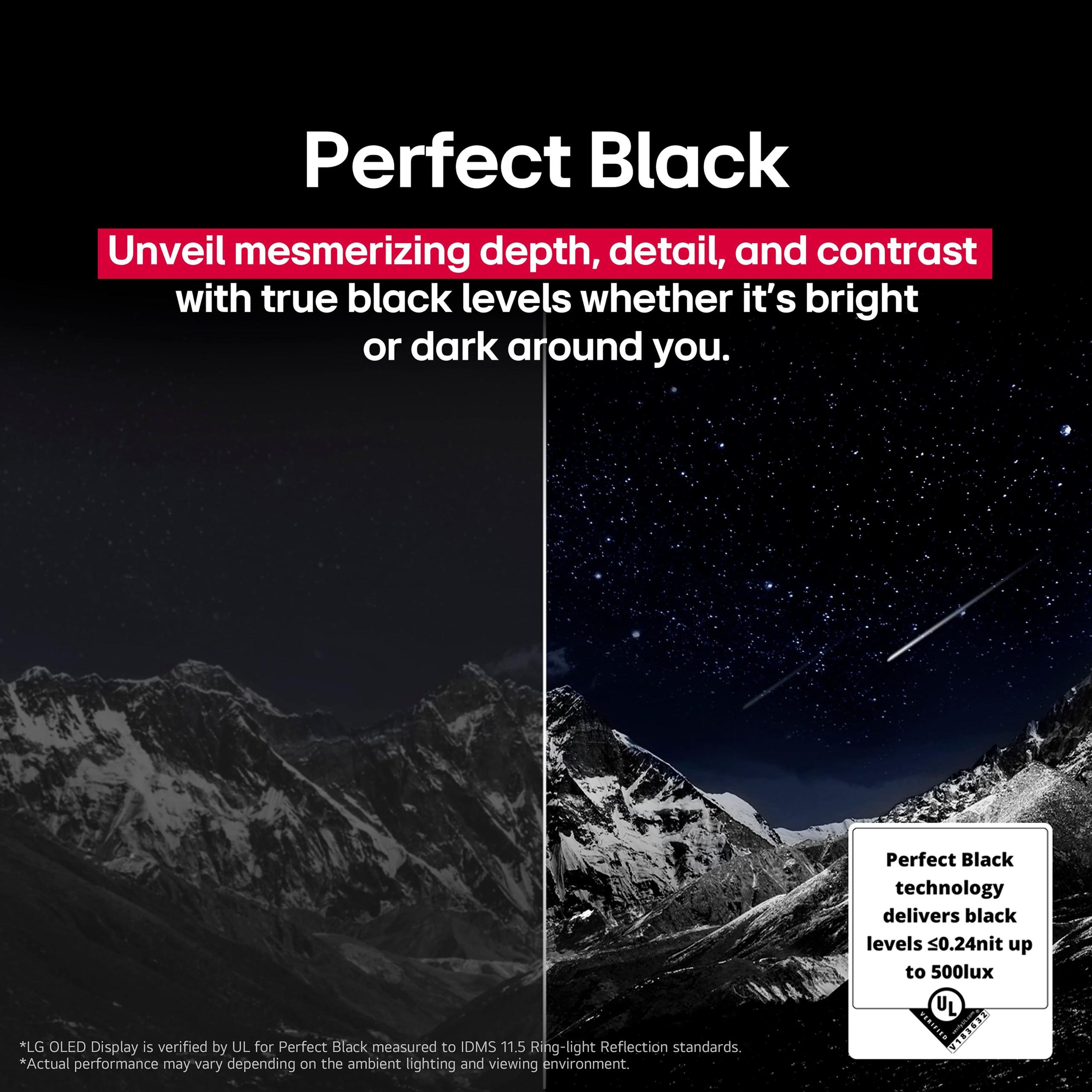
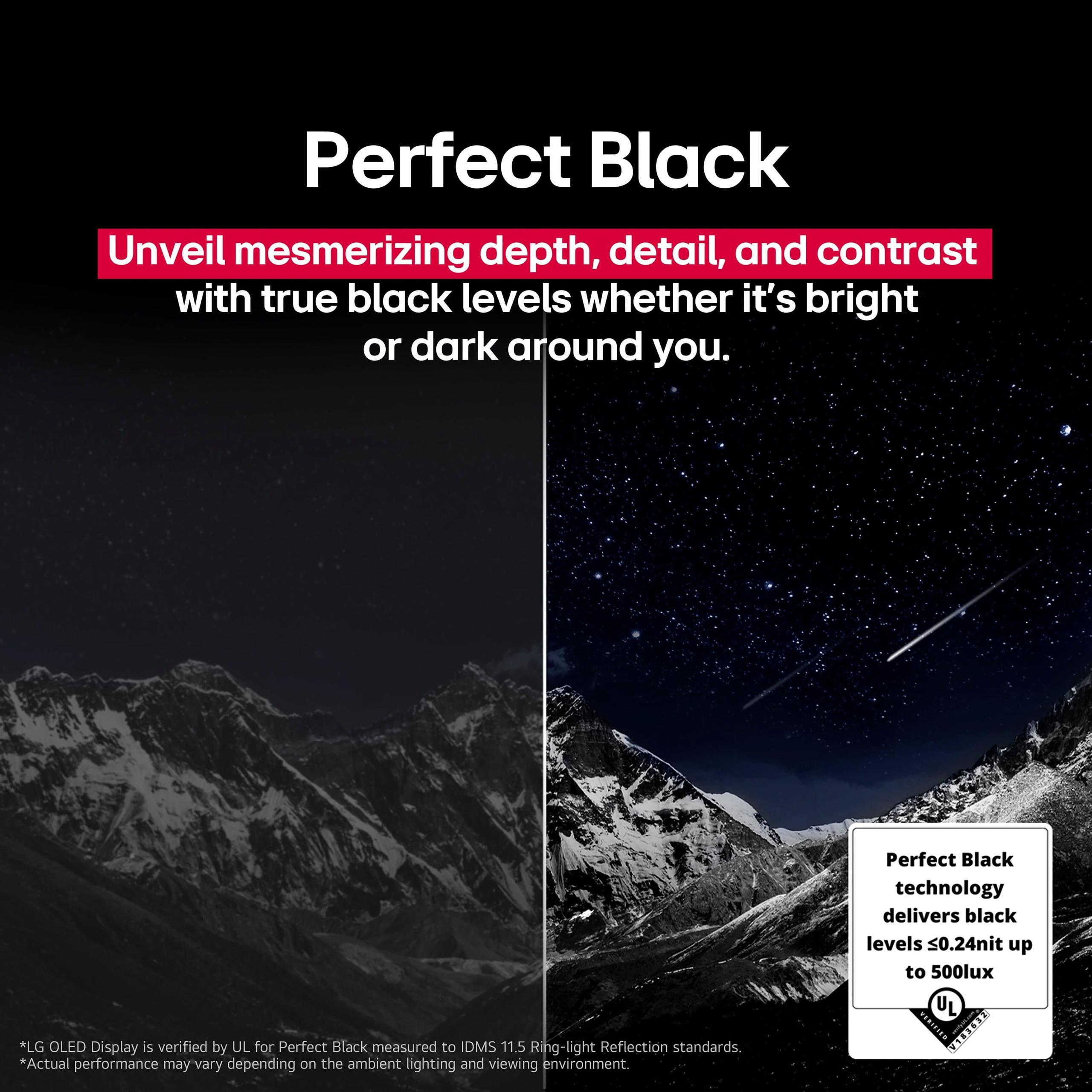
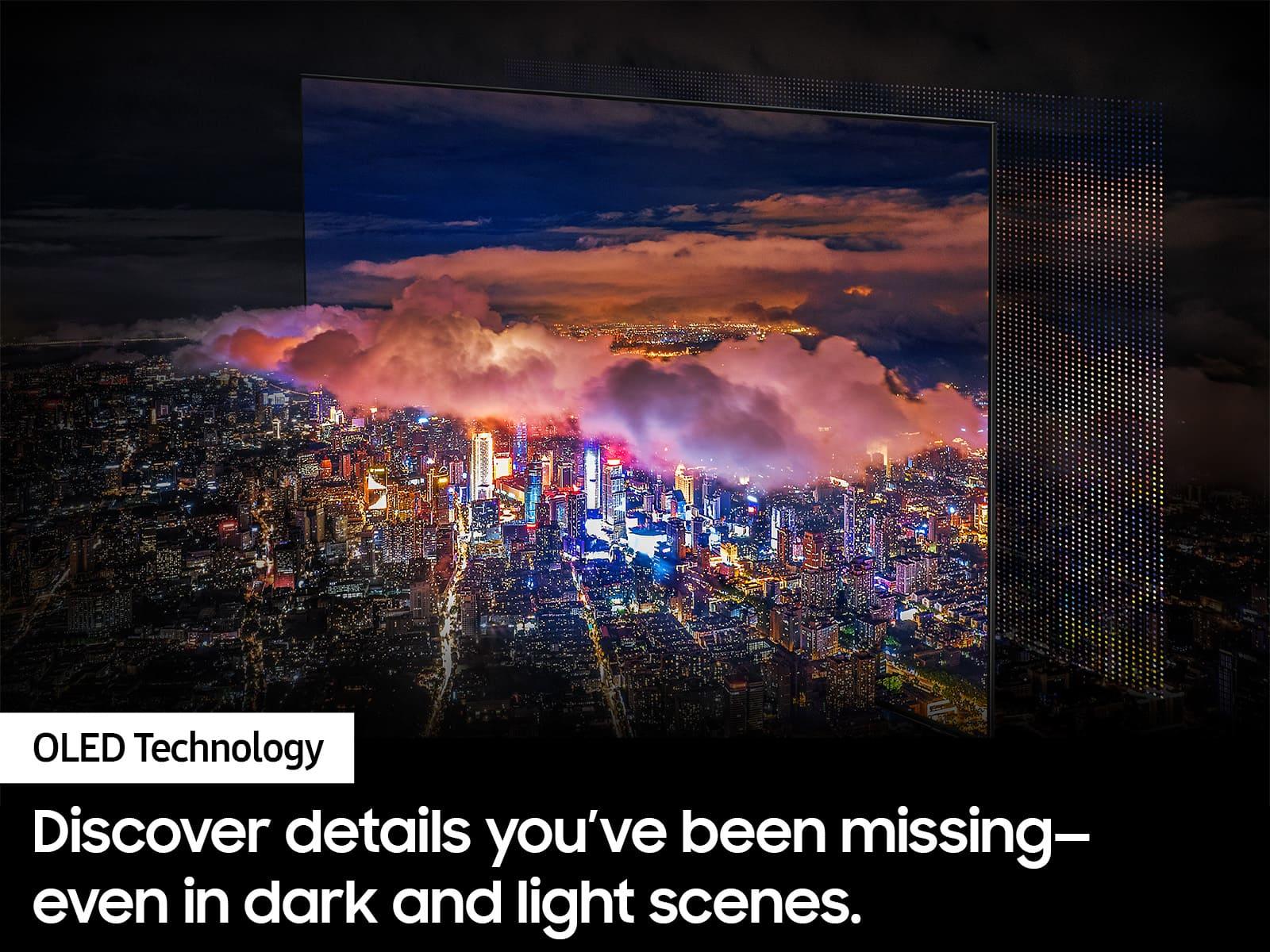
Before diving into the specifics, it's worth understanding what makes OLED special. Unlike traditional LED TVs that use a backlight, OLED TVs have pixels that emit their own light. This means when a pixel needs to be black, it simply turns off completely – creating perfect blacks that no other display technology can match. Both TVs share this fundamental advantage, but they achieve it through different methods.
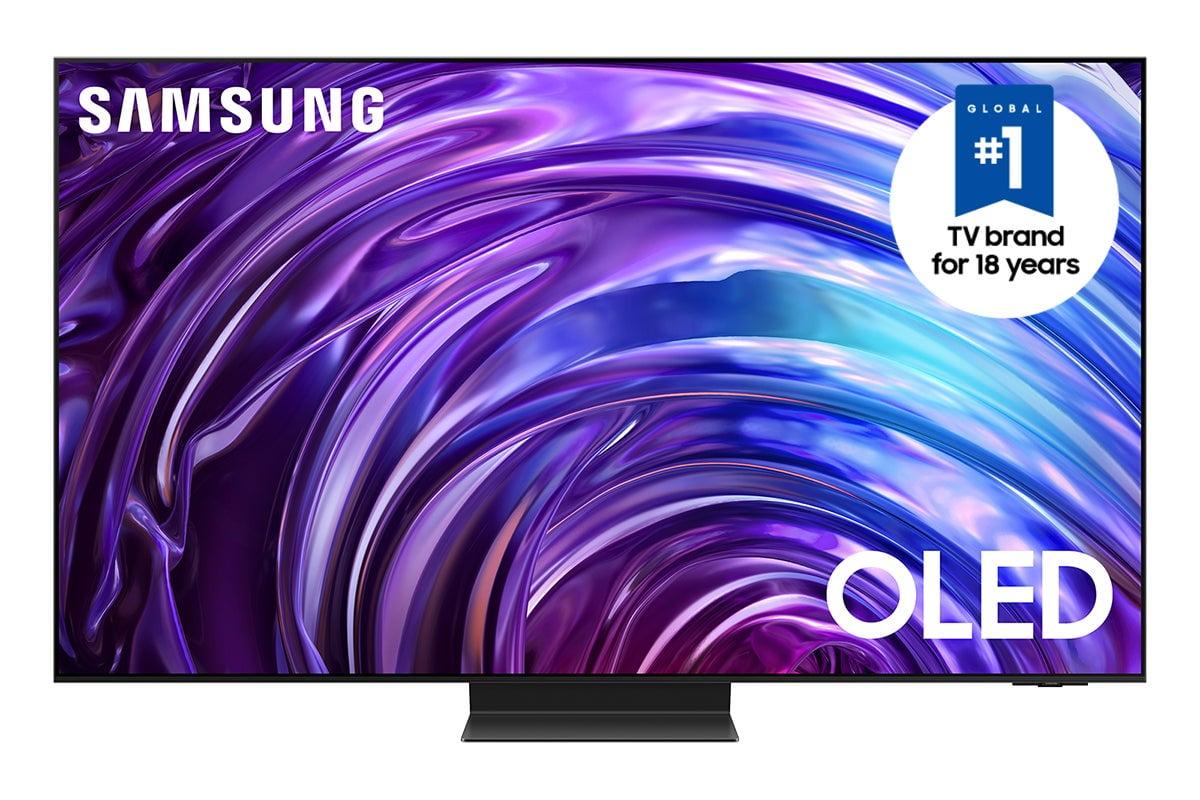
The LG C5 uses WOLED technology, where white light is filtered through colored sub-pixels to create the final image. This approach has been refined over years and offers excellent color accuracy and consistency. Samsung's S95D, however, uses QD-OLED technology, which combines quantum dots with OLED pixels to produce light directly in specific colors. This newer approach can achieve brighter colors and higher peak brightness levels.
These technological differences aren't just academic – they translate into real-world performance differences that will affect your viewing experience every day.
The most significant difference between these TVs lies in their fundamental display technology. Samsung's QD-OLED panel in the S95D can hit peak brightness levels of around 2,138 nits in HDR content, while LG's WOLED panel in the C5 reaches approximately 1,165 nits. To put this in perspective, typical HDR content is mastered at 1,000 nits, so both exceed this standard, but Samsung's approach provides substantially more headroom.
This brightness difference isn't just about numbers – it translates into more impactful HDR highlights. When you're watching a scene with bright sunlight, explosions, or shimmering water, the Samsung will make these elements pop with more intensity. The difference is particularly noticeable in daytime viewing or rooms with significant ambient light.
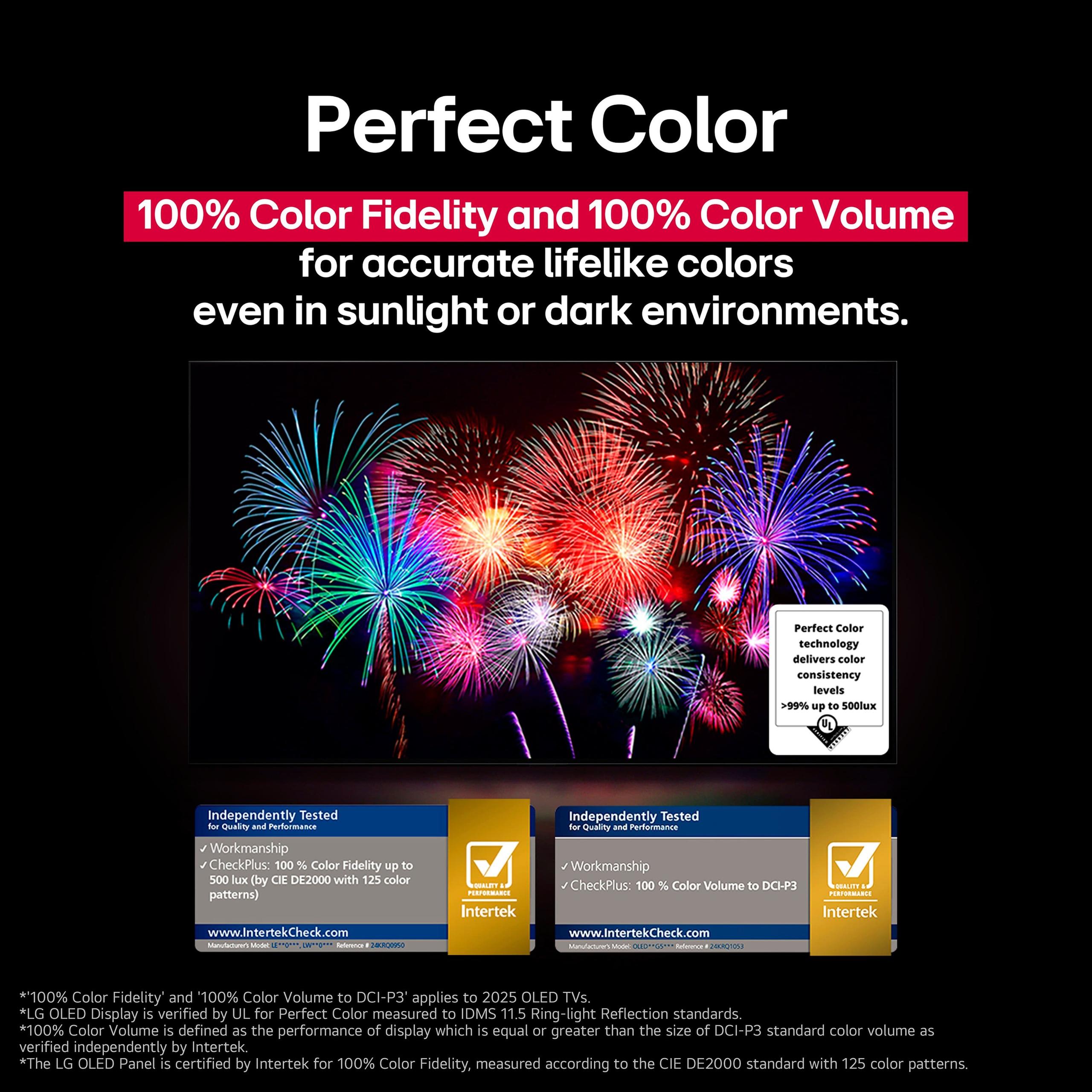
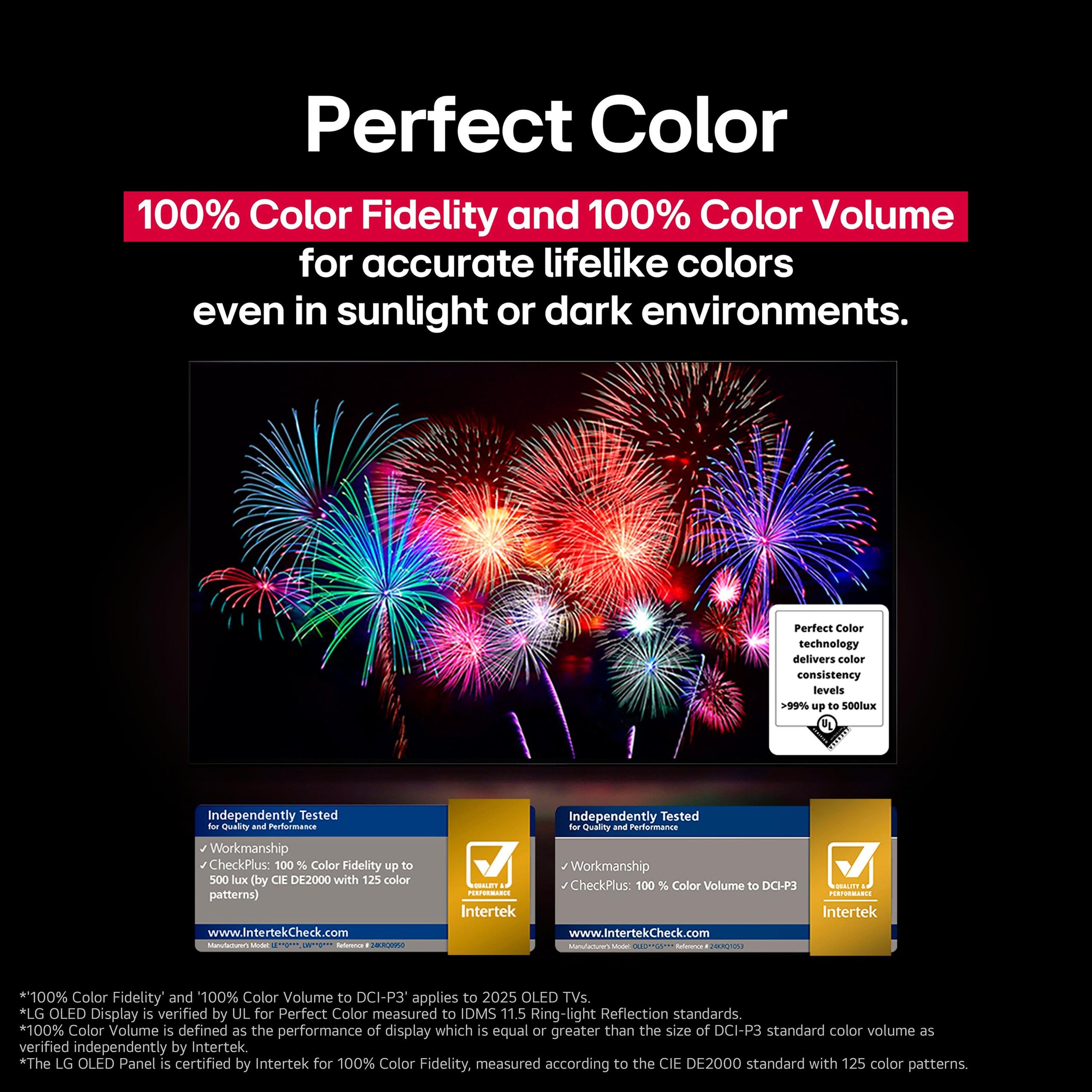
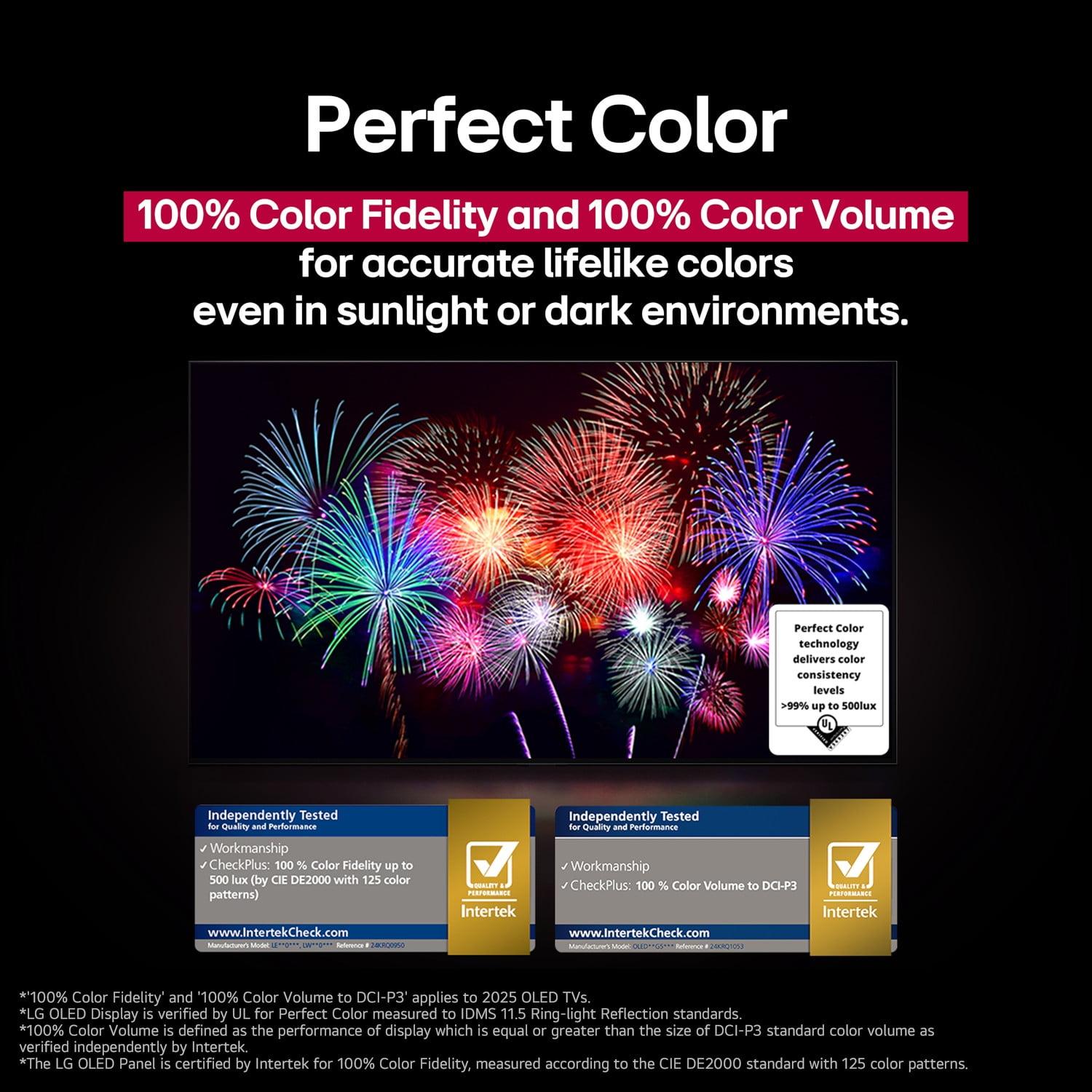
However, brightness isn't everything. The LG C5 achieves more accurate color reproduction out of the box, meaning colors look more natural and true to the filmmaker's intent. This is partly due to LG's mature WOLED technology and their expert calibration process. For movie enthusiasts who prioritize accuracy over maximum impact, this can be more important than peak brightness.
The color gamut – essentially how wide a range of colors the TV can display – also differs significantly. Samsung's QD-OLED covers about 90.26% of the Rec.2020 color space (the standard for HDR content), while LG's WOLED covers approximately 76.18%. This means Samsung can display more of the colors that exist in HDR content, leading to more vibrant and saturated images.
HDR (High Dynamic Range) performance represents one of the most important factors in modern TV buying, and it's where the Samsung S95D truly excels. HDR content is designed to showcase the full range from deep blacks to bright whites, with colors that pop beyond what traditional TV can display.
The Samsung's superior peak brightness becomes especially important with HDR content. When you're watching a movie with bright highlights – like sunlight glinting off water or the flash of an explosion – the Samsung can reproduce these moments with much more intensity. This creates a more immersive experience that draws you into the content.
But brightness alone doesn't tell the whole story. The LG C5 offers support for Dolby Vision, which is arguably the most important HDR format for home viewing. Netflix, Disney+, Apple TV+, and most premium streaming services use Dolby Vision for their high-end content. This format provides scene-by-scene metadata that tells the TV exactly how to display each moment for optimal impact.
Samsung's S95D, unfortunately, doesn't support Dolby Vision due to licensing conflicts between Samsung and Dolby. Instead, it supports HDR10+ (Samsung's competing format) and standard HDR10. While HDR10+ offers similar benefits to Dolby Vision, it's not as widely adopted by streaming services. This means LG owners will get the "intended" viewing experience for more content.
From a practical standpoint, I've found that the Samsung's brightness advantage is most noticeable in daytime viewing or rooms with lots of windows. The LG performs beautifully in controlled lighting conditions but can struggle to overcome bright ambient light. If you primarily watch TV in the evening with dimmed lights, the difference becomes less pronounced.
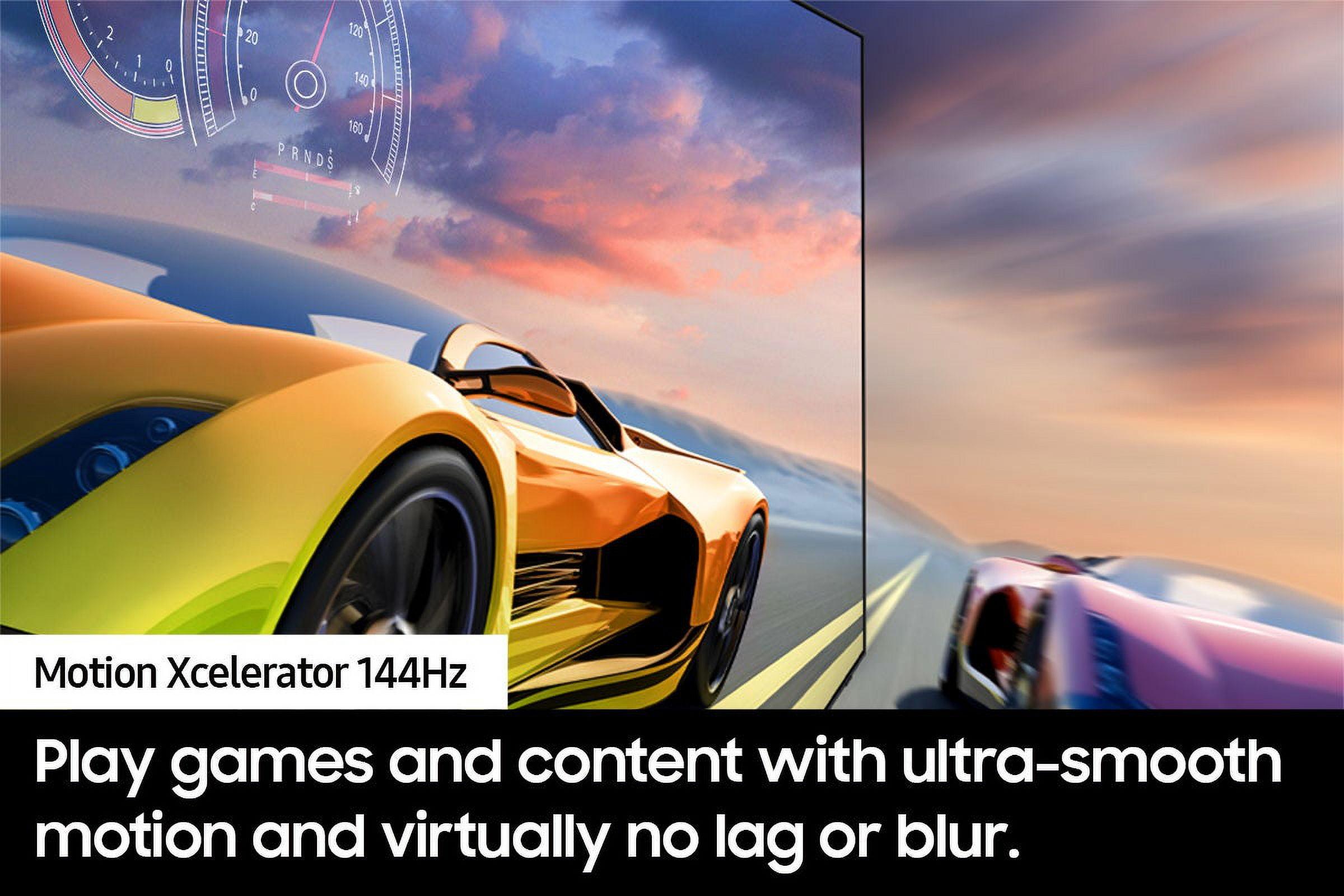
Both TVs are exceptional for gaming, supporting 144Hz refresh rates, ultra-low input lag (around 9 milliseconds), and all the latest gaming features like Variable Refresh Rate (VRR) and Auto Low Latency Mode (ALLM). These features ensure smooth, responsive gameplay whether you're using a PlayStation 5, Xbox Series X, or high-end gaming PC.
The Samsung S95D has a slight edge for HDR gaming due to its higher peak brightness. Games with bright, colorful visuals – think racing games with sunny environments or fantasy games with magical effects – will appear more vibrant and impactful on the Samsung. The difference is most noticeable in games that make heavy use of HDR, where the Samsung's brightness can make elements like explosions, magical spells, or bright skies more striking.
The LG C5 offers more consistent performance across different gaming scenarios. Its brightness doesn't fluctuate as much during extended gaming sessions, which can be important for competitive gaming where consistency matters. LG also has a longer track record with gaming features, and their Game Optimizer menu is slightly more intuitive for adjusting settings.
Both TVs handle motion exceptionally well, with virtually no blur or ghosting during fast-paced games. The OLED technology's near-instantaneous pixel response time makes both excellent choices for competitive gaming where every millisecond counts.
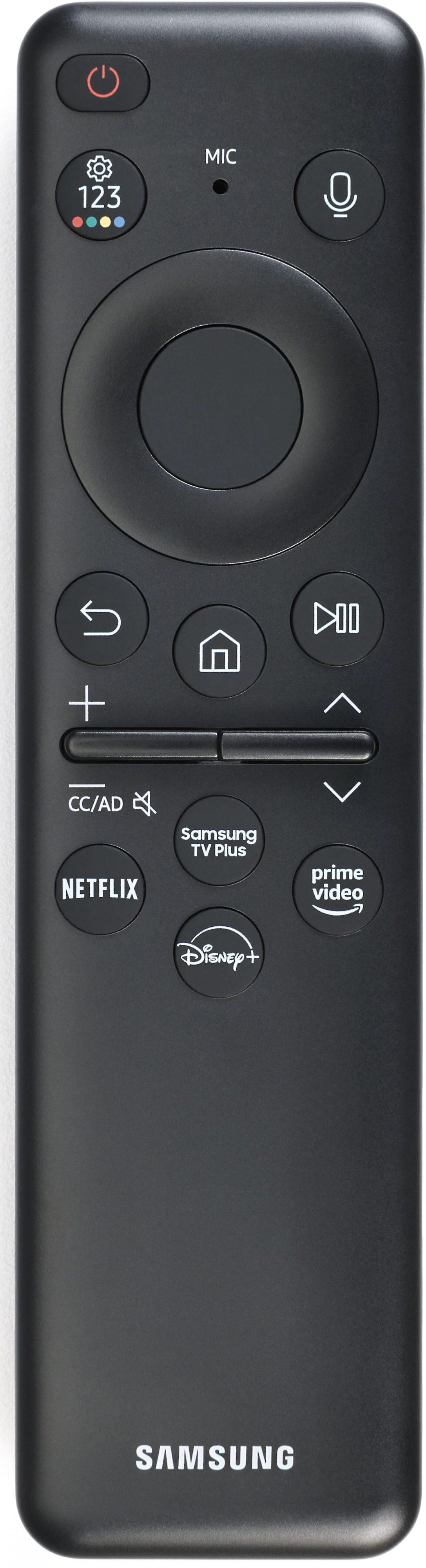
The smart TV experience differs significantly between these models. LG's webOS 25 platform emphasizes simplicity and ease of use. The interface is clean, intuitive, and doesn't overwhelm you with options. The Magic Remote makes navigation feel natural, and the overall experience prioritizes getting you to your content quickly.
Samsung's Tizen OS takes a different approach, offering more features and customization options. The interface is more feature-rich but can feel cluttered, especially when you first set it up. Samsung's AI processing is more aggressive, constantly analyzing and "improving" the image. While this can enhance some content, it can also alter the filmmaker's intended look.
The content format support difference is crucial for streaming enthusiasts. LG's Dolby Vision support means you'll get the premium viewing experience on Netflix, Disney+, and other major streaming services. Samsung's lack of Dolby Vision support isn't a dealbreaker, but it does mean you're not getting the absolute best quality from these services.
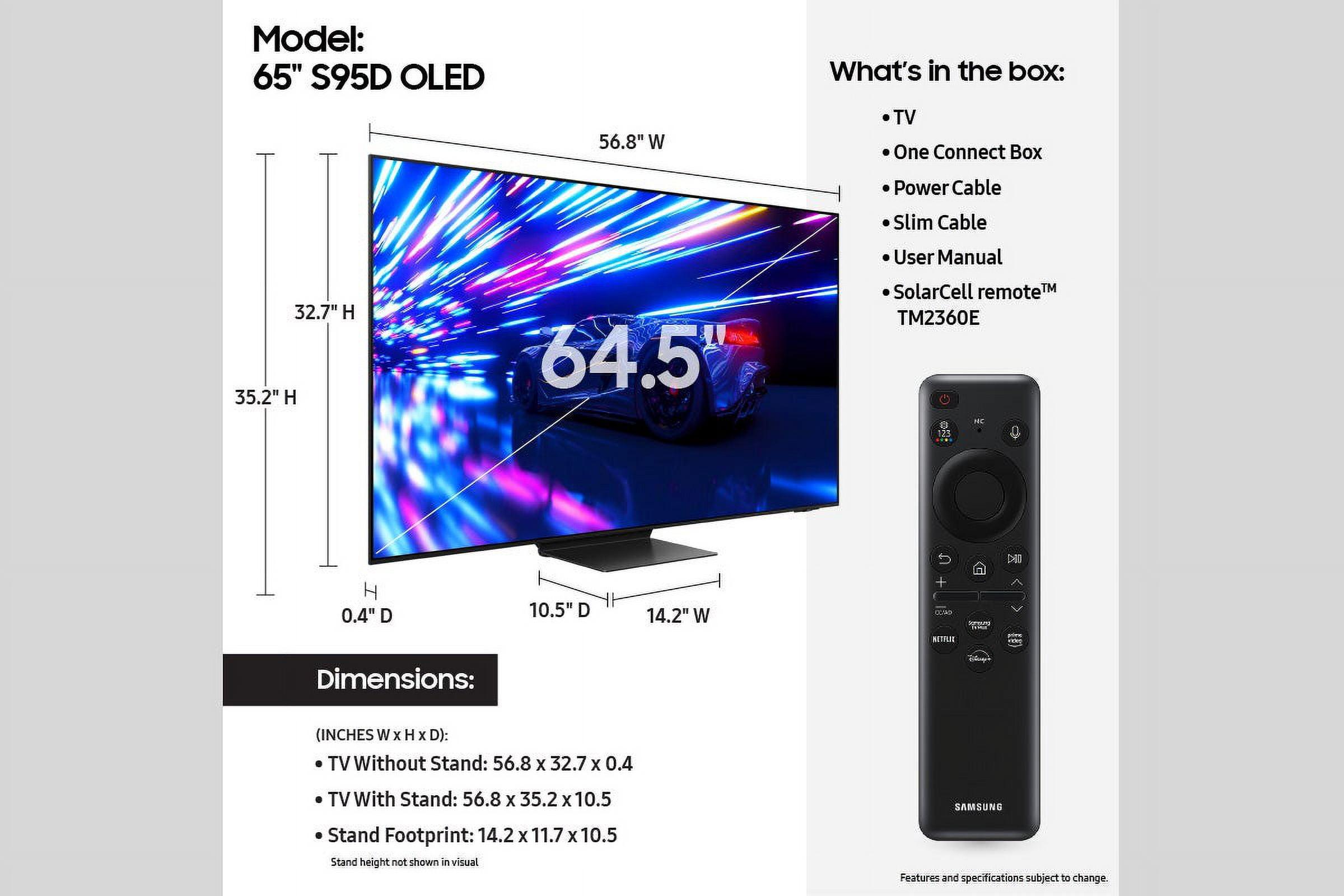
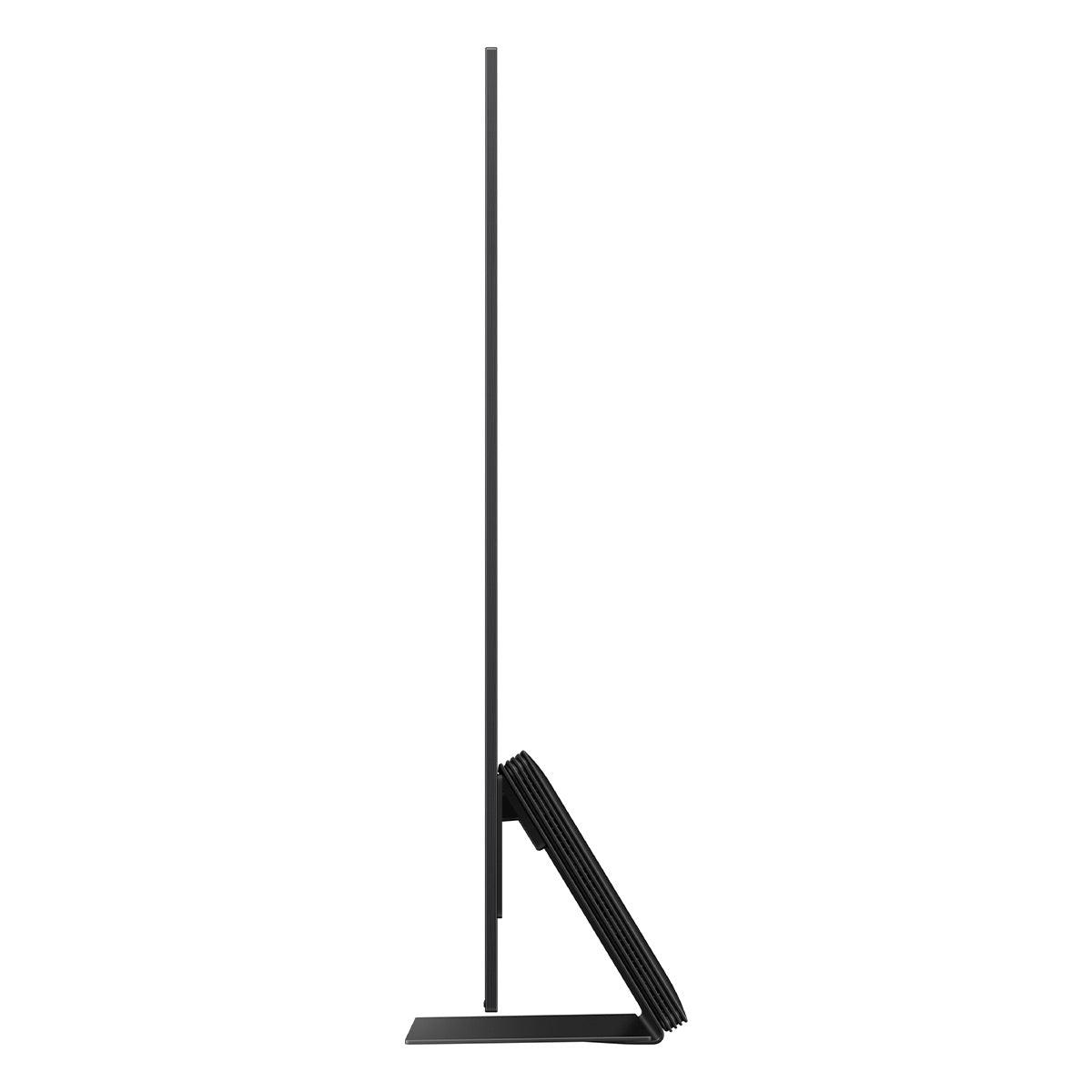
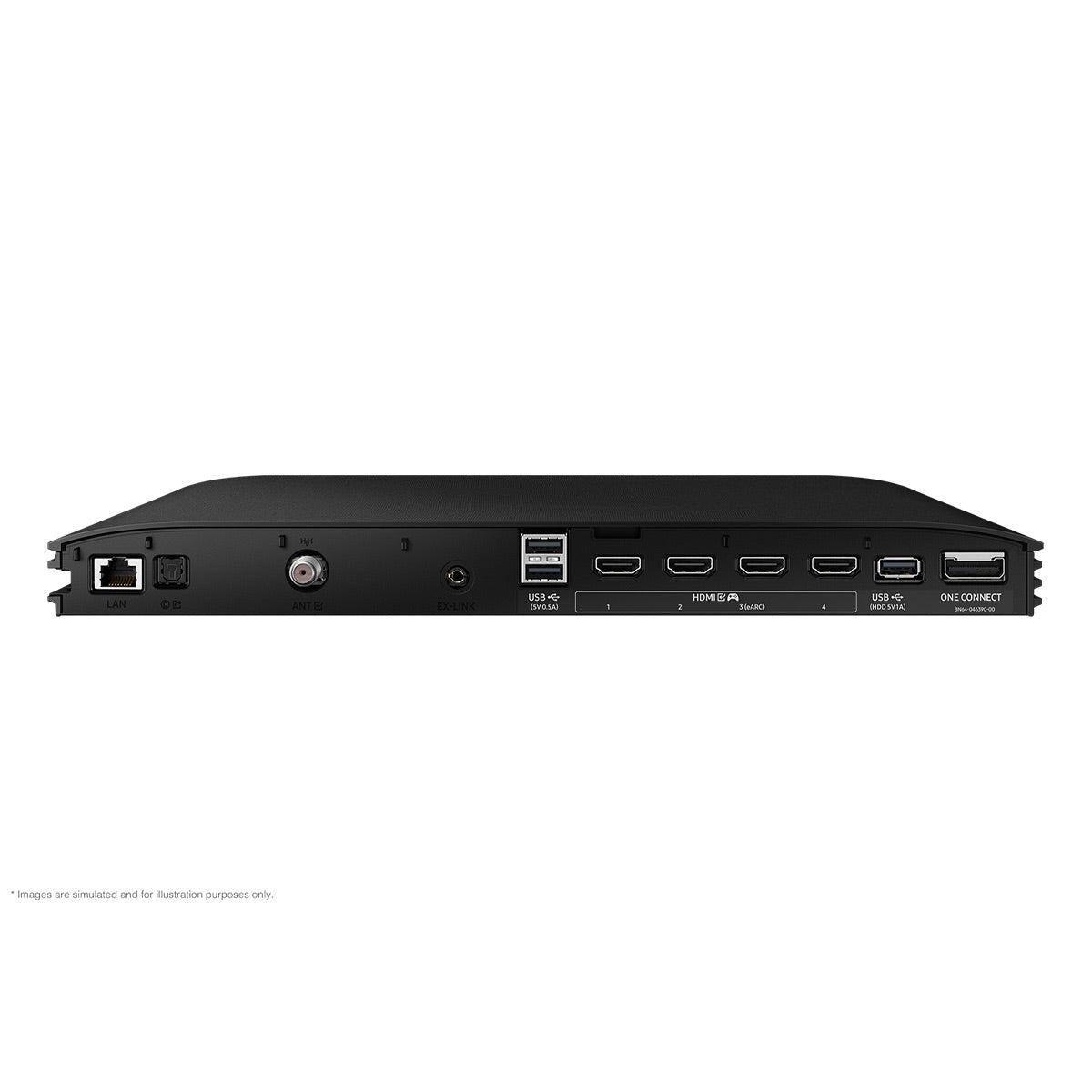
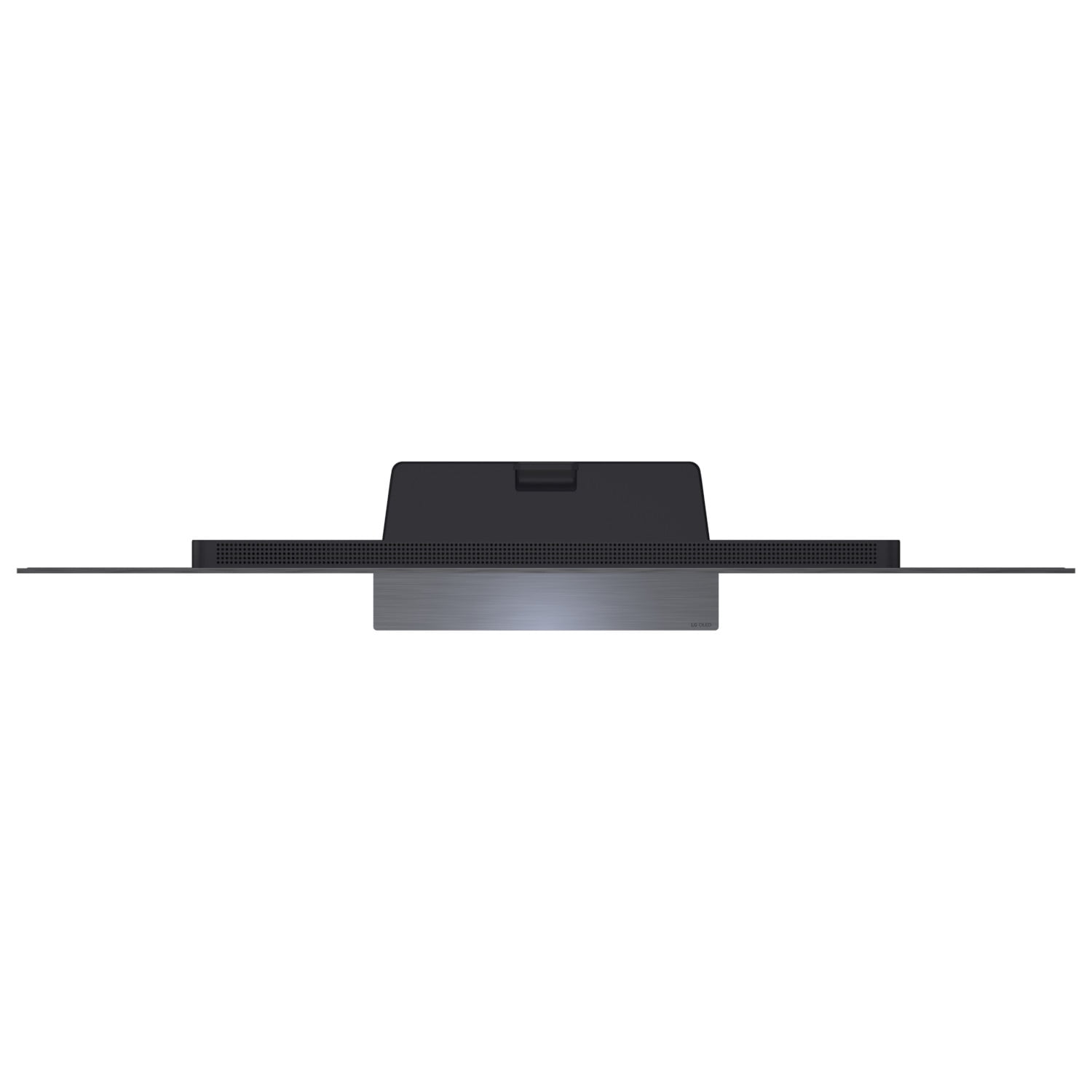
Both TVs are beautifully designed, but they take different approaches to achieving premium aesthetics. The Samsung S95D features an incredibly thin profile at just 11mm deep, achieved by moving all the electronics to an external One Connect Box. This creates a cleaner look when wall-mounted and makes cable management easier since only one thin cable runs to the TV.
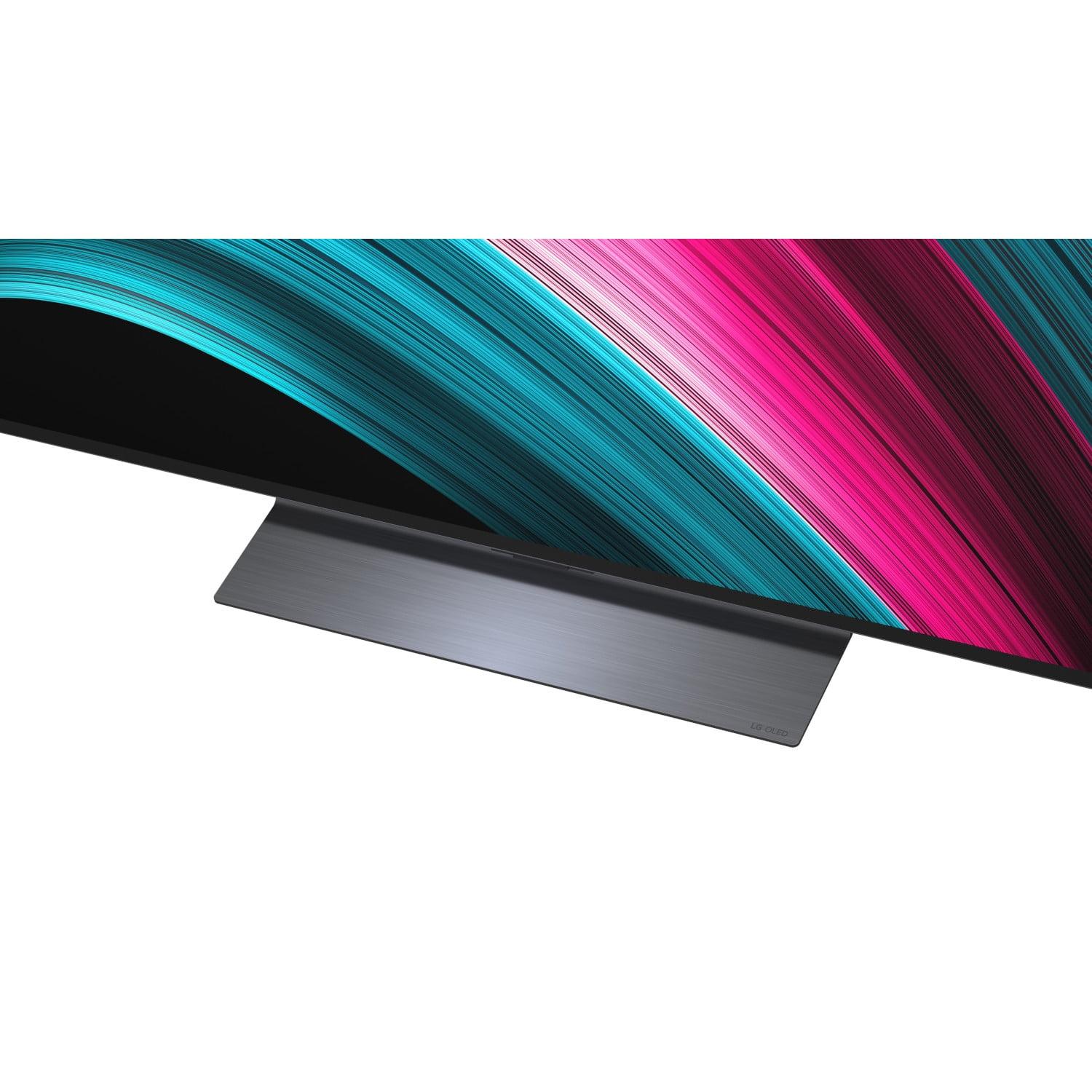
The LG C5 uses a more traditional approach with all connections built into the TV itself. This means a slightly thicker profile but eliminates the need for an external box. Some users prefer this integrated approach, especially if they're using a TV stand rather than wall mounting.
Samsung's revolutionary anti-glare coating deserves special mention. This matte finish virtually eliminates reflections from windows, lamps, or other light sources. In my testing, this makes a dramatic difference in bright rooms – the Samsung remains highly watchable even with significant ambient light, while the LG can struggle with reflections.
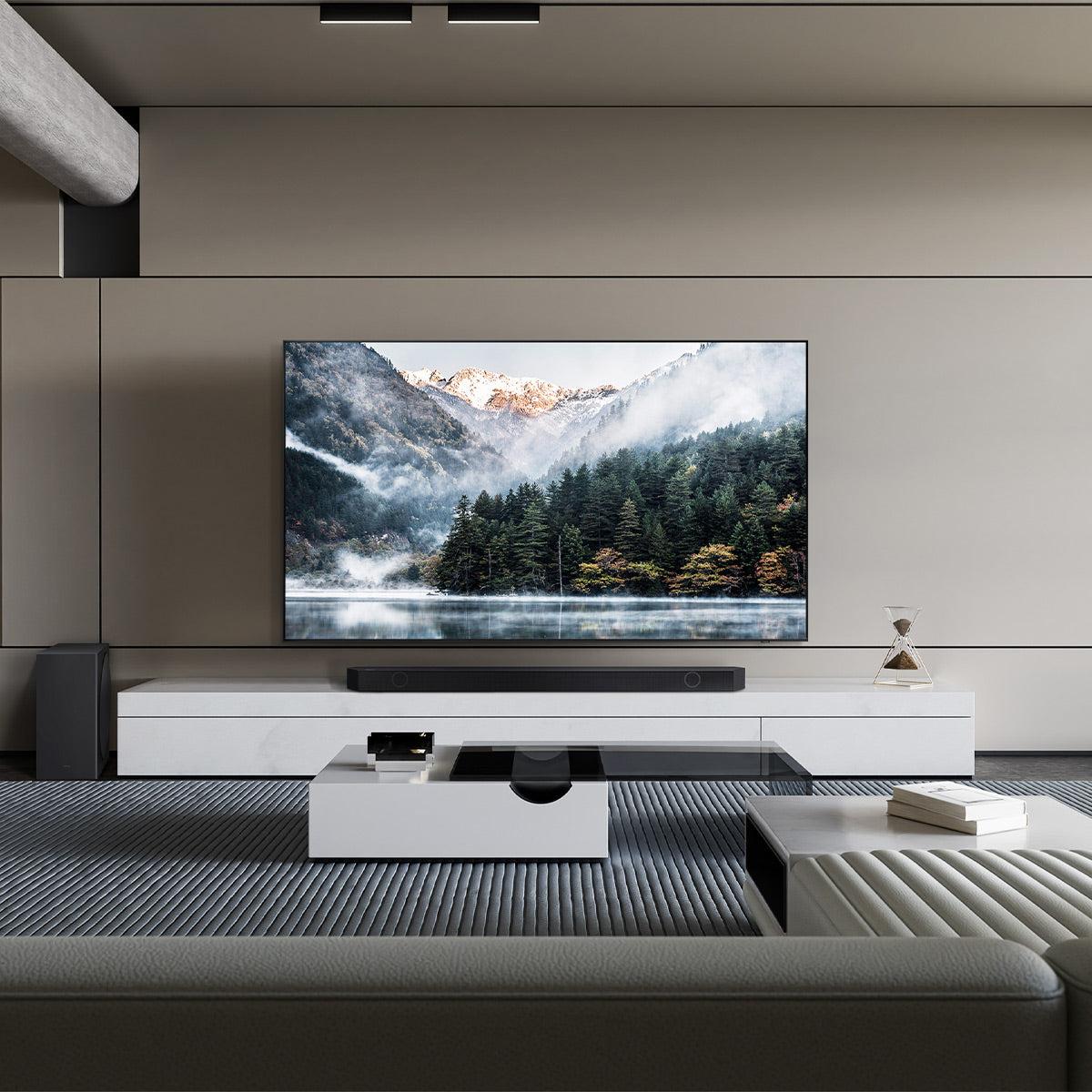
For dedicated home theater setups, both TVs excel, but they serve different priorities. The Samsung S95D's higher brightness and wider color gamut make it exceptional for HDR content, creating more impactful visuals that can compete with commercial cinema systems. The anti-glare coating also means you don't need to worry as much about controlling ambient light.
However, the LG C5's Dolby Vision support is crucial for home theater enthusiasts. Most premium UHD Blu-rays and streaming content use Dolby Vision, and experiencing this content as intended requires proper hardware support. The LG's more accurate color reproduction also means you're seeing content closer to how the filmmaker intended.
Both TVs offer excellent viewing angles, important for home theater seating arrangements. The sound quality from both is adequate but not exceptional – serious home theater setups will benefit from external audio systems regardless of which TV you choose.
While the Samsung S95D costs slightly less at $2,097.23 compared to the LG C5 at $2,196.99, the value equation involves more than just the purchase price. Samsung's QD-OLED technology represents a newer, potentially more future-proof approach. The significantly higher brightness and color volume provide benefits that will remain relevant as content continues to evolve.
The LG offers different value propositions. Its Dolby Vision support ensures you're getting the premium experience from streaming services and UHD Blu-rays. The proven WOLED technology has a longer track record of reliability and consistent performance. LG's commitment to five years of software updates through their Re:New program also adds long-term value.
For most users, the Samsung provides better bang for the buck if you primarily watch in bright rooms or prioritize maximum visual impact. The LG offers better value if you're a content enthusiast who wants the "correct" viewing experience for premium streaming services and physical media.
The Samsung S95D is the clear choice if you're dealing with a bright living room or family room where controlling ambient light is difficult. Its anti-glare coating and superior peak brightness make it uniquely suited to challenging viewing environments. It's also ideal if you're a gamer who wants maximum HDR impact or if you simply prefer more vibrant, punchy visuals.
The LG C5 makes more sense if you're a movie enthusiast who values accuracy and proper content support. Its Dolby Vision compatibility ensures you're getting the intended experience from premium streaming services. It's also better if you prefer a more integrated design without external boxes or if you're budget-conscious but still want flagship performance.
Choose the Samsung S95D if your TV will primarily be used in bright rooms, you're a serious gamer, or you prioritize maximum visual impact over accuracy. The superior brightness and anti-glare technology make it uniquely capable in challenging lighting conditions.
Choose the LG C5 if you're a content enthusiast who values Dolby Vision support, you prefer natural color reproduction, or you want proven reliability at a slight premium. Its more mature technology and broader content compatibility make it a safer choice for most users.
Both represent excellent investments in premium display technology. Your decision should ultimately come down to your specific viewing environment, content preferences, and whether you prioritize maximum impact or maximum accuracy. Either choice will provide years of exceptional viewing experiences that far exceed what traditional LED TVs can deliver.
| LG OLED evo C5 65" 4K TV 2025 | Samsung 65" S95D 4K OLED Smart TV |
|---|---|
| Price - Initial investment cost | |
| $2,196.99 | $2,097.23 |
| Panel Technology - Fundamental difference affecting all performance | |
| WOLED (White OLED) with Evo enhancements | QD-OLED (Quantum Dot OLED) |
| Peak HDR Brightness - Critical for HDR impact and bright room viewing | |
| ~1,165 nits (good for most content) | ~2,138 nits (exceptional HDR highlights) |
| Color Gamut Coverage - How much of HDR color space can be displayed | |
| 76.18% Rec.2020 (accurate but limited range) | 90.26% Rec.2020 (vibrant, wide color range) |
| Anti-Glare Performance - Crucial for bright rooms and daytime viewing | |
| Improved but still reflective | OLED Glare Free technology (virtually eliminates reflections) |
| HDR Format Support - Determines streaming quality from major services | |
| Dolby Vision + HDR10 (Netflix, Disney+ premium experience) | HDR10+ + HDR10 (no Dolby Vision support) |
| Gaming Performance - Refresh rate and input lag for gaming | |
| 144Hz, ~9ms lag, consistent brightness | 144Hz, ~9ms lag, brighter HDR gaming |
| Smart TV Platform - Daily user experience and interface | |
| webOS 25 (clean, intuitive interface) | Tizen OS (feature-rich but can feel cluttered) |
| Design Approach - Physical setup and cable management | |
| Integrated design, all ports on TV | Ultra-thin (11mm) with One Connect Box |
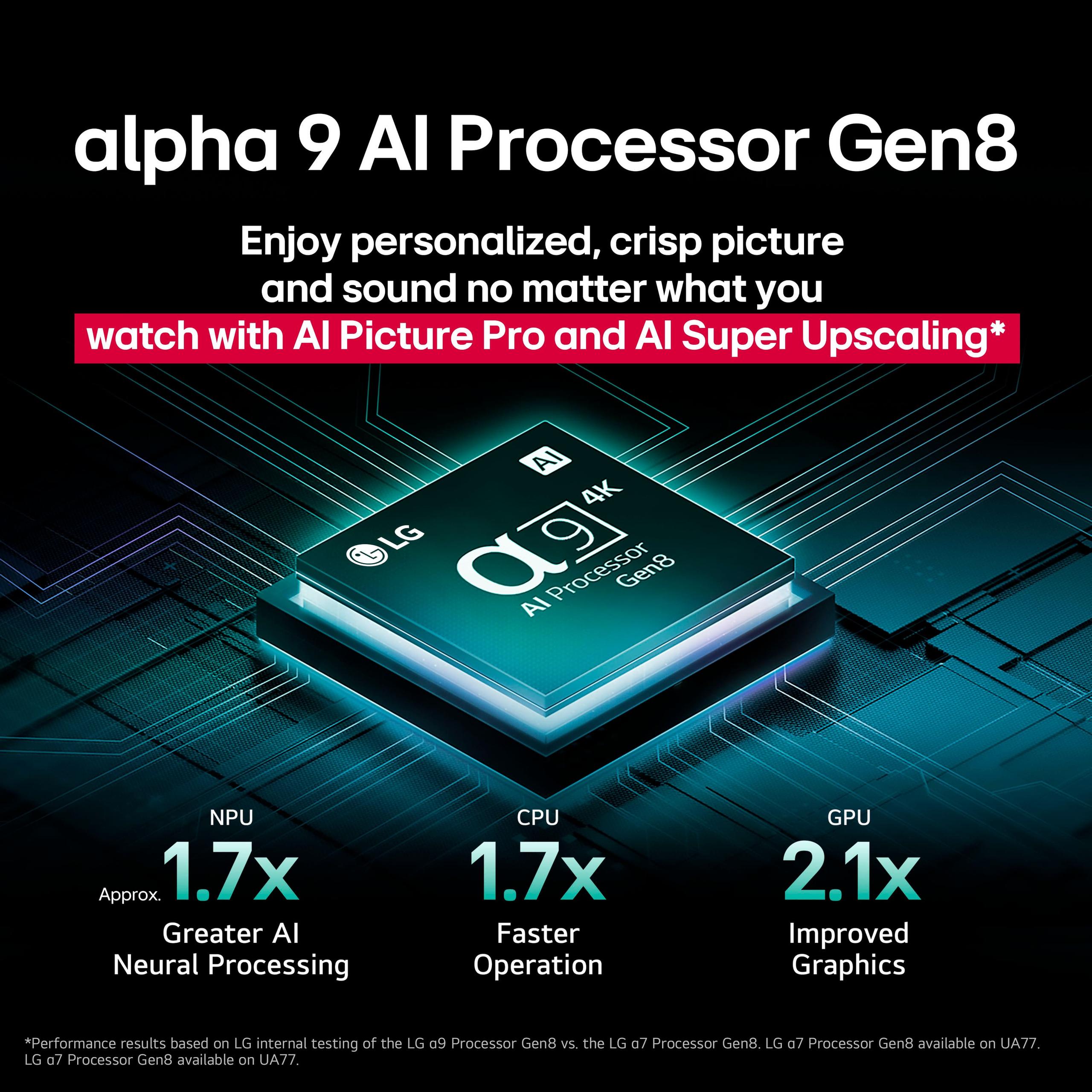
| Processor - Image processing and AI features | |
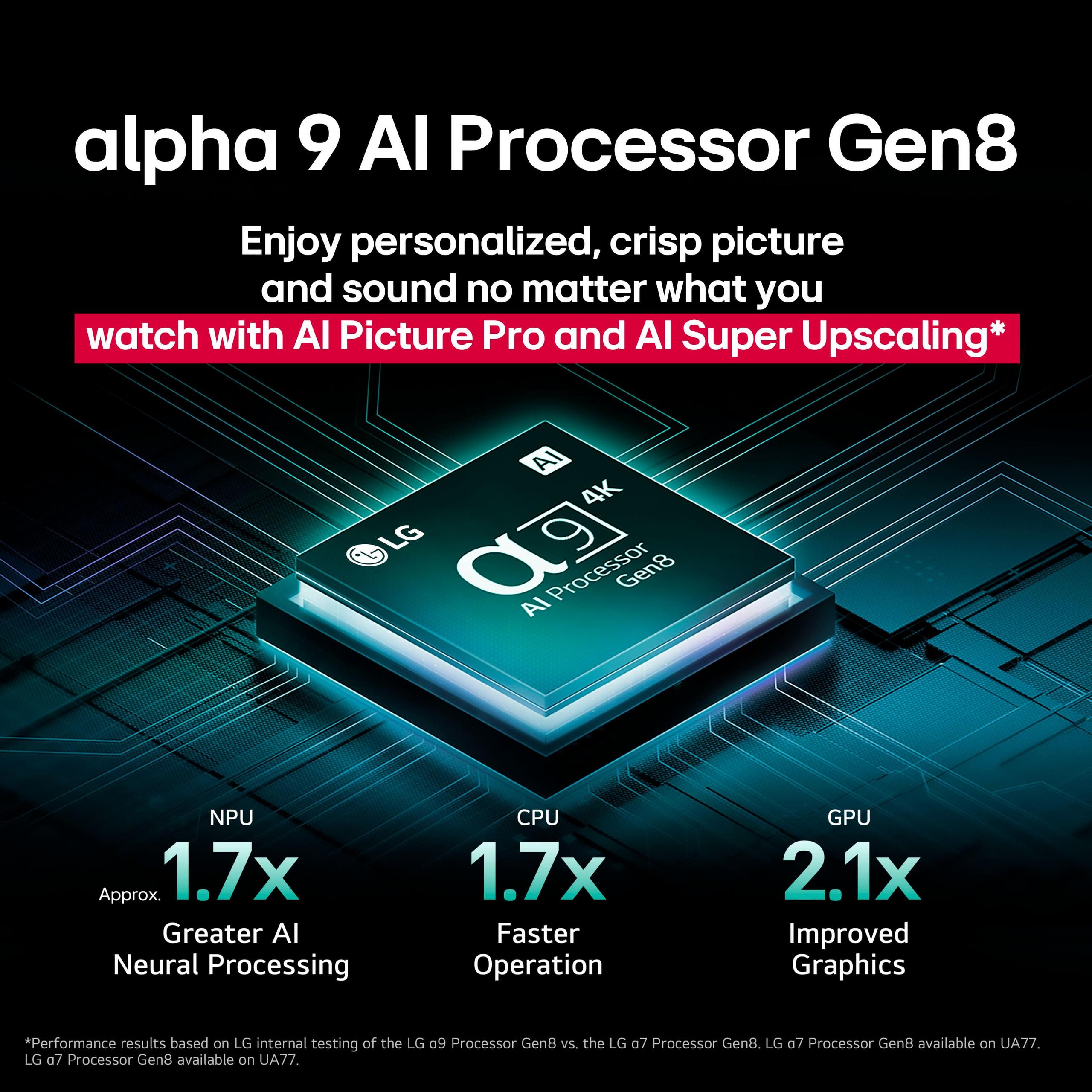
| Alpha 9 AI Gen8 (balanced processing) | NQ4 AI Gen2 (aggressive upscaling and enhancement) |
| Audio Technology - Built-in sound quality | |
| Dolby Atmos, average built-in speakers | Dolby Atmos with Object Tracking Sound+ |
| Long-term Support - Software updates and feature additions | |
| Re:New Program (5 years of updates) | Standard Samsung update cycle |
| Best For - Ideal use cases | |
| Movie enthusiasts, controlled lighting, Dolby Vision content | Bright rooms, maximum HDR impact, gaming focus |
The Samsung 65" S95D 4K OLED Smart TV is significantly brighter with peak HDR brightness of ~2,138 nits compared to the LG OLED evo C5 65" 4K TV 2025 at ~1,165 nits. This makes the Samsung better for bright rooms and more impactful HDR content.
The Samsung S95D costs $2,097.23 while the LG C5 is priced at $2,196.99, making the Samsung about $100 less expensive despite offering higher peak brightness performance.
Both TVs offer excellent gaming performance with 144Hz refresh rates and ~9ms input lag. The Samsung S95D has a slight edge for HDR gaming due to its higher brightness, while the LG C5 offers more consistent performance across extended gaming sessions.
No, only the LG OLED evo C5 supports Dolby Vision, which is used by Netflix, Disney+, and most premium streaming services. The Samsung S95D supports HDR10+ and HDR10 but lacks Dolby Vision due to licensing conflicts.
The Samsung 65" S95D is significantly better for bright rooms thanks to its OLED Glare Free anti-reflective coating and higher peak brightness. The LG C5 can struggle with reflections in well-lit environments.
The LG C5 uses WOLED (White OLED) technology with color filters for accurate, natural colors. The Samsung S95D uses QD-OLED (Quantum Dot OLED) which produces colors directly, resulting in brighter, more vibrant images with wider color coverage.
The LG C5 runs webOS 25 with a clean, intuitive interface that's easy to navigate. The Samsung S95D uses Tizen OS which is more feature-rich but can feel cluttered. LG also offers 5 years of software updates through their Re:New program.
Yes, both excel for home theater use. The Samsung S95D offers more impactful HDR visuals with higher brightness, while the LG C5 provides more accurate colors and crucial Dolby Vision support for premium streaming content and UHD Blu-rays.
The Samsung S95D features an ultra-thin 11mm profile with an external One Connect Box for cleaner cable management. The LG C5 uses a traditional integrated design with all ports built into the TV, which some users prefer for simplicity.
The Samsung S95D covers 90.26% of the Rec.2020 color space for more vibrant colors, while the LG C5 covers 76.18% but offers more accurate, natural color reproduction out of the box.
The Samsung S95D offers better value for bright room viewing with superior brightness and anti-glare technology at a lower price. The LG C5 provides better value for movie enthusiasts who need Dolby Vision support and prefer accurate color reproduction.
Choose the Samsung S95D if you have a bright living room or prioritize maximum HDR impact. Choose the LG C5 if you watch primarily in controlled lighting, value Dolby Vision content, or prefer natural color accuracy over maximum vibrancy.
We've done our best to create useful and informative comparisons to help you decide what product to buy. Our research uses advanced automated methods to create this comparison and perfection is not possible - please contact us for corrections or questions. These are the sites we've researched in the creation of this article: bestbuy.com - rtings.com - youtube.com - businessinsider.com - youtube.com - bestbuy.com - lg.com - files.bbystatic.com - lg.com - flatpanelshd.com - lg.com - blvdhome.com - bhphotovideo.com - flanners.com - videopro.com.au - techradar.com - videoandaudiocenter.com - avsforum.com - cnet.com - abt.com - merlinstv.com - nfm.com - rtings.com - flintsfurniture.com - samsung.com - bestbuy.com - displayspecifications.com

Privacy Policy
Terms and Conditions - Affiliate Policy
Home Security
© Copyright 2008-2026.
11816 Inwood Rd #1211, Dallas, TX 75244