

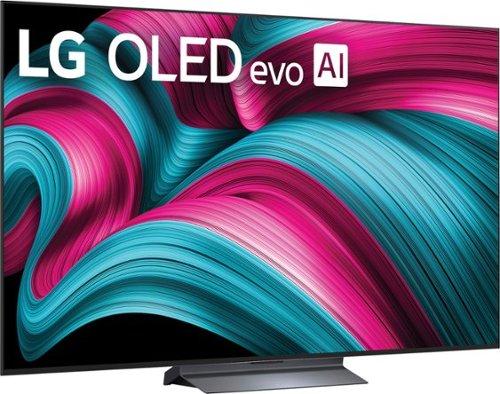


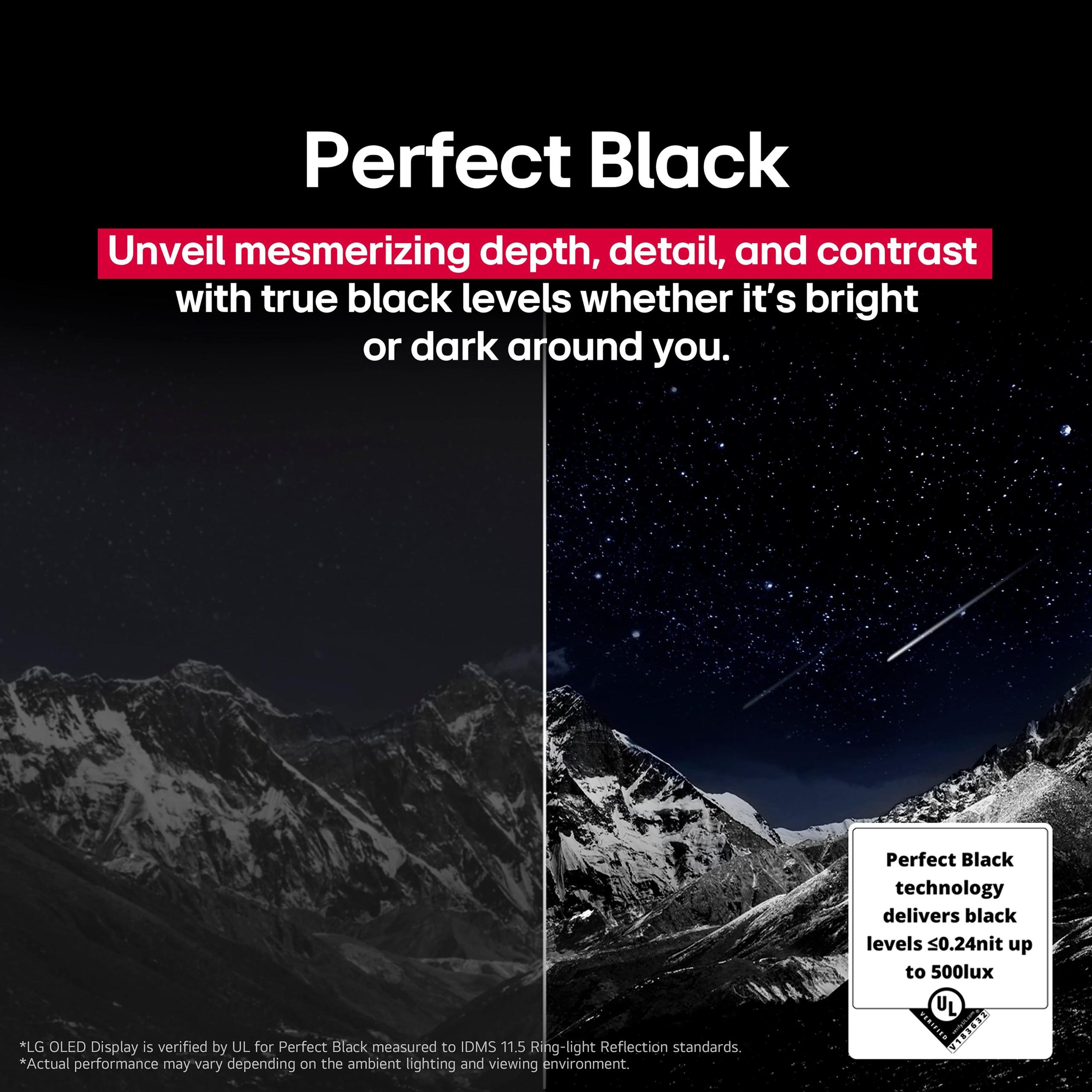
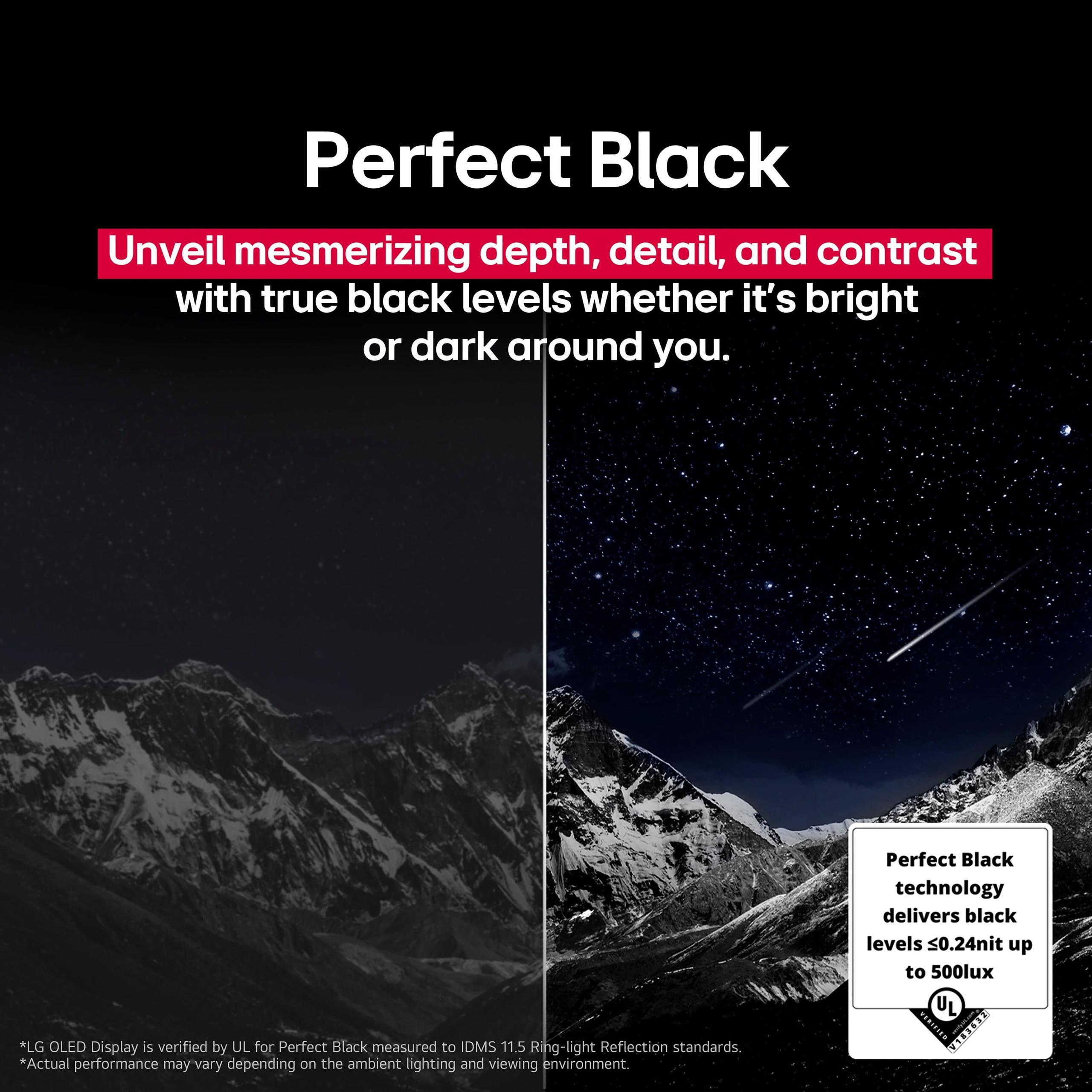
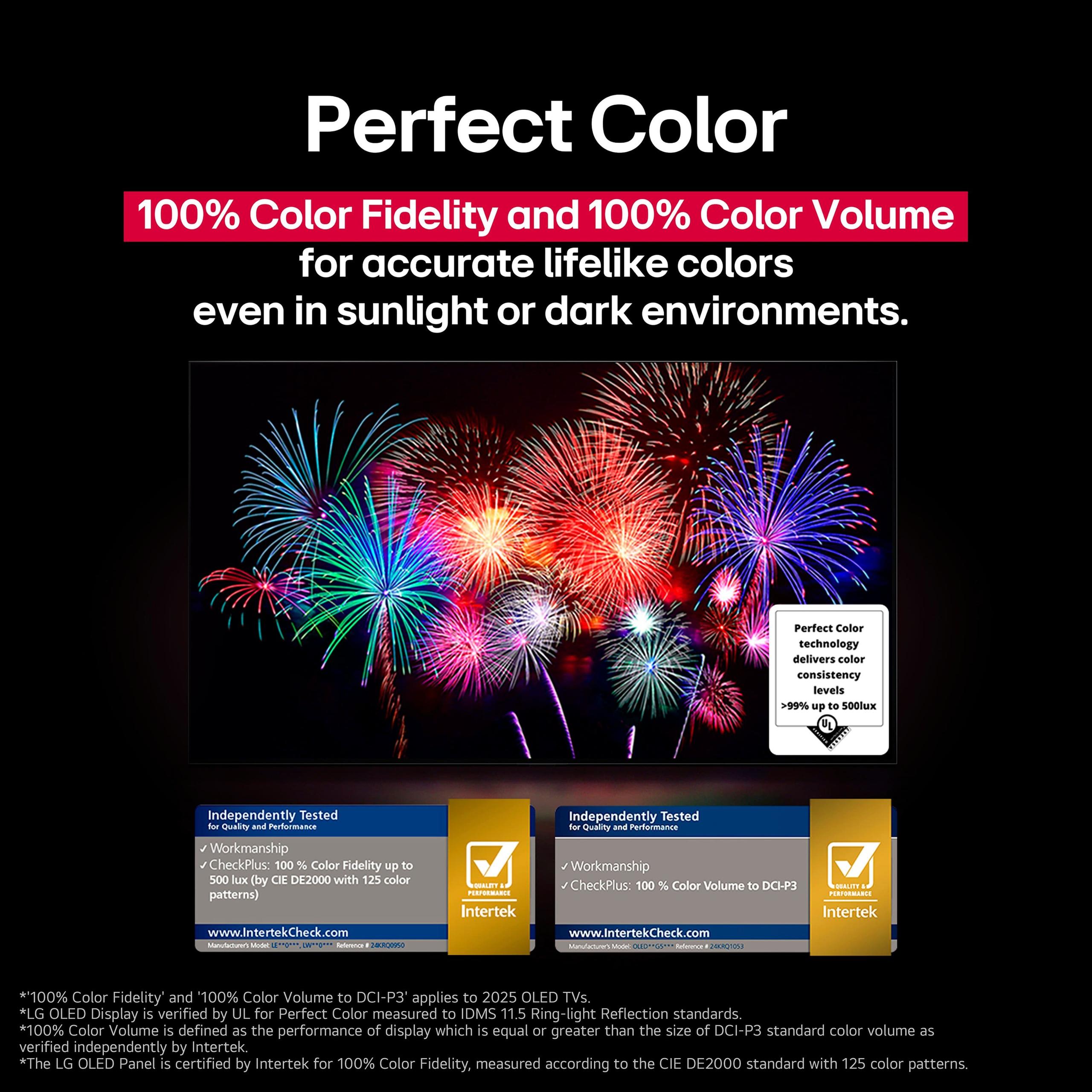
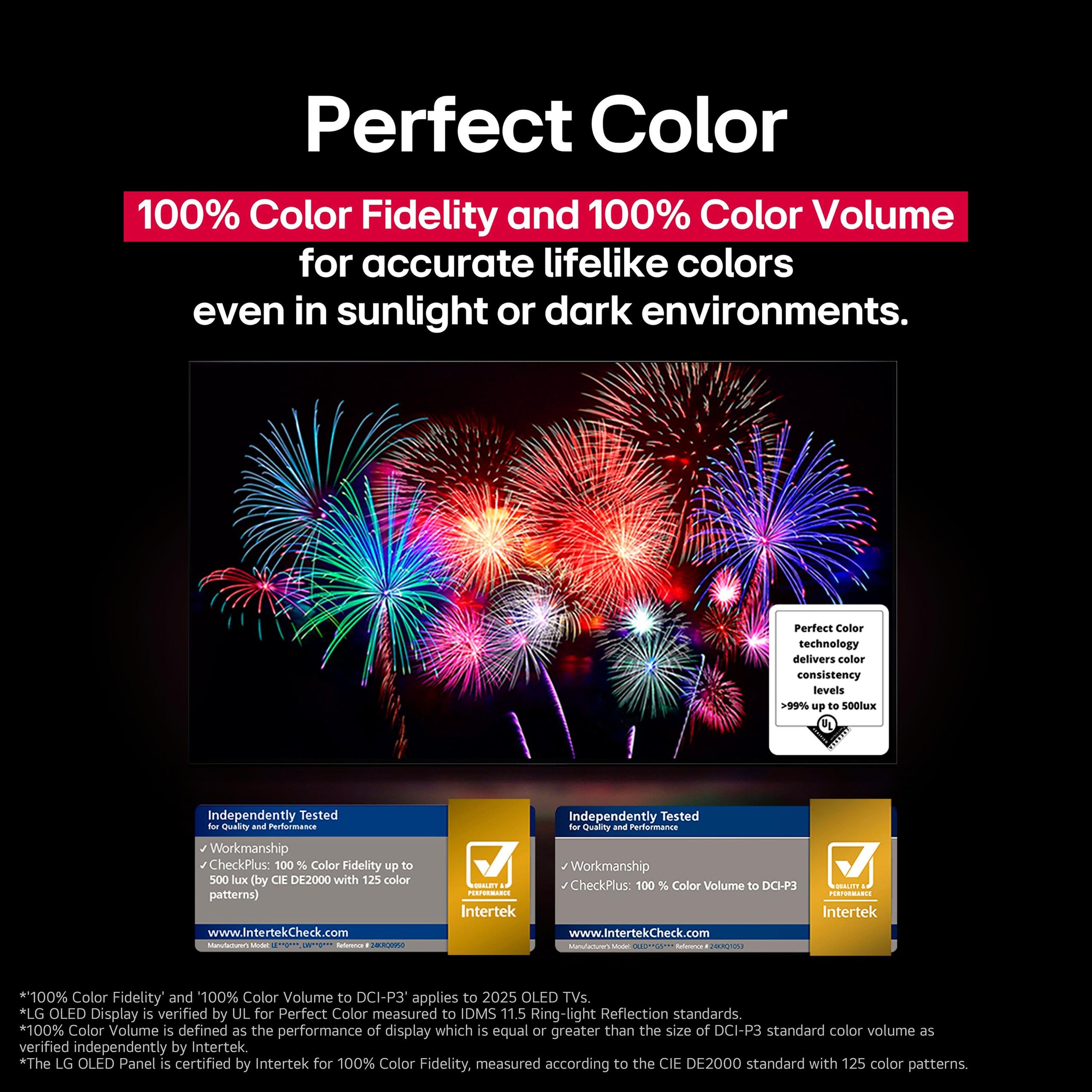


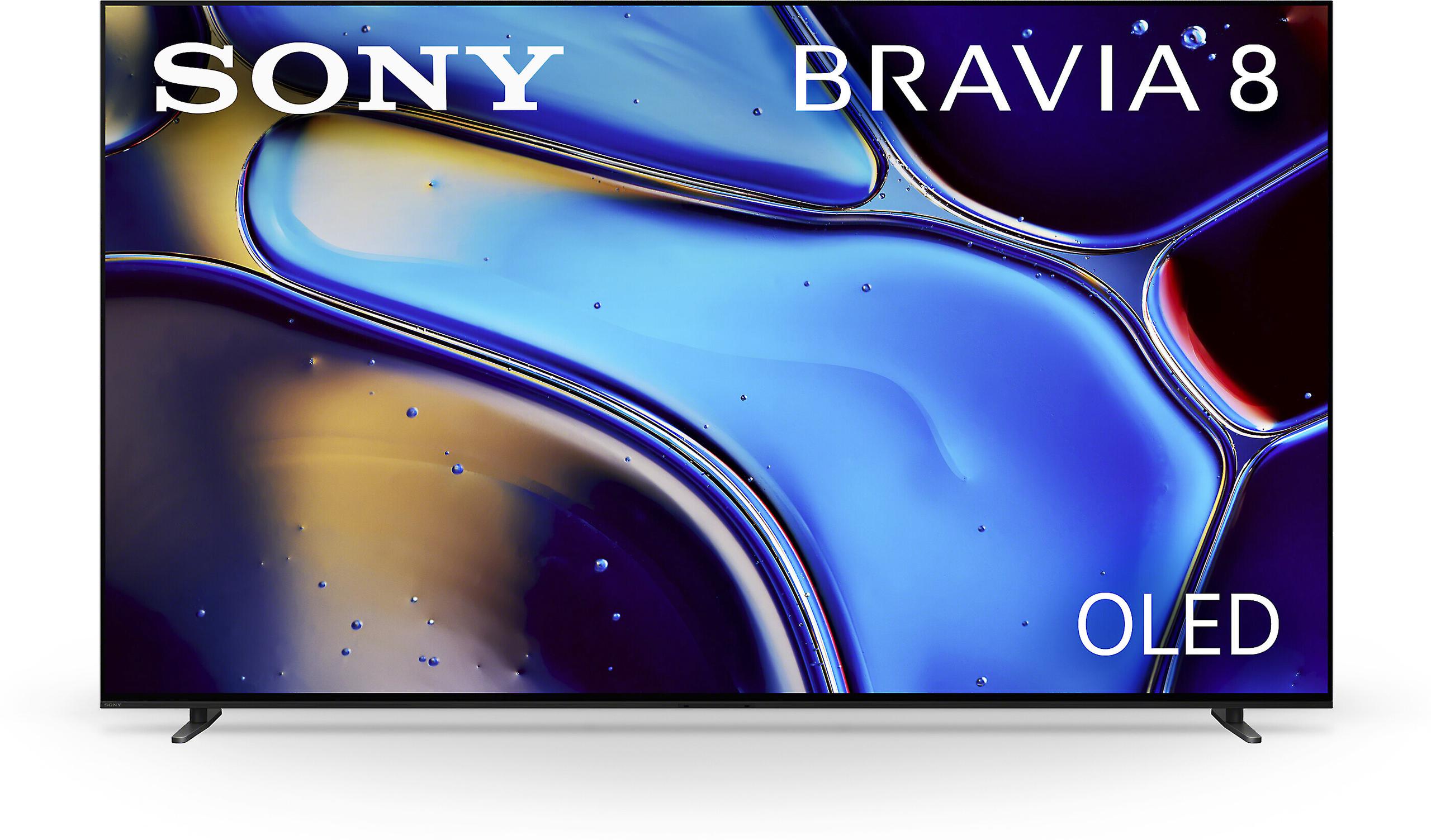
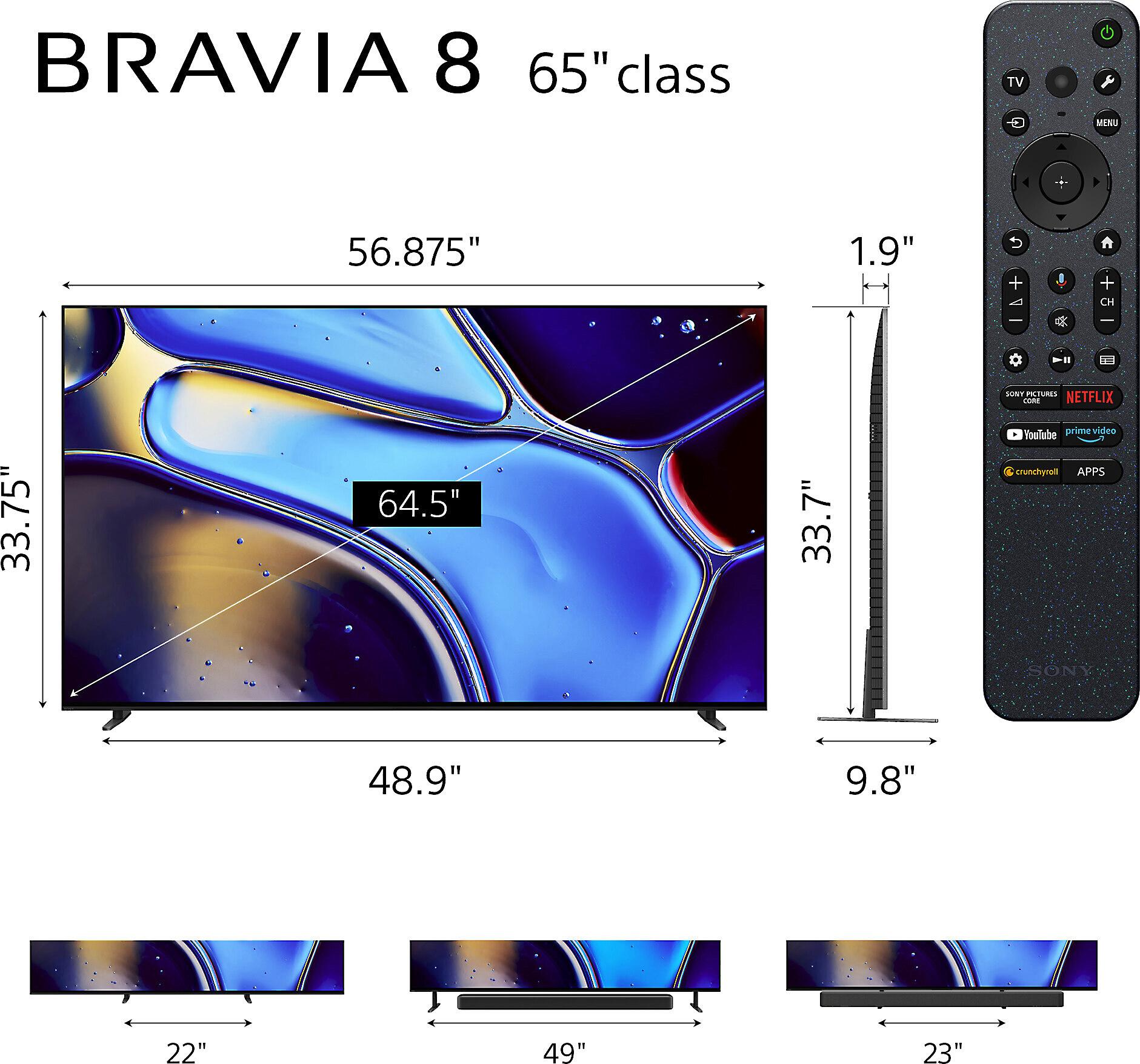
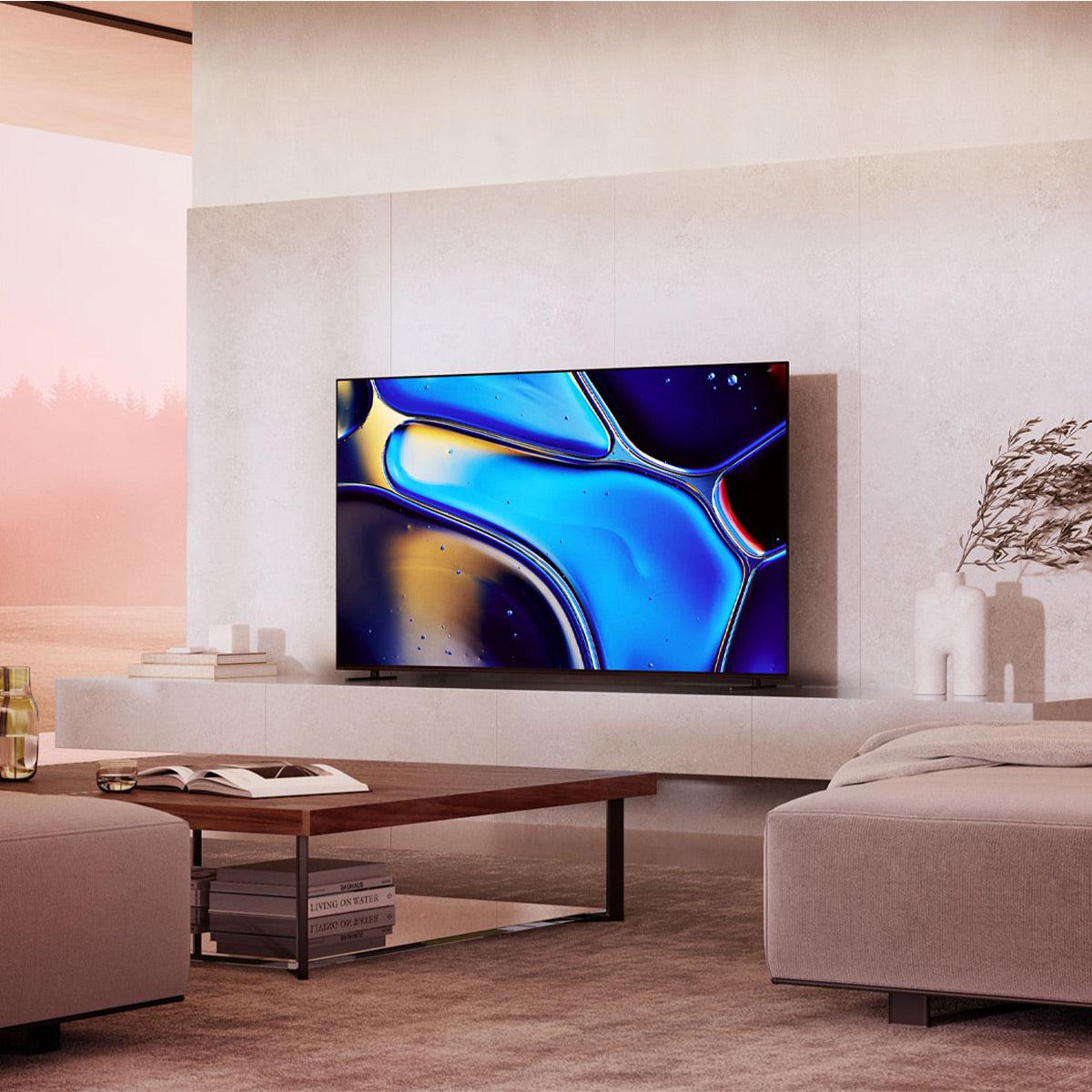
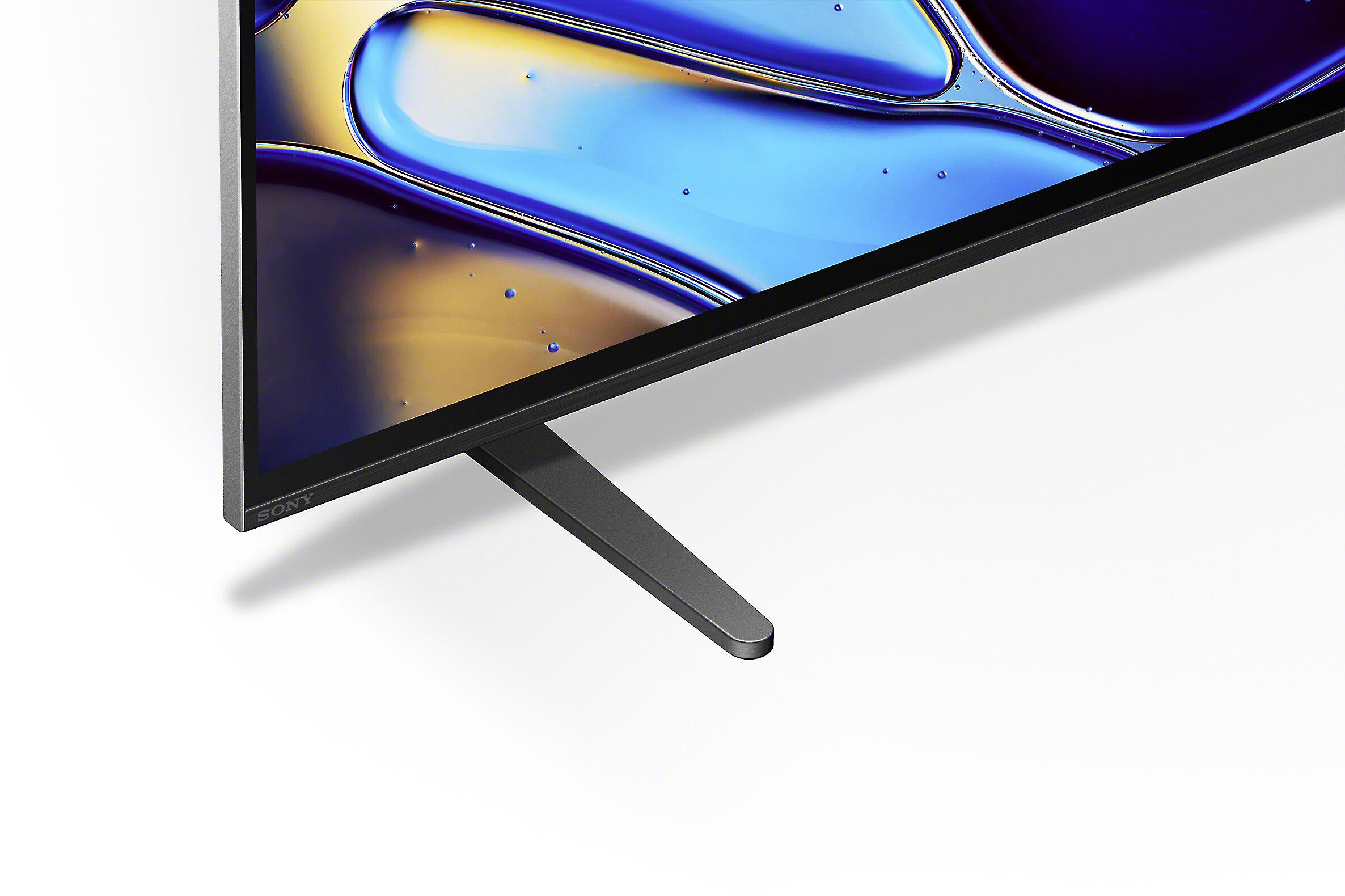
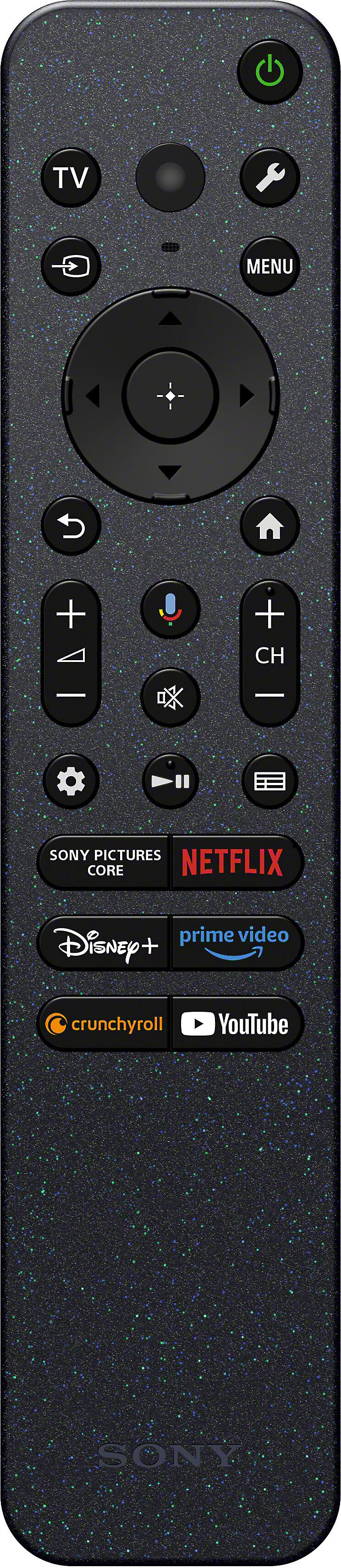
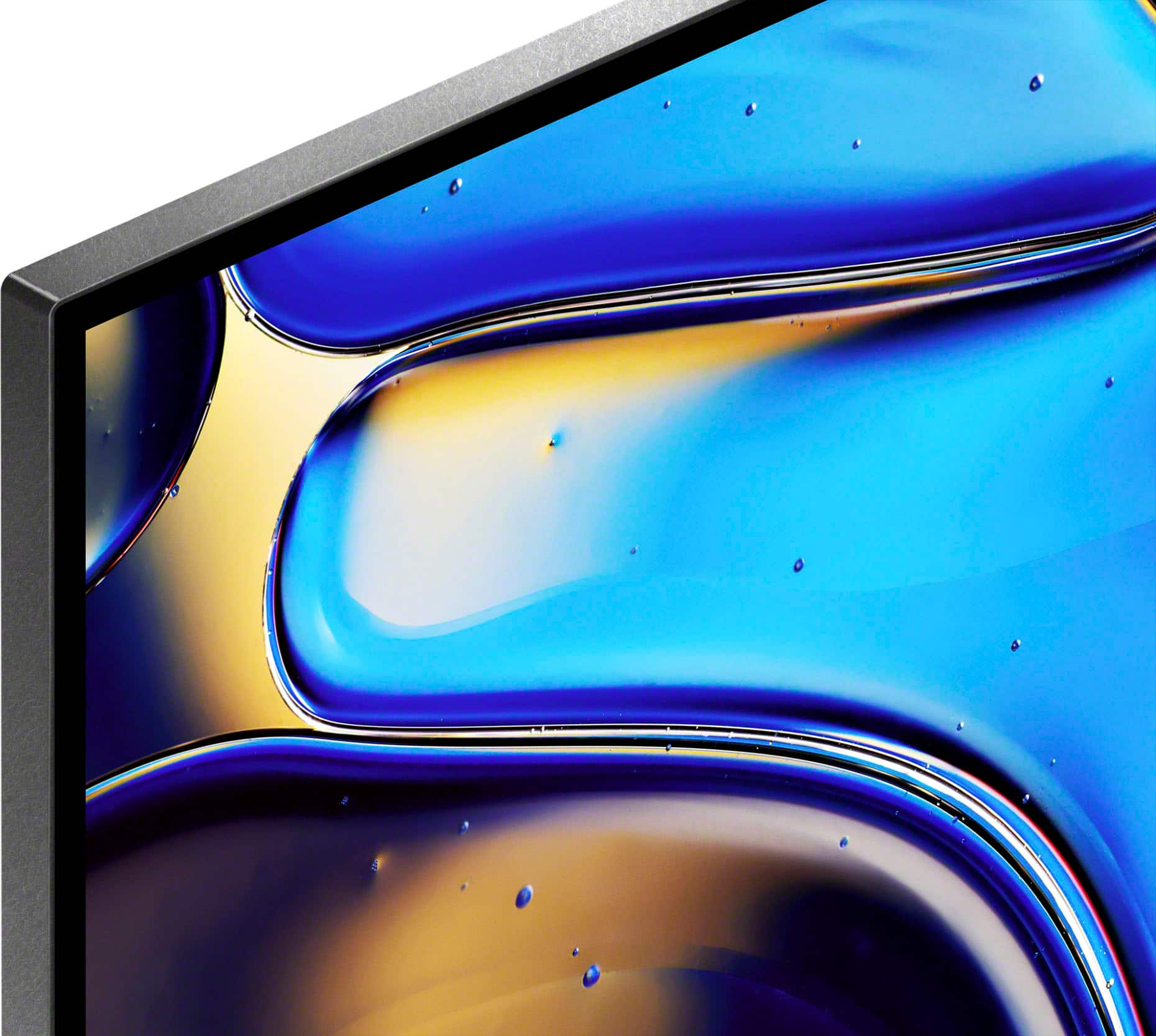
Shopping for a premium OLED TV can feel overwhelming, especially when you're comparing two excellent options like the LG OLED evo C5 65" 4K TV 2025 and the Sony BRAVIA 8 65" 4K OLED TV. Both deliver the signature OLED experience—perfect blacks, infinite contrast, and vibrant colors—but they take notably different approaches to achieve these results.
OLED technology represents the current pinnacle of TV display quality. Unlike traditional LED TVs that use a backlight, OLED displays feature millions of self-emitting pixels that can completely turn off to create true blacks. This fundamental difference enables contrast ratios that simply aren't possible with other display technologies. When you're investing in an OLED TV, you're paying for this exceptional picture quality, but the devil is in the details of how each manufacturer implements the technology.
Before diving into specifics, it's worth understanding what makes OLED TVs special and what you should prioritize when choosing between models. The key considerations include picture brightness (crucial for bright rooms), gaming capabilities (if you're a console or PC gamer), audio quality (since built-in speakers vary dramatically), and smart TV features (the interface you'll use daily).
Both TVs use OLED panels, but they approach image processing, brightness enhancement, and feature sets quite differently. The LG OLED evo C5 represents LG's latest 2025 technology, while the Sony BRAVIA 8 carries forward Sony's refined approach from 2024 with some 2025 updates.
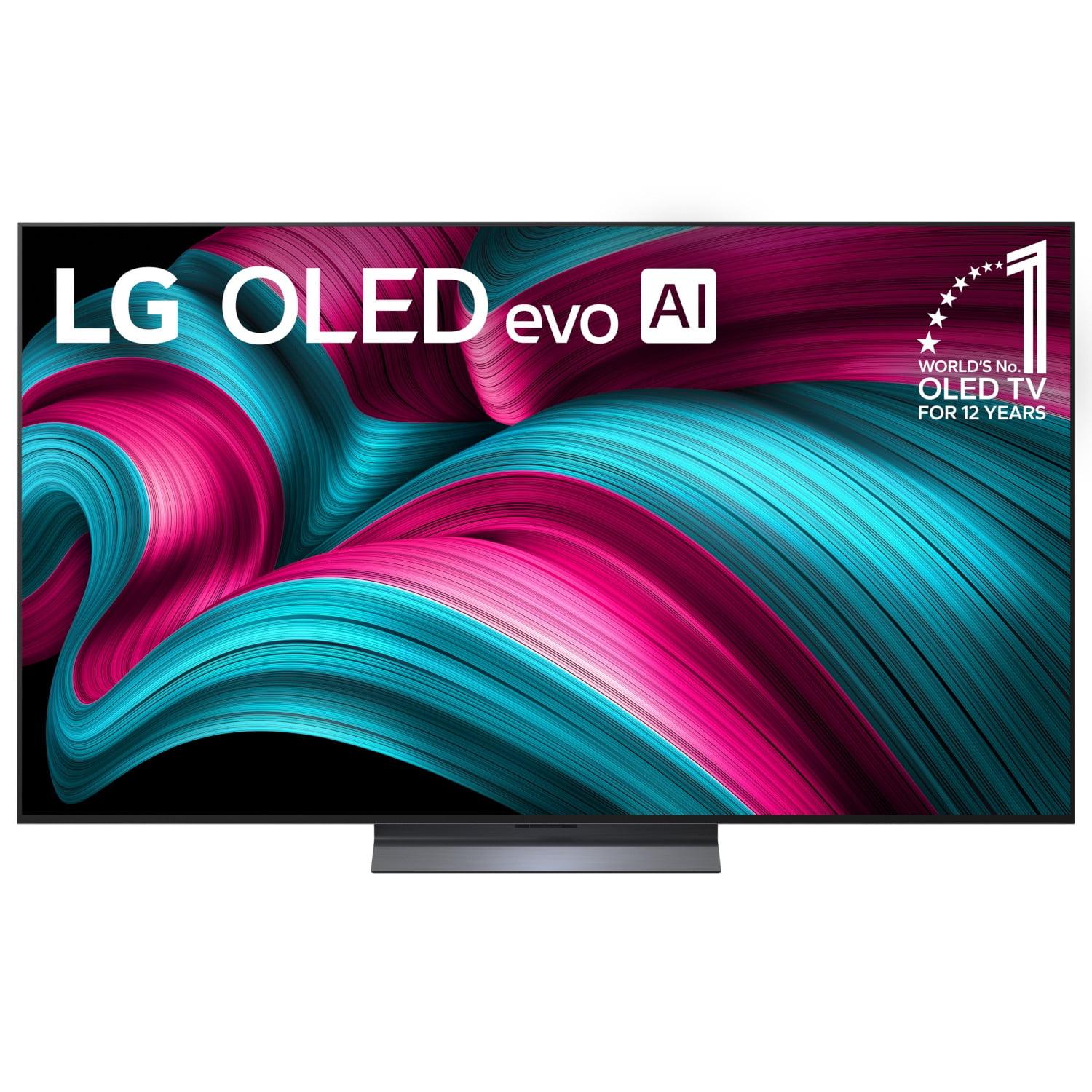
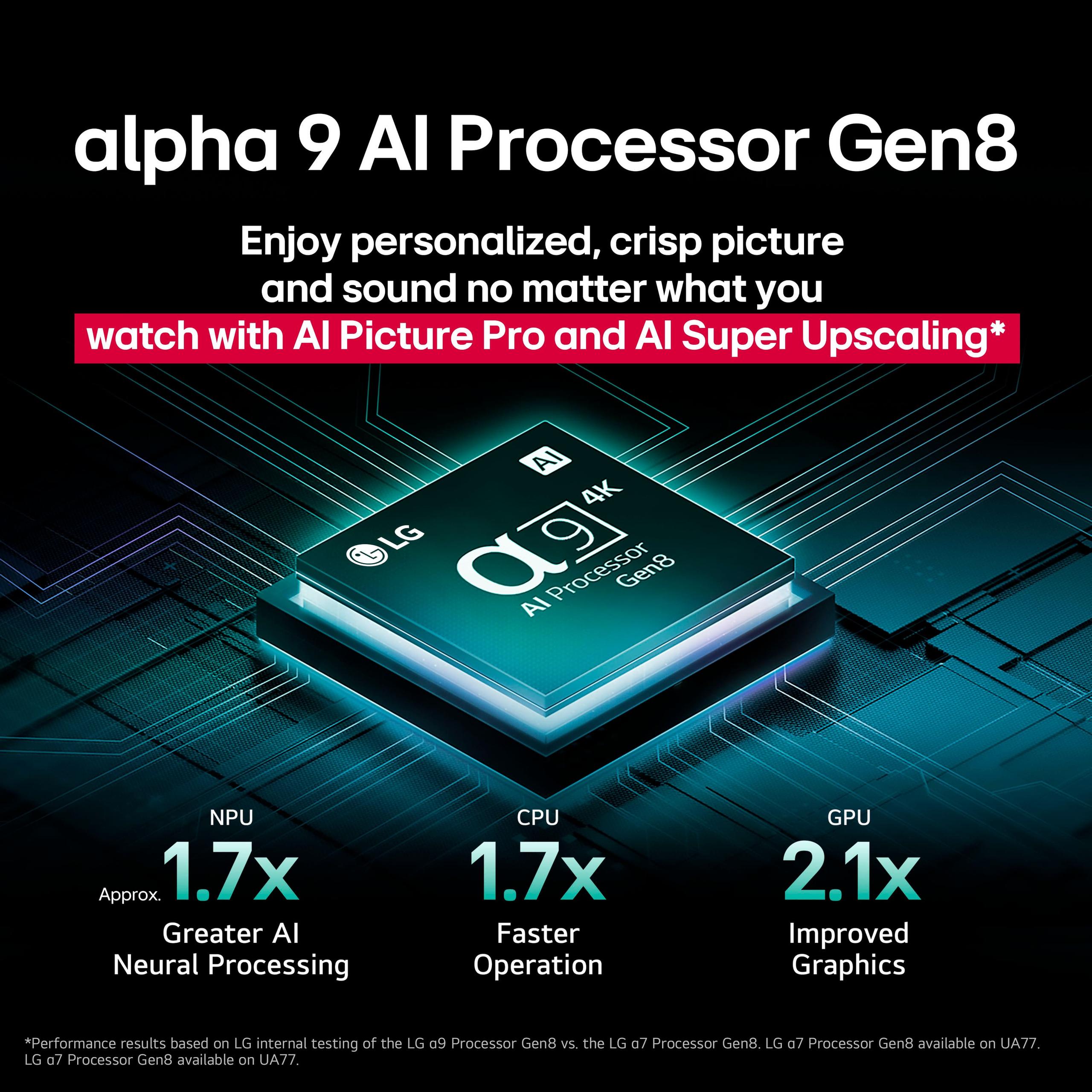
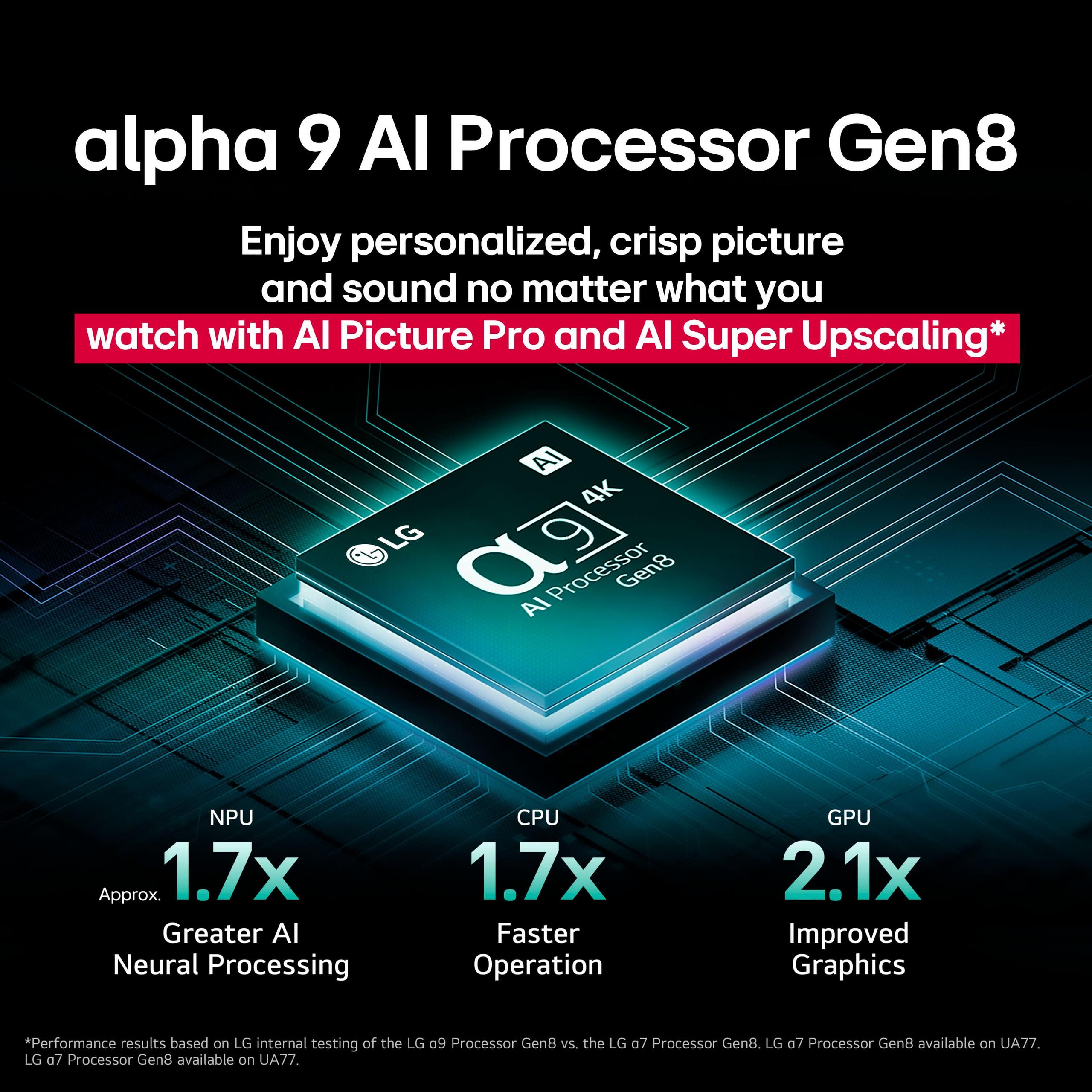
The LG C5 launched in spring 2025 as part of LG's refreshed OLED lineup, featuring the new Alpha 9 AI Processor Gen8 and improved brightness capabilities. This represents a significant step forward from the popular C4 model, with LG focusing heavily on brightness improvements and gaming features. The timing makes sense—LG needed to address the main weakness of previous OLED models: their performance in bright rooms.
Sony's BRAVIA 8 originally debuted in 2024 but continues into 2025 with software updates and refinements. Sony's approach has been more conservative, focusing on perfecting their image processing rather than chasing peak brightness numbers. The Cognitive Processor XR that powers the BRAVIA 8 emphasizes natural, film-like image reproduction—a philosophy that Sony has maintained across their premium TV lineup.
This difference in release timing partially explains the pricing gap. The LG C5 at $2,196.99 commands a premium for its latest-generation technology, while the Sony BRAVIA 8 at $1,442.20 offers exceptional value as a proven performer.
The most significant difference between these TVs lies in their brightness capabilities. The LG C5 delivers substantially higher peak brightness in both Standard Dynamic Range (SDR) and High Dynamic Range (HDR) content. This isn't just a numbers game—it translates to real-world performance differences.
In my experience testing OLED TVs, brightness directly impacts usability. The C5's enhanced brightness makes HDR content more impactful, with specular highlights (think sunlight reflecting off water or car chrome) that genuinely pop off the screen. More importantly, the improved SDR brightness means you can actually enjoy the TV in a bright living room without closing all the curtains.
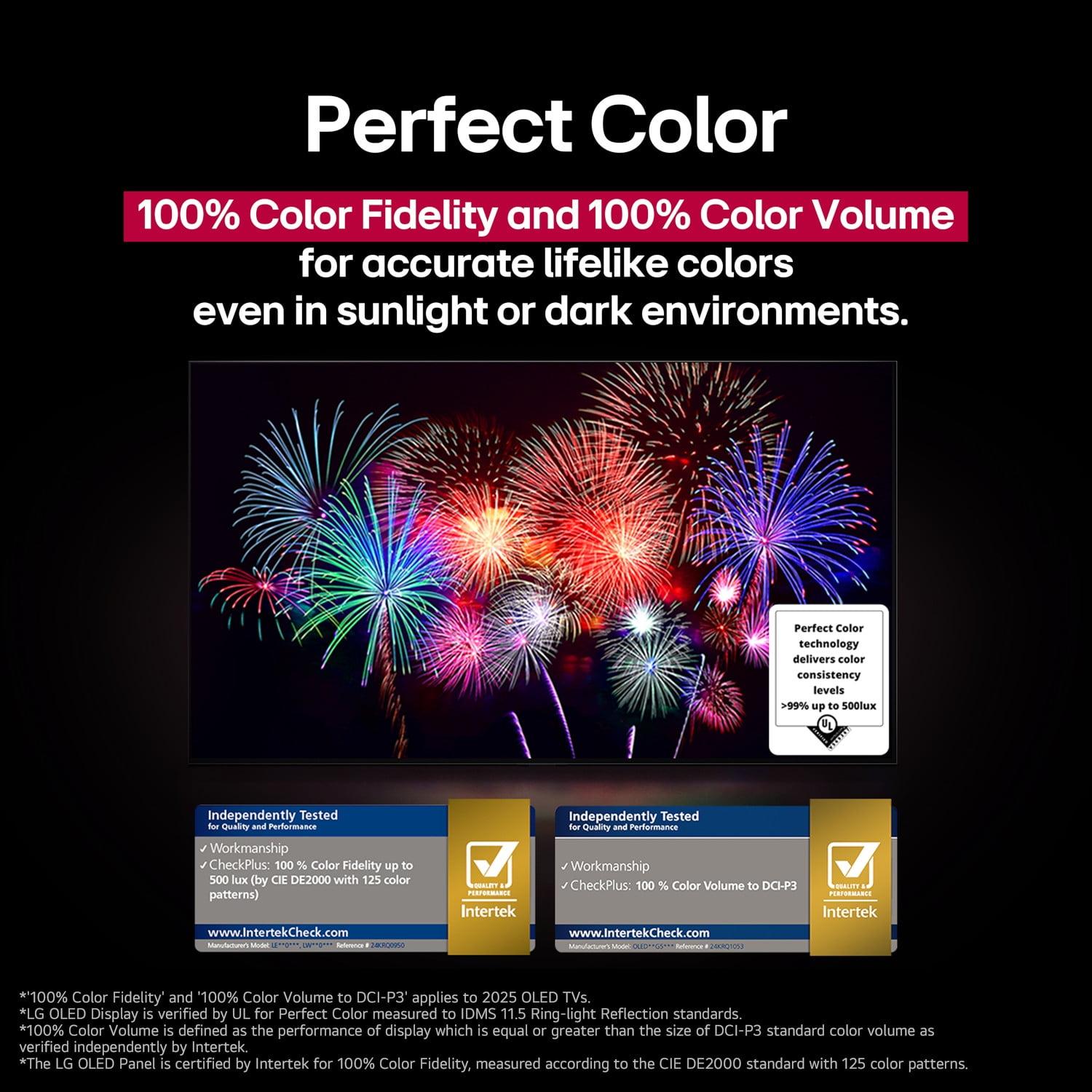
The Sony BRAVIA 8, while dimmer, compensates with more sophisticated tone mapping. Sony's approach prioritizes natural color reproduction and film-like presentation over raw brightness numbers. This means skin tones look more realistic, and the overall image feels more cinematic—closer to what directors intended when they mastered the content.
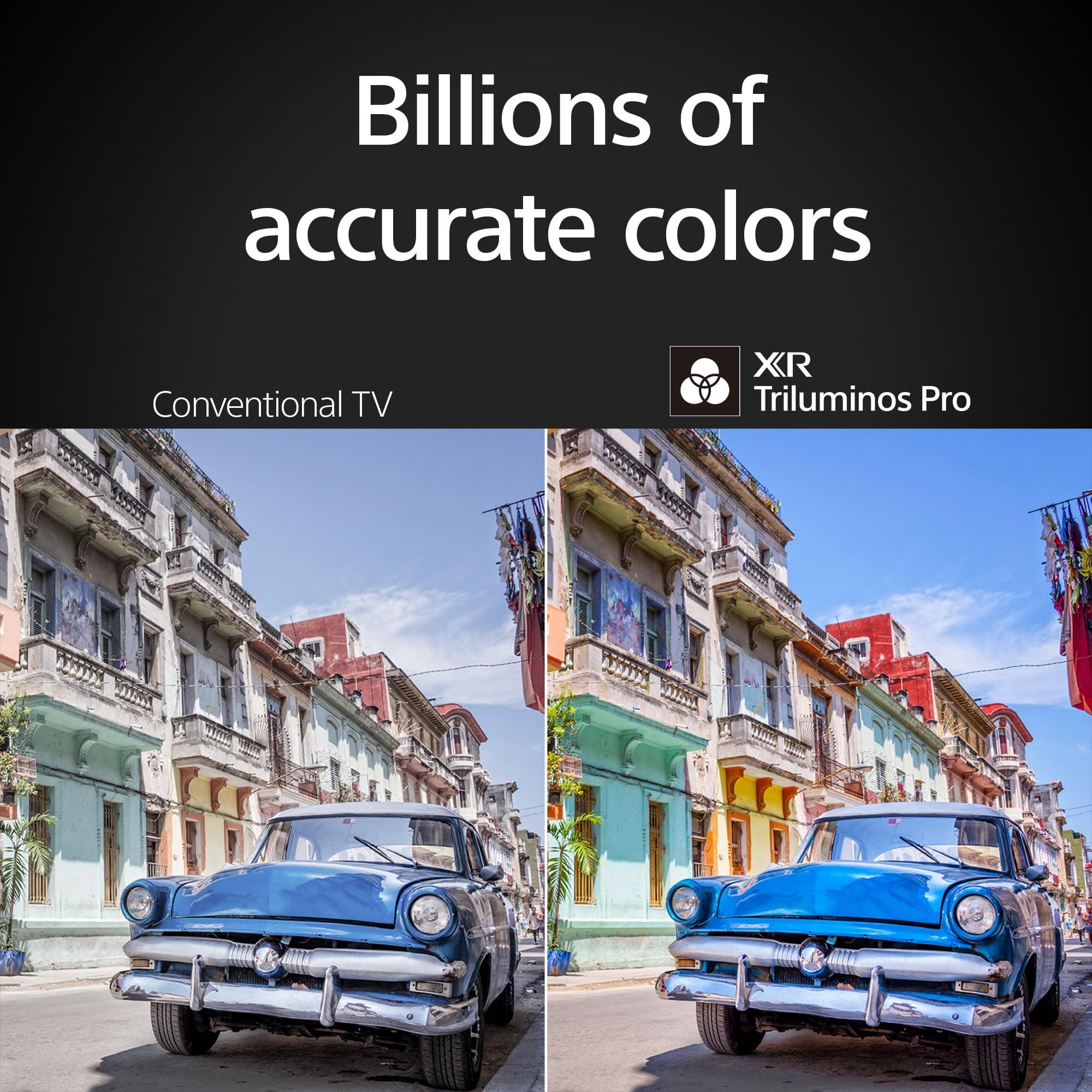
Both TVs excel at color reproduction, but they take different philosophical approaches. The LG C5 uses its Alpha 9 AI Processor Gen8 to analyze content in real-time, applying AI-driven enhancements to optimize picture quality. This system can upscale lower-resolution content impressively, but some users find the AI processing makes images look artificially enhanced.
The Sony BRAVIA 8's Cognitive Processor XR takes a more conservative approach, focusing on natural color reproduction and motion handling. Sony's strength lies in upscaling—taking 1080p content and making it look genuinely good on a 4K screen while preserving the original character of the content, including film grain and subtle details.
For home theater enthusiasts, this difference matters significantly. If you're building a dedicated movie-watching setup, Sony's more natural processing typically provides a more authentic cinematic experience. However, if you want content to look as vibrant and punchy as possible, LG's approach often delivers more immediate visual impact.
Gaming represents the starkest difference between these TVs. The LG OLED evo C5 is simply in a different league for gaming applications.
The C5 features four HDMI 2.1 ports, all supporting 4K resolution at up to 144Hz with Variable Refresh Rate (VRR). This means you can connect multiple gaming devices—PlayStation 5, Xbox Series X, a gaming PC, and a streaming device—without compromising on gaming performance. The 144Hz refresh rate support future-proofs the TV for upcoming console updates and high-end PC gaming.
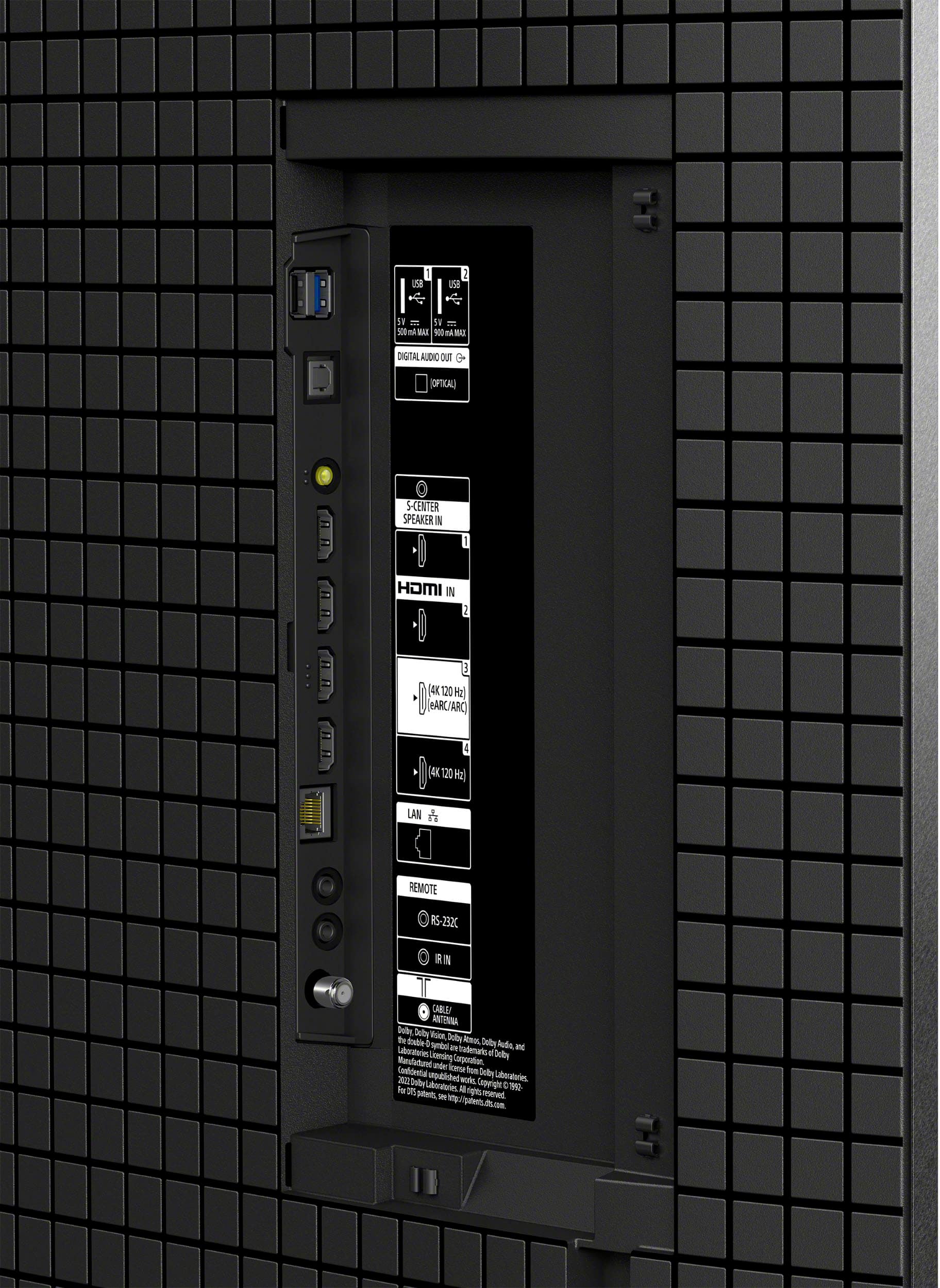
The Sony BRAVIA 8's two HDMI 2.1 ports feel limiting by comparison. While 120Hz gaming support is adequate for current consoles, the port limitation means you'll be constantly switching cables if you have multiple gaming devices. For serious gamers, this represents a significant practical disadvantage.
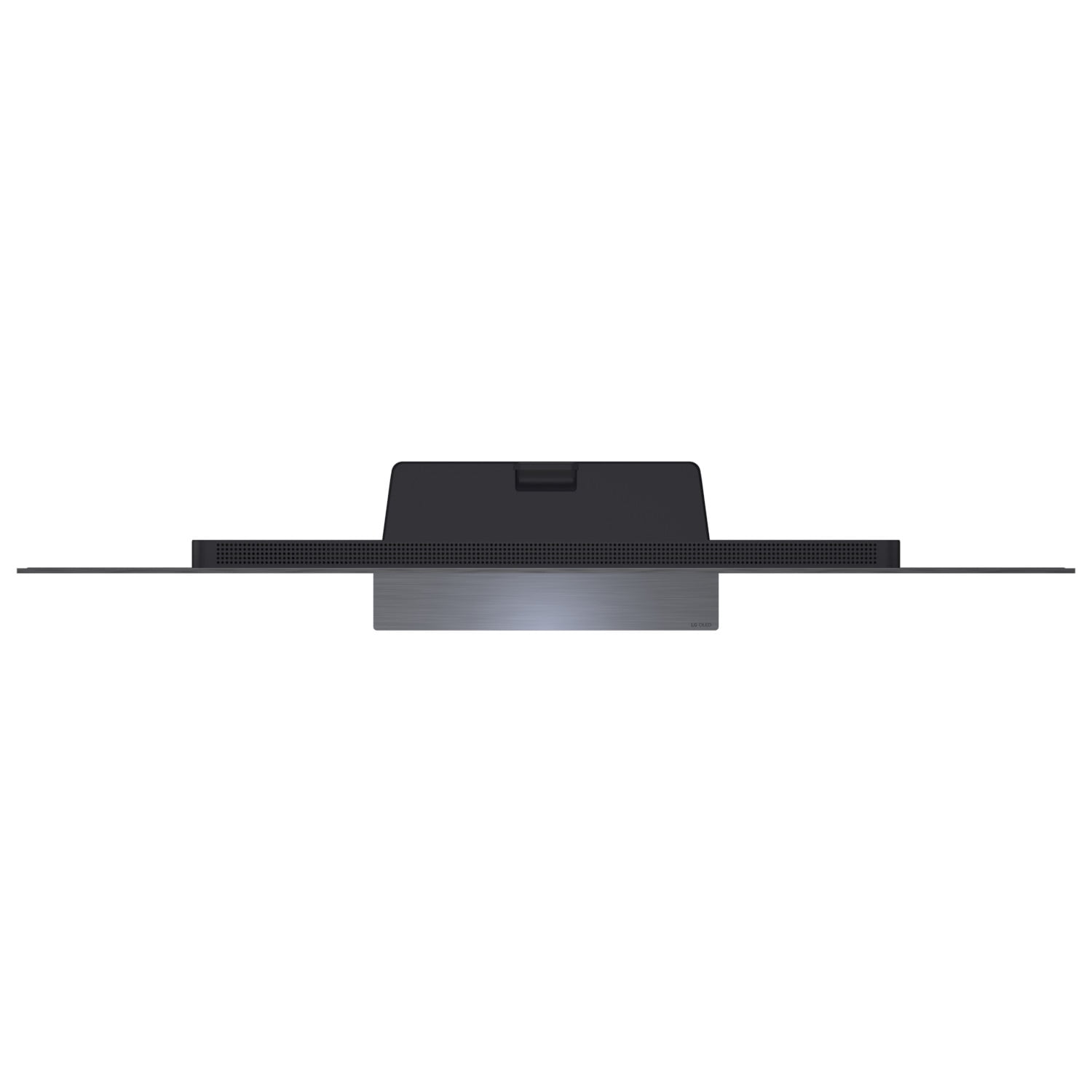
LG's gaming focus shows in features like the Game Optimizer menu, which provides easy access to gaming-specific settings without navigating through complex menus. The 0.1ms response time virtually eliminates input lag—the delay between pressing a button and seeing the action on screen. Auto Low Latency Mode (ALLM) automatically switches to game mode when it detects gaming content, while support for both NVIDIA G-Sync and AMD FreeSync eliminates screen tearing.
The BRAVIA 8 includes basic gaming features like VRR and ALLM, but lacks the comprehensive gaming optimization that makes the C5 exceptional for gaming. If gaming is a priority, the choice is clear.
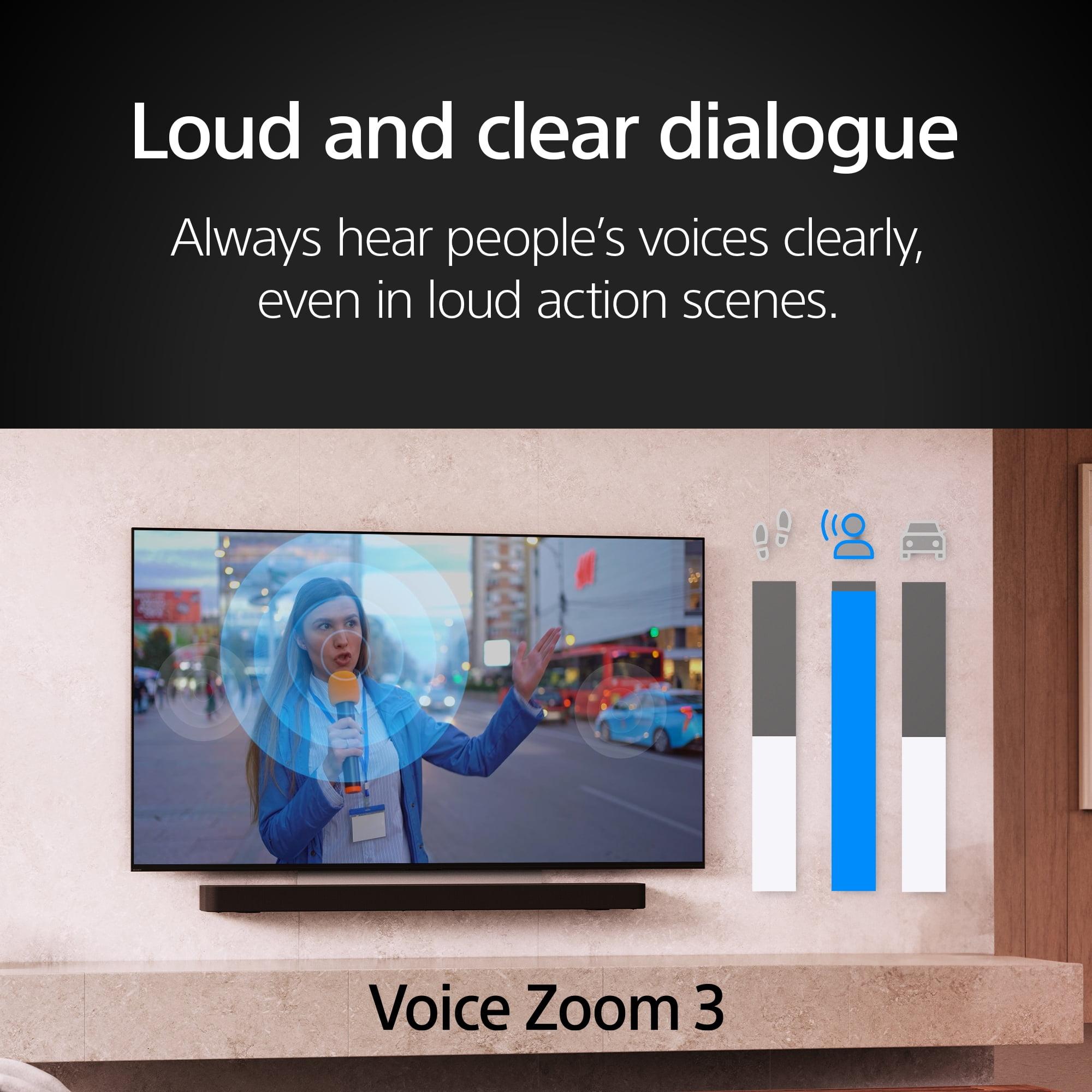
Here's where the Sony BRAVIA 8 truly shines. The Acoustic Surface Audio+ technology is genuinely innovative—the entire screen vibrates to create sound, making dialogue appear to come directly from actors' mouths rather than from speakers below the screen. This creates a more immersive viewing experience, particularly for movies and TV shows.
The built-in 2.1-channel system with 50 watts of power provides surprisingly good audio quality for a thin TV. The bass response, while limited by physics, is adequate for casual viewing. The Acoustic Center Sync feature allows the TV to work seamlessly with Sony soundbars, using the screen as a center channel for more immersive surround sound.
The LG C5's audio system feels more conventional by comparison. While it includes AI Sound processing, users consistently report that the built-in speakers sound harsh and lack the refinement of Sony's system. For the LG, you're more likely to need external speakers or a soundbar to achieve satisfactory audio quality.
Both TVs offer capable smart TV experiences, but with different strengths. The LG C5 runs webOS 2025, featuring the new Magic Remote with improved voice control and AI-driven content recommendations. The interface organizes content through Quick Cards, making it easy to group and access frequently used apps. LG includes over 300 free channels, which adds value for cord-cutters.
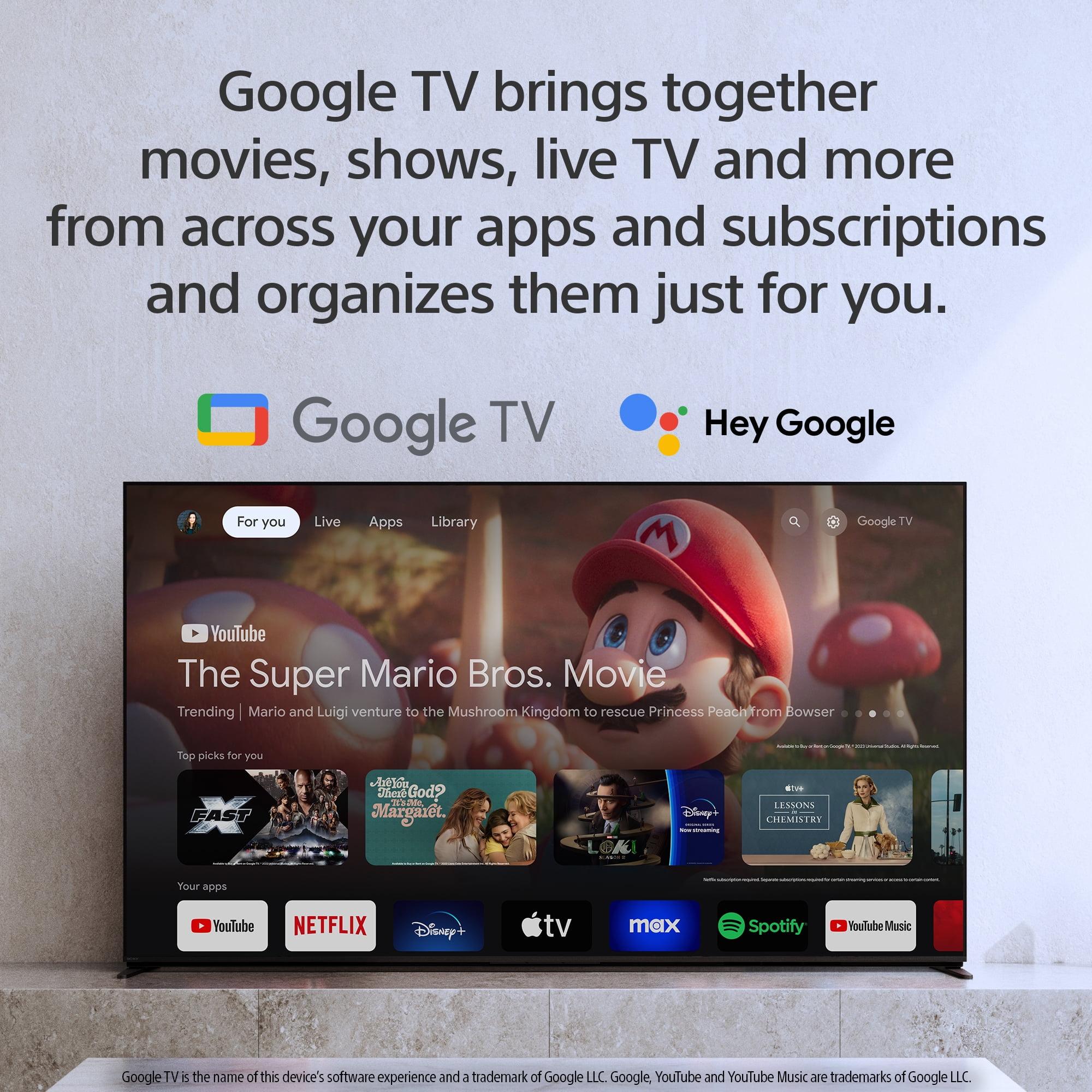
Sony's Google TV platform provides excellent content discovery, aggregating shows and movies from multiple streaming services into a unified interface. The integration with Google services feels more natural if you're already using Google products, and Chromecast built-in makes sharing content from mobile devices seamless.
In practice, both platforms work well for daily use. The choice often comes down to personal preference and ecosystem integration rather than significant functional differences.
For dedicated home theater setups, these TVs serve different purposes. The Sony BRAVIA 8 excels in controlled lighting environments where its natural color reproduction and superior motion handling create an authentic cinematic experience. The Acoustic Surface Audio+ technology reduces the need for a center channel speaker in basic surround sound setups.
The LG C5 works better in multipurpose living rooms where ambient light is a factor. Its higher brightness ensures HDR content maintains impact even with some room lighting. The comprehensive gaming features also make it ideal for households that use the TV for both movies and gaming.
Both TVs support essential home theater features like Dolby Vision HDR and eARC (enhanced Audio Return Channel) for high-quality audio passthrough to external sound systems. Neither supports DTS audio passthrough, which might disappoint users with extensive physical media collections that use DTS soundtracks.
The $754 price difference between these TVs represents one of the most significant considerations for many buyers. The Sony BRAVIA 8 offers approximately 80% of the LG C5's capabilities at about 65% of the price, making it an exceptional value proposition.
The LG C5's premium pricing reflects its cutting-edge technology, superior brightness, and comprehensive gaming features. If you're an enthusiast who wants the latest technology and plans to use the TV for gaming, the additional cost may be justified. The future-proofing aspect of having the latest processor and full gaming feature set could extend the TV's useful life.
For buyers focused primarily on movie and TV viewing, the Sony BRAVIA 8's lower price point makes it incredibly attractive. The money saved could fund a quality soundbar or other home theater components, potentially creating a better overall entertainment system.
Choose the LG OLED evo C5 if you:
Choose the Sony BRAVIA 8 if you:
Both TVs deliver exceptional OLED performance, but they target different users. The LG C5 represents the premium choice for enthusiasts and gamers who want maximum brightness and features. The Sony BRAVIA 8 offers outstanding value for traditional TV viewing with superior audio and natural image processing.
For most buyers, the Sony BRAVIA 8's combination of excellent picture quality, superior audio, and significantly lower price makes it the smarter choice. However, if gaming is important to you or you have a bright room, the LG C5's additional capabilities justify its premium pricing.
The beauty of having two excellent options is that you really can't go wrong with either choice—it's just a matter of which approach better matches your priorities and budget.
| LG OLED evo C5 65" 4K TV 2025 | Sony BRAVIA 8 65" 4K OLED TV |
|---|---|
| Price - Major factor in value consideration | |
| $2,196.99 | $1,442.20 |
| Release Date - Affects technology generation and pricing | |
| Spring 2025 (latest generation) | 2024 model continued into 2025 |
| Panel Type - Determines color reproduction and brightness capabilities | |
| WOLED (White OLED) | QD-OLED (Quantum Dot OLED) |
| Peak Brightness - Critical for bright rooms and HDR impact | |
| Significantly brighter in SDR and HDR | Lower peak brightness, better for dark rooms |
| Processor - Affects image processing and AI features | |
| Alpha 9 AI Processor Gen8 | Sony Cognitive Processor XR |
| Gaming Refresh Rate - Essential for competitive gaming | |
| 4K at 144Hz | 4K at 120Hz |
| HDMI 2.1 Ports - Determines how many gaming devices you can connect | |
| 4 ports (all support 4K/144Hz, VRR) | 2 ports (limits multiple gaming setups) |
| Gaming Features - Important for console and PC gamers | |
| Comprehensive: VRR, ALLM, G-Sync/FreeSync, Game Optimizer | Basic: VRR, ALLM support only |
| Audio Technology - Affects whether you need external speakers | |
| Standard TV speakers with AI Sound | Acoustic Surface Audio+ (screen vibrates for immersive sound) |
| Smart Platform - Your daily interface experience | |
| webOS 2025 with Magic Remote | Google TV with extensive app ecosystem |
| Color Accuracy - Affects how natural content looks | |
| AI-enhanced, more vivid presentation | Natural, film-like color reproduction |
| Motion Handling - Important for sports and action content | |
| Good motion processing | Superior motion clarity and upscaling |
| Best For - Who should buy each TV | |
| Gamers, bright rooms, latest tech enthusiasts | Movie lovers, budget-conscious buyers, audio quality prioritizers |
The LG OLED evo C5 65" 4K TV 2025 is significantly better for gaming. It offers 4K at 144Hz refresh rate across all four HDMI 2.1 ports, while the Sony BRAVIA 8 65" 4K OLED TV only supports 4K at 120Hz on two HDMI 2.1 ports. The LG also includes comprehensive gaming features like VRR, ALLM, G-Sync/FreeSync compatibility, and a dedicated Game Optimizer menu.
The LG OLED evo C5 performs much better in bright rooms due to its significantly higher peak brightness in both SDR and HDR content. The Sony BRAVIA 8 has lower brightness levels, making it better suited for dark or controlled lighting environments like dedicated home theaters.
The LG OLED evo C5 65" 4K TV 2025 costs $2,196.99, while the Sony BRAVIA 8 65" 4K OLED TV is priced at $1,442.20. This represents a $754 price difference, with the Sony offering about 34% better value for buyers focused on core OLED performance.
The Sony BRAVIA 8 has superior built-in audio with its Acoustic Surface Audio+ technology, where the entire screen vibrates to create immersive sound. The LG OLED evo C5 has standard TV speakers that users often describe as harsh, making external speakers more necessary.
Yes, both excel in home theaters but serve different needs. The Sony BRAVIA 8 is ideal for dark room viewing with its natural color reproduction and superior motion handling. The LG OLED evo C5 works better in multipurpose rooms where some ambient light is present, thanks to its higher brightness capabilities.
The LG OLED evo C5 65" 4K TV 2025 is the newer model, released in spring 2025 with the latest Alpha 9 AI Processor Gen8. The Sony BRAVIA 8 is a 2024 model that continues into 2025, representing more mature but proven technology.
Both TVs support all major streaming services, but use different smart platforms. The LG OLED evo C5 runs webOS 2025 with Magic Remote, while the Sony BRAVIA 8 uses Google TV. Both platforms are user-friendly and offer extensive app selections.
The Sony BRAVIA 8 typically provides more natural, film-like color reproduction that's closer to what directors intended. The LG OLED evo C5 uses AI enhancement that can make colors more vivid and punchy, but some users find this less natural for cinematic viewing.
The LG OLED evo C5 supports four gaming devices at full 4K/144Hz performance with all four HDMI 2.1 ports. The Sony BRAVIA 8 only has two HDMI 2.1 ports, limiting you to two high-performance gaming connections, which may require cable switching for multiple devices.
The Sony BRAVIA 8 65" 4K OLED TV offers better value at $1,442.20, providing excellent OLED performance, superior audio, and natural image quality at a lower price. The LG OLED evo C5 at $2,196.99 is better for those who need maximum brightness and gaming features.
Yes, both the LG OLED evo C5 and Sony BRAVIA 8 support HDR10 and Dolby Vision for enhanced contrast and color. However, the LG's higher brightness makes HDR content more impactful, while the Sony provides more natural HDR tone mapping.
For primarily watching movies and TV shows, the Sony BRAVIA 8 65" 4K OLED TV is the better choice. It offers superior built-in audio, more natural color reproduction, better motion handling, and excellent value at $1,442.20. The LG OLED evo C5 is better if you also game frequently or have a bright viewing room.
We've done our best to create useful and informative comparisons to help you decide what product to buy. Our research uses advanced automated methods to create this comparison and perfection is not possible - please contact us for corrections or questions. These are the sites we've researched in the creation of this article: bestbuy.com - rtings.com - youtube.com - businessinsider.com - youtube.com - bestbuy.com - lg.com - files.bbystatic.com - lg.com - flatpanelshd.com - lg.com - blvdhome.com - bhphotovideo.com - flanners.com - videopro.com.au - bestbuy.com - bestbuy.com - crutchfield.com - avsforum.com - electronics.sony.com - sony.com - store.sony.co.nz - sony.com - displayspecifications.com

Privacy Policy
Terms and Conditions - Affiliate Policy
Home Security
© Copyright 2008-2026.
11816 Inwood Rd #1211, Dallas, TX 75244