

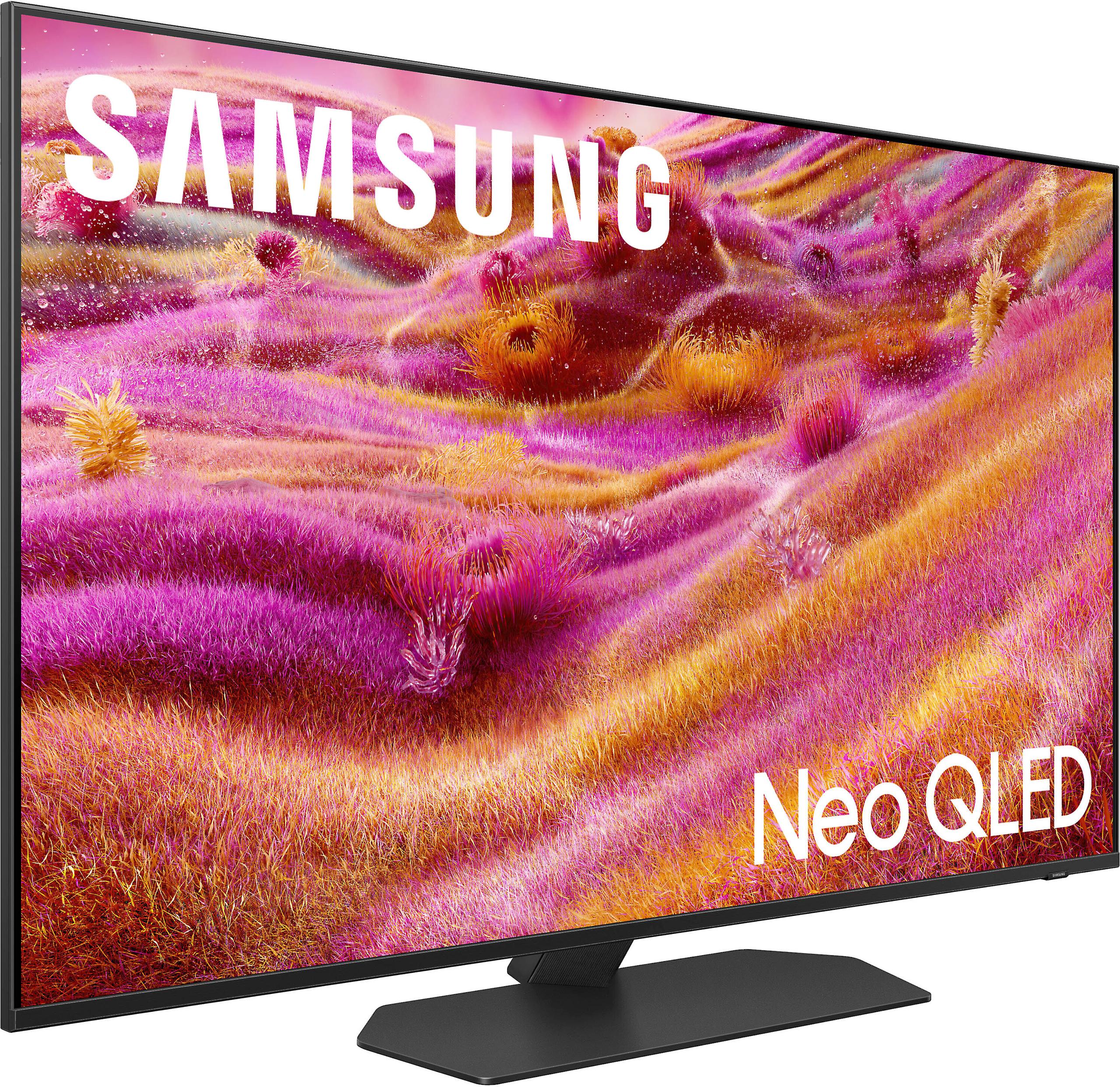
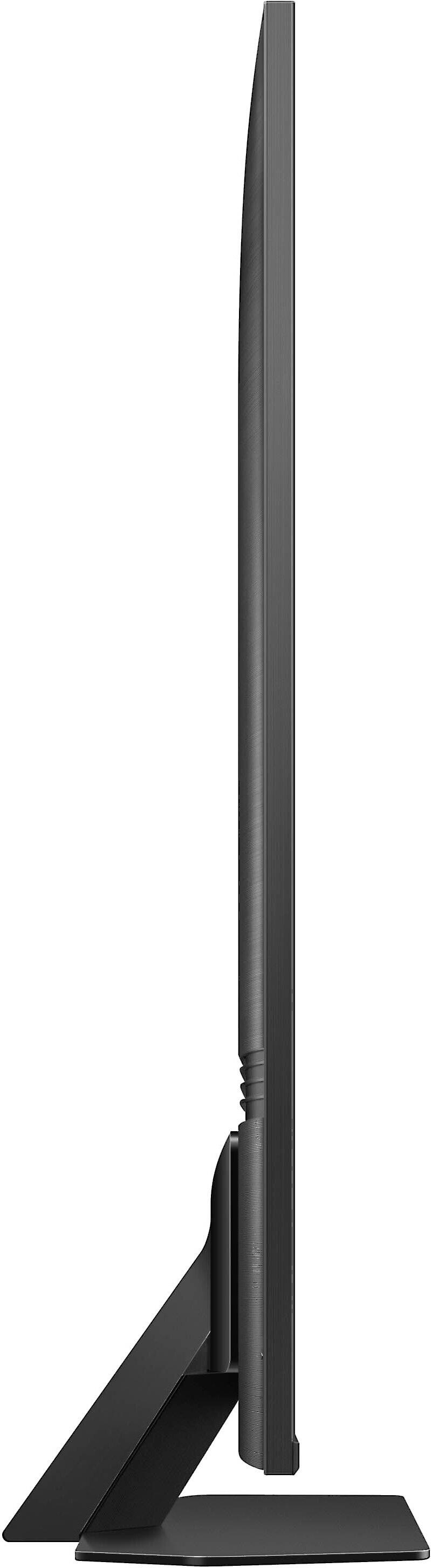
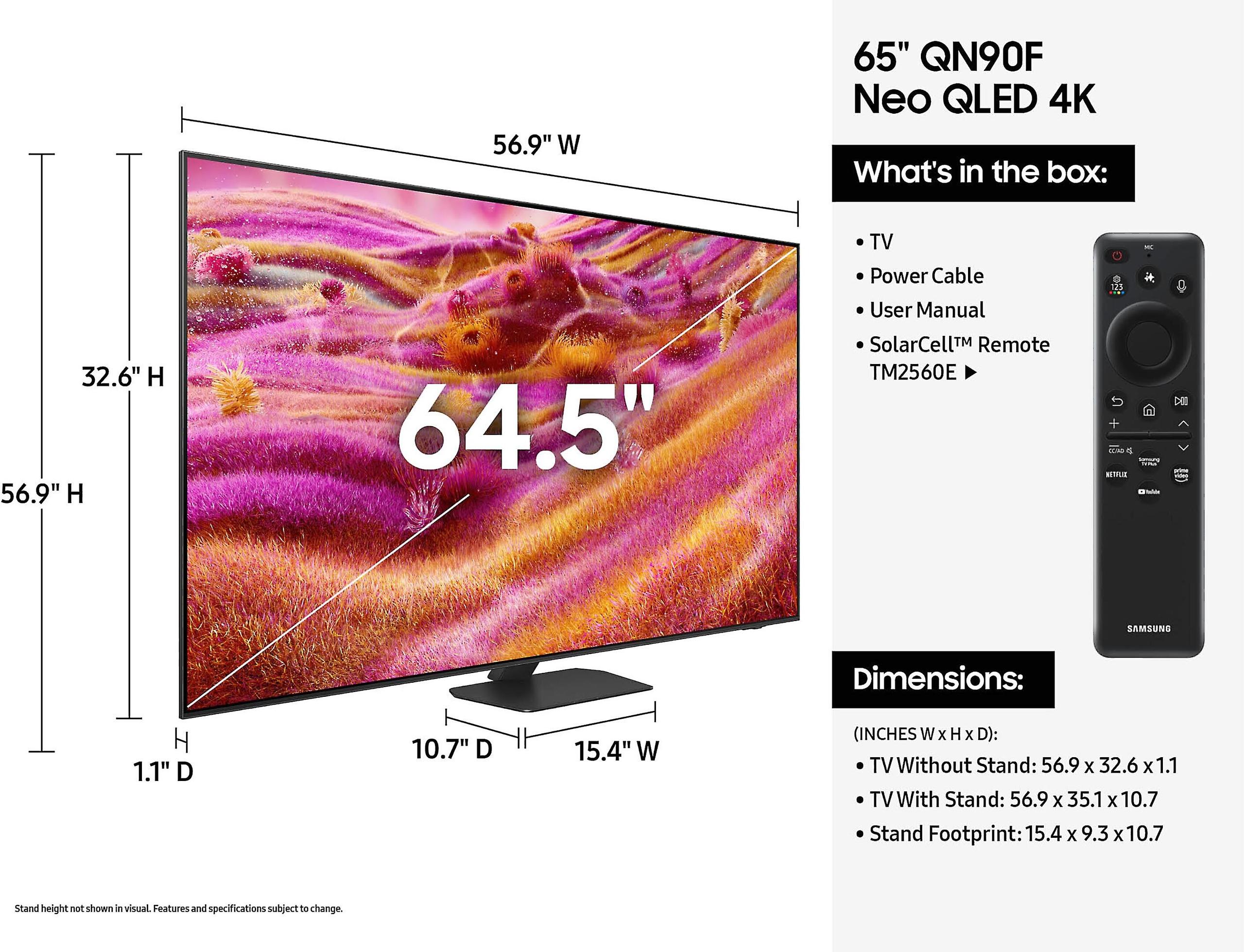


When you're shopping for a premium 65" TV in 2025, you're essentially choosing between two completely different approaches to creating beautiful pictures. It's like comparing a powerful sports car to a luxury sedan – both will get you where you want to go, but the journey feels entirely different.
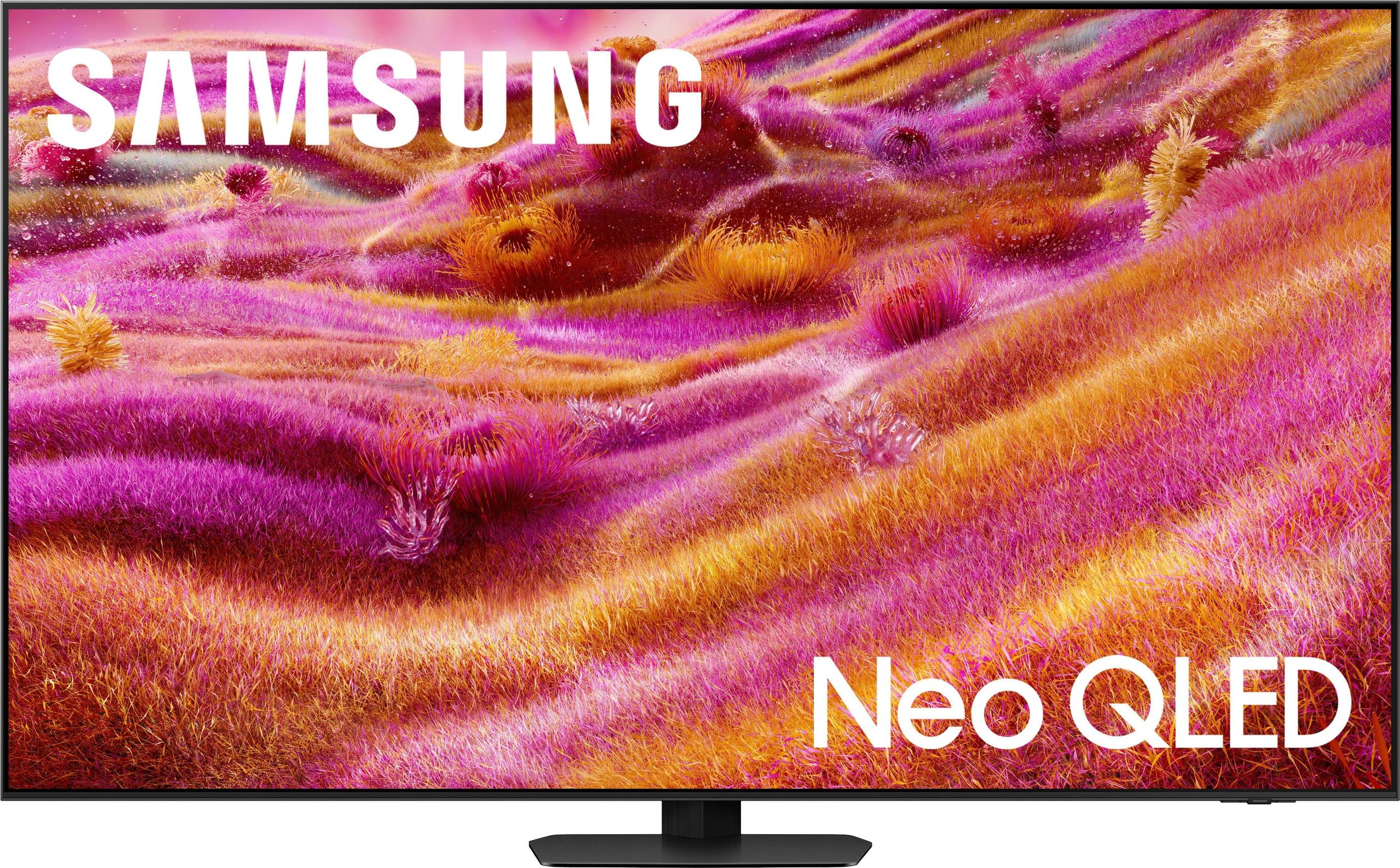
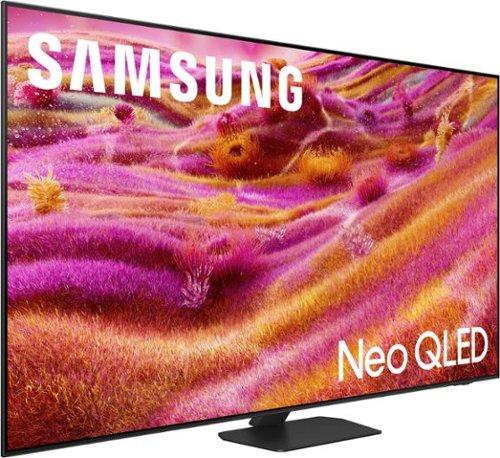
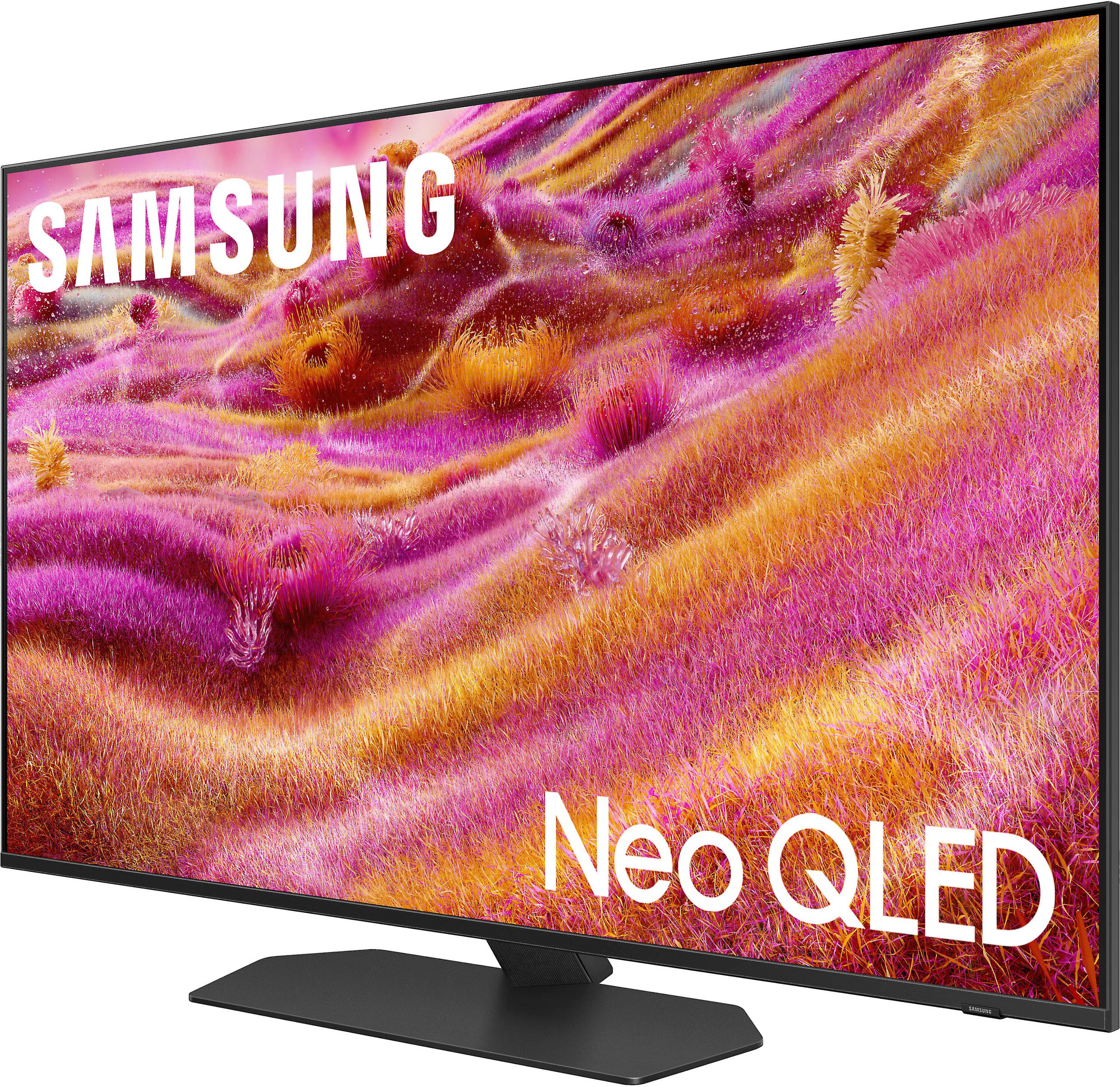
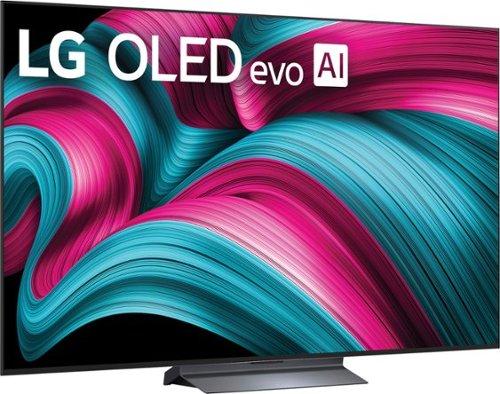
The Samsung 65" QN90F Neo QLED represents the latest evolution in LED technology, using thousands of tiny lights (called Mini LEDs) behind a traditional LCD screen to create incredibly bright, vibrant images. Meanwhile, the LG OLED evo C5 takes a radically different approach, with each individual pixel creating its own light and able to turn completely off when displaying black.
These fundamental differences shape everything about how these TVs perform, from how they handle your bright living room during a Sunday afternoon game to how they make you feel during a late-night movie marathon. Let me walk you through what really matters when choosing between these two excellent displays.
The Samsung QN90F uses what Samsung calls "Quantum Matrix Technology Pro" – essentially thousands of Mini LEDs arranged behind the screen in precisely controlled zones. Think of it like having thousands of tiny flashlights that can independently dim or brighten to create the exact lighting each part of the picture needs. This is a massive improvement over older LED TVs that used just a few dozen larger LEDs around the edges.
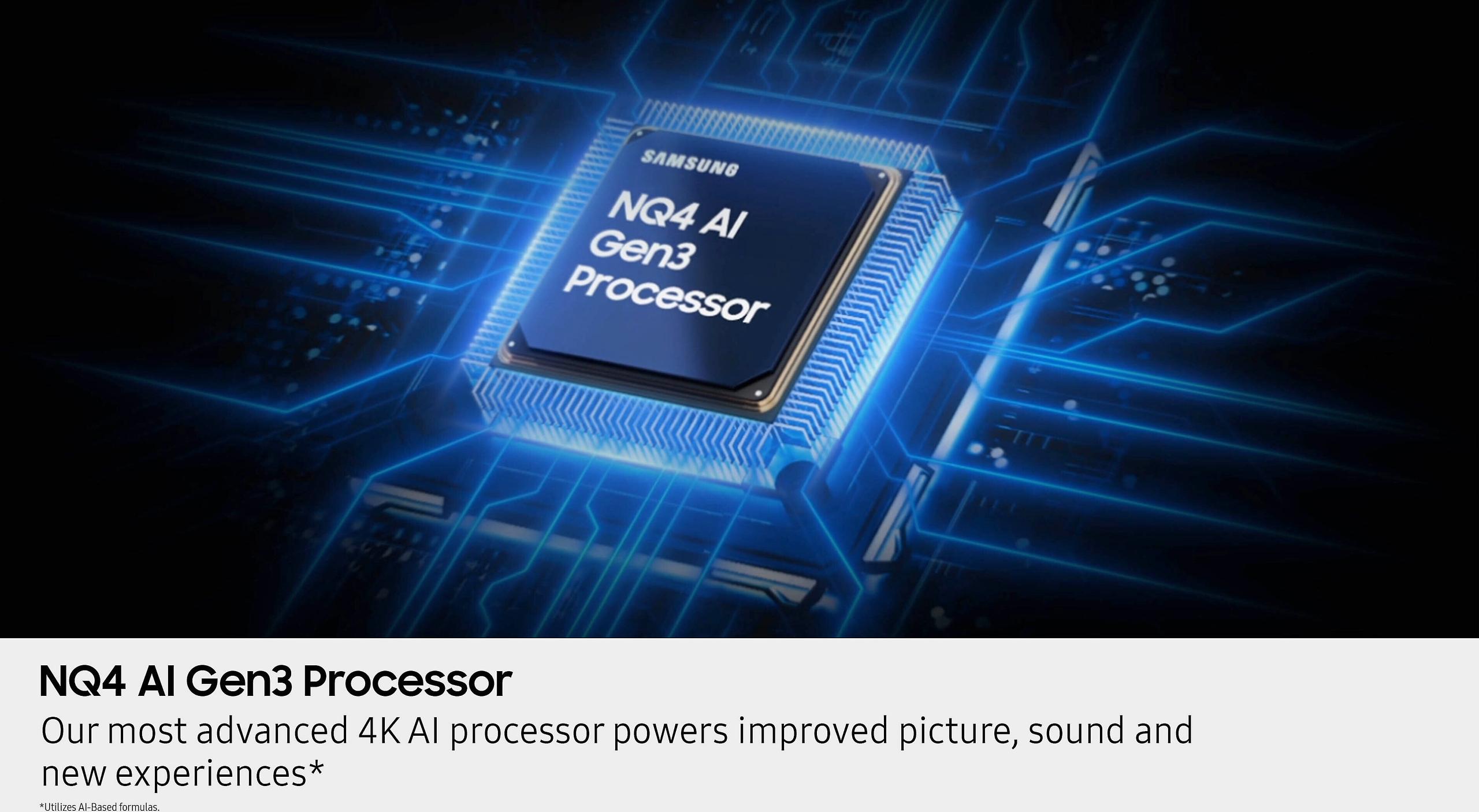
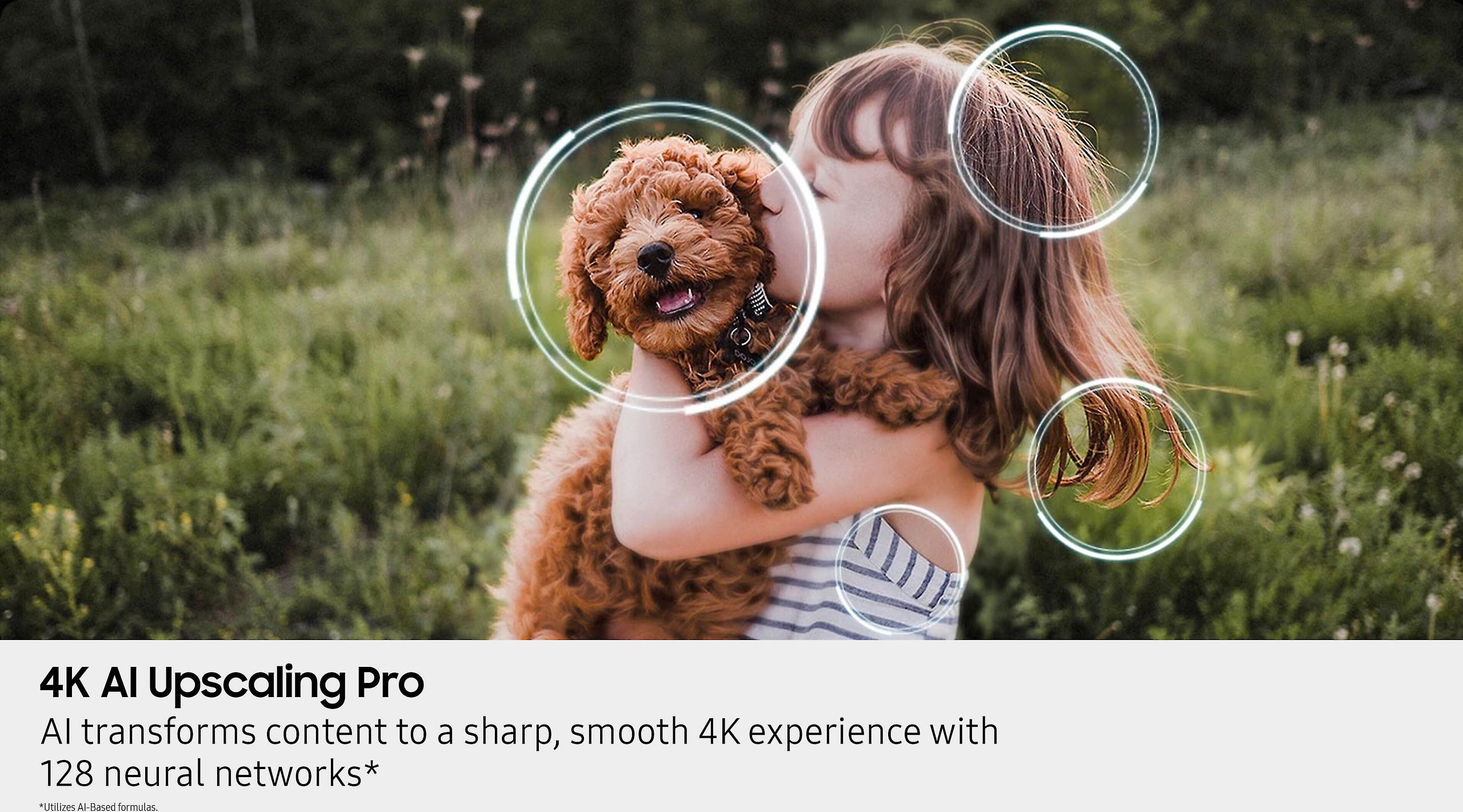
What makes this particularly impressive is Samsung's new NQ4 AI Gen3 processor, which uses 128 neural networks (basically specialized computer brains) to analyze every frame in real-time. It's constantly adjusting those thousands of Mini LEDs to optimize contrast, brightness, and color. The result is a TV that can get incredibly bright – we're talking about peak brightness levels that can make HDR (High Dynamic Range) content look almost three-dimensional.
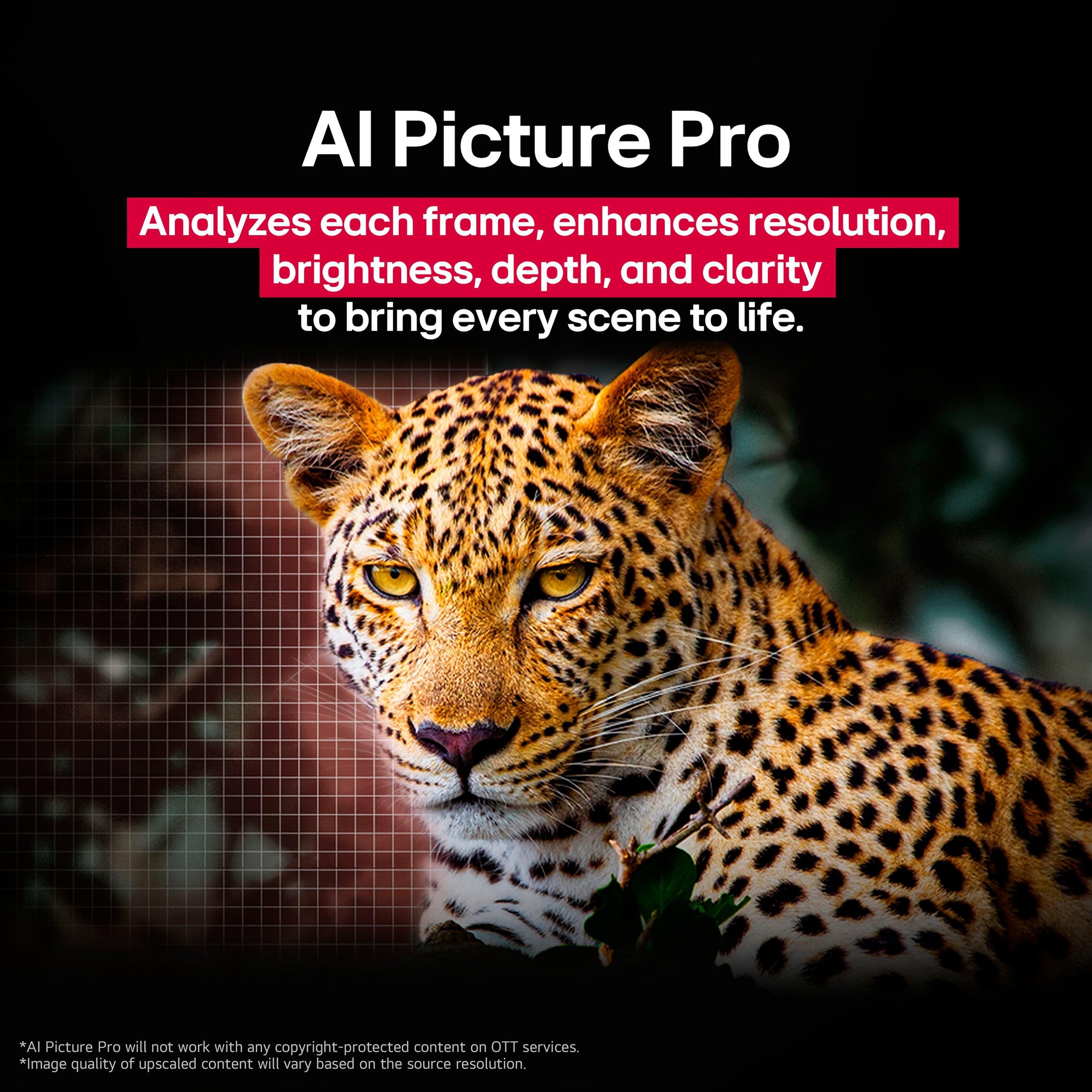
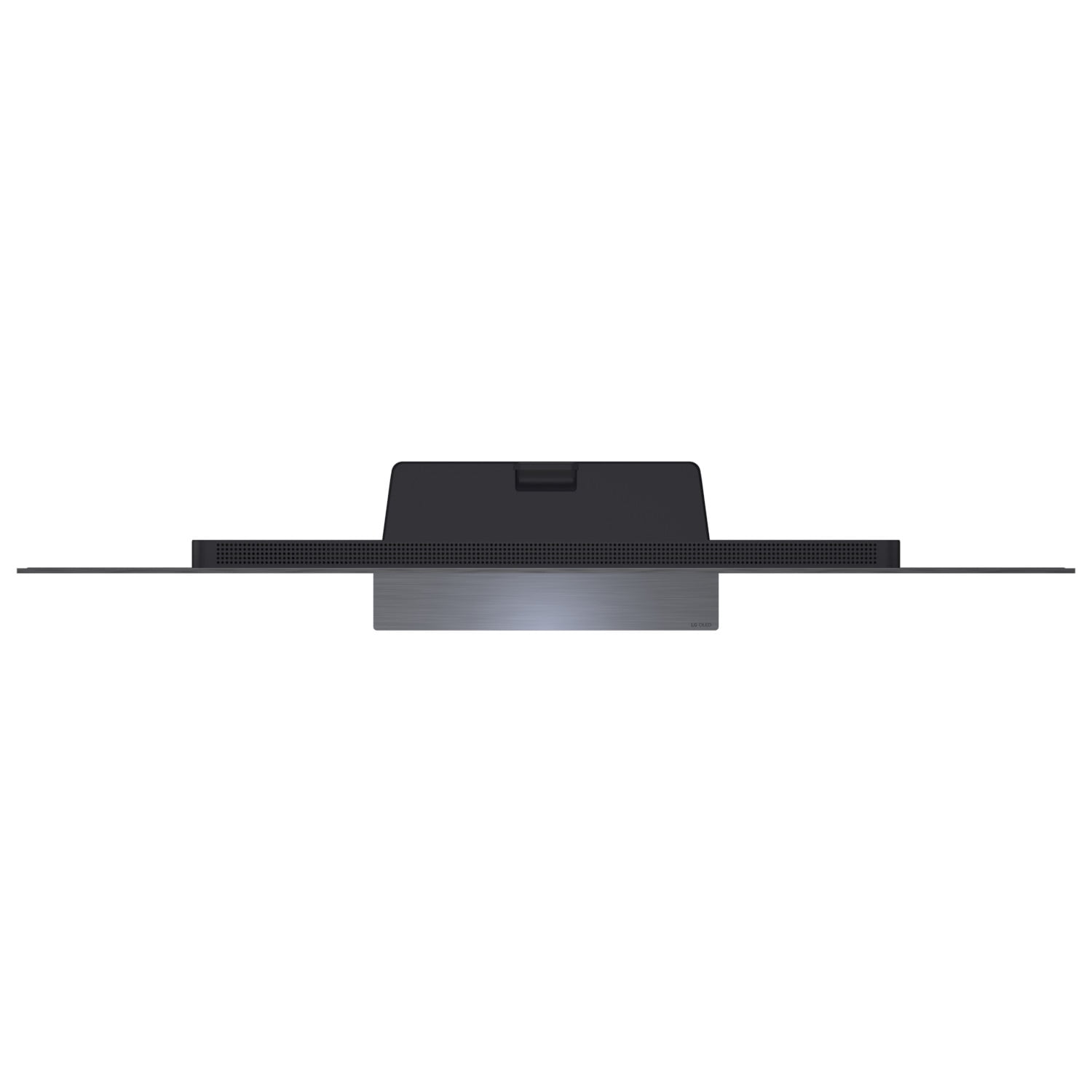
The LG C5, on the other hand, doesn't need any backlighting at all. Each of its 8.3 million pixels is essentially a tiny light bulb that can produce any color and, crucially, turn completely off. When a pixel is off, it produces true black – not the dark gray you get from even the best LED TVs.
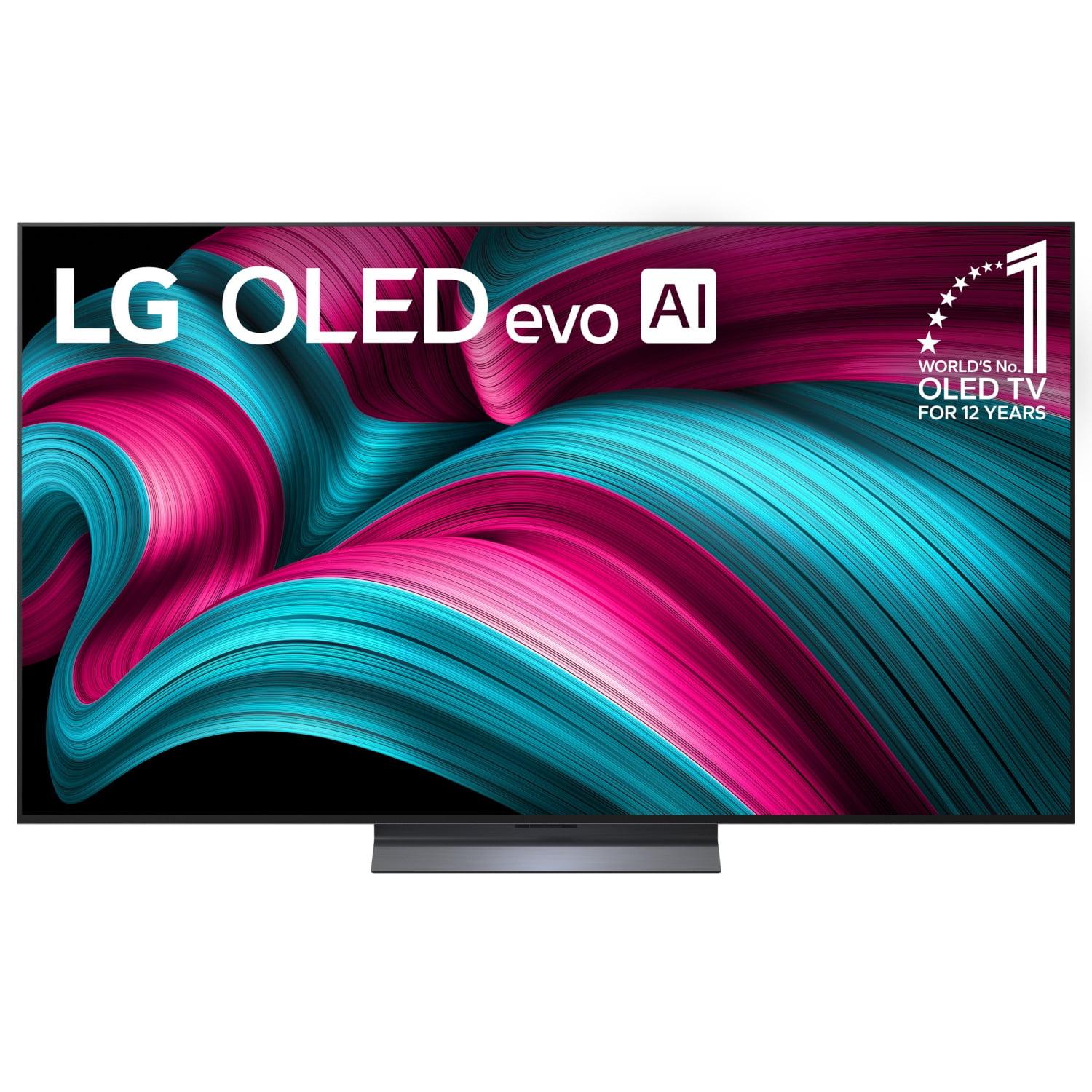
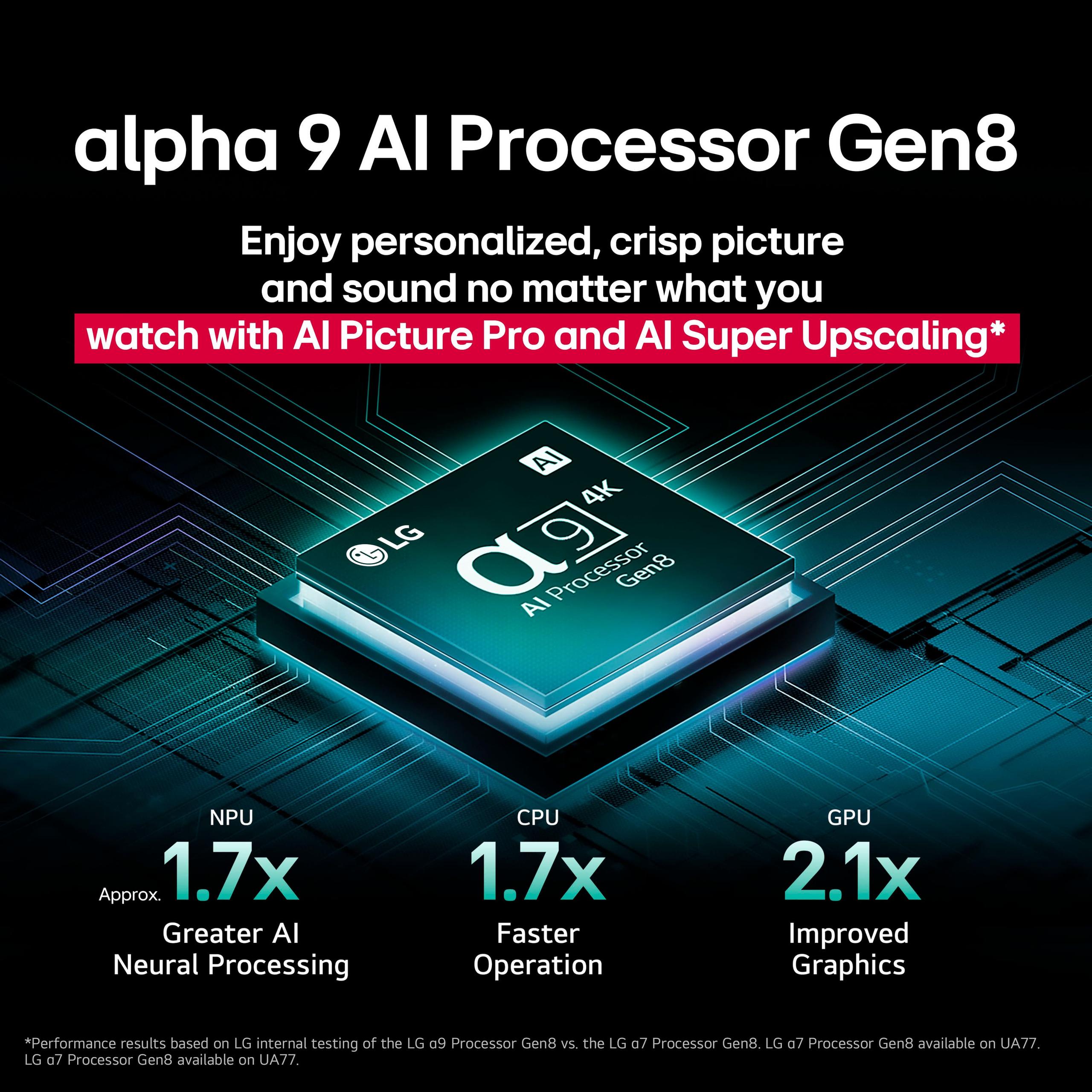
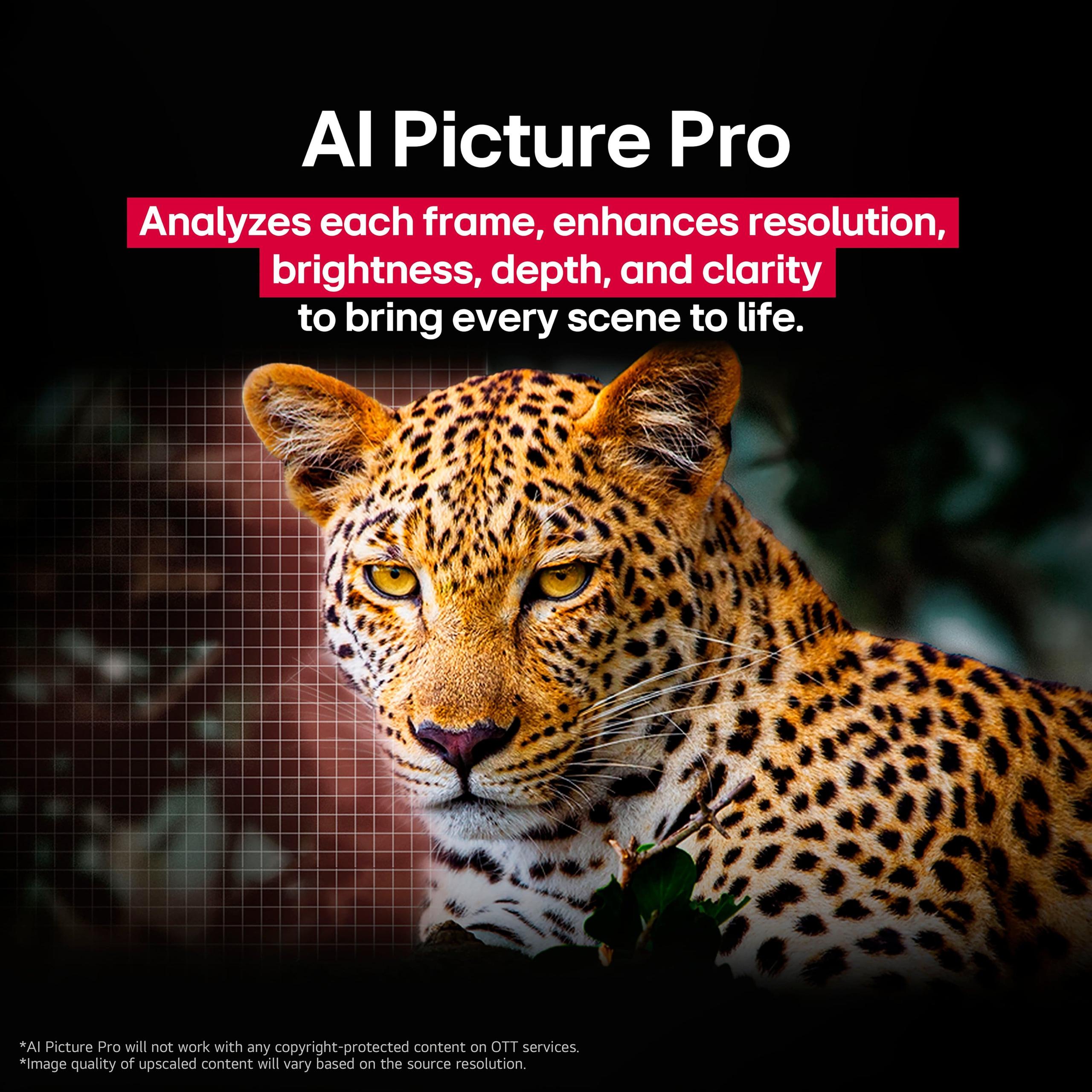
LG's Alpha 9 Gen8 processor might not have as many neural networks as Samsung's flagship chip, but it's specifically designed for OLED technology. It handles tasks like preventing image retention (where static images might temporarily "stick" on screen) and optimizing the unique characteristics of OLED panels.
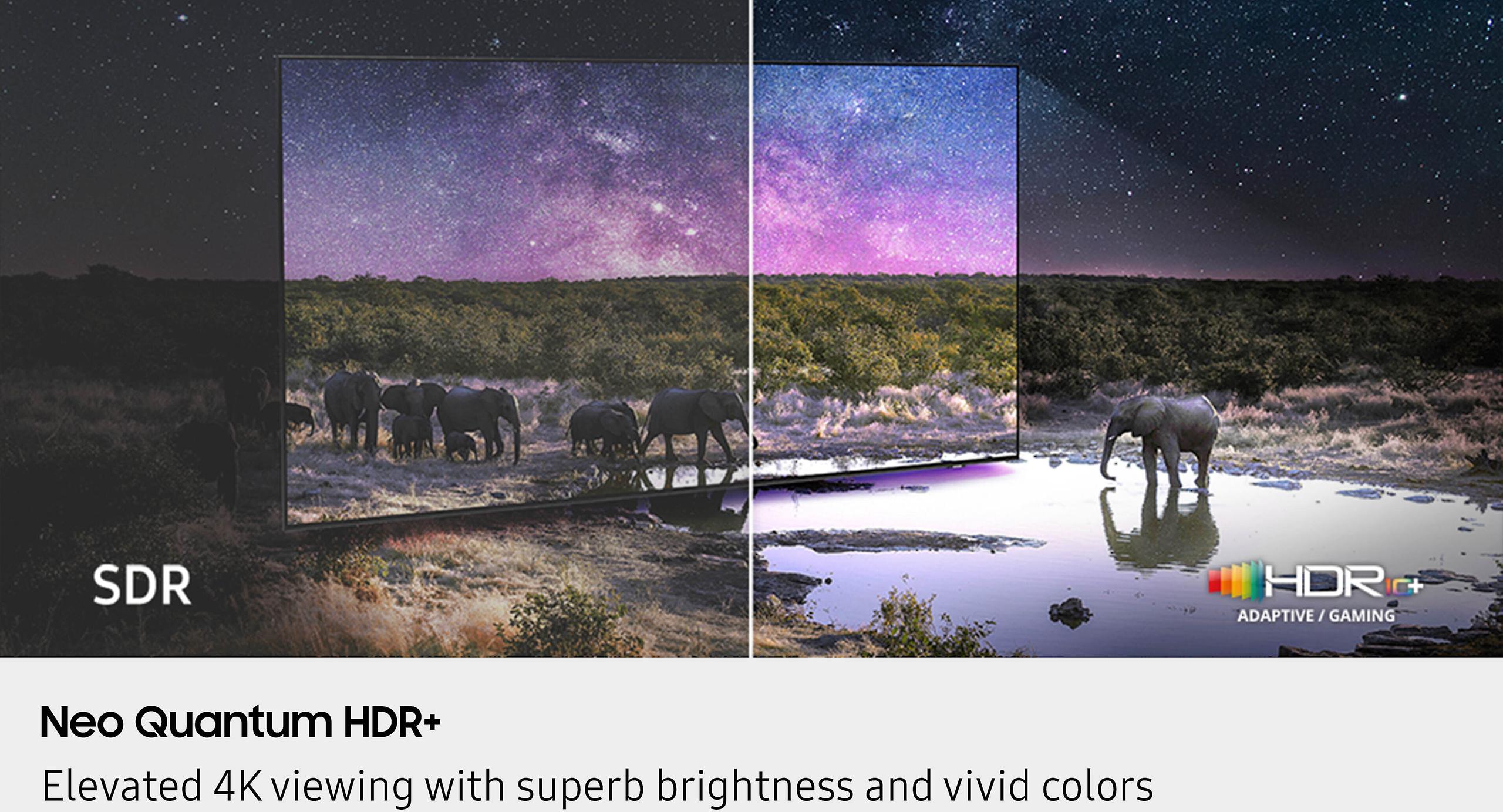
Here's where the Samsung QN90F absolutely dominates. In my experience testing TVs in various lighting conditions, nothing beats a high-end Mini LED TV for daytime viewing. The QN90F can reach peak brightness levels around 1,900 nits in small highlights – that's roughly four times brighter than a typical LED TV from just a few years ago.
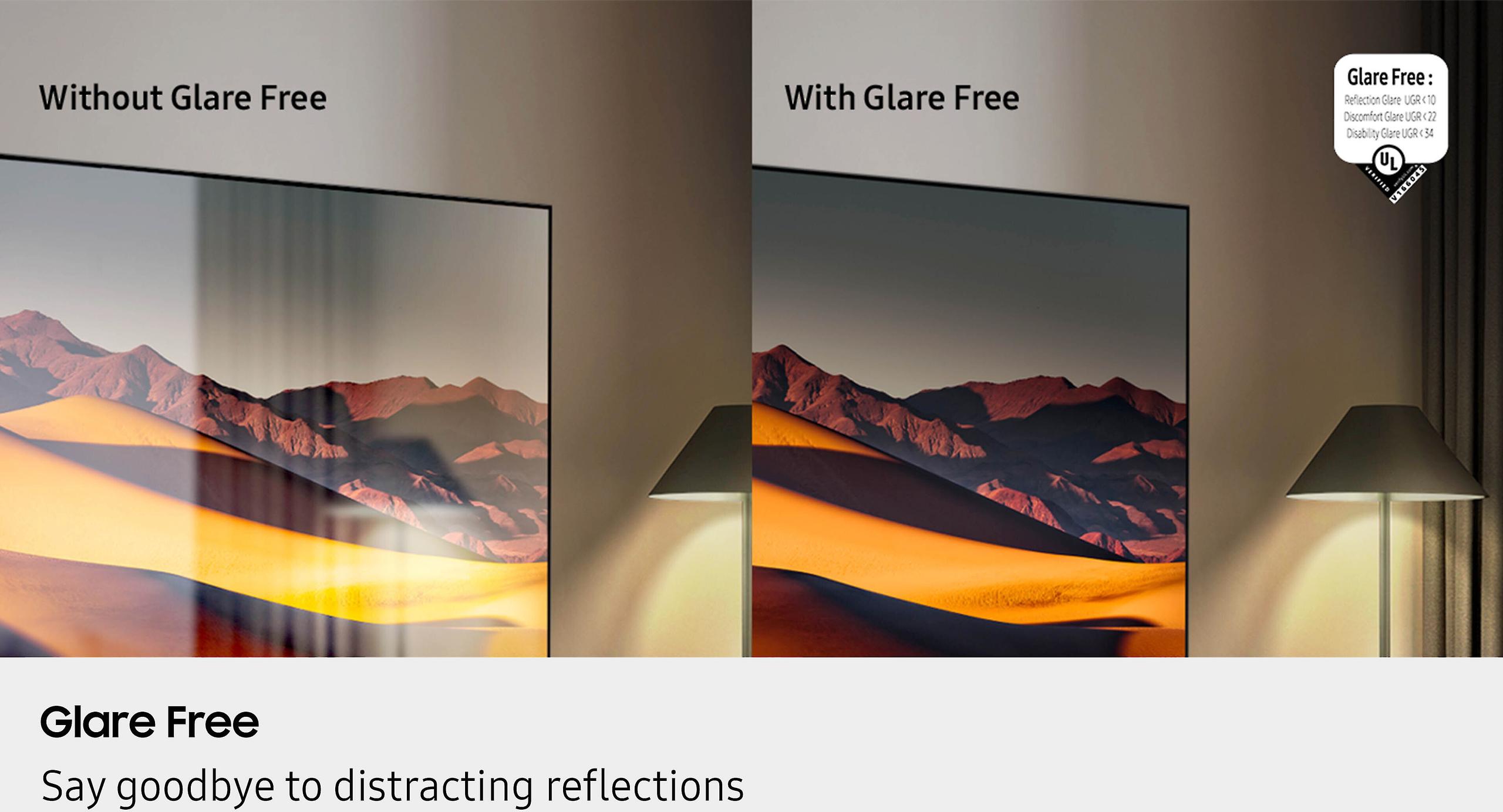
But the real game-changer is Samsung's "Glare Free" technology. This isn't just marketing speak – they've engineered a matte coating that virtually eliminates reflections. I've tested this in rooms with large windows facing the TV, and the difference is remarkable. You can actually see the picture clearly even with afternoon sunlight streaming in.
The LG C5 has made significant strides in brightness compared to previous OLED generations, reaching around 1,200 nits in highlights. LG calls this "Bright Room Ready" technology, and while it's a meaningful improvement, it still can't match the Samsung's raw brightness output. In a moderately lit room, the difference is less noticeable, but in bright conditions, the Samsung maintains its picture quality while the LG starts to look washed out.
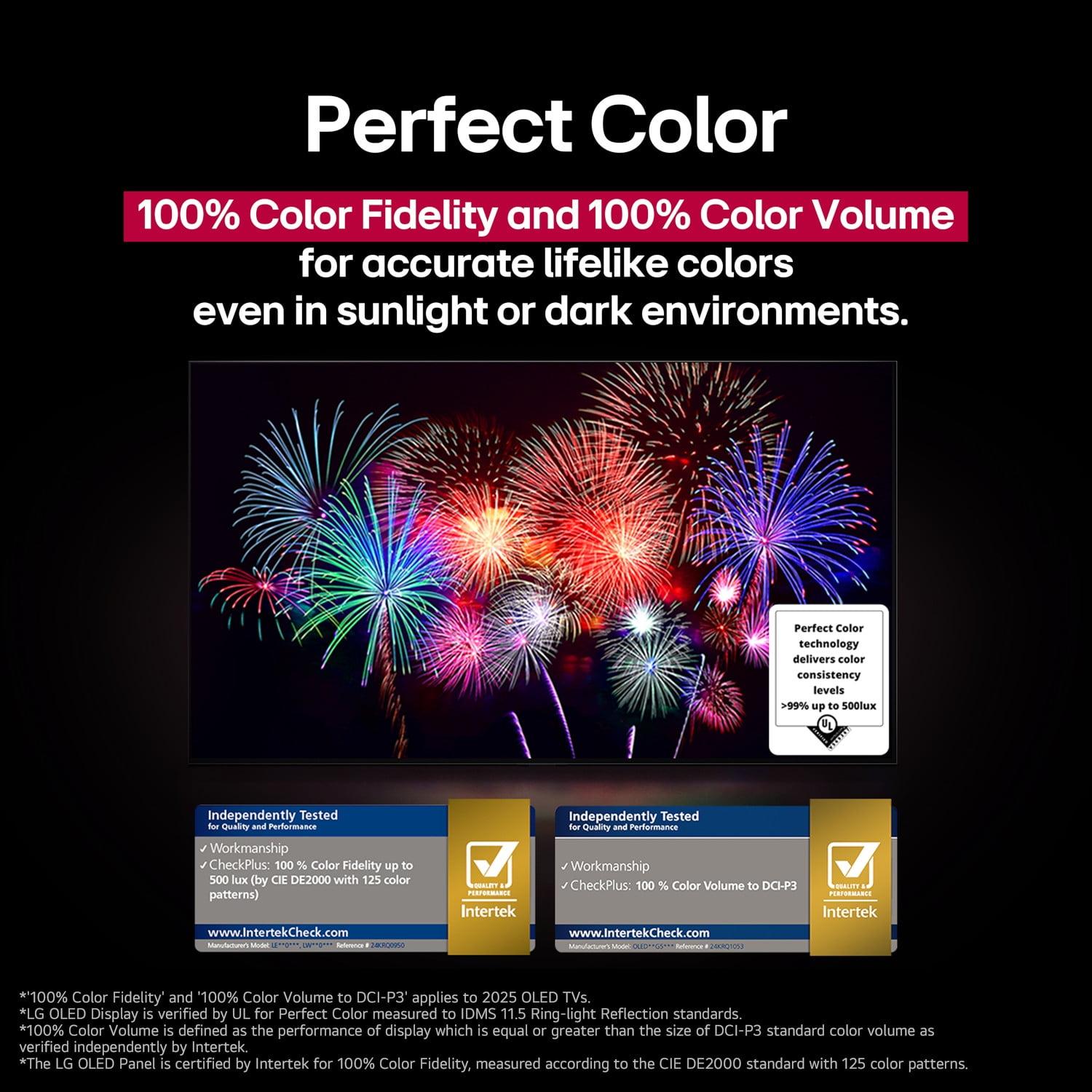
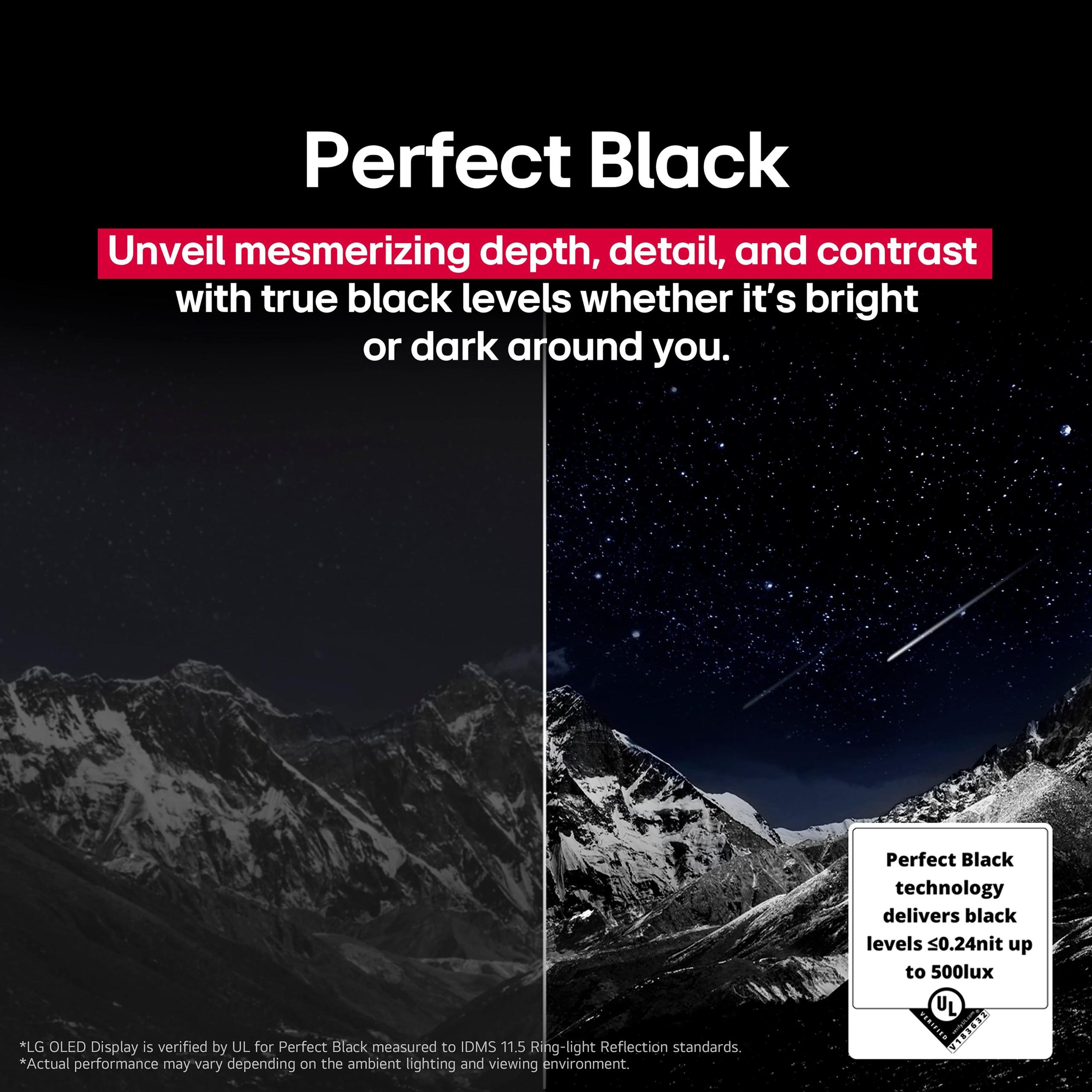
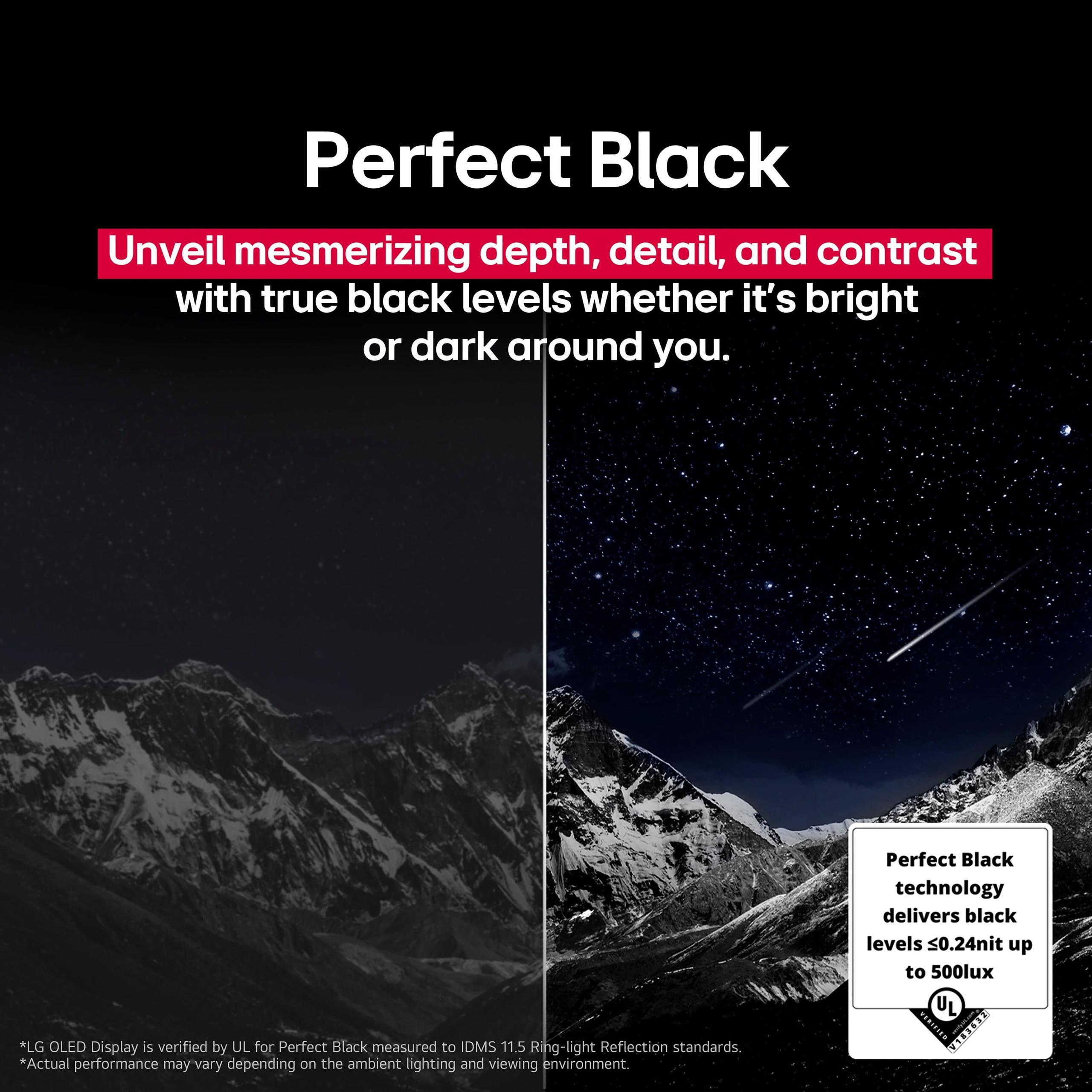
This is where the tables turn completely. The LG C5 produces perfect blacks – and I mean literally perfect. When the screen shows black, those pixels are completely off, producing no light whatsoever. The contrast ratio is technically infinite, which sounds like marketing speak but actually describes the real visual experience.
Watching a movie like "Blade Runner 2049" or "Dune" on an OLED in a dark room is transformative. Details in shadows that you might miss on other TVs become clearly visible, while bright elements seem to pop off the screen. The Samsung QN90F, despite its advanced local dimming, still shows some subtle blooming (light bleeding around bright objects in dark scenes) and can't achieve true black.
However, Samsung has significantly improved their local dimming algorithms. In most real-world content, the blooming is minimal and many viewers won't notice it unless they're specifically looking for it.
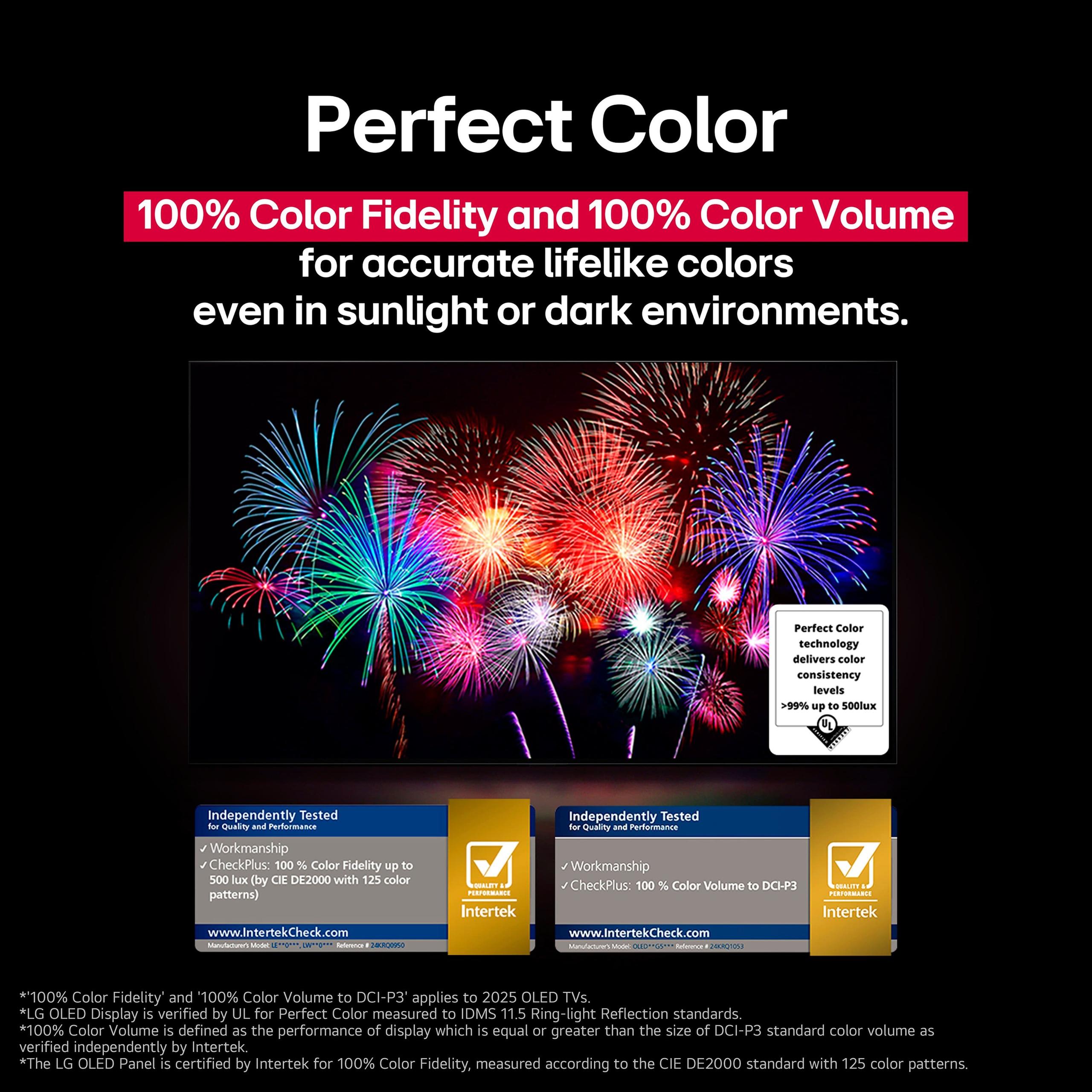
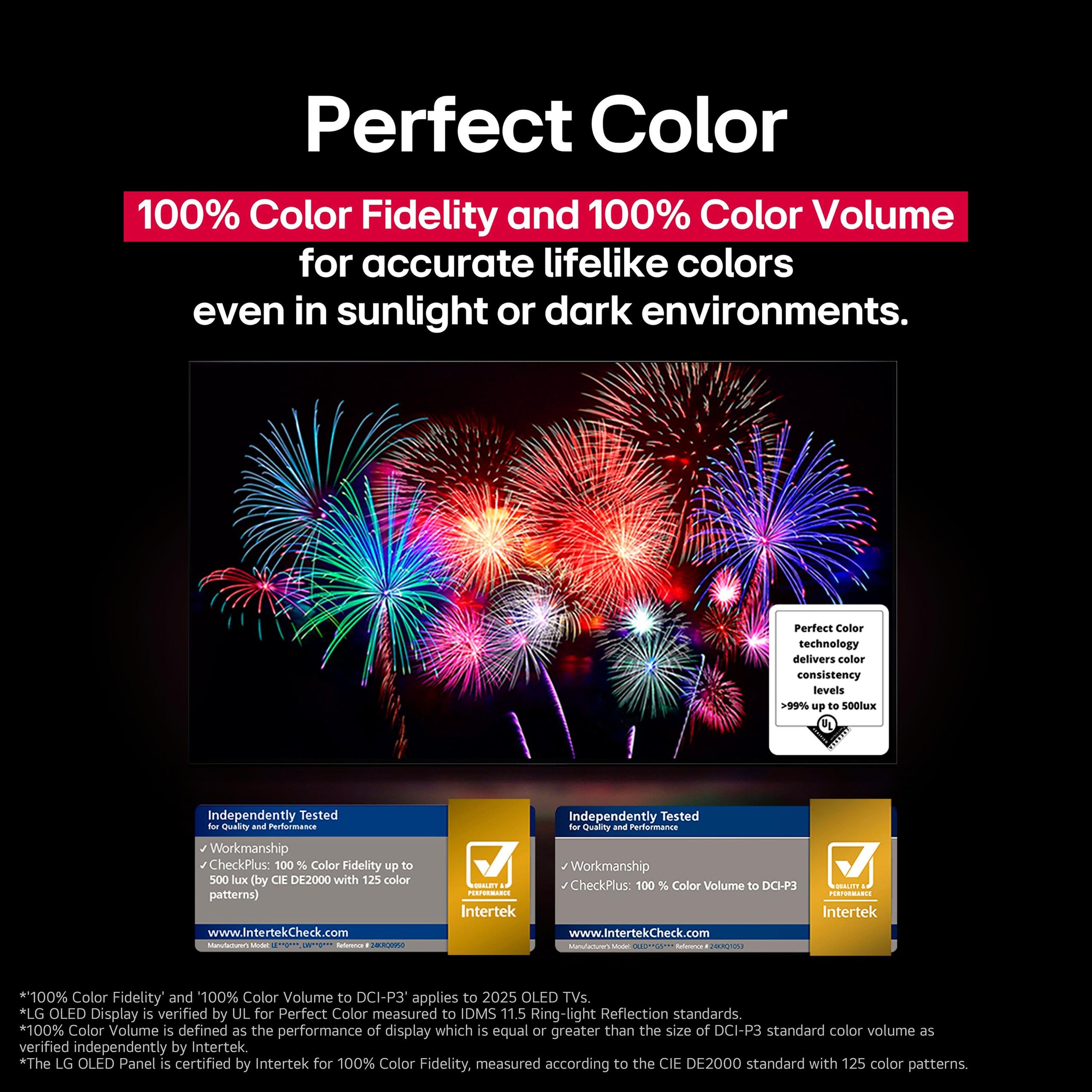
Both TVs excel at color reproduction but in different ways. The Samsung QN90F uses quantum dot technology, which allows it to display a wider range of colors, especially at high brightness levels. This means HDR content with vibrant blues, reds, and greens really pops. The colors feel more saturated and punchy, which many people prefer for sports, games, and action movies.
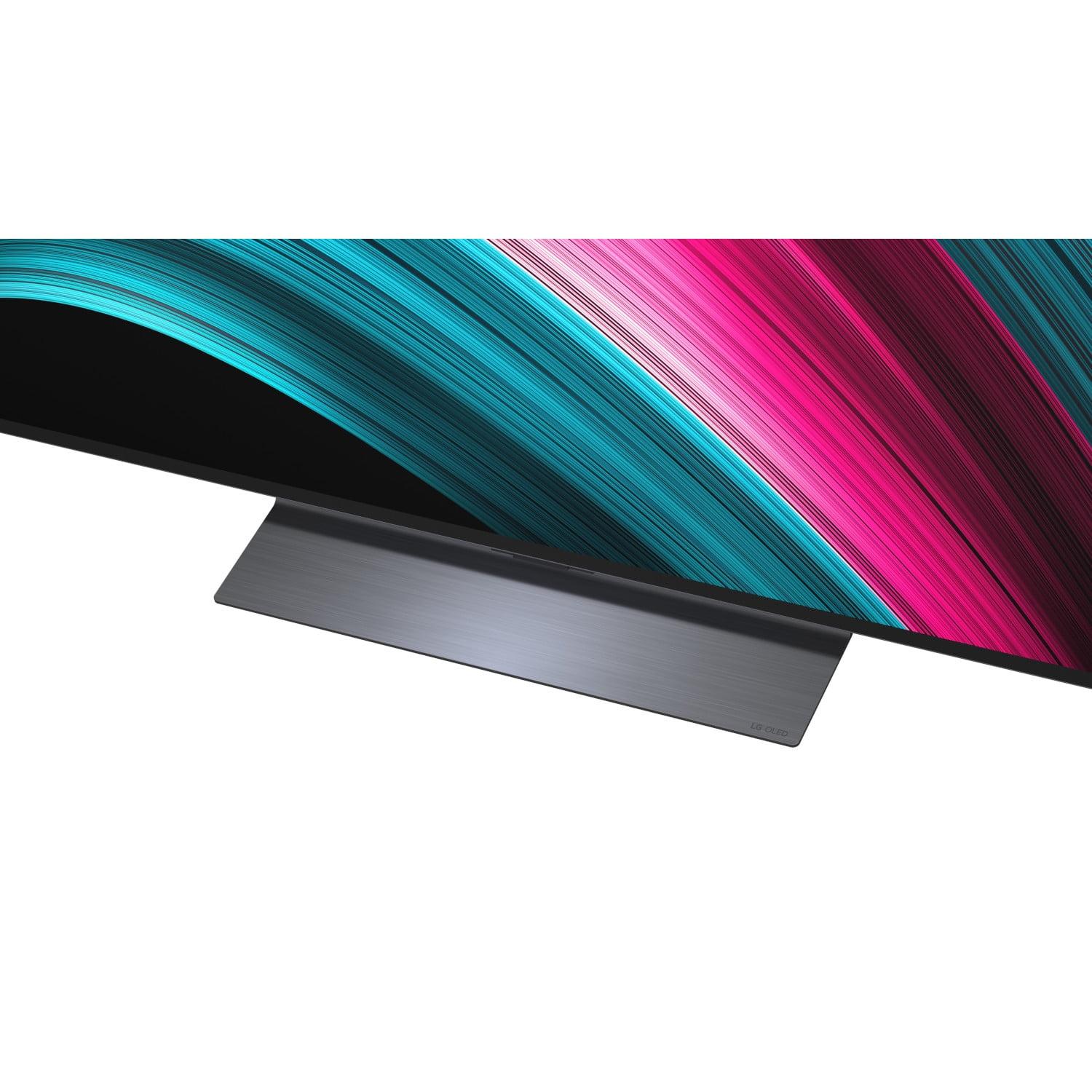
The LG C5 takes a more nuanced approach. Colors appear more natural and film-like, with excellent accuracy right out of the box. Professional reviewers consistently praise OLED TVs for their color accuracy, and the C5 continues this tradition. For movie enthusiasts who want to see content as the director intended, this matters significantly.
Both TVs are exceptional for gaming, but they excel in different scenarios. The LG C5 technically has the edge with its 0.1ms response time – that's essentially instantaneous. For competitive gaming where every millisecond counts, this could theoretically provide an advantage.
More practically important is refresh rate support. Both TVs handle 4K at 120Hz for console gaming, but the LG C5 can push up to 144Hz for PC gaming. If you're serious about PC gaming and have a graphics card that can drive those frame rates, the extra headroom is valuable.
The Samsung QN90F brings some unique gaming advantages, though. Its superior brightness makes HDR gaming more impactful – explosions, fire effects, and bright outdoor scenes look more realistic. Samsung's Game Mode also maintains better picture quality than many competitors, preserving more of the TV's advanced processing while minimizing input lag.
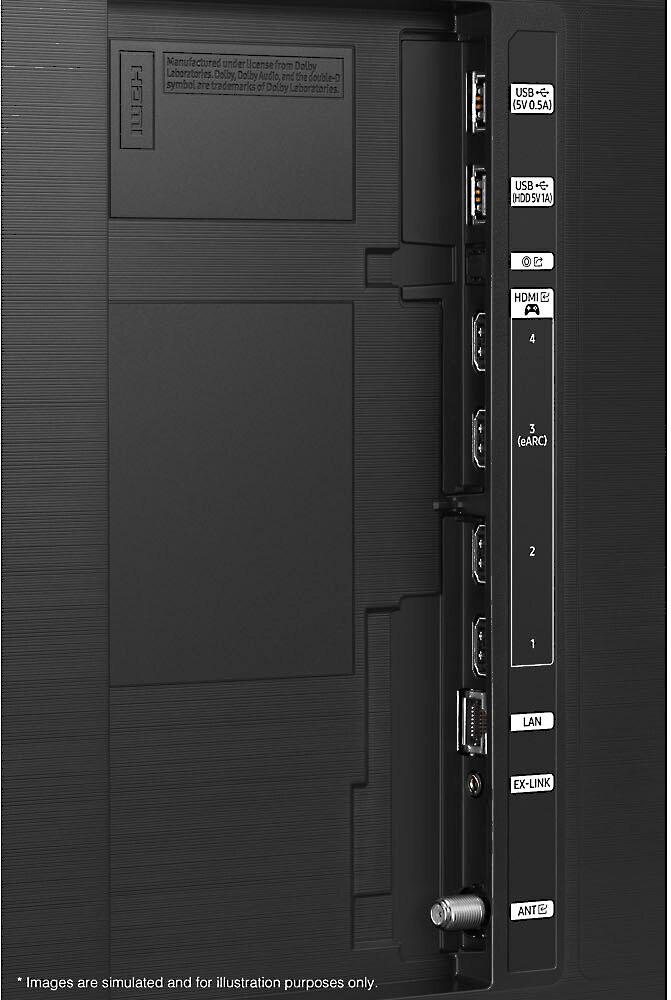
Both TVs support Variable Refresh Rate (VRR) and Auto Low Latency Mode (ALLM), which automatically optimize settings when you start gaming. They also both have four HDMI 2.1 ports, so you can connect multiple high-end gaming devices without compromising on features.
The Samsung QN90F introduces "Vision AI," which goes beyond traditional picture processing. This system can recognize different types of content and automatically adjust settings – it knows the difference between a sports broadcast, a movie, and a video game, optimizing accordingly.
More interesting are the ambient features. The TV can detect when you're not actively watching and switch to displaying artwork or useful information. It can even provide home security insights if you have compatible smart home devices, alerting you when it detects unusual activity patterns.
Samsung's Tizen operating system has matured significantly and now integrates seamlessly with SmartThings devices. If you're invested in Samsung's ecosystem or want comprehensive smart home control from your TV, this integration is genuinely useful.
The LG C5 runs webOS 25, which LG has refined over many years. The interface feels more intuitive to many users, with the Magic Remote providing point-and-click navigation similar to using a computer mouse. This might seem like a small detail, but it makes browsing streaming services and adjusting settings much more pleasant.
LG's AI features focus more on content optimization. The TV learns your viewing habits and suggests content accordingly. It's less flashy than Samsung's approach but often more practical for daily use.
One significant advantage for LG is their commitment to long-term software support. LG promises five years of updates through their Re:New Program, ensuring your TV stays current with new streaming services and features.
The Samsung QN90F includes a more powerful audio system with 60W output in a 4.2.2 channel configuration. This means you get dedicated height channels for Dolby Atmos content, creating a more immersive soundscape. Samsung's "Object Tracking Sound+" actually moves audio around the screen to follow action, which works surprisingly well for sports and action movies.
The LG C5 has a more modest 40W 2.2 channel system, but LG has optimized it well for the TV's form factor. For most viewing, the built-in speakers are adequate, though serious movie watchers will want to add a soundbar regardless of which TV they choose.
Here's an important consideration that often gets overlooked: the LG C5 supports Dolby Vision, while the Samsung QN90F does not. Dolby Vision is increasingly common on streaming services like Netflix, Disney+, and Apple TV+. It provides better HDR optimization than the HDR10+ format that Samsung supports.
However, Samsung's higher peak brightness means that even with HDR10+ instead of Dolby Vision, HDR content often looks more impactful on the Samsung. It's a trade-off between format compatibility and raw performance.
Both TVs are well-equipped for current and near-future content with full HDMI 2.1 support, 4K@120Hz capability, and comprehensive streaming app support.
For dedicated home theater setups, the choice becomes clearer. If you can control lighting – through blackout curtains, dedicated theater rooms, or careful lamp placement – the LG C5 provides a more cinematic experience. The perfect blacks and accurate colors create the immersive experience that movie enthusiasts crave.
The Samsung QN90F makes more sense for multipurpose rooms where you can't always control lighting. Its superior brightness and glare resistance mean you won't have to draw curtains or turn off lights to enjoy good picture quality.
At the time of writing, both TVs represent significant investments, with the Samsung QN90F typically commanding a premium for its flagship features and the LG C5 offering excellent OLED performance at a more accessible price point within the premium segment.
Choose the Samsung QN90F Neo QLED if:
Choose the LG C5 OLED if:
The honest truth is that both TVs will provide an exceptional viewing experience that surpasses anything available just a few years ago. The Samsung QN90F excels at being a fantastic TV in any condition, while the LG C5 can provide moments of visual magic that remind you why you upgraded in the first place.
Your room's lighting situation will likely make the decision for you. If you're unsure, consider visiting a showroom to see both technologies side by side in different lighting conditions. The difference in how they handle bright environments is immediately apparent and will help guide your choice.
Whatever you choose, you'll be getting a TV that represents the current pinnacle of consumer display technology – just with a different philosophy about how to get you there.
| Samsung 65" QN90F Neo QLED 4K Vision AI Smart TV 2025 | LG OLED evo C5 65" 4K TV 2025 |
|---|---|
| Display Technology - Fundamentally different approaches to creating images | |
| Neo QLED with Mini LED backlighting (thousands of dimming zones) | WOLED with self-emitting pixels (perfect pixel-level control) |
| Peak Brightness - Critical for HDR impact and bright room viewing | |
| ~1,900 nits (exceptional for any lighting condition) | ~1,200 nits (good for most rooms, struggles in bright light) |
| Black Levels - Determines contrast and dark scene detail | |
| Very good blacks with minimal blooming | Perfect blacks (pixels turn completely off) |
| Glare Handling - Essential for daytime and bright room use | |
| Award-winning Glare Free coating (virtually eliminates reflections) | Standard OLED finish (struggles with direct light sources) |
| Processor - Drives AI features and picture optimization | |
| NQ4 AI Gen3 with 128 neural networks | Alpha 9 Gen8 (fewer networks but OLED-optimized) |
| Gaming Refresh Rate - Higher rates provide smoother motion | |
| 4K@120Hz with Motion Xcelerator Turbo+ | 4K@144Hz (advantage for high-end PC gaming) |
| Response Time - Lower is better for competitive gaming | |
| <5ms (excellent for gaming) | 0.1ms (virtually instantaneous) |
| HDR Format Support - Affects compatibility with streaming content | |
| HDR10+ and HLG (no Dolby Vision) | Dolby Vision, HDR10, HLG (broader format support) |
| Audio System - Built-in speakers quality | |
| 60W 4.2.2CH with Object Tracking Sound+ | 40W 2.2CH with AI Sound Pro |
| Smart Platform - Interface and app ecosystem | |
| Tizen with Vision AI and SmartThings integration | webOS 25 with Magic Remote and 5-year update promise |
| Burn-in Risk - Long-term display reliability concern | |
| No burn-in risk (LCD-based technology) | Minimal but present risk with static content over time |
| Best Use Case - Where each TV truly excels | |
| Bright living rooms and versatile viewing | Dark rooms and dedicated home theaters |
| Target Buyer - Who should choose each TV | |
| Families wanting maximum versatility and brightness | Movie enthusiasts prioritizing perfect blacks and cinematic quality |
The Samsung QN90F Neo QLED is significantly better for bright rooms due to its superior peak brightness (~1,900 nits) and award-winning Glare Free coating that virtually eliminates reflections. The LG C5 OLED struggles in bright environments despite brightness improvements, making it better suited for controlled lighting conditions.
The LG OLED evo C5 delivers superior dark room performance with perfect blacks and infinite contrast ratio. Each pixel can turn completely off, creating true blacks that the Samsung QN90F cannot match despite its advanced Mini LED local dimming technology.
Both TVs excel at gaming, but the LG C5 has a slight edge with its 0.1ms response time and 4K@144Hz support for PC gaming. The Samsung QN90F offers excellent gaming performance with superior HDR brightness that makes games more visually impactful, especially in bright scenes.
The LG C5 OLED supports Dolby Vision, HDR10, and HLG, providing broader compatibility with streaming services. The Samsung QN90F Neo QLED supports HDR10+ and HLG but lacks Dolby Vision support, though its higher brightness often compensates for this limitation.
The Samsung QN90F has no burn-in risk since it uses LCD technology, making it more suitable for static content like news or gaming with persistent UI elements. The LG C5 has greatly improved burn-in resistance compared to older OLEDs but still carries minimal risk with prolonged static content exposure.
The Samsung QN90F offers Vision AI with advanced features like gesture control and smart home integration through SmartThings. The LG C5 OLED features the intuitive webOS 25 platform with Magic Remote and promises five years of software updates through their Re:New Program.
The LG OLED evo C5 is superior for dedicated home theater setups with its perfect blacks, accurate colors, and Dolby Vision support creating a truly cinematic experience. The Samsung QN90F works better for multipurpose rooms where you can't always control lighting conditions.
The Samsung QN90F Neo QLED includes a more powerful 60W 4.2.2CH system with Object Tracking Sound+ that moves audio around the screen. The LG C5 has a 40W 2.2CH system that's adequate for most viewing but less powerful overall.
The Samsung QN90F achieves significantly higher peak brightness at around 1,900 nits compared to the LG C5's 1,200 nits, making HDR highlights more impactful and punchy, especially in bright viewing environments.
The Samsung QN90F Neo QLED is better for sports due to its superior brightness, glare resistance, and vibrant colors that work well in typical living room lighting. The LG C5 OLED can display sports beautifully but requires controlled lighting to look its best.
Both TVs offer wide viewing angles, but the LG OLED evo C5 maintains consistent picture quality from extreme angles without color shifting or brightness loss. The Samsung QN90F also has good viewing angles but may show slight changes when viewed from the side.
Value depends on your priorities: the LG C5 OLED typically offers better value for movie enthusiasts who can control lighting and want the ultimate picture quality. The Samsung QN90F Neo QLED provides better value for families needing versatile performance across all lighting conditions and usage scenarios.
We've done our best to create useful and informative comparisons to help you decide what product to buy. Our research uses advanced automated methods to create this comparison and perfection is not possible - please contact us for corrections or questions. These are the sites we've researched in the creation of this article: rtings.com - images.samsung.com - youtube.com - listenup.com - youtube.com - cullenshomecenter.com - rtings.com - shopjetson.com - youtube.com - samsung.com - samsung.com - videoandaudiocenter.com - rtings.com - bestbuy.com - youtube.com - news.samsung.com - news.samsung.com - news.samsung.com - bestbuy.com - news.samsung.com - youtube.com - news.samsung.com - youtube.com - smarthomesounds.co.uk - bestbuy.com - rtings.com - youtube.com - businessinsider.com - youtube.com - bestbuy.com - lg.com - files.bbystatic.com - lg.com - flatpanelshd.com - lg.com - blvdhome.com - bhphotovideo.com - flanners.com - videopro.com.au

Privacy Policy
Terms and Conditions - Affiliate Policy
Home Security
© Copyright 2008-2026.
11816 Inwood Rd #1211, Dallas, TX 75244