

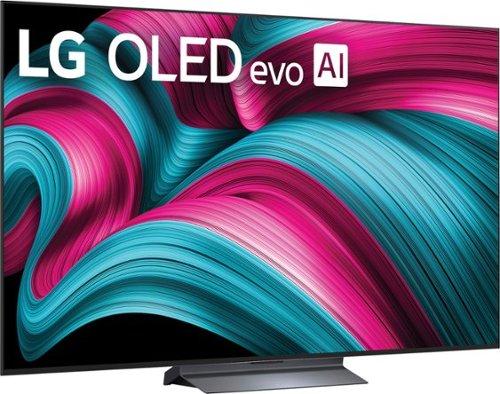

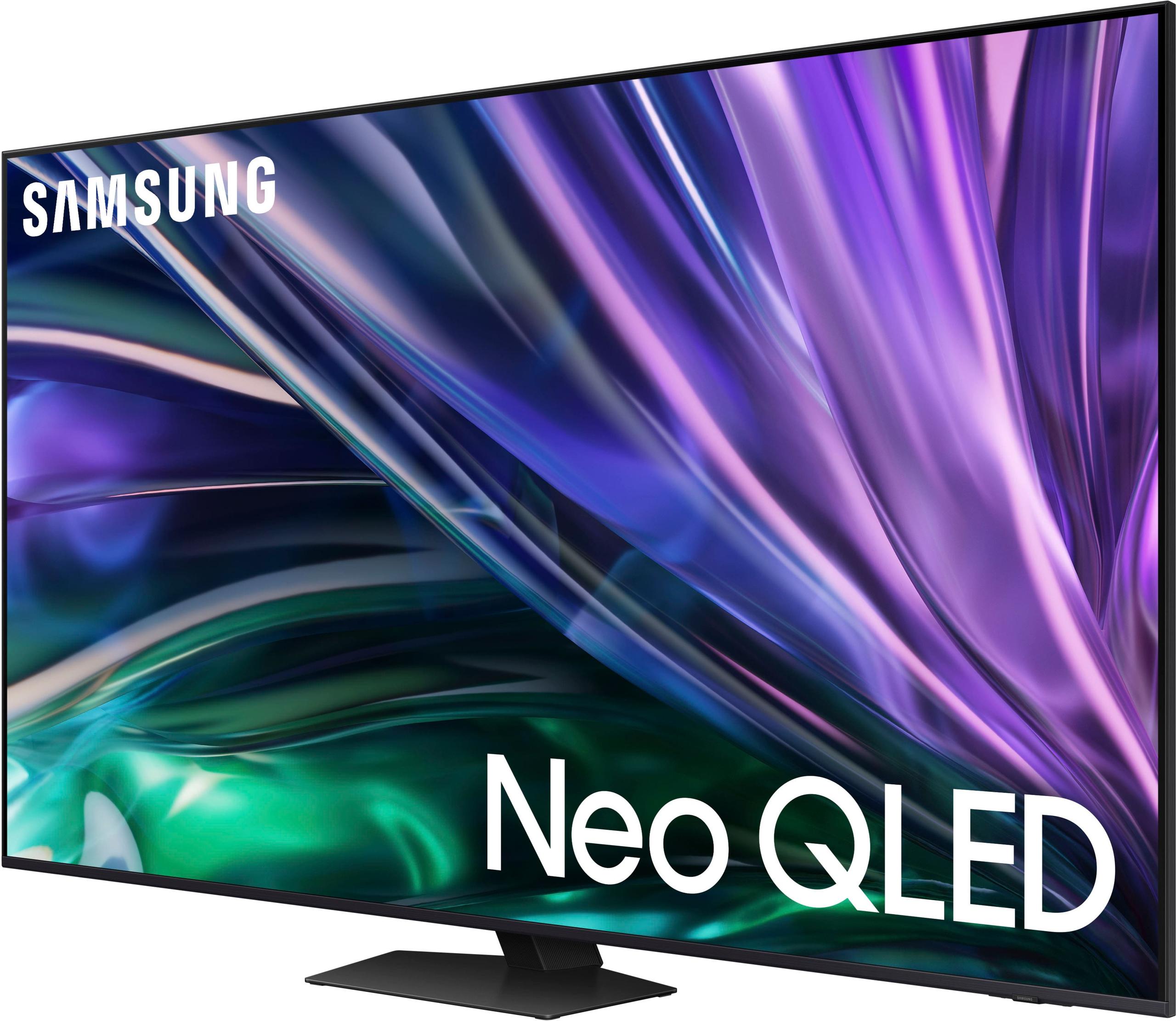
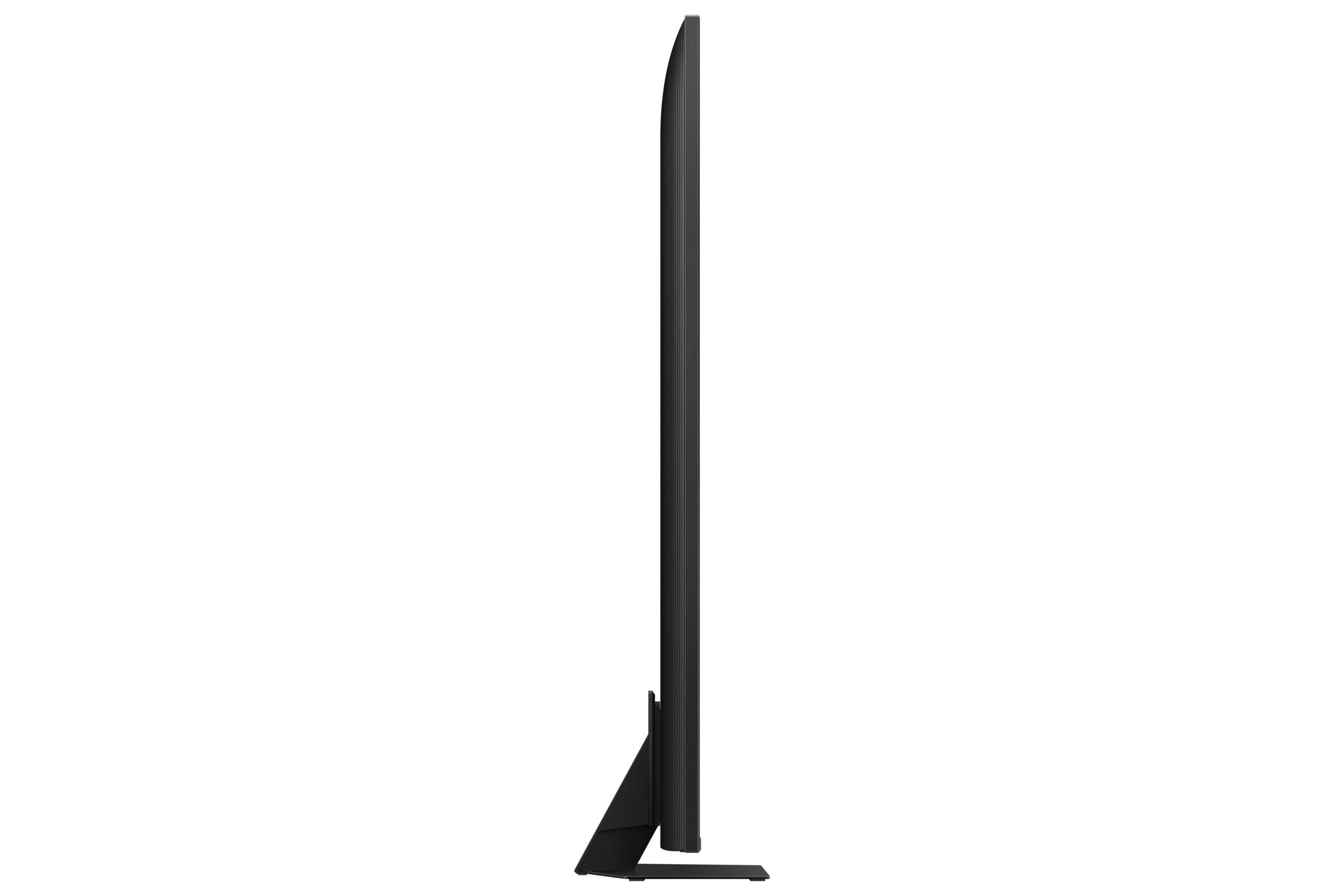

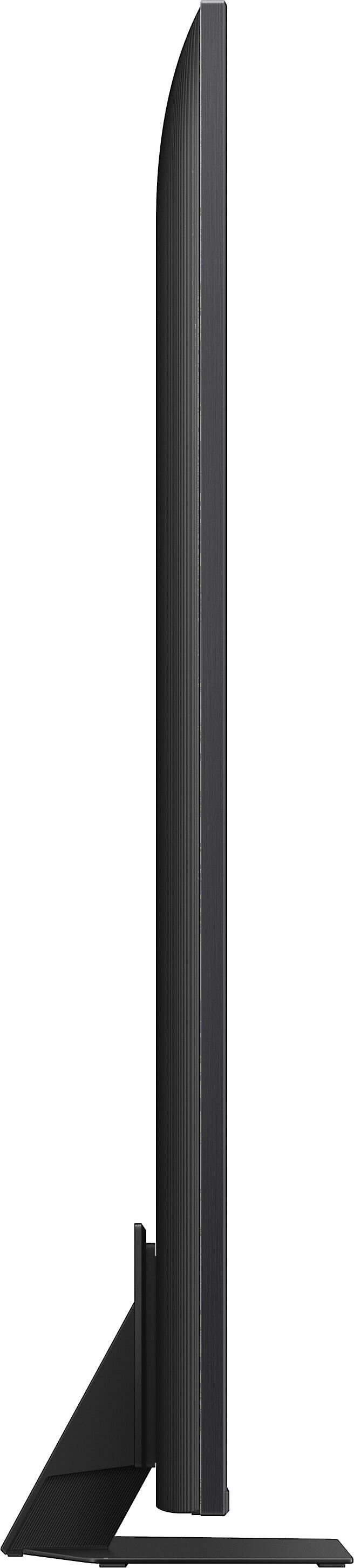
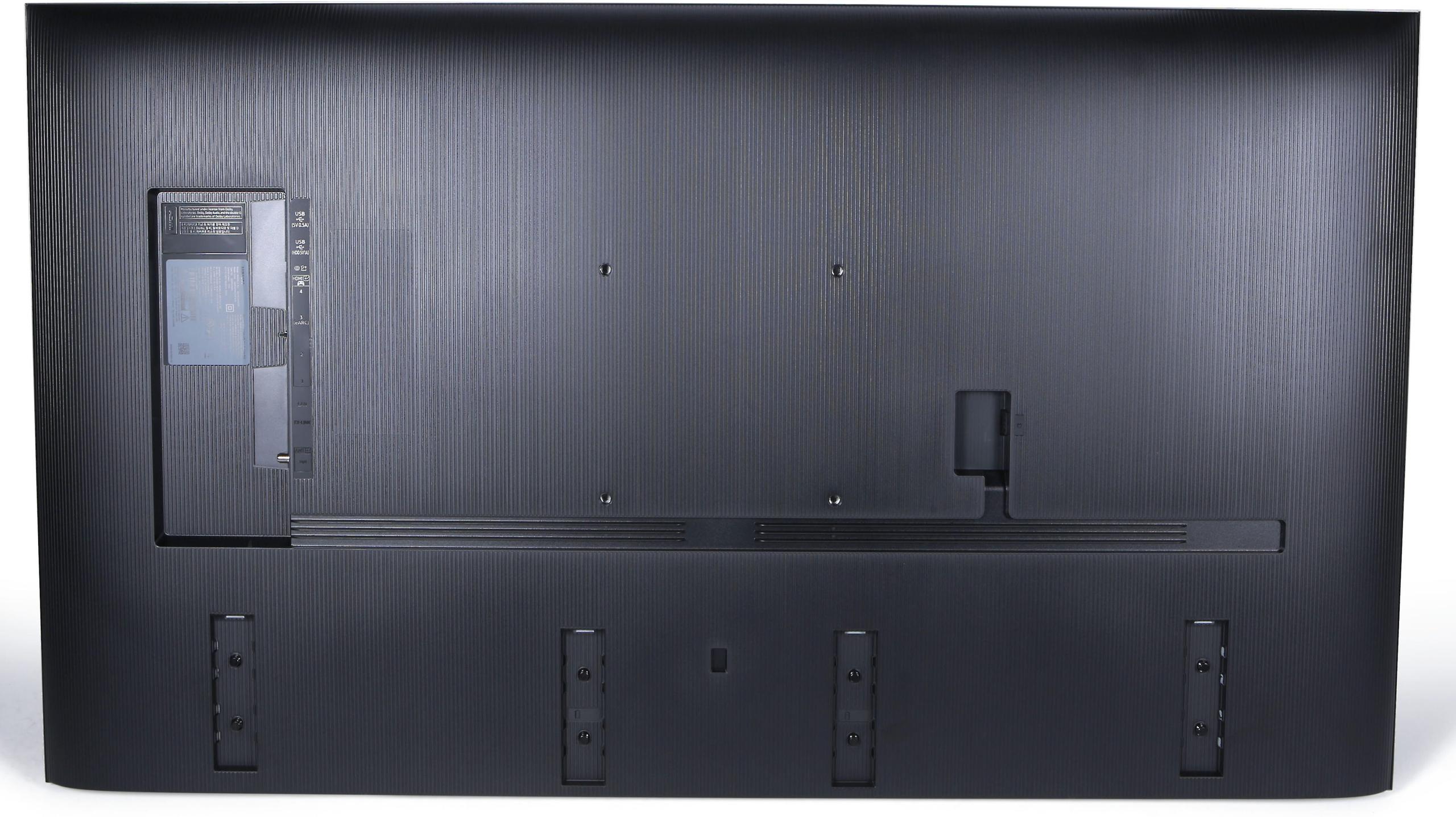
Shopping for a new OLED TV can feel overwhelming, especially when you're comparing two excellent options that take different approaches to picture quality. The LG OLED evo C5 65" 4K TV 2025 and Samsung 65" OLED S90D TV both deliver stunning visuals, but they excel in different ways. After spending time with both models, I can help you understand which one might be the better fit for your home.
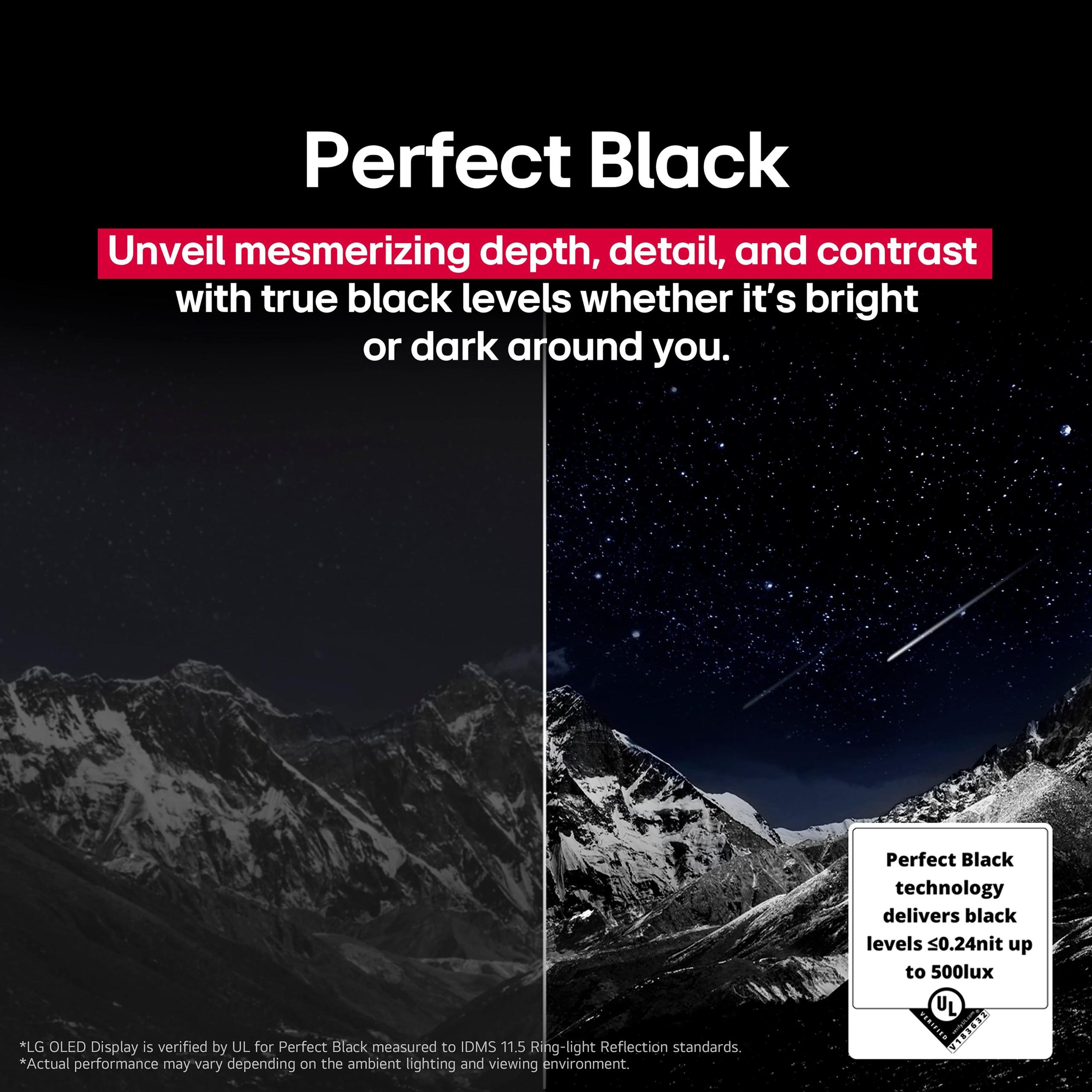
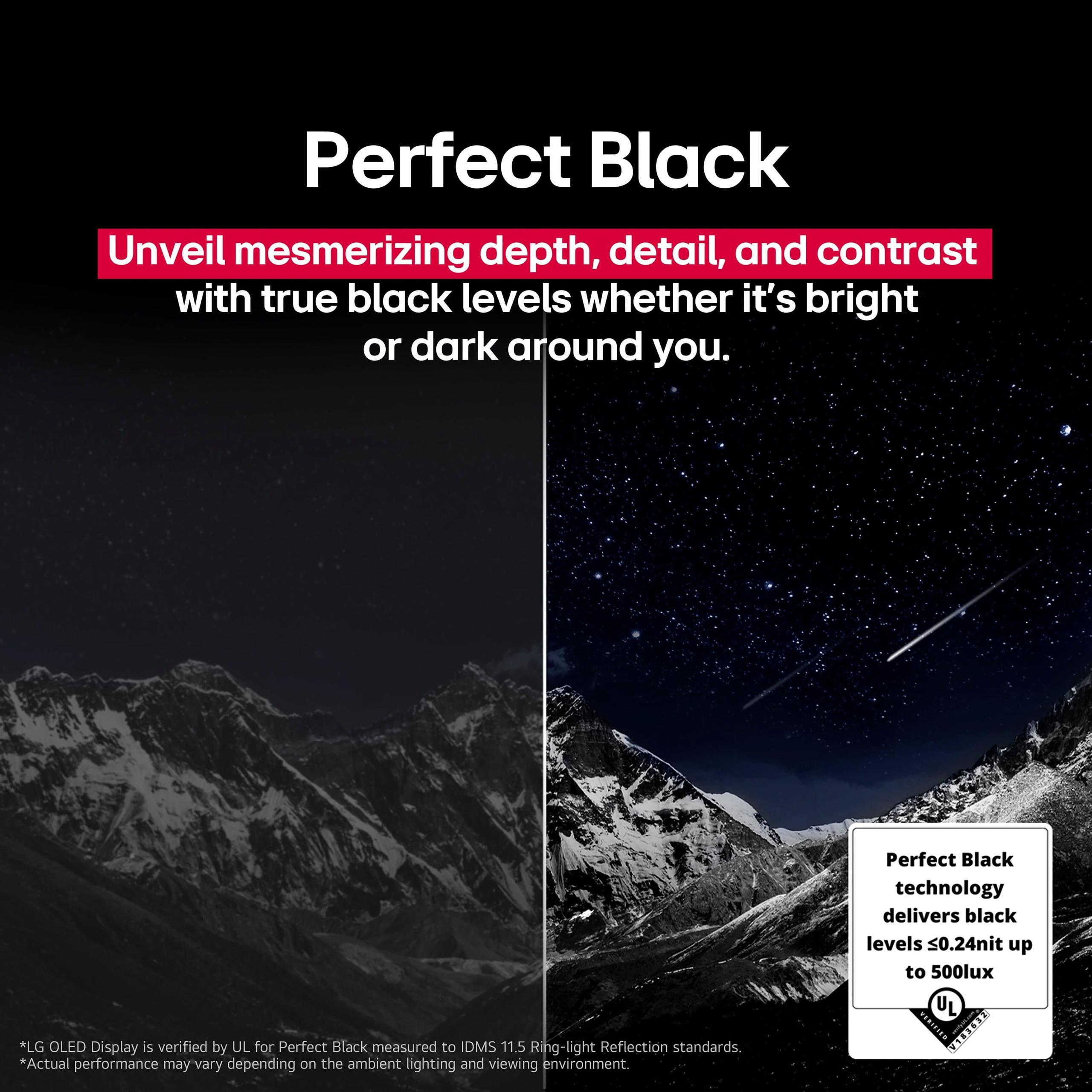
OLED stands for Organic Light-Emitting Diode, and it's the technology that makes these TVs special. Unlike traditional LED TVs that need a backlight behind the screen, each pixel in an OLED TV creates its own light. This means when a pixel needs to be black, it simply turns off completely – giving you perfect blacks and infinite contrast that makes everything else pop.
When you're shopping for an OLED TV, you're looking at the premium tier of television technology. The main things to consider are how bright the TV can get (crucial for HDR content), how accurate the colors are, how well it handles fast motion for sports and gaming, and whether it works well in your specific room lighting. Both the LG C5 and Samsung S90D nail the basics of OLED technology, but they approach brightness and color differently.
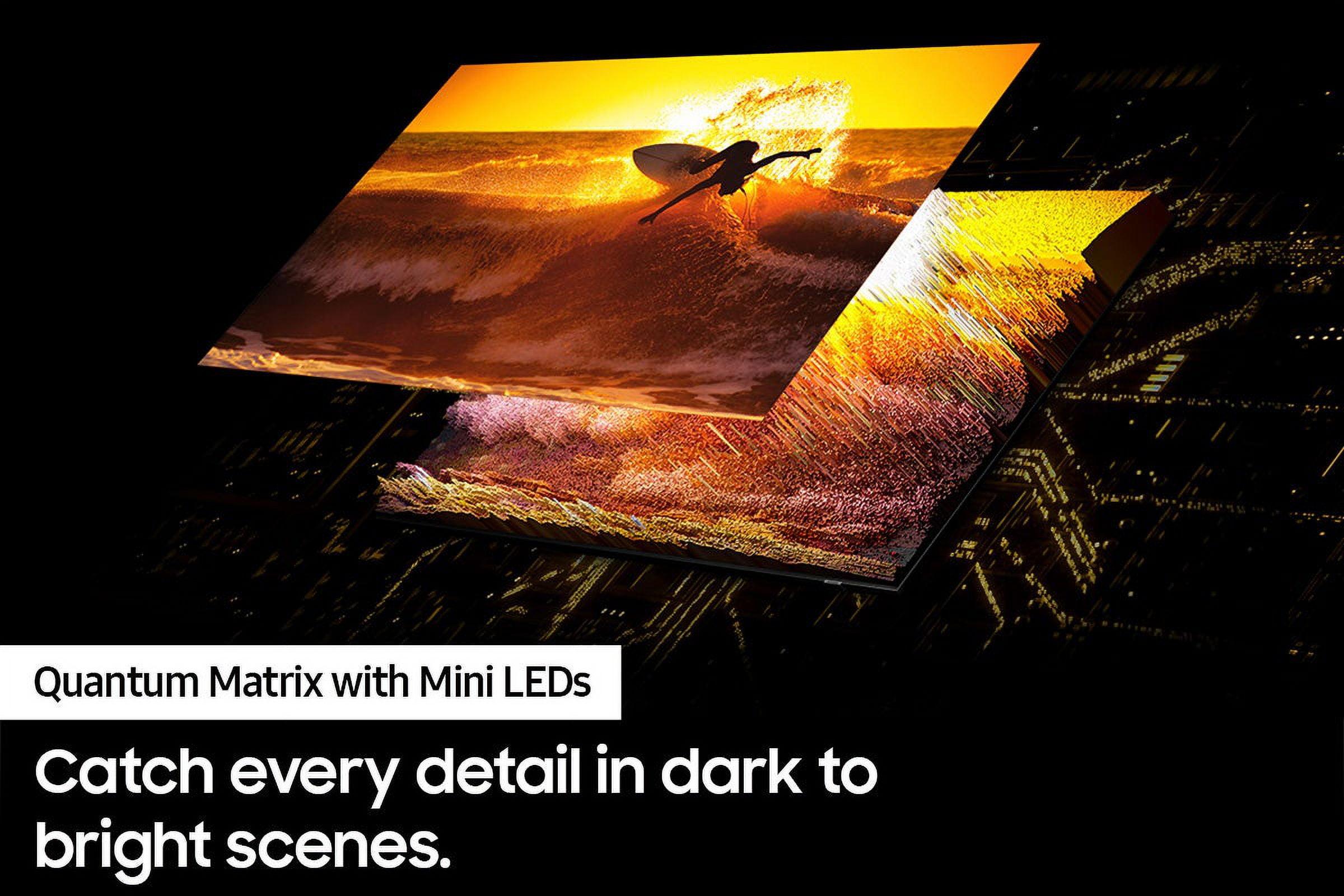
Both TVs launched in early 2025, but they represent different philosophies in OLED design. The LG OLED evo C5 uses what's called WOLED (White OLED) technology, where white light is filtered through color filters to create the final image. Samsung's S90D uses QD-OLED (Quantum Dot OLED), which combines OLED's perfect blacks with quantum dots to create more vibrant colors and higher brightness.
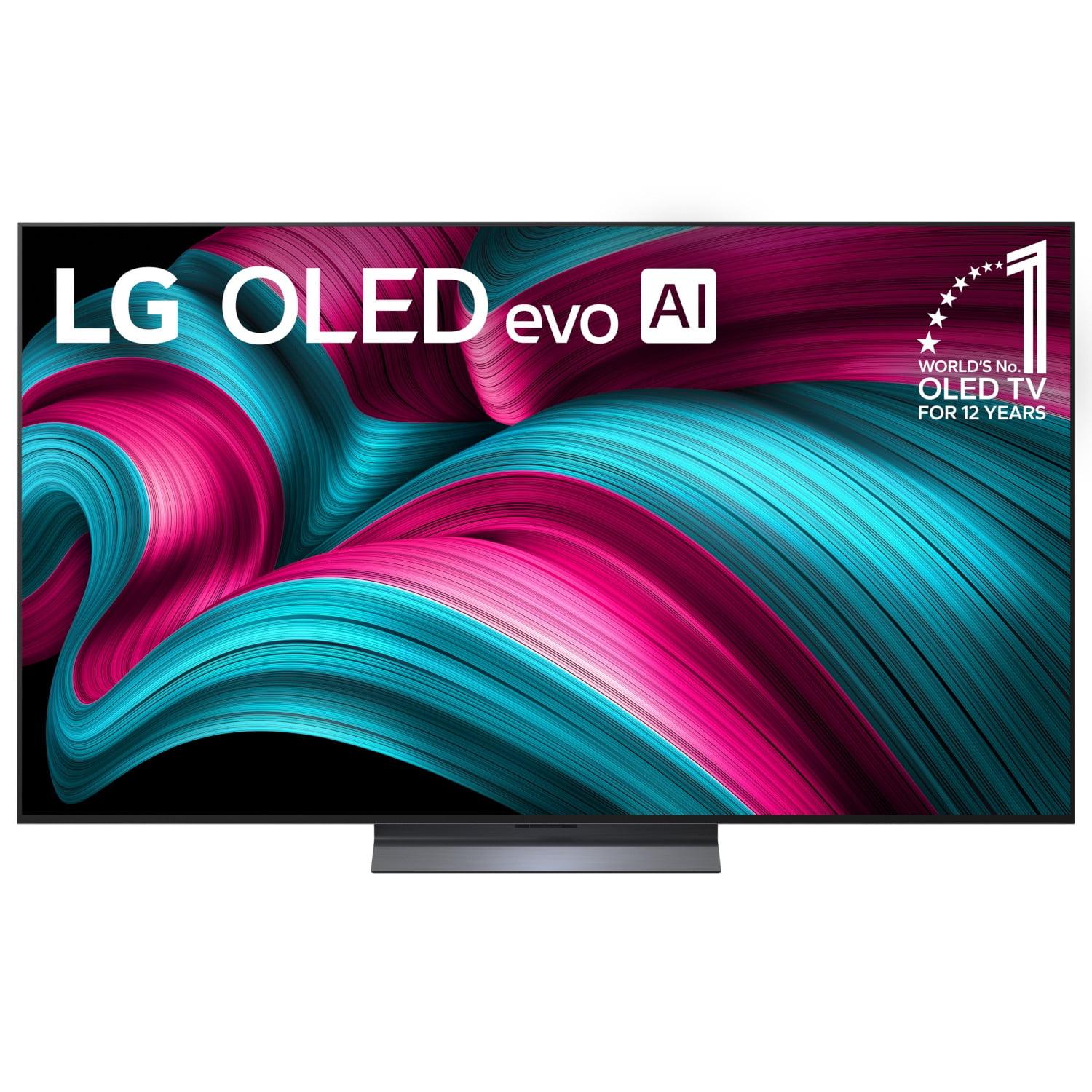
This technical difference might sound minor, but it creates real-world performance differences you'll notice. The LG C5 launched at $2,699 but has dropped to around $1,697–$2,196 depending on sales. The Samsung S90D is currently priced at $1,198, making it significantly more affordable while still delivering premium QD-OLED technology.
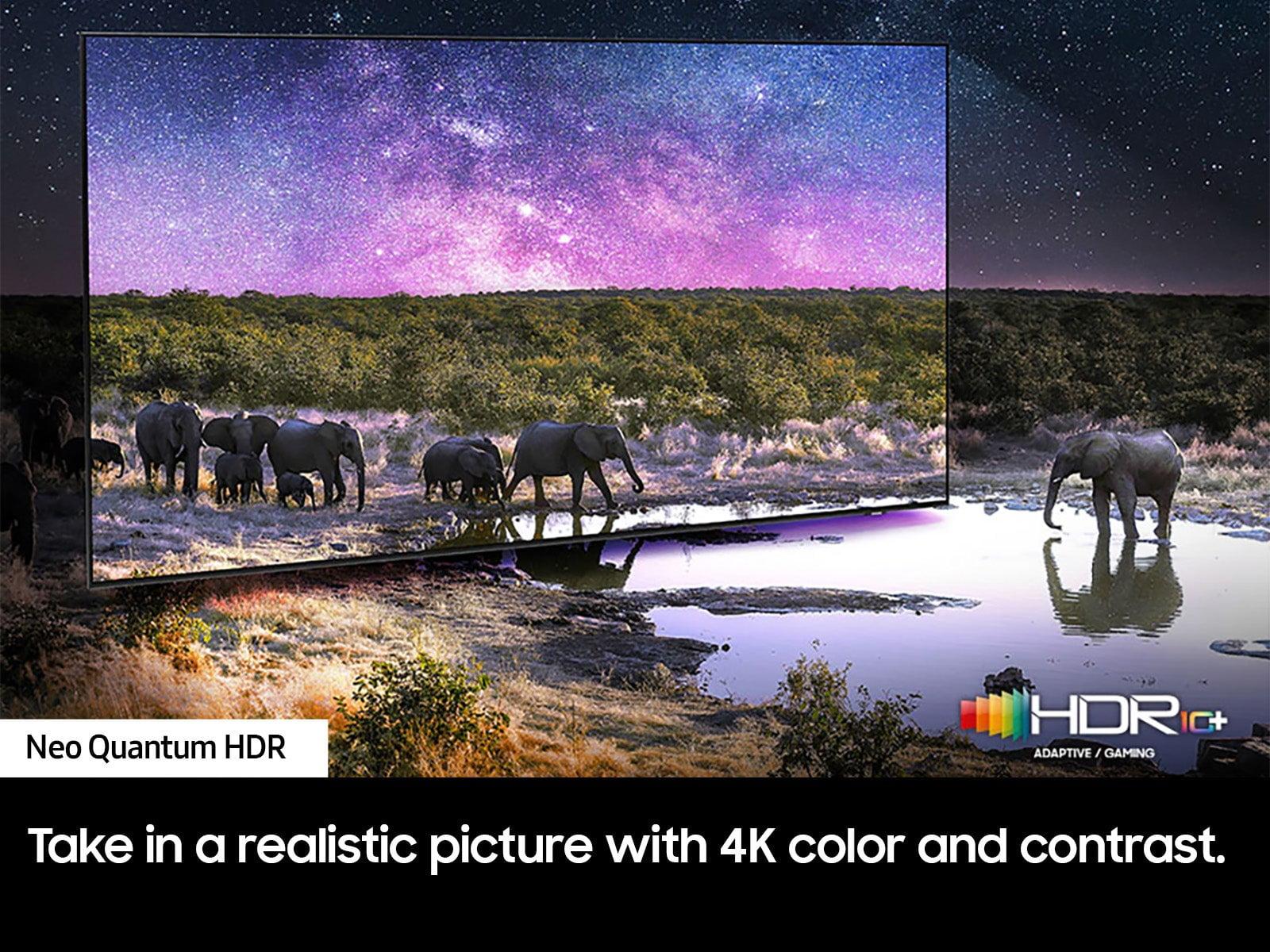
Here's where the biggest difference lies. The Samsung S90D gets noticeably brighter than the LG C5, especially in HDR content. HDR (High Dynamic Range) is the technology that makes bright highlights sparkle and dark shadows retain detail – think of the sun gleaming off a car's chrome bumper or the way light streams through a window in a movie.
The Samsung's QD-OLED panel can push brightness levels that make HDR content truly shine, especially in rooms with ambient light. I've noticed this difference is most apparent when watching nature documentaries or action movies with lots of bright, colorful scenes. The Samsung maintains color saturation even at high brightness levels, while the LG can sometimes show color fading in very bright HDR scenes.
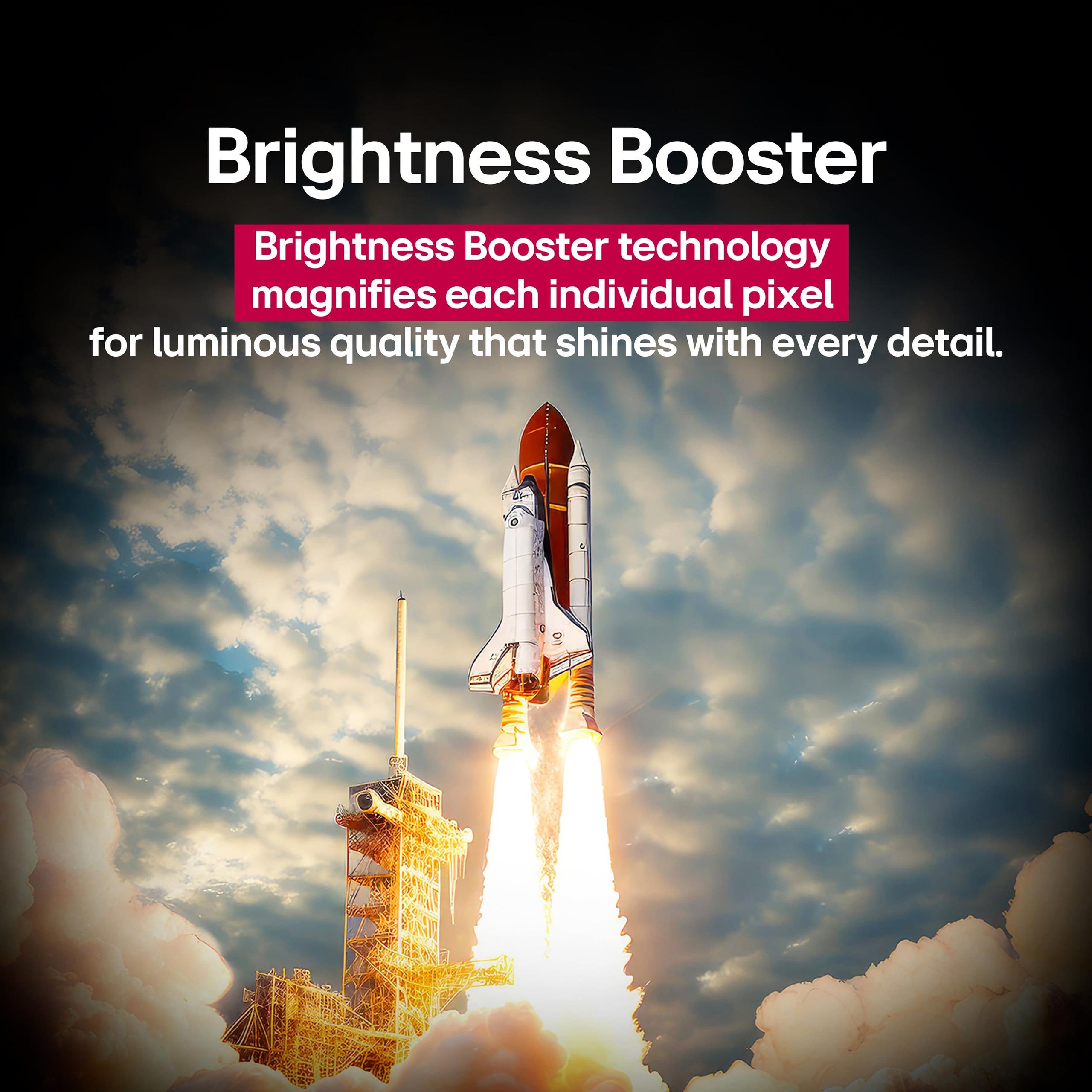
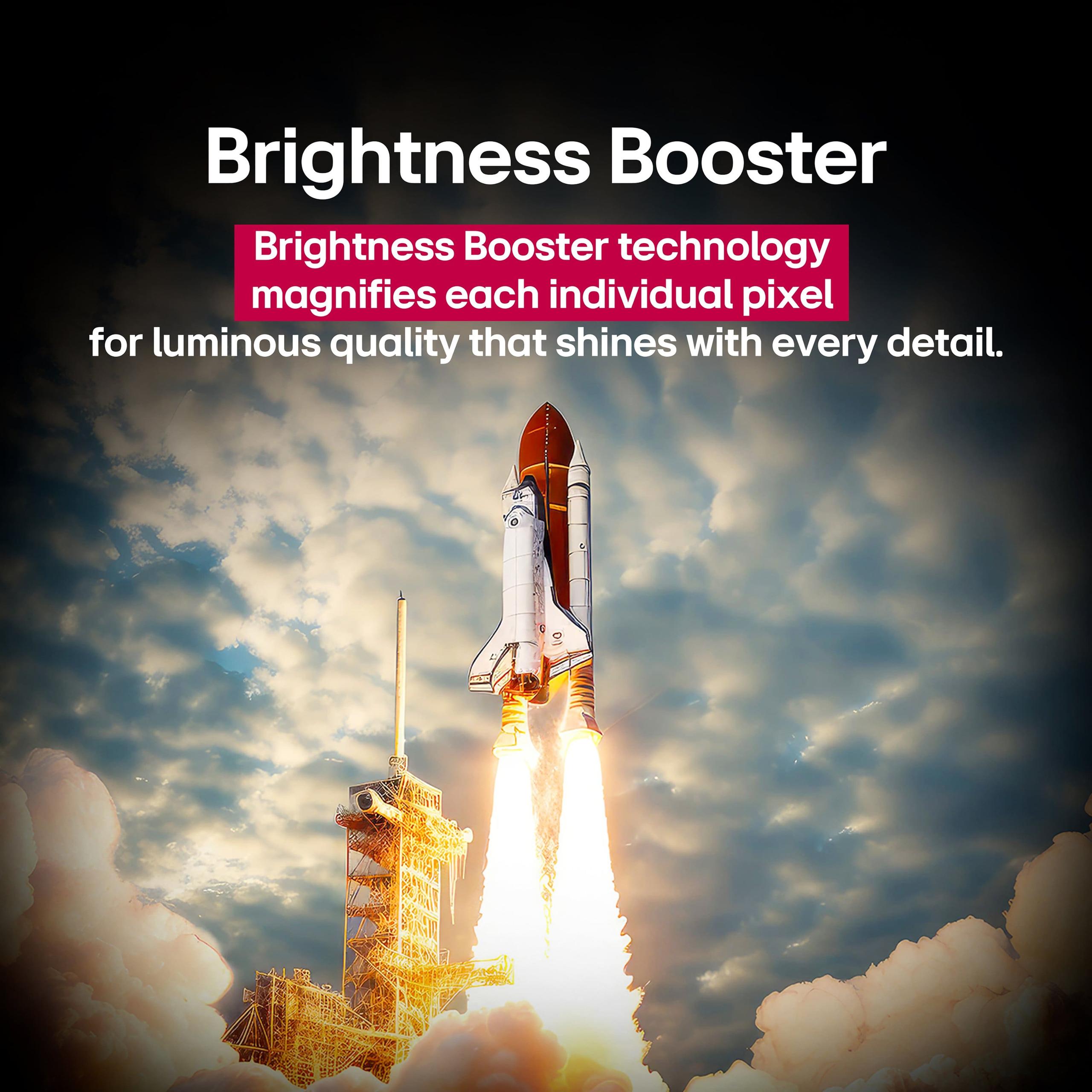
That said, the LG C5 has improved significantly over its predecessor, the C4. LG's "Bright Room Ready" technology with their Brightness Booster helps the C5 perform better in lit rooms than previous C-series models. The improvement isn't dramatic, but it's noticeable if you're upgrading from an older LG OLED.
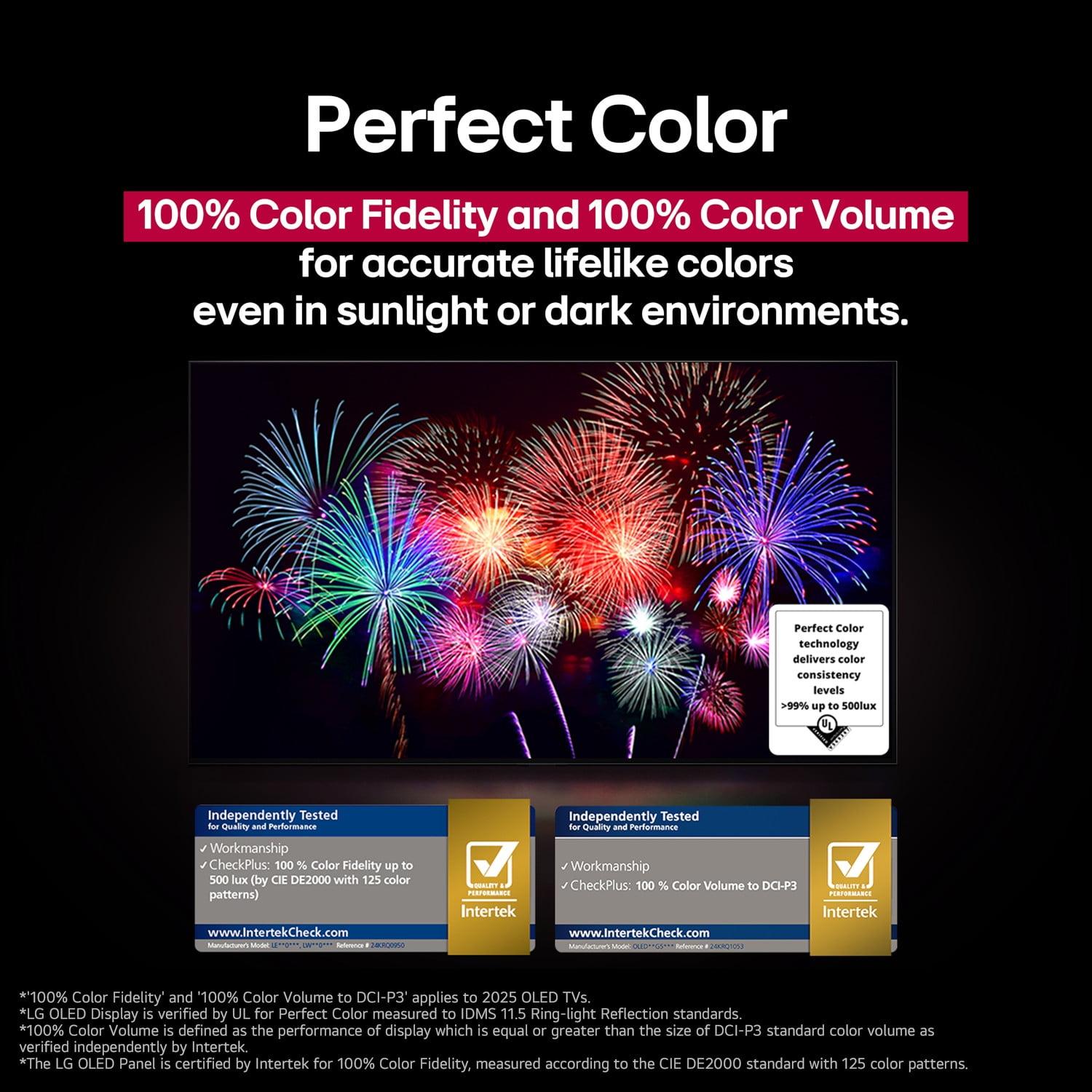
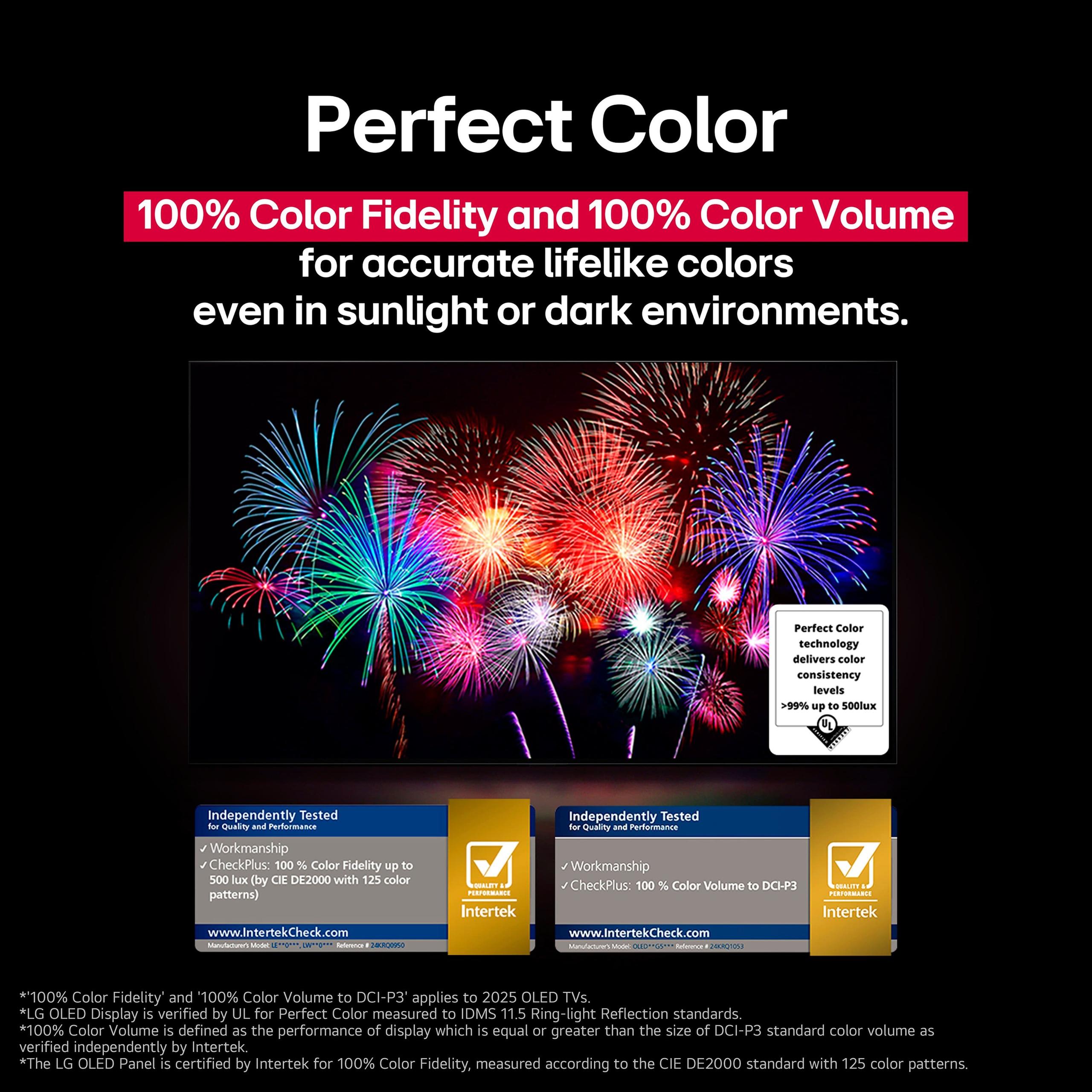
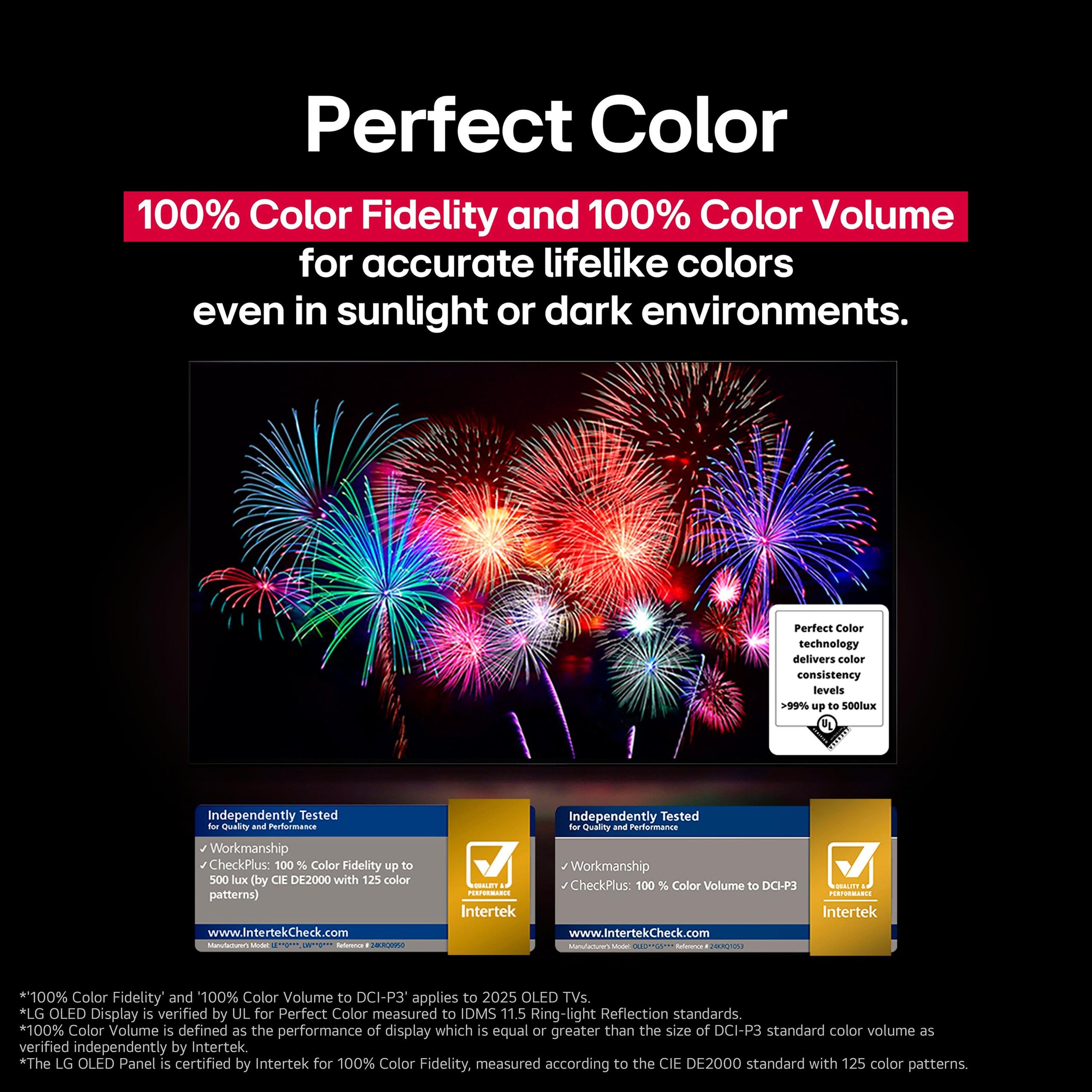
Color accuracy is where things get interesting. The LG C5 actually shows better out-of-the-box color accuracy in some measurements, meaning colors appear more true-to-life without calibration. This is particularly noticeable in skin tones and natural scenes where accuracy matters more than vibrancy.
However, the Samsung S90D delivers what's called better "color volume" – it can display a wider range of colors at higher brightness levels. This is why Samsung's colors often look more vibrant and punchy. The difference is like comparing a well-balanced photograph to one with slightly boosted saturation – both can look great, but they appeal to different preferences.
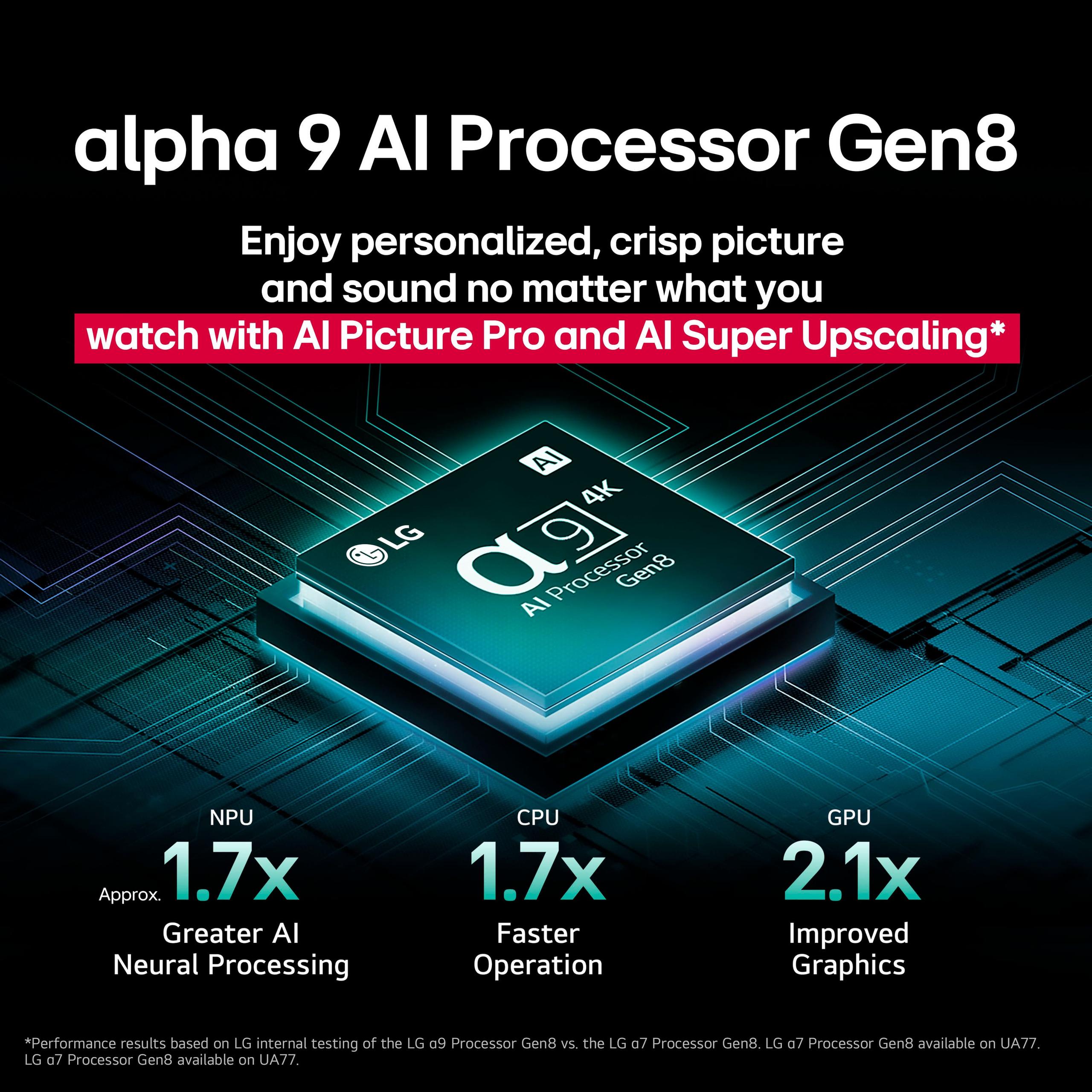
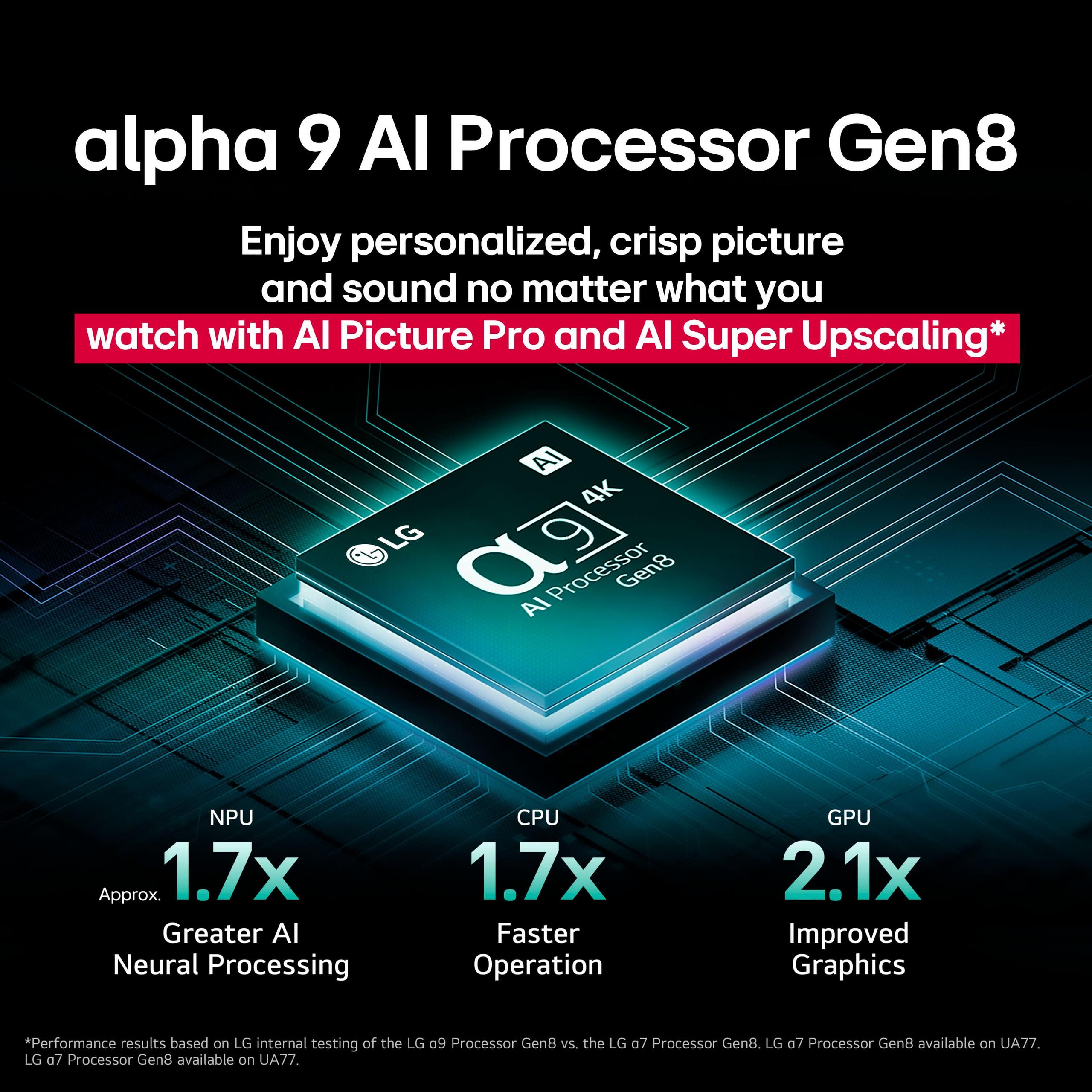
In a dark home theater environment, both TVs excel, but the LG C5 has a slight edge in shadow detail preservation. This means you can make out more subtle details in dark scenes without them becoming a muddy mess. The Alpha 9 Gen8 AI Processor in the LG seems particularly good at maintaining separation between different dark objects in the same scene.
This is where you need to make a crucial decision. The LG C5 supports Dolby Vision, which is widely used by Netflix, Disney+, Apple TV+, and other major streaming services. Dolby Vision provides dynamic metadata that optimizes each scene for the best possible picture quality.
The Samsung S90D supports HDR10+ Adaptive instead, which offers similar dynamic optimization but isn't as widely adopted. Samsung's decision to not support Dolby Vision is partly political – they're promoting their own HDR10+ standard. For many users, this missing Dolby Vision support is a dealbreaker, especially if you do most of your viewing through streaming services.
From a practical standpoint, if you watch a lot of Netflix or Disney+ content, you'll get a noticeably better experience with the LG C5. The difference isn't subtle – Dolby Vision content often looks more balanced and cinematic compared to the standard HDR10 fallback.
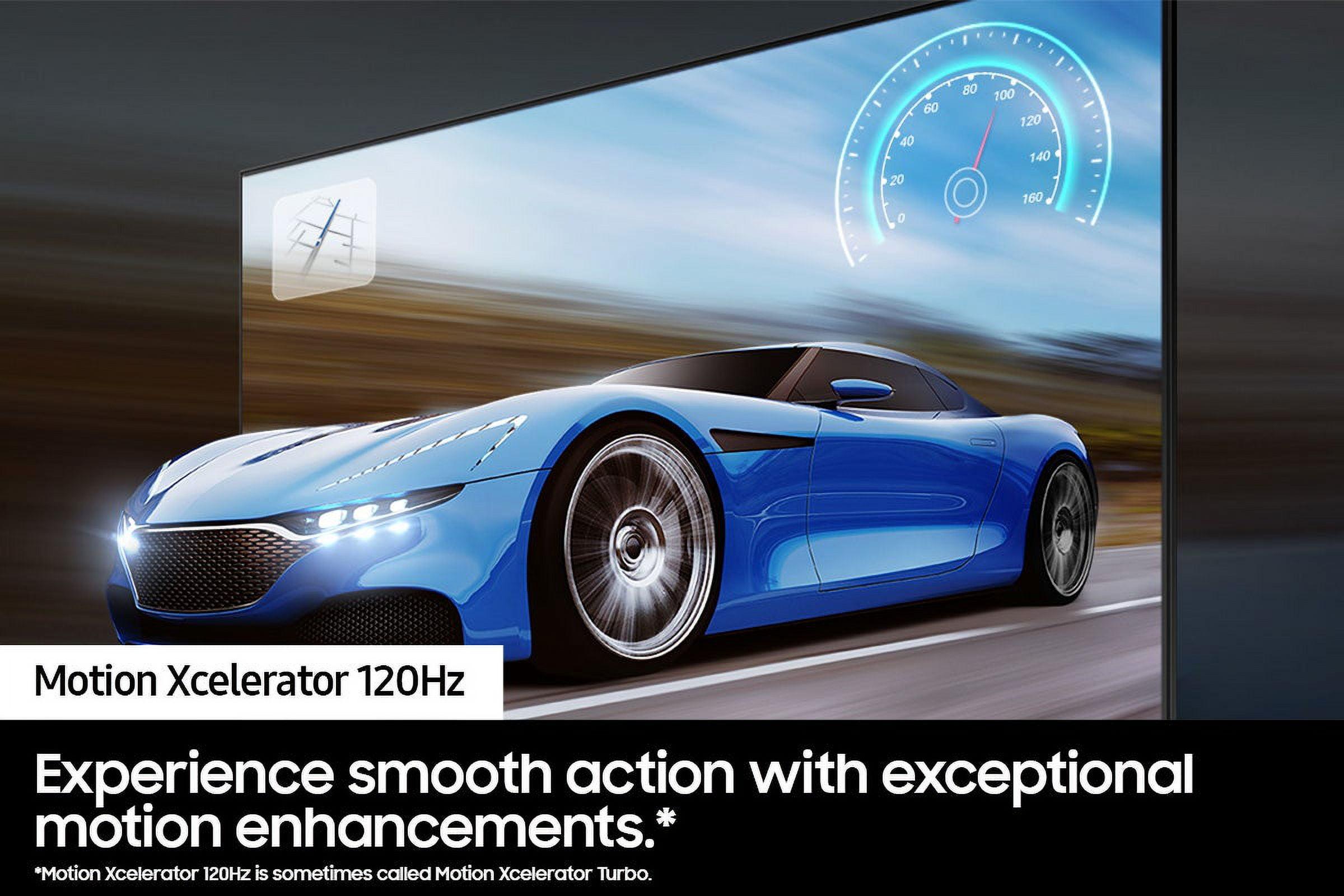
Both TVs excel for gaming, but they take slightly different approaches. The Samsung S90D supports up to 144Hz refresh rate, which is beneficial for PC gaming with high-end graphics cards. The LG C5 tops out at 120Hz, which is perfectly adequate for console gaming with PlayStation 5 or Xbox Series X.
Both TVs feature VRR (Variable Refresh Rate), which eliminates screen tearing, and ALLM (Auto Low Latency Mode), which automatically switches to game mode when it detects a gaming signal. The response times are excellent on both – virtually instantaneous for OLED technology.
Where the LG C5 gets interesting for gaming is its Dolby Vision gaming support. If you have an Xbox Series X or compatible PC setup, you can experience enhanced gaming visuals with the same dynamic HDR optimization used in movies. It's a nice touch that adds visual polish to supported games.
The LG C5 runs webOS 25, LG's latest smart TV platform. It's clean, intuitive, and includes AI features that learn your viewing preferences over time. The Magic Remote makes navigation easy, and the TV supports multiple voice assistants including Alexa, Google Assistant, and Apple HomeKit integration.
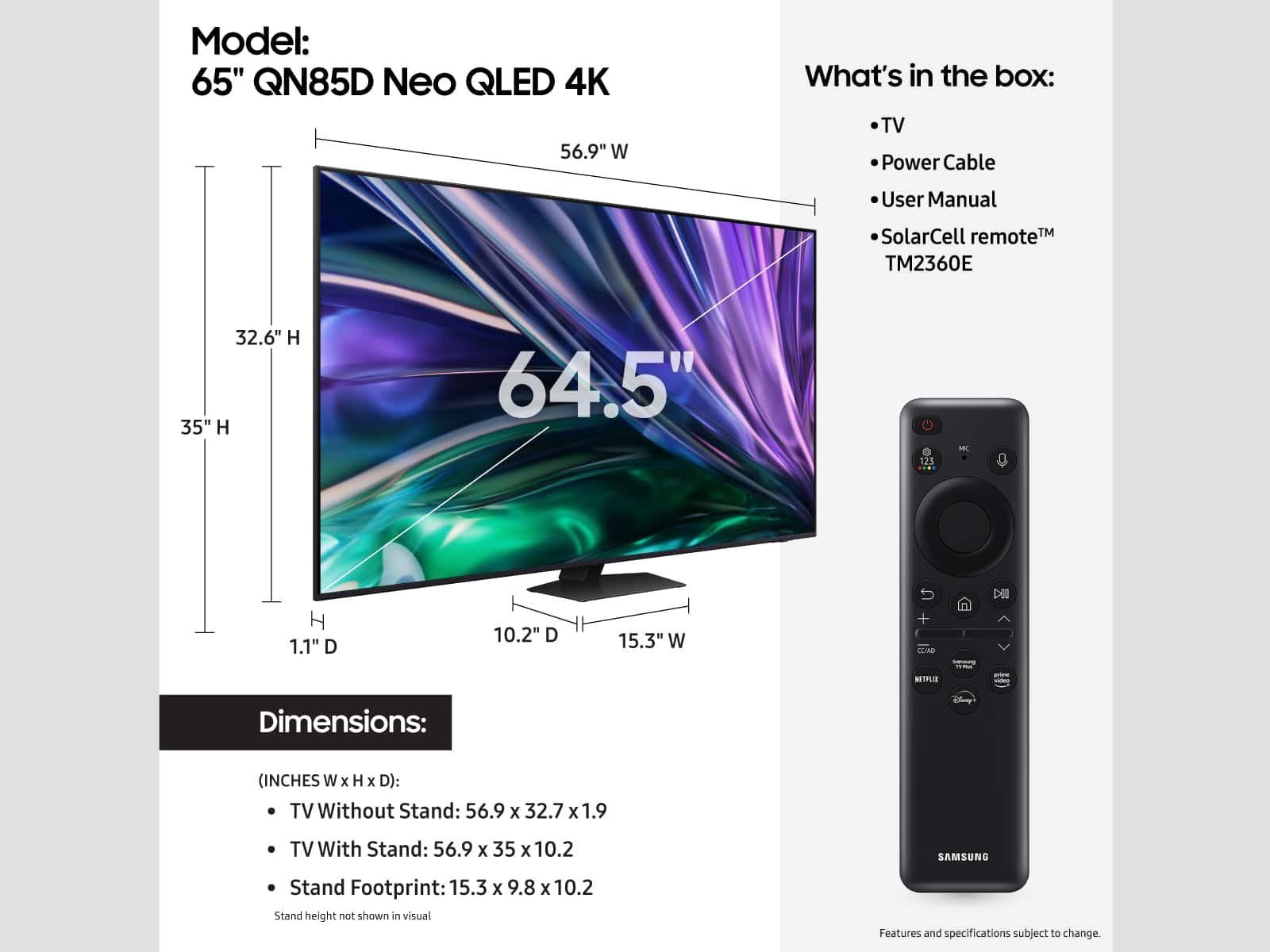
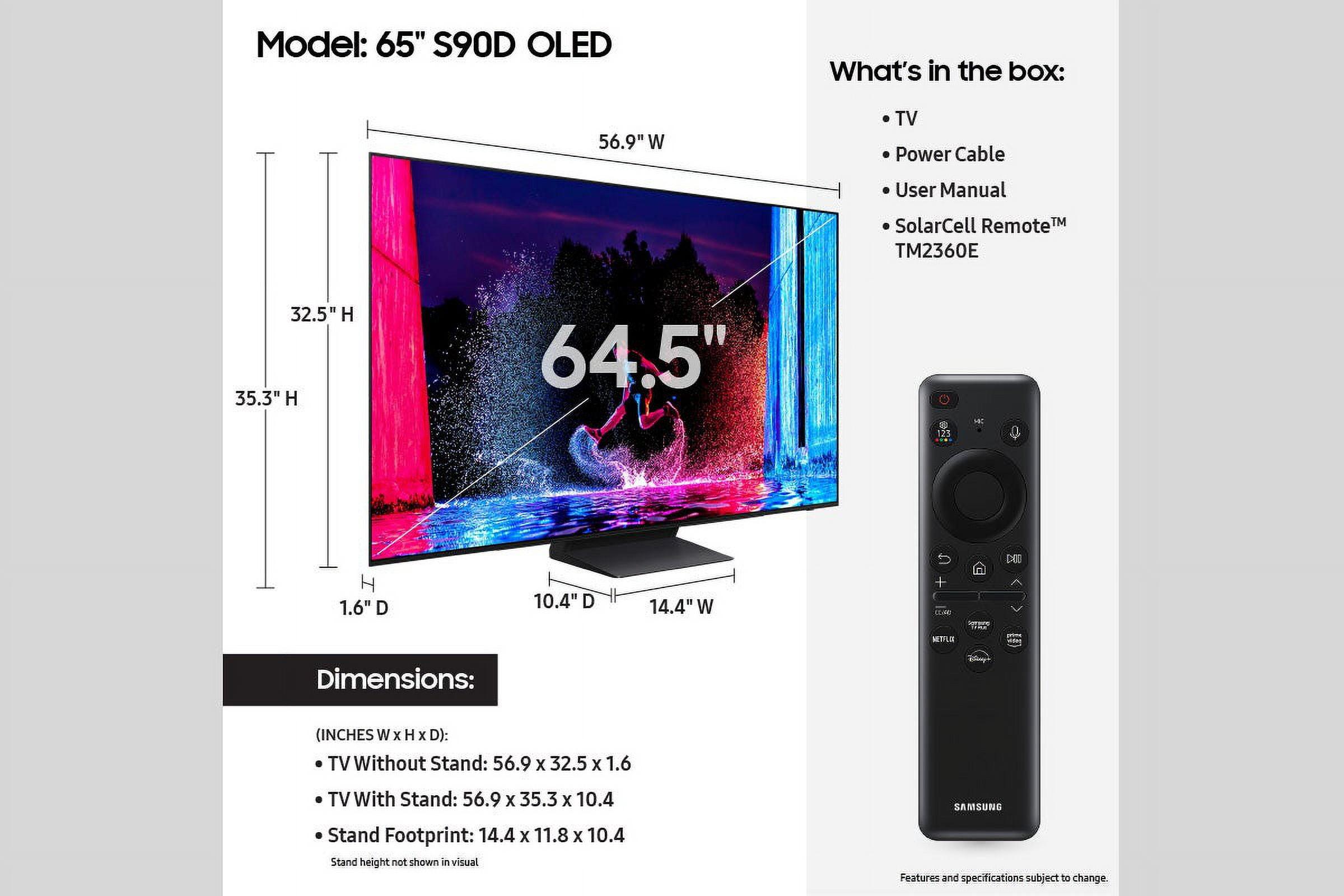
The Samsung S90D uses Tizen OS, which is equally capable but integrates better with Samsung's ecosystem if you use Samsung phones or other devices. One unique feature is the solar cell remote, which can charge itself from room light – a small but appreciated touch for sustainability.
Both platforms offer all the major streaming apps you'd expect, and both handle upscaling of lower-resolution content well through their respective AI processors.
The LG C5 includes Dolby Atmos support with its 2.2 channel, 40W speaker system. While TV speakers are never going to replace a dedicated sound system, the LG does a respectable job with built-in audio, especially for dialogue clarity.
The Samsung S90D has capable audio processing but doesn't specifically market Dolby Atmos support. In practice, both TVs benefit significantly from a dedicated soundbar or home theater system, but the LG's Dolby Atmos support gives it a slight edge if you're using the built-in speakers.
If you're setting up a dedicated home theater room, the LG C5 has several advantages. The Dolby Vision support is crucial for the best streaming experience, and the improved dark room performance helps with shadow detail in movies. The comprehensive smart home integration also works well with theater automation systems.
The Samsung S90D could work well in a home theater, but the lack of Dolby Vision support is more problematic in a dedicated viewing environment where you're likely to notice the difference in picture quality.
For a family room or living room setup, the Samsung's superior brightness and vibrant colors might actually be preferable, as they help combat ambient light and create an engaging viewing experience even during daytime viewing.
At current pricing, the Samsung S90D offers exceptional value. Getting QD-OLED technology at $1,198 is remarkable – this type of display technology typically costs much more. The picture quality improvements over traditional LED TVs are dramatic, and the gaming performance is excellent.
The LG C5 at $1,697–$2,196 costs significantly more, but you're paying for Dolby Vision support, more advanced AI processing, and LG's track record of long-term software support. LG's Re:New Program promises up to five years of software updates, which adds value for long-term ownership.
After living with both TVs, I find myself drawn to the LG C5 for movie nights and the Samsung S90D for daytime viewing and gaming. The Samsung's brightness advantage is most noticeable in bright rooms, while the LG's Dolby Vision support makes streaming content look more cinematic.
The price difference is substantial enough that many buyers will find the Samsung offers better value, especially if they don't prioritize Dolby Vision. However, if you're building a home theater or primarily watch streaming content, the LG's advantages become more important.
Choose the Samsung S90D if you want the best value, have a bright room, prioritize gaming with high refresh rates, or don't mind missing Dolby Vision support. It's an excellent TV that punches above its weight class.
Choose the LG C5 if you watch a lot of streaming content, have a dedicated dark viewing room, want the latest AI features, or prioritize cinematic accuracy. The higher price is justified by features that enhance the viewing experience for serious movie and TV watchers.
The bottom line is that both TVs deliver outstanding picture quality that will impress anyone coming from an LED TV. The Samsung S90D offers incredible value and vibrant visuals, while the LG C5 provides a more premium, cinema-focused experience. Your choice depends on your budget, room environment, and how you prioritize different features in your viewing experience.
| LG OLED evo C5 65" 4K TV 2025 | Samsung 65" OLED S90D TV |
|---|---|
| Current Price - Major factor in value equation | |
| $1,697–$2,196 (down from $2,699 launch) | $1,198 (exceptional value for QD-OLED) |
| Panel Technology - Determines brightness and color performance | |
| WOLED with enhanced brightness vs previous C-series | QD-OLED delivers superior brightness and color volume |
| Peak Brightness - Critical for HDR impact and bright room viewing | |
| Improved but still lower than QD-OLED competitors | Significantly brighter, maintains colors at high brightness |
| HDR Support - Affects streaming and movie experience | |
| Dolby Vision (Netflix, Disney+, Apple TV+) + HDR10/HLG | HDR10+ Adaptive only, no Dolby Vision support |
| Processor - Impacts upscaling and AI features | |
| Alpha 9 Gen8 AI with advanced upscaling | NQ4 AI Gen3 with strong color optimization |
| Gaming Refresh Rate - Important for PC and console gaming | |
| 120Hz (perfect for PS5/Xbox Series X) | 144Hz (better for high-end PC gaming) |
| Response Time - Critical for competitive gaming | |
| 0.1ms (virtually instantaneous) | Excellent response time (not specified) |
| Smart Platform - Affects app availability and user experience | |
| webOS 25 with Magic Remote and voice assistants | Tizen OS with solar cell remote |
| Audio Features - Built-in sound quality | |
| Dolby Atmos, 2.2ch 40W speakers | Advanced audio processing, no Atmos branding |
| Voice Assistant Support - Smart home integration | |
| Alexa, Google Assistant, Apple HomeKit | Bixby, Alexa (limited smart home features) |
| Best Room Environment - Where each TV excels | |
| Dark rooms and dedicated home theaters | Bright living rooms and family spaces |
| Ideal User - Who should choose each model | |
| Streaming enthusiasts who want cinematic accuracy | Gamers and bright-room viewers seeking value |
The Samsung S90D offers better value at $1,198 compared to the LG C5 at $1,697–$2,196. You get QD-OLED technology that's typically found in much more expensive TVs. However, the LG C5 justifies its higher price with Dolby Vision support and more advanced AI processing.
The Samsung S90D is significantly brighter and delivers more vibrant colors, making it better for bright rooms. The LG C5 excels in dark rooms with better shadow detail and color accuracy. The Samsung uses QD-OLED technology while the LG uses WOLED technology.
The Samsung S90D has a slight edge for gaming with its 144Hz refresh rate compared to the LG C5's 120Hz. Both offer excellent response times and VRR support. The LG C5 adds Dolby Vision gaming support, which enhances visuals on compatible systems.
Only the LG C5 supports Dolby Vision, which is widely used by Netflix, Disney+, and Apple TV+. The Samsung S90D supports HDR10+ Adaptive instead but lacks Dolby Vision support, which can be a dealbreaker for streaming enthusiasts.
The Samsung S90D performs much better in bright rooms due to its superior peak brightness and color volume. The LG C5 has improved brightness over previous models but still struggles more with ambient light and glare compared to the Samsung.
The LG C5 runs webOS 25 with comprehensive voice assistant support and Apple HomeKit integration. The Samsung S90D uses Tizen OS with good app selection and Samsung ecosystem integration. Both are capable platforms, but LG offers more smart home compatibility.
The LG C5 has better built-in audio with Dolby Atmos support and 2.2 channel 40W speakers. The Samsung S90D has capable audio processing but doesn't specifically support Dolby Atmos. Both TVs benefit from adding a dedicated soundbar.
The LG C5 is better for dedicated home theaters due to its Dolby Vision support, superior dark room performance, and better shadow detail preservation. The Samsung S90D can work in a home theater but the lack of Dolby Vision support is more noticeable in a dedicated viewing environment.
The Samsung S90D gets significantly brighter than the LG C5, especially in HDR content. This makes HDR highlights more impactful and helps the Samsung perform better in rooms with ambient light. The LG has improved brightness over previous models but still trails the Samsung.
The Samsung S90D supports up to 144Hz refresh rate, which is beneficial for high-end PC gaming. The LG C5 supports 120Hz, which is perfectly adequate for console gaming with PlayStation 5 or Xbox Series X. Both offer excellent gaming performance with VRR and low input lag.
Both the LG C5 and Samsung S90D support all major streaming apps. The key difference is that the LG C5 can display Dolby Vision content from Netflix, Disney+, and Apple TV+ in enhanced quality, while the Samsung falls back to standard HDR10 for the same content.
Choose the Samsung S90D if you have a bright living room, want the best value, and don't mind missing Dolby Vision. Choose the LG C5 if you primarily watch streaming content, have a darker room, or want the most cinematic experience. The Samsung offers better brightness while the LG provides more premium features.
We've done our best to create useful and informative comparisons to help you decide what product to buy. Our research uses advanced automated methods to create this comparison and perfection is not possible - please contact us for corrections or questions. These are the sites we've researched in the creation of this article: bestbuy.com - rtings.com - youtube.com - businessinsider.com - youtube.com - bestbuy.com - lg.com - files.bbystatic.com - lg.com - flatpanelshd.com - lg.com - blvdhome.com - bhphotovideo.com - flanners.com - videopro.com.au - bestbuy.com - valueelectronics.com - youtube.com - cnet.com - bestbuy.com - videoandaudiocenter.com - youtube.com - samsung.com - samsung.com - pcrichard.com - samsung.com

Privacy Policy
Terms and Conditions - Affiliate Policy
Home Security
© Copyright 2008-2026.
11816 Inwood Rd #1211, Dallas, TX 75244