

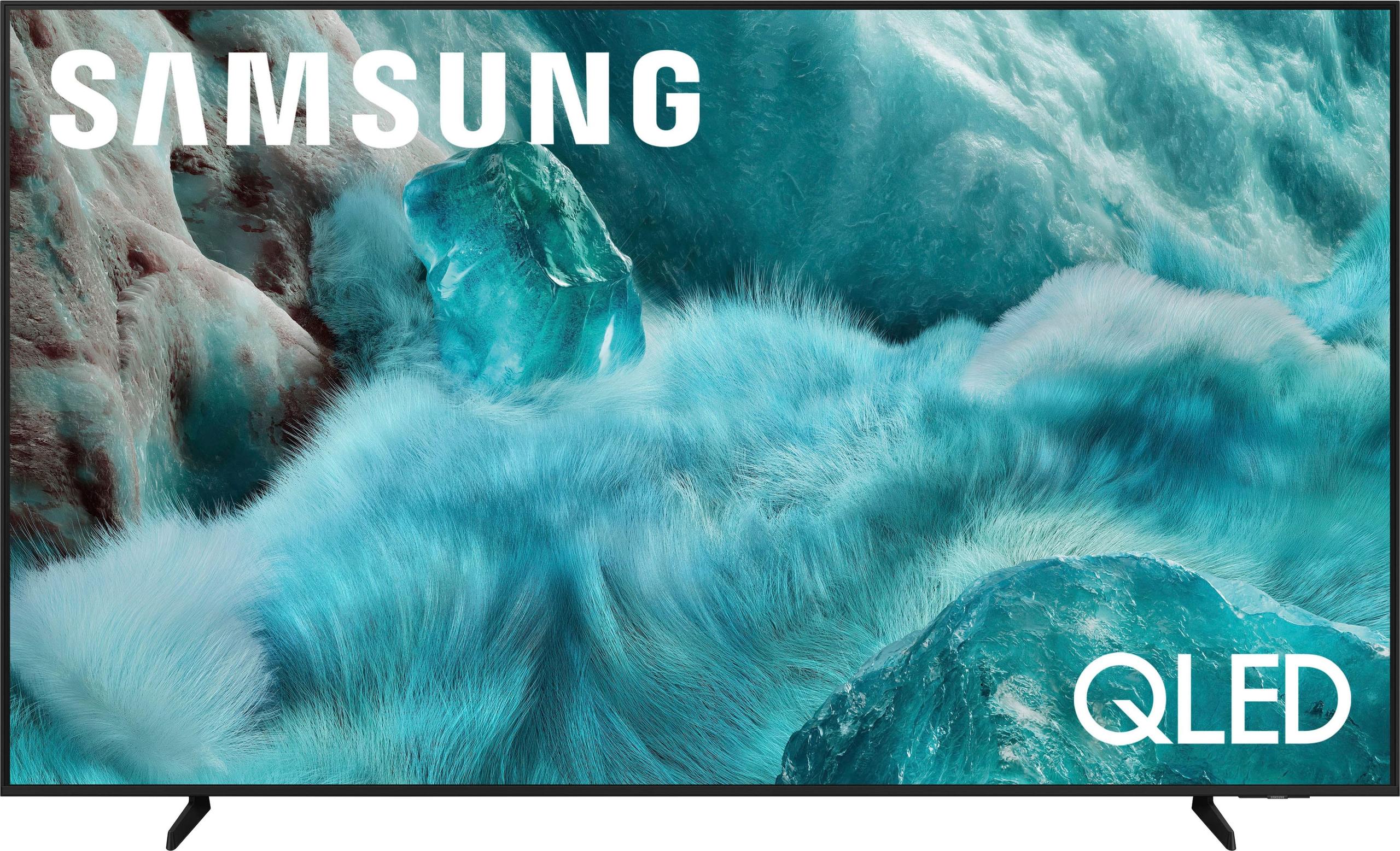
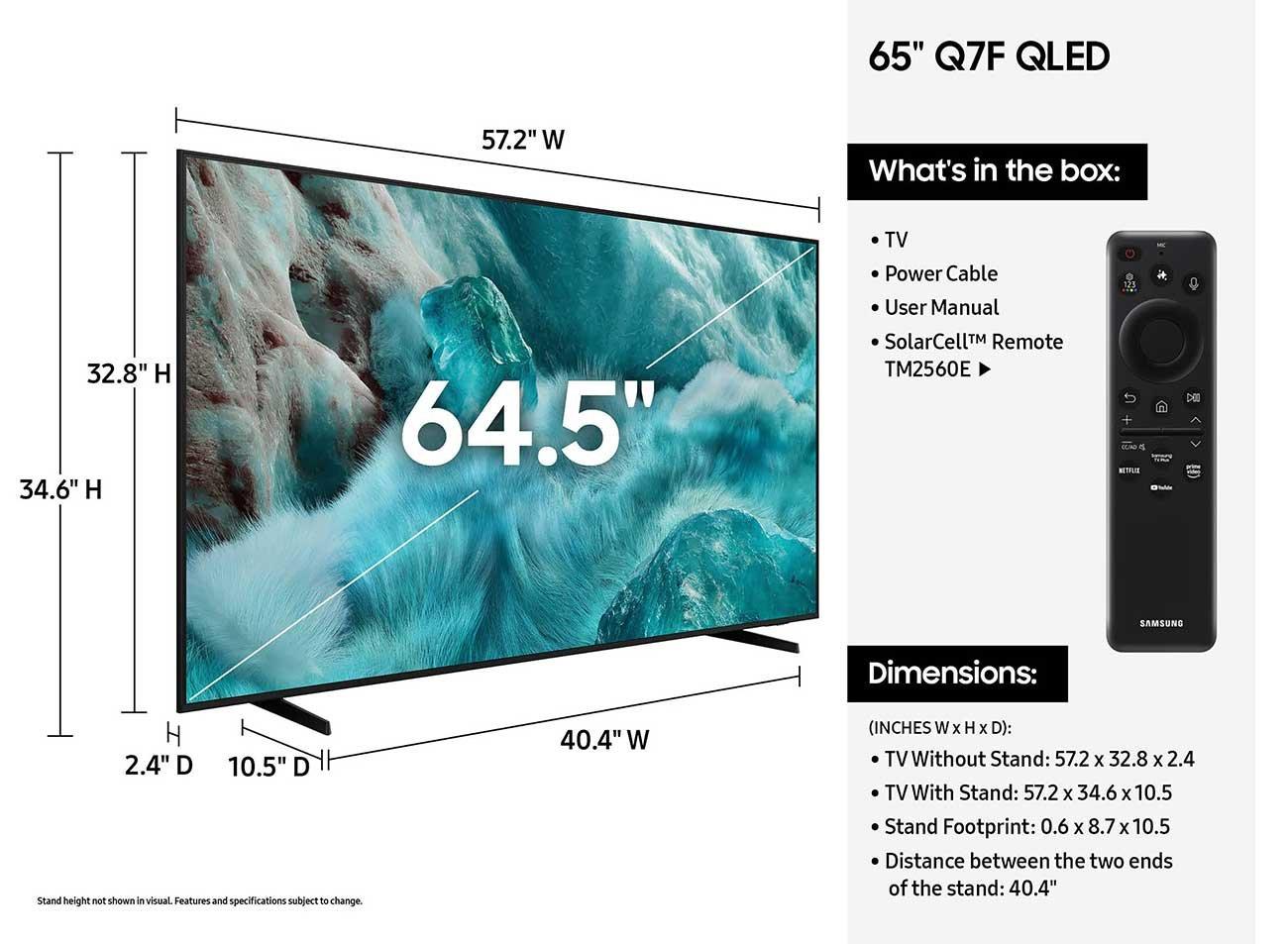

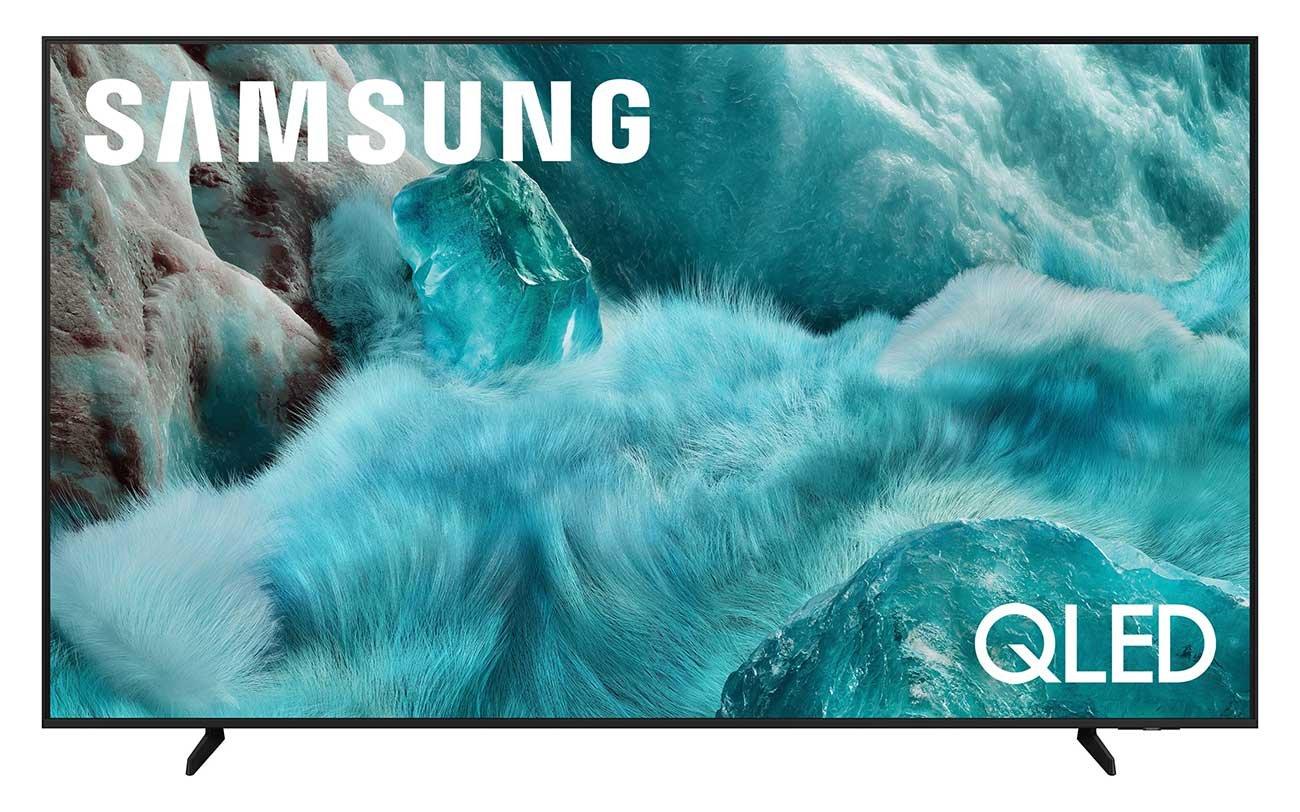
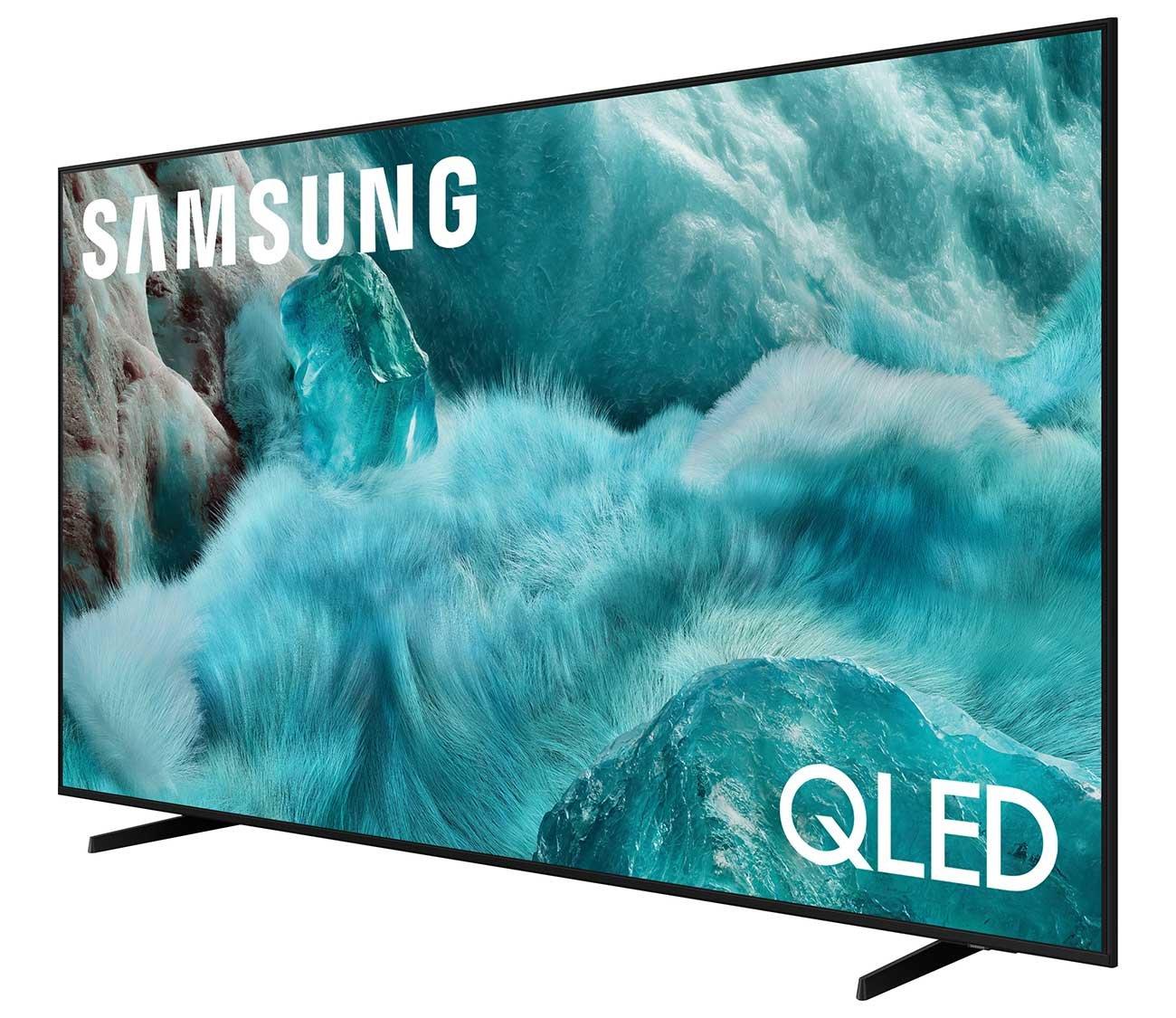
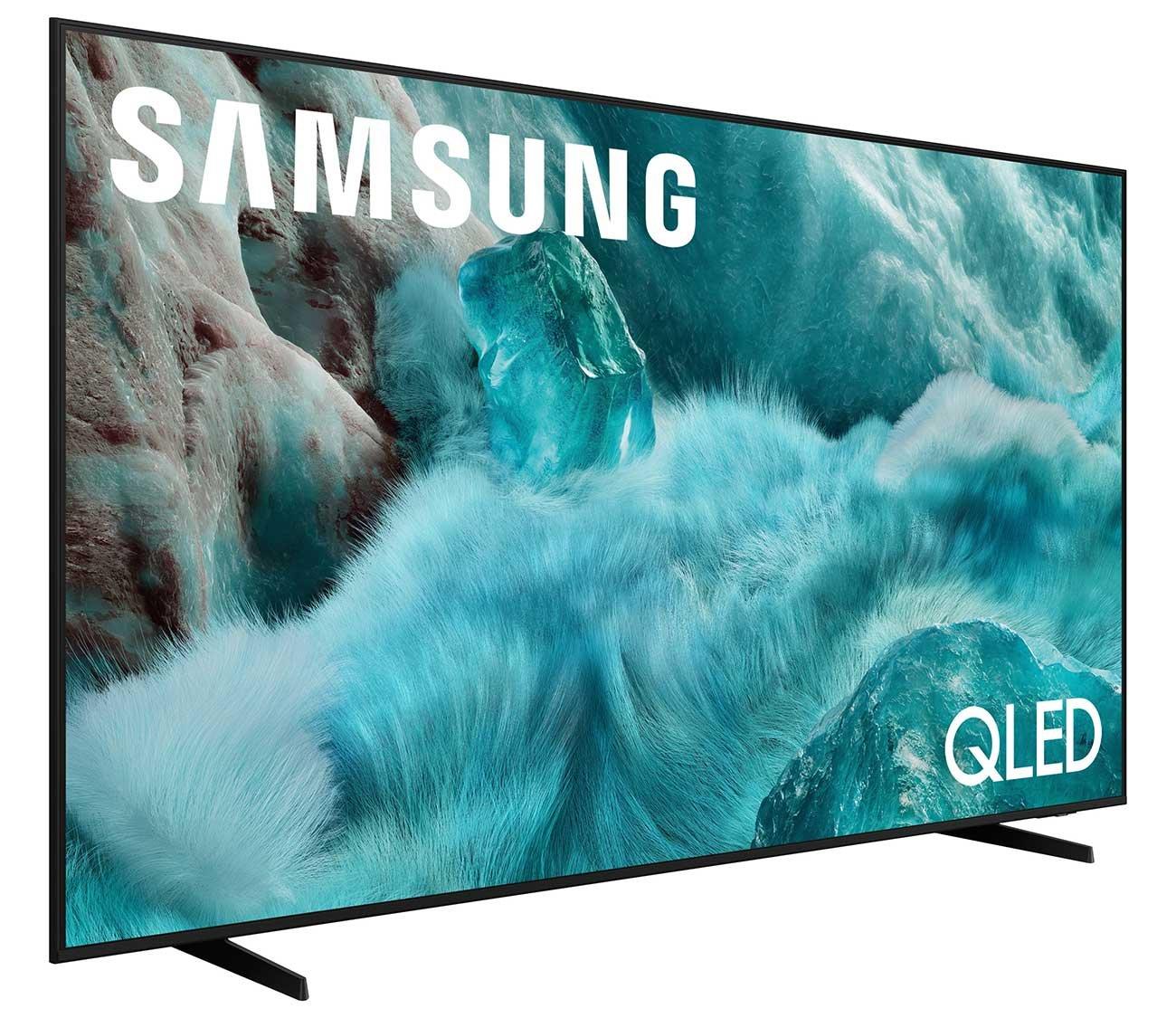

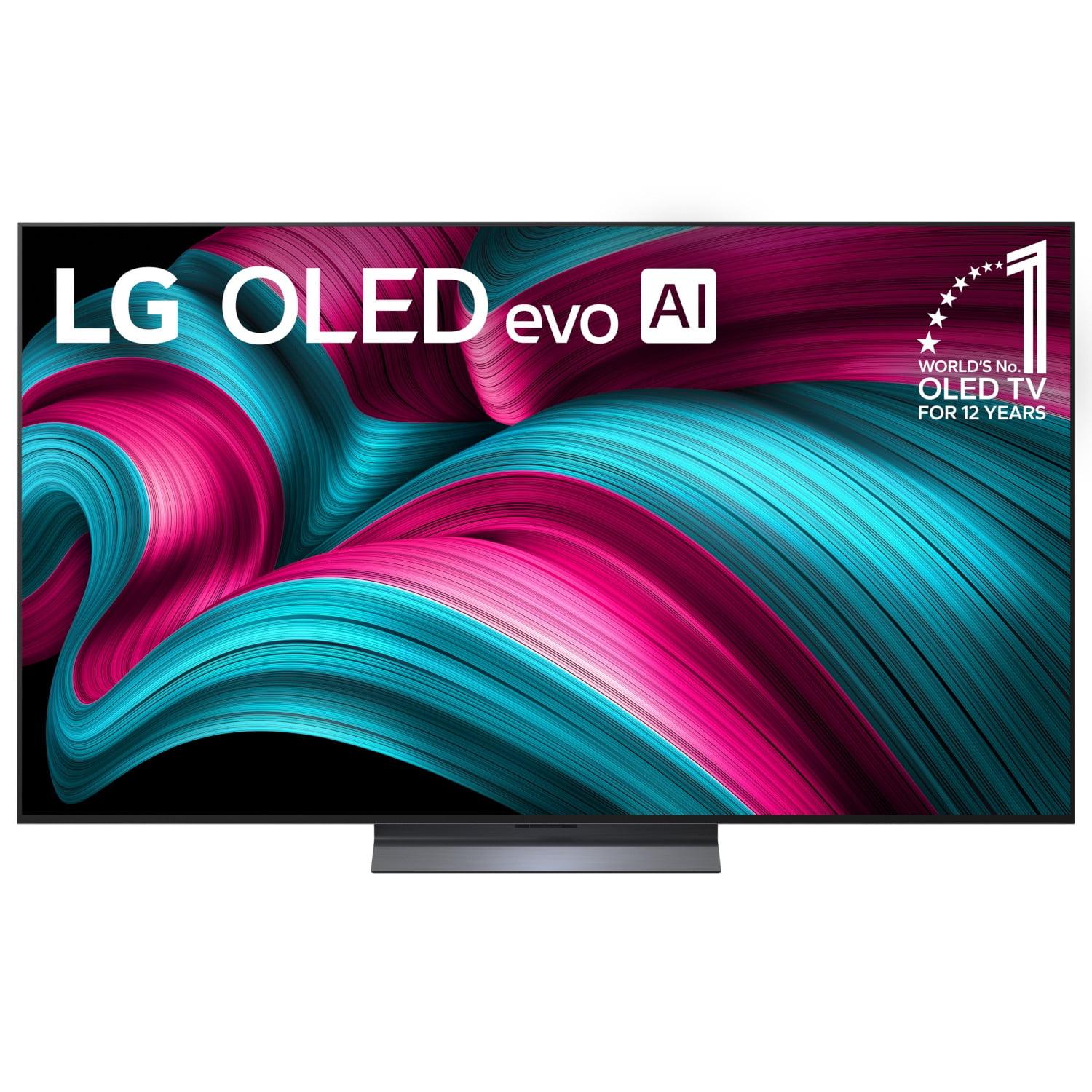
Shopping for a premium 65-inch TV can feel overwhelming when you're comparing fundamentally different technologies. The Samsung 65" Q7F QLED 4K Vision AI Smart TV 2025 and LG OLED evo C5 65" 4K TV 2025 represent two distinct approaches to premium television, and understanding their differences will help you make the right choice for your home.
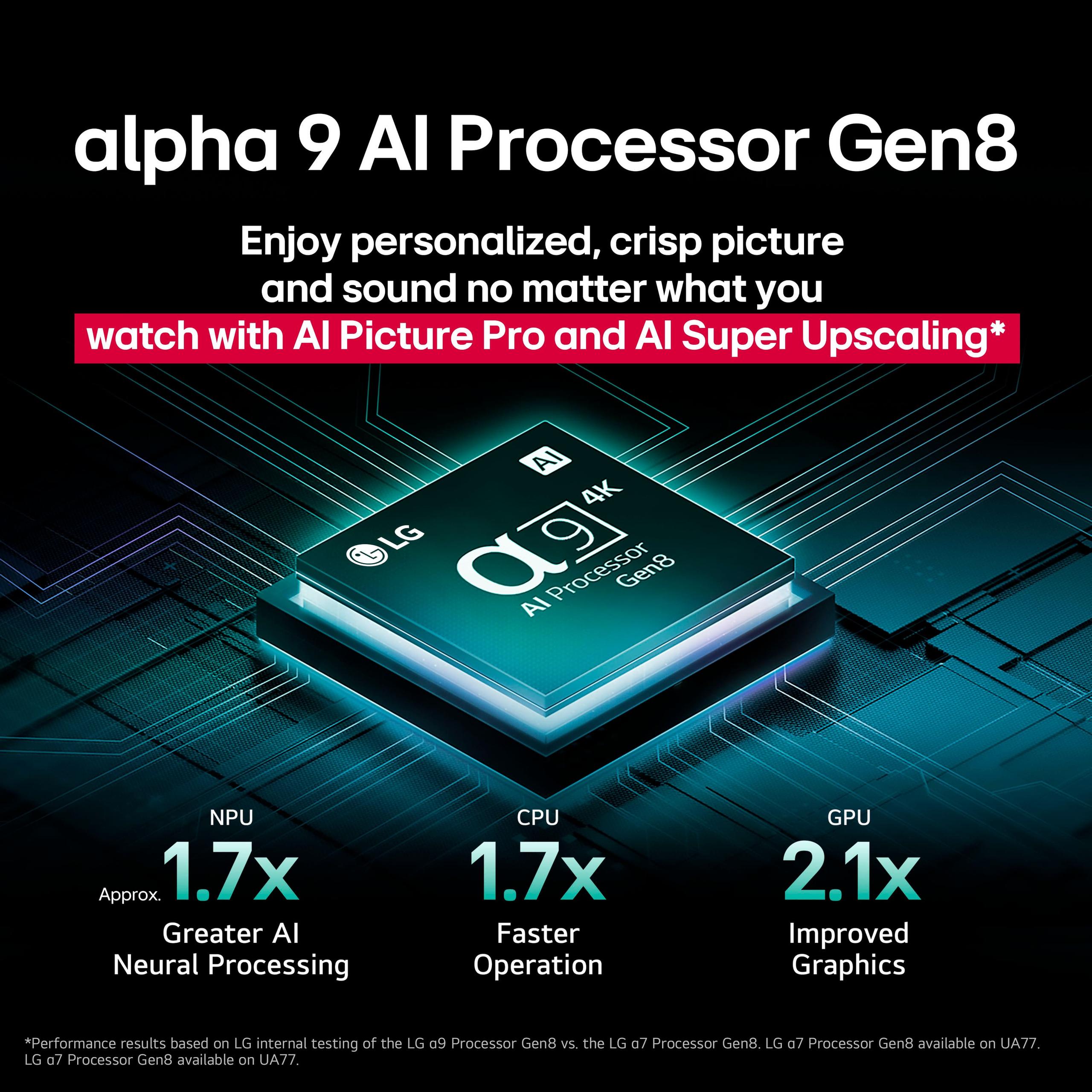
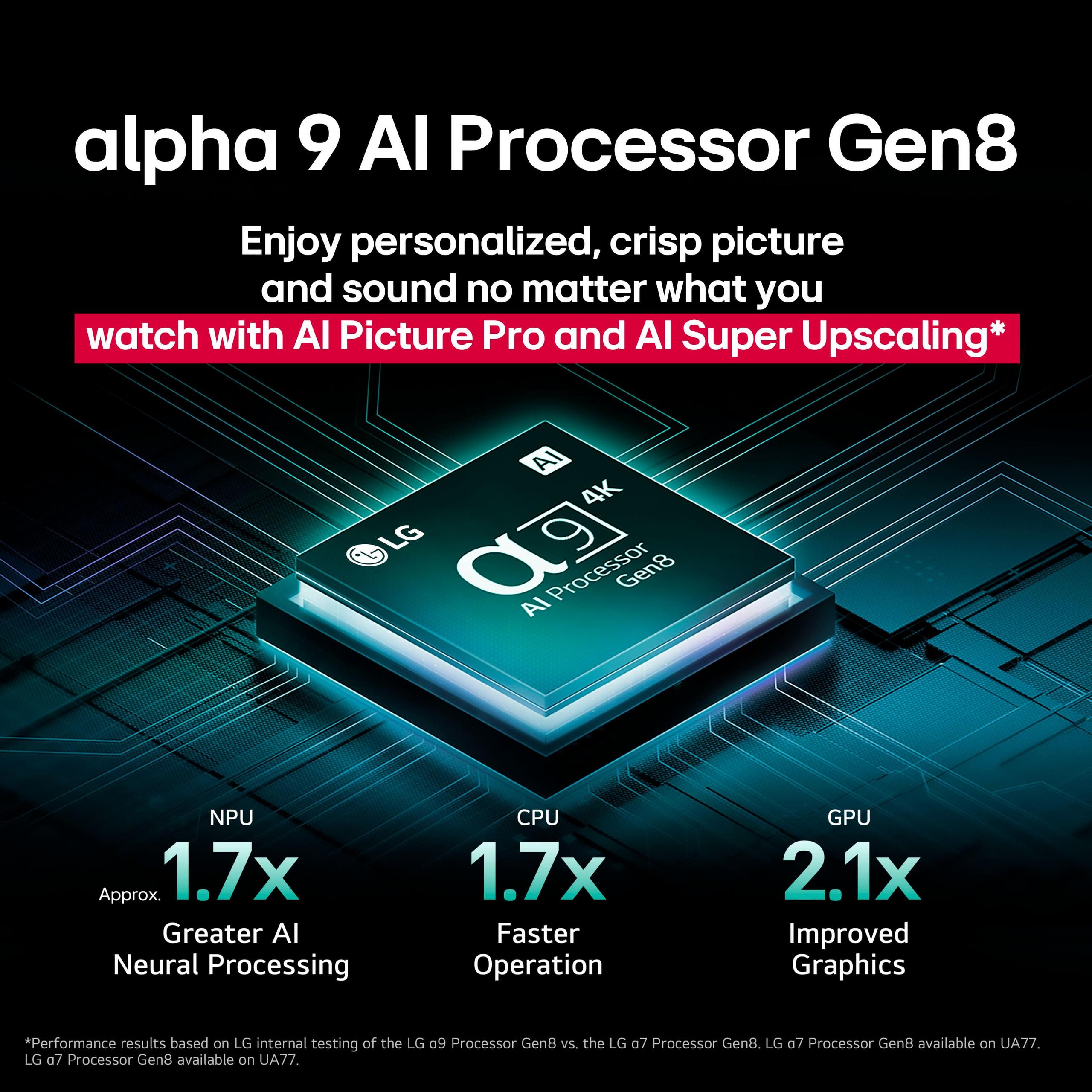
Both TVs hit the market in early 2025, representing the latest evolution in their respective display technologies. The Samsung Q7F brings Samsung's newest Vision AI features and improved Quantum Dot technology, while the LG C5 incorporates the company's latest Alpha 9 Gen8 processor and enhanced OLED evo panel. At the time of writing, these models sit in different price tiers, with the Samsung offering mid-range premium value and the LG positioned as a high-end option that costs roughly twice as much.
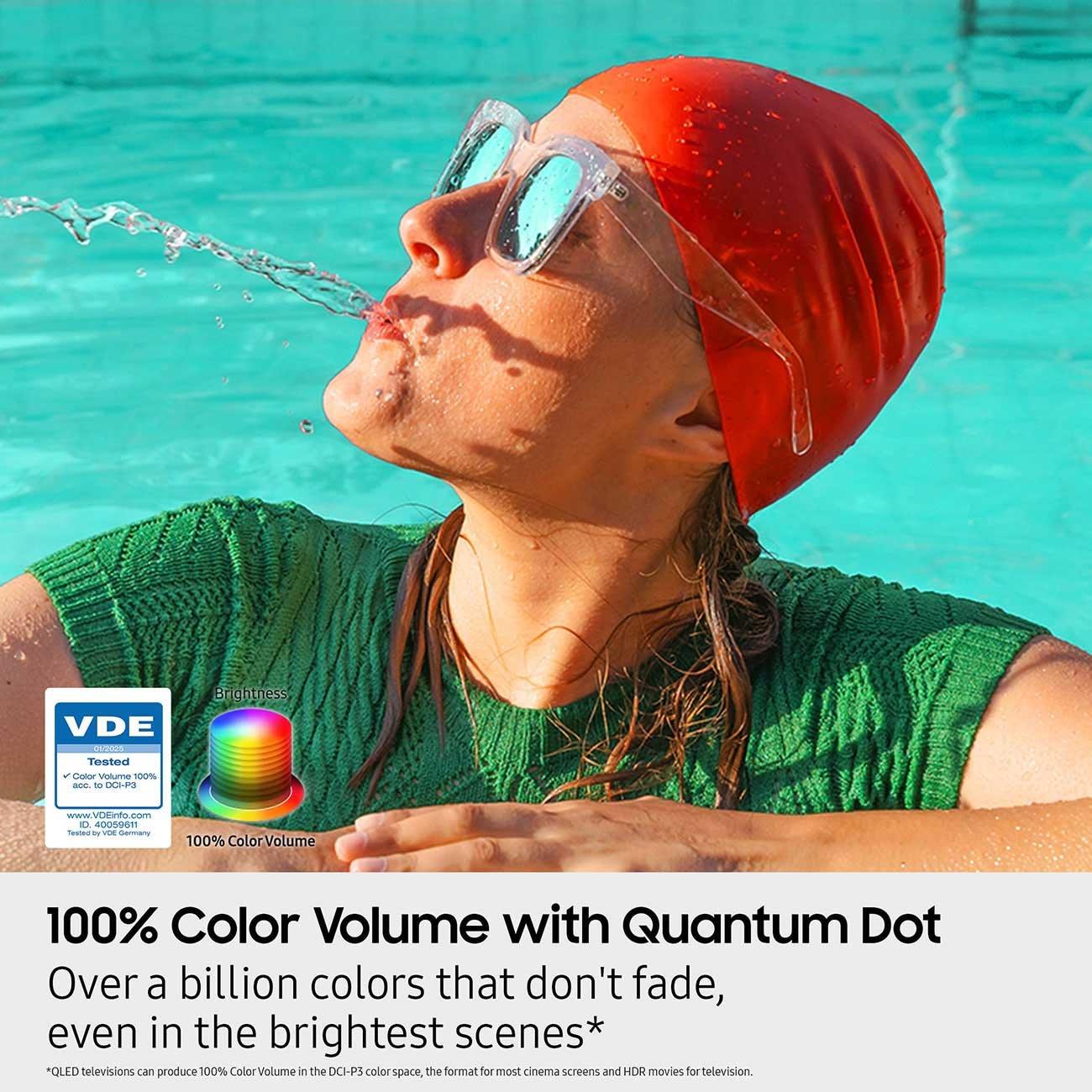
The biggest difference between these TVs lies in how they create images. The Samsung Q7F uses QLED technology, which is essentially a high-quality LED TV with a special layer called Quantum Dots. Think of Quantum Dots as microscopic crystals that glow when hit by light—they help create more vibrant colors and brighter images than traditional LED TVs. The TV still uses a backlight (like a giant light panel) behind the screen to illuminate the picture.
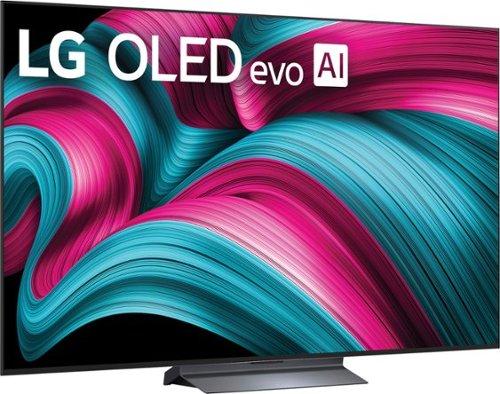
The LG C5, on the other hand, uses OLED technology where each individual pixel creates its own light. Imagine having over 8 million tiny light bulbs that can turn on, off, or dim independently. This fundamental difference shapes everything about how these TVs perform.
When Samsung introduced their 2025 QLED lineup, they focused heavily on AI integration and brightness improvements. The Q7F represents a significant step up from previous mid-range models, incorporating technologies that were previously reserved for flagship TVs. Meanwhile, LG's 2025 OLED models like the C5 emphasize gaming performance and improved brightness—addressing two areas where OLED traditionally lagged behind QLED competitors.
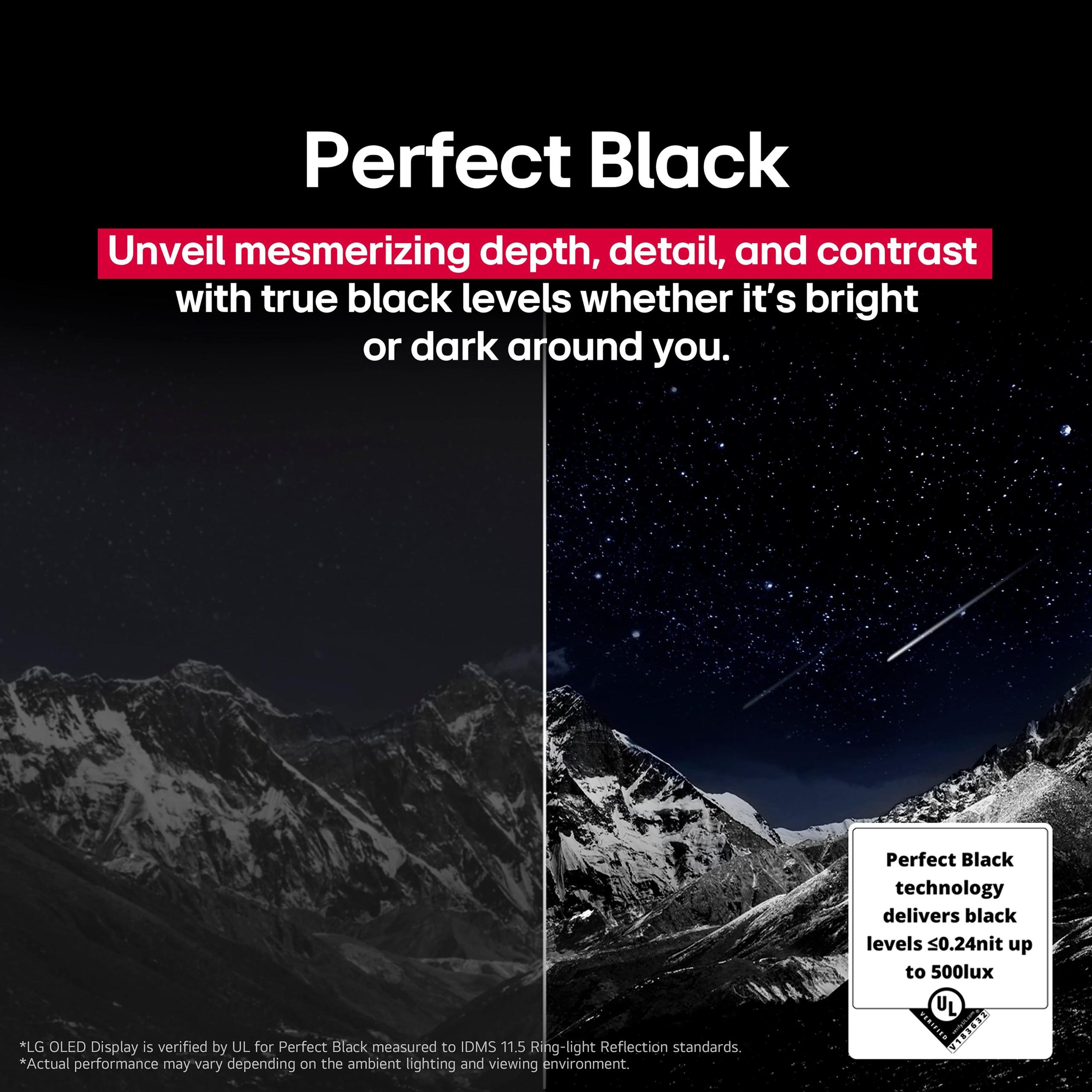
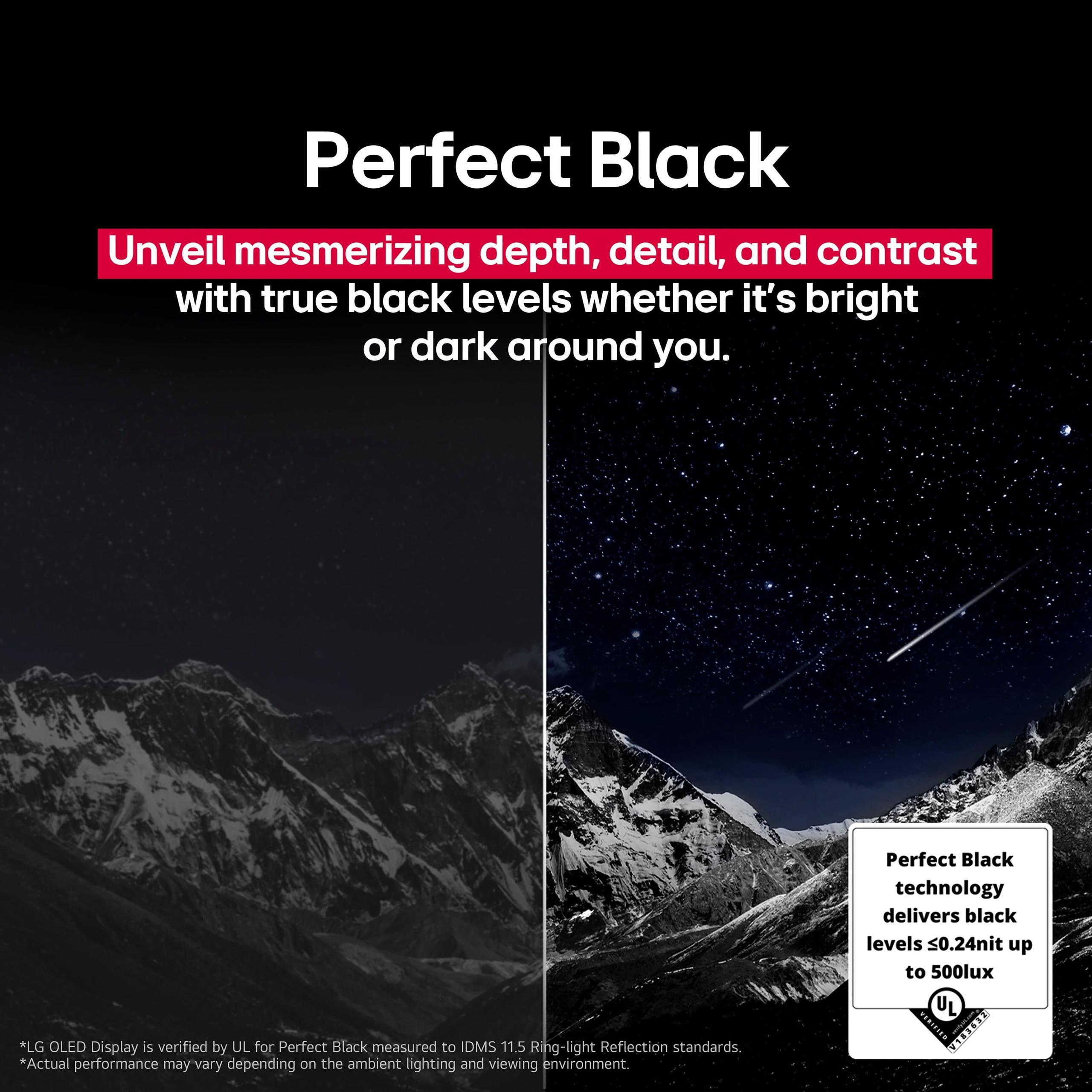
This is where the LG C5 absolutely dominates. When an OLED pixel needs to show pure black, it simply turns off completely. You get true darkness—the kind you see in a movie theater when the screen goes black between scenes. The Samsung Q7F, like all LED-based TVs, can't achieve this because its backlight is always on to some degree. Even with advanced dimming zones (areas where the backlight can dim independently), some light bleeds through.
In practical terms, this means the LG C5 makes dark movie scenes look dramatically better. When you're watching something like a space movie with stars against the black void, or a thriller with shadowy scenes, the OLED's perfect blacks create an almost three-dimensional depth that's genuinely impressive. The Samsung handles these scenes well for its price range, but the difference is immediately noticeable when comparing side-by-side.
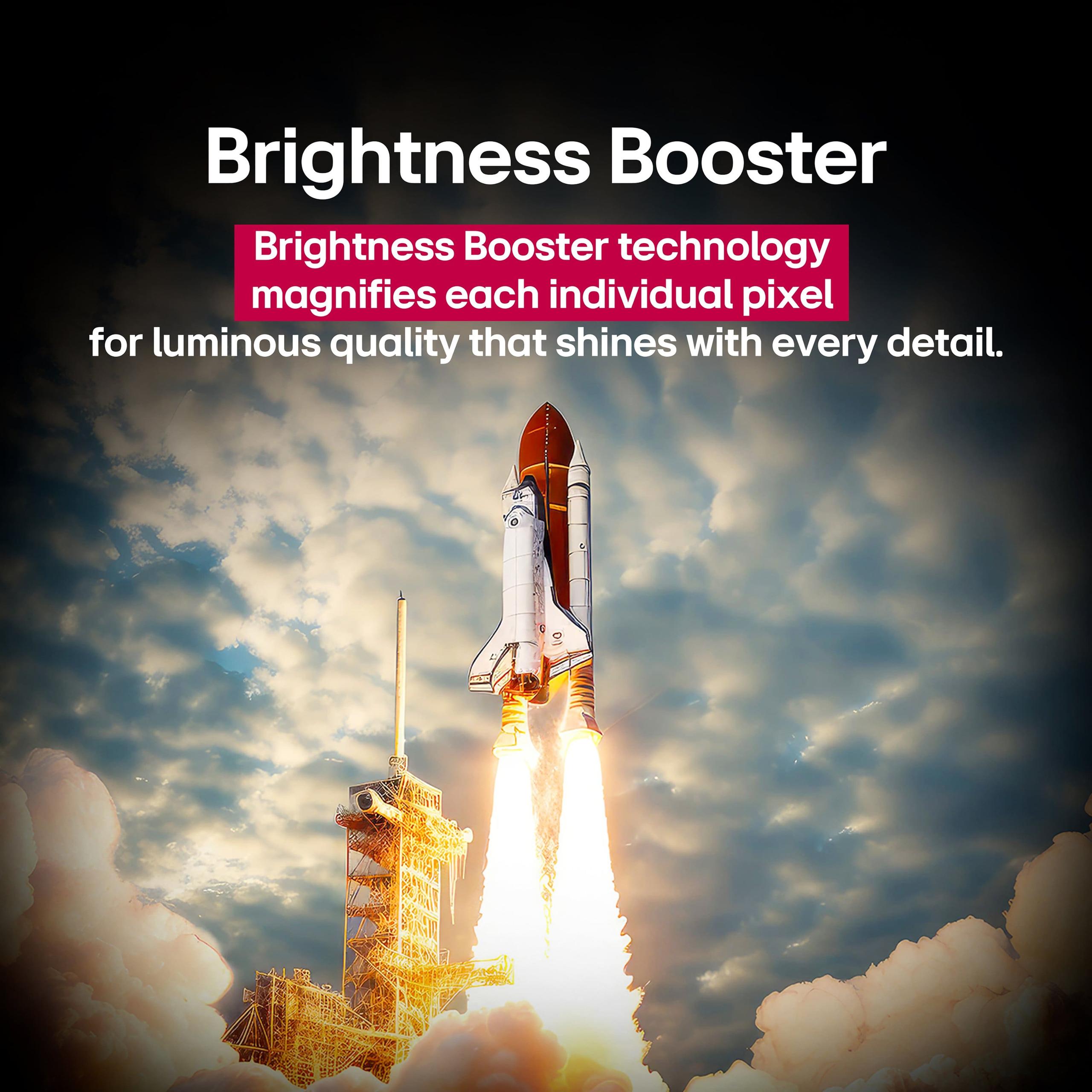
Here's where things get interesting. The Samsung Q7F can get significantly brighter than the LG C5, especially in room-filling bright scenes. HDR (High Dynamic Range) content—which includes most modern streaming shows and 4K Blu-rays—benefits from high peak brightness to make highlights like explosions, reflections, or bright skies really pop off the screen.
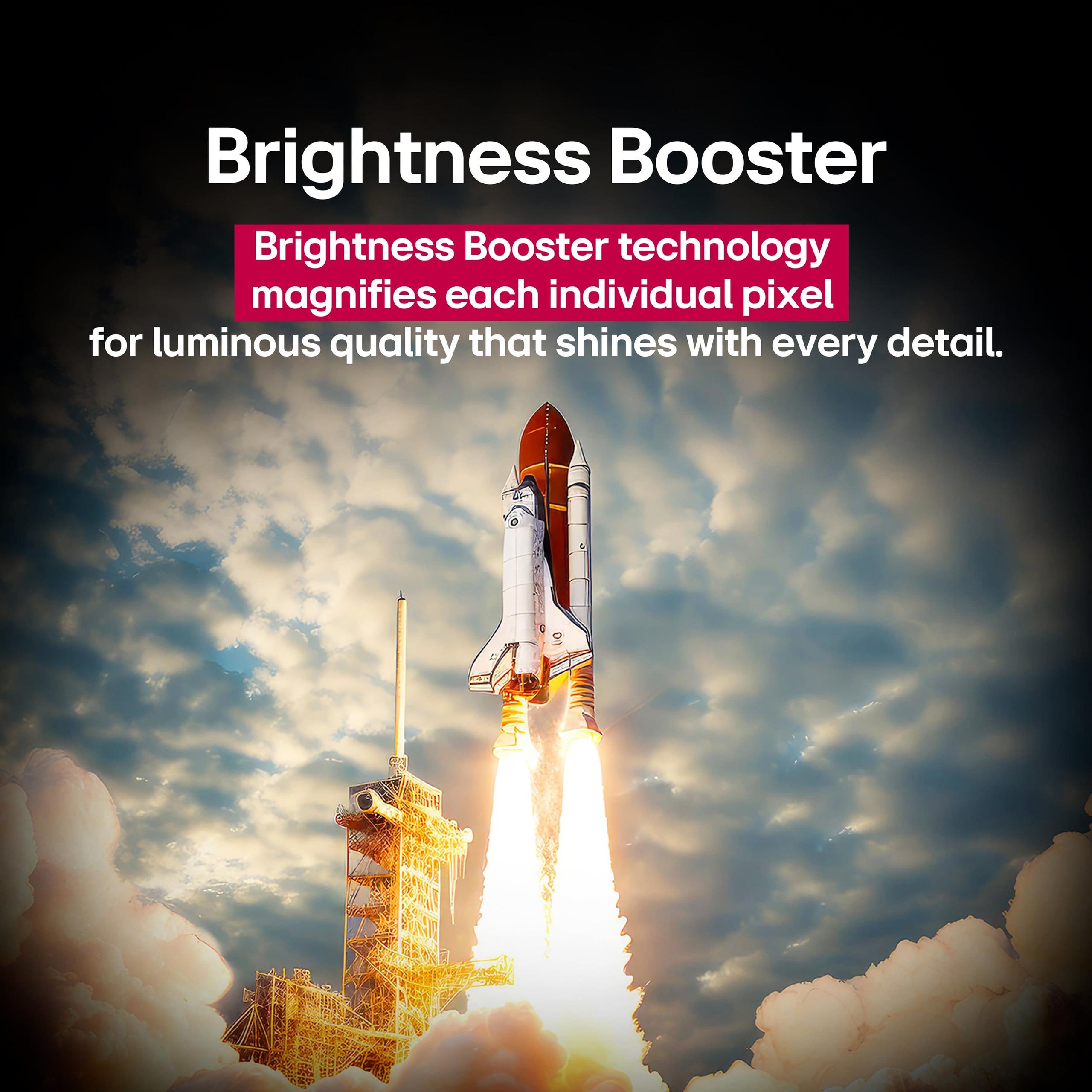
The Samsung's Quantum Dot technology and powerful backlight can push brightness levels that make HDR content look spectacular, particularly if you're watching during the day or in a bright room. The LG C5 has improved brightness compared to previous OLED generations, but it still can't match QLED peak brightness, especially during very bright scenes where it may automatically dim to protect the panel.
However, the OLED's advantage comes in how it handles the full brightness range. While it might not hit the highest peaks, the LG C5 can show subtle gradations between dark and bright areas that the Samsung might crush together. This creates more natural-looking images with better shadow detail.
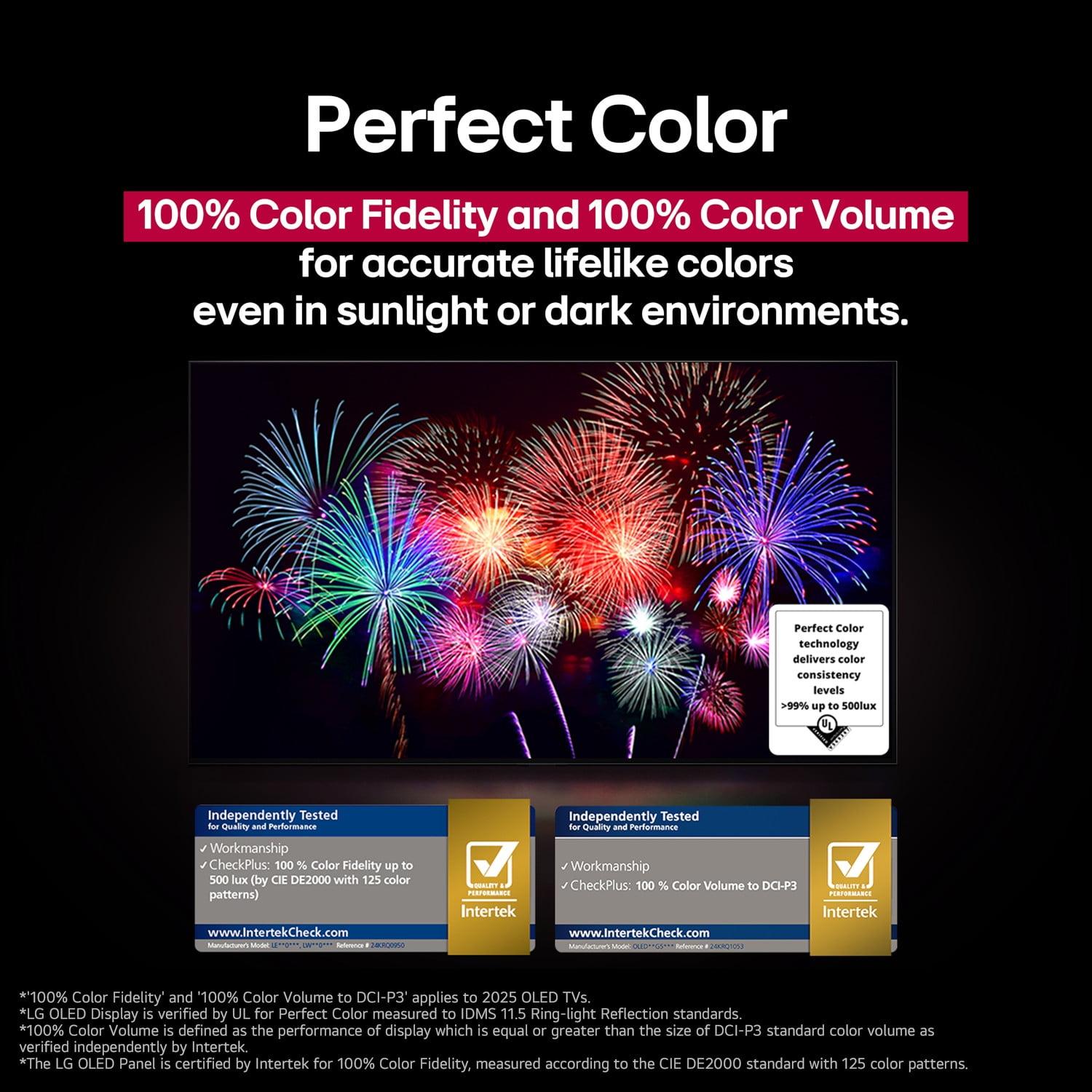
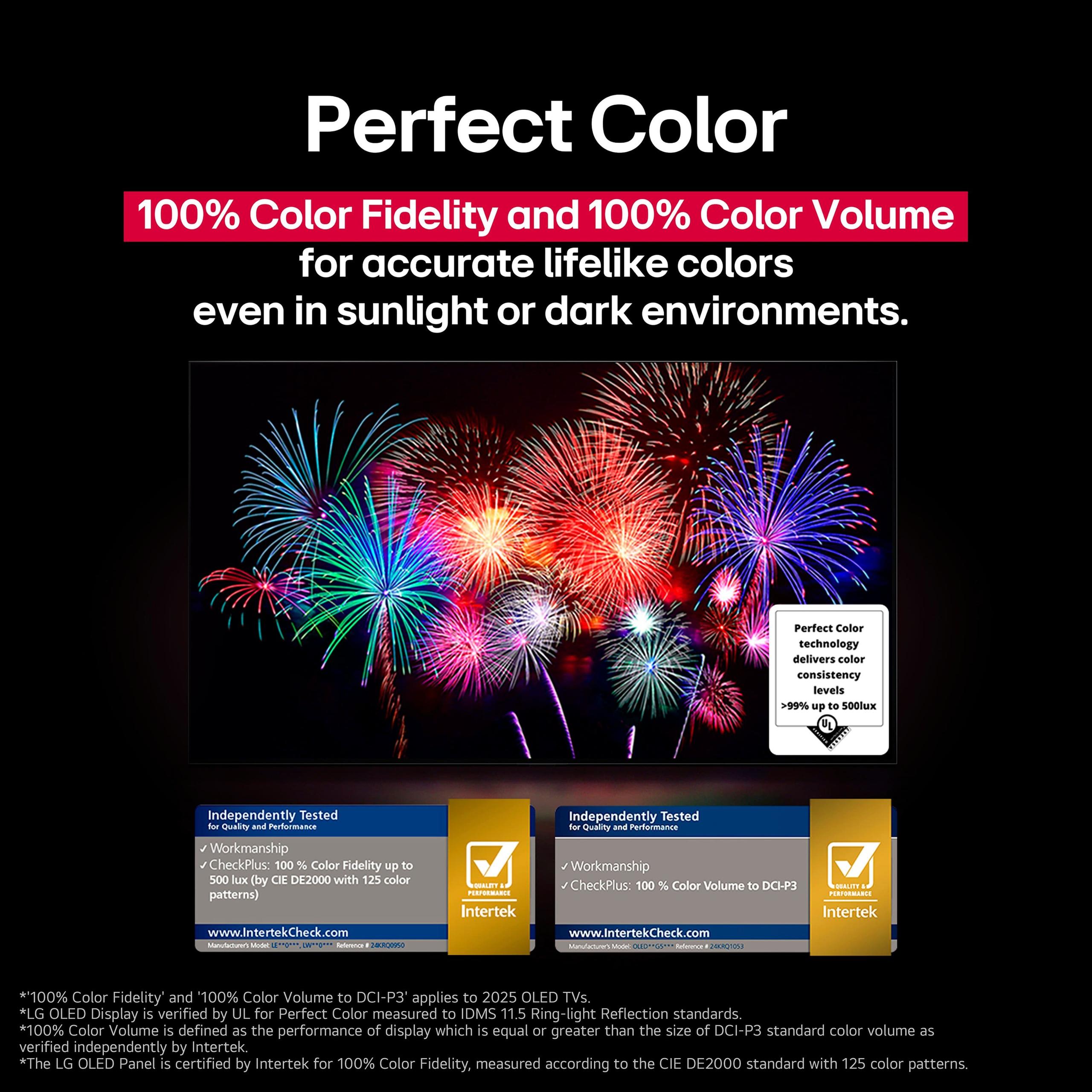
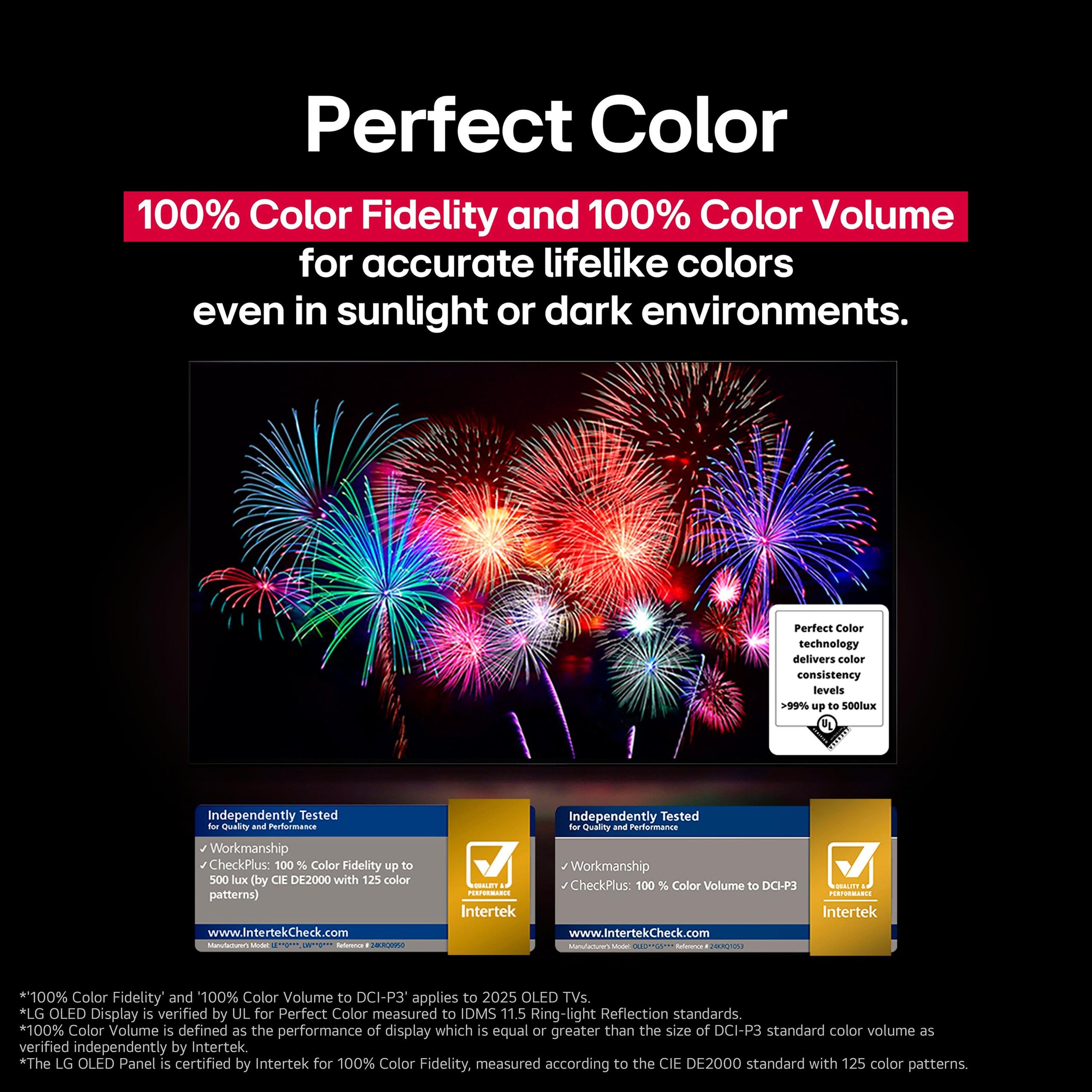
Both TVs excel here, but in different ways. The Samsung Q7F's Quantum Dot layer helps it display a wider range of bright, saturated colors—think vibrant reds, deep blues, and brilliant greens that really grab your attention. This makes animated content, nature documentaries, and colorful movies look particularly striking.
The LG C5 takes a more refined approach. Its colors might not be quite as punchy in bright scenes, but they tend to look more natural and film-like. The OLED's perfect black levels also help colors appear richer by comparison—a red dress against a black background looks more vivid on OLED because the black is truly black.
Our research into professional reviews consistently shows that both TVs offer excellent color accuracy out of the box, meaning you won't need to spend hours tweaking settings to get good-looking images.
If you're serious about gaming, the LG C5 is the obvious choice. The difference isn't subtle—it's substantial enough that competitive gamers and enthusiasts should strongly consider the extra cost.
The LG C5 offers a 0.1-millisecond response time, which is essentially instantaneous. Response time measures how quickly individual pixels can change from one color to another—crucial for reducing motion blur in fast-paced games. The Samsung Q7F doesn't specify its response time, but LED-based TVs typically range from 5-20 milliseconds, which is perfectly adequate for casual gaming but noticeable for competitive play.
Input lag—the delay between pressing a button and seeing the action on screen—is similarly impressive on the LG C5. Both TVs offer game modes that minimize processing delays, but OLED technology inherently has less lag than LED displays with complex backlighting systems.
This is where the differences become most pronounced. The LG C5 supports up to 144Hz refresh rate (how many times per second the image updates), while the Samsung Q7F tops out at 60Hz. For context, most movies run at 24Hz and TV shows at 30Hz or 60Hz, so 60Hz handles regular content perfectly fine.
But modern gaming consoles like the PlayStation 5 and Xbox Series X can output 120Hz for supported games, creating smoother motion and more responsive gameplay. PC gamers with high-end graphics cards can push even higher frame rates. The LG C5 not only supports these high refresh rates but includes Variable Refresh Rate (VRR) technology, which eliminates screen tearing—those horizontal lines that appear when the game's frame rate doesn't match the TV's refresh rate.
The LG C5 also features four full-bandwidth HDMI 2.1 ports, meaning you can connect multiple high-performance gaming devices without compromising on features. The Samsung Q7F has fewer HDMI ports and our research suggests they may not all support the latest gaming features.
For casual gaming—playing story-based games, sports titles, or gaming a few hours per week—the Samsung Q7F handles gaming duties perfectly well. But for enthusiasts who want every competitive advantage or the smoothest possible experience, the LG C5 is worth the investment.
Both TVs excel as smart platforms, but they take notably different approaches to artificial intelligence and user experience.
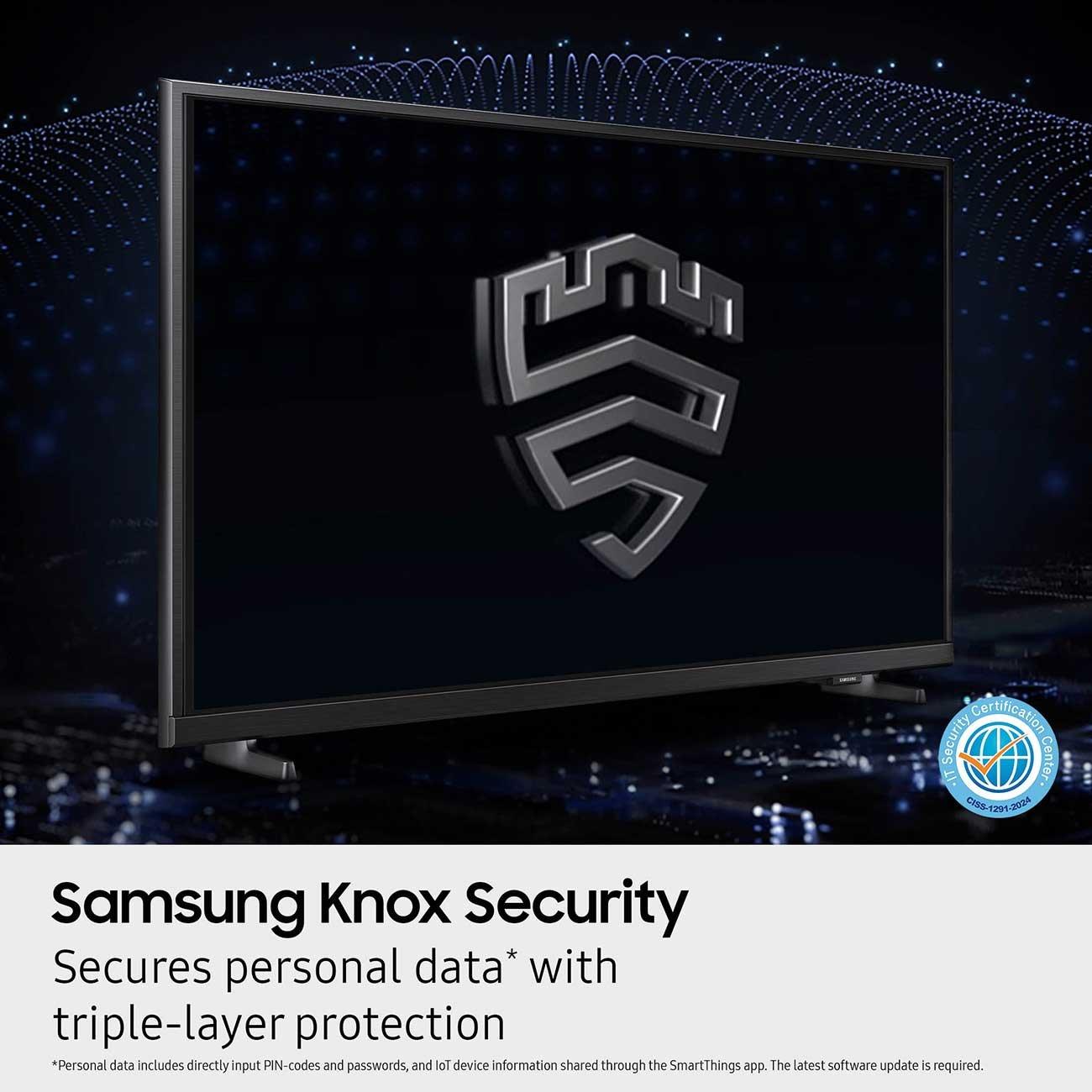
The Samsung Q7F positions itself as more than just a TV—it's designed to be a smart home hub. Samsung Vision AI can analyze what you're watching and provide contextual information, translate text on screen in real-time, and even create custom wallpapers based on keywords you provide. These features work surprisingly well and add genuine utility for many users.
The Tizen smart platform has matured significantly and feels responsive and intuitive. Samsung's approach emphasizes personalization and convenience features that extend beyond just watching content. If you like the idea of your TV being more interactive and helpful in daily life, the Samsung's AI features provide real value.
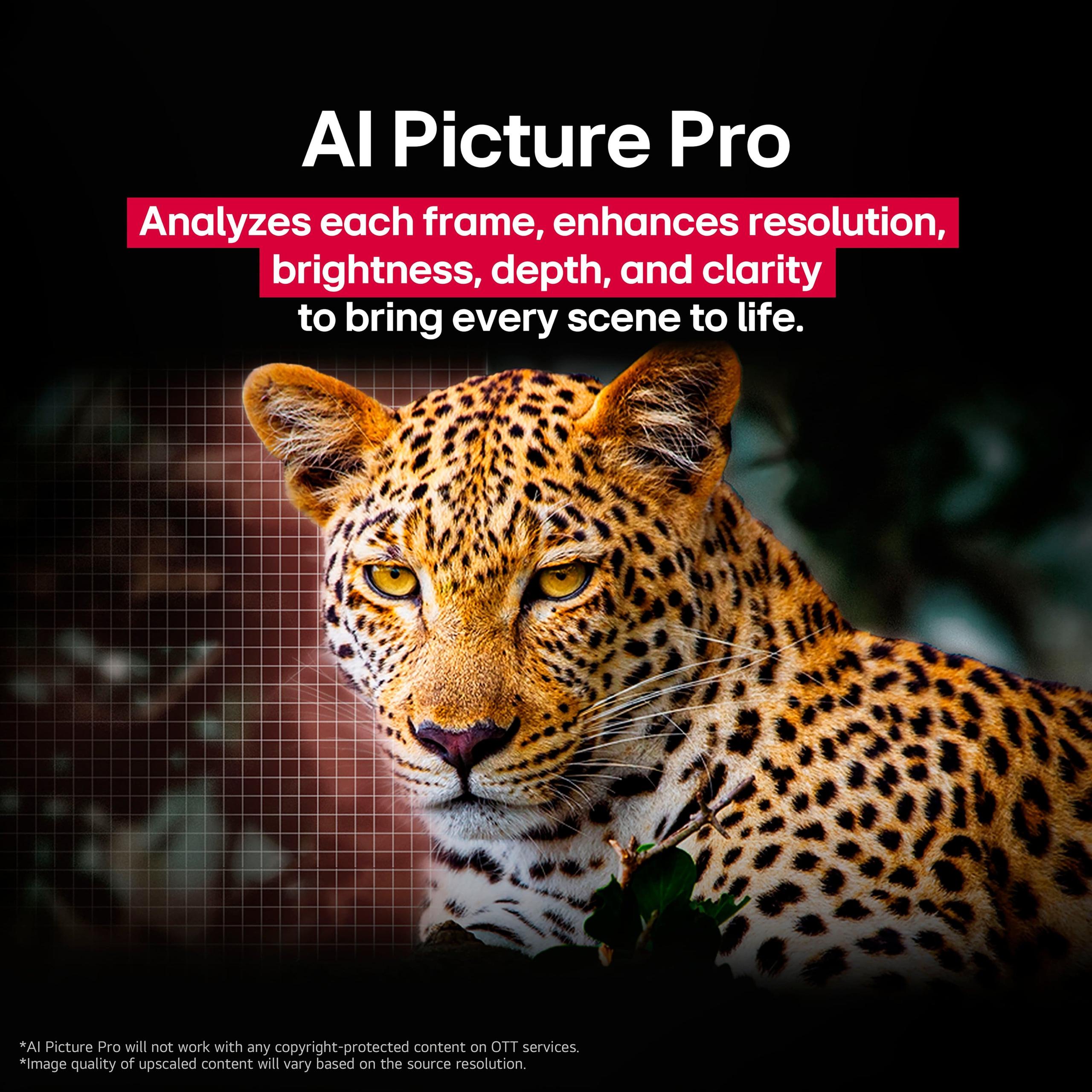
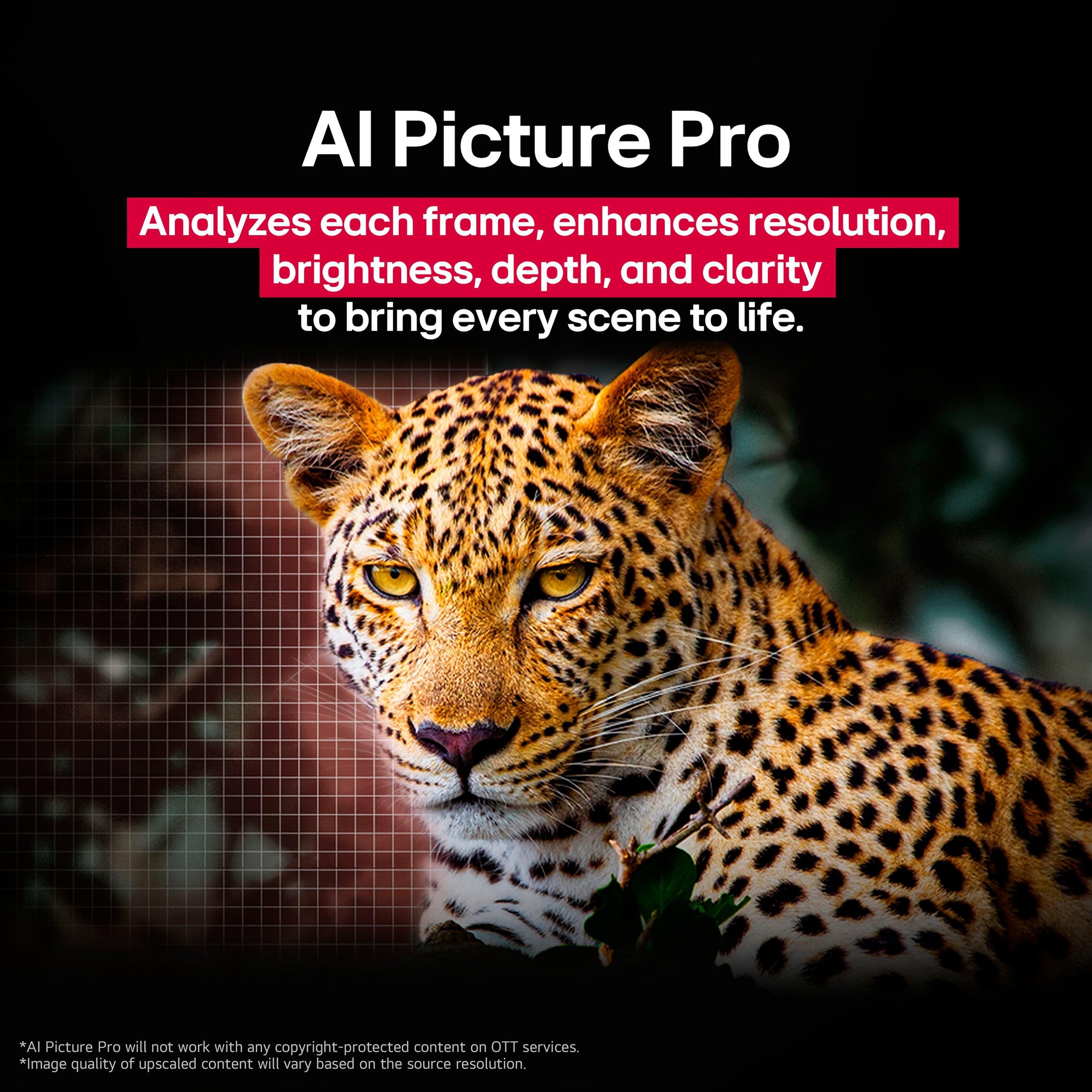
The LG C5 takes a more traditional but refined approach. Its Alpha 9 Gen8 processor focuses primarily on optimizing picture and sound quality rather than lifestyle features. The AI analyzes the content you're watching and automatically adjusts settings for the best possible image quality—less flashy than Samsung's approach, but arguably more important for the core TV watching experience.
WebOS 25 remains one of the most user-friendly smart TV platforms available. The Magic Remote with pointer functionality makes navigation intuitive, and the interface feels snappy and responsive. LG focuses on doing the basics exceptionally well rather than adding numerous additional features.
Neither TV will replace a dedicated sound system, but both offer competent built-in audio that works well for regular viewing.
The LG C5 includes Dolby Atmos support, which can create a more immersive sound experience when watching compatible content. Dolby Atmos uses audio processing to simulate sound coming from different directions, including overhead, making action scenes and movie soundtracks more engaging.
The Samsung Q7F features Object Tracking Sound (OTS) Lite technology, which tries to match sound to the movement of objects on screen. While not as advanced as dedicated Atmos systems, it provides a more dynamic audio experience than basic TV speakers.
For serious movie watching or gaming, both TVs benefit significantly from external sound systems, but the LG C5 has a slight edge in audio processing capabilities.
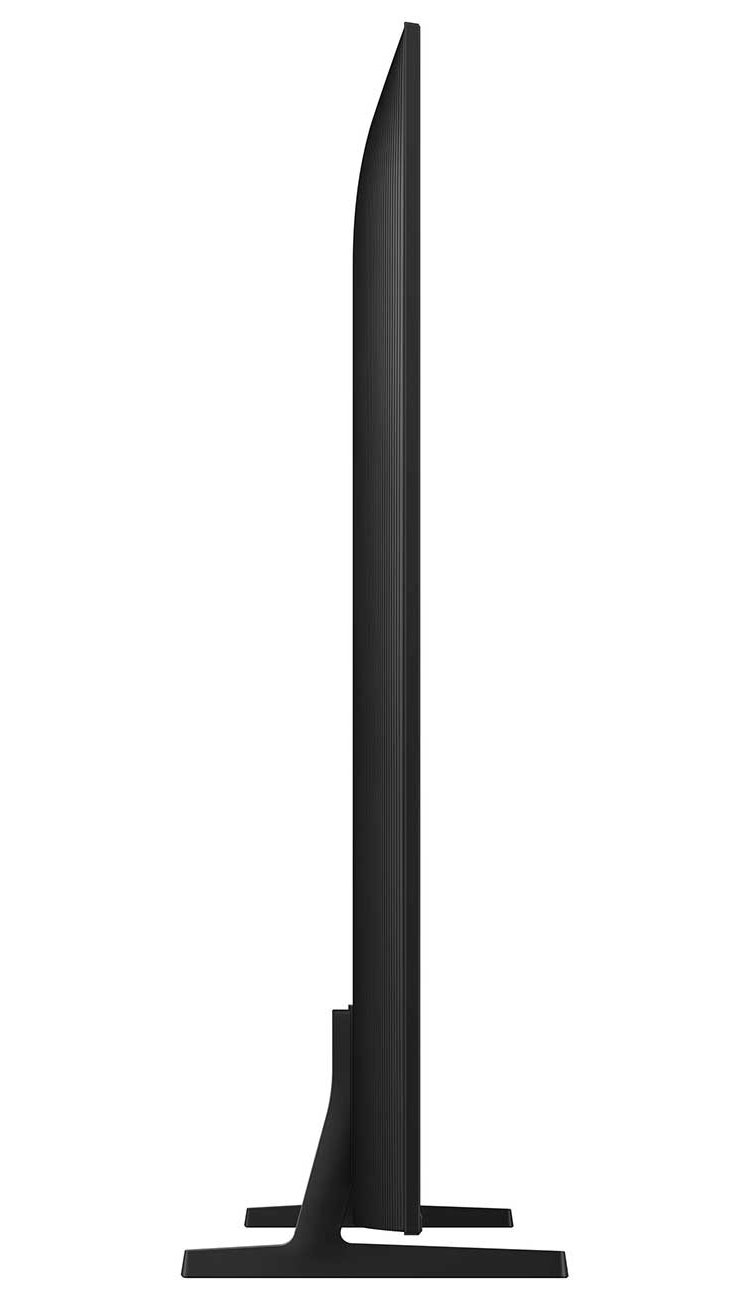
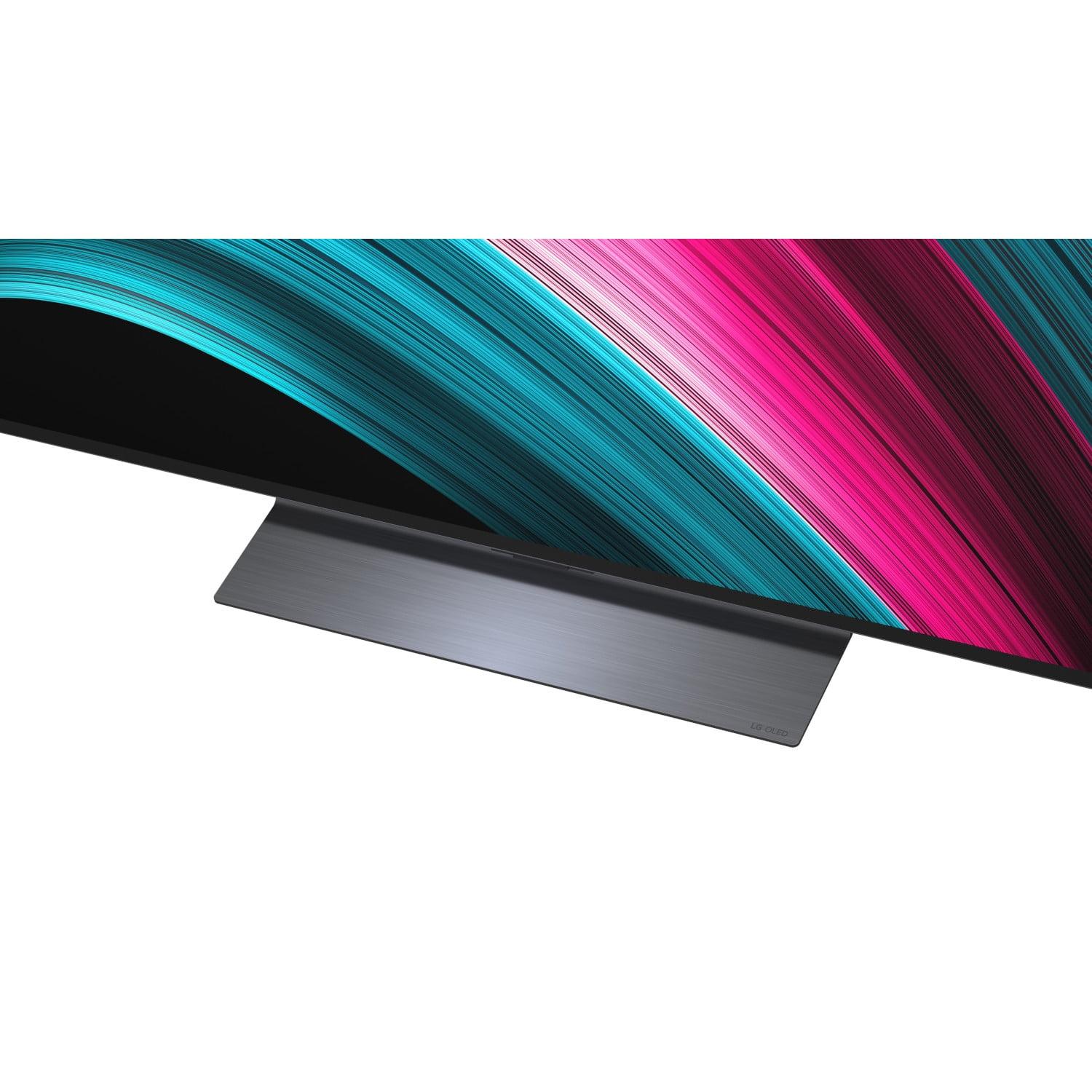
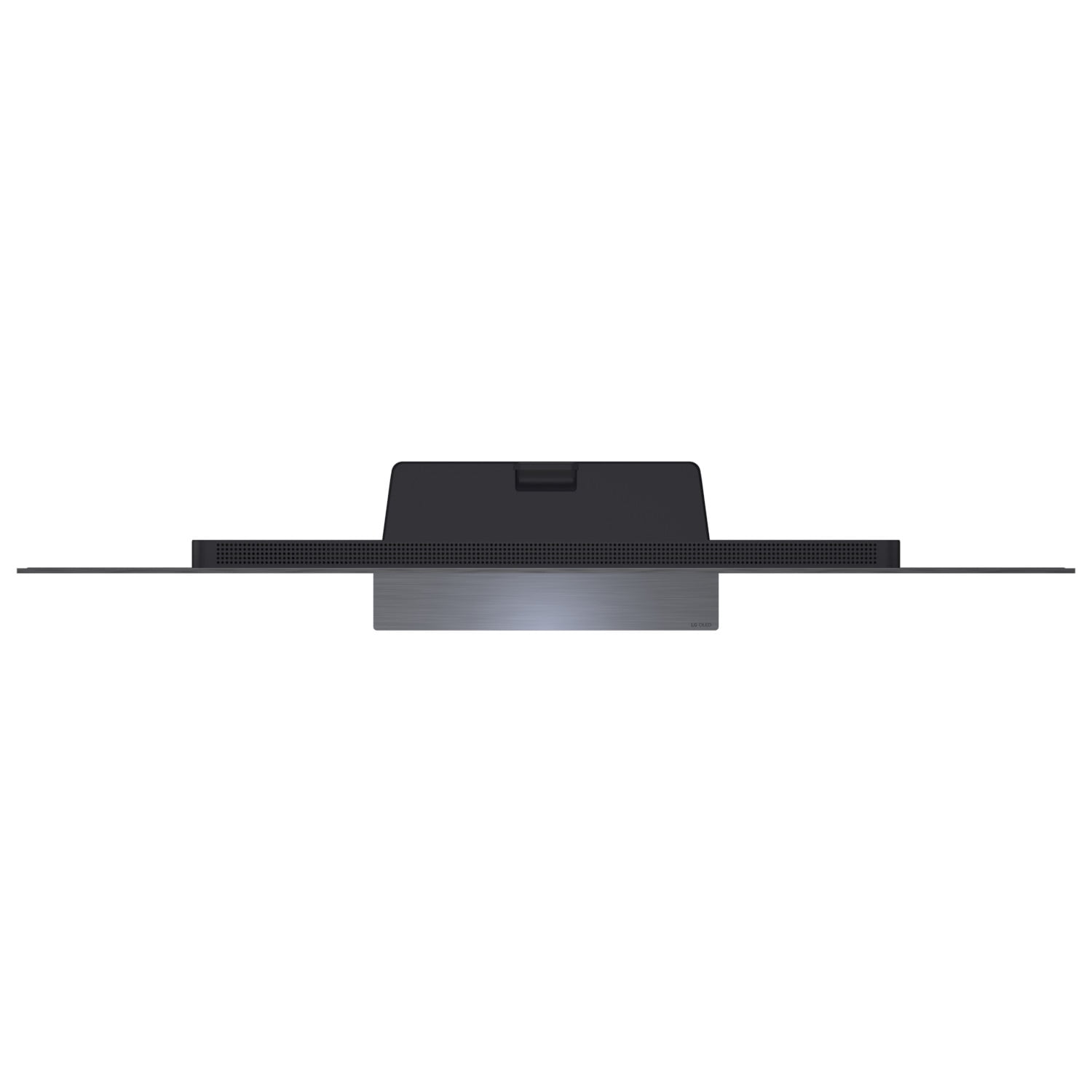
Both TVs showcase premium design aesthetics that look great in modern living spaces. The LG C5 features OLED's signature thin profile—incredibly slim from the side view, though it has a modest bulge on the back for electronics and cooling. The nearly invisible bezels create an immersive viewing experience where the picture seems to float.
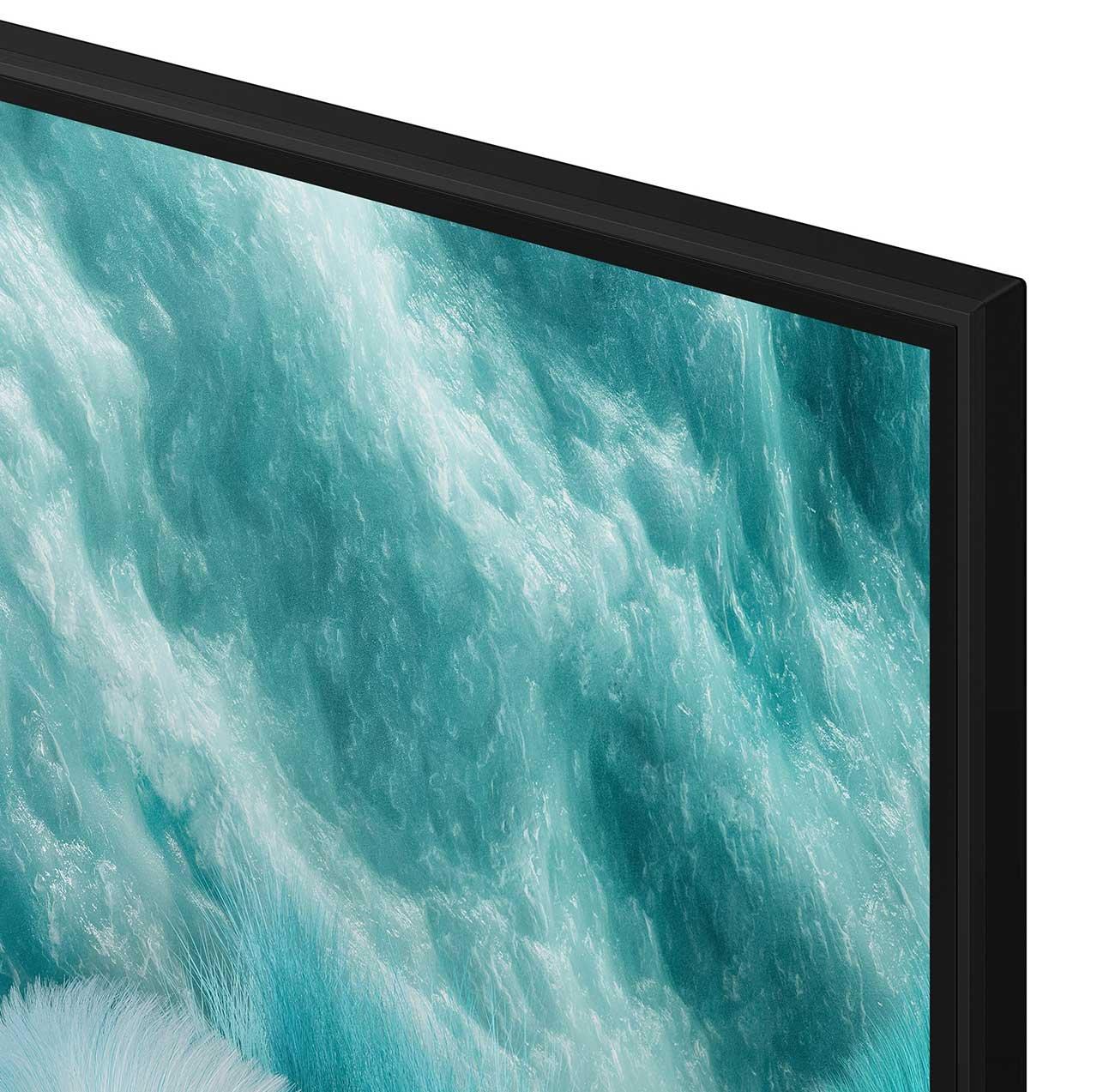
The Samsung Q7F offers a clean, modern design that's slightly thicker than OLED but still quite attractive. Samsung has improved build quality significantly in recent years, and the Q7F feels solid and well-constructed.
One consideration often overlooked is long-term durability. OLED panels can potentially experience burn-in—permanent image retention if static elements (like news channel logos or video game HUDs) are displayed for extended periods. Modern OLEDs like the LG C5 have numerous protections against this, and it's much less common than it once was, but it remains a theoretical concern for some users.
The Samsung Q7F doesn't have burn-in risks due to its LED backlighting technology, which might provide peace of mind for users who display static content frequently or leave the TV on for extended periods.
At the time of writing, the Samsung Q7F costs roughly half what you'll pay for the LG C5. This isn't a small difference—it's significant enough to put them in different market categories entirely.
The Samsung Q7F delivers genuinely impressive picture quality, comprehensive smart features, and solid build quality at a price point that makes premium TV technology accessible to more buyers. For many users, especially those upgrading from older LED TVs, the improvement in picture quality will be dramatic and satisfying.
The TV excels in bright room environments where many people actually watch TV, and the AI features add genuine utility that justifies some of the cost. If your budget is flexible but not unlimited, the Samsung provides most of the benefits of modern premium TV technology without the flagship price tag.
The LG C5 targets buyers who want the absolute best performance available and are willing to pay accordingly. The picture quality advantages are real and significant, especially for movie watching and gaming. The gaming features alone might justify the cost for serious gamers who want every possible advantage.
However, the law of diminishing returns applies—you're paying significantly more for improvements that, while genuine, may not be proportionally larger than the price difference suggests.
For dedicated home theater setups, several factors tip the scales toward the LG C5. Home theaters typically feature controlled lighting where OLED's perfect blacks create the most cinematic experience possible. The superior contrast ratio makes movies look more like what you'd see in a commercial theater.
The LG C5 also includes FILMMAKER MODE, which displays movies as close as possible to the director's intended vision by disabling motion smoothing and other processing that can make films look artificial.
For more casual living room setups where the TV competes with ambient light throughout the day, the Samsung Q7F's superior brightness handling becomes more valuable. Most people watch TV in mixed lighting conditions where the Samsung's advantages are more apparent.
Choose the Samsung Q7F if you want excellent picture quality with comprehensive smart features at a more accessible price point. It's ideal for families who watch varied content throughout the day, want AI features that add convenience, and appreciate getting premium technology without the flagship cost. The Samsung excels in bright rooms and provides worry-free operation without burn-in concerns.
Choose the LG C5 if picture quality and gaming performance are your top priorities and the higher cost fits your budget. It's perfect for movie enthusiasts who appreciate cinematic image quality, serious gamers who want every competitive advantage, and buyers who want the latest display technology. The OLED is particularly compelling for dark room viewing where its strengths are most apparent.
The decision ultimately comes down to your priorities and budget. Both TVs represent excellent choices within their respective price ranges, and either will provide years of viewing satisfaction. The Samsung Q7F offers outstanding value for its cost, while the LG C5 delivers premium performance that justifies its higher price for the right buyer.
Consider your viewing habits, room lighting, gaming needs, and budget constraints. The Samsung Q7F satisfies most users' needs excellently while leaving money in your pocket for other entertainment investments. The LG C5 provides the ultimate viewing experience for those who want the very best current display technology can offer.
| Samsung 65" Q7F QLED 4K Vision AI Smart TV 2025 | LG OLED evo C5 65" 4K TV 2025 |
|---|---|
| Display Technology - Fundamentally different approaches to image creation | |
| QLED with Quantum Dot enhancement and LED backlight | OLED evo with self-illuminating pixels |
| Black Levels - Critical for movie watching and overall contrast | |
| Very good dimming but some backlight bleed | Perfect blacks with pixels that turn completely off |
| Peak Brightness - Essential for HDR content and bright room viewing | |
| Higher peak brightness, better for daytime viewing | Good brightness but lower peaks, automatic brightness limiting |
| Gaming Refresh Rate - Crucial for smooth gaming performance | |
| 60Hz standard refresh rate | Up to 144Hz (native 120Hz) for ultra-smooth gaming |
| Gaming Response Time - Important for competitive gaming | |
| Not specified (likely 5-20ms typical for QLED) | 0.1ms ultra-fast response time |
| HDMI 2.1 Ports - Required for next-gen console and PC gaming | |
| 3 HDMI ports (2.1 support unclear) | 4 full-bandwidth HDMI 2.1 ports |
| Processor - Handles AI features and image processing | |
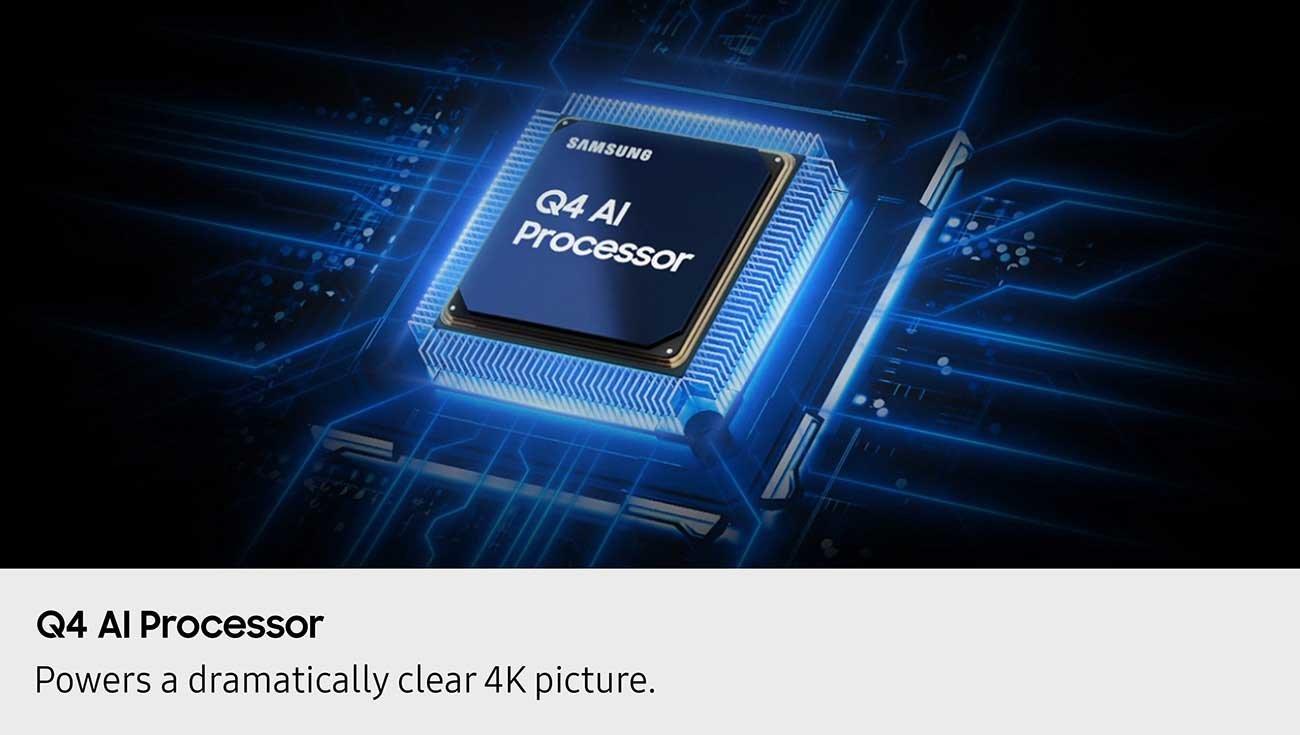
| Q4 AI Processor with Samsung Vision AI | Alpha 9 Gen8 AI Processor (OLED-optimized) |
| Smart Platform - Your daily interface experience | |
| Tizen with advanced Vision AI features | webOS 25 with Magic Remote |
| HDR Support - Enhanced color and contrast for premium content | |
| Quantum HDR with HDR10+ | Dolby Vision, HDR10+, and FILMMAKER MODE |
| Audio Technology - Built-in sound quality | |
| OTS Lite object tracking sound | Dolby Atmos support |
| Burn-in Risk - Long-term durability consideration | |
| No burn-in risk with LED technology | Potential OLED burn-in (rare but possible) |
| Room Suitability - Where each TV performs best | |
| Excellent for bright rooms and mixed lighting | Best for dark rooms and controlled lighting |
| Value Positioning - Target market and pricing tier | |
| Mid-range premium with comprehensive features | High-end premium focused on picture quality |
The LG OLED evo C5 delivers superior picture quality thanks to its perfect black levels and infinite contrast ratio. Each pixel can turn completely off, creating true blacks that make colors pop and provide incredible depth. The Samsung Q7F QLED offers excellent picture quality with brighter highlights and vibrant colors, but can't match OLED's contrast performance. For most viewers prioritizing pure image quality, the LG C5 is the clear winner.
The LG OLED evo C5 is significantly better for gaming, offering 0.1ms response time, up to 144Hz refresh rate, and four HDMI 2.1 ports with full VRR support. The Samsung Q7F QLED provides basic gaming functionality with 60Hz refresh rate, which is fine for casual gaming but limiting for competitive players or next-gen console owners who want the smoothest possible experience.
The Samsung Q7F QLED handles bright rooms better due to its higher peak brightness and LED backlighting technology. It can overcome ambient light more effectively than the LG C5, making it ideal for living rooms with lots of windows or daytime viewing. The LG OLED evo C5 performs well in moderate lighting but truly excels in darker, controlled environments.
The Samsung Q7F QLED provides exceptional value, delivering premium features and solid picture quality at roughly half the cost of the LG C5. While the LG offers superior technology and performance, the Samsung gives you most of the premium TV benefits without the flagship price tag, making it the better choice for budget-conscious buyers seeking high-end features.
The Samsung Q7F QLED has no burn-in risks due to its LED technology, making it worry-free for users who display static content frequently. The LG OLED evo C5 has potential burn-in concerns with prolonged static image display, though modern OLED panels include protective features that make this rare. For most normal viewing patterns, both TVs should provide years of reliable service.
The Samsung Q7F QLED offers more comprehensive smart features with Samsung Vision AI, including real-time translation, gesture controls, and generative wallpapers. The LG C5 focuses on core smart TV functionality with the user-friendly webOS platform and Magic Remote. Samsung provides more lifestyle-oriented AI features, while LG emphasizes simplicity and reliability in their smart platform.
The LG OLED evo C5 is superior for movie watching, especially in dark rooms where its perfect blacks create a cinematic experience similar to commercial theaters. It includes FILMMAKER MODE and Dolby Vision support for accurate color reproduction. The Samsung Q7F QLED handles movies well with good brightness and color, but can't match the dramatic contrast that makes the LG C5 ideal for serious movie enthusiasts.
Both TVs offer straightforward setup processes, but the Samsung Q7F QLED edges ahead with its comprehensive AI assistance and intuitive Tizen interface. The LG C5 features the excellent webOS platform with Magic Remote pointer functionality, which many users find very intuitive. Both are user-friendly, but Samsung's AI features provide more guidance for less tech-savvy users.
The LG OLED evo C5 has a slight advantage with Dolby Atmos support for more immersive sound processing. The Samsung Q7F QLED includes Object Tracking Sound Lite technology for dynamic audio that follows on-screen action. Both provide decent built-in audio, but serious movie watchers or gamers should consider external sound systems regardless of which TV they choose.
The LG OLED evo C5 is ideal for dedicated home theater rooms with controlled lighting. Its perfect blacks, superior contrast, and FILMMAKER MODE create the most authentic cinematic experience possible. The wide viewing angles ensure great picture quality from any seat. The Samsung Q7F QLED works well in multipurpose rooms but can't match OLED's home theater performance in dark environments.
The LG C5 offers better future-proofing with four HDMI 2.1 ports supporting the latest gaming and streaming standards, plus higher refresh rates for emerging content formats. The Samsung Q7F QLED provides solid longevity for current content but may be more limited as gaming and streaming technology advances. For users planning to keep their TV for many years, the LG OLED evo C5 offers better long-term value.
Choose the Samsung Q7F QLED if you want excellent performance at a more accessible price point, watch TV primarily during the day, or prefer comprehensive smart features without burn-in concerns. Choose the LG OLED evo C5 if picture quality is your top priority, you're a serious gamer, watch movies frequently in dark rooms, and the higher cost fits your budget. Both are excellent TVs that will satisfy most users' needs.
We've done our best to create useful and informative comparisons to help you decide what product to buy. Our research uses advanced automated methods to create this comparison and perfection is not possible - please contact us for corrections or questions. These are the sites we've researched in the creation of this article: bestbuy.com - youtube.com - samsung.com - samsung.com - pcrichard.com - samsung.com - samsung.com - videoandaudiocenter.com - displayspecifications.com - bestbuy.com - samsung.com - samsung.com - samsung.com - samsung.com - news.samsung.com - bestbuy.com - rtings.com - youtube.com - businessinsider.com - youtube.com - bestbuy.com - lg.com - files.bbystatic.com - lg.com - flatpanelshd.com - lg.com - blvdhome.com - bhphotovideo.com - flanners.com - videopro.com.au

Privacy Policy
Terms and Conditions - Affiliate Policy
Home Security
© Copyright 2008-2026.
11816 Inwood Rd #1211, Dallas, TX 75244