





If you've ever found yourself turning up the TV volume just to understand what the actors are saying, only to have an action scene blast you out of your seat moments later, you're not alone. Modern TVs, despite their stunning picture quality, often have terrible built-in speakers. That's where soundbars come in – they're the easiest way to dramatically improve your TV's audio without the complexity of a full surround sound system.
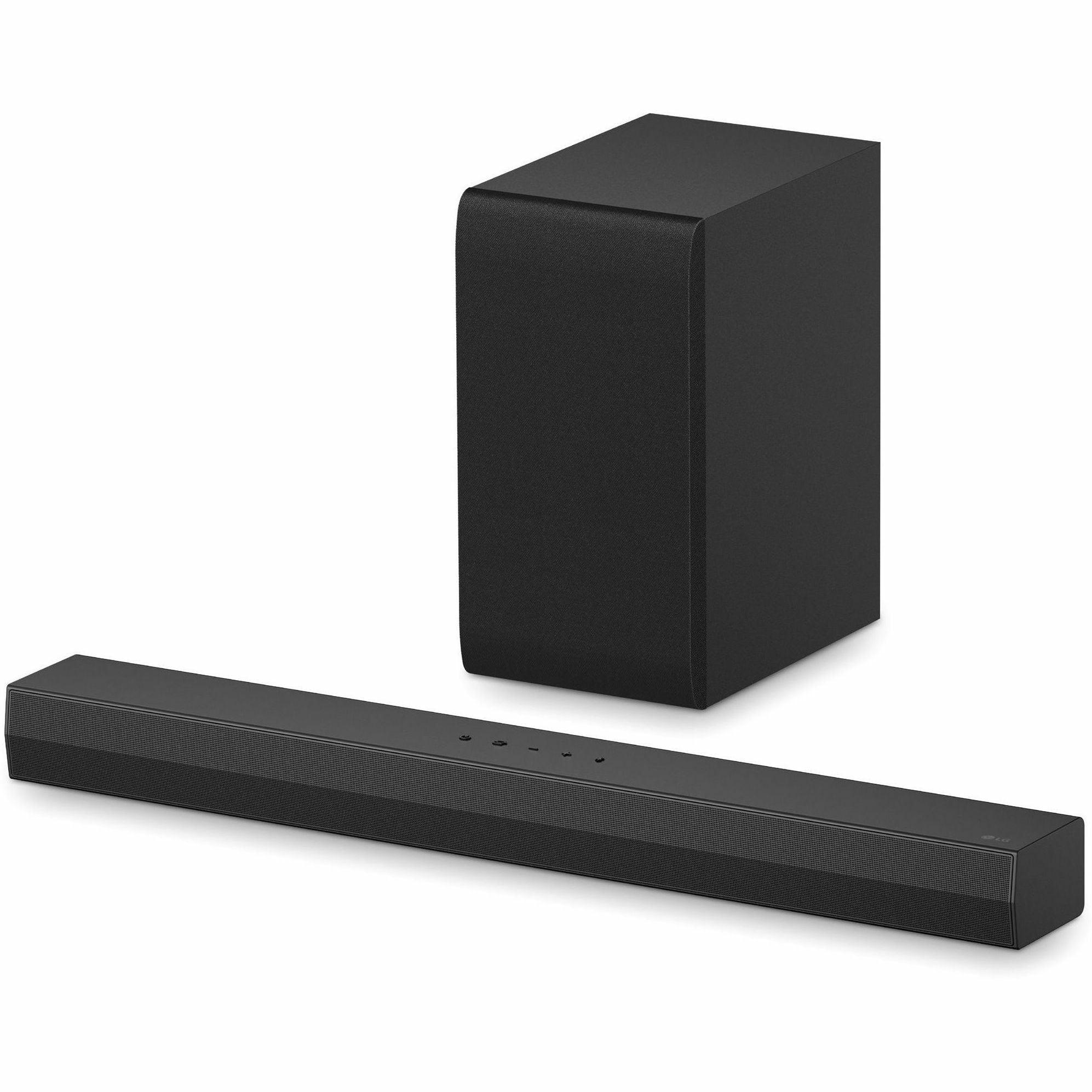
Today we're comparing two soundbars that couldn't be more different: the premium Samsung HW-Q990D at $847.99 and the budget-friendly LG S40T at $155.95. Think of it as comparing a luxury sedan to a reliable compact car – both will get you where you need to go, but the experience and capabilities are worlds apart.
Before diving into our comparison, let's quickly cover what makes soundbars tick. The numbers you see – like 2.1 or 11.1.4 – tell you about the speaker configuration. The first number represents main channels (left, center, right), the second is subwoofers (the bass speaker), and the third (when present) indicates height channels for overhead effects.
A 2.1 system has left and right speakers plus a subwoofer. An 11.1.4 system? That's a completely different beast with multiple speakers firing in all directions, including upward to bounce sound off your ceiling. It's like the difference between stereo headphones and being surrounded by a full orchestra.
The key considerations when choosing a soundbar include your room size, content preferences, budget, and how much complexity you're willing to handle. Some people want plug-and-play simplicity, while others crave theater-quality immersion with all the bells and whistles.
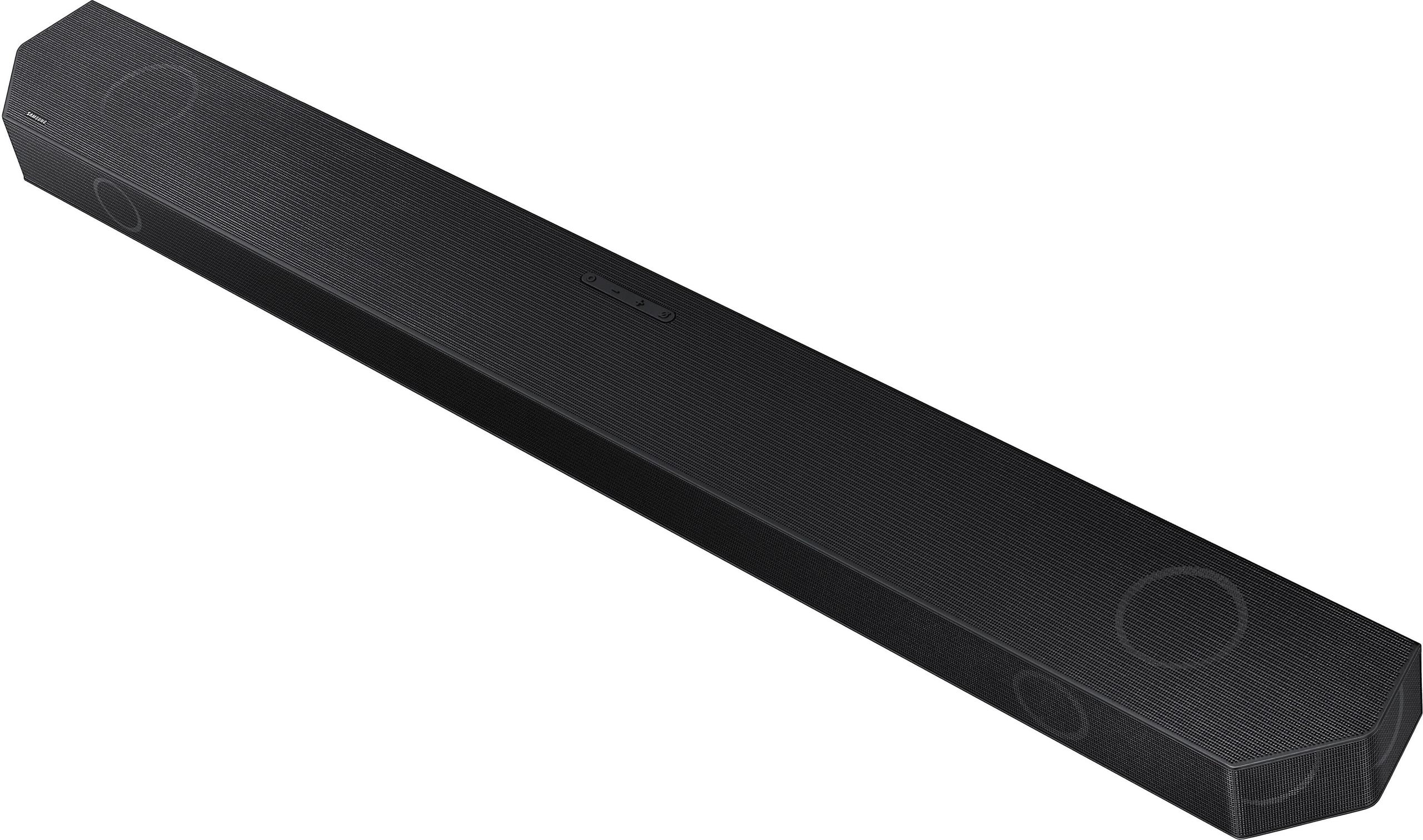
The Samsung HW-Q990D represents Samsung's 2024 flagship soundbar, building on years of refinement in their premium Q-series lineup. Samsung has been pushing the boundaries of soundbar technology, particularly with their AI-enhanced room calibration and gaming features. This model specifically targets the growing market of home theater enthusiasts who want cinema-quality audio without the hassle of installing ceiling speakers.
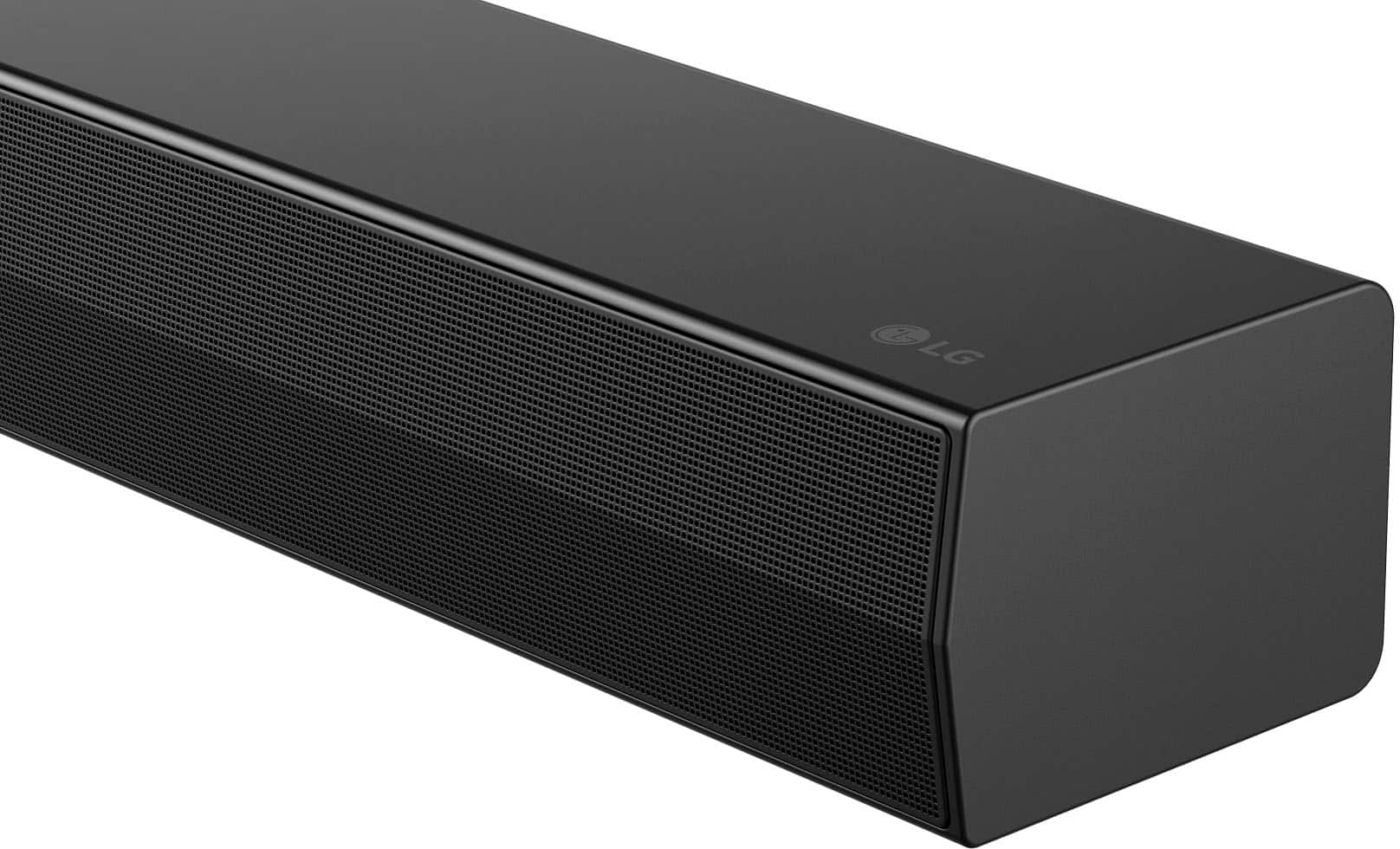
Meanwhile, the LG S40T launched in 2025 as part of LG's value-focused soundbar range. LG has been working to make decent audio accessible to budget-conscious consumers, focusing on dialogue clarity and ease of use rather than advanced surround sound features. The S40T represents their philosophy that good sound shouldn't require a massive investment.
The timing difference is interesting – Samsung's 2024 release gives us a year of real-world feedback and potential price drops, while LG's 2025 model incorporates newer Bluetooth 5.3 connectivity and refined AI sound processing based on recent market learnings.
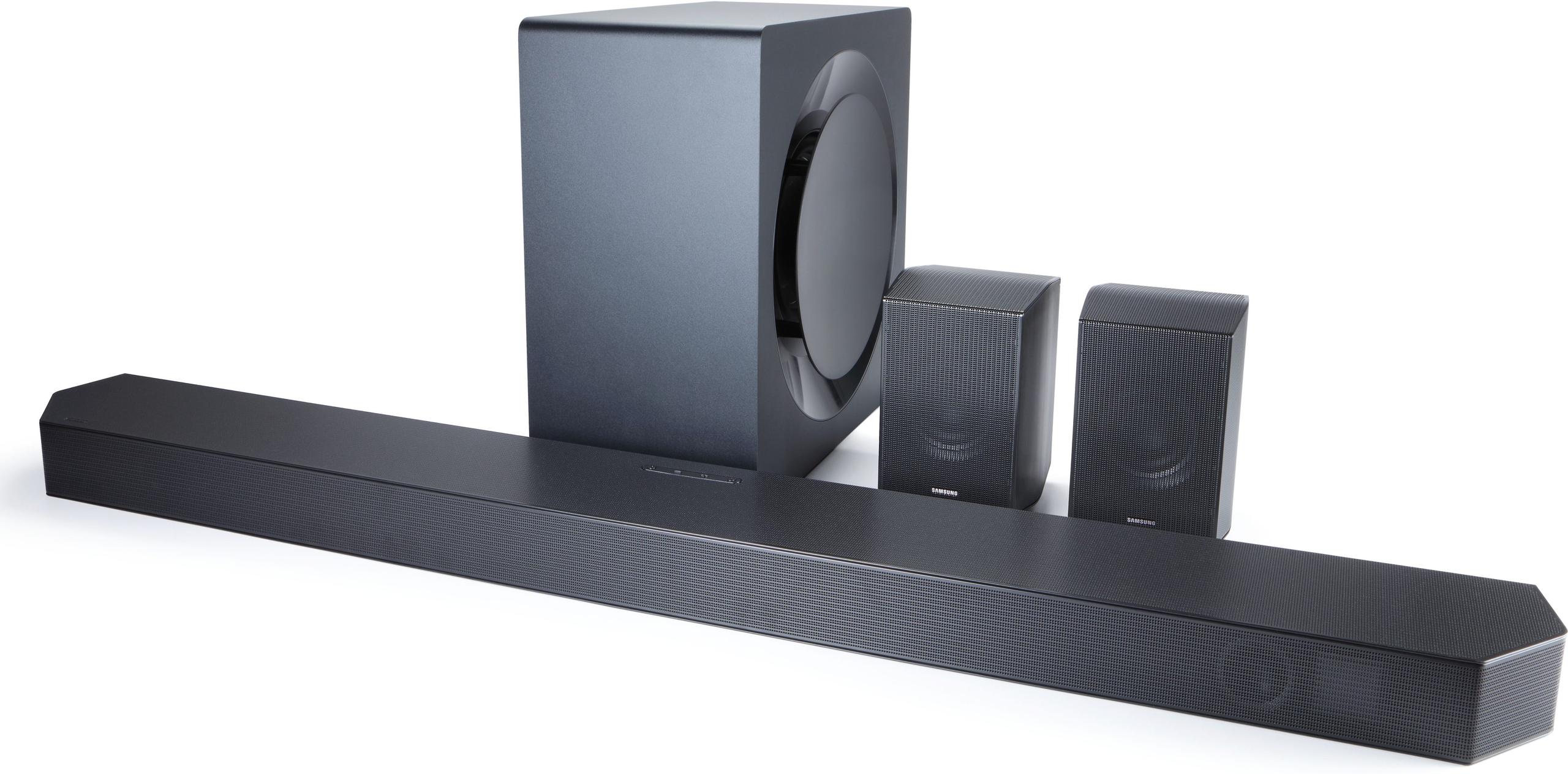
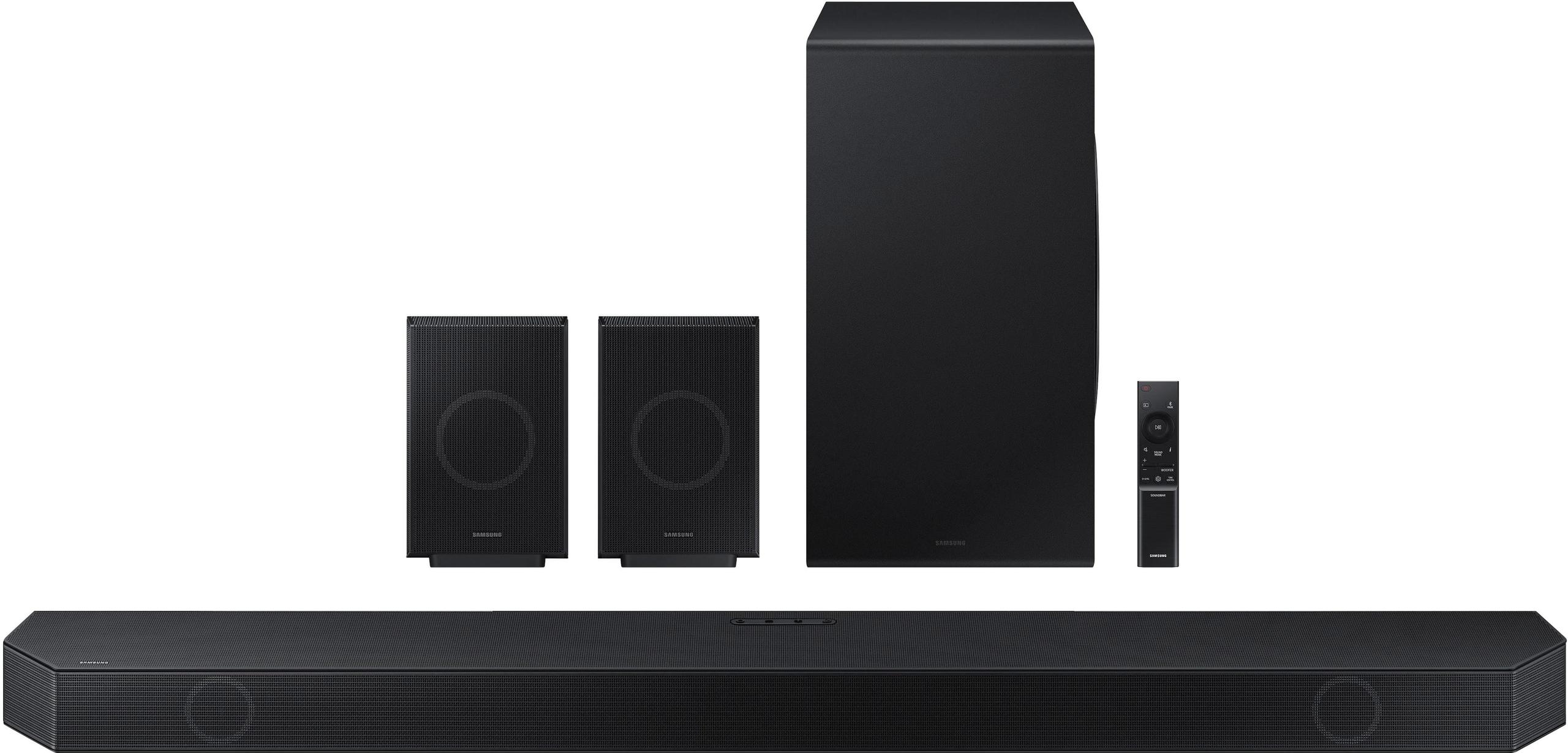
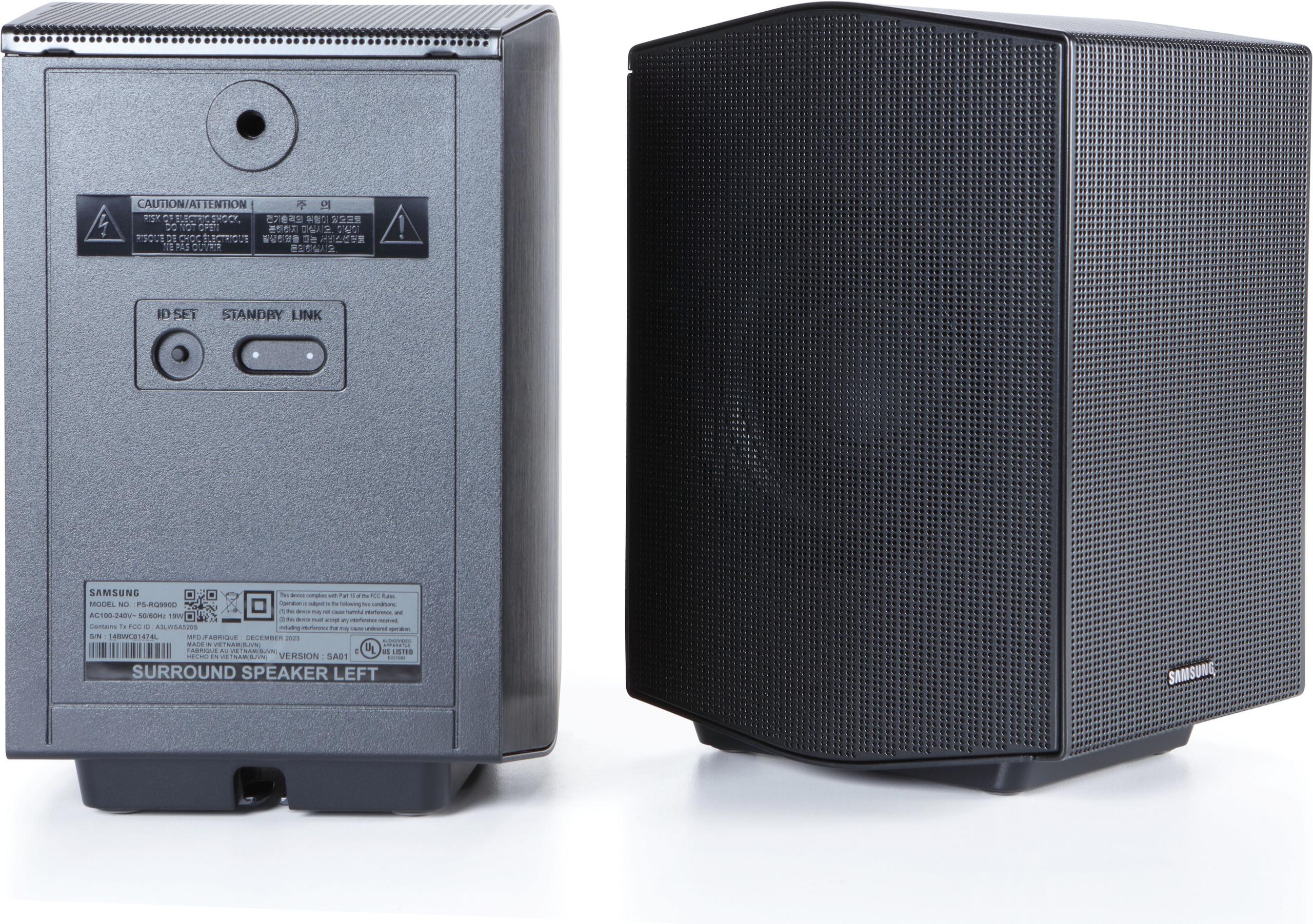
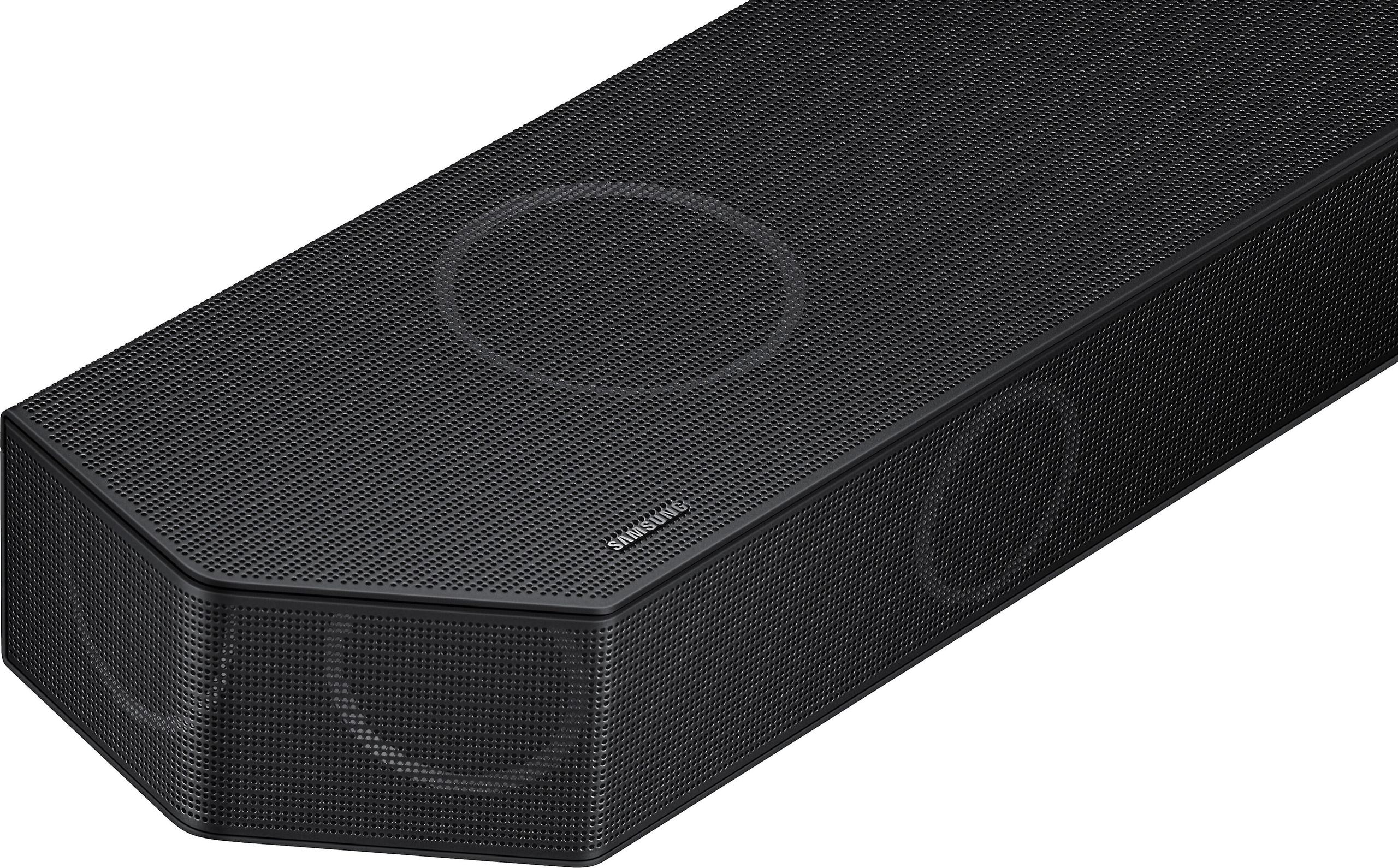
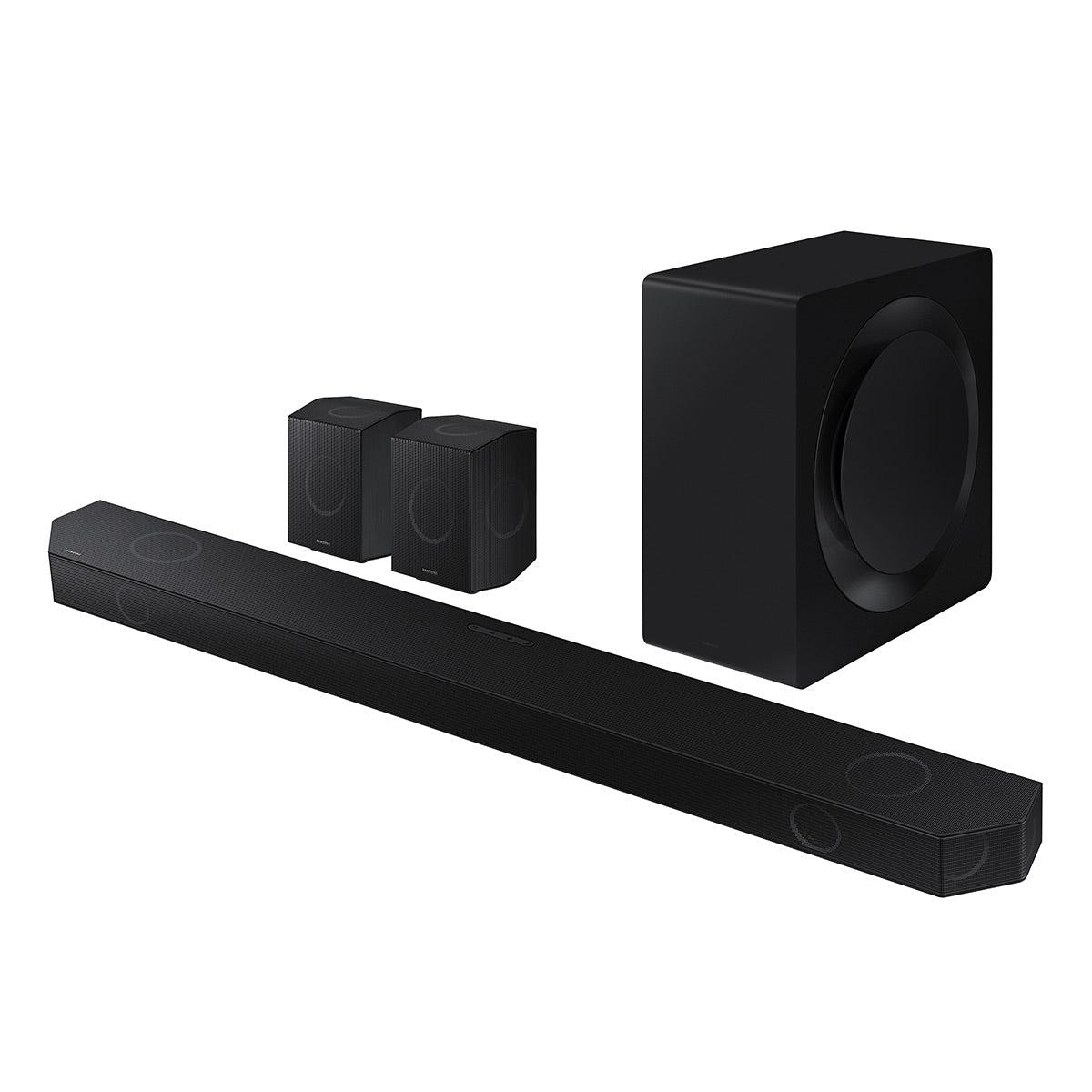
This is where the biggest difference becomes apparent. The Samsung HW-Q990D's 11.1.4-channel configuration isn't just marketing speak – it fundamentally changes how you experience audio. With 22 individual drivers spread across the main soundbar, two rear satellite speakers, and a subwoofer, it creates what audio engineers call a "sound bubble" around your listening position.
When watching a movie like "Top Gun: Maverick," the Samsung doesn't just play the sound of jets – it places them in specific locations around your room. You'll hear aircraft approaching from behind your left shoulder, engines roaring overhead, and explosions that seem to happen in three-dimensional space. This is true Dolby Atmos processing, where sound objects move independently through your room rather than being locked to specific speakers.
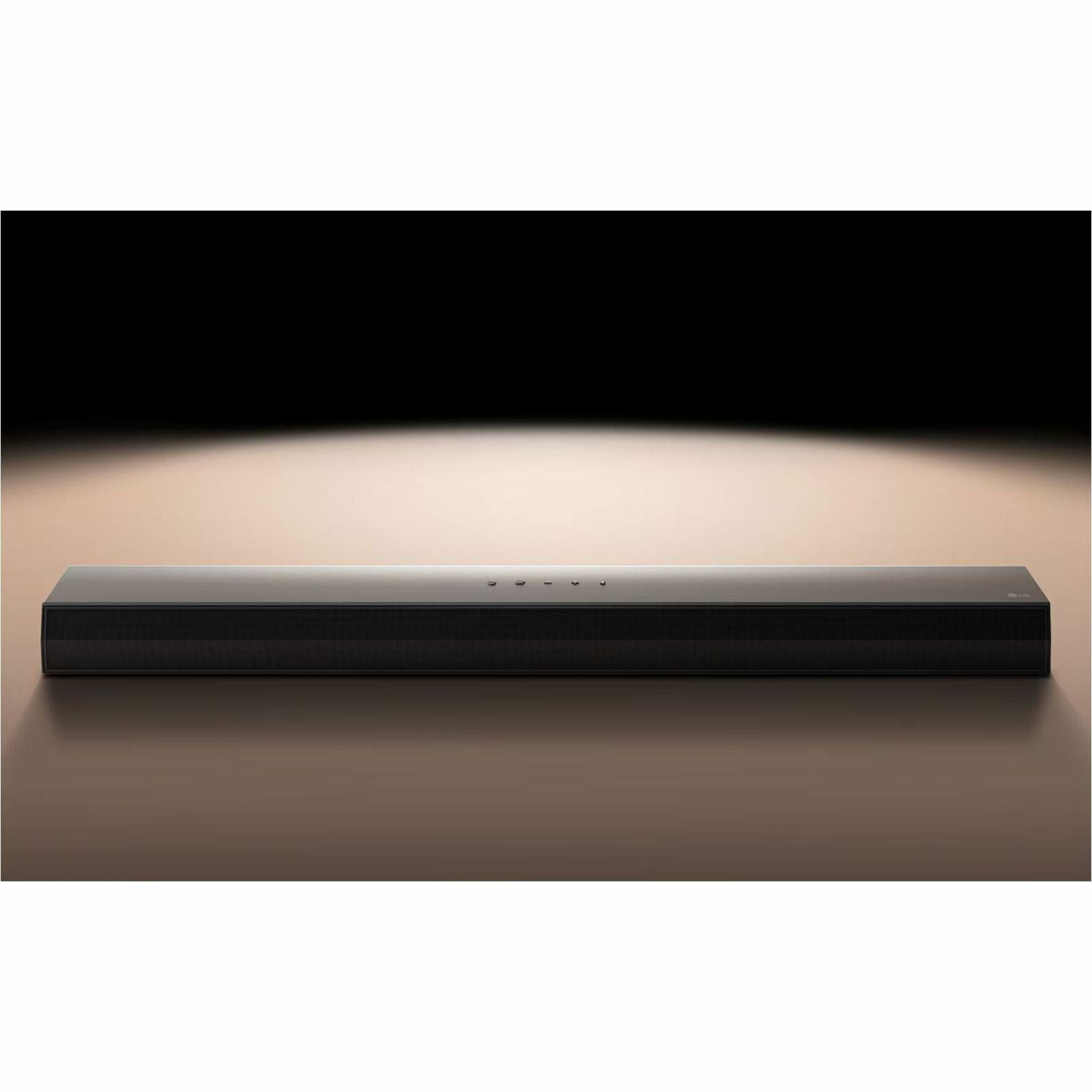
The LG S40T takes a completely different approach. Its 2.1 configuration focuses on what most people actually need: clearer dialogue and better bass than their TV provides. While it can simulate some surround effects through digital processing (think of it as audio trickery that makes stereo sound wider), it can't create the height dimension or precise rear effects that make Atmos special.
Here's the thing though – for many viewers, especially those primarily watching TV shows, news, or sports, the LG's approach is perfectly adequate. I've found that the jump from terrible TV speakers to a decent 2.1 soundbar is often more noticeable than the jump from good 2.1 to premium Atmos, particularly for everyday content.
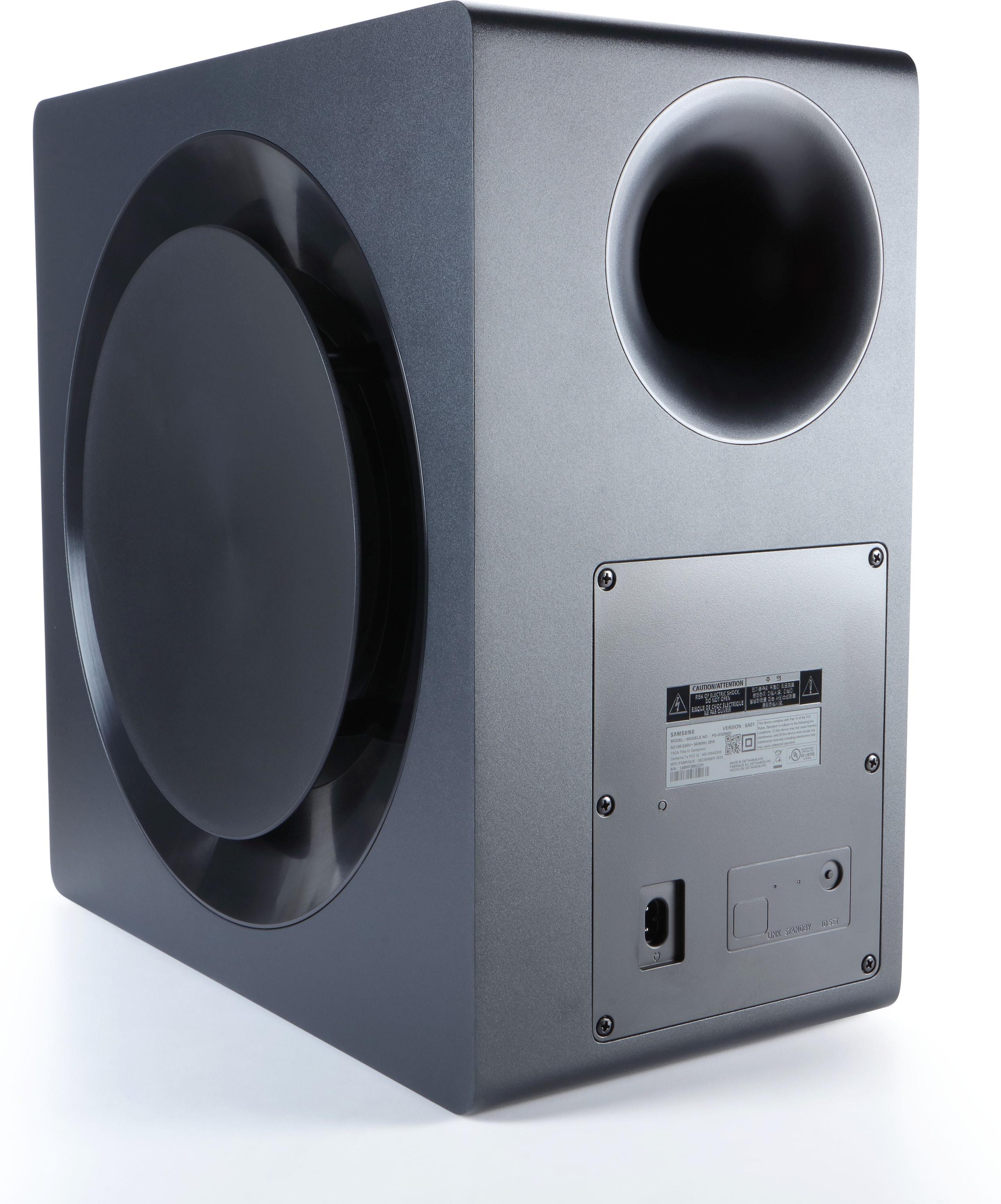
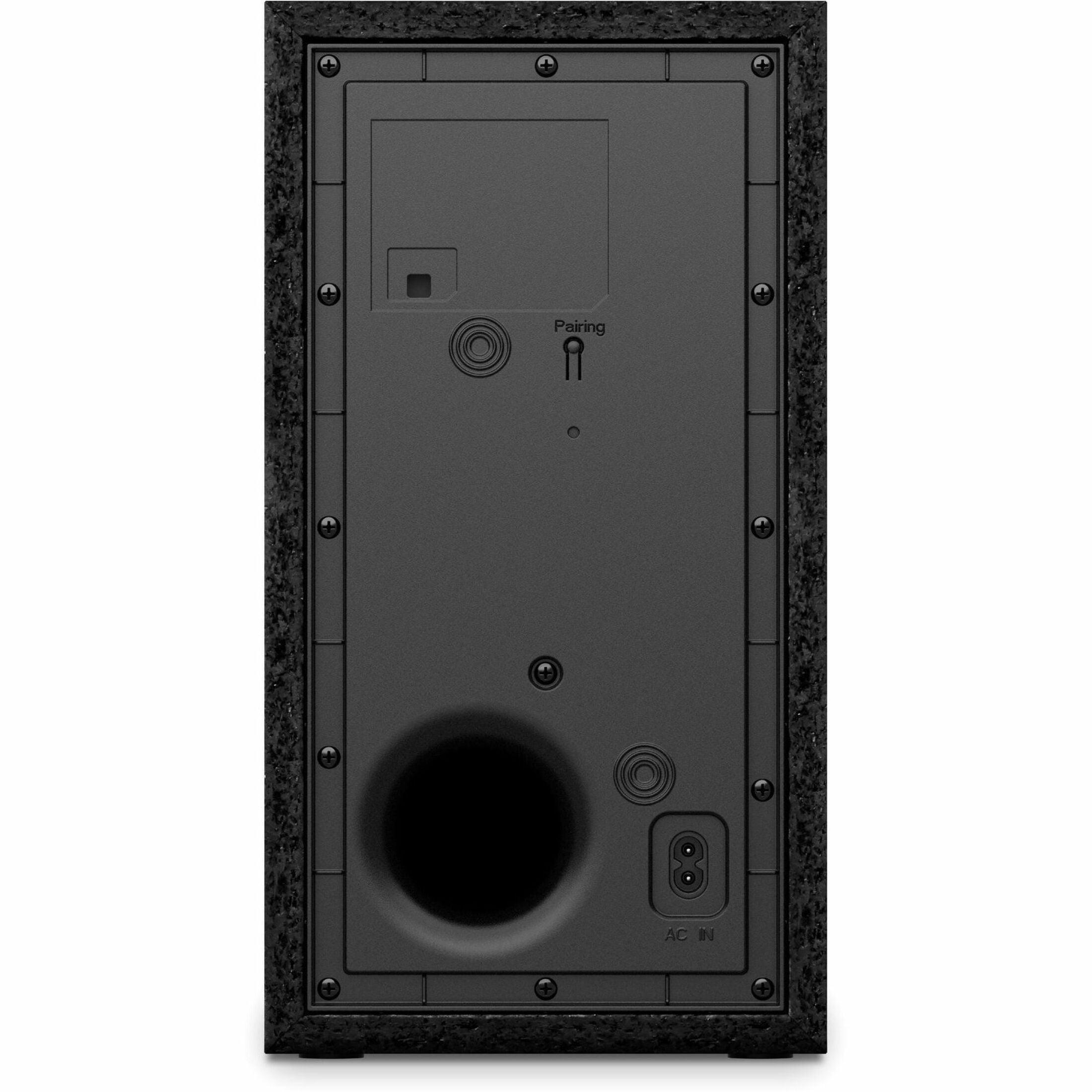
Both soundbars include wireless subwoofers, but they're designed for different purposes. The Samsung's 8-inch subwoofer is part of a carefully tuned 656-watt system optimized for large rooms up to 400 square feet. Its bass integrates seamlessly with the other speakers, creating what audio engineers call a "cohesive soundstage" – meaning you can't tell where one speaker ends and another begins.
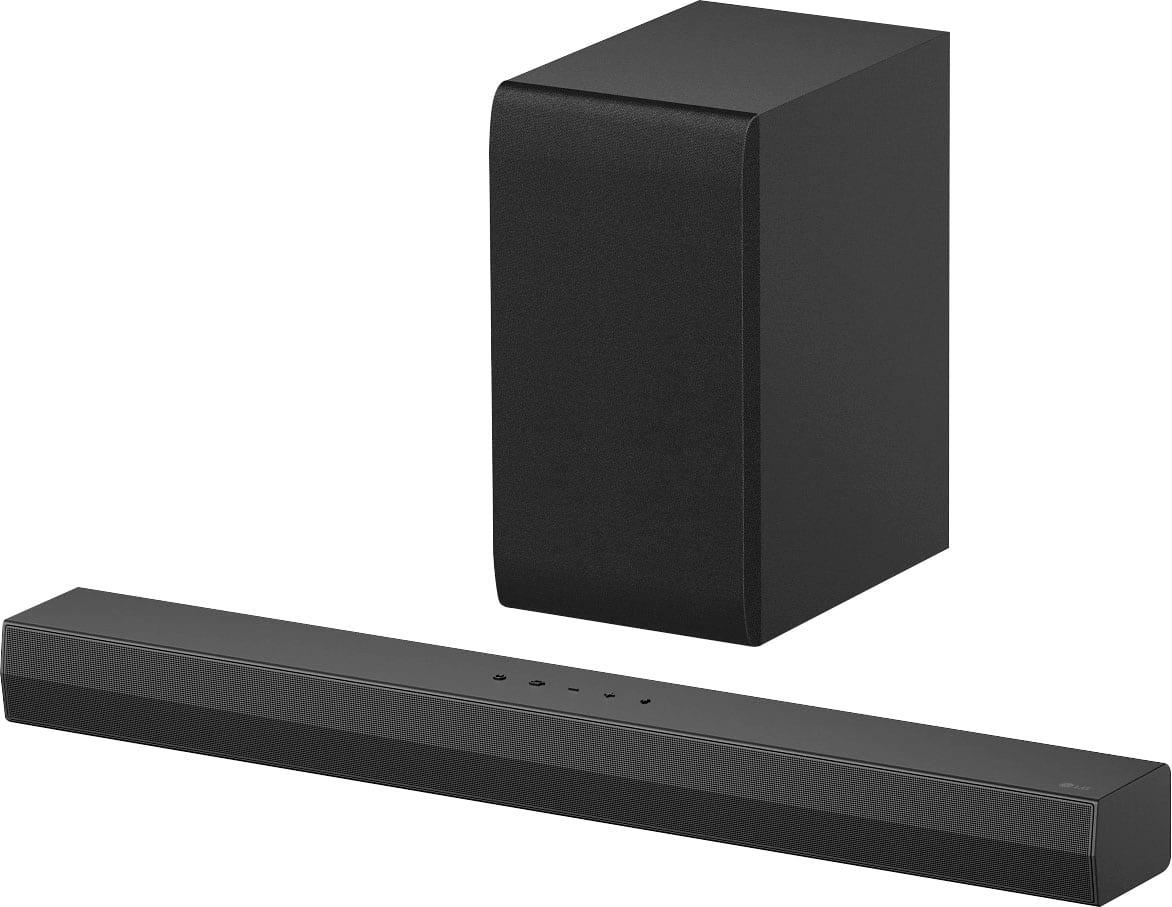
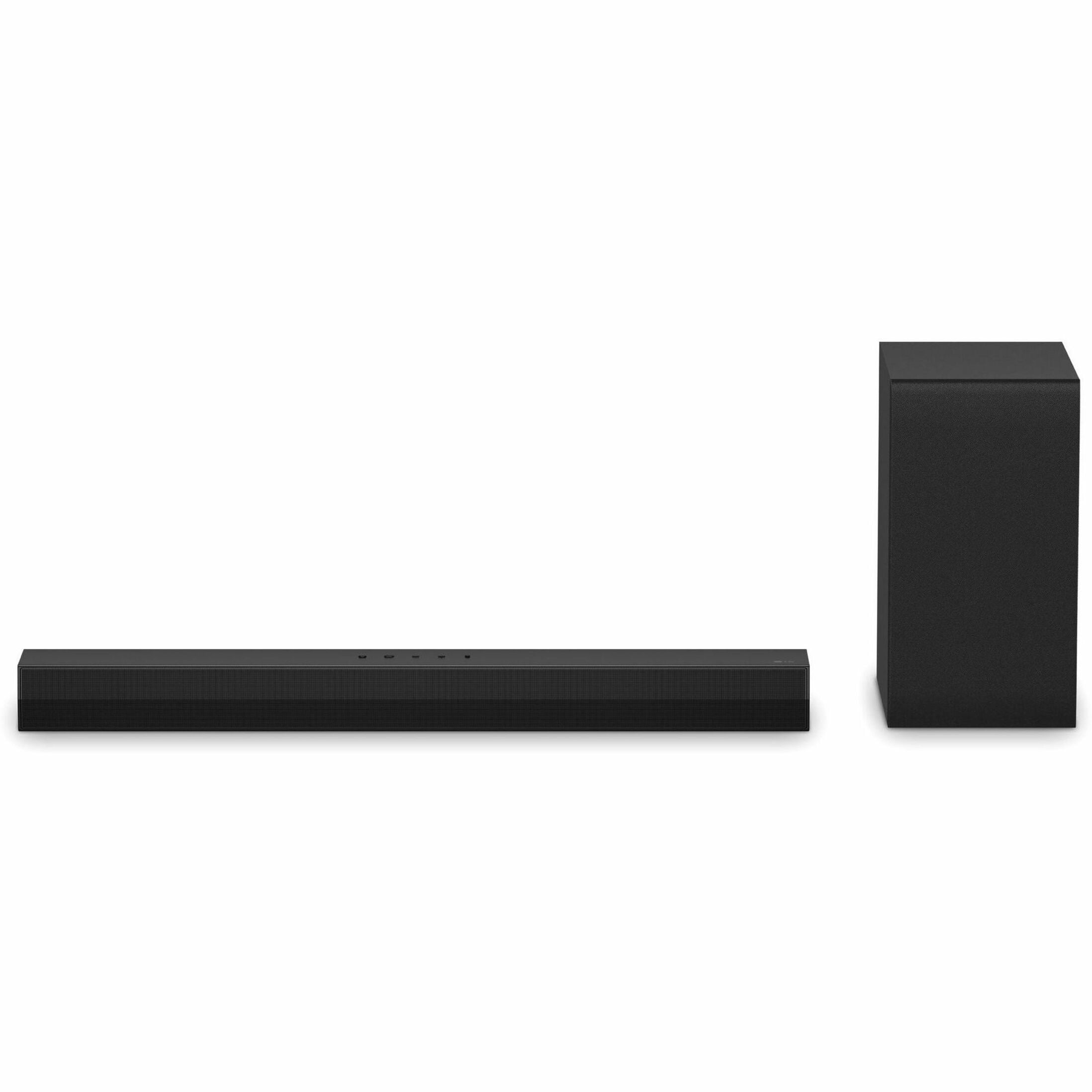
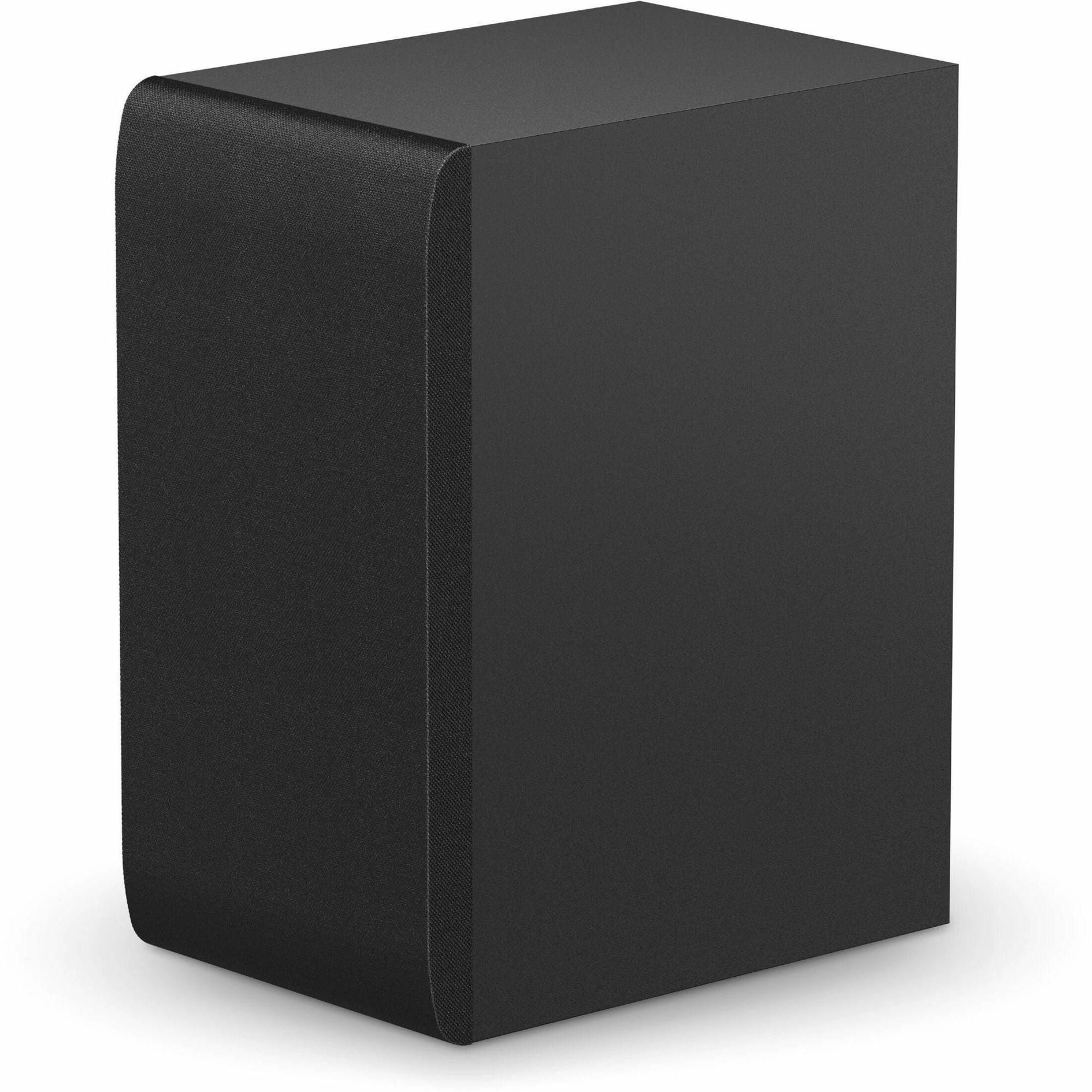
The LG's 6.7-inch subwoofer, powered by a 300-watt system, focuses on adding the low-end punch that small TV speakers simply can't produce. While it won't shake your walls like the Samsung, it provides satisfying bass for its price point and room size limitations (best for spaces under 200 square feet).
In my experience, the Samsung's bass feels more controlled and refined – it enhances the experience without overwhelming dialogue or mid-range frequencies. The LG's bass is more basic but still represents a massive improvement over built-in TV speakers, especially for the price.
Both soundbars excel at dialogue clarity, but through different approaches. The Samsung uses Active Voice Amplifier Pro, an AI system that analyzes audio in real-time and boosts vocal frequencies when it detects speech. This works alongside dedicated center channel drivers that focus specifically on dialogue reproduction.
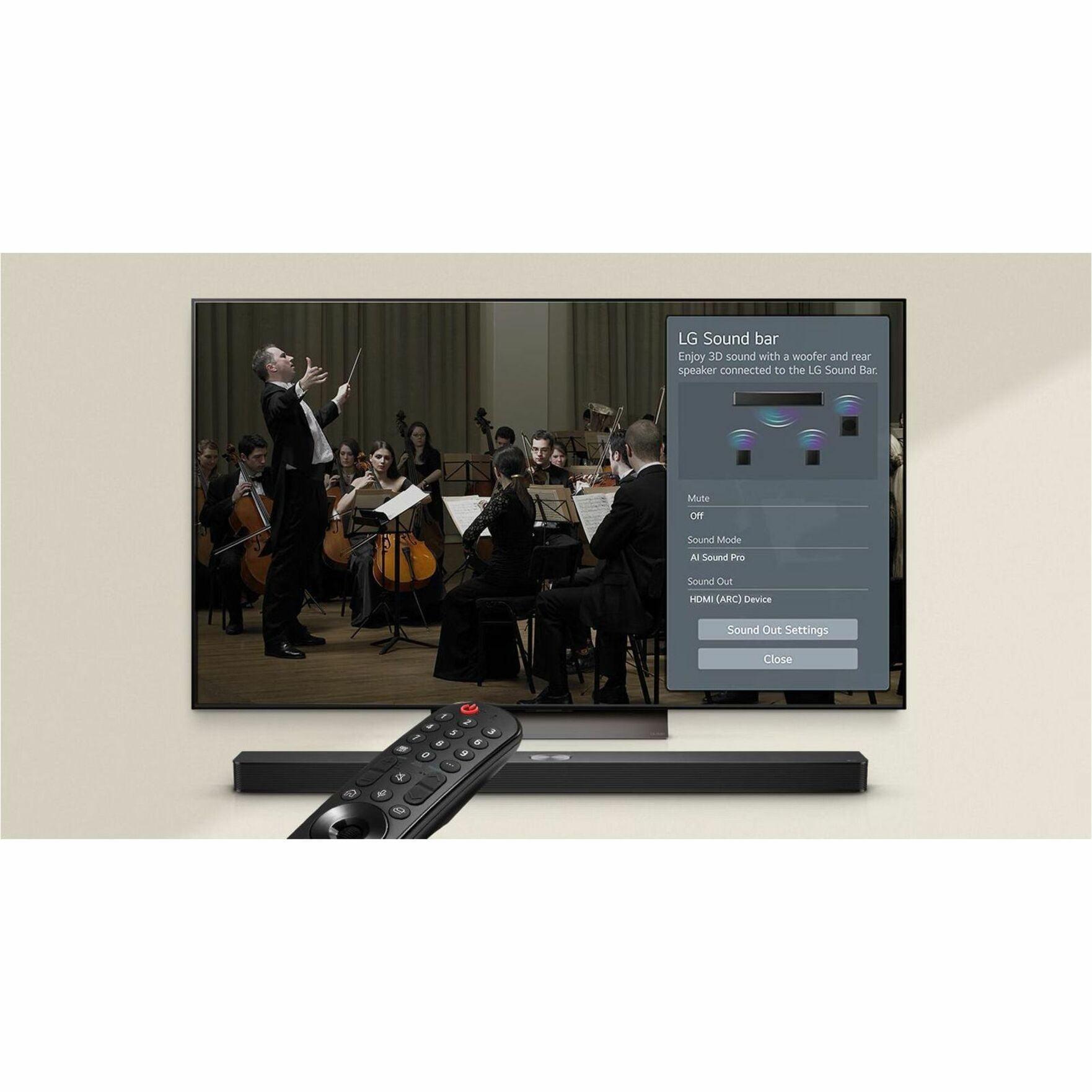
The LG employs AI Sound Pro, which adjusts the sound profile based on content type – it recognizes when you're watching a talk show versus an action movie and adjusts accordingly. While less sophisticated than Samsung's system, it's remarkably effective for such an affordable unit.
Both systems address the common complaint about modern audio mixing, where dialogue gets buried under music and effects. Having tested both extensively, I can say that either will solve the "TV volume lottery" problem where you're constantly adjusting volume throughout a show.
If you're a gamer, the differences become stark. The Samsung HW-Q990D includes HDMI 2.1 ports supporting 4K resolution at 120Hz refresh rates – essential for Xbox Series X, PlayStation 5, and high-end PC gaming. Features like Variable Refresh Rate (VRR) and Auto Low Latency Mode (ALLM) ensure smooth gameplay without audio delays that could affect competitive performance.
Game Mode Pro goes further by analyzing your gaming content and adjusting audio profiles for different genres. Racing games get enhanced engine sounds and directional audio for approaching opponents, while RPGs get clearer dialogue and ambient soundscaping.
The LG S40T, by comparison, connects through basic HDMI ARC (Audio Return Channel) – it'll play your game audio just fine, but lacks the advanced features that complement modern gaming systems. For casual gaming or older consoles, this isn't a problem. For serious gamers with current-generation hardware, it's a significant limitation.
Here's where Samsung's premium positioning really shows. SpaceFit Sound Pro uses built-in microphones to continuously analyze your room's acoustics and adjust the audio accordingly. It's like having a professional audio technician constantly fine-tuning your system based on where you sit, what furniture you have, and even how many people are in the room.
This technology, called room correction in the audio world, typically requires expensive separate equipment and manual measurement processes. Samsung has automated the entire process – the soundbar literally listens to itself and adjusts dozens of parameters in real-time.
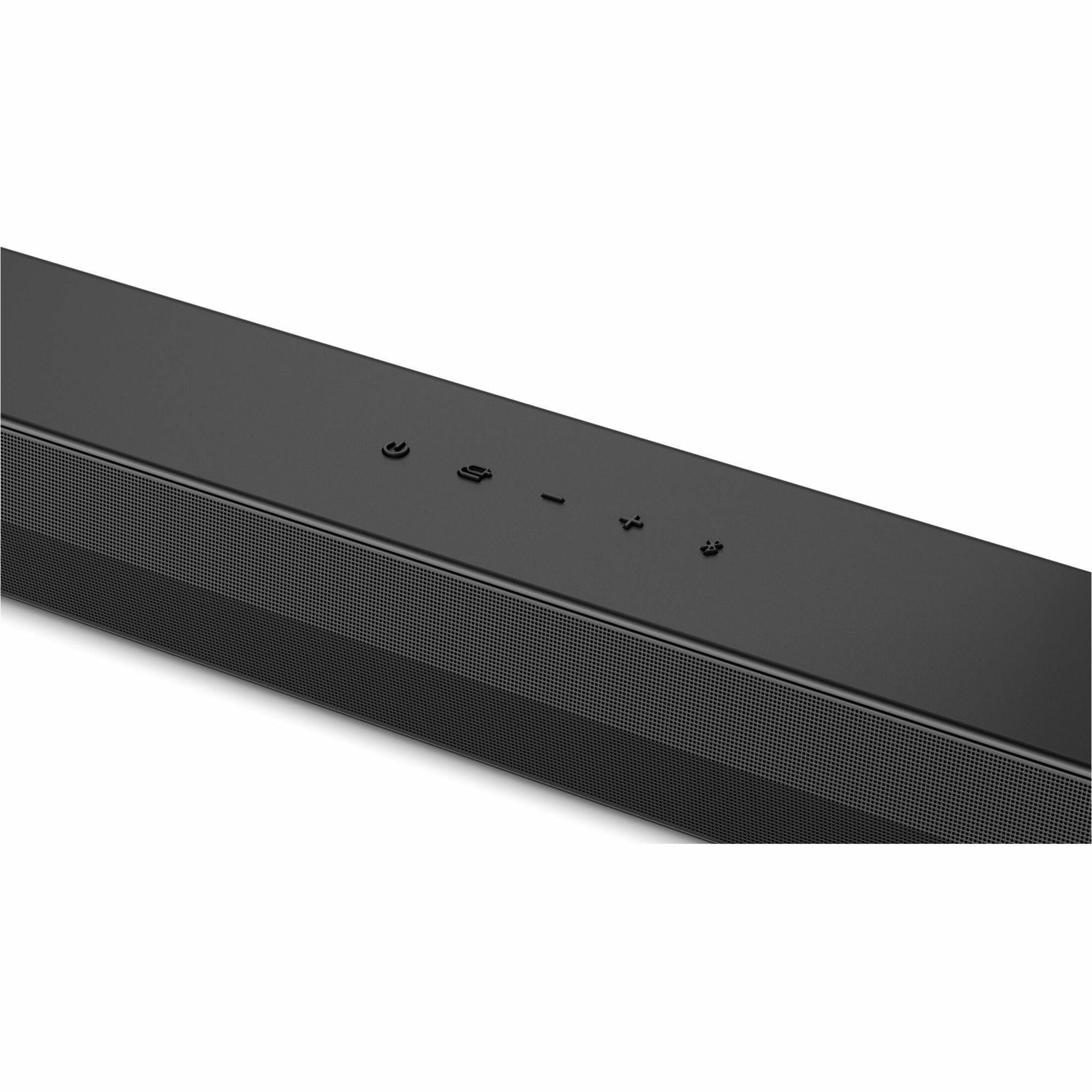
The LG S40T keeps things simple with manual bass and treble controls. While this means more hands-on adjustment, it also means less complexity and fewer things that can go wrong. Some users actually prefer this approach, especially those who like to tinker with their audio settings.
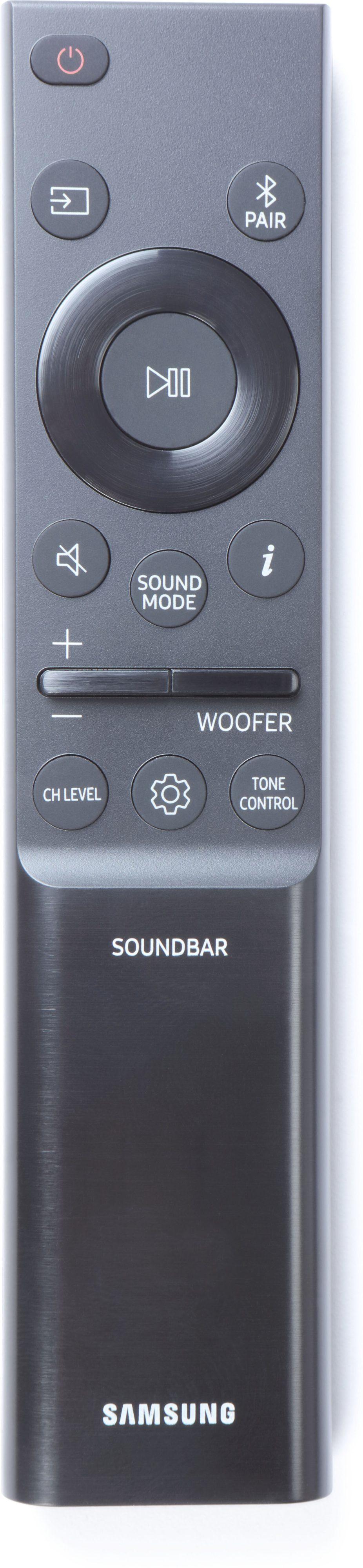
The Samsung offers comprehensive connectivity: Wi-Fi for streaming services like Spotify directly to the soundbar, Bluetooth for mobile devices, and integration with voice assistants including Alexa, Google Assistant, and Samsung's own Bixby. If you own other Samsung devices, the Q Symphony feature can coordinate with your TV's speakers to create an even wider soundstage.
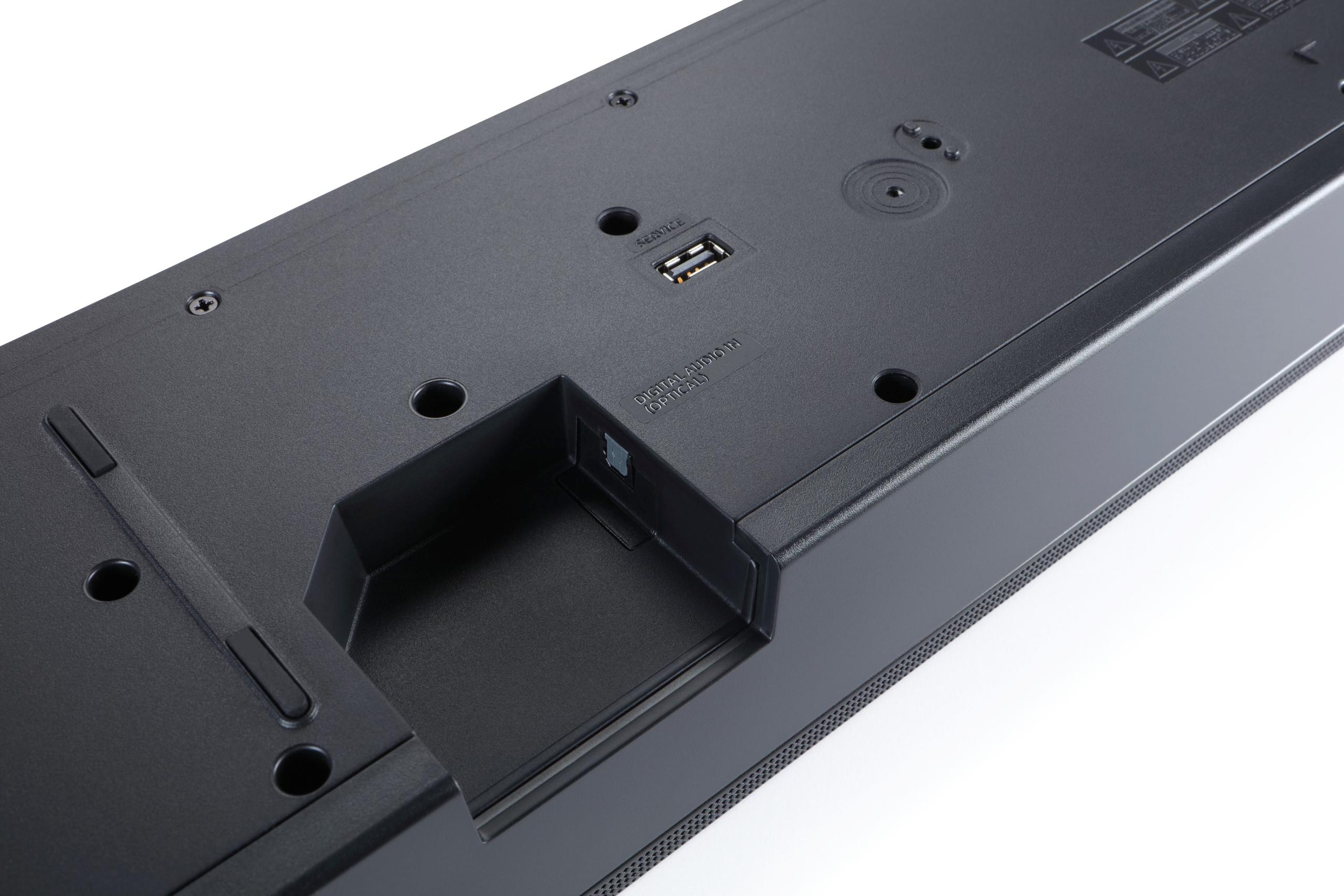
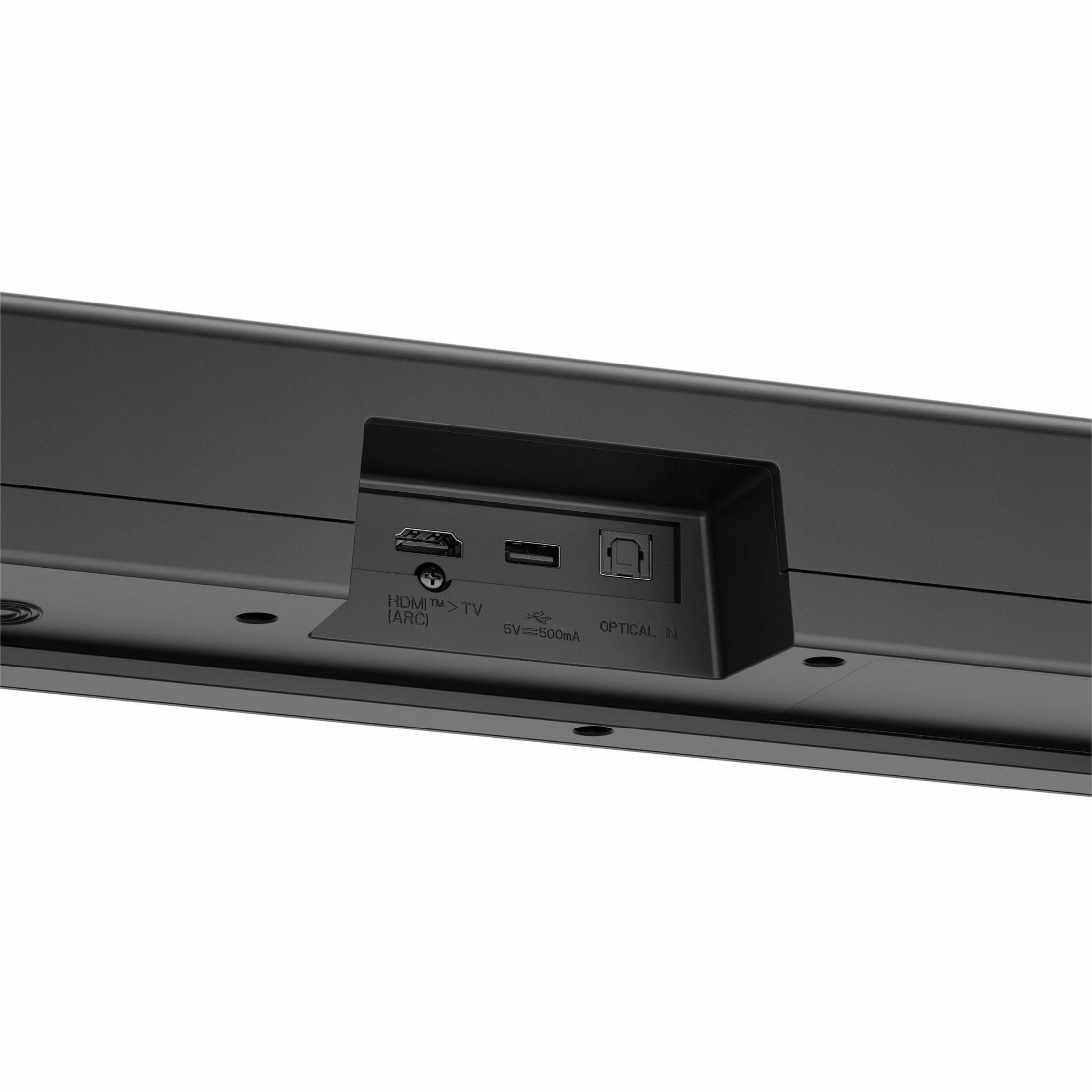
The LG focuses on essential connections: HDMI ARC for your TV, optical input as a backup, Bluetooth 5.3 for wireless streaming, and a USB port for direct media playback. It's everything most people need without the complexity of ecosystem integration.
The Samsung HW-Q990D at $847.99 represents what I call "justified premium pricing." You're paying for genuinely advanced technology that delivers measurable performance improvements. The room calibration alone could cost hundreds of dollars as a separate component, and the multi-channel Atmos experience simply can't be replicated by cheaper alternatives.
However, that premium comes with expectations. If you're not regularly watching Atmos-encoded content (found on 4K Blu-rays, Netflix, Disney+, and other streaming services), or if your room is too small to appreciate the surround effects, you might not fully utilize what you're paying for.
The LG S40T at $155.95 offers exceptional value for money. The improvement over TV speakers is dramatic – clearer dialogue, actual bass response, and better overall clarity. For many users, especially those primarily watching TV shows or news, this level of enhancement hits the sweet spot of noticeable improvement without complexity or high cost.
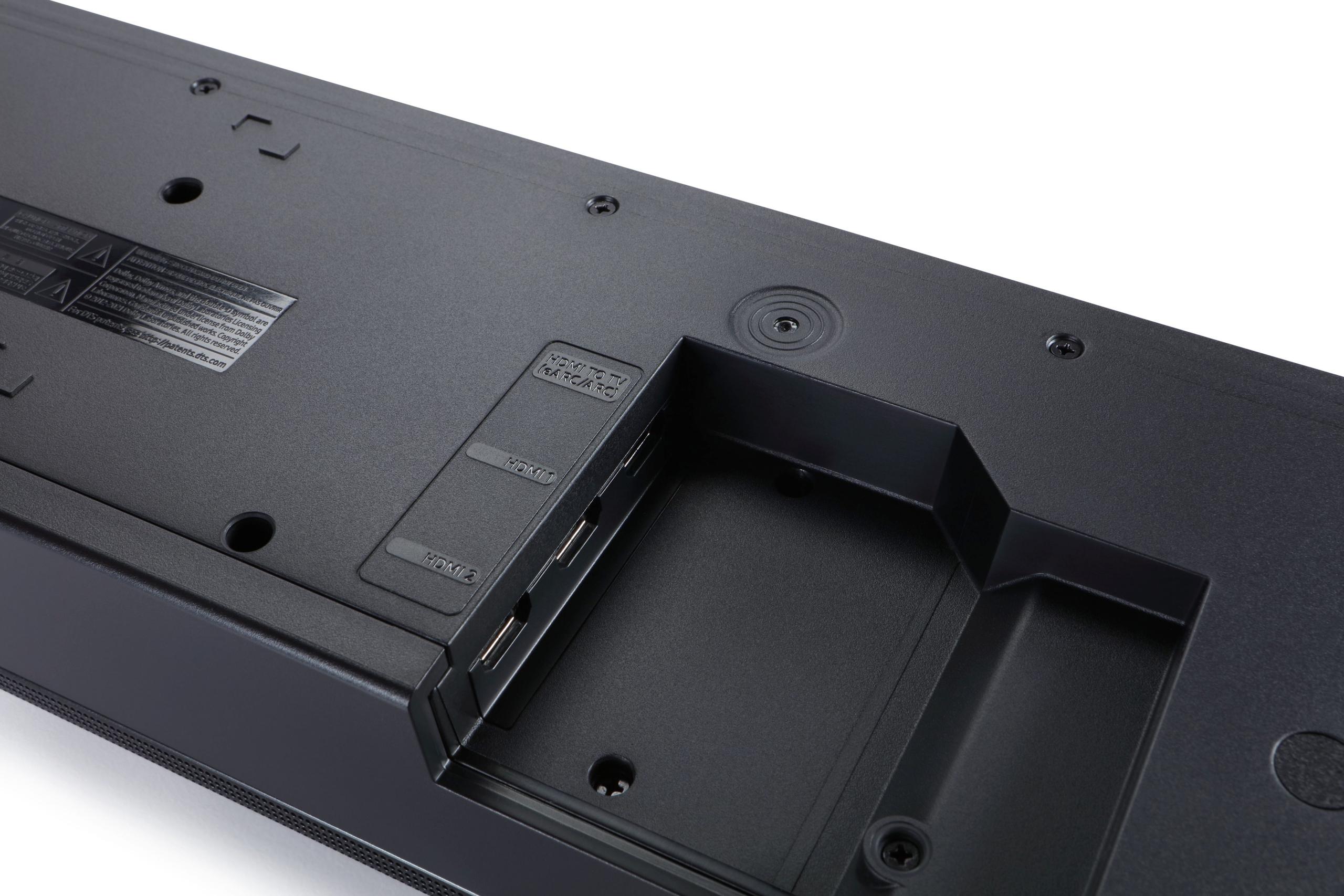
For dedicated home theater setups, the Samsung is clearly the better choice. It's designed to be the centerpiece of an entertainment system, with multiple HDMI inputs allowing you to connect gaming consoles, streaming devices, and Blu-ray players directly to the soundbar before sending video to your TV.
The wireless rear speakers eliminate the need to run cables across your room – they just need power outlets. This makes installation much cleaner than traditional surround systems while maintaining the immersive experience.
The LG works well in home theater applications too, but with limitations. It's better suited for smaller, more casual viewing environments where the goal is improved TV audio rather than cinematic immersion.
Choose the Samsung HW-Q990D if you're serious about audio quality and have the space and budget to appreciate it. This soundbar shines in rooms larger than 300 square feet where you regularly watch movies, play current-generation games, or stream high-quality content. The automated room optimization and comprehensive connectivity make it genuinely future-proof.
The Samsung also makes sense if you value convenience – once it's set up and calibrated, it handles everything automatically. You won't need to adjust settings between different types of content or manually tune audio for your room.
Choose the LG S40T if you want significant audio improvement without complexity or high cost. It's perfect for smaller rooms, secondary TVs, or situations where you primarily watch standard TV content. The wireless subwoofer and simple setup make it an easy upgrade that virtually anyone can install and enjoy immediately.
The LG also works well if you prefer having direct control over your audio settings rather than relying on automated systems. Some users find satisfaction in manually adjusting their sound to personal preference.
Both soundbars succeed at their intended purposes. The Samsung delivers a premium experience that justifies its cost through advanced technology and superior performance. The LG provides remarkable value by focusing on essential improvements that matter most to everyday TV watching.
Your choice ultimately depends on your priorities: cinematic immersion and future-proofing versus simplicity and value. Either way, you'll enjoy dramatically better audio than what your TV alone can provide – and that's really what matters most.
The beauty of the soundbar market is that there's genuinely something for everyone, from budget-conscious shoppers to audio enthusiasts. Both the Samsung HW-Q990D and LG S40T represent the best of their respective categories, making it hard to go wrong with either choice when matched to the right user and situation.
| Samsung HW-Q990D 11.1.4 Channel Sound Bar | LG S40T 2.1 Channel Soundbar |
|---|---|
| Price - Significant investment difference for audio quality | |
| $847.99 (premium home theater solution) | $155.95 (budget-friendly TV audio upgrade) |
| Channel Configuration - Determines surround sound capability | |
| 11.1.4 channels with 22 total drivers (true 3D Dolby Atmos) | 2.1 channels with wireless subwoofer (stereo plus bass) |
| Power Output - Affects room size compatibility | |
| 656W total (suitable for rooms up to 400 sq ft) | 300W total (ideal for rooms under 200 sq ft) |
| Dolby Atmos Support - Key for immersive movie experience | |
| Full Dolby Atmos with dedicated height channels | Virtual surround processing only (no true Atmos) |
| Room Calibration - Automatic vs manual sound optimization | |
| SpaceFit Sound Pro with AI-powered auto-calibration | Manual bass/treble controls only |
| Gaming Features - Important for console gamers | |
| HDMI 2.1 with 4K/120Hz, VRR, ALLM, Game Mode Pro | Basic HDMI ARC only (no gaming enhancements) |
| Connectivity Options - Affects device compatibility | |
| Wi-Fi, Bluetooth 5.2, 2x HDMI 2.1 inputs, eARC output | Bluetooth 5.3, HDMI ARC, optical, USB (no Wi-Fi) |
| Smart Features - Voice control and streaming capability | |
| Alexa, Google Assistant, Bixby, AirPlay 2, Chromecast | Basic Bluetooth streaming only |
| Physical Components - What's included in the box | |
| Soundbar + wireless subwoofer + 2 wireless rear speakers | Soundbar + wireless subwoofer only |
| Setup Complexity - Installation and configuration effort | |
| Advanced setup with multiple components and calibration | Simple plug-and-play installation |
| Best Use Case - Who should consider each option | |
| Movie enthusiasts with large rooms wanting cinema-quality audio | TV watchers seeking clear dialogue and better bass on a budget |
The LG S40T at $155.95 offers exceptional value for basic TV audio improvement, while the Samsung HW-Q990D at $847.99 provides premium home theater quality that justifies its higher cost. Choose the LG for budget-conscious upgrades or the Samsung for serious audio enthusiasts.
The LG S40T uses 2.1 channels (left, right, plus subwoofer) for basic stereo sound with bass. The Samsung HW-Q990D features 11.1.4 channels with 22 speakers total, creating true 3D surround sound with overhead effects for an immersive cinema experience.
The LG S40T is ideal for rooms under 200 square feet with its 300W power output and compact design. The Samsung HW-Q990D is designed for larger spaces up to 400 square feet and may overpower smaller rooms.
The Samsung HW-Q990D offers full Dolby Atmos with dedicated height channels for true 3D audio. The LG S40T only provides virtual surround processing and cannot deliver genuine Atmos effects.
The LG S40T offers simple plug-and-play setup with just a soundbar and wireless subwoofer. The Samsung HW-Q990D requires more complex installation with multiple components including rear speakers and automatic room calibration.
The Samsung HW-Q990D excels for gaming with HDMI 2.1 support, 4K/120Hz passthrough, and Game Mode Pro features. The LG S40T provides basic audio improvement but lacks advanced gaming connectivity and features.
The Samsung HW-Q990D delivers more powerful, room-filling bass with its 8-inch subwoofer and 656W total power. The LG S40T provides decent bass enhancement with its 6.7-inch subwoofer, impressive for its price range.
Both soundbars support Bluetooth connectivity. The LG S40T uses Bluetooth 5.3 for mobile streaming, while the Samsung HW-Q990D offers Bluetooth 5.2 plus Wi-Fi streaming with AirPlay 2 and Chromecast support.
Both excel at dialogue improvement over TV speakers. The Samsung HW-Q990D uses AI-powered Active Voice Amplifier Pro, while the LG S40T employs AI Sound Pro. Either will solve muffled dialogue problems effectively.
The LG S40T works with most TVs via HDMI ARC or optical connection. The Samsung HW-Q990D offers broader compatibility with HDMI eARC, multiple inputs, and works best with Samsung TVs for Q Symphony integration.
The Samsung HW-Q990D is specifically designed for home theater with true surround sound, wireless rear speakers, and cinema-quality audio processing. The LG S40T works for casual home theater but focuses on basic TV audio enhancement.
The LG S40T includes the main soundbar and wireless subwoofer. The Samsung HW-Q990D comes with the soundbar, wireless subwoofer, two wireless rear speakers, and all necessary cables for a complete surround sound system.
We've done our best to create useful and informative comparisons to help you decide what product to buy. Our research uses advanced automated methods to create this comparison and perfection is not possible - please contact us for corrections or questions. These are the sites we've researched in the creation of this article: techradar.com - avsforum.com - valueelectronics.com - samsung.com - rtings.com - samsung.com - avsforum.com - samsung.com - cdwg.com - youtube.com - whathifi.com - bestbuy.com - bestbuy.com - rtings.com - pcrichard.com - lg.com - lg.com - lg.com - lg.com - microcenter.com - flanners.com - bestbuy.com - microcenter.com

Privacy Policy
Terms and Conditions - Affiliate Policy
Home Security
© Copyright 2008-2026.
11816 Inwood Rd #1211, Dallas, TX 75244