

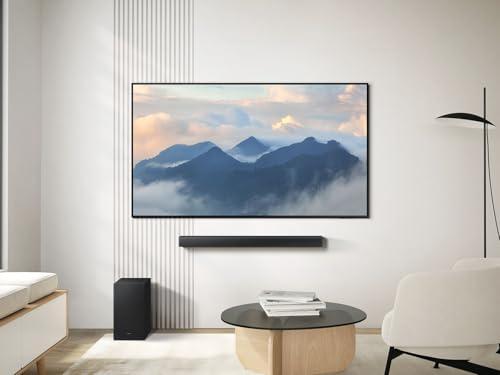
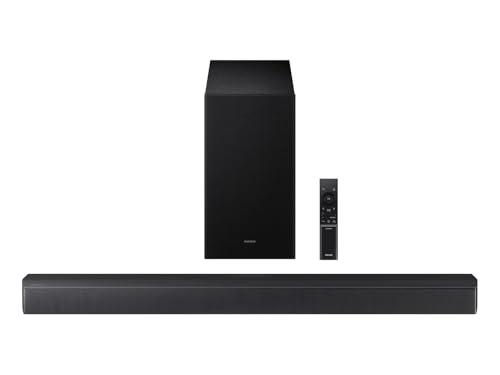






When your TV's built-in speakers sound like they're coming from inside a tin can, it's time for a soundbar upgrade. But with options ranging from basic stereo units to premium multi-channel systems, choosing the right one can feel overwhelming. Today we're comparing two soundbars that couldn't be more different: the budget-focused Samsung HW-B630F and the premium Sony BRAVIA Theater Bar 9.
These products represent completely different philosophies in soundbar design. Released in 2024, the Samsung HW-B630F targets users who want better dialogue clarity without breaking the bank. Meanwhile, the Sony BRAVIA Theater Bar 9, also from 2024, aims to recreate a full cinema experience using advanced spatial audio technology. At the time of writing, the Sony costs nearly four times more than the Samsung—but does it deliver four times the value?
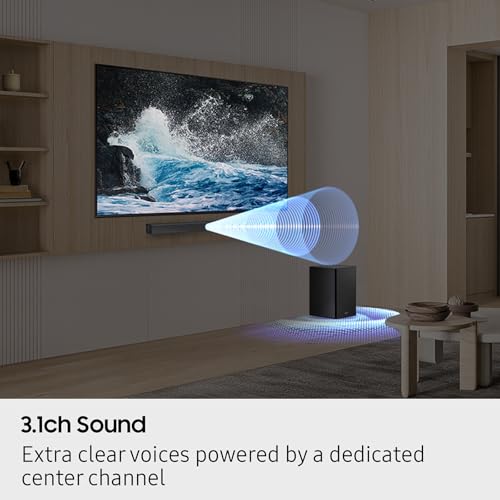
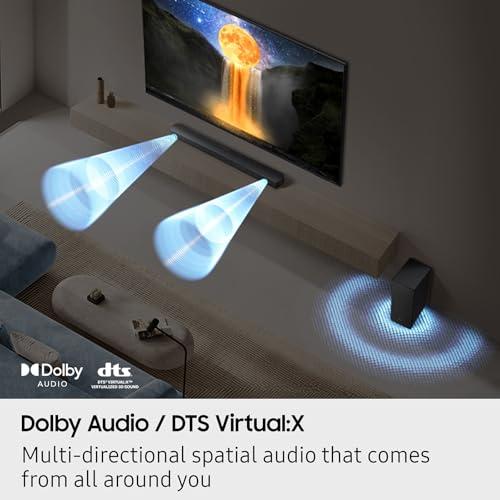
Before diving into specifics, let's clarify what these channel configurations actually mean. The Samsung HW-B630F uses a 3.1-channel setup, which means three front-facing speakers (left, center, right) plus one subwoofer for bass. That dedicated center channel is crucial—it's specifically tuned to handle dialogue, making voices clearer and more natural than typical 2.1 systems that try to create a virtual center image.
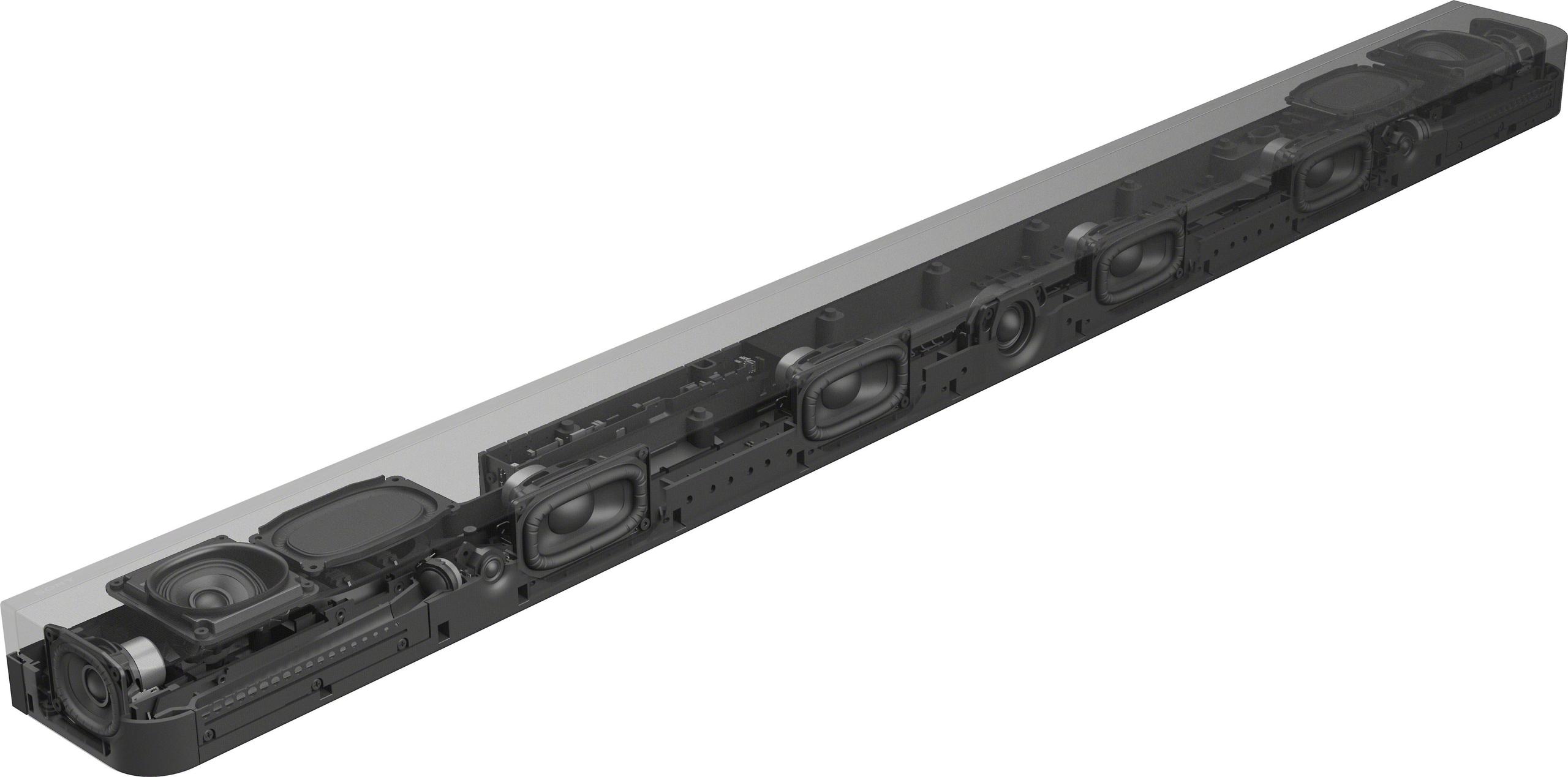
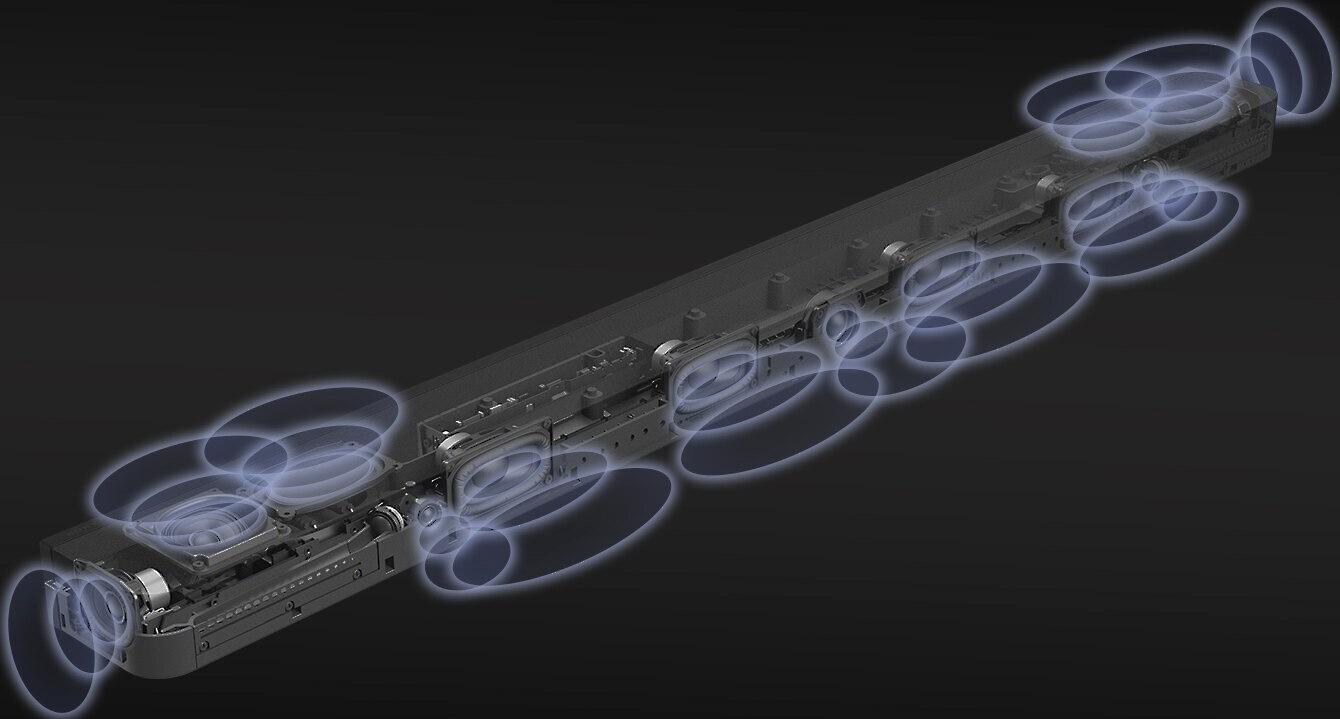
The Sony BRAVIA Theater Bar 9 takes a radically different approach with its 13-speaker array configured in what Sony calls a 7.0.2 system. This means seven main channels, zero traditional subwoofer channels (though it includes a wireless sub), and two height channels for overhead effects. These numbers can be confusing, but the key point is that Sony uses physical speakers pointing in multiple directions to create genuine surround sound, while Samsung relies heavily on digital processing to simulate it.
Both soundbars excel at their intended dialogue goals, but through different methods. The Samsung HW-B630F uses its dedicated center channel driver combined with Voice Enhance processing to lift speech frequencies above background noise. In practice, this works remarkably well for the price point. Watching dialogue-heavy shows like legal dramas or British mysteries, voices remain intelligible even when explosions or music compete for attention.
The Sony BRAVIA Theater Bar 9 goes several steps further with its Acoustic Centre Sync technology. This feature actually uses your compatible Sony TV as an additional center speaker, creating an effect where dialogue appears to come directly from actors' mouths on screen rather than from below the TV. It's a subtle but genuinely noticeable improvement that makes conversations feel more natural and immersive.
Based on our research into user experiences, the Sony's dialogue reproduction is notably more precise and spatially accurate, while the Samsung provides solid clarity that punches above its price point.
This category reveals one of the most significant performance gaps. The Samsung HW-B630F includes a 6-inch wireless subwoofer that handles the heavy lifting for explosions, music beats, and rumbling effects. For its size and price, it delivers respectable bass that fills most living rooms without overwhelming the midrange frequencies where dialogue lives.
However, the Sony BRAVIA Theater Bar 9 operates in a different league entirely. Its larger subwoofer system provides deeper extension—meaning it can reproduce lower frequencies—with better control and less distortion at higher volumes. More importantly, Sony's bass integrates seamlessly with the main speakers through sophisticated digital signal processing (DSP), creating a more cohesive sound signature across all frequencies.
During action sequences with complex soundtracks, the Sony maintains clarity in dialogue and effects even when deep bass is prominent. The Samsung, while competent, can become muddy when pushed hard, particularly in larger rooms where you need higher volume levels.
Here's where these soundbars reveal their fundamental differences. The Samsung HW-B630F creates virtual surround effects using DTS Virtual:X processing. This technology analyzes incoming audio and uses psychoacoustic tricks—essentially fooling your brain—to create the impression that sound is coming from beside and slightly behind you. It works, but the effect is most convincing in smaller rooms when you're seated in the optimal listening position.
The Sony BRAVIA Theater Bar 9 takes a completely different approach with its 360 Spatial Sound Mapping technology. Instead of relying purely on processing tricks, it uses 13 physical speakers firing in multiple directions to bounce sound off your walls and ceiling. This creates what Sony calls "phantom speakers"—sound sources that seem to exist in spaces where no physical speakers are placed.
The practical difference is striking. While the Samsung widens the soundstage compared to TV speakers, the Sony creates a genuine bubble of sound that surrounds you. Watching movies with atmospheric soundtracks, rain seems to fall around you, helicopters pass convincingly overhead, and subtle environmental sounds place you inside the scene rather than observing it from your couch.
Both soundbars handle music differently than movies, and their approaches reflect their design priorities. The Samsung HW-B630F provides adequate musical performance for casual listening. Its Bluetooth 4.2 connectivity allows wireless streaming from phones and tablets, though the older Bluetooth standard occasionally suffers from dropouts and doesn't support high-quality audio codecs.
The Sony BRAVIA Theater Bar 9 was clearly designed with serious music listening in mind. Its Bluetooth 5.2 connection supports LDAC, a Sony-developed codec that transmits nearly three times more data than standard Bluetooth audio. More importantly, its Wi-Fi connectivity enables lossless streaming through AirPlay 2, Chromecast, and Spotify Connect.
The Sony's superior driver separation and wider frequency response create better stereo imaging—the ability to distinguish where different instruments are positioned in the mix. Piano notes have more weight, vocals sit more naturally in the center, and complex orchestral pieces maintain their layered detail instead of becoming a wall of sound.
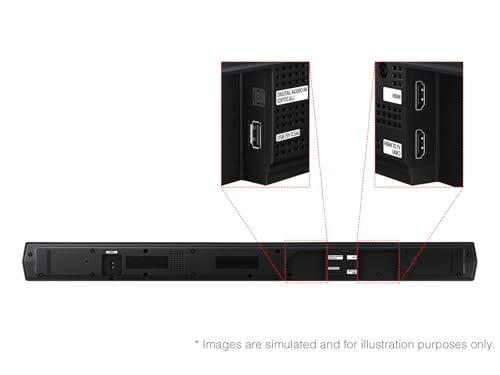
Gaming reveals another significant capability gap. The Samsung HW-B630F includes a dedicated Game Mode that reduces audio processing delays (latency) and enhances directional cues for competitive gaming. However, its HDMI 1.4 connectivity limits you to 1080p resolution, which feels outdated when PlayStation 5 and Xbox Series X consoles are capable of much more.
The Sony BRAVIA Theater Bar 9 supports full HDMI 2.1 specifications, including 4K gaming at 120 frames per second, Variable Refresh Rate (VRR) for smoother gameplay, and Auto Low Latency Mode (ALLM) that automatically optimizes settings when gaming is detected. These features aren't just marketing buzzwords—they're essential for getting the most from modern gaming consoles.
For competitive gaming, the Sony's superior spatial processing provides a genuine advantage. In first-person shooters, you can more accurately locate enemy footsteps or gunfire, while in cinematic games, the immersive surround effects enhance storytelling without compromising competitive audio cues.
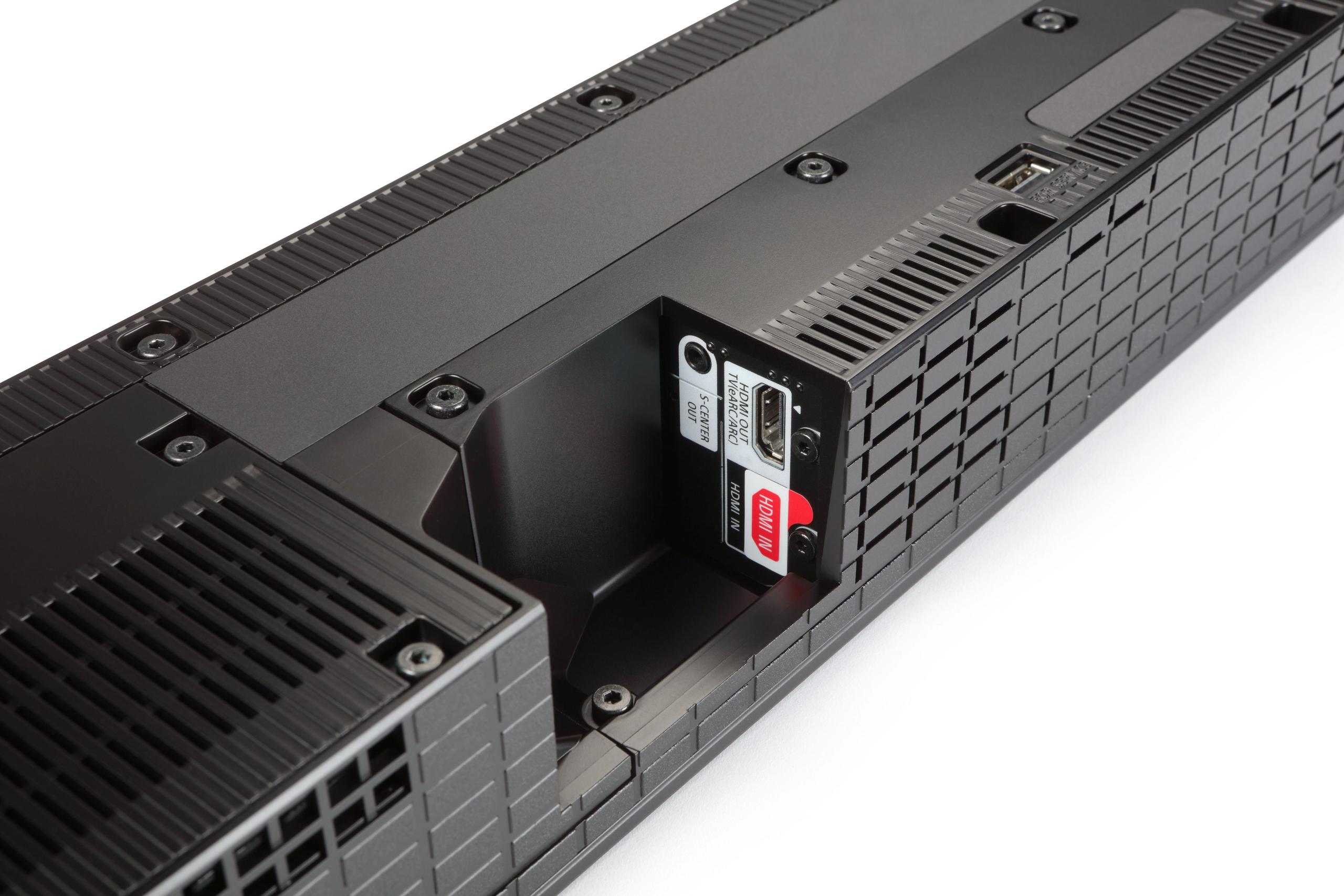
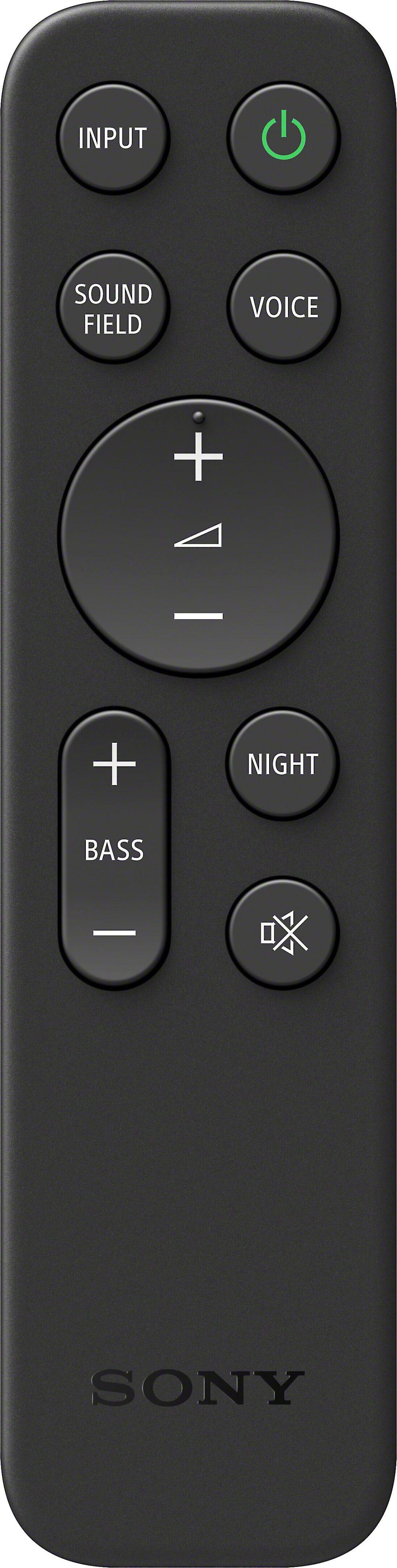
Here's where the age gap between budget and premium soundbars becomes most apparent. The Samsung HW-B630F keeps things simple with basic HDMI ARC (Audio Return Channel) connectivity and Bluetooth 4.2. There's no Wi-Fi, no voice assistants, and no integration with streaming services. You control everything through the included remote or your TV's remote if you have a compatible Samsung model.
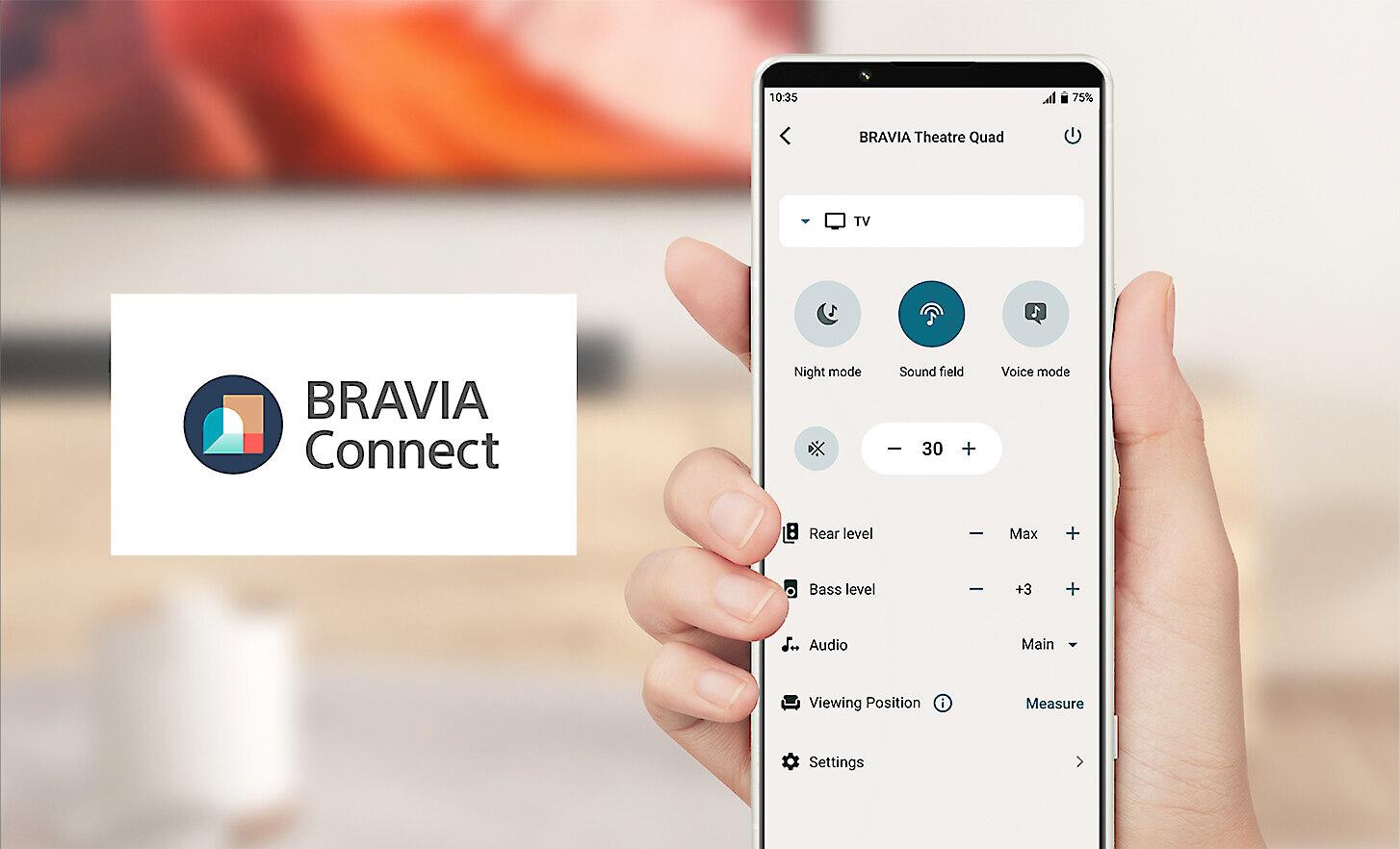
The Sony BRAVIA Theater Bar 9 reads like a smart speaker wish list: Google Assistant and Amazon Alexa built-in, Wi-Fi 6 connectivity, AirPlay 2, Chromecast, Spotify Connect, and Tidal Connect. Its companion app provides room calibration that measures your space's acoustics and adjusts the sound accordingly—a feature typically found only in high-end home theater systems.
This smart connectivity isn't just about convenience; it's about audio quality. Streaming lossless audio directly over Wi-Fi sounds noticeably better than compressed Bluetooth, especially for music listening.
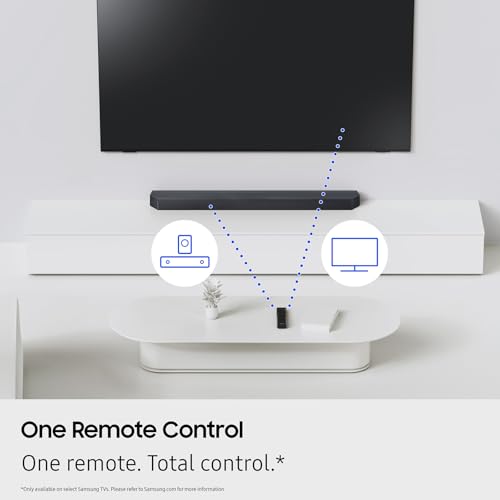
The Samsung HW-B630F wins points for simplicity. The soundbar and subwoofer pair automatically, HDMI ARC setup is straightforward, and most users are up and running within minutes. The included remote provides basic controls, and if you own a Samsung TV, you can often use your TV remote for volume and power controls.
The Sony BRAVIA Theater Bar 9 requires more initial investment of time but rewards you with better performance. The Sony Music Center app guides you through room calibration, measuring how sound reflects in your specific space and adjusting the soundbar accordingly. This process takes about 15 minutes but can dramatically improve performance, especially in challenging room layouts.
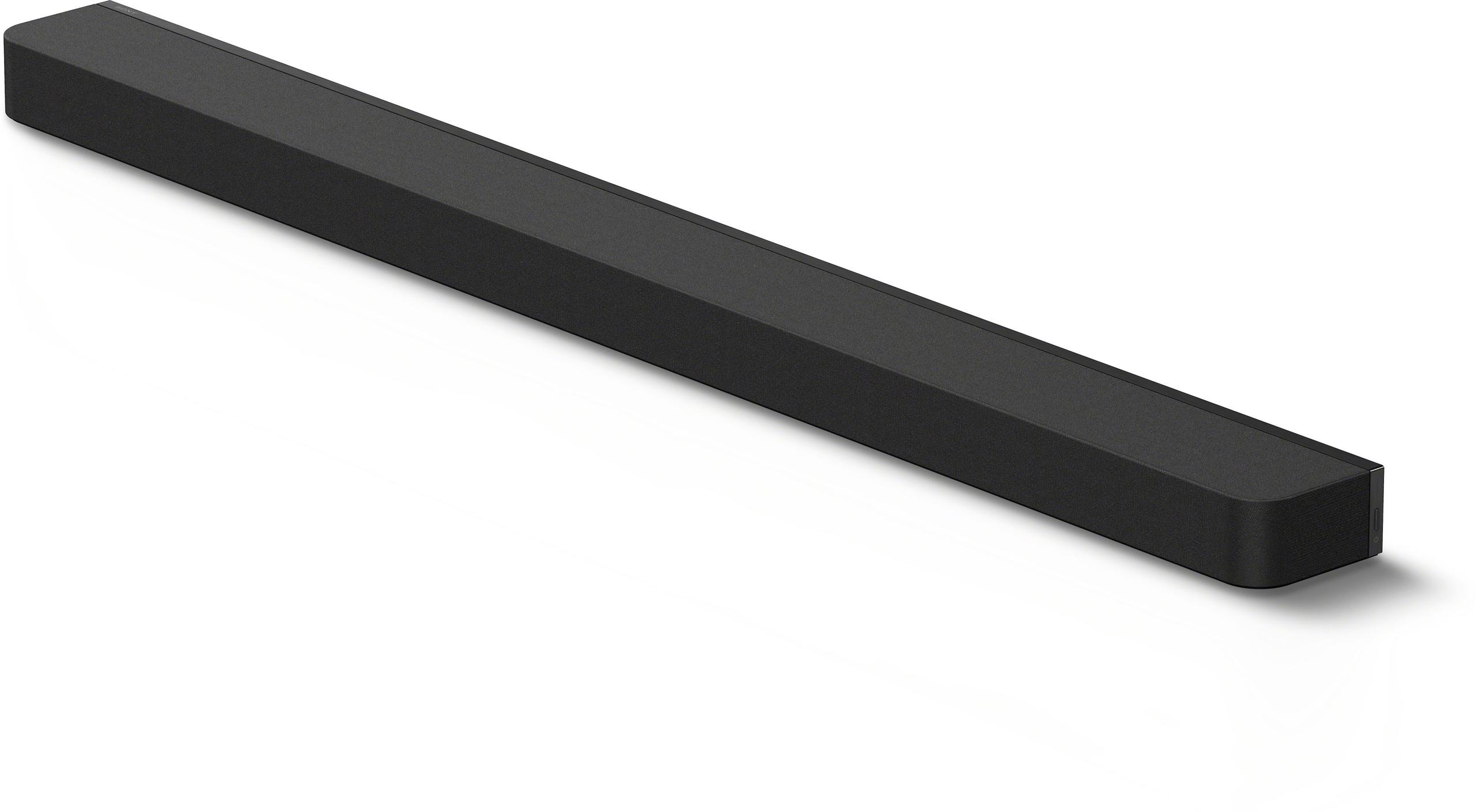
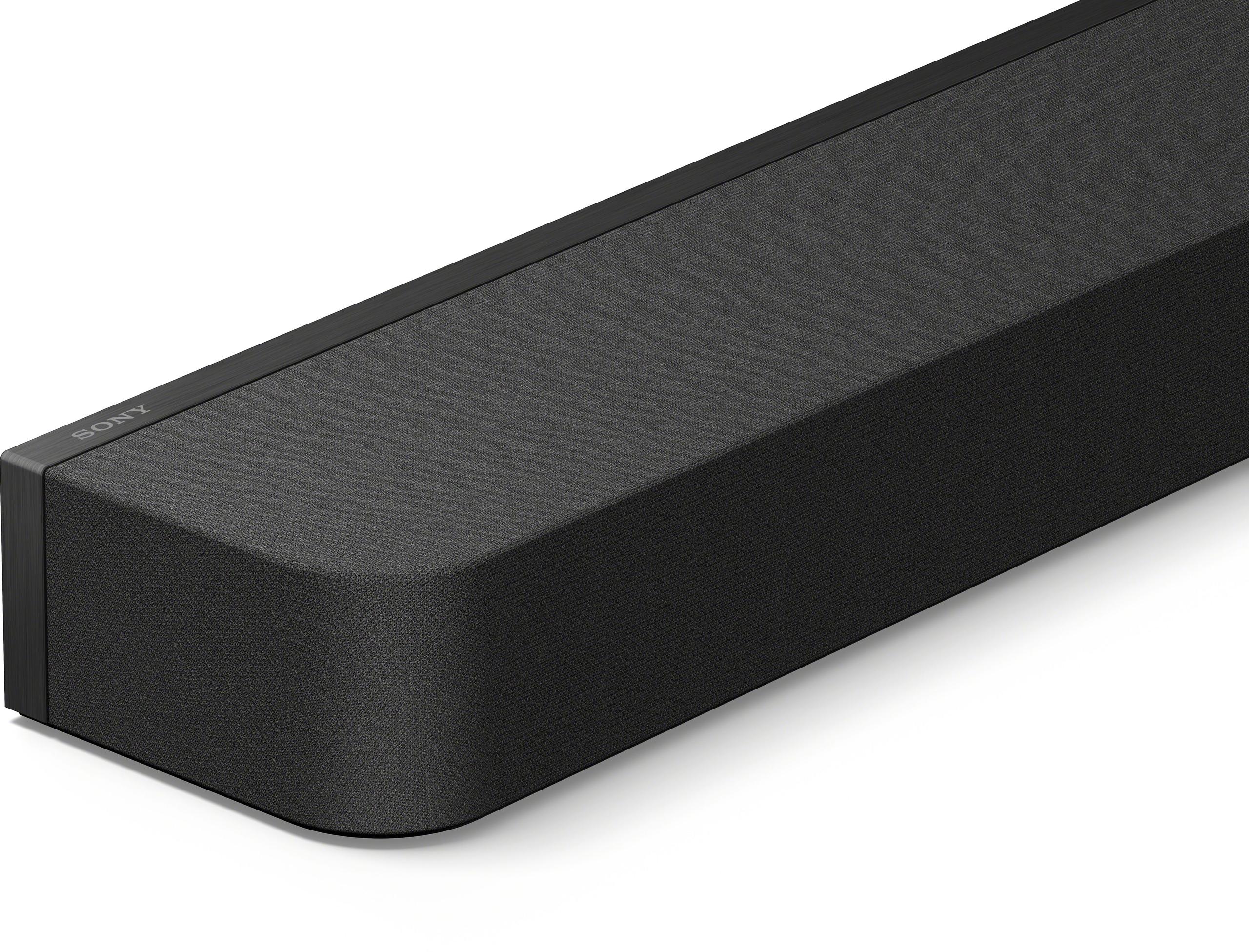
Build quality differs significantly too. The Samsung uses primarily plastic construction with a simple dot-matrix display, while the Sony features premium materials including acoustic fabric and aluminum accents that look at home in upscale living rooms.
At the time of writing, the Samsung HW-B630F costs roughly one-quarter the price of the Sony BRAVIA Theater Bar 9. For budget-conscious buyers primarily concerned with dialogue clarity and basic bass improvement over TV speakers, the Samsung delivers excellent value. It's particularly appealing in smaller rooms where virtual surround processing is more effective and in households where advanced smart features aren't priorities.
The Sony's premium pricing reflects its comprehensive feature set and superior performance, but it's only worthwhile if you'll actually use those capabilities. If you're building a dedicated home theater, frequently stream high-quality music, or own next-generation gaming consoles, the Sony's additional investment pays dividends in daily use.
Room dimensions significantly impact these soundbars' effectiveness. The Samsung HW-B630F works best in small to medium rooms (up to about 200 square feet) where its virtual processing can effectively reflect off nearby walls. In large, open-concept spaces, the surround effects become less convincing and the subwoofer may struggle to fill the space adequately.
The Sony BRAVIA Theater Bar 9 scales better to larger rooms thanks to its more powerful amplification and sophisticated room calibration. Its 360 Spatial Sound Mapping actually benefits from having more wall and ceiling surfaces to work with, though it requires careful subwoofer placement to avoid bass nulls in larger spaces.
Technology moves quickly, and soundbar purchases should consider upcoming changes. The Samsung HW-B630F's HDMI 1.4 connectivity already feels dated, limiting compatibility with current gaming consoles and potentially creating issues with future TV upgrades.
The Sony BRAVIA Theater Bar 9's HDMI 2.1 support, Wi-Fi connectivity, and regular firmware updates provide better long-term viability. Sony has a track record of adding new features and streaming service support through software updates, effectively improving the product over time.
Choose the Samsung HW-B630F if you're primarily seeking better TV dialogue clarity on a tight budget, have a smaller living space, prefer simple plug-and-play operation, or don't need advanced gaming features. It's an excellent entry point into better TV audio that won't overwhelm users with complexity or break household budgets.
The Sony BRAVIA Theater Bar 9 makes sense for dedicated home theater enthusiasts who want genuine surround immersion, frequently stream high-quality music, own modern gaming consoles, or plan to integrate the soundbar into a broader smart home ecosystem. Its premium pricing is justified only if you'll regularly use its advanced capabilities.
These soundbars serve fundamentally different markets despite both improving TV audio. The Samsung HW-B630F delivers solid performance upgrades at an accessible price point, making it ideal for users seeking practical improvement without complexity. The Sony BRAVIA Theater Bar 9 provides a premium audio experience that can rival separate component systems, but only delivers value if its advanced features align with your actual usage patterns.
Based on our research into user experiences and expert evaluations, both products succeed at their intended goals. The Samsung punches above its price point for basic improvements, while the Sony justifies its premium positioning through genuinely superior performance and comprehensive features. Your choice should align with both your budget reality and your entertainment priorities—there's no wrong answer, only the right fit for your specific situation.
| Samsung HW-B630F B-Series 3.1ch Soundbar System | Sony BRAVIA Theater Bar 9 Soundbar |
|---|---|
| Channel Configuration - Determines surround sound capability and immersion | |
| 3.1 channels (3 front speakers + wireless subwoofer) | 7.0.2 channels (13 total speakers with height effects) |
| Dolby Atmos Support - Essential for modern movie soundtracks with overhead effects | |
| No Atmos support (DTS Virtual:X only) | Full Dolby Atmos with dedicated up-firing drivers |
| HDMI Connectivity - Critical for gaming consoles and 4K content | |
| HDMI 1.4 with ARC (1080p max, no eARC) | HDMI 2.1 with eARC (4K/120Hz, VRR, ALLM support) |
| Smart Features - Affects streaming convenience and voice control | |
| Basic Bluetooth 4.2 only (no Wi-Fi or voice assistants) | Wi-Fi 6, Google Assistant, Alexa, AirPlay 2, Chromecast |
| Room Calibration - Optimizes sound for your specific space | |
| Manual EQ adjustments only | 360 Spatial Sound Mapping with automatic calibration |
| Subwoofer - Handles explosive effects and music bass | |
| 6" wireless subwoofer (adequate for small-medium rooms) | Larger wireless subwoofer with superior control and extension |
| Gaming Performance - Important for console compatibility | |
| Game Mode with basic enhancement (1080p limitation) | Advanced gaming features with next-gen console support |
| Music Streaming Quality - Affects wireless audio fidelity | |
| Bluetooth 4.2 with standard SBC codec | Bluetooth 5.2 with LDAC plus lossless Wi-Fi streaming |
| Physical Design - Impacts room aesthetics and placement flexibility | |
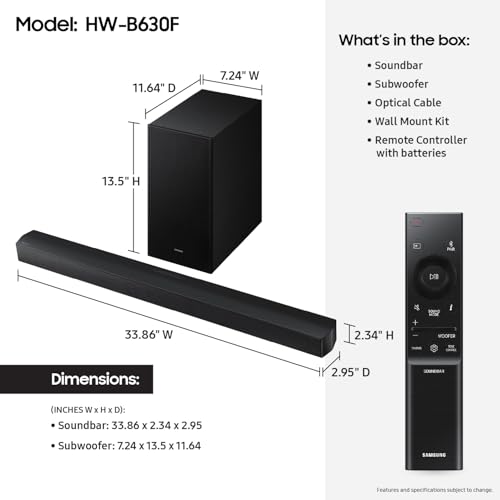
| Basic plastic construction, 33.9" wide | Premium materials with acoustic fabric, 51.25" wide |
| Expandability - Ability to upgrade system over time | |
| Compatible with optional Samsung wireless rear kit | Built-in rear speaker support, no additional kit needed |
| Voice Enhancement - Critical for dialogue clarity in movies and TV | |
| Voice Enhance mode with center channel focus | Acoustic Centre Sync uses TV as center speaker |
| Setup Complexity - Affects user experience and time investment | |
| Plug-and-play simplicity (5-minute setup) | App-guided calibration required (15-minute initial setup) |
Both the Samsung HW-B630F and Sony BRAVIA Theater Bar 9 excel at dialogue clarity but use different approaches. The Samsung HW-B630F features a dedicated center channel and Voice Enhance mode that effectively lifts speech above background noise. The Sony BRAVIA Theater Bar 9 goes further with Acoustic Centre Sync technology, which uses your compatible Sony TV as an additional center speaker, making dialogue appear to come directly from actors' mouths on screen.
Only the Sony BRAVIA Theater Bar 9 supports true Dolby Atmos with dedicated up-firing speakers for overhead sound effects. The Samsung HW-B630F does not support Dolby Atmos but uses DTS Virtual:X processing to simulate surround and height effects through digital processing rather than physical speakers.
The Sony BRAVIA Theater Bar 9 is significantly better for gaming, especially with modern consoles. It supports HDMI 2.1 with 4K/120Hz, Variable Refresh Rate (VRR), and Auto Low Latency Mode (ALLM). The Samsung HW-B630F includes a Game Mode but is limited to HDMI 1.4, restricting gaming to 1080p resolution.
The Sony BRAVIA Theater Bar 9 delivers superior bass performance with a larger subwoofer that provides deeper extension and better control at higher volumes. The Samsung HW-B630F includes a competent 6-inch wireless subwoofer that works well for its price point but may struggle in larger rooms or at high volume levels.
The Sony BRAVIA Theater Bar 9 is better suited for larger rooms thanks to its more powerful amplification and 360 Spatial Sound Mapping technology that actually benefits from having more wall and ceiling surfaces to work with. The Samsung HW-B630F works best in small to medium rooms where its virtual processing can effectively reflect off nearby walls.
The Sony BRAVIA Theater Bar 9 includes comprehensive smart features with built-in Google Assistant, Amazon Alexa, Wi-Fi connectivity, AirPlay 2, and Chromecast support. The Samsung HW-B630F keeps things simple with basic Bluetooth 4.2 connectivity and no built-in voice assistants or Wi-Fi streaming capabilities.
The Samsung HW-B630F wins for simplicity with automatic subwoofer pairing and straightforward HDMI ARC setup that takes about 5 minutes. The Sony BRAVIA Theater Bar 9 requires more initial setup time with app-guided room calibration that takes about 15 minutes but results in optimized performance for your specific space.
The Sony BRAVIA Theater Bar 9 features premium construction with acoustic fabric, aluminum accents, and higher-quality materials throughout. The Samsung HW-B630F uses primarily plastic construction with a simple design that's functional but less premium-feeling.
The Sony BRAVIA Theater Bar 9 provides significantly better music streaming with Bluetooth 5.2 supporting LDAC codec for high-quality wireless audio, plus Wi-Fi streaming through AirPlay 2 and Chromecast for lossless audio. The Samsung HW-B630F is limited to basic Bluetooth 4.2 with standard audio codecs.
Both soundbars offer expandability options. The Samsung HW-B630F is compatible with Samsung's optional wireless rear speaker kit for true 5.1 surround sound. The Sony BRAVIA Theater Bar 9 has built-in support for Sony's optional rear speakers without requiring additional connection kits.
Value depends on your needs and budget. The Samsung HW-B630F offers excellent value for buyers seeking basic TV audio improvement with clear dialogue and decent bass at an entry-level price. The Sony BRAVIA Theater Bar 9 provides premium value for home theater enthusiasts who want true surround sound, advanced gaming features, and comprehensive smart capabilities.
For dedicated home theater use, the Sony BRAVIA Theater Bar 9 is the clear choice with its true Dolby Atmos support, 13-speaker array, room calibration, and immersive 360 Spatial Sound Mapping. The Samsung HW-B630F is better suited for casual TV watching improvements rather than serious home theater applications, though it can still enhance movie nights significantly over TV speakers.
We've done our best to create useful and informative comparisons to help you decide what product to buy. Our research uses advanced automated methods to create this comparison and perfection is not possible - please contact us for corrections or questions. These are the sites we've researched in the creation of this article: samsung.com - bhphotovideo.com - crutchfield.com - youtube.com - bestproducts.com - videoandaudiocenter.com - pcrichard.com - bhphotovideo.com - samsung.com - youtube.com - requiremints.com - karlsonline.com - crutchfield.com - youtube.com - donstv.com - samsung.com - bhphotovideo.com - youtube.com - youtube.com - crutchfield.com - costco.ca - rtings.com - crutchfield.com - accio.com - bhphotovideo.com - manuals.plus - samsung.com - saraappliance.com - rtings.com - residentialsystems.com - rtings.com - bestbuy.com - valueelectronics.com - sony.com - sony.co.uk - sony.co.uk - rtings.com - sony.co.in - sony.com - pocket-lint.com - sony.com - crutchfield.com

Privacy Policy
Terms and Conditions - Affiliate Policy
Home Security
© Copyright 2008-2026.
11816 Inwood Rd #1211, Dallas, TX 75244