


When your TV's built-in speakers leave you constantly adjusting the volume—turning it up for whispered dialogue, then scrambling for the remote when explosions blast through your living room—it's time for a soundbar upgrade. But choosing between different soundbar technologies can feel overwhelming, especially when comparing products from different performance tiers.
The Samsung HW-B630F and TCL Q85H represent two fundamentally different approaches to improving your TV's audio. At the time of writing, these soundbars sit in distinctly different price brackets, with the Samsung positioned as an affordable entry point while the TCL commands a premium for advanced features. Understanding their core differences will help you decide which investment makes sense for your home theater setup.
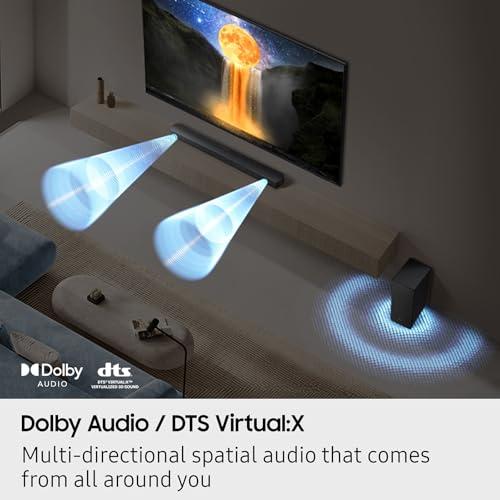
Before diving into specifics, it's crucial to understand how these two systems create their audio experiences. The Samsung HW-B630F uses what's called "virtual surround processing"—sophisticated algorithms that manipulate stereo and multichannel audio to create the illusion of sound coming from beyond the physical speakers. Think of it like audio special effects: the soundbar tricks your brain into perceiving a wider, more enveloping soundstage than what three speakers and a subwoofer can physically create.
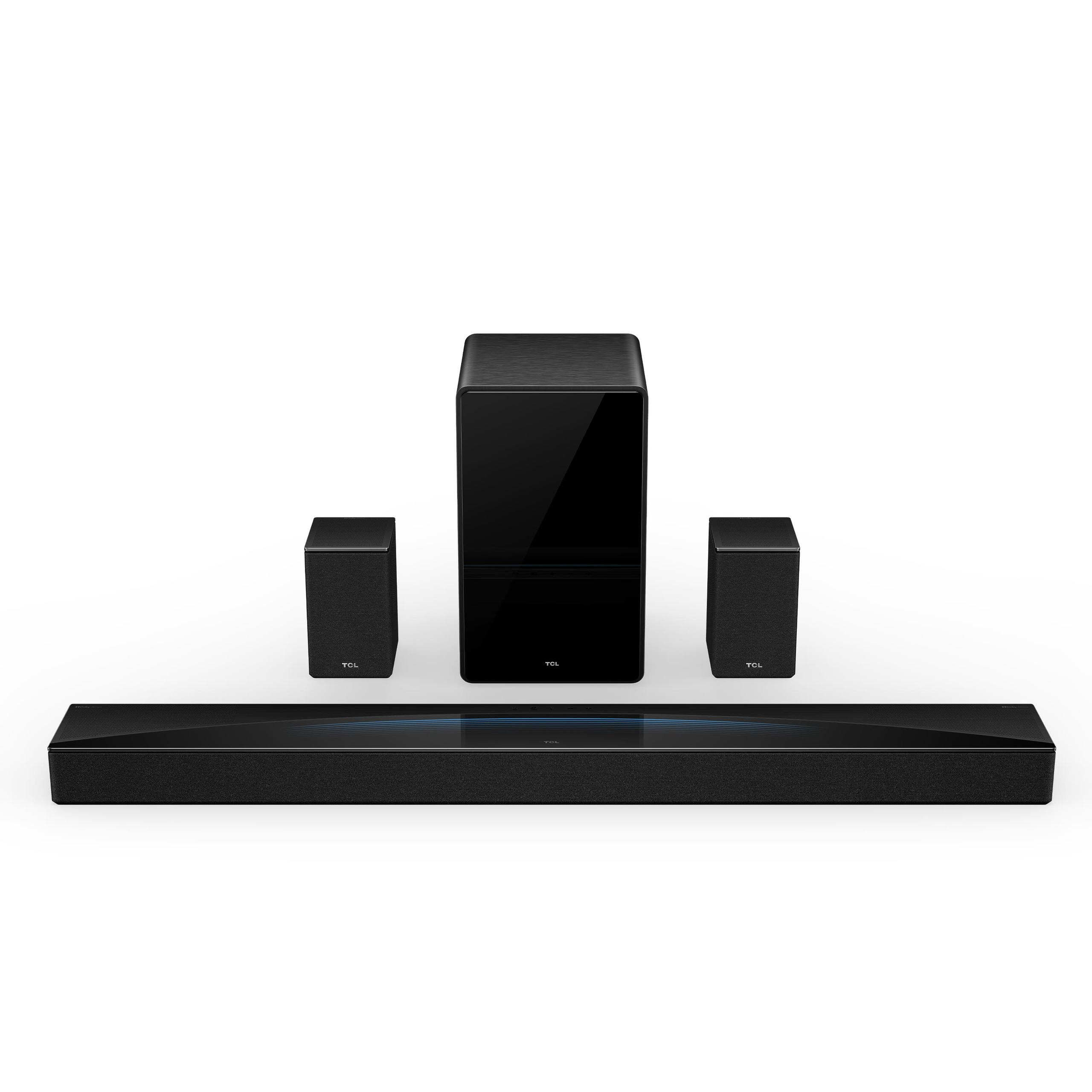
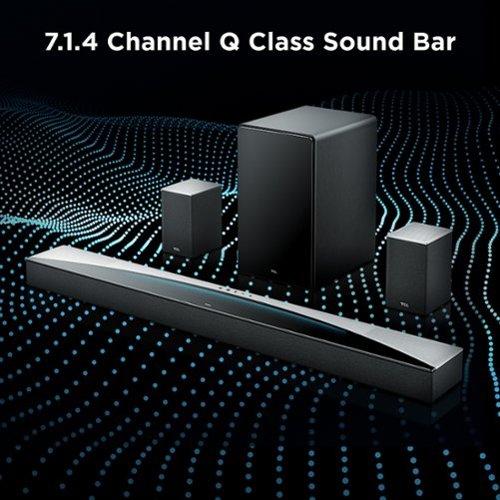
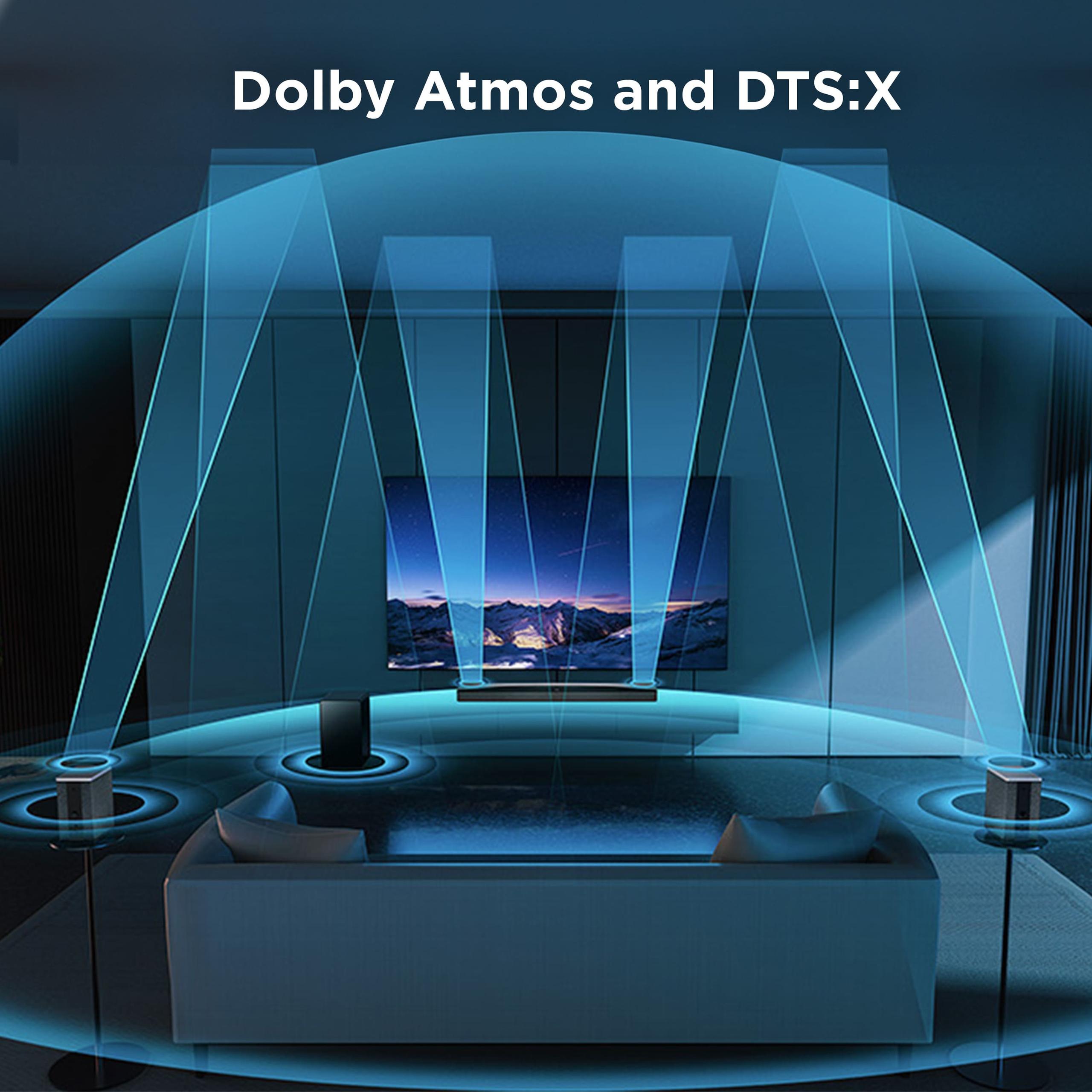
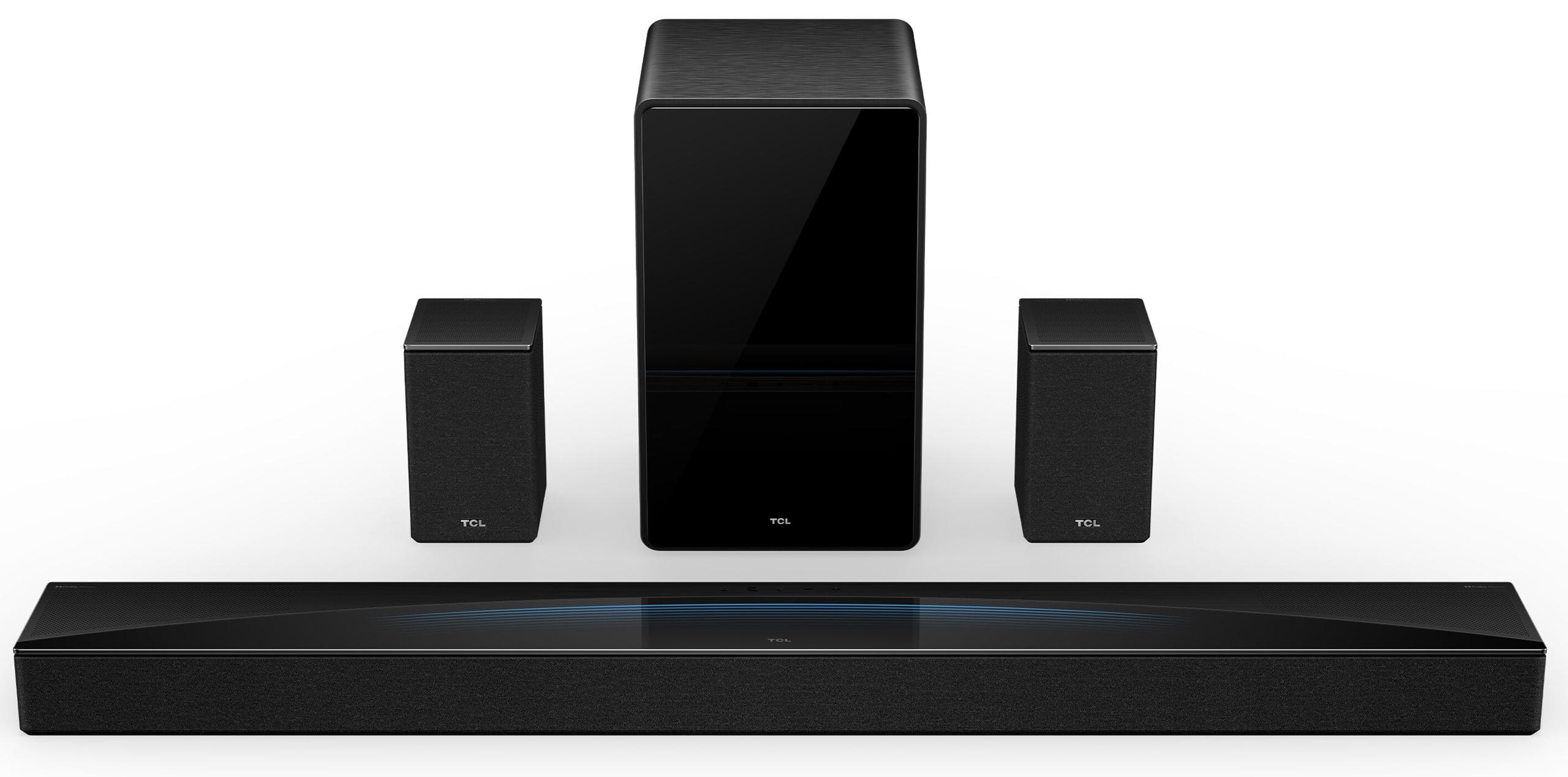
The TCL Q85H, however, uses actual physical speakers placed around your room. This 7.1.4 system includes dedicated rear speakers and up-firing drivers that bounce sound off your ceiling. When a helicopter flies overhead in a movie, you're not hearing a clever audio illusion—actual speakers above and behind you are reproducing those sounds. It's the difference between watching a 3D movie with glasses (virtual) versus actually being in a 3D environment (physical).
Both approaches have merit, but they deliver distinctly different experiences at very different price points.
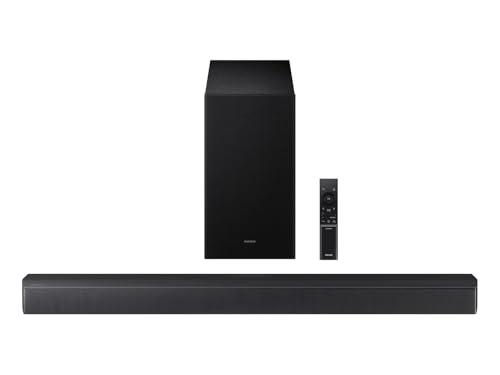
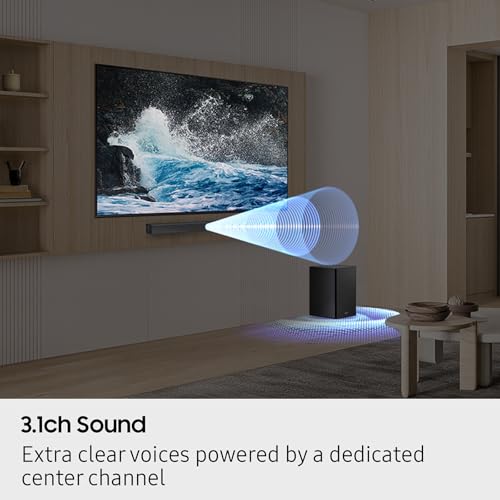
Released in 2023 as part of Samsung's B-Series lineup, the Samsung HW-B630F focuses on solving the most common TV audio complaint: unclear dialogue. Its 3.1 channel configuration dedicates an entire speaker—the center channel—specifically to reproducing voices and speech. This isn't just marketing speak; having a dedicated center channel makes a substantial difference in speech intelligibility.
The system includes several dialogue-focused technologies that work together effectively. Voice Enhance mode boosts the specific frequency ranges where human speech occurs (roughly 200-3000 Hz), helping voices cut through background music and sound effects. Adaptive Sound continuously analyzes what you're watching and automatically adjusts the audio balance—lowering explosive sound effects during dialogue scenes, for example.
Night Mode compresses the dynamic range, which means it reduces the difference between the quietest and loudest sounds. This feature prevents you from disturbing neighbors during late-night viewing while keeping dialogue audible. After years of dealing with this exact problem in apartment living, I can attest that good dynamic range compression is genuinely valuable for many viewers.
The Samsung's DTS Virtual:X processing creates what the company calls "Surround Sound Expansion." This technology uses psychoacoustic principles—essentially, how your brain interprets sound—to create the perception of a wider soundstage. In our research of user reviews, most people notice sound seeming to extend beyond the physical boundaries of the soundbar, though the effect varies significantly based on room acoustics and seating position.
The TCL Q85H entered the market in late 2022 with a disruptive premise: deliver genuine 7.1.4 Dolby Atmos performance at a fraction of traditional surround system costs. When major brands were charging $1,200+ for comparable setups, TCL's complete system—including wireless rear speakers—represented a significant value shift in the soundbar market.
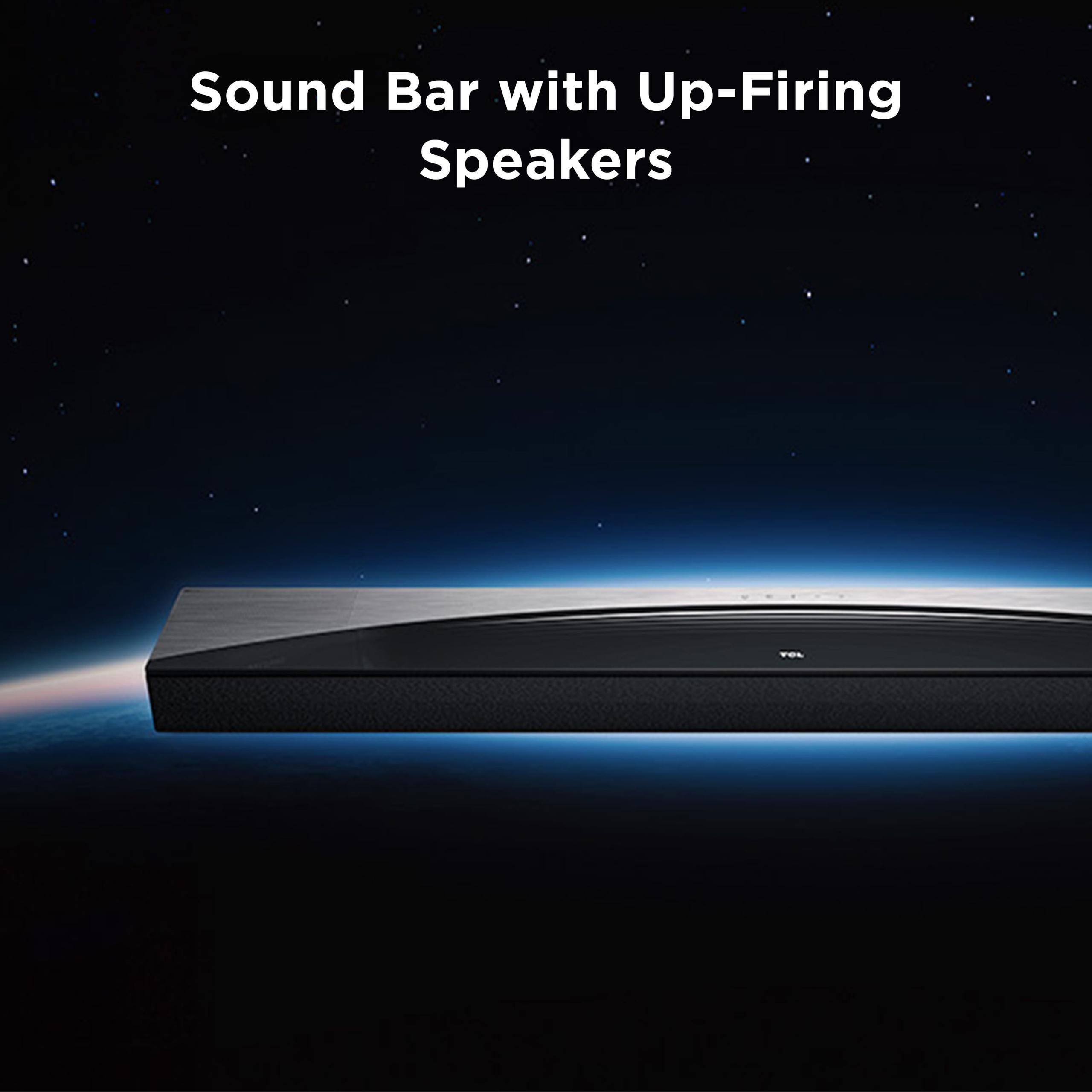
The "7.1.4" designation tells you everything about this system's capabilities. Seven main channels handle left, center, right, two side surrounds, and two rear surrounds. The ".1" represents the dedicated subwoofer channel for bass frequencies. Most importantly, the "4" indicates four height channels—two up-firing drivers in the main soundbar and two more in the rear speakers that bounce sound off your ceiling to create overhead effects.
This physical speaker arrangement enables true object-based audio processing. When you're watching a Dolby Atmos movie, the system can place individual sounds (objects) anywhere in three-dimensional space around you. Rain genuinely falls from above, helicopters move convincingly overhead, and explosions have directional weight that virtual processing simply cannot match.
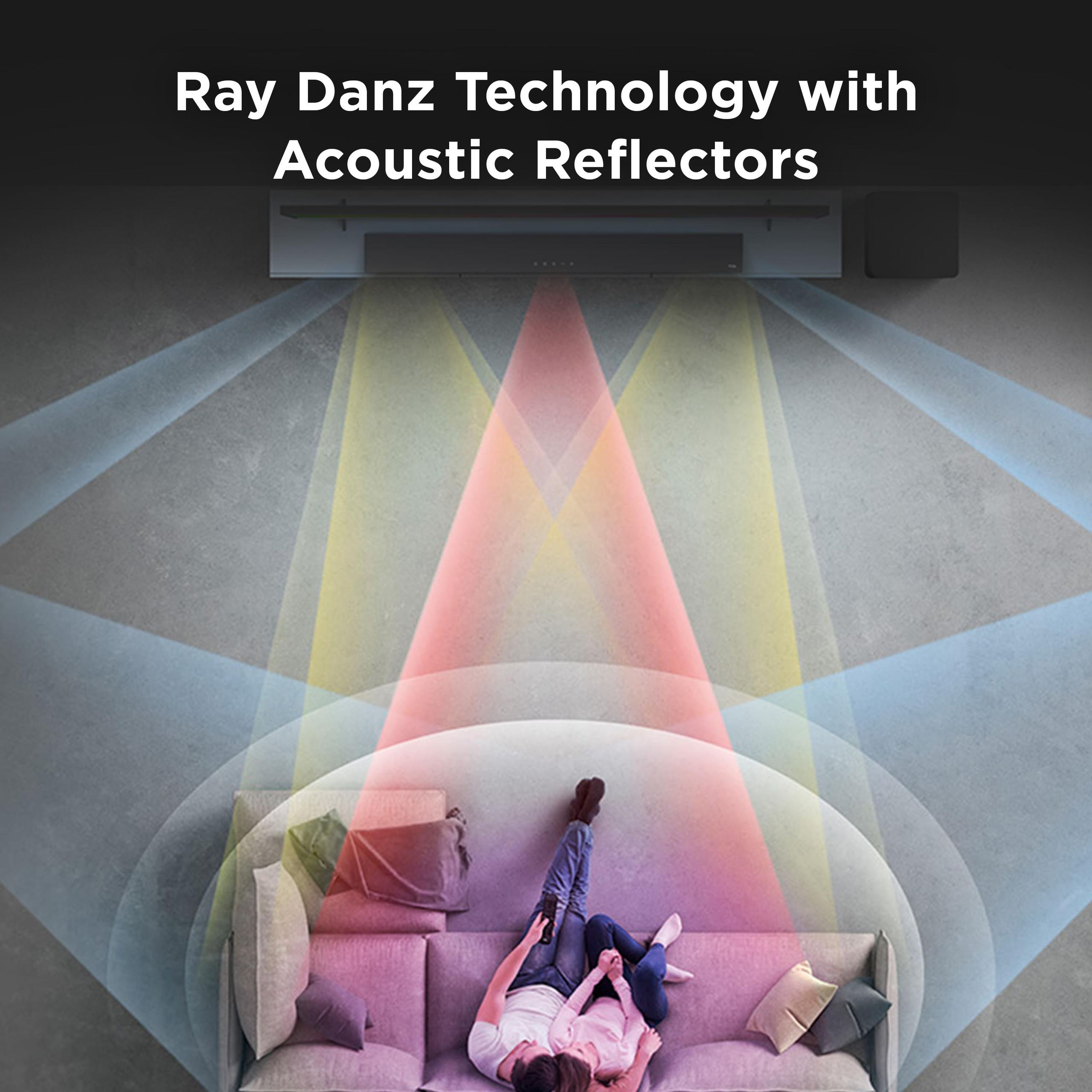
The TCL's Ray Danz technology deserves special mention. These acoustic reflectors physically redirect sound waves to widen the soundstage without digital processing. Unlike virtual widening, which relies on algorithms, Ray Danz uses actual acoustic engineering to spread sound across a broader area. This creates a more natural, less processed sound signature that many users find more convincing than purely digital approaches.
The Samsung HW-B630F delivers exactly what it promises: significantly clearer dialogue and more engaging TV sound than built-in speakers. The dedicated center channel makes voices more intelligible, while the wireless subwoofer adds bass impact that most TV speakers completely lack. For television series, news, and dialogue-heavy films, this combination addresses the primary pain points most viewers experience.
However, the Samsung's virtual surround processing shows its limitations with complex action sequences. When reviewing user experiences with movies like "Top Gun: Maverick" or "Dune," the consensus suggests that while the Samsung creates a wider, more enveloping sound than basic soundbars, it cannot deliver the directional precision or overhead impact that these soundtracks demand.
The TCL Q85H transforms these same sequences into genuinely immersive experiences. Physical rear speakers enable authentic behind-the-listener effects—you can actually locate specific sounds in space rather than perceiving a general sense of envelopment. The four height channels handle Dolby Atmos content as intended, with overhead sounds maintaining proper directionality and impact.
User reviews consistently highlight specific moments where the TCL's advantage becomes apparent: raindrops in "Blade Runner 2049" actually seem to fall from the ceiling, spacecraft in "Star Wars" films pan convincingly through three-dimensional space, and atmospheric effects in horror films create genuine spatial tension. These are experiences the Samsung's virtual processing simply cannot replicate.
Modern gaming increasingly relies on spatial audio cues for competitive advantage. In first-person shooters, identifying the exact direction of enemy footsteps can determine victory or defeat. Racing games benefit from precise audio feedback about vehicle positioning and environmental hazards.
The Samsung HW-B630F includes a dedicated Game Mode that reduces audio latency and optimizes processing for gaming content. Its virtual surround processing provides some directional information, particularly for side-to-side positioning. For casual gaming and single-player experiences, this proves adequate and represents a clear upgrade over TV speakers.
However, competitive gamers consistently report superior performance with the TCL Q85H. Physical rear speakers enable precise 360-degree audio positioning that virtual processing cannot match. In our analysis of gaming-focused reviews, users frequently mention being able to identify enemy positions with pinpoint accuracy, particularly in games like "Call of Duty" or "Valorant" where audio cues are crucial.
The TCL's height channels also enhance atmospheric gaming experiences. Racing games benefit from realistic environmental audio—wind effects from above, crowd noise that surrounds the listener, and engine sounds with proper spatial positioning. Horror games become significantly more immersive when sounds genuinely emanate from unexpected directions rather than being processed into approximate positions.
Both systems handle music adequately, though neither is optimized primarily for critical music listening. The Samsung HW-B630F provides decent stereo imaging with some soundstage widening through its virtual processing. Bluetooth connectivity supports multiple device pairing, making it convenient for households where different family members want to stream music from their devices.
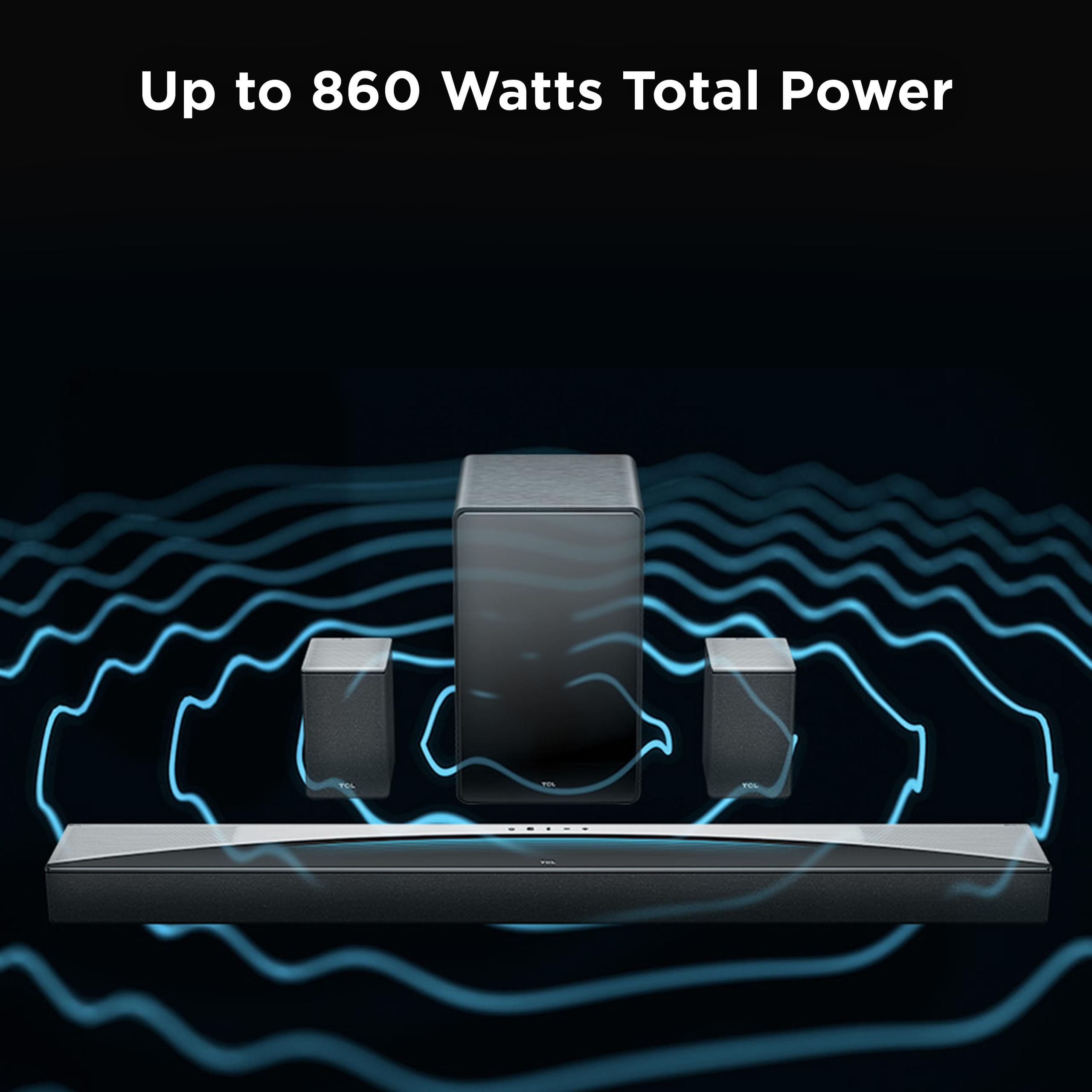
The TCL Q85H offers more sophisticated music reproduction through its Ray Danz technology. This acoustic approach creates a notably wider stereo presentation that many users find more natural than digitally processed widening. The system's 860-watt power handling manages dynamic music passages without distortion, though some technical reviews note frequency response irregularities that can affect vocal clarity in certain musical genres.
Both systems include EQ adjustments, though the TCL provides more comprehensive tuning options through its mobile app. For most users streaming music from phones or tablets, both soundbars deliver satisfying performance that significantly outpaces TV speakers, though dedicated music systems would provide superior audiophile-grade reproduction.
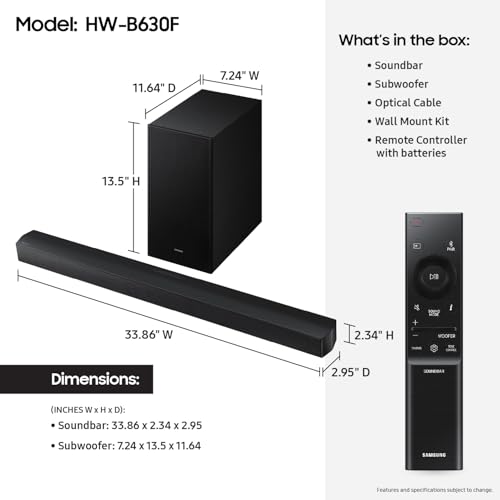
The engineering differences between these systems extend beyond channel count. The Samsung HW-B630F uses three cone drivers in its main soundbar—one for each front channel—powered by integrated amplification estimated around 200-300 watts total system power. Its 6-inch subwoofer uses a bass-reflex design with front-firing driver placement for flexible room positioning.
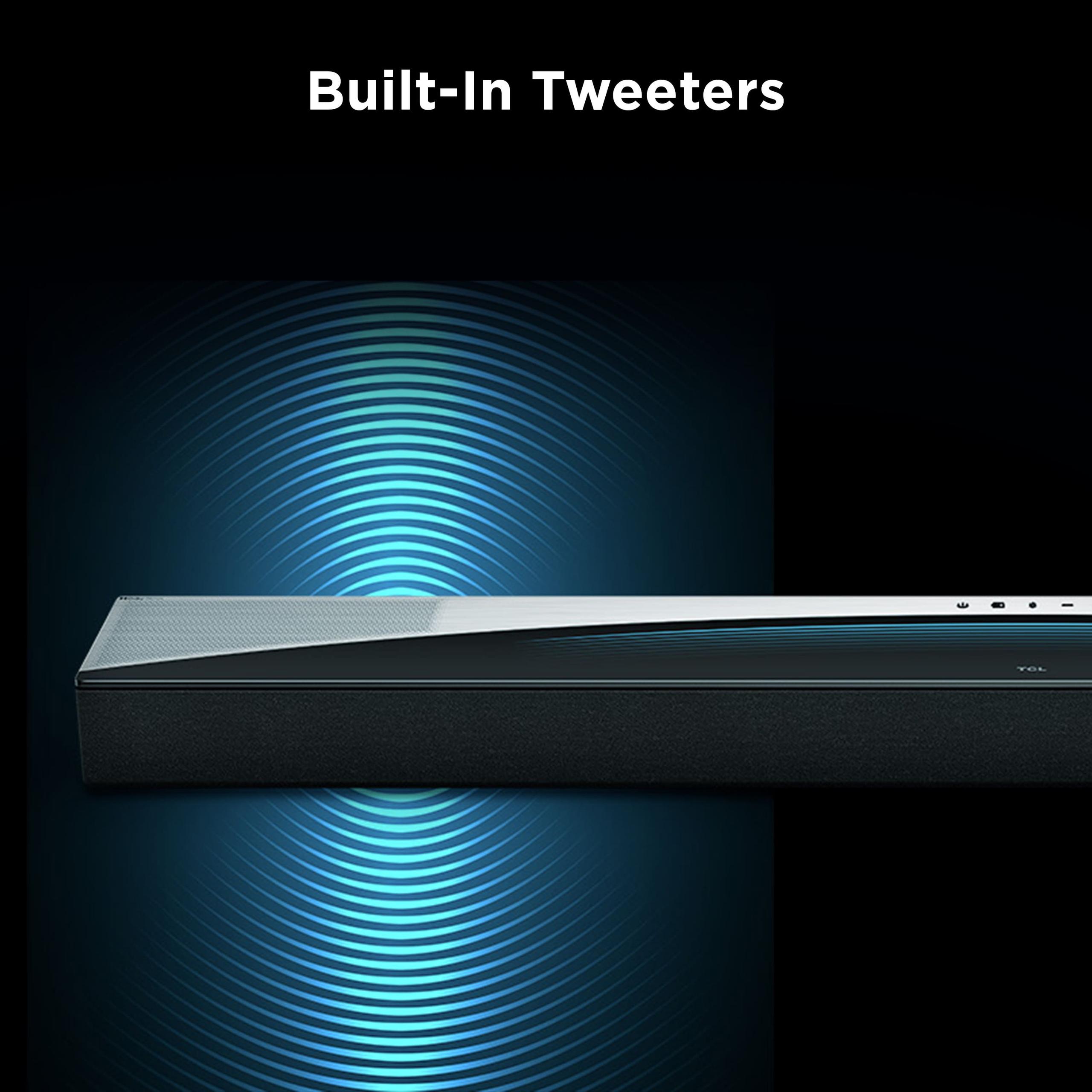
The TCL Q85H distributes 860 watts across 15 individual drivers throughout the system. This includes dedicated tweeters for high-frequency reproduction, multiple midrange drivers for vocal clarity, and specialized up-firing drivers for height effects. The wireless rear speakers contain their own amplification and processing, creating a truly distributed audio system rather than a single soundbar with wireless sub.
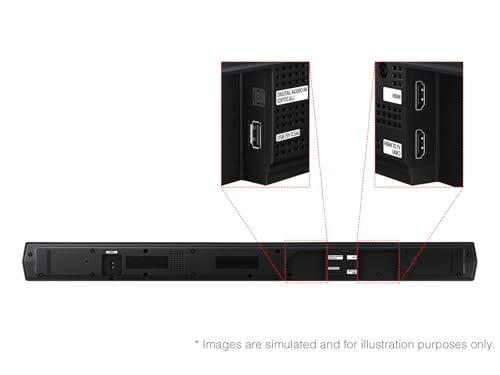
Both systems support HDMI ARC (Audio Return Channel), which allows your TV to send audio back to the soundbar through the same HDMI cable that receives video signals. However, the TCL Q85H includes eARC (enhanced Audio Return Channel) support, enabling higher-quality audio formats and reduced latency.
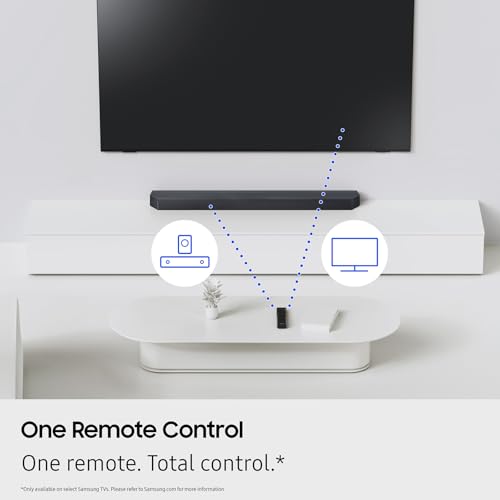
The Samsung integrates well with Samsung TVs through One Remote Control functionality, allowing you to control the soundbar with your TV remote. The TCL offers broader compatibility with its TCL Home app and works equally well with any TV brand, though it lacks some of the seamless integration features Samsung provides within its ecosystem.
The Samsung HW-B630F offers straightforward setup—connect the soundbar to your TV, and the wireless subwoofer pairs automatically. Basic room tuning comes through manual bass/treble adjustments and preset sound modes.
The TCL Q85H includes AI Sonic room calibration, which uses built-in microphones to analyze your room's acoustics during setup. This technology automatically adjusts speaker levels, timing, and EQ to optimize performance for your specific space. However, this system requires careful placement of four separate components (soundbar, subwoofer, two rear speakers), making setup more complex but ultimately more rewarding.
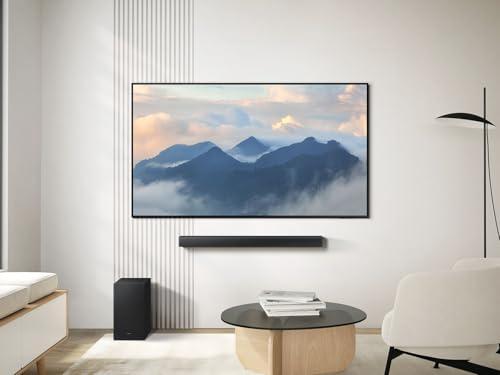
The Samsung HW-B630F represents an ideal choice for specific situations and user profiles. If you're primarily addressing dialogue clarity issues and want immediate, noticeable improvement over TV speakers, this system delivers excellent value. Its compact form factor works well in smaller rooms, apartments, or setups where rear speaker placement isn't practical.
Budget-conscious buyers will appreciate that the Samsung provides complete functionality out of the box without requiring additional components or complex setup. For viewers who primarily watch television series, news, documentaries, and dialogue-heavy films, the system's strengths align perfectly with content requirements.
The Samsung also suits users who prioritize simplicity over ultimate performance. Its straightforward remote control, basic but effective sound modes, and plug-and-play setup appeal to those who want better sound without becoming audio enthusiasts.
Despite its higher upfront cost, the TCL Q85H delivers exceptional value for users seeking genuine home theater transformation. If you regularly watch action films, play immersive games, or want to experience Dolby Atmos content as intended, the physical surround system provides capabilities that virtual processing cannot match.
The TCL makes particular sense for medium to large rooms where rear speakers can be properly positioned. Users with dedicated media rooms or living spaces designed around entertainment will appreciate the system's full surround capabilities and room calibration features.
Competitive gamers and home theater enthusiasts should strongly consider the TCL despite its price premium. The performance gap for spatial audio applications—gaming, action films, immersive content—justifies the investment for users who will regularly utilize these capabilities.
Since 2022-2023, when these products were released, soundbar technology has continued evolving rapidly. More manufacturers now offer affordable Atmos systems, while virtual surround processing has improved significantly. However, the fundamental trade-offs between these approaches remain constant: virtual processing offers convenience and simplicity, while physical surround delivers authentic spatial audio.
Both Samsung and TCL have released newer models since these systems launched, but the core value propositions remain relevant. The Samsung HW-B630F established a template for affordable dialogue-focused soundbars, while the TCL Q85H demonstrated that premium surround sound features could be accessible to mainstream buyers.
For most buyers upgrading from TV speakers, the Samsung HW-B630F provides the most logical first step. Its focus on dialogue clarity, simple setup, and reasonable price point address the primary reasons people consider soundbar upgrades. If your main complaint is mumbled dialogue and weak bass, this system solves those problems effectively.
However, if you're committed to creating a genuine home theater experience and have the room space for proper speaker placement, the TCL Q85H delivers exceptional value at its price point. The performance difference for movies and gaming is substantial enough to justify the premium for users who will regularly benefit from its advanced capabilities.
Consider your viewing habits, room layout, and long-term entertainment goals. The Samsung represents a solid upgrade that most users will appreciate daily, while the TCL transforms your living space into something approaching a commercial theater experience. Both achieve their design goals effectively—your decision should align with which goals match your needs and budget.
| Samsung HW-B630F B-Series 3.1ch Soundbar System | TCL Q85H Q Class 7.1.4 Channel Sound Bar System |
|---|---|
| Channel Configuration - Determines surround sound authenticity | |
| 3.1 channels (virtual surround processing) | 7.1.4 channels (physical rear speakers + height channels) |
| Dolby Atmos Support - Critical for immersive movie experiences | |
| DTS Virtual:X only (simulated overhead effects) | True Dolby Atmos + DTS:X (physical height speakers) |
| Included Components - What you get in the box | |
| Soundbar + wireless subwoofer | Complete system: soundbar + wireless sub + wireless rear speakers |
| Total System Power - Affects volume and dynamic range | |
| ~200-300W estimated | 860W across 15 drivers |
| Room Calibration - Optimizes sound for your specific space | |
| Manual bass/treble adjustments only | AI Sonic auto-calibration with room analysis |
| Gaming Performance - Important for competitive and immersive gaming | |
| Game Mode with virtual positioning | Physical 360-degree audio with precise directional cues |
| Setup Complexity - Time and effort required | |
| Simple: soundbar + auto-pairing subwoofer | Moderate: requires positioning 4 separate wireless components |
| Connectivity Options - How you connect devices and stream music | |
| HDMI ARC, optical, Bluetooth 4.2, USB | HDMI eARC, optical, Bluetooth 5.1, AirPlay 2, USB |
| Dialogue Enhancement - Critical for clear speech | |
| Dedicated center channel + Voice Enhance mode | Dedicated center channel + advanced EQ modes |
| Expandability - Future upgrade options | |
| Compatible with optional Samsung wireless rear kit | Complete system - no expansion needed |
| Best Use Cases - Who should choose each system | |
| Small-medium rooms, dialogue-heavy content, budget-conscious | Medium-large rooms, movie enthusiasts, competitive gamers |
Both the Samsung HW-B630F and TCL Q85H feature dedicated center channels for clear dialogue. The Samsung HW-B630F includes Voice Enhance mode specifically designed to boost speech frequencies, making it excellent for TV shows and movies with complex soundtracks. The TCL Q85H also delivers crisp dialogue but focuses more on overall surround sound immersion. For pure dialogue clarity, both perform well, though the Samsung's Voice Enhance gives it a slight edge for speech-heavy content.
The Samsung HW-B630F uses virtual surround processing to simulate rear effects without physical speakers, which works well for smaller rooms and casual viewing. The TCL Q85H includes actual wireless rear speakers that provide authentic surround sound positioning. Physical rear speakers create more convincing directional audio for movies and gaming, but virtual processing is sufficient if you can't accommodate rear speaker placement or prefer simpler setup.
The TCL Q85H excels for competitive gaming with its physical 360-degree speaker arrangement, allowing precise enemy positioning and directional audio cues. The Samsung HW-B630F includes Game Mode with cross-talk cancellation, which improves virtual positioning but can't match the accuracy of physical rear speakers. For casual gaming, both work well, but serious gamers will appreciate the TCL Q85H's superior spatial audio precision.
The Samsung HW-B630F uses 3.1 channels: left, center, right speakers plus a subwoofer. The TCL Q85H features 7.1.4 channels: seven main speakers around the room, one subwoofer, and four height speakers for overhead effects. More channels mean more precise sound placement and authentic surround effects, though the Samsung uses processing to simulate wider soundstage from fewer speakers.
The Samsung HW-B630F uses DTS Virtual:X to simulate overhead effects from Atmos content but lacks physical height speakers. The TCL Q85H supports true Dolby Atmos with dedicated up-firing speakers that bounce sound off your ceiling for authentic overhead effects. If experiencing Atmos content as intended is important, the TCL delivers the genuine three-dimensional audio experience.
The Samsung HW-B630F is ideal for smaller spaces since it only requires the main soundbar and wireless subwoofer placement. The TCL Q85H needs adequate space for rear speaker positioning to work effectively. In cramped quarters or apartments where rear speakers aren't practical, the Samsung's virtual surround processing provides a better solution than improperly positioned physical speakers.
The Samsung HW-B630F offers simple plug-and-play setup with automatic wireless subwoofer pairing. The TCL Q85H requires positioning four separate components and includes AI Sonic room calibration for optimal performance. While the TCL setup is more involved, the room calibration automatically optimizes sound for your space. Choose the Samsung if you prioritize simplicity over advanced features.
Both soundbars handle music adequately, though neither is optimized primarily for audiophile listening. The Samsung HW-B630F provides decent stereo imaging with Bluetooth connectivity for easy streaming. The TCL Q85H offers wider soundstage through its Ray Danz technology and more power for dynamic music passages. The TCL generally provides richer music reproduction, but both significantly outperform TV speakers.
Yes, both the Samsung HW-B630F and TCL Q85H work with any TV brand through HDMI ARC or optical connections. The Samsung offers enhanced integration features when paired with Samsung TVs, including One Remote Control functionality. The TCL provides universal compatibility through its TCL Home app and works equally well regardless of your TV brand.
The Samsung HW-B630F delivers excellent value for buyers primarily seeking dialogue improvement and basic surround effects at an affordable price point. The TCL Q85H provides exceptional value for those wanting true surround sound with physical speakers, offering premium features typically found in much more expensive systems. Value depends on your needs: the Samsung for budget-conscious upgrades, the TCL for complete home theater transformation.
The Samsung HW-B630F supports Samsung's optional Wireless Surround Kit for adding rear speakers, though this increases total system cost significantly. The TCL Q85H comes complete with all components needed for full surround sound and doesn't require additional purchases. If you might want to upgrade later, consider whether the Samsung plus expansion kit costs more than the complete TCL system.
For action movies and cinematic experiences, the TCL Q85H delivers superior immersion with authentic surround sound, overhead effects, and powerful bass. The Samsung HW-B630F excels at dialogue clarity and provides adequate surround simulation for casual movie watching. Movie enthusiasts who want theater-like experiences should choose the TCL, while those primarily watching TV shows and dramas will find the Samsung perfectly adequate and more budget-friendly.
We've done our best to create useful and informative comparisons to help you decide what product to buy. Our research uses advanced automated methods to create this comparison and perfection is not possible - please contact us for corrections or questions. These are the sites we've researched in the creation of this article: samsung.com - bhphotovideo.com - crutchfield.com - youtube.com - bestproducts.com - videoandaudiocenter.com - pcrichard.com - bhphotovideo.com - samsung.com - youtube.com - requiremints.com - karlsonline.com - crutchfield.com - youtube.com - donstv.com - samsung.com - bhphotovideo.com - youtube.com - youtube.com - crutchfield.com - costco.ca - rtings.com - crutchfield.com - accio.com - bhphotovideo.com - manuals.plus - samsung.com - saraappliance.com - gamerant.com - bestbuy.com - tcl.com - bestbuy.com - tcl.com - tcl.com - nfm.com - tcl.com - electronicexpress.com - tcl.com - tcl.com - digitaltrends.com

Privacy Policy
Terms and Conditions - Affiliate Policy
Home Security
© Copyright 2008-2026.
11816 Inwood Rd #1211, Dallas, TX 75244