

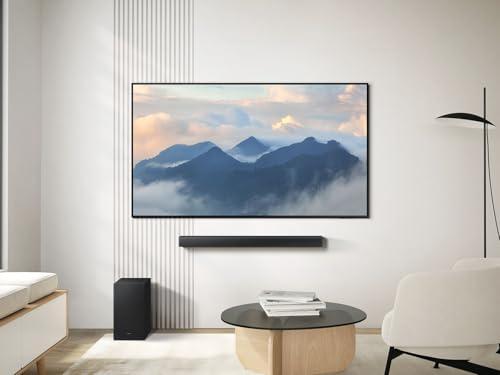
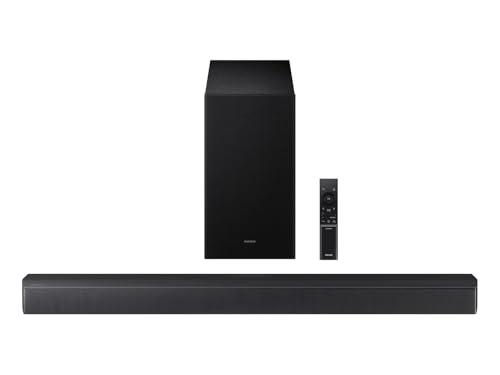
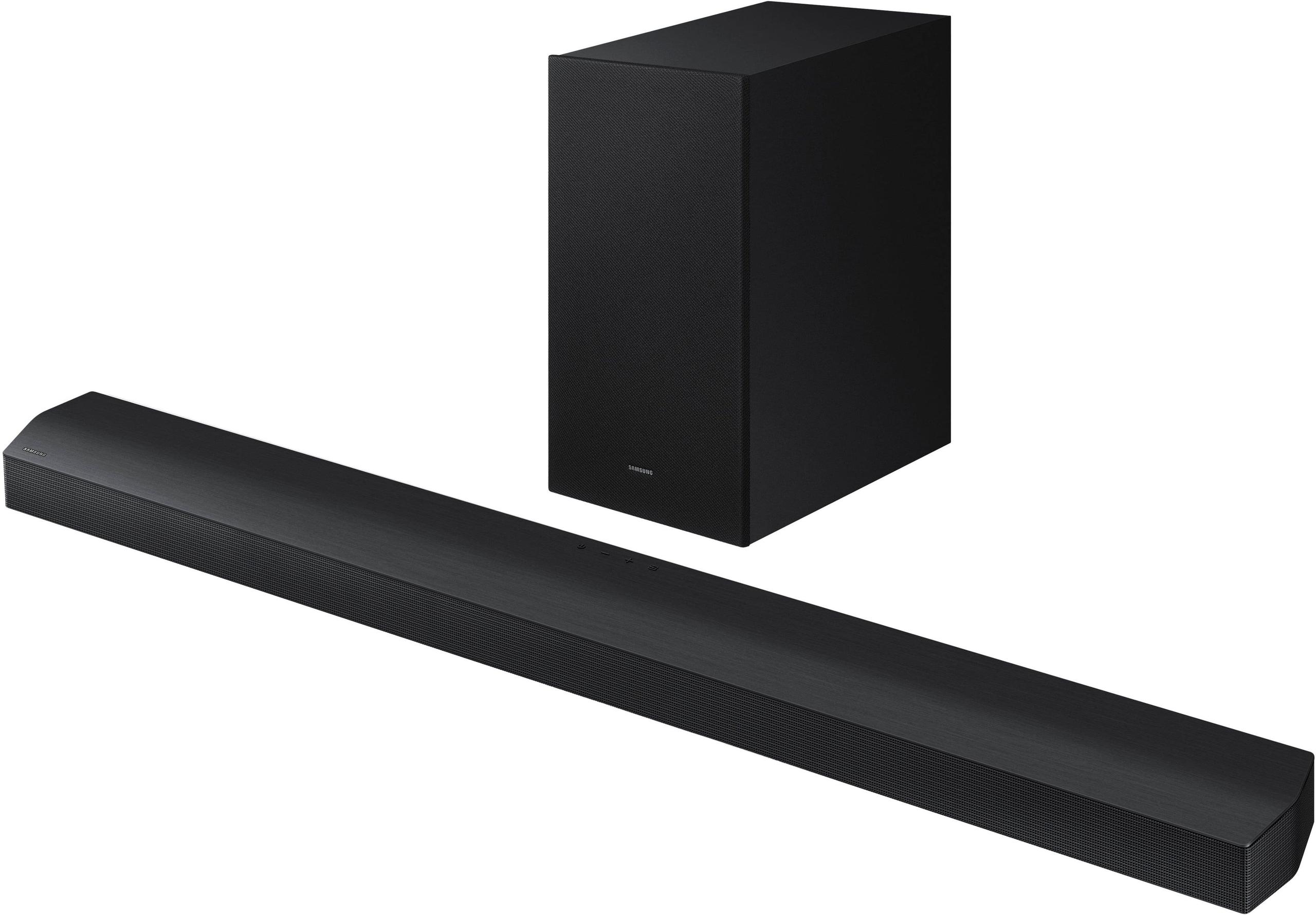
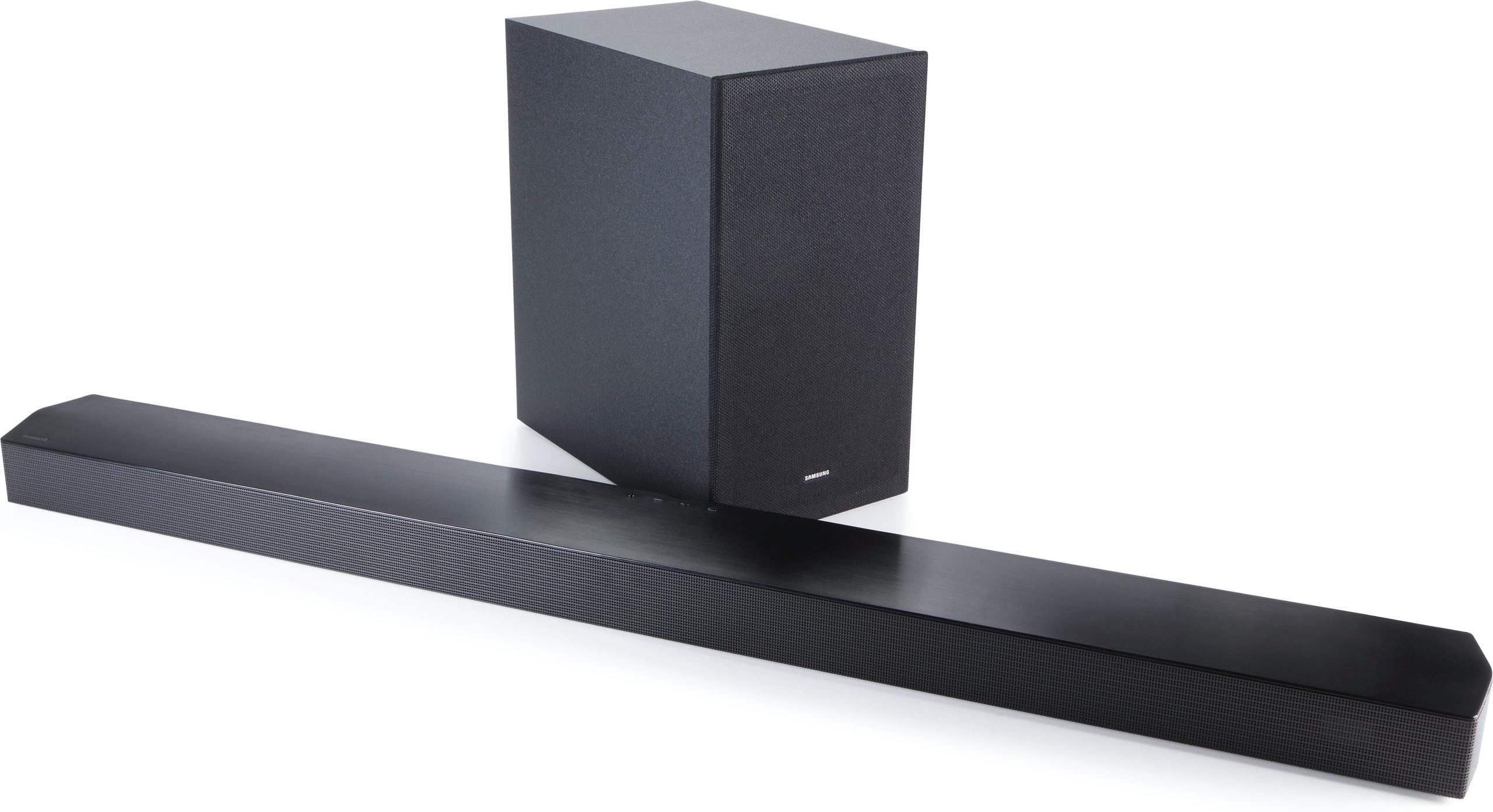
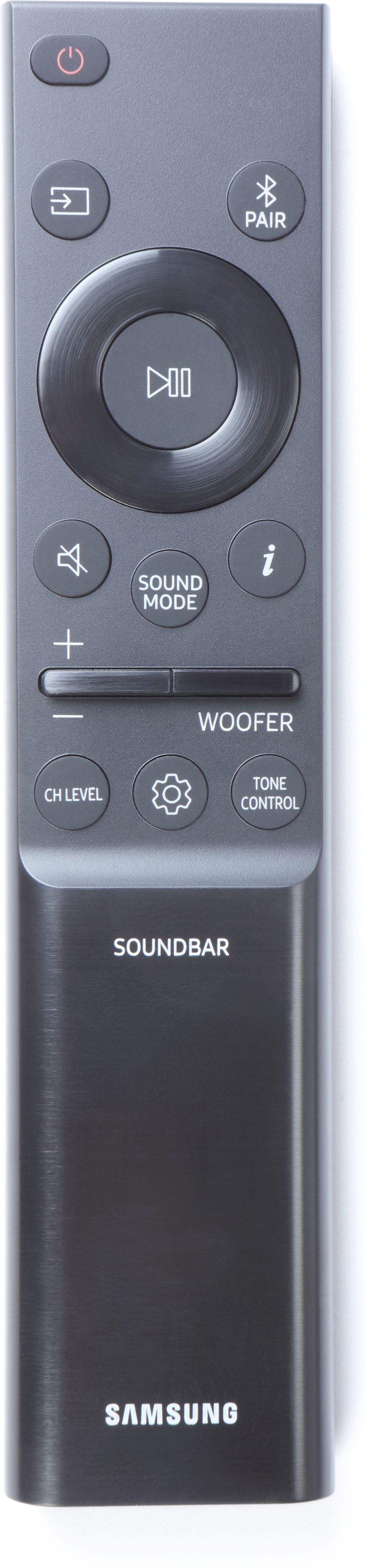





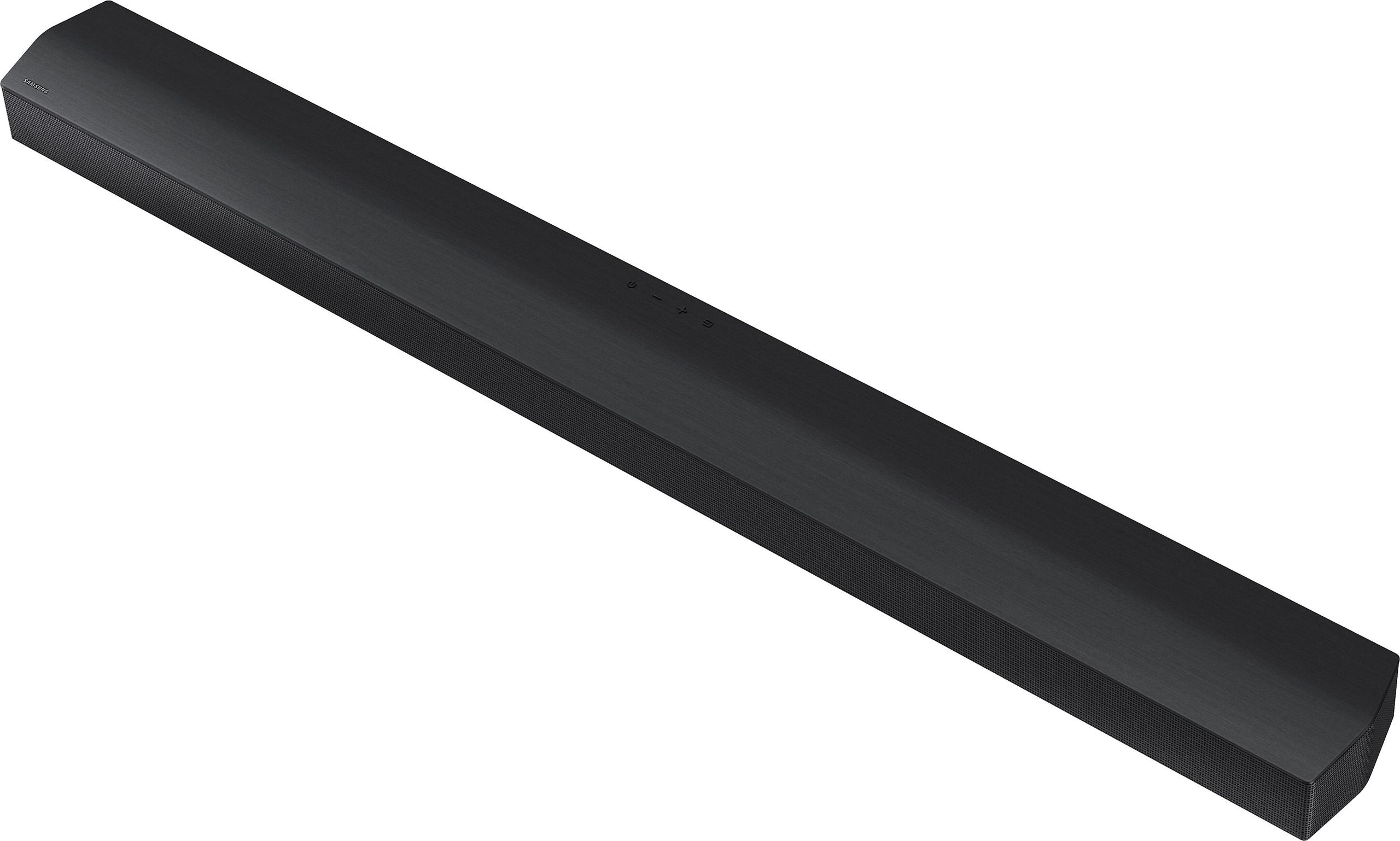
When your TV's built-in speakers make dialogue sound like it's coming from a tin can, a soundbar becomes essential. Samsung's B-Series lineup from 2024 offers two compelling mid-range options that illustrate a fascinating paradox in audio engineering: sometimes more speakers actually cost less money. The Samsung HW-B630F 3.1-channel system and the Samsung HW-B750D 5.1-channel soundbar both aim to transform your TV audio experience, but they take dramatically different approaches to surround sound.
At the time of writing, these soundbars are priced within $10 of each other, with the more advanced 5.1-channel model actually costing slightly less. This unusual pricing creates an interesting decision point that goes beyond simple feature counting. The real question isn't which has more speakers, but which approach to surround sound works better in your specific situation.
Mid-range soundbars occupy the most competitive space in home audio. They need to deliver substantially better sound than basic TV speakers without the complexity or cost of full home theater systems. These products typically focus on three core improvements: clearer dialogue through dedicated center channels, impactful bass via wireless subwoofers, and some form of surround sound processing.
The B-Series represents Samsung's mainstream offering, sitting below their premium Q-Series Atmos models but above basic 2.1-channel systems. Both the HW-B630F and HW-B750D were released in early 2024, incorporating several years of refinement in virtual surround processing and TV integration features. Since their launch, Samsung has continued pushing these models as their primary recommendations for users seeking substantial TV audio upgrades without premium pricing.
What makes this comparison particularly interesting is how it highlights two different philosophies in soundbar design. The HW-B630F represents the traditional approach: start with a solid foundation and allow users to expand later. The HW-B750D takes a more integrated approach: pack more capability into the main unit from the beginning.
This is where these two soundbars diverge most significantly, and understanding the difference is crucial for making the right choice.
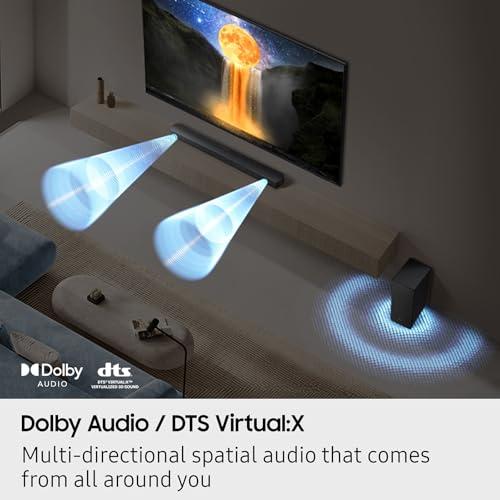
The Samsung HW-B630F uses what's called "virtual surround processing" through DTS Virtual:X technology. This system takes regular stereo or 5.1-channel audio and uses sophisticated signal processing to trick your brain into hearing sounds coming from locations where there are no speakers.
Here's how it works: DTS Virtual:X analyzes the audio signal and applies carefully calculated delays, phase shifts, and frequency filtering to create the illusion of height and surround effects. When a helicopter flies overhead in a movie, the processing manipulates the sound waves so they seem to bounce off your room's surfaces, creating the perception of movement above and around you.
This approach has both strengths and limitations. Virtual processing works remarkably well in smaller, acoustically controlled rooms where the algorithms can predict how sound will behave. It also keeps the main soundbar compact and reduces the number of physical speakers needed. However, virtual surround relies heavily on your room's acoustics and your seating position. Sit too far off-axis or in a room with unusual acoustics, and the effect can diminish significantly.
The HW-B630F does offer an upgrade path through Samsung's optional Wireless Surround Kit, which adds actual rear speakers for true 5.1-channel sound. But this expansion requires an additional purchase that, at the time of writing, costs roughly half as much as the soundbar itself.
The Samsung HW-B750D takes a fundamentally different approach by incorporating actual side-firing speakers directly into the soundbar cabinet. These aren't just additional drivers pointed forward – they're specifically angled speakers that fire sound toward your room's side walls to create genuine surround reflections.
This physical approach to surround sound offers several advantages. First, it's less dependent on room acoustics and seating position. The side-firing speakers create actual sound sources from different locations, so the surround effect remains consistent whether you're sitting dead center or off to the side. Second, it provides more convincing directional audio cues, particularly important for gaming where hearing footsteps or gunfire location can be crucial.
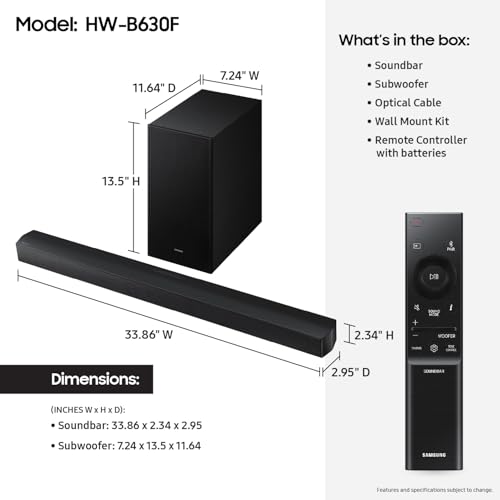
The trade-off is size and complexity. The HW-B750D measures over 40 inches wide compared to the HW-B630F's more compact 34-inch width. Those extra 6 inches accommodate the side-firing drivers and their associated amplification, making placement more challenging in smaller entertainment centers.
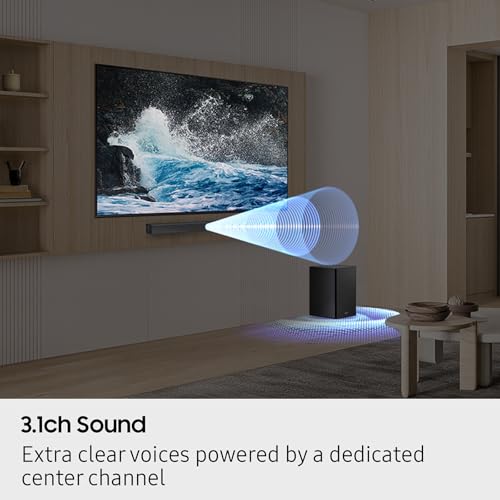
Both soundbars feature dedicated center channels, which is crucial for dialogue clarity. Unlike basic 2.1 systems that must create a phantom center image between left and right speakers, these models have an actual driver specifically handling center-channel information.
The center channel advantage becomes obvious when watching content with complex soundtracks. In action movies where explosions and music compete with dialogue, a dedicated center channel keeps voices anchored and intelligible. Both models include Voice Enhance modes that optimize EQ settings specifically for speech frequency ranges, boosting midrange frequencies where human voices are most concentrated.
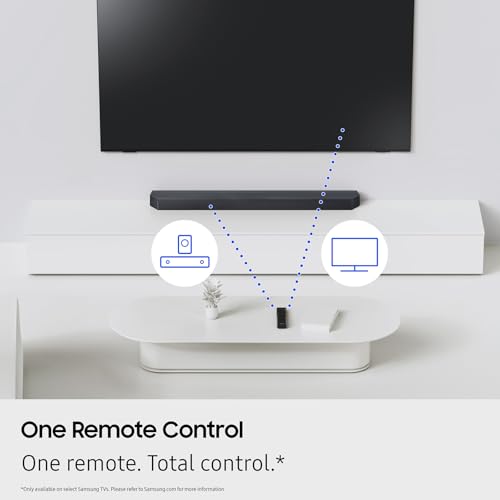
However, the HW-B750D offers a significant advantage for Samsung TV owners through Q-Symphony compatibility. This feature, exclusive to Samsung's TV and soundbar ecosystem, allows the TV's built-in speakers to work in harmony with the soundbar rather than being disabled. The system uses AI processing to separate dialogue and background sounds, routing voice information to the most appropriate speakers for maximum clarity.
Our research into user feedback consistently shows that Q-Symphony makes a noticeable difference in dialogue intelligibility, particularly in challenging content like British dramas or action films with heavy accents. The technology essentially gives you more speakers working specifically on voice reproduction, creating a more focused and clear dialogue experience.
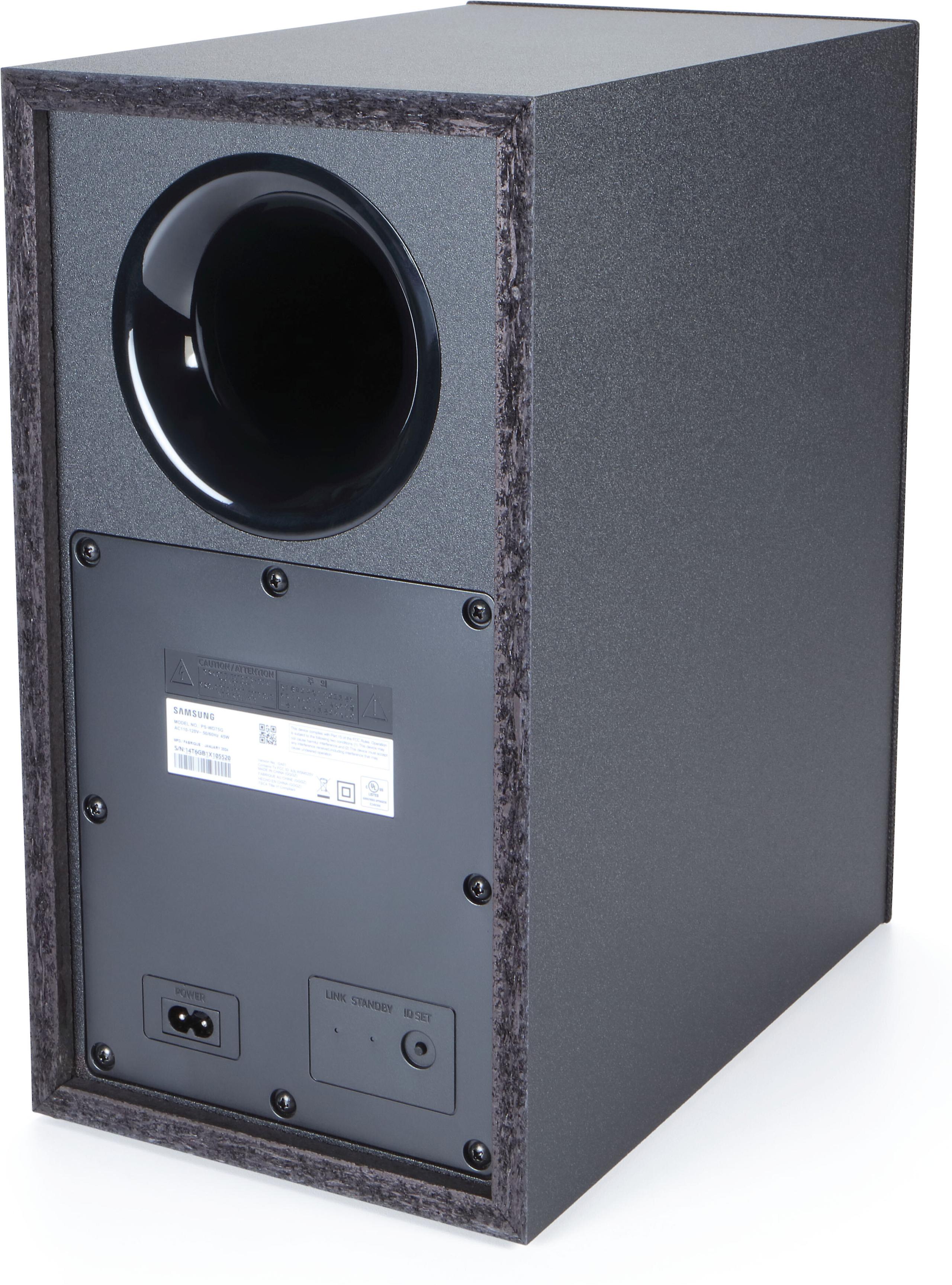
Both systems include identical wireless subwoofers featuring 6-inch drivers in bass-reflex enclosures. The subwoofer designs are essentially the same, with similar power consumption and frequency response characteristics. This means bass performance differences come down to how well each system integrates with and controls the subwoofer.
The wireless connection operates on a 2.4GHz link that typically maintains stable connectivity up to about 30 feet, though walls and interference can reduce this range. Both models offer Bass Boost modes and manual subwoofer level adjustments, allowing fine-tuning for different room sizes and personal preferences.
In practical terms, the bass performance is quite similar between these models. The subwoofer provides the low-frequency impact that makes explosions feel powerful and music sound full-bodied. The main difference lies in how the bass integrates with the overall soundstage – the HW-B750D's wider speaker array can create a more cohesive blend between the subwoofer and main speakers, particularly in larger rooms.
Gaming represents one area where the differences between these models become most apparent. Both include dedicated Game modes that optimize processing for interactive entertainment, but they handle directional audio quite differently.
The HW-B630F relies on DTS Virtual:X processing to create positional audio cues. This works reasonably well for general gaming, but the virtual processing can struggle with rapid directional changes or subtle environmental sounds that are crucial in competitive gaming scenarios.
The HW-B750D's physical side-firing speakers provide more accurate directional information. When an enemy approaches from the side in a first-person shooter, the actual side speakers create genuine audio positioning rather than processed simulation. This advantage extends to environmental audio in games – rustling leaves, distant conversations, or ambient effects feel more naturally placed in the game world.
For casual gaming, either system provides a substantial upgrade over TV speakers. For competitive gaming or immersive single-player experiences, the HW-B750D's physical surround speakers offer measurably better spatial awareness.
Room size plays a crucial role in determining which soundbar will perform better in your space. The HW-B630F works exceptionally well in smaller rooms – bedrooms, small living rooms, or apartments under 200 square feet. In these spaces, virtual surround processing is most effective, and the compact size won't overwhelm the visual space.
The HW-B750D is designed for larger spaces where its wider driver array and additional speakers can properly fill the room with sound. In spaces over 200 square feet, the extra speakers and wider soundstage become more noticeable advantages. The side-firing drivers need some room to work effectively – they bounce sound off side walls to create surround effects, so placement too close to walls can limit their effectiveness.
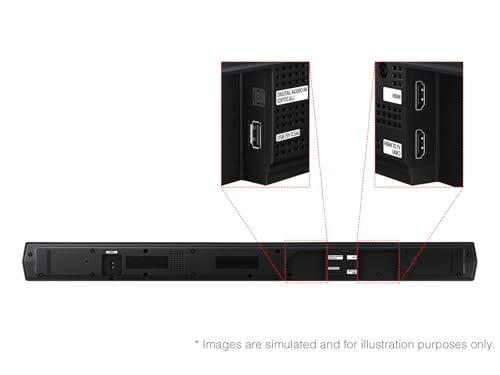
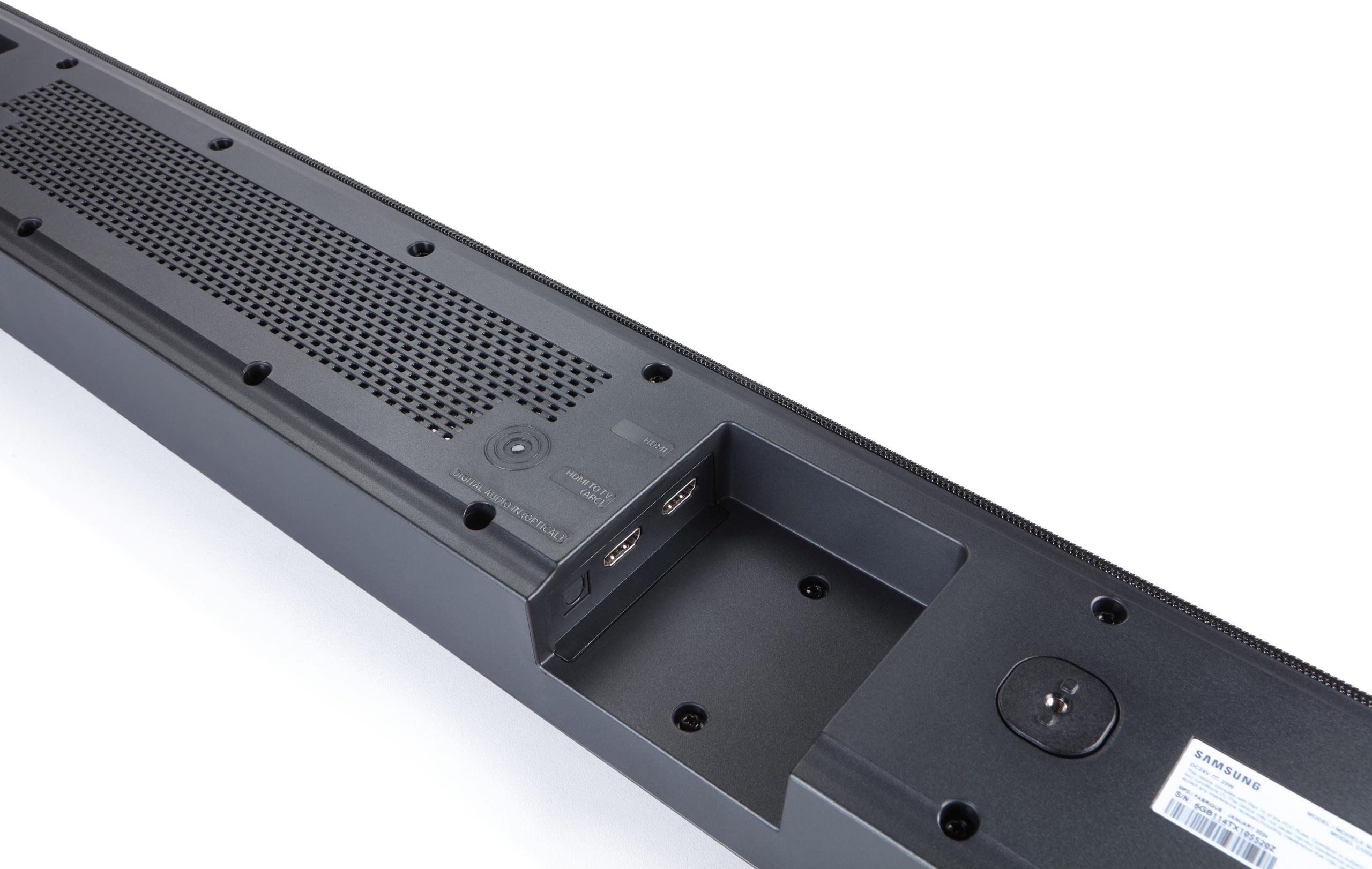
Despite their differences, both soundbars share some significant limitations that reflect their mid-range positioning. Neither supports Dolby Atmos, the current standard for premium home theater audio that adds height channels for true three-dimensional sound. They're limited to HDMI 1.4 rather than newer 2.0 or 2.1 standards, meaning no 4K HDR video pass-through capability.
Both use Bluetooth 4.2 rather than newer 5.0+ versions, and neither includes Wi-Fi connectivity or integration with streaming services like Spotify Connect or AirPlay 2. These limitations aren't necessarily deal-breakers – many users prefer simpler, more reliable connectivity – but they do represent areas where premium models offer additional functionality.
The HDMI ARC (rather than eARC) limitation means both soundbars can only receive compressed Dolby Digital and DTS audio from your TV, not lossless formats like Dolby TrueHD or DTS-HD Master Audio that you'd get from premium Blu-ray discs. For most streaming content and TV broadcasts, this isn't an issue, but serious movie enthusiasts might notice the difference.
At the time of writing, the pricing paradox between these models creates an unusual situation where the more capable HW-B750D costs slightly less than the HW-B630F. This suggests Samsung is pushing the 5.1-channel model as their preferred mainstream option.
The value equation becomes even more interesting when considering upgrade paths. The HW-B630F requires an additional wireless surround kit purchase to achieve true 5.1 surround, while the HW-B750D includes this functionality from the start. When factoring in the cost of that optional surround kit, the price difference becomes substantial.
However, value isn't just about features per dollar. The HW-B630F offers a more compact solution that might be essential in space-constrained setups. Its smaller size and lighter weight also make installation easier, particularly for wall mounting.
Choose the Samsung HW-B630F if you're working with a smaller TV (under 55 inches) or limited entertainment center space. Its compact 34-inch width won't overwhelm smaller setups, and virtual surround processing works well in smaller, acoustically controlled rooms. This model also makes sense if you prefer a minimalist approach or plan to build a more comprehensive surround system gradually.
The HW-B630F excels in bedrooms, small apartments, or secondary viewing areas where space efficiency matters more than maximum audio performance. Its lighter weight makes wall mounting simpler, and the smaller subwoofer is easier to place discretely.
Choose the Samsung HW-B750D for most other scenarios. Its combination of physical surround speakers, Q-Symphony compatibility, and better value proposition makes it the more compelling choice for primary living room setups. The wider soundstage and genuine 5.1-channel audio provide more convincing surround effects, particularly important for movie watching and gaming.
The HW-B750D is particularly compelling for Samsung TV owners who can take advantage of Q-Symphony integration. This feature alone can justify the choice, as it effectively adds more speakers to your audio system without additional cost.
For gaming enthusiasts, the HW-B750D's physical surround speakers provide measurably better directional audio cues. The difference is subtle in casual gaming but becomes significant in competitive scenarios where audio positioning matters.
Based on our research and analysis of user feedback, the Samsung HW-B750D represents better value for most buyers. Its combination of physical surround speakers, Q-Symphony compatibility, and typically lower pricing creates a compelling package that's hard to argue against.
The only scenarios where the HW-B630F makes more sense are when space constraints make the smaller size essential, or when the setup will primarily serve a small, controlled listening environment where virtual surround processing is most effective.
Both soundbars deliver substantial improvements over TV speakers and represent solid mid-range choices. The decision ultimately comes down to your specific space, TV compatibility, and whether you prioritize compact design or maximum audio performance. In a market where more features usually cost more money, Samsung's pricing strategy has created an unusual situation where choosing the better-performing option actually saves you money.
| Samsung HW-B630F B-Series 3.1ch Soundbar System | Samsung B-Series 5.1 Channel Soundbar with Subwoofer |
|---|---|
| Channel Configuration - Determines surround sound authenticity | |
| 3.1 channels (3 front + subwoofer) with virtual surround processing | 5.1 channels (3 front + 2 side-firing + subwoofer) with physical surround |
| Surround Sound Technology - How immersive audio is created | |
| DTS Virtual:X simulation only, requires optional rear speakers for true 5.1 | Built-in side-firing speakers deliver genuine 5.1 surround from the soundbar |
| Physical Dimensions - Critical for TV stand compatibility | |
| 33.86" W × 2.34" H × 2.95" D, fits most 43-55" TV setups | 40.55" W × 2.34" H × 4.13" D, requires 55"+ TV or larger stand |
| Weight - Affects mounting and placement ease | |
| 4.9 lbs (easier wall mounting, lighter shipping) | 7.1 lbs (45% heavier, needs secure mounting) |
| Q-Symphony TV Integration - Major feature for Samsung TV owners | |
| Not compatible (standard HDMI ARC/CEC only) | Full Q-Symphony support with AI voice separation on compatible Samsung TVs |
| Gaming Audio Performance - Important for console users | |
| Game Mode with virtual directional processing | Game Mode plus physical side speakers for authentic positional audio |
| Room Size Optimization - Determines effective listening area | |
| Best for smaller rooms under 200 sq ft where virtual processing works well | Designed for larger spaces 200+ sq ft with wider soundstage coverage |
| Expansion Options - Future upgrade flexibility | |
| Compatible with optional Wireless Surround Kit for true 5.1 (additional cost) | Complete 5.1 system included, no expansion needed or available |
| Subwoofer Specifications - Bass performance is identical | |
| 6" wireless subwoofer, 45W power consumption, Bass Boost mode | 6" wireless subwoofer, 45W power consumption, Bass Boost mode |
| Connectivity Features - Both models share identical inputs | |
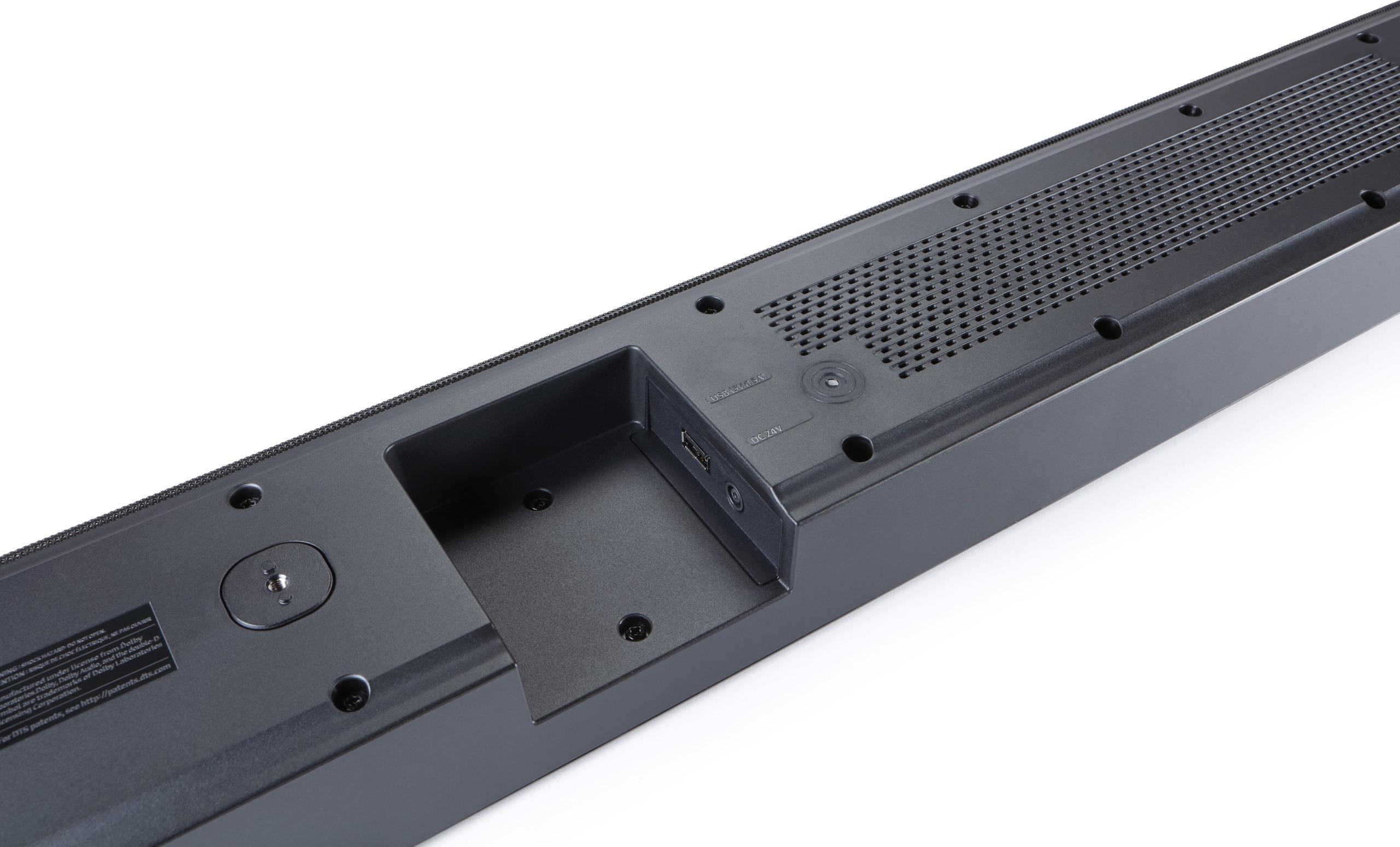
| HDMI 1.4 ARC, Optical, Bluetooth 4.2, USB port | HDMI 1.4 ARC, Optical, Bluetooth 4.2, USB port |
| Audio Format Support - Processing capabilities are similar | |
| Dolby Digital 5.1, DTS 5.1, Voice Enhance, Night Mode | Dolby Digital 5.1, DTS 5.1, Voice Enhance, Night Mode |
| Price Value Proposition - Unusual pricing creates clear winner | |
| Typically costs slightly more despite having fewer physical speakers | Usually priced lower while offering more speakers and Q-Symphony |
The Samsung B-Series 5.1 Channel Soundbar offers superior surround sound with built-in side-firing speakers that create genuine 5.1-channel audio. The Samsung HW-B630F relies on virtual surround processing through DTS Virtual:X, which simulates surround effects but doesn't match the authenticity of physical speakers.
The Samsung HW-B630F 3.1ch system has three front channels plus a subwoofer, while the Samsung 5.1 Channel Soundbar adds two side-firing speakers for true surround sound. The 5.1 system provides more immersive audio with actual directional sound placement rather than virtual processing.
Yes, both the Samsung HW-B630F and Samsung B-Series 5.1 Channel Soundbar include identical 6-inch wireless subwoofers with Bass Boost mode. The subwoofer performance is essentially the same between both models.
The Samsung B-Series 5.1 Channel Soundbar is superior for gaming due to its physical side-firing speakers that provide accurate directional audio cues. While the Samsung HW-B630F includes Game Mode, it relies on virtual processing that can't match the positioning accuracy of real surround speakers.
The Samsung HW-B630F measures 33.9 inches wide and fits most 43-55" TVs, while the Samsung 5.1 Channel Soundbar is 40.6 inches wide and requires 55"+ TVs or larger stands. Consider your TV size and entertainment center space when choosing.
Both the Samsung HW-B630F and Samsung B-Series 5.1 Channel Soundbar work with any TV brand via HDMI ARC or optical connection. However, only the 5.1 model offers Q-Symphony integration exclusively with Samsung TVs for enhanced dialogue clarity.
Both models feature dedicated center channels and Voice Enhance mode, but the Samsung B-Series 5.1 Channel Soundbar has an advantage with Q-Symphony technology on compatible Samsung TVs. This feature uses AI to separate voices and background sounds for clearer dialogue reproduction.
The Samsung HW-B630F supports optional wireless rear speakers through Samsung's Surround Kit for true 5.1 sound. The Samsung 5.1 Channel Soundbar already includes built-in surround capabilities and doesn't support additional rear speaker expansion.
The Samsung HW-B630F is ideal for smaller rooms under 200 square feet where its compact size and virtual surround processing work effectively. The Samsung 5.1 Channel Soundbar is designed for larger spaces where its wider array and side-firing speakers can properly fill the room.
Neither the Samsung HW-B630F nor the Samsung B-Series 5.1 Channel Soundbar supports Dolby Atmos. Both are limited to Dolby Digital 5.1 and DTS formats, positioning them as mid-range options below Samsung's premium Q-Series Atmos models.
The Samsung B-Series 5.1 Channel Soundbar typically offers better value with more physical speakers, Q-Symphony compatibility, and often lower pricing than the Samsung HW-B630F. The 5.1 model provides more features and better performance for similar or less cost.
Both the Samsung HW-B630F and Samsung 5.1 Channel Soundbar offer identical connectivity: HDMI 1.4 with ARC, optical digital input, Bluetooth 4.2 for wireless streaming, and USB ports. Neither includes Wi-Fi, eARC, or streaming service integration, keeping them focused on core TV audio enhancement.
We've done our best to create useful and informative comparisons to help you decide what product to buy. Our research uses advanced automated methods to create this comparison and perfection is not possible - please contact us for corrections or questions. These are the sites we've researched in the creation of this article: samsung.com - bhphotovideo.com - crutchfield.com - youtube.com - bestproducts.com - videoandaudiocenter.com - pcrichard.com - bhphotovideo.com - samsung.com - youtube.com - requiremints.com - karlsonline.com - crutchfield.com - youtube.com - donstv.com - samsung.com - bhphotovideo.com - youtube.com - youtube.com - crutchfield.com - costco.ca - rtings.com - crutchfield.com - accio.com - bhphotovideo.com - manuals.plus - samsung.com - saraappliance.com - bestbuy.com - abt.com - avsforum.com - crutchfield.com - camelcamelcamel.com - samsung.com - samsung.com - samsung.com - images.samsung.com - samsung.com - avblinq.avbportal.com - samsung.com - samsung.com

Privacy Policy
Terms and Conditions - Affiliate Policy
Home Security
© Copyright 2008-2026.
11816 Inwood Rd #1211, Dallas, TX 75244