

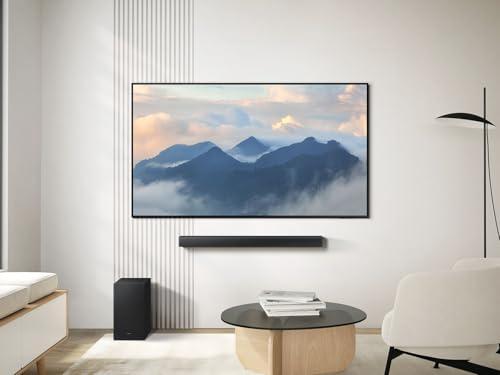
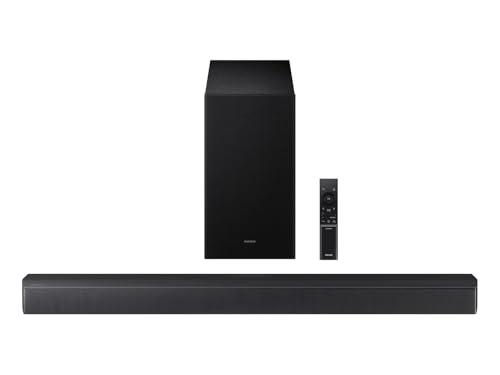
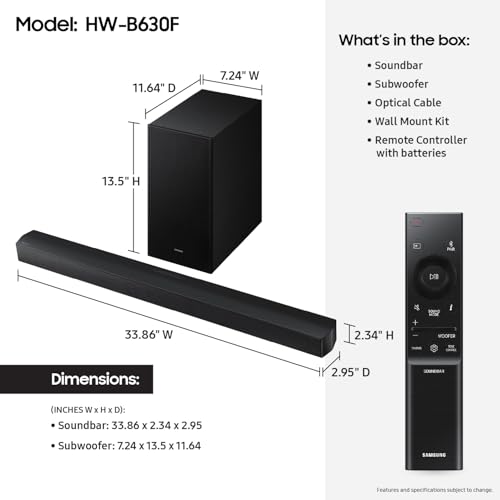
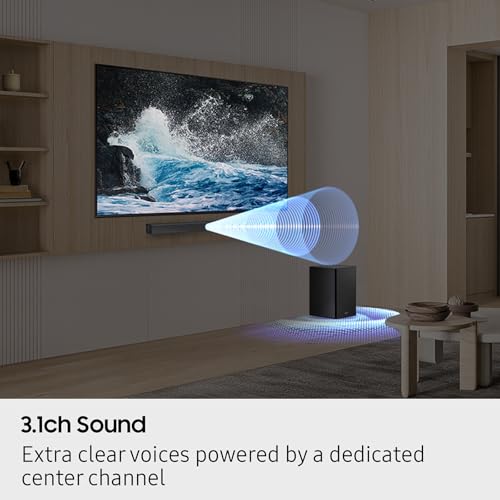





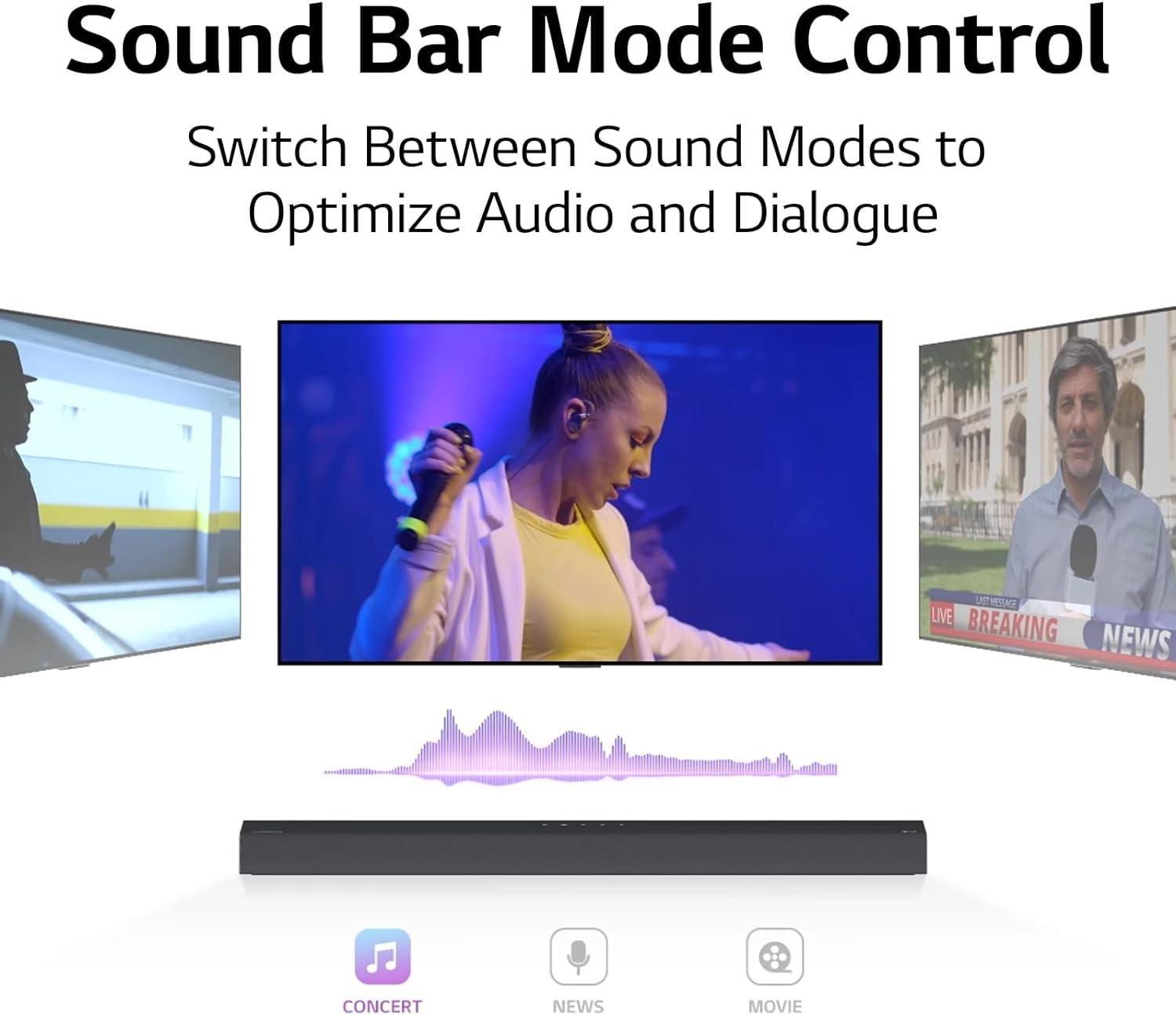

If you've ever tried to follow dialogue in an action movie while your TV speakers struggle to separate voices from explosions, you know why soundbars have become essential home theater upgrades. But choosing between a budget-friendly virtual surround system and a premium multi-speaker setup involves more than just price differences—it's about understanding two completely different approaches to solving the same problem.
The Samsung HW-B630F and LG S90TR represent these opposing philosophies perfectly. Samsung's 2025 release takes the practical route: use clever audio processing to simulate surround sound from a simple soundbar-plus-subwoofer combo. LG's 2024 system goes the traditional route: physically place speakers around your room for authentic surround sound. Both approaches work, but they serve different needs and budgets.
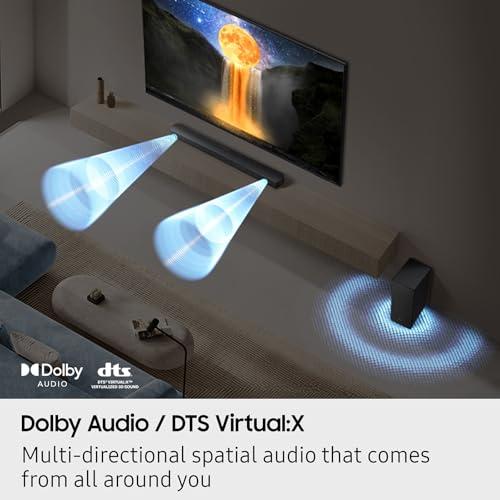
Before diving into specifics, it's crucial to understand what separates these two systems fundamentally. The Samsung HW-B630F uses what's called "virtual surround processing"—sophisticated algorithms that manipulate audio timing and frequency response to trick your brain into perceiving sound coming from directions where no speakers actually exist. Technologies like DTS Virtual:X analyze incoming audio and use psychoacoustic principles (how our brains interpret sound) to create the illusion of height and surround effects.
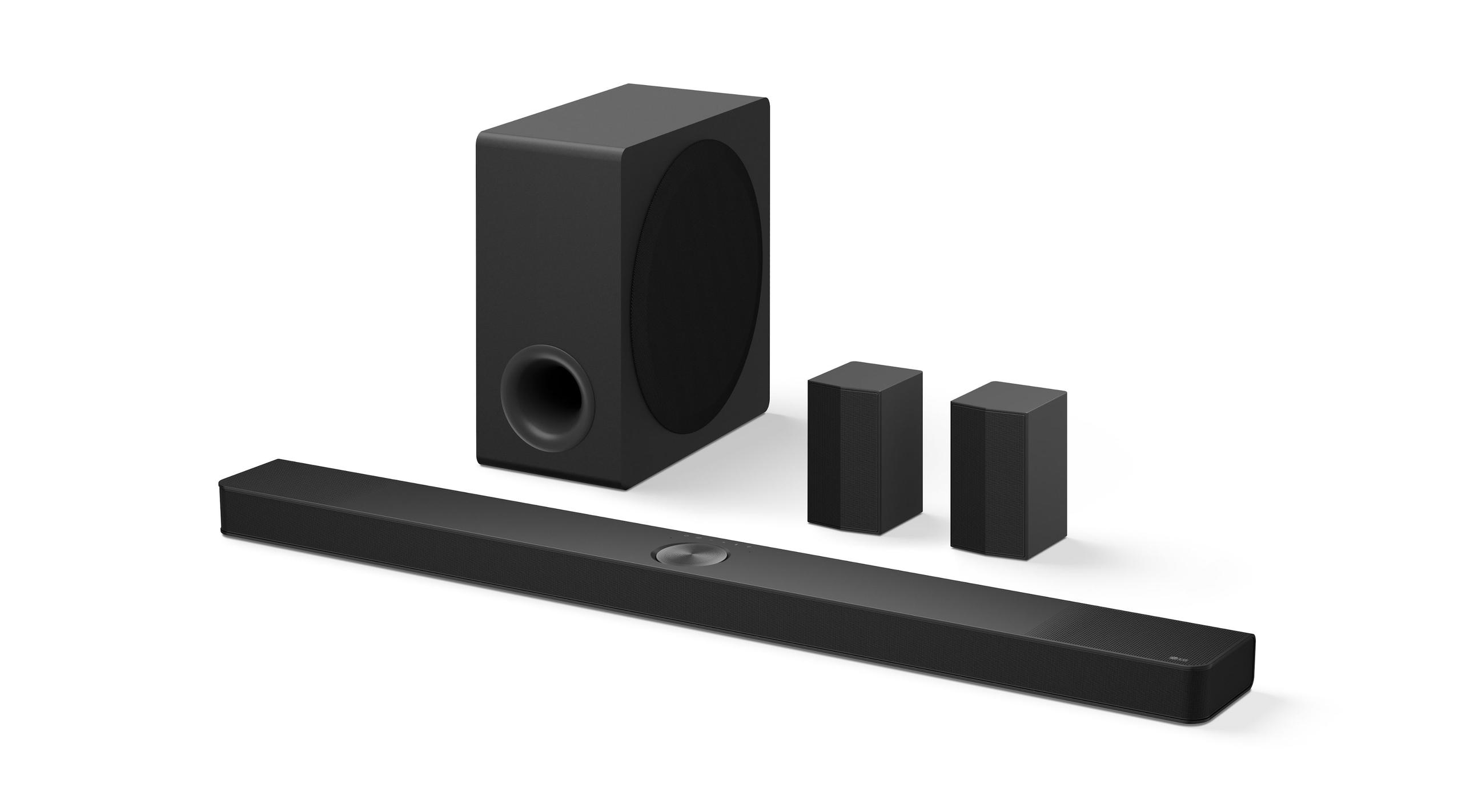
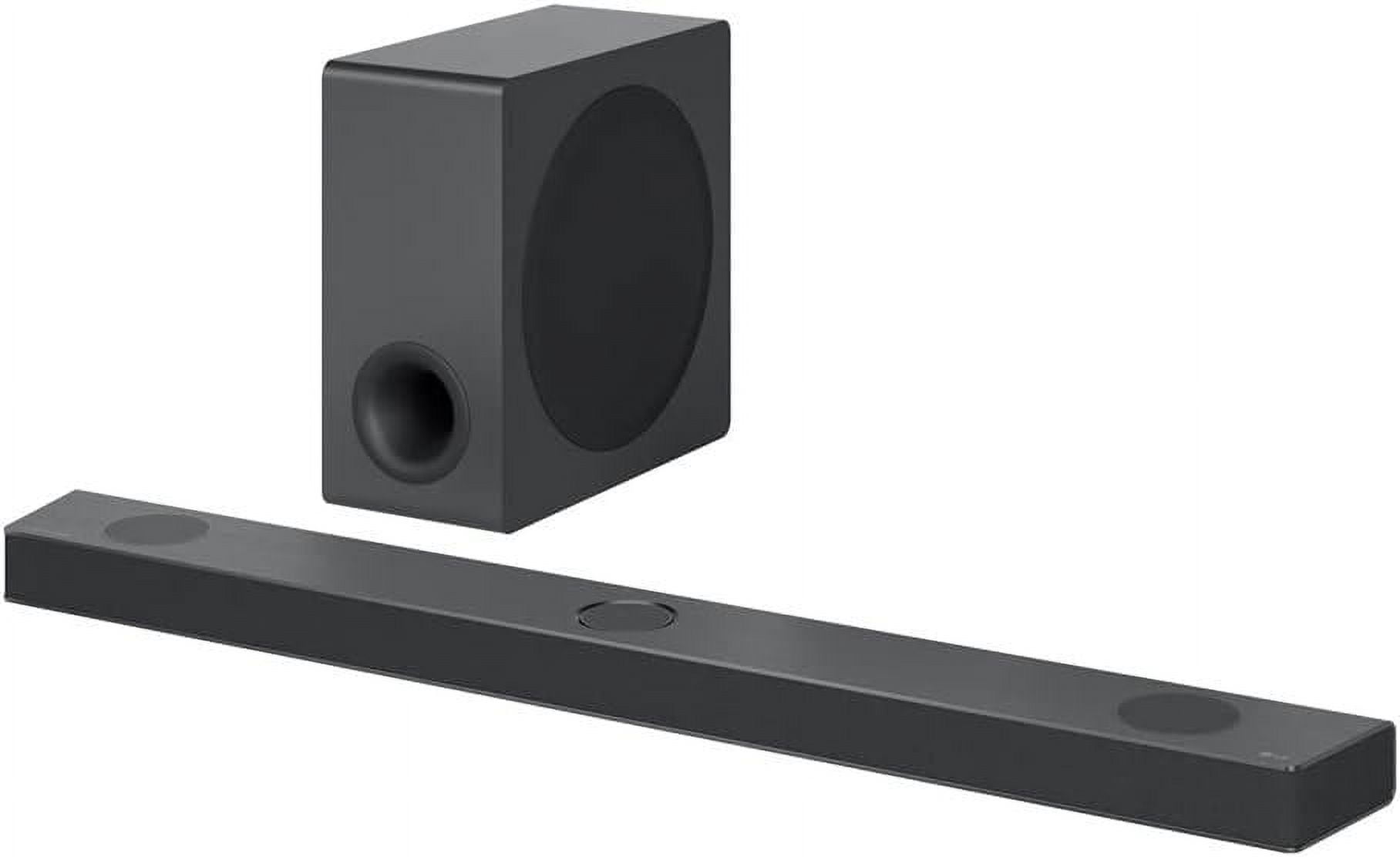
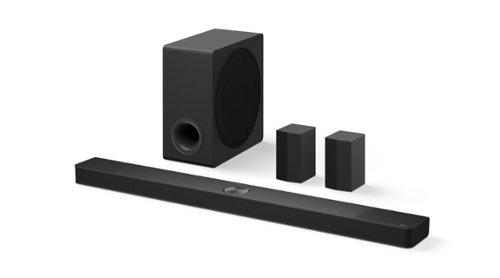
The LG S90TR, conversely, uses "true surround sound" by actually placing speakers behind and above your listening position. When a helicopter flies overhead in a movie, you hear it from an actual speaker above you, not from audio processing tricks. This fundamental difference affects everything from setup complexity to performance capabilities.
The "3.1" in the Samsung HW-B630F means three front channels (left, right, center) plus one subwoofer channel for bass. The center channel is crucial—it's specifically tuned to handle dialogue and vocals, which is why dedicated center channels almost always sound clearer than systems that try to create a "phantom center" between left and right speakers.
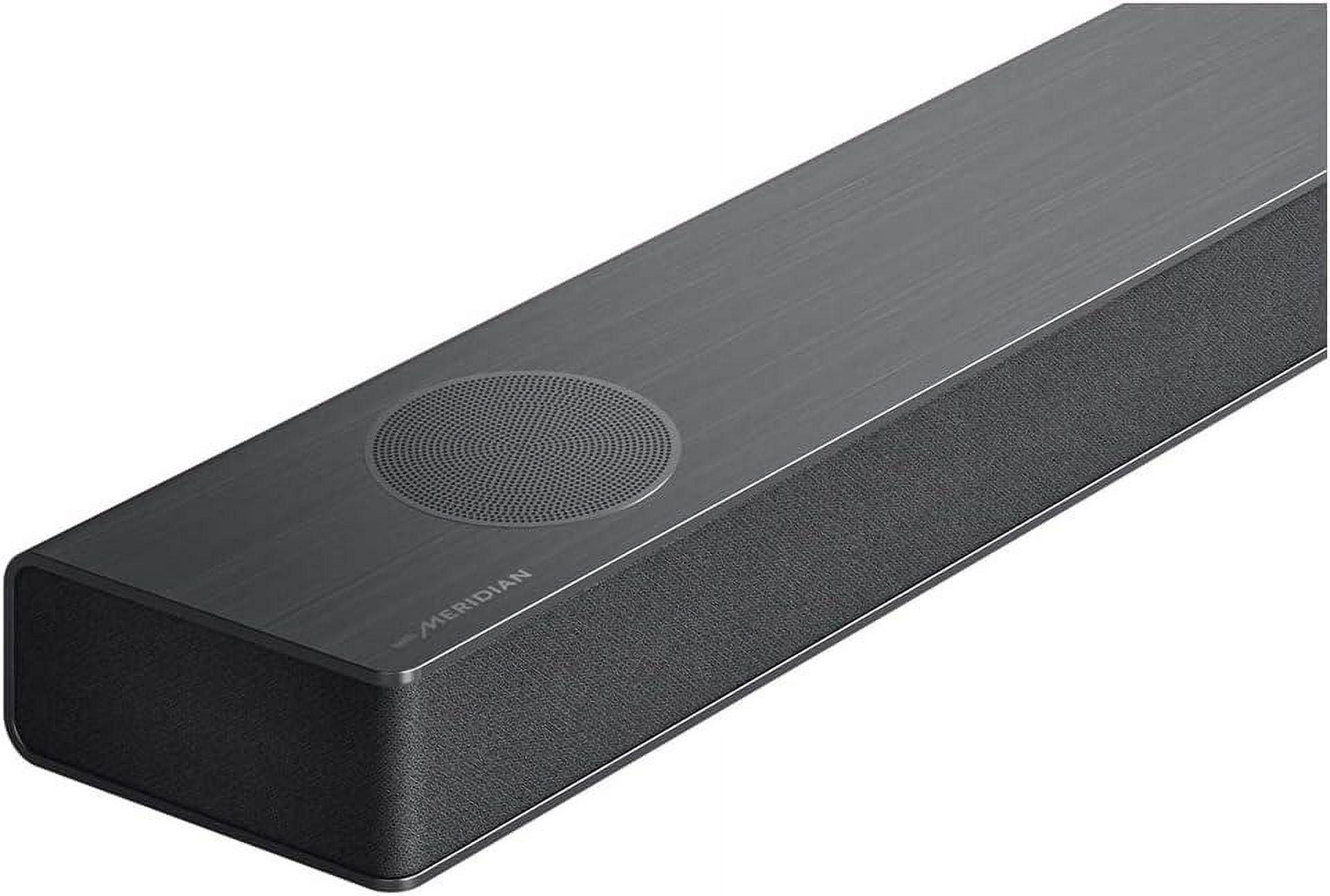
The LG S90TR's "7.1.3" configuration is significantly more complex: seven main channels (front left/right, center, side surrounds, rear surrounds, plus subwoofer) and three height channels for overhead effects. Those height channels are what enable true Dolby Atmos playback, where sounds can be precisely positioned anywhere in a three-dimensional space around you.
This difference matters more than the numbers suggest. While the Samsung system can create a wider soundstage than TV speakers and improve dialogue clarity dramatically, the LG system can place sounds with pinpoint accuracy throughout your entire room.
Both systems excel at dialogue clarity, but through different methods. The Samsung HW-B630F dedicates its center channel specifically to voice reproduction, with Samsung's Voice Enhance mode further boosting the frequency ranges where human speech is most intelligible. In our research of user experiences, this combination consistently outperforms TV speakers and even some more expensive soundbars that lack dedicated center channels.
The Samsung's Adaptive Sound feature analyzes incoming content in real-time, automatically adjusting EQ curves for different types of programming. When you switch from a quiet drama to a sports broadcast, the system recognizes this change and optimizes the audio accordingly—boosting dialogue in the drama while emphasizing crowd noise and commentary in sports.
The LG S90TR takes a more sophisticated approach with AI Room Calibration, which actually listens to your room's acoustic signature using built-in microphones, then adjusts the entire system's frequency response to compensate for room reflections, absorption, and resonances. This technology, similar to what you'd find in high-end home theater receivers, can dramatically improve clarity by reducing muddy bass or harsh reflections that obscure dialogue.
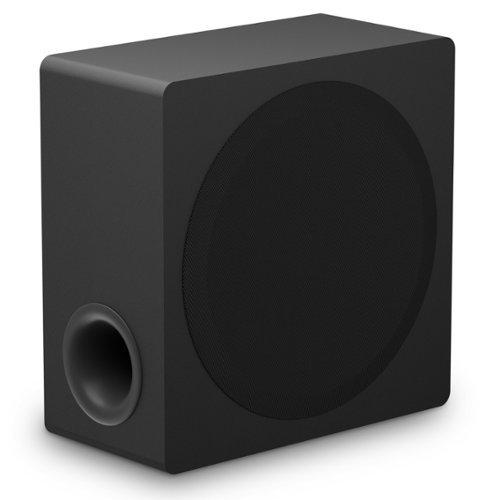
This is where the size and power differences become obvious. The Samsung HW-B630F includes a wireless subwoofer with a 6-inch driver in a bass-reflex (ported) cabinet. Bass-reflex designs use a carefully tuned port to extend low-frequency response beyond what the driver alone could achieve. For smaller rooms, this setup provides satisfying impact for movie explosions and music bass lines.
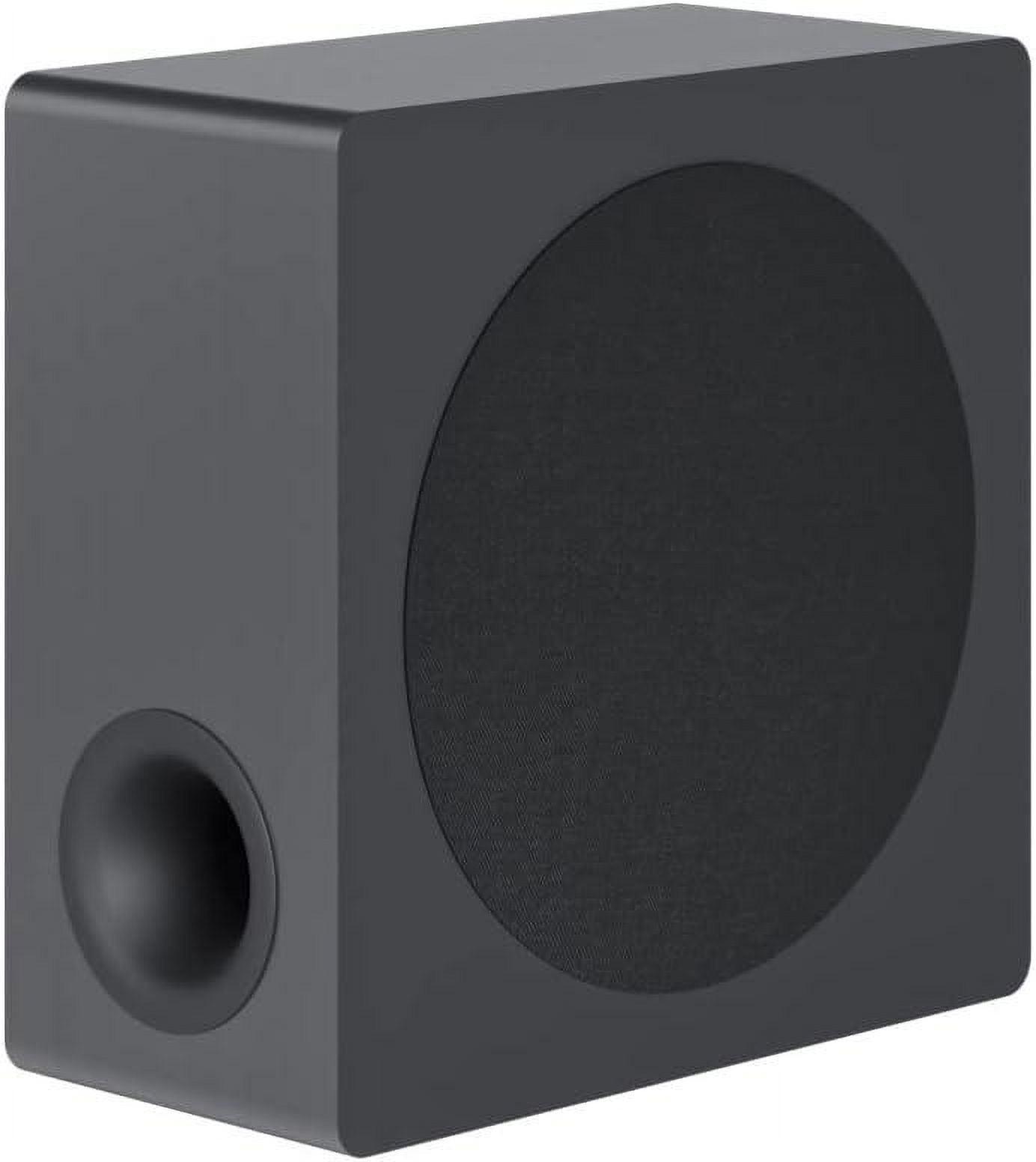
However, the LG S90TR's subwoofer is substantially larger and more powerful, weighing over 22 pounds compared to the Samsung's more modest unit. Physics matters here—larger drivers can move more air with less distortion, and heavier cabinets resist vibration that can muddy bass response. In medium to large rooms, this translates to noticeably deeper, more controlled bass that doesn't strain during demanding content.
The difference becomes particularly apparent during action sequences. While the Samsung system can certainly rumble during explosions, the LG system delivers the kind of visceral impact that makes you feel like you're in the movie theater. That said, for apartment dwellers or those concerned about disturbing neighbors, the Samsung's more modest bass output might actually be preferable.
The Samsung HW-B630F relies entirely on DTS Virtual:X processing to create surround effects. This technology uses principles of head-related transfer functions (HRTFs)—essentially, mathematical models of how sound reaches our ears from different directions—to manipulate audio so it appears to come from locations where no speakers exist.
In practice, virtual surround works best when you're seated in the "sweet spot" directly in front of the soundbar. Move too far to one side, and the illusion breaks down. The effect is also highly dependent on room acoustics and the content being played. Well-mixed movie soundtracks with distinct directional elements showcase virtual surround at its best, while older or poorly mixed content may show little improvement.
The Samsung's Surround Sound Expansion mode specifically widens the front soundstage, making effects seem to extend beyond the physical boundaries of the soundbar. For many users, this broader front presentation provides enough spatial enhancement without the complexity of rear speakers.
The LG S90TR includes actual wireless rear speakers that you place behind your seating area. When a sound is supposed to come from behind you, it actually does. There's no processing trickery involved—the audio engineer's intent is reproduced exactly as designed.
This approach offers several advantages beyond just accuracy. Physical rear speakers provide consistent surround effects regardless of where you sit within the listening area. They also excel at reproducing ambient sounds—rainfall, crowd noise, or subtle environmental effects that create atmosphere rather than specific directional cues.
The three height channels in the LG system enable true Dolby Atmos reproduction. Unlike traditional 5.1 or 7.1 surround sound, which is limited to horizontal plane effects, Atmos can place sounds anywhere in three-dimensional space. A helicopter can start behind you, move overhead, and continue to the front, with the sound smoothly transitioning between the appropriate speakers.
For gaming, audio latency (the delay between controller input and sound output) is crucial. Both systems offer dedicated gaming modes, but their approaches differ significantly.
The Samsung HW-B630F includes a Game Mode with cross-talk cancellation, which reduces audio interference that can mask subtle gaming cues like footsteps or reloading sounds. This mode is particularly effective for competitive gaming where hearing enemy positions is critical. The system's lower complexity also typically means lower latency overall.
The LG S90TR offers more advanced gaming features, including full HDMI 2.1 support with Variable Refresh Rate (VRR) and Auto Low Latency Mode (ALLM). These features ensure that audio stays perfectly synchronized with high-framerate gaming on PlayStation 5 or Xbox Series X consoles. The physical rear speakers provide genuine positional audio that can give competitive gamers a real advantage in identifying enemy locations.
However, HDMI 2.1's advanced features are only beneficial if your gaming setup supports them. If you're using older consoles or gaming primarily on a PC, the Samsung system's simpler approach might actually provide better value.
The connectivity differences between these systems reflect their different target markets and release timeframes.
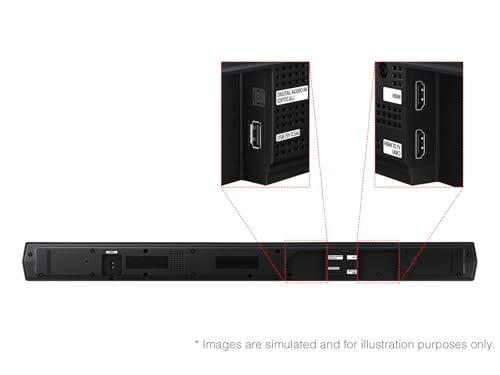
The Samsung HW-B630F offers essential connectivity: HDMI ARC (Audio Return Channel, which sends TV audio back to the soundbar through the same cable that carries video), optical digital input for older devices, and Bluetooth for wireless music streaming. The system's Bluetooth Multi Connection feature lets you pair two devices simultaneously, making it easy to switch between phone and tablet audio without re-pairing.
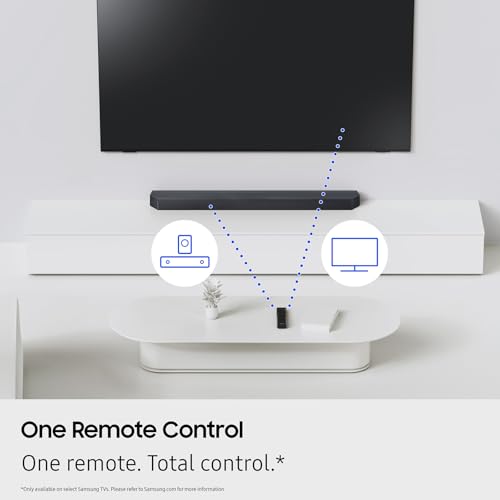
One Remote Control integration with Samsung TVs is genuinely convenient—your TV remote controls the soundbar's volume and power automatically. However, this feature only works with compatible Samsung TVs, limiting its usefulness for owners of other brands.
The LG S90TR includes more advanced connectivity befitting its premium positioning. HDMI eARC (enhanced Audio Return Channel) supports higher-bandwidth audio formats and provides more stable connections than standard ARC. The system also includes Wi-Fi for streaming services like Spotify Connect and Apple AirPlay, eliminating the need to use Bluetooth for music streaming.
WOW Orchestra technology deserves special mention for LG TV owners. This feature uses both your LG TV's speakers and the soundbar simultaneously, creating an even larger soundstage and more immersive experience. It's similar to Samsung's Q-Symphony technology but specifically optimized for LG's OLED displays.
Installation complexity differs dramatically between these systems. The Samsung HW-B630F requires minimal setup: place the soundbar in front of your TV, plug in the wireless subwoofer anywhere in the room, and connect via HDMI or optical cable. The system automatically pairs the subwoofer wirelessly, and you're ready to go in minutes.
The LG S90TR demands more planning. You'll need to position the rear speakers optimally—typically 2-3 feet behind your seating area and slightly above ear level. While the speakers are wireless for power, you still need to run power cables to each rear speaker location. The AI Room Calibration helps optimize performance, but you'll need to run the calibration process and potentially adjust speaker positions based on the results.
Room size plays a crucial role in determining which system makes sense. In smaller rooms (under 250 square feet), the Samsung system's virtual surround processing can be surprisingly convincing, and the physical limitations of the space make rear speakers less critical. In larger rooms, however, virtual processing struggles to create convincing surround effects, and the LG system's physical speakers become much more valuable.
At the time of writing, the Samsung HW-B630F represents exceptional value in the mid-range soundbar segment, typically priced significantly lower than premium surround systems while still offering genuine 3.1 channel performance. You're getting a real center channel for dialogue clarity, a wireless subwoofer for bass impact, and Samsung's mature virtual surround processing—all for considerably less than full surround systems.
The LG S90TR, being a complete home theater system with physical rear speakers and height channels, commands a premium price that's approximately three times higher than the Samsung system. Whether this price difference is justified depends entirely on your priorities and room setup.
For casual TV watching and streaming content, the Samsung system provides most of the benefits of a premium soundbar at a fraction of the cost. The dialogue clarity improvement over TV speakers alone justifies the investment for many users.
For dedicated home theater rooms and movie enthusiasts, the LG system's superior immersion and authentic surround sound can transform the viewing experience in ways that virtual processing simply cannot match. The price premium reflects genuine performance advantages, not just marketing positioning.
Both systems were released relatively recently—the Samsung in 2025 and the LG in 2024—incorporating current-generation audio processing and connectivity standards. However, their different approaches to future-proofing are worth considering.
The Samsung system focuses on proven technologies that work reliably across a wide range of content and room configurations. While it lacks cutting-edge features like HDMI 2.1 or advanced room correction, it also avoids potential compatibility issues that can arise with newer standards.
The LG system embraces newer technologies like HDMI 2.1, advanced room correction, and full Dolby Atmos support. These features provide better performance today and should remain relevant longer as content and gaming technology continues evolving.
Choose the Samsung HW-B630F if you want dramatic improvement over TV speakers without complexity or high cost. This system excels for regular TV watching, streaming content, and casual gaming in smaller rooms. Samsung TV owners get additional integration benefits that enhance daily usability. The system's strength lies in doing the fundamentals extremely well—dialogue clarity, reasonable bass impact, and easy operation—without overwhelming users with features they may not need.
Choose the LG S90TR if you're building a dedicated home theater setup and want authentic surround sound immersion. This system justifies its premium price through genuine performance advantages: true Dolby Atmos support, powerful bass response, and precise sound placement that virtual processing cannot replicate. LG OLED TV owners get additional benefits through WOW Orchestra integration, and serious gamers will appreciate the advanced HDMI 2.1 features.
The decision ultimately comes down to matching system capabilities with your actual usage patterns and room requirements. A $200-300 system that dramatically improves your daily TV watching experience provides better value than a $600-700 system whose advanced features you'll rarely use. Conversely, if you regularly watch movies in a dedicated home theater space, the premium system's superior immersion and audio quality justify the additional investment.
Both represent solid choices within their respective market segments, but they serve fundamentally different needs. Understanding these differences—and honestly assessing your own requirements—is key to making the right choice for your home theater setup.
| Samsung HW-B630F B-Series 3.1ch Soundbar System | LG S90TR 7.1.3 Channel Soundbar with Wireless Subwoofer and Rear Speakers |
|---|---|
| Channel Configuration - Determines authentic surround sound capability | |
| 3.1 channels (virtual surround processing) | 7.1.3 channels (true physical surround with height) |
| Physical Components - What you get in the box | |
| Soundbar + wireless subwoofer only | Complete system: soundbar + wireless subwoofer + rear speakers |
| Surround Sound Technology - Virtual processing vs real speaker placement | |
| DTS Virtual:X simulates surround effects | Physical rear speakers + Dolby Atmos height channels |
| Room Size Suitability - Space requirements for optimal performance | |
| Small to medium rooms (under 250 sq ft) | Large rooms (300+ sq ft) for full surround benefit |
| HDMI Features - Gaming and 4K compatibility | |
| HDMI ARC only (1080p pass-through) | HDMI 2.1 eARC (4K/120Hz, VRR, ALLM for gaming) |
| Smart Features - Streaming and connectivity options | |
| Bluetooth only, Samsung TV integration | Wi-Fi, Bluetooth 5.1, Spotify Connect, Apple AirPlay |
| Setup Complexity - Installation and room optimization | |
| Simple 2-component setup, auto-pairing | Complex setup requiring rear speaker placement |
| Bass Power - Low-frequency impact and room-filling capability | |
| 6" wireless subwoofer (good for smaller spaces) | Large 22.1 lb subwoofer (powerful room-filling bass) |
| TV Brand Integration - Enhanced features with specific TV brands | |
| One Remote Control with Samsung TVs | WOW Orchestra with LG OLED TVs (B4, C4, G4) |
| Gaming Performance - Features for console and PC gaming | |
| Game Mode with cross-talk cancellation | Full HDMI 2.1 gaming features, true positional audio |
| Room Calibration - Automatic audio optimization | |
| Basic adaptive sound processing | AI Room Calibration Pro with microphone analysis |
| Expandability - Future upgrade options | |
| Optional wireless rear speakers (sold separately) | Complete system included, no expansion needed |
| Target User - Best suited for different needs and budgets | |
| Budget-conscious TV watchers, smaller rooms | Home theater enthusiasts, movie lovers, large rooms |
| Value Proposition - Performance per dollar at time of writing | |
| Excellent dialogue clarity at budget price point | Premium surround experience justifies higher cost |
The LG S90TR is significantly better for home theater use. It features true 7.1.3 channel surround sound with physical rear speakers and height channels for Dolby Atmos, creating an authentic cinematic experience. The Samsung HW-B630F uses virtual surround processing, which can't match the immersion of actual speakers placed around your room. For dedicated movie watching, the LG S90TR justifies its higher cost through superior audio positioning and impact.
The core difference is surround sound approach. The Samsung HW-B630F is a 3.1 system that simulates surround effects using DTS Virtual:X processing from a single soundbar plus subwoofer. The LG S90TR is a complete 7.1.3 system with physical wireless rear speakers and height channels that actually place sounds around and above you. This fundamental distinction affects everything from setup complexity to audio immersion.
The Samsung HW-B630F offers exceptional value for budget-conscious buyers, delivering significant improvement over TV speakers with clear dialogue and decent bass at a much lower cost. The LG S90TR provides premium value for home theater enthusiasts willing to pay more for authentic surround sound. Choose the Samsung for everyday TV watching or the LG if you prioritize cinematic audio experiences.
Not necessarily. The Samsung HW-B630F proves that virtual surround processing can provide satisfying audio enhancement for most TV content without rear speakers. However, physical rear speakers like those included with the LG S90TR create more convincing surround effects, especially in larger rooms. For casual viewing, virtual surround suffices; for movie enthusiasts, physical speakers make a noticeable difference.
The LG S90TR is superior for serious gaming, offering HDMI 2.1 support with 4K/120Hz pass-through, Variable Refresh Rate, and Auto Low Latency Mode for next-gen consoles. Its physical rear speakers provide genuine positional audio advantages. The Samsung HW-B630F includes a dedicated Game Mode that's perfectly adequate for casual gaming but lacks the advanced connectivity features that benefit PlayStation 5 and Xbox Series X owners.
The Samsung HW-B630F requires minimal space—just room for the soundbar in front of your TV and flexible placement for the wireless subwoofer. The LG S90TR needs significantly more space for optimal performance, requiring rear speaker placement 2-3 feet behind your seating area and sufficient room for the larger subwoofer. Consider the Samsung for smaller rooms or apartments with limited space.
Both excel at dialogue clarity but through different methods. The Samsung HW-B630F features a dedicated center channel specifically tuned for speech, plus Voice Enhance mode that boosts vocal frequencies. The LG S90TR offers superior overall clarity through AI Room Calibration that optimizes the entire frequency response for your specific room. For dialogue-focused content like TV shows, the Samsung provides excellent results at lower cost.
Yes, both work with any TV brand through HDMI or optical connections. However, you'll get enhanced features with matching TV brands. The Samsung HW-B630F offers One Remote Control integration with Samsung TVs for seamless volume and power control. The LG S90TR features WOW Orchestra technology that works with LG OLED TVs to use both TV and soundbar speakers simultaneously for expanded soundstage.
The Samsung HW-B630F is much easier to set up, requiring only soundbar placement and wireless subwoofer connection—typically completed in minutes. The LG S90TR involves more complex installation with rear speaker positioning, power cable routing, and AI Room Calibration optimization. Choose the Samsung if you want plug-and-play simplicity or the LG if you don't mind setup complexity for better performance.
The LG S90TR delivers significantly more powerful bass through its larger, heavier subwoofer (22.1 lbs) that can fill large rooms with deep, controlled low-end impact. The Samsung HW-B630F includes a capable wireless subwoofer that provides satisfying bass for smaller to medium rooms but may lack authority in larger spaces. For apartment living, the Samsung's more modest bass output might actually be preferable.
The LG S90TR fully supports Dolby Atmos with dedicated height channels that create genuine overhead sound effects. The Samsung HW-B630F does not support Dolby Atmos—it uses DTS Virtual:X processing to simulate height effects instead. If Dolby Atmos content from streaming services or Blu-rays is important to you, the LG is the clear choice for authentic object-based surround sound.
Choose the Samsung HW-B630F if you have a smaller living room, want significant audio improvement over TV speakers without complexity, or are budget-conscious. Select the LG S90TR if you have a larger living room, regularly watch movies, want the best possible surround sound experience, and don't mind the higher cost and setup requirements. The Samsung excels for everyday TV viewing while the LG transforms your space into a home theater.
We've done our best to create useful and informative comparisons to help you decide what product to buy. Our research uses advanced automated methods to create this comparison and perfection is not possible - please contact us for corrections or questions. These are the sites we've researched in the creation of this article: samsung.com - bhphotovideo.com - crutchfield.com - youtube.com - bestproducts.com - videoandaudiocenter.com - pcrichard.com - bhphotovideo.com - samsung.com - youtube.com - requiremints.com - karlsonline.com - crutchfield.com - youtube.com - donstv.com - samsung.com - bhphotovideo.com - youtube.com - youtube.com - crutchfield.com - costco.ca - rtings.com - crutchfield.com - accio.com - bhphotovideo.com - manuals.plus - samsung.com - saraappliance.com - rtings.com - abt.com - youtube.com - bestbuy.com - microcenter.com - buydig.com - bestbuy.com - videoandaudiocenter.com - oceanstateappliance.com - youtube.com - avsforum.com - lg.com

Privacy Policy
Terms and Conditions - Affiliate Policy
Home Security
© Copyright 2008-2026.
11816 Inwood Rd #1211, Dallas, TX 75244