

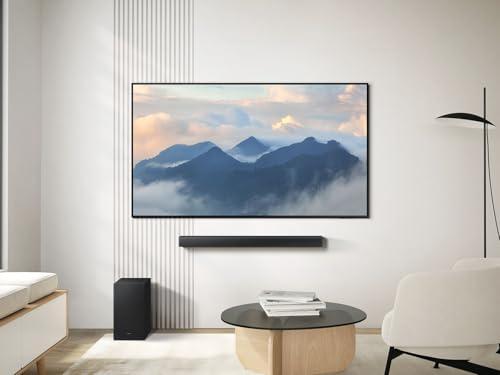
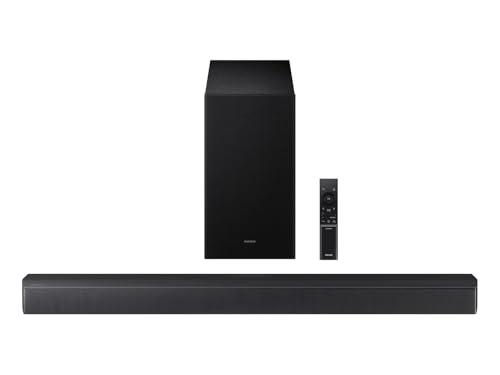
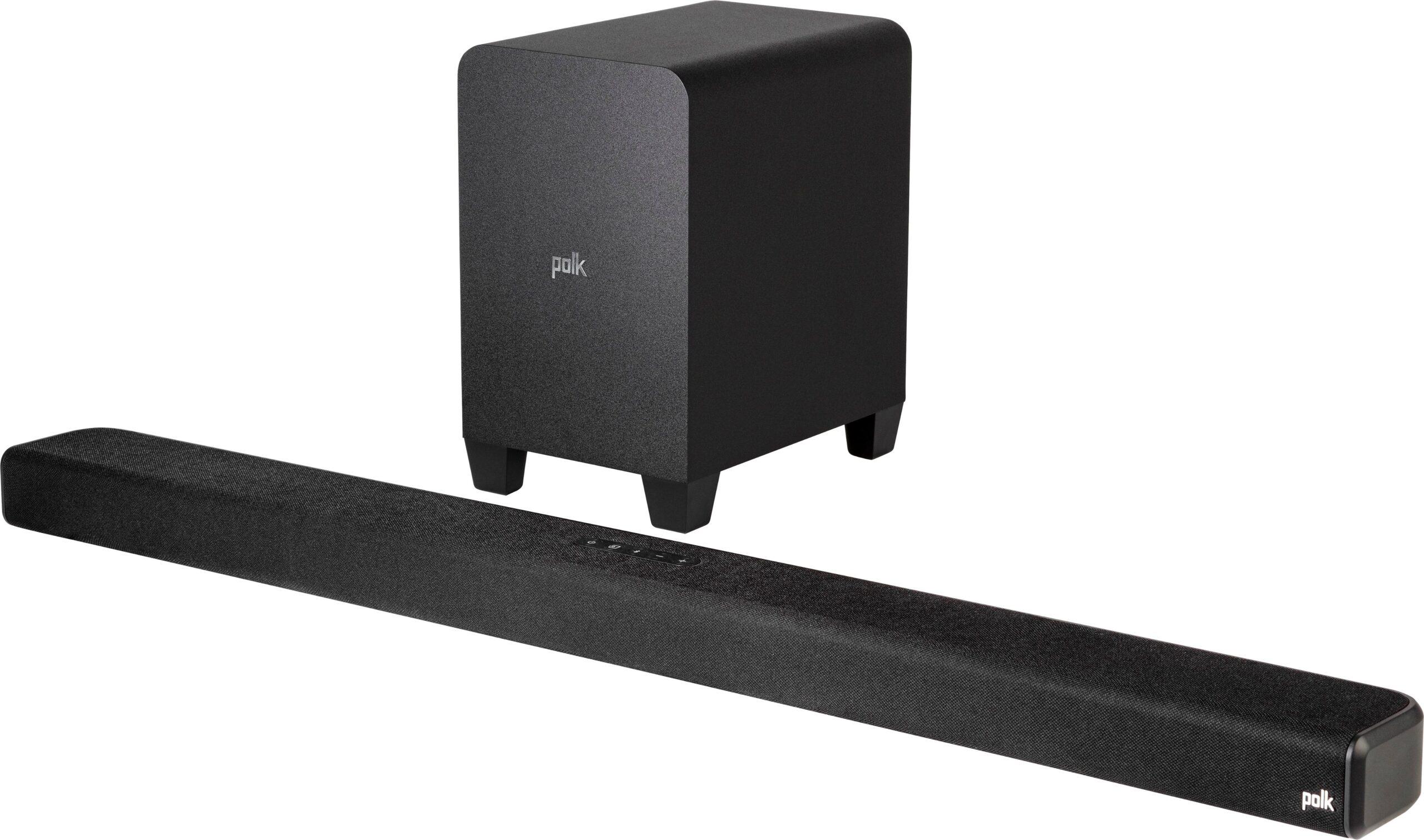
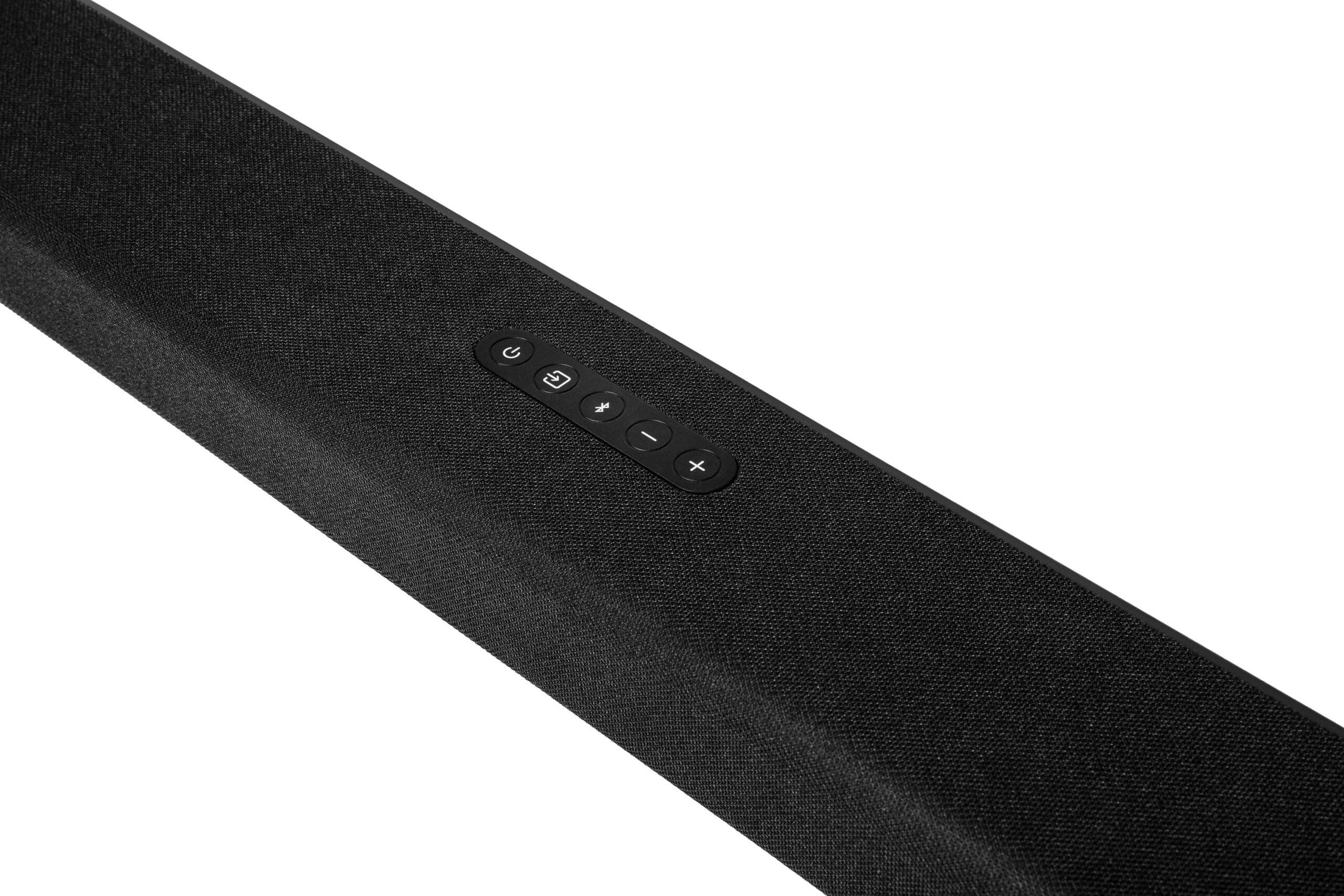
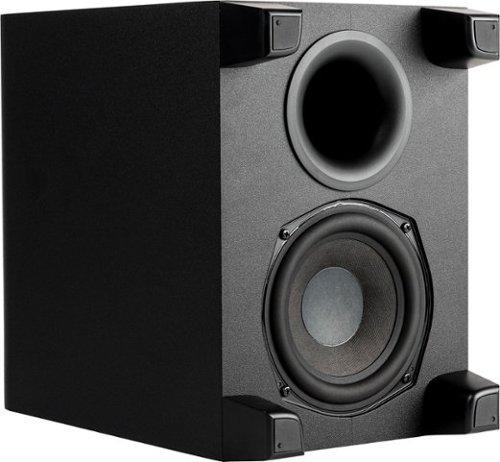
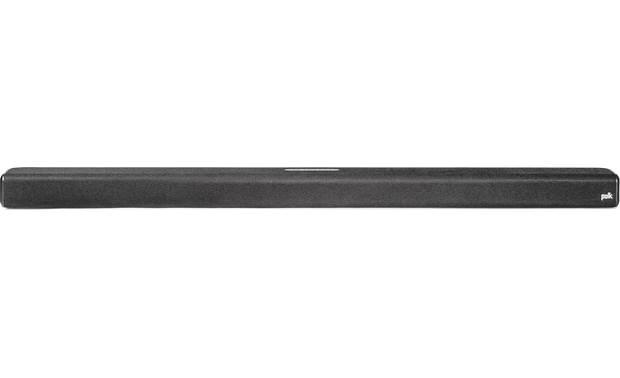
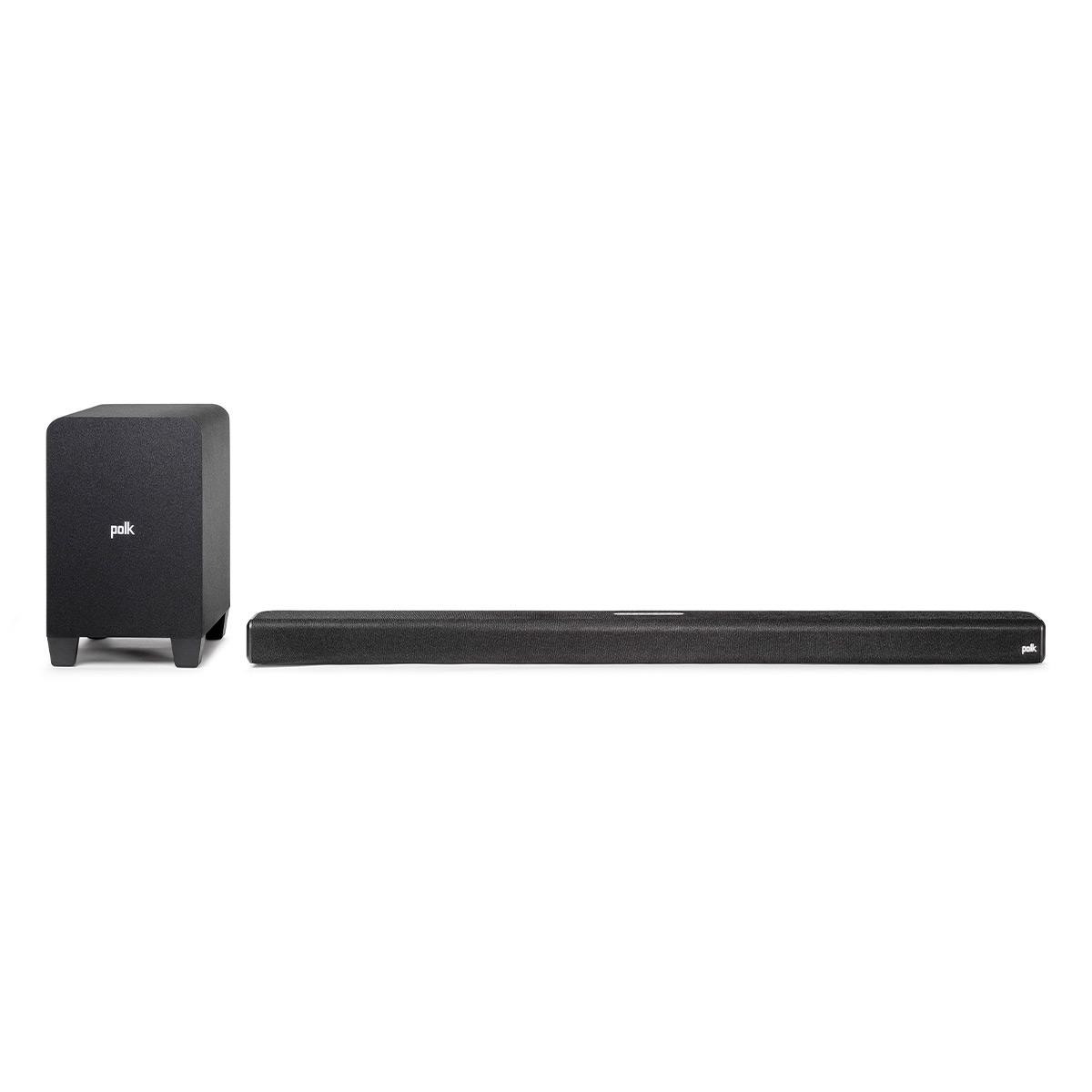
When your TV's built-in speakers make dialogue sound like it's coming from inside a tin can, it's time to consider a soundbar upgrade. But with dozens of options flooding the market, making the right choice can feel overwhelming. Today, we're comparing two popular models that take fundamentally different approaches to improving your audio experience: the Samsung HW-B630F and the Polk Audio Signa S4.
These soundbars represent two distinct philosophies in home audio. The Samsung HW-B630F focuses on delivering reliable, well-rounded performance with excellent integration features, particularly for Samsung TV owners. Meanwhile, the Polk Audio Signa S4 pushes the boundaries of what's possible at its price point by including genuine Dolby Atmos technology—something that was once reserved for much more expensive systems.
Before diving into specifics, it's worth understanding what makes today's soundbars tick. The most important specification you'll encounter is channel configuration, expressed in numbers like "3.1" or "3.1.2." The first number indicates front channels (left, center, right), the second represents subwoofers, and the third—when present—shows height or overhead channels for immersive surround sound.
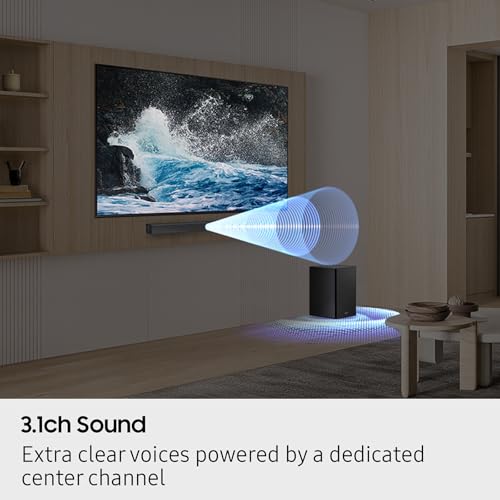
The Samsung HW-B630F uses a traditional 3.1 setup: three front-facing speakers in the main bar plus a separate wireless subwoofer. This configuration has been the sweet spot for TV audio enhancement for years because it provides a dedicated center channel for dialogue while adding substantial bass extension through the subwoofer.
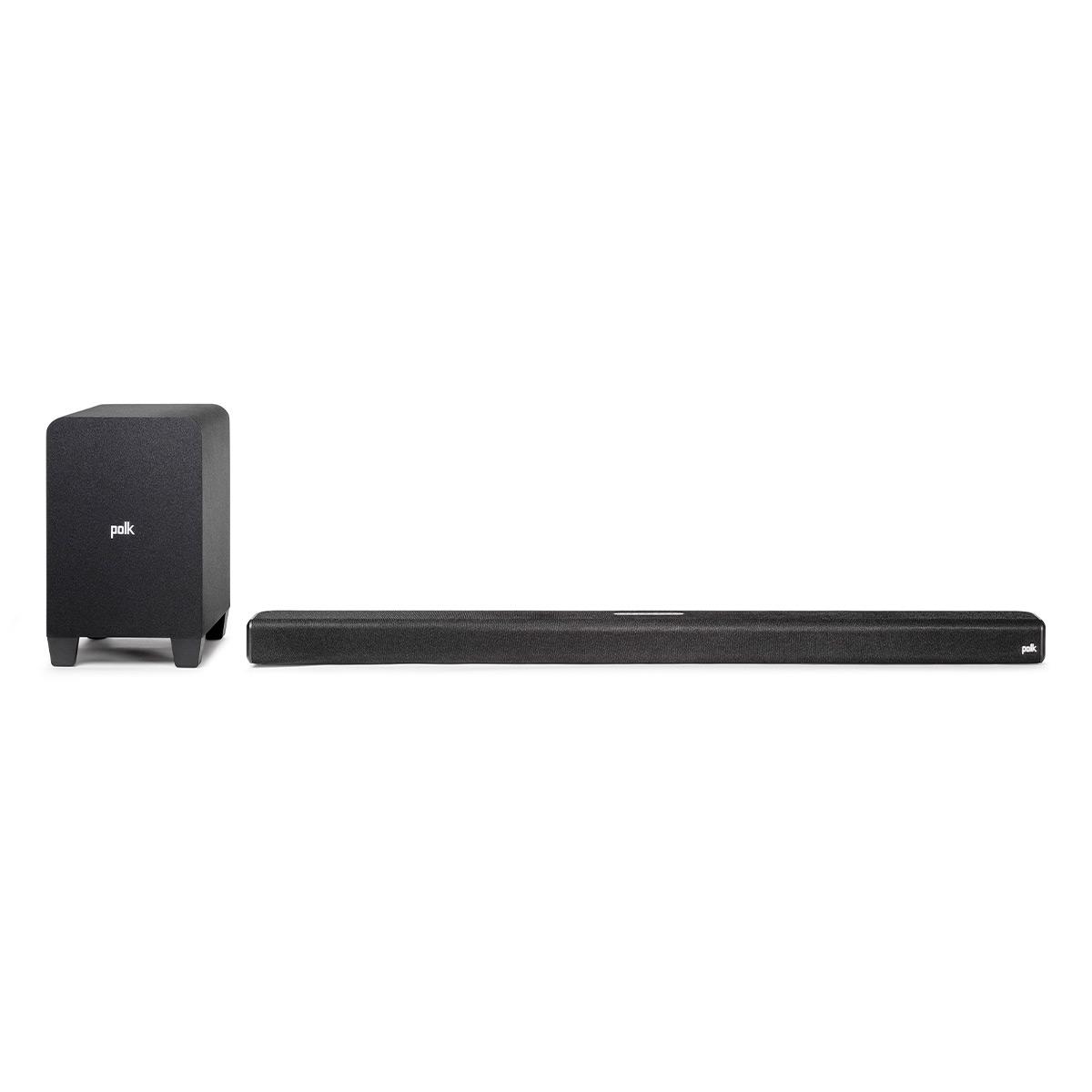
The Polk Audio Signa S4, however, employs a more sophisticated 3.1.2 arrangement. Those extra ".2" channels are height speakers—small drivers that fire sound upward toward your ceiling, creating overhead effects that bounce down to your listening position. This is how true Dolby Atmos works, and it's a significant technological leap from traditional soundbars.
Both soundbars arrived during a particularly interesting period in home audio history. The Samsung HW-B630F represents Samsung's mid-2020s push to offer comprehensive feature sets at accessible price points, part of their B-Series lineup that bridges the gap between basic TV speakers and premium home theater systems.
The Polk Audio Signa S4 launched in 2021 as Polk's first Dolby Atmos soundbar, marking a significant milestone for the company. At the time of writing, it remains one of the most affordable ways to experience genuine overhead audio effects in your living room—a technology that was previously exclusive to complex multi-speaker installations or much more expensive soundbars.
Since these products launched, we've seen the soundbar market mature significantly. Dolby Atmos support has become more common, but many budget implementations use virtual processing rather than physical height speakers. This makes the Polk Signa S4's approach particularly noteworthy, as it includes actual up-firing drivers rather than relying solely on digital sound processing tricks.
The most fundamental difference between these soundbars lies in their approach to surround sound. The Polk Audio Signa S4 supports true Dolby Atmos through its dedicated height channels. When you're watching a movie with Atmos encoding—increasingly common on streaming services like Netflix, Disney+, and Apple TV+—those overhead speakers create genuine three-dimensional audio environments. Helicopters actually sound like they're flying overhead, rain appears to fall from above, and ambient sounds seem to surround you naturally.
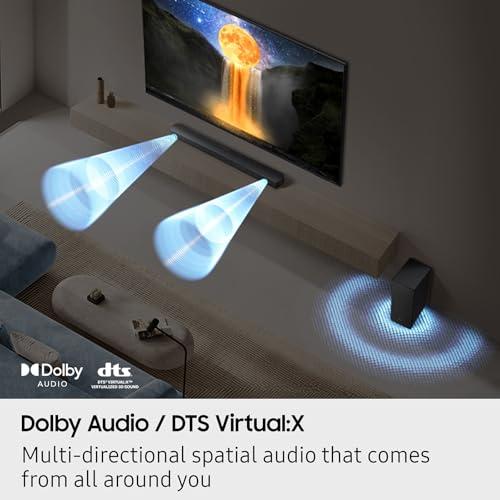
The Samsung HW-B630F takes a different approach with DTS Virtual:X processing. This technology uses psychoacoustic principles—essentially tricks that exploit how our brains process sound—to create the impression of height and surround effects using only front-facing speakers. While not as convincing as physical height channels, Virtual:X can still create a noticeably wider and more immersive soundstage than basic stereo speakers.
In practical terms, if you regularly watch Atmos-encoded content, the Polk Signa S4 will deliver a markedly more immersive experience. However, for standard TV shows, news, and older movies, both soundbars will provide substantial improvements over TV speakers, with the differences being less pronounced.
Both manufacturers recognize that dialogue clarity is often the primary reason people upgrade from TV speakers, but they've implemented different solutions. The Polk Audio Signa S4 features VoiceAdjust technology, which allows you to independently raise dialogue levels without affecting other audio elements. This means you can make voices more prominent without also boosting background music or sound effects—a remarkably useful feature when watching dialogue-heavy dramas or older films with uneven audio mixing.
The Samsung HW-B630F relies on its dedicated center channel combined with Voice Enhance processing. The center channel is specifically tuned for the frequency range where human speech occurs, while the Voice Enhance mode applies additional processing to lift dialogue above competing sounds. Samsung also includes Adaptive Sound processing, which automatically analyzes incoming audio and adjusts settings in real-time based on the content type.
Both approaches work well, but Polk's VoiceAdjust offers more granular control. If you frequently struggle with mumbling actors or watch foreign films with subtitles, the Polk Signa S4's adjustable dialogue enhancement might prove more valuable.
Both soundbars include wireless subwoofers, but they handle bass management differently. The Samsung HW-B630F pairs its main bar with a 6-inch subwoofer driver in a ported enclosure. The Bass Boost mode provides additional low-frequency emphasis, while manual level controls let you fine-tune the balance between the main bar and subwoofer.
The Polk Audio Signa S4 uses a slightly smaller 5.9-inch subwoofer but implements more sophisticated bass management through its BassAdjust technology. This system can simultaneously control bass output from both the soundbar's woofers and the separate subwoofer, creating more cohesive low-frequency response. The integration between bar and sub feels more seamless, which becomes particularly noticeable during music listening sessions.
For bass extension and impact, both systems perform admirably for their size and price category. The Samsung system might have a slight edge in pure output thanks to its larger driver, while the Polk system offers more refined control and integration.
Gamers will find a distinct advantage with the Samsung HW-B630F, which includes a dedicated Game Mode with specialized processing. This mode uses cross-talk cancellation—a technique that reduces audio interference between channels—and directional enhancement to make positional cues more obvious. In competitive gaming, being able to accurately locate footsteps, gunfire, or vehicle engines can provide a significant tactical advantage.
The Game Mode also optimizes dynamic range to keep critical sound effects punchy without overwhelming dialogue or user interface sounds. While the Polk Audio Signa S4 doesn't include gaming-specific processing, its Dolby Atmos capabilities can still enhance gaming experiences, particularly in single-player adventures where atmospheric immersion matters more than competitive precision.
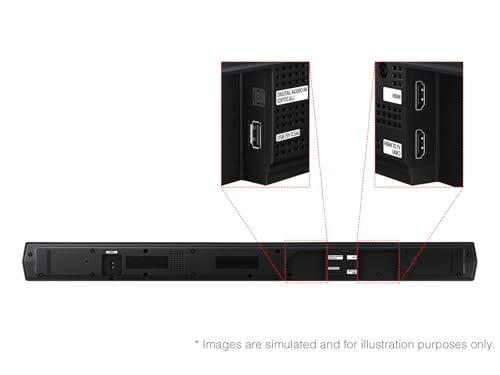
The connectivity differences between these soundbars reveal their different target audiences and design philosophies. The Polk Audio Signa S4 includes HDMI 2.1 with eARC (enhanced Audio Return Channel) support, which provides higher bandwidth for uncompressed audio formats. This future-proofs the system for next-generation gaming consoles and streaming devices that output high-quality audio.
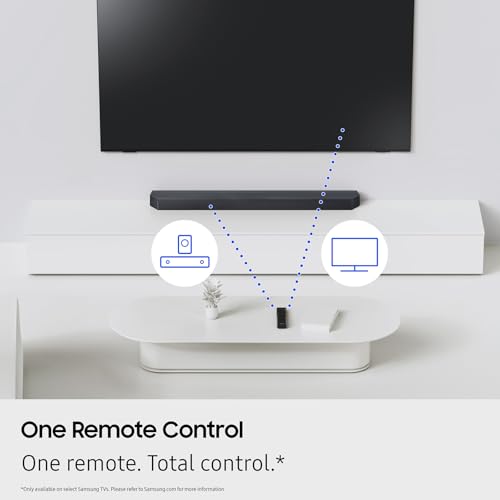
The Samsung HW-B630F uses HDMI 1.4 with standard ARC, which handles compressed Dolby Digital and DTS formats but lacks the bandwidth for uncompressed audio. However, it compensates with broader compatibility features, including One Remote Control support that lets Samsung TV owners control the soundbar using their existing TV remote. The seamless integration extends to automatic power synchronization and volume control—conveniences that make daily use more pleasant.
Both soundbars support Bluetooth audio streaming, but neither includes Wi-Fi connectivity for streaming services like Spotify Connect or AirPlay. This keeps costs down while focusing on their primary mission: enhancing TV audio.
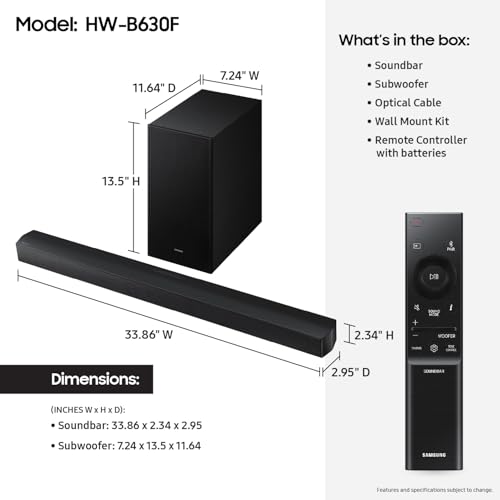
The physical design differences reflect each manufacturer's priorities. The Samsung HW-B630F measures approximately 34 inches wide, making it suitable for TVs of 40 inches and larger without overhang. Its minimalist rectangular profile prioritizes discretion and universal compatibility with different TV stand configurations.
The Polk Audio Signa S4 stretches to 41 inches in width, better suited for larger TVs of 50 inches and up. The extra width accommodates its seven-driver array, including those crucial height channels. Both soundbars maintain low profiles that won't obstruct TV sensors or bottom screen areas.
For wall mounting, both systems include the necessary hardware and maintain slim profiles that won't create unsightly gaps behind wall-mounted TVs. The wireless subwoofers offer placement flexibility, though the Polk system benefits from keeping the subwoofer on the same wall as the soundbar for optimal Atmos performance.
At the time of writing, these soundbars occupy different value territories, with the Samsung HW-B630F positioned as the more budget-friendly option and the Polk Audio Signa S4 commanding a premium for its Atmos capabilities. However, the price difference isn't dramatic, making the choice more about priorities than pure economics.
The Samsung system offers expandability through optional wireless rear speakers, providing an upgrade path to 5.1 surround sound. This flexibility appeals to users who might want to gradually build a more comprehensive system. However, the virtual surround processing has inherent limitations that expansion can't overcome.
The Polk system represents a more complete solution from the start. Its true Atmos implementation and HDMI 2.1 connectivity provide better future-proofing, particularly as streaming services continue expanding their Atmos content libraries and next-generation gaming consoles become more prevalent.
Based on extensive research into user reviews and expert evaluations, both soundbars deliver substantial improvements over TV speakers, but in different ways. The Samsung HW-B630F excels at making everything sound cleaner and more balanced. Users consistently praise its dialogue clarity and report that they can finally understand movie conversations without constantly adjusting volume.
The Polk Audio Signa S4 generates more dramatic "wow" moments, particularly when watching Atmos-encoded content. Users report genuine surprise at hearing overhead effects for the first time, describing the experience as transformative for movie watching. However, some note that the full benefits require proper room setup and Atmos content—it won't revolutionize regular TV viewing quite as dramatically.
Both systems handle music reasonably well, though neither is optimized primarily for stereo music reproduction. The Polk system tends to create a wider, more enveloping presentation, while the Samsung system provides more precise imaging and detail retrieval.
The decision between these soundbars ultimately depends on your priorities, viewing habits, and room setup. Choose the Polk Audio Signa S4 if you're serious about home theater experiences and regularly watch movies or play cinematic games. Its true Dolby Atmos implementation and future-proof connectivity justify the higher investment, particularly if you have a medium-to-large room where the height effects can properly develop.
The Samsung HW-B630F makes more sense for users who want reliable, everyday improvement in TV audio without complexity or premium pricing. It's particularly attractive for Samsung TV owners who can take advantage of the seamless integration features, and for gamers who will benefit from the dedicated game mode processing.
Consider your content consumption patterns honestly. If you primarily watch news, sitcoms, and standard TV programming, the Samsung system will provide all the improvement you'll likely notice while saving money. If you're a movie enthusiast with streaming service subscriptions that include Atmos content, the Polk system will deliver experiences that the Samsung simply cannot match.
Both soundbars represent solid value in their respective categories and will transform your TV viewing experience compared to built-in TV speakers. The Polk Audio Signa S4 pushes the boundaries of what's possible at its price point, while the Samsung HW-B630F delivers dependable performance with thoughtful integration features. Your choice should align with your audio ambitions and viewing priorities rather than pure specifications.
| Samsung HW-B630F B-Series 3.1ch Soundbar System | Polk Audio Signa S4 Dolby Atmos Soundbar with Wireless Subwoofer |
|---|---|
| Channel Configuration - Determines immersive audio capabilities and future-proofing | |
| 3.1 channels (3 front speakers + wireless subwoofer) | 3.1.2 channels (3 front speakers + wireless subwoofer + 2 height channels) |
| Dolby Atmos Support - Essential for modern movie and streaming content | |
| No true Atmos; uses DTS Virtual:X for simulated surround | True Dolby Atmos with physical up-firing height drivers |
| Audio Processing Features - Impact on dialogue clarity and customization | |
| Voice Enhance mode, Adaptive Sound, multiple preset modes | VoiceAdjust™ technology with independent dialogue level control |
| Subwoofer Configuration - Affects bass impact and room-filling sound | |
| 6" wireless subwoofer with bass boost mode | 5.9" wireless subwoofer with BassAdjust™ integrated control |
| HDMI Connectivity - Future-proofing and audio format support | |
| HDMI 1.4 ARC (compressed audio formats only) | HDMI 2.1 eARC (supports uncompressed high-resolution audio) |
| Gaming Optimization - Important for console and PC gaming | |
| Dedicated Game Mode with cross-talk cancellation | No gaming-specific processing modes |
| TV Integration - Convenience for daily use | |
| One Remote Control support, seamless Samsung TV integration | Basic HDMI-CEC, TV remote learning capability |
| Physical Dimensions - Compatibility with different TV sizes | |
| 33.9" wide (ideal for 40"+ TVs) | 41.2" wide (better suited for 50"+ TVs) |
| Expandability Options - Future upgrade potential | |
| Compatible with Samsung Wireless Rear Speaker Kit for 5.1 setup | No official expansion options beyond included components |
| Price Positioning - Value relative to features offered | |
| Lower cost, solid fundamentals with excellent integration | Higher investment justified by true Atmos and advanced processing |
The Polk Audio Signa S4 is superior for movies and TV shows because it features true Dolby Atmos with physical height channels that create overhead effects. This makes explosions, rain, and ambient sounds feel three-dimensional. The Samsung HW-B630F uses virtual surround processing which improves the soundstage but can't match the immersive experience of actual Atmos content from streaming services like Netflix and Disney+.
Yes, both the Samsung HW-B630F and Polk Audio Signa S4 include wireless subwoofers. The Samsung features a 6" subwoofer while the Polk uses a 5.9" driver. Both connect wirelessly to their main soundbars, allowing flexible placement in your room for optimal bass response.
Both excel at dialogue clarity but use different approaches. The Polk Audio Signa S4 features VoiceAdjust technology that lets you independently raise dialogue levels without affecting other sounds. The Samsung HW-B630F uses a dedicated center channel with Voice Enhance processing. The Polk offers more precise control, making it slightly better for viewers who struggle with mumbly dialogue or accented speech.
The Samsung HW-B630F is a 3.1 system with three front speakers and one subwoofer. The Polk Audio Signa S4 is 3.1.2, adding two height channels that fire sound upward to create overhead effects. Those extra ".2" channels enable true Dolby Atmos, making the Polk significantly more immersive for compatible content.
The Samsung HW-B630F is better for gaming due to its dedicated Game Mode with cross-talk cancellation and directional processing. This helps gamers locate footsteps and gunfire more accurately in competitive games. While the Polk Audio Signa S4 can enhance gaming atmospherics through Atmos, it lacks gaming-specific optimizations.
Yes, both the Samsung HW-B630F and Polk Audio Signa S4 support Bluetooth 4.2 for wireless music streaming from phones, tablets, and other devices. Both can pair multiple devices simultaneously, though only one can play audio at a time. Neither includes Wi-Fi for streaming services like Spotify Connect.
The Samsung HW-B630F offers better value if you want solid TV audio improvement at a lower cost with excellent Samsung TV integration. The Polk Audio Signa S4 provides better long-term value despite higher cost because it includes true Dolby Atmos technology and future-proof HDMI 2.1 connectivity that was previously found only in much more expensive systems.
Both the Samsung HW-B630F and Polk Audio Signa S4 can be wall mounted and include the necessary brackets. The Samsung measures 33.9" wide while the Polk is 41.2" wide. Both maintain slim profiles that won't create gaps behind wall-mounted TVs or block screen areas.
The Samsung HW-B630F integrates seamlessly with Samsung TVs through One Remote Control support, allowing you to control the soundbar with your TV remote. It also features automatic power synchronization. The Polk Audio Signa S4 offers basic HDMI-CEC compatibility but lacks the deep integration features that make the Samsung more convenient for Samsung TV owners.
The Samsung HW-B630F uses HDMI 1.4 with ARC support, handling compressed audio formats and 1080p video pass-through. The Polk Audio Signa S4 features HDMI 2.1 with eARC, supporting uncompressed audio formats and providing better future-proofing for next-generation devices and gaming consoles.
The Samsung HW-B630F works well in smaller rooms and apartments due to its compact 33.9" width and effective virtual surround processing. The Polk Audio Signa S4 performs better in medium to large rooms where its 41.2" width and physical height channels have space to create proper Atmos effects. Both wireless subwoofers adapt well to different room sizes.
The Samsung HW-B630F can be expanded with Samsung's optional Wireless Rear Speaker Kit to create a 5.1 surround system. The Polk Audio Signa S4 doesn't offer official expansion options beyond its included components, but its existing 3.1.2 Atmos configuration is already more complete than the Samsung's expandable setup.
We've done our best to create useful and informative comparisons to help you decide what product to buy. Our research uses advanced automated methods to create this comparison and perfection is not possible - please contact us for corrections or questions. These are the sites we've researched in the creation of this article: samsung.com - bhphotovideo.com - crutchfield.com - youtube.com - bestproducts.com - videoandaudiocenter.com - pcrichard.com - bhphotovideo.com - samsung.com - youtube.com - requiremints.com - karlsonline.com - crutchfield.com - youtube.com - donstv.com - samsung.com - bhphotovideo.com - youtube.com - youtube.com - crutchfield.com - costco.ca - rtings.com - crutchfield.com - accio.com - bhphotovideo.com - manuals.plus - samsung.com - saraappliance.com - soundandvision.com - audioholics.com - crutchfield.com - cnet.com - richersounds.com - crutchfield.com - rtings.com - polkaudio.com - walmart.com - polkaudio.com - crutchfield.com - youtube.com - profx.com

Privacy Policy
Terms and Conditions - Affiliate Policy
Home Security
© Copyright 2008-2026.
11816 Inwood Rd #1211, Dallas, TX 75244