


When your TV's built-in speakers make dialogue sound like it's coming from underwater and action scenes feel flat, a good soundbar can transform your viewing experience entirely. But with soundbar prices ranging from under $300 to well over $1,000, choosing the right one requires understanding what you're actually paying for.
The Samsung HW-B630F and Sony HT-A5000 represent two fundamentally different approaches to solving the same problem. At the time of writing, Samsung's offering costs roughly half what Sony charges, yet both aim to dramatically improve your TV's audio. The question isn't just which sounds better—it's which delivers the right balance of performance and value for your specific needs.
Before diving into specifics, it's worth understanding what makes modern soundbars tick. The numbers in their names—like 3.1 or 5.1.2—tell you everything about their speaker configuration. The first number represents front channels (left, center, right), the second indicates subwoofers, and the third (when present) shows height channels for overhead effects.
Traditional surround sound required multiple speakers placed around your room. Today's soundbars use sophisticated digital processing to simulate those missing speakers, creating "phantom" channels that trick your ears into hearing sounds from directions where no physical speakers exist. However, there's still a meaningful difference between virtual surround and systems with actual speakers pointing in different directions.
Both soundbars support modern audio formats like Dolby Atmos and DTS:X, which encode three-dimensional sound information. Think of older surround sound as painting on a flat canvas—these newer formats add depth and height, like sculpting with sound. The difference lies in how each soundbar recreates that sculpted audio experience.
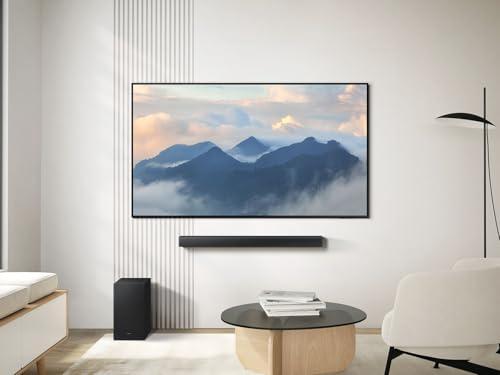
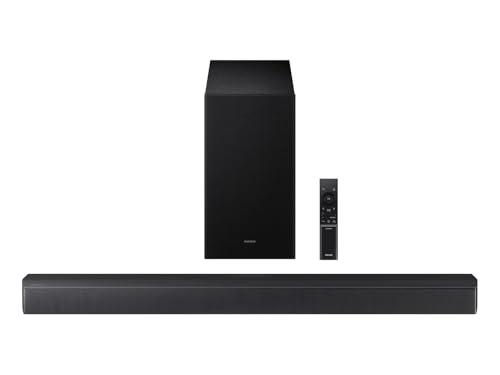
Released in 2024, the Samsung HW-B630F follows a time-tested approach: pair a relatively simple soundbar with a powerful wireless subwoofer. Samsung focused on delivering clear dialogue and impactful bass while keeping costs reasonable. The bar itself houses three speakers—left, center, and right—while the separate subwoofer handles everything below about 150Hz.
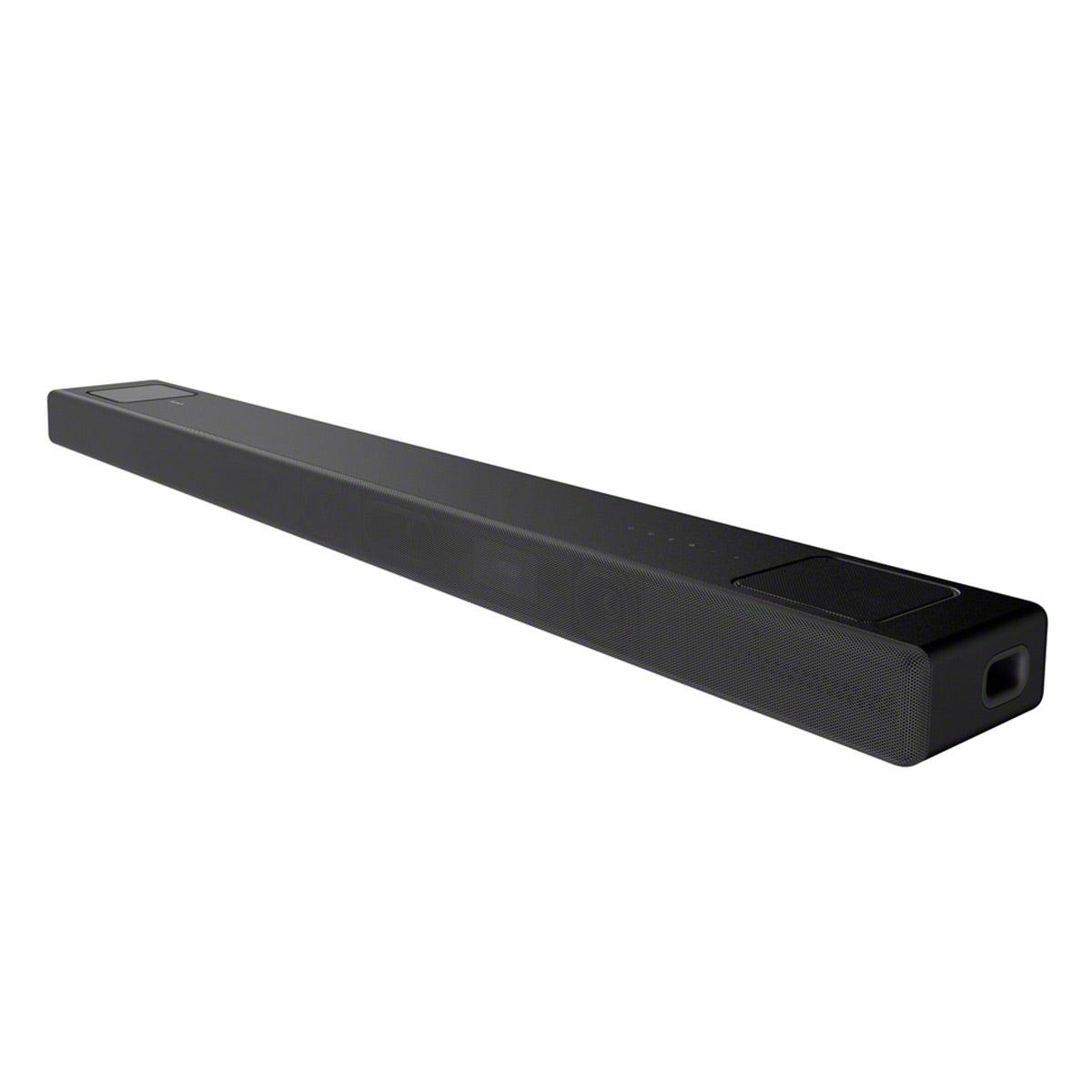
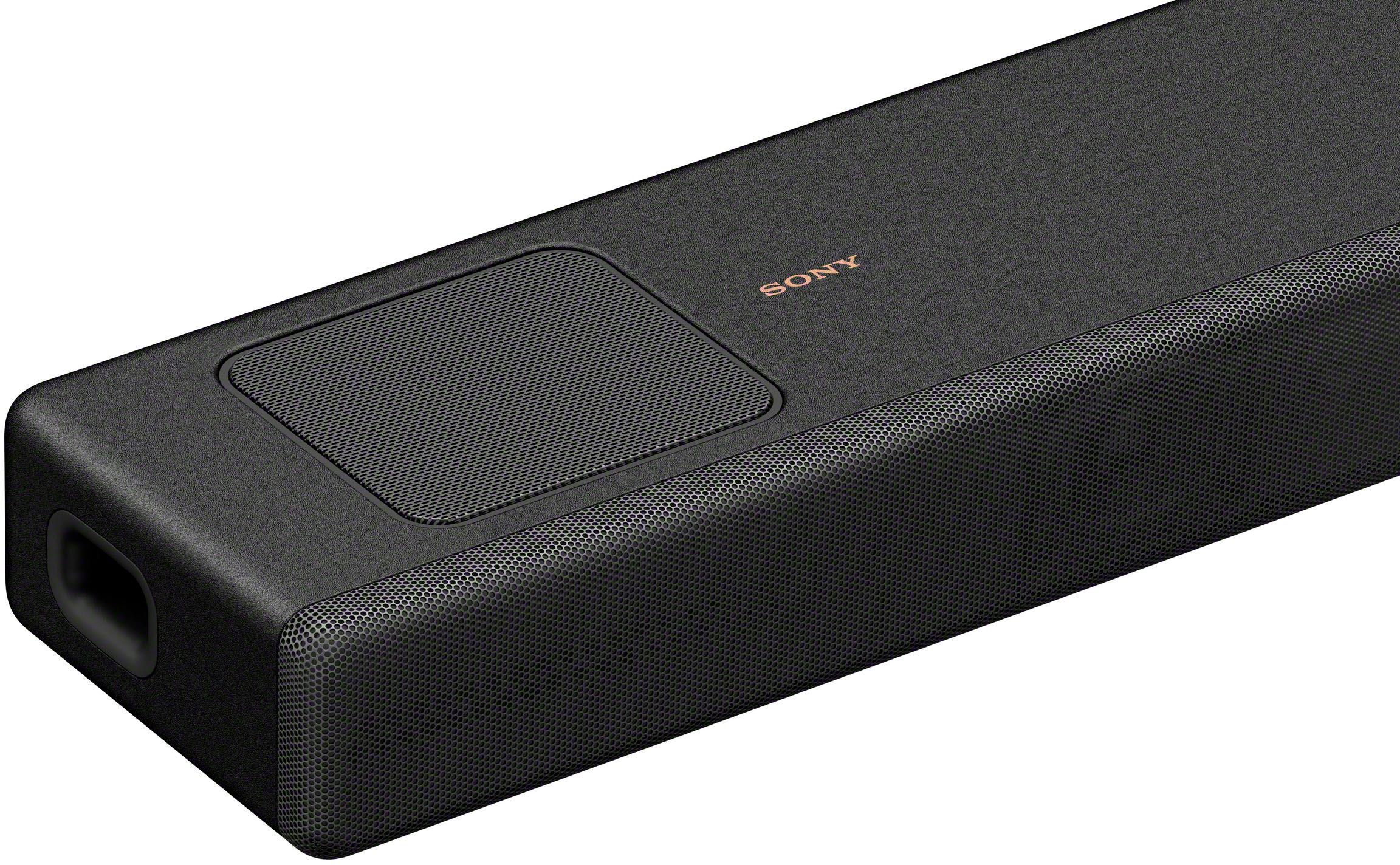
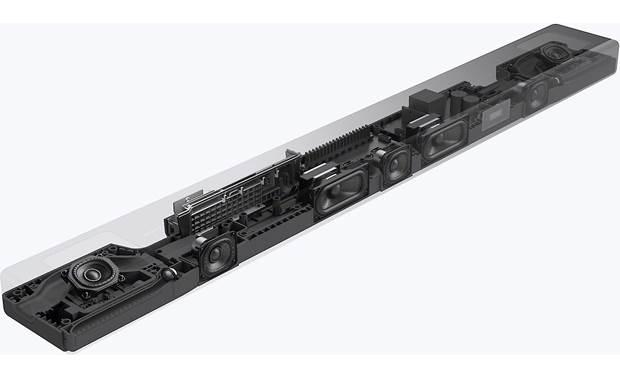
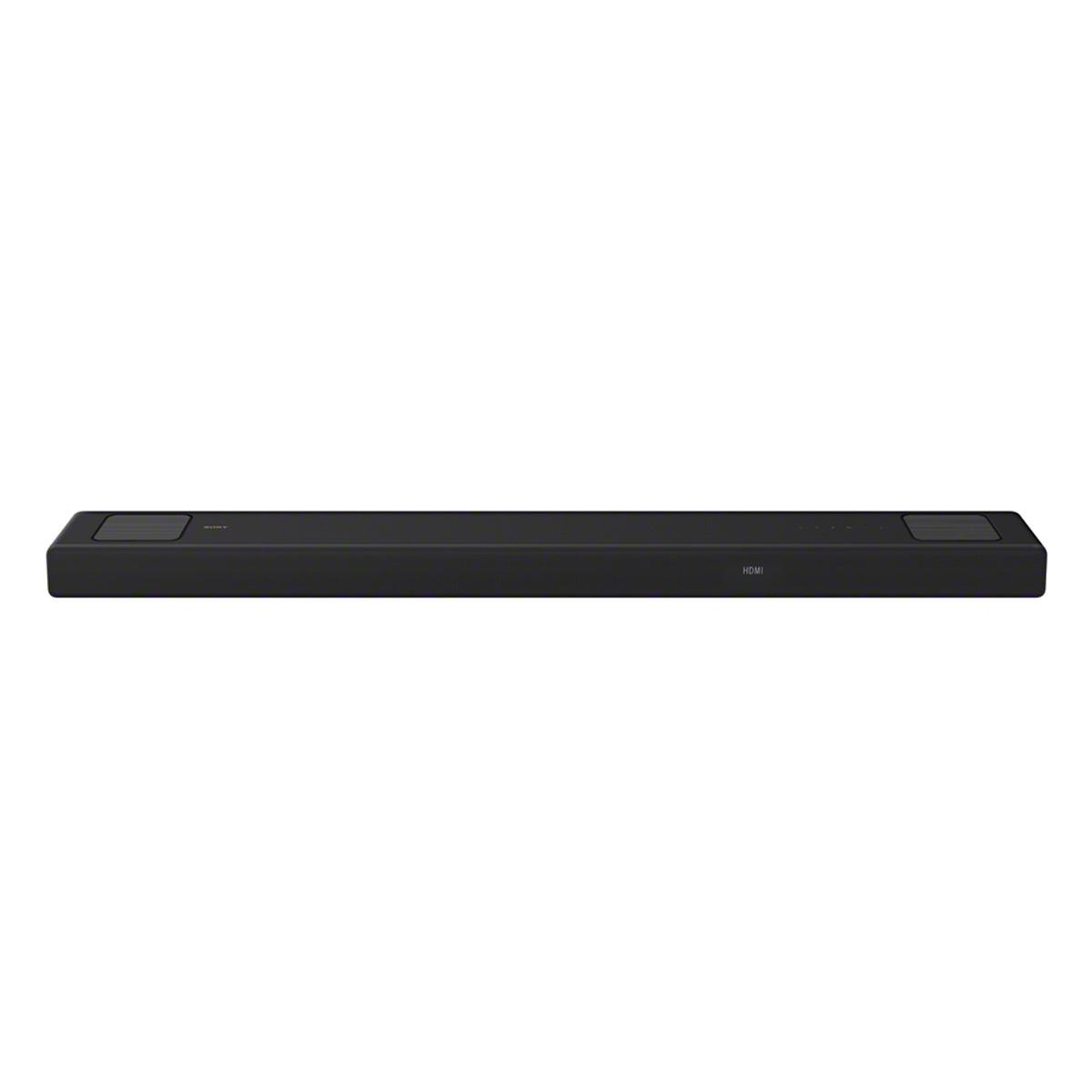
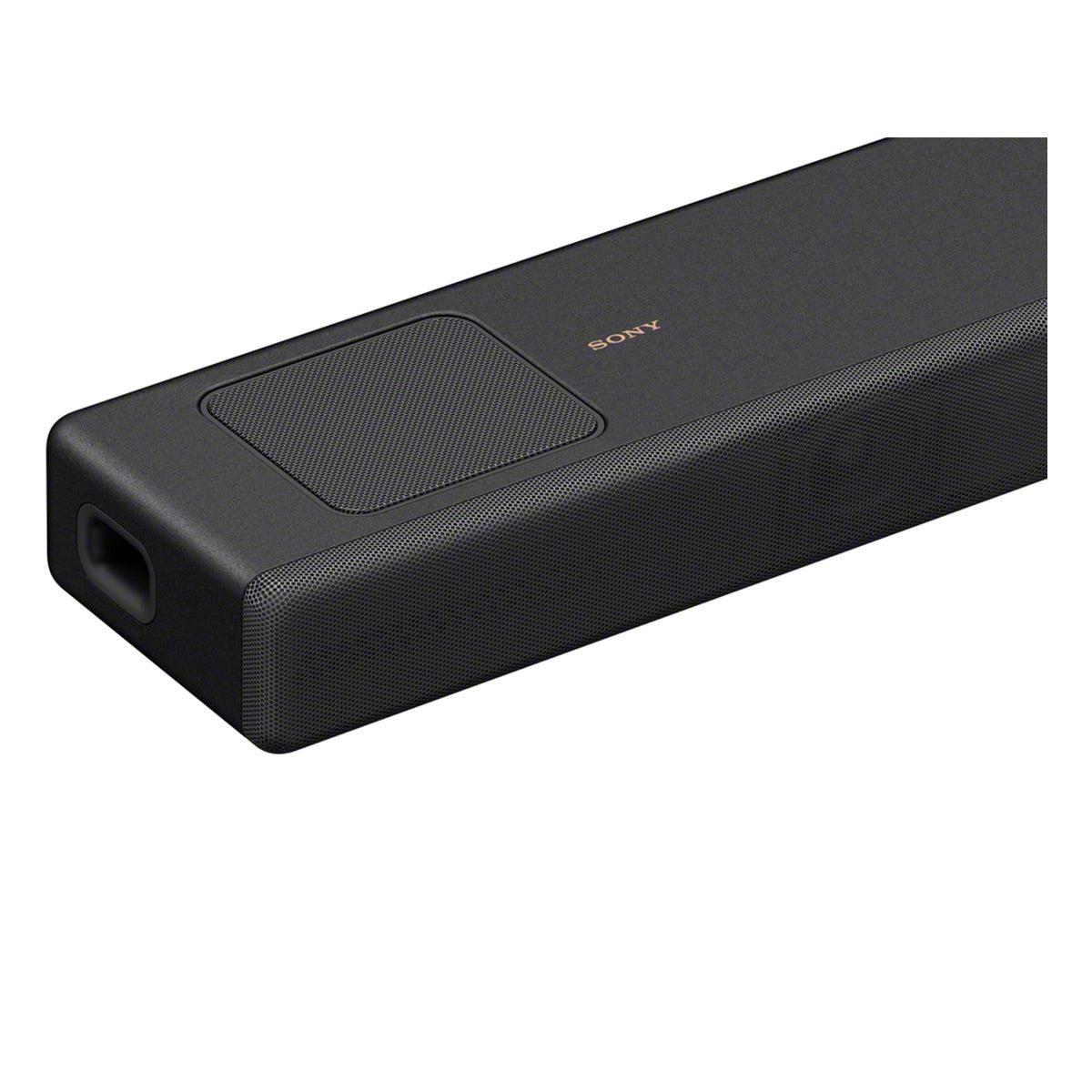
Sony took a different path with the HT-A5000, launched in 2021 during the height of Dolby Atmos adoption. Rather than including a subwoofer, Sony packed everything into a single, larger soundbar. This all-in-one design includes upfiring speakers that bounce sound off your ceiling, side-firing drivers that reflect audio off walls, and built-in subwoofers for bass. It's considerably more complex internally but simpler to set up.
The timing matters here. By 2021, streaming services were rapidly adopting Dolby Atmos, and TV manufacturers were building better audio processing into their displays. Sony designed the HT-A5000 to take advantage of these improvements, while Samsung's more recent HW-B630F focuses on delivering traditional surround benefits at an accessible price point.
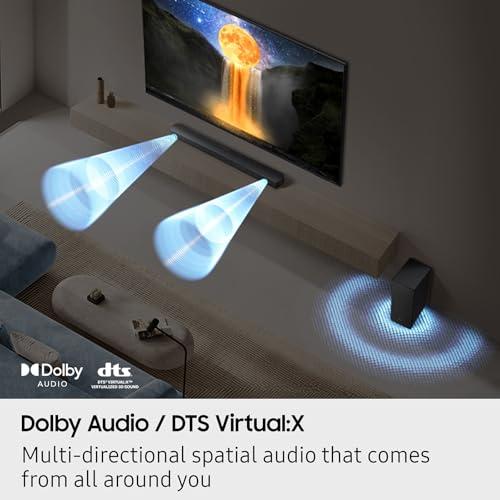
This represents perhaps the most significant difference between these systems. The Samsung HW-B630F includes a 6-inch wireless subwoofer that operates independently from the main bar. Subwoofers work best when they can move lots of air, and Samsung's dedicated driver delivers the kind of room-shaking bass that makes action movies feel visceral.
Our research into user reviews consistently highlights this advantage. Owners report that explosions have genuine impact, music sounds fuller, and even dialogue benefits from the stronger foundation that good bass provides. The wireless connection means you can position the subwoofer wherever it sounds best in your room—often a corner where walls amplify the low-frequency output.
The Sony HT-A5000, meanwhile, relies on built-in subwoofers integrated into the main bar. While these produce cleaner, more controlled bass, they simply cannot move enough air to match a dedicated 6-inch driver. Professional reviews universally note this limitation, with many suggesting that Sony's system truly shines only when paired with an optional external subwoofer.
This creates an interesting value proposition. Samsung gives you powerful bass out of the box, while Sony provides superior overall audio quality but may require additional investment for complete low-frequency performance.
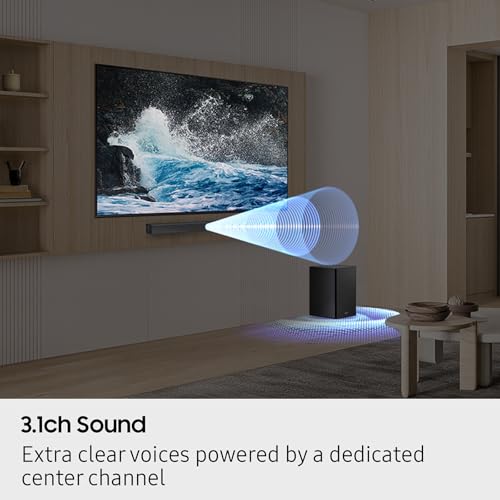
Both systems excel at dialogue reproduction but achieve it differently. The Samsung HW-B630F uses a dedicated center channel—a physical speaker positioned in the middle of the bar specifically tuned for human speech frequencies. This approach has been proven effective for decades in home theater systems.
Samsung enhances this with Voice Enhancement processing, which selectively boosts the frequency ranges where most speech occurs while reducing competing sounds. In practice, this means you can follow conversations even during complex action sequences or when background music is prominent.
The Sony HT-A5000 takes a more sophisticated approach, using five front-facing speakers and advanced beam-forming technology to create a precise "phantom" center channel. Rather than relying on a single driver, Sony's system can dynamically adjust which speakers handle dialogue based on room acoustics and listening position.
Expert reviews generally favor Sony's approach for its naturalness—voices sound like they're coming from the TV screen rather than from a speaker below it. However, Samsung's method is more foolproof, delivering consistently clear dialogue regardless of your room's acoustic properties or seating arrangement.
Here's where the fundamental difference in philosophy becomes most apparent. The Samsung HW-B630F creates surround effects through DTS Virtual:X processing, which analyzes audio signals and redistributes them across its three main speakers to simulate sounds coming from beside and behind you.
Virtual surround has improved dramatically in recent years, and Samsung's implementation effectively widens the soundstage beyond the bar's physical boundaries. However, it cannot create the genuine overhead effects that make modern movie soundtracks so immersive. Flying helicopters, rainfall, and similar effects are enhanced but don't truly feel three-dimensional.
The Sony HT-A5000 includes actual upfiring speakers—drivers that point toward your ceiling and bounce sound back down to create authentic height effects. Combined with side-firing beam tweeters that reflect audio off your walls, Sony's system produces a genuinely three-dimensional soundscape.
This advantage becomes most apparent with properly mastered Dolby Atmos content. When watching movies mixed for the format, sounds genuinely appear to move through space around and above you. The effect works best with proper room acoustics—ideally flat ceilings between 8-12 feet high and walls that can reflect sound effectively.
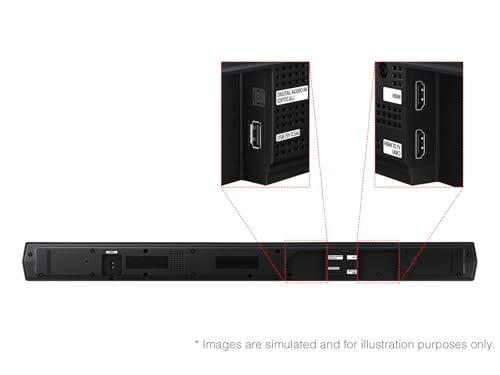
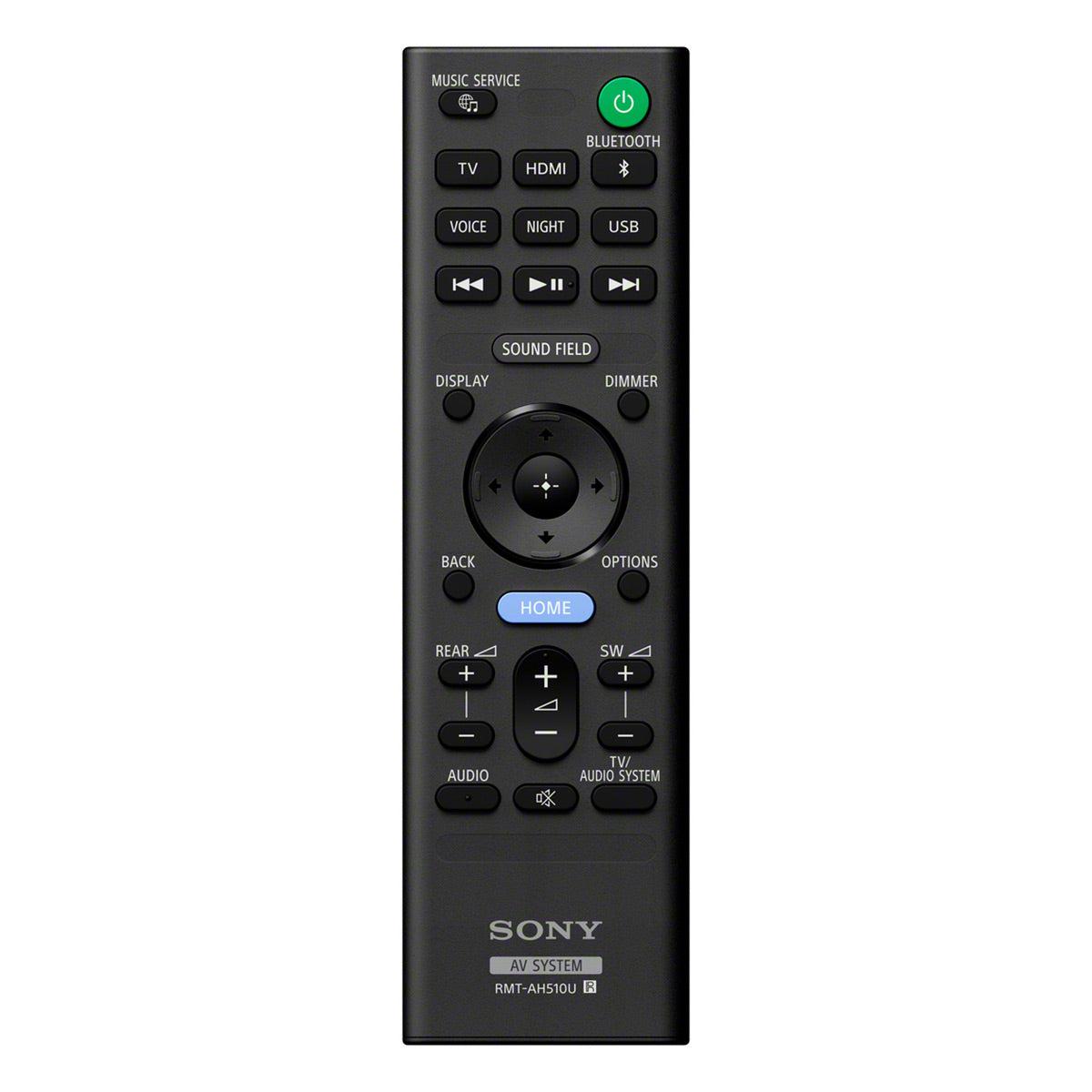
Technology has evolved significantly since the early days of soundbars, and these two systems showcase different priorities. The Samsung HW-B630F keeps things straightforward: HDMI ARC connection to your TV, Bluetooth for phone audio, and basic remote control. It's designed to improve TV audio without adding complexity to your entertainment setup.
The Sony HT-A5000 embraces the smart home ecosystem with AirPlay 2, Chromecast built-in, and Spotify Connect. These features transform it into a versatile music streaming device that can integrate with smart home systems. The inclusion of both Alexa and Google Assistant compatibility means you can control it with voice commands and incorporate it into automated routines.
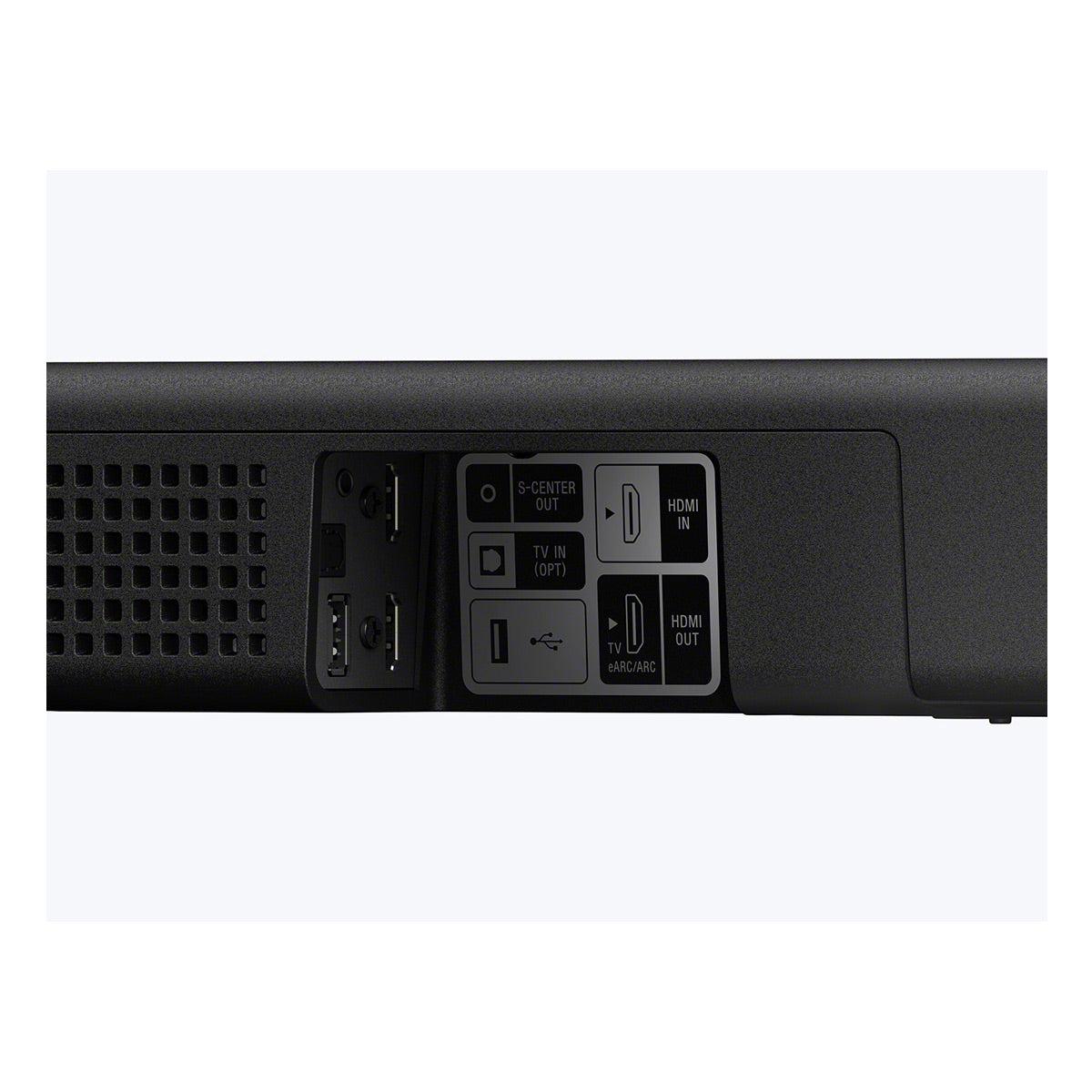
Sony also provides HDMI eARC (enhanced Audio Return Channel), which supports higher-quality audio transmission from your TV compared to standard ARC. This becomes important when streaming Dolby Atmos content from built-in TV apps, as eARC can transmit the full-quality signal without compression.
For most users focused primarily on TV and movie audio, Samsung's simpler approach proves more reliable and easier to troubleshoot. However, if you want your soundbar to serve double duty as a music streaming system, Sony's comprehensive connectivity makes it far more versatile.
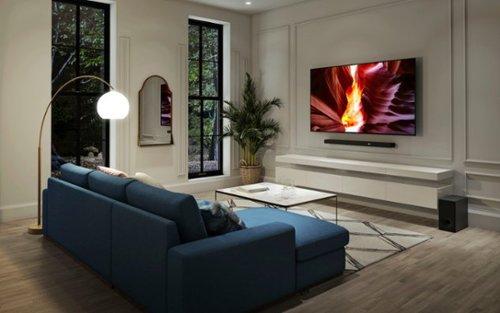
Physical space significantly impacts soundbar performance, and these systems work best in different environments. The Samsung HW-B630F, with its separate subwoofer, excels in smaller to medium-sized rooms up to about 250 square feet. The dedicated bass driver provides plenty of low-frequency energy for typical living rooms and bedrooms.
The Sony HT-A5000 truly shines in larger spaces where its sophisticated processing and multiple drivers can create an expansive soundstage. Its upfiring speakers require proper ceiling height and reflective surfaces to work effectively—low or heavily textured ceilings can diminish the height effect considerably.
Sony's system also demands more careful positioning. Because it relies on wall and ceiling reflections, placing it too close to walls or in acoustically challenging spaces can reduce its effectiveness. Samsung's approach is more forgiving—the subwoofer provides consistent bass regardless of placement, and the main bar's performance remains relatively stable across different room types.
Modern gaming demands low audio latency to maintain synchronization between visual and audio cues. The Samsung HW-B630F includes a dedicated Game Mode that optimizes audio processing for reduced delay and enhanced directional cues. However, its Bluetooth 4.2 implementation introduces some latency for wireless gaming audio.
The Sony HT-A5000 supports Bluetooth 5.0, which provides lower latency and better range for wireless connections. Its more powerful processing can handle complex audio mixes without introducing delay, making it better suited for serious gaming setups. The precise sound positioning also helps with competitive gaming where audio cues matter.
Both systems handle HDMI audio from gaming consoles effectively, but Sony's eARC support and more advanced processing give it an edge for high-end gaming configurations.
Consider how these systems might evolve with your needs. The Samsung HW-B630F supports optional wireless rear speakers, allowing expansion to a full 5.1 system when budget permits. This maintains Samsung's value-focused philosophy while providing a clear upgrade path.
The Sony HT-A5000 can add rear speakers for full 7.1.2 configuration and supports various Sony subwoofers for enhanced bass. However, these additions significantly increase the total system cost, potentially doubling your investment.
Samsung's approach frontloads value—you get excellent performance immediately, with expansion as an option. Sony requires more investment upfront but offers superior ultimate performance when fully expanded.
The decision ultimately depends on your priorities and budget constraints. The Samsung HW-B630F delivers exceptional value for users who want clear dialogue, powerful bass, and straightforward operation. It's ideal for smaller rooms, mixed content consumption, and situations where simplicity matters more than cutting-edge features.
Choose Samsung if you primarily watch TV shows and movies, have budget constraints, or prefer systems that work well immediately without optimization. The included subwoofer provides satisfying bass that many competitors charge extra for, making it particularly attractive for action movie fans.
The Sony HT-A5000 justifies its higher cost through superior sound quality, authentic Dolby Atmos reproduction, and comprehensive smart features. It's best suited for larger rooms, dedicated home theater setups, and users who value audio quality above all else.
Choose Sony if you have proper room acoustics for height effects, plan to stream music regularly, or want the most advanced audio processing available. However, budget for an eventual subwoofer addition to achieve the system's full potential.
Both represent solid choices within their respective market segments. Samsung maximizes value and includes everything needed for immediate satisfaction, while Sony provides a foundation for building a truly premium audio system over time. Your specific needs, room characteristics, and budget constraints should guide the final decision.
| Samsung HW-B630F B-Series 3.1ch Soundbar System | Sony HT-A5000 5.1.2 Channel Home Theater Soundbar |
|---|---|
| Channel Configuration - More channels provide better surround sound positioning | |
| 3.1 channels (left, center, right + subwoofer) | 5.1.2 channels with physical height speakers for Dolby Atmos |
| Subwoofer Inclusion - Critical for bass impact in movies and music | |
| Wireless 6" subwoofer included | Built-in subwoofers only; external sub sold separately |
| Dolby Atmos Support - Enables overhead sound effects for immersive audio | |
| Virtual height effects via DTS Virtual:X processing | True Dolby Atmos with physical upfiring speakers |
| HDMI Connectivity - Determines audio quality and video passthrough capabilities | |
| HDMI 2.1 with ARC, 4K 120Hz passthrough | HDMI 2.1 with eARC, 8K/4K 120Hz passthrough |
| Smart Features - Affects versatility as a music streaming device | |
| Bluetooth 4.2 only, basic TV integration | AirPlay 2, Chromecast, Spotify Connect, voice assistant support |
| Total Power Output - Influences maximum volume and dynamic range | |
| 430W total system power | 450W with S-Master HX digital amplification |
| Physical Design - Impacts placement flexibility and room requirements | |
| 33.9" bar + separate wireless subwoofer | 47.75" all-in-one design, no external subwoofer |
| Room Calibration - Optimizes sound for your specific space | |
| Basic SpaceFit Sound and Adaptive Sound | 360 Spatial Sound Mapping with built-in microphones |
| Expandability Options - Future upgrade potential without replacing entire system | |
| Optional wireless rear speakers for 5.1 setup | Optional rear speakers and subwoofers for 7.1.2 configuration |
| Release Year - Indicates technology generation and feature currency | |
| 2024 (latest Samsung B-series technology) | 2021 (mature Dolby Atmos implementation) |
| Target Room Size - Optimal performance area based on speaker configuration | |
| Small to medium rooms (up to 250 sq ft) | Medium to large rooms (250+ sq ft with proper acoustics) |
| Best Value Proposition - Primary advantage over competing products | |
| Maximum bass impact and dialogue clarity per dollar | Premium audio processing and authentic Dolby Atmos experience |
The Samsung HW-B630F delivers superior bass impact thanks to its included wireless 6-inch subwoofer. This dedicated bass driver provides room-filling low frequencies that make action movies and music sound much more powerful. The Sony HT-A5000 relies on built-in subwoofers within the main bar, which produce tighter but less impactful bass. Most users find they need to add Sony's optional external subwoofer to match the bass performance of the Samsung HW-B630F.
Yes, but they handle Dolby Atmos very differently. The Sony HT-A5000 features true Dolby Atmos with physical upfiring speakers that bounce sound off your ceiling for authentic overhead effects. The Samsung HW-B630F uses DTS Virtual:X processing to simulate height effects without upfiring drivers. While Samsung's virtual surround is effective, it cannot match the genuine three-dimensional sound experience that Sony's physical height channels provide.
Both excel at dialogue clarity through different approaches. The Samsung HW-B630F uses a dedicated center channel speaker specifically tuned for speech, combined with Voice Enhancement processing. The Sony HT-A5000 creates a phantom center channel using advanced beam-forming across five front speakers. Professional reviews generally favor Sony's more natural dialogue reproduction, though Samsung's approach is more consistent across different room types.
The Sony HT-A5000 includes comprehensive smart features like AirPlay 2, Chromecast built-in, Spotify Connect, and compatibility with Alexa and Google Assistant. This makes it an excellent music streaming device beyond TV audio. The Samsung HW-B630F keeps things simple with Bluetooth connectivity and basic TV integration. Choose Sony if you want smart home integration and music streaming versatility.
The Samsung HW-B630F typically performs better in smaller spaces up to 250 square feet. Its separate subwoofer provides consistent bass regardless of room acoustics, and the simpler setup works well in challenging acoustic environments. The Sony HT-A5000 requires proper ceiling height and reflective surfaces for its upfiring speakers to work effectively, making it better suited for medium to large rooms with good acoustics.
Both support expansion but differently. The Samsung HW-B630F can add optional wireless rear speakers to create a 5.1 system while maintaining its value-focused approach. The Sony HT-A5000 supports rear speakers for 7.1.2 configuration and various subwoofer options, but these additions significantly increase the total cost. Samsung frontloads value while Sony offers a more premium upgrade path.
The Sony HT-A5000 has advantages for serious gaming with Bluetooth 5.0 (lower latency), more powerful processing, and precise sound positioning that helps with competitive gaming. The Samsung HW-B630F includes a dedicated Game Mode with optimized settings, but uses older Bluetooth 4.2. Both handle HDMI gaming audio well, but Sony's advanced processing gives it an edge for high-end gaming setups.
The Sony HT-A5000 features HDMI 2.1 with eARC support, enabling higher-quality audio transmission and 8K video passthrough. The Samsung HW-B630F provides HDMI 2.1 with standard ARC and 4K 120Hz passthrough. Sony's eARC support becomes important when streaming Dolby Atmos content from TV apps, as it can transmit full-quality signals without compression.
The Samsung HW-B630F delivers exceptional value by including a powerful wireless subwoofer and providing excellent dialogue clarity and bass impact at a lower price point. The Sony HT-A5000 costs significantly more but offers premium audio processing, true Dolby Atmos, and comprehensive smart features. Samsung maximizes immediate satisfaction per dollar, while Sony provides superior ultimate performance for those willing to invest more.
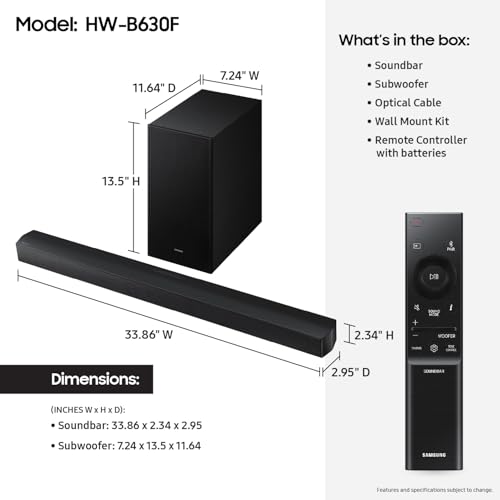
The Samsung HW-B630F measures 33.9 inches wide and requires separate space for its wireless subwoofer, offering placement flexibility but needing more room overall. The Sony HT-A5000 is larger at 47.75 inches wide but eliminates subwoofer placement concerns with its all-in-one design. Sony's size better matches 55+ inch TVs, while Samsung's compact bar works with smaller displays.
For pure movie enjoyment, the Sony HT-A5000 provides superior immersion with authentic Dolby Atmos overhead effects and sophisticated surround processing. However, the Samsung HW-B630F delivers more impactful bass from its included subwoofer, which many find essential for action movies. Sony excels at creating three-dimensional soundscapes, while Samsung prioritizes powerful, room-shaking bass that makes explosions feel visceral.
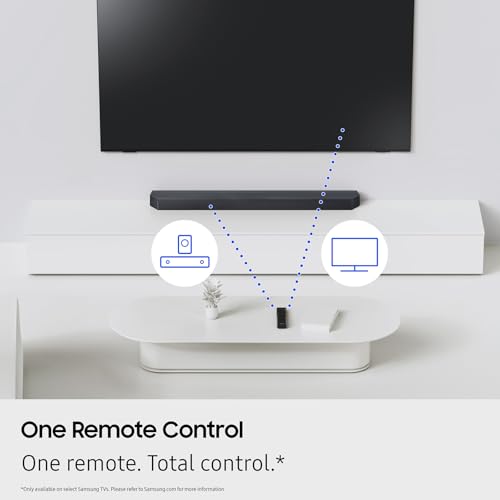
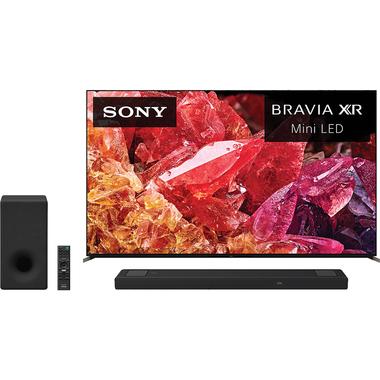
Both soundbars work with any TV that has HDMI ARC or optical outputs. The Samsung HW-B630F offers enhanced integration with Samsung TVs through One Remote Control compatibility, while the Sony HT-A5000 provides optimized features with Sony Bravia TVs. However, both deliver excellent performance regardless of your TV brand, with HDMI ARC being the preferred connection method for the best audio quality and convenience.
We've done our best to create useful and informative comparisons to help you decide what product to buy. Our research uses advanced automated methods to create this comparison and perfection is not possible - please contact us for corrections or questions. These are the sites we've researched in the creation of this article: samsung.com - bhphotovideo.com - crutchfield.com - youtube.com - bestproducts.com - videoandaudiocenter.com - pcrichard.com - bhphotovideo.com - samsung.com - youtube.com - requiremints.com - karlsonline.com - crutchfield.com - youtube.com - donstv.com - samsung.com - bhphotovideo.com - youtube.com - youtube.com - crutchfield.com - costco.ca - rtings.com - crutchfield.com - accio.com - bhphotovideo.com - manuals.plus - samsung.com - saraappliance.com - whathifi.com - electronics.sony.com - costco.com - sony.com - expertreviews.co.uk - crutchfield.com - audioadvice.com - sony.com - sony.com - bestbuy.com - videoandaudiocenter.com - community.sony.co.uk

Privacy Policy
Terms and Conditions - Affiliate Policy
Home Security
© Copyright 2008-2026.
11816 Inwood Rd #1211, Dallas, TX 75244