


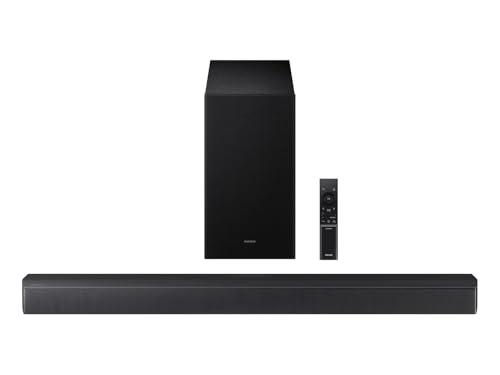


If you've ever struggled to hear dialogue over booming explosions in movies or found yourself constantly adjusting your TV volume, you're not alone. Modern TVs, despite their impressive picture quality, often have terrible built-in speakers. That's where 3.1-channel soundbars come in—they're the sweet spot between basic audio upgrades and complex home theater systems.
The Samsung HW-B630F and Amazon Fire TV Soundbar Plus both launched in 2022, representing two different philosophies in this competitive mid-range market. At the time of writing, both systems typically retail in similar price ranges, making the choice between them more about features and performance than budget constraints.
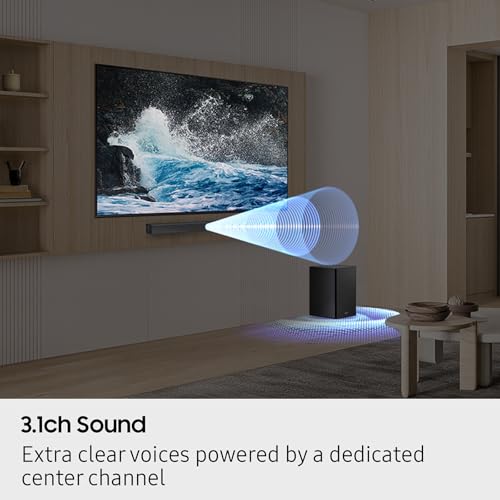
Before diving into these specific models, it's worth understanding what makes 3.1-channel soundbars special. The numbers tell the story: "3.1" means three main channels (left, center, right) plus one subwoofer channel (the ".1"). That dedicated center channel is crucial—it's specifically tuned to handle dialogue, which makes up about 70% of most movie and TV audio tracks.
Think of it this way: when actors speak on screen, their voices should appear to come directly from their mouths, not from the left or right side of your TV. A 2.1 soundbar has to "fake" this center image by playing dialogue through both left and right speakers simultaneously. A proper 3.1 system like both the Samsung HW-B630F and Amazon Fire TV Soundbar Plus dedicate an entire speaker just to anchoring voices where they belong.
The wireless subwoofer handles everything below about 120Hz—that's the deep rumble of explosions, the thump of music bass lines, and the low-frequency effects that make action scenes feel impactful. Without a subwoofer, soundbars often sound thin and lack the physical presence that makes movies engaging.
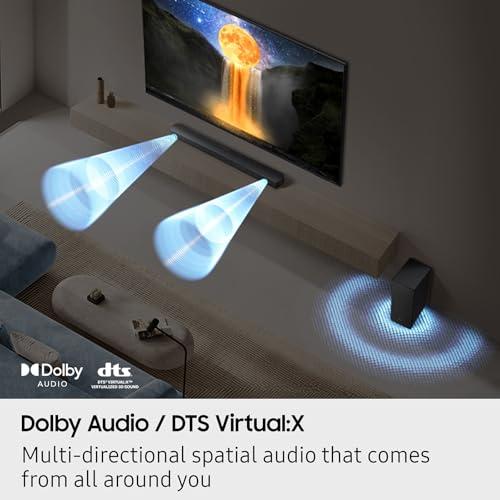
The Samsung HW-B630F takes what I'd call a "quality-first" approach. Samsung has been refining their soundbar technology for over a decade, and it shows in the sophisticated audio processing packed into this mid-range model. The system uses DTS Virtual:X technology, which is essentially smart software that analyzes incoming audio and redistributes it across the three front channels to create the illusion of sounds coming from beside and even above you.
What makes this particularly clever is how it handles different types of content automatically. The Adaptive Sound feature continuously analyzes what you're watching—whether it's a quiet drama, explosive action movie, or sports broadcast—and adjusts the EQ (equalization, or frequency balance) and dynamics accordingly. During our research into user experiences, this "set it and forget it" capability consistently received praise from owners who got tired of manually switching sound modes.
The Samsung HW-B630F also includes a dedicated Game Mode that reduces audio processing delay and emphasizes positional cues. This matters more than you might think—in competitive gaming, being able to precisely locate footsteps or gunfire can be the difference between victory and defeat.
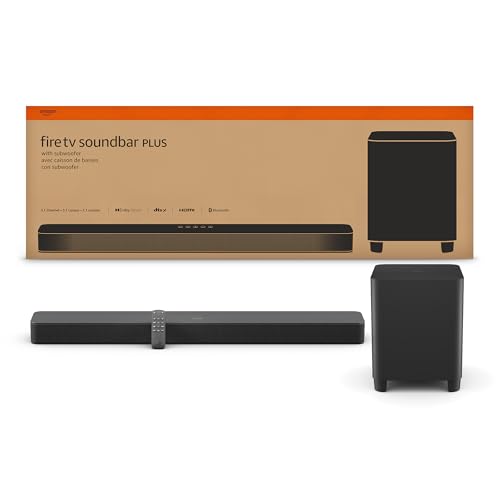
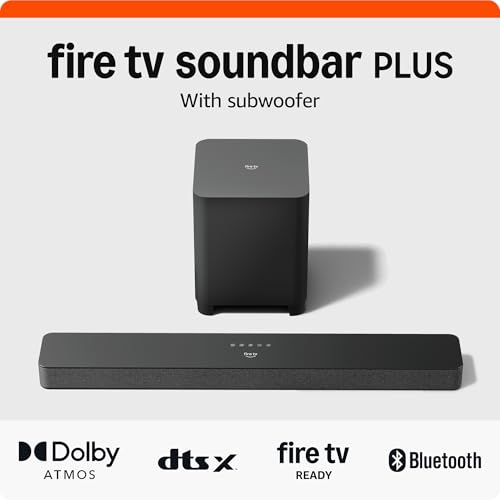
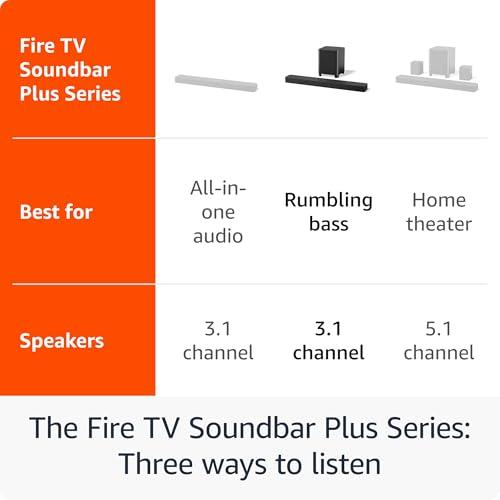
The Amazon Fire TV Soundbar Plus takes a different approach entirely. While it includes virtual Dolby Atmos processing (more on this shortly), Amazon's real strategy here is offering a complete starter system that can grow with your needs. The soundbar, subwoofer, and optional rear speakers come pre-paired, meaning setup is literally plug-and-play.
What's particularly interesting about the Amazon Fire TV Soundbar Plus is its integration with Amazon's Fire TV ecosystem. If you own a compatible Fire TV device, you get access to additional audio tuning options through your TV's interface, plus the convenience of controlling the soundbar with your existing Fire TV remote.
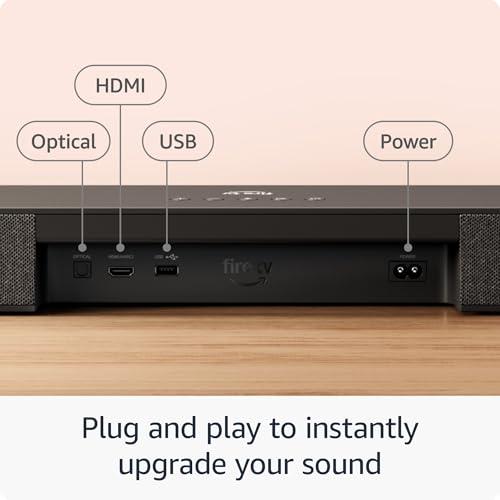
However, there's some confusion in Amazon's branding here. Despite the "Fire TV" name, this soundbar doesn't include built-in streaming capabilities or Alexa voice control. It's purely an audio device that happens to integrate well with Fire TV products.
In our analysis of professional reviews and user feedback, dialogue clarity emerges as the most critical performance metric for most buyers. This is where the Samsung HW-B630F demonstrates clear superiority.
Samsung's Voice Enhance mode does more than simply boost midrange frequencies. It analyzes the incoming audio signal and selectively amplifies the specific frequency bands where human speech lives (roughly 300Hz to 3kHz) while simultaneously adjusting the center channel balance and applying subtle compression to keep dialogue consistent even during loud action sequences.
The Amazon Fire TV Soundbar Plus includes a dialogue enhancer with five adjustment levels, but multiple reviews note that voices can sound thin, particularly deeper male voices. The system's slightly "excited" sound signature—meaning it emphasizes bass and treble over midrange—can make dialogue feel disconnected from the overall mix.
Here's a practical example: watching a Marvel movie with lots of quips during action scenes. The Samsung HW-B630F keeps Robert Downey Jr.'s witty one-liners clear and present even during the chaos of flying metal suits and explosions. The Amazon Fire TV Soundbar Plus might require you to boost the dialogue enhancer or turn up the overall volume, potentially disturbing others in your household.
Both systems include wireless subwoofers, but they're tuned very differently. The Amazon Fire TV Soundbar Plus delivers more raw bass output—reviewers consistently note its ability to produce room-shaking low-end that significantly outperforms TV speakers.
However, that power comes with tradeoffs. The subwoofer is described as somewhat "one-note," meaning it emphasizes deep bass without much nuance in the mid-bass frequencies where many instruments and effects live. At higher volumes, reviews indicate the bass can become "flappy" and lose definition.
The Samsung HW-B630F uses a smaller 6-inch front-firing driver in a bass-reflex cabinet (a design that uses a precisely tuned port to enhance low-frequency output). While it produces less earth-shaking rumble, it integrates better with the soundbar's midrange and maintains better control across different volume levels.
For home theater use, this difference matters significantly. The Samsung approach provides more balanced, musical bass that doesn't overwhelm dialogue or fatigue your ears during long movie sessions. The Amazon system excels at delivering the visceral impact that makes action movies exciting but might be too much for quieter content.
Both systems claim advanced surround processing, but with important differences. The Samsung HW-B630F uses DTS Virtual:X, which creates the impression of sounds extending beyond the physical boundaries of the soundbar. This works by carefully controlling phase relationships and timing between the three front channels.
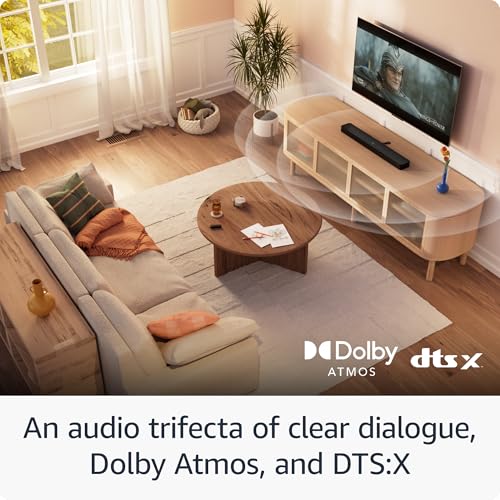
The Amazon Fire TV Soundbar Plus supports virtual Dolby Atmos, which sounds impressive but requires clarification. True Dolby Atmos uses dedicated up-firing speakers or ceiling-mounted speakers to create genuine overhead effects. Both of these soundbars use "virtual" processing that simulates height effects through clever signal processing.
In practice, reviews suggest the Samsung's DTS Virtual:X creates a more convincing sense of width and height, likely due to more sophisticated algorithms and better driver integration. The Amazon system provides good stereo imaging but struggles with the height dimension despite its Atmos branding.
Neither system comes close to a true multi-speaker Atmos setup with dedicated height channels, but they both offer meaningful improvements over basic stereo soundbars.
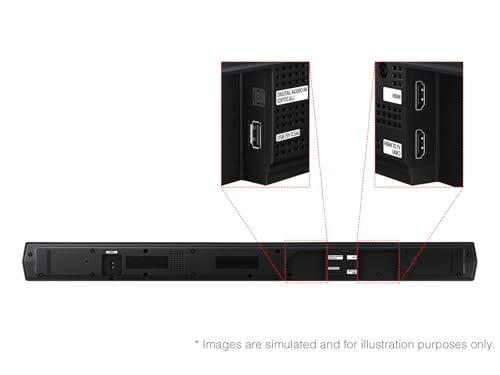
One significant technical difference is HDMI connectivity. The Amazon Fire TV Soundbar Plus includes eARC (enhanced Audio Return Channel) support, while the Samsung HW-B630F only offers standard ARC.
Here's why this matters: eARC can handle higher bandwidth audio formats including uncompressed surround sound and lossless audio from Blu-ray discs or high-end streaming services. Standard ARC is limited to compressed formats like Dolby Digital.
However, this advantage is somewhat theoretical for most users. The vast majority of streaming content uses compressed audio anyway, and both soundbars lack the sophisticated processing that would fully exploit high-bandwidth formats.
The Samsung HW-B630F shines with Samsung TV integration through its One Remote Control feature. If you own a compatible Samsung TV (2020 or later models), you can control the soundbar's volume, power, and basic settings using your TV remote. The system also supports HDMI-CEC, allowing automatic power-on/off synchronization with most TV brands.
The Amazon Fire TV Soundbar Plus offers similar convenience for Fire TV users, with additional audio tuning options available through the Fire TV interface. However, the branding creates confusion—despite the name, you still need a separate Fire TV streaming device to access these features.
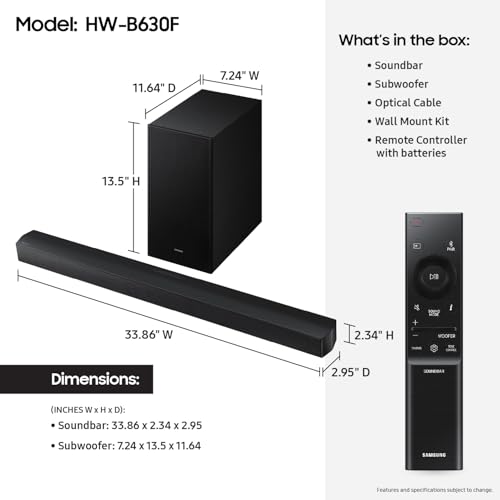
Both soundbars sport clean, modern aesthetics that work well under most TVs. The Samsung HW-B630F measures about 34 inches wide and maintains a low 2.3-inch profile that won't block TV sensors or interfere with screen bezels. At under 5 pounds, it's easy to wall-mount or place on a TV stand.
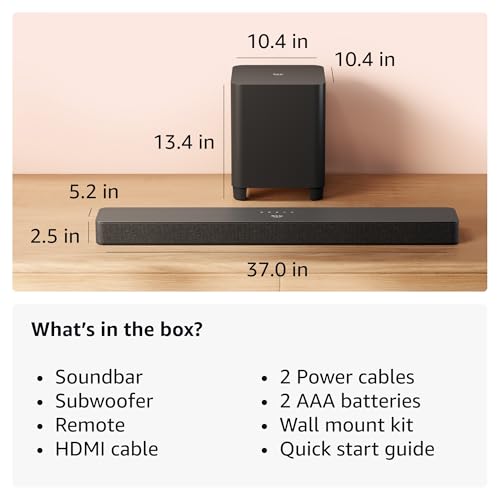
The Amazon Fire TV Soundbar Plus is slightly larger at 37 inches wide but still maintains reasonable proportions. Its fabric grille gives it a softer appearance that some may prefer over Samsung's more industrial design.
Both subwoofers are compact enough to tuck beside furniture or in corners, though proper placement away from walls will improve bass response regardless of which system you choose.
For gaming enthusiasts, the Samsung HW-B630F offers dedicated Game Mode processing that's specifically designed to enhance positional audio cues. This feature reduces processing latency and applies cross-talk cancellation to help you pinpoint enemy locations in competitive games.
The difference is particularly noticeable in first-person shooters or battle royale games where audio positioning can determine success. The Amazon Fire TV Soundbar Plus lacks any gaming-specific optimizations, treating game audio the same as movie content.
The Amazon Fire TV Soundbar Plus has a significant advantage in expandability. The system can grow into a true 5.1 setup with the addition of wireless rear speakers, providing discrete surround channels instead of virtual processing.
The Samsung HW-B630F also supports Samsung's optional Wireless Surround Kit, but reviews suggest the Amazon approach to expansion is more seamless and cost-effective.
After analyzing extensive professional reviews, user feedback, and technical specifications, clear recommendations emerge based on different use cases.
Choose the Samsung HW-B630F if:
Choose the Amazon Fire TV Soundbar Plus if:
Both soundbars deliver meaningful improvements over TV speakers, but they serve different priorities. The Samsung HW-B630F represents the better choice for most users, particularly those who prioritize dialogue clarity and refined audio processing. Its sophisticated feature set and excellent Samsung TV integration make it feel like a premium product at a mid-range price.
The Amazon Fire TV Soundbar Plus offers compelling value for bass enthusiasts and those planning future system expansion. While it lacks the Samsung's audio refinement, it provides more raw impact and genuine 5.1 upgrade potential.
At the time of writing, both systems typically retail within similar price ranges, making the decision more about matching features to your specific needs than budget constraints. For most home theater applications, the Samsung's superior dialogue processing and overall balance make it the safer choice. However, if you crave impactful bass and want room to grow your system over time, the Amazon option provides better long-term flexibility.
Ultimately, either choice represents a significant upgrade over built-in TV speakers, but understanding these key differences ensures you'll pick the system that best matches your listening preferences and room requirements.
| Samsung HW-B630F B-Series 3.1ch Soundbar System | Amazon Fire TV Soundbar Plus Subwoofer |
|---|---|
| Channel Configuration - Determines dialogue clarity and surround capabilities | |
| True 3.1 channels with dedicated center speaker | 3.1 channels with expandable rear speakers |
| Dialogue Enhancement - Critical for clear speech in movies and TV | |
| Voice Enhance mode with center channel optimization | Dialogue enhancer with 5-level adjustment |
| Virtual Surround Processing - Creates immersive soundstage without rear speakers | |
| DTS Virtual:X with Surround Sound Expansion | Virtual Dolby Atmos (no physical up-firing drivers) |
| Subwoofer Design - Affects bass quality and room placement flexibility | |
| 6" front-firing driver, bass-reflex cabinet | Wireless subwoofer with stronger raw output |
| Gaming Features - Important for console and PC gaming | |
| Dedicated Game Mode with cross-talk cancellation | No gaming-specific optimizations |
| Sound Modes - Automatic optimization for different content types | |
| Adaptive Sound, Night Mode, Bass Boost, 7 total modes | Movie, Music, Sports, Night presets |
| HDMI Connectivity - Determines audio format support and future compatibility | |
| HDMI 1.4 ARC, 1080p pass-through only | HDMI eARC support for higher bandwidth audio |
| TV Integration - Simplifies daily use and reduces remote clutter | |
| One Remote Control with Samsung TVs, HDMI-CEC | Fire TV integration with compatible devices |
| Expandability - Option to upgrade to full surround sound later | |
| Compatible with Samsung Wireless Surround Kit | Pre-configured for 5.1 expansion with rear speakers |
| Audio Processing Sophistication - Affects overall sound quality and refinement | |
| Advanced DTS Virtual:X, Adaptive Sound intelligence | Basic EQ presets with manual bass/treble control |
| Physical Dimensions - Important for TV compatibility and room aesthetics | |
| 33.9" × 2.3" × 3.0", more compact profile | 37" × 5.2" × 2.5", larger but still sleek |
| Bluetooth Features - Wireless music streaming capabilities | |
| Bluetooth 4.2 with Multi Connection (two devices) | Bluetooth 5.0 standard connectivity |
| Best For - Target user and primary use cases | |
| Dialogue-focused viewing, Samsung TV owners, gamers | Bass-heavy content, future 5.1 expansion, Fire TV users |
The Samsung HW-B630F delivers superior dialogue clarity thanks to its dedicated Voice Enhance mode and sophisticated center channel processing. The Amazon Fire TV Soundbar Plus includes a dialogue enhancer but reviews consistently note that voices can sound thin, especially deeper male voices. For watching TV shows and movies where speech is important, the Samsung HW-B630F is the clear winner.
Yes, both the Samsung HW-B630F and Amazon Fire TV Soundbar Plus include wireless subwoofers in their standard configurations. The Amazon system delivers more raw bass power, while the Samsung uses a smaller 6-inch driver that provides better integration with the main soundbar and more controlled bass response.
The Samsung HW-B630F is significantly better for gaming due to its dedicated Game Mode feature. This mode reduces audio processing delay and enhances positional audio cues, helping gamers locate enemies and environmental sounds more precisely. The Amazon Fire TV Soundbar Plus lacks any gaming-specific optimizations.
Both systems support expansion to 5.1 surround sound with optional rear speakers. The Amazon Fire TV Soundbar Plus comes pre-configured for easy expansion and typically offers a more cost-effective upgrade path. The Samsung HW-B630F is compatible with Samsung's Wireless Surround Kit but may require additional setup.
The Samsung HW-B630F offers superior integration with Samsung TVs through One Remote Control support and seamless HDMI-CEC functionality. Samsung TV owners can control the soundbar using their existing TV remote. While the Amazon Fire TV Soundbar Plus works with Samsung TVs, it doesn't offer the same level of integrated control.
The Amazon Fire TV Soundbar Plus supports virtual Dolby Atmos, though it lacks physical up-firing drivers for true height effects. The Samsung HW-B630F uses DTS Virtual:X processing instead of Atmos, but many reviews suggest it creates a more convincing virtual surround experience than Amazon's virtual Atmos implementation.
The Amazon Fire TV Soundbar Plus includes HDMI eARC support, which can handle higher bandwidth audio formats compared to the Samsung HW-B630F's standard HDMI ARC. However, for most streaming content and typical home theater use, this difference is minimal since most content uses compressed audio formats anyway.
The Samsung HW-B630F offers more sophisticated sound processing with seven different modes including Adaptive Sound, which automatically adjusts settings based on content type. The Amazon Fire TV Soundbar Plus provides four basic presets (Movie, Music, Sports, Night) plus manual bass and treble controls, making it simpler but less advanced.
For music playback, the Samsung HW-B630F generally provides better balance and refinement, especially for acoustic and vocal-heavy genres. The Amazon Fire TV Soundbar Plus offers more bass impact which some prefer for electronic music and hip-hop, but its "excited" sound signature can make music sound less natural than the Samsung's more balanced approach.
Neither the Samsung HW-B630F nor the Amazon Fire TV Soundbar Plus includes built-in streaming services or voice assistants. Despite its name, the Amazon soundbar doesn't include Fire TV streaming capabilities or Alexa. Both systems rely on external devices for streaming and use traditional remote controls for operation.
The Amazon Fire TV Soundbar Plus offers simpler setup with pre-paired components that automatically connect when powered on. The Samsung HW-B630F setup is also straightforward but may require slightly more configuration to optimize its various sound modes and TV integration features. Both systems include wall-mounting hardware and clear setup instructions.
The Samsung HW-B630F typically offers better overall value for most users due to its superior dialogue processing, gaming features, and refined audio quality. The Amazon Fire TV Soundbar Plus provides better value specifically for users who prioritize strong bass impact and plan to expand to 5.1 surround sound in the future. Your choice should depend on whether you prioritize immediate audio quality or future expandability.
We've done our best to create useful and informative comparisons to help you decide what product to buy. Our research uses advanced automated methods to create this comparison and perfection is not possible - please contact us for corrections or questions. These are the sites we've researched in the creation of this article: samsung.com - bhphotovideo.com - crutchfield.com - youtube.com - bestproducts.com - videoandaudiocenter.com - pcrichard.com - bhphotovideo.com - samsung.com - youtube.com - requiremints.com - karlsonline.com - crutchfield.com - youtube.com - donstv.com - samsung.com - bhphotovideo.com - youtube.com - youtube.com - crutchfield.com - costco.ca - rtings.com - crutchfield.com - accio.com - bhphotovideo.com - manuals.plus - samsung.com - saraappliance.com - rtings.com - cordbusters.co.uk - techradar.com - youtube.com - t3.com - hometechnologyreview.com - youtube.com - hometechnologyreview.com - whathifi.com - developer.amazon.com - manuals.plus - dolby.com

Privacy Policy
Terms and Conditions - Affiliate Policy
Home Security
© Copyright 2008-2026.
11816 Inwood Rd #1211, Dallas, TX 75244