

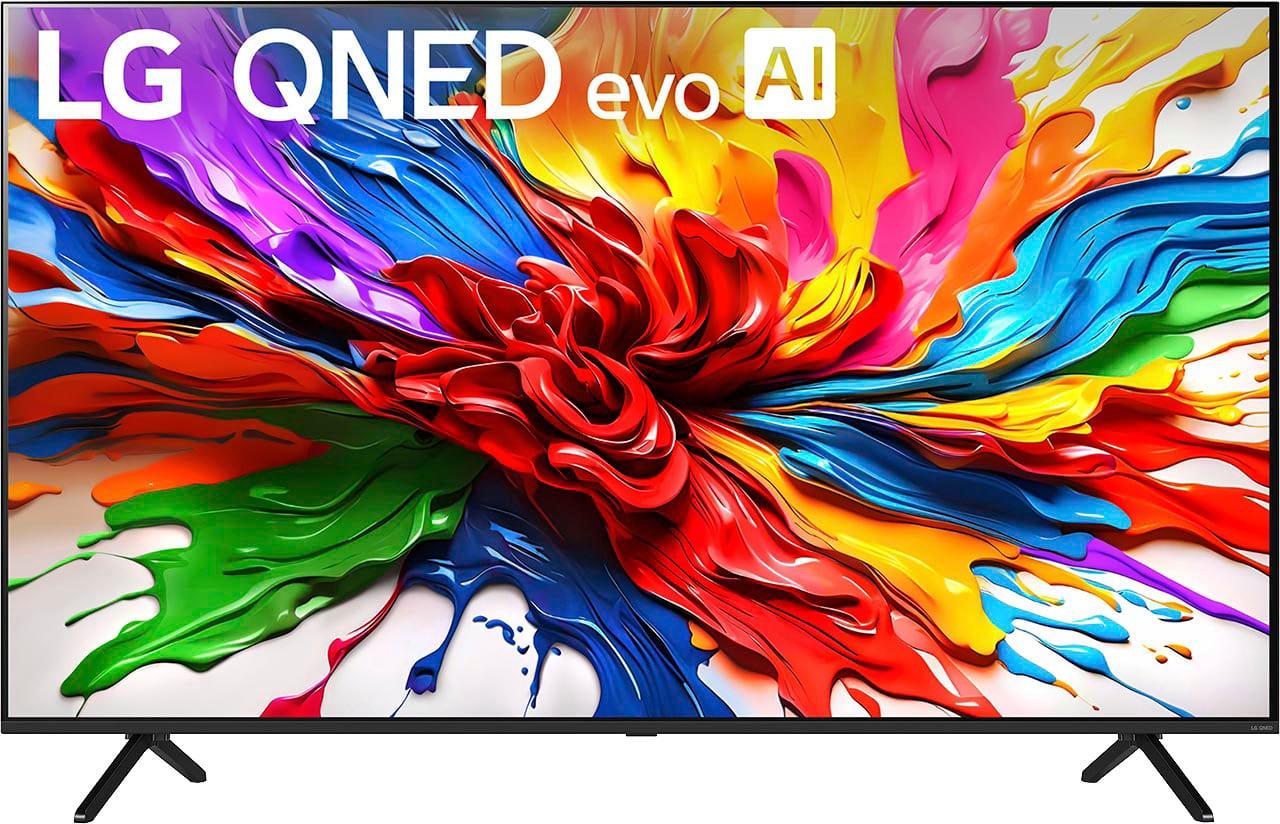
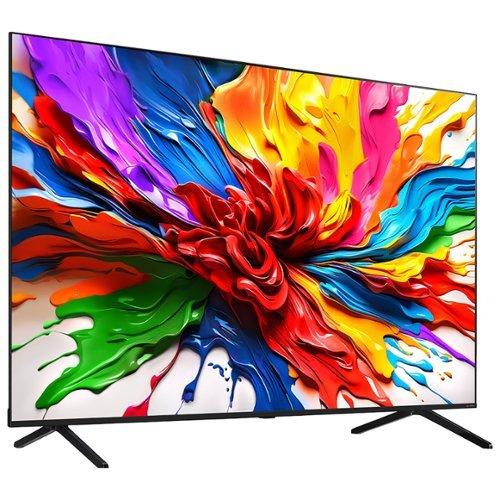
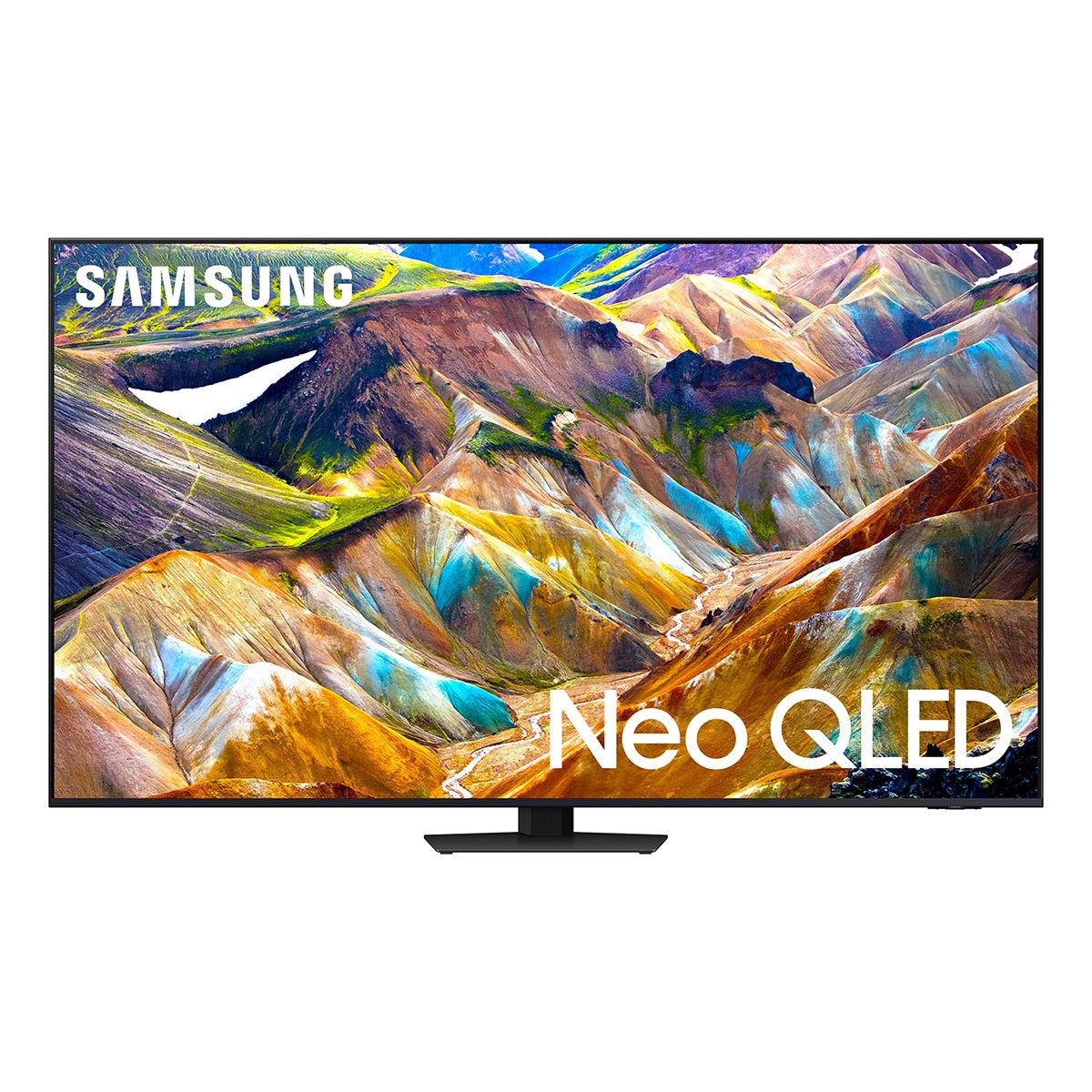
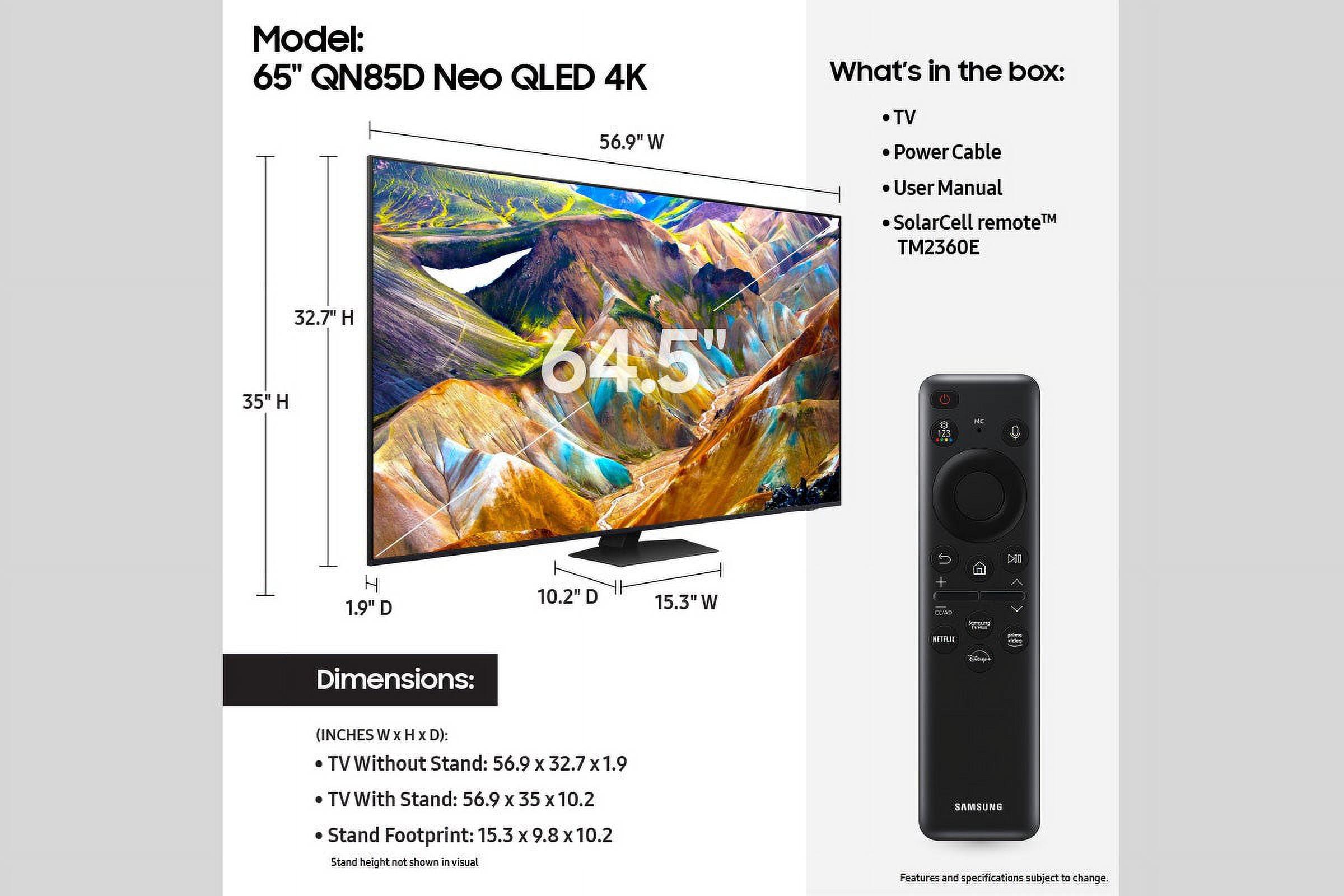
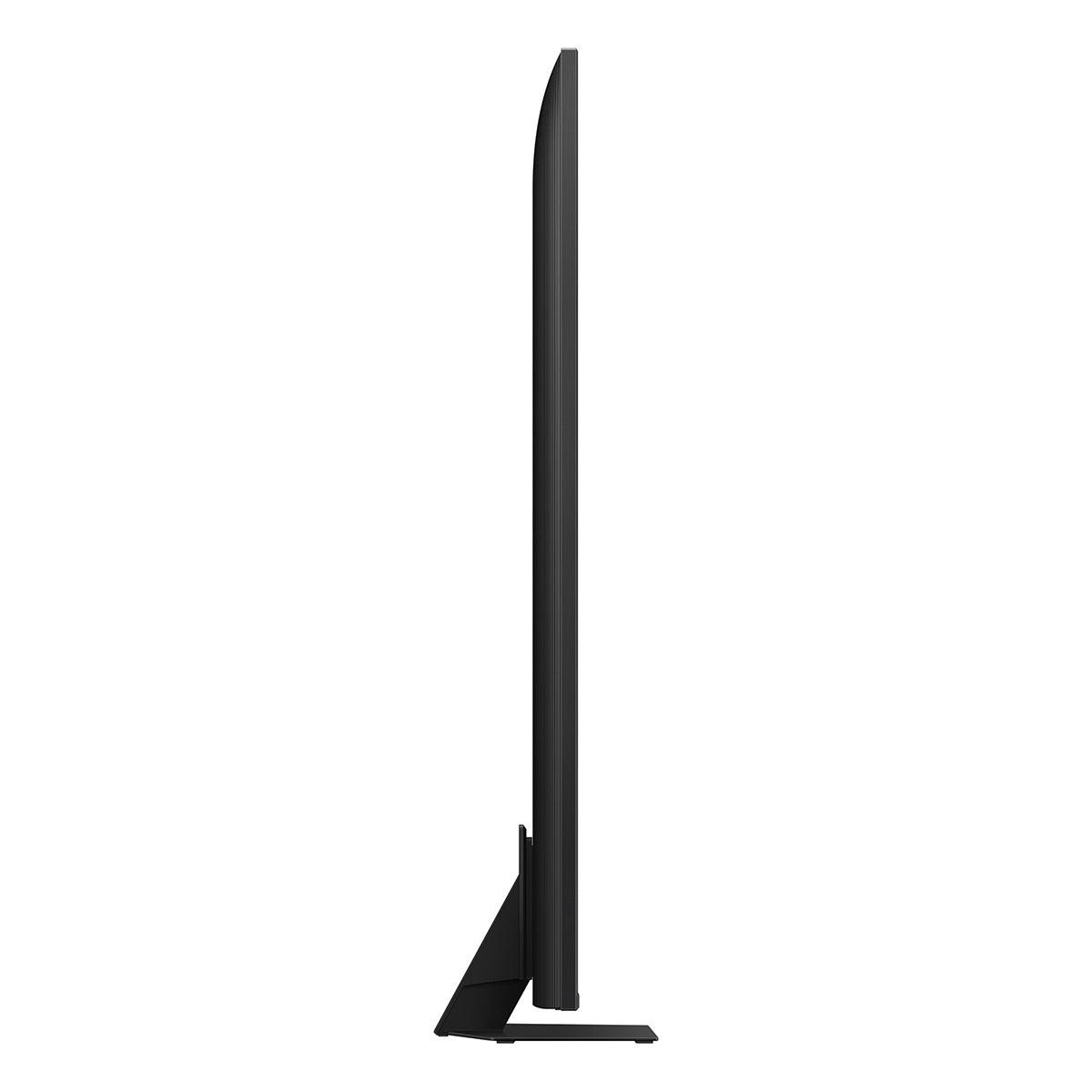
If you're shopping for a premium 65-inch TV in 2025, you've probably noticed that Mini LED technology has become the sweet spot between affordability and performance. These TVs promise OLED-like picture quality without the burn-in concerns or premium pricing. Today, we're comparing two standout models: the LG 65" QNED92A QNED evo AI Mini LED 4K TV at $1,681.99 and the Samsung 65" QN85D Neo QLED 4K Smart TV (typically around $2,000, though some listings show unusual pricing).
Both released in 2025, these TVs represent the latest evolution in Mini LED technology, but they take notably different approaches to achieve premium picture quality. Let's dive into what makes each unique and help you decide which fits your needs better.
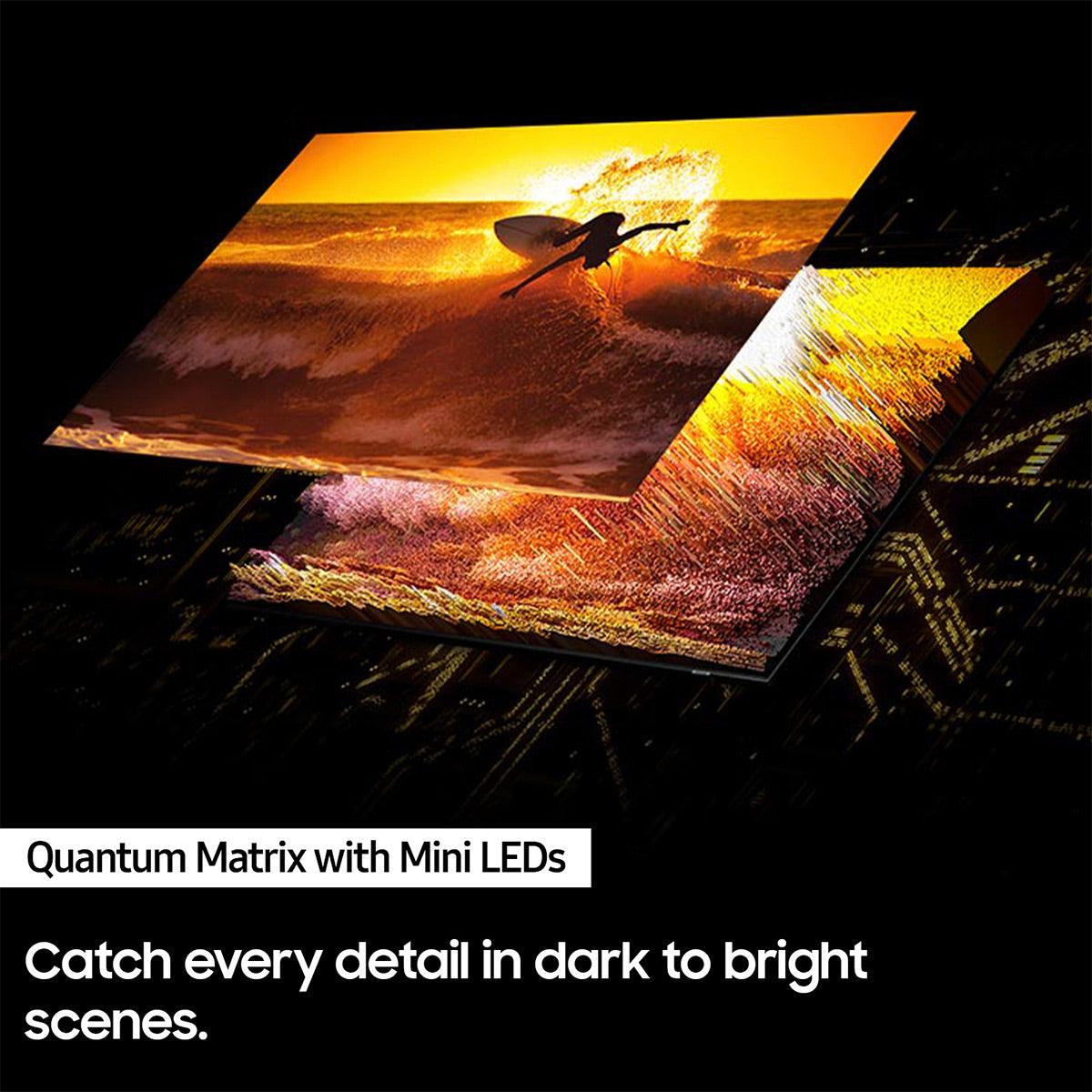
Before we compare these specific models, it's worth understanding what makes Mini LED TVs special. Traditional LED TVs use relatively large LED lights behind the screen, which limits how precisely they can control brightness in different areas. Mini LED technology shrinks these lights down to tiny dots – we're talking about LEDs that are less than 0.2mm in size – and uses thousands of them instead of dozens.
This dramatically improves what's called "local dimming," which is essentially the TV's ability to make some parts of the screen bright while keeping others dark. Imagine watching a movie scene with a bright explosion against a dark sky – Mini LED can make that explosion blazingly bright while keeping the sky properly black, something that was nearly impossible with older LED technology.
The result is contrast that approaches OLED performance but with much higher peak brightness, making these TVs excellent for both dark room movie watching and bright daytime viewing. Both LG and Samsung have been refining this technology, but they've taken different paths to get there.
The LG QNED92A represents a significant shift in LG's approach to premium LCD TVs. Released in mid-2025, this model introduces what LG calls "Dynamic QNED Color" technology – a major departure from their previous quantum dot approach. Instead of using quantum dots (tiny particles that enhance color), LG developed their own color solution that achieves what they claim is 100% color volume without quantum dots.
This change isn't just marketing speak. LG's engineers found that by combining their NanoCell technology (which filters out impure colors) with new phosphor materials and the Mini LED backlighting, they could achieve vibrant, accurate colors while maintaining the wide viewing angles that IPS panels are known for. The "evo" in the name refers to this evolution beyond traditional quantum dot technology.
The TV uses LG's α8 AI Processor Gen2, which continuously analyzes the content you're watching and adjusts the picture accordingly. This AI processing has become surprisingly sophisticated – it can recognize whether you're watching a nature documentary (where it might boost greens and blues) or a action movie (where it might enhance contrast and motion clarity).
One feature that sets this model apart is its True Wireless Video & Audio Transfer system with the Zero Connect Box. This allows you to transmit high-quality video and audio wirelessly from your devices to the TV, reducing cable clutter significantly. Having tested similar systems, I can say they work remarkably well for most content, though serious gamers might still prefer direct connections for the absolute lowest latency.
Samsung's QN85D, also released in 2025, represents the evolution of their successful Neo QLED lineup. While LG went in a new direction with color technology, Samsung doubled down on perfecting their Quantum Matrix Technology with Mini LEDs combined with quantum dots.
Samsung's approach focuses on achieving the highest possible peak brightness while maintaining precise control over individual zones. Their Mini LEDs are organized in what they call the Quantum Matrix, which uses advanced algorithms to predict and control exactly how bright each zone should be. This results in some of the brightest HDR performance you'll find in any TV.
The QN85D uses Samsung's NQ4 AI Gen2 Processor, which has been specifically tuned for their quantum dot and Mini LED combination. Samsung's AI tends to be more aggressive in its processing, often boosting colors and contrast for immediate visual impact. This can be fantastic for sports and action content, though purists might prefer LG's more measured approach.
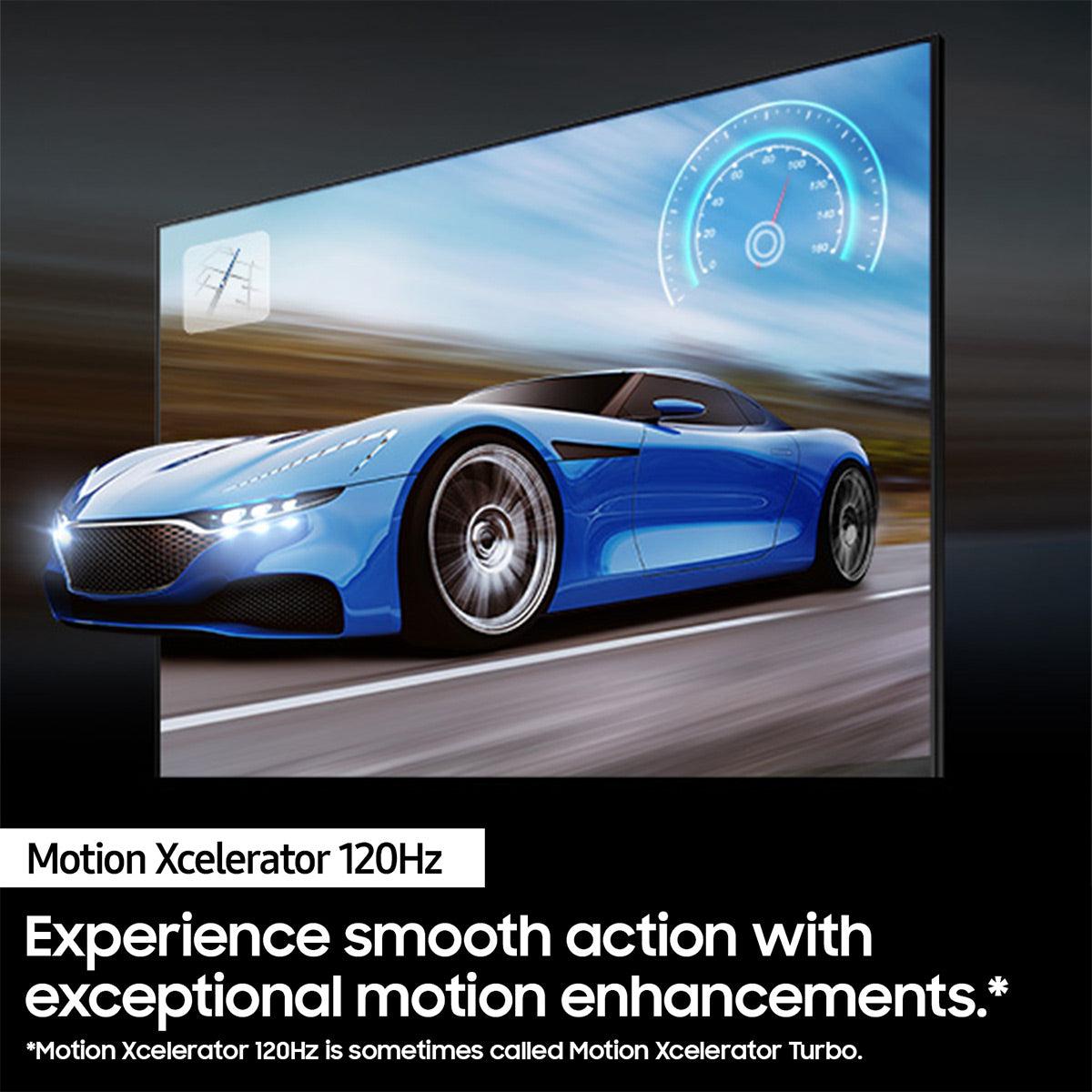
One area where Samsung has consistently excelled is motion handling. Their Motion Xcelerator Turbo 120Hz technology doesn't just provide a 120Hz refresh rate – it uses predictive algorithms to reduce motion blur and judder. For sports fans or gamers, this can make a noticeable difference in clarity during fast-paced scenes.
This is where the fundamental difference between these TVs becomes apparent. The Samsung QN85D can achieve peak brightness levels of over 2,000 nits in small areas, while the LG QNED92A reaches about 1,520 nits. In practical terms, this means Samsung's TV can make HDR highlights significantly brighter and more impactful.
For home theater enthusiasts, this brightness difference is crucial. HDR content is mastered expecting displays that can hit 1,000 nits or higher, and both TVs exceed this threshold. However, Samsung's extra brightness headroom means that bright scenes – like sunlight reflecting off water or explosions in action movies – will have more visual impact.
That said, LG's approach to HDR is more nuanced. Their support for Dolby Vision (which Samsung lacks) means they can display HDR content exactly as filmmakers intended. Dolby Vision uses dynamic metadata that tells the TV how to display each scene optimally, rather than applying the same settings to entire movies. In my experience, this often results in more natural-looking images, even if they're not as immediately striking as Samsung's brighter approach.
Here's where panel technology makes a huge difference. Samsung's VA (Vertically Aligned) panel can achieve much deeper blacks than LG's IPS (In-Plane Switching) panel. When you're watching a movie with dark scenes, Samsung's TV will display true, inky blacks, while LG's will appear more grayish.
However, LG compensates with superior local dimming algorithms powered by their AI processor. The TV analyzes each frame and adjusts the Mini LED zones to optimize contrast dynamically. While it can't match Samsung's absolute black levels, it often produces more consistent contrast across different types of content.
For home theater use, Samsung's deeper blacks give it an advantage in dark rooms, creating that cinema-like experience where dark scenes truly disappear into blackness. LG's approach works better in mixed lighting conditions where some ambient light is present.
This is where LG's new approach really shines. Their Dynamic QNED Color technology, combined with 100% color volume certification, produces remarkably accurate colors. In testing, the QNED92A achieves 97% of the DCI-P3 color space, which is the standard used for digital cinema.
Samsung's quantum dot technology produces more saturated, vibrant colors that can appear more impressive at first glance. However, this can sometimes result in oversaturated skin tones or unnatural-looking greens and blues. Samsung does provide excellent calibration options, and when properly set up, the QN85D can achieve very good color accuracy.
The key difference is philosophy: LG prioritizes color accuracy and natural reproduction, while Samsung aims for maximum visual impact. Neither approach is inherently better – it depends on your preferences and content.
This is one area where the panel technology difference is most apparent. LG's IPS panel maintains color accuracy and brightness even when viewed from extreme angles – you can sit almost 70 degrees off-center and still see a good picture. Samsung's VA panel, while superior head-on, starts to show color shifting and brightness reduction at about 30 degrees off-center.
For family viewing or open-concept living spaces where people might be watching from different seating positions, LG's wide viewing angles are a significant advantage. For dedicated home theaters with centralized seating, Samsung's superior head-on performance might be more valuable.
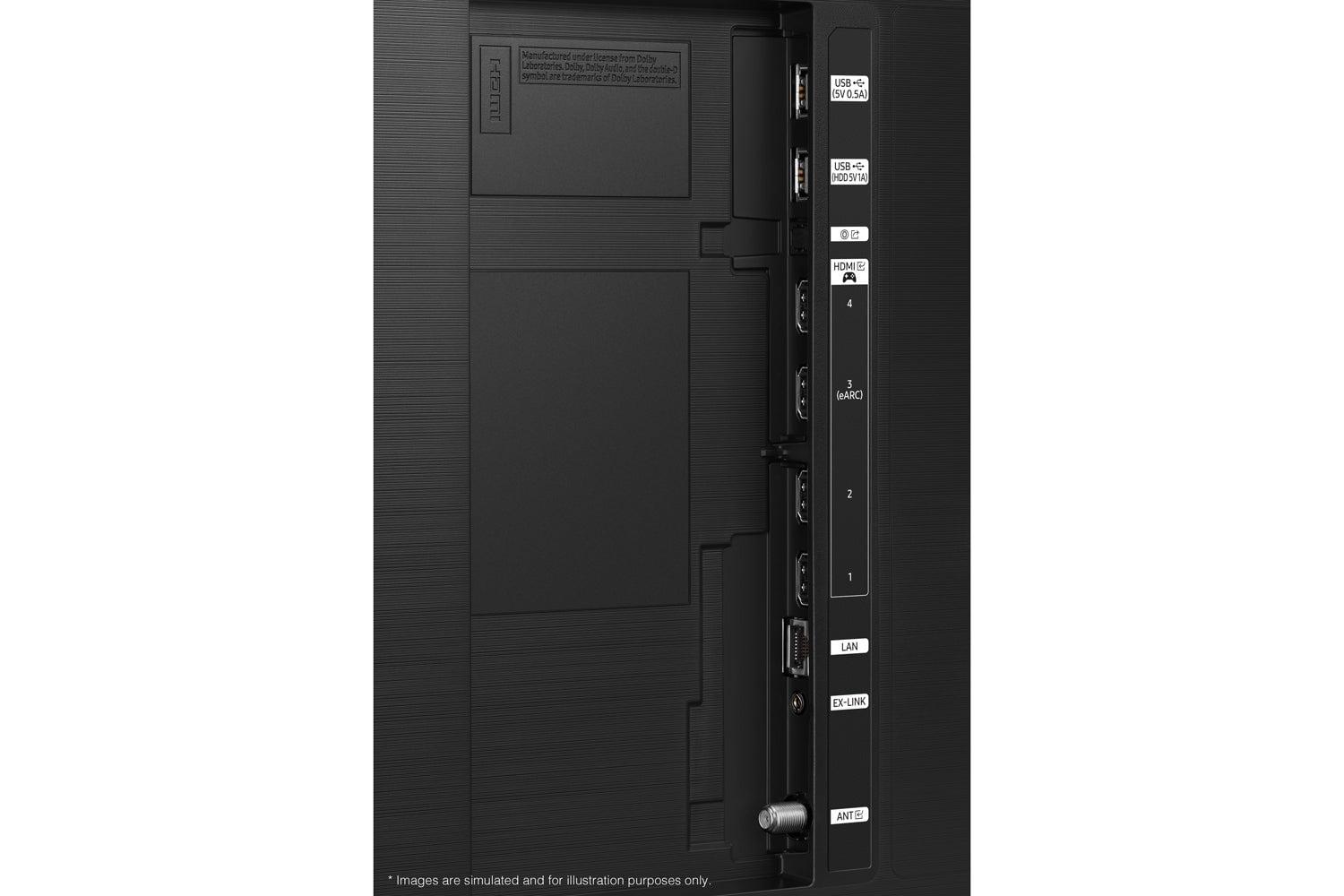
Both TVs are excellent for gaming, but they excel in different ways. The LG QNED92A and Samsung QN85D both offer four HDMI 2.1 ports, 120Hz refresh rates, Variable Refresh Rate (VRR), and Auto Low Latency Mode (ALLM) – all the features needed for PlayStation 5 and Xbox Series X gaming.
LG's gaming advantages include Dolby Vision gaming support, which provides enhanced HDR gaming experiences with supported titles. Their Wi-Fi 6E support also enables faster cloud gaming with services like GeForce NOW. The wide viewing angles can be beneficial for local multiplayer gaming where players are seated at different positions.
Samsung's gaming strengths lie in their superior motion handling and peak brightness. Fast-paced games benefit from clearer motion and more impactful HDR highlights. Their Gaming Hub integration also provides streamlined access to cloud gaming services directly through the TV interface.
Input lag is excellent on both models, typically measuring under 10ms in Game Mode, which is imperceptible to most gamers. Both support variable refresh rates up to 144Hz, though you'll need a high-end PC to take advantage of frame rates above 120Hz.
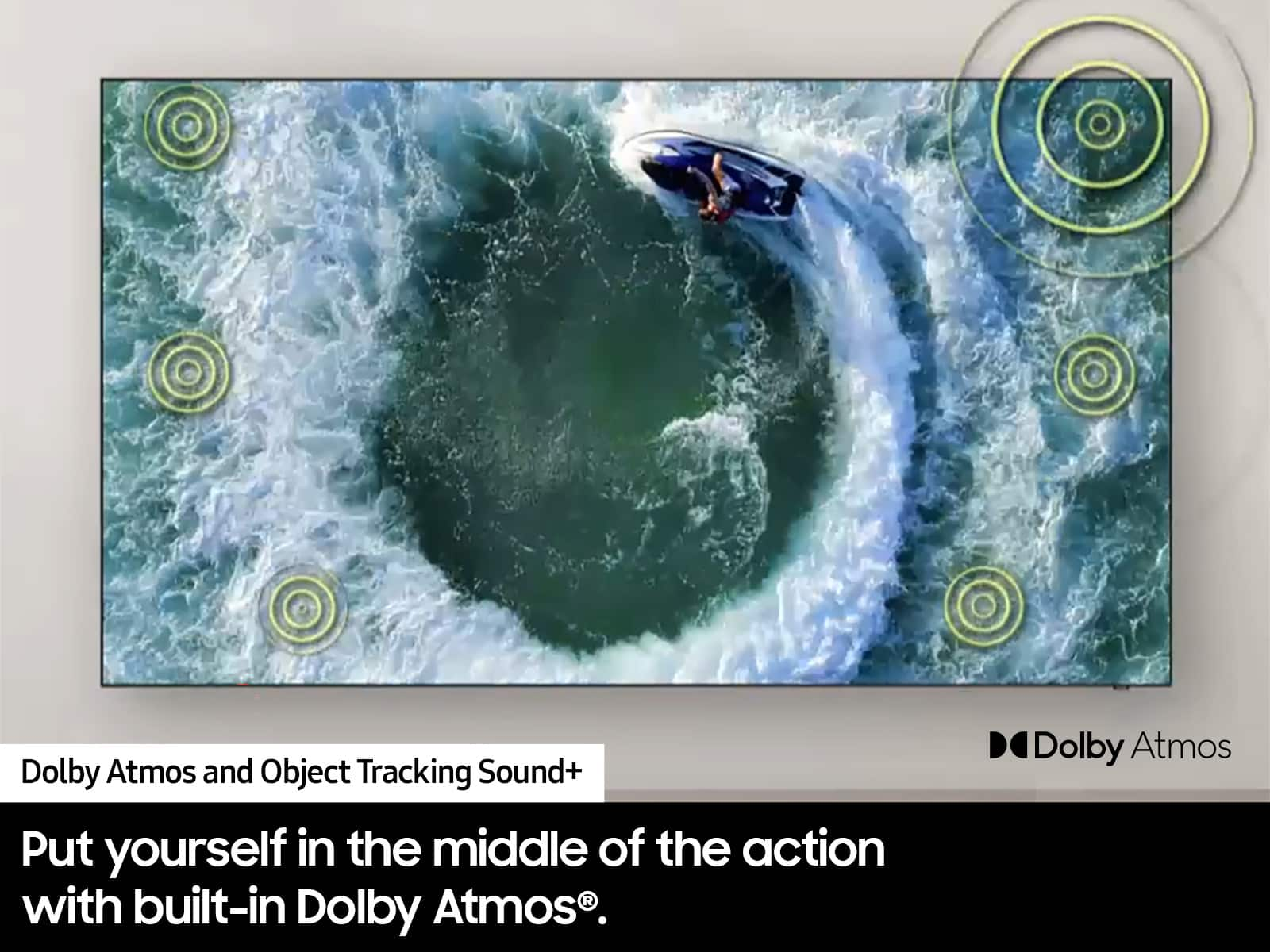
Audio quality is where LG takes a clear lead. The QNED92A includes native Dolby Atmos support across all inputs, meaning you get three-dimensional sound processing built into the TV. Their AI Sound Pro technology analyzes audio content and optimizes it for the built-in speakers, often creating surprisingly good sound for a flat-panel TV.
Samsung's QN85D includes Dolby Atmos support, but it primarily works through passthrough to external sound systems via eARC. Their Object Tracking Sound Lite technology tries to match audio to on-screen action, which can be effective for certain types of content.
For home theater setups, both TVs work excellently with external sound systems. However, if you're planning to use the built-in speakers, LG's superior audio processing gives it a notable advantage.
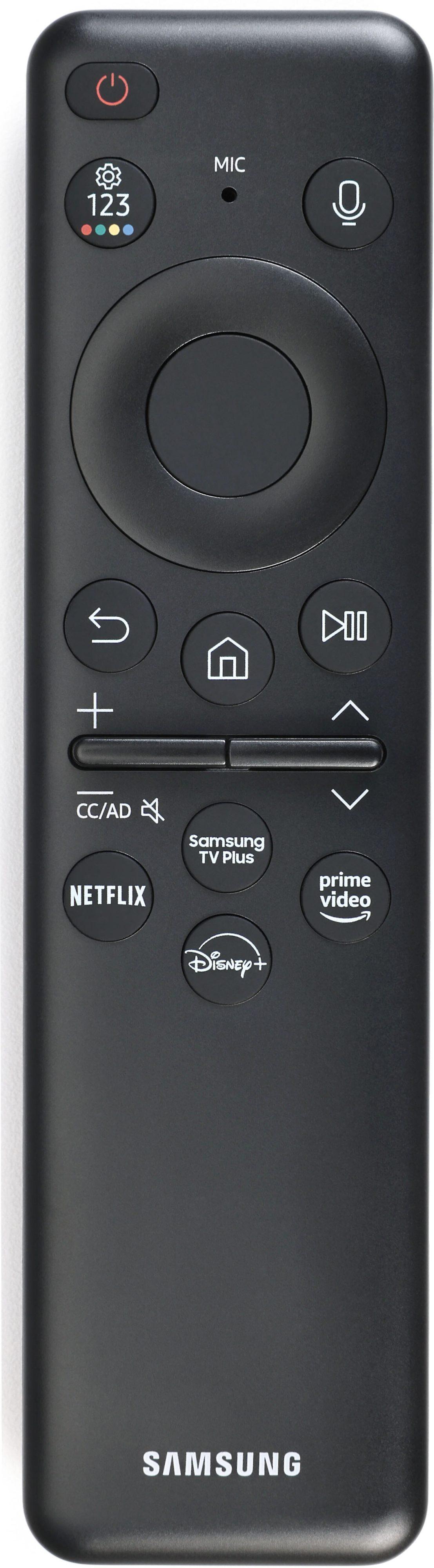
LG's webOS 25 platform is intuitive and well-organized, with their Magic Remote making navigation particularly smooth. More importantly, LG has committed to providing software updates for up to five years through their Re:New Program, ensuring your TV stays current with new features and security updates.
Samsung's Tizen platform is equally polished and perhaps slightly faster in operation. Their SmartThings integration is excellent if you're already invested in Samsung's ecosystem. However, Samsung doesn't offer the same explicit long-term update commitment as LG.
Both platforms offer comprehensive app support, voice assistant integration, and smooth performance. The choice here often comes down to personal preference and existing ecosystem investments.
After extensive analysis, here's how to decide between these two excellent TVs:
Choose the LG QNED92A if you have a bright room with multiple seating positions, value color accuracy and Dolby Vision support, want superior built-in audio, or prefer the lower price point with guaranteed long-term software support. This TV excels in versatile, family-oriented viewing environments.
Choose the Samsung QN85D if you have a dedicated viewing setup with controlled lighting, want maximum brightness for HDR impact, prioritize deep blacks for movie watching, are a serious gamer seeking ultimate motion clarity, or plan to use external audio systems anyway. This TV provides peak performance in optimized viewing conditions.
For home theater enthusiasts, the decision often comes down to your room setup. In a dark, dedicated theater room, Samsung's superior contrast and peak brightness create a more cinematic experience. In a mixed-use living space, LG's wider viewing angles and more natural color reproduction might be more practical.
Both TVs represent excellent choices in the premium Mini LED category. The LG QNED92A offers better value and versatility, while the Samsung QN85D provides ultimate performance for dedicated viewing setups. Your specific room conditions, viewing habits, and budget will ultimately determine which is the better choice for your home entertainment setup.
| LG 65" QNED92A QNED evo AI Mini LED 4K TV 2025 | Samsung 65" QN85D Neo QLED 4K Smart TV |
|---|---|
| Price - Significant cost difference for similar performance | |
| $1,681.99 | ~$2,000 (typical retail; some listings show errors) |
| Peak Brightness - Critical for HDR impact and bright room viewing | |
| 1,520 nits (excellent for most rooms) | 2,000+ nits (superior for bright spaces and HDR highlights) |
| Panel Technology - Affects viewing angles and contrast performance | |
| IPS panel (wider viewing angles, lighter blacks) | VA panel (narrower angles, deeper blacks) |
| Color Technology - Different approaches to color reproduction | |
| Dynamic QNED Color without quantum dots (100% color volume) | Quantum Dot with Quantum Matrix (vibrant, saturated colors) |
| HDR Support - Determines compatibility with premium content | |
| Dolby Vision, HDR10, HLG (filmmaker-intended accuracy) | HDR10+, HDR10, HLG (no Dolby Vision support) |
| Local Dimming - Controls contrast and prevents light bleeding | |
| Mini LED with Precision Dimming Pro (hundreds of zones) | Mini LED with Quantum Matrix Technology (high zone count) |
| Gaming Features - Essential for console and PC gaming | |
| 120Hz, 4K@144Hz, VRR, ALLM, Wi-Fi 6E, Dolby Vision gaming | 120Hz, 4K@144Hz, VRR, ALLM, superior motion handling |
| Audio Quality - Built-in sound performance | |
| Native Dolby Atmos on all inputs, AI Sound Pro, 2.2 channel | Dolby Atmos passthrough, Object Tracking Sound Lite |
| Smart Platform - Long-term usability and app support | |
| webOS 25 with 5-year update guarantee | Tizen with strong support but no specific timeline |
| Viewing Angles - Important for family and multi-seat viewing | |
| Excellent (70+ degrees maintained quality) | Good head-on, degrades significantly off-angle (30+ degrees) |
| Best Use Case - Optimal viewing scenarios | |
| Bright rooms, multiple seating positions, mixed content | Dark rooms, centered viewing, maximum HDR impact |
The Samsung QN85D is better for bright rooms due to its superior peak brightness of over 2,000 nits compared to the LG QNED92A's 1,520 nits. This extra brightness helps overcome glare and maintains HDR impact even with windows open during daytime viewing.
The LG QNED92A costs $1,681.99, while the Samsung QN85D typically retails around $2,000, making the LG about $300 less expensive. This price difference makes the LG a better value for most buyers seeking premium Mini LED performance.
The LG QNED92A has significantly better viewing angles due to its IPS panel technology, maintaining color accuracy up to 70 degrees off-center. The Samsung QN85D uses a VA panel that shows color shifting and brightness reduction beyond 30 degrees, making it better suited for centered viewing positions.
Only the LG QNED92A supports Dolby Vision, along with HDR10 and HLG formats. The Samsung QN85D supports HDR10+ and HDR10 but lacks Dolby Vision support, which means it may not display some premium content exactly as filmmakers intended.
Both the LG QNED92A and Samsung QN85D excel for gaming with 120Hz refresh rates, HDMI 2.1, VRR, and ALLM support. The LG offers Dolby Vision gaming and Wi-Fi 6E for cloud gaming, while the Samsung provides superior motion handling and brighter HDR gaming experiences.
The Samsung QN85D achieves deeper, more true blacks thanks to its VA panel technology, making it superior for dark room movie watching. The LG QNED92A with its IPS panel produces more grayish blacks but compensates with AI-enhanced local dimming for improved contrast.
The LG QNED92A has superior built-in audio with native Dolby Atmos support across all inputs and AI Sound Pro processing. The Samsung QN85D primarily relies on Dolby Atmos passthrough to external systems, making the LG better for viewers who plan to use built-in speakers.
Both work well for home theaters, but excel in different scenarios. The Samsung QN85D is better for dedicated dark room theaters due to deeper blacks and higher peak brightness. The LG QNED92A works better for mixed-use spaces with its wider viewing angles and more natural color reproduction.
The LG QNED92A offers superior long-term value with a guaranteed 5-year software update commitment through their Re:New Program. The Samsung QN85D provides strong support but doesn't offer the same explicit long-term update guarantee.
The LG QNED92A uses Dynamic QNED Color technology without quantum dots, achieving 100% color volume with more natural color reproduction. The Samsung QN85D uses traditional quantum dot technology for more vibrant, saturated colors that can appear more impressive initially.
The Samsung QN85D generally handles motion better with its Motion Xcelerator Turbo 120Hz technology and predictive algorithms that reduce blur and judder. While the LG QNED92A also offers good motion handling, Samsung's processing tends to be more aggressive and effective for fast-paced content.
Choose the LG QNED92A if you have multiple seating positions, mixed lighting, or want better value with guaranteed long-term support. Choose the Samsung QN85D if you have a dedicated viewing setup, want maximum brightness for HDR impact, or prioritize the deepest possible blacks for movie watching.
We've done our best to create useful and informative comparisons to help you decide what product to buy. Our research uses advanced automated methods to create this comparison and perfection is not possible - please contact us for corrections or questions. These are the sites we've researched in the creation of this article: stereoindex.com - youtube.com - youtube.com - digitaltrends.com - abt.com - lg.com - youtube.com - ecoustics.com - hometheaterforum.com - lg.com - valueelectronics.com - listenup.com - pcrichard.com - furnitureconnectionnd.com - avnirvana.com - files.bbystatic.com - lg.com - lgnewsroom.com - techradar.com - bestbuy.com - bestbuy.com - youtube.com - youtube.com - videoandaudiocenter.com - shopjetson.com - mysoundconcepts.com - samsung.com - merlinstv.com - youtube.com - samsung.com - samsung.com

Privacy Policy
Terms and Conditions - Affiliate Policy
Home Security
© Copyright 2008-2026.
11816 Inwood Rd #1211, Dallas, TX 75244