

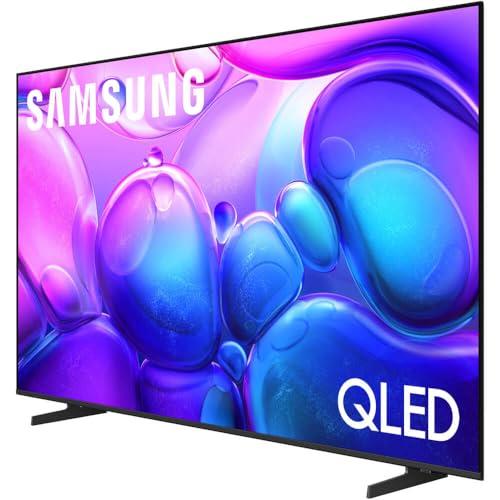
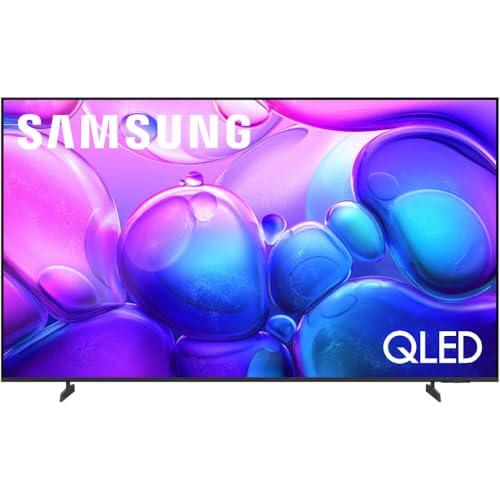
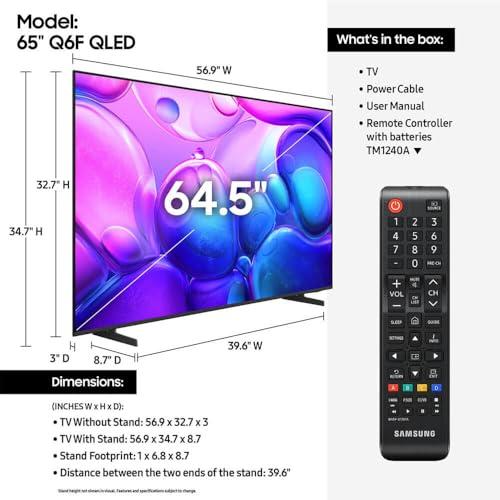
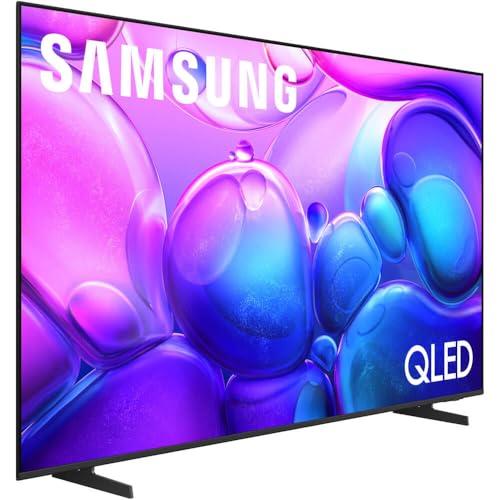
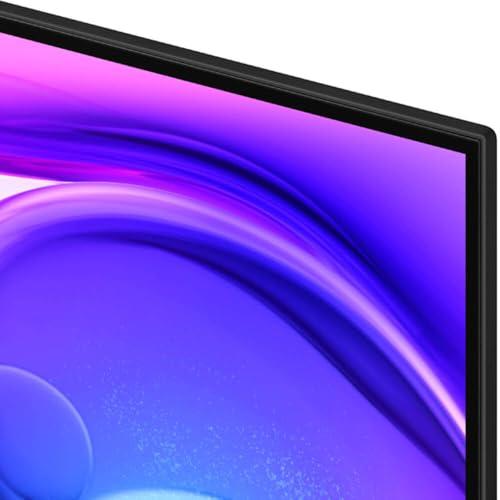
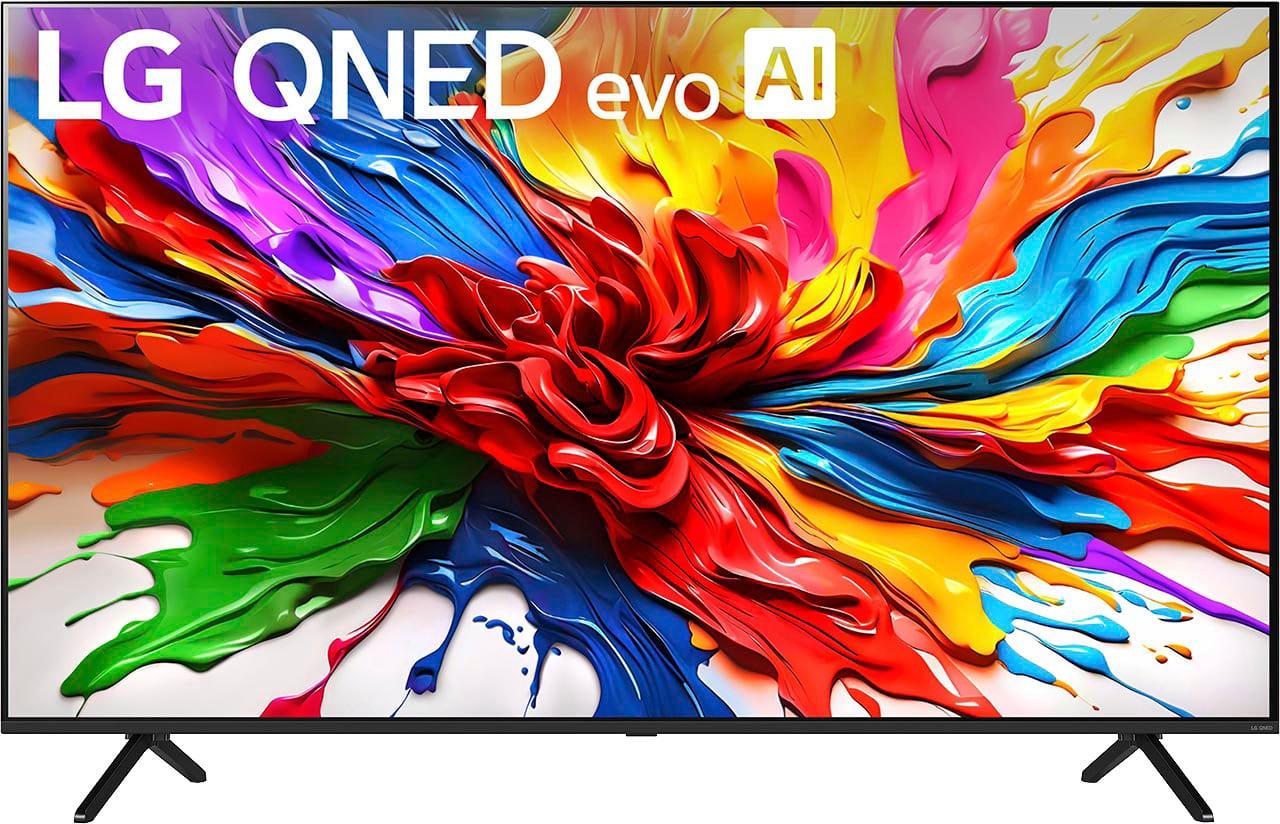
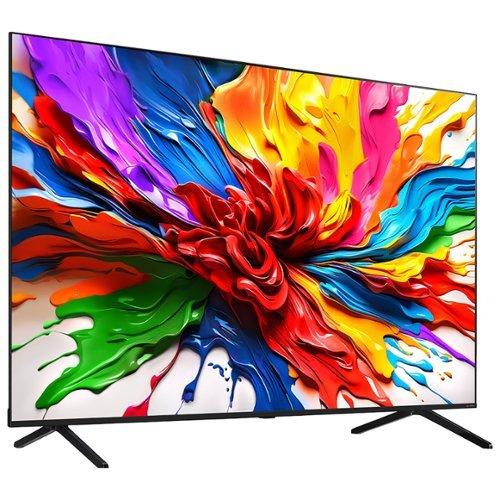
When shopping for a new 65-inch TV in 2025, you'll quickly discover that not all models are created equal. The television market has split into distinct tiers, with budget options offering basic smart features and premium models delivering cutting-edge technology. Two TVs that perfectly illustrate this divide are the Samsung 65" QLED Q6F 4K Smart TV 2025 and the LG 65" QNED92A QNED evo AI Mini LED 4K TV 2025.
These aren't direct competitors – they target completely different buyers with vastly different budgets and expectations. The Samsung Q6F represents Samsung's entry-level QLED offering, while the LG QNED92A sits firmly in premium territory with advanced Mini LED technology. Understanding their differences will help you determine which approach makes sense for your situation and budget.
The 65-inch size has become the sweet spot for most living rooms, offering an immersive experience without overwhelming smaller spaces. But size is just the beginning – the real differences lie in the underlying display technology.
At the heart of both TVs is LED backlighting, but they implement it in radically different ways. The Samsung Q6F uses conventional LED backlighting with basic local dimming called "UHD Dimming." This means the TV can only dim large sections of the screen at once, limiting its ability to create deep blacks next to bright whites – a key ingredient for realistic picture quality.
The LG QNED92A, meanwhile, employs Mini LED technology. Think of this as thousands of tiny LED lights arranged behind the screen, each controllable individually. This "Precision Dimming Pro" system can brighten or dim specific areas with remarkable precision, creating the deep contrasts that make HDR content look truly spectacular.
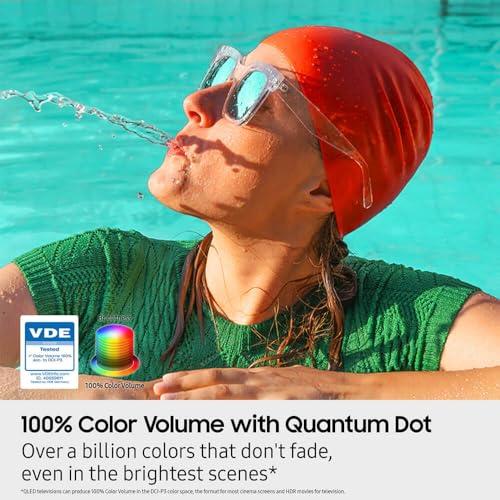
Both TVs also use Quantum Dot technology, which enhances color reproduction by converting blue LED light into more accurate reds and greens. However, the implementation differs significantly between the two models, affecting overall color performance.
Peak brightness determines how well a TV can display HDR (High Dynamic Range) content, which includes most modern movies and shows on Netflix, Disney+, and other streaming services. HDR content contains information for both very bright and very dark scenes, but your TV needs sufficient brightness capability to display it properly.
The LG QNED92A achieves peak brightness levels around 1,200 nits, which puts it firmly in "true HDR" territory. When watching a sunset scene or a bright explosion in a movie, you'll see brilliant whites and vivid highlights that closely match what the content creators intended. The Samsung Q6F, with its conventional LED system, typically peaks around 400-600 nits – adequate for daytime viewing but insufficient for impactful HDR performance.
This brightness difference becomes especially apparent in bright rooms. The LG QNED92A maintains color accuracy and contrast even with windows open or lights on, while the Samsung Q6F can look washed out in similar conditions.
Both TVs feature Quantum Dot technology, but the LG QNED92A combines this with NanoCell technology for what LG calls "100% Color Volume." This means the TV can display accurate colors at any brightness level – from the darkest shadows to the brightest highlights. The Samsung Q6F offers basic Quantum Dot enhancement that improves color saturation, particularly in reds and blues, but lacks the advanced color management of its premium counterpart.
In practice, this translates to more lifelike skin tones, more vibrant nature scenes, and better color consistency across different types of content. The LG QLED92A covers 97% of the DCI-P3 color space used by filmmakers, while the Samsung Q6F covers a smaller portion with less precision.
Traditional LED TVs suffer from viewing angle issues – colors shift and contrast degrades when you watch from the sides. The LG QNED92A addresses this with NanoCell technology, maintaining color accuracy even at wide angles. This makes it ideal for families or anyone with a wide seating arrangement.
The Samsung Q6F, like most budget LED TVs, shows noticeable color shifting when viewed from angles greater than about 30 degrees off-center. If your couch is directly in front of the TV, this won't matter. But for larger families or open floor plans, it becomes a significant limitation.
Gaming capabilities represent perhaps the starkest difference between these TVs. The Samsung Q6F was designed when 60Hz gaming was standard, featuring a 60Hz refresh rate and three basic HDMI ports. The LG QNED92A was built for the current generation of gaming consoles and PCs.
The LG QNED92A offers a native 120Hz refresh rate with four HDMI 2.1 ports, enabling 4K gaming at 120 frames per second. If you own a PlayStation 5, Xbox Series X, or a modern gaming PC, this TV can display games at their maximum potential. The Samsung Q6F simply cannot – it's locked at 60Hz with older HDMI standards.
This isn't just about frame rates. The LG QNED92A supports Variable Refresh Rate (VRR), which eliminates screen tearing by synchronizing the display with your console's output. It also includes FreeSync and G-Sync compatibility for PC gaming, along with Auto Low Latency Mode (ALLM) that automatically switches to game mode when you turn on a console.
Input lag – the delay between pressing a button and seeing the action on screen – measures just 9.6 milliseconds on the LG QNED92A, making it exceptionally responsive for competitive gaming. The Samsung Q6F offers basic game mode functionality but can't match this level of performance.
Perhaps more importantly, the Samsung Q6F is already obsolete for serious gaming. Current-generation consoles can output 4K at 120Hz, but this TV can't display it. As games continue to push performance boundaries, the LG QNED92A will remain relevant while the Samsung Q6F will feel increasingly dated.
Both TVs offer comprehensive smart TV functionality, but with different strengths. The Samsung Q6F runs Samsung's Tizen operating system, which provides access to all major streaming apps plus Samsung TV Plus for free content. Samsung commits to seven years of software updates, ensuring long-term app compatibility.
The LG QNED92A uses webOS 25, generally considered one of the most intuitive smart TV interfaces available. LG provides five years of guaranteed updates through their Re:New Program, adding new features and maintaining security.
Here's where streaming compatibility becomes crucial. The Samsung Q6F supports HDR10+, Samsung's preferred HDR format, but lacks Dolby Vision support. The LG QNED92A supports both Dolby Vision and HDR10, covering all major streaming services.
This matters because Netflix, Disney+, Apple TV+, and Amazon Prime Video primarily use Dolby Vision for their premium content. Without Dolby Vision support, you're missing out on the full visual impact of shows like "Stranger Things" or "The Mandalorian."
Neither TV will replace a dedicated sound system, but there are meaningful differences in their built-in audio. The Samsung Q6F features a basic 2-channel, 20-watt speaker system with Object Tracking Sound Lite (OTS Lite), which attempts to move sound effects across the screen.
The LG QNED92A steps up to a 2.2-channel system with AI Sound Pro processing and full Dolby Atmos support. While still not a substitute for a soundbar or surround system, it provides noticeably better dialogue clarity and spatial audio effects.
Both TVs support connections to soundbars and external audio systems, with the LG QNED92A offering more advanced audio passthrough capabilities for high-end sound systems.
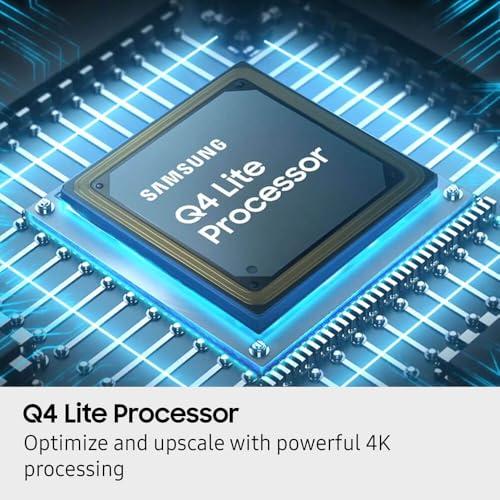
The brains behind these TVs differ significantly. The Samsung Q6F uses Samsung's Q4 Lite Processor, which handles basic 4K upscaling and content optimization. This processor can improve lower-resolution content but lacks the sophistication for advanced image processing.
The LG QNED92A features the α8 AI Gen2 processor, which uses machine learning to analyze and optimize content in real-time. This processor excels at upscaling HD content to near-4K quality, reducing noise, and adjusting picture settings based on ambient lighting conditions.
The difference becomes apparent when watching older TV shows or lower-quality streaming content. The LG QNED92A can make 1080p content look surprisingly sharp and clean, while the Samsung Q6F provides more basic enhancement.
For dedicated home theater setups, the LG QNED92A is the clear choice. Its Mini LED backlighting creates the deep blacks and bright highlights essential for cinematic viewing. In a darkened room, it approaches OLED-like contrast performance while maintaining the brightness advantages of LED technology.
The TV supports Filmmaker Mode, which disables motion smoothing and adjusts picture settings to match the director's intent. Combined with Dolby Vision support, it provides an authentic cinematic experience for movie enthusiasts.
The Samsung Q6F includes Filmmaker Mode as well, but its limited contrast capability and basic HDR performance prevent it from delivering true home theater quality. It's adequate for casual movie watching but won't satisfy serious film enthusiasts.
At the time of writing, these TVs represent entirely different value propositions. The Samsung Q6F, released in 2025 as Samsung's budget QLED option, typically retails for significantly less than the LG QNED92A. However, "value" depends on your specific needs and timeline.
The Samsung Q6F offers good value for buyers who primarily watch cable TV, don't game on modern consoles, and need basic smart TV functionality. It provides Quantum Dot color enhancement at an accessible price point.
The LG QNED92A delivers exceptional value for its feature set, offering premium performance at a fraction of flagship model pricing. For buyers who want future-proof gaming capabilities, superior streaming compatibility, and excellent picture quality, the price premium makes sense.
You're on a tight budget and need basic smart TV functionality. The Samsung Q6F works well for viewers who primarily watch cable television, don't own current-generation gaming consoles, and aren't particular about HDR performance. It's also suitable as a secondary TV for bedrooms or guest rooms where premium features aren't necessary.
The TV makes sense for older viewers comfortable with Samsung's interface who don't need cutting-edge gaming features. If your current TV is more than five years old, even the Samsung Q6F will feel like a significant upgrade.
You want a TV that will remain satisfying for years to come. The LG QNED92A is ideal for gaming enthusiasts, streaming-focused viewers, families with wide seating arrangements, and anyone planning to use their TV as the centerpiece of a home theater setup.
If you own or plan to buy a PlayStation 5, Xbox Series X, or gaming PC, the LG QNED92A is practically essential. Its gaming features aren't just nice-to-have additions – they're requirements for getting full value from modern gaming hardware.
The TV also excels for streaming enthusiasts who watch premium content on Netflix, Disney+, and other services. Its Dolby Vision support ensures you're seeing these shows and movies as intended.
Based on extensive research into user reviews and professional evaluations, the LG QNED92A represents the smarter long-term investment for most buyers. While it costs more upfront, its superior picture quality, comprehensive gaming features, and future-proof design provide better value over its lifespan.
The Samsung Q6F serves a specific market segment – budget-conscious buyers who need basic functionality – but feels outdated even at launch. Its 60Hz limitation and basic HDR performance make it a poor choice for anyone planning to keep their TV for several years.
For most buyers willing to stretch their budget, the LG QNED92A delivers premium performance that will remain relevant well into the next decade. It's the kind of purchase that continues to satisfy as content and gaming technology evolve, making it the clear recommendation despite the higher initial cost.
| Samsung 65" QLED Q6F 4K Smart TV 2025 | LG 65" QNED92A QNED evo AI Mini LED 4K TV 2025 |
|---|---|
| Display Technology - Determines picture quality and contrast performance | |
| Conventional LED with UHD Dimming (basic local dimming) | Mini LED with Precision Dimming Pro (thousands of dimming zones) |
| Peak Brightness - Critical for HDR content and bright room viewing | |
| ~400-600 nits (adequate for daytime, limited HDR impact) | 1,200+ nits (true HDR performance, excellent bright room use) |
| Refresh Rate - Essential for gaming and smooth motion | |
| 60Hz (outdated for modern gaming consoles) | 120Hz native (supports 4K@120Hz gaming) |
| Gaming Features - Determines console compatibility and performance | |
| Basic ALLM, Motion Xcelerator, 3 standard HDMI ports | VRR, FreeSync, G-Sync, ALLM, 4 HDMI 2.1 ports, 9.6ms input lag |
| HDR Format Support - Affects streaming service compatibility | |
| HDR10+ only (limited streaming service support) | Dolby Vision, HDR10, HLG (full Netflix/Disney+ compatibility) |
| Color Performance - Impacts vibrancy and accuracy | |
| Quantum Dot with basic color enhancement | Quantum Dot + NanoCell, 100% Color Volume, 97% DCI-P3 coverage |
| Processor - Handles upscaling and content optimization | |
| Q4 Lite Processor (basic 4K upscaling) | α8 AI Gen2 Processor (advanced AI upscaling and optimization) |
| Audio System - Built-in speaker quality | |
| 2CH 20W with OTS Lite | 2.2CH with AI Sound Pro and Dolby Atmos |
| Smart TV Platform - Interface and app support | |
| Tizen OS with 7-year updates | webOS 25 with 5-year Re:New Program |
| Viewing Angles - Important for wide seating arrangements | |
| Standard LED performance (color shifting at wide angles) | NanoCell technology maintains color accuracy at wide angles |
| Target Market - Who should consider each model | |
| Budget buyers needing basic smart TV features | Gaming enthusiasts and premium picture quality seekers |
The LG QNED92A is significantly better for gaming with its 120Hz refresh rate, four HDMI 2.1 ports, and support for 4K@120Hz gaming. It also includes VRR, FreeSync, and G-Sync compatibility with just 9.6ms input lag. The Samsung Q6F is limited to 60Hz with only three standard HDMI ports, making it incompatible with current-generation console gaming at full performance.
The Samsung Q6F uses conventional QLED technology with basic LED backlighting and UHD Dimming, while the LG QNED92A features Mini LED technology with thousands of individually controlled LED zones. This gives the LG QNED92A superior contrast, deeper blacks, and better HDR performance compared to the Samsung Q6F.
The LG QNED92A performs much better in bright rooms with its 1,200+ nit peak brightness and advanced anti-glare properties. The Samsung Q6F typically peaks at 400-600 nits and can look washed out in bright lighting conditions, making it less suitable for rooms with lots of windows or ambient light.
No, only the LG QNED92A supports Dolby Vision, which is used by Netflix, Disney+, Apple TV+, and other major streaming services. The Samsung Q6F only supports HDR10+, which limits your ability to see premium streaming content as intended by the creators.
The LG QNED92A is far superior for home theater use with its Mini LED backlighting providing deep blacks and bright highlights essential for cinematic viewing. It also supports Dolby Vision and Filmmaker Mode for authentic movie experiences. The Samsung Q6F lacks the contrast performance needed for serious home theater applications.
The Samsung Q6F uses Tizen OS with Samsung TV Plus and offers 7 years of software updates. The LG QNED92A runs webOS 25, which is generally considered more intuitive, and includes 5 years of guaranteed updates through LG's Re:New Program. Both platforms support all major streaming apps.
The LG QNED92A maintains color accuracy at wide viewing angles thanks to its NanoCell technology, making it ideal for families or wide seating arrangements. The Samsung Q6F shows typical LED color shifting when viewed from the sides, limiting optimal viewing to more centered positions.
The LG QNED92A features a superior 2.2-channel system with AI Sound Pro processing and full Dolby Atmos support. The Samsung Q6F has a basic 2-channel 20W system with Object Tracking Sound Lite. While neither replaces a dedicated sound system, the LG QNED92A offers noticeably better audio quality.
The LG QNED92A excels at upscaling with its α8 AI Gen2 processor that uses machine learning to enhance lower-resolution content. The Samsung Q6F uses a basic Q4 Lite processor that provides standard upscaling but cannot match the advanced AI-driven enhancement of the LG QNED92A.
The LG QNED92A handles sports and fast motion excellently with its 120Hz refresh rate and advanced motion processing. The Samsung Q6F can struggle with motion blur and judder in fast-paced content due to its 60Hz limitation and basic motion handling capabilities.
The LG QNED92A provides superior long-term value with its current gaming standards, comprehensive HDR support, and advanced processing that will remain relevant for years. The Samsung Q6F is already limited by its 60Hz refresh rate and basic feature set, making it less suitable as a long-term investment.
The Samsung Q6F is suitable for budget-conscious buyers who primarily watch cable TV, don't own modern gaming consoles, and need basic smart TV functionality. It works well as a secondary TV or for viewers who aren't particular about premium picture quality or gaming performance compared to the feature-rich LG QNED92A.
We've done our best to create useful and informative comparisons to help you decide what product to buy. Our research uses advanced automated methods to create this comparison and perfection is not possible - please contact us for corrections or questions. These are the sites we've researched in the creation of this article: samsung.com - samsung.com - youtube.com - rtings.com - samsung.com - bestbuy.com - manuals.plus - shopjetson.com - samsung.com - samsung.com - samsung.com - samsung.com - bestbuy.com - jefflynch.com - stereoindex.com - youtube.com - youtube.com - digitaltrends.com - abt.com - lg.com - youtube.com - ecoustics.com - hometheaterforum.com - lg.com - valueelectronics.com - listenup.com - pcrichard.com - furnitureconnectionnd.com - avnirvana.com - files.bbystatic.com - lg.com - lgnewsroom.com - techradar.com - bestbuy.com - bestbuy.com - youtube.com - youtube.com

Privacy Policy
Terms and Conditions - Affiliate Policy
Home Security
© Copyright 2008-2026.
11816 Inwood Rd #1211, Dallas, TX 75244