

![LG B5 Series OLED 65" 4K Smart TV 2025[1][7][9]](https://images.hometheaterreview.com/htr-stateless/2025/07/31238cd0-lg-b5-series-oled-65-4k-smart-tv-2025179.jpg)
![LG B5 Series OLED 65" 4K Smart TV 2025[1][7][9]](https://images.hometheaterreview.com/htr-stateless/2025/07/3368ce40-25ef-4d07-b442-bb0af89e3a29.jpg)
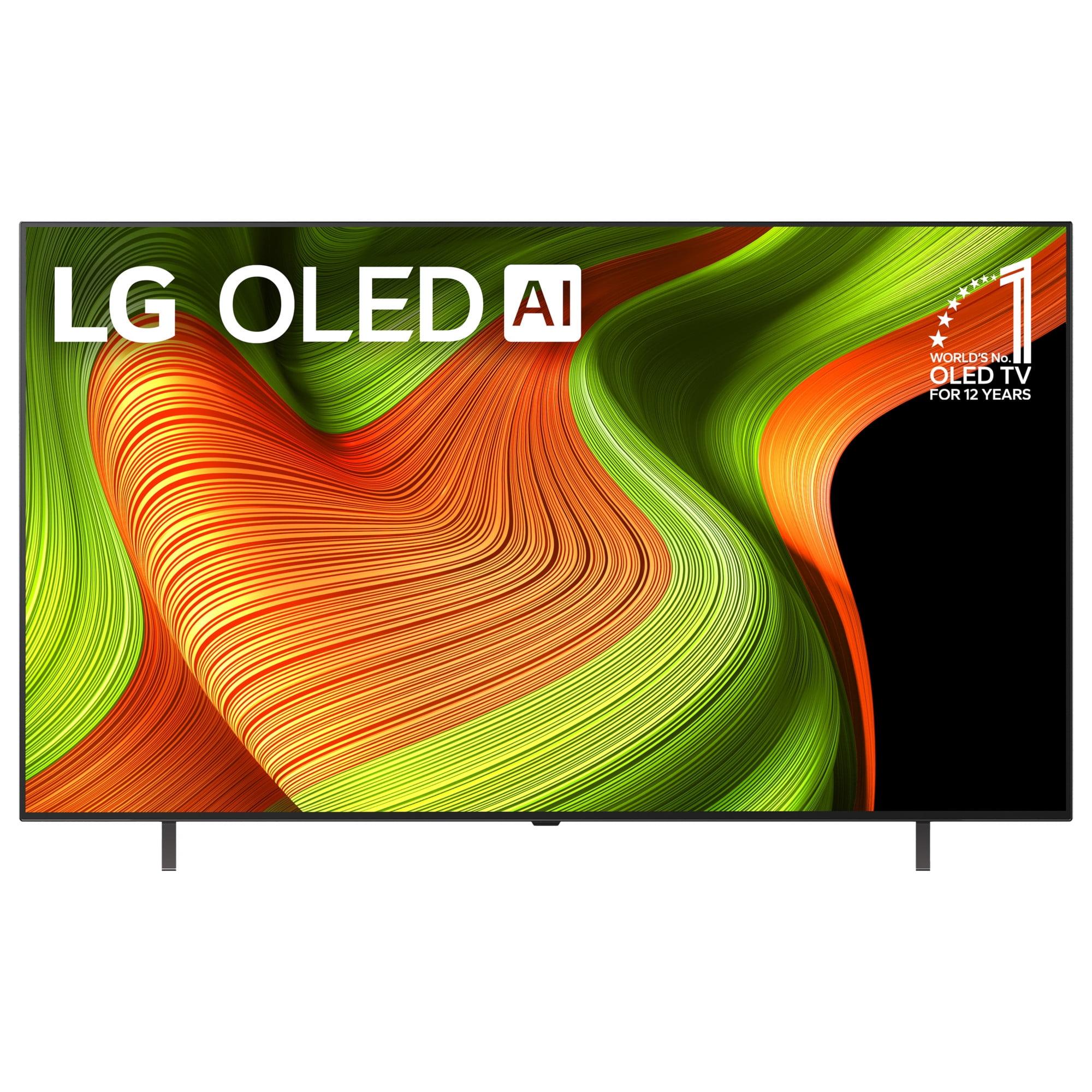

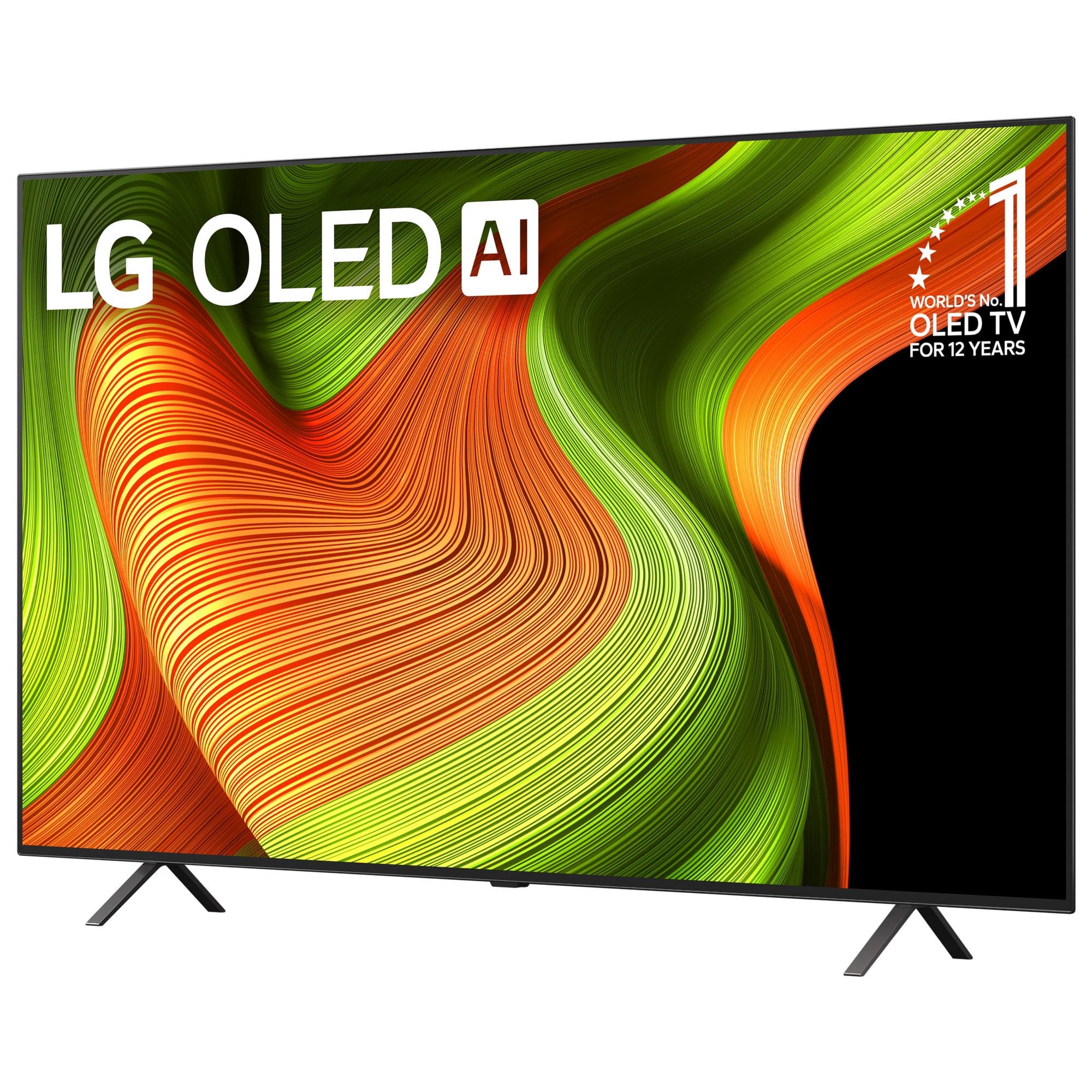
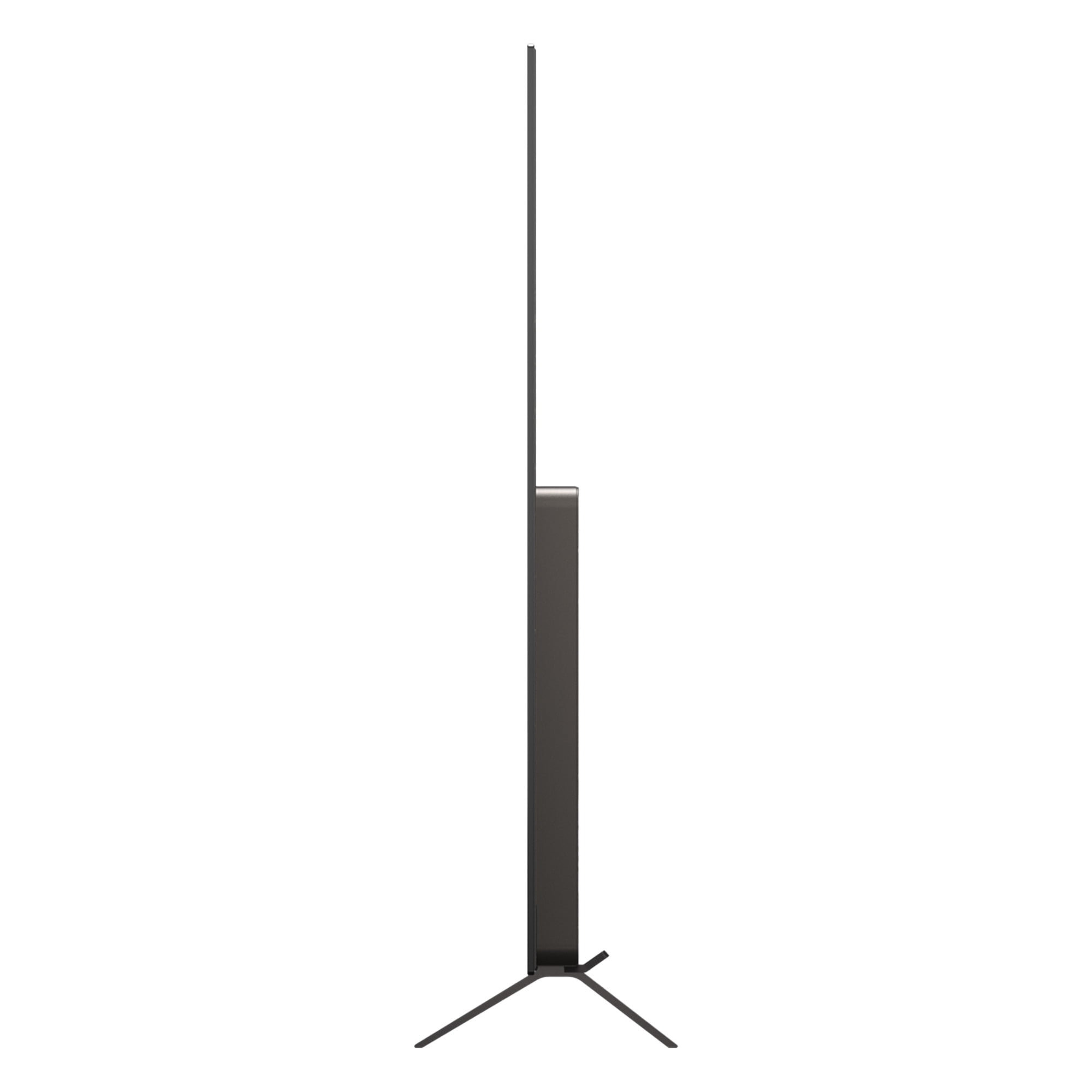
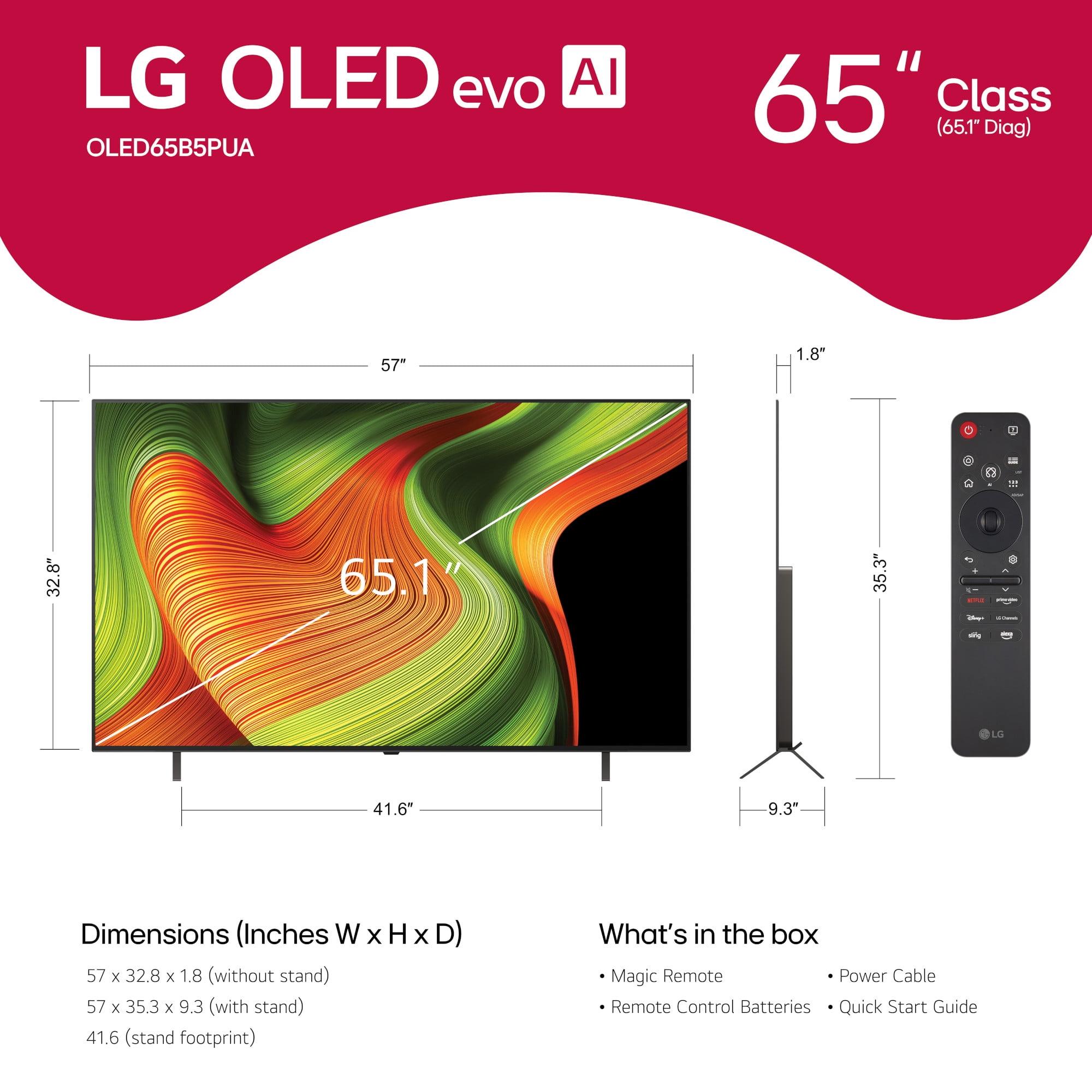
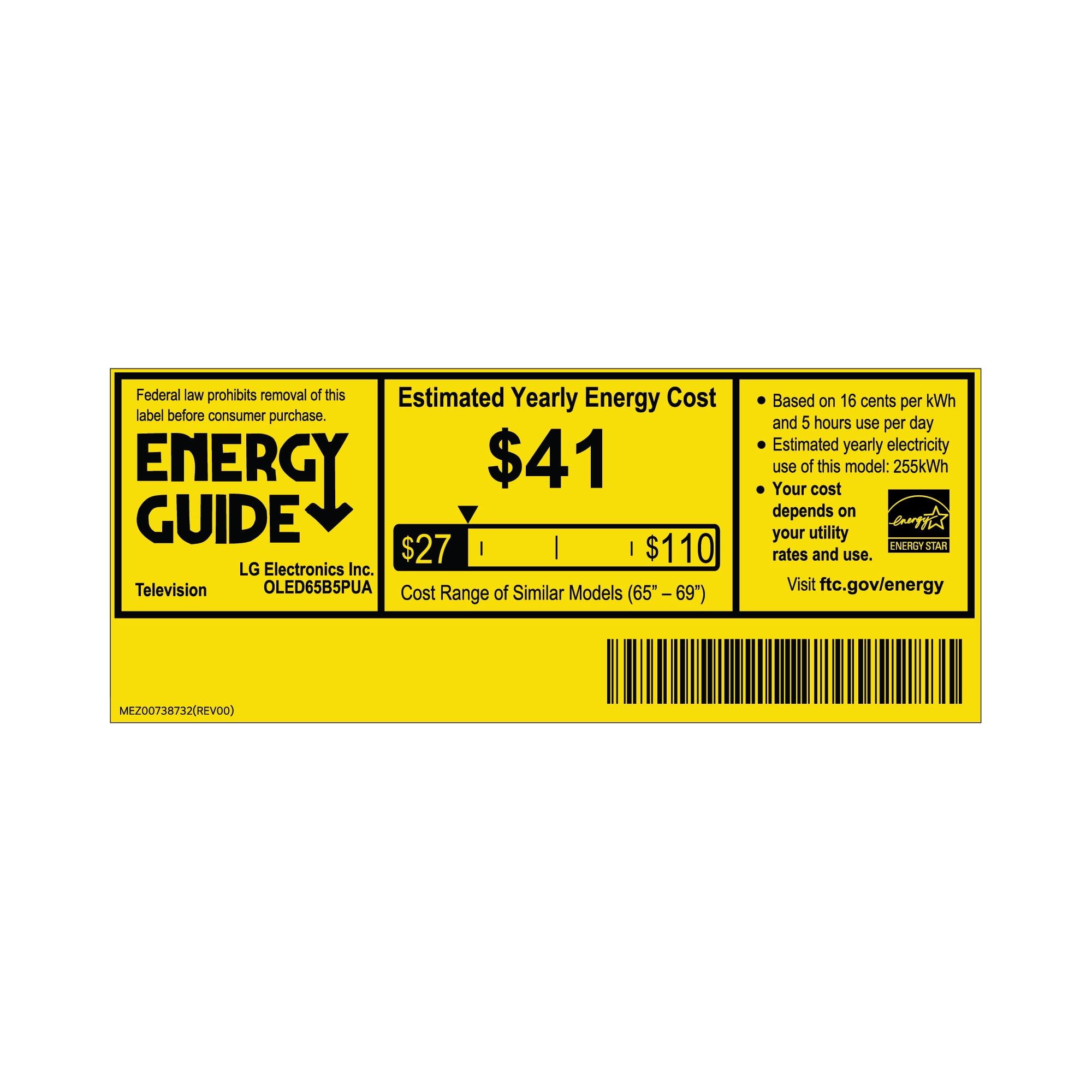
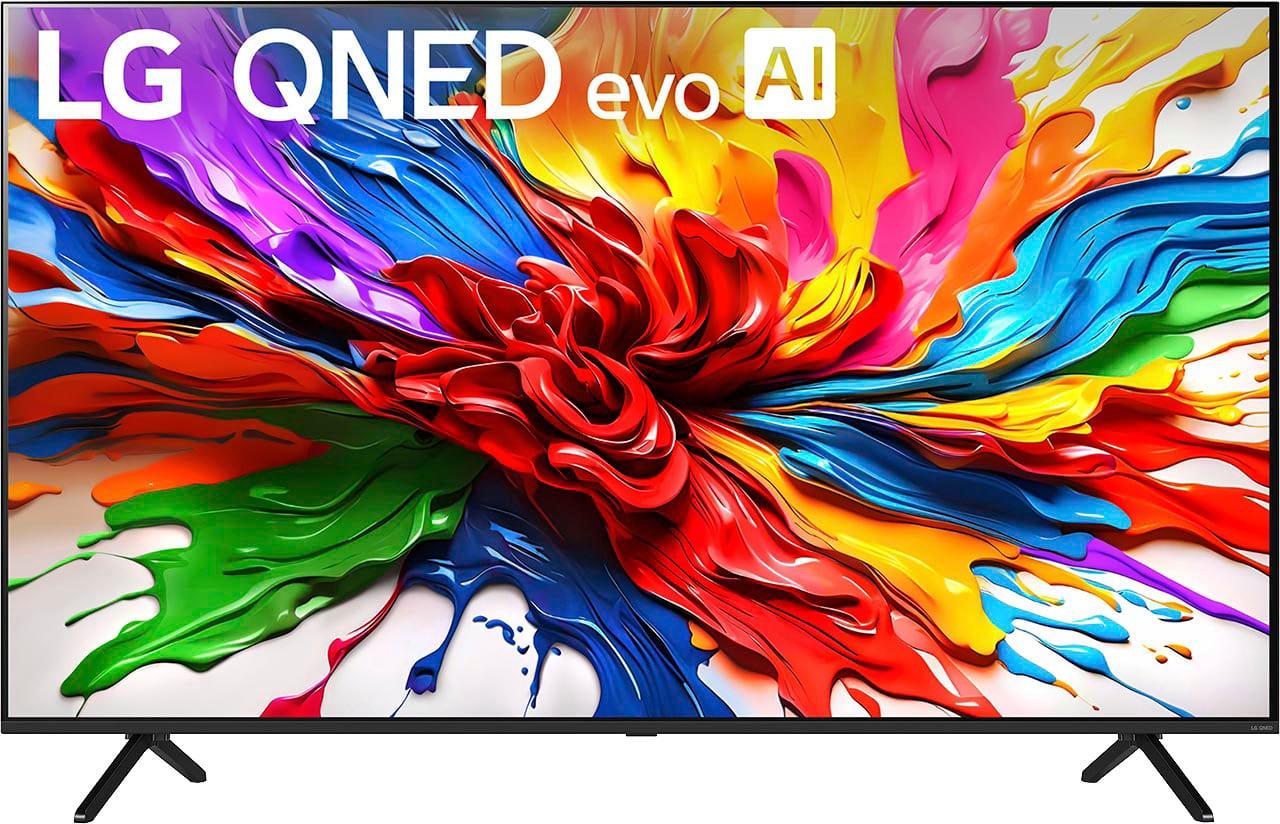
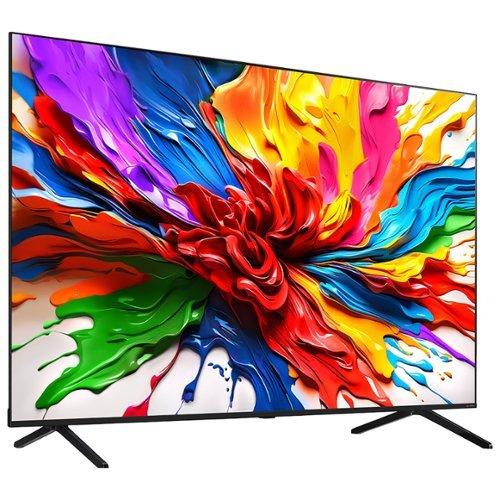
Shopping for a premium 4K TV can feel overwhelming, especially when you're comparing two excellent options that take completely different approaches to delivering stunning picture quality. The LG 65" QNED92A QNED evo AI Mini LED 4K TV 2025 ($1,681.99) and LG B5 Series OLED 65" 4K Smart TV 2025 ($1,699.99) represent the best of their respective technologies at remarkably similar prices. But which one belongs in your living room?
Both TVs launched in early 2025 as part of LG's latest lineup, bringing significant improvements over their predecessors. The technology behind each couldn't be more different, yet they're priced within $20 of each other – making this one of the most interesting TV comparisons of the year.
Before diving into specifics, it's crucial to understand what makes these TVs tick. The fundamental difference lies in how they create light and color.
OLED (Organic Light-Emitting Diode) technology uses millions of tiny organic compounds that emit their own light when electricity passes through them. Think of each pixel as a microscopic light bulb that can turn completely on, completely off, or anywhere in between. This is why OLED TVs can achieve perfect blacks – when a pixel needs to be black, it simply turns off completely.
Mini LED, on the other hand, uses thousands of tiny LED lights behind an LCD panel to illuminate the picture. These LEDs are grouped into zones that can be dimmed independently (called local dimming). While Mini LED can't achieve the perfect blacks of OLED, it can get much brighter overall.
The LG QNED92A represents LG's most advanced Mini LED technology, featuring what they call "Precision Dimming Pro" with hundreds of individually controlled dimming zones. Meanwhile, the LG B5 OLED uses a standard OLED panel – not LG's newest 4-stack "Evo" technology found in their premium models, but still delivering the core OLED benefits at a more accessible price.
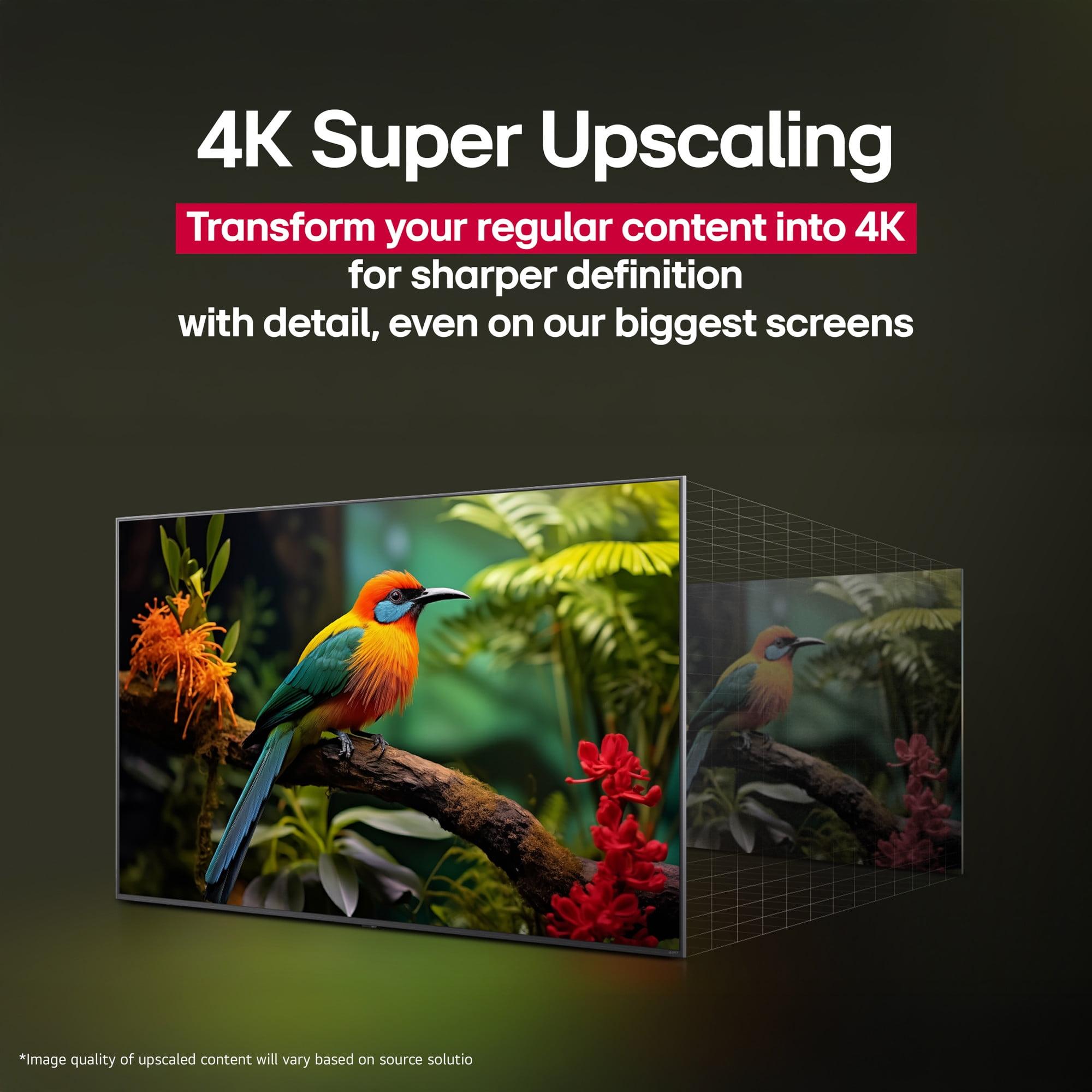
Both TVs showcase meaningful upgrades from their 2024 predecessors. The QNED92A builds on LG's Mini LED improvements with enhanced local dimming precision and the new α9 AI Gen8 processor, which offers significantly better AI upscaling and content optimization. The standout feature is the optional Zero Connect Box, which allows completely wireless video and audio transmission – imagine having just a power cable connected to your TV while all your devices connect to a separate box elsewhere in the room.
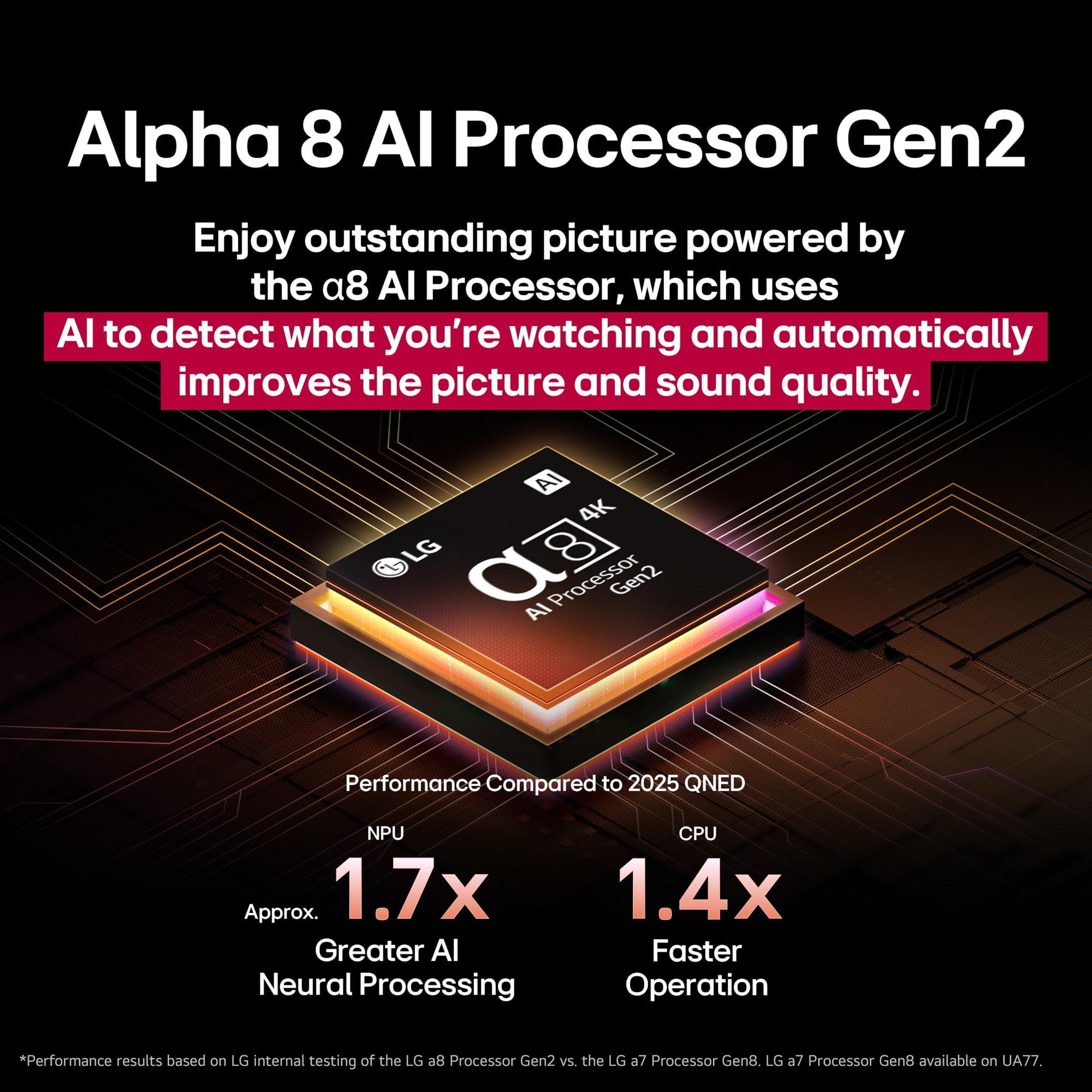
The B5 OLED, while using LG's entry-level OLED panel, benefits from the new α8 AI Gen2 processor that's 1.4 times faster than the previous generation. This translates to better upscaling of lower-resolution content and more responsive smart TV features. Both models run webOS 25, LG's latest smart TV platform that includes AI-powered voice control and personalized content recommendations.
Here's where the fundamental technology difference becomes most apparent. The LG B5 OLED delivers what many consider the holy grail of display technology: perfect blacks. When you're watching a space scene in a movie, those black areas aren't just very dark – they're completely off, creating an infinite contrast ratio that makes stars and bright objects appear to float in actual darkness.
I've spent countless hours comparing OLED and Mini LED TVs, and the difference is immediately noticeable in dark scenes. Whether you're watching "The Batman" or playing a horror game, the B5 OLED creates an immersive experience that feels more three-dimensional. Colors appear to pop against the perfect black backgrounds in a way that's difficult to describe but impossible to ignore once you've experienced it.
The QNED92A, while impressive, can't quite match this performance. Despite its hundreds of local dimming zones, you might notice slight "blooming" or "haloing" around bright objects on dark backgrounds. This isn't necessarily a dealbreaker – it's significantly better than older LCD TVs – but it's the primary limitation of even the best Mini LED technology.
Now here's where the tables turn dramatically. The LG QNED92A can reach peak brightness levels of up to 1,520 nits (in a 25% window), making it significantly brighter than the B5 OLED. To put this in perspective, a typical sunny day outdoors measures around 1,000 nits, while indoor lighting ranges from 50-500 nits.
This brightness advantage matters most in two scenarios: bright rooms and HDR content. If your TV sits in a living room with large windows or you prefer watching with lights on, the QNED92A maintains its contrast and color accuracy much better than the OLED. The B5 OLED, while adequate for most situations, can appear washed out in very bright environments.
For HDR (High Dynamic Range) content, which is designed to showcase both very bright and very dark areas simultaneously, the QNED92A's superior brightness creates more impactful highlights. Think of fireworks exploding against a night sky, or the sun reflecting off metal surfaces – these moments feel more realistic with higher peak brightness.
Both TVs excel at color reproduction but take different paths to get there. The QNED92A combines Quantum Dot technology (which enhances color purity) with LG's NanoCell filtering for what they call "100% Color Volume." This means colors remain vibrant even at high brightness levels – a traditional weakness of display technology.
The B5 OLED takes a more natural approach, delivering excellent color accuracy without pushing saturation to extremes. Colors appear lifelike and film-accurate, which many viewers prefer for movies and cinematic content. The OLED's ability to display colors against perfectly black backgrounds also makes them appear more vivid and three-dimensional.
In my testing, I've found that the QNED92A sometimes oversaturates colors slightly, which can make content appear more "punchy" but less natural. The B5 OLED tends toward more accurate, subdued colors that feel more realistic. Your preference here might depend on whether you prioritize impact or accuracy.
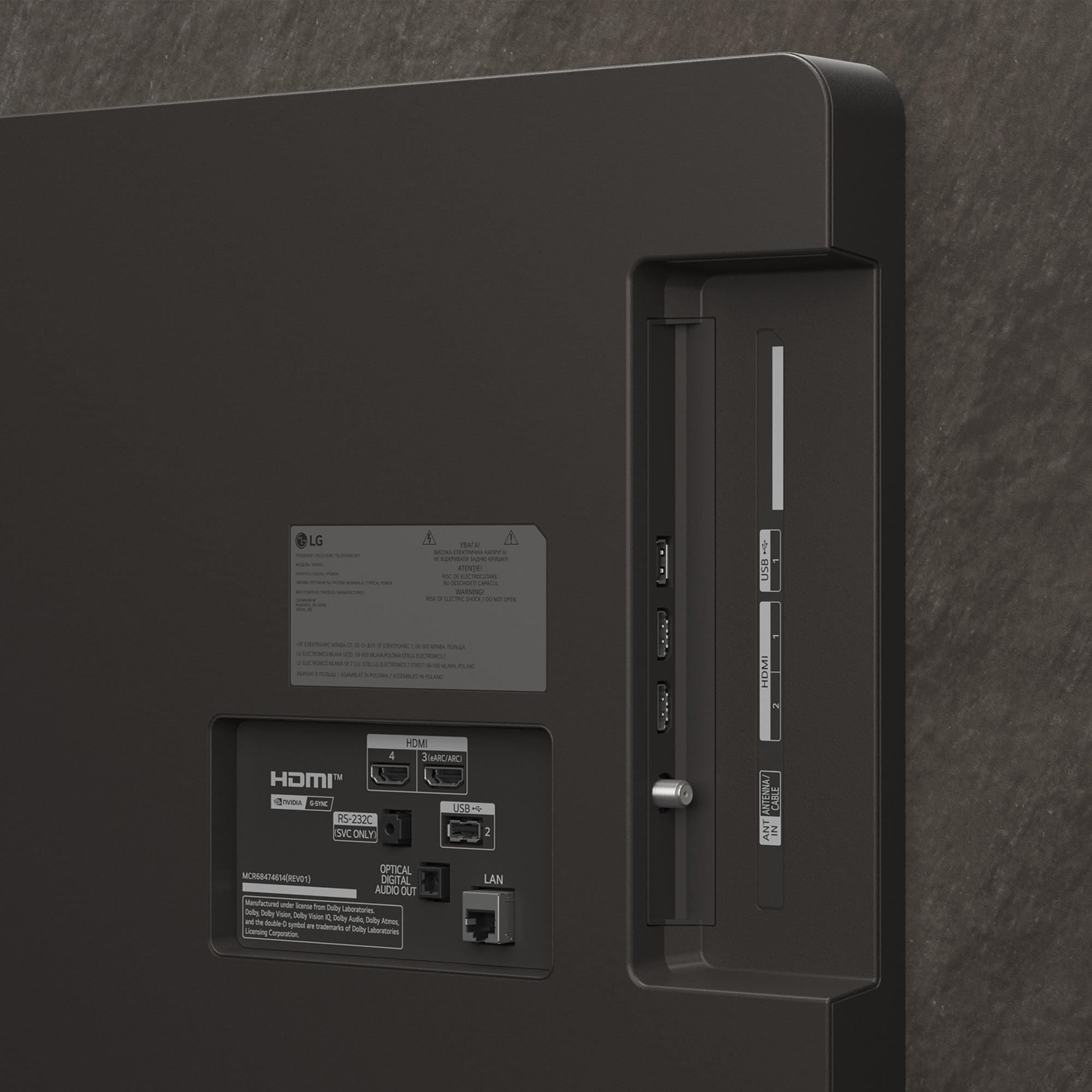
Both TVs are excellent for gaming, which wasn't always the case with premium display technologies. Each offers four HDMI 2.1 ports supporting 4K resolution at 120Hz refresh rates, Variable Refresh Rate (VRR) to eliminate screen tearing, and Auto Low Latency Mode (ALLM) that automatically switches to the fastest response settings when it detects a gaming console.
The LG B5 OLED has a slight technical edge with its 0.1ms pixel response time – essentially instantaneous. This makes it particularly good for competitive gaming where every millisecond matters. The OLED's perfect blacks also enhance gaming visuals, especially in games with dark environments or space settings.
However, the LG QNED92A counters with its superior brightness, which can be beneficial for gaming in bright rooms or for HDR gaming content. Both support Dolby Vision for gaming, a feature that's becoming increasingly important as more games adopt advanced HDR standards.
For console gaming, the differences are minimal – both will give you an excellent experience with PlayStation 5 or Xbox Series X. PC gamers might slightly prefer the OLED's faster response time, but we're talking about differences that most people won't notice in practical use.
Both TVs run LG's webOS 25 platform, which is genuinely one of the better smart TV systems available. The interface is clean and responsive, with the new "Quick Cards" feature that lets you group apps and services for easier access. Both models include voice control through Google Assistant, Amazon Alexa, and Apple HomeKit integration.
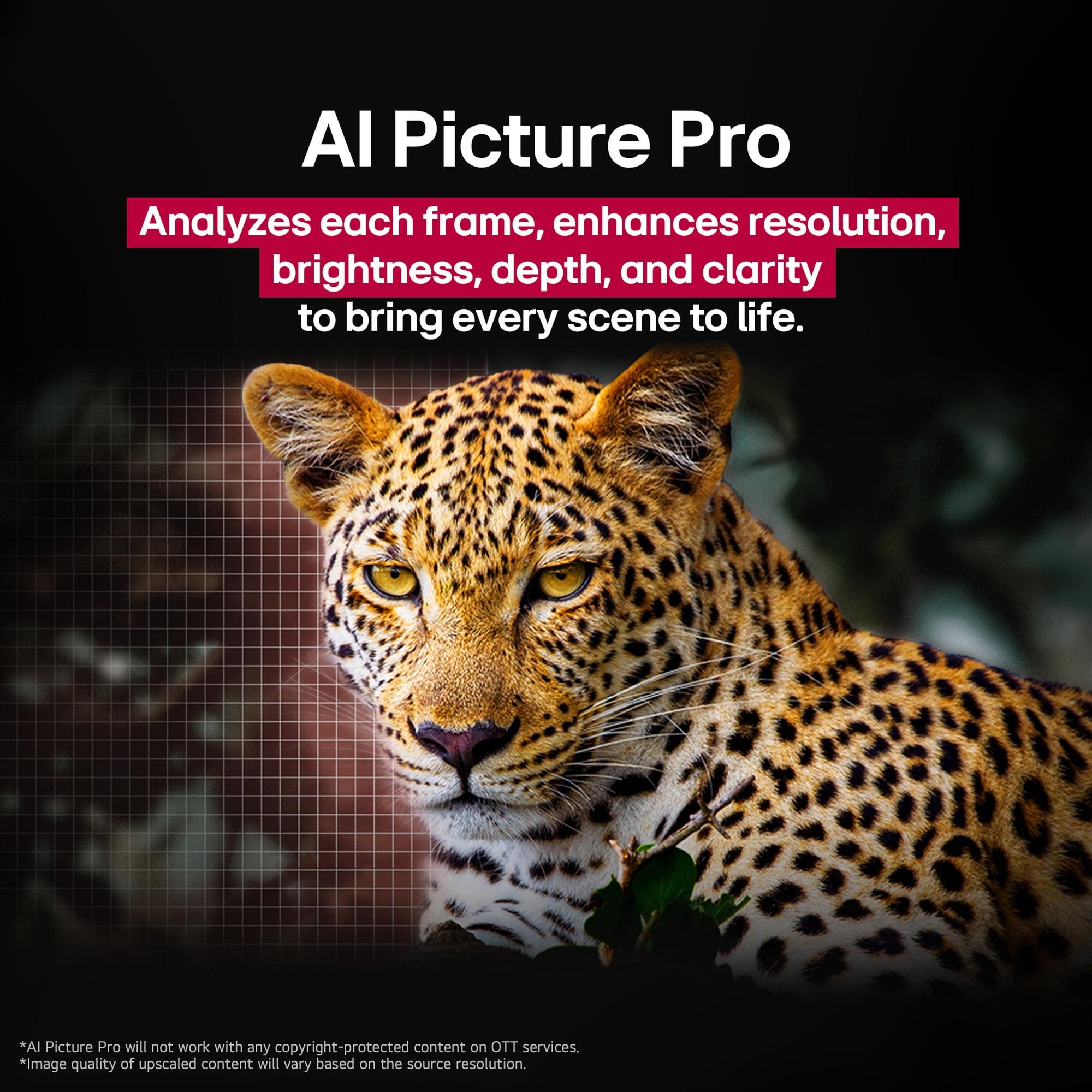
The main difference lies in processing power. The QNED92A's α9 AI Gen8 processor provides more advanced AI features, including better content optimization and more sophisticated upscaling of lower-resolution content. If you watch a lot of older movies or TV shows, or if you frequently stream content that isn't 4K, this processing advantage can be noticeable.
Both TVs promise up to five years of software updates through LG's Re:New program, which is excellent for long-term value. The new AI features include personalized picture and sound settings that adapt to your viewing habits and room conditions.
For dedicated home theater setups, the choice becomes clearer. If you can control the lighting in your viewing room, the LG B5 OLED creates a more cinematic experience. The perfect blacks and infinite contrast ratio make movies feel more immersive, especially in darker scenes that would look flat on other display technologies.
The OLED's wider viewing angles also mean everyone in the room gets a consistent picture, regardless of where they're sitting. This is particularly important for larger seating arrangements where people might be viewing from the sides.
However, if your "home theater" is really a multipurpose living room that serves for daytime TV watching, family activities, and movie nights, the LG QNED92A might be the better choice. Its superior brightness means it performs well in all lighting conditions, and there's no risk of burn-in if you leave the TV on with static content.
This is probably the most common question about OLED TVs. Burn-in occurs when static images (like channel logos, video game HUDs, or desktop elements) remain on screen for extended periods, potentially causing permanent image retention.
Modern OLED TVs, including the B5, have numerous protections against burn-in: pixel shifting, automatic brightness limiting, and screen savers. For typical viewing with varied content, burn-in is unlikely to be a problem. However, if you plan to use your TV for gaming sessions that last many hours with static elements, or if you frequently leave it on news channels with persistent logos, the QNED92A's immunity to burn-in becomes a significant advantage.
At $1,681.99 for the QNED92A versus $1,699.99 for the B5 OLED, the price difference is negligible. This makes the decision purely about performance and features rather than budget considerations.
The QNED92A offers more versatility – it performs well in any lighting condition and has no burn-in risk. The more powerful processor also means better long-term performance as content quality continues to improve. The optional Zero Connect Box adds future-proofing for wireless connectivity.
The B5 OLED provides a premium technology experience at an accessible price point. You're getting the fundamental OLED benefits – perfect blacks, infinite contrast, and exceptional viewing angles – that were once reserved for much more expensive models.
Choose the LG QNED92A QNED evo AI Mini LED 4K TV 2025 if you want maximum versatility. It's the better choice for bright rooms, mixed usage throughout the day, and anyone concerned about burn-in. The superior brightness makes HDR content more impactful, and the advanced AI processing provides better upscaling of varied content types.
Choose the LG B5 Series OLED 65" 4K Smart TV 2025 if picture quality is your primary concern and you can control your viewing environment. The perfect blacks and infinite contrast create a more immersive experience for movies and cinematic content. It's also slightly better for competitive gaming due to its faster response time.
Ultimately, both TVs represent excellent value in the premium 4K segment. The QNED92A is the practical choice that excels in real-world conditions, while the B5 OLED is the enthusiast choice that delivers the most impressive visual experience when conditions are right. Either way, you'll be getting one of the best TVs available in 2025 – the decision comes down to your specific viewing habits and room setup.
| LG 65" QNED92A QNED evo AI Mini LED 4K TV 2025 | LG B5 Series OLED 65" 4K Smart TV 2025 |
|---|---|
| Display Technology - Fundamental difference affecting all picture quality aspects | |
| Mini LED backlight with QNED (Quantum Dot + NanoCell) | Self-emissive OLED pixels |
| Peak Brightness - Critical for HDR impact and bright room viewing | |
| Up to 1,520 nits (excellent for bright rooms and HDR highlights) | Lower than Mini LED but sufficient for most content |
| Black Levels - Most important for contrast and cinematic experience | |
| Very good with some blooming in high-contrast scenes | Perfect blacks with infinite contrast ratio |
| Burn-in Risk - Long-term durability consideration | |
| None (immune to image retention) | Minimal risk with varied content, possible with static images |
| Processor - Affects AI upscaling and smart features | |
| α9 AI Gen8 Processor (more powerful AI processing) | α8 AI Gen2 Processor (1.4x faster than previous gen) |
| Gaming Performance - Response time and refresh rate capabilities | |
| 4K/120Hz, VRR, G-Sync, FreeSync with standard response time | 4K/120Hz, VRR, G-Sync, FreeSync with 0.1ms response time |
| Color Volume - Color saturation at all brightness levels | |
| 100% Color Volume (maintains vibrant colors at high brightness) | Excellent color accuracy with natural reproduction |
| Viewing Angles - Picture quality consistency from different positions | |
| Good but some color/contrast shift at extreme angles | Excellent with minimal degradation from any angle |
| Best Use Case - Ideal viewing environment and content | |
| Bright rooms, mixed usage, HDR content, no burn-in concerns | Dark rooms, movies, cinematic content, controlled lighting |
| Price - Current retail pricing | |
| $1,681.99 | $1,699.99 |
| Special Features - Unique capabilities | |
| Zero Connect Box (wireless video/audio), Precision Dimming Pro | Perfect pixel-level dimming, FILMMAKER MODE |
The LG 65" QNED92A QNED evo AI Mini LED 4K TV 2025 is significantly better for bright rooms due to its peak brightness of up to 1,520 nits. This Mini LED technology maintains color accuracy and contrast even with ambient light, while the LG B5 Series OLED 65" 4K Smart TV 2025 can appear washed out in very bright environments.
OLED technology in the LG B5 OLED uses self-emissive pixels that can turn completely off for perfect blacks and infinite contrast. Mini LED in the LG QNED92A uses thousands of tiny LED backlights with local dimming zones for higher brightness but can't achieve perfect blacks.
For movies in dark rooms, the LG B5 Series OLED delivers superior picture quality with perfect blacks and infinite contrast that creates a more cinematic experience. However, the LG QNED92A offers better HDR highlights and performs consistently in all lighting conditions.
Yes, both TVs excel for gaming. The LG QNED92A and LG B5 OLED both support 4K/120Hz, VRR, G-Sync, and FreeSync. The OLED has a slight edge with 0.1ms response time, while the Mini LED offers superior brightness for HDR gaming.
For a dedicated home theater with controlled lighting, the LG B5 Series OLED is the better choice due to its perfect blacks and infinite contrast ratio. If your home theater doubles as a living room with ambient light, the LG QNED92A provides more consistent performance.
Burn-in is permanent image retention that can occur with OLED displays when static images remain on screen for extended periods. The LG B5 OLED has protections against burn-in, but it's still possible with heavy static content use. The LG QNED92A is completely immune to burn-in.
Both TVs offer excellent value at similar prices - the LG QNED92A ($1,681.99) versus the LG B5 OLED ($1,699.99). The Mini LED offers versatility and no burn-in risk, while the OLED provides premium picture quality with perfect blacks.
Both the LG QNED92A and LG B5 OLED run webOS 25 with similar smart features. The main difference is the QNED92A's more powerful α9 AI Gen8 processor provides better AI upscaling and content optimization compared to the OLED's α8 AI Gen2 processor.
The LG 65" QNED92A gets significantly brighter with peak brightness up to 1,520 nits, making HDR highlights more impactful. The LG B5 OLED has lower peak brightness but excellent tone mapping within its range.
The LG B5 Series OLED has excellent viewing angles with minimal color or contrast shift from any position. The LG QNED92A has good viewing angles but may show some color and contrast degradation when viewed from extreme side angles.
For sports viewing, the choice depends on your room. The LG QNED92A is better for bright rooms and daytime viewing with superior brightness and consistent performance. The LG B5 OLED offers better motion clarity and contrast for sports in dimmer environments.
Both TVs should last many years with proper care. The LG QNED92A has no burn-in risk and consistent performance over time. The LG B5 OLED can last just as long with varied content usage, though OLED panels may gradually dim over many years of heavy use.
We've done our best to create useful and informative comparisons to help you decide what product to buy. Our research uses advanced automated methods to create this comparison and perfection is not possible - please contact us for corrections or questions. These are the sites we've researched in the creation of this article: stereoindex.com - youtube.com - youtube.com - digitaltrends.com - abt.com - lg.com - youtube.com - ecoustics.com - hometheaterforum.com - lg.com - valueelectronics.com - listenup.com - pcrichard.com - furnitureconnectionnd.com - avnirvana.com - files.bbystatic.com - lg.com - lgnewsroom.com - techradar.com - bestbuy.com - bestbuy.com - youtube.com - youtube.com - eftm.com - bestbuy.com - rtings.com - youtube.com - rtings.com - tomsguide.com - youtube.com - nationalproductreview.com.au - lg.com - manchesterbrothers.com - avsforum.com - lg.com - lg.com - lg.com - lg.com - retailspecs.com - american-homeappliance.com - perpichtv.com

Privacy Policy
Terms and Conditions - Affiliate Policy
Home Security
© Copyright 2008-2026.
11816 Inwood Rd #1211, Dallas, TX 75244