



Choosing between premium 65-inch TVs has become increasingly complex as manufacturers push competing display technologies. Two models that highlight this challenge are Samsung's budget-friendly Q7F QLED and LG's flagship QNED92A Mini LED. While both arrived in 2025 targeting different price segments, they represent fundamentally different approaches to delivering quality home entertainment.
The TV market has evolved dramatically since the pandemic-driven viewing boom. Manufacturers now focus heavily on gaming performance, AI-enhanced picture processing, and smart platform longevity. Understanding these developments helps explain why these two models, despite sharing a 65-inch screen size, serve vastly different user needs.
Modern premium TVs rely on several key technologies that directly impact your viewing experience. Quantum dots are microscopic particles that enhance color accuracy and brightness when hit by light – think of them as tiny color filters that make reds redder and blues bluer. Local dimming controls brightness in specific screen zones, allowing dark movie scenes to show true blacks alongside bright highlights.
Mini LED backlighting represents a significant advancement, using thousands of tiny LEDs instead of traditional larger ones. This creates more precise lighting control across the screen, dramatically improving contrast. Meanwhile, refresh rate determines how smoothly motion appears – 120Hz displays twice as many images per second as 60Hz panels, crucial for sports and gaming.
The most important performance characteristics for any TV include peak brightness (measured in nits), color gamut coverage (how many colors it can display), contrast ratio (difference between darkest and brightest areas), and input lag (delay between controller input and screen response). These metrics directly translate to real-world viewing quality.
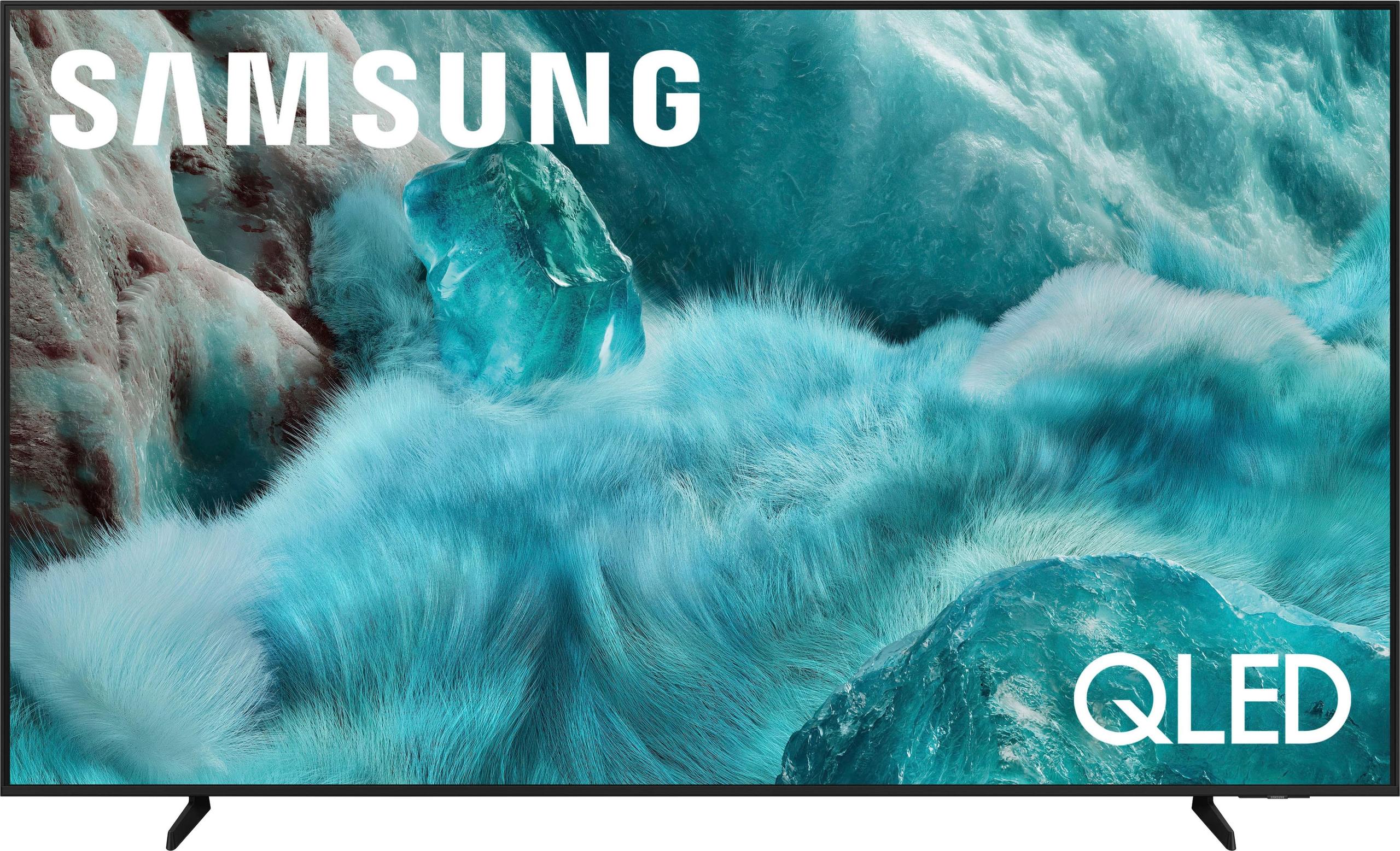
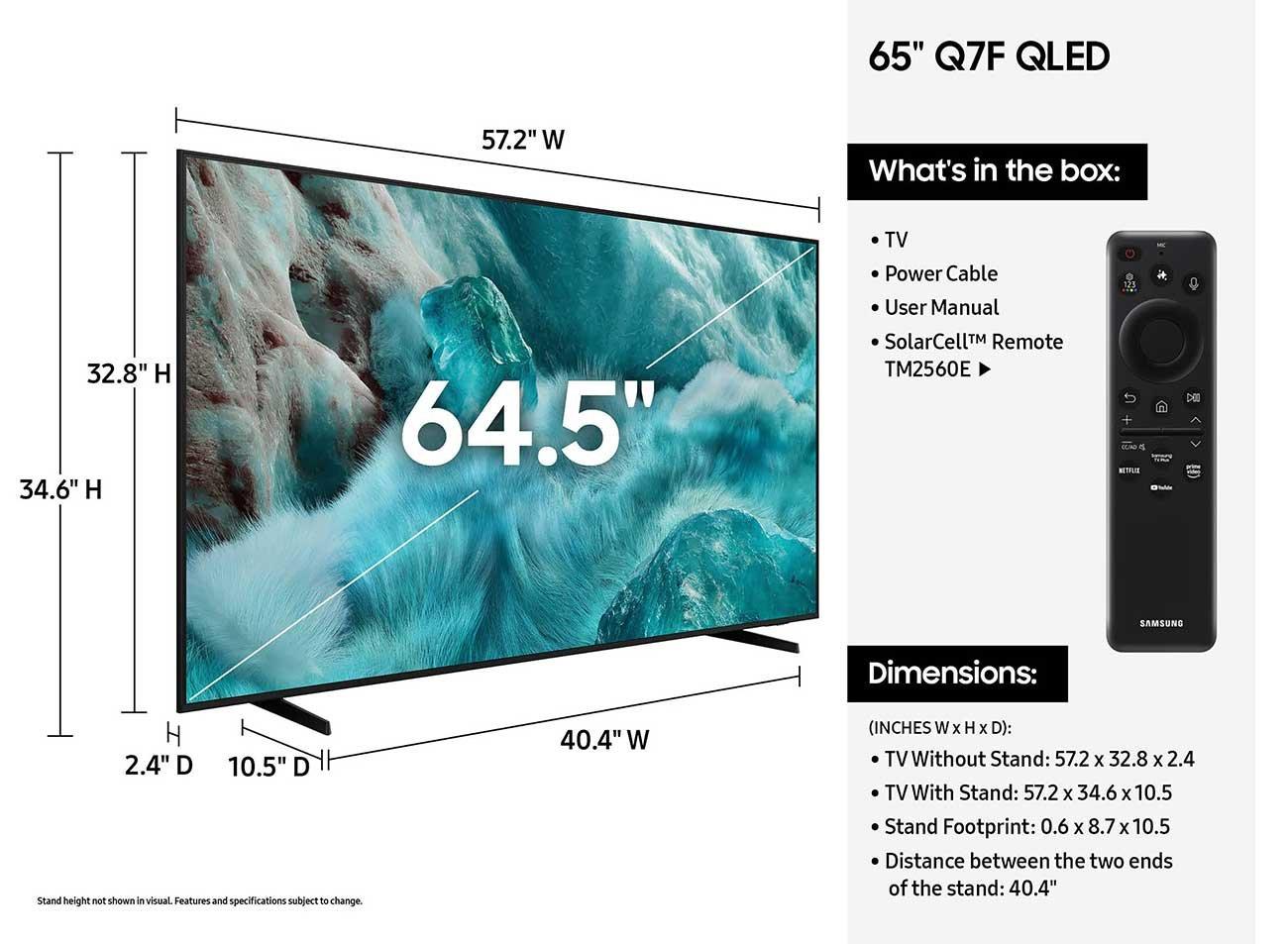
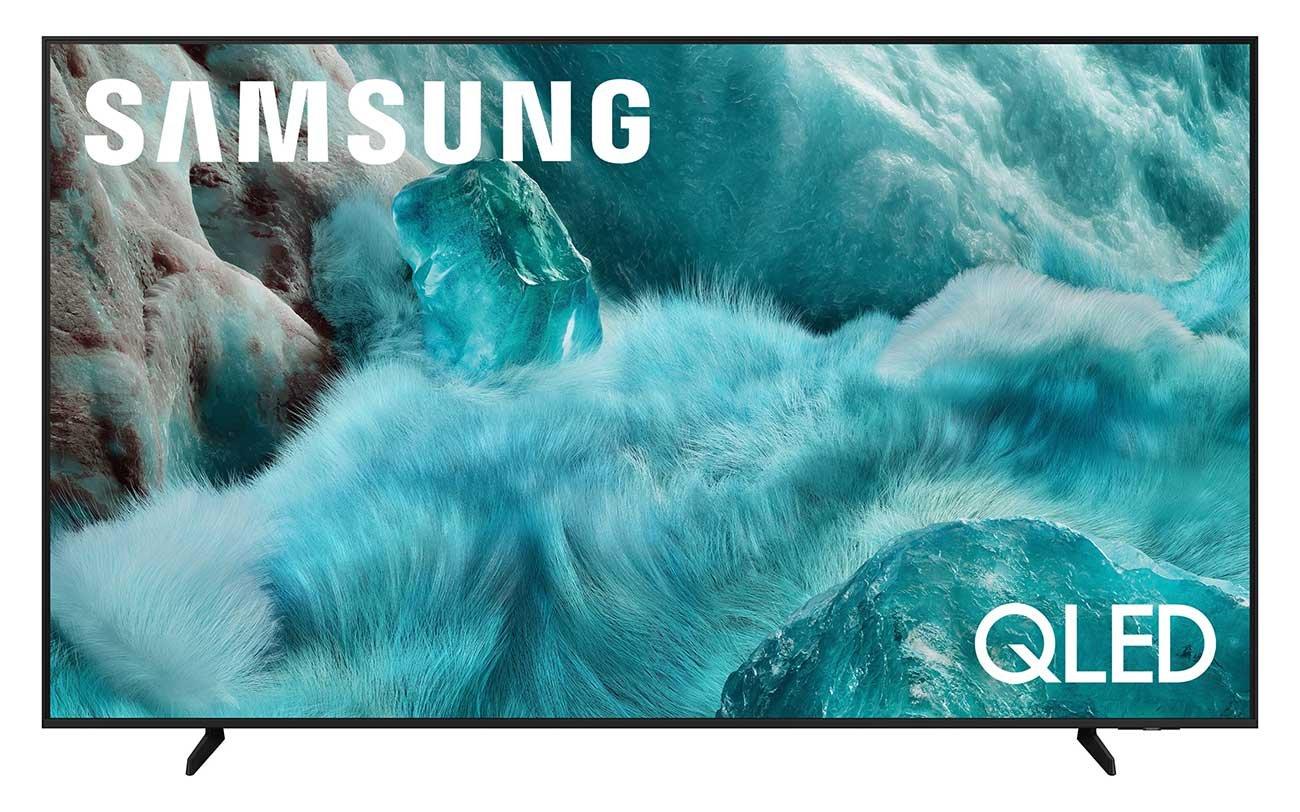
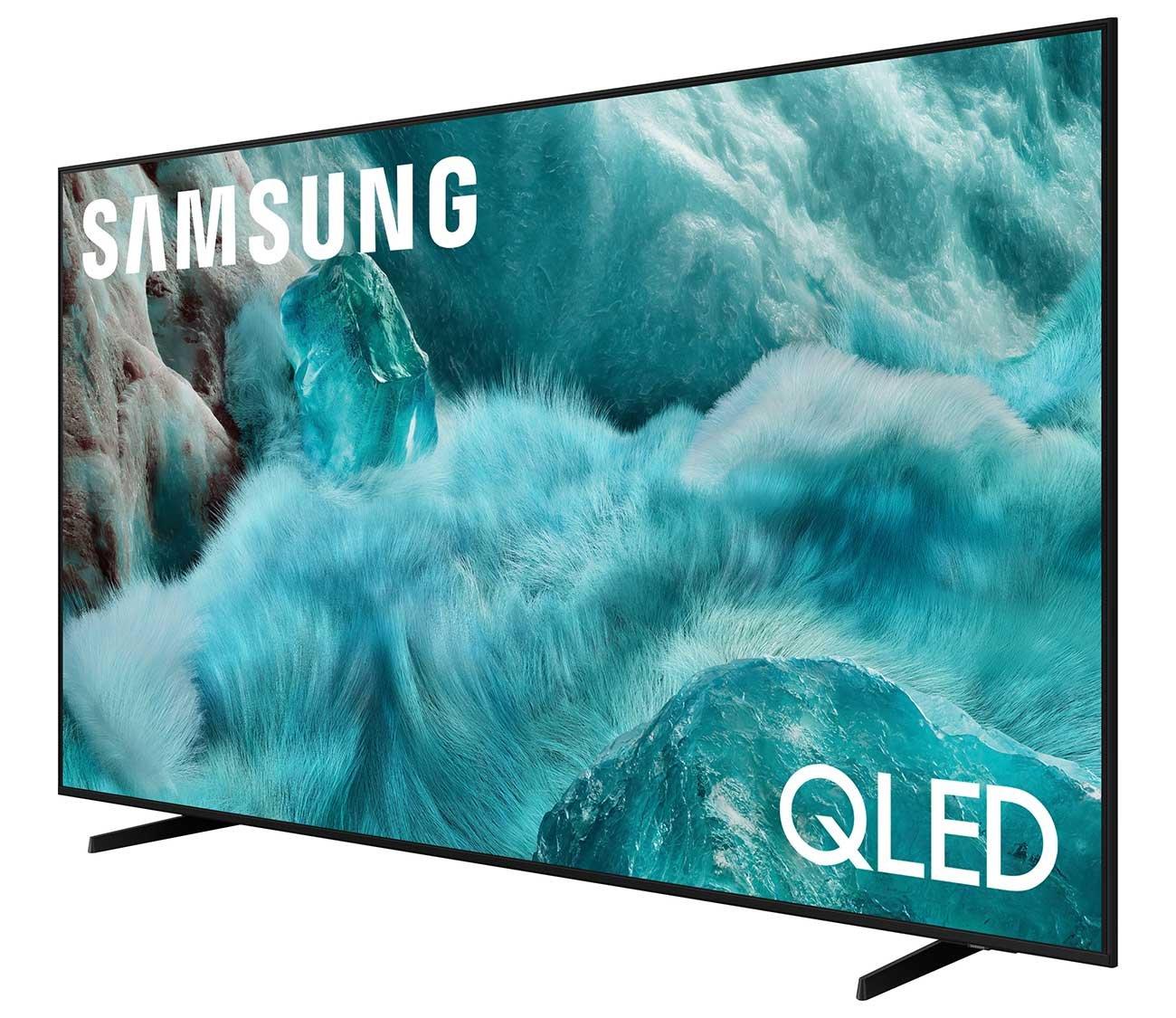
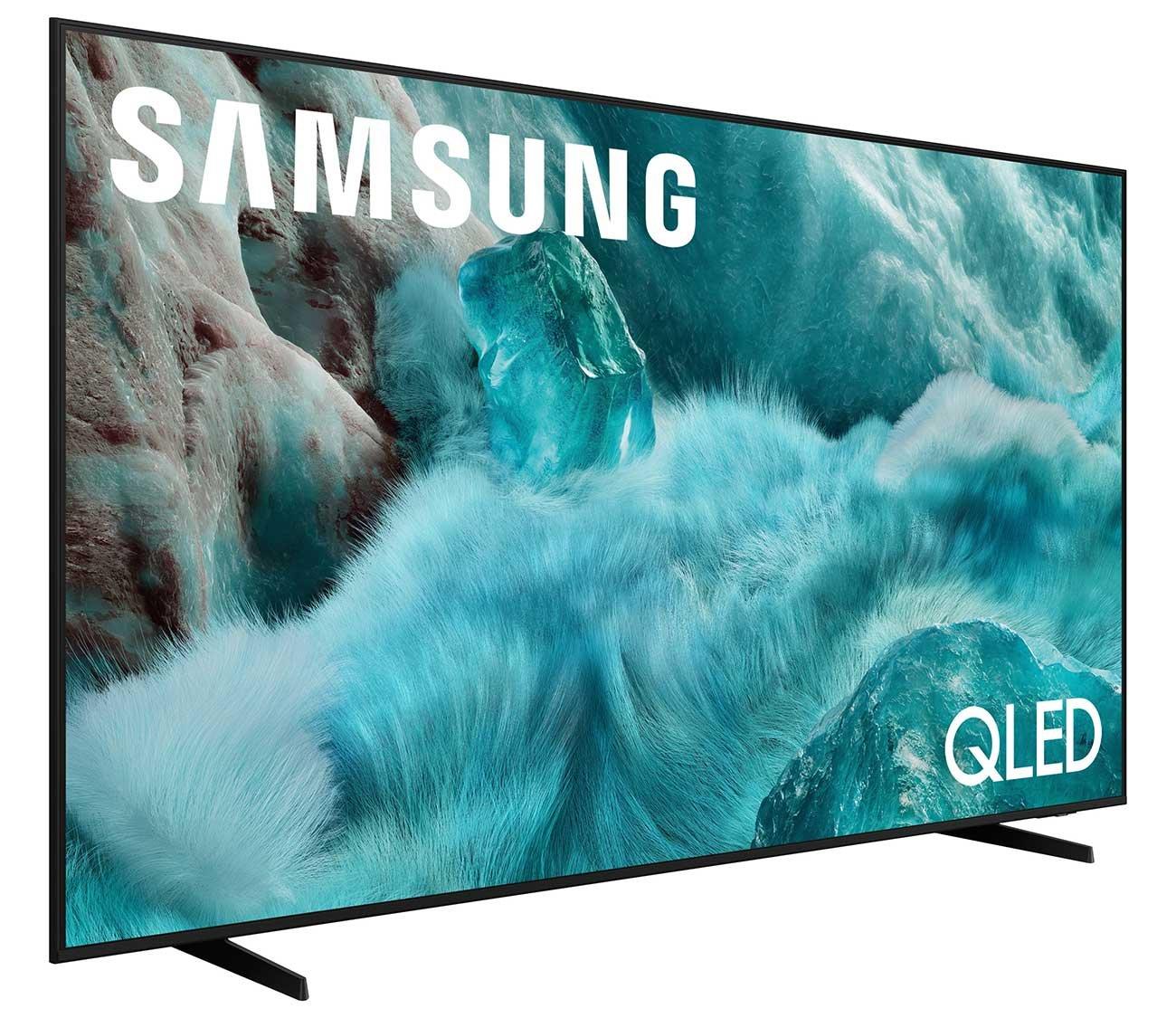
Samsung's Q7F represents the company's attempt to bring quantum dot technology to budget-conscious buyers. Released in early 2025 at an attractive price point, it sits at the entry level of Samsung's QLED lineup – a position that requires careful compromises.
The Q7F uses traditional edge-lit backlighting, where LEDs line the screen's edges rather than sitting directly behind the panel. This keeps costs down but limits contrast performance compared to more expensive full-array local dimming systems. Samsung compensates with their Quantum Dot Color technology, which enhances the color palette beyond standard LED TVs.
Picture quality on the Q7F delivers what you'd expect from an entry-level QLED. Colors appear vibrant and punchy, particularly in bright scenes. The PANTONE Validated certification ensures color accuracy meets professional standards, displaying over 2,100 PANTONE colors accurately. For daytime viewing and colorful content like nature documentaries or animated movies, this creates an engaging experience.
However, the lack of local dimming becomes apparent in darker scenes. Without the ability to selectively dim screen areas, the Q7F struggles with contrast – dark movie scenes often appear grayish rather than truly black. This limitation becomes particularly noticeable when watching HDR content, where the format's wide brightness range can't be fully utilized.
Gaming performance on the Q7F reflects its budget positioning. The 60Hz refresh rate and HDMI 2.0 ports limit it to basic gaming capabilities. While Auto Low Latency Mode (ALLM) reduces input lag by automatically switching to Game Mode, the TV can't take advantage of next-generation console features like 120fps gaming or Variable Refresh Rate (VRR) that prevents screen tearing.
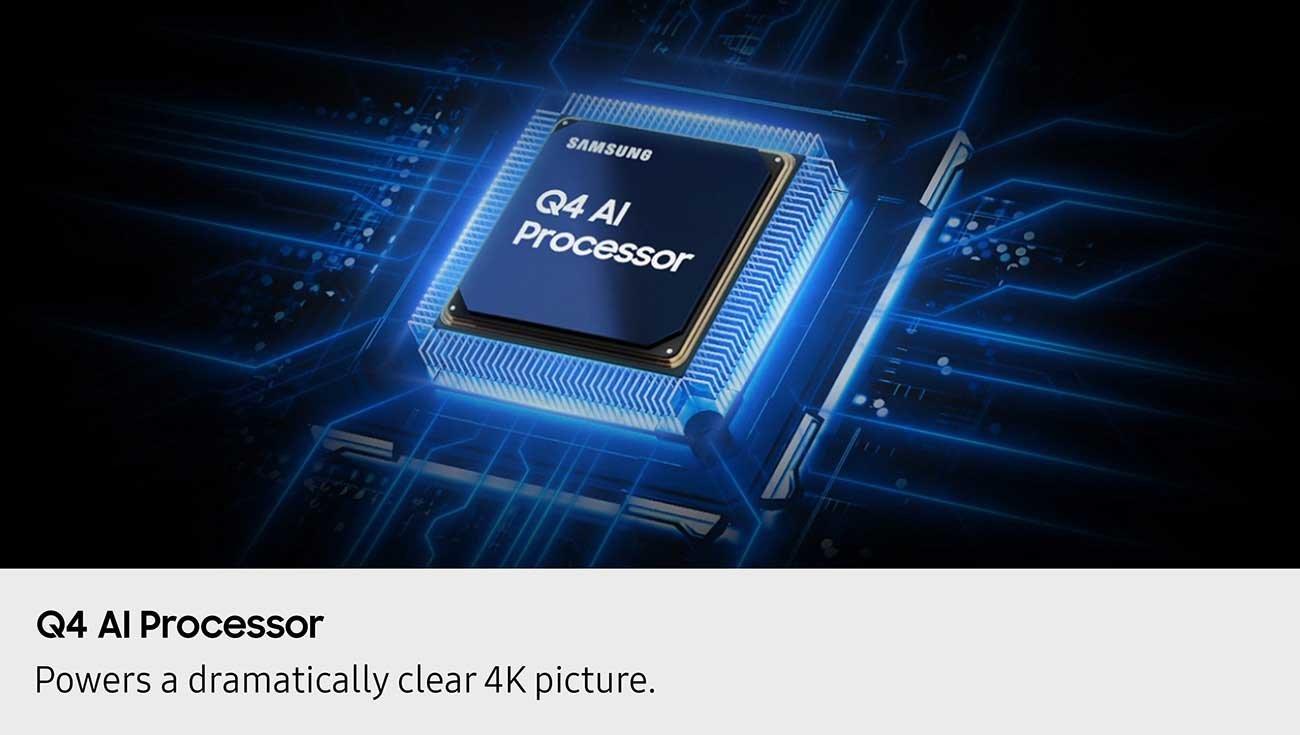
The smart platform runs Samsung's Tizen OS, though with a reduced feature set compared to premium models. The Q4 AI Processor handles basic upscaling and content optimization, but lacks the advanced AI features found in higher-tier Samsung TVs. Samsung's Vision AI provides some intelligent features like content recommendations, but the implementation feels basic compared to more sophisticated systems.
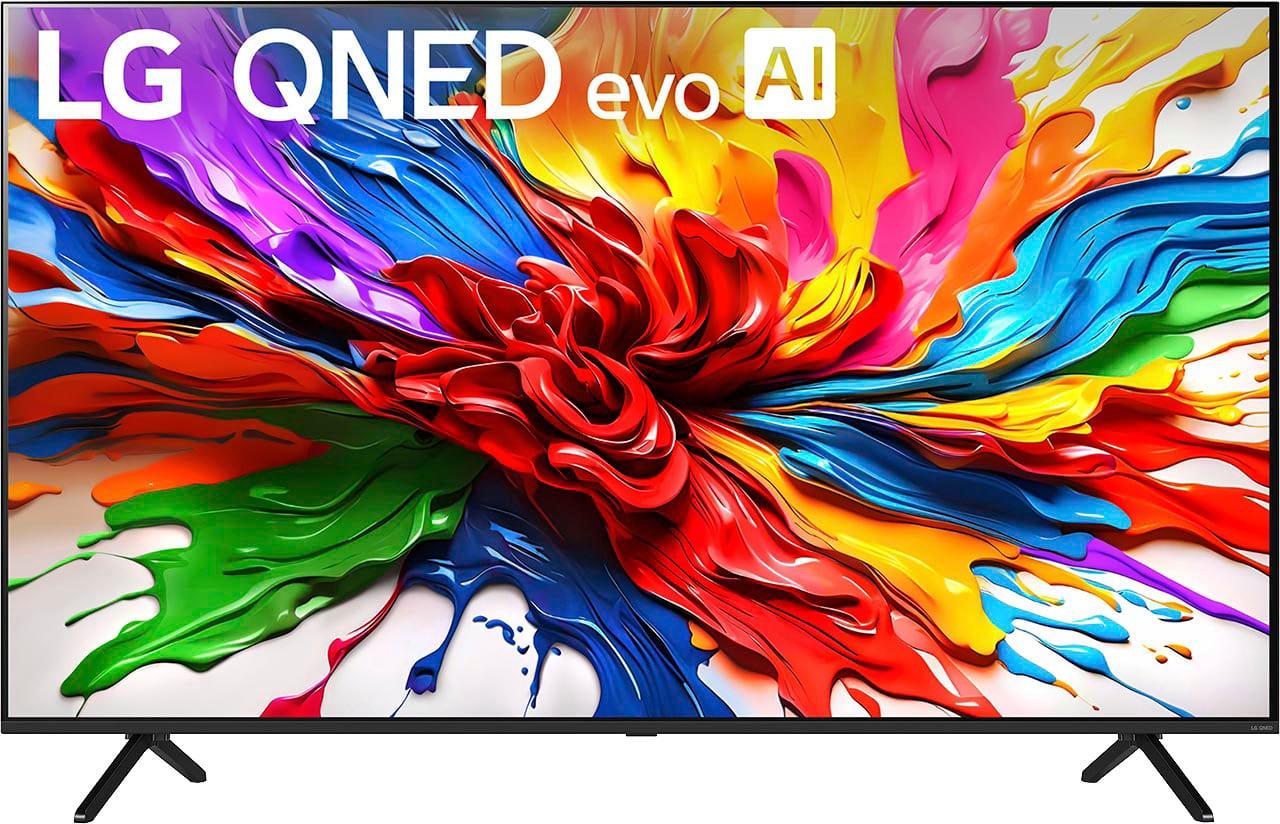
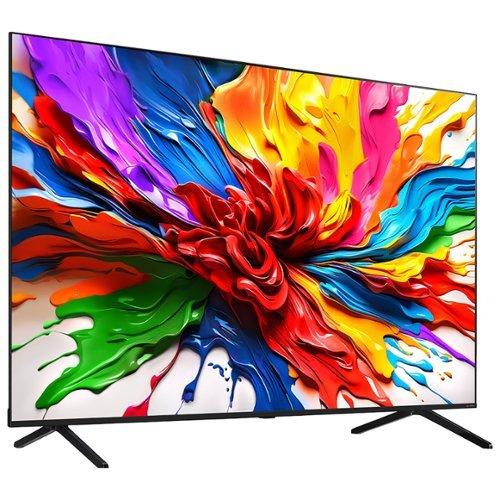
LG's QNED92A takes an entirely different approach, combining multiple premium technologies into what the company positions as their flagship Mini LED offering. Released in mid-2025, it represents LG's answer to OLED alternatives for buyers seeking maximum brightness without burn-in concerns.
The standout feature is Mini LED backlighting with Precision Dimming Pro. Instead of edge-lighting, hundreds of tiny LEDs sit directly behind the screen, each controllable independently. This creates dramatic improvements in contrast – dark areas of the screen can achieve near-black levels while bright highlights shine intensely. The result approaches OLED-like contrast performance while maintaining LCD's brightness advantages.
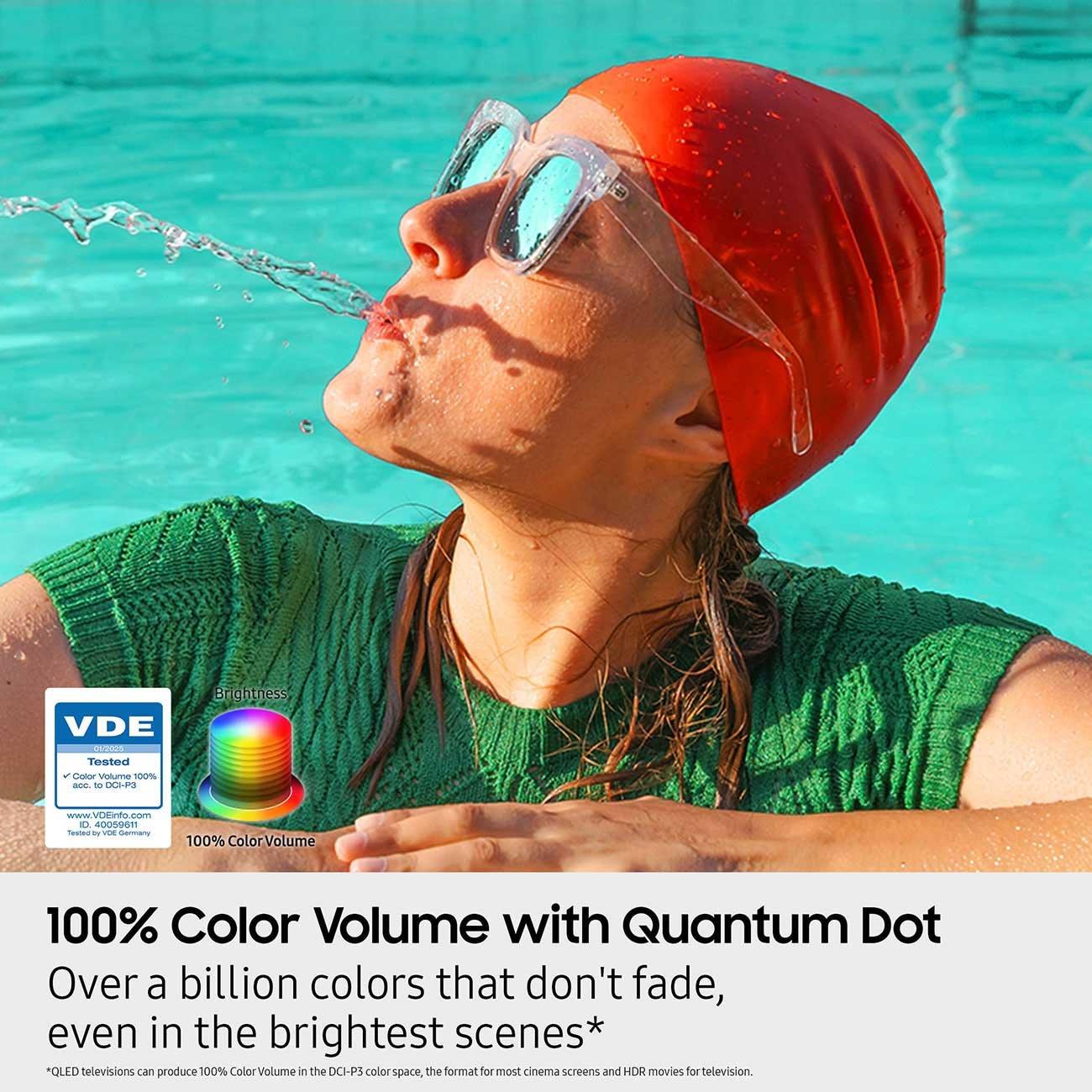
LG combines this with their Dynamic QNED Color technology, which layers quantum dot and NanoCell technologies. This dual approach achieves 100% Color Volume certification, meaning the TV can display rich, saturated colors at any brightness level. Unlike some quantum dot implementations that lose color accuracy in dim scenes, the QNED92A maintains color integrity across the entire brightness range.
The Alpha 8 AI Processor Gen2 represents a significant step up in processing power. This chip analyzes content in real-time, optimizing picture settings automatically. AI Super Upscaling enhances lower-resolution content using machine learning algorithms trained on millions of images, making old DVD collections and streaming content appear sharper and cleaner.
Peak brightness measurements show the QNED92A reaching over 1,500 nits in smaller screen areas – bright enough to make HDR highlights truly pop even in well-lit rooms. This brightness advantage becomes crucial for daytime viewing, where lesser TVs often appear washed out under ambient light.
For home theater enthusiasts, the TV's Dolby Vision IQ support stands out. This advanced HDR format adjusts brightness and color dynamically based on ambient lighting conditions, ensuring optimal picture quality whether you're watching in a darkened theater room or bright living space. Combined with FILMMAKER MODE, which disables motion smoothing and preserves director intent, the QNED92A delivers cinema-accurate presentations.
The gaming performance gap between these models reflects the broader console gaming evolution. Modern PlayStation 5 and Xbox Series X consoles can output games at 4K resolution and 120 frames per second – capabilities the Q7F simply cannot display due to its 60Hz limitation and HDMI 2.0 connectivity.
The QNED92A embraces next-generation gaming fully. All four HDMI 2.1 ports support 4K at 120Hz, enabling silky-smooth gameplay in supported titles. Variable Refresh Rate (VRR) synchronizes the TV's refresh with the console's output, eliminating screen tearing and stuttering that can occur when frame rates fluctuate.
Input lag measurements show the QNED92A achieving just 9.6 milliseconds in Game Mode – fast enough for competitive gaming where every millisecond counts. The Game Optimizer provides quick access to gaming-specific settings without diving through complex menus, while support for GeForce NOW and Xbox Cloud Gaming enables high-quality gaming without requiring a dedicated console.
For serious gamers building a home entertainment system around gaming, the QNED92A future-proofs the investment. As games increasingly target 120fps performance, the Q7F's 60Hz ceiling becomes a significant limitation that can't be overcome through firmware updates.
Both TVs offer modern smart platforms, but with different feature depths and update commitments. The Q7F runs a streamlined version of Samsung's Tizen OS that covers basics well – major streaming apps, voice control through Bixby and Alexa, and Samsung TV Plus for free content. However, the reduced feature set and Samsung's unclear update policy for budget models create uncertainty about long-term software support.
LG's approach with the QNED92A emphasizes longevity. The webOS 25 platform includes LG's Re:New Program, guaranteeing five years of major software updates. This commitment means the TV will receive new features, app updates, and security patches well into the 2030s – unusual in an industry where software support often ends after two years.
The Magic Remote included with the QNED92A provides intuitive point-and-click navigation, while voice control through multiple assistants (Google Assistant, Alexa, Apple HomeKit) offers flexibility regardless of your smart home ecosystem. The Zero Connect Box innovation deserves special mention – it enables completely wireless video transmission, allowing the TV to receive 4K signals without any cables except power.
Audio quality significantly impacts viewing enjoyment, yet many buyers focus solely on picture quality. The Q7F includes basic 20-watt speakers with Object Tracking Sound Lite, which attempts to move audio across the screen to match visual action. While adequate for casual viewing, the system lacks depth and dynamic range for movie nights or music listening.
The QNED92A takes audio seriously with native Dolby Atmos support and the Alpha 8 AI Sound Pro processor. This system analyzes content to optimize audio settings automatically – dialogue becomes clearer in movies, while music gains spatial depth. The Bluetooth Surround Ready feature allows wireless rear speakers for expanded surround sound without running cables across the room.
For home theater enthusiasts, Dolby Atmos support becomes crucial. This format places sounds in three-dimensional space, creating overhead effects that make action scenes more immersive. While both TVs benefit from external sound systems, the QNED92A provides a better foundation for audio upgrades through its advanced processing and connectivity options.
At the time of writing, these TVs serve distinctly different market segments. The Q7F targets budget-conscious buyers who want quantum dot color benefits without premium pricing. For apartment dwellers, bedroom installations, or secondary TVs, it provides solid performance at an accessible price point. The picture quality satisfies casual viewing needs, and the lightweight design simplifies wall mounting.
The QNED92A commands a significant premium but justifies it through comprehensive feature sets and performance advantages. Mini LED technology, advanced AI processing, gaming capabilities, and long-term software support create value for buyers planning to keep their TV for many years. The higher upfront cost spreads across extended ownership periods, particularly with LG's five-year update commitment.
Choose the Samsung Q7F if you need a reliable TV for basic viewing needs without breaking the budget. It works well for streaming services, casual gaming at 60fps, and general entertainment. The quantum dot technology provides better colors than basic LED TVs, and Samsung's interface feels familiar to most users. However, understand the limitations – no 120Hz gaming, basic HDR performance, and uncertain long-term software support.
Select the LG QNED92A if you want premium performance with modern features. The Mini LED backlighting creates impressive contrast, while 120Hz gaming support future-proofs your investment for next-generation consoles. The comprehensive smart platform, guaranteed software updates, and superior audio processing justify the higher cost for serious home theater enthusiasts.
Consider your viewing environment too. Bright living rooms benefit from the QNED92A's superior peak brightness, while the Q7F works fine in darker bedrooms or apartments with controlled lighting. Gaming habits matter significantly – casual players can live with 60Hz limitations, while competitive gamers and next-gen console owners need 120Hz capabilities.
The bottom line: these TVs target different buyers with different priorities. The Q7F offers good-enough performance at an attractive price, while the QNED92A delivers premium capabilities for enthusiasts willing to pay for the best available technology. Neither choice is wrong, but understanding your needs and budget constraints will guide you toward the right decision for your specific situation.
| Samsung 65" Q7F QLED 4K Vision AI Smart TV 2025 | LG 65" QNED92A QNED evo AI Mini LED 4K TV 2025 |
|---|---|
| Display Technology - Determines contrast quality and viewing experience | |
| Traditional QLED with edge-lit backlighting, no local dimming | Mini LED with hundreds of dimming zones, Quantum Dot + NanoCell |
| Peak Brightness - Critical for HDR impact and daytime viewing | |
| ~500 nits (adequate for most rooms) | Up to 1,520 nits (excellent for bright spaces) |
| Refresh Rate - Essential for smooth motion and gaming | |
| 60Hz native (basic gaming only) | 120Hz native (supports next-gen gaming) |
| Gaming Features - Determines console compatibility | |
| HDMI 2.0, Auto Low Latency Mode only | HDMI 2.1 (4 ports), VRR, FreeSync, 9.6ms input lag |
| HDR Support - Affects movie and streaming quality | |
| HDR10+ only (no Dolby Vision) | Dolby Vision IQ, HDR10, HLG (full format support) |
| Smart Platform - Long-term usability and features | |
| Tizen OS (reduced features), Q4 AI Processor | webOS 25, α8 AI Gen2, 5-year update guarantee |
| Audio System - Built-in sound quality | |
| 20W 2-channel, Object Tracking Sound Lite | 2.2 channel with Dolby Atmos, AI Sound Pro |
| HDMI Connectivity - Determines device compatibility | |
| 3 HDMI 2.0 ports (limited for multiple devices) | 4 HDMI 2.1 ports (future-proof connectivity) |
| Color Performance - Visual quality and accuracy | |
| PANTONE Validated, Quantum Dot technology | 100% Color Volume certified, Dynamic QNED Color |
| Processor - AI features and upscaling quality | |
| Q4 AI Processor (basic optimization) | α8 AI Gen2 (advanced AI Picture/Sound Pro) |
| Wireless Connectivity - Streaming and smart features | |
| Standard Wi-Fi and Bluetooth | Wi-Fi 6E, Bluetooth 5.3, Zero Connect Box option |
| Design and Build - Physical characteristics | |
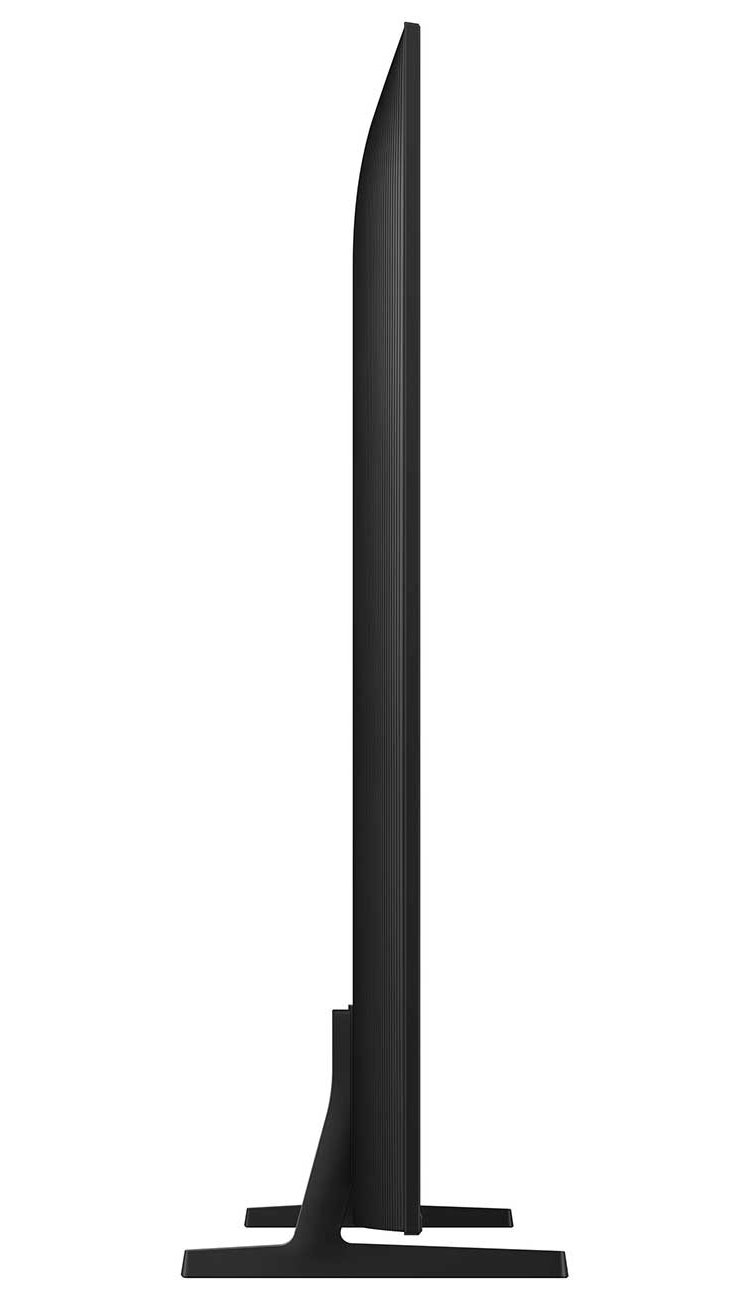
| Lightweight (36.8 lbs), basic stand | Premium build, Magic Remote included |
| Target User - Who should consider each model | |
| Budget buyers, casual viewers, secondary TV use | Gaming enthusiasts, home theater, bright rooms |
The LG QNED92A is significantly better for gaming with its 120Hz refresh rate, four HDMI 2.1 ports, Variable Refresh Rate (VRR), and 9.6ms input lag. It supports next-gen console features like 4K at 120fps. The Samsung Q7F is limited to 60Hz gaming with basic HDMI 2.0 ports, making it suitable only for casual gaming.
The LG QNED92A delivers superior picture quality with Mini LED backlighting and hundreds of dimming zones, achieving peak brightness over 1,500 nits and excellent contrast. The Samsung Q7F uses basic edge-lit backlighting without local dimming, resulting in lower contrast and brightness around 500 nits.
The LG QNED92A excels in bright rooms with its peak brightness of 1,520 nits, making HDR content visible even with ambient light. The Samsung Q7F may appear washed out in very bright environments due to its lower 500-nit brightness capability.
No, only the LG QNED92A supports Dolby Vision IQ, HDR10, and HLG formats. The Samsung Q7F only supports HDR10+ and lacks Dolby Vision capability, which limits its HDR performance with certain streaming content.
The LG QNED92A is the clear choice for home theater with its Mini LED technology, Dolby Vision IQ support, FILMMAKER MODE, native Dolby Atmos audio, and superior contrast performance. The Samsung Q7F lacks the advanced features needed for premium home theater experiences.
The LG QNED92A runs webOS 25 with a 5-year software update guarantee and advanced AI features. The Samsung Q7F uses a simplified version of Tizen OS with basic smart features and uncertain long-term update support.
The LG QNED92A offers superior audio with 2.2 channel speakers, native Dolby Atmos support, and AI Sound Pro processing. The Samsung Q7F has basic 20W 2-channel speakers with Object Tracking Sound Lite, adequate for casual viewing but limited for immersive experiences.
The LG QNED92A provides a better movie experience with its higher contrast ratio, Dolby Vision support, FILMMAKER MODE, and superior brightness control. While the Samsung Q7F can display movies adequately, it lacks the contrast and HDR capabilities for premium cinematic viewing.
This depends on your needs and budget. The Samsung Q7F offers good value for budget-conscious buyers wanting basic QLED features. The LG QNED92A provides better long-term value for enthusiasts with its premium features, 5-year software support, and future-proof connectivity.
The Samsung Q7F has 3 HDMI 2.0 ports, which may be limiting for multiple devices. The LG QNED92A includes 4 HDMI 2.1 ports, providing better connectivity for gaming consoles, streaming devices, and other equipment.
The LG QNED92A is superior for sports with its 120Hz refresh rate for smoother motion, higher brightness for daytime viewing, and better upscaling of broadcast content. The Samsung Q7F can handle sports viewing but may show more motion blur due to its 60Hz limitation.
Both TVs offer good color performance, but differently. The Samsung Q7F features PANTONE Validated colors with Quantum Dot technology. The LG QNED92A achieves 100% Color Volume certification with its Dynamic QNED Color technology, providing more accurate colors across all brightness levels.
We've done our best to create useful and informative comparisons to help you decide what product to buy. Our research uses advanced automated methods to create this comparison and perfection is not possible - please contact us for corrections or questions. These are the sites we've researched in the creation of this article: bestbuy.com - youtube.com - samsung.com - samsung.com - pcrichard.com - samsung.com - samsung.com - videoandaudiocenter.com - displayspecifications.com - bestbuy.com - samsung.com - samsung.com - samsung.com - samsung.com - news.samsung.com - stereoindex.com - youtube.com - youtube.com - digitaltrends.com - abt.com - lg.com - youtube.com - ecoustics.com - hometheaterforum.com - lg.com - valueelectronics.com - listenup.com - pcrichard.com - furnitureconnectionnd.com - avnirvana.com - files.bbystatic.com - lg.com - lgnewsroom.com - techradar.com - bestbuy.com - bestbuy.com - youtube.com - youtube.com

Privacy Policy
Terms and Conditions - Affiliate Policy
Home Security
© Copyright 2008-2026.
11816 Inwood Rd #1211, Dallas, TX 75244