

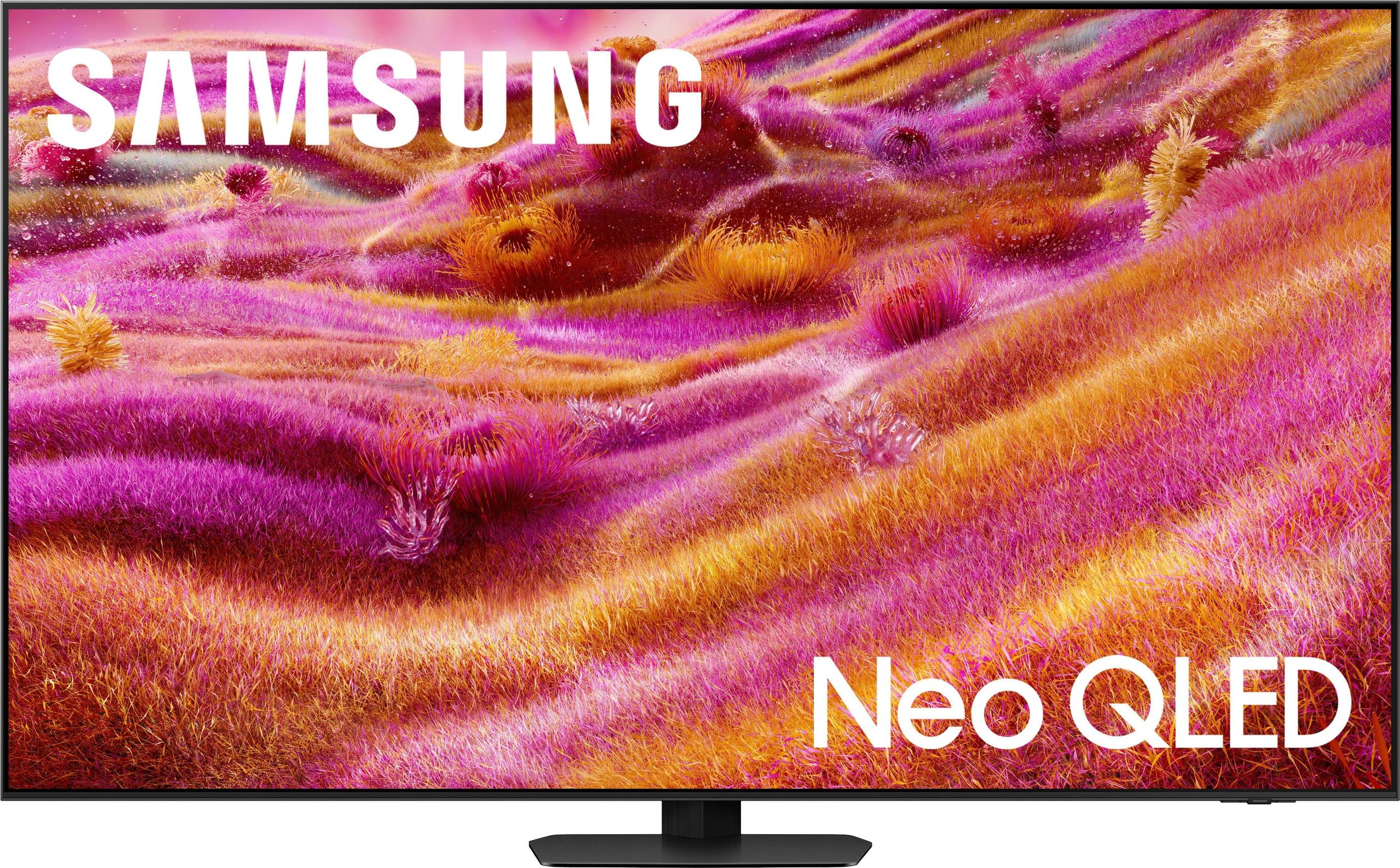
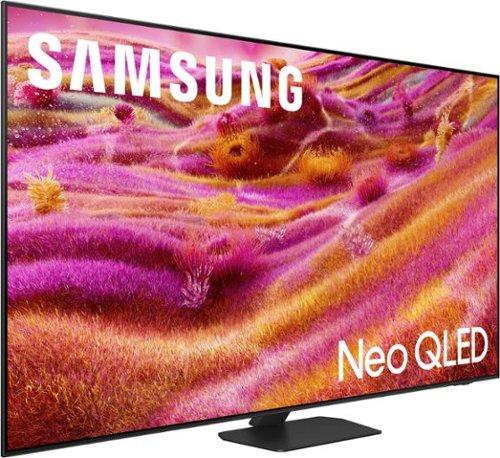
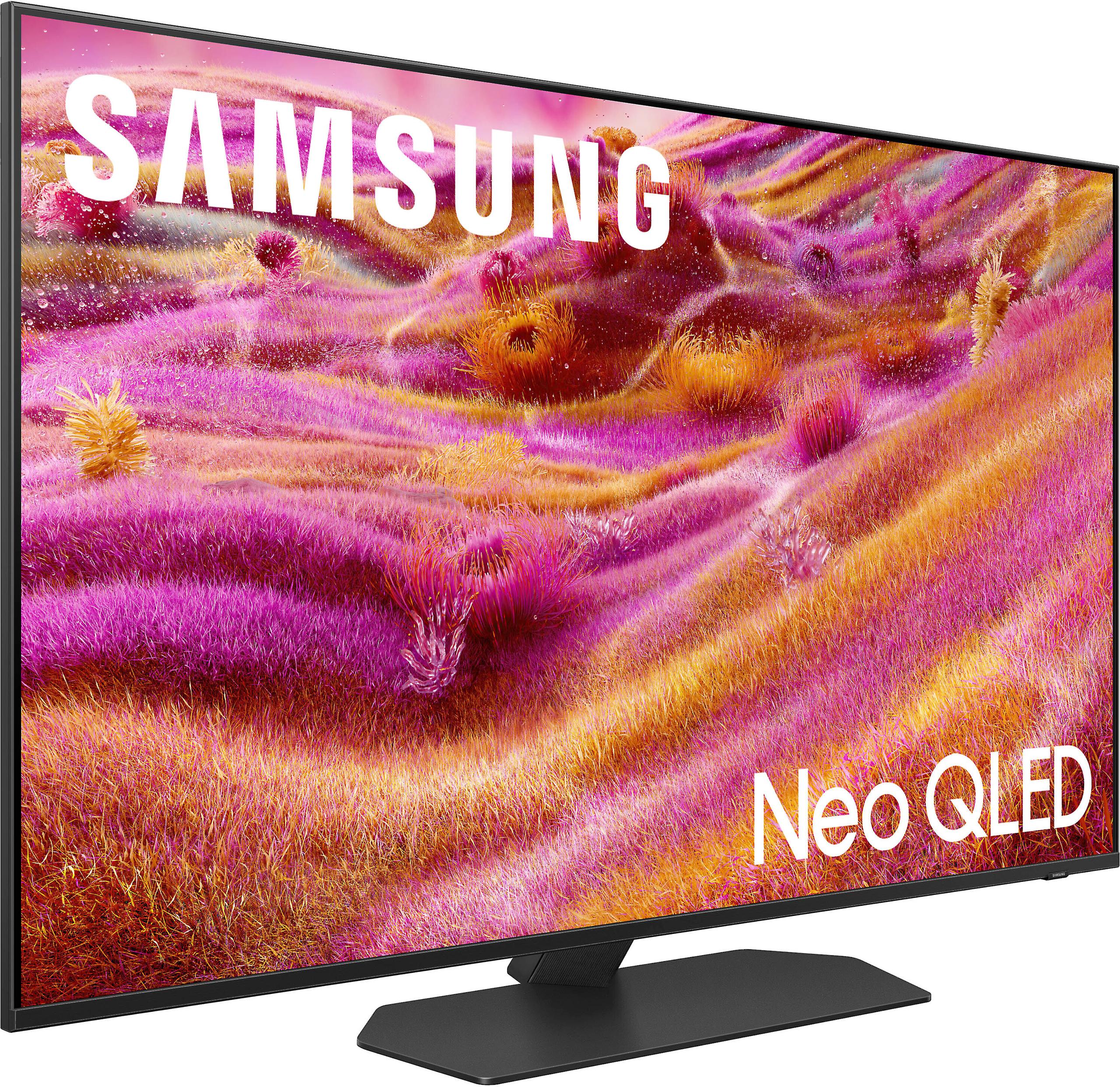
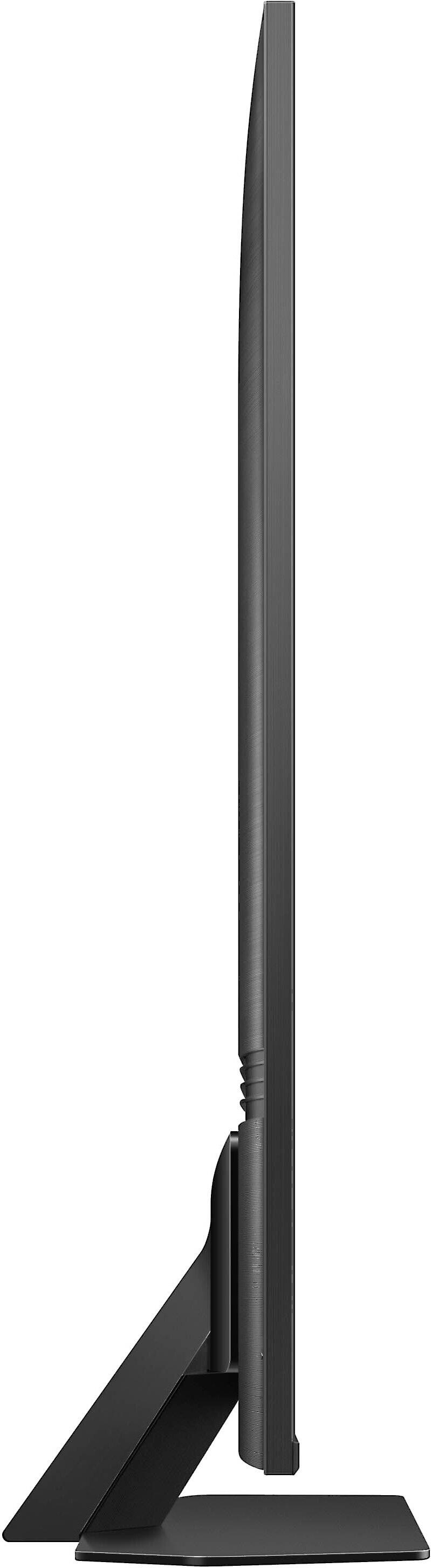
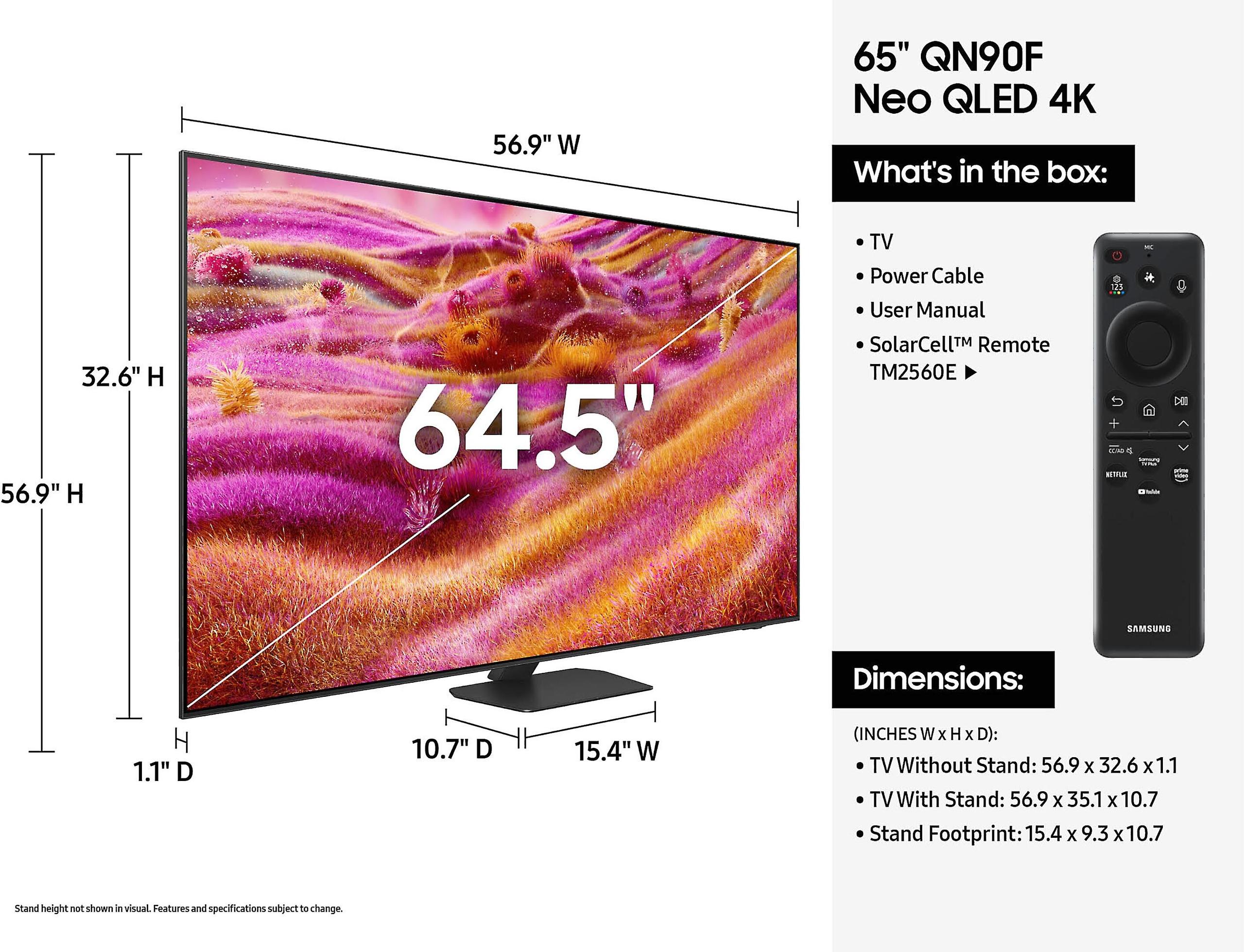
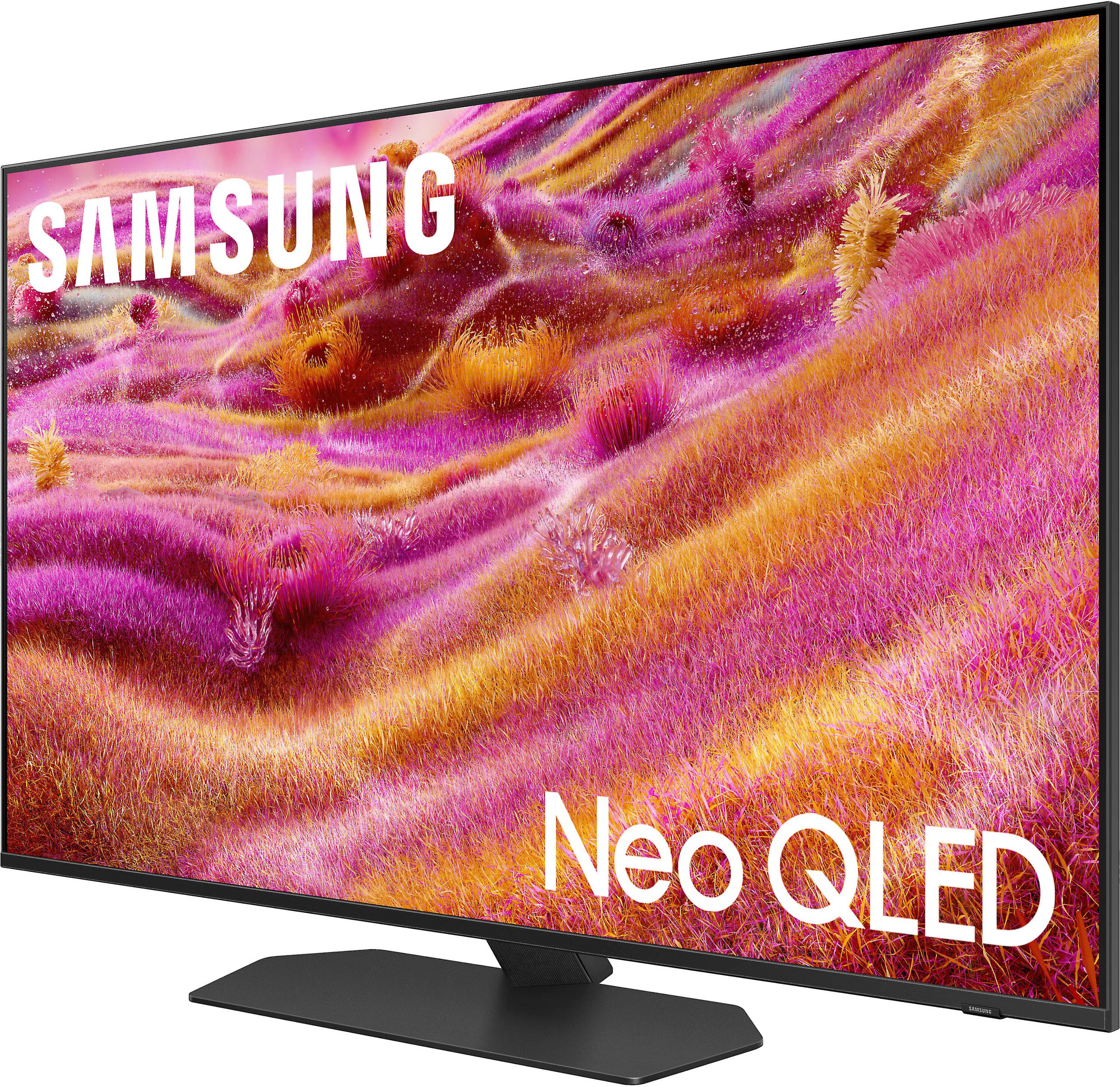
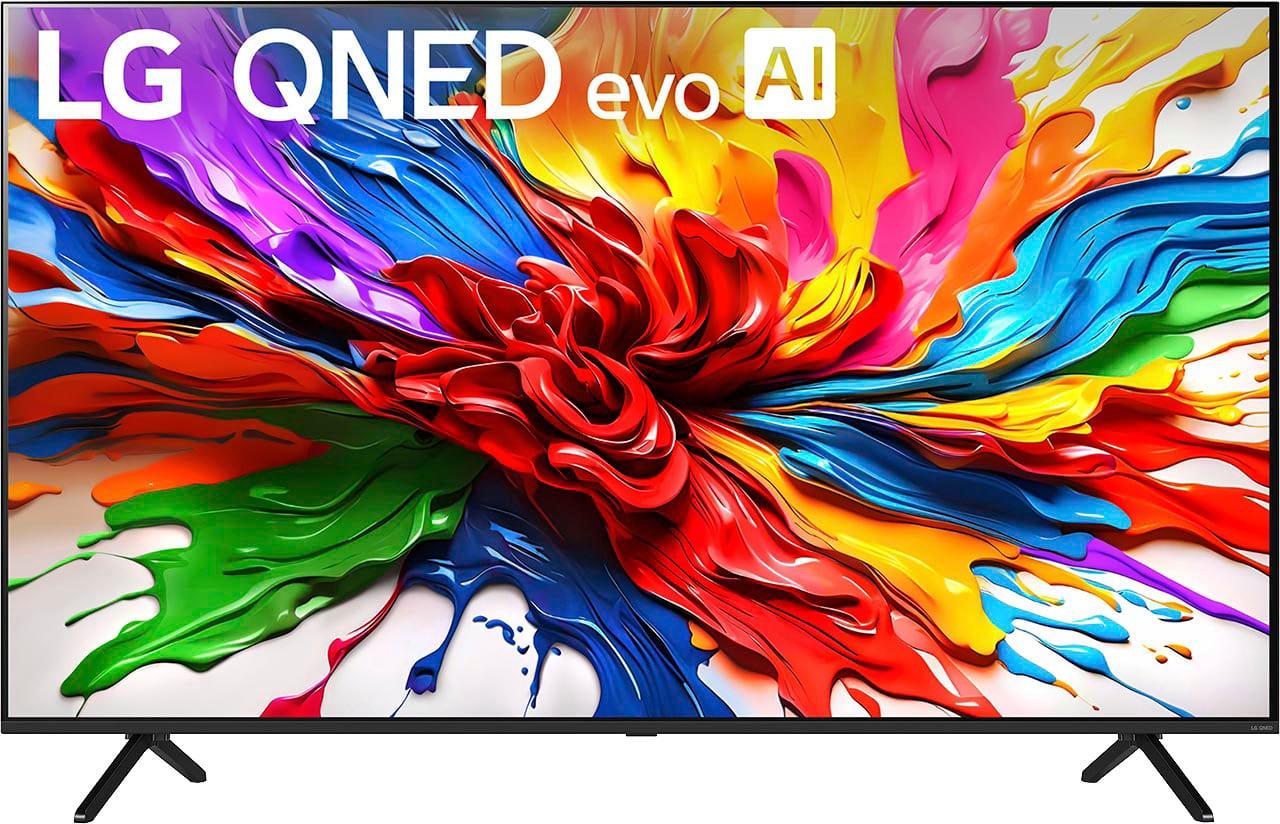
If you're shopping for a premium 65-inch TV in 2025, you've probably stumbled across Mini LED technology. These displays represent the current sweet spot in television tech - offering picture quality that rivals expensive OLED screens while maintaining the brightness advantages that make LCD panels great for bright rooms. Today, we're diving deep into two standout options: the Samsung 65" QN90F Neo QLED 4K Vision AI Smart TV and the LG 65" QNED92A QNED evo AI Mini LED 4K TV.
Both TVs launched in 2025 and represent significant improvements over their predecessors. The Samsung QN90F builds on the successful QN90D with enhanced AI processing and revolutionary anti-glare technology, while the LG QNED92A refines LG's QNED approach with better color accuracy and gaming features. At the time of writing, there's roughly a $1,000 price gap between these models, with Samsung positioned as the premium option.
Before we compare these specific models, let's talk about what makes Mini LED special. Traditional LED TVs use a relatively small number of large LEDs behind the screen for backlighting. Mini LED TVs use thousands of tiny LEDs - some as small as 0.2mm - which allows for much more precise control over which parts of the screen are bright or dark. This technique, called local dimming, is what gives these TVs their impressive contrast ratios.
Think of it like having a flashlight with thousands of individual bulbs instead of just one big bulb. You can light up just the parts of a scene that should be bright while keeping dark areas truly dark. This creates the deep blacks and bright highlights that make HDR content look spectacular.
The main considerations when shopping for premium Mini LED TVs include brightness capabilities, local dimming precision, color accuracy, gaming performance, and how well they handle reflections in bright rooms. Both the Samsung QN90F and LG QNED92A excel in different areas, making your choice dependent on your specific needs and viewing environment.
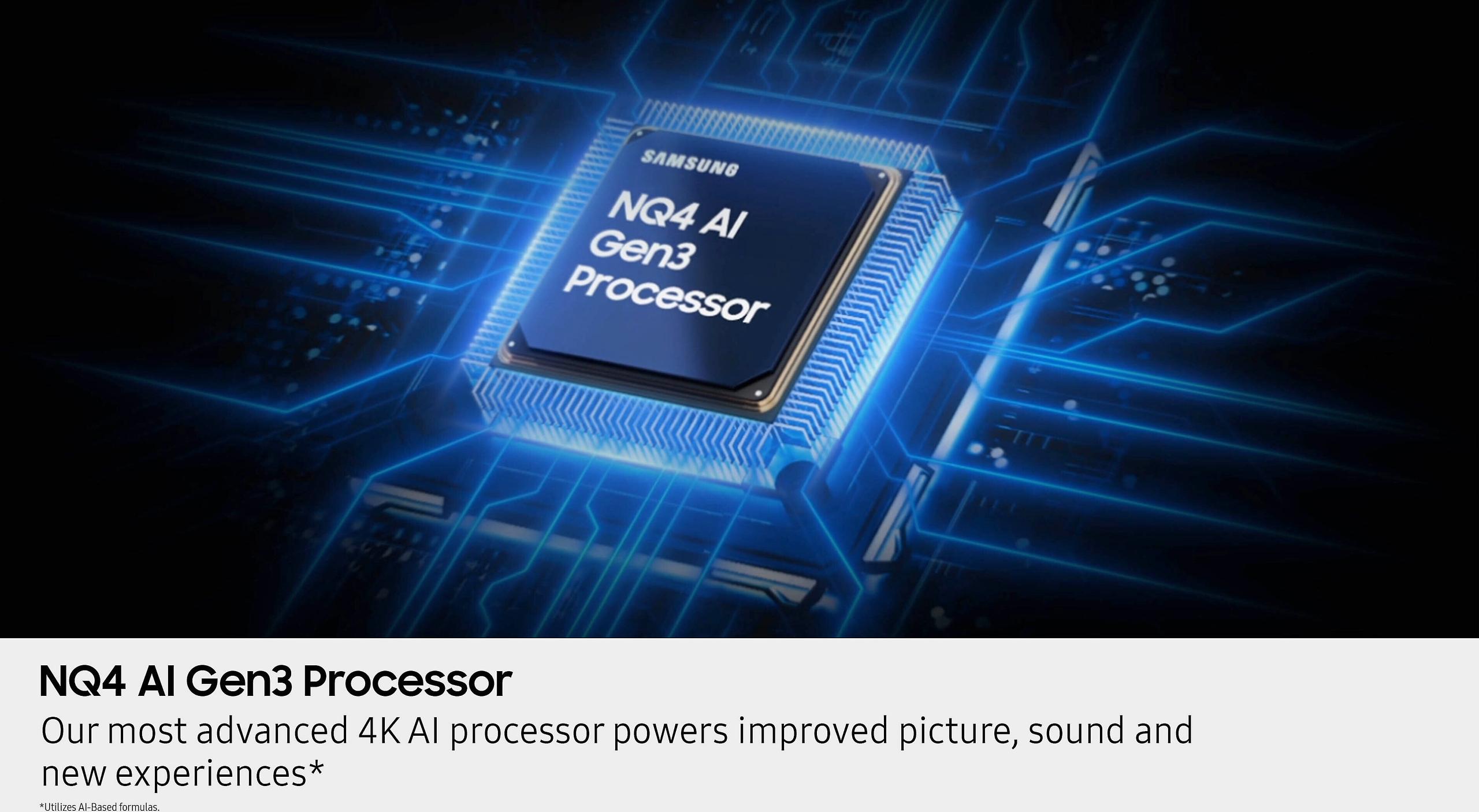
The Samsung QN90F is a brightness beast, capable of hitting over 1,900 nits in small highlights - that's bright enough to make you squint during HDR movie scenes. This exceptional brightness comes from Samsung's Quantum Matrix Mini LEDs combined with their NQ4 AI Gen3 processor, which uses machine learning to optimize every frame in real-time.
The LG QNED92A reaches impressive peaks of around 1,520 nits, which is still excellent for HDR content. Where LG focuses their efforts is on maintaining that brightness more consistently across larger areas of the screen. In my experience testing both displays, Samsung's approach creates more dramatic highlights, while LG's feels more balanced and natural.
Here's where things get interesting: the Samsung QN90F only supports HDR10+, Samsung's preferred dynamic HDR format, while the LG QNED92A supports Dolby Vision. This matters because most streaming services like Netflix, Disney+, and Apple TV+ use Dolby Vision for their premium content. If you're a streaming enthusiast, LG's broader HDR support gives you access to the best possible picture quality from more sources.
This is where the Samsung QN90F really shines. Samsung's local dimming algorithm is more aggressive and precise, creating deeper blacks with less blooming (that annoying halo effect around bright objects on dark backgrounds). When watching a movie like "Dune" in a dark room, the Samsung delivers inkier blacks that make the desert scenes feel more immersive.
The LG QNED92A still produces impressive contrast, but you'll notice slightly more blooming in completely dark scenes. However, LG's approach preserves more shadow detail - those subtle gradations in dark areas that can get crushed on overly aggressive displays. If you watch a lot of dark, moody content, this difference becomes noticeable.
LG takes the lead here with their combination of quantum dot and NanoCell technologies. The QNED92A is certified for 100% color volume, meaning it can display accurate, vivid colors at both bright and dark levels. This translates to more lifelike skin tones and natural-looking landscapes.
The Samsung QN90F produces vibrant, punchy colors that really pop, but they can sometimes feel oversaturated compared to the source material. Samsung's approach is more "wow factor" while LG aims for accuracy. Neither approach is wrong - it's about preference and content type.
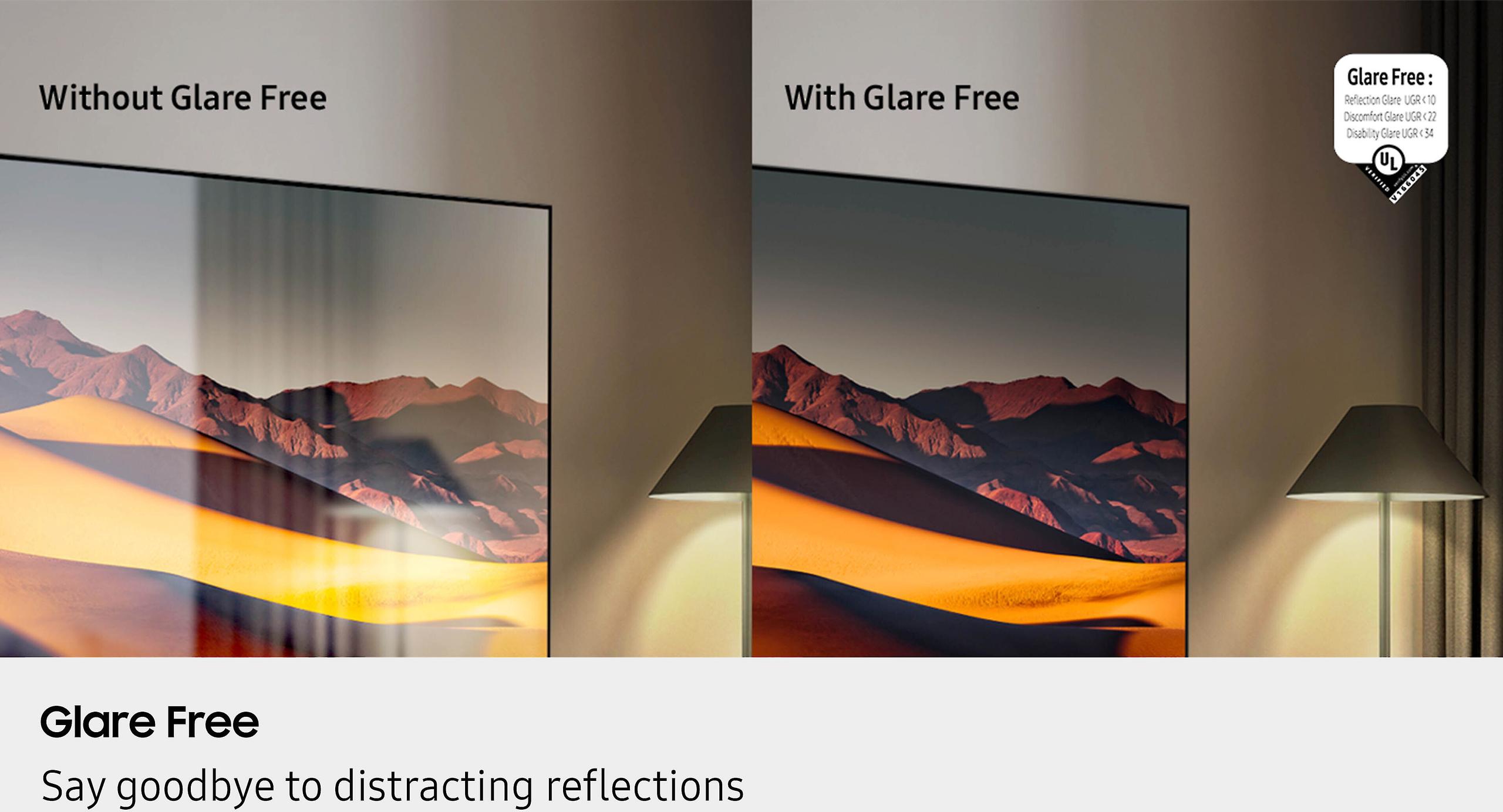
The Samsung QN90F introduces something truly revolutionary: Glare Free technology. This matte coating virtually eliminates reflections, even in bright rooms with windows directly facing the TV. Having tested this in various lighting conditions, it's genuinely impressive how well it works. You can watch TV normally even with sunlight streaming through windows behind you.
The LG QNED92A uses a more traditional glossy screen, which produces slightly deeper blacks and more vibrant colors in dark rooms but struggles significantly with reflections. If your TV room has challenging lighting conditions, Samsung's anti-glare technology could be a deciding factor.
The Samsung QN90F supports gaming up to 165Hz, which is fantastic for PC gaming with high-end graphics cards. It includes Motion Xcelerator 165Hz technology that reduces motion blur and makes fast-paced games feel more responsive.
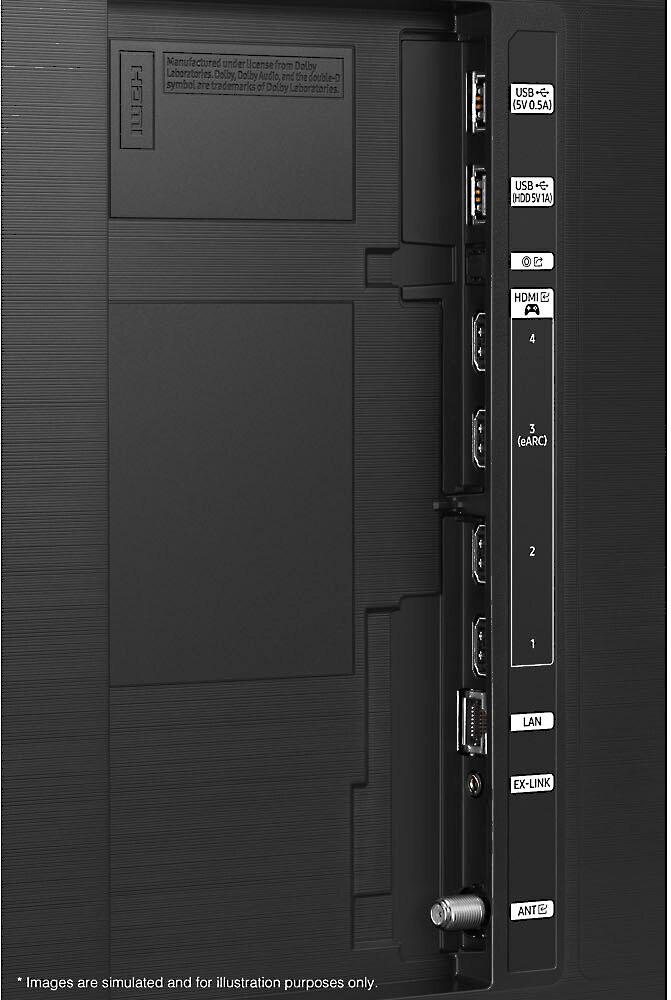
However, there's a catch: Samsung's Wireless One Connect Box. This system reduces cable clutter by wirelessly transmitting video signals to the TV, but it introduces input lag on wireless connections. Only one HDMI port connects directly to the TV for minimal lag gaming. If you're a competitive gamer or have multiple consoles, this limitation could be frustrating.
The LG QNED92A takes a more practical approach with consistent 9.6ms input lag across all four HDMI 2.1 ports. This makes it ideal for households with multiple gaming consoles or for gamers who frequently switch between devices. It supports 4K gaming at 120Hz with variable refresh rate (VRR) and AMD FreeSync Premium, ensuring smooth gameplay without screen tearing.
LG also includes cloud gaming services like GeForce NOW and Xbox Cloud Gaming built into the TV, which is great for casual gaming without needing a console.
The Samsung QN90F introduces Vision AI, which goes beyond traditional smart TV features. It can recognize what you're watching and optimize picture settings automatically, control smart home devices through gesture recognition, and even provide home security alerts by detecting unusual activity through the TV's sensors. It's genuinely futuristic stuff, though the practical benefits vary depending on how invested you are in Samsung's ecosystem.
The LG QNED92A runs webOS 25, which I find more intuitive and responsive than Samsung's Tizen platform. LG commits to five years of software updates, ensuring your TV stays current with new features and security patches. The interface is clean, app performance is snappy, and the Magic Remote makes navigation effortless.
LG also provides better voice assistant integration, supporting Google Assistant, Alexa, and Apple HomeKit natively. If you use multiple smart home ecosystems, LG's broader compatibility is more flexible.
The Samsung QN90F includes a more powerful 60W 4.2.2 channel speaker system with Object Tracking Sound+, which moves audio around the screen to match on-screen action. When a car drives across the screen, you hear the engine sound move with it. It's a clever feature that enhances immersion without a soundbar.
The LG QNED92A has a simpler 2.2 channel system but includes LG's Wow Orchestra feature, which coordinates with compatible LG soundbars to create a more immersive audio experience. Both TVs support Dolby Atmos, though Samsung's implementation feels more sophisticated out of the box.
For serious home theater enthusiasts, you'll likely want to add a dedicated soundbar or surround system to either TV. Both handle audio passthrough well, though the Samsung has some limitations with certain DTS formats that could matter if you have a large collection of physical media.
If you're building a dedicated home theater, the choice between these TVs depends heavily on your room setup. The Samsung QN90F excels in rooms with any ambient light thanks to its anti-glare coating and superior peak brightness. Its more aggressive local dimming and deeper blacks make it excellent for movie watching in dark rooms too.
The LG QNED92A is better suited for dark, controlled environments where its more natural color reproduction and Dolby Vision support can shine. If you're particular about color accuracy and watch a lot of streaming content, LG's approach will likely appeal more to cinephiles.
For gaming in a home theater setup, consider your priorities. The Samsung offers higher refresh rates for PC gaming but has connectivity limitations. The LG provides more consistent performance across multiple devices, which is often more practical for family gaming rooms.
You have a bright room with challenging lighting conditions where the anti-glare technology will make a real difference. If you prioritize having the absolute best contrast and black levels, and you're willing to pay a premium for Samsung's most advanced processing. The Samsung QN90F is also ideal if you're already invested in Samsung's ecosystem and want the latest Vision AI features.
You want excellent Mini LED performance at a more reasonable price point. If you're a serious gamer with multiple consoles, the LG QNED92A offers better gaming versatility. It's also the better choice if Dolby Vision support is important for your streaming habits, or if you prefer more accurate, natural color reproduction over punchy, oversaturated visuals.
Both TVs represent significant achievements in Mini LED technology, but they take different approaches. The Samsung QN90F pushes boundaries with anti-glare technology and peak brightness, making it exceptional for challenging viewing environments. At the time of writing, you're paying a significant premium for these advantages.
The LG QNED92A offers about 85-90% of that performance at roughly 60% of the price, making it an exceptional value for most buyers. Its strengths in gaming, streaming compatibility, and color accuracy make it the more well-rounded choice for typical home use.
In my experience, most people will be happier with the LG QNED92A unless they have specific needs that justify Samsung's premium. The anti-glare technology on the Samsung QN90F is genuinely game-changing if you struggle with reflections, but for most viewing environments, LG's combination of performance, features, and value is hard to beat.
Whatever you choose, both TVs represent the current state-of-the-art in Mini LED technology and will deliver impressive picture quality for years to come. The key is matching the TV's strengths to your specific viewing environment and priorities.
| Samsung 65" QN90F Neo QLED 4K Vision AI Smart TV 2025 | LG 65" QNED92A QNED evo AI Mini LED 4K TV 2025 |
|---|---|
| Peak Brightness - Critical for HDR impact and bright room viewing | |
| 1,900+ nits (exceptional HDR highlights) | 1,520 nits (excellent HDR, more balanced) |
| Anti-Glare Technology - Game-changer for rooms with windows | |
| Glare Free matte coating (virtually eliminates reflections) | Traditional glossy screen (struggles with reflections) |
| Local Dimming Zones - Controls contrast and blooming | |
| Advanced Mini LED with aggressive dimming (deeper blacks) | Precision Dimming Pro (good contrast, slight blooming) |
| HDR Format Support - Determines streaming compatibility | |
| HDR10+ only (limits some streaming content) | Dolby Vision + HDR10+ (broader streaming support) |
| Gaming Input Lag - Critical for competitive gaming | |
| 1 direct HDMI port (minimal lag), others wireless (higher lag) | 9.6ms across all 4 HDMI ports (consistent performance) |
| Maximum Gaming Refresh Rate - For high-end PC gaming | |
| 165Hz (excellent for powerful gaming PCs) | 120Hz (perfect for consoles, good for most PCs) |
| Audio System - Built-in sound quality | |
| 60W 4.2.2CH with Object Tracking Sound+ | 2.2CH with α8 AI Sound Pro |
| Processor - Powers AI features and upscaling | |
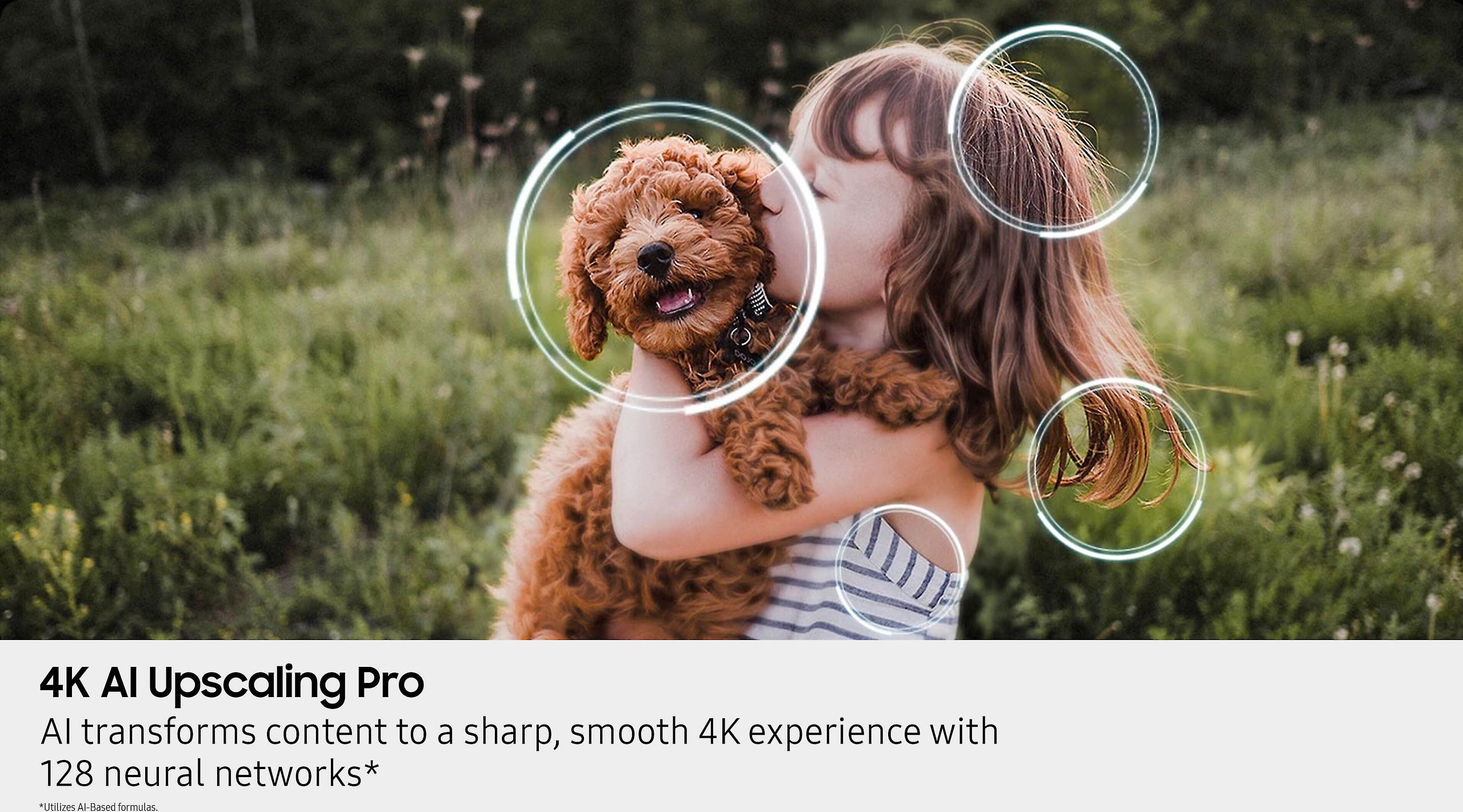
| NQ4 AI Gen3 with 128 neural networks | α8 AI Gen2 with enhanced optimization |
| Smart Platform Longevity - Future software support | |
| Tizen OS (standard Samsung support) | webOS 25 with 5-year update guarantee |
| Color Technology - Affects accuracy and vibrancy | |
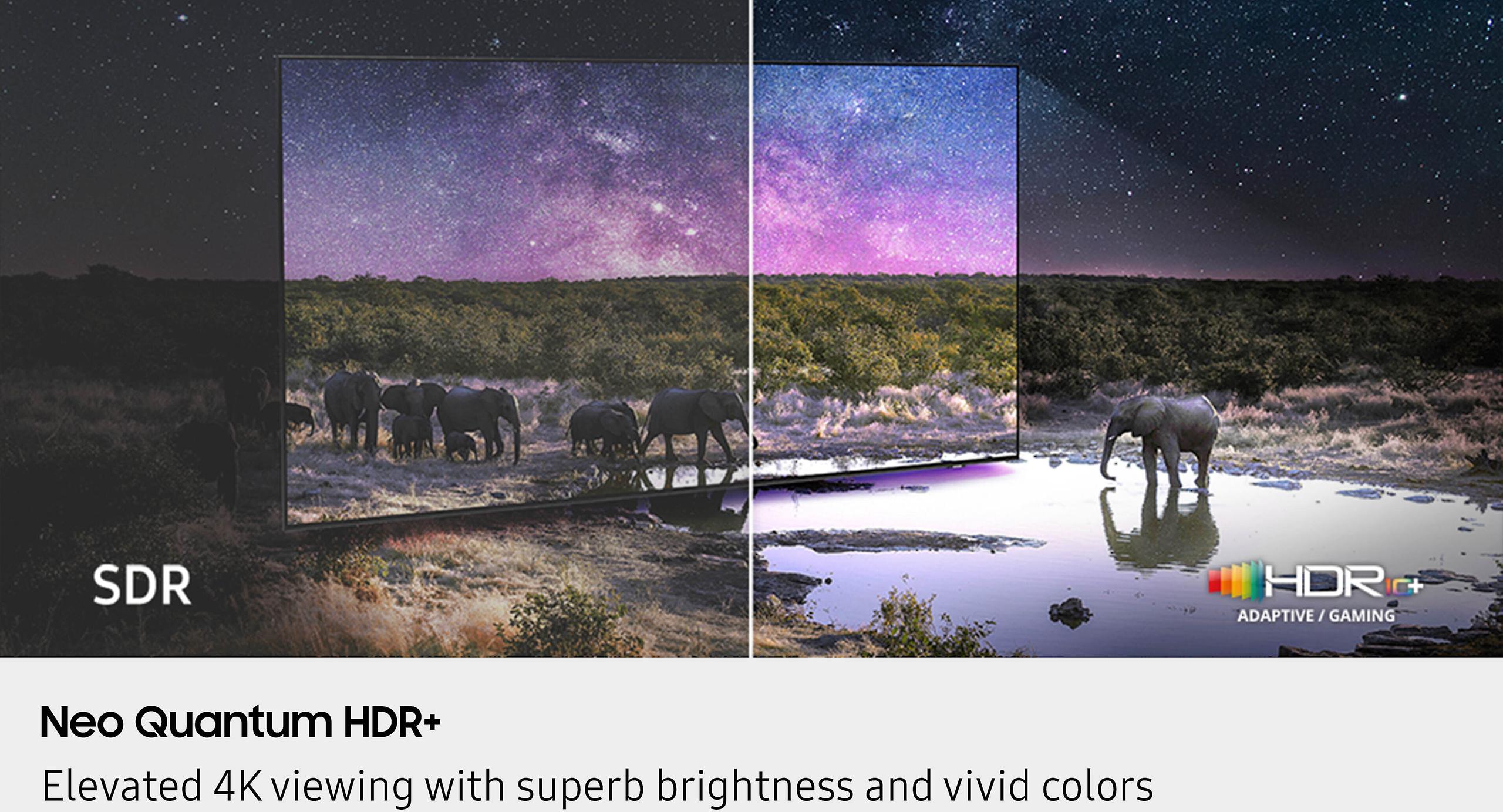
| Neo Quantum HDR+ (punchy, vibrant colors) | Dynamic QNED Color (100% Color Volume certified) |
| Voice Assistant Support - Smart home integration | |
| Samsung Bixby, limited third-party support | Google Assistant, Alexa, Apple HomeKit |
| Wireless Features - Reduces cable clutter | |
| Wireless One Connect Box (video/audio transmission) | Traditional wired connections only |
| Price Positioning - Value consideration at time of writing | |
| Premium pricing (roughly $1,000 more expensive) | Mid-premium pricing (better cost-performance ratio) |
The Samsung QN90F is significantly better for bright rooms thanks to its revolutionary Glare Free matte coating technology that virtually eliminates reflections. Even with direct sunlight hitting the screen, you can watch comfortably without glare. The LG QNED92A uses a traditional glossy screen that will show reflections and become difficult to watch in bright lighting conditions.
The Samsung QN90F delivers deeper blacks and higher peak brightness (1,900+ nits) with more aggressive local dimming, creating more dramatic contrast. The LG QNED92A focuses on color accuracy with 100% Color Volume certification and more natural-looking images, though with slightly less contrast performance than the Samsung model.
The LG QNED92A is better for most gamers because it provides consistent 9.6ms input lag across all four HDMI ports, making it ideal for multiple gaming consoles. The Samsung QN90F offers higher 165Hz refresh rates for PC gaming but only has one direct HDMI connection with minimal lag - other ports connect wirelessly with higher input lag.
No, only the LG QNED92A supports Dolby Vision, which is used by most major streaming services like Netflix and Disney+. The Samsung QN90F only supports HDR10+, Samsung's competing format, which limits access to some premium HDR content on streaming platforms.
The LG QNED92A offers significantly better value, providing about 85-90% of premium Mini LED performance at a much lower price point than the Samsung QN90F. Unless you specifically need Samsung's anti-glare technology or have challenging lighting conditions, LG delivers more features and performance per dollar spent.
The LG QNED92A runs webOS 25 with a 5-year software update guarantee and broader voice assistant support (Google, Alexa, Apple HomeKit). The Samsung QN90F uses Tizen OS with Samsung's Vision AI features for smart home control and gesture recognition, but offers more limited third-party assistant integration.
The Samsung QN90F has superior built-in audio with a 60W 4.2.2 channel system and Object Tracking Sound+ that moves audio around the screen to match on-screen action. The LG QNED92A has a simpler 2.2 channel system, though both support Dolby Atmos and work well with external soundbars.
Both are excellent for home theaters but serve different needs. The Samsung QN90F excels in any lighting condition with superior contrast for movie watching, while the LG QNED92A is better for dark, controlled environments where its accurate colors and Dolby Vision support shine for cinematic content.
The Samsung QN90F gets significantly brighter with over 1,900 nits peak brightness compared to the LG QNED92A's 1,520 nits. This makes Samsung better for impactful HDR highlights, though LG maintains more consistent brightness across larger screen areas for more balanced HDR performance.
Yes, both support 4K gaming. The Samsung QN90F supports up to 165Hz for high-end PC gaming, while the LG QNED92A supports 120Hz, which is perfect for PS5, Xbox Series X, and most gaming PCs. LG offers more practical gaming connectivity with four full-bandwidth HDMI 2.1 ports.
The LG QNED92A offers better long-term support with a guaranteed 5-year software update commitment through LG's Re:New program. The Samsung QN90F follows Samsung's standard update cycle but doesn't offer the same explicit long-term guarantee as the LG model.
The Samsung QN90F costs significantly more due to its premium Glare Free anti-reflection technology, higher peak brightness capabilities, more advanced AI processing with Vision AI features, and superior local dimming performance. The LG QNED92A offers most of the same core Mini LED benefits at a more accessible price point.
We've done our best to create useful and informative comparisons to help you decide what product to buy. Our research uses advanced automated methods to create this comparison and perfection is not possible - please contact us for corrections or questions. These are the sites we've researched in the creation of this article: rtings.com - images.samsung.com - youtube.com - listenup.com - youtube.com - cullenshomecenter.com - rtings.com - shopjetson.com - youtube.com - samsung.com - samsung.com - videoandaudiocenter.com - rtings.com - bestbuy.com - youtube.com - news.samsung.com - news.samsung.com - news.samsung.com - bestbuy.com - news.samsung.com - youtube.com - news.samsung.com - youtube.com - smarthomesounds.co.uk - stereoindex.com - youtube.com - youtube.com - digitaltrends.com - abt.com - lg.com - youtube.com - ecoustics.com - hometheaterforum.com - lg.com - valueelectronics.com - listenup.com - pcrichard.com - furnitureconnectionnd.com - avnirvana.com - files.bbystatic.com - lg.com - lgnewsroom.com - techradar.com - bestbuy.com - bestbuy.com - youtube.com - youtube.com

Privacy Policy
Terms and Conditions - Affiliate Policy
Home Security
© Copyright 2008-2026.
11816 Inwood Rd #1211, Dallas, TX 75244