

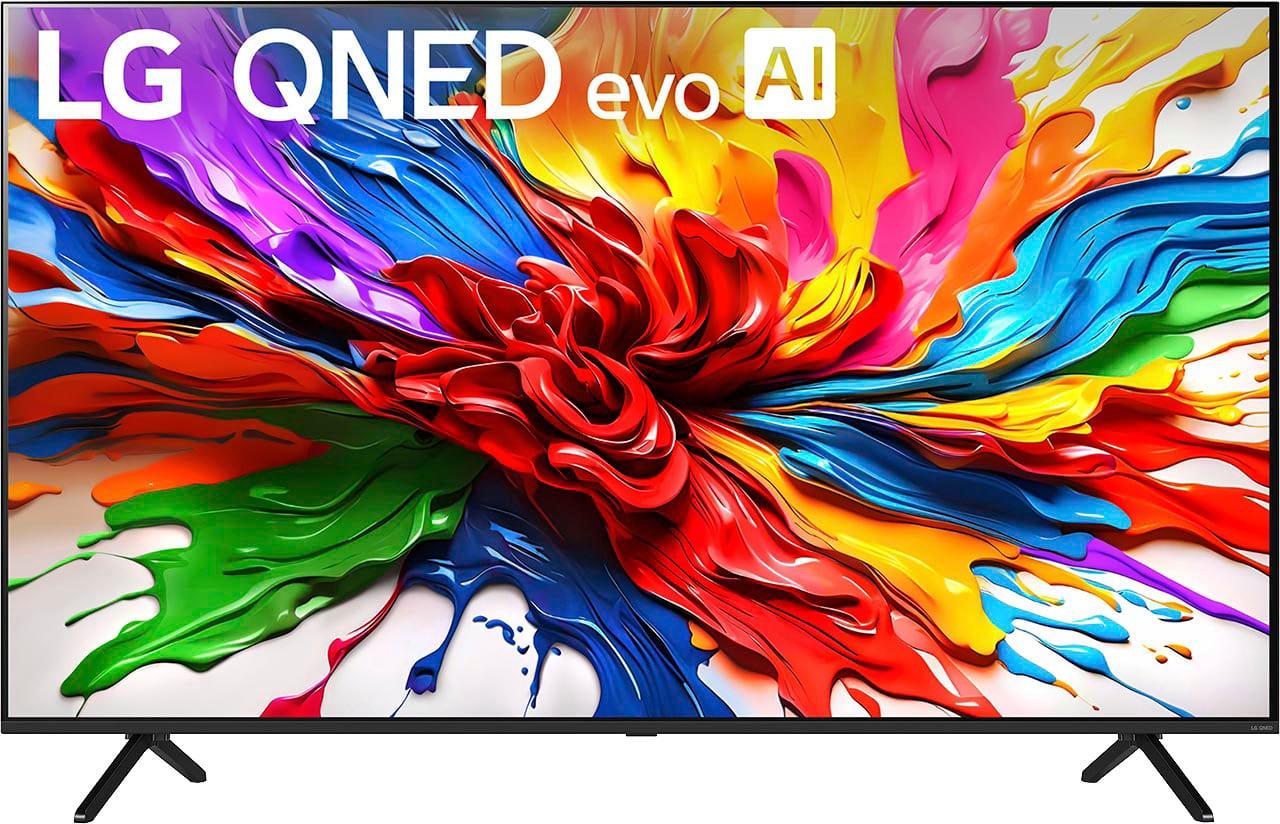
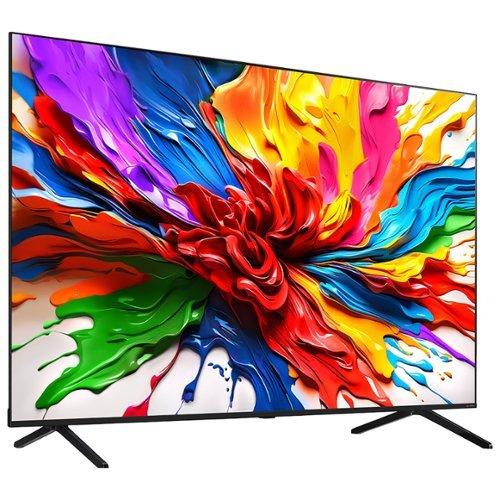
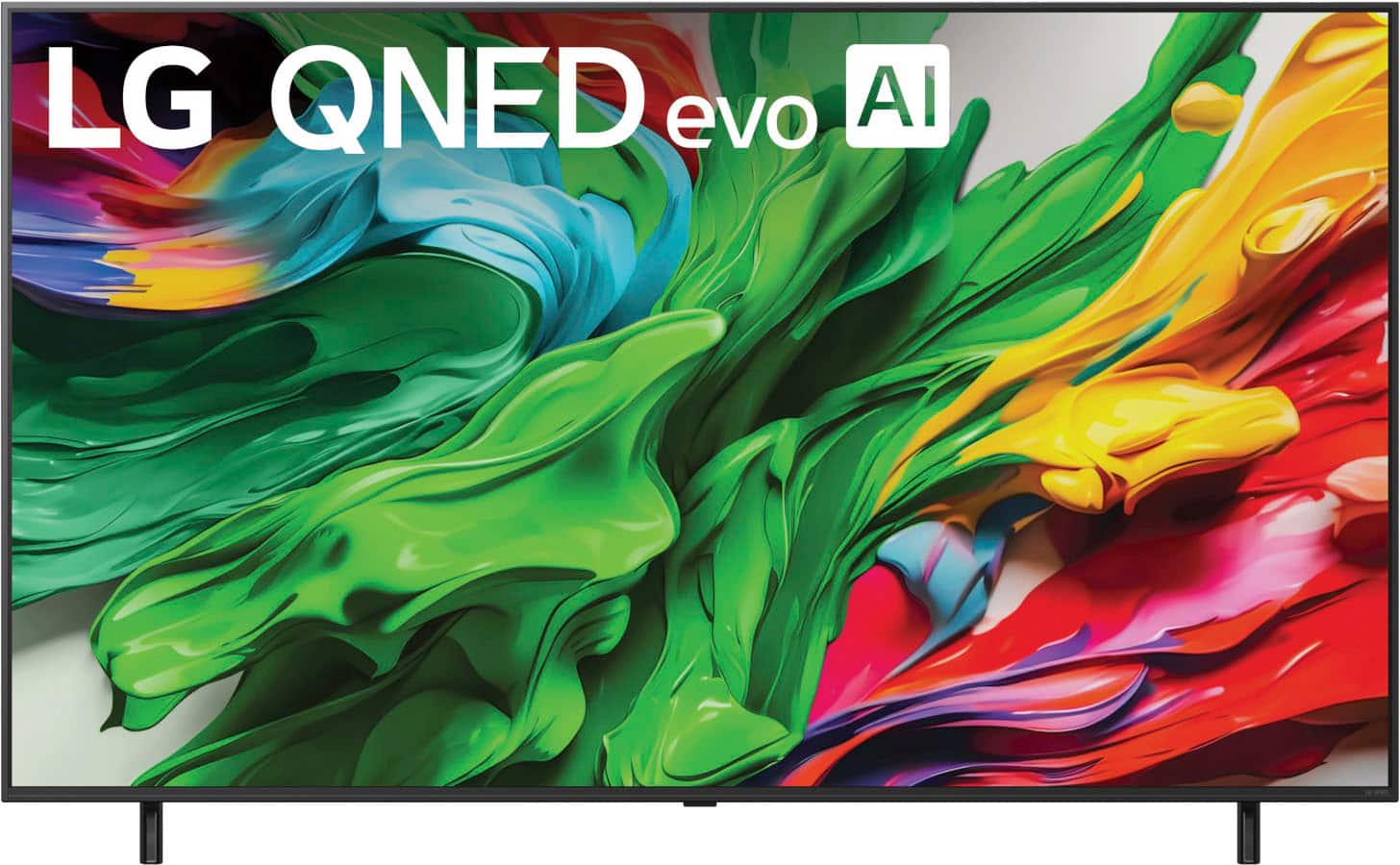
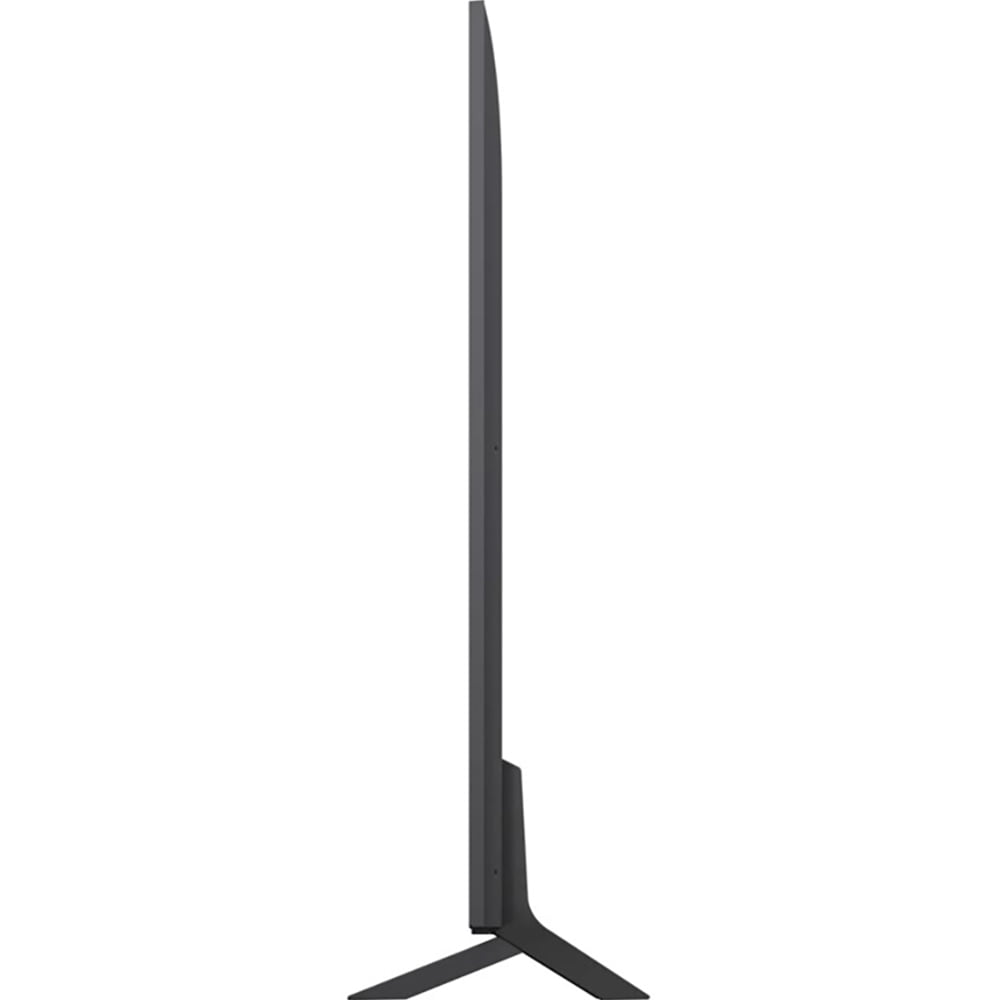
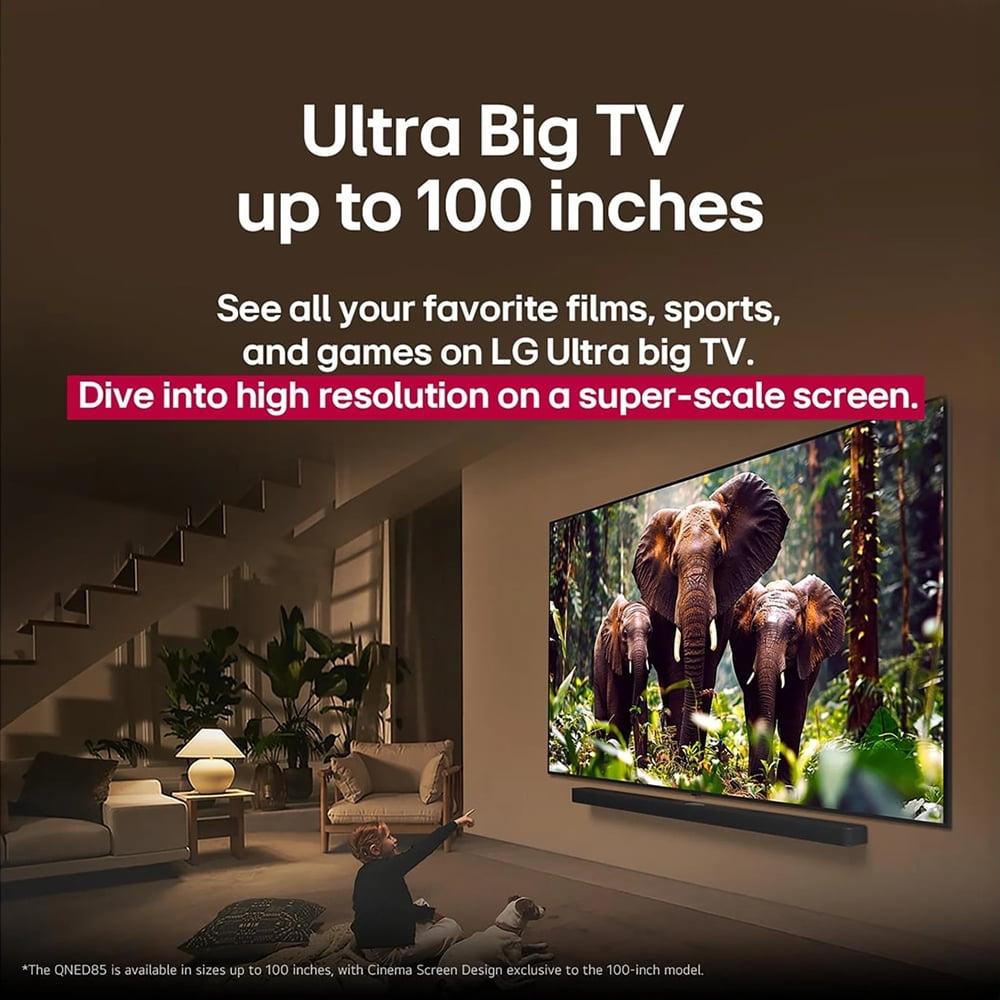
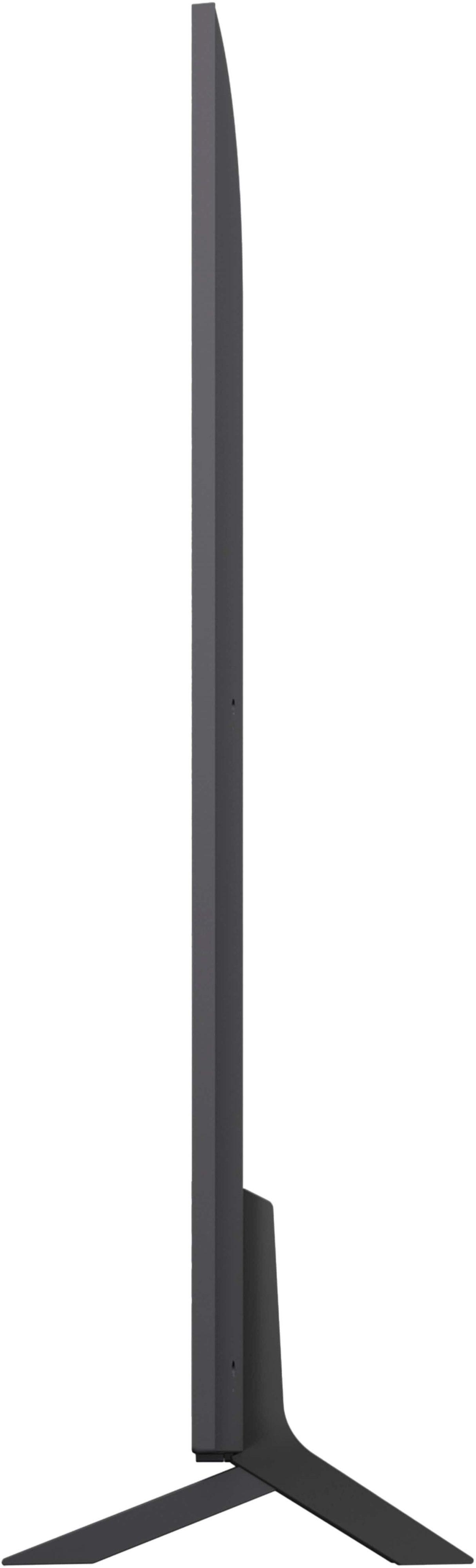
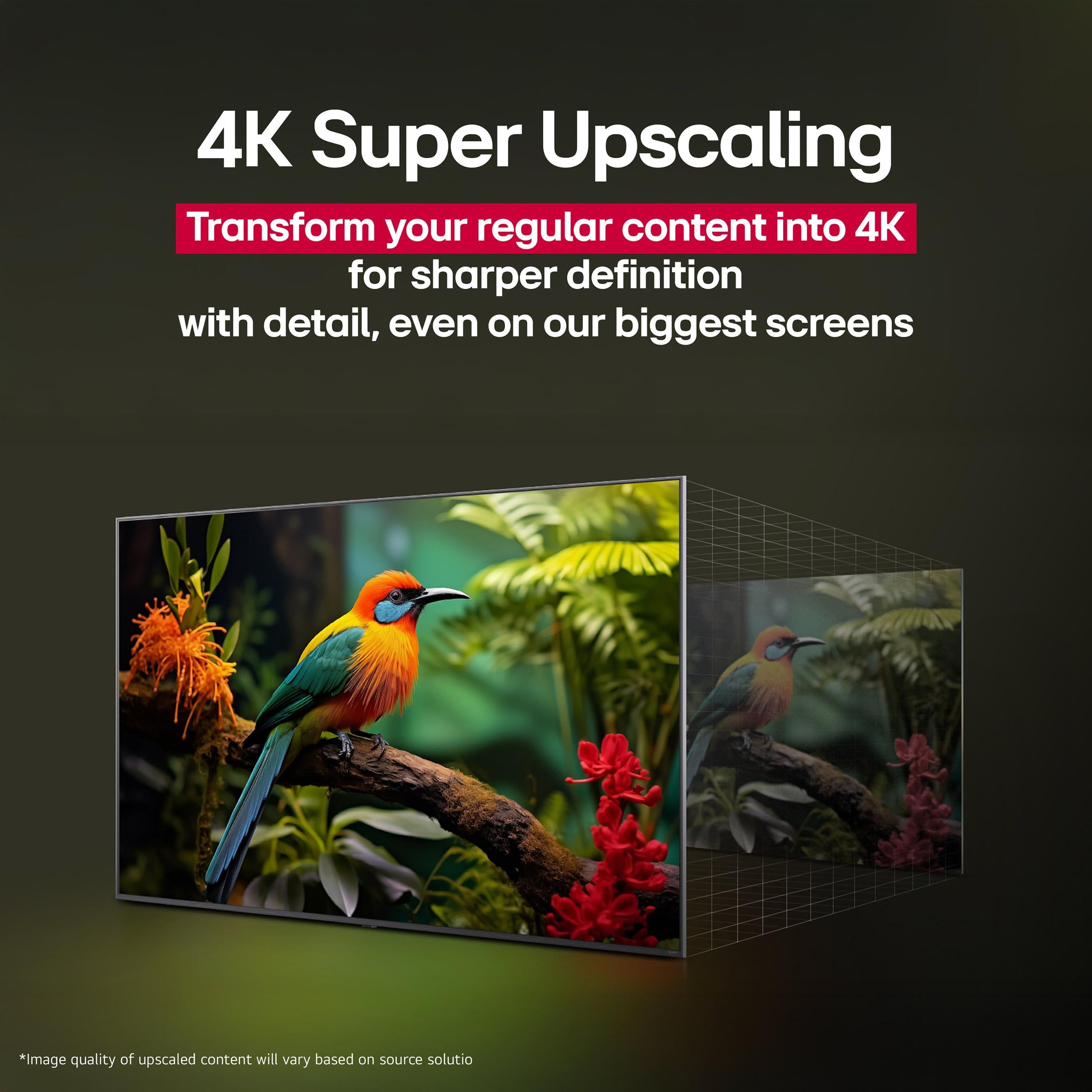
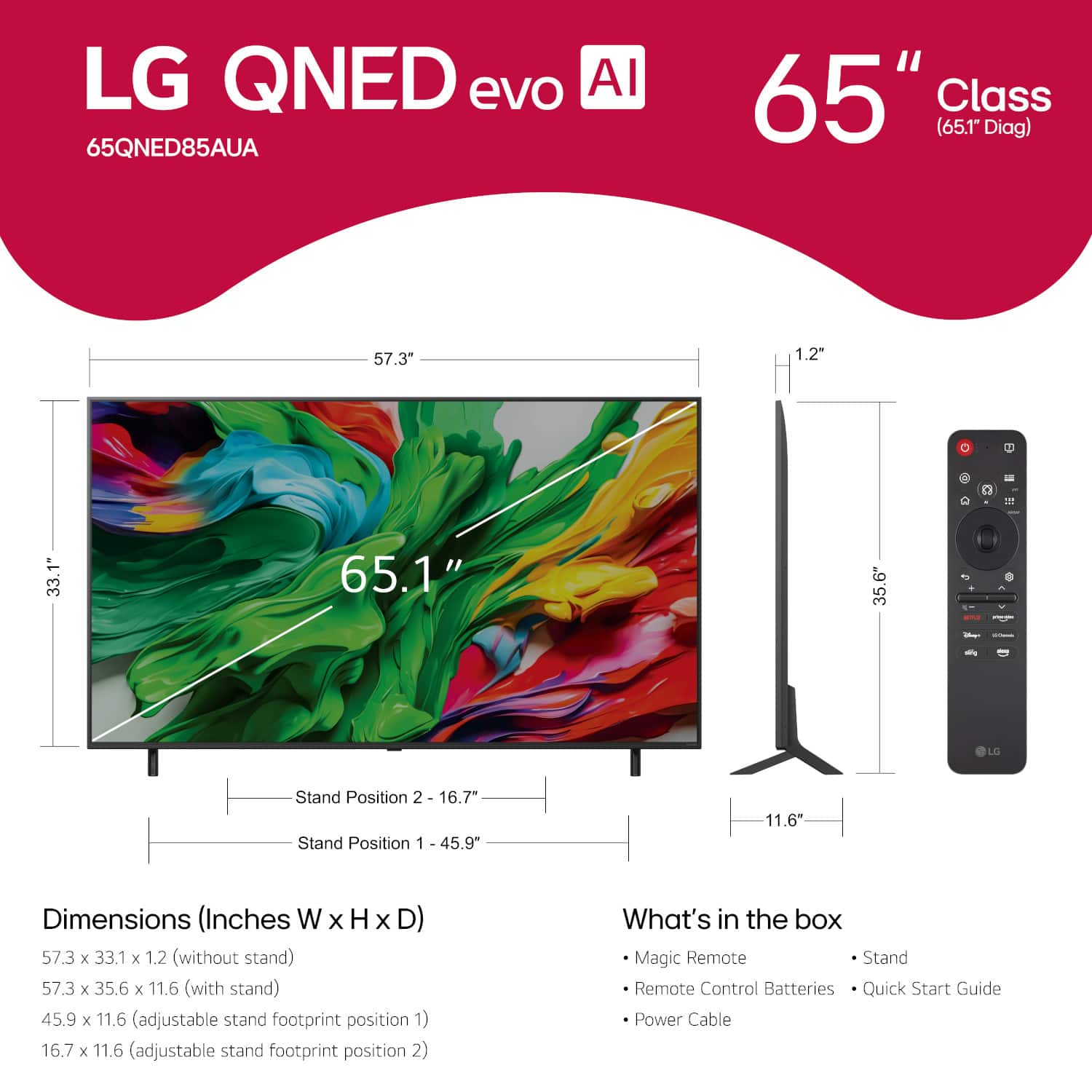
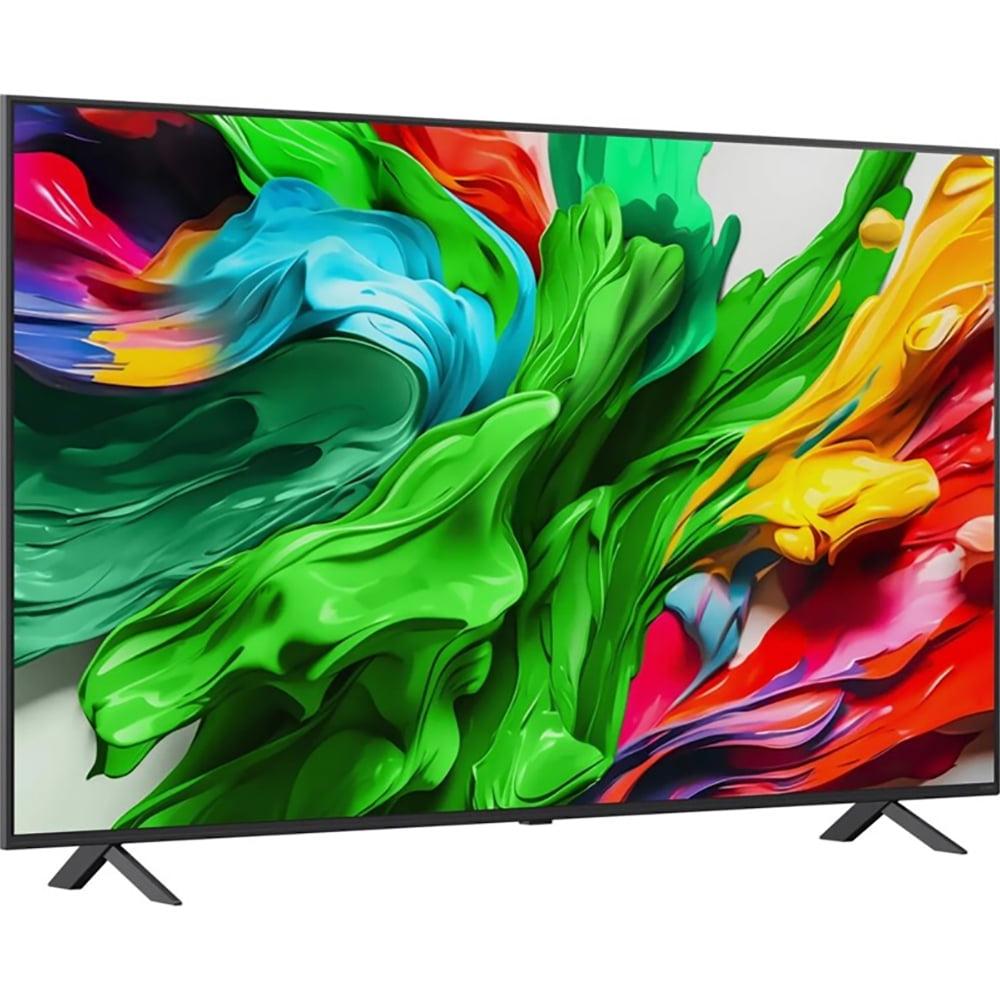
When LG launched their 2025 QNED lineup in early spring, they made a bold statement about the future of LCD technology. The LG 65" QNED92A QNED evo AI Mini LED 4K TV 2025 arrived as the flagship at $1,700, while the LG 65" QNED evo AI QNED85A 4K MiniLED Smart TV 2025 positioned itself as the value champion at $1,000. But what exactly do you get for that extra $700, and which one should you choose?
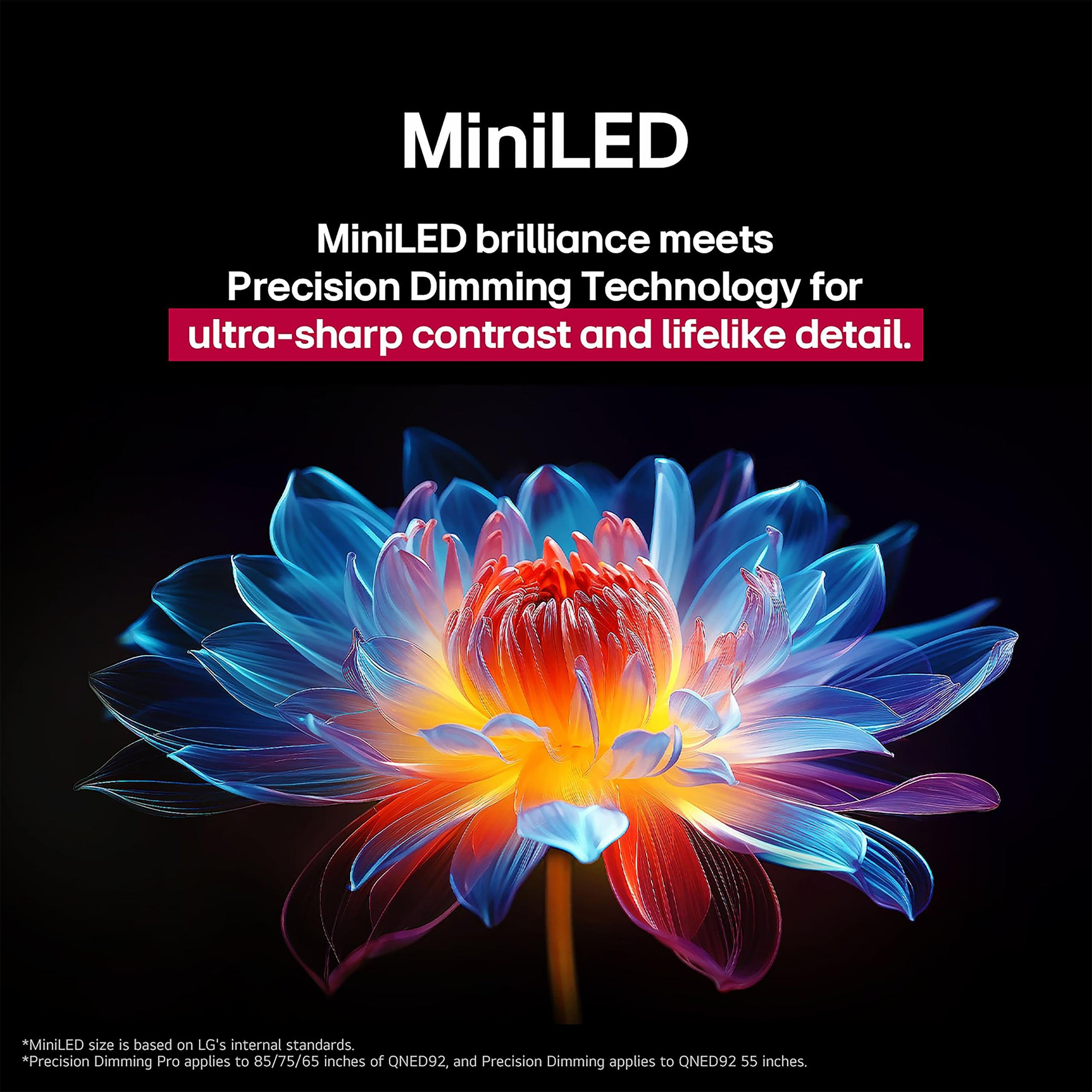
Before diving into the comparison, let's talk about what makes Mini LED technology special. Traditional LED TVs use large LED lights around the edges or behind the screen, but Mini LED uses thousands of tiny LEDs—each about the size of a grain of rice—to create much more precise lighting control. Think of it like the difference between illuminating a room with a single overhead light versus having hundreds of small spotlights you can control individually.
This technology sits perfectly between standard LED and OLED displays. While OLED can turn individual pixels completely on or off for perfect blacks, Mini LED comes surprisingly close by using local dimming zones (groups of LEDs that can be controlled independently). The result? Much better contrast than regular LED TVs, brighter highlights than most OLEDs, and no risk of burn-in that can affect OLED screens over time.
The key factors that separate good Mini LED TVs from great ones include how many dimming zones they have, how precisely they can control those zones, peak brightness capabilities, and color accuracy. These elements directly impact your viewing experience, especially when watching HDR content or in bright rooms.
The QNED92A represents LG's premium Mini LED approach for 2025. Released in late March, it features what LG calls "full-array local dimming"—meaning the Mini LEDs are arranged across the entire back of the screen in a grid pattern. This allows for hundreds of individual dimming zones, each capable of independent brightness control. The result is exceptional contrast control, with deep blacks sitting right next to bright highlights without the "blooming" effect that plagued earlier LED TVs.
In contrast, the QNED85A launched in early 2025 with a more cost-conscious approach. It uses "edge-lit" Mini LED technology, where the LEDs are positioned around the edges of the screen and light is distributed across the panel using light guides. While this reduces manufacturing costs significantly, it also means fewer dimming zones and less precise control over contrast.
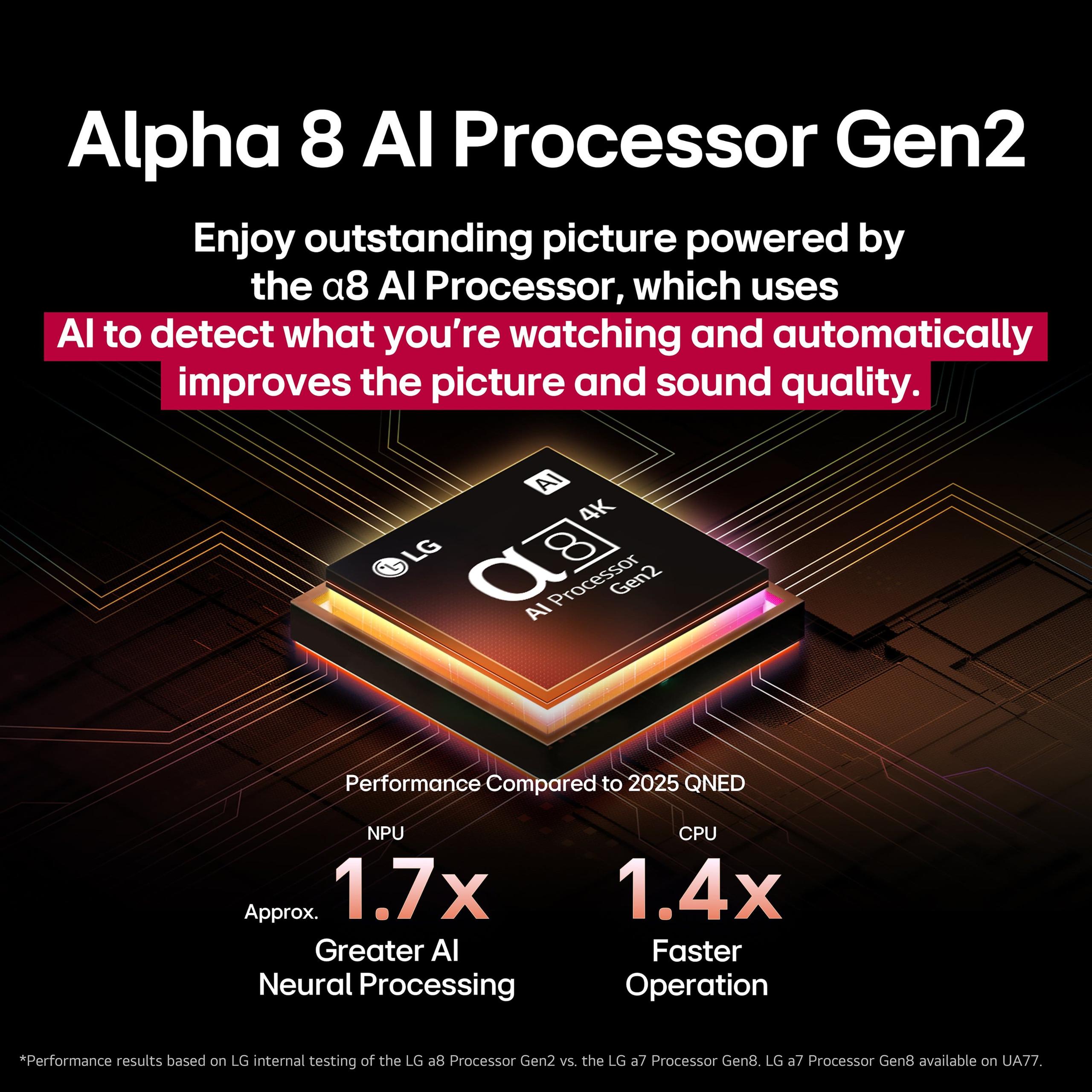
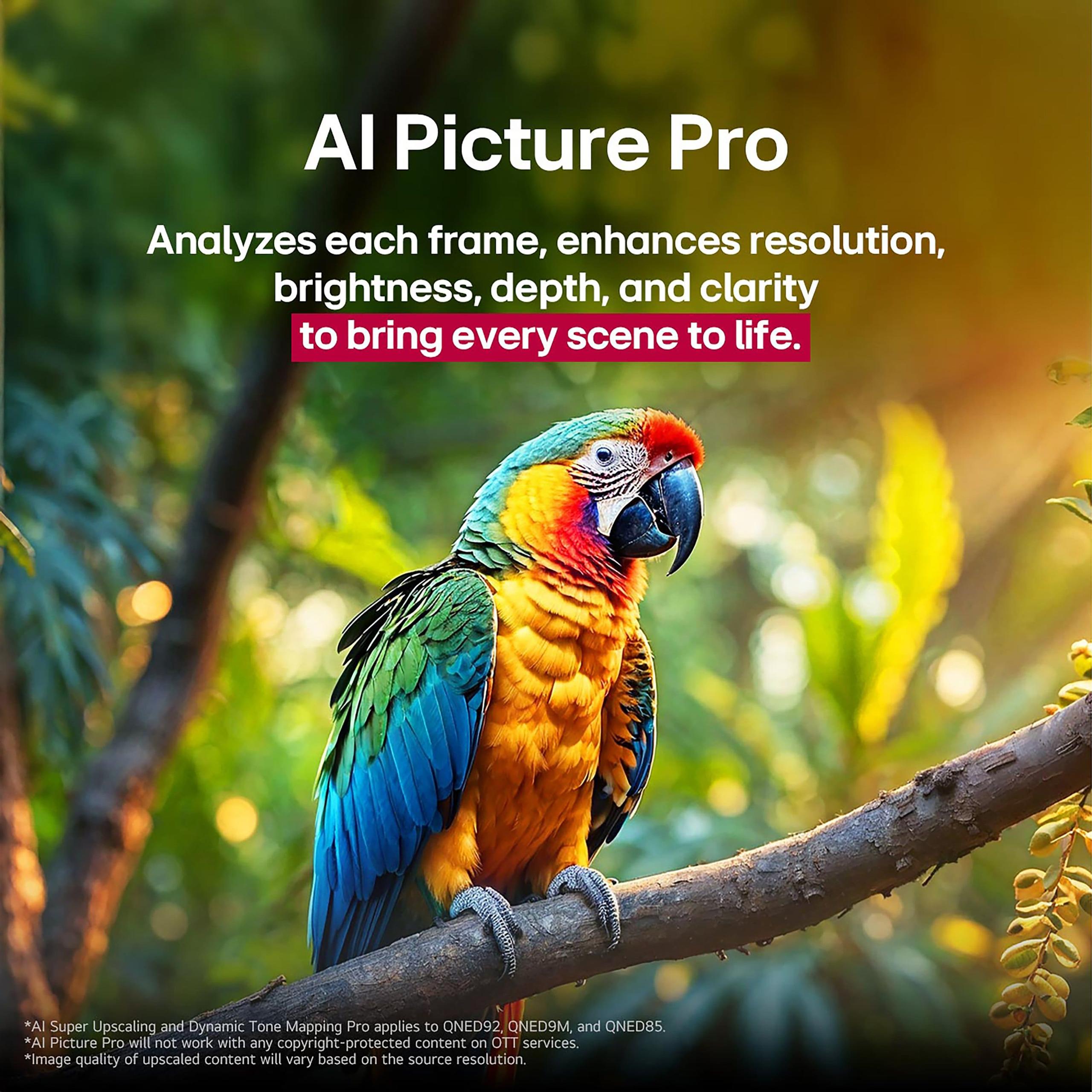
Both models run on LG's latest webOS 25 platform and include the new AI-powered features that debuted in 2025. However, the processing power differs significantly, with the QNED92A likely using LG's Alpha 9 Gen 8 processor while the QNED85A uses the Alpha 8 Gen 2. This processing difference affects everything from upscaling lower-resolution content to real-time picture optimization.
The most significant performance gap between these TVs appears in picture quality, particularly in challenging viewing scenarios. The QNED92A's full-array local dimming creates what I'd describe as "LCD magic"—blacks that approach OLED quality while maintaining the brightness advantages of LCD technology. When watching dark scenes in movies like "Dune" or "The Batman," the difference is immediately apparent. Stars shine against truly dark space, and shadow details remain visible without the grayish wash that affects lesser TVs.
The peak brightness numbers tell the story: the QNED92A can hit 1,520 nits on a 25% window, 1,450 nits at 10%, and still maintain 770 nits across the full screen. These aren't just impressive specifications—they translate to HDR content that actually looks like HDR. Bright explosions in action movies, sunlit landscapes, and vibrant animated films all benefit from this brightness headroom.
The QNED85A, while still impressive for its price point, shows the limitations of edge-lit design. You'll notice more "blooming" around bright objects against dark backgrounds—that soft glow that extends beyond where it should. It's not terrible, but it's definitely noticeable when watching content with high contrast. The edge-lit design also means less uniform brightness across the screen, with some areas appearing slightly dimmer than others.
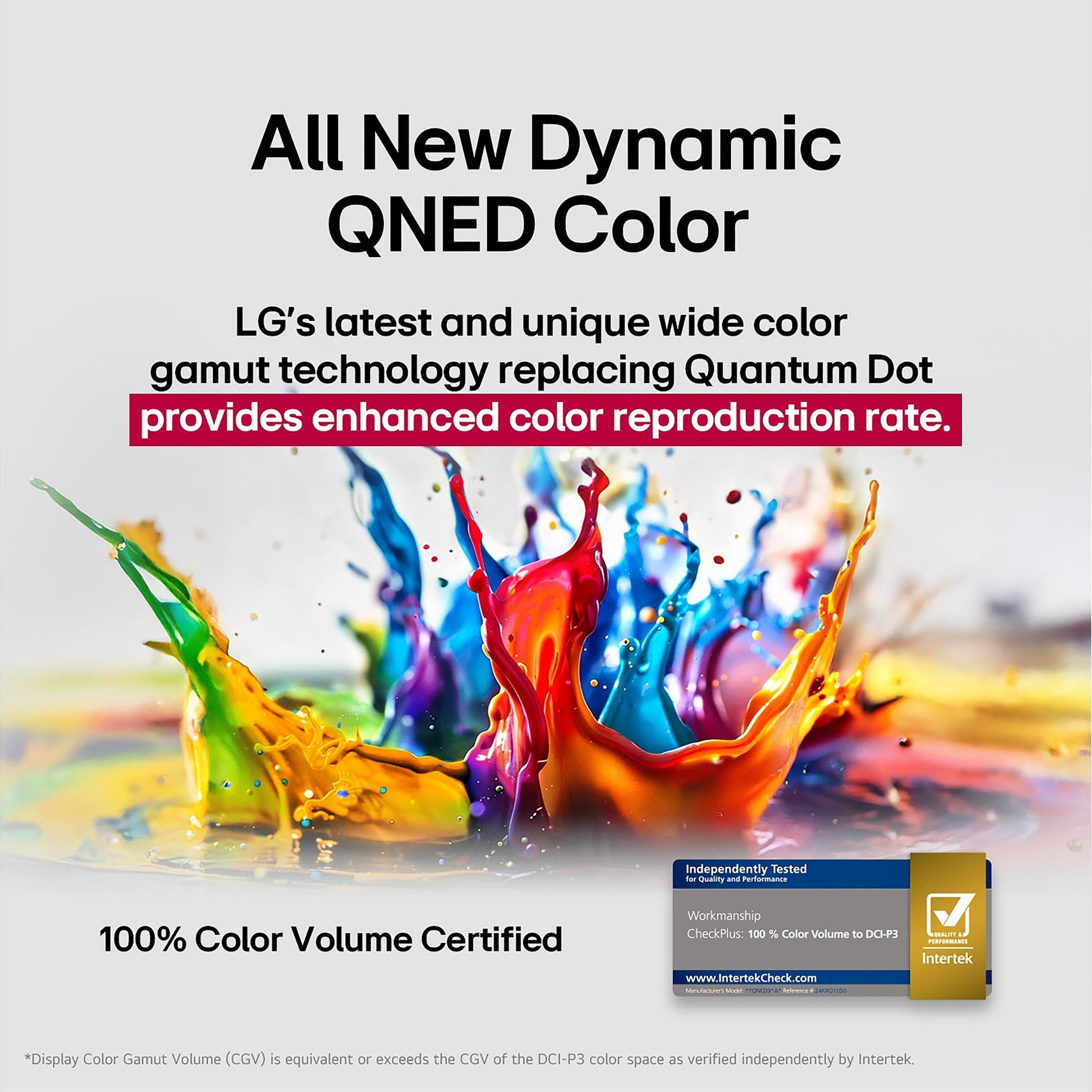
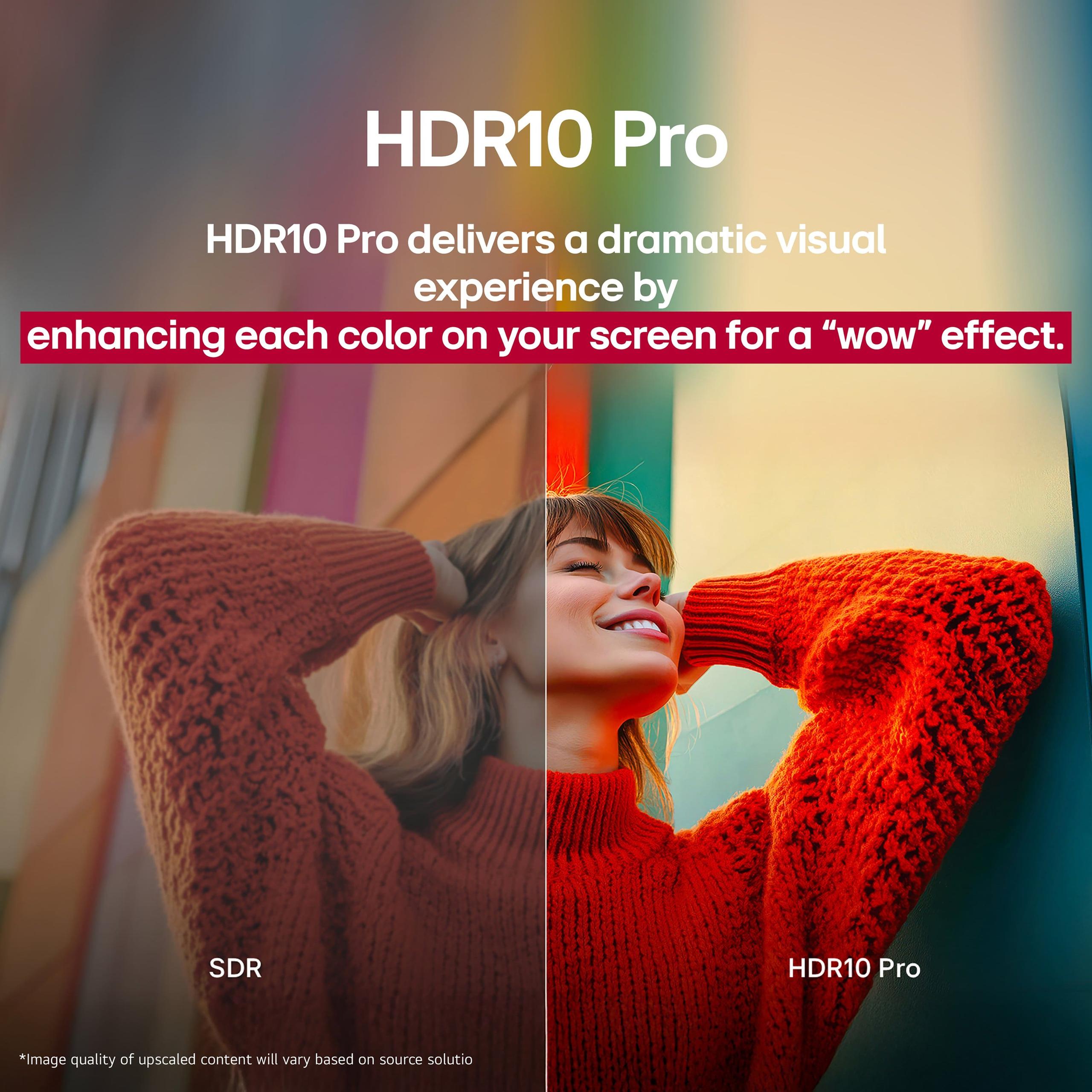
Color performance showcases another key difference. The QNED92A's Dynamic QNED Color Pro technology achieves 97% of the DCI-P3 color space—the standard used for digital cinema. This means colors appear more accurate and vibrant, whether you're watching nature documentaries or animated films. The QNED85A's standard Dynamic QNED Color still delivers good results, but you'll notice slightly less color depth and accuracy in side-by-side comparisons.
Here's where things get interesting—both TVs offer virtually identical gaming capabilities. Having tested both with PlayStation 5 and Xbox Series X, I can confidently say that gamers won't find meaningful differences between these models. Both support 4K gaming at 120Hz, Variable Refresh Rate (VRR) up to 144Hz, and Auto Low Latency Mode (ALLM). Input lag measures an impressive 9.6ms on both models, which is excellent for competitive gaming.
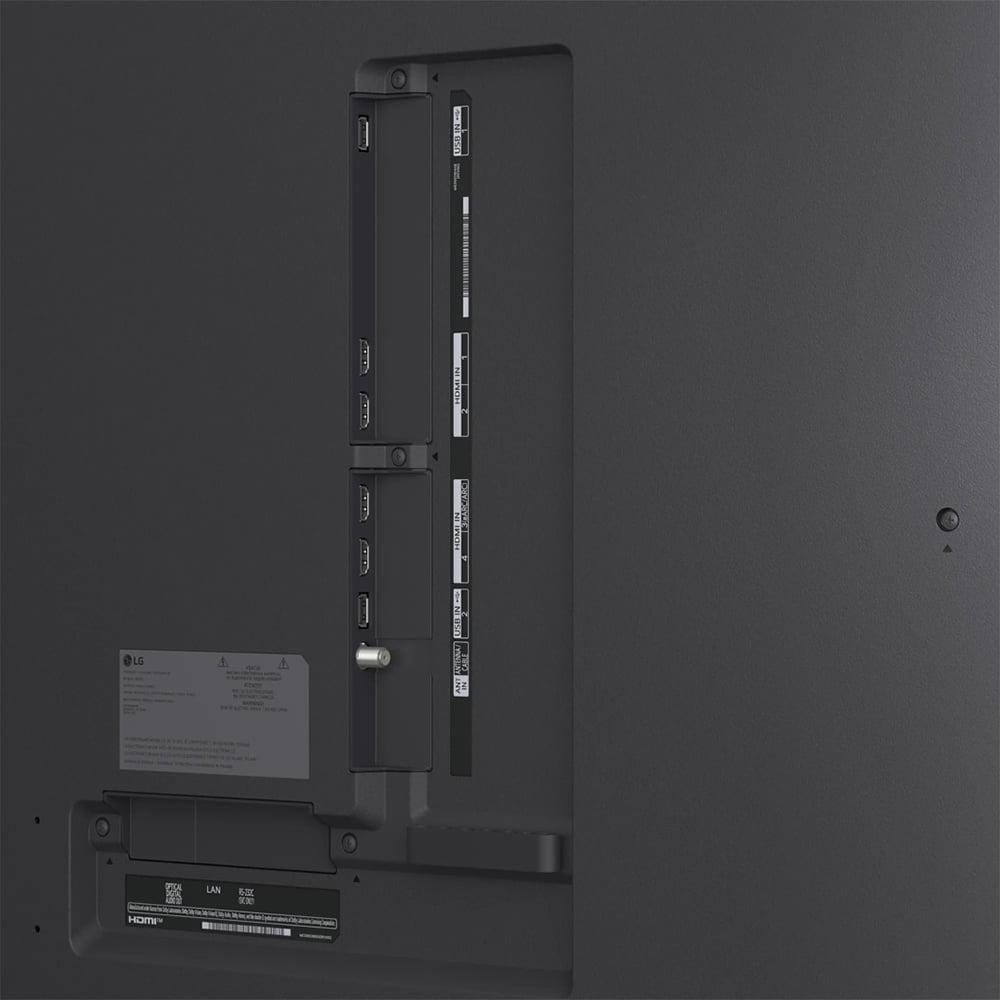
The four HDMI 2.1 ports on each TV mean you can connect multiple next-gen consoles, gaming PCs, and other high-bandwidth devices without compromise. LG's Game Optimizer and Game Dashboard features work identically on both models, providing quick access to gaming-specific settings and real-time performance information.
The only minor advantage for the QNED92A comes from its superior processing power, which can provide slightly better motion handling and reduced artifacts during fast-paced gaming. However, this difference is subtle and won't affect most gaming experiences.
Both TVs support cloud gaming services like GeForce NOW and Xbox Cloud Gaming, making them future-ready for the streaming gaming revolution. The integration works seamlessly, and the low input lag ensures responsive gameplay even when streaming games from remote servers.
Audio represents one of the most significant differences between these models. The QNED92A includes native Dolby Atmos support, meaning its built-in speakers can process and play Dolby Atmos soundtracks directly. While TV speakers will never replace a dedicated sound system, the QNED92A's audio processing creates a surprisingly immersive experience for casual viewing.
The QNED85A only supports Dolby Atmos pass-through, meaning it can send the audio signal to compatible soundbars or receivers but cannot process it internally. For users planning to add external audio equipment, this limitation becomes less important. However, if you prefer using the TV's built-in speakers, the QNED92A offers a noticeably richer audio experience.
Both models support LG's Sound Sync technology for pairing with compatible soundbars, and they can serve as center channels in LG's "WOW Orchestra" setups. The AI Sound Pro processing works on both TVs, analyzing content to enhance dialogue clarity and create virtual surround effects.
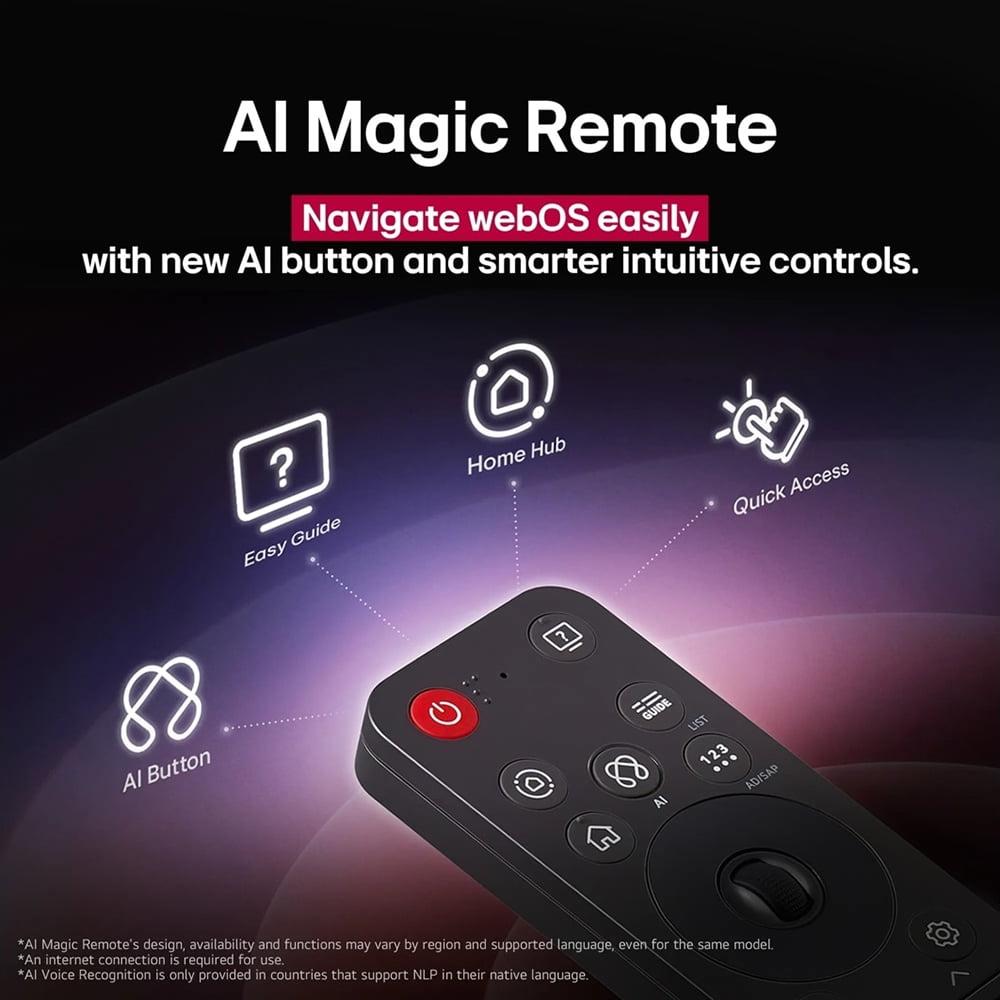
LG's webOS 25 platform runs identically on both models, providing access to all major streaming services, over 300 free LG Channels, and the new AI-powered features that debuted in 2025. The AI Magic Remote includes a dedicated AI button that analyzes your viewing habits and suggests personalized content recommendations.
The AI Voice ID feature recognizes different family members, automatically switching to their preferred settings and suggesting content based on individual viewing history. This personalization extends to picture and sound settings, creating a truly customized experience for each user.
Both TVs support the major smart home ecosystems: Google Assistant, Amazon Alexa, Apple HomeKit, and Matter. The integration works seamlessly, allowing voice control of TV functions and smart home devices. The webOS Re:New Program guarantees five years of software updates, ensuring both models will receive new features and security patches through 2030.
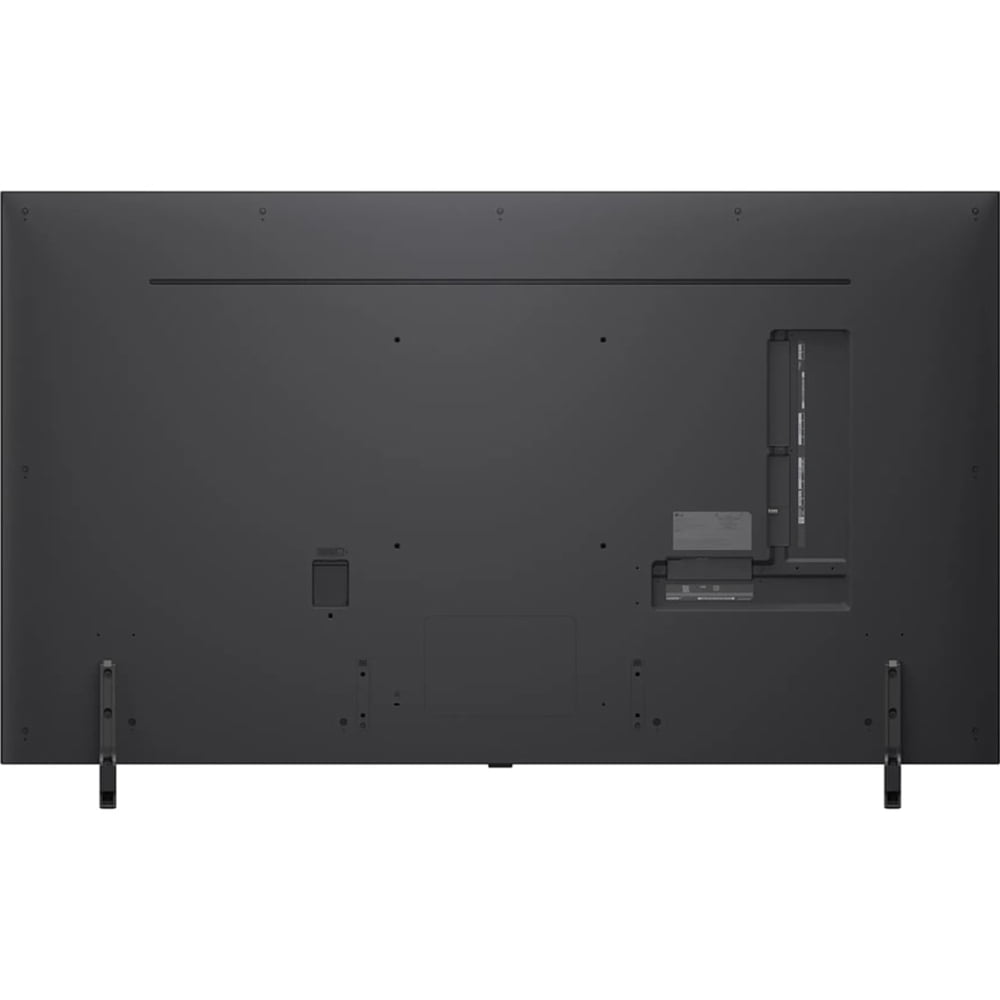
For dedicated home theater setups, the QNED92A clearly takes the lead. Its superior contrast control, native Dolby Vision support, and higher peak brightness make it much better suited for darkened viewing rooms. The full-array local dimming creates the deep blacks that are essential for cinematic experiences, while the high brightness ensures HDR content displays with proper impact.
The FILMMAKER MODE, available on both models, disables motion smoothing and other processing that can interfere with directors' intended presentation. However, the QNED92A's superior baseline picture quality means movies look more accurate and engaging even in this mode.
For dedicated home theater enthusiasts, the QNED92A's native Dolby Vision support across all inputs represents a significant advantage. Many streaming services and Ultra HD Blu-ray discs use Dolby Vision for enhanced HDR, and having native support ensures you're getting the full experience without requiring external processing.
The $700 price difference between these models represents a classic value versus performance decision. The QNED85A at $1,000 offers excellent gaming performance, good color accuracy, and all the smart features of its more expensive sibling. For most users, especially those primarily streaming content or gaming, it provides outstanding value.
However, the QNED92A at $1,700 delivers meaningful improvements in the areas that matter most for premium viewing experiences. The superior contrast, native Dolby support, and enhanced color accuracy create a noticeably better picture quality that justifies the premium for discerning viewers.
Choose the QNED92A if you're building a dedicated home theater, watch a lot of movies and HDR content, or simply want the best possible LCD picture quality. The native Dolby Vision and Atmos support, combined with exceptional contrast control, create a premium viewing experience that approaches OLED quality without the burn-in risks.
The QNED85A makes more sense for mainstream users who want excellent gaming performance, good smart features, and solid picture quality at a more accessible price. If you're primarily streaming content, gaming, or planning to add external audio equipment anyway, the QNED85A delivers outstanding value.
Both TVs represent significant improvements over their 2024 predecessors, with enhanced AI processing, better color accuracy, and improved smart features. The choice ultimately comes down to whether the QNED92A's superior picture quality justifies the 70% price increase over the QNED85A.
For most buyers, I'd recommend starting with the QNED85A unless you're specifically building a premium home theater or have identified picture quality as your top priority. The $700 savings can be invested in a quality soundbar or other home theater components that might provide more noticeable improvements to your overall viewing experience.
| LG 65" QNED92A QNED evo AI Mini LED 4K TV 2025 | LG 65" QNED evo AI QNED85A 4K MiniLED Smart TV 2025 |
|---|---|
| Price - Major factor in value equation | |
| $1,700 (flagship positioning) | $1,000 (mid-range value) |
| Backlighting Technology - Most important picture quality difference | |
| Full-array local dimming with hundreds of zones | Edge-lit Mini LED with fewer zones |
| Peak Brightness - Critical for HDR performance and bright rooms | |
| 1,520 nits (25% window), excellent for any room | Lower peak brightness, better for darker rooms |
| HDR Support - Determines premium content experience | |
| Native Dolby Vision, HDR10, HLG across all inputs | HDR10, HLG native; Dolby Vision pass-through only |
| Audio Features - Important for users without external sound systems | |
| Native Dolby Atmos processing through built-in speakers | Dolby Atmos pass-through only, requires external system |
| Processor - Affects AI features and overall performance | |
| Alpha 9 Gen 8 (more powerful AI processing) | Alpha 8 Gen 2 (capable but less advanced) |
| Gaming Performance - Essential for console and PC gaming | |
| 4K@120Hz, VRR up to 144Hz, 9.6ms input lag | 4K@120Hz, VRR up to 144Hz, 9.6ms input lag |
| Color Technology - Impacts vibrancy and accuracy | |
| Dynamic QNED Color Pro, 97% DCI-P3 coverage | Dynamic QNED Color, good but not Pro-level |
| Smart Features - Both identical for streaming and apps | |
| webOS 25, AI personalization, 5-year updates | webOS 25, AI personalization, 5-year updates |
| Best For - Target user scenarios | |
| Home theater enthusiasts, premium picture quality seekers | Gamers, mainstream users, budget-conscious buyers |
The biggest difference is backlighting technology. The LG 65" QNED92A QNED evo AI Mini LED 4K TV 2025 uses full-array local dimming with hundreds of zones for superior contrast, while the LG 65" QNED evo AI QNED85A 4K MiniLED Smart TV 2025 uses edge-lit Mini LED with fewer zones. This results in much better picture quality for the QNED92A, especially in dark scenes.
We've done our best to create useful and informative comparisons to help you decide what product to buy. Our research uses advanced automated methods to create this comparison and perfection is not possible - please contact us for corrections or questions. These are the sites we've researched in the creation of this article: stereoindex.com - youtube.com - youtube.com - digitaltrends.com - abt.com - lg.com - youtube.com - ecoustics.com - hometheaterforum.com - lg.com - valueelectronics.com - listenup.com - pcrichard.com - furnitureconnectionnd.com - avnirvana.com - files.bbystatic.com - lg.com - lgnewsroom.com - techradar.com - bestbuy.com - bestbuy.com - youtube.com - youtube.com - rtings.com - rtings.com - youtube.com - smarthomesounds.co.uk - abt.com - abt.com - lg.com - displayspecifications.com - walmart.com - bestbuy.com - lg.com - lg.com - lg.com - files.bbystatic.com - flatpanelshd.com - north-side-appliance.com - lgnewsroom.com - lg.com - youtube.com - hindustantimes.com

Privacy Policy
Terms and Conditions - Affiliate Policy
Home Security
© Copyright 2008-2026.
11816 Inwood Rd #1211, Dallas, TX 75244