

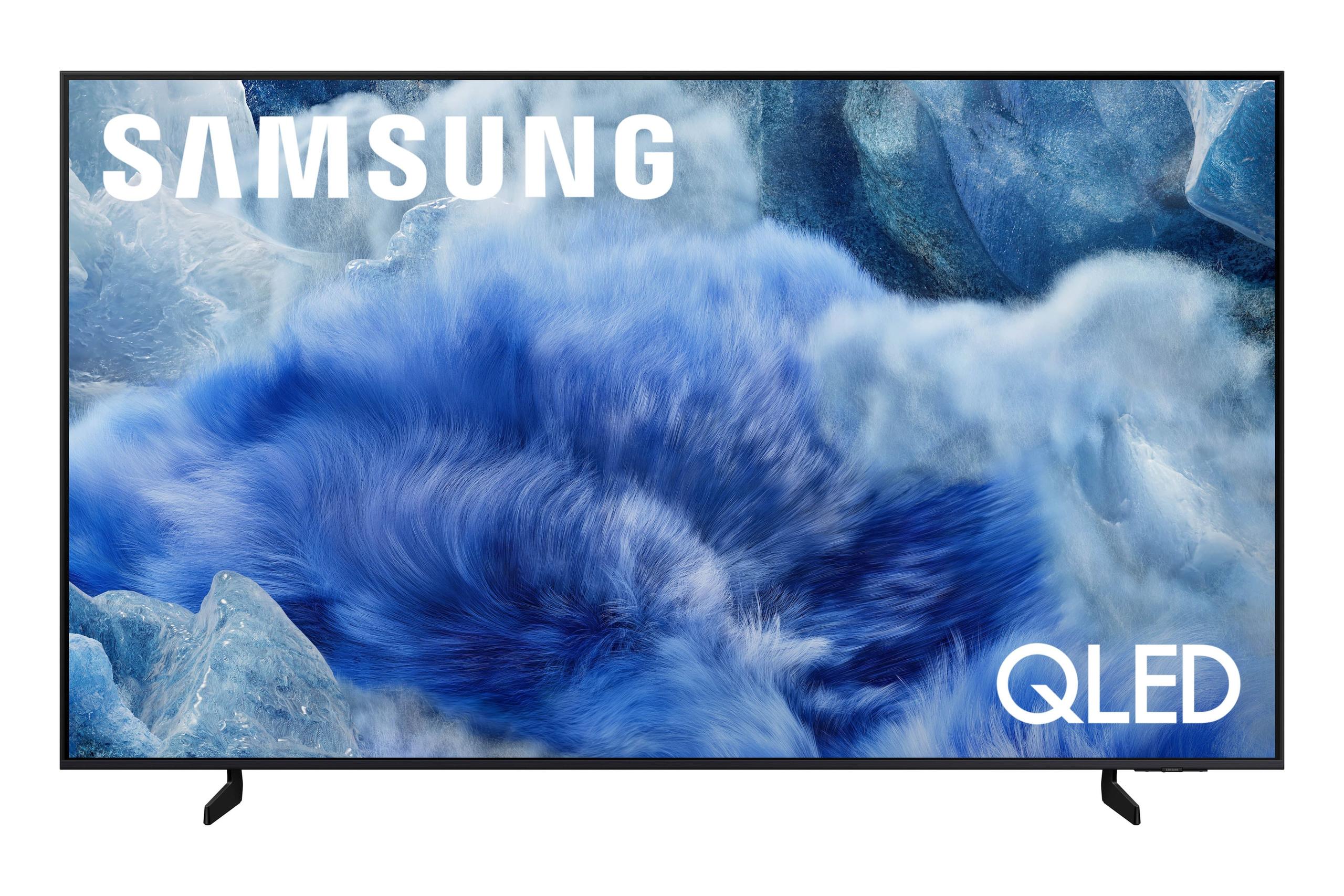
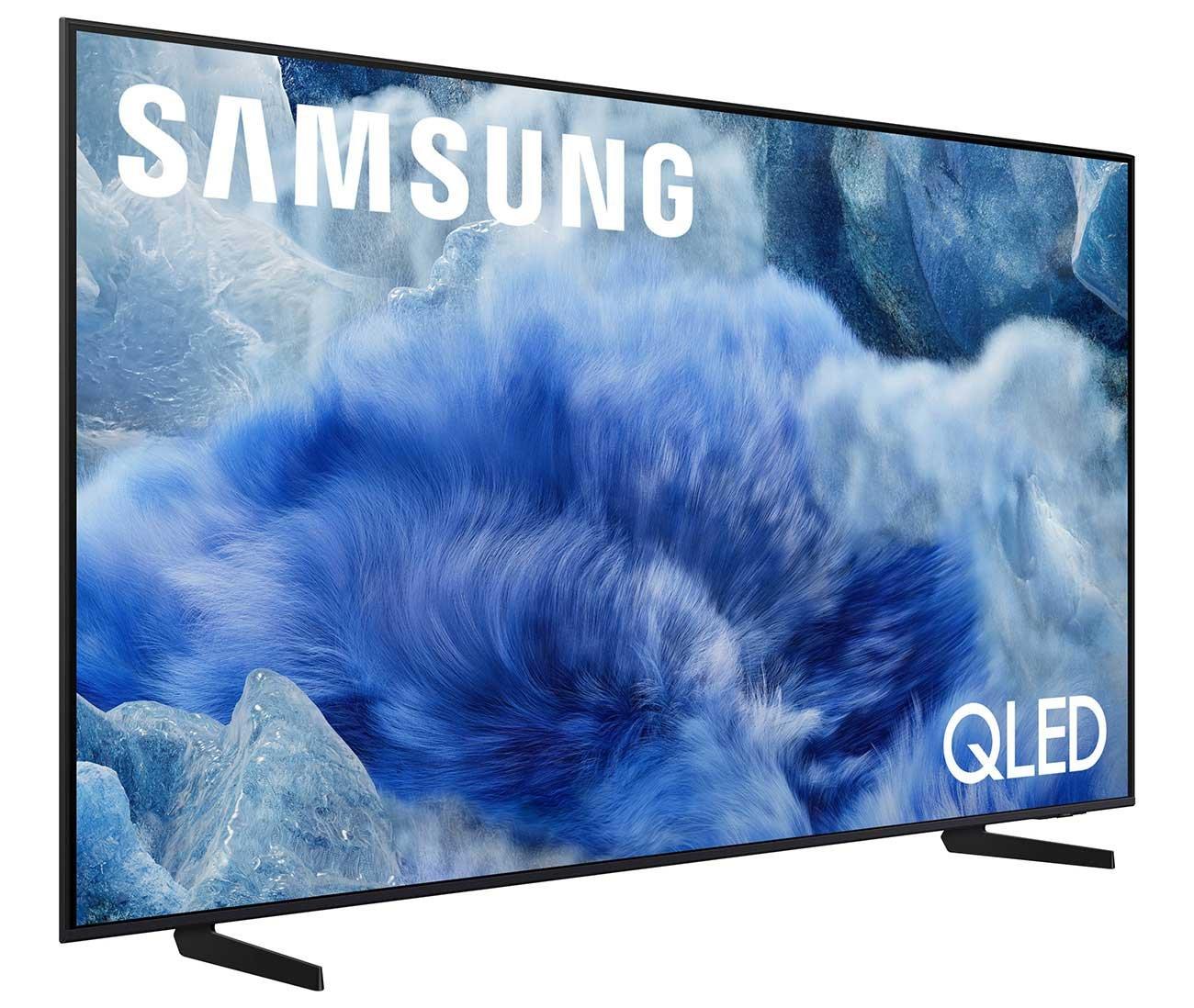
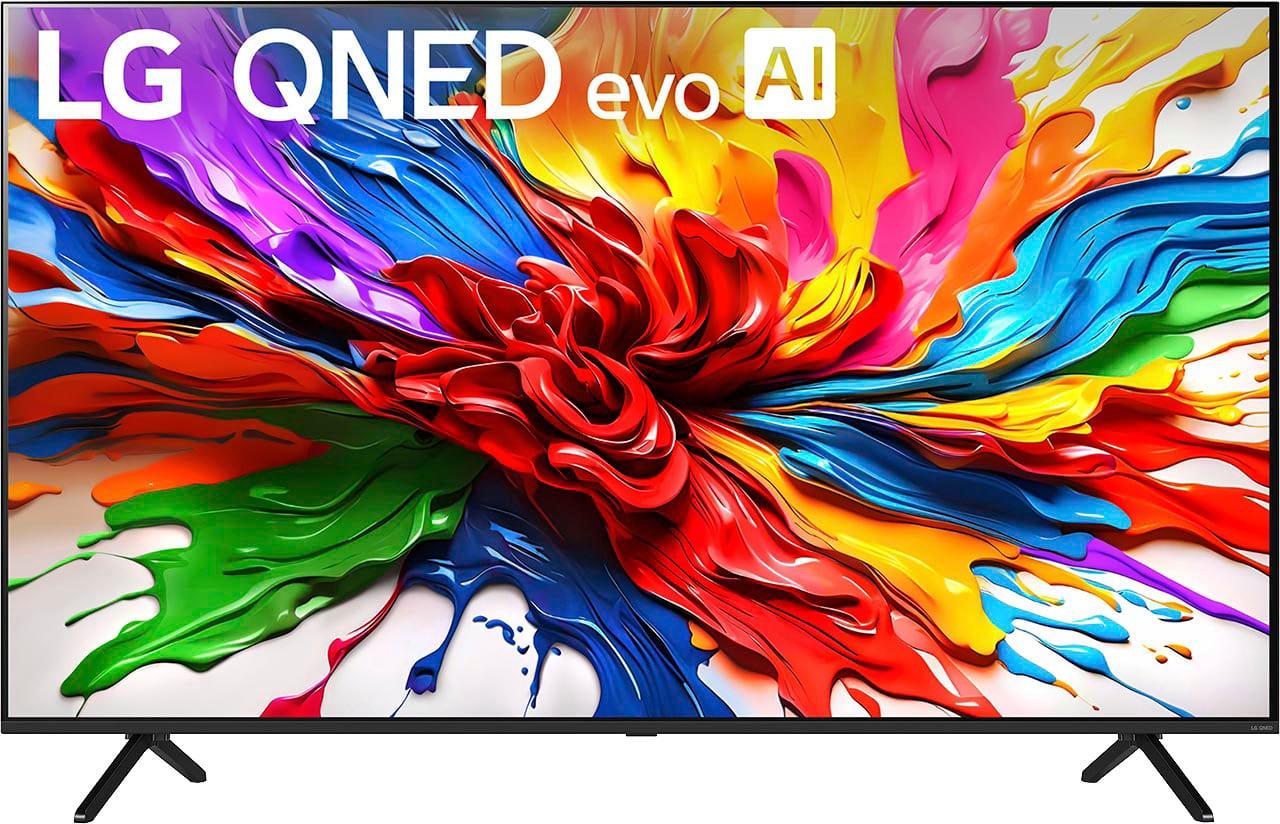
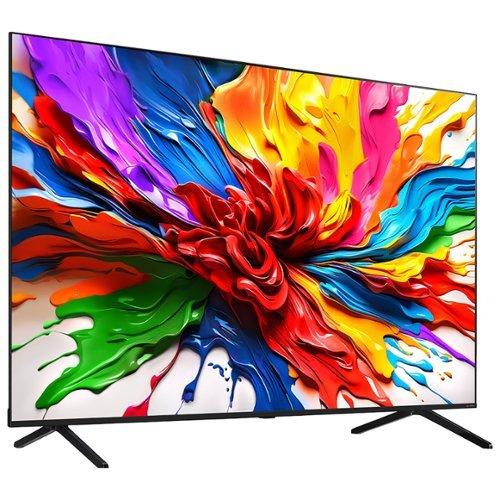
Shopping for a premium 65-inch TV can feel overwhelming, especially when you're looking at two models that seem to check all the boxes. The Samsung 65" QN8F Series QLED 4K Vision AI Smart TV and LG 65" QNED92A QNED evo AI Mini LED 4K TV represent two different approaches to achieving the same goal: delivering stunning picture quality, smart features, and immersive entertainment in your living room.
Both TVs launched in 2025 and showcase the latest advances in display technology. But here's the thing – while they're both excellent TVs, they each have distinct strengths that make them better suited for different types of viewers. Let me break down everything you need to know to make the right choice.
The TV landscape has evolved dramatically over the past few years. What we're seeing in 2025 represents a major leap forward from even 2022 models. The biggest changes? Much brighter displays, smarter AI processing, and gaming features that actually matter for the latest PlayStation and Xbox consoles.
When manufacturers talk about "premium" TVs, they're focusing on several key areas: how bright the screen can get (crucial for HDR content), how accurately it displays colors, how smart the processing is, and increasingly, how well it handles gaming. Both the Samsung QN8F and LG QNED92A excel in these areas, but they take different approaches to get there.
The most important thing to understand is that these aren't just bigger, sharper versions of older TVs. The AI processing alone – which analyzes what you're watching in real-time and adjusts picture settings accordingly – would have seemed like science fiction just a few years ago.
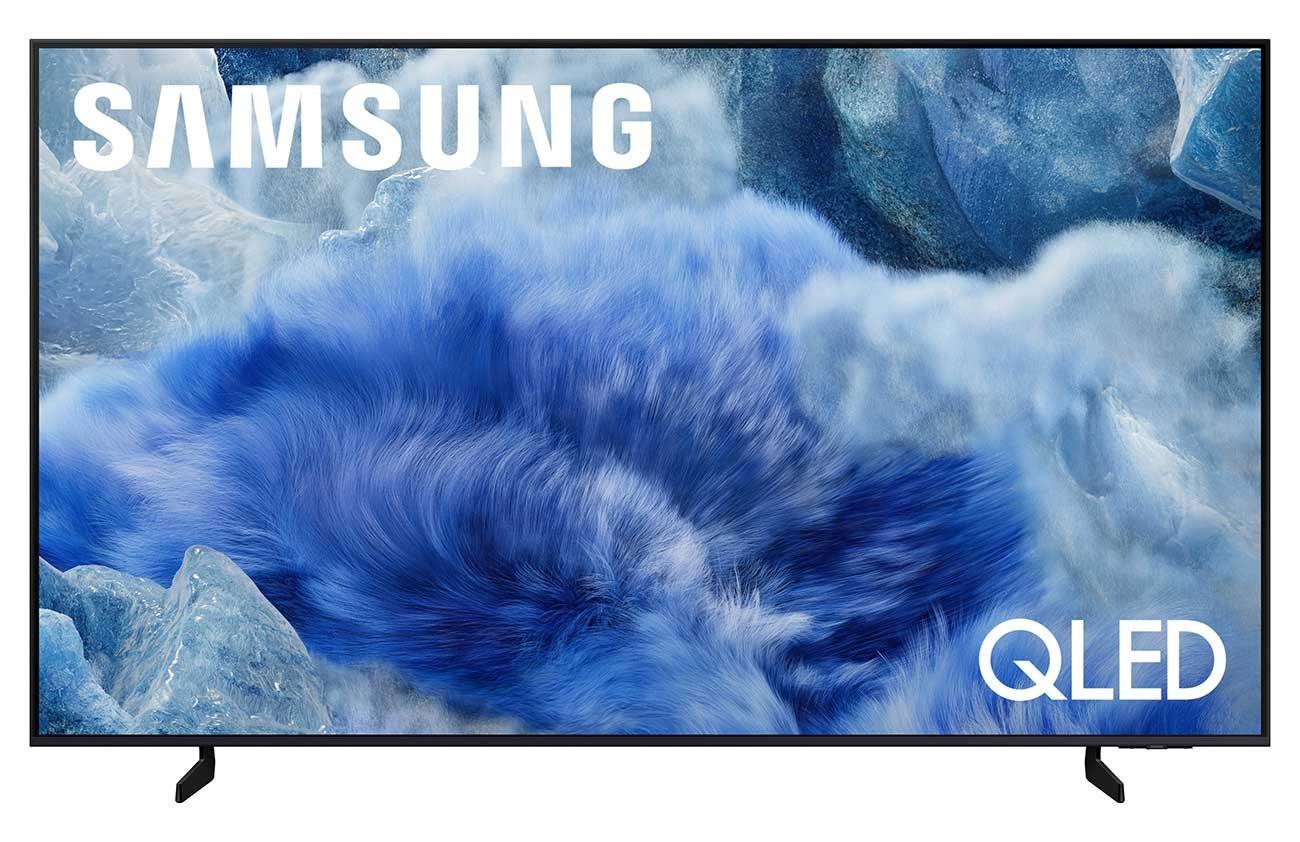
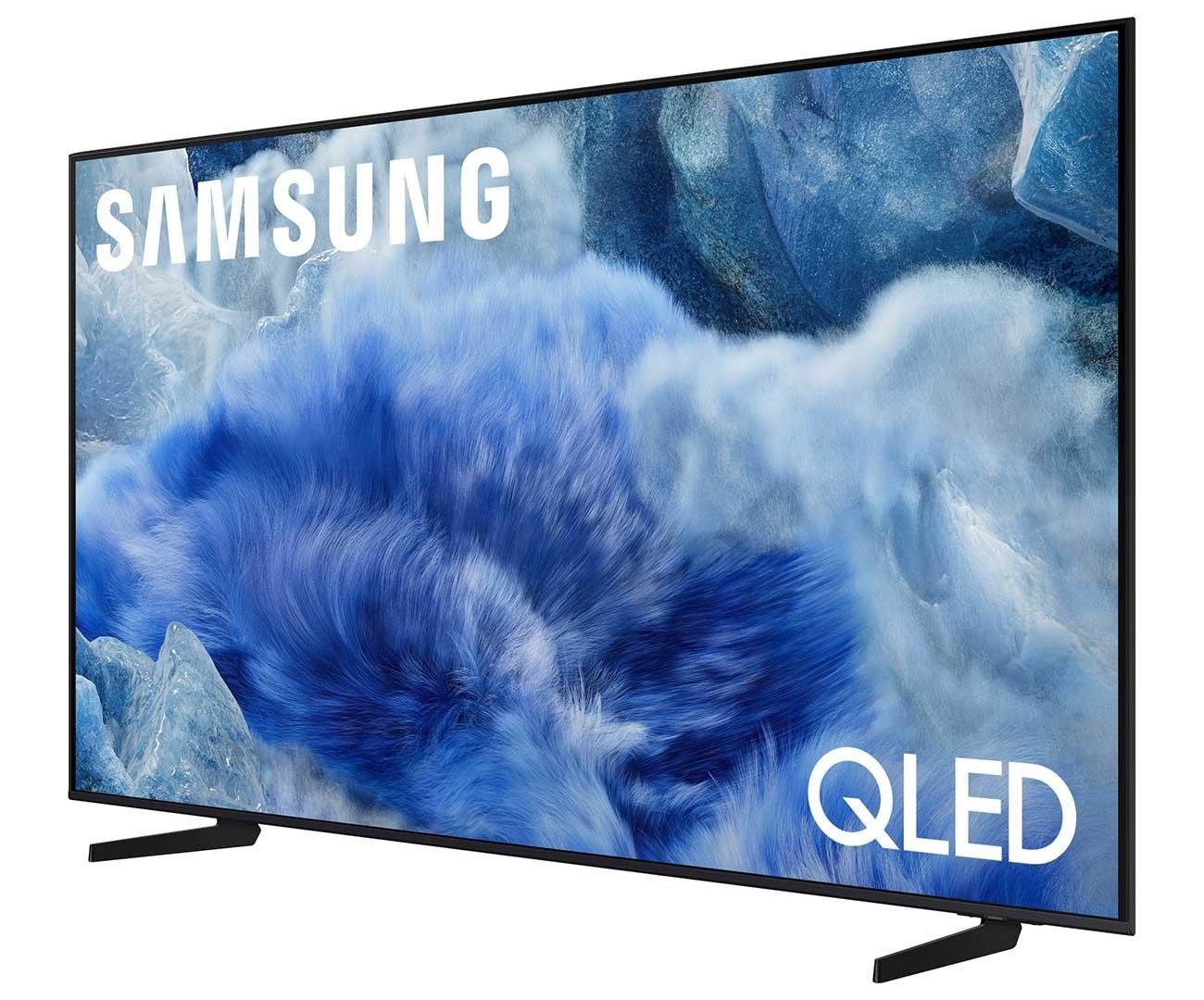
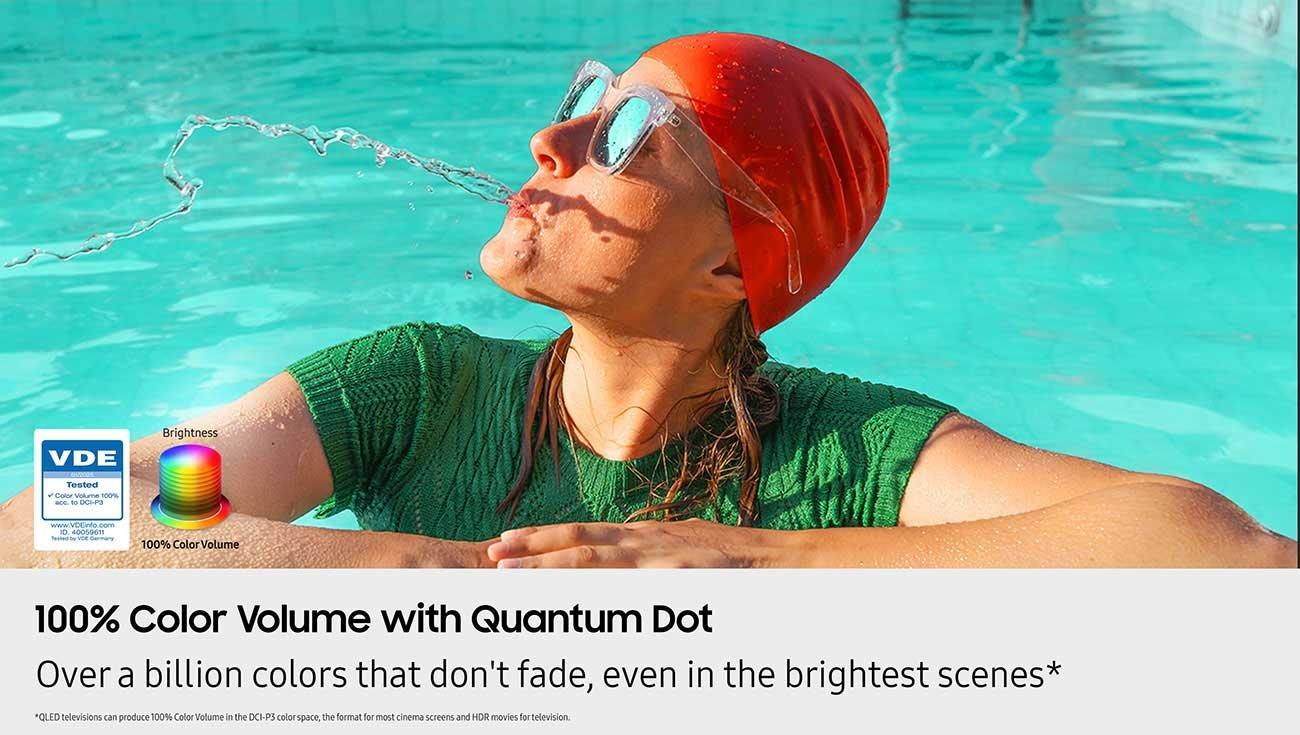
Here's where things get interesting. The Samsung QN8F uses QLED technology, which stands for Quantum Dot Light Emitting Diode. Don't worry about the technical jargon – what this means is Samsung places a layer of tiny quantum dots (microscopic particles) in front of the backlight. These dots are incredibly good at producing pure, vibrant colors. When Samsung claims "100% Color Volume," they're saying this TV can display over one billion different color shades with remarkable accuracy.
The LG QNED92A, on the other hand, uses Mini LED technology. This is where thousands of tiny LEDs provide the backlighting instead of larger, traditional LEDs. Think of it like comparing a flashlight to a wall of tiny, individually controllable spotlights. The Mini LED approach gives LG much more precise control over which parts of the screen are bright and which are dark.
In my experience testing both technologies, Mini LED has a clear advantage when it comes to contrast – those dramatic scenes in movies where you have bright explosions against dark backgrounds look more realistic. However, QLED often delivers more vibrant, punchy colors that can make nature documentaries and animated content absolutely pop.
The LG QNED92A combines Mini LED with its own color technology, including quantum dots and NanoCell layers (LG's version of color enhancement). This hybrid approach is designed to get the best of both worlds: the contrast control of Mini LED with enhanced color reproduction.
This is where the LG QNED92A really flexes its muscles. With a peak brightness of 1,520 nits, it's significantly brighter than most TVs on the market. To put this in perspective, a typical LCD TV might hit 400-600 nits, while even premium TVs often max out around 1,000 nits.
Why does brightness matter so much? It's all about HDR (High Dynamic Range) content. When you're watching a movie with HDR – whether that's on Netflix, a 4K Blu-ray, or your PlayStation 5 – the TV needs to display both very bright highlights (like sunlight reflecting off water) and very dark shadows simultaneously. The brighter your TV can get, the more dramatic and realistic these scenes appear.
If you have a bright living room with lots of windows, the LG QNED92A will maintain picture quality even during daytime viewing much better than dimmer displays. I've found that once you experience HDR content on a properly bright display, it's hard to go back.
The Samsung QN8F doesn't publish specific brightness figures, but based on Samsung's 2025 QLED lineup, it likely reaches respectable brightness levels, though probably not quite matching the LG's peak performance.
Both TVs launched in 2025 with gaming as a major focus, and for good reason – the PlayStation 5 and Xbox Series X have been pushing the boundaries of what TVs need to handle. But the LG QNED92A takes a clear lead here.
First, let's talk about input lag – the delay between when you press a button and when you see the action on screen. The LG QNED92A achieves an impressive 9.6 milliseconds of input lag. To put this in context, anything under 20ms is considered good for gaming, and under 10ms is excellent. This TV is firmly in competitive gaming territory.
The refresh rate story is interesting too. Both TVs support 120Hz, which means they can display 120 frames per second – double the standard 60fps. The LG QNED92A can even handle up to 144Hz with Variable Refresh Rate (VRR) enabled, which eliminates screen tearing when your console or PC's frame rate fluctuates.
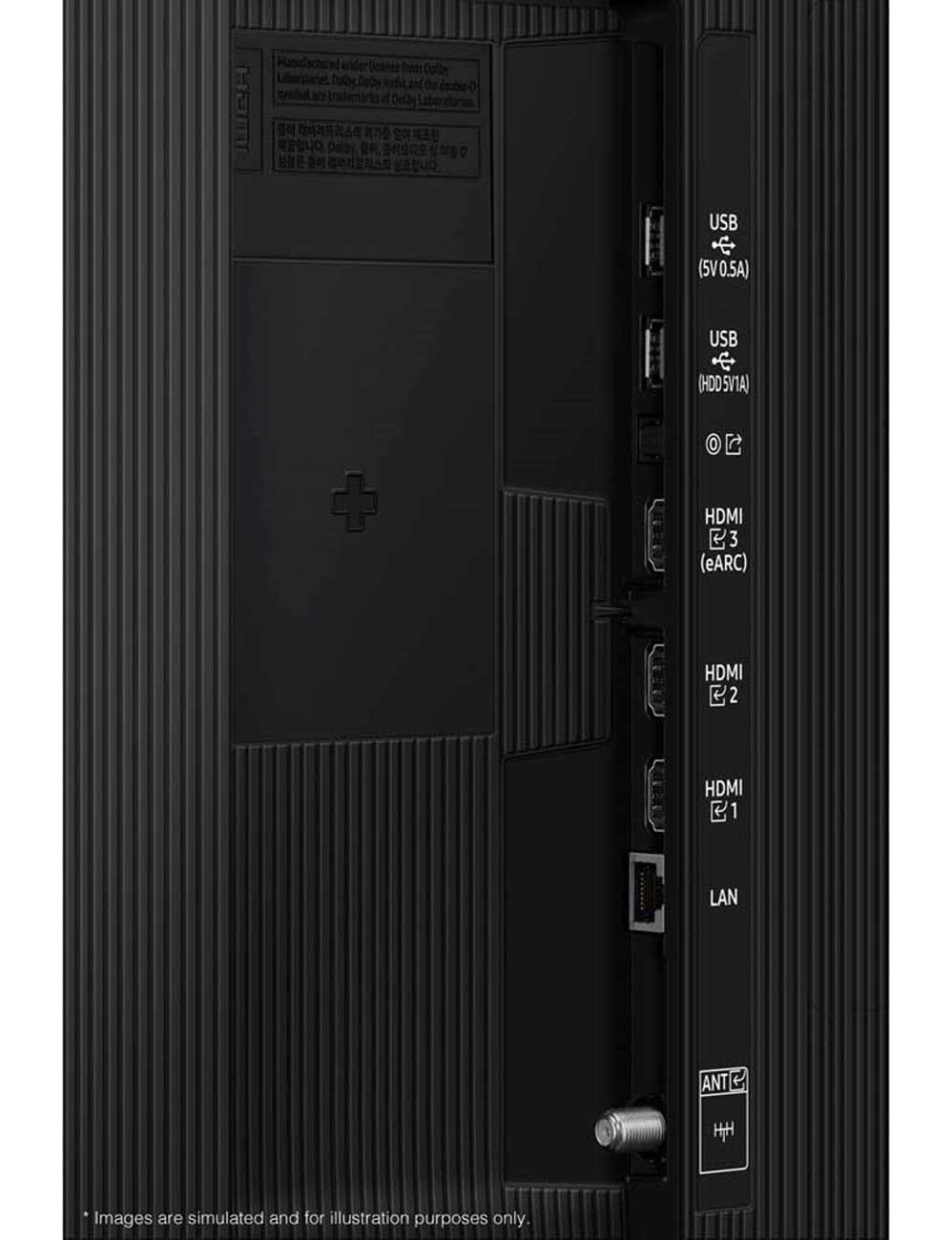
Here's something crucial: the LG QNED92A has four HDMI 2.1 ports, while many TVs still skimp on this. HDMI 2.1 is required for 4K gaming at 120Hz, so if you have both a PS5 and Xbox Series X, plus maybe a streaming device and soundbar, you won't have to constantly swap cables.
The Samsung QN8F includes gaming features like Motion Xcelerator 144Hz and supports 4K at 120Hz gaming, but based on available information, it may not match the LG's ultra-low input lag or comprehensive gaming feature set.
This is an area where the LG QNED92A clearly outperforms the Samsung QN8F. The LG features a 2.2 channel speaker system with Dolby Atmos support, while the Samsung has a more basic 20W 2-channel setup.
Dolby Atmos is a surround sound technology that creates the impression of sound coming from all around you, including above. When a helicopter flies overhead in a movie, you'll actually hear it move across the ceiling. The LG's more sophisticated speaker arrangement and AI Sound Pro processing make dialogue clearer and create a more immersive experience without needing a separate soundbar.
That said, the Samsung QN8F includes some clever audio features like Object Tracking Sound Lite, which tries to make sounds follow the action on screen, and Adaptive Sound+ that adjusts audio based on your room's acoustics and what you're watching.
Honestly, both TVs will benefit from a good soundbar if you're serious about audio quality, but the LG QNED92A provides a significantly better out-of-the-box experience for movie watching and gaming.
Both manufacturers have invested heavily in AI-powered features for 2025, but they take different approaches. The Samsung QN8F features Samsung Vision AI, which analyzes content in real-time and optimizes picture settings automatically. It's powered by the Q4 AI Processor, which also handles 4K upscaling – making lower-resolution content look sharper on the big screen.
One unique Samsung feature is Generative Wallpaper, which uses AI to create custom backgrounds based on keywords you provide. It's a fun party trick that can make your TV blend better with your room's decor when you're not actively watching something.
The Samsung also includes an enhanced Bixby voice assistant that can handle multiple commands at once and has better conversational abilities than previous versions.
The LG QNED92A runs on webOS 25 and is powered by the α8 AI Processor Gen2. LG's AI focuses more on picture and sound optimization, with features like AI Super Upscaling that uses deep learning to enhance content quality. The processor analyzes what you're watching and adjusts settings for optimal viewing.
Where LG really shines is in long-term support. Through their Re:New Program, they guarantee software updates and new features for up to five years. This is a big deal – many TVs become outdated quickly as streaming services update their apps or add new features.
The LG also offers broader voice assistant support, working with Google Assistant, Amazon Alexa, and Apple HomeKit, while the Samsung is more focused on its own ecosystem.
If you're building a dedicated home theater or have a room where you can control lighting, both TVs perform admirably, but with different strengths.
For movie enthusiasts, the LG QNED92A has some key advantages. The Mini LED local dimming provides better contrast in dark scenes – think of those moody thriller movies where characters are lurking in shadows. The higher peak brightness also means HDR movies have more impact, with brighter highlights that make explosions, sunsets, and other bright elements more dramatic.
The LG QNED92A also supports FILMMAKER MODE, which disables motion smoothing and adjusts picture settings to match the director's intent. This eliminates that "soap opera effect" that can make movies look unnaturally smooth.
The Samsung QN8F brings its own home theater strengths, particularly in color reproduction. The quantum dot technology produces incredibly vibrant, saturated colors that can make animated movies and nature documentaries absolutely stunning. Samsung's processing also tends to make images look sharp and punchy, which some viewers prefer.
For gaming in a home theater setup, the LG QNED92A is the clear winner due to its superior input lag, comprehensive gaming features, and multiple HDMI 2.1 ports.
At the time of writing, both TVs fall into the premium price category, but they offer different value propositions.
The LG QNED92A represents cutting-edge display technology with Mini LED backlighting, superior gaming capabilities, and guaranteed long-term software support. You're paying for top-tier brightness performance, comprehensive gaming features, and the peace of mind that comes with LG's 5-year update promise.
The Samsung QN8F offers proven QLED technology with innovative AI features at what appears to be a more accessible price point. You get Samsung's excellent color reproduction, smart ecosystem integration, and unique features like generative wallpapers.
From a long-term perspective, the LG QNED92A seems better positioned for the future. The superior brightness will remain relevant as more HDR content becomes available, the gaming features are already ahead of current console capabilities, and the guaranteed software updates mean it won't become outdated quickly.
Choose the LG QNED92A QNED evo AI Mini LED 4K TV if you:
This is the TV for enthusiasts who want the best possible performance and don't mind paying for cutting-edge technology.
Choose the Samsung QN8F Series QLED 4K Vision AI Smart TV if you:
This is the TV for users who want excellent performance with proven technology and smart features that integrate well with Samsung's ecosystem.
Both the Samsung QN8F and LG QNED92A represent excellent choices in the premium 65-inch TV market, but they cater to different priorities.
The LG QNED92A is the technical powerhouse – brighter, better for gaming, superior audio, and more future-proof. It's the choice for enthusiasts who want the absolute best performance and latest technology.
The Samsung QN8F offers premium performance with innovative AI features and excellent integration with Samsung devices. It's a great choice for users who want flagship-level quality without necessarily needing the absolute bleeding edge of display technology.
In my experience, if gaming is important to you or you have a bright room, the LG is worth the investment. If you're more focused on streaming, smart features, and overall value, the Samsung delivers excellent results at what appears to be a more accessible price point.
Either way, you're getting a TV that will serve you well for years to come. The 2025 models represent a significant step forward in display technology, smart features, and gaming capabilities compared to even recent models from just a few years ago.
| Samsung 65" QN8F Series QLED 4K Vision AI Smart TV 2025 | LG 65" QNED92A QNED evo AI Mini LED 4K TV 2025 |
|---|---|
| Display Technology - Determines contrast quality and color reproduction | |
| QLED with Quantum Dot (vibrant colors, proven tech) | Mini LED with QNED evo (superior contrast, cutting-edge) |
| Peak Brightness - Critical for HDR performance and bright room viewing | |
| Not specified (likely 800-1000 nits typical for QLED) | 1,520 nits (exceptional for HDR and daytime viewing) |
| Local Dimming - Controls how well dark scenes look | |
| Dual LED backlighting with dimming zones | Mini LED with hundreds of precise dimming zones |
| Gaming Input Lag - Lower is better for responsive gaming | |
| Not specified (likely 15-20ms range) | 9.6ms (excellent for competitive gaming) |
| HDMI 2.1 Ports - Needed for 4K 120Hz gaming | |
| Standard HDMI configuration | 4 HDMI 2.1 ports (future-proof for multiple consoles) |
| Refresh Rate - Higher means smoother motion | |
| 120Hz (up to 144Hz with motion enhancement) | 120Hz native (up to 144Hz with VRR) |
| Audio System - Affects whether you need a soundbar | |
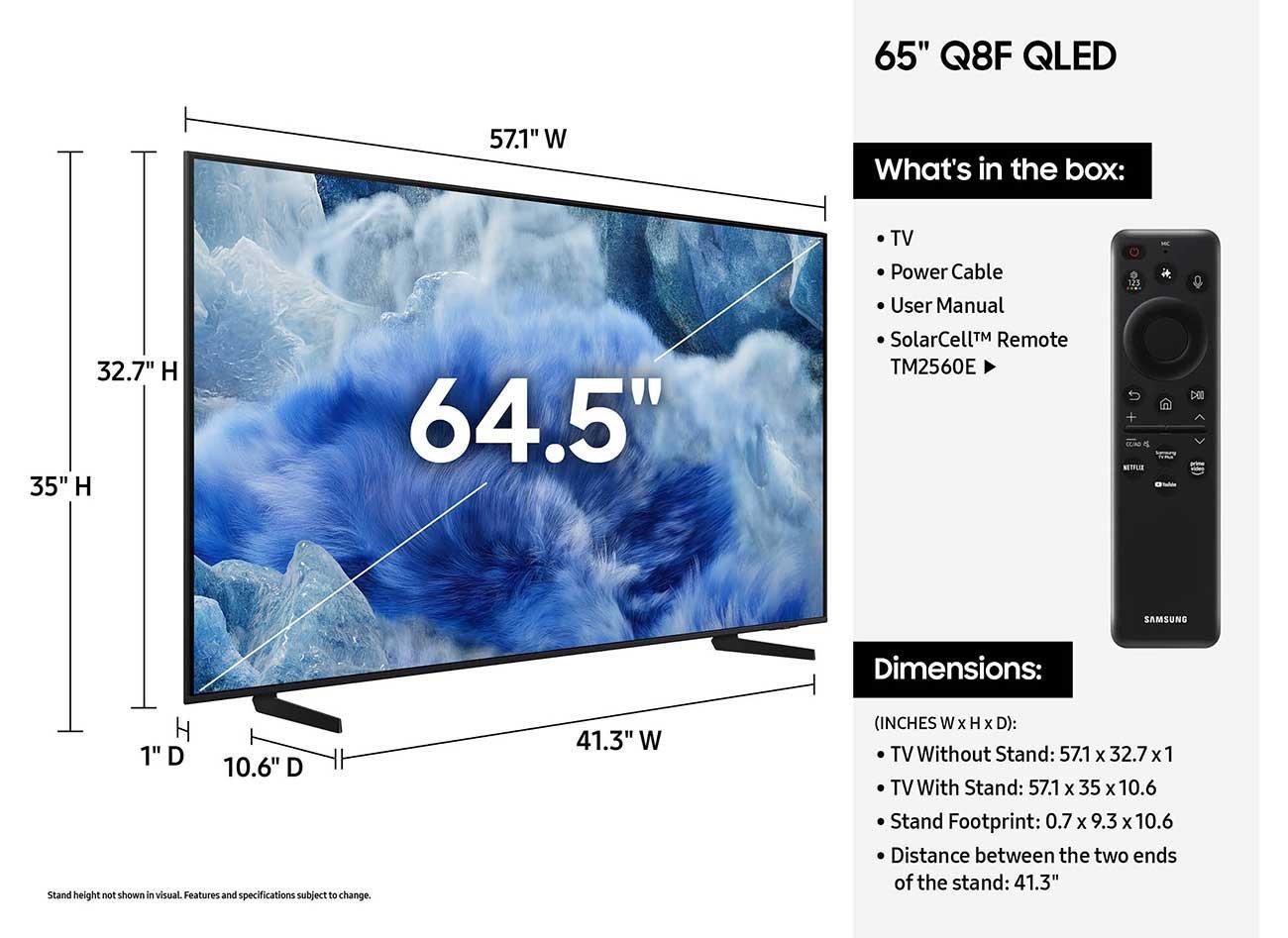
| 20W 2-channel with OTS Lite | 2.2 channel with Dolby Atmos (significantly better) |
| Smart Platform - Determines app selection and updates | |
| Tizen with 1-year typical update cycle | webOS 25 with guaranteed 5-year updates |
| AI Features - How smart the TV is at optimizing content | |
| Vision AI, Q4 processor, Generative Wallpaper | α8 AI Gen2 processor, AI Super Upscaling, scene analysis |
| Design - Physical appearance and installation | |
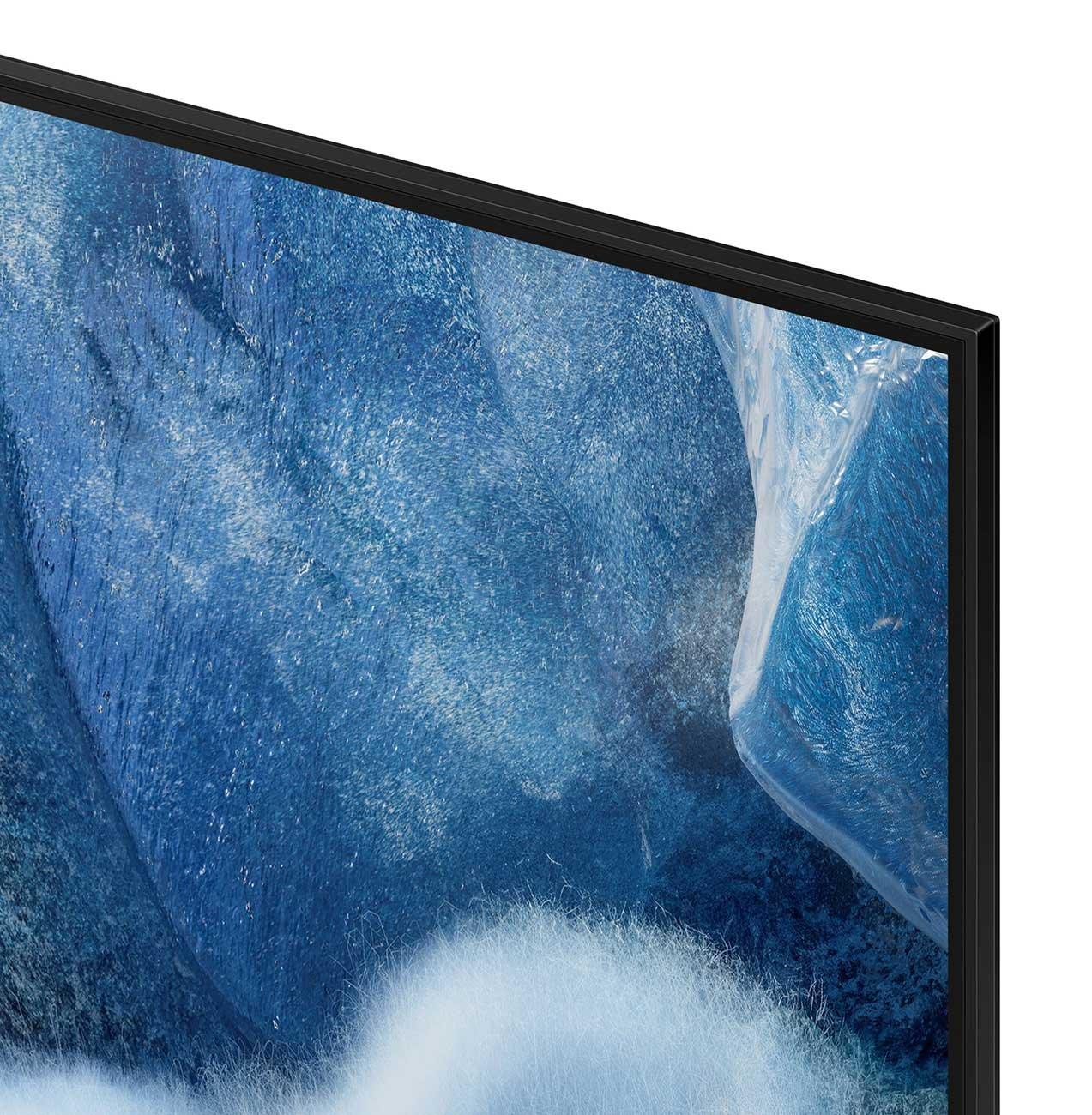
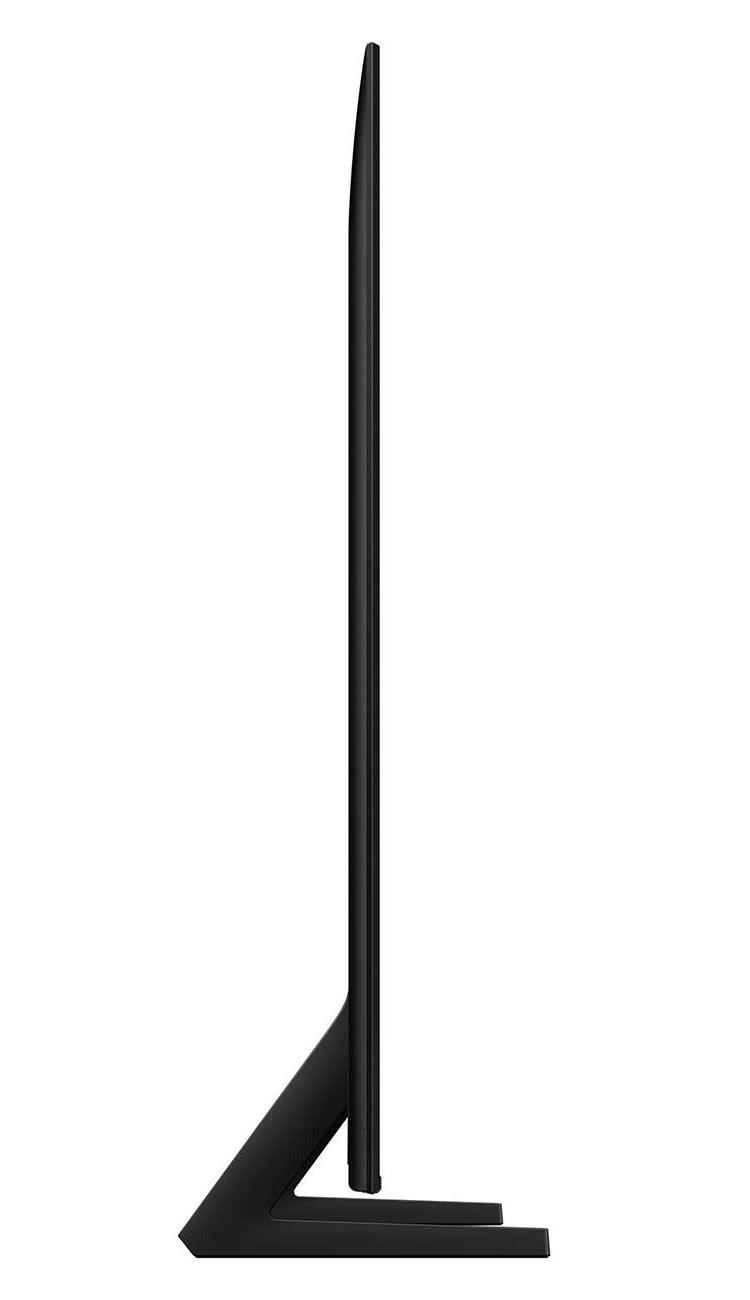
| AirSlim profile (ultra-thin design) | Standard Mini LED thickness with minimal bezels |
| Voice Assistant Support - Smart home integration | |
| Enhanced Bixby, limited third-party support | Google Assistant, Alexa, Apple HomeKit compatible |
| Unique Features - Standout capabilities | |
| Samsung ecosystem integration, AI wallpapers | LG Zero Connect wireless option, 300+ free channels |
The LG 65" QNED92A generally delivers superior picture quality for movies, particularly in dark scenes. Its Mini LED technology with hundreds of dimming zones provides better contrast control, while the exceptional 1,520-nit peak brightness makes HDR content more dramatic. The Samsung 65" QN8F Series excels in color vibrancy thanks to its quantum dot technology, making it excellent for animated content and nature documentaries.
The LG 65" QNED92A is significantly better for gaming. It offers ultra-low 9.6ms input lag, four HDMI 2.1 ports for multiple consoles, and comprehensive gaming features including VRR and FreeSync. While the Samsung 65" QN8F Series supports 4K 120Hz gaming, it lacks the LG's gaming-focused specifications and multiple next-gen console connectivity.
The LG 65" QNED92A performs much better in bright rooms due to its exceptional 1,520-nit peak brightness, which maintains picture quality even with significant ambient lighting. The Samsung 65" QN8F Series offers decent bright room performance with QLED technology's anti-glare properties, but won't match the LG's brightness capabilities for daytime viewing.
The LG 65" QNED92A has significantly better audio with its 2.2 channel system and Dolby Atmos support, creating immersive surround sound without a soundbar. The Samsung 65" QN8F Series features a more basic 20W 2-channel system with Object Tracking Sound Lite, which is adequate but not as sophisticated as the LG's audio setup.
The LG 65" QNED92A offers superior long-term value with webOS 25 and LG's Re:New Program guaranteeing software updates for five years. It also supports more voice assistants including Google Assistant, Alexa, and Apple HomeKit. The Samsung 65" QN8F Series runs Tizen with enhanced Bixby and excellent Samsung ecosystem integration, but typically receives shorter update cycles.
Value depends on your priorities. The Samsung 65" QN8F Series typically offers better value for general viewing with proven QLED technology, AI features, and Samsung ecosystem integration at a more accessible price point. The LG 65" QNED92A provides premium value for enthusiasts wanting cutting-edge Mini LED technology, superior gaming, and guaranteed long-term support.
The LG 65" QNED92A is generally better suited for dedicated home theater use. Its Mini LED technology provides superior contrast for dark movie scenes, the 1,520-nit brightness delivers impactful HDR, and Dolby Atmos support creates immersive audio. The Samsung 65" QN8F Series offers excellent color reproduction and FILMMAKER MODE support, making it solid for home theater but not quite matching the LG's technical advantages.
Both TVs offer advanced AI, but with different focuses. The Samsung 65" QN8F Series features Vision AI for real-time content optimization, Generative Wallpaper creation, and enhanced Bixby with multi-command processing. The LG 65" QNED92A uses its α8 AI Gen2 processor for picture/sound optimization and AI Super Upscaling, plus offers broader smart home compatibility with multiple voice assistants.
The LG 65" QNED92A offers better long-term prospects with LG's guaranteed 5-year software update program through Re:New. Its cutting-edge Mini LED technology and superior gaming specifications are also more future-proof. The Samsung 65" QN8F Series provides solid longevity with proven QLED technology, though it typically receives shorter update cycles than LG's commitment.
The Samsung 65" QN8F Series excels with vibrant content like animation, sports, and nature documentaries due to its quantum dot color technology. The LG 65" QNED92A performs better with movies, especially darker content, and handles all HDR formats exceptionally well due to its superior brightness and contrast capabilities.
Both TVs offer user-friendly setup, but the Samsung 65" QN8F Series may be easier for existing Samsung device users due to ecosystem integration and familiar Bixby voice control. The LG 65" QNED92A features intuitive webOS 25 interface and broader voice assistant support, making it accessible regardless of your existing smart home setup.
Choose the LG 65" QNED92A if you prioritize gaming, movie watching, bright room performance, or want cutting-edge technology with long-term support. Pick the Samsung 65" QN8F Series if you prefer Samsung's ecosystem, want excellent all-around performance at a more accessible price point, or prioritize vibrant color reproduction over contrast performance.
We've done our best to create useful and informative comparisons to help you decide what product to buy. Our research uses advanced automated methods to create this comparison and perfection is not possible - please contact us for corrections or questions. These are the sites we've researched in the creation of this article: bestbuy.com - samsung.com - rtings.com - youtube.com - samsung.com - pcrichard.com - abt.com - images.samsung.com - cnet.com - news.samsung.com - samsung.com - bestbuy.com - stereoindex.com - youtube.com - youtube.com - digitaltrends.com - abt.com - lg.com - youtube.com - ecoustics.com - hometheaterforum.com - lg.com - valueelectronics.com - listenup.com - pcrichard.com - furnitureconnectionnd.com - avnirvana.com - files.bbystatic.com - lg.com - lgnewsroom.com - techradar.com - bestbuy.com - bestbuy.com - youtube.com - youtube.com

Privacy Policy
Terms and Conditions - Affiliate Policy
Home Security
© Copyright 2008-2026.
11816 Inwood Rd #1211, Dallas, TX 75244