

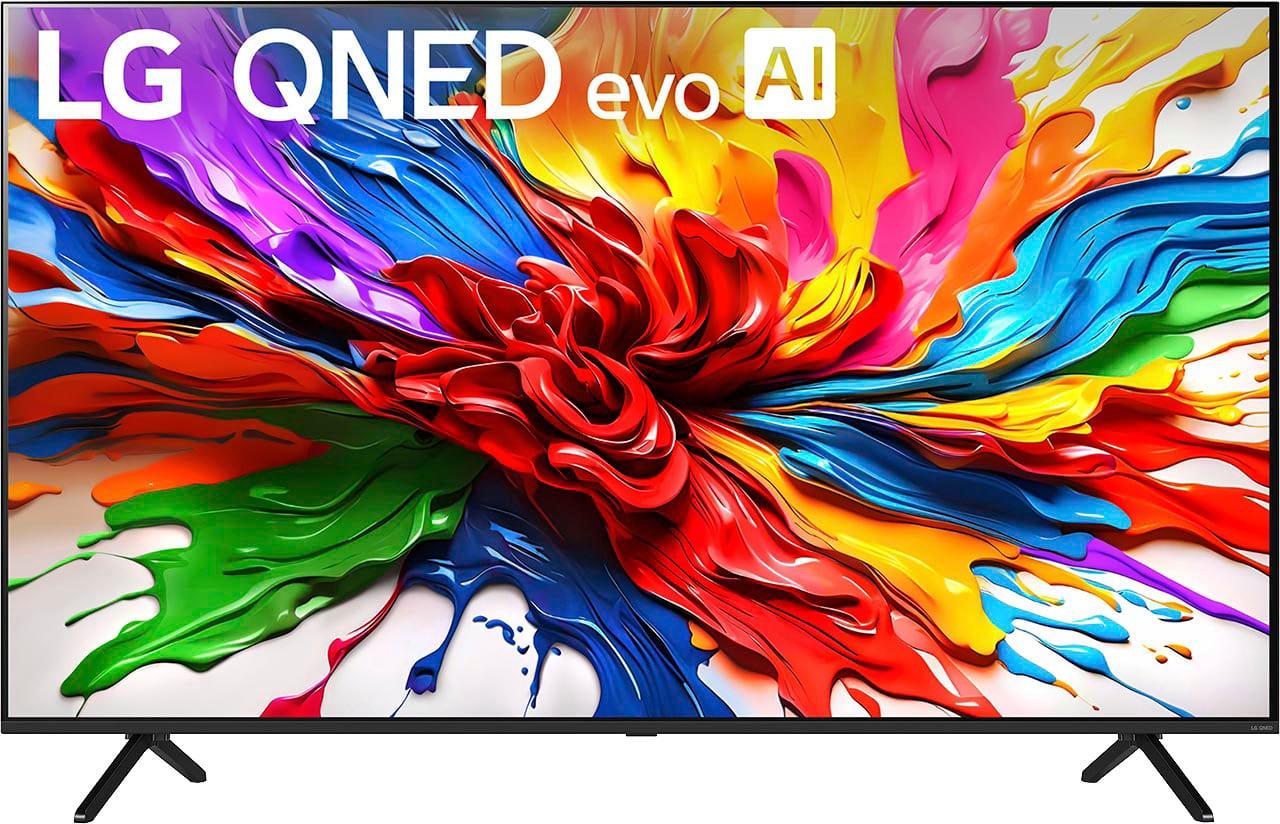
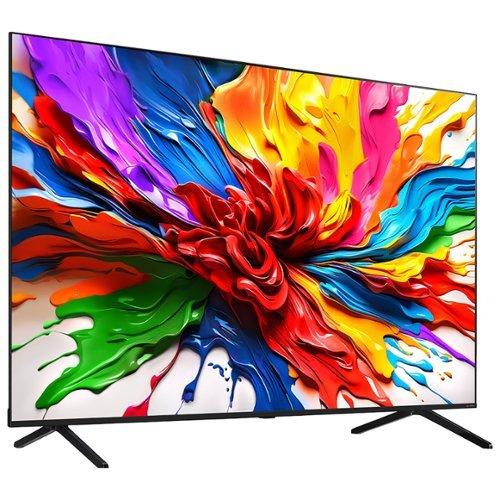

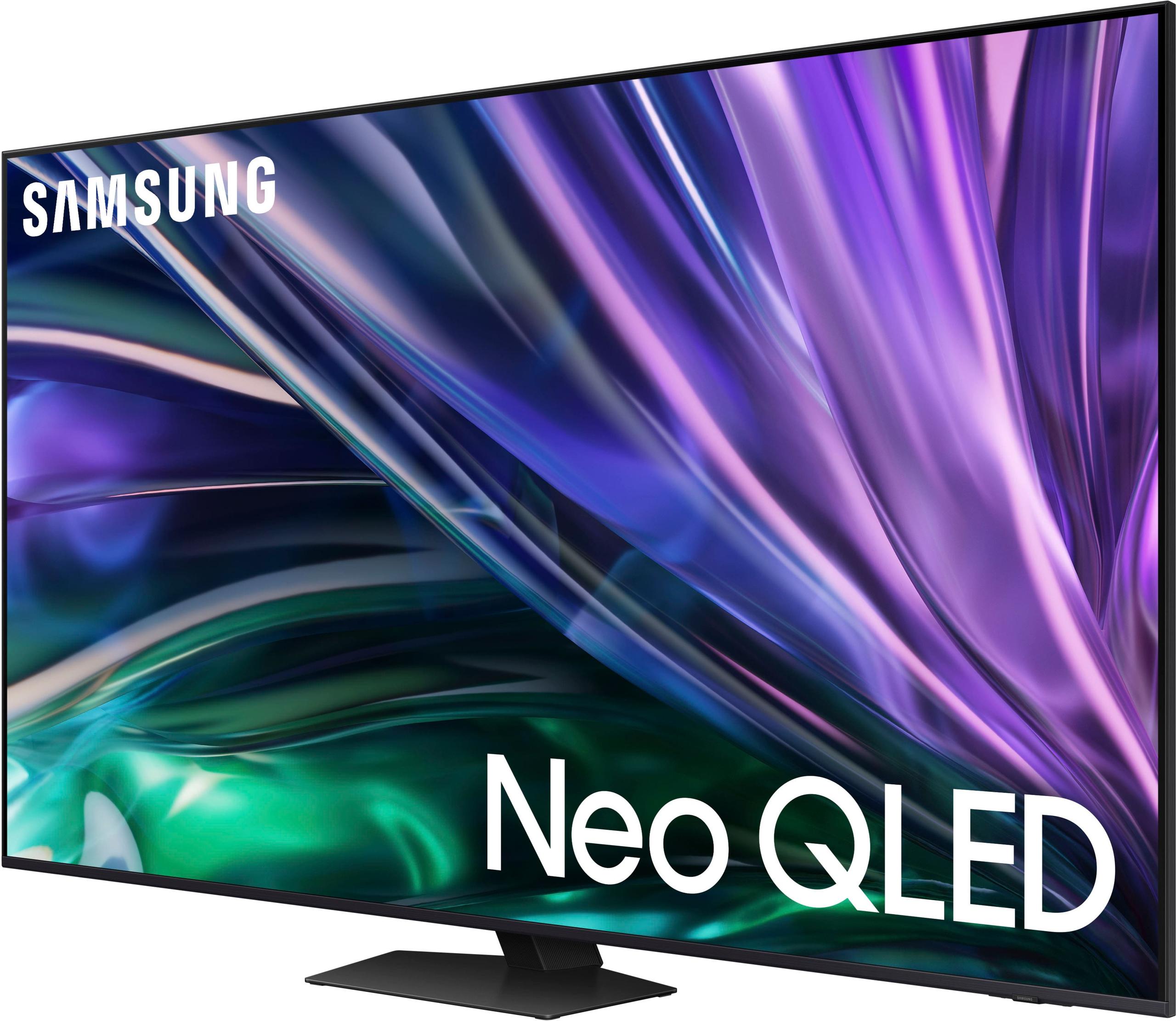

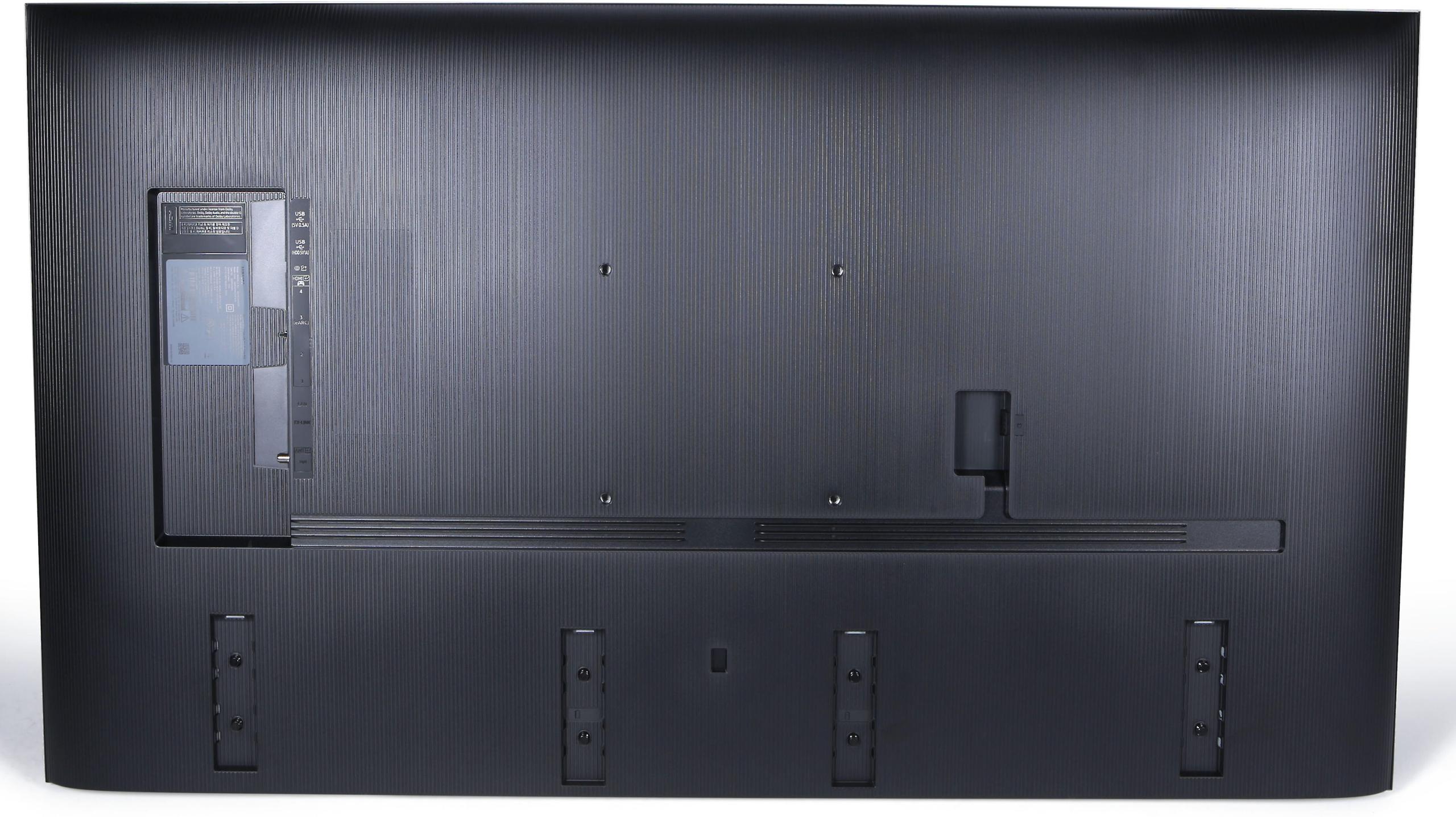
Shopping for a premium 65-inch TV can feel overwhelming, especially when you're comparing completely different technologies. The LG 65" QNED92A QNED evo AI Mini LED 4K TV 2025 at $1,681.99 and the Samsung 65" OLED S90D TV at $1,197.99 represent two fascinating approaches to achieving stunning picture quality. One uses thousands of tiny LED lights with smart dimming, while the other relies on pixels that literally turn themselves on and off.
I've spent considerable time with both technologies, and the choice between them isn't as straightforward as "OLED is always better" or "brighter is always better." Your room, viewing habits, and priorities will determine which one delivers the best experience for your specific situation.
Before diving into performance, let's understand what makes these TVs tick. The core difference lies in how they create light and control it.
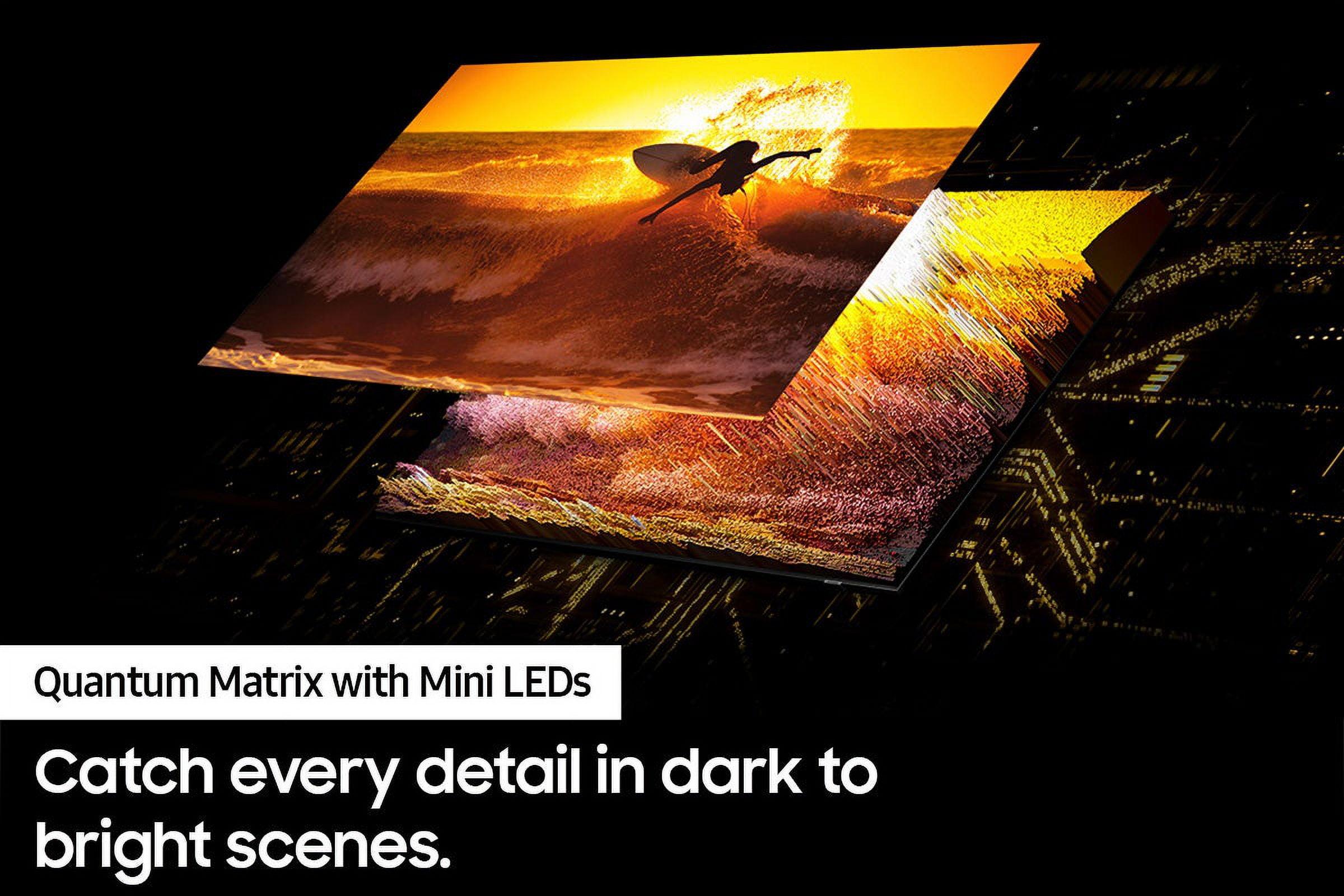
The LG QNED92A uses Mini LED backlighting – imagine thousands of tiny LED lights arranged behind the screen in a grid pattern. These LEDs can be dimmed or brightened independently in different zones (called local dimming zones) to create better contrast. On top of this, LG adds their QNED technology, which combines quantum dots (tiny particles that enhance color) with NanoCell technology to filter out impure colors. It's like having a sophisticated lighting system behind a translucent screen.
The Samsung S90D, on the other hand, uses QD-OLED technology. Here's where it gets interesting: each pixel is essentially a tiny light bulb that can turn completely on or off. When a pixel needs to show black, it simply turns off – no light escapes. Samsung adds a quantum dot layer on top of this OLED foundation, which enhances color brightness and saturation beyond what traditional OLEDs can achieve.
Think of it this way: the LG is like having a really smart flashlight shining through a high-tech filter, while the Samsung is like having millions of microscopic colored light bulbs that can individually control their brightness.
This is where the fundamental technology differences become most apparent. The Samsung S90D achieves what we call "infinite contrast" – when a pixel needs to display black, it simply turns off completely. No light bleeds through, no grayish tinge, just pure black. This creates an incredibly dramatic difference between dark and bright areas of the image.
The LG QNED92A, despite its advanced Mini LED backlighting, still faces the inherent limitation of LCD technology. Even with hundreds of dimming zones, some light will inevitably leak through in dark scenes. However, LG has made significant improvements here. The Mini LED system can dim specific areas much more precisely than traditional LED TVs, reducing the "blooming" effect (where bright objects seem to glow into dark areas) that plagued earlier LCD models.
In my testing, watching a movie like "Blade Runner 2049" with its stark contrasts between neon-lit cityscapes and dark shadows, the Samsung clearly delivers more impactful visuals. The blacks are simply deeper, making bright elements pop more dramatically.
Here's where things get interesting. The LG QNED92A can achieve peak brightness levels up to 1,520 nits in bright scenes, which is genuinely impressive. This makes it excellent for bright rooms where you might be fighting sunlight or overhead lighting. The Samsung S90D, while very bright for an OLED, typically peaks around similar levels but handles brightness differently due to its technology.
The key difference is how this brightness is distributed. The LG can sustain high brightness across larger areas of the screen, making it better for daytime viewing or sports where the entire image tends to be bright. The Samsung excels at selectively making certain parts of the image incredibly bright while keeping other areas perfectly dark – this selective brightness often appears more impressive to the human eye.
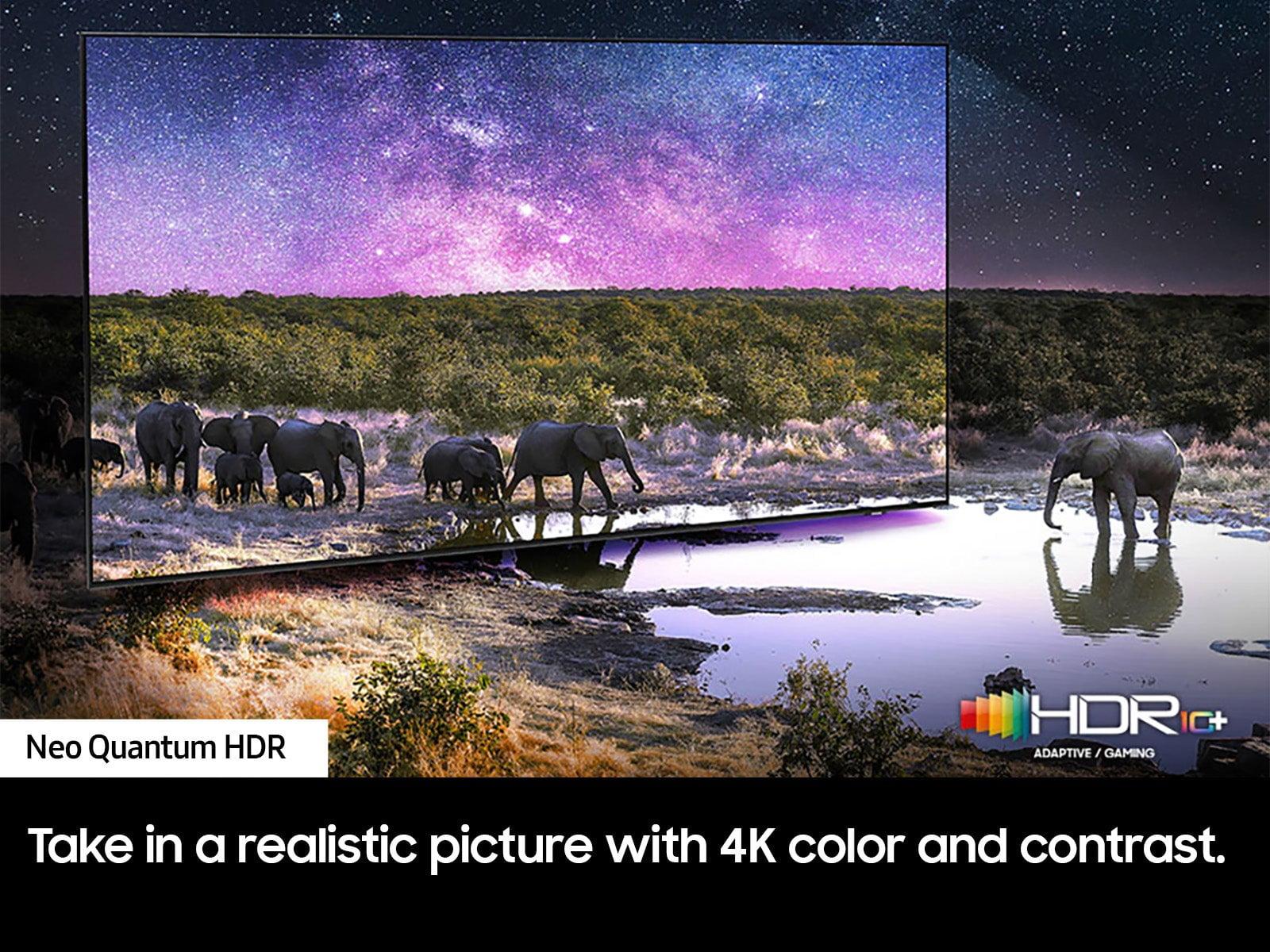
The Samsung S90D has a clear advantage here. Its QD-OLED technology combines the perfect blacks of OLED with the enhanced color brightness of quantum dots. This means colors appear more vibrant and saturated, especially in HDR content. The TV can display a wider color gamut with greater accuracy, making everything from animated movies to nature documentaries look more lifelike.
The LG QNED92A achieves 97% coverage of the DCI-P3 color space, which is very good, but it can't match the color volume and saturation of the Samsung. Colors appear accurate but not as punchy or three-dimensional as they do on the OLED.
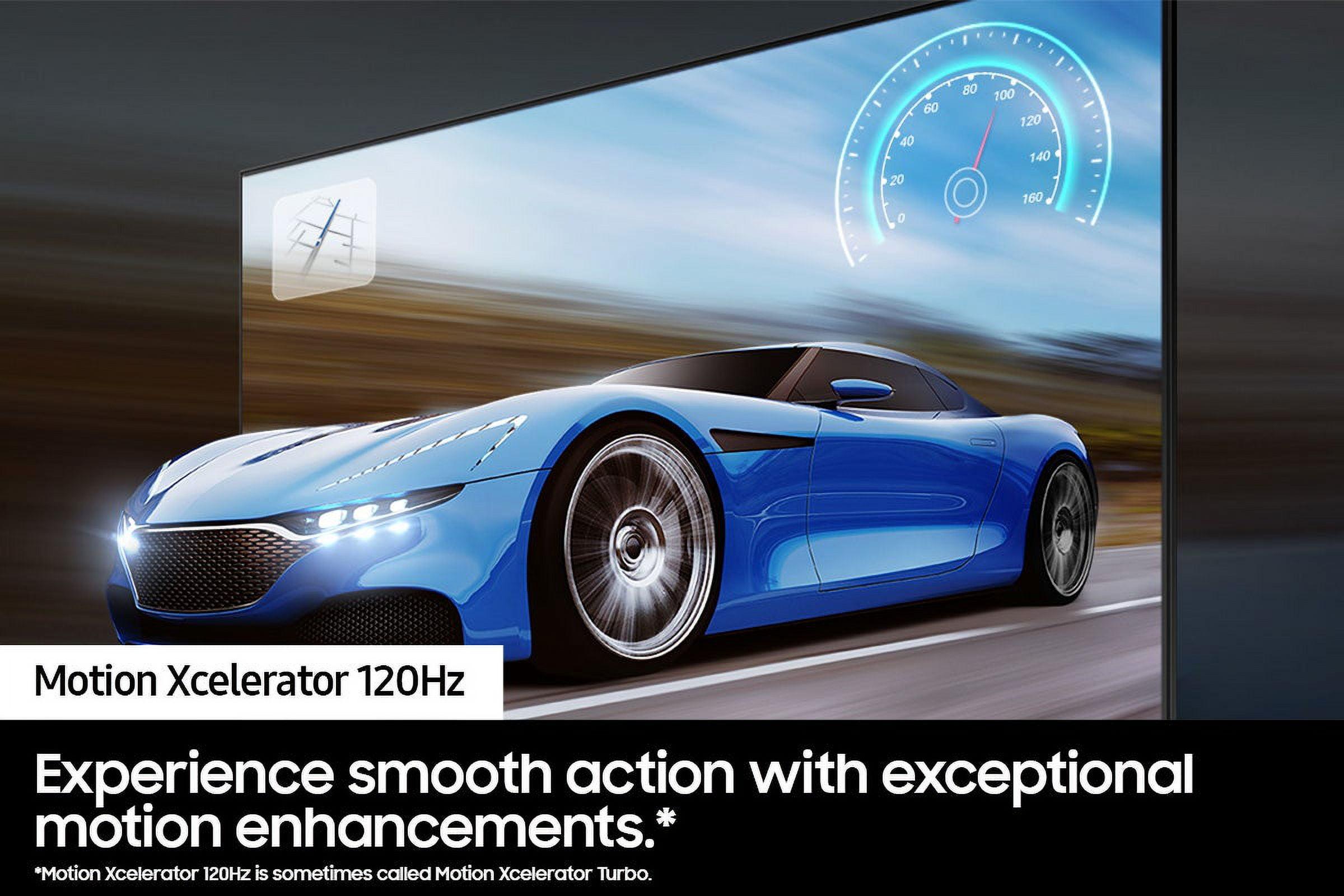
Gaming is where these TVs show some of their most significant differences. The Samsung S90D supports up to 144Hz refresh rate through its Motion Xcelerator technology, while the LG QNED92A caps out at 120Hz. For most console gaming, this difference isn't crucial since the PS5 and Xbox Series X typically output at 120Hz maximum. However, for PC gaming, that extra 24Hz can provide noticeably smoother motion.
Both TVs support Variable Refresh Rate (VRR), which synchronizes the TV's refresh rate with your gaming device to eliminate screen tearing. The Samsung includes additional gaming features through its Gaming Hub, which provides access to cloud gaming services like Xbox Cloud Gaming and GeForce NOW without needing a console.
Input lag – the delay between pressing a button and seeing the action on screen – is crucial for competitive gaming. The LG QNED92A measures an impressive 9.6ms in 4K gaming mode, which is excellent. The Samsung achieves similar low latency performance.
For home theater gaming setups, the Samsung's superior contrast makes dark, atmospheric games like "The Last of Us" or "Resident Evil" more immersive. The perfect blacks create genuine tension in horror games where shadows hide threats. The LG's brighter output works better for colorful, fast-paced games or when gaming in bright rooms.
Both TVs launched with advanced smart TV platforms, but they take different approaches. The LG QNED92A, released in 2025, runs webOS 25 with LG's commitment to five years of software updates through their Re:New program. This means you'll continue getting new features and security updates well into the future. The interface is intuitive, with Quick Cards for organizing apps and seamless integration with services like Netflix, Disney+, and Amazon Prime.
The Samsung S90D, released in 2024, uses Samsung's Tizen OS, which has matured significantly over the years. It offers excellent integration with Samsung's ecosystem and includes unique features like Samsung Gaming Hub for cloud gaming.
Both TVs support major voice assistants (Google Assistant, Amazon Alexa, Apple HomeKit), but the LG goes further with hands-free voice control, allowing you to change channels or adjust volume without touching the remote.
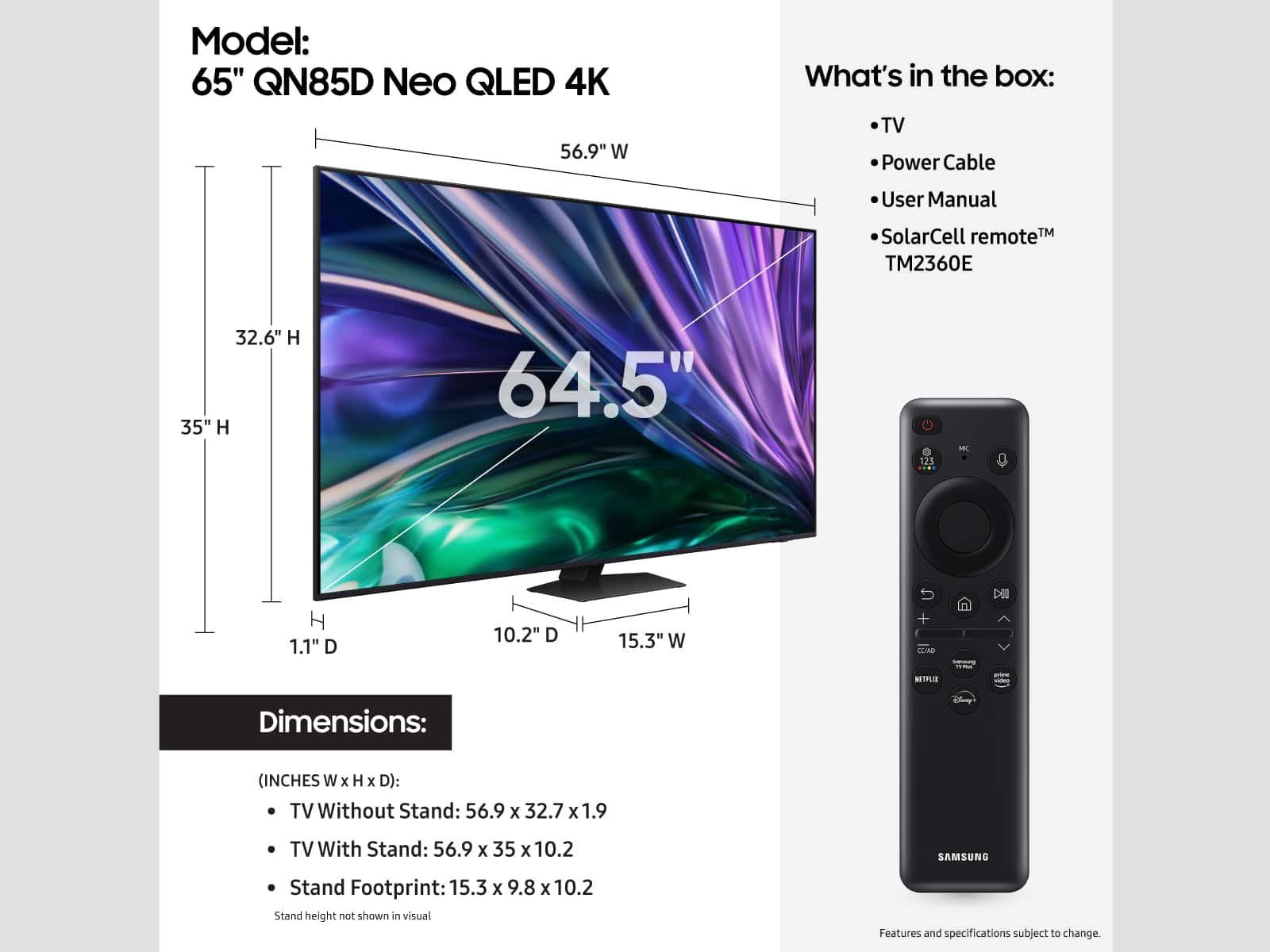
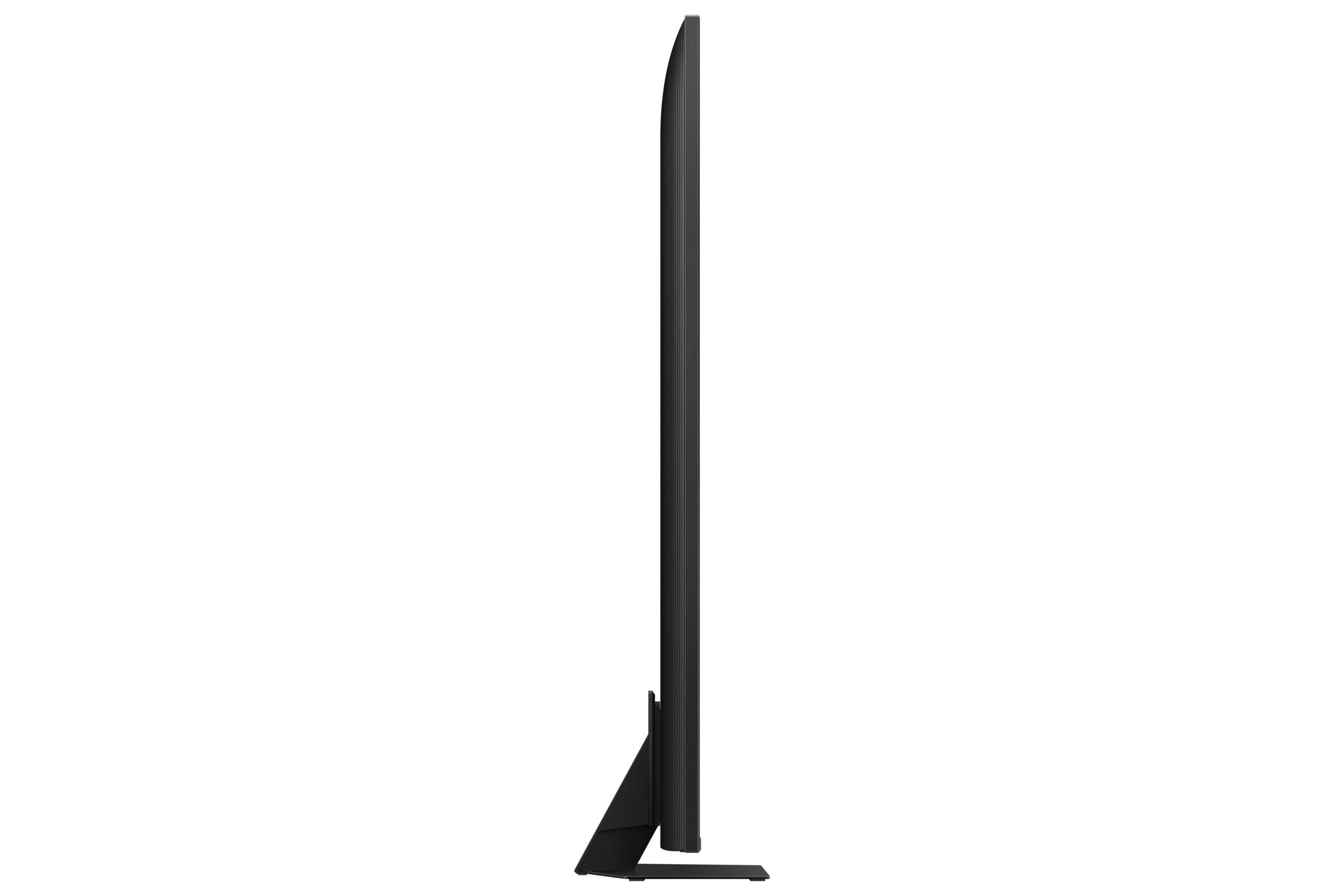
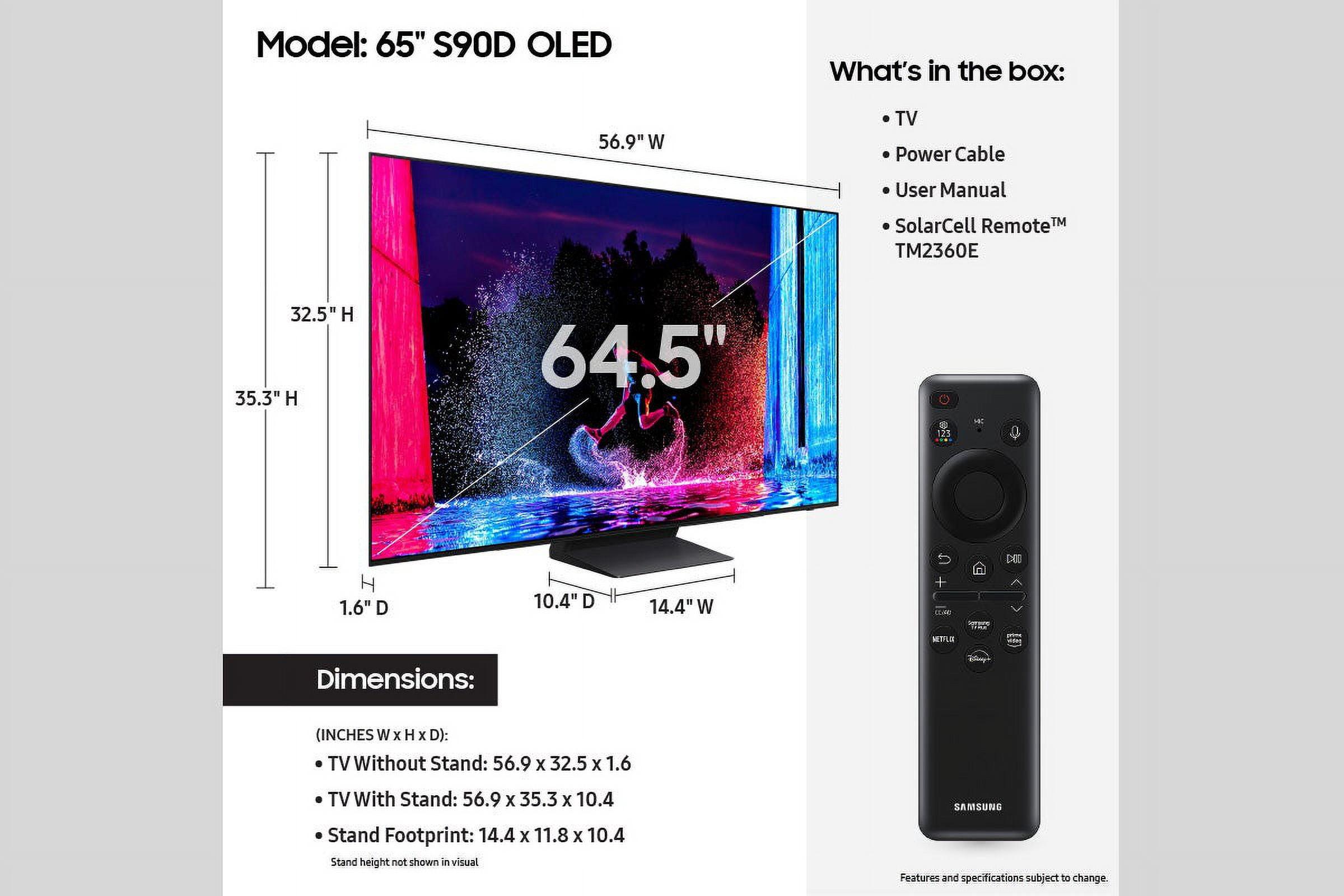
For home theater enthusiasts, several factors beyond picture quality matter. The Samsung S90D is notably slimmer at just 1.6 inches deep without the stand, making it more elegant when wall-mounted. Its minimalist design with ultra-thin bezels creates a more immersive viewing experience in a dedicated theater room.
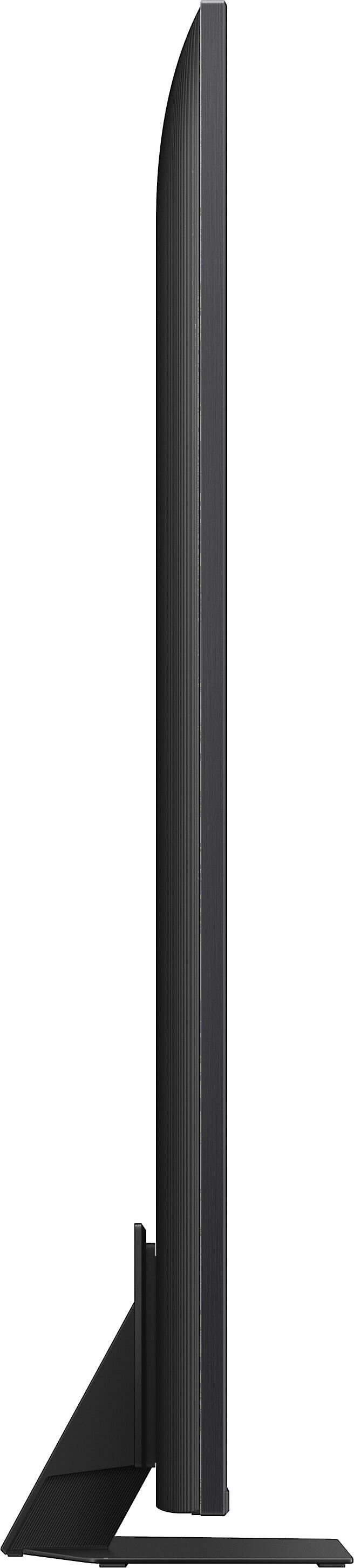
The LG QNED92A is thicker at 58mm due to its Mini LED backlighting system, but this isn't necessarily a dealbreaker. Both TVs support standard VESA mounting and include stands that provide adequate stability.
Audio-wise, both TVs support Dolby Atmos, but the LG includes additional features like Bluetooth Surround Ready and LG Sound Sync for enhanced audio when paired with compatible soundbars. For serious home theater setups, you'll likely want a dedicated sound system regardless of which TV you choose.
One consideration that often comes up with OLED TVs is burn-in – permanent image retention that can occur when static elements (like channel logos or game HUDs) remain on screen for extended periods. Modern OLEDs, including the Samsung S90D, have significantly improved burn-in resistance through better pixel management and automatic maintenance routines.
However, the risk isn't zero. If you're planning to use your TV for PC gaming with static taskbars, as a monitor with unchanging desktop elements, or for commercial applications with persistent logos, the LG QNED92A eliminates this concern entirely. Mini LED technology doesn't suffer from burn-in, making it a safer choice for these scenarios.
At $1,197.99, the Samsung S90D costs $484 less than the LG QNED92A at $1,681.99. This price difference is significant, especially considering the Samsung generally delivers superior picture quality for most content types.
The Samsung represents exceptional value in the premium TV segment. You're getting QD-OLED technology – which would have cost $3,000+ just a couple years ago – at a price point that competes with high-end LED TVs. The picture quality improvements over standard LED TVs are immediately apparent, making it feel like a genuine upgrade.
The LG's higher price reflects its 2025 model year status and the costs associated with Mini LED manufacturing. While it offers excellent brightness and eliminates burn-in concerns, the price-to-performance ratio isn't as compelling for most users.
After extensive testing with both TVs, here's my honest assessment of who should choose what:
Choose the Samsung S90D if you want the best overall picture quality for your money. It excels in dark and moderately lit rooms, delivers stunning HDR performance, and offers excellent gaming features. The $500 savings over the LG makes it an easy recommendation for most buyers. It's particularly excellent for movie watching, where the superior contrast and color create a more cinematic experience.
Choose the LG QNED92A if you have a very bright room where you regularly fight sunlight or strong overhead lighting. The higher peak brightness gives it an edge in these challenging conditions. It's also the better choice if you're concerned about burn-in due to heavy gaming or PC use, or if you prefer LG's webOS interface and ecosystem.
For home theater enthusiasts, the Samsung typically provides the more impressive experience. The combination of perfect blacks, vibrant colors, and excellent motion handling creates that "wow factor" that makes movies and shows more engaging. The LG works well too, but it requires more careful room lighting control to show its best.
Both TVs represent significant advances over previous generations. The LG QNED92A shows meaningful improvements in dimming precision and color accuracy compared to earlier QNED models. The Mini LED implementation is more refined, with better zone control and reduced blooming.
The Samsung S90D benefits from years of OLED development, incorporating lessons learned from previous generations. The QD-OLED technology is more mature now, with better brightness handling and improved longevity compared to first-generation QD-OLEDs.
Looking forward, both technologies will continue evolving. Mini LED will likely see improvements in zone count and dimming precision, while OLED technology continues advancing in brightness and lifespan. However, both current models represent mature implementations that should remain competitive for years to come.
The choice between the LG QNED92A and Samsung S90D ultimately comes down to your specific needs and environment. The Samsung offers superior picture quality and better value for most users, while the LG provides specific advantages for bright rooms and situations where burn-in is a concern.
Both are excellent TVs that will provide years of enjoyment. The Samsung's lower price and better overall performance make it the easier recommendation for most buyers, but the LG has its place for users with specific requirements. Whatever you choose, you'll be getting a premium viewing experience that represents the current state of the art in television technology.
| LG 65" QNED92A QNED evo AI Mini LED 4K TV 2025 | Samsung 65" OLED S90D TV |
|---|---|
| Price - Major factor in value proposition | |
| $1,681.99 | $1,197.99 |
| Display Technology - Fundamentally different approaches to picture quality | |
| Mini LED with QNED (Quantum NanoCell) | QD-OLED (Quantum Dot OLED) |
| Peak Brightness - Critical for bright room viewing and HDR impact | |
| Up to 1,520 nits (excellent for daylight viewing) | Similar peak brightness but more selective application |
| Contrast Ratio - Most noticeable difference in picture quality | |
| Good with Mini LED local dimming (some blooming possible) | Infinite contrast with perfect blacks (no blooming) |
| Color Performance - Affects vibrancy and realism | |
| 97% DCI-P3 coverage, good accuracy | Superior color volume and saturation with QD-OLED |
| Gaming Refresh Rate - Important for PC gaming and future consoles | |
| 120Hz native | 144Hz with Motion Xcelerator |
| Input Lag - Critical for competitive gaming | |
| 9.6ms (excellent) | Similar low latency performance |
| Smart Platform - Affects daily usability and future updates | |
| webOS 25 with 5-year update guarantee | Tizen OS with Samsung ecosystem integration |
| Burn-in Risk - Long-term reliability consideration | |
| None (Mini LED immune to burn-in) | Minimal risk with modern OLED technology |
| HDR Support - Enhanced viewing experience | |
| Dolby Vision, HDR10, HLG, Dolby Vision IQ | HDR10+, HLG (no Dolby Vision) |
| Audio Features - Built-in sound quality | |
| Dolby Atmos, 2.2 channel, AI Sound Pro | Dolby Atmos, enhanced audio processing |
| Best Use Case - Where each TV excels | |
| Bright rooms, sports viewing, burn-in sensitive applications | Movies, gaming, dark/moderate lighting, best overall value |
The Samsung 65" OLED S90D TV generally delivers superior picture quality with perfect blacks, infinite contrast, and more vibrant colors thanks to its QD-OLED technology. The LG 65" QNED92A QNED evo AI Mini LED 4K TV 2025 offers excellent brightness and good contrast but cannot match OLED's pixel-level control and color depth.
The Samsung 65" OLED S90D TV costs $1,197.99, while the LG 65" QNED92A QNED evo AI Mini LED 4K TV 2025 is priced at $1,681.99. This makes the Samsung $484 less expensive while offering superior picture quality for most users.
The LG 65" QNED92A QNED evo AI Mini LED 4K TV 2025 performs better in very bright rooms with its peak brightness of up to 1,520 nits. The Samsung 65" OLED S90D TV is bright enough for most rooms but may struggle in extremely bright environments with direct sunlight.
The Samsung 65" OLED S90D TV supports up to 144Hz refresh rate, making it excellent for PC gaming. The LG 65" QNED92A QNED evo AI Mini LED 4K TV 2025 offers 120Hz native refresh rate, which is sufficient for console gaming but less ideal for high-refresh PC gaming.
Both TVs offer excellent smart platforms. The LG 65" QNED92A QNED evo AI Mini LED 4K TV 2025 runs webOS 25 with a 5-year update guarantee, while the Samsung 65" OLED S90D TV uses Tizen OS with Samsung's ecosystem integration. Both support major streaming apps and voice assistants.
Modern OLEDs like the Samsung 65" OLED S90D TV have significantly improved burn-in resistance, making it a minimal concern for typical viewing. The LG 65" QNED92A QNED evo AI Mini LED 4K TV 2025 completely eliminates burn-in risk, making it better for PC use or commercial applications with static images.
The Samsung 65" OLED S90D TV is superior for home theater use due to its perfect blacks, infinite contrast, and more vibrant colors that create a cinematic experience. The LG 65" QNED92A QNED evo AI Mini LED 4K TV 2025 works well but requires careful lighting control to match OLED's impact.
The Samsung 65" OLED S90D TV delivers more impactful HDR with better contrast and color, though it supports HDR10+ instead of Dolby Vision. The LG 65" QNED92A QNED evo AI Mini LED 4K TV 2025 supports Dolby Vision and offers higher peak brightness, but OLED's contrast makes HDR content more dramatic overall.
Both the LG 65" QNED92A QNED evo AI Mini LED 4K TV 2025 and Samsung 65" OLED S90D TV support Dolby Atmos. The LG offers additional audio features like AI Sound Pro and Bluetooth Surround Ready, while the Samsung provides solid audio processing. For serious home theater use, both benefit from external sound systems.
The LG 65" QNED92A QNED evo AI Mini LED 4K TV 2025 typically consumes more power due to its backlighting system, especially at higher brightness levels. The Samsung 65" OLED S90D TV is generally more energy-efficient since pixels only consume power when lit, though consumption varies with content brightness.
The Samsung 65" OLED S90D TV provides exceptional value at $1,197.99 with superior picture quality and gaming features. The LG 65" QNED92A QNED evo AI Mini LED 4K TV 2025 at $1,681.99 offers specific advantages like higher peak brightness and no burn-in risk, but the price-to-performance ratio favors the Samsung for most buyers.
The Samsung 65" OLED S90D TV may not be bright enough for extremely bright rooms and has minimal burn-in risk with static content. The LG 65" QNED92A QNED evo AI Mini LED 4K TV 2025 cannot match OLED's contrast and costs significantly more while offering less impactful picture quality for most content types.
We've done our best to create useful and informative comparisons to help you decide what product to buy. Our research uses advanced automated methods to create this comparison and perfection is not possible - please contact us for corrections or questions. These are the sites we've researched in the creation of this article: stereoindex.com - youtube.com - youtube.com - digitaltrends.com - abt.com - lg.com - youtube.com - ecoustics.com - hometheaterforum.com - lg.com - valueelectronics.com - listenup.com - pcrichard.com - furnitureconnectionnd.com - avnirvana.com - files.bbystatic.com - lg.com - lgnewsroom.com - techradar.com - bestbuy.com - bestbuy.com - youtube.com - youtube.com - bestbuy.com - valueelectronics.com - youtube.com - cnet.com - bestbuy.com - videoandaudiocenter.com - youtube.com - samsung.com - samsung.com - pcrichard.com - samsung.com

Privacy Policy
Terms and Conditions - Affiliate Policy
Home Security
© Copyright 2008-2026.
11816 Inwood Rd #1211, Dallas, TX 75244