

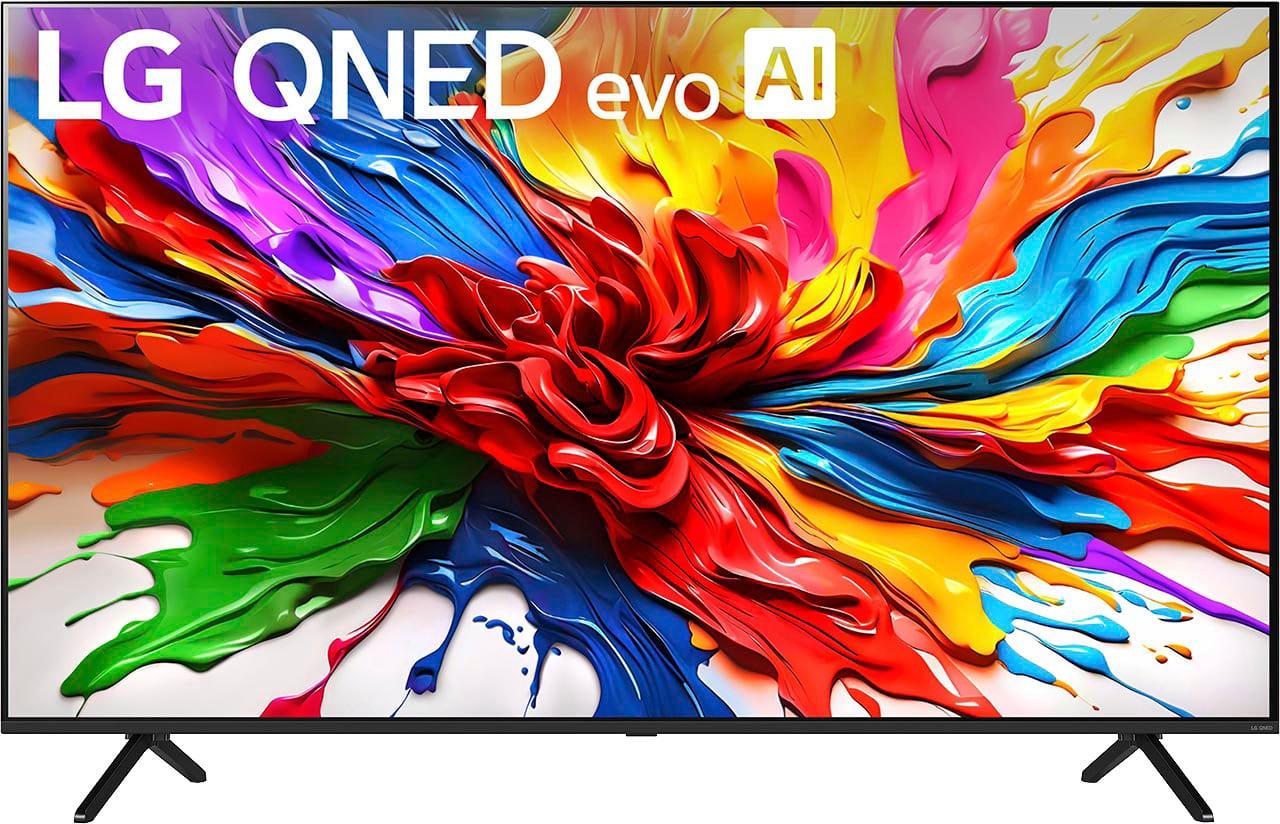
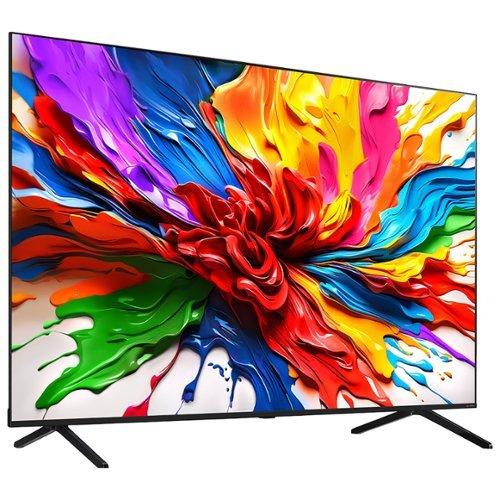
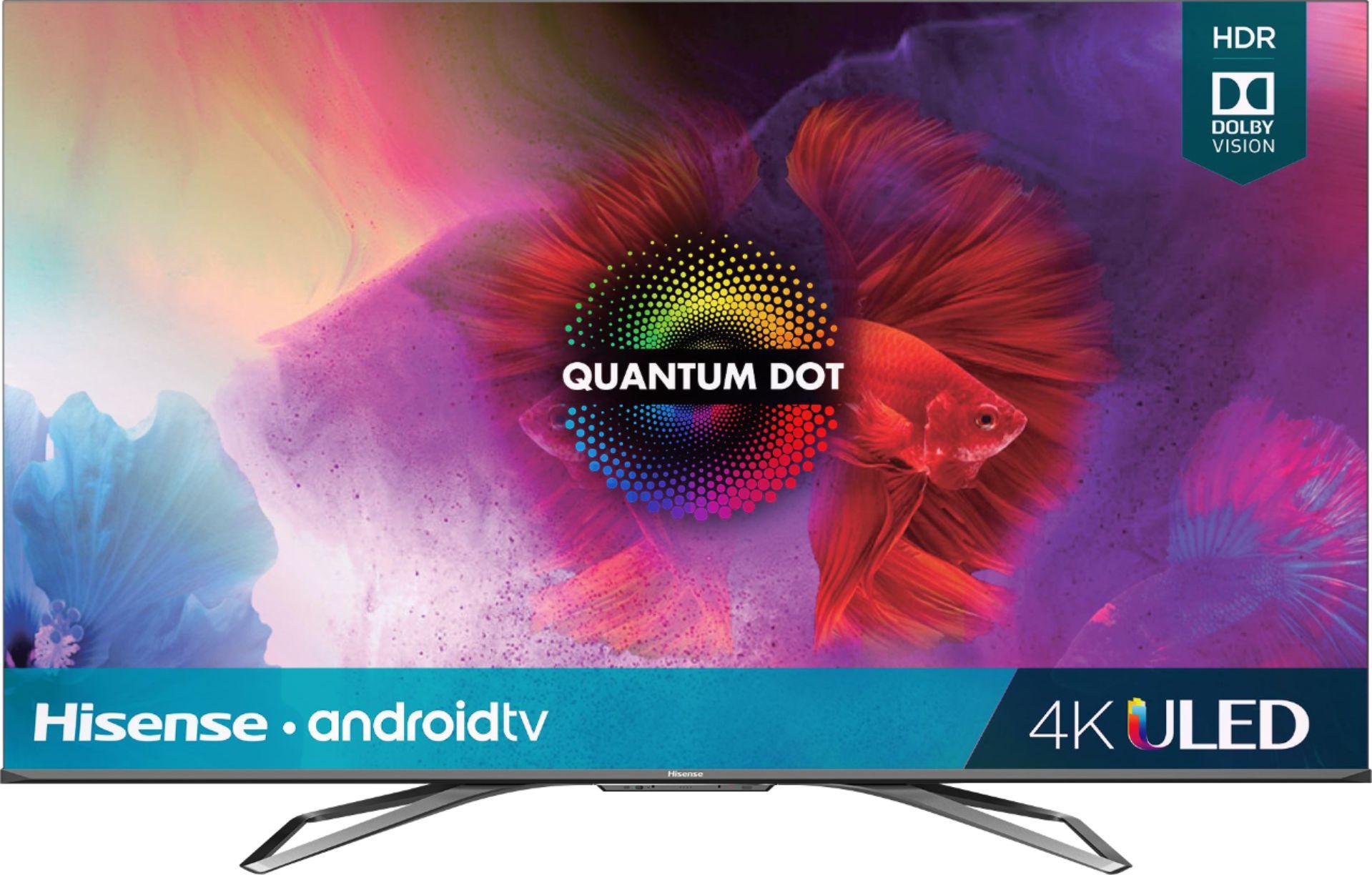
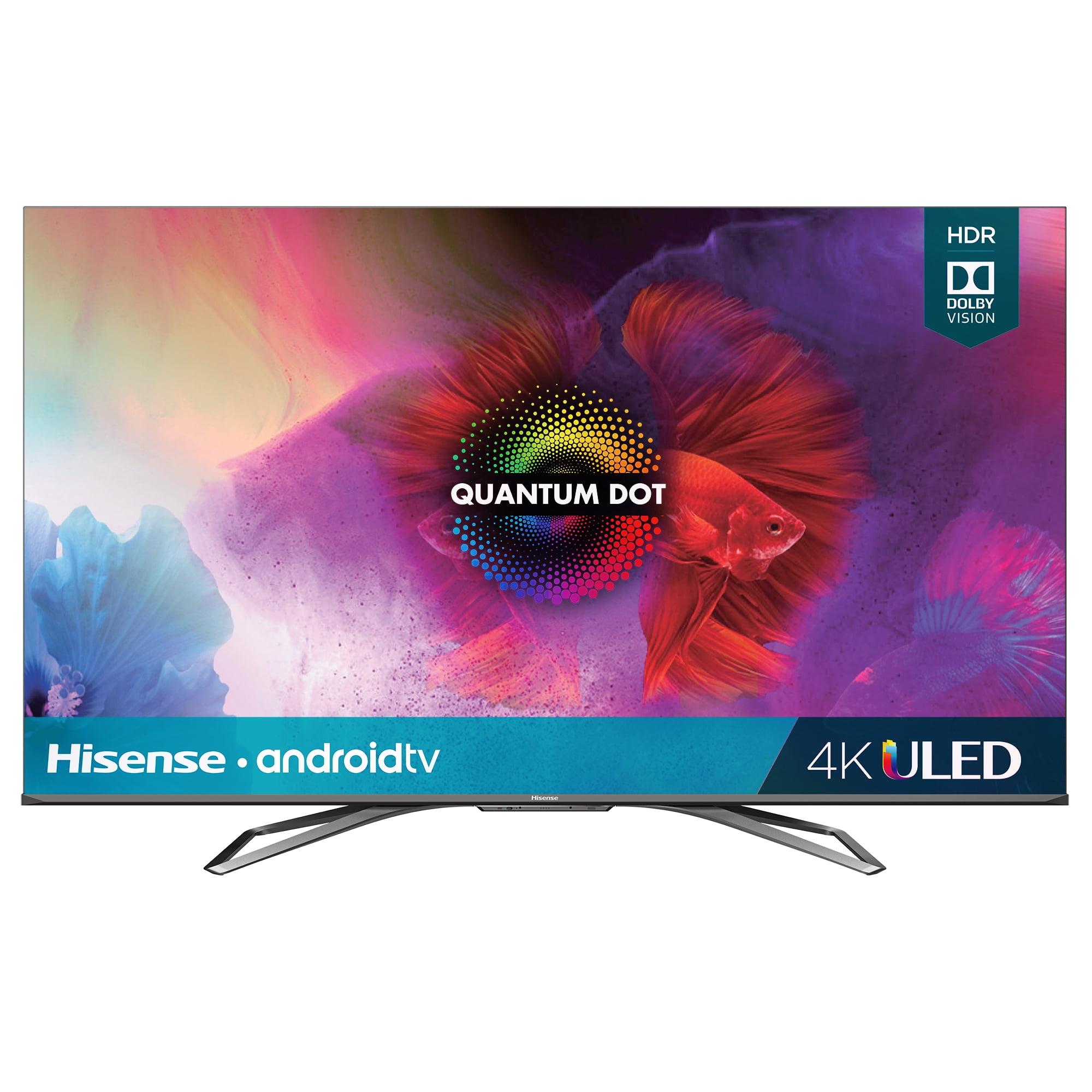
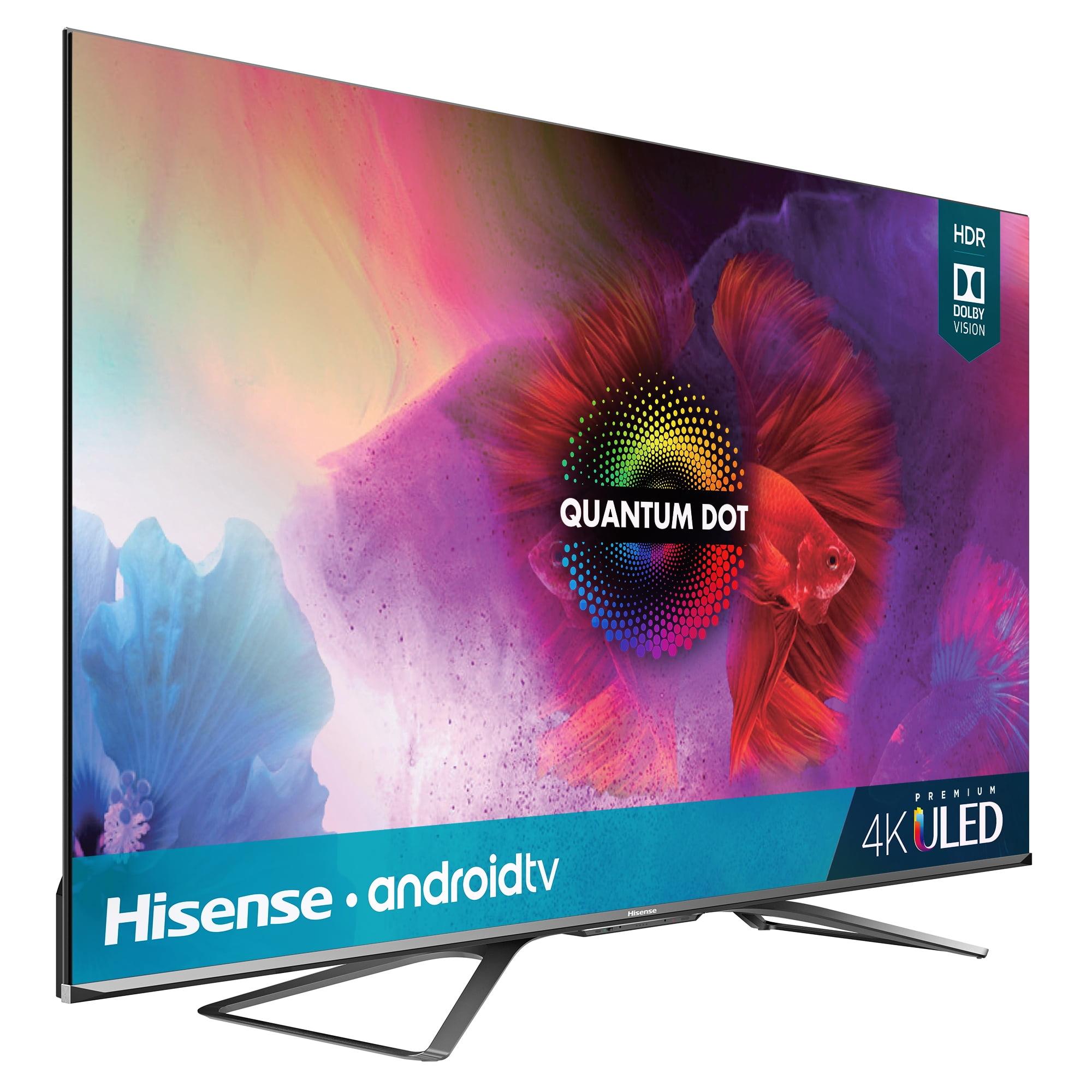

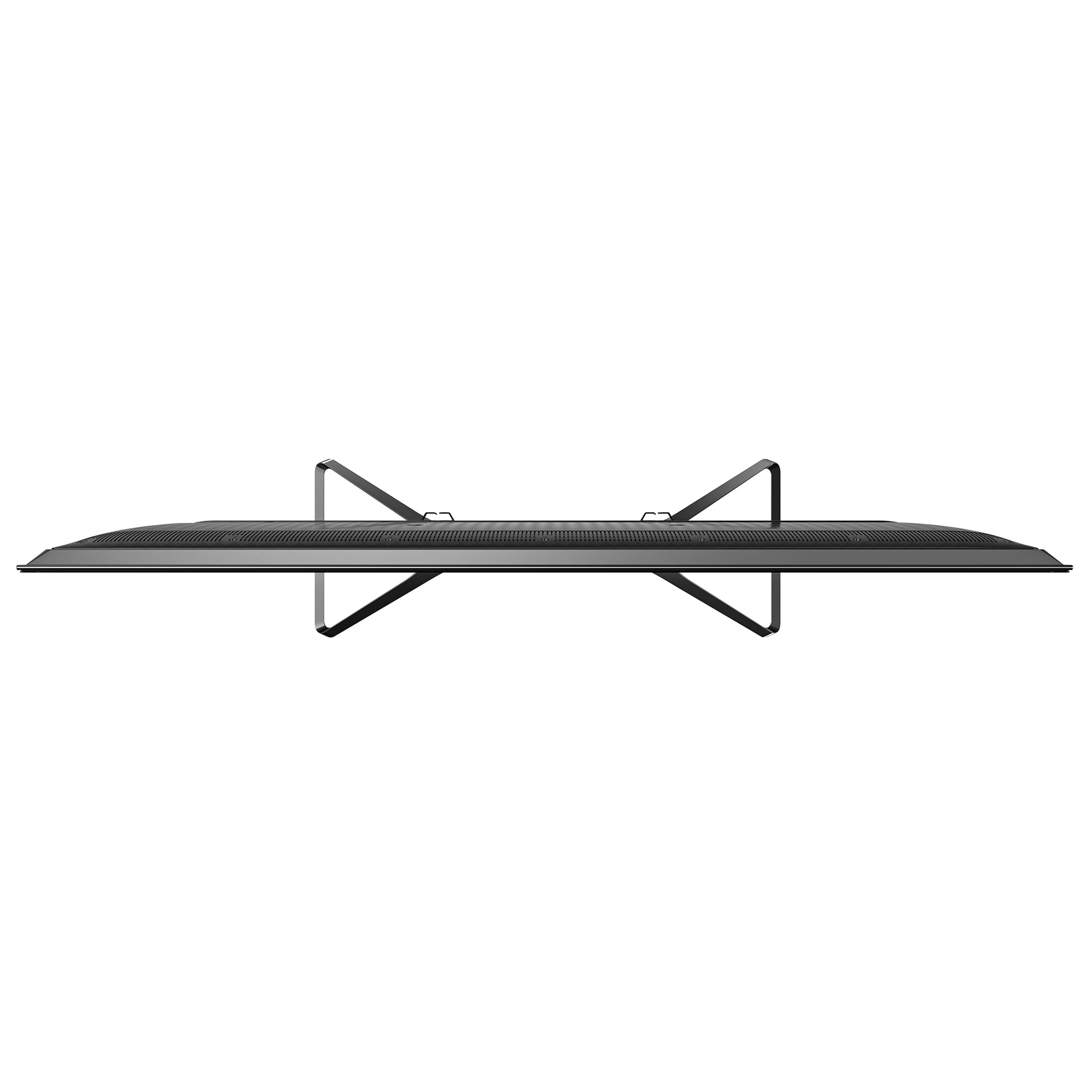
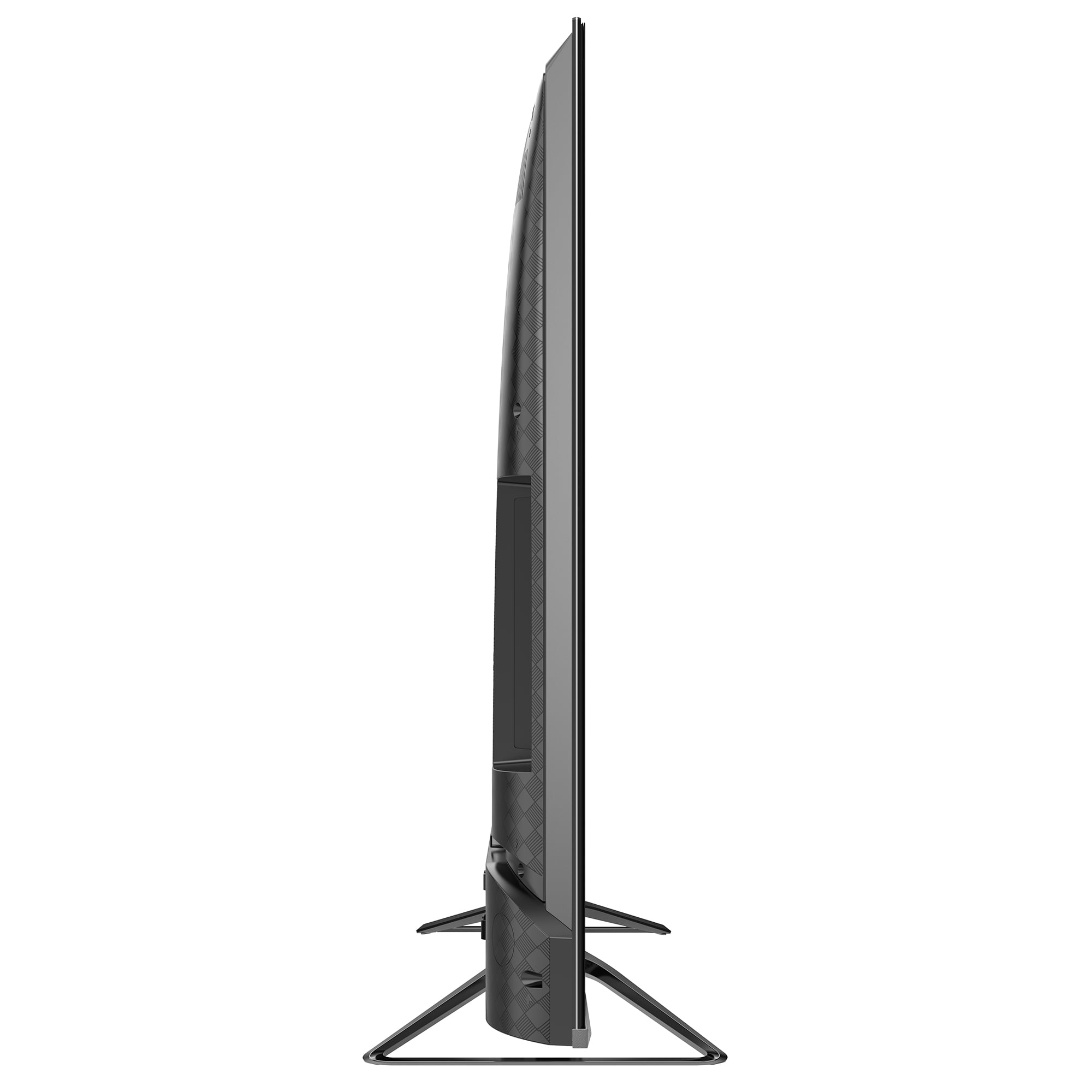
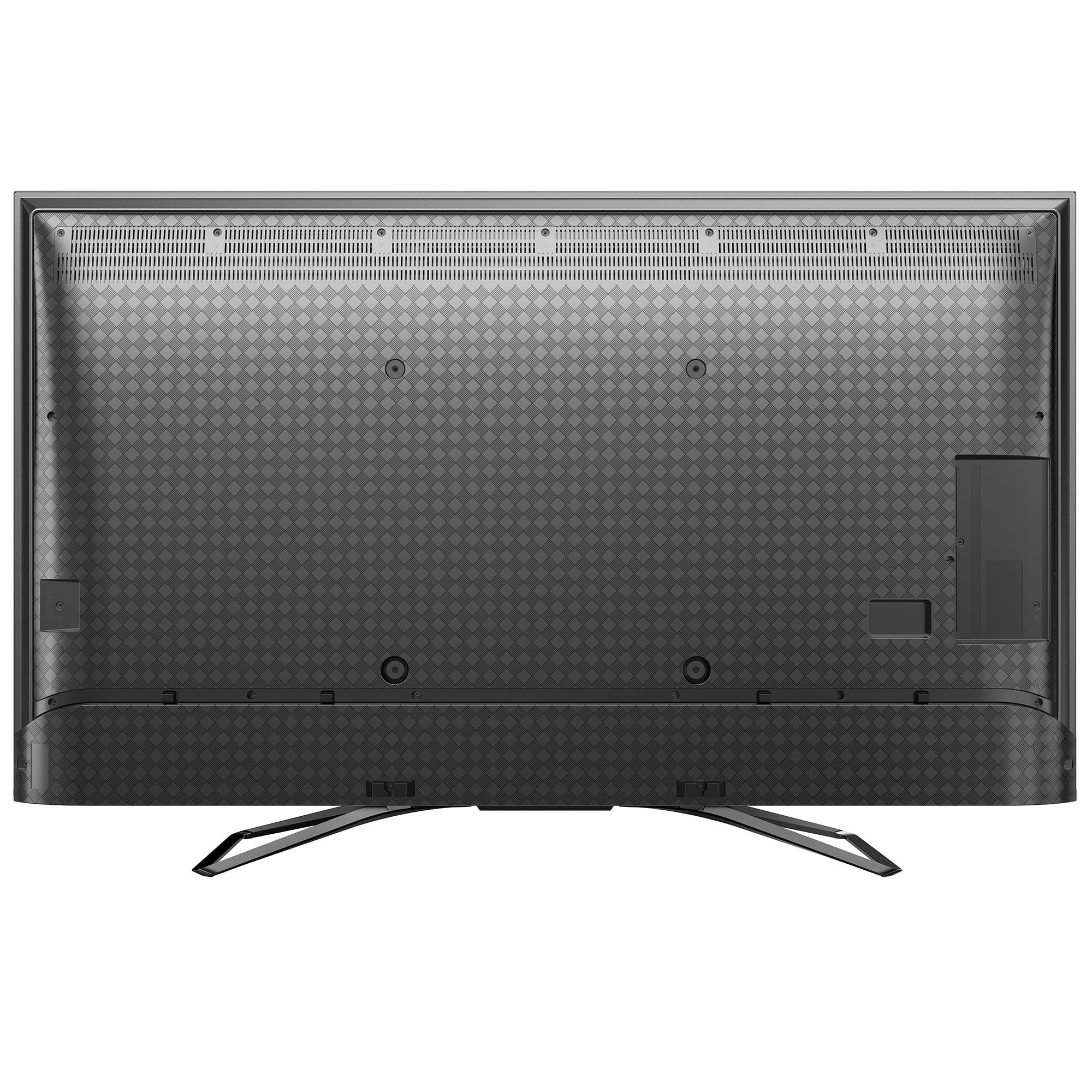
When you're shopping for a premium LED TV, the choices can feel overwhelming. Two models that often come up in discussions are the LG 65" QNED92A QNED evo AI Mini LED 4K TV 2025 at $1,681.99 and the Hisense 65" H9G Quantum Series 4K UHD Smart Android TV at $1,252.81. While both are excellent televisions, they represent different approaches to premium LED technology and come from different generations—a gap that matters more than you might think.
Premium LED TVs sit in that sweet spot between budget displays and flagship OLED models. They use advanced backlighting systems, enhanced color technologies, and powerful processors to deliver picture quality that punches well above standard LED TVs. The key is in the details: how many zones can dim independently (called local dimming), how bright the display can get, and how accurately it reproduces colors.
Think of local dimming like having hundreds of tiny flashlights behind your TV screen. When a scene shows a bright moon against a dark sky, the TV can turn up the "flashlight" behind the moon while keeping the sky areas dark. More zones mean more precise control, which translates to better contrast—the difference between the brightest whites and the deepest blacks.
The LG QNED92A represents LG's latest 2025 flagship LED technology, while the Hisense H9G launched in late 2020. That five-year gap isn't just about age—it's about significant technological leaps.
When the H9G debuted, it was impressive for offering 180 local dimming zones and 1,000 nits of peak brightness at its price point. In 2020, those specs were genuinely competitive with much more expensive models. However, TV technology has advanced rapidly. The 2025 QNED92A uses Mini LED technology, which means thousands of tiny LEDs instead of hundreds of larger ones, enabling much more precise control.
During this five-year period, we've also seen major improvements in gaming features (thanks to the PlayStation 5 and Xbox Series X launching in 2020), smarter AI processing, and better integration with smart home systems. The H9G was designed before these features became standard expectations.
The most significant difference between these TVs lies in their backlighting technology. The LG QNED92A uses Mini LED backlighting, which is essentially a major upgrade over traditional LED arrays. Instead of having larger LED lights spread across zones, Mini LED uses thousands of LEDs that are about 1/40th the size of conventional LEDs.
This size reduction allows for much more precise local dimming. While the H9G has 180 dimming zones—which was impressive in 2020—the QNED92A can control light with far greater precision. The result is dramatically reduced "blooming," that annoying halo effect you sometimes see around bright objects against dark backgrounds.
I've noticed this difference is most apparent when watching movies with mixed lighting scenes. In a typical thriller where someone's holding a flashlight in a dark room, the H9G might create a subtle glow around the light source, while the QNED92A keeps that light more contained and natural-looking.
The Hisense H9G uses what Hisense calls ULED technology, which combines quantum dots with full-array local dimming. It's still effective and produces excellent brightness levels—up to 1,000 nits, which is plenty for most HDR content. However, it can't match the precision of Mini LED when it comes to controlling light spill.
Both TVs use quantum dot technology, but they implement it differently. Quantum dots are tiny particles that, when hit by blue light, emit very pure colors. This technology helps TVs display a wider range of colors more accurately than standard LED displays.
The QNED92A features LG's newest "Dynamic QNED Color" technology, which the company claims achieves 100% color volume. This means it can display vibrant colors at any brightness level, from the darkest shadows to the brightest highlights. The improvement over previous QNED models is noticeable, especially in HDR content where colors need to pop at various brightness levels.
The H9G's quantum dot implementation is older but still effective. It covers about 97% of the DCI-P3 color space, which is the standard for most movies and streaming content. While not as advanced as the 2025 technology, it's still capable of producing rich, vibrant colors that most viewers will find satisfying.
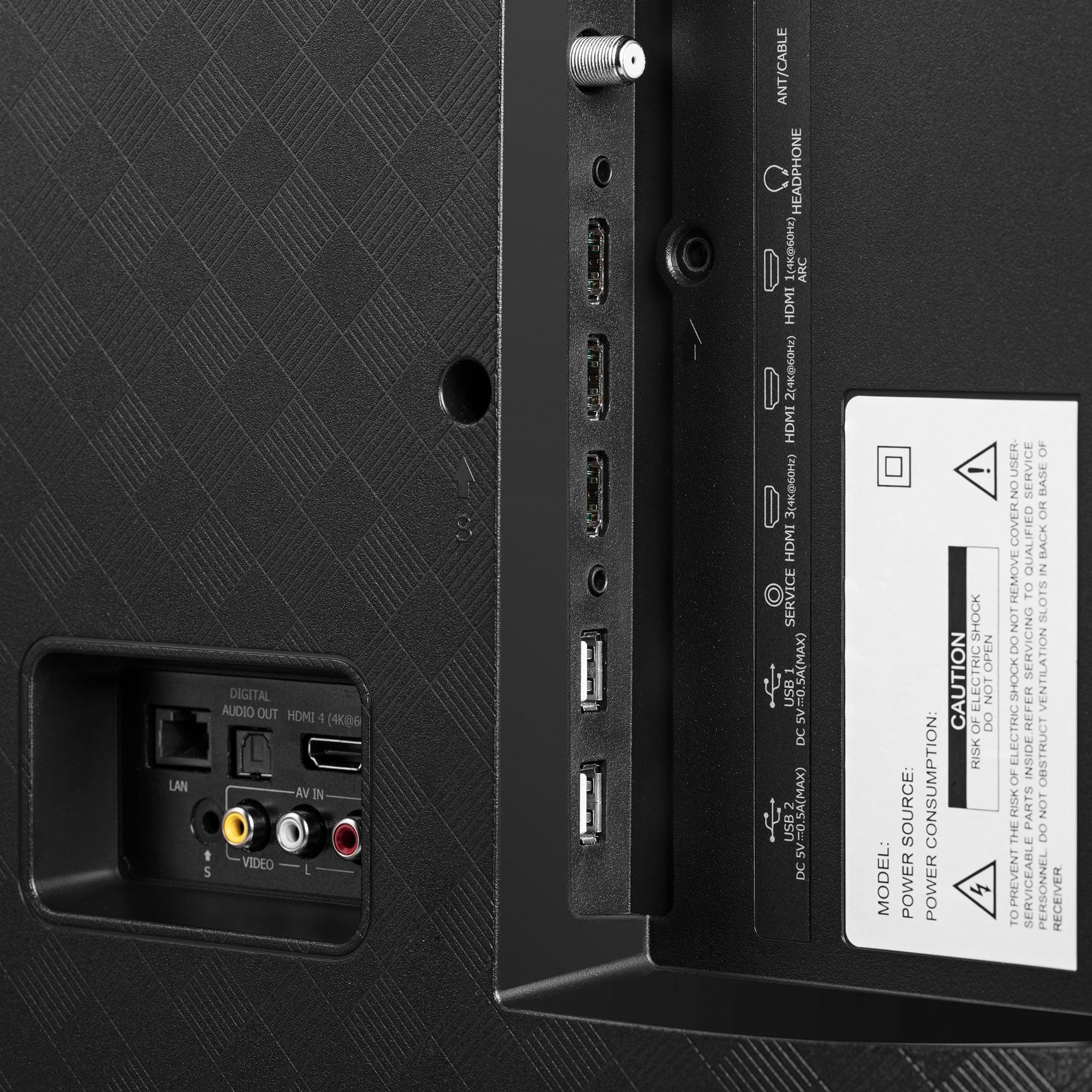
This is where the generational gap becomes most apparent. The LG QNED92A was designed with current gaming consoles in mind, featuring four HDMI 2.1 ports that support 4K resolution at 120Hz refresh rates. More importantly, it includes Variable Refresh Rate (VRR) technology, which eliminates screen tearing by synchronizing the TV's refresh rate with your gaming console's frame rate.
For serious gamers, VRR is a game-changer. When your PlayStation 5 or Xbox Series X can't maintain a steady 120 frames per second, the TV adjusts its refresh rate to match, preventing that jarring visual stuttering. The QNED92A also supports Auto Low Latency Mode (ALLM), which automatically switches to game mode when it detects gaming input, reducing input lag to just 9.6 milliseconds.
The Hisense H9G, being from 2020, lacks these modern gaming features. While it has a 120Hz panel and reasonable input lag, it doesn't support VRR or have full HDMI 2.1 capabilities. For casual gaming, this might not matter, but if you're serious about gaming performance, the difference is significant.
The smart TV platform debate often comes down to personal preference, but there are objective differences worth considering. The QNED92A runs LG's webOS 25, which has evolved into a clean, fast interface. LG has committed to providing software updates for up to five years, which is crucial for long-term ownership.
WebOS excels at integration with Apple devices through AirPlay 2, and it includes comprehensive voice control through Google Assistant, Amazon Alexa, and Apple HomeKit. The interface is intuitive, with a bottom-mounted ribbon for apps and quick access to settings. However, the app selection, while comprehensive, isn't as extensive as Android TV.
The H9G runs Android TV, which gives you access to the massive Google Play Store. This means virtually any Android app can be installed, providing flexibility that webOS can't match. Chromecast is built-in, making it seamless to cast content from your phone or tablet. The interface is more familiar to Android users, though it can feel cluttered compared to webOS.
From a practical standpoint, both platforms handle the major streaming services well. The choice often comes down to whether you prefer the cleaner webOS interface or the flexibility of Android TV's app ecosystem.
Audio is often overlooked in TV comparisons, but there's a meaningful difference here. The LG QNED92A is the only model in LG's 2025 QNED lineup to feature native Dolby Atmos support through the TV's operating system. This means you get immersive, object-based audio even from the TV's built-in speakers.
Dolby Atmos creates a three-dimensional soundscape by treating sounds as objects that can move around you, rather than just left and right channels. While TV speakers can't fully replicate the experience of a proper Atmos setup, the QNED92A's implementation provides noticeably more immersive audio than standard stereo processing.
The Hisense H9G supports Dolby Atmos, but primarily through external devices connected via HDMI. The built-in speakers are adequate but don't offer the same level of processing as the newer LG model. For most users, this won't be a deal-breaker, especially if you plan to use a soundbar or external audio system.
High Dynamic Range (HDR) is crucial for modern content, and both TVs handle it well, though with different strengths. HDR content contains information about both very bright and very dark areas in the same scene, requiring TVs to display a wider range of brightness levels than standard content.
The QNED92A's Mini LED technology provides excellent HDR performance with precise control over bright and dark areas. Peak brightness levels are higher than the H9G, and the improved local dimming reduces the compromises that older LED TVs had to make when displaying HDR content.
The H9G's 1,000-nit peak brightness was impressive for 2020 and still handles HDR content well. However, the limited local dimming zones mean that bright HDR highlights can sometimes affect nearby dark areas, creating less precise contrast than the newer Mini LED technology.
Both TVs support the major HDR formats: HDR10, Dolby Vision, and HLG. The H9G also supports HDR10+, which the QNED92A doesn't, though HDR10+ content is less common than Dolby Vision.
For dedicated home theater setups, several factors become more important. The LG QNED92A excels in mixed lighting conditions typical of home theaters. Its superior local dimming helps maintain black levels even when some ambient light is present, and the higher peak brightness ensures HDR content looks impactful.
The viewing angle performance is also better on the QNED92A, thanks to LG's NanoCell technology combined with the quantum dot layer. This matters if you have seating that's not directly centered on the TV.
The Hisense H9G can work well in home theaters, especially if you can control lighting effectively. Its brightness capability actually makes it excellent for rooms where you can't achieve complete darkness. However, the narrower viewing angles mean off-center seating positions will see some color shifting.
The $429 price difference between these models represents more than just inflation over five years. You're paying for significant technological improvements, future-proofing, and enhanced features that weren't available in 2020.
The Hisense H9G at $1,252.81 remains an excellent value proposition. It delivers about 75-80% of the premium LED experience at a significantly lower cost. For many users, especially those who don't game competitively or need the latest features, the H9G provides exceptional value.
The LG QNED92A at $1,681.99 represents the current state of premium LED technology. You're paying for Mini LED precision, comprehensive gaming features, longer software support, and generally superior performance across all use cases.
Choose the LG QNED92A if you want the best current LED technology, plan to game on modern consoles, value long-term software support, or want the most precise picture quality available in LED technology. The extra cost buys you genuinely superior performance and future-proofing.
Choose the Hisense H9G if you're looking for excellent value, prefer Android TV's flexibility, don't need advanced gaming features, or want to save money without sacrificing too much performance. It's still a capable TV that will satisfy most users.
The key question isn't which TV is better—it's which TV better matches your priorities and budget. The QNED92A is objectively superior in most measurable ways, but the H9G offers remarkable value for users who don't need cutting-edge features.
Both TVs will deliver excellent picture quality for movies, sports, and casual viewing. The differences become more apparent in specific use cases: competitive gaming, critical viewing in varied lighting conditions, or when you want the latest smart TV features. Consider how you'll actually use the TV, and choose accordingly.
| LG 65" QNED92A QNED evo AI Mini LED 4K TV 2025 | Hisense 65" H9G Quantum Series 4K UHD Smart Android TV |
|---|---|
| Price - Starting cost for 65-inch models | |
| $1,681.99 (premium but includes cutting-edge features) | $1,252.81 (excellent value for performance delivered) |
| Release Year - Technology generation and future-proofing | |
| 2025 (latest Mini LED technology) | 2020 (older but proven technology) |
| Backlight Technology - Most important factor for picture quality | |
| Mini LED with hundreds of zones (superior contrast, minimal blooming) | Full Array LED with 180 zones (good contrast, some blooming possible) |
| Peak Brightness - Critical for HDR and bright room viewing | |
| Higher than 1,000 nits (excellent HDR performance) | 1,000 nits (very good for most content) |
| Gaming Features - Essential for PS5/Xbox Series X owners | |
| 4K@120Hz, VRR, HDMI 2.1 on all ports (fully next-gen ready) | 4K@120Hz, no VRR, limited HDMI 2.1 (basic gaming support) |
| Input Lag - Response time for gaming | |
| 9.6ms (excellent for competitive gaming) | Good but higher than QNED92A (adequate for casual gaming) |
| Smart Platform - App ecosystem and long-term support | |
| webOS 25 with 5-year update guarantee (clean interface, Apple integration) | Android TV (huge app selection, Google services) |
| Audio Technology - Built-in sound quality | |
| Native Dolby Atmos support (immersive audio from TV speakers) | Dolby Atmos via external devices (standard TV audio) |
| Color Technology - Vibrancy and accuracy | |
| Dynamic QNED Color with 100% color volume (latest quantum dot tech) | Quantum Dot with 97% DCI-P3 coverage (excellent but older implementation) |
| HDR Support - Format compatibility | |
| Dolby Vision, HDR10, HLG (all major formats except HDR10+) | Dolby Vision, HDR10, HDR10+, HLG (most comprehensive support) |
| Software Updates - Long-term value | |
| Guaranteed 5 years via LG Re:New Program | Standard Android TV updates (may slow over time) |
| Viewing Angles - Picture quality from side positions | |
| Good (NanoCell + Quantum Dot helps maintain color) | Limited (typical LED viewing angle restrictions) |
| Best For - Ideal buyer profile | |
| Gamers, tech enthusiasts, home theater fans, Apple users | Value seekers, Android fans, casual viewers, bright room users |
The Hisense 65" H9G Quantum Series 4K UHD Smart Android TV at $1,252.81 offers better value for most buyers, delivering about 80% of premium performance at 25% less cost. However, the LG 65" QNED92A QNED evo AI Mini LED 4K TV 2025 at $1,681.99 provides superior technology and future-proofing that justifies the higher price for enthusiasts.
The primary difference is backlight technology. The LG QNED92A uses advanced Mini LED with hundreds of dimming zones for precise contrast control, while the Hisense H9G uses traditional LED with 180 zones. This gives the LG model better picture quality with less blooming around bright objects.
The LG QNED92A is significantly better for gaming, offering 4K@120Hz with Variable Refresh Rate (VRR) and full HDMI 2.1 support across all ports. The Hisense H9G has 120Hz but lacks VRR and advanced gaming features needed for PlayStation 5 and Xbox Series X.
Both TVs perform well in bright rooms. The Hisense H9G reaches 1,000 nits peak brightness, which is excellent for combating glare. The LG QNED92A achieves even higher brightness levels and has better anti-glare properties, making it superior for very bright viewing environments.
This depends on preference. The LG QNED92A runs webOS 25 with a clean interface, 5-year update guarantee, and excellent Apple device integration. The Hisense H9G uses Android TV with access to more apps and built-in Chromecast, appealing to Google ecosystem users.
Both TVs excel at movies and streaming. The LG QNED92A offers superior contrast and native Dolby Atmos support for a more cinematic experience. The Hisense H9G provides excellent HDR performance and supports more HDR formats, including HDR10+, at a lower price point.
The LG QNED92A has superior picture quality due to its Mini LED technology, which provides more precise local dimming, better contrast, and reduced blooming. The Hisense H9G still delivers excellent picture quality but can't match the precision of the newer Mini LED technology.
The Hisense H9G supports more HDR formats including Dolby Vision, HDR10, HDR10+, and HLG. The LG QNED92A supports Dolby Vision, HDR10, and HLG but not HDR10+. However, Dolby Vision is more common than HDR10+ in streaming content.
For dedicated home theater use, the LG QNED92A is superior due to its better contrast control, native Dolby Atmos support, and improved viewing angles. The Hisense H9G can work well in home theaters but may show some blooming in dark room scenes with bright objects.
The LG QNED92A comes with a 5-year software update guarantee through LG's Re:New Program, ensuring long-term support. The Hisense H9G receives standard Android TV updates, but being from 2020, update frequency may decrease over time.
Both TVs handle sports well with their 120Hz refresh rates and good motion handling. The LG QNED92A has slightly better motion processing and viewing angles for group viewing. The Hisense H9G offers excellent brightness for daytime sports viewing at a more affordable price.
Choose the LG QNED92A if you want cutting-edge technology, advanced gaming features, and don't mind paying extra for superior performance. Choose the Hisense H9G if you're budget-conscious, prefer Android TV, and don't need the latest gaming features – it still delivers excellent performance for most users.
We've done our best to create useful and informative comparisons to help you decide what product to buy. Our research uses advanced automated methods to create this comparison and perfection is not possible - please contact us for corrections or questions. These are the sites we've researched in the creation of this article: stereoindex.com - youtube.com - youtube.com - digitaltrends.com - abt.com - lg.com - youtube.com - ecoustics.com - hometheaterforum.com - lg.com - valueelectronics.com - listenup.com - pcrichard.com - furnitureconnectionnd.com - avnirvana.com - files.bbystatic.com - lg.com - lgnewsroom.com - techradar.com - bestbuy.com - bestbuy.com - youtube.com - youtube.com - rtings.com - bestbuy.com - techradar.com - youtube.com - digitaltrends.com - assets.hisense-usa.com - bestbuy.com - youtube.com - bestbuy.com

Privacy Policy
Terms and Conditions - Affiliate Policy
Home Security
© Copyright 2008-2026.
11816 Inwood Rd #1211, Dallas, TX 75244