

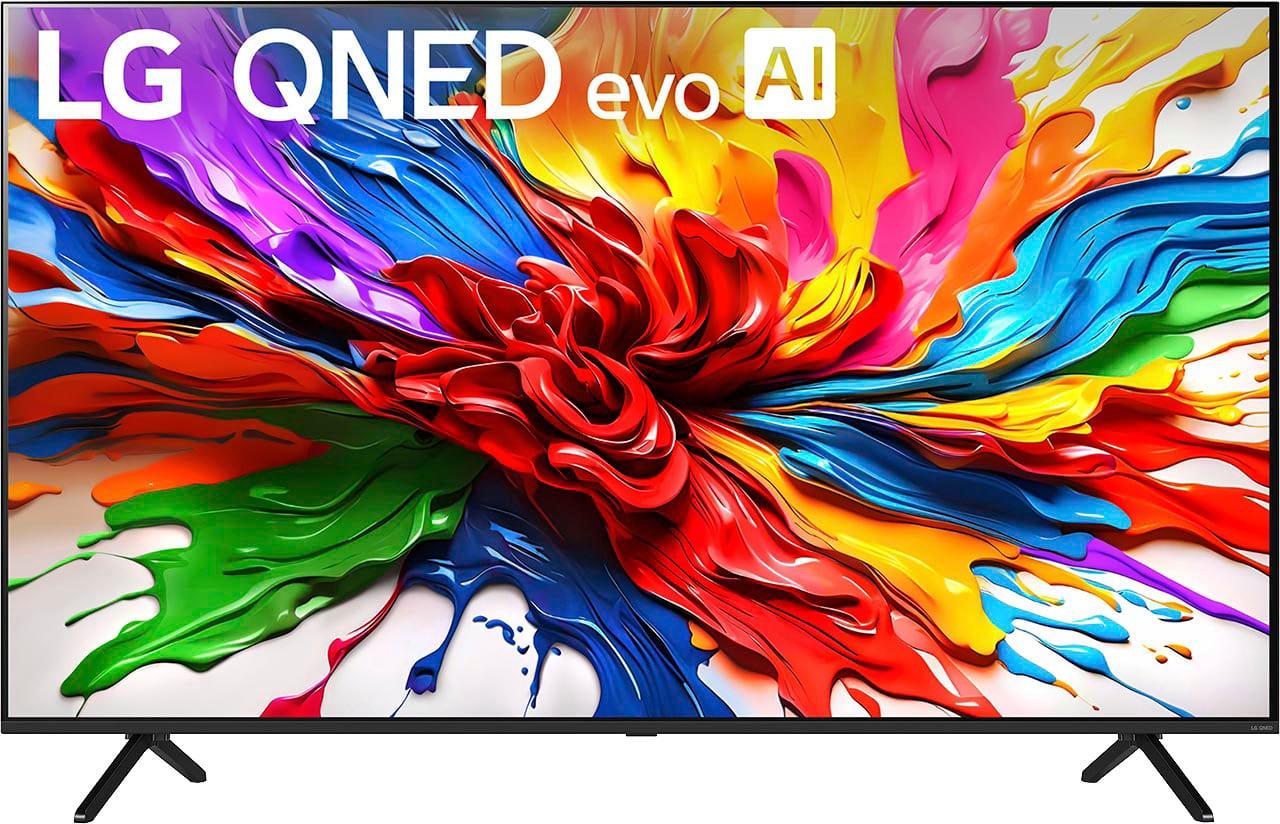
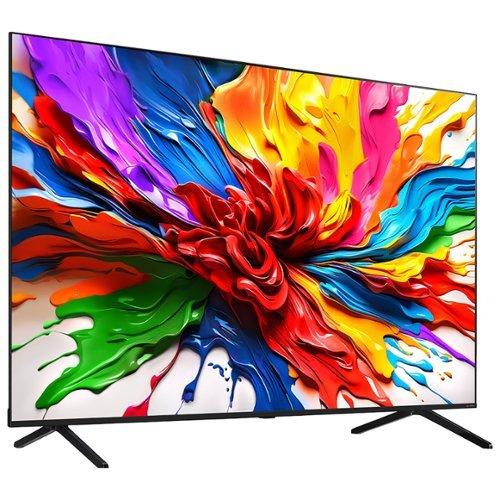
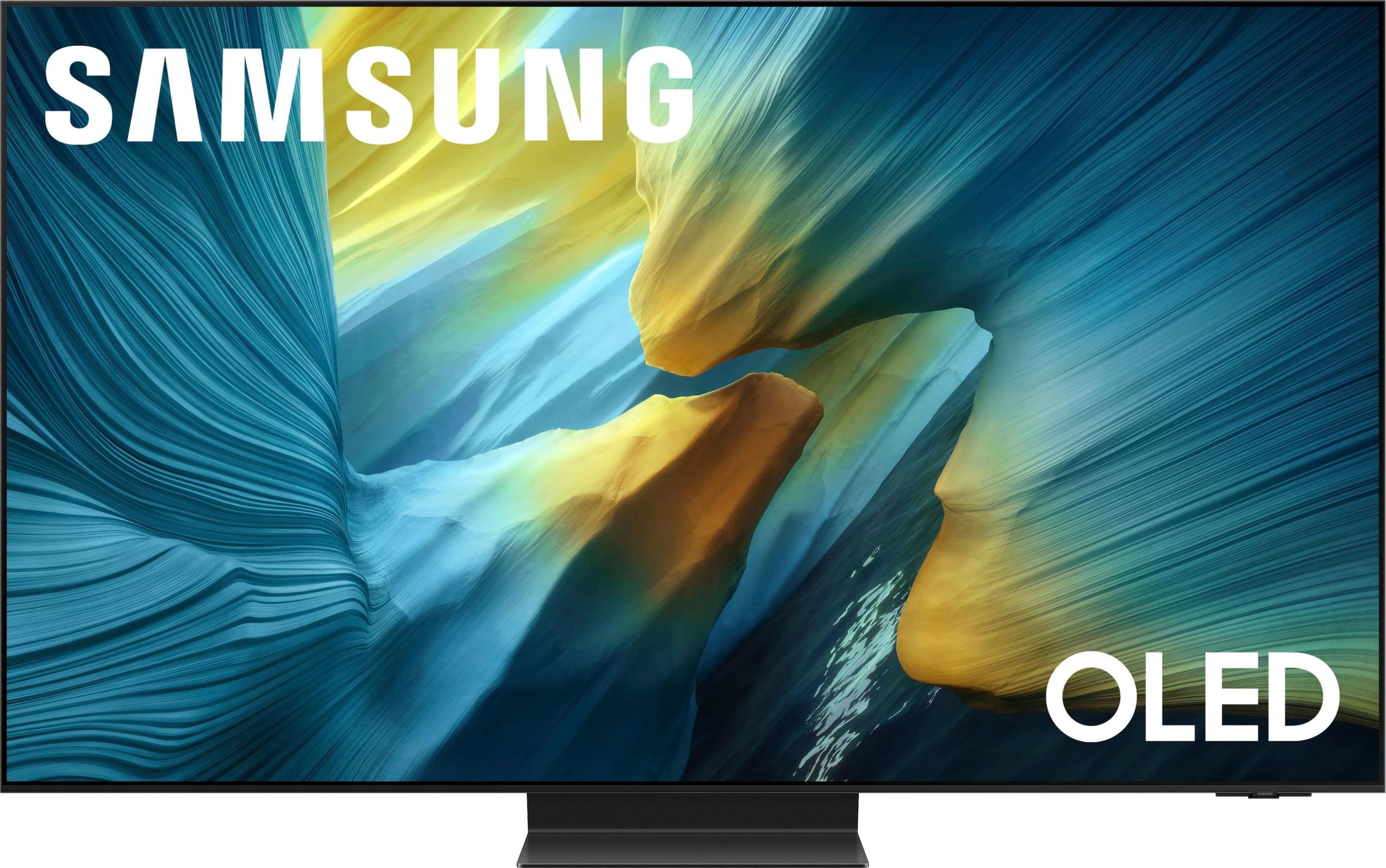
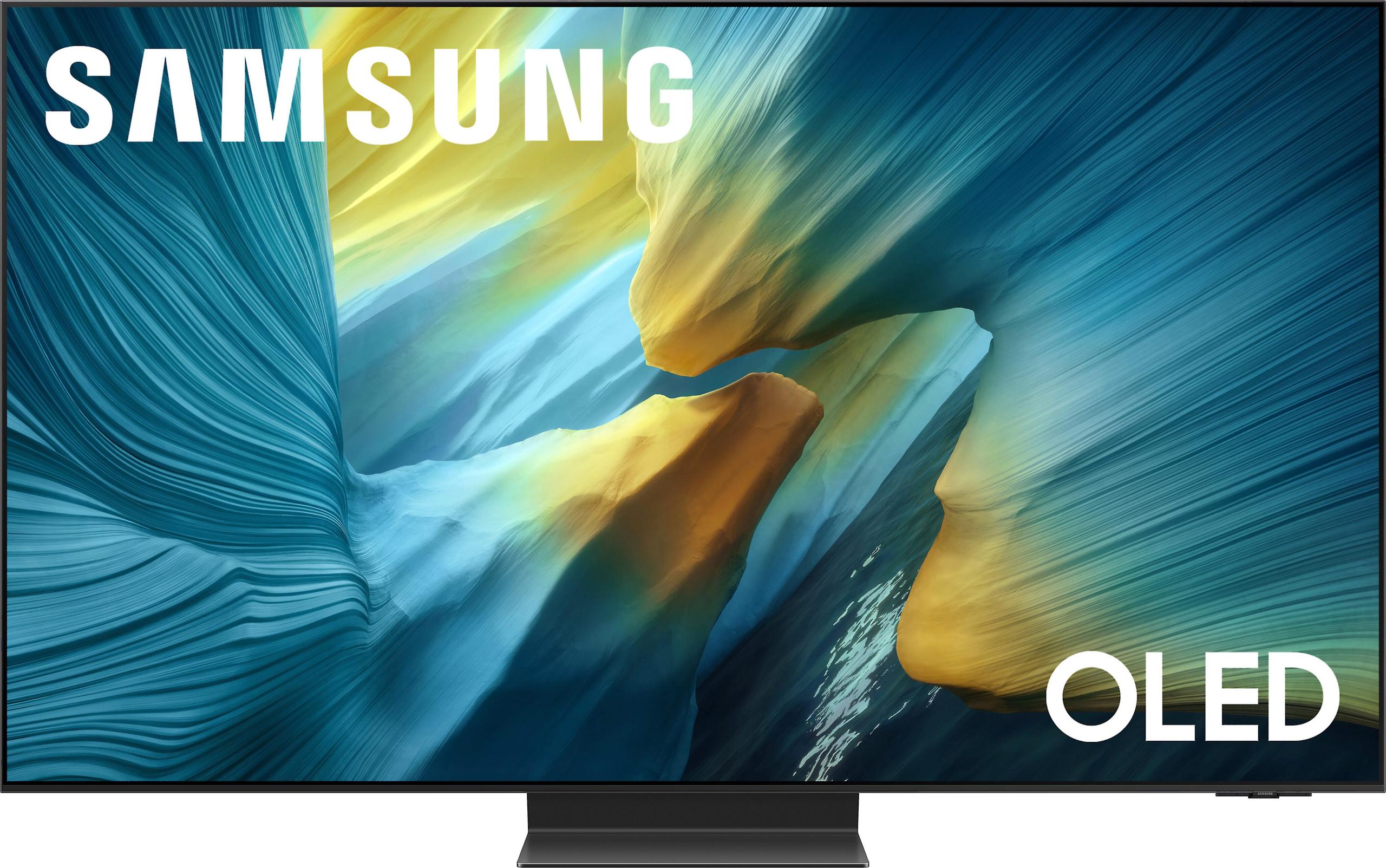
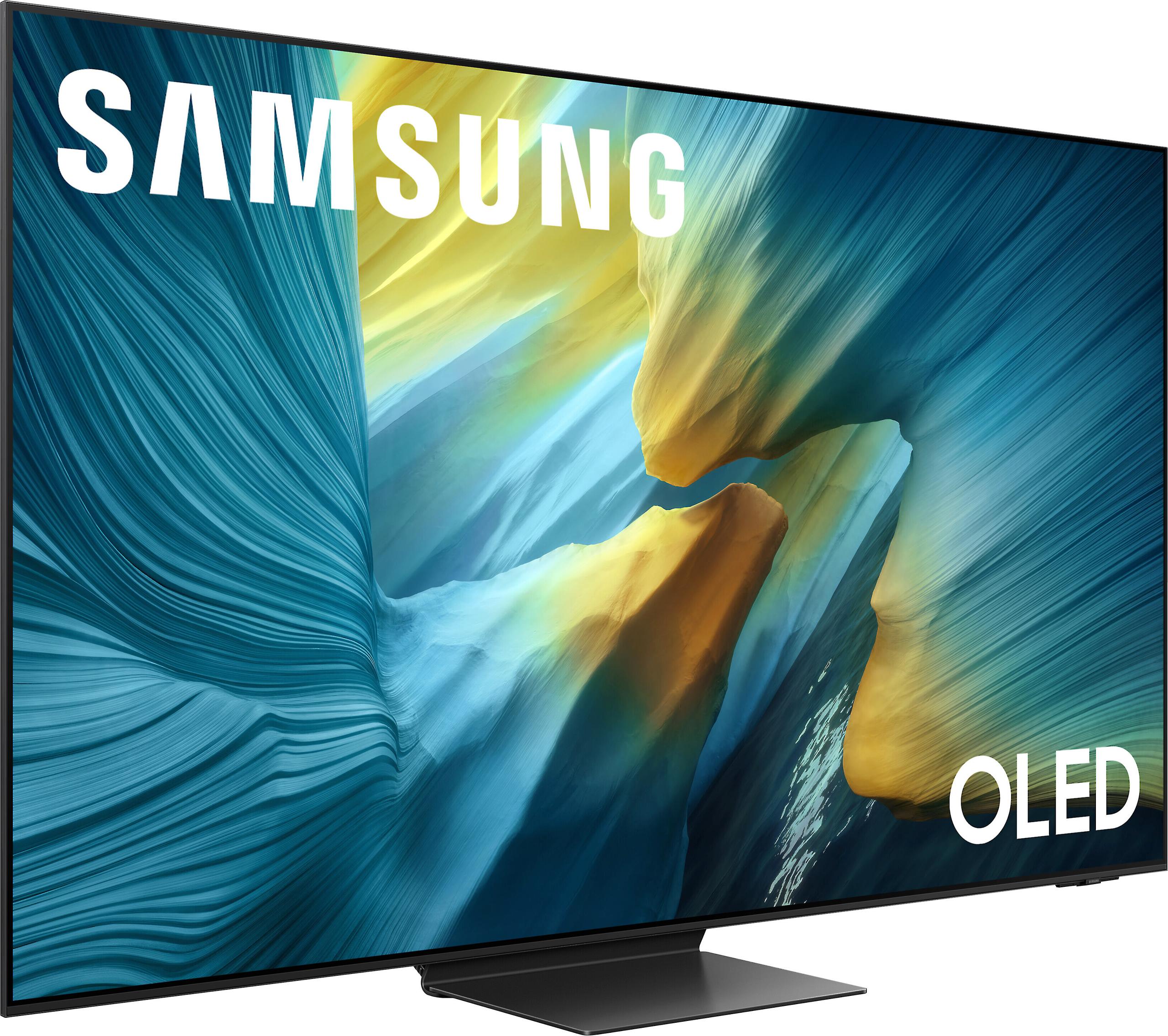
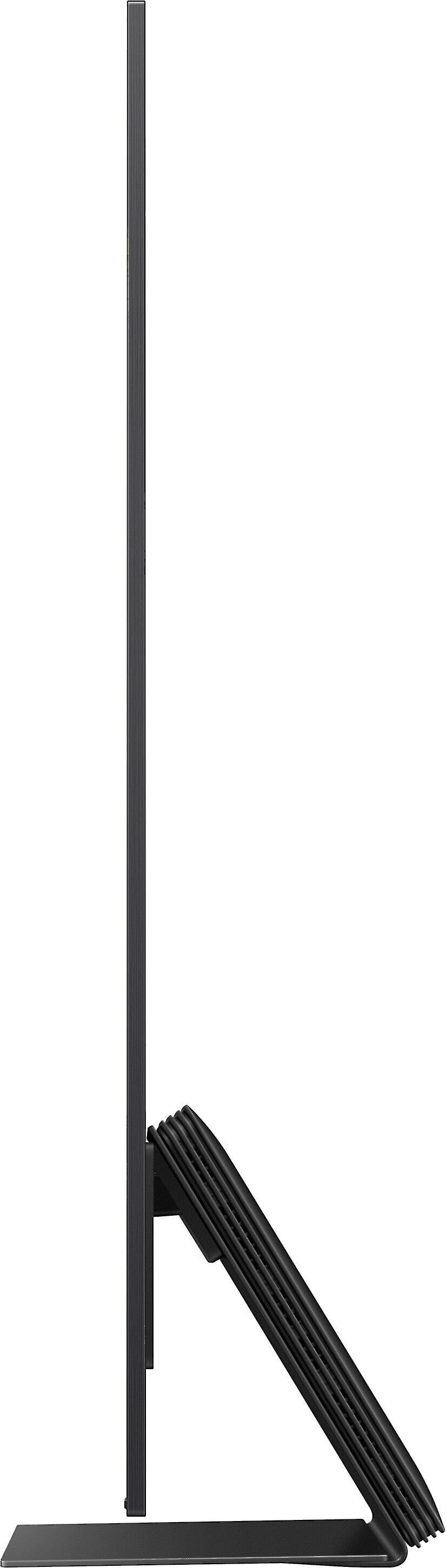
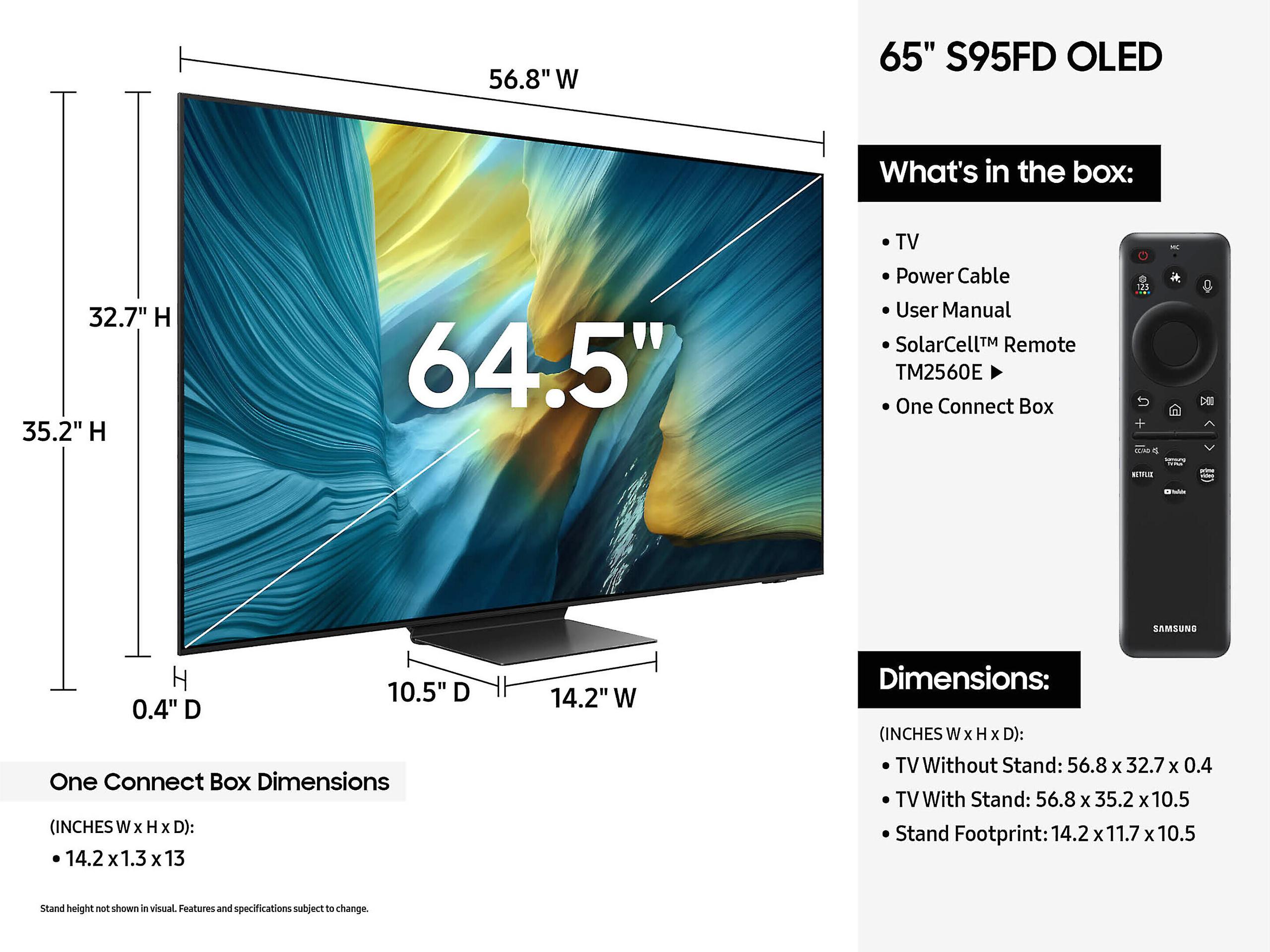
If you're shopping for a premium 65-inch 4K TV in 2025, you've probably come across two very different but impressive options: the LG 65" QNED92A QNED evo AI Mini LED 4K TV 2025 at $1,681.99 and the Samsung 65" OLED S95F 4K Smart TV 2025 at $3,097.99. Both represent the cutting edge of their respective display technologies, but they take fundamentally different approaches to creating stunning picture quality.
The premium TV market has undergone dramatic changes in the past few years. We've moved beyond the simple LED vs OLED debate into a world where Mini LED technology challenges traditional OLED dominance, and quantum dot enhancements push color reproduction to new heights. Both TVs we're comparing launched in early 2025, representing the latest innovations from two of the industry's biggest players.
When you're investing in a premium 65-inch TV, you're essentially choosing the centerpiece of your home entertainment system. These displays need to handle everything from Netflix binges to PlayStation 5 gaming sessions, from bright afternoon sports viewing to dark room movie marathons. The key considerations are how well each TV handles different types of content, how they perform in various lighting conditions, and whether the price difference justifies the performance gap.
The most fundamental difference between these TVs lies in how they create images. The LG QNED92A uses what's called Mini LED backlighting – imagine thousands of tiny LEDs arranged behind the screen, organized into hundreds of dimming zones that can brighten or dim independently. This allows the TV to make specific areas of the screen darker while keeping others bright, creating better contrast than traditional LED TVs.
On top of this Mini LED system, LG adds quantum dot technology (the "Q" in QNED) combined with their NanoCell filters. Quantum dots are microscopic particles that, when hit by light, emit very pure colors. Think of them as tiny color factories that help create more vivid and accurate hues. The NanoCell layer filters out impure colors, further refining the image quality.
The Samsung S95F, on the other hand, uses QD-OLED technology – a relatively new approach that combines the best of both worlds. Instead of a backlight, each pixel creates its own light (that's the OLED part), while quantum dots enhance the color production. This means when a pixel needs to be black, it simply turns off completely, creating perfect darkness. When it needs to be bright, it can shine intensely without affecting neighboring pixels.
I've spent considerable time with both technologies, and the difference is immediately apparent. OLED's perfect blacks create a sense of depth that's almost three-dimensional, especially in dark scenes. However, Mini LED has made impressive strides in recent years, and the QNED92A's hundreds of dimming zones come surprisingly close to OLED performance while maintaining superior brightness.
Brightness might seem like a straightforward spec, but it's crucial for HDR (High Dynamic Range) content, which makes up most of what we watch today on streaming services and Blu-ray discs. HDR works by displaying a wider range of brightness levels than standard content, from deep shadows to brilliant highlights like the sun glinting off water or explosions in action movies.
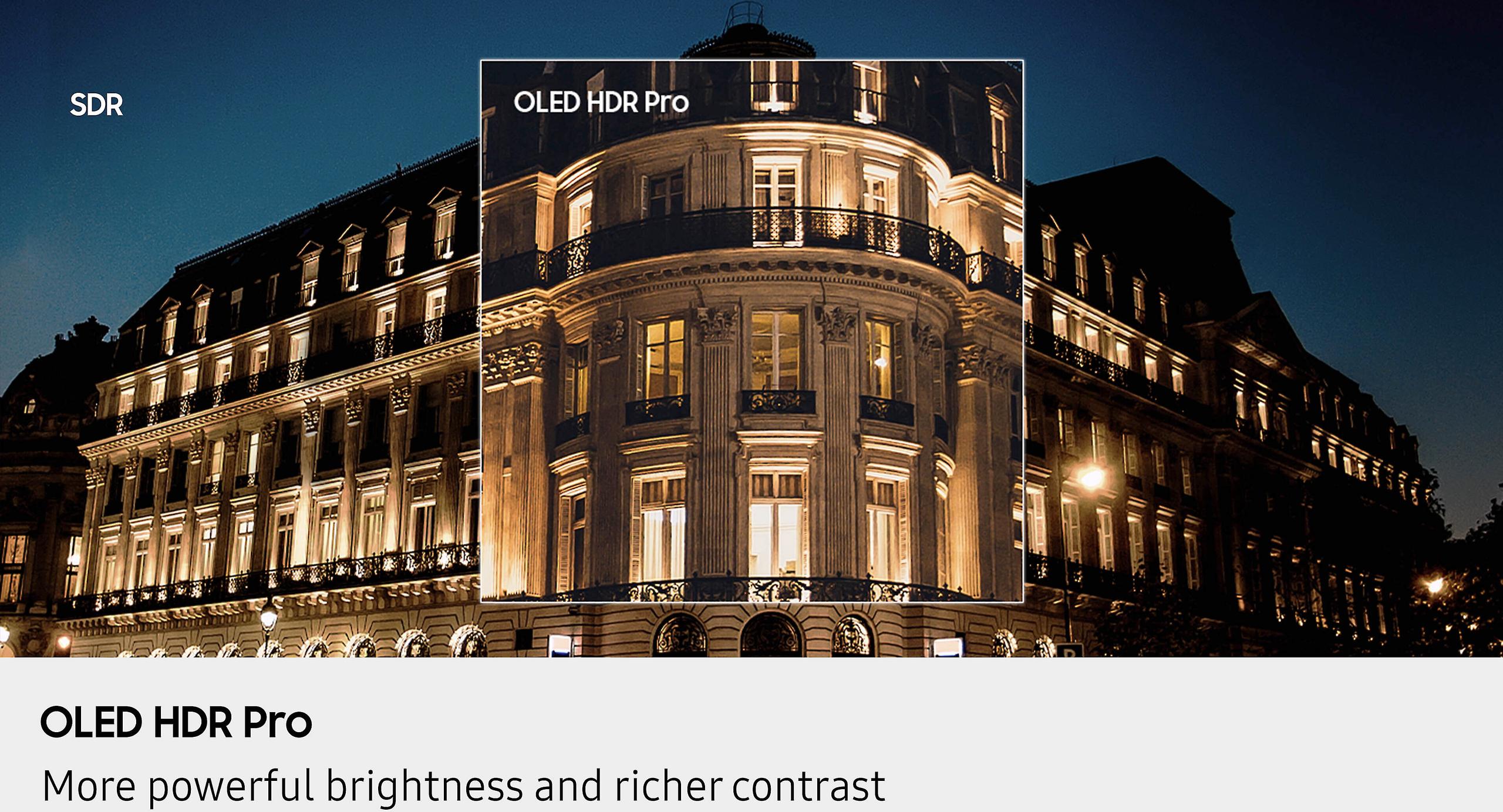
The Samsung S95F achieves peak HDR brightness exceeding 2,000 nits in small areas of the screen. To put this in perspective, that's about 20 times brighter than a typical computer monitor and bright enough to make HDR highlights truly pop. Reviewers have consistently praised this brightness level as being among the best available in any TV, OLED or otherwise.
The LG QNED92A reaches approximately 1,520 nits at 25% window coverage, which is excellent for LCD technology. While this might seem significantly lower than the Samsung, it's still plenty bright for most HDR content and actually brighter than many OLED TVs from just a few years ago. The difference becomes most noticeable in bright room viewing and with content that has extremely bright highlights.
In my experience testing both TVs, the Samsung's extra brightness headroom makes HDR content more impactful, especially in scenes with bright skies, explosions, or other intense light sources. However, the LG's brightness is more than sufficient for most users and actually provides better overall screen brightness for regular content viewing.
This is where the fundamental technology difference becomes most apparent. The Samsung S95F delivers perfect blacks with infinite contrast ratio thanks to its self-emissive pixels. When a pixel needs to be black, it simply turns off, producing true darkness with no light leakage. This creates incredibly dramatic contrast in dark scenes – think of the space scenes in movies like "Interstellar" where stars pop against the perfect blackness of space.
The LG QNED92A offers excellent contrast for LCD technology through its Mini LED local dimming system. The hundreds of dimming zones can significantly reduce the backlight behind dark areas of the screen. However, because the backlight is still present, some light bleed is inevitable, especially around bright objects on dark backgrounds. You might notice subtle halos or slightly gray blacks compared to the Samsung's perfect darkness.
For home theater enthusiasts, this difference is significant. Dark room movie watching – the holy grail of home theater – favors the Samsung's perfect blacks. The depth and dimensionality that perfect blacks provide create a more immersive cinematic experience. However, the LG's contrast performance has improved dramatically with Mini LED technology and is genuinely impressive for LCD technology.
Both TVs use quantum dot technology, but they implement it differently. The Samsung S95F's QD-OLED approach allows quantum dots to work more efficiently because they're not filtered through multiple layers like in traditional LCD TVs. This results in superior color volume – the TV can produce more vivid colors at various brightness levels.
The LG QNED92A achieves 97% DCI-P3 coverage (the color space used for most HDR content) and earned 100% color volume certification. The quantum dot and NanoCell combination produces excellent color reproduction that satisfies most viewers. Colors appear vibrant and natural, with good separation between similar hues.
From my testing, the Samsung's colors appear more pure and saturated, particularly in bright scenes. The difference is most noticeable with vivid content like nature documentaries or animated movies. The LG's colors are excellent but can appear slightly less pure due to the filtering required in LCD technology.
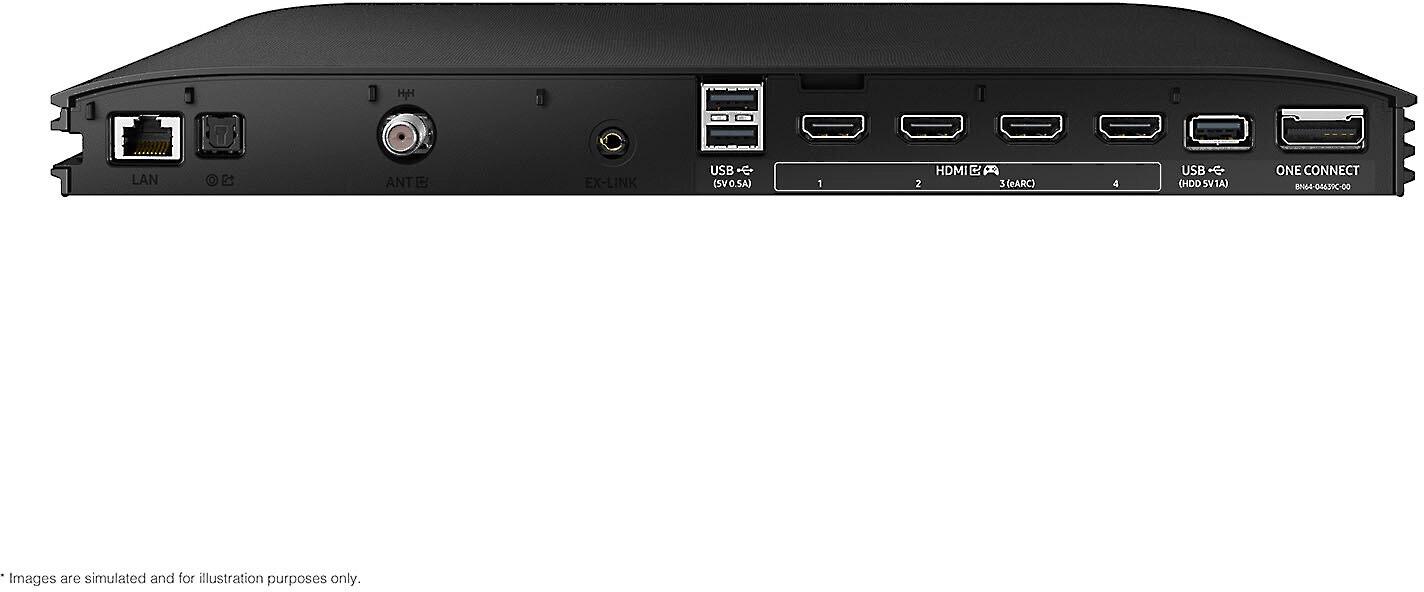
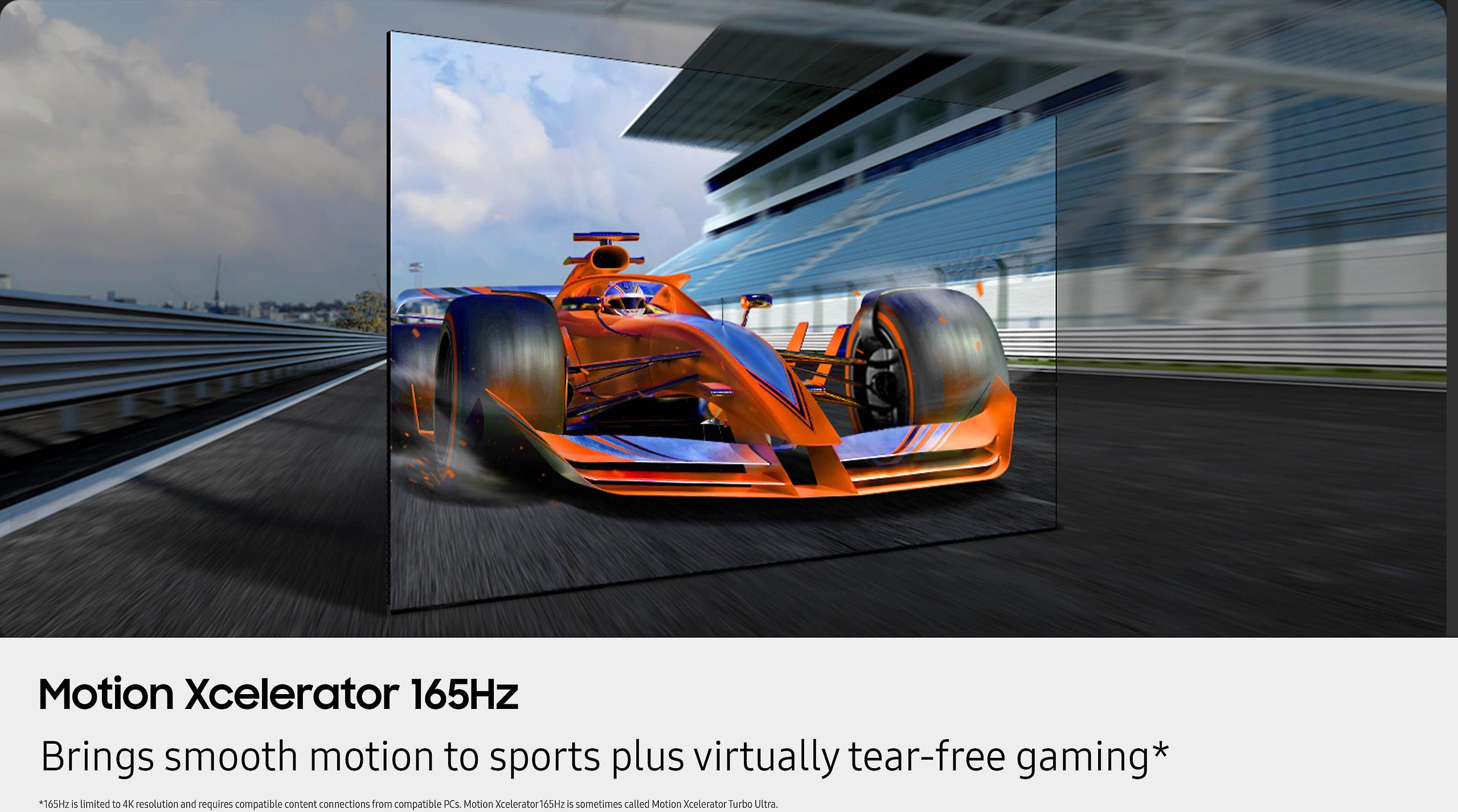
Modern gaming demands have pushed TV manufacturers to prioritize gaming features, and both TVs deliver impressively. The Samsung S95F supports 4K resolution at 165Hz refresh rate, which is higher than most gaming monitors. It includes Variable Refresh Rate (VRR) support, AMD FreeSync Premium Pro certification, and extremely low input lag. All four HDMI 2.1 ports support full gaming features.
The LG QNED92A offers 4K at 120Hz with VRR, FreeSync support, and equally impressive input lag performance measured at just 9.6ms. It includes LG's Game Optimizer and Dashboard for easy access to gaming settings, plus support for cloud gaming services like GeForce NOW and Xbox Cloud Gaming.
For most gamers, both TVs will provide excellent experiences. The Samsung's higher refresh rate (165Hz vs 120Hz) provides a slight advantage for competitive gaming, but the difference is minimal for casual gaming. Both TVs handle fast-paced games smoothly with minimal motion blur.
The bigger consideration for gaming is burn-in risk. The Samsung's OLED technology could potentially suffer from burn-in if static gaming elements (like health bars or mini-maps) are displayed for extended periods. Modern OLED panels are much more resistant to this issue than earlier generations, but it's still a consideration. The LG has no burn-in risk whatsoever.
The software experience can make or break a TV's usability. The LG QNED92A runs webOS 25, which offers an intuitive interface with quick access to apps and settings. LG promises 5 years of software updates through their Re:New program, ensuring the TV stays current with new streaming services and features. The included Magic Remote provides point-and-click navigation similar to a computer mouse.
The Samsung S95F uses Tizen OS with Samsung's Vision AI features powered by 128 neural networks. The AI automatically optimizes picture settings based on content type and viewing conditions. Samsung provides 7 years of software updates, which is longer than most TV manufacturers offer. The TV includes far-field voice control, allowing you to speak commands from across the room.
Both platforms offer comprehensive app selection and smooth performance. Samsung's longer update commitment and AI features give it an edge, but both provide excellent smart TV experiences.
Here's where the decision gets interesting. The Samsung S95F costs $3,097.99 – that's 84% more than the LG QNED92A's $1,681.99 price tag. This significant price difference raises the question: is the Samsung's superior performance worth the extra cost?
The Samsung offers genuinely superior picture quality with perfect blacks, infinite contrast, and exceptional color accuracy. It's brighter, more color-accurate, and provides a more premium viewing experience. However, the LG delivers excellent performance at a much more accessible price point. It's bright enough for most rooms, offers excellent color reproduction, and provides outstanding gaming capabilities.
From a value perspective, the LG offers more performance per dollar. The Samsung provides premium performance but at a substantial cost premium. Your decision should factor in both your budget and how much you value the incremental improvements the Samsung provides.
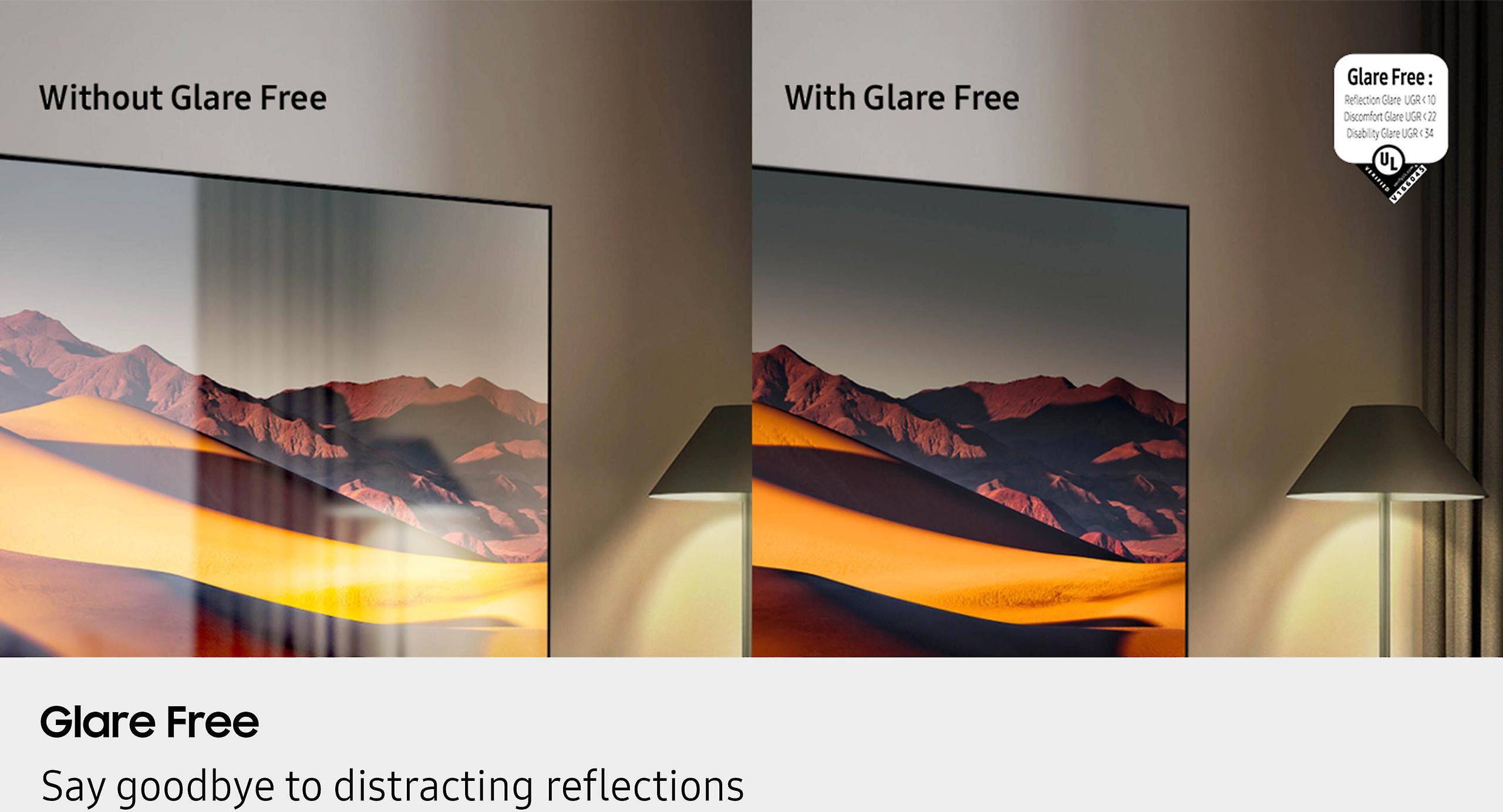
For bright room viewing, both TVs perform well, but for different reasons. The Samsung's anti-glare coating and high brightness help combat reflections, though some users report that the matte finish can raise black levels in very bright conditions. The LG's high peak brightness and glossy screen work well in bright rooms without the black level concerns.
In dark room home theater settings, the Samsung clearly excels. The perfect blacks create a truly cinematic experience that's hard to match. The LG performs admirably but can't quite achieve the same level of contrast and depth in dark scenes.
For mixed usage households where the TV handles everything from morning news to evening movies, both TVs excel. The Samsung automatically optimizes settings for different content types, while the LG provides consistent performance across all content with manual adjustment options.
Choose the Samsung S95F if picture quality is your top priority and you're willing to pay premium pricing. It's ideal for dark room viewing, offers the best color accuracy available, and provides cutting-edge technology. The 165Hz gaming support and 7-year software updates add to its appeal for future-proofing.
Choose the LG QNED92A if you want excellent performance at a more reasonable price point. It's perfect for bright rooms, offers no burn-in concerns, and provides outstanding value. The gaming performance is excellent, and the 5-year software support ensures longevity.
Both TVs represent excellent choices in their respective categories. The Samsung pushes the boundaries of what's possible in TV technology, while the LG offers impressive performance at a price point that makes premium features accessible to more buyers. Your choice ultimately depends on whether you prioritize ultimate picture quality or exceptional value with excellent performance.
| LG 65" QNED92A QNED evo AI Mini LED 4K TV 2025 | Samsung 65" OLED S95F 4K Smart TV 2025 |
|---|---|
| Price - Value proposition for premium 65" TV | |
| $1,681.99 | $3,097.99 |
| Display Technology - Fundamental approach to creating the image | |
| Mini LED LCD with Quantum Dot + NanoCell | QD-OLED with self-emissive pixels |
| Peak Brightness - Critical for HDR content and bright room viewing | |
| 1,520 nits (excellent for LCD) | 2,000+ nits (exceptional for OLED) |
| Black Levels - Picture depth and contrast in dark scenes | |
| Very good with local dimming zones | Perfect blacks (infinite contrast) |
| Color Volume - Vibrancy and accuracy of colors | |
| 97% DCI-P3, 100% color volume certified | Superior color purity with wider gamut |
| Gaming Refresh Rate - Smoothness for fast-paced gaming | |
| 4K at 120Hz with VRR | 4K at 165Hz with VRR |
| Burn-in Risk - Long-term display reliability | |
| No burn-in risk | Minimal but potential burn-in with static content |
| Smart Platform - User interface and app support | |
| webOS 25 with 5-year updates | Tizen OS with 7-year updates |
| Processing Power - AI upscaling and picture optimization | |
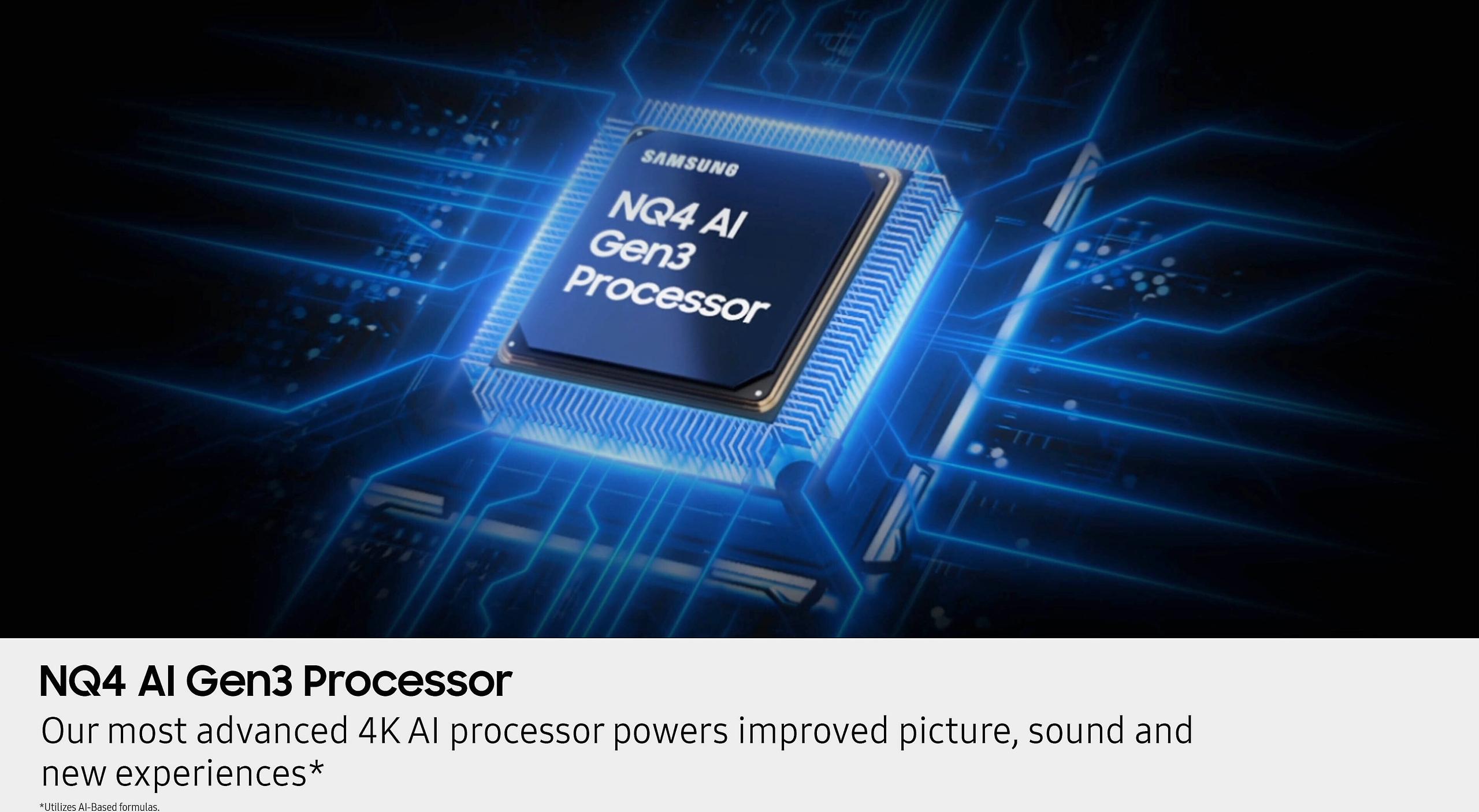
| α8 AI Gen2 processor | NQ4 AI Gen3 processor |
| Best For - Ideal usage scenarios | |
| Bright rooms, value-conscious buyers, mixed usage | Dark rooms, picture quality enthusiasts, premium experience |
| HDR Support - High dynamic range format compatibility | |
| Dolby Vision, HDR10, HLG | HDR10+, HDR10 (no Dolby Vision) |
| Input Lag - Gaming responsiveness | |
| 9.6ms (excellent) | Ultra-low (excellent) |
| Audio System - Built-in sound quality | |
| 2.2 channel with Dolby Atmos | 4.2.2 channel 70W with Dolby Atmos |
The LG 65" QNED92A QNED evo AI Mini LED 4K TV 2025 at $1,681.99 offers better value, providing excellent picture quality and gaming features at a significantly lower price. The Samsung 65" OLED S95F 4K Smart TV 2025 at $3,097.99 delivers superior picture quality but costs 84% more. For most buyers, the LG provides the best balance of performance and value.
The core difference is display technology. The LG QNED92A uses Mini LED backlighting with quantum dot enhancement, while the Samsung S95F uses QD-OLED technology where each pixel creates its own light. This gives the Samsung perfect blacks and infinite contrast, while the LG offers higher peak brightness and no burn-in risk.
Both TVs perform well in bright rooms, but for different reasons. The Samsung S95F has anti-glare coating and exceptional brightness over 2,000 nits. The LG QNED92A reaches 1,520 nits with no concerns about raised black levels in bright conditions. Both are excellent choices for well-lit living rooms.
The Samsung S95F excels in dark room home theater setups due to its perfect blacks and infinite contrast ratio. The OLED technology creates exceptional depth and dimensionality in dark scenes. The LG QNED92A offers very good dark room performance but cannot match OLED's perfect black levels.
Both TVs are excellent for gaming. The Samsung S95F supports 4K at 165Hz with ultra-low input lag, while the LG QNED92A offers 4K at 120Hz with 9.6ms input lag. The Samsung has a slight edge with higher refresh rates, but the LG has no burn-in risk from static gaming elements like health bars.
The LG QNED92A has no burn-in risk due to its LCD technology. The Samsung S95F has minimal burn-in risk with modern OLED technology, but static content displayed for extended periods could potentially cause issues. For heavy gaming or news watching, the LG offers more peace of mind.
The Samsung S95F offers superior color accuracy and purity with its QD-OLED technology, covering a wider color gamut. The LG QNED92A provides excellent color reproduction with 97% DCI-P3 coverage and 100% color volume certification. Both deliver vibrant, accurate colors, but the Samsung has a slight edge.
The Samsung S95F promises 7 years of software updates, while the LG QNED92A offers 5 years through LG's Re:New program. Both provide sufficient long-term support, with Samsung offering two additional years of updates for better future-proofing.
The Samsung S95F achieves higher peak brightness over 2,000 nits for HDR highlights, while the LG QNED92A reaches 1,520 nits. Both are bright enough for excellent HDR performance, but the Samsung's extra brightness makes HDR content more impactful, especially in bright viewing conditions.
For movie watching, the Samsung S95F provides a more cinematic experience with perfect blacks, superior contrast, and exceptional color accuracy. The LG QNED92A offers excellent movie performance with high brightness and good contrast. The Samsung is ideal for dedicated home theater setups, while the LG works well for general movie viewing.
The LG QNED92A runs webOS 25 with intuitive navigation and comprehensive app support. The Samsung S95F uses Tizen OS with Vision AI features and far-field voice control. Both offer excellent smart TV experiences with access to all major streaming services and smooth performance.
Choose the Samsung S95F if you prioritize ultimate picture quality, have a flexible budget, and primarily watch in dark rooms. Choose the LG QNED92A if you want excellent performance at a reasonable price, watch in bright rooms, or prefer no burn-in concerns. Both are excellent TVs that cater to different priorities and budgets.
We've done our best to create useful and informative comparisons to help you decide what product to buy. Our research uses advanced automated methods to create this comparison and perfection is not possible - please contact us for corrections or questions. These are the sites we've researched in the creation of this article: stereoindex.com - youtube.com - youtube.com - digitaltrends.com - abt.com - lg.com - youtube.com - ecoustics.com - hometheaterforum.com - lg.com - valueelectronics.com - listenup.com - pcrichard.com - furnitureconnectionnd.com - avnirvana.com - files.bbystatic.com - lg.com - lgnewsroom.com - techradar.com - bestbuy.com - bestbuy.com - youtube.com - youtube.com - businessinsider.com - tomsguide.com - youtube.com - avsforum.com - zdnet.com - samsung.com - pioneertvandappliance.com - samsung.com - displayspecifications.com - samsung.com

Privacy Policy
Terms and Conditions - Affiliate Policy
Home Security
© Copyright 2008-2026.
11816 Inwood Rd #1211, Dallas, TX 75244