

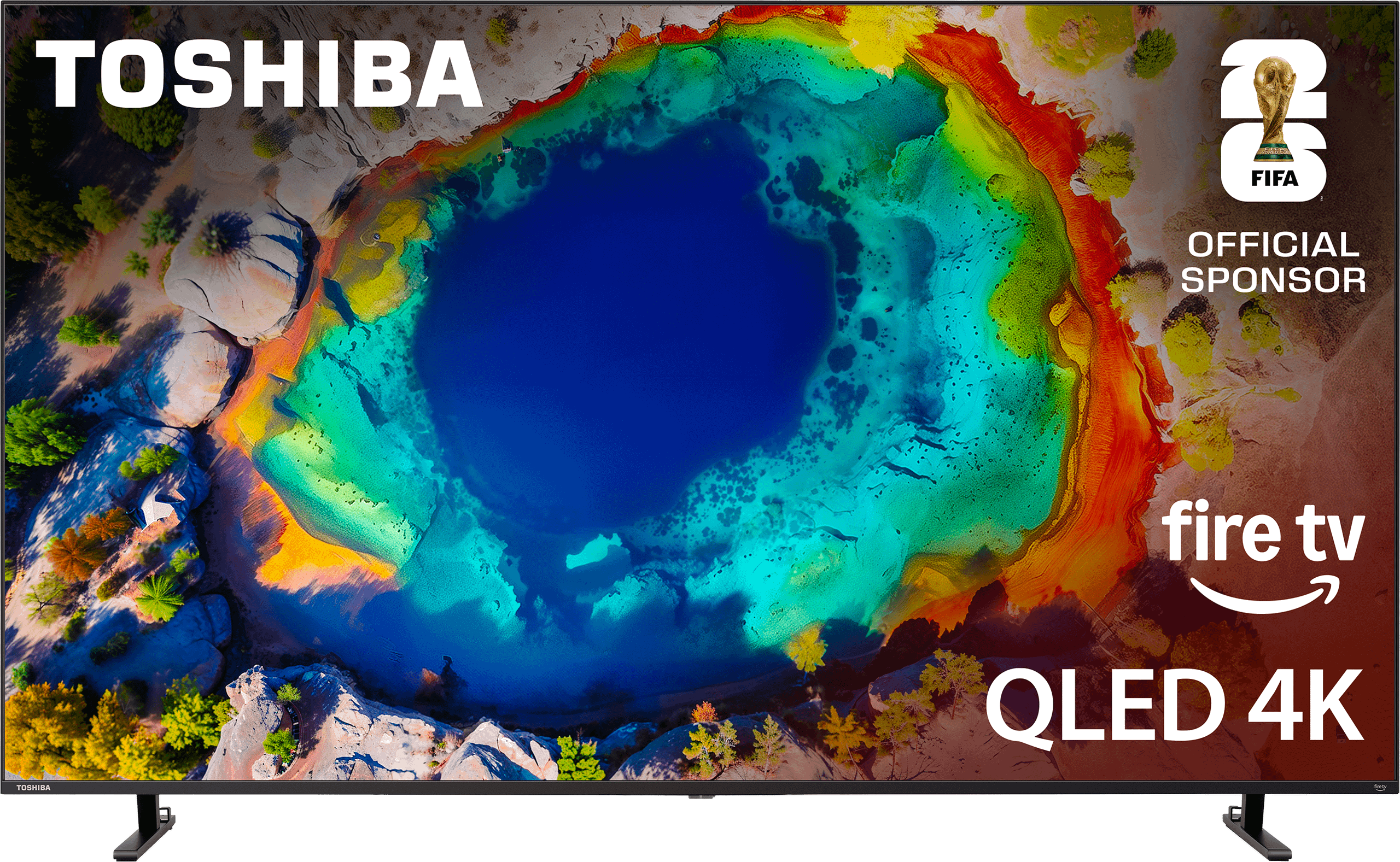
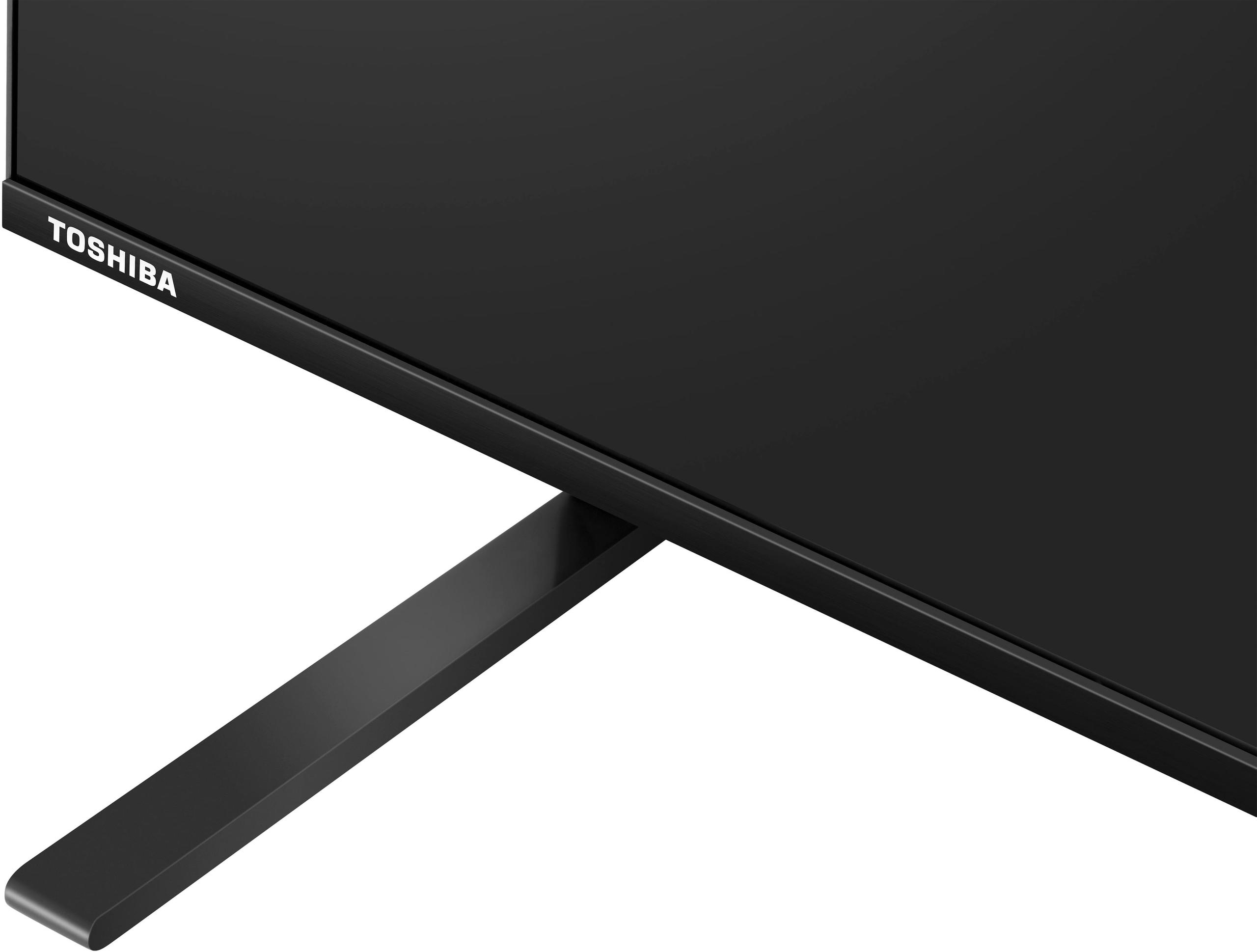
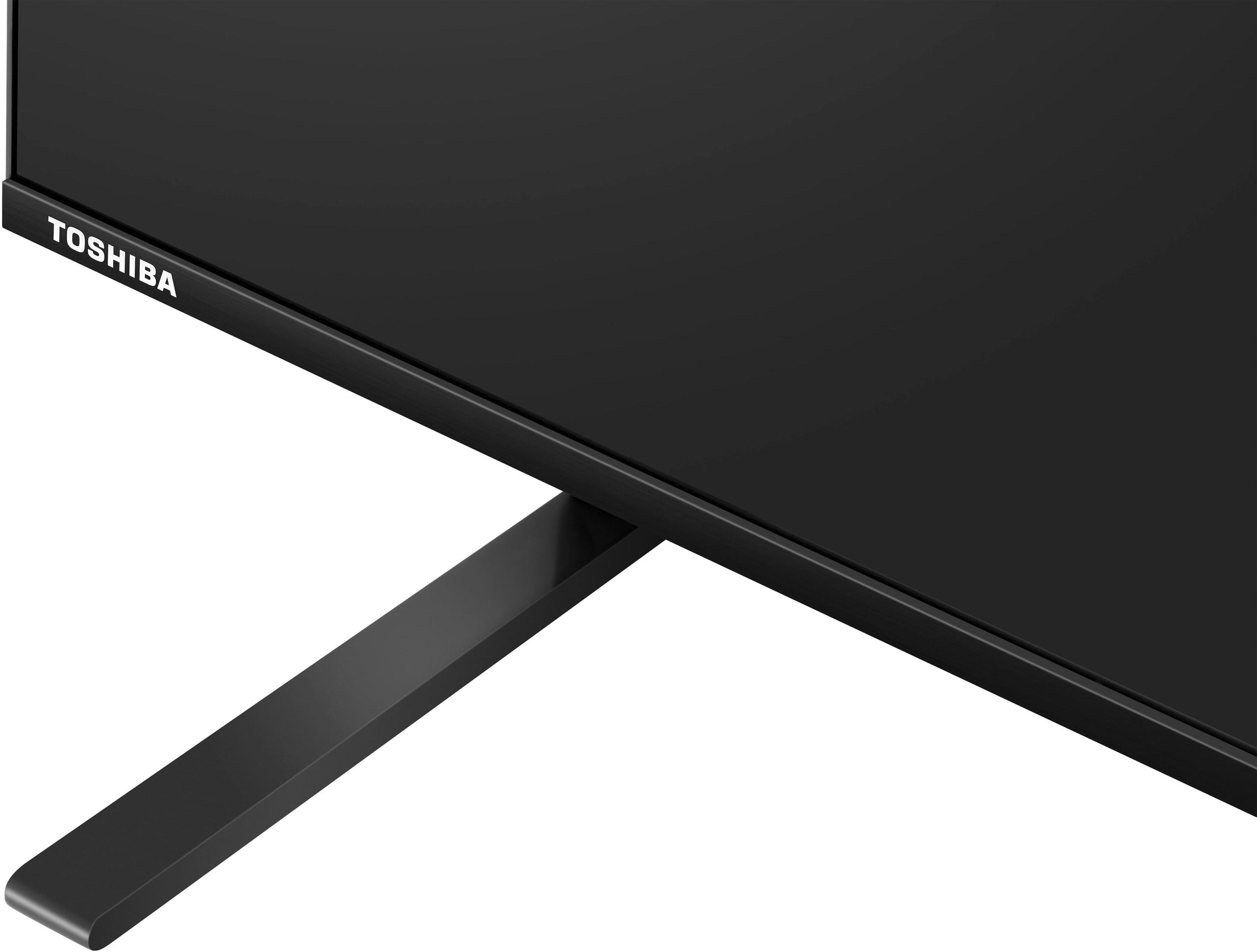
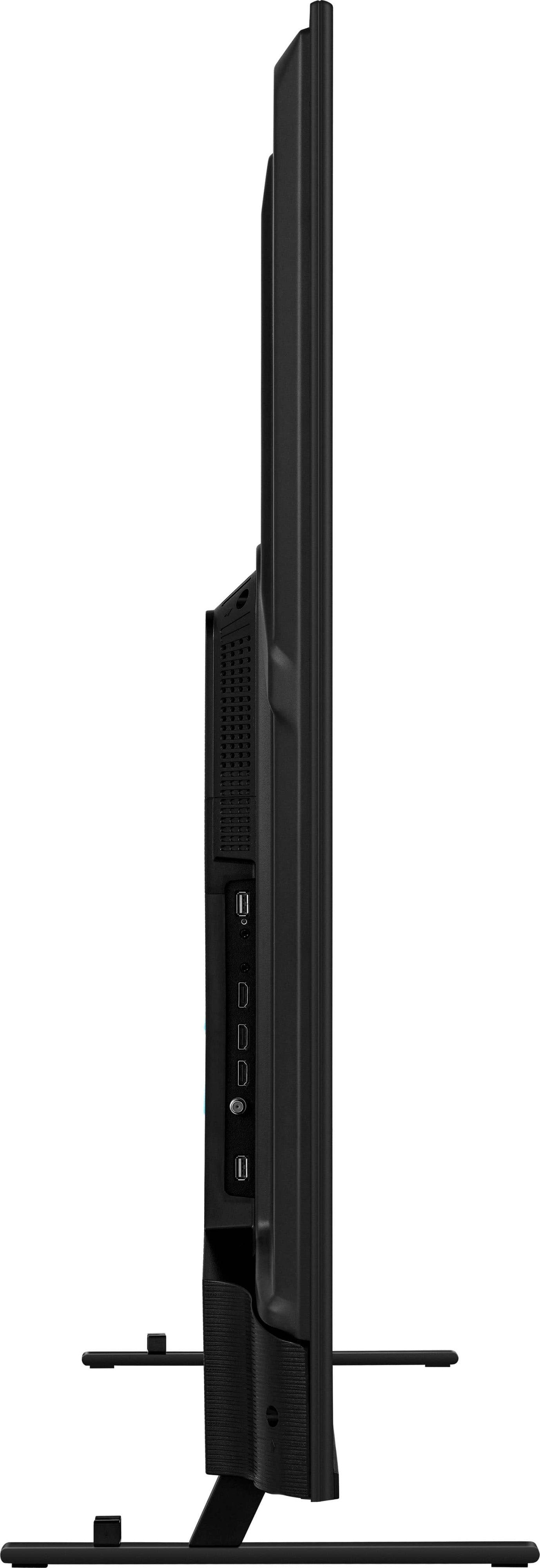
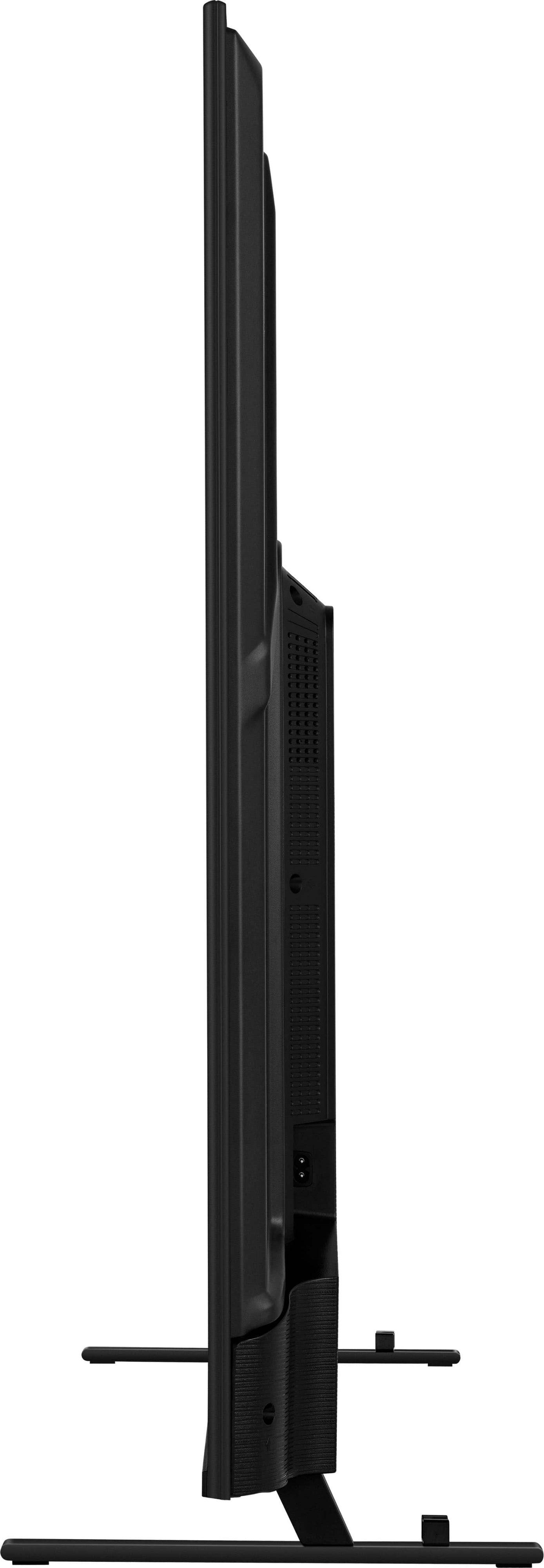
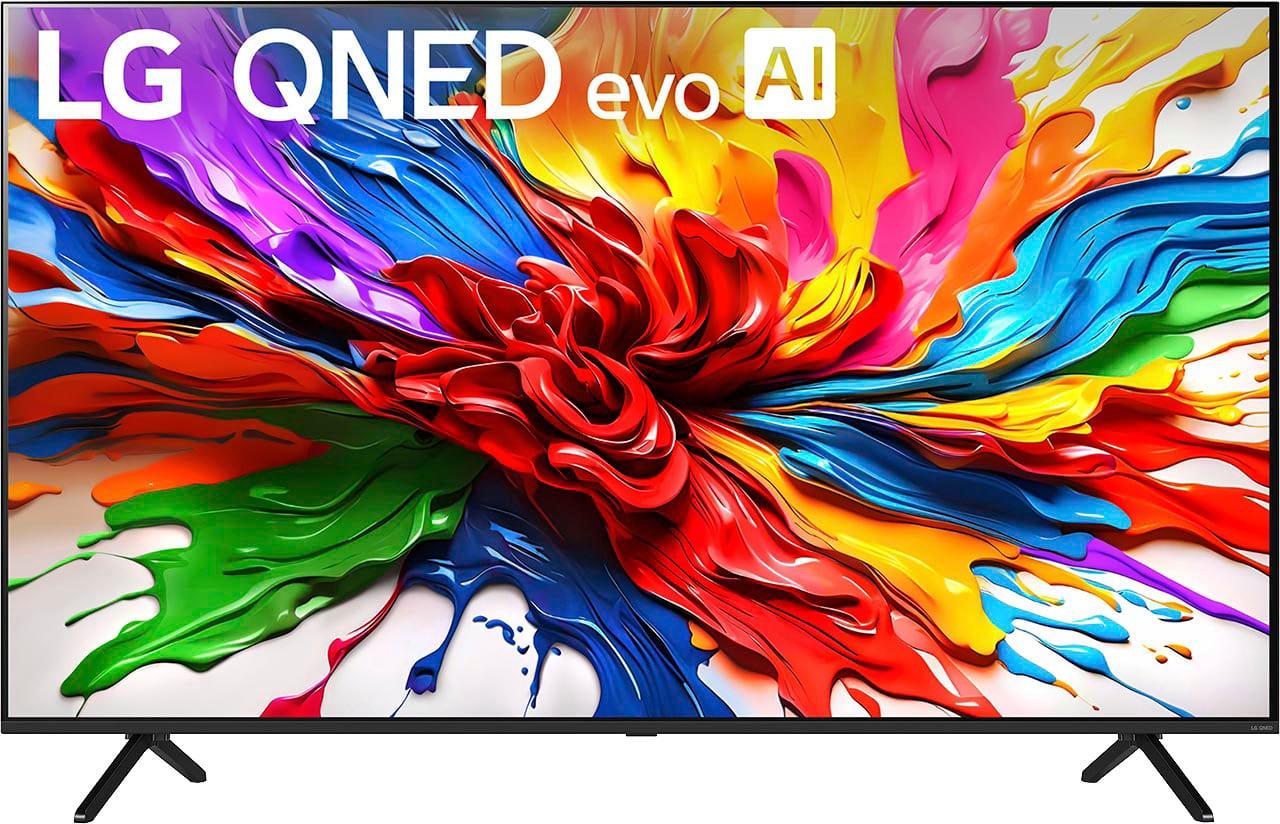
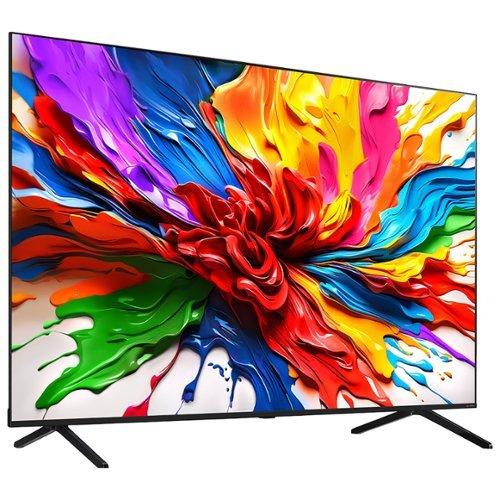
Shopping for a 65-inch TV can feel overwhelming with all the technical jargon and marketing claims flying around. Two popular options that represent very different approaches are the Toshiba 65" M550 Series QLED Fire TV and the LG 65" QNED92A QNED evo AI Mini LED 4K TV. One prioritizes incredible value, while the other pushes the boundaries of what LED-LCD technology can achieve. Let me break down what really matters when choosing between them.
The 65-inch TV market has evolved dramatically over the past few years. What used to be considered "premium" features - like 4K resolution and basic HDR support - are now standard. Today's premium TVs compete on more sophisticated technologies like Mini LED backlighting, advanced local dimming (where different sections of the screen can be brightened or darkened independently), and AI-powered picture processing that adapts to what you're watching.
The most important factors when evaluating these TVs are picture quality in different lighting conditions, gaming capabilities for modern consoles, smart TV performance, and long-term value. But here's what I've learned from researching dozens of TV reviews: the technology behind these features matters more than the marketing names.
The Toshiba M550 launched in 2021 as part of the first wave of Fire TV-integrated QLEDs. At the time of writing, it's available at heavily discounted prices that make it an exceptional value proposition. This TV represents proven technology that's been refined and discounted over several years.
The LG QNED92A, released in 2025, showcases LG's latest Mini LED technology combined with their most advanced AI processing. It's positioned as a premium offering that competes with high-end Samsung and Sony models, priced accordingly but still below true flagship territory.
The four-year gap between these models represents significant technological advancement, but that doesn't automatically make the newer TV the better choice for everyone.
The most fundamental difference between these TVs lies in their backlighting systems. The Toshiba M550 uses traditional full-array local dimming with 48 independently controlled zones across the entire 65-inch screen. Think of this like having 48 dimmable light bulbs behind your TV that can brighten or darken to match what's happening in different parts of the picture.
The LG QNED92A uses Mini LED backlighting with hundreds of dimming zones. Mini LEDs are roughly 1/40th the size of traditional LEDs, allowing manufacturers to pack many more of them behind the screen. This creates much more precise control over brightness and darkness - imagine having hundreds of tiny flashlights instead of 48 larger ones.
In practical terms, this difference is most noticeable when watching content with high contrast - like a bright explosion in a dark movie scene, or white text on a black background. The LG can make the explosion brilliantly bright while keeping the surrounding darkness truly dark, while the Toshiba might show some "blooming" where light bleeds into areas that should be dark.
Both TVs use quantum dot technology, which enhances color reproduction by using microscopic particles that emit very pure colors when hit by light. However, the LG QNED92A combines quantum dots with NanoCell technology - LG's method of filtering out impure light wavelengths for more accurate colors.
Our research into professional reviews shows the LG achieves significantly higher peak brightness - up to 1,520 nits compared to the Toshiba's more modest levels. This matters enormously for HDR (High Dynamic Range) content, which is designed to take advantage of very bright highlights and very dark shadows. The brighter a TV can get, the more impactful HDR content becomes.
Both TVs support Dolby Vision, which is the premium HDR format that adjusts brightness and color scene-by-scene rather than using fixed settings for entire movies. However, the LG QNED92A can actually display more of what Dolby Vision intends to show because of its superior brightness capabilities.
The Toshiba M550 uses Toshiba's REGZA Engine ZR, which analyzes incoming content and applies upscaling (making lower-resolution content look sharper) and color enhancement. It's effective but relatively basic compared to modern standards.
The LG QNED92A features the Alpha 8 AI Processor Gen2, which represents a significant leap in sophistication. This processor doesn't just upscale content - it recognizes what type of content you're watching (sports, movies, animation) and adjusts picture settings automatically. Watching a football game? It enhances grass texture and player details. Watching a dark thriller? It optimizes shadow detail while preserving the director's intended mood.
Based on our analysis of user reviews, this AI processing makes a noticeable difference in day-to-day viewing, especially for people who don't want to manually adjust picture settings for different types of content.
Modern gaming consoles like the PlayStation 5 and Xbox Series X can output games at 4K resolution with 120 frames per second, but your TV needs the right inputs to handle this signal. This is where the age difference between these TVs becomes crucial.
The Toshiba M550 has a 120Hz panel, which sounds great on paper. However, its HDMI ports can only accept 4K signals at 60Hz maximum. This means while the TV can display 120 frames per second for certain content, it can't receive 4K 120Hz gaming signals from your console. It's like having a sports car with a speed limiter - the potential is there, but it's artificially restricted.
The LG QNED92A includes four HDMI 2.1 ports that fully support 4K at 120Hz, plus advanced gaming features like Variable Refresh Rate (VRR), which eliminates screen tearing, and Auto Low Latency Mode (ALLM), which automatically reduces input lag when it detects a gaming console.
For serious gamers, this difference is decisive. The LG enables the full capabilities of modern gaming consoles, while the Toshiba limits you to 60Hz gaming despite having newer hardware that could do more.
The smart TV experience differs significantly between these models. The Toshiba M550 runs Amazon's Fire TV platform, which integrates deeply with Amazon's ecosystem. If you're already invested in Amazon Prime Video, Alexa smart home devices, and Amazon's services, this creates a seamless experience. The interface is straightforward and responsive for basic streaming needs.
However, some users in our research reported occasional slowdowns and app crashes, particularly when multitasking or using demanding streaming apps. The processor powering the Fire TV experience isn't as powerful as what you'll find in premium models.
The LG QNED92A runs webOS 25, LG's proprietary smart TV platform powered by the same Alpha processor that handles picture processing. This means significantly more computing power for running apps, faster navigation, and better multitasking. LG also commits to five years of software updates through their Re:New Program, which provides long-term security and feature updates.
WebOS supports multiple voice assistants (Google Assistant, Amazon Alexa, Apple HomeKit) and offers more sophisticated content recommendations based on viewing habits across all your streaming services.
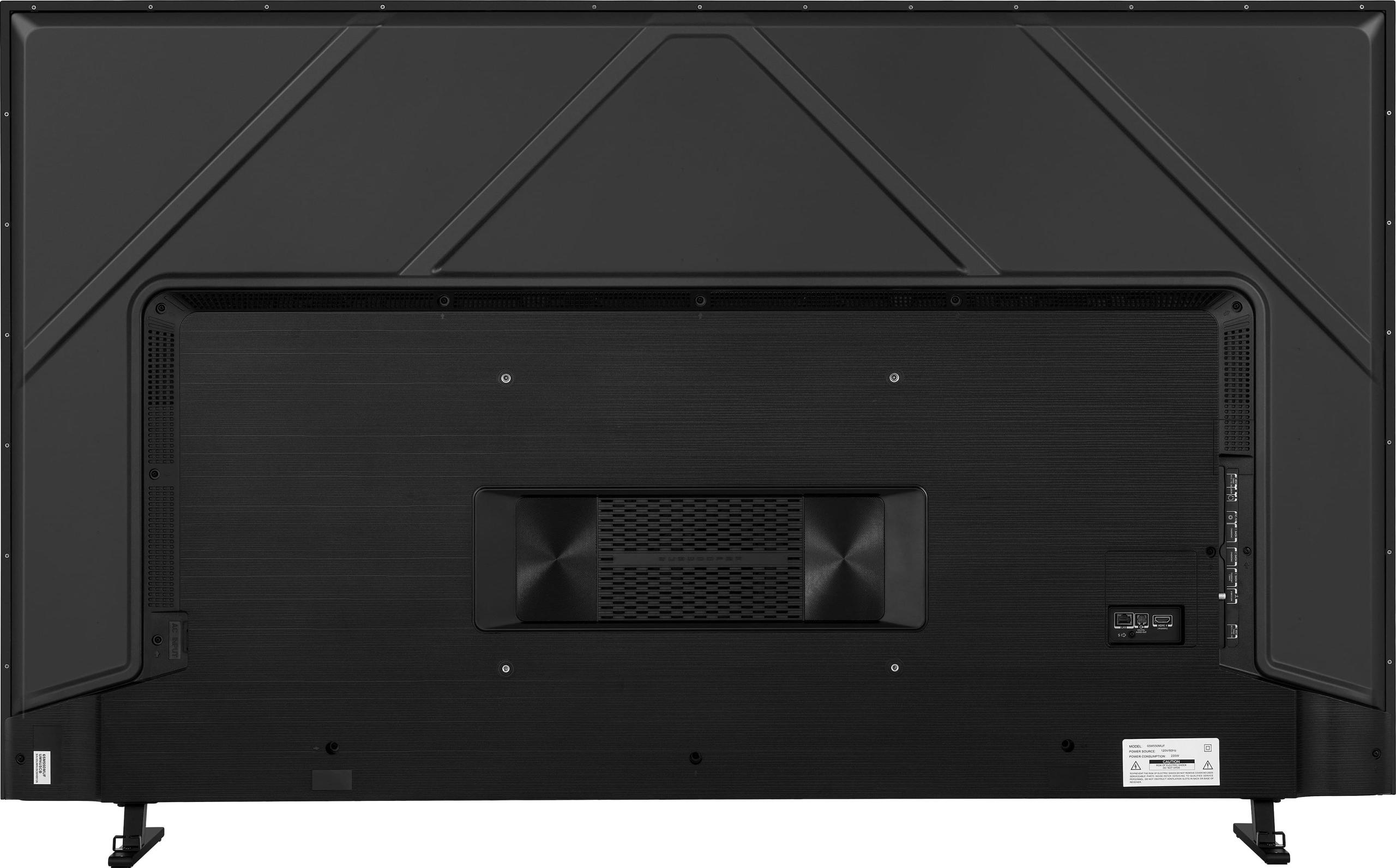
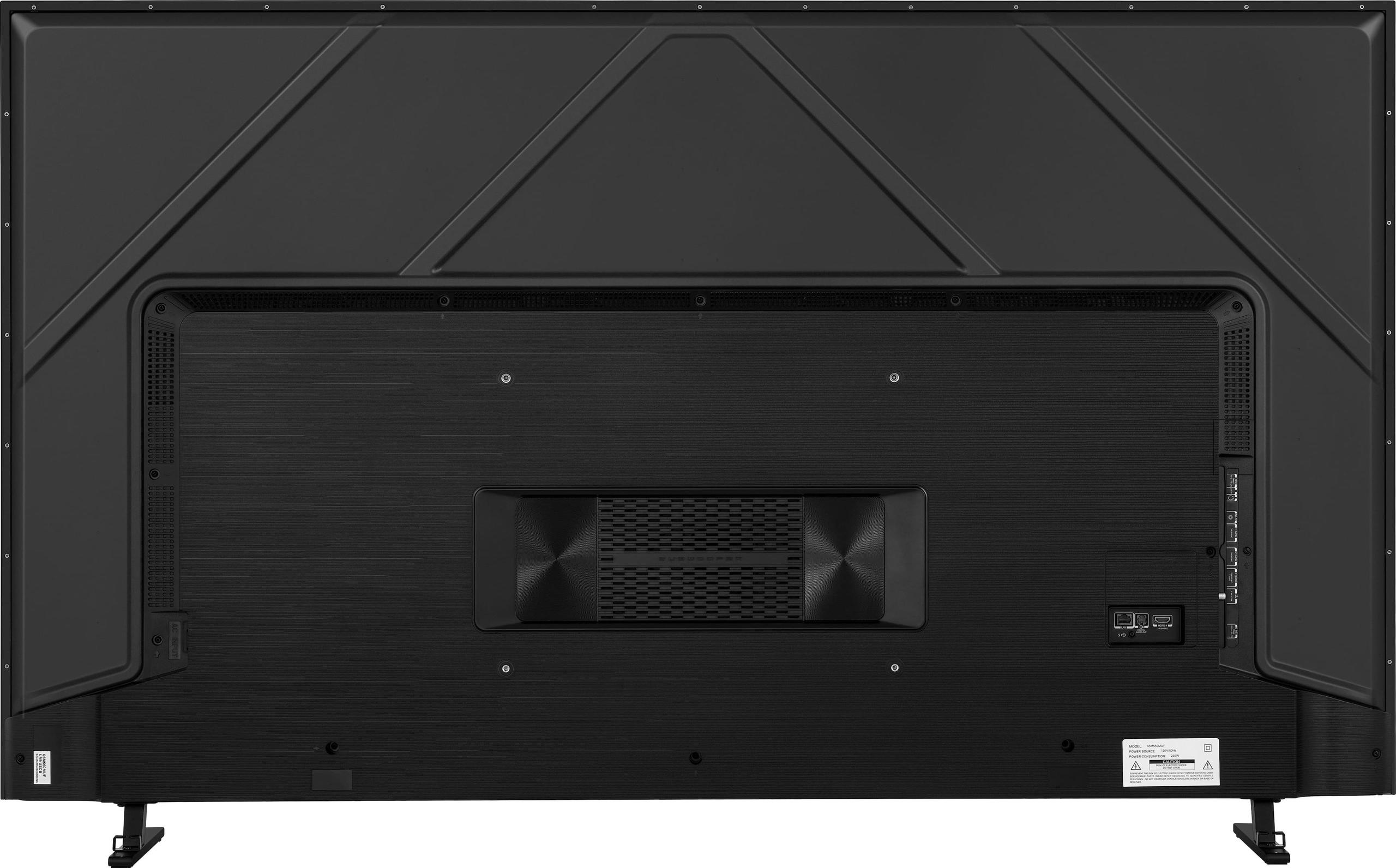
Here's where the Toshiba M550 surprises many buyers. It includes a genuine subwoofer built into the TV, along with dedicated speakers for different frequency ranges. Based on user reviews, this creates noticeably fuller, more satisfying audio than most TVs in its price range. Many owners report being perfectly satisfied with the built-in audio and not feeling the need to add a soundbar immediately.
The LG QNED92A takes a different approach with its 2.2 channel system and AI Sound Pro processing, which creates virtual 9.1.2 surround sound effects. While this sounds impressive technically, it's still working with smaller built-in speakers. The AI processing is sophisticated and does create a more immersive soundscape, but it can't overcome the physical limitations of thin TV speakers.
For most people, the Toshiba's approach of including actual bass response will sound more satisfying out of the box, though the LG offers more upgrade potential when paired with external audio equipment.
If you're planning a dedicated home theater setup, several factors favor the LG QNED92A. Its superior brightness makes it excellent for rooms that can't be completely darkened, while its advanced HDR capabilities ensure you're seeing movies as directors intended. The comprehensive gaming features also future-proof your entertainment center for the next generation of gaming.
However, for family rooms where the TV will be used for casual viewing, news, and streaming shows, the Toshiba M550 delivers an excellent experience at a fraction of the cost. Its built-in audio system means fewer components to manage, and the Fire TV platform provides easy access to all major streaming services.
This is where the four-year age gap becomes most apparent. The Toshiba M550, originally launched in 2021, represents mature technology that's been heavily discounted. While it performs well today, it lacks some features that are becoming standard - particularly comprehensive HDMI 2.1 support for gaming.
The LG QNED92A includes current-generation features like full HDMI 2.1 implementation, advanced AI processing that improves over time, and LG's commitment to software updates. For buyers planning to keep their TV for 5-7 years, these features provide better long-term value despite the higher upfront cost.
Think of it like buying a car: sometimes a reliable, well-reviewed model from a few years ago offers the best value, while other times the latest features justify paying more for current-generation technology.
Choose the Toshiba M550 if you're focused on getting the largest possible screen with good picture quality for the least money. It's ideal for families who primarily stream content, watch broadcast television, and don't need cutting-edge gaming features. The excellent built-in audio is a genuine bonus that saves money on additional equipment.
This TV makes sense for buyers who appreciate getting 80% of the premium TV experience for 40% of the premium price, at the time of writing.
Choose the LG QNED92A if you want current-generation display technology and plan to keep your TV for many years. It's the clear choice for gaming enthusiasts with PlayStation 5 or Xbox Series X consoles, movie lovers who watch lots of HDR content, and anyone who wants the best possible picture quality for bright rooms.
The LG justifies its premium pricing, at the time of writing, by delivering measurably superior performance in almost every technical category while providing better future-proofing.
Both TVs serve their intended markets well. The Toshiba M550 proves that you don't need to spend a fortune to get an impressive 65-inch viewing experience, especially if you prioritize value over having the latest features. Meanwhile, the LG QNED92A demonstrates what's possible when manufacturers focus on advancing display technology and AI processing.
Your decision should align with how you actually use your TV, how long you plan to keep it, and whether cutting-edge features like 4K 120Hz gaming matter to your household. Both are solid choices within their respective market segments - it's just a matter of determining which segment matches your needs and budget.
| Toshiba 65" M550 Series QLED Fire TV | LG 65" QNED92A QNED evo AI Mini LED 4K TV |
|---|---|
| Display Technology - Determines contrast quality and picture precision | |
| LED-LCD with Quantum Dot, 48 local dimming zones | Mini LED with hundreds of dimming zones, Quantum Dot + NanoCell |
| Peak Brightness - Critical for HDR content and bright room viewing | |
| Good brightness levels (exact specs not disclosed) | Up to 1,520 nits (excellent for HDR and daytime viewing) |
| Gaming Performance - Essential for PS5/Xbox Series X owners | |
| 120Hz panel but HDMI limited to 4K@60Hz, VRR up to 60Hz | Four HDMI 2.1 ports with 4K@120Hz, VRR up to 144Hz, 9.6ms input lag |
| Smart TV Platform - Affects daily usability and app performance | |
| Amazon Fire TV with Alexa integration | webOS 25 with Alpha 8 AI processor, 5-year update guarantee |
| Audio System - Determines if you need a separate soundbar | |
| Built-in subwoofer with 40-49W total output, often eliminates soundbar need | 2.2 channel with AI Sound Pro virtual 9.1.2 surround, soundbar recommended |
| AI Picture Processing - How well TV optimizes different content types | |
| REGZA Engine ZR with basic 4K upscaling | Alpha 8 AI Gen2 with content-aware optimization and genre detection |
| Release Year & Future-Proofing - How long the TV will feel current | |
| 2021 technology, heavily discounted legacy model | 2025 current-generation with modern features and long-term support |
| Color Coverage - Affects color accuracy and vibrancy | |
| 90%+ DCI-P3 color gamut with Quantum Dot technology | 97% DCI-P3, 100% Color Volume certified with Dynamic QNED Color Pro |
| Best Use Case - Who should consider each option | |
| Budget-focused families, Fire TV ecosystem users, casual viewing | Gaming enthusiasts, movie buffs, bright rooms, long-term buyers |
The LG 65" QNED92A delivers superior picture quality with Mini LED backlighting featuring hundreds of dimming zones compared to the Toshiba 65" M550's 48 zones. The LG achieves much higher peak brightness (up to 1,520 nits) and better color accuracy with 97% DCI-P3 coverage, making HDR movies more impactful and colors more vibrant.
Only the LG QNED92A fully supports next-gen gaming with four HDMI 2.1 ports that handle 4K at 120Hz, plus VRR up to 144Hz and 9.6ms input lag. The Toshiba M550 has a 120Hz panel but its HDMI ports are limited to 4K at 60Hz, preventing true 4K 120Hz gaming from modern consoles.
The LG QNED92A excels in bright rooms due to its significantly higher peak brightness capability, reaching up to 1,520 nits. This makes HDR content visible even with ambient light. The Toshiba M550 provides good brightness but may struggle with HDR visibility in very bright environments.
The Toshiba 65" M550 includes a built-in subwoofer and powerful speakers that often eliminate the immediate need for a soundbar, making it great for budget setups. The LG QNED92A has decent 2.2 channel audio with AI processing, but most users will want to add a soundbar for optimal audio quality.
Both offer good smart TV experiences but for different users. The Toshiba M550 uses Amazon Fire TV, which is excellent if you're already in the Amazon ecosystem with Prime Video and Alexa devices. The LG QNED92A runs webOS 25 with more processing power, faster performance, and support for multiple voice assistants.
The LG QNED92A offers superior long-term support with LG's Re:New Program guaranteeing software updates for five years from 2025. The Toshiba M550, being a 2021 model, represents older technology that may feel outdated sooner despite receiving Fire TV platform updates.
Value depends on your priorities. The Toshiba 65" M550 provides exceptional value for budget-conscious buyers who want a large QLED screen with good picture quality. The LG QNED92A justifies its higher cost with current-generation Mini LED technology, superior gaming features, and better future-proofing.
The LG QNED92A is better suited for dedicated home theaters with its superior HDR performance, higher brightness for various lighting conditions, and comprehensive gaming support. The Toshiba M550 works well for casual home theater use, especially in darker rooms where its contrast limitations are less noticeable.
The LG QNED92A provides superior motion handling with its advanced Alpha 8 AI processor that optimizes motion based on content type, plus native 120Hz with better processing power. The Toshiba M550 offers decent motion with 120Hz capability but some users report issues with fast action scenes.
Both TVs can upscale content, but the LG QNED92A uses more sophisticated AI Super Upscaling with its Alpha 8 processor that analyzes and enhances content intelligently. The Toshiba M550 uses REGZA Engine ZR for upscaling, which is effective but less advanced than modern AI-driven solutions.
Both handle streaming well, but the LG QNED92A offers a more responsive experience with its powerful processor and webOS platform that supports all major streaming services. The Toshiba M550 provides excellent Fire TV integration with easy access to streaming apps, though some users report occasional slowdowns with demanding applications.
Choose the newer LG QNED92A if you want cutting-edge display technology, full gaming capabilities, and plan to keep the TV for 5+ years. Select the Toshiba M550 if you prioritize getting a large, quality QLED TV at a budget-friendly price and don't need the latest features like 4K 120Hz gaming.
We've done our best to create useful and informative comparisons to help you decide what product to buy. Our research uses advanced automated methods to create this comparison and perfection is not possible - please contact us for corrections or questions. These are the sites we've researched in the creation of this article: bestbuy.com - bestbuy.com - consumerreports.org - youtube.com - pcvarge.com - tomsguide.com - youtube.com - bestbuy.com - toshibatv-usa.com - marketplace-staging.paytomorrow.com - toshibatv-usa.com - productabout.com - leaseville.com - youtube.com - toshibatv-usa.com - stereoindex.com - youtube.com - youtube.com - digitaltrends.com - abt.com - lg.com - youtube.com - ecoustics.com - hometheaterforum.com - lg.com - valueelectronics.com - listenup.com - pcrichard.com - furnitureconnectionnd.com - avnirvana.com - files.bbystatic.com - lg.com - lgnewsroom.com - techradar.com - bestbuy.com - bestbuy.com - youtube.com - youtube.com

Privacy Policy
Terms and Conditions - Affiliate Policy
Home Security
© Copyright 2008-2026.
11816 Inwood Rd #1211, Dallas, TX 75244