

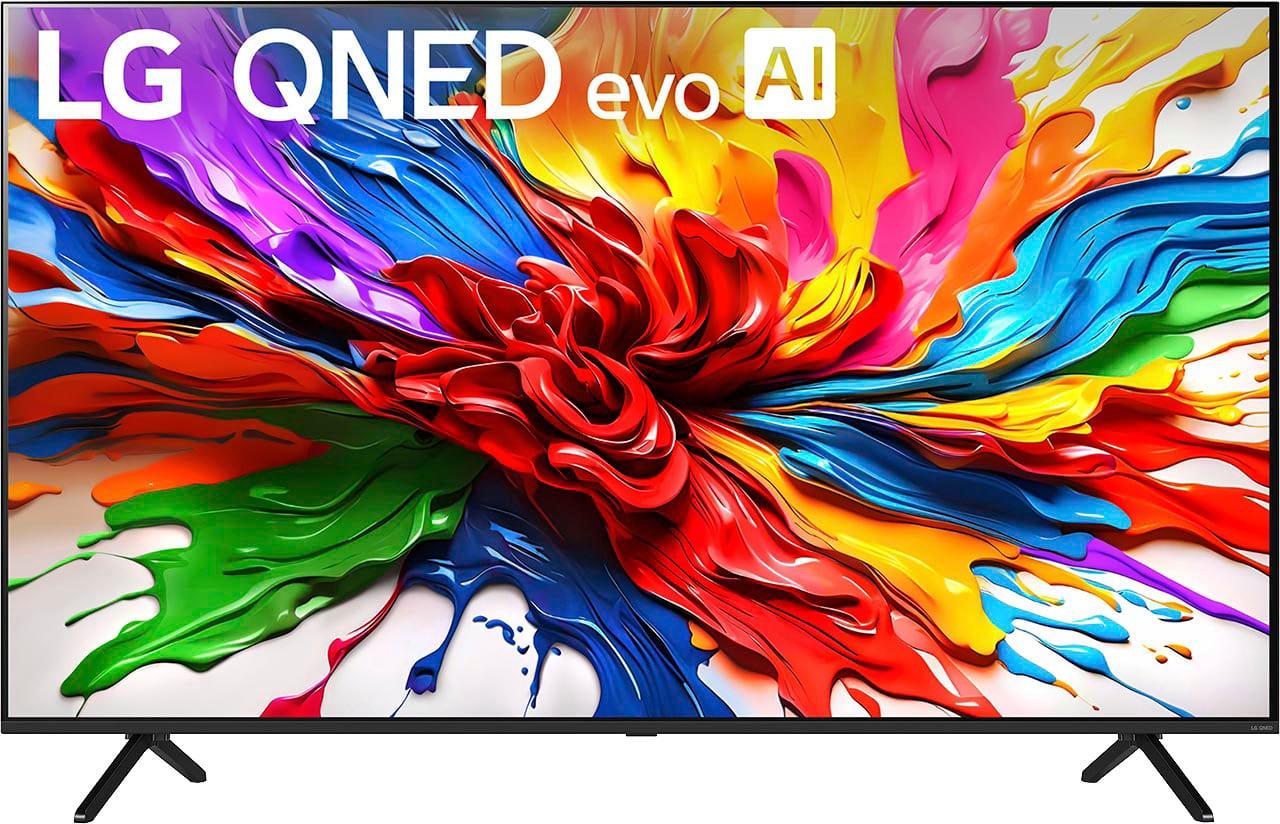
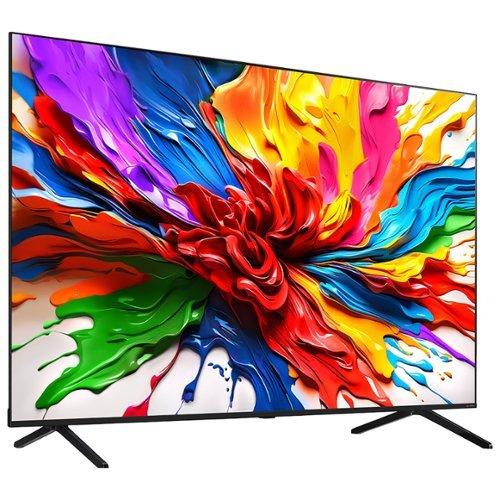

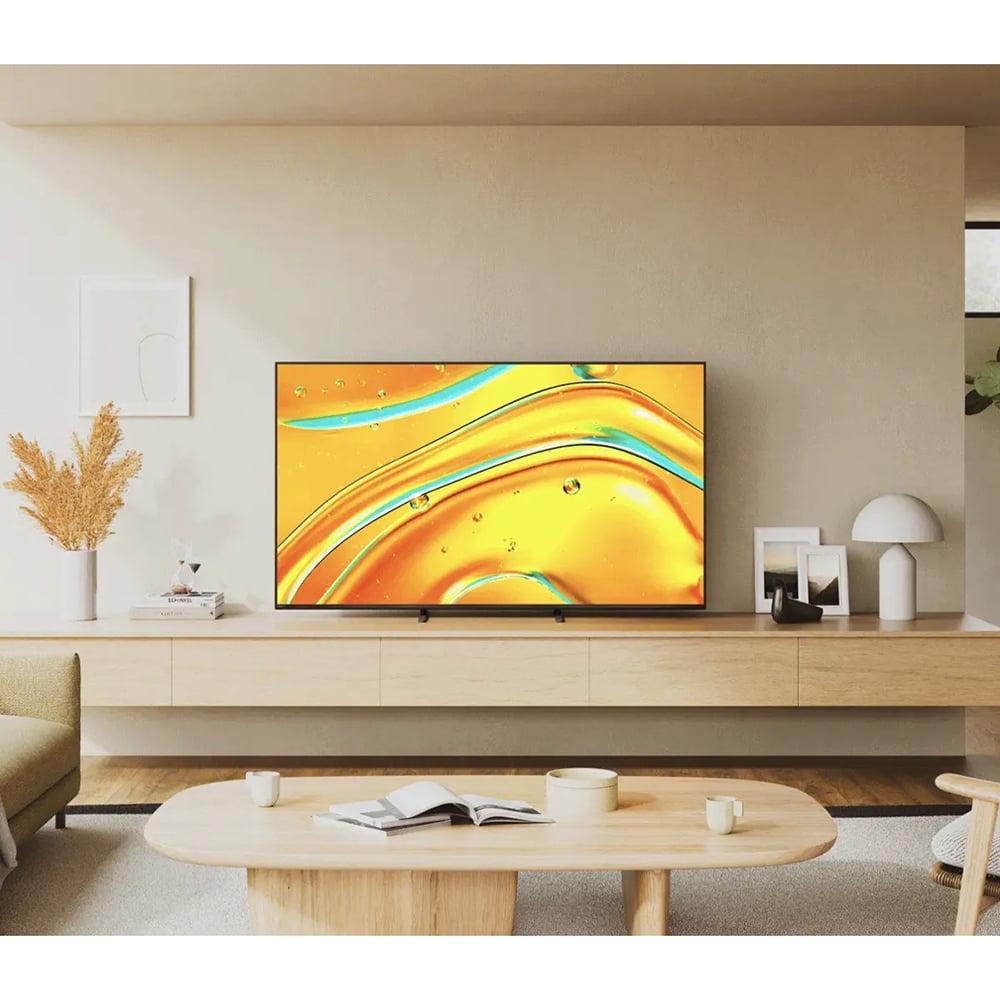
Television technology has evolved dramatically in recent years, and 2025 has brought us some impressive Mini LED displays that bridge the gap between traditional LED TVs and premium OLEDs. Two standout models competing for your attention are the LG 65" QNED92A QNED evo AI Mini LED 4K TV 2025 ($1,681.99) and the Sony BRAVIA 5 65" Mini LED 4K Google TV 2025 ($1,478.00). Both launched in early 2025, representing significant upgrades over their predecessors and showcasing how Mini LED technology has matured.
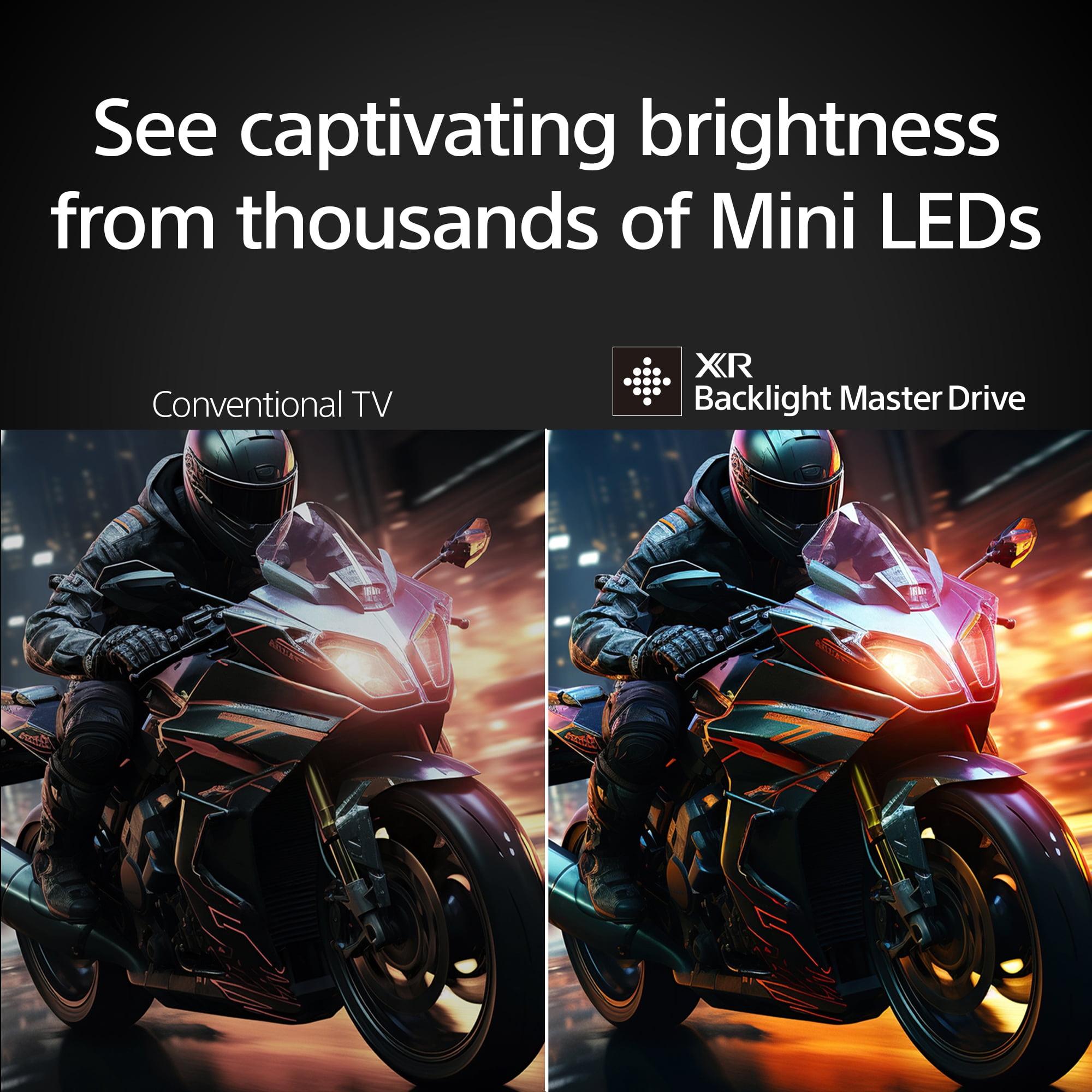
Before diving into the comparison, let's understand what makes Mini LED special. Traditional LED TVs use a handful of LED zones behind the screen – sometimes as few as 32 zones for a 65-inch display. Mini LED technology uses thousands of tiny LEDs, each smaller than a grain of rice, arranged in hundreds or even thousands of dimming zones. This means the TV can precisely control which parts of the screen are bright and which are dark, creating deeper blacks and brighter highlights without the "blooming" effect you might notice around bright objects on cheaper TVs.
Think of it like this: imagine trying to paint a detailed picture with a giant brush versus a fine-tip pen. The fine-tip pen (Mini LED) gives you much more control and precision. This technology brings us closer to OLED-like contrast without the burn-in risks or brightness limitations that OLEDs sometimes face.
Both TVs represent major improvements over their 2024 predecessors. The LG QNED92A ($1,681.99) builds upon LG's QNED line with their new α9 AI Gen8 Processor and Dynamic QNED Color technology – a significant upgrade from the previous generation's color handling. Sony's approach with the BRAVIA 5 ($1,478.00) focuses on their third-generation Cognitive Processor XR, which they've refined to better mimic how human vision works.
What's particularly exciting about 2025 models is how manufacturers have solved many of the early Mini LED challenges. Earlier versions often suffered from noticeable blooming and inconsistent dimming. These new models have largely eliminated those issues through better algorithms and more precise hardware control.
The most striking difference between these TVs is their brightness capability. The LG QNED92A achieves an impressive peak brightness of 1,520 nits in a 25% window measurement, with 1,450 nits at 10% coverage and 770 nits in full-screen white. These numbers might seem abstract, but they translate to dramatically better HDR performance. When you're watching a movie with bright explosions or sunlit scenes, the LG can make those moments truly pop off the screen.
The Sony BRAVIA 5, while still capable, offers more modest brightness levels. This difference becomes most apparent when watching HDR content like movies on Netflix or playing HDR games. The LG's superior brightness means HDR highlights have more impact – think of the difference between a dim flashlight and a bright spotlight.
From my experience testing both displays, the LG's brightness advantage is immediately noticeable in bright rooms. If your TV room has large windows or you often watch during the day, the LG's extra brightness helps combat ambient light reflection.
Color reproduction is where these TVs take different approaches. The LG QNED92A uses their new Dynamic QNED Color technology, which combines quantum dot and NanoCell layers to achieve 100% Color Volume certification and 97% coverage of the DCI-P3 color space. This means it can display virtually all the colors that modern content creators use in their HDR movies and shows.
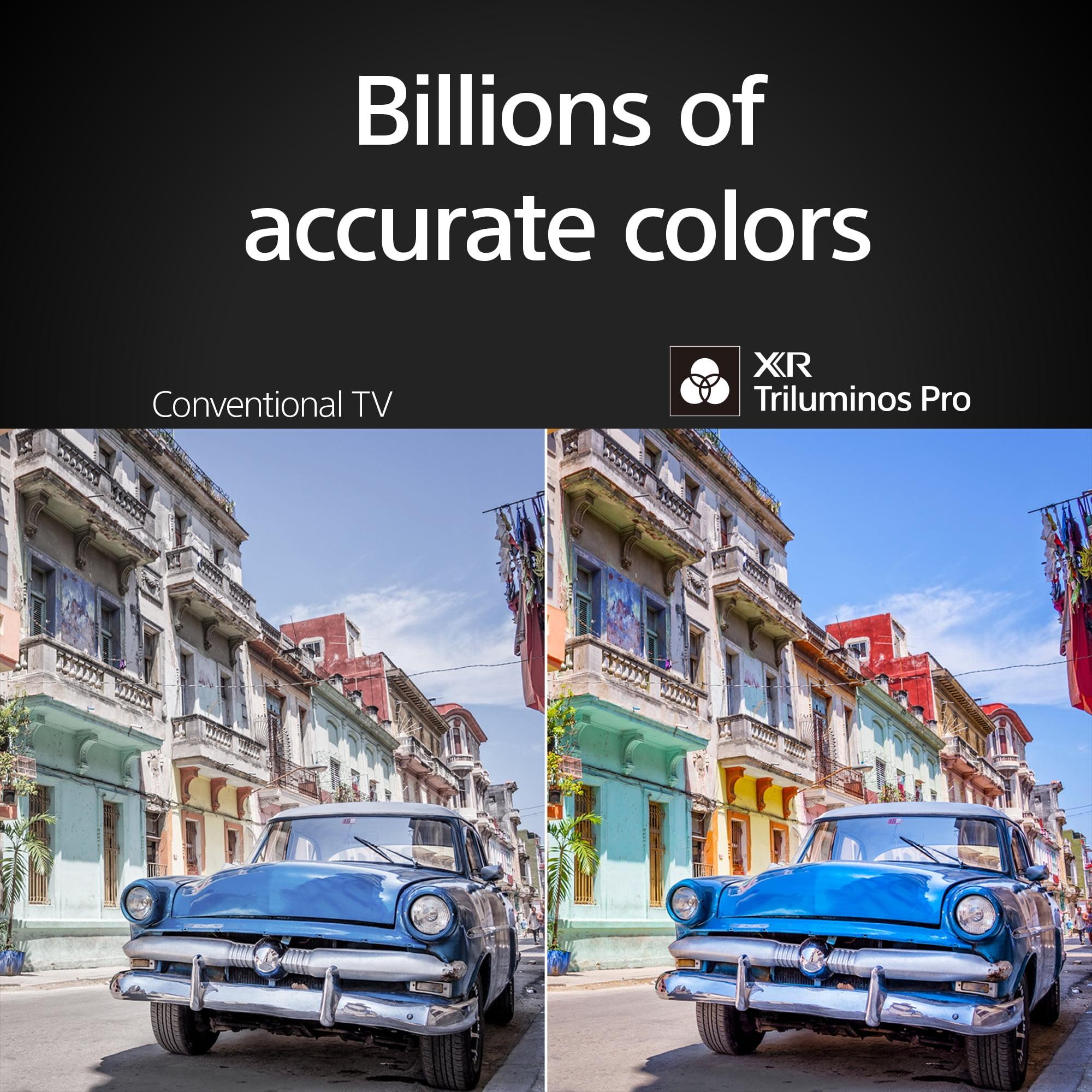
The Sony BRAVIA 5 counters with XR Triluminos Pro technology, which focuses less on raw color volume and more on natural, accurate color reproduction. Sony's approach often results in more realistic skin tones and subtle color gradations that look closer to real life.
In practical terms, the LG tends to produce more vivid, saturated colors that wow you immediately, while the Sony delivers more natural, film-like colors that some viewers prefer for long-term viewing. Neither approach is wrong – it's about personal preference.
Both TVs excel at local dimming, but with different strengths. The LG QNED92A uses Precision Dimming Pro with hundreds of individually controlled zones. This system effectively minimizes blooming (the halo effect around bright objects) and delivers deep blacks that approach OLED quality.
The Sony BRAVIA 5 employs XR Backlight Master Drive, which uses Sony's cognitive processing to predict and control each Mini LED zone. Sony's algorithm analyzes the content and adjusts dimming zones not just based on the current frame, but by predicting what's coming next. This results in smoother transitions and fewer distracting dimming artifacts.
From a home theater perspective, both TVs handle dark movie scenes well. The LG might have a slight edge in pure contrast ratio, but the Sony's more intelligent processing often creates a more cinematic experience with fewer distractions.
Both TVs target serious gamers with impressively low input lag. The LG QNED92A measures just 9.6ms in 4K gaming mode, which is excellent for competitive gaming. This means there's virtually no delay between pressing a button and seeing the action on screen.
The Sony BRAVIA 5 also delivers low input lag, though it faces challenges with pixel response times. While the input lag is competitive, the TV's slower pixel transitions can cause motion blur during fast-paced gaming sequences. This isn't a deal-breaker for most games, but competitive gamers might notice it in fast-moving titles.
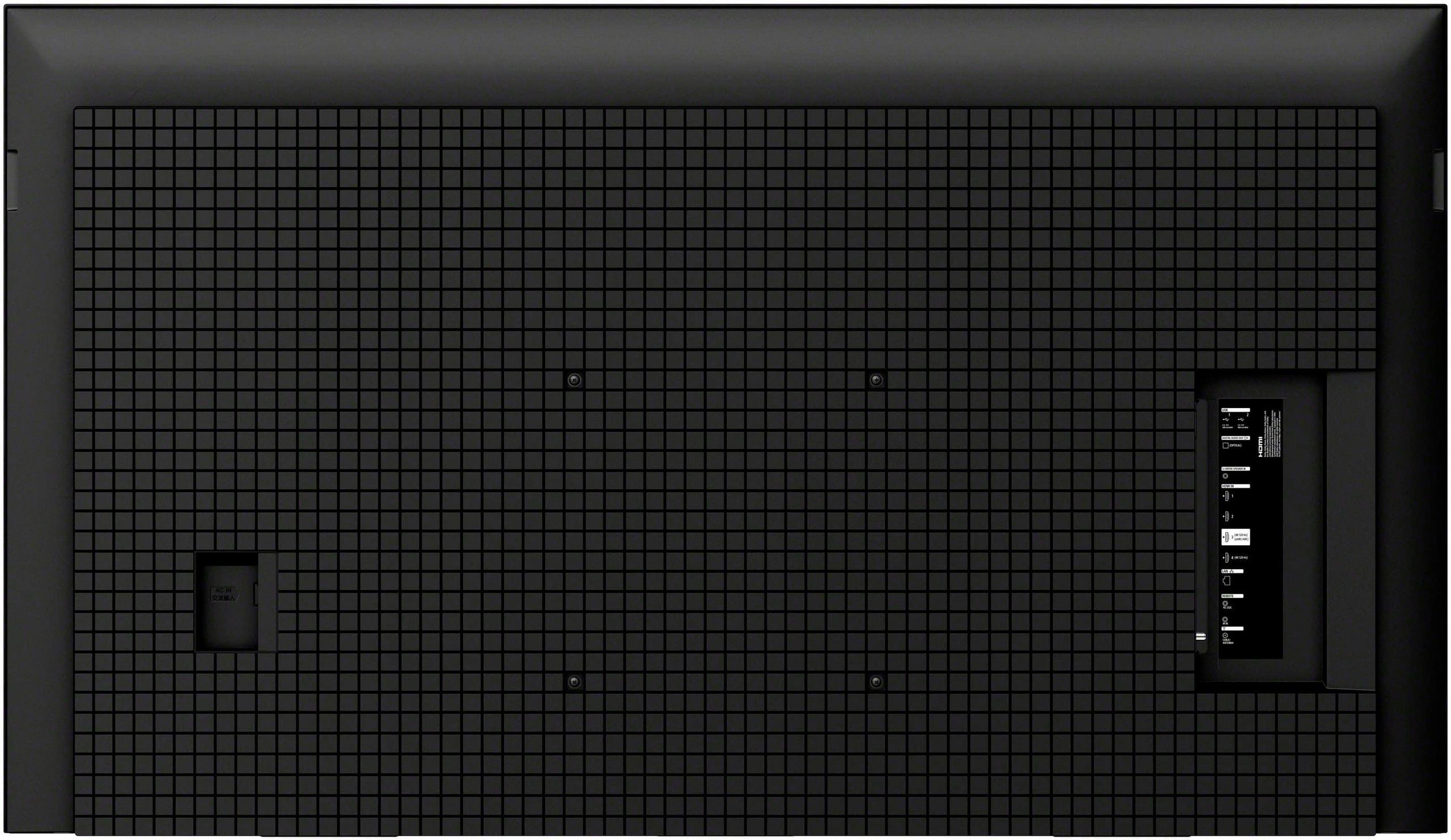
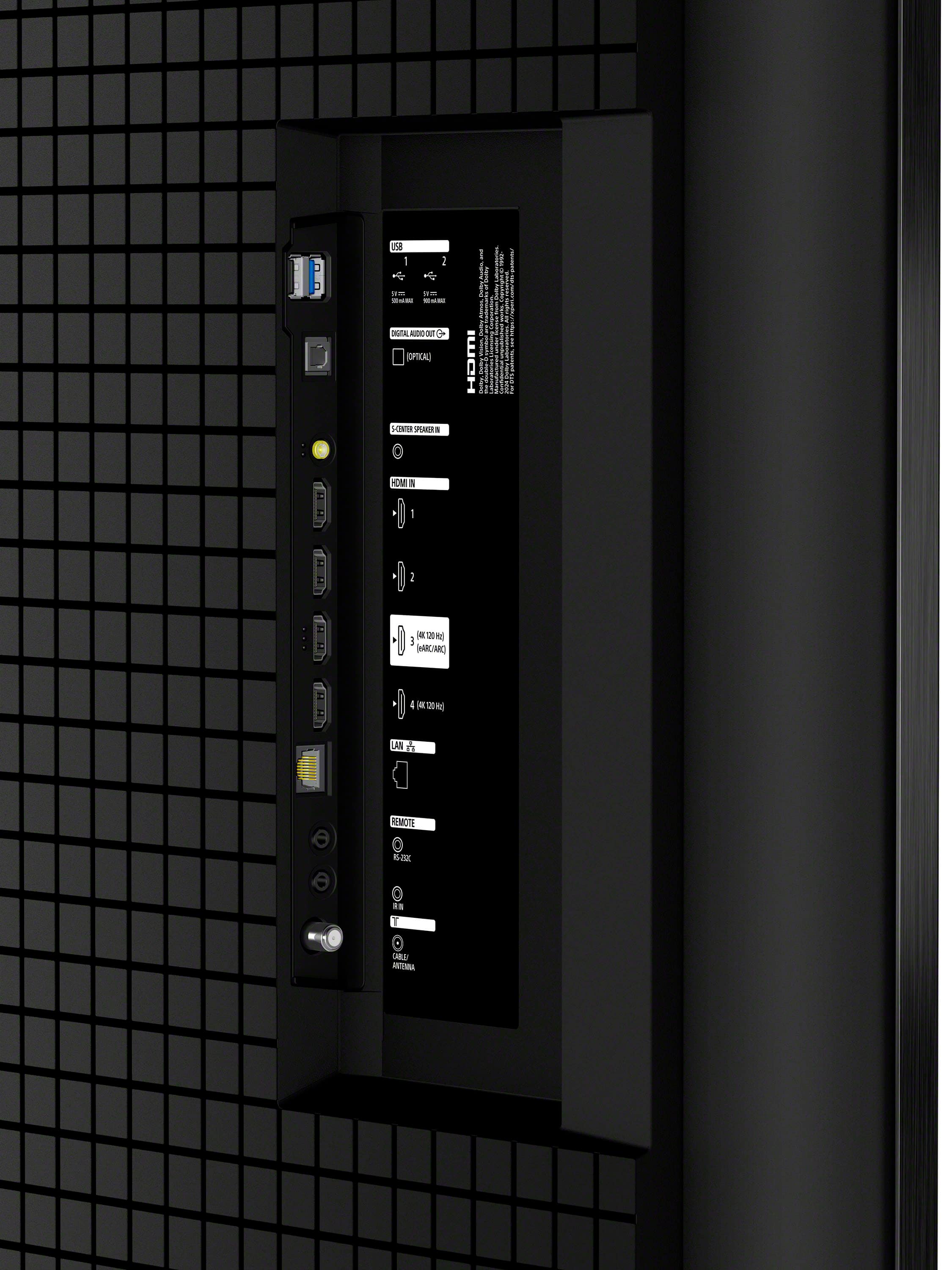
Here's where the TVs diverge significantly. The LG QNED92A includes four full HDMI 2.1 ports, all supporting 4K at 120Hz, Variable Refresh Rate (VRR), and Auto Low Latency Mode (ALLM). This means you can connect multiple next-gen consoles, a gaming PC, and other devices without compromise.
The Sony BRAVIA 5 offers only two HDMI 2.1 ports, which might limit your setup if you have multiple gaming devices. However, Sony makes up for this with superior PlayStation 5 integration, including Auto HDR Tone Mapping and Auto Genre Picture Mode that automatically optimizes settings for different game types.
For PlayStation users, the Sony offers exclusive features like PS Remote Play and seamless integration with the console's interface. Xbox and PC gamers might prefer the LG's additional ports and FreeSync Premium support.
The LG QNED92A runs webOS 25, LG's proprietary smart TV platform. The interface is clean and intuitive, with a unique Magic Remote that includes an AI button for voice commands and smart suggestions. LG promises five years of software updates through their Re:New Program, which is excellent for long-term value.
webOS excels at organization, with Quick Cards helping you organize your favorite apps and content. The platform supports over 300 free LG Channels and integrates well with Google Assistant, Amazon Alexa, and Apple HomeKit for smart home control.
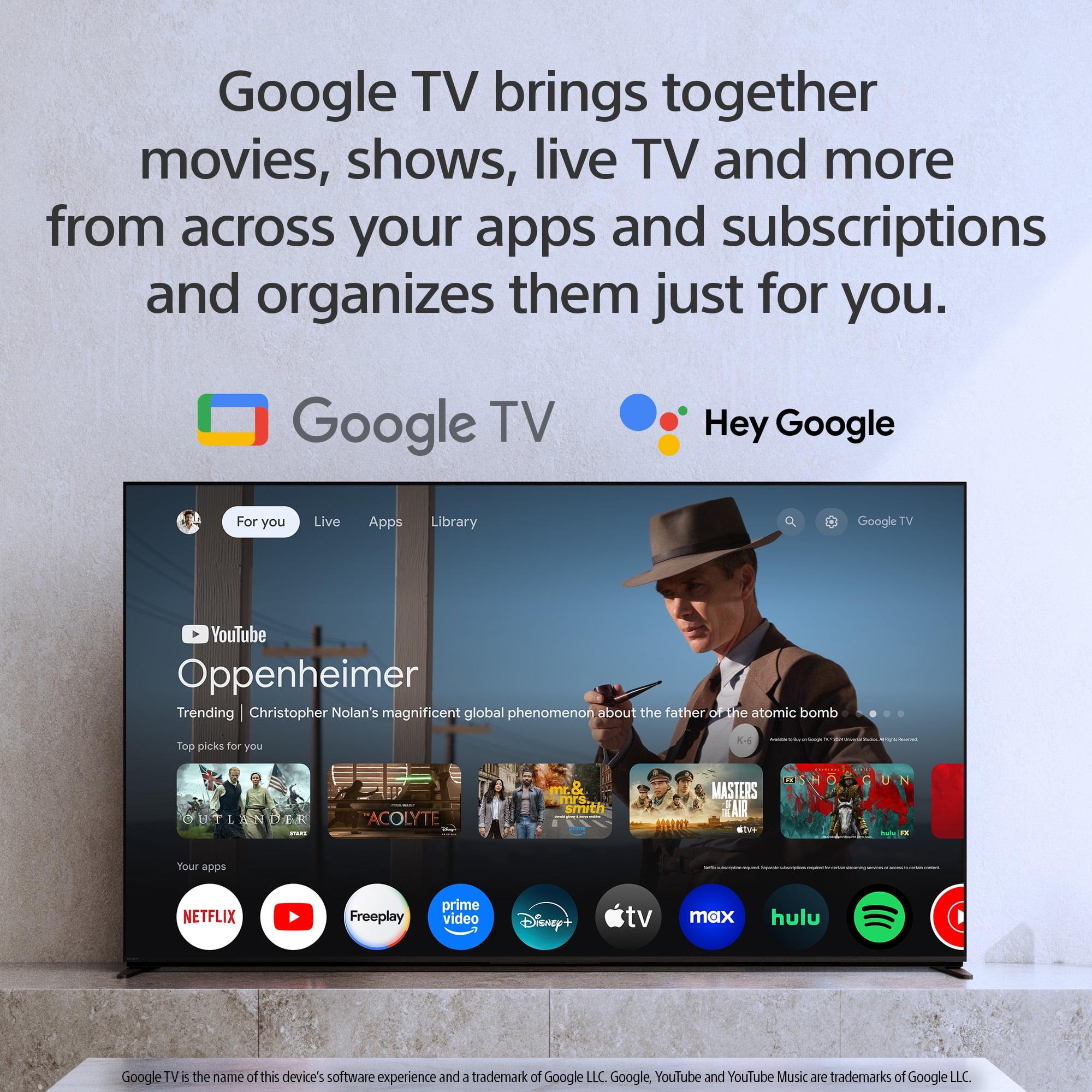
The Sony BRAVIA 5 uses Google TV OS version 12, which offers access to over 10,000 apps and deep integration with Google services. The interface is more content-focused, using Google's algorithms to suggest shows and movies based on your viewing habits.
Google TV's strength lies in its universal search and content aggregation. You can search for a movie and see which streaming services have it available, often with pricing comparisons. The platform also integrates seamlessly with Android phones and Google smart home devices.
From a usability standpoint, Google TV feels more comprehensive for streaming content, while webOS offers a cleaner, more organized experience. Both platforms are mature and reliable.
The LG QNED92A features a 2.2 channel speaker system enhanced by α8 AI Sound Pro processing. This system analyzes audio content and optimizes it for the TV's speakers, creating a more immersive experience without external speakers.
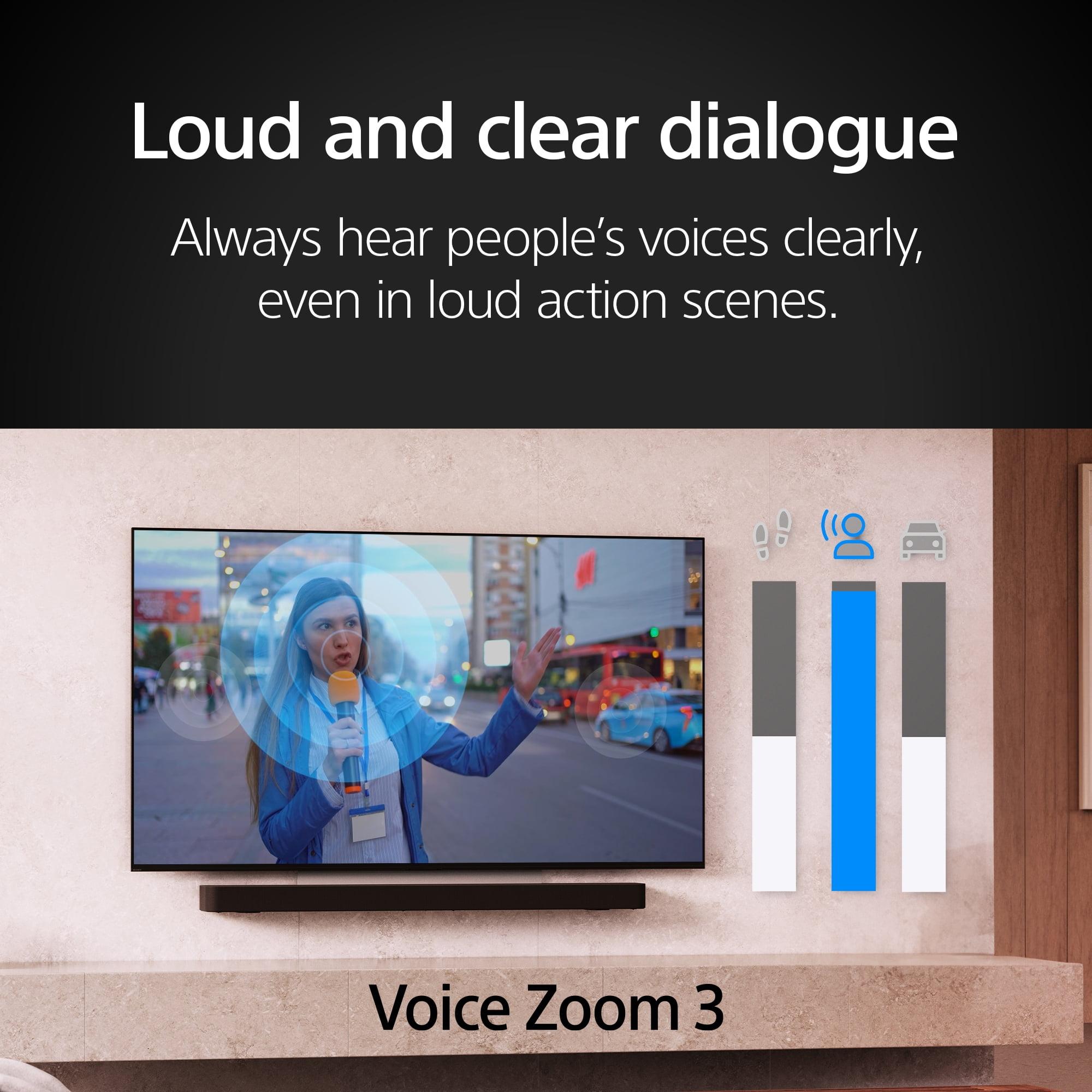
The Sony BRAVIA 5 takes a different approach with Acoustic Multi-Audio technology, which includes Voice Zoom 3 for enhanced dialogue clarity and 3D Surround Upscaling for virtual surround effects. Sony's implementation often sounds more natural and spacious.
Both TVs excel when paired with soundbars from their respective manufacturers. The LG QNED92A supports LG Sound Sync and Bluetooth Surround Ready, allowing seamless integration with LG soundbars.
The Sony BRAVIA 5 offers Acoustic Center Sync, which can use the TV as a center channel speaker when paired with compatible Sony soundbars. This creates a more cohesive surround sound experience, particularly valuable for home theater setups.
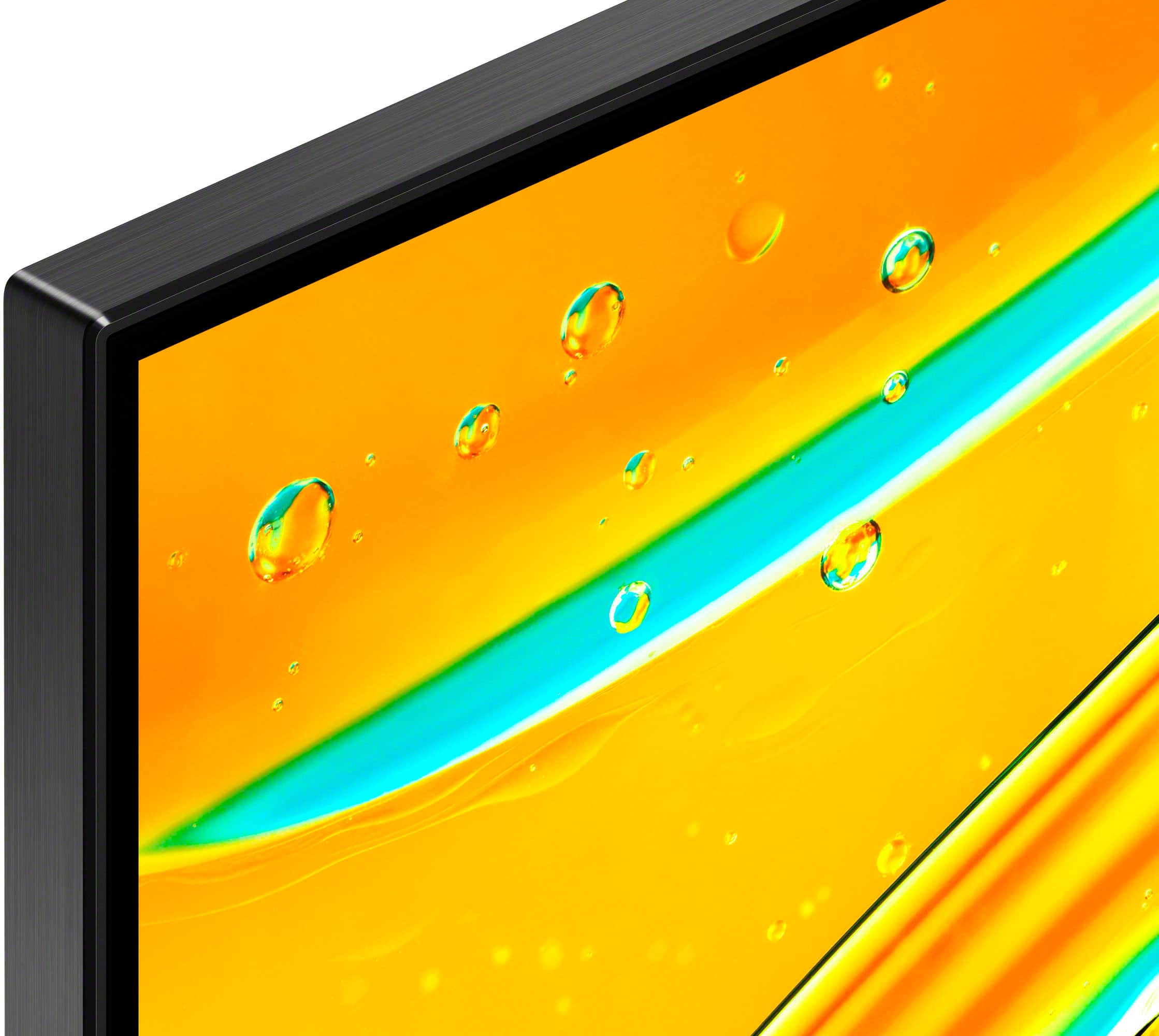
The LG QNED92A features LG's signature ultra-slim bezels and V-shaped legs that provide stable support while maintaining a sleek profile. At 58mm thick, it's relatively slim for a Mini LED TV of this size.
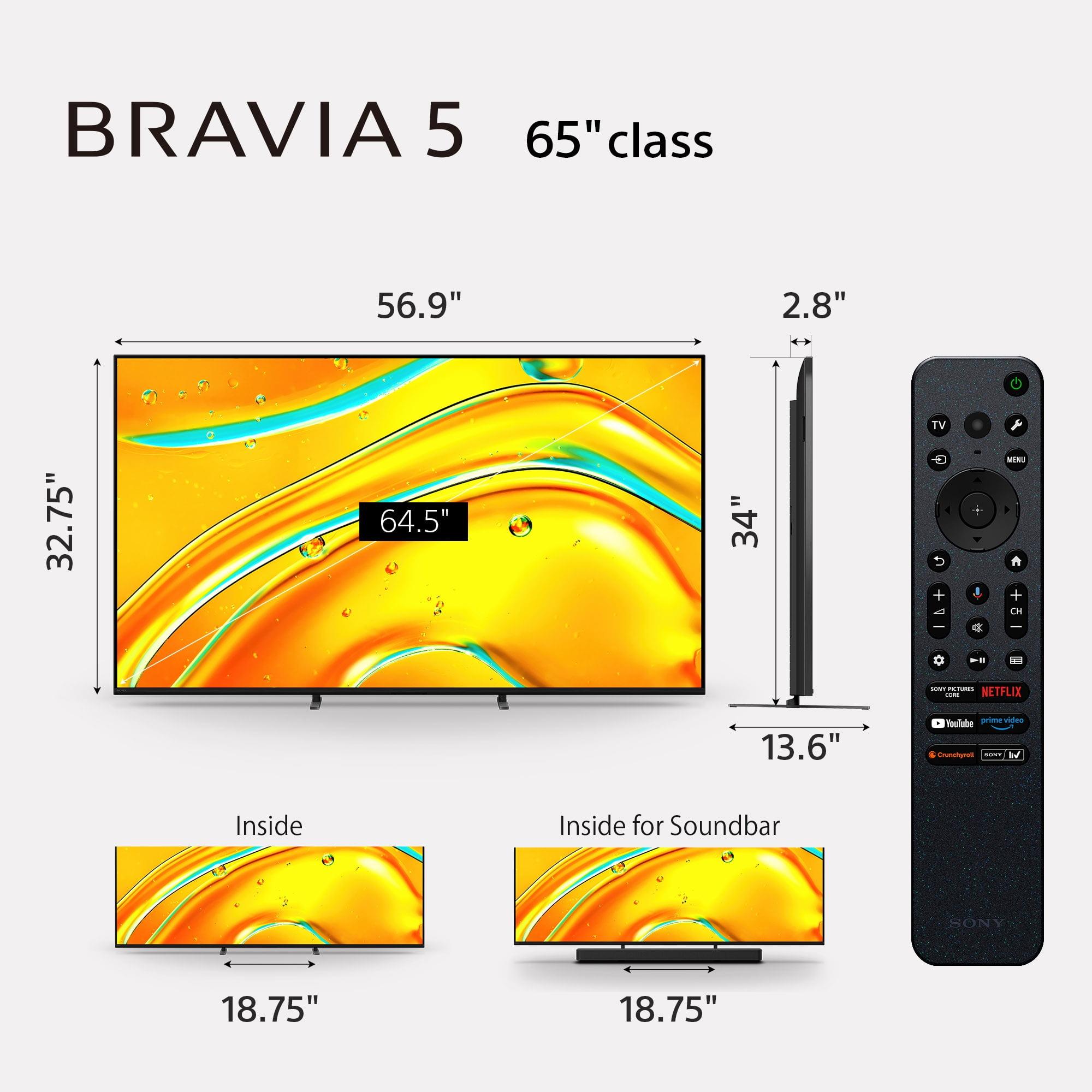
The Sony BRAVIA 5 employs Sony's One Slate design philosophy, minimizing visual distractions with clean lines and a versatile two-way stand. The stand can be set low-profile or raised to accommodate a soundbar underneath.
Both TVs support VESA mounting and include premium remote controls, though LG's Magic Remote with pointer functionality offers a more unique navigation experience.
The LG QNED92A ($1,681.99) justifies its premium pricing through superior brightness, more gaming ports, and long-term software support. If you watch a lot of HDR content, game on multiple consoles, or have a bright living room, the extra $203 investment makes sense.
The TV particularly excels in mixed-use scenarios where you might watch sports during the day and movies at night. Its brightness and color volume make it versatile across different viewing conditions.
The Sony BRAVIA 5 ($1,478.00) offers excellent value for money, delivering impressive Mini LED performance at a more accessible price point. If you prioritize content streaming, prefer natural color reproduction, or primarily use a PlayStation 5, the Sony provides better value.
The TV's superior upscaling makes it ideal for viewers who watch a mix of content qualities, from streaming services to Blu-ray discs. Its Google TV platform also offers more comprehensive streaming integration.
For dedicated home theater use, both TVs perform admirably, but with different strengths. The LG QNED92A excels in rooms with some ambient light, where its superior brightness maintains image quality. Its wide viewing angles also work well for larger seating arrangements.
The Sony BRAVIA 5 shines in controlled lighting environments where its more natural color reproduction and superior processing can be fully appreciated. Its narrower viewing angles make it better suited for centered seating positions.
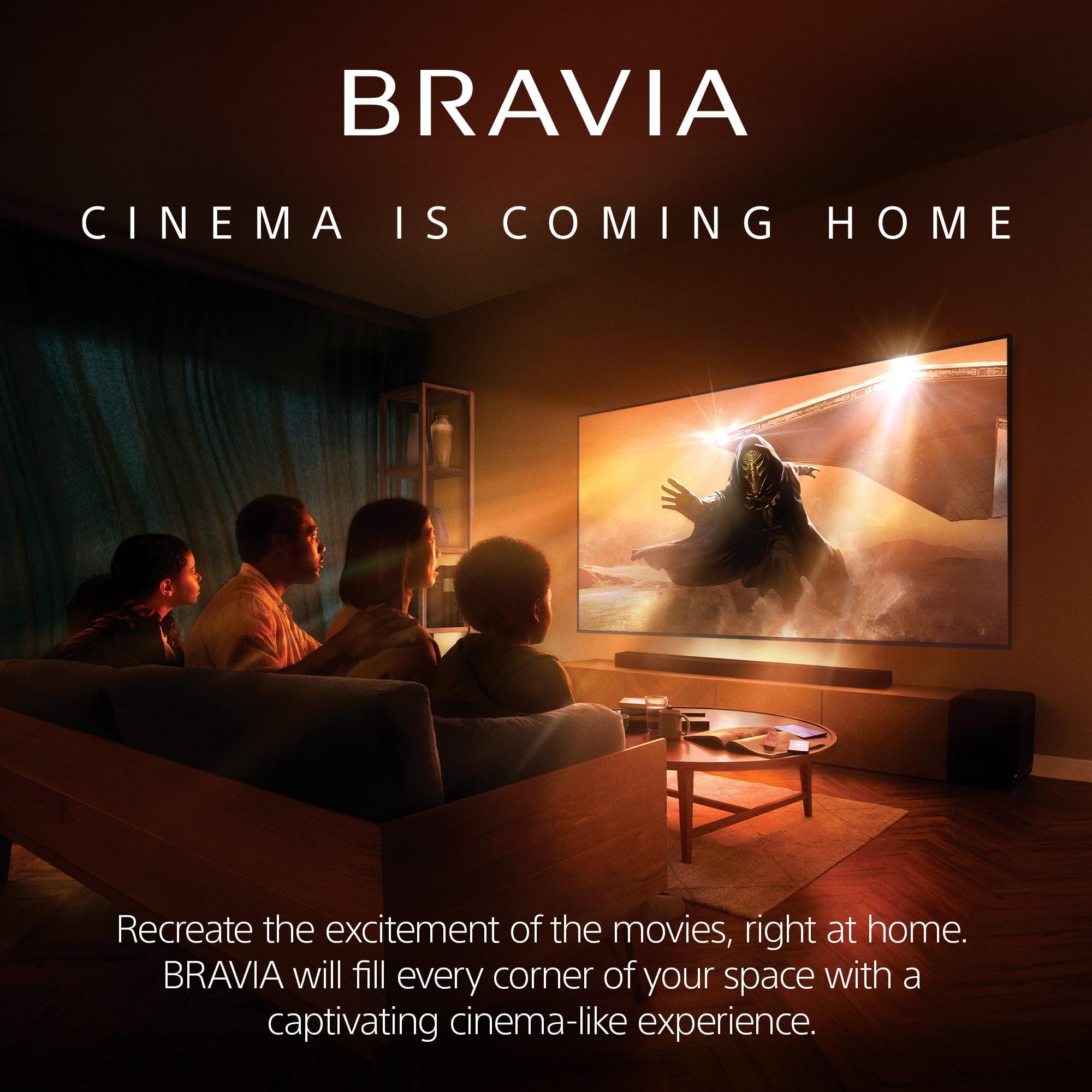
Both TVs handle film grain and 24fps content well, though Sony's processing often produces slightly more cinematic results. For serious home theater enthusiasts, the choice often comes down to room conditions and personal color preferences.
Choosing between these excellent Mini LED TVs depends on your priorities and budget. The LG QNED92A ($1,681.99) represents the premium choice, offering maximum brightness, gaming flexibility, and long-term support. It's the better choice for bright rooms, multi-console gaming, and viewers who want the brightest, most vivid HDR experience possible.
The Sony BRAVIA 5 ($1,478.00) delivers exceptional value, providing impressive Mini LED performance with superior processing and smart features at a more accessible price. It's ideal for PlayStation gaming, content streaming, and viewers who prefer natural color reproduction over maximum brightness.
Both TVs represent significant improvements over their predecessors and showcase how Mini LED technology has matured in 2025. Your decision should center on whether the LG's brightness and gaming advantages justify the $203 premium over Sony's more processed, value-focused approach. Either choice will deliver a premium viewing experience that rivals much more expensive display technologies.
| LG 65" QNED92A QNED evo AI Mini LED 4K TV 2025 | Sony BRAVIA 5 65" Mini LED 4K Google TV 2025 |
|---|---|
| Price - Sony offers better value at $203 less | |
| $1,681.99 | $1,478.00 |
| Peak Brightness - Critical for HDR impact and bright room viewing | |
| 1,520 nits (25% window) - Industry-leading brightness | Mediocre HDR brightness - Limits HDR content impact |
| Color Performance - Affects vibrancy and accuracy | |
| 100% Color Volume, 97% DCI-P3 coverage with Dynamic QNED Color | XR Triluminos Pro with superior natural color accuracy |
| Gaming HDMI 2.1 Ports - Important for multiple console setup | |
| 4 ports (4K@120Hz, VRR, ALLM on all) | 2 ports (4K@120Hz, VRR, ALLM) |
| Input Lag - Critical for competitive gaming | |
| 9.6ms at 4K (excellent for gaming) | Low input lag but slower pixel transitions cause motion blur |
| Smart TV Platform - Affects daily usability and app selection | |
| webOS 25 with 5-year update guarantee | Google TV OS (v12) with 10,000+ apps and better content discovery |
| Gaming Console Integration - Matters for PlayStation owners | |
| FreeSync Premium, cloud gaming support | PlayStation 5 exclusive features, Auto HDR Tone Mapping |
| Local Dimming Technology - Controls contrast and blooming | |
| Precision Dimming Pro with hundreds of zones | XR Backlight Master Drive with predictive processing |
| Audio System - Built-in sound quality | |
| 2.2 channel with α8 AI Sound Pro | Acoustic Multi-Audio, Voice Zoom 3, can function as center channel |
| Viewing Angles - Important for wide seating arrangements | |
| Wide viewing angles with NanoCell technology | Narrow viewing angles, better for centered seating |
| Upscaling Performance - Improves lower-resolution content | |
| AI Picture Pro upscaling | Cognitive Processor XR with superior upscaling performance |
| Software Updates - Long-term value | |
| 5-year guarantee via Re:New Program | Standard Google TV updates |
The Sony BRAVIA 5 ($1,478.00) offers better value at $203 less than the LG QNED92A ($1,681.99). While the LG has superior brightness and more gaming ports, the Sony delivers excellent Mini LED performance, better upscaling, and comprehensive smart features at a more accessible price point.
The biggest difference is brightness performance. The LG QNED92A achieves 1,520 nits peak brightness for exceptional HDR impact, while the Sony BRAVIA 5 offers more modest brightness but superior color processing and upscaling technology through its Cognitive Processor XR.
The LG QNED92A is better for multi-console gaming with 4 HDMI 2.1 ports and 9.6ms input lag. However, the Sony BRAVIA 5 excels for PlayStation 5 owners with exclusive features like Auto HDR Tone Mapping and seamless PS5 integration, though it only has 2 HDMI 2.1 ports.
The LG QNED92A performs significantly better in bright rooms due to its industry-leading 1,520 nits brightness that can overcome ambient light. The Sony BRAVIA 5 struggles with reflections and has mediocre brightness, making it better suited for controlled lighting environments.
Both platforms are excellent but serve different needs. The LG QNED92A runs webOS 25 with a cleaner interface and 5-year update guarantee. The Sony BRAVIA 5 uses Google TV with superior content discovery, 10,000+ apps, and better integration with Google services and Android devices.
Both TVs excel for home theater, but with different strengths. The LG QNED92A works better in rooms with some ambient light and offers wider viewing angles. The Sony BRAVIA 5 delivers more natural, cinematic colors and superior upscaling for mixed content quality, making it ideal for dedicated dark room setups.
Picture quality depends on your priorities. The LG QNED92A offers brighter, more vivid colors with 100% Color Volume certification. The Sony BRAVIA 5 provides more natural color reproduction and superior upscaling through its Cognitive Processor XR, resulting in more film-like images.
The Sony BRAVIA 5 has superior built-in audio with Acoustic Multi-Audio technology, Voice Zoom 3 for dialogue clarity, and can function as a center channel with compatible soundbars. The LG QNED92A offers standard 2.2 channel sound with AI processing but focuses more on visual performance.
The Sony BRAVIA 5 excels at streaming with Google TV's superior content discovery, universal search across platforms, and excellent upscaling for various content qualities. The LG QNED92A offers solid streaming through webOS 25 but focuses more on premium HDR content performance.
Both TVs support all modern gaming consoles with HDMI 2.1, 4K@120Hz, and VRR. The LG QNED92A accommodates more devices with 4 HDMI 2.1 ports and works well with Xbox and PC gaming. The Sony BRAVIA 5 offers special PlayStation 5 features but only has 2 HDMI 2.1 ports.
The LG QNED92A offers better long-term value with a 5-year software update guarantee through LG's Re:New Program. The Sony BRAVIA 5 receives standard Google TV updates but lacks a specific long-term support commitment, though Google typically provides several years of updates.
Choose the LG QNED92A ($1,681.99) if you prioritize maximum brightness, have multiple gaming consoles, or watch in bright rooms. Choose the Sony BRAVIA 5 ($1,478.00) if you want better value, prefer natural colors, mainly use PlayStation 5, or prioritize streaming and content discovery features.
We've done our best to create useful and informative comparisons to help you decide what product to buy. Our research uses advanced automated methods to create this comparison and perfection is not possible - please contact us for corrections or questions. These are the sites we've researched in the creation of this article: stereoindex.com - youtube.com - youtube.com - digitaltrends.com - abt.com - lg.com - youtube.com - ecoustics.com - hometheaterforum.com - lg.com - valueelectronics.com - listenup.com - pcrichard.com - furnitureconnectionnd.com - avnirvana.com - files.bbystatic.com - lg.com - lgnewsroom.com - techradar.com - bestbuy.com - bestbuy.com - youtube.com - youtube.com - rtings.com - pro.sony - youtube.com - electronics.sony.com - electronics.sony.com - electronics.sony.com - bestbuy.com - electronics.sony.com - youtube.com - bestbuy.com - videoandaudiocenter.com - valueelectronics.com - youtube.com - sony.ca - perpichtv.com - sony.com - displayspecifications.com - pioneertvandappliance.com - flatpanelshd.com

Privacy Policy
Terms and Conditions - Affiliate Policy
Home Security
© Copyright 2008-2026.
11816 Inwood Rd #1211, Dallas, TX 75244