



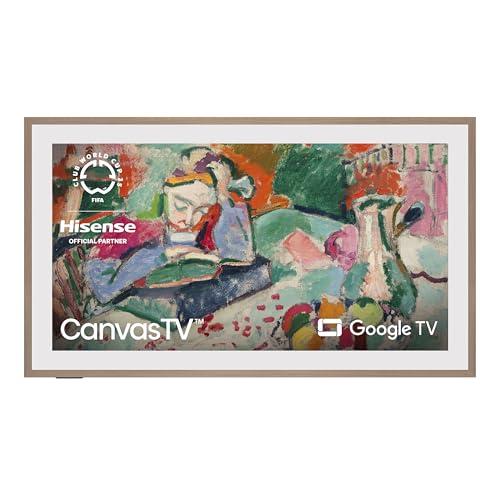

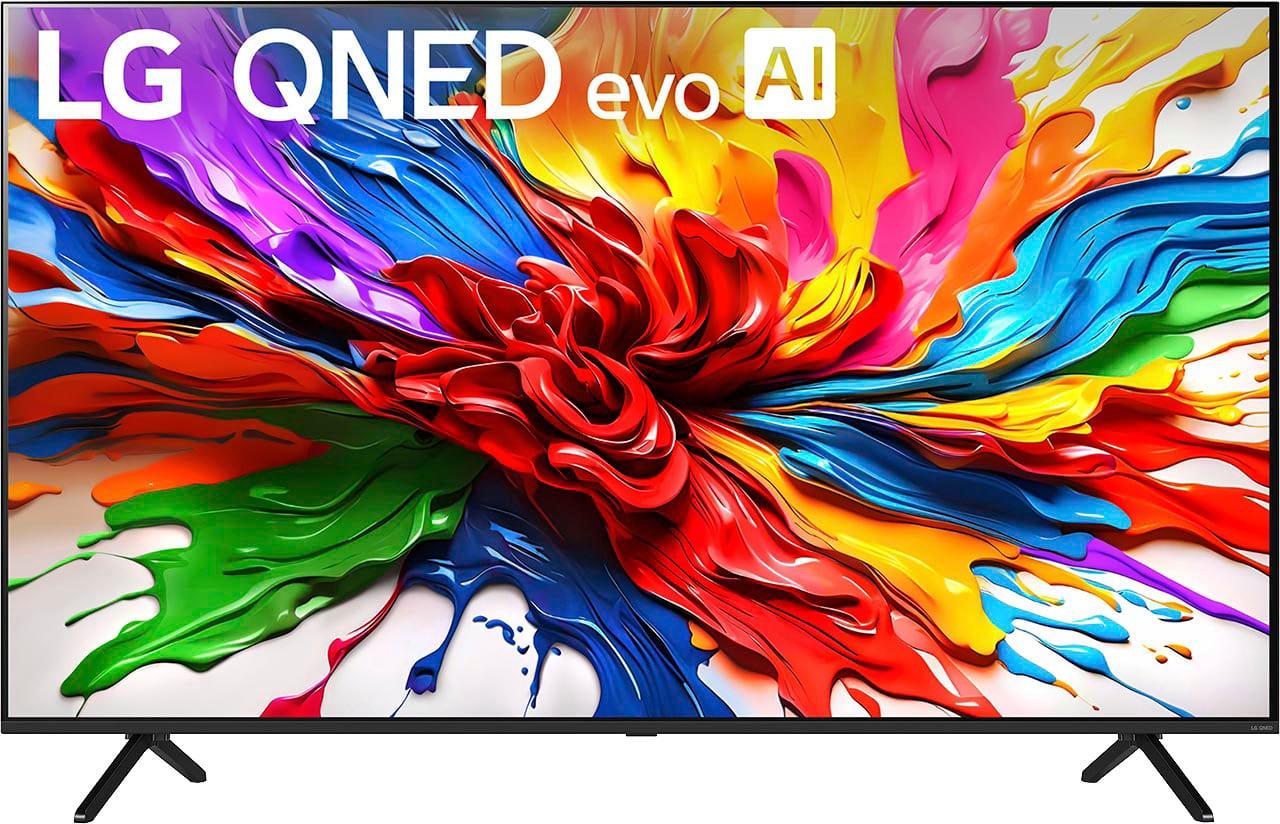
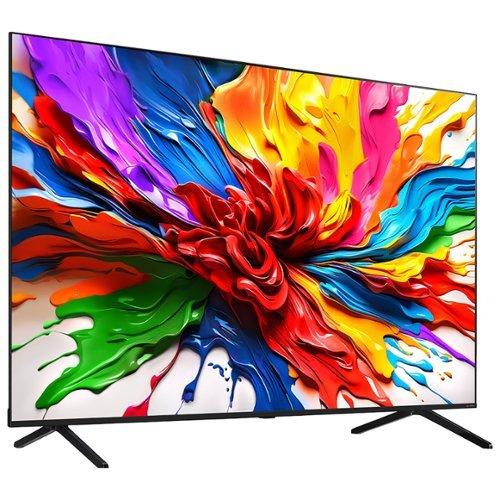
When shopping for a premium 65-inch 4K TV in 2025, you'll encounter two dramatically different philosophies. The Hisense 65" S7N CanvasTV asks: "What if your TV could disappear into your wall as artwork?" Meanwhile, the LG 65" QNED92A responds: "What if we maximized every aspect of picture and gaming performance?" At the time of writing, these TVs are separated by roughly $500, but that price gap represents fundamentally different approaches to what a premium TV should accomplish.
Both TVs launched in 2025, arriving during a fascinating period in TV technology. Mini LED backlighting has matured significantly, offering OLED-like contrast without burn-in risks. Quantum Dot color technology has become more affordable and effective. Gaming features have evolved beyond simple "game mode" settings to comprehensive ecosystems supporting 120Hz+ gaming. Most importantly, TVs have started competing on lifestyle integration—not just picture quality.
Before diving into specifics, it's worth understanding what makes a TV "premium" in 2025. Gone are the days when size and resolution determined quality. Modern premium TVs must excel across multiple dimensions: HDR performance (how well they display the expanded contrast and colors in modern content), gaming capabilities (supporting next-generation consoles and PCs), smart platform experience, and increasingly, how they integrate into your living space.
The most important performance characteristics have shifted dramatically. Peak brightness—measured in "nits"—determines how punchy HDR content appears, especially in bright rooms. Local dimming zones control how precisely a TV can darken specific screen areas while keeping others bright, directly impacting contrast. Color gamut coverage shows how much of the visible color spectrum a TV can reproduce. Input lag, measured in milliseconds, determines gaming responsiveness.
The LG QNED92A represents the current pinnacle of Mini LED technology. Mini LEDs are thousands of tiny backlights—much smaller than traditional LEDs—that can be controlled in hundreds of individual zones. Think of it like having hundreds of tiny flashlights behind your screen that can dim or brighten independently. This creates deeper blacks and brighter highlights simultaneously, approaching OLED performance while maintaining LCD's brightness advantages.
LG's implementation achieves remarkable results: peak brightness reaches 1,520 nits in small areas, with impressive full-screen brightness of 770 nits. For context, most standard TVs peak around 300-500 nits, while premium HDR content is mastered at 1,000-4,000 nits. The QNED92A's hundreds of dimming zones mean bright explosions can coexist with dark space scenes without the typical "blooming" effect where bright objects create halos in dark areas.
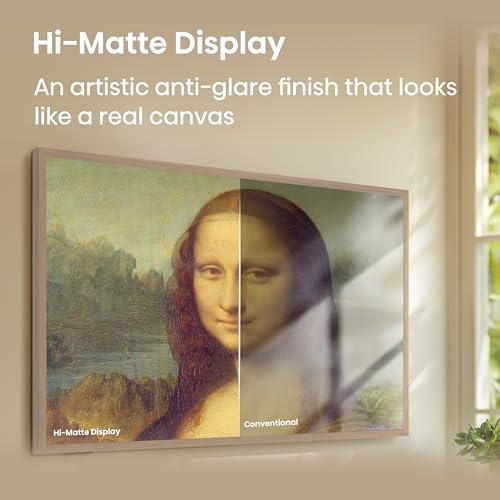
The Hisense S7N CanvasTV takes a completely different approach with its Hi-Matte display technology. Instead of maximizing brightness, Hisense focused on eliminating reflections—reducing them to just 5% compared to typical TVs. This might sound minor, but anyone who's tried watching TV with sunlight streaming through windows understands the frustration of seeing your own reflection instead of the movie.
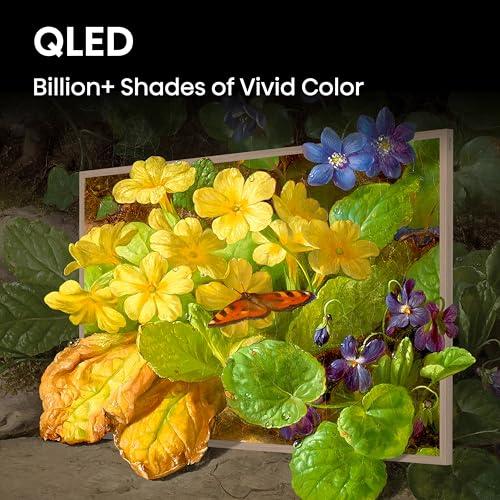
This anti-glare coating creates a matte texture that mimics real paintings when displaying artwork. The QLED Quantum Dot technology still delivers vibrant colors, but the emphasis shifts from laboratory-perfect performance to real-world usability in bright rooms.
Gaming capabilities reveal another key difference between these approaches. The Hisense CanvasTV offers a native 144Hz refresh rate—meaning it can display 144 individual frames per second. This higher refresh rate primarily benefits PC gamers with powerful graphics cards, as most console games target 60-120 frames per second.
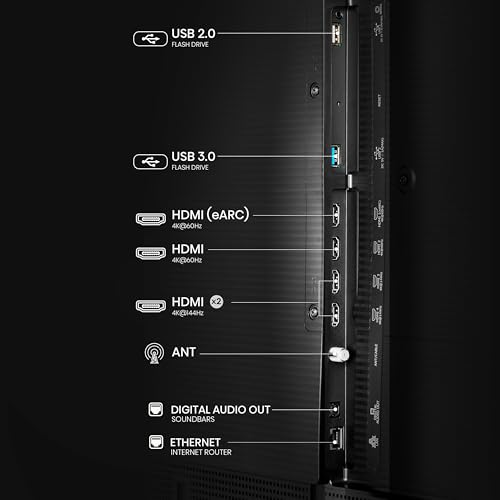
However, the LG QNED92A delivers a more comprehensive gaming package. While its native 120Hz refresh rate is slightly lower, it can reach 144Hz when Variable Refresh Rate (VRR) is active. More importantly, all four HDMI ports support HDMI 2.1—the latest standard enabling 4K gaming at 120Hz with advanced features like VRR, which synchronizes the TV's refresh rate with your gaming device's frame output to eliminate screen tearing.
Input lag measurements tell the gaming story clearly. The LG achieves just 9.6 milliseconds of delay between controller input and on-screen response—essentially imperceptible. Professional esports players typically demand under 20ms, making this exceptional. The Hisense doesn't publish specific input lag figures, though its Game Mode Pro suggests decent gaming optimization.
LG's Game Optimizer suite goes beyond basic settings, offering cloud gaming integration with GeForce NOW and Xbox Cloud Gaming. This means you can play AAA games directly through the TV without a console or PC—a genuinely useful feature that's becoming more relevant as internet speeds improve.
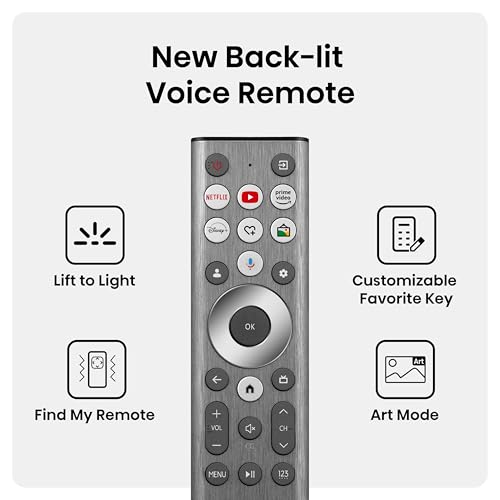
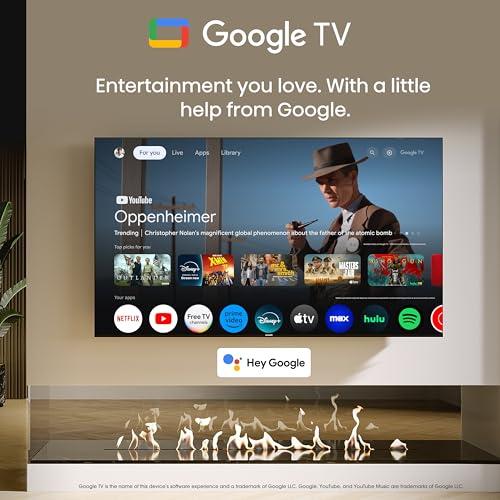
The software experience differs significantly between these TVs. The Hisense CanvasTV runs Google TV, which has evolved considerably since its earlier Android TV iterations. The interface feels responsive and clean, with excellent integration for Google services and comprehensive app support. Voice control through Google Assistant works reliably, and the platform receives regular updates.
The LG QNED92A runs webOS 25, widely considered the gold standard for TV operating systems. webOS feels more polished and intuitive than most competitors, with smooth animations and logical menu structures. More importantly, LG guarantees five years of software updates through their Re:New Program—a significant advantage for long-term ownership.
This software support commitment matters more than many realize. TVs typically last 7-10 years, but app compatibility and security updates often lag after 3-4 years. LG's guarantee provides confidence that your TV won't become obsolete prematurely.
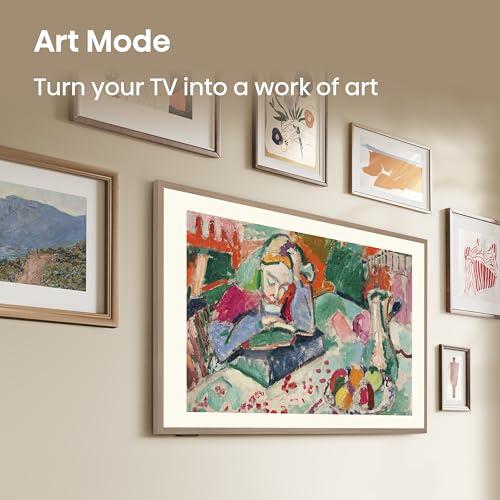
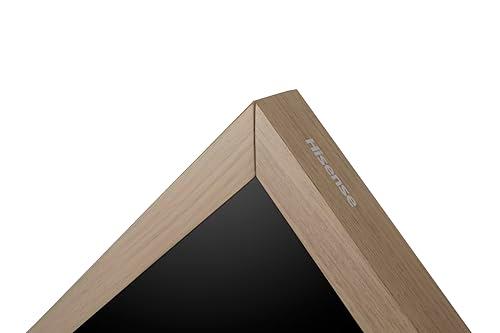
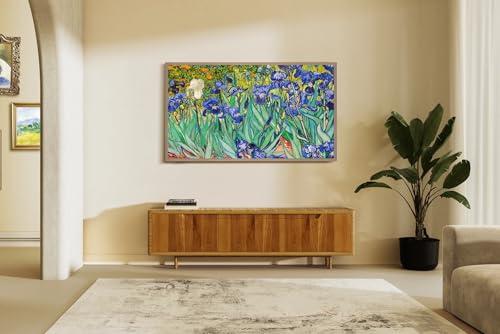
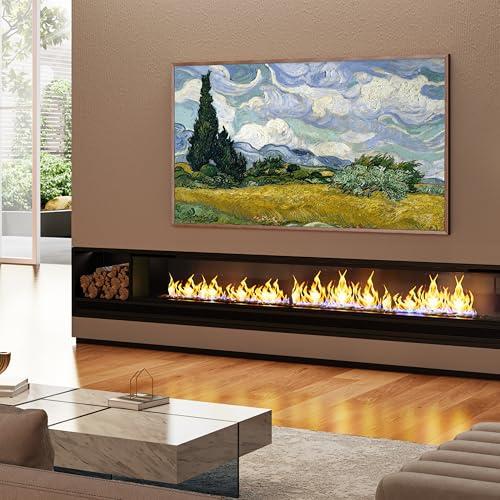
The Hisense S7N's standout feature transforms how we think about TV design. Art Mode displays curated artwork or personal photos when the TV isn't actively being used, effectively turning your wall into a gallery. The magnetic frame system—starting with teak, with white and walnut options available separately—lets you customize the TV's appearance to match your decor.
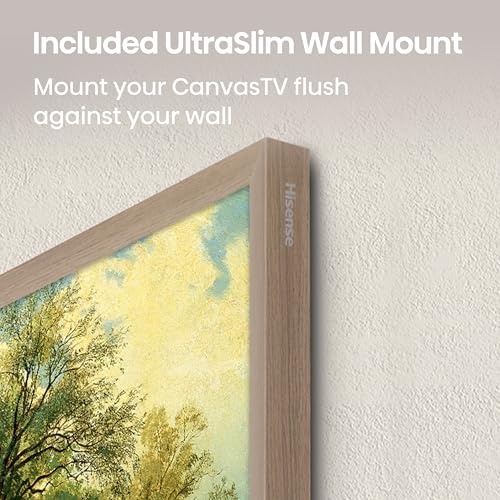
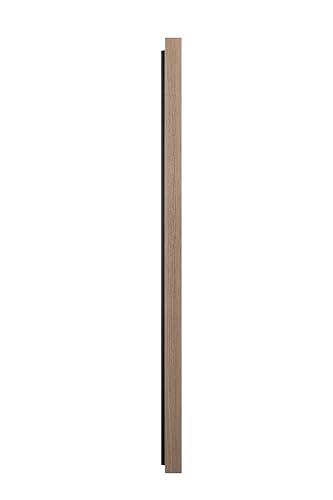
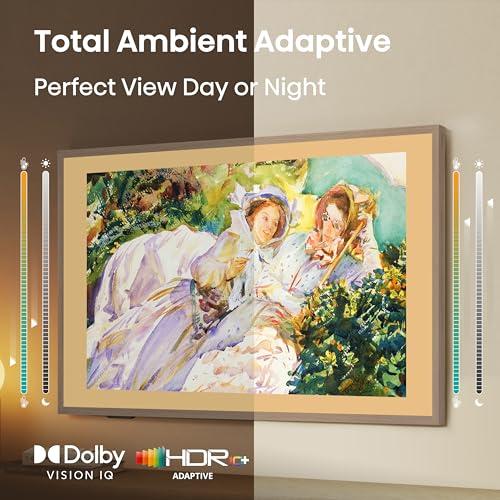
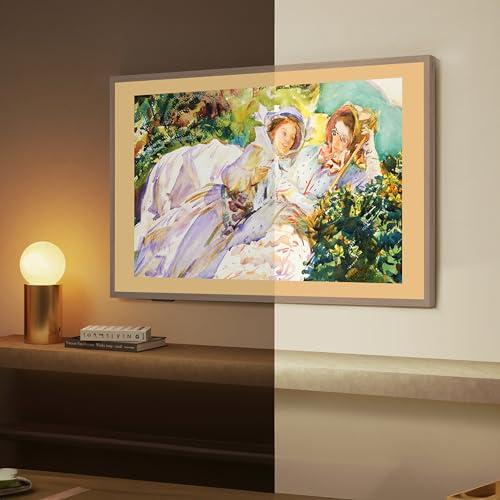
This isn't just a gimmick. The combination of Hi-Matte display technology and UltraSlim wall mounting (just 3mm from the wall) creates a convincing artwork illusion. Motion sensors automatically activate the display when someone enters the room, while ambient light sensors adjust brightness to match real artwork behavior.
The LG QNED92A doesn't attempt this aesthetic integration, instead focusing on traditional TV excellence. Its slim profile and minimal bezels look premium, but it clearly remains a television rather than art piece.
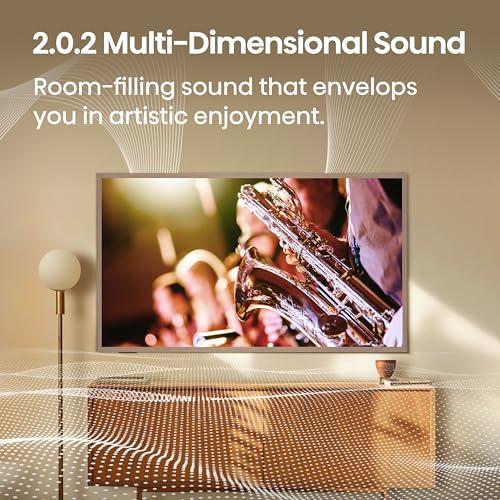
Audio performance reveals an unexpected winner. The Hisense CanvasTV includes a 2.0.2 channel system with upward-firing speakers and DTS Virtual:X processing. User reviews consistently praise its "booming" sound quality—unusual for flat-panel TVs. The upward-firing speakers create a more immersive soundscape by bouncing audio off your ceiling.
The LG QNED92A features a 2.2-channel system with Dolby Atmos support and AI Sound Pro processing. While technically advanced, reviewers often find the 40-watt output underwhelming relative to the display quality. Many suggest investing in a separate soundbar—ironic given the higher price point.
At the time of writing, the price difference between these TVs could fund a quality soundbar or other home theater upgrades. This makes the value equation complex and personal.
For home theater enthusiasts, the LG QNED92A delivers measurably superior HDR performance. Movie nights in darkened rooms showcase the Mini LED's strength—deeper blacks during space scenes, brighter explosions, and more subtle shadow details. The comprehensive gaming features appeal to anyone with modern consoles or gaming PCs.
However, most TV viewing doesn't happen in ideal conditions. The Hisense CanvasTV excels in typical living rooms with ambient lighting, large windows, or open floor plans. The anti-glare display maintains image quality regardless of lighting conditions—a practical advantage that laboratory measurements can't capture.
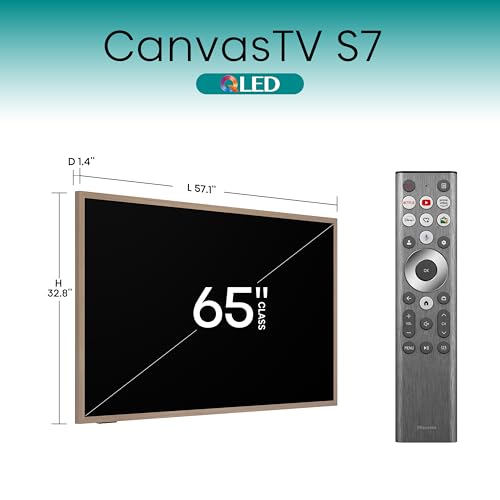
The Hisense includes its UltraSlim wall mount and emphasizes easy installation, though professional mounting is recommended given the 64.5-pound weight. The ultra-flush mounting creates the painting-like appearance that defines the product.
The LG requires separate VESA mounting hardware and weighs similarly. At 58mm thick, it's relatively slim for Mini LED technology but lacks the ultra-flush aesthetic appeal.
Long-term ownership favors the LG through explicit software support commitments and LG's established track record with webOS updates. However, the Hisense offers practical advantages like superior built-in audio and better bright-room performance that may matter more in daily use.
Choose the Hisense 65" S7N CanvasTV if you want a TV that integrates seamlessly into your living space. It's ideal for bright rooms, open floor plans, or anyone who appreciates the art display functionality. The superior built-in audio and Google TV platform appeal to users seeking simplicity and good value. PC gamers who can utilize 144Hz refresh rates will appreciate the higher native refresh rate.
The LG 65" QNED92A suits enthusiasts prioritizing maximum performance. Choose it for dedicated home theaters, serious gaming setups, or if you demand the absolute best HDR and upscaling performance. The comprehensive HDMI 2.1 implementation and five-year software guarantee justify the premium for users planning long-term ownership.
Ultimately, both represent excellent TVs with different strengths. The Hisense innovates in lifestyle integration while delivering solid performance at attractive pricing. The LG maximizes traditional TV metrics with flagship picture quality and gaming capabilities.
Consider your viewing environment, usage patterns, and whether you value aesthetic integration or maximum performance. Both choices offer compelling advantages—the key is matching their strengths to your priorities and living situation.
| Hisense 65" S7N CanvasTV QLED 4K Smart Display | LG 65" QNED92A QNED evo AI Mini LED 4K TV 2025 |
|---|---|
| Display Technology - Determines picture quality approach and room suitability | |
| QLED with Hi-Matte anti-glare coating (5% reflections) | Mini LED with hundreds of dimming zones |
| Peak Brightness - Critical for HDR impact and bright room viewing | |
| Not specified (optimized for glare reduction vs. maximum brightness) | 1,520 nits peak (25% window), 770 nits full screen |
| Refresh Rate - Important for smooth gaming and sports | |
| 144Hz native (advantage for high-end PC gaming) | 120Hz native, up to 144Hz with VRR |
| Gaming Features - Essential for console and PC gaming | |
| Game Mode Pro, 144Hz support, limited HDMI 2.1 details | 4x HDMI 2.1 ports, VRR, ALLM, 9.6ms input lag, Game Optimizer |
| Smart Platform - Affects daily usability and long-term software support | |
| Google TV (clean interface, good app support) | webOS 25 with 5-year update guarantee |
| Audio System - Built-in sound quality affects need for external speakers | |
| 2.0.2 channel with upward-firing speakers, praised for "booming" sound | 2.2 channel, 40W, often requires soundbar upgrade |
| Design Integration - How well it fits your living space | |
| Art Mode with 120+ masterpieces, magnetic frames, 3mm wall gap | Traditional premium TV design, 58mm thickness |
| Anti-Glare Performance - Critical for bright rooms and window-facing walls | |
| Hi-Matte display reduces reflections to 5% | Standard glare levels typical of premium TVs |
| Color Technology - Affects color accuracy and vibrancy | |
| QLED Quantum Dot technology | Dynamic QNED Color Pro, 100% Color Volume certified |
| HDR Support - Determines quality of modern streaming and gaming content | |
| Dolby Vision, HDR10, HDR10+, HLG | Dolby Vision IQ, HDR10, HLG with superior brightness delivery |
| Price Positioning - Value comparison at time of writing | |
| Significantly lower cost, better value for lifestyle integration | Premium pricing justified by flagship performance and features |
The Hisense 65" S7N CanvasTV is significantly better for bright rooms due to its Hi-Matte anti-glare display that reduces reflections to just 5%. This makes it ideal for living rooms with large windows or ambient lighting. The LG 65" QNED92A has standard glare levels typical of premium TVs, making it better suited for controlled lighting environments.
The Hisense S7N CanvasTV focuses on lifestyle integration with Art Mode and anti-glare technology, while the LG QNED92A prioritizes maximum picture quality and gaming performance with Mini LED technology and hundreds of dimming zones.
The LG 65" QNED92A is superior for gaming with four HDMI 2.1 ports, 9.6ms input lag, comprehensive VRR support, and a dedicated Game Optimizer suite. The Hisense CanvasTV offers 144Hz native refresh rate but lacks the complete gaming ecosystem of the LG model.
Yes, the Hisense S7N CanvasTV includes Art Mode with 120+ pre-loaded masterpieces and can display personal photos. Combined with the magnetic frame system and ultra-slim 3mm wall mounting, it convincingly resembles framed artwork when not actively watching TV.
The LG QNED92A delivers superior picture quality with Mini LED backlighting, 1,520 nits peak brightness, and hundreds of local dimming zones. It achieves better contrast, deeper blacks, and more impactful HDR performance compared to the Hisense CanvasTV.
The Hisense 65" S7N CanvasTV runs Google TV, offering a clean interface with excellent app support. The LG 65" QNED92A uses webOS 25, widely considered the best TV operating system, and includes a 5-year software update guarantee.
The Hisense CanvasTV has superior built-in audio with a 2.0.2 channel system including upward-firing speakers that users consistently praise for "booming" sound quality. The LG QNED92A has a 2.2 channel system that often requires a separate soundbar investment.
The LG 65" QNED92A excels in dedicated home theater environments with its Mini LED technology delivering deeper blacks and brighter highlights for movie viewing. The Hisense S7N CanvasTV is better for multipurpose living rooms where the TV serves as both entertainment and decor.
The Hisense 65" S7N CanvasTV offers better value for users prioritizing lifestyle integration and bright room performance. The LG QNED92A justifies its premium through superior picture quality, comprehensive gaming features, and long-term software support.
The Hisense CanvasTV offers 144Hz native refresh rate, ideal for high-end PC gaming. The LG 65" QNED92A provides 120Hz native with up to 144Hz when VRR is active, plus comprehensive HDMI 2.1 support across all four ports.
The Hisense S7N CanvasTV includes the UltraSlim wall mount for easy installation and emphasizes user-friendly setup. The LG QNED92A requires separate VESA mounting hardware but offers more comprehensive smart home integration options once installed.
Choose the Hisense 65" S7N CanvasTV for Art Mode functionality, superior bright room performance, better built-in audio, and significant cost savings. Choose the LG 65" QNED92A for maximum picture quality, comprehensive gaming features, superior HDR performance, and guaranteed long-term software support.
We've done our best to create useful and informative comparisons to help you decide what product to buy. Our research uses advanced automated methods to create this comparison and perfection is not possible - please contact us for corrections or questions. These are the sites we've researched in the creation of this article: bestbuy.com - hisense.sg - tomsguide.com - content.syndigo.com - rtings.com - hisense-usa.com - youtube.com - bestbuy.com - youtube.com - displayspecifications.com - displayspecifications.com - manuals.plus - displayspecifications.com - bestbuy.com - hisense-canada.com - manuals.plus - bargainoutletandmore.com - bestbuy.com - device.report - stereoindex.com - youtube.com - youtube.com - digitaltrends.com - abt.com - lg.com - youtube.com - ecoustics.com - hometheaterforum.com - lg.com - valueelectronics.com - listenup.com - pcrichard.com - furnitureconnectionnd.com - avnirvana.com - files.bbystatic.com - lg.com - lgnewsroom.com - techradar.com - bestbuy.com - bestbuy.com - youtube.com - youtube.com

Privacy Policy
Terms and Conditions - Affiliate Policy
Home Security
© Copyright 2008-2026.
11816 Inwood Rd #1211, Dallas, TX 75244