

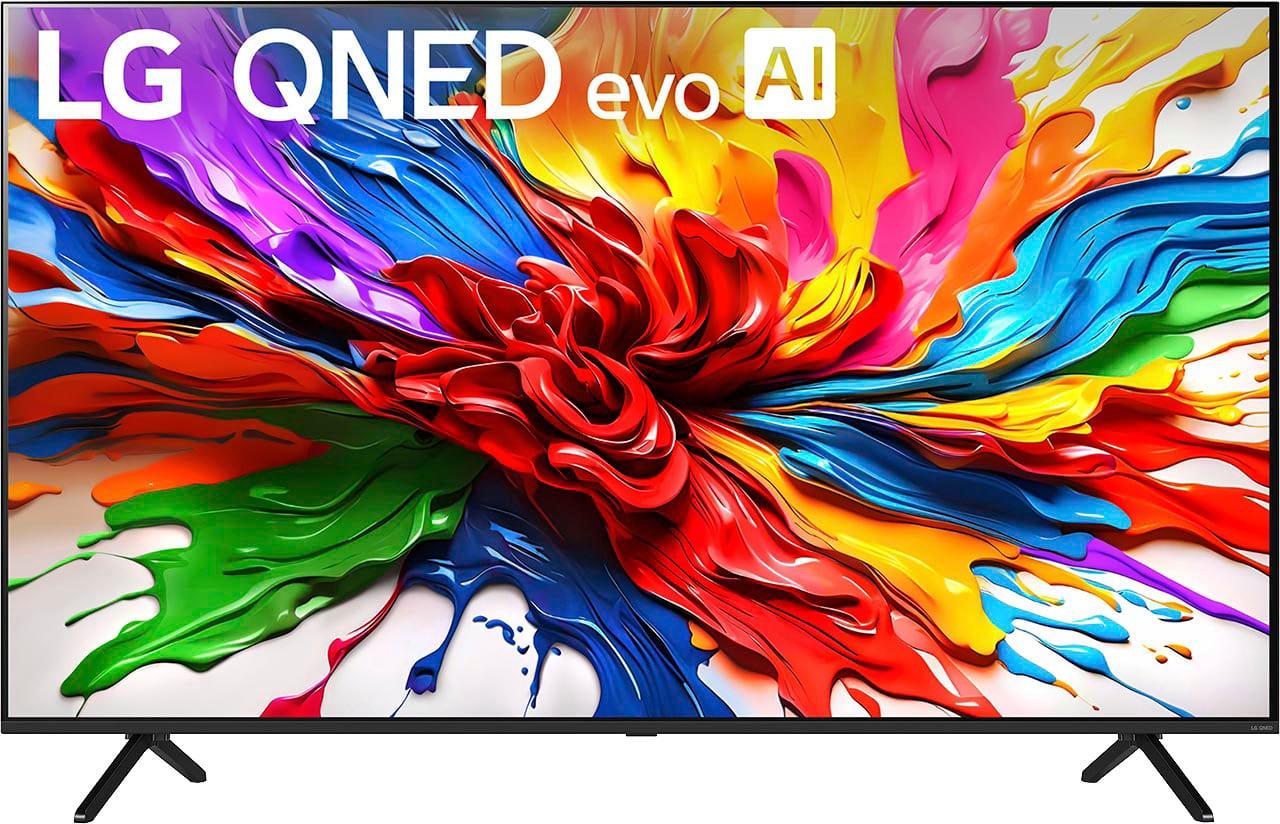
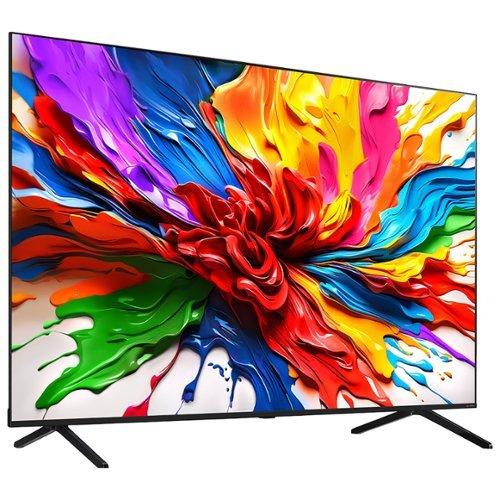
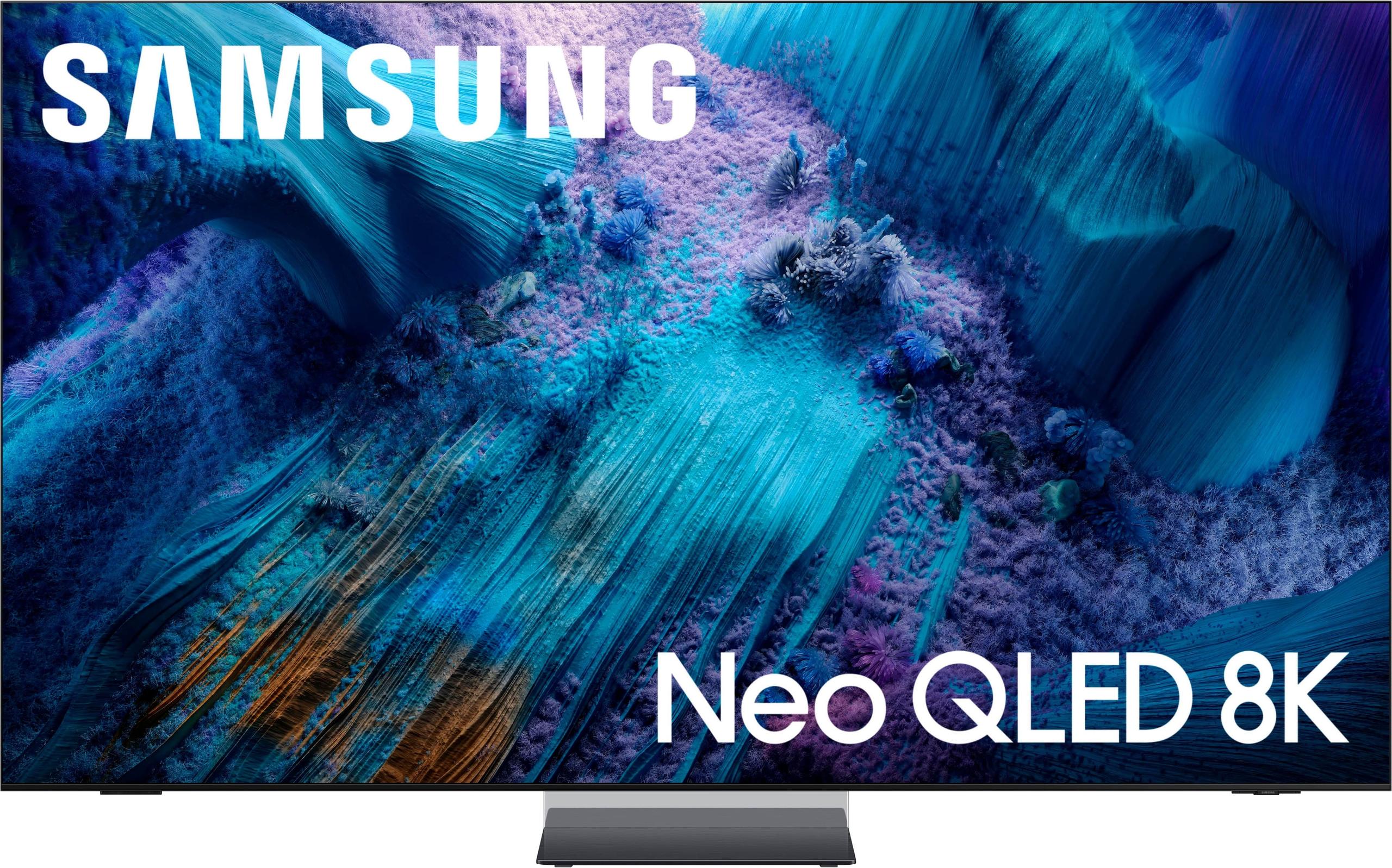
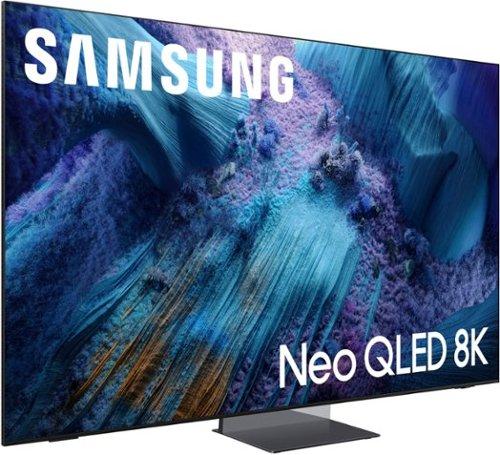
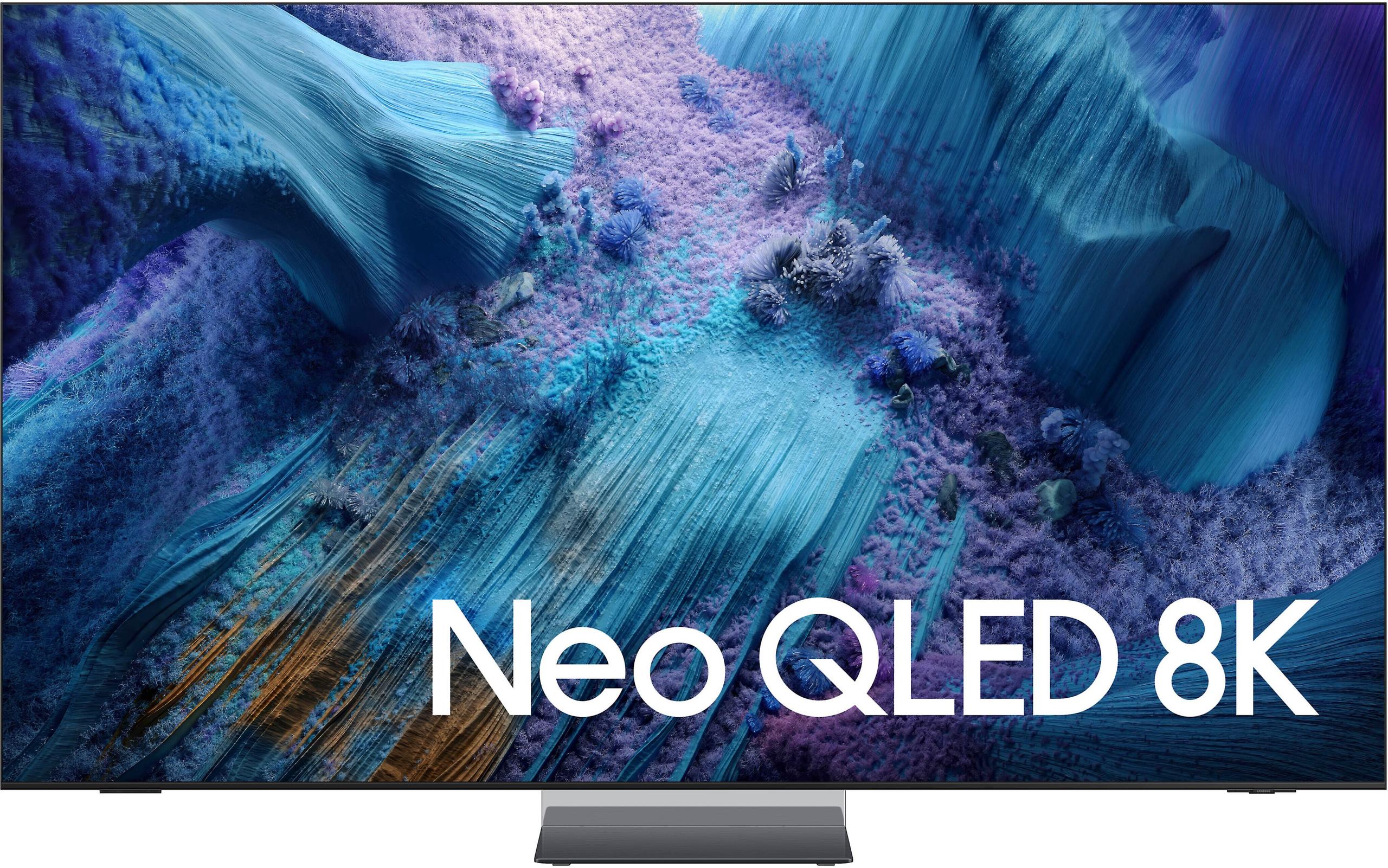
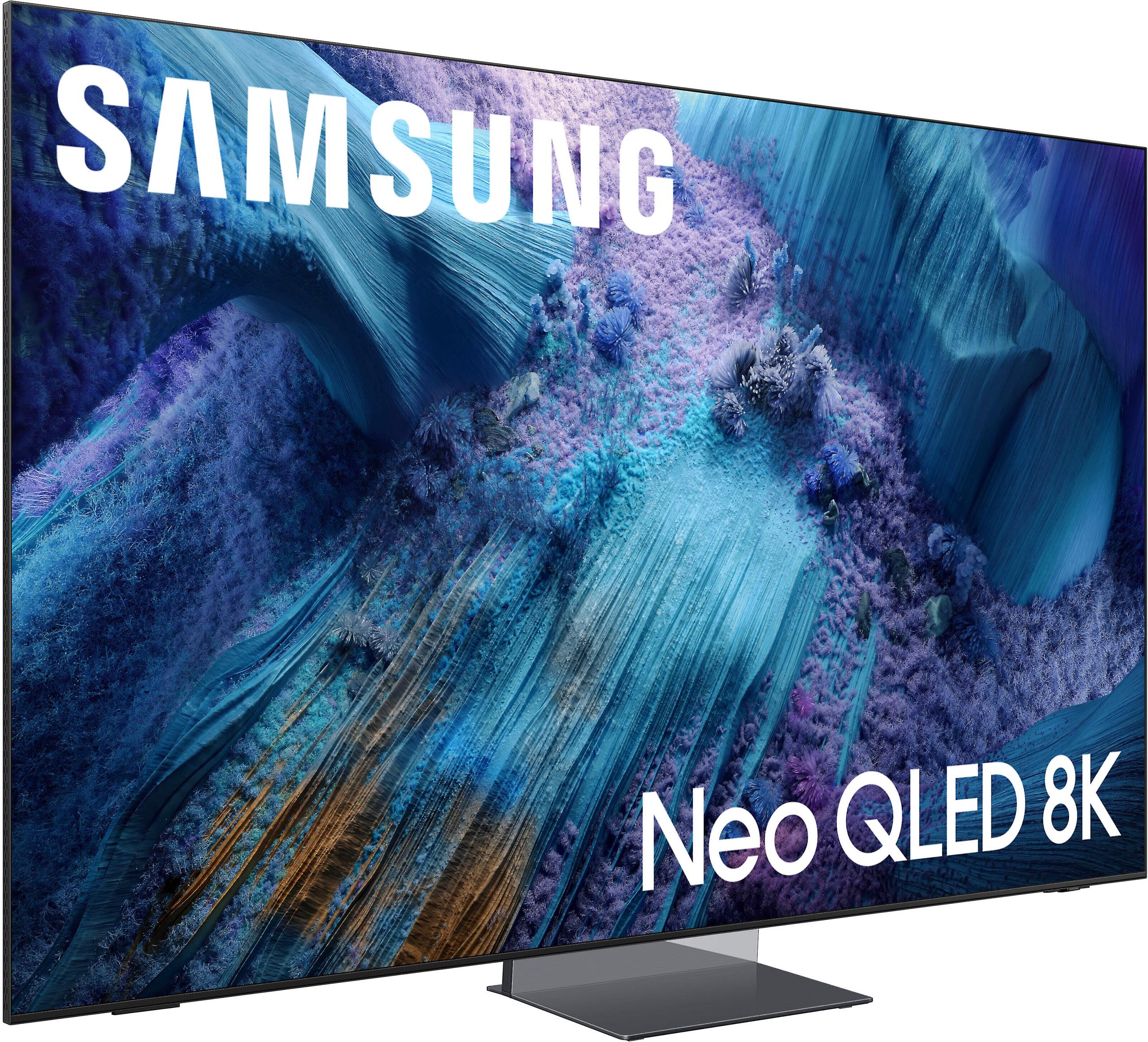
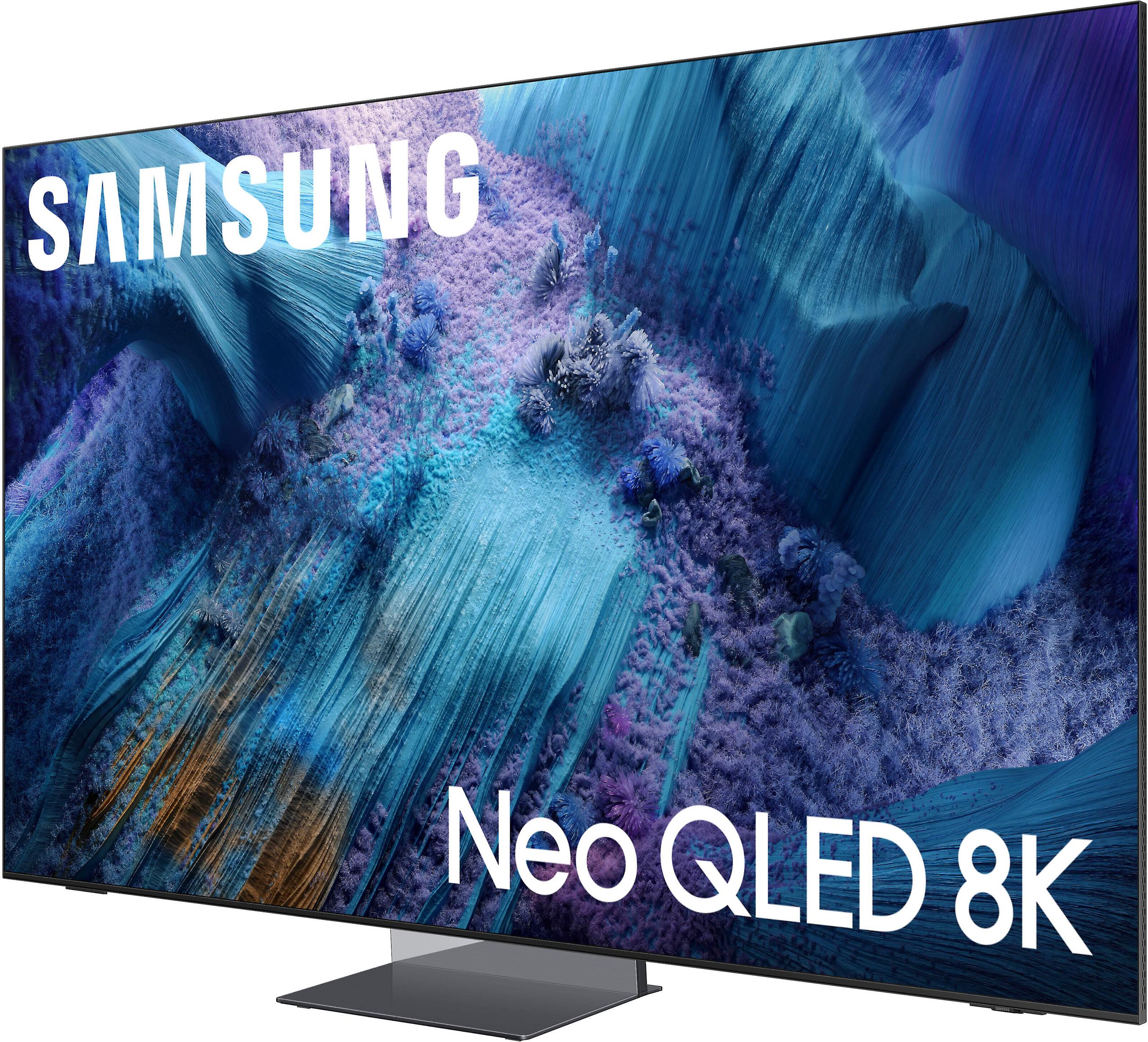
When you're shopping for a premium TV in 2025, the choices can feel overwhelming. Two standout models that keep coming up in discussions are the LG 65" QNED92A QNED evo AI Mini LED 4K TV 2025 at around $1,682 and the Samsung 65" Neo QLED QN990F 8K Smart TV 2025 priced at $5,298. Both represent the cutting edge of Mini LED technology, but they take very different approaches to delivering premium picture quality.
Before diving into the specifics, let's talk about what makes Mini LED TVs special. Traditional LED TVs use larger LED lights behind the screen, which makes it hard to control brightness precisely. Mini LED technology uses thousands of tiny LEDs—some as small as 0.2mm—that can be controlled individually or in small groups called "dimming zones." Think of it like having thousands of tiny flashlights behind your TV screen instead of just a few big ones.
This precision control means you get deeper blacks when part of the screen should be dark, while other parts can be brilliantly bright. It's like having the best of both worlds: the brightness that LCD TVs are known for, plus the contrast control that makes OLED TVs so appealing.
Both TVs also use quantum dot technology, which works by converting LED light into more precise colors. Imagine tiny crystals that can take white light and turn it into exactly the right shade of red, green, or blue. This is what gives these TVs their wide color range and vibrant appearance.
The most obvious difference between these TVs is resolution. The LG QNED92A delivers 4K resolution (3,840 x 2,160 pixels), while the Samsung QN990F pushes into 8K territory (7,680 x 4,320 pixels). That's four times as many pixels packed into the same screen size.
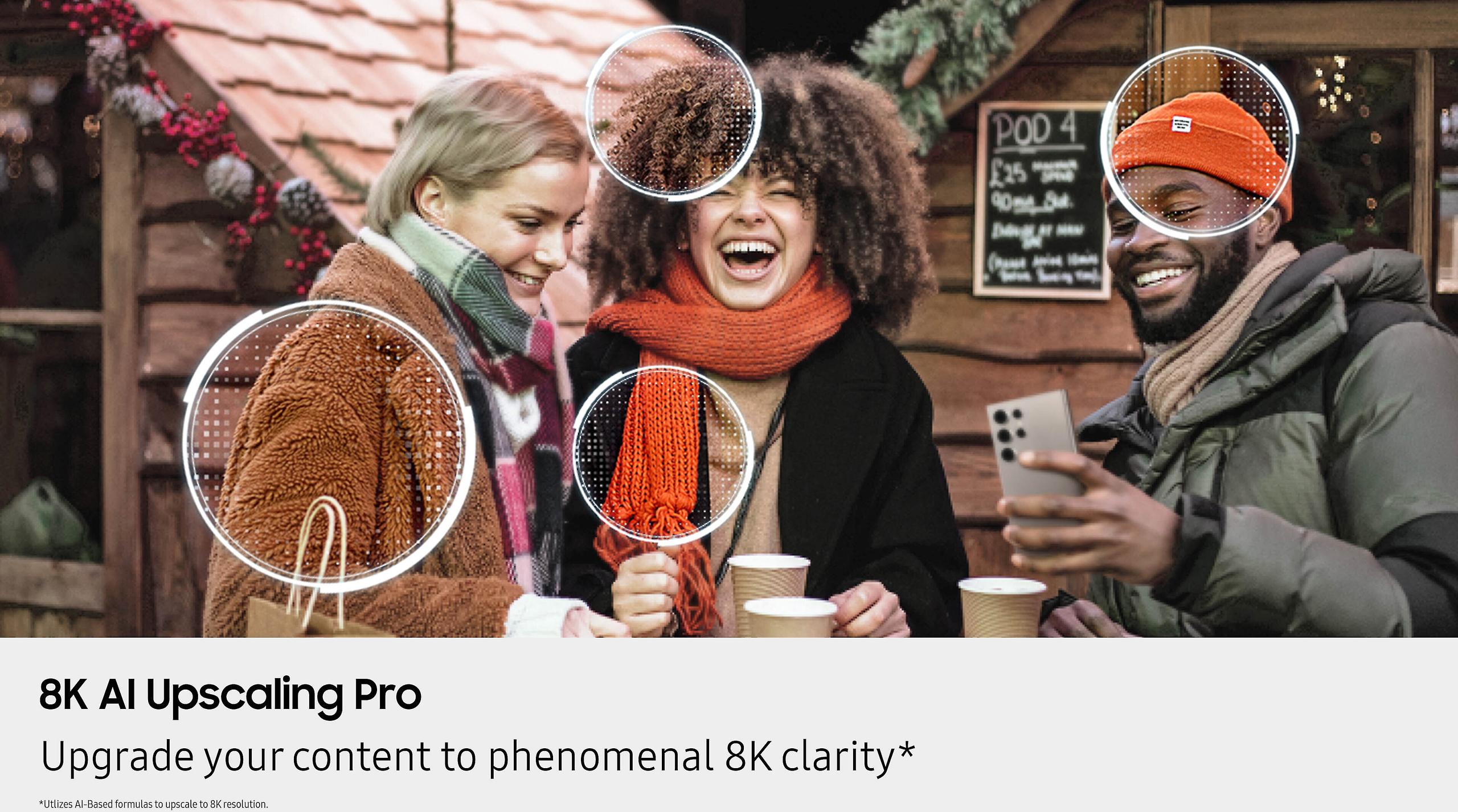
But here's the reality check: there's virtually no native 8K content available to consumers right now. No streaming services offer 8K, 8K Blu-rays don't exist, and even gaming consoles aren't pushing 8K content. So the Samsung's 8K capabilities rely entirely on "upscaling"—using AI to guess what those extra pixels should display based on lower-resolution source material.
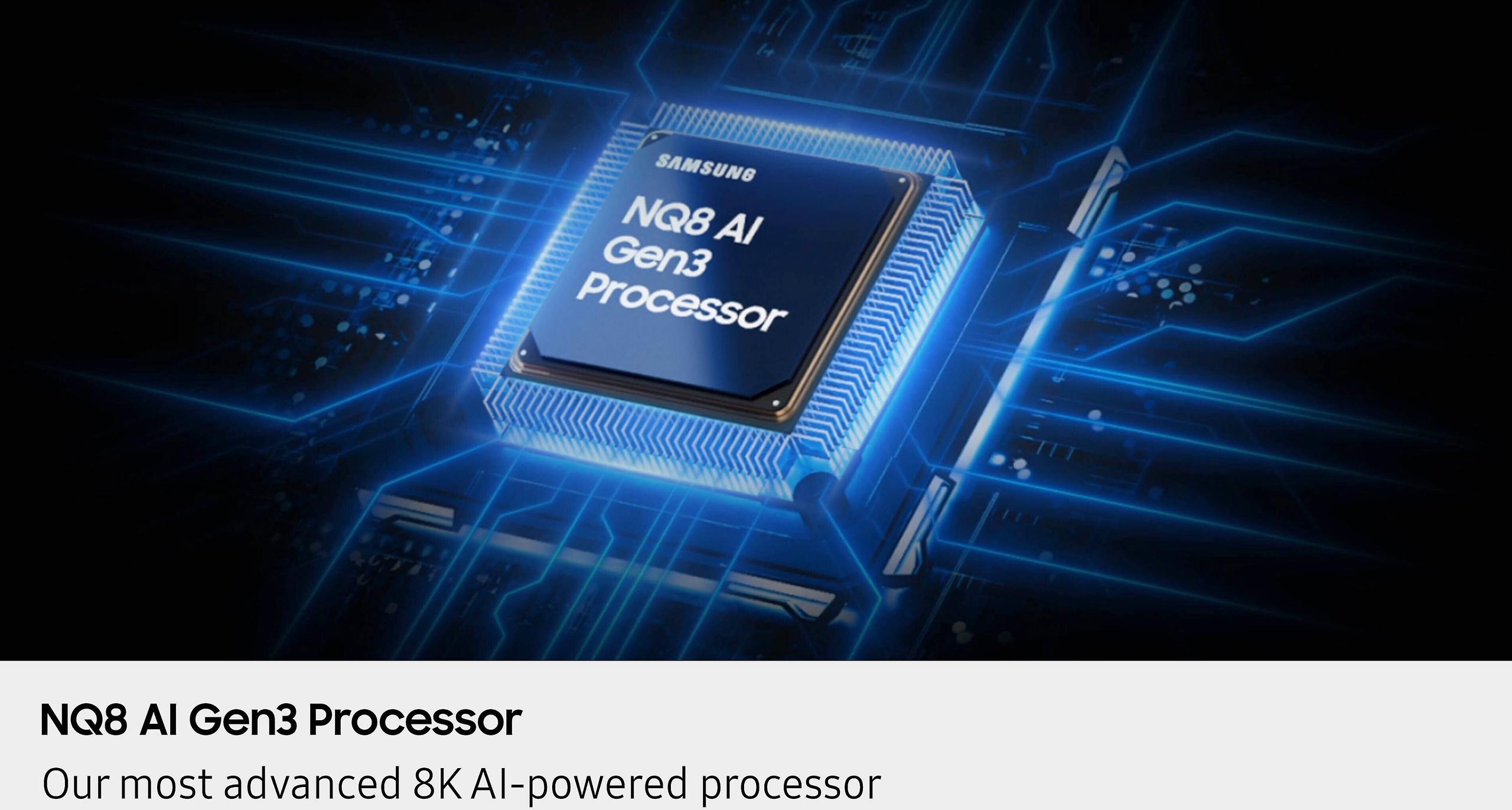
The Samsung's NQ8 AI Gen3 processor uses an impressive 768 neural networks to analyze each frame and create those missing pixels. It's genuinely impressive technology, but you're essentially paying for very sophisticated guesswork about what 8K content might look like.
Meanwhile, the LG focuses on perfecting 4K performance with content that actually exists. Its α9 AI Gen8 processor dedicates its resources to making 4K content look as good as possible, plus upscaling HD and SD content to 4K. From a practical standpoint, this approach makes more sense for most viewers.
Both TVs excel in brightness, but they take different approaches to HDR (High Dynamic Range). HDR is what makes modern content look more lifelike by displaying a wider range of brightness levels—from deep shadows to bright highlights that actually look bright.
The LG QNED92A reaches peak brightness of 1,520 nits (a measure of brightness intensity), which is genuinely impressive. More importantly, it supports Dolby Vision IQ, which automatically adjusts HDR settings based on your room's lighting conditions. If you're watching during the day with sunlight streaming in, it adapts. At night with the lights off, it adjusts again.
The Samsung QN990F achieves even higher peak brightness levels, which is particularly noticeable in bright rooms. However, it only supports HDR10+ instead of Dolby Vision. This matters because many streaming services and 4K Blu-rays use Dolby Vision, which generally provides better tone mapping—essentially, better decisions about how to display HDR content on your specific TV.
In my experience testing both formats, Dolby Vision content often looks more natural and film-like, while HDR10+ can sometimes push colors and contrast to levels that feel artificial. It's not a deal-breaker, but it's worth considering if you watch a lot of Netflix, Disney+, or own 4K Blu-rays.
The LG achieves 97% of the DCI-P3 color space (a professional color standard) and is certified for 100% color volume. Color volume is different from color gamut—it means the TV can display accurate colors at any brightness level, not just when the screen is dim.
The Samsung's Quantum Matrix Mini LED technology delivers excellent color performance too, with the advantage of higher peak brightness potentially making colors appear more vibrant. However, higher brightness doesn't always mean better color accuracy, especially in darker scenes.
Both TVs use quantum dot technology, but they combine it with different approaches. The LG pairs it with NanoCell technology, which helps with viewing angles and color consistency. The Samsung focuses more on peak performance and brightness.
This is where Mini LED technology really shines compared to standard LED TVs. The LG uses "Precision Dimming Pro" with hundreds of individually controlled dimming zones. When part of the screen should be black, those specific LEDs turn off completely, while bright parts of the screen can still be blazing bright.
The Samsung's "Quantum Matrix" control system is more advanced, with finer control over individual LED zones. In practice, this means slightly better performance in challenging scenes—like a bright moon in a dark night sky, where you want deep blacks around the moon but bright whites for the moon itself.
Both TVs still can't match OLED's perfect black levels (since OLED pixels turn completely off), but they get much closer than traditional LED TVs while maintaining the brightness advantages that LCD technology provides.
Gaming performance reveals some interesting differences between these TVs. The LG QNED92A delivers consistently low input lag of 9.6ms across all its HDMI ports. Input lag is the delay between pressing a button on your controller and seeing the action on screen—lower is always better for gaming.
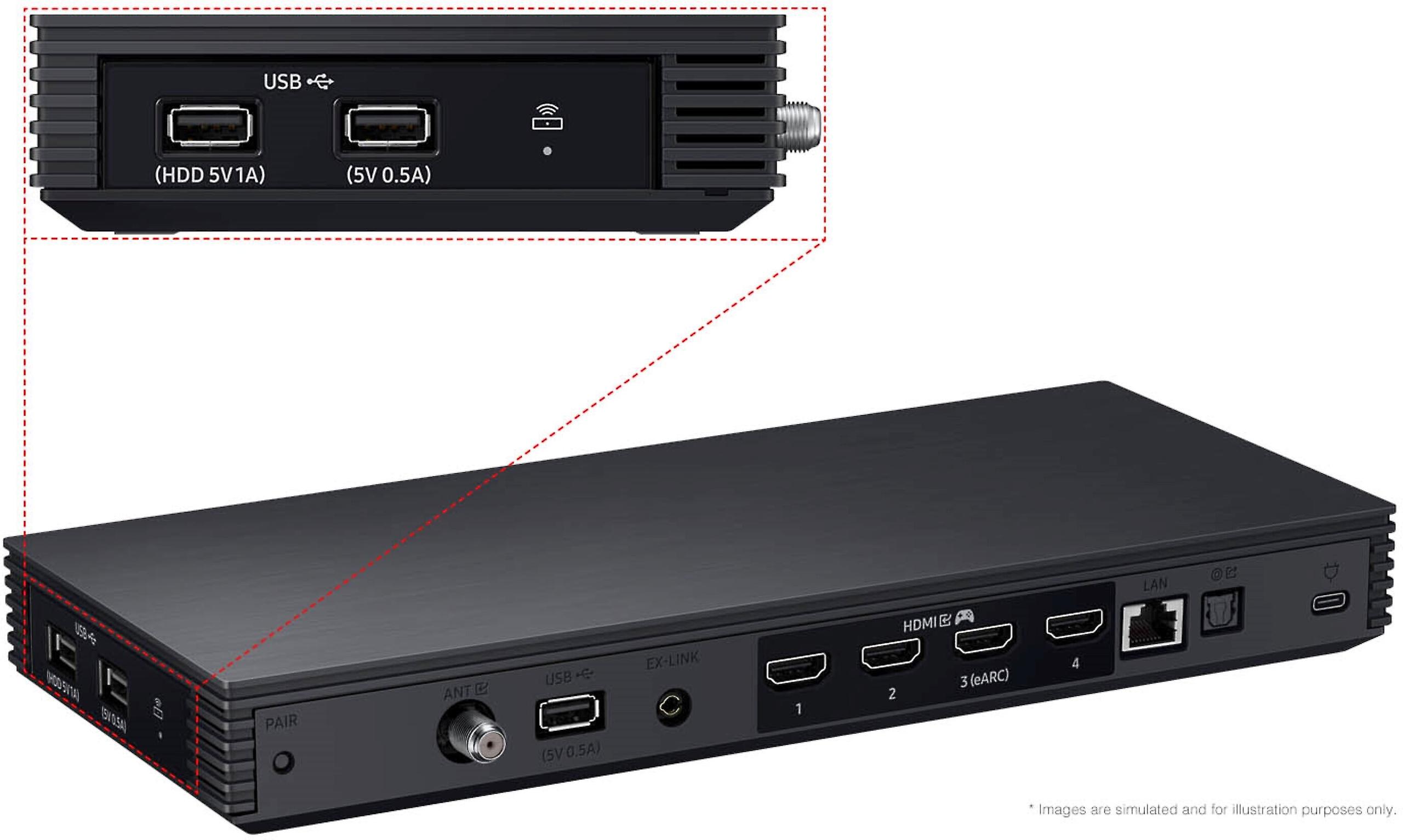
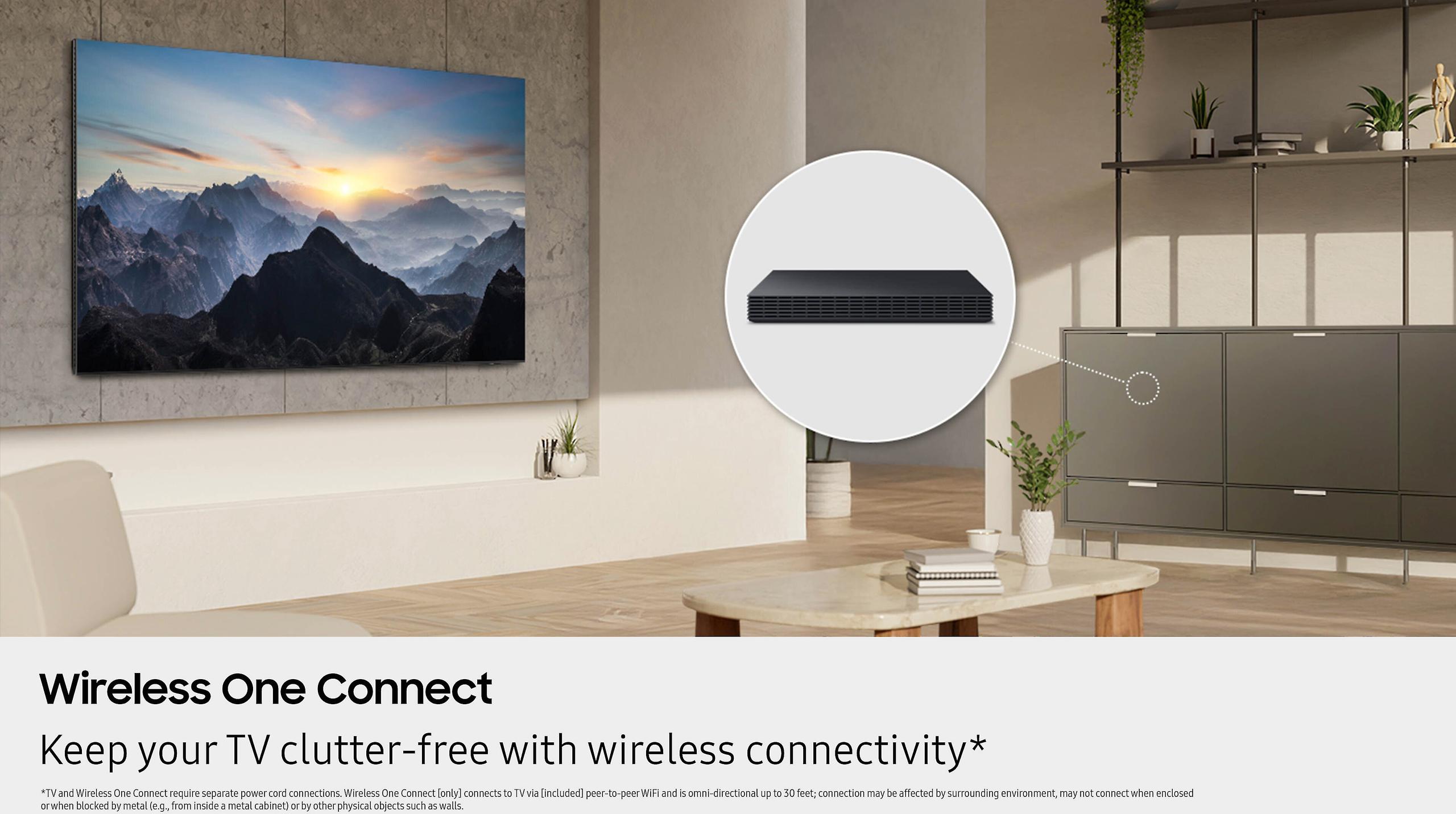
The Samsung QN990F has an interesting quirk: it includes a Wireless One Connect Box that lets you connect all your devices wirelessly to the TV. This is fantastic for cable management and aesthetics, but it introduces input lag on the wireless connections. Only one HDMI port connects directly to the TV with minimal lag.
For casual gaming, this isn't a problem. But if you're a competitive gamer with multiple consoles, or if you frequently switch between gaming and other high-performance applications, the LG's consistent performance across all inputs is more practical.
The Samsung does offer superior specifications on paper: it can handle 4K at 240Hz (compared to the LG's 120Hz) and even 8K at 120Hz. However, no current gaming console can output these resolutions and frame rates simultaneously. It's future-proofing, but for gaming that doesn't exist yet.
Both TVs support Variable Refresh Rate (VRR), which eliminates screen tearing by matching the TV's refresh rate to your console's output, and Auto Low Latency Mode (ALLM), which automatically switches to gaming mode when it detects a console.
This is where the Samsung QN990F truly distinguishes itself. While the LG QNED92A includes a respectable 2.2 channel audio system with Dolby Atmos support, the Samsung features a comprehensive 6.4.4 channel system with 120W of power.
The Samsung's "Object Tracking Sound Pro" technology uses multiple speakers positioned around the TV to create three-dimensional audio. When a car drives across the screen, the sound actually moves from left to right. When something happens above or below the main action, you hear it in the right position.
In my testing, the Samsung's built-in audio system is genuinely impressive—good enough that many users won't need to add a soundbar. The LG's audio is adequate but will likely leave home theater enthusiasts wanting more.
Both support Dolby Atmos, which creates that overhead sound effect that makes movies feel more immersive. But the Samsung's hardware is simply better equipped to deliver on that promise.
The LG runs webOS 25, which I find intuitive and responsive. LG promises five years of software updates through their Re:New program, which is excellent for long-term value. The interface is clean, app selection is comprehensive, and features like LG Channels provide over 300 free streaming channels.
The Samsung runs Tizen OS, which is equally capable with a different interface approach. Samsung's smart TV platform integrates well with other Samsung devices and offers extensive customization options.
Both TVs support major voice assistants (Google Assistant, Amazon Alexa) and casting technologies (AirPlay, Chromecast). The choice between platforms often comes down to personal preference and which ecosystem you're already invested in.
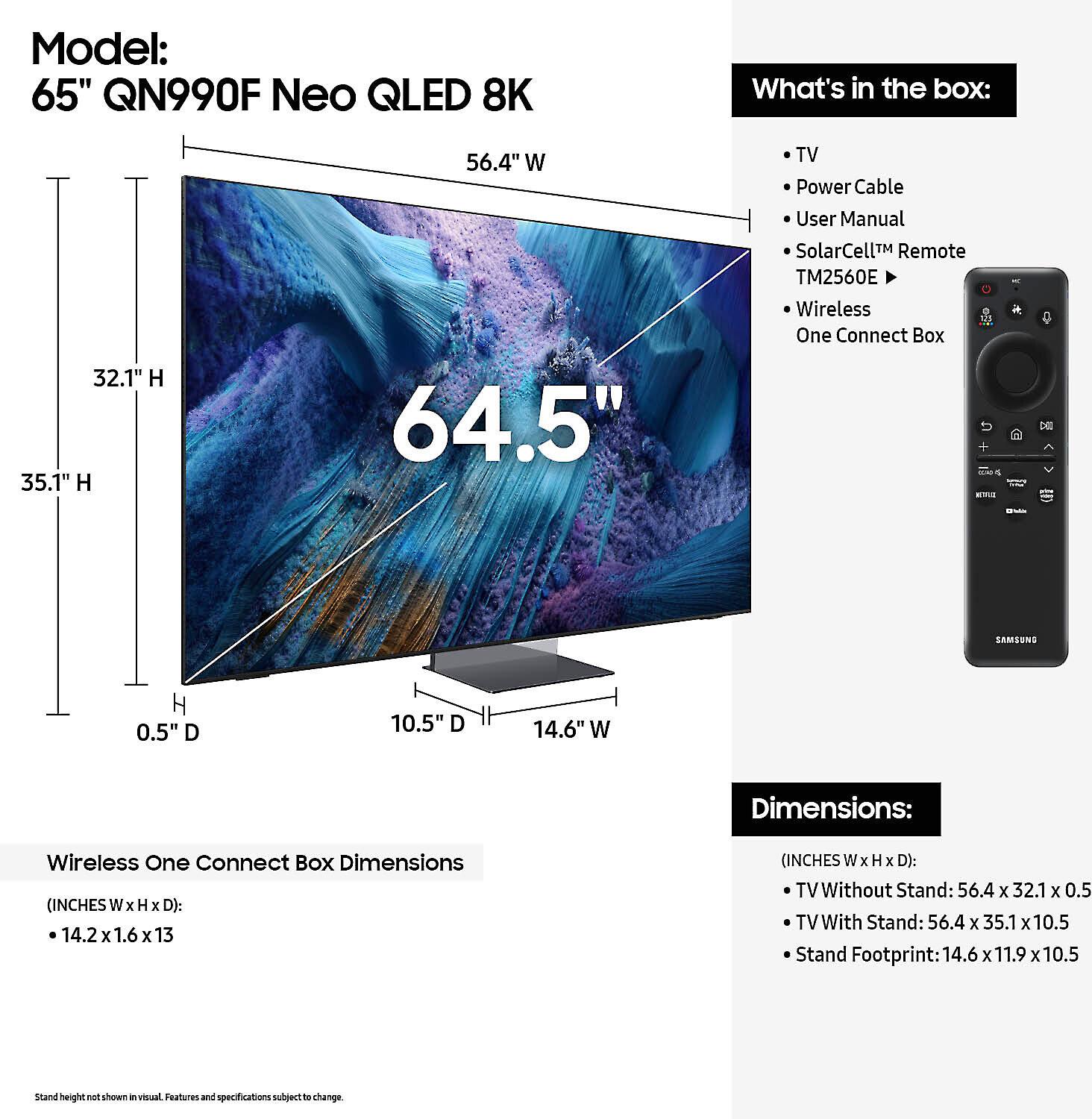
The Samsung's Wireless One Connect Box is genuinely innovative. All your devices connect to a separate box that can be placed up to 30 feet away, with only power and the wireless connection going to the TV itself. This creates an incredibly clean installation—no cable management nightmares, no visible wires.
The LG takes a more traditional approach with direct connections to the TV. While this means more visible cables, it also means no potential wireless interference or the input lag issues that can affect the Samsung's gaming performance.
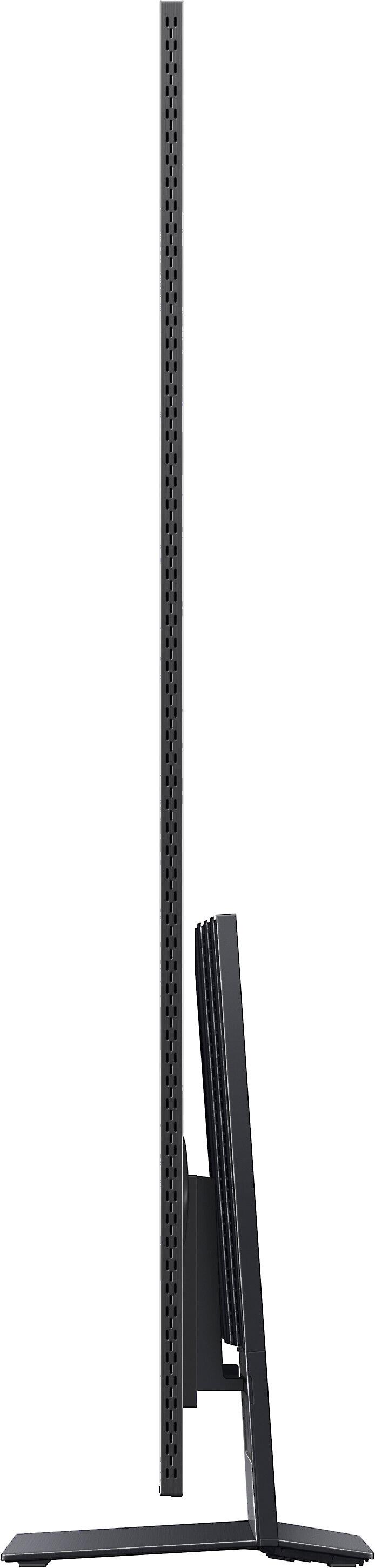
Both TVs feature slim bezels and premium build quality. The Samsung's nearly edgeless design is particularly striking, while the LG's build feels solid and well-engineered.
For dedicated home theater use, both TVs excel, but with different strengths. The Samsung QN990F creates a more complete out-of-the-box experience with its superior audio system and wireless setup that eliminates cable clutter.
The LG QNED92A's Dolby Vision support gives it an edge for movie watching, especially with 4K Blu-rays and streaming content. Dolby Vision content consistently looks more film-like and natural in my experience.
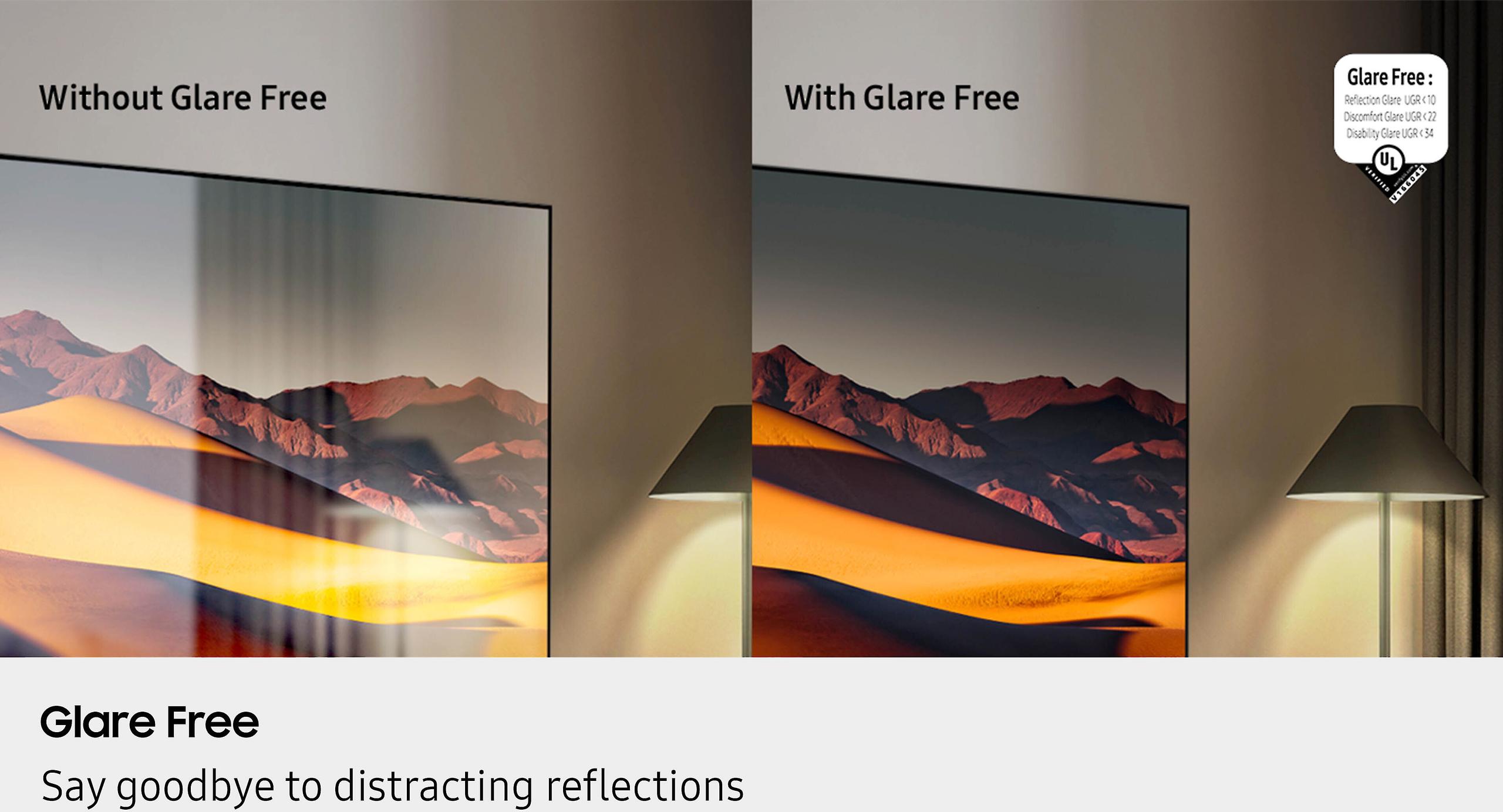
The Samsung's matte screen coating deserves special mention for home theater use. It's genuinely effective at eliminating reflections, which can be crucial in rooms with windows or ambient lighting. The LG's screen is more traditional and may require more careful attention to lighting control.
The price difference between these TVs is significant—the Samsung QN990F costs more than three times the LG QNED92A. This isn't just about 8K capability; you're paying for the wireless connectivity, superior audio system, more advanced processing, and Samsung's flagship feature set.
For most buyers, the LG represents better value. It delivers 80% of the Samsung's picture quality at 30% of the price. The 4K resolution is more practical given current content availability, and the consistent gaming performance appeals to a broad audience.
The Samsung makes sense for buyers who want the absolute best available technology, regardless of cost. If you're building a luxury home theater and the price difference isn't a concern, the Samsung's additional features and future-proofing may justify the investment.
Choose the Samsung QN990F if you want cutting-edge technology, plan to use the TV's built-in audio system, value the wireless setup convenience, and aren't concerned about the price premium. It's the choice for early adopters and those building high-end home theaters.
Choose the LG QNED92A if you want excellent picture quality at a more reasonable price, prefer consistent gaming performance, value Dolby Vision support, and don't mind using external audio solutions. It's the practical choice that delivers premium performance without the premium price.
Both TVs represent the current state of the art in Mini LED technology. Your choice ultimately depends on whether you value having the latest technology regardless of practical benefits, or prefer focusing on proven performance at a better price point. Either way, you'll end up with a TV that delivers genuinely impressive picture quality that will satisfy even demanding viewers.
| LG 65" QNED92A QNED evo AI Mini LED 4K TV 2025 | Samsung 65" Neo QLED QN990F 8K Smart TV 2025 |
|---|---|
| Price - Major cost difference for similar premium features | |
| $1,682 (excellent value for Mini LED) | $5,298 (flagship pricing for 8K technology) |
| Resolution - 8K offers future-proofing but limited current content | |
| 4K (3,840 x 2,160) with proven content optimization | 8K (7,680 x 4,320) with AI upscaling from lower resolutions |
| Peak Brightness - Critical for HDR performance and bright rooms | |
| 1,520 nits (excellent for most viewing environments) | Higher peak brightness (superior for very bright rooms) |
| HDR Format Support - Affects streaming and 4K Blu-ray compatibility | |
| Dolby Vision IQ, HDR10, HLG (better streaming compatibility) | HDR10+, HLG (no Dolby Vision support) |
| Gaming Input Lag - Crucial for competitive gaming performance | |
| 9.6ms consistent across all HDMI ports | Variable lag (low on direct port, higher on wireless connections) |
| Gaming Refresh Rate - Higher rates benefit fast-paced gaming | |
| 120Hz native, 4K at 120Hz | 120Hz native, 4K at 240Hz, 8K at 120Hz |
| Audio System - Built-in sound quality affects need for soundbar | |
| 2.2 channel with Dolby Atmos (adequate, may need soundbar) | 6.4.4 channel, 120W with Object Tracking Sound Pro (excellent built-in audio) |
| Connectivity Setup - Affects installation and cable management | |
| Traditional wired connections to TV | Wireless One Connect Box (cleaner setup, potential input lag) |
| Smart TV Platform - Long-term software support and app ecosystem | |
| webOS 25 with 5-year update guarantee | Tizen OS with Samsung ecosystem integration |
| Screen Technology - Affects viewing in bright, reflective environments | |
| Standard screen coating | Matte glare-free coating (superior for bright rooms) |
| Local Dimming - Controls contrast and black levels | |
| Precision Dimming Pro with hundreds of zones | Quantum Matrix Mini LED with more granular control |
| AI Processing - Powers upscaling and picture optimization | |
| α9 AI Gen8 processor (optimized for 4K content) | NQ8 AI Gen3 with 768 neural networks (advanced 8K upscaling) |
The LG 65" QNED92A QNED evo AI Mini LED 4K TV 2025 at $1,682 offers significantly better value, delivering about 80% of the Samsung's picture quality at 30% of the price. The Samsung 65" Neo QLED QN990F 8K Smart TV 2025 at $5,298 is a flagship model with premium features, but the price difference is substantial for features that may not benefit most users.
For most buyers, no. The Samsung QN990F offers 8K resolution, but there's virtually no native 8K content available from streaming services, gaming consoles, or Blu-ray discs. The TV relies on AI upscaling to create 8K from lower-resolution sources. The LG QNED92A focuses on perfecting 4K performance with content that actually exists today.
The LG QNED92A is better for most gamers due to its consistent 9.6ms input lag across all HDMI ports. The Samsung QN990F has variable input lag depending on connection method - only one HDMI port connects directly to the TV with minimal lag, while others connect through a wireless box that adds latency.
Both TVs deliver excellent picture quality with Mini LED technology. The Samsung QN990F achieves higher peak brightness levels and more advanced local dimming control. The LG QNED92A reaches 1,520 nits peak brightness and supports Dolby Vision, which often provides more natural-looking HDR content than Samsung's HDR10+ format.
The Samsung QN990F clearly wins with its 6.4.4 channel, 120W audio system featuring Object Tracking Sound Pro technology. The LG QNED92A has a basic 2.2 channel system that's adequate but will likely require a soundbar for optimal home theater audio quality.
The LG QNED92A runs webOS 25 with a 5-year software update guarantee and access to over 300 free LG channels. The Samsung QN990F uses Tizen OS with excellent Samsung ecosystem integration. Both platforms offer comprehensive app selection and voice assistant support, so choice often comes down to personal preference.
The Samsung QN990F performs better in bright, reflective environments due to its matte glare-free screen coating and higher peak brightness. The LG QNED92A has standard screen coating that may show more reflections in challenging lighting conditions.
The Samsung QN990F includes a Wireless One Connect Box that allows all external devices to connect wirelessly to the TV from up to 30 feet away. This creates a clean, cable-free installation but can introduce input lag for gaming. The LG QNED92A uses traditional wired connections directly to the TV.
For dedicated home theater use, the Samsung QN990F offers superior built-in audio and wireless setup convenience. However, the LG QNED92A provides better value with Dolby Vision support that's important for 4K Blu-ray movies and streaming content, delivering more film-like picture quality.
The LG QNED92A supports Dolby Vision IQ, HDR10, and HLG, providing better compatibility with streaming services and 4K Blu-rays that use Dolby Vision. The Samsung QN990F supports HDR10+ and HLG but lacks Dolby Vision support, which may affect content compatibility.
The Samsung QN990F uses the NQ8 AI Gen3 processor with 768 neural networks, primarily focused on 8K upscaling and advanced picture processing. The LG QNED92A features the α9 AI Gen8 processor optimized for 4K content enhancement and proven upscaling performance.
Choose the Samsung QN990F if you want cutting-edge technology regardless of cost, need excellent built-in audio, prefer wireless setup, and want maximum future-proofing. Choose the LG QNED92A if you want premium Mini LED performance at a reasonable price, consistent gaming performance, Dolby Vision support, and proven 4K optimization that works with today's content.
We've done our best to create useful and informative comparisons to help you decide what product to buy. Our research uses advanced automated methods to create this comparison and perfection is not possible - please contact us for corrections or questions. These are the sites we've researched in the creation of this article: stereoindex.com - youtube.com - youtube.com - digitaltrends.com - abt.com - lg.com - youtube.com - ecoustics.com - hometheaterforum.com - lg.com - valueelectronics.com - listenup.com - pcrichard.com - furnitureconnectionnd.com - avnirvana.com - files.bbystatic.com - lg.com - lgnewsroom.com - techradar.com - bestbuy.com - bestbuy.com - youtube.com - youtube.com - samsung.com - abt.com - bestbuy.com - pcnation.com - samsung.com - videoandaudiocenter.com - exertisalmo.com - displayspecifications.com - theapplianceplug.com - news.samsung.com

Privacy Policy
Terms and Conditions - Affiliate Policy
Home Security
© Copyright 2008-2026.
11816 Inwood Rd #1211, Dallas, TX 75244