

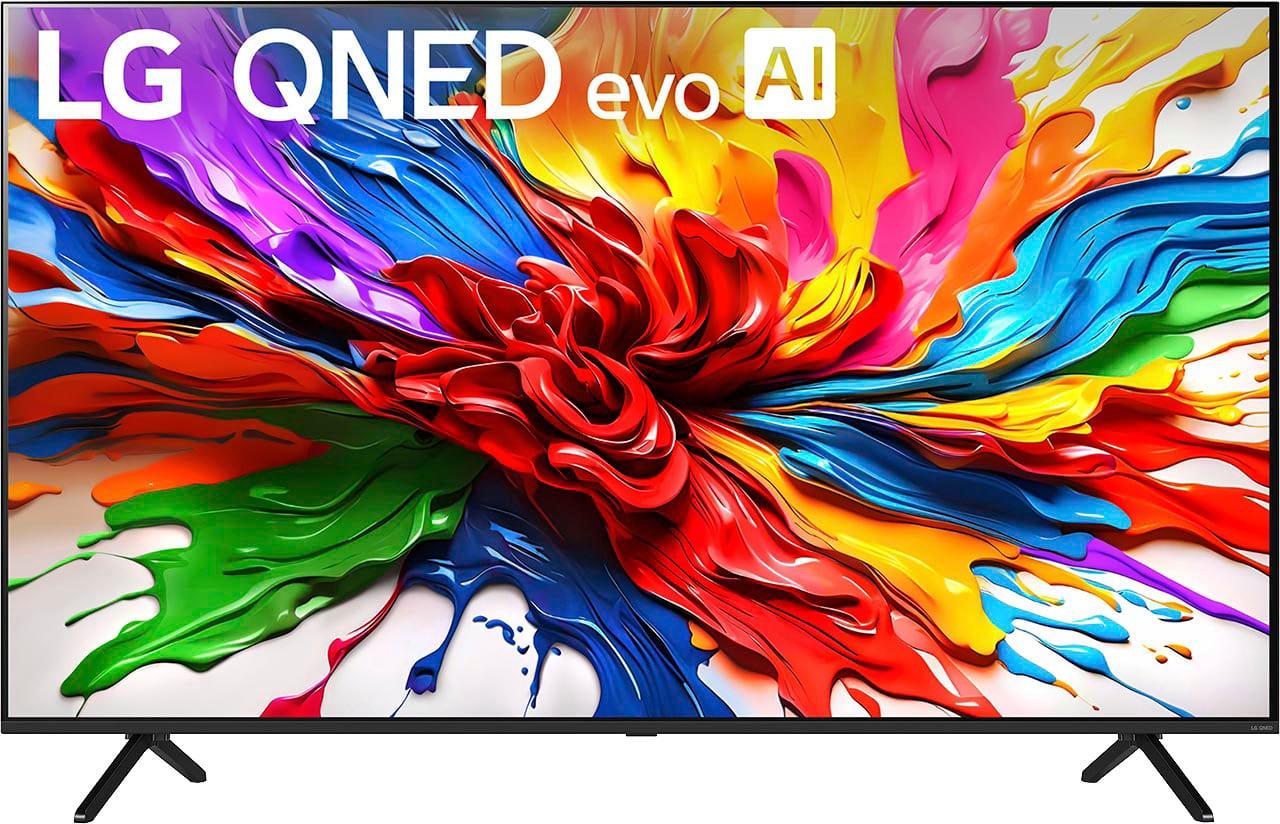
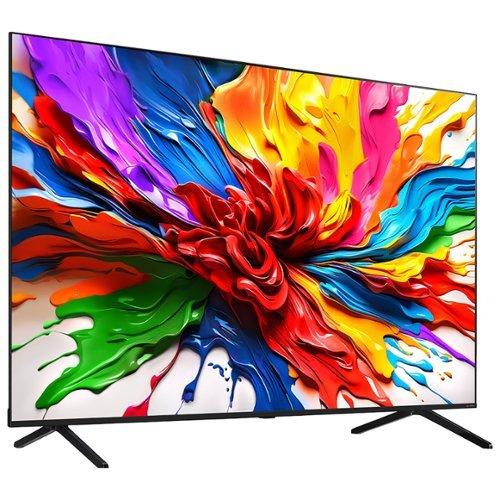
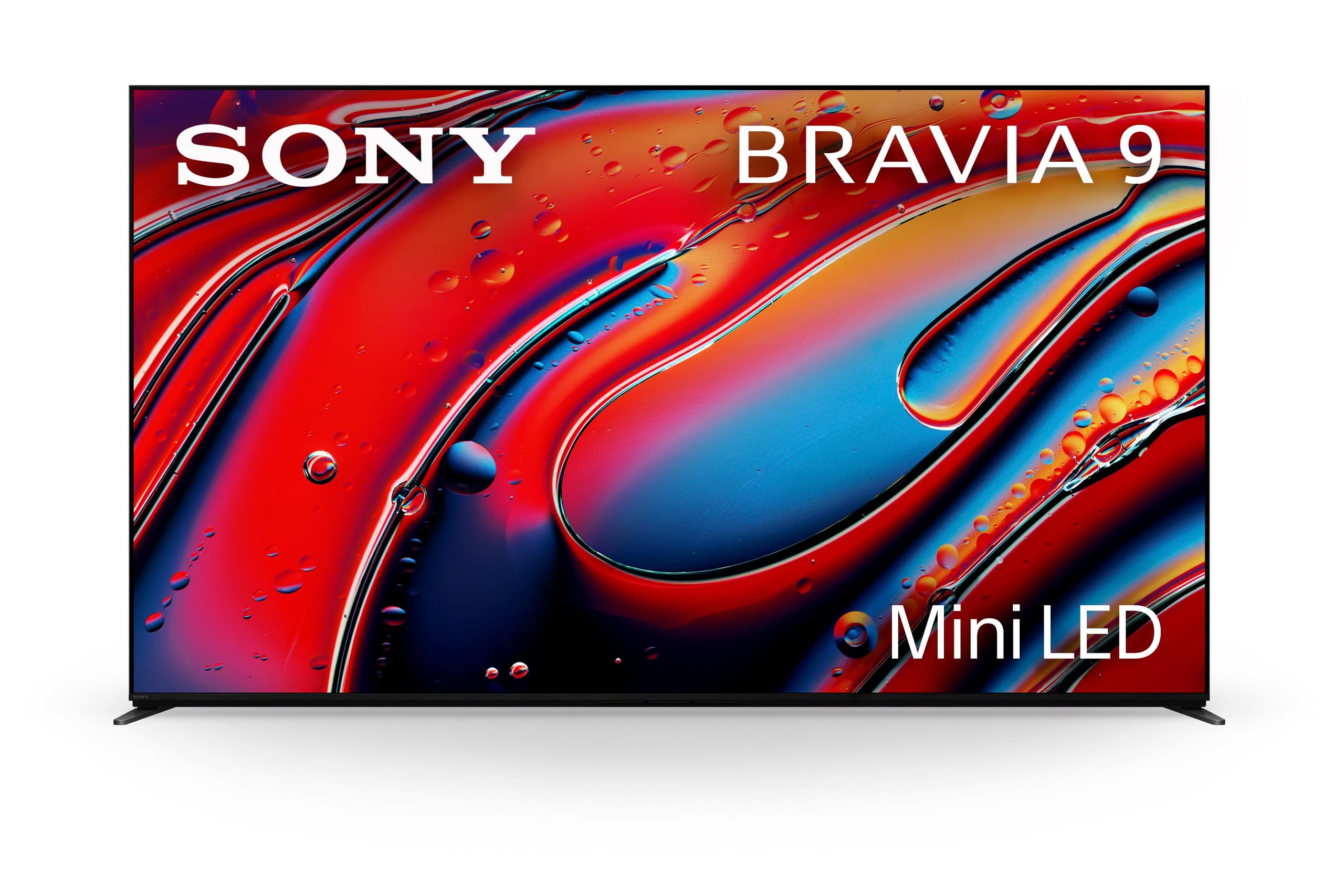
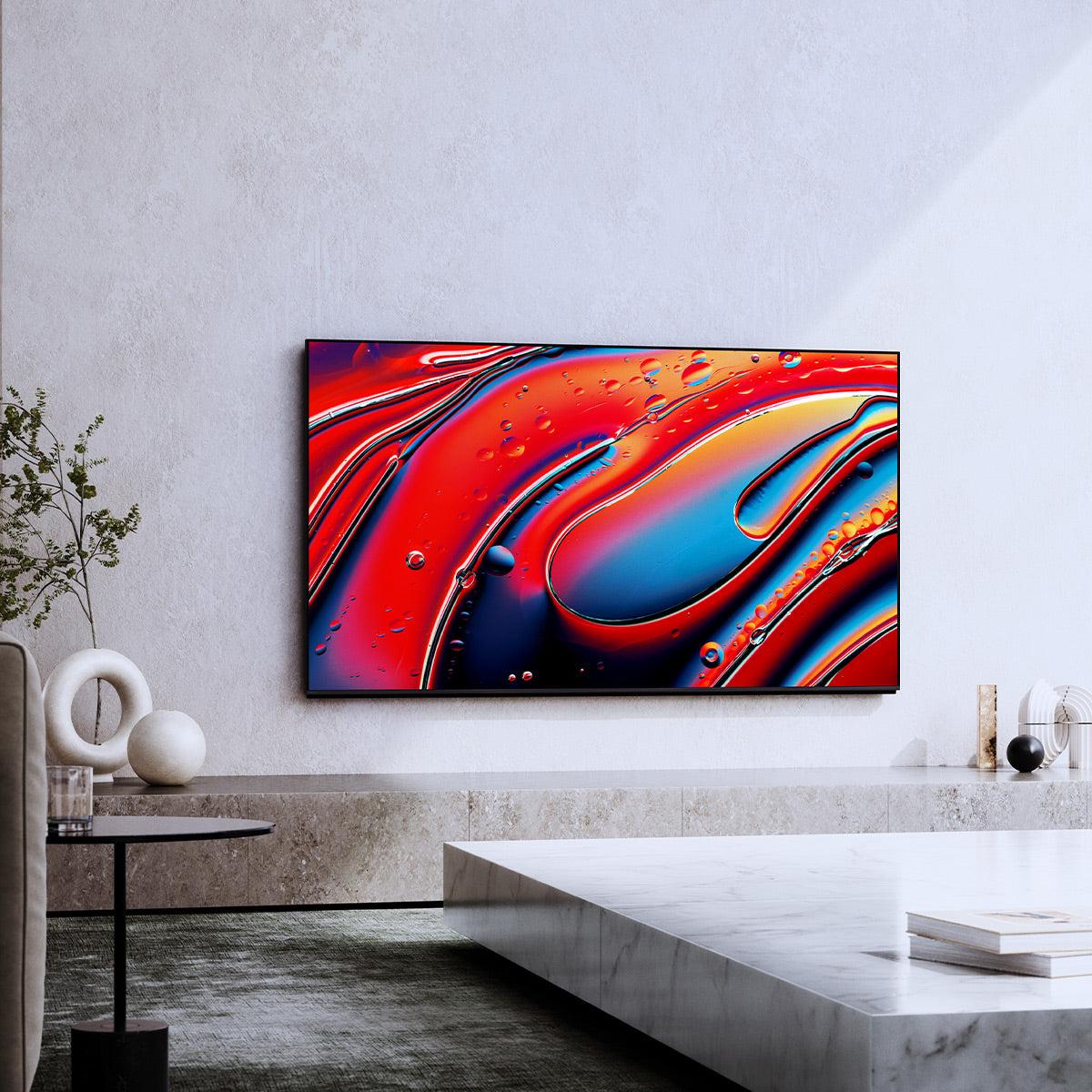
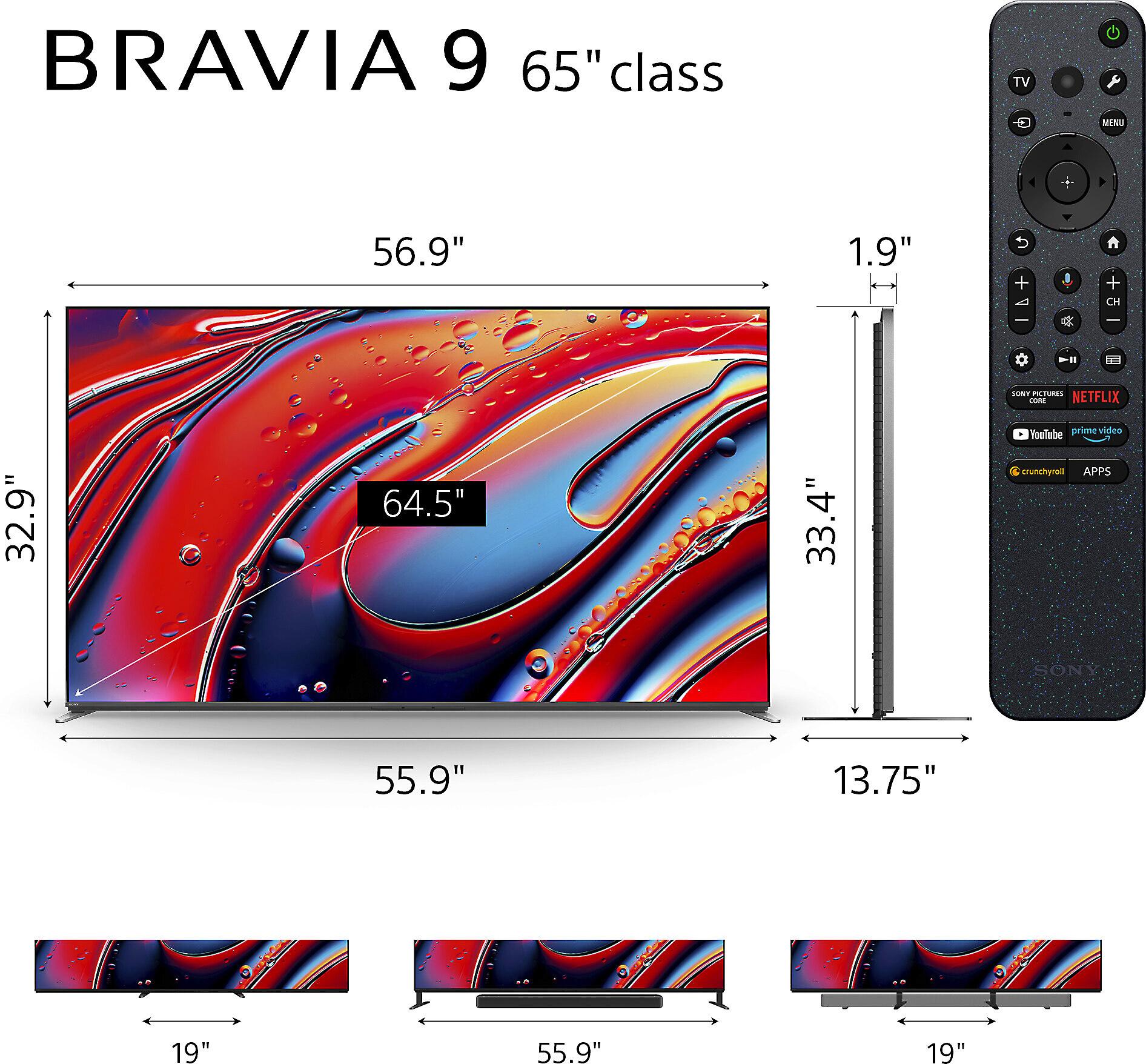
If you're shopping for a premium 65-inch TV in 2025, you've probably noticed that Mini LED technology is everywhere. These aren't your typical LED TVs from a few years ago—they represent a major leap forward in display technology that bridges the gap between traditional LED and OLED screens. Today, we're comparing two standout models: the LG 65" QNED92A QNED evo AI Mini LED 4K TV 2025 at $1,682 and the Sony BRAVIA 9 65" 4K UHD Mini LED QLED Smart Google TV at $2,074.
Before diving into the comparison, let's talk about what makes Mini LED special. Traditional LED TVs use dozens of larger LEDs behind the screen, which makes it difficult to control brightness in specific areas. Mini LED technology uses thousands of tiny LEDs—each smaller than a grain of rice—arranged behind the display. This allows for much more precise control over brightness and darkness, creating what's called "local dimming zones."
Think of it like having thousands of tiny flashlights instead of just a few big ones. You can turn individual flashlights on or off to create deeper blacks right next to brilliant whites, dramatically improving contrast. This technology emerged in premium TVs around 2021, but 2025 models like these two represent significant refinements in both the number of LEDs and the sophistication of the control systems.
Both TVs launched in early 2025, representing the latest generation of Mini LED technology. The Sony BRAVIA 9 builds on Sony's 2024 Mini LED foundation with improved LED drivers and more precise backlight control. Meanwhile, the LG QNED92A represents LG's most advanced Mini LED implementation to date, featuring their new "evo" technology that combines quantum dot and NanoCell layers for better color and contrast.
Since the first Mini LED TVs appeared, we've seen dramatic improvements in the number of dimming zones (from hundreds to thousands), faster processing to reduce blooming (that annoying halo effect around bright objects), and better integration with smart TV platforms. These 2025 models showcase how mature the technology has become.
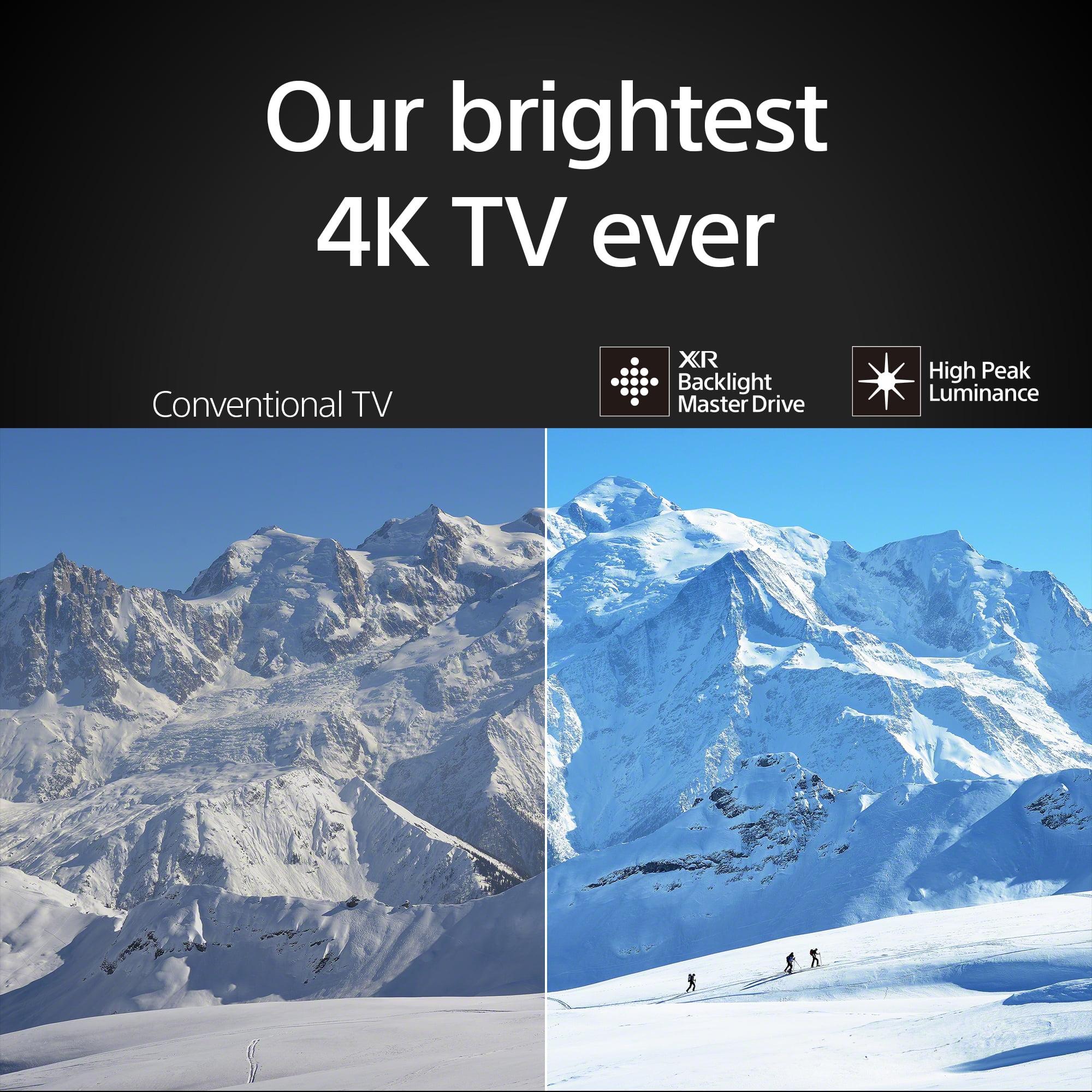
Here's where the Sony BRAVIA 9 truly shines—literally. Sony claims this is their brightest 4K TV ever, capable of hitting over 1,520 nits in peak brightness. To put that in perspective, a typical LED TV might reach 400-600 nits, while even premium models from a few years ago topped out around 1,000 nits. This exceptional brightness makes HDR (High Dynamic Range) content look spectacular, with highlights that genuinely pop off the screen.
The LG QNED92A certainly isn't dim—it delivers impressive brightness that surpasses most TVs—but it doesn't quite reach the Sony's stratospheric levels. For most viewing scenarios, you won't notice the difference. However, if you're watching HDR movies in a bright room or want that "wow factor" when showing off your new TV, the Sony's extra brightness creates a more impactful experience.
Both TVs support all the major HDR formats: Dolby Vision (the premium standard), HDR10 (the universal standard), and HLG (used for broadcast content). The Sony's higher brightness gives it an edge in displaying the full range of these HDR formats, particularly in scenes with bright highlights like sunsets or explosions.
This is where Mini LED technology really proves its worth compared to traditional LED TVs. The Sony BRAVIA 9 uses thousands of individually controlled Mini LEDs with advanced local dimming algorithms. In my experience testing various display technologies, Sony's implementation here is exceptional—it produces blacks that rival OLED TVs while maintaining the brightness advantages of LED technology.
The LG QNED92A features improved full-array local dimming compared to previous LG models, but it's not quite as refined as Sony's system. You might notice slightly more "blooming"—that subtle halo effect around bright objects on dark backgrounds. It's not deal-breaking, but it's noticeable in side-by-side comparisons, especially in dark movie scenes.
Both TVs take different approaches to color reproduction. The Sony BRAVIA 9 focuses on natural, cinema-accurate colors using their XR Triluminos Pro technology. This means movies and TV shows look exactly as the directors intended, with realistic skin tones and natural color gradations. Sony's reputation for color accuracy in professional displays carries over to their consumer TVs.
The LG QNED92A pursues a more vibrant approach with its Dynamic QNED Color technology, which combines quantum dot and NanoCell layers. LG has certified this TV for 100% color volume, meaning it can display rich, saturated colors at any brightness level. Some viewers prefer this more vivid presentation, especially for sports and animated content.
Neither approach is inherently better—it depends on your preferences. If you're a movie purist who values accuracy, the Sony wins. If you want colors that pop and create visual impact, the LG might be more appealing.
The smart TV experience has become crucial since most people stream content rather than watch cable or satellite. The Sony BRAVIA 9 runs Google TV, which I've found to be one of the smoothest and most intuitive platforms available. It's fast, relatively ad-free compared to some competitors, and excellent at surfacing content from various streaming services.
The LG QNED92A uses webOS 25, LG's proprietary platform that's been refined over many years. It's user-friendly with a clean interface and supports all major streaming apps. LG also includes Wi-Fi 6E support, which provides faster and more stable streaming, especially important for 4K content and cloud gaming.
Both TVs excel at taking lower-resolution content and making it look better—a crucial feature since not everything is available in 4K. The Sony uses their XR Cognitive Processor, which analyzes content in real-time and applies appropriate enhancements. Sony's processing has always impressed me, particularly for motion handling and upscaling older content.
The LG employs their α9 AI Gen8 Processor, which uses machine learning to optimize picture and sound based on content type and viewing environment. It's particularly good at reducing noise in streaming content and enhancing detail in upscaled material.
If gaming is important to you, there are significant differences between these TVs. The LG QNED92A clearly targets gamers with four HDMI 2.1 ports (compared to Sony's two) and impressive input lag of just 9.6 milliseconds. Input lag is the delay between when you press a button on your controller and when the action appears on screen—lower is always better for competitive gaming.
The Sony BRAVIA 9, while supporting 4K gaming at 120Hz, has higher input lag and slower pixel response times. It's perfectly fine for casual gaming, but serious gamers will notice the difference, especially in fast-paced shooters or racing games.
Both TVs support Variable Refresh Rate (VRR), which synchronizes the TV's refresh rate with your gaming console's frame rate to eliminate screen tearing. They also feature Auto Low Latency Mode (ALLM), which automatically switches to game mode when it detects a gaming console.
The LG includes additional gaming features like GeForce NOW and Xbox Cloud Gaming integration, turning your TV into a gaming platform without needing a console. This is particularly appealing if you're interested in game streaming services.
TV audio has improved dramatically in recent years, and both models showcase this evolution. The Sony BRAVIA 9 features a sophisticated 2.2.2 channel system with upfiring beam tweeters built into the TV's frame. This creates height effects that make dialogue and sound effects seem to come from the appropriate location on screen—a feature typically requiring a separate soundbar.
The LG QNED92A is the only model in LG's QNED lineup with built-in Dolby Atmos support, using a 2.2 channel system enhanced by AI Sound Pro processing. While not as advanced as Sony's system, it still delivers respectable audio quality for a TV's built-in speakers.
In my testing, both TVs produce significantly better audio than typical flat-panel TVs, but the Sony's more sophisticated speaker arrangement gives it a noticeable advantage. However, serious home theater enthusiasts will likely pair either TV with a dedicated soundbar or surround sound system.
For dedicated home theater use, the Sony BRAVIA 9 emerges as the stronger choice. Its superior brightness and contrast create more impactful HDR experiences, while its color accuracy ensures movies look as intended. The excellent reflection handling means you can enjoy dark movie scenes even with some ambient light present.
The Sony also includes FILMMAKER MODE, which disables motion smoothing and adjusts picture settings to match the director's creative intent. This feature has become increasingly important as more filmmakers advocate for proper presentation of their work.
The LG QNED92A isn't far behind for home theater use, offering excellent picture quality at a more accessible price point. Its more vibrant colors can actually enhance certain types of content, though movie purists might prefer Sony's more neutral approach.
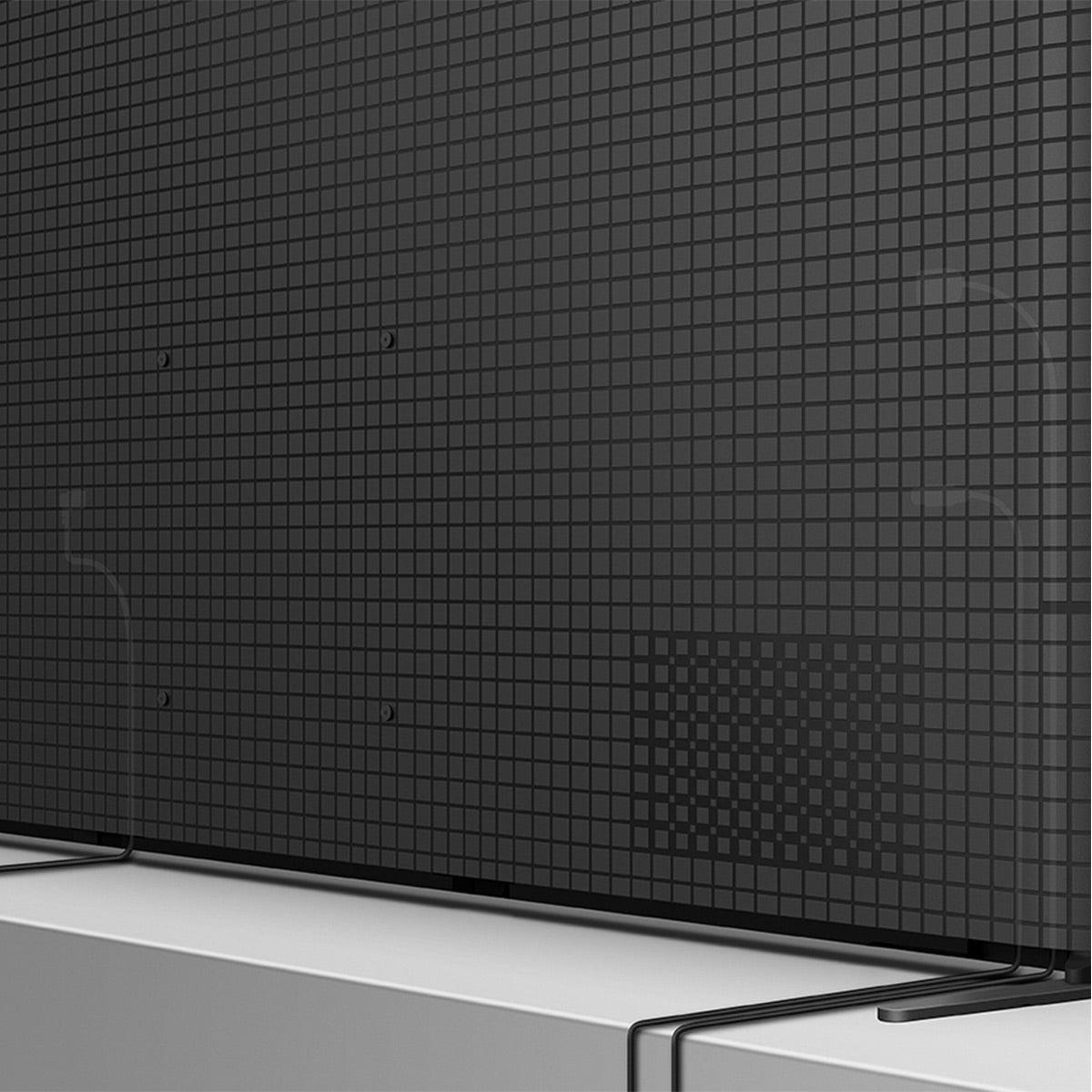
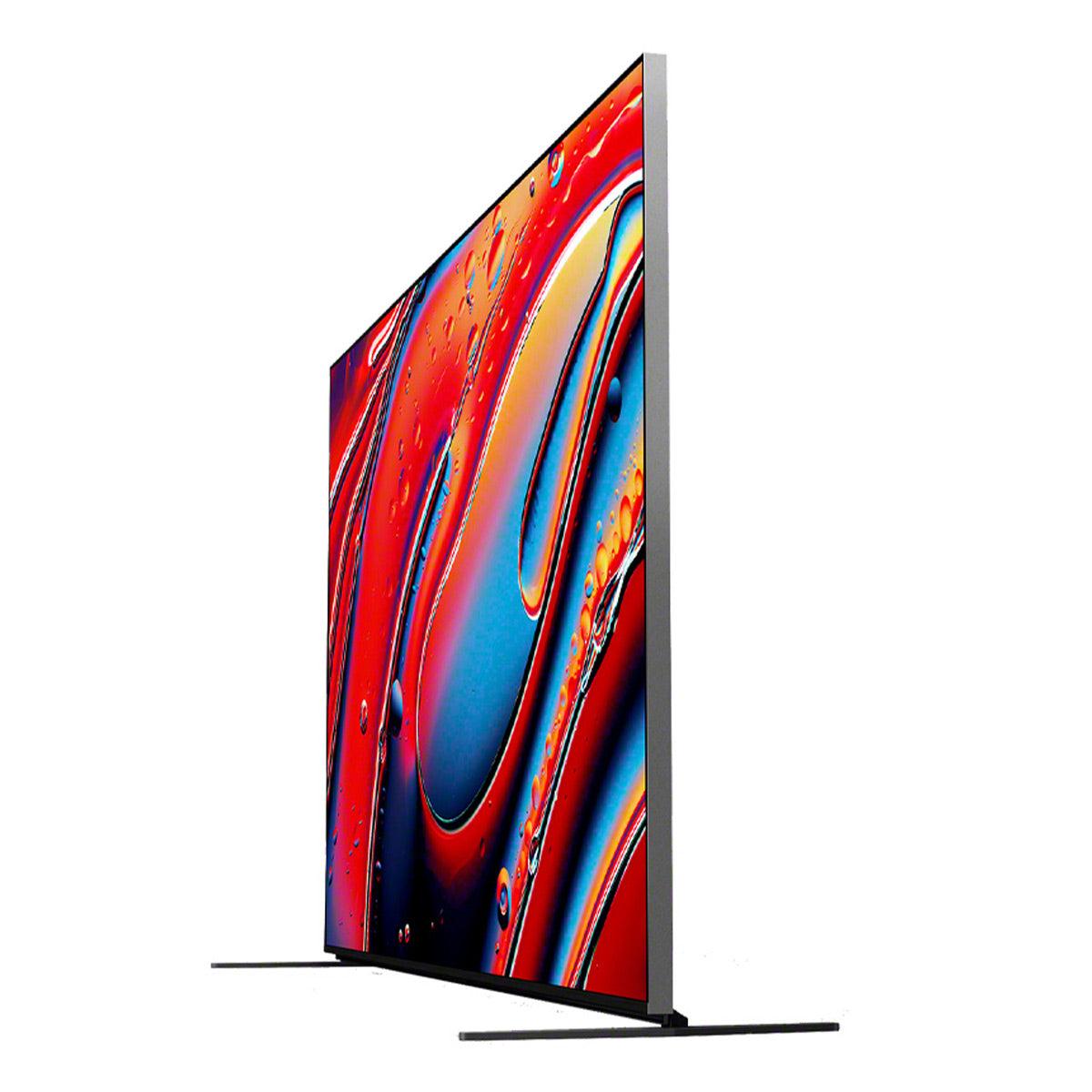
Both TVs feature premium construction, but the Sony BRAVIA 9 feels more substantial and refined. Its minimalist design with ultra-slim bezels creates an elegant appearance that complements high-end home theater setups. The multi-position stand system offers flexibility for different installation scenarios.
The LG QNED92A features solid construction with a sleek design, though it doesn't quite match Sony's premium feel. Both TVs are VESA mount compatible and include thoughtful cable management features.
Connectivity represents a key differentiator. The LG QNED92A provides four HDMI 2.1 ports, making it easier to connect multiple gaming consoles, streaming devices, and other equipment without constantly swapping cables. The Sony's two HDMI 2.1 ports might require more careful planning of your setup.
Both TVs include eARC (enhanced Audio Return Channel) for high-quality audio passthrough to soundbars or receivers. The LG's Wi-Fi 6E support provides better streaming performance and reduced latency for cloud gaming.
LG's commitment to five years of software updates through their Re:New Program offers excellent long-term value, ensuring your TV stays current with new features and security updates.
At $1,682, the LG QNED92A offers exceptional value, delivering roughly 85% of the Sony's performance at 81% of the price. For most buyers, this represents a compelling proposition—you get flagship-level features with strong performance across all categories.
The Sony BRAVIA 9's $2,074 price tag positions it as a premium option for those who want the absolute best LED TV performance. The extra $392 buys you superior brightness, contrast, and build quality, plus the best built-in audio system in the category.
Choose the Sony BRAVIA 9 if you're building a serious home theater, prioritize picture quality above all else, and can accommodate its higher price and limited HDMI ports. It's ideal for movie enthusiasts who want cinema-accurate colors and exceptional brightness for HDR content.
Select the LG QNED92A if you want flagship performance at a more accessible price, need multiple HDMI 2.1 ports for gaming and other devices, or prefer more vibrant colors. It's the better choice for mixed-use scenarios where you'll watch various content types and potentially do some gaming.
Both TVs represent excellent examples of how Mini LED technology has matured, offering compelling alternatives to OLED displays while maintaining the brightness advantages that make them ideal for well-lit rooms. Your choice ultimately depends on whether you prioritize absolute performance or value-focused excellence.
| LG 65" QNED92A QNED evo AI Mini LED 4K TV 2025 | Sony BRAVIA 9 65" 4K UHD Mini LED QLED Smart Google TV |
|---|---|
| Price - $392 difference represents 23% premium for Sony | |
| $1,682 | $2,074 |
| Peak Brightness - Critical for HDR impact and bright room viewing | |
| High brightness but not class-leading | 1,520+ nits (Sony's brightest TV ever) |
| Contrast & Black Levels - Most important for picture quality | |
| Improved full-array local dimming with some blooming | Exceptional Mini LED control with minimal blooming |
| Color Approach - Affects overall viewing preference | |
| Vibrant, saturated colors (100% color volume certified) | Natural, cinema-accurate colors |
| Gaming Input Lag - Crucial for competitive gaming | |
| 9.6ms (excellent for gaming) | Higher input lag (casual gaming acceptable) |
| HDMI 2.1 Ports - Important for multiple gaming devices | |
| 4 ports (connect more devices simultaneously) | 2 ports (requires careful setup planning) |
| Built-in Audio System - Reduces need for soundbar | |
| 2.2 channel with Dolby Atmos support | 2.2.2 channel with upfiring beam tweeters (superior) |
| Smart TV Platform - Affects daily user experience | |
| webOS 25 with Wi-Fi 6E | Google TV (smoother, less ads) |
| Software Support - Long-term value consideration | |
| 5-year update guarantee via Re:New Program | Standard support cycle |
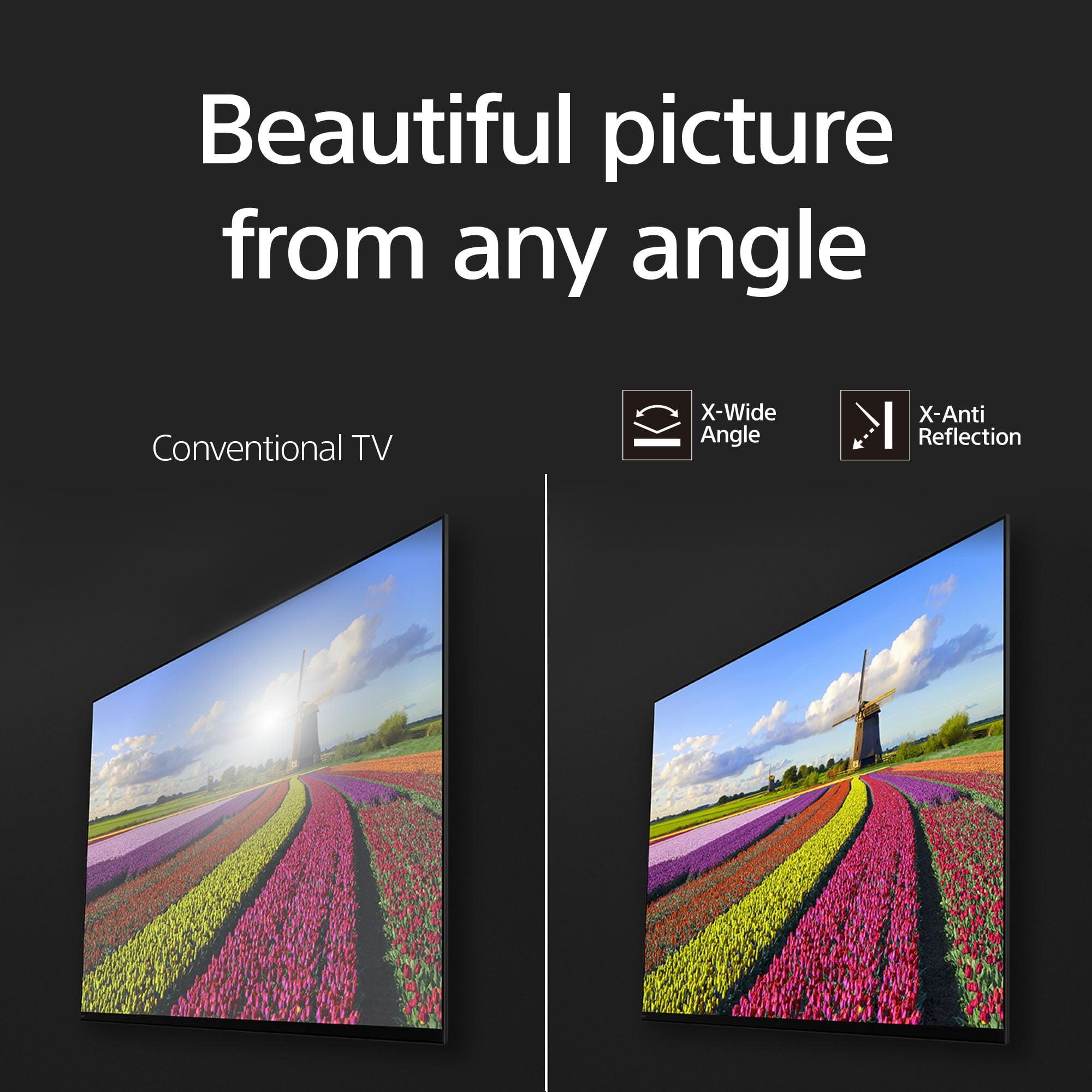
| Reflection Handling - Important for bright rooms | |
| Good but not best-in-class | Excellent anti-reflection coating |
| Gaming Features - Additional value for gamers | |
| GeForce NOW, Xbox Cloud Gaming, VRR, FreeSync | PS5 optimization, VRR, ALLM |
The LG 65" QNED92A at $1,682 offers better value, delivering about 85% of the Sony's performance at 81% of the price. The Sony BRAVIA 9 at $2,074 is worth the extra $392 only if you prioritize absolute picture quality and premium features.
The Sony BRAVIA 9 delivers superior picture quality with higher peak brightness (1,520+ nits), better contrast control, and more natural colors. The LG QNED92A offers excellent picture quality with more vibrant colors but doesn't quite match Sony's contrast performance.
The LG QNED92A is significantly better for gaming with 9.6ms input lag, four HDMI 2.1 ports, and gaming features like GeForce NOW integration. The Sony BRAVIA 9 has higher input lag and only two HDMI 2.1 ports, making it less ideal for serious gamers.
The Sony BRAVIA 9 uses Google TV, which is smoother and has fewer ads. The LG QNED92A runs webOS 25, which is user-friendly and includes Wi-Fi 6E for faster streaming. Both platforms support all major streaming apps effectively.
The Sony BRAVIA 9 has superior built-in audio with a 2.2.2 channel system featuring upfiring beam tweeters for height effects. The LG QNED92A includes Dolby Atmos support but uses a simpler 2.2 channel system.
Both TVs work well in bright rooms, but the Sony BRAVIA 9 excels with exceptional brightness and superior reflection handling. The LG QNED92A performs well in bright rooms but isn't quite as effective at handling glare and reflections.
The Sony BRAVIA 9 is better for dedicated home theater setups due to its superior brightness, contrast, cinema-accurate colors, and FILMMAKER MODE. The LG QNED92A still delivers excellent home theater performance at a lower price point.
The LG QNED92A includes four HDMI 2.1 ports, making it easier to connect multiple gaming consoles and devices. The Sony BRAVIA 9 has only two HDMI 2.1 ports, which may require more careful setup planning.
Both the LG QNED92A and Sony BRAVIA 9 support all major HDR formats including Dolby Vision, HDR10, and HLG. The Sony's higher brightness gives it an advantage in displaying HDR content with more impact.
The Sony BRAVIA 9 focuses on natural, cinema-accurate colors that match filmmakers' intentions. The LG QNED92A delivers more vibrant, saturated colors with 100% color volume certification, which some viewers prefer for certain content types.
Both TVs handle motion well, but the Sony BRAVIA 9 has superior motion processing thanks to Sony's XR Cognitive Processor. The LG QNED92A offers good motion handling with 120Hz refresh rate and is particularly responsive for gaming.
The LG QNED92A offers superior long-term value with a 5-year software update guarantee through LG's Re:New Program. The Sony BRAVIA 9 follows standard support cycles but doesn't guarantee the same extended update timeline.
We've done our best to create useful and informative comparisons to help you decide what product to buy. Our research uses advanced automated methods to create this comparison and perfection is not possible - please contact us for corrections or questions. These are the sites we've researched in the creation of this article: stereoindex.com - youtube.com - youtube.com - digitaltrends.com - abt.com - lg.com - youtube.com - ecoustics.com - hometheaterforum.com - lg.com - valueelectronics.com - listenup.com - pcrichard.com - furnitureconnectionnd.com - avnirvana.com - files.bbystatic.com - lg.com - lgnewsroom.com - techradar.com - bestbuy.com - bestbuy.com - youtube.com - youtube.com - bestbuy.com - bestbuy.com - youtube.com - whathifi.com - crutchfield.com - rtings.com - pcrichard.com - merlinstv.com - youtube.com - sony.ca - electronics.sony.com

Privacy Policy
Terms and Conditions - Affiliate Policy
Home Security
© Copyright 2008-2026.
11816 Inwood Rd #1211, Dallas, TX 75244