

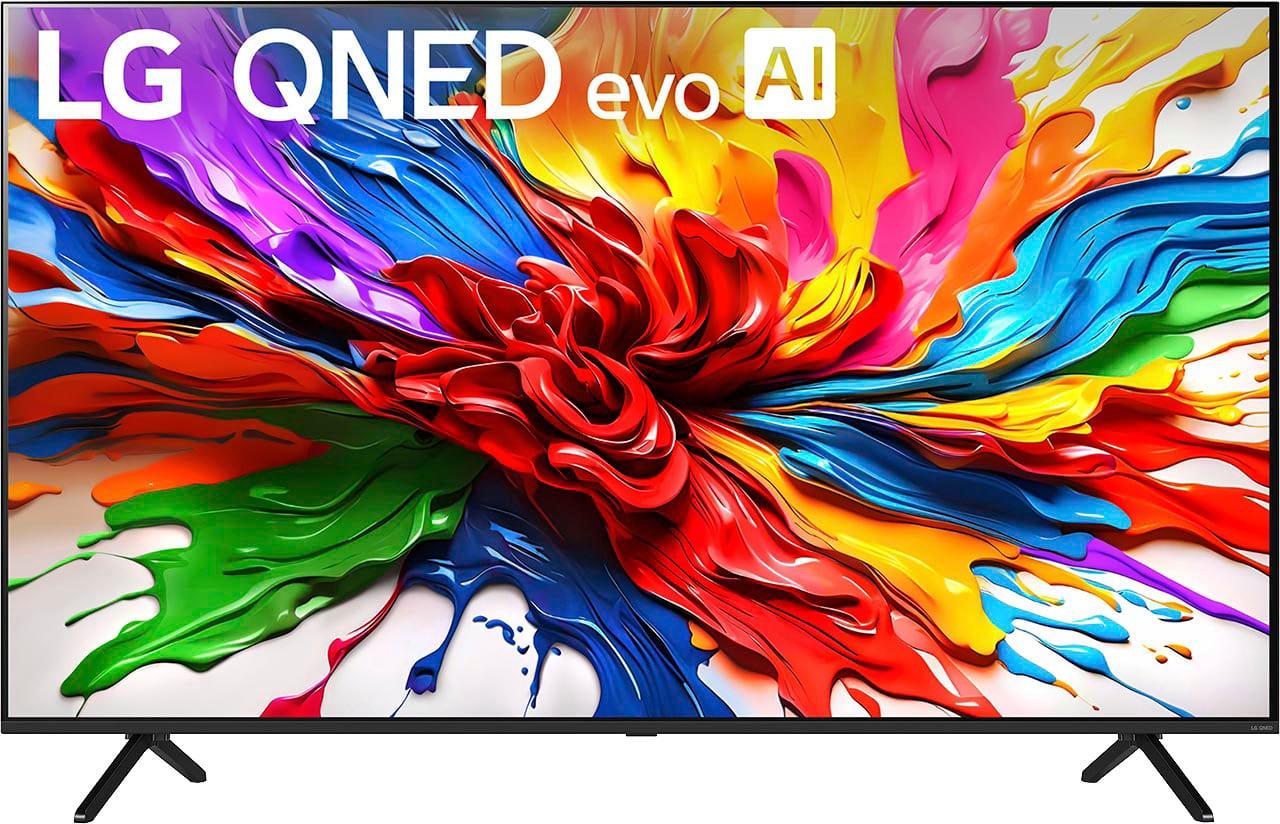
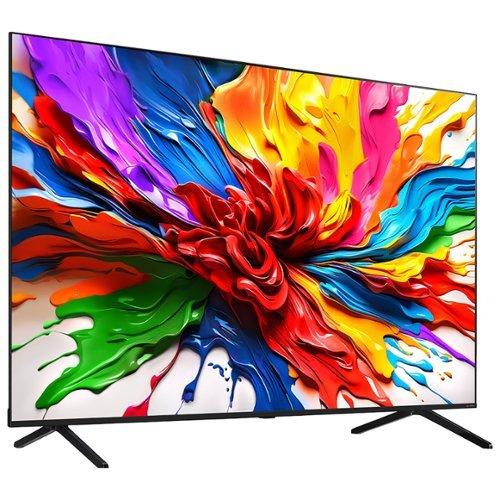
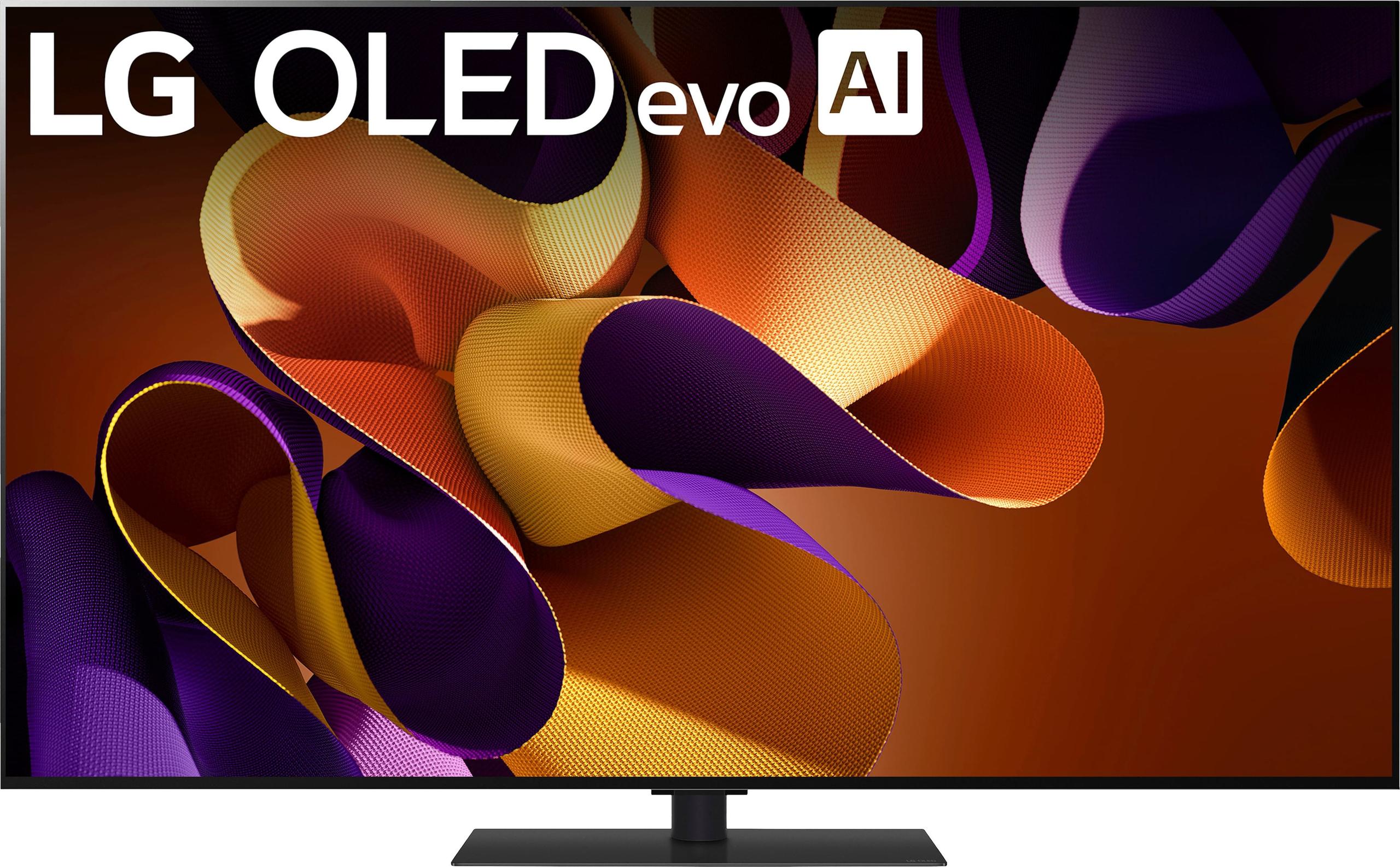
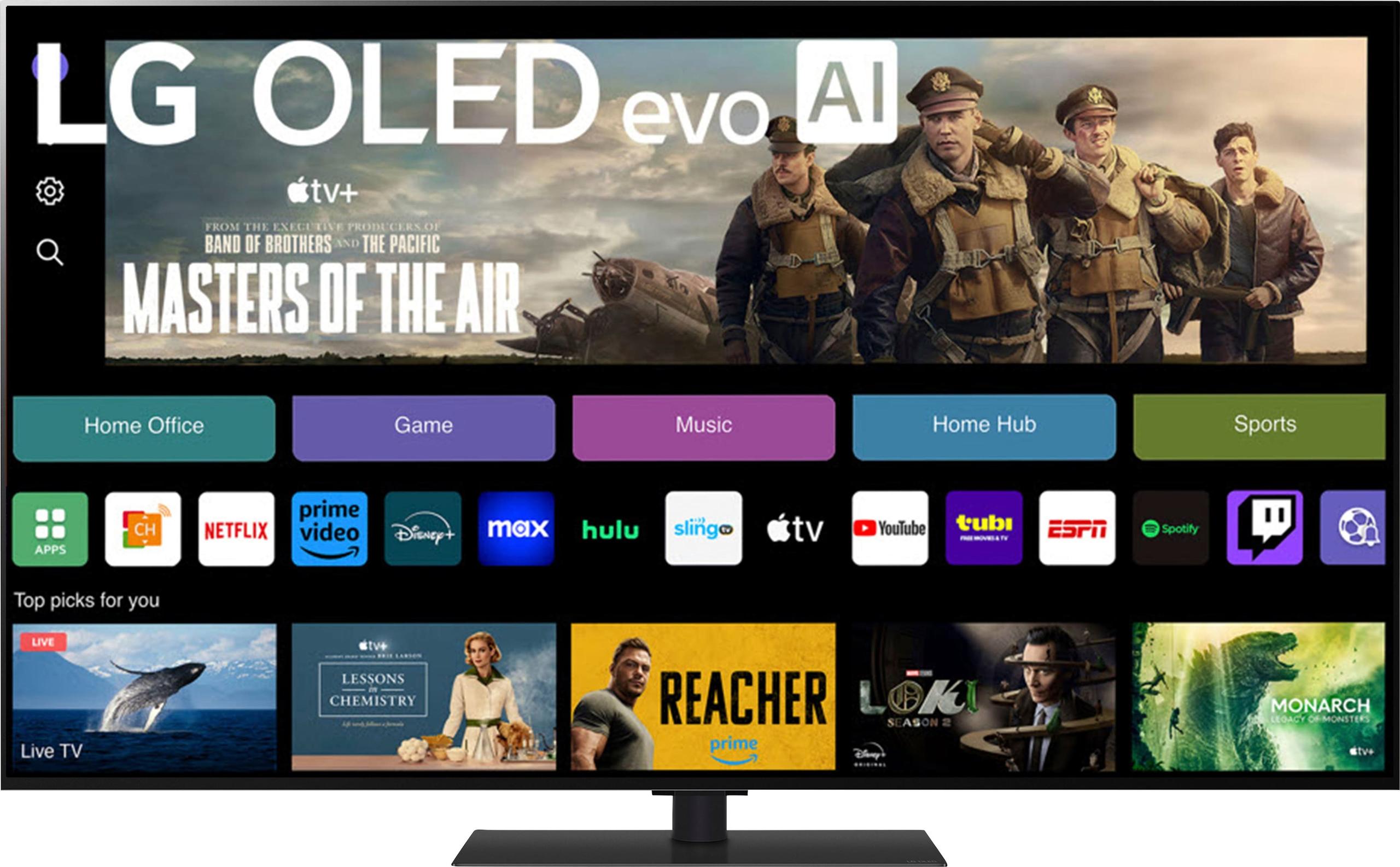
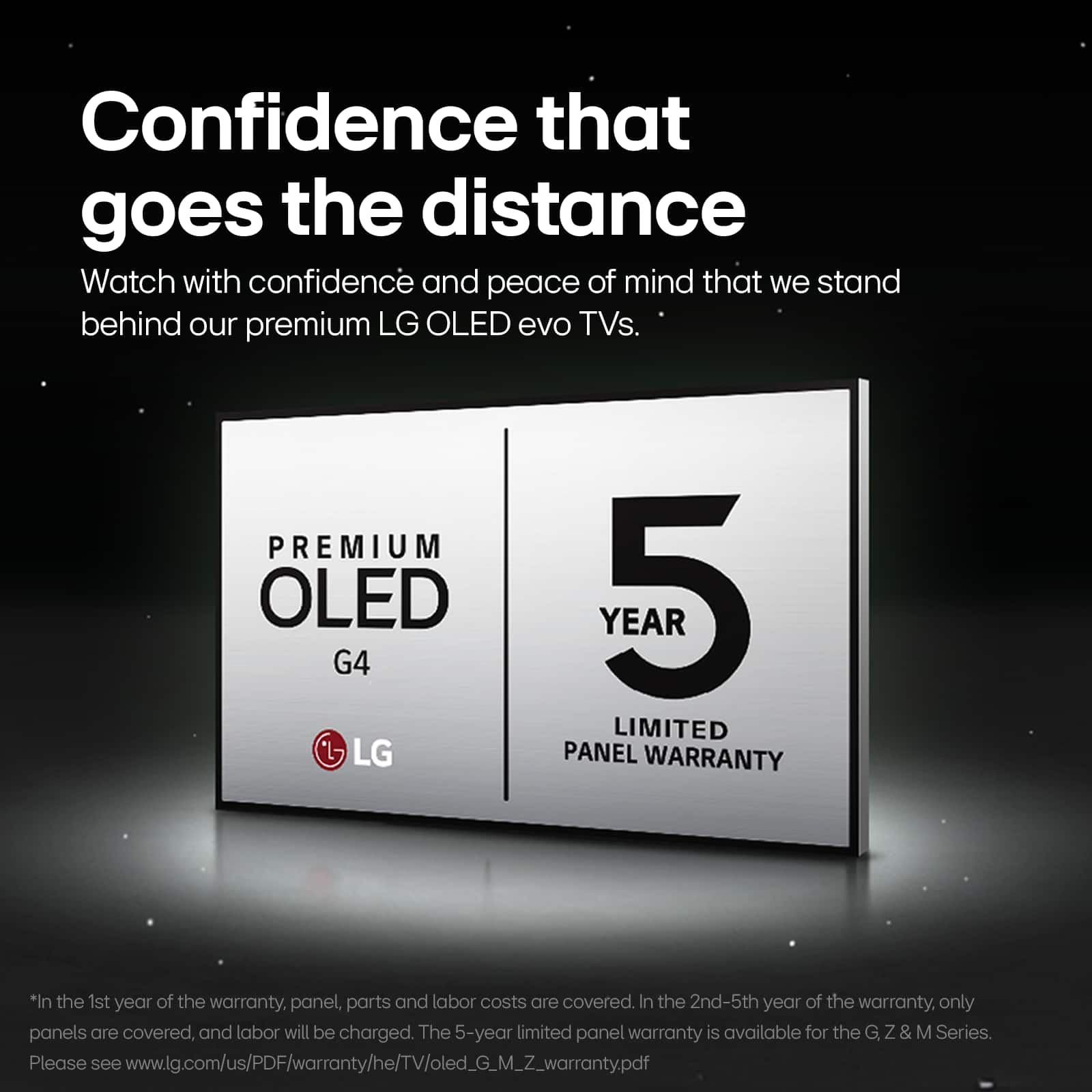
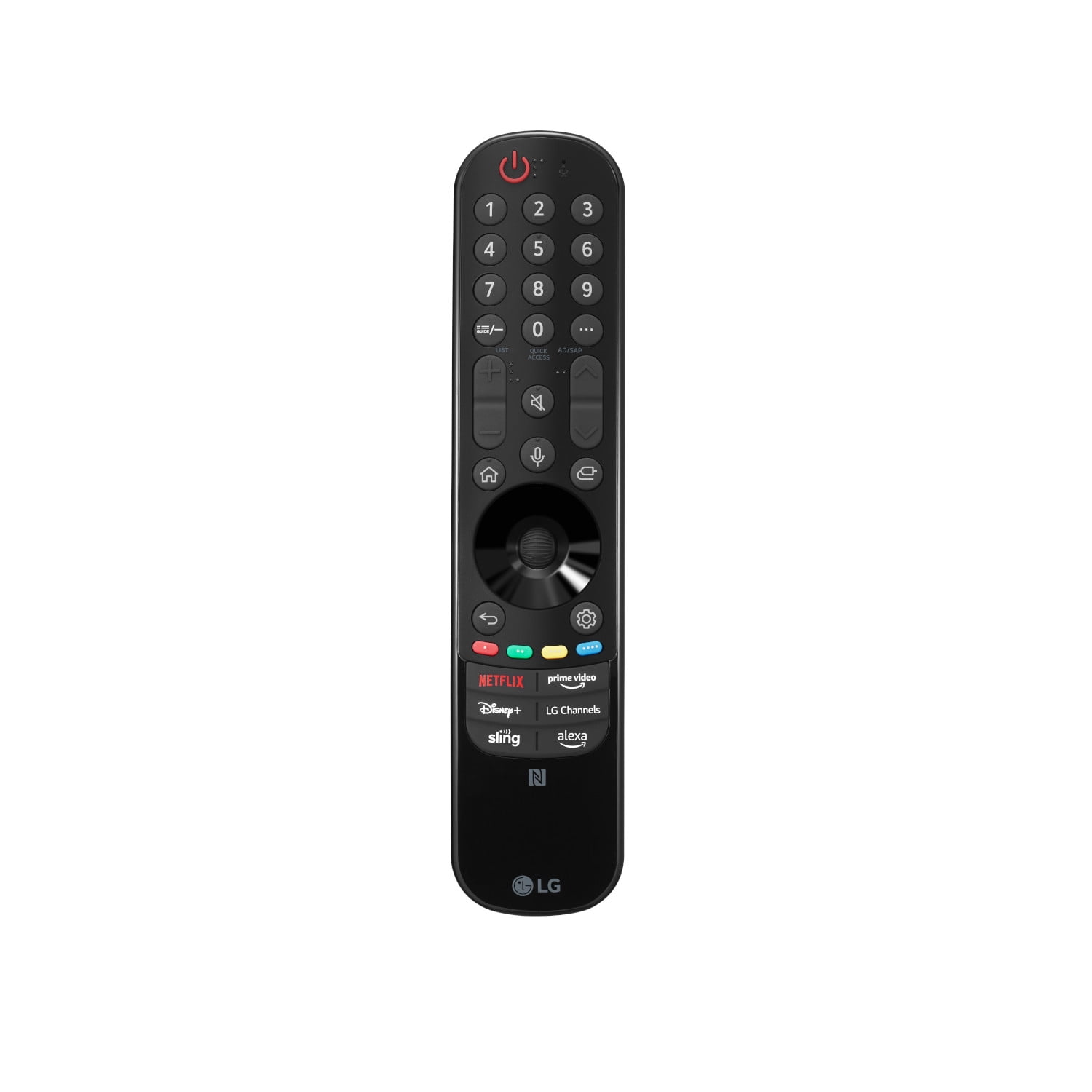
Shopping for a premium 65-inch TV can feel overwhelming, especially when you're looking at two excellent options from the same brand. The LG 65" QNED92A QNED evo AI Mini LED 4K TV 2025 and the LG 65" G4 Series OLED evo 4K UHD Smart TV represent two different approaches to achieving exceptional picture quality, each with distinct advantages that make them suitable for different viewing situations.
Before diving into the specifics, it's important to understand what makes a TV "premium" in 2024-2025. Premium TVs go beyond basic 4K resolution to offer advanced display technologies, sophisticated image processing, gaming-focused features, and smart capabilities that enhance every aspect of your viewing experience. The main considerations include display technology (how the TV creates light and color), picture quality metrics like brightness and contrast, gaming performance features, and the overall value proposition.
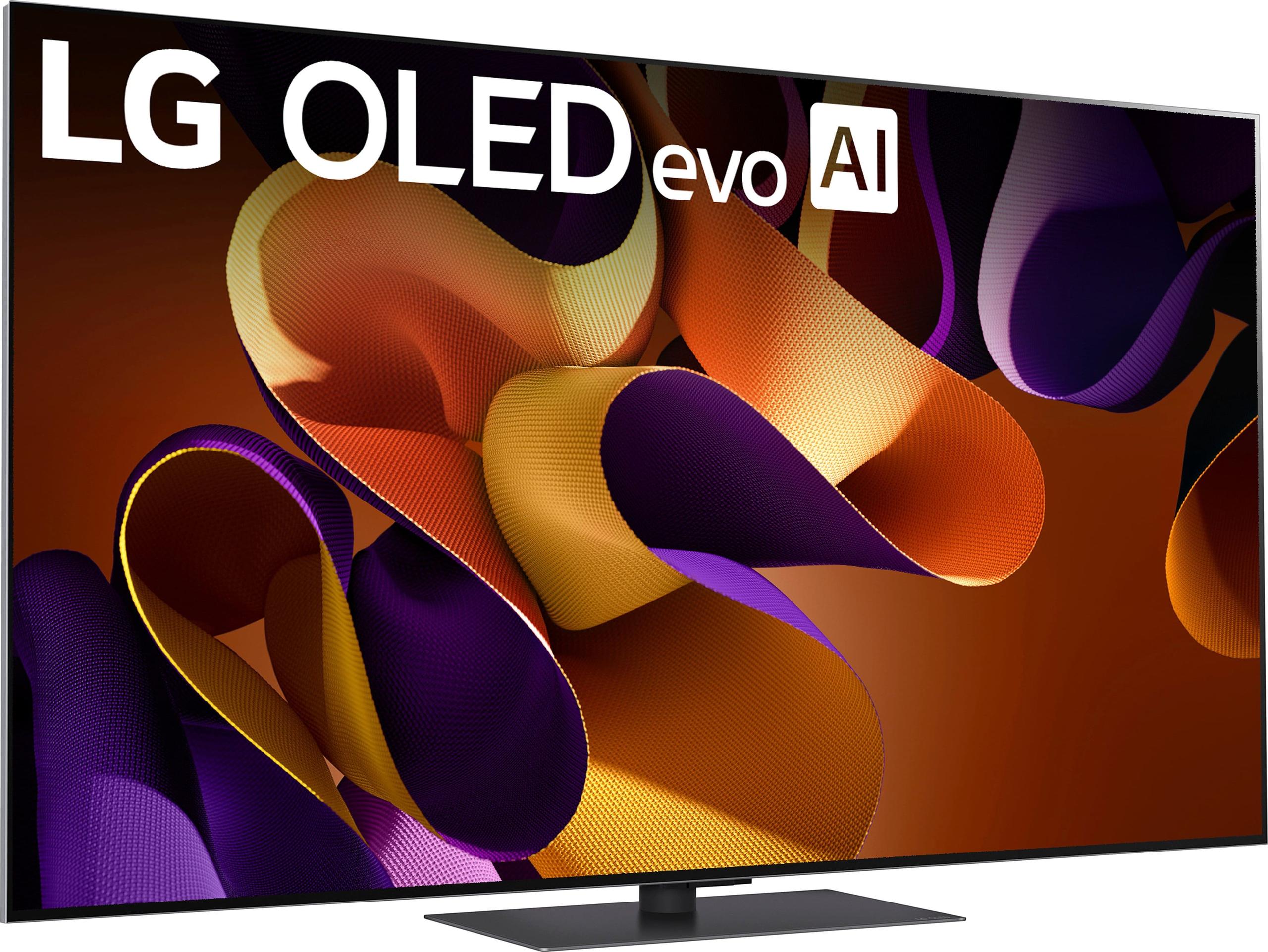
The two TVs we're comparing represent fundamentally different approaches to premium display technology. The QNED92A uses Mini LED backlighting with quantum dot color enhancement—think of it as a highly advanced version of traditional LED TVs. The G4 OLED, released in 2024, uses self-illuminating organic pixels that can turn completely on or off independently, creating what many consider the gold standard for contrast.
LG's G4 OLED hit the market in early 2024, representing the fourth generation of their premium Gallery series. It featured significant improvements over the G3, including a brighter "evo" panel and the powerful Alpha 11 AI processor. The QNED92A, being a 2025 model, is LG's latest response to the growing Mini LED market, incorporating lessons learned from previous QNED generations and featuring their newest Alpha 8 AI Gen2 processor.
The timing difference is important because it shows LG's strategy evolution. While OLED technology has been refined over several years, Mini LED represents a newer approach to competing with OLED's picture quality while maintaining the brightness advantages of traditional LCD technology.
The fundamental difference between these TVs lies in how they create the images you see. The QNED92A uses Mini LED backlighting, which involves thousands of tiny LEDs arranged behind the screen, combined with quantum dot color enhancement. This quantum dot layer—essentially microscopic particles that emit specific colors when hit by light—provides more accurate and vibrant colors than traditional LED TVs.
What makes Mini LED special is the sheer number of dimming zones. The QNED92A features hundreds of independently controlled dimming zones, allowing specific areas of the screen to get brighter or darker without affecting neighboring areas. This is called local dimming, and it's crucial for creating the contrast that makes images pop. When you're watching a movie with a bright explosion against a dark night sky, these zones can make the explosion brilliant while keeping the sky truly dark.
The G4 OLED takes a completely different approach. Instead of a backlight system, each pixel is essentially a tiny organic light-emitting diode that can produce its own light or turn completely off. This means when you see black on an OLED screen, those pixels are literally off, producing no light at all. This creates what's called "infinite contrast"—the difference between the brightest whites and darkest blacks is theoretically unlimited.
This is where the two TVs show their most significant differences. The QNED92A can reach peak brightness levels of up to 1,520 nits in small areas (what we call a 25% window), with impressive performance even in larger bright scenes. To put this in perspective, most content creators master HDR content for displays capable of 1,000 nits, so this TV can exceed those specifications substantially.
The G4 OLED typically reaches around 1,000 nits peak brightness, which might seem like a disadvantage until you consider the viewing environment. In a bright living room with windows and lamps, the QNED92A's extra brightness helps the picture cut through ambient light, making colors appear more vibrant and details more visible. I've found this particularly noticeable when watching sports during the day—the QNED92A maintains punch and clarity even with significant room lighting.
However, brightness isn't everything. The G4 OLED's perfect black levels create a different kind of impact. In a darkened room, the infinite contrast creates incredibly dramatic images where stars against space, shadows in movie scenes, and dark video game environments have a depth and realism that's hard to match. The difference is immediately apparent when watching something like "Blade Runner 2049" or playing a game with dark atmospheric scenes.
Both TVs achieve excellent color performance, but through different methods. The QNED92A uses quantum dot technology combined with NanoCell filtering to achieve 97% coverage of the DCI-P3 color space (the standard used for digital cinema) and is certified for 100% color volume. Color volume is important because it means the TV can display accurate colors at all brightness levels, not just in optimal conditions.
The G4 OLED achieves similarly impressive color accuracy through its organic pixel structure. While it may not achieve quite the same peak color volume as the QNED92A, the color reproduction tends to look more natural and film-like. This difference is subtle but becomes more apparent with side-by-side comparisons, especially in darker scenes where the OLED's perfect blacks provide better color separation.
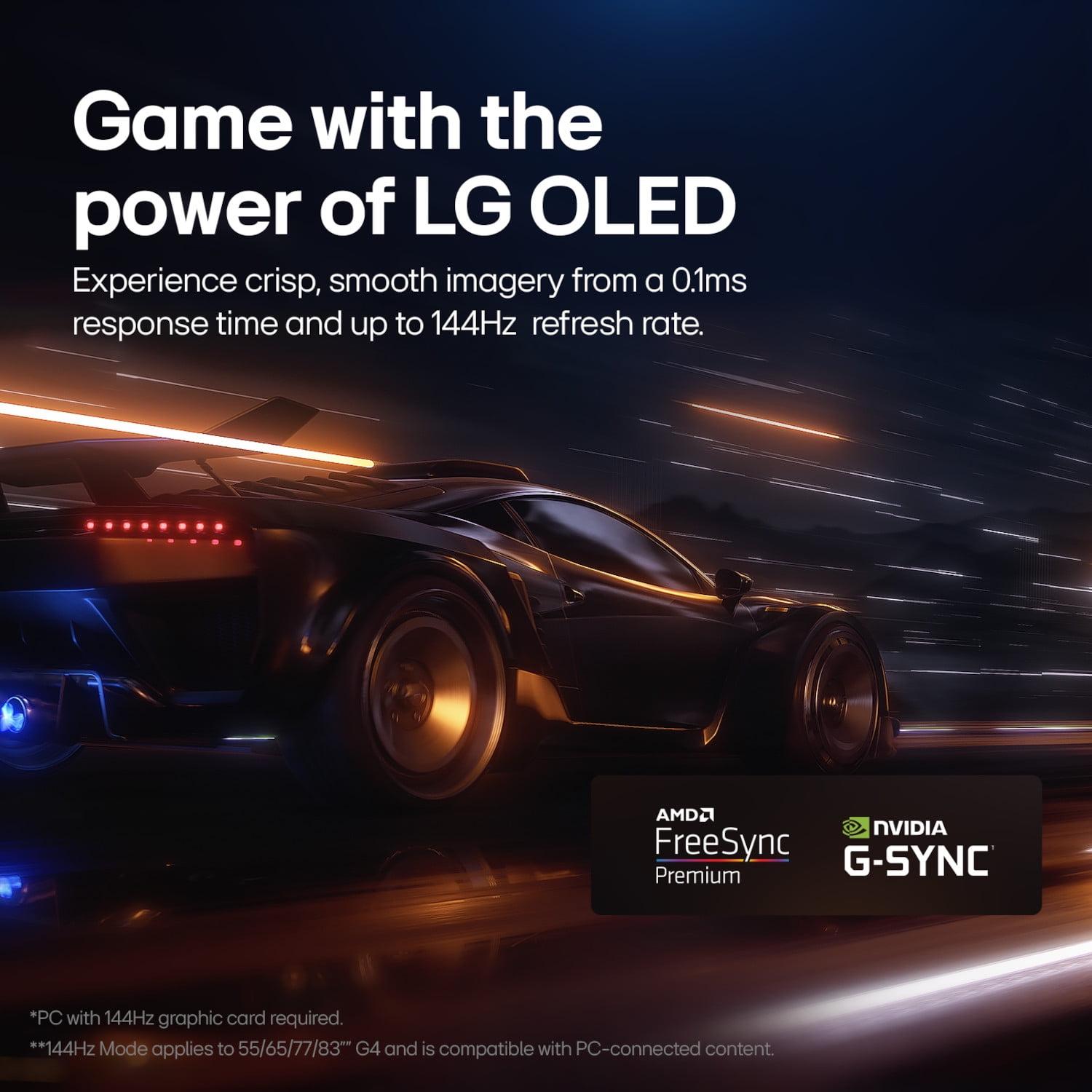
For sports enthusiasts and action movie fans, motion handling is crucial. The G4 OLED has a significant advantage here with its 144Hz refresh rate and instantaneous pixel response. Because OLED pixels can change states almost immediately, there's virtually no motion blur—fast-moving objects stay sharp and clear.
The QNED92A offers a 120Hz refresh rate, which is excellent for most content, but the LCD technology inherently has some pixel response time. However, LG's motion processing has improved significantly, and for most viewers, the difference won't be dramatic except in the most demanding scenarios like fast-paced gaming or rapidly moving sports action.
Gaming has become a major consideration for TV buyers, and both TVs excel here, though in different ways. The G4 OLED is particularly impressive for gaming, with input lag measured at just 0.1 milliseconds—essentially instantaneous. This makes it ideal for competitive gaming where every millisecond counts.
The QNED92A offers 9.6ms input lag, which is still excellent and imperceptible to most gamers. Where it potentially edges ahead is in brightness for HDR gaming. Games like "Horizon Forbidden West" or "Forza Horizon 5" with spectacular HDR implementations can look more impactful on the brighter display, especially if you're gaming in a room with ambient light.
Both TVs support all the modern gaming features: Variable Refresh Rate (VRR) to eliminate screen tearing, Auto Low Latency Mode (ALLM) to automatically switch to game mode when a console is detected, and support for both FreeSync and G-Sync technologies. The G4 OLED supports up to 4K at 144Hz, while the QNED92A handles 4K at 120Hz—both more than adequate for current gaming consoles.
The smart TV experience has become increasingly important, and this is where the timing difference between the models shows. The QNED92A runs webOS 25, LG's latest smart TV platform, while the G4 OLED uses webOS 24. Both offer comprehensive app selections, but the newer platform includes refinements in interface design and AI features.
One standout feature of the QNED92A is the Zero Connect Box, which allows for truly wireless video and audio transmission. This means you can have all your devices connected to a separate box and transmit the signal wirelessly to the TV, reducing cable clutter significantly. It's particularly useful for wall-mounted installations where running cables can be challenging.
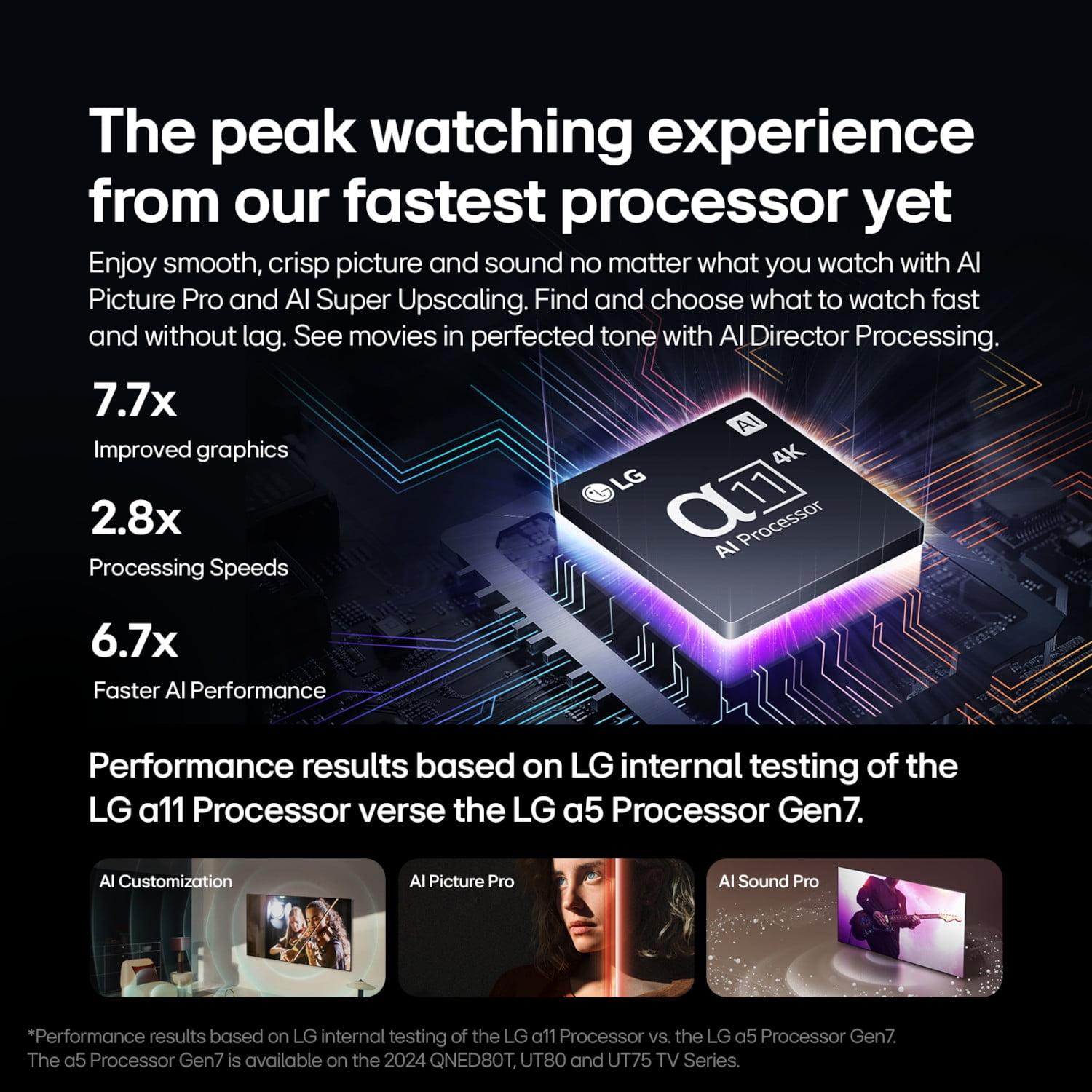
Both TVs include LG's AI processors—the Alpha 8 AI Gen2 in the QNED92A and the Alpha 11 AI in the G4 OLED. These processors use machine learning to optimize picture and sound in real-time, analyzing content type and adjusting settings accordingly. The G4's Alpha 11 processor is more powerful, offering 70% better graphics performance than its predecessor, which translates to smoother interface navigation and more sophisticated image processing.
Audio often gets overlooked in TV comparisons, but both models offer impressive sound systems. The G4 OLED features a 4.2 channel system with 60W of power, providing more sophisticated audio than most TVs. The QNED92A uses a 2.2 channel system, which is less powerful but still includes AI Sound Pro processing that analyzes content and optimizes audio accordingly.
Both TVs support Dolby Atmos, which creates three-dimensional sound effects by bouncing audio off your ceiling and walls. While neither TV will replace a dedicated sound system, they're both capable of providing satisfying audio for casual viewing. The G4 OLED's more powerful speakers give it an edge for those who prefer not to invest in additional audio equipment.
For dedicated home theater setups, the choice between these TVs depends heavily on your room's characteristics. The G4 OLED truly shines in a darkened home theater environment. The perfect black levels create an incredibly immersive experience that makes you feel like you're in a commercial cinema. The infinite contrast ratio means you'll see details in shadows that might be lost on other displays, and the wide viewing angles ensure everyone in the room gets the same excellent picture quality.
However, if your home theater isn't completely light-controlled, the QNED92A might be the better choice. Its higher peak brightness helps maintain picture quality even with some ambient light, and there's no concern about burn-in if you frequently watch content with static elements like news channels or sports with persistent scoreboards.
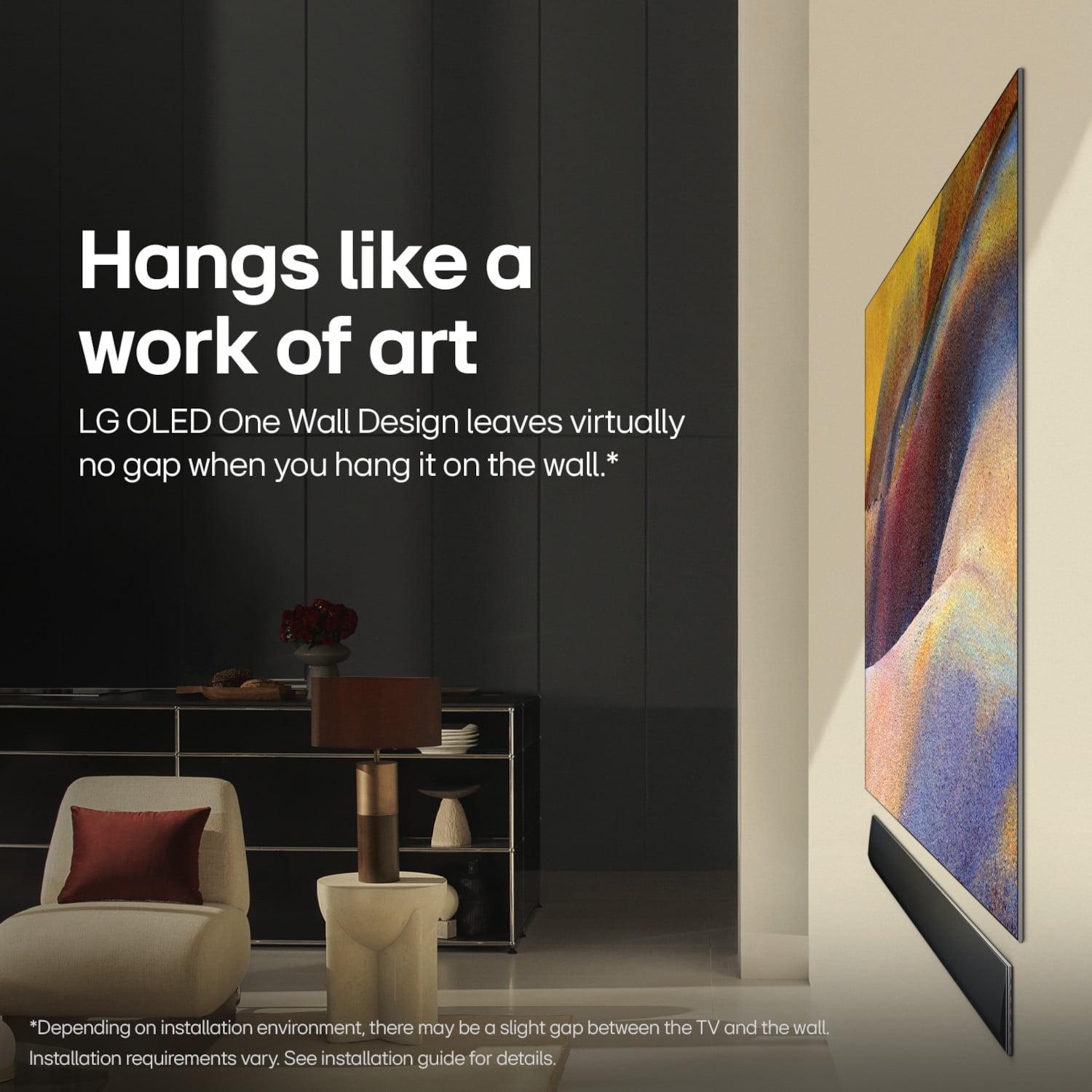
The G4 OLED's ultra-thin profile (just over an inch deep) makes it particularly appealing for wall-mounted home theater installations. It sits almost flush against the wall, creating a clean, modern aesthetic that doesn't dominate the room visually.
Pricing varies by retailer and timing, but the QNED92A typically costs less than the G4 OLED while offering comparable features. This makes it an attractive option for those wanting premium performance without the premium price tag.
Long-term durability is worth considering. The QNED92A has no burn-in risk, making it ideal for users who watch a lot of content with static elements or use the TV for PC gaming with persistent user interfaces. The G4 OLED does have potential burn-in risk, though LG has implemented numerous technologies to minimize this, and it's rarely an issue with normal viewing patterns.
Both TVs offer excellent energy efficiency, with the OLED typically consuming less power, especially when displaying darker content. LG's commitment to software updates means both TVs should remain current with new features and security updates for years to come.
The choice between the LG 65" QNED92A and LG 65" G4 OLED ultimately comes down to your specific viewing environment and priorities. If you watch TV primarily in bright rooms, enjoy sports and daytime programming, or want the latest connectivity features like wireless video transmission, the QNED92A offers exceptional value and performance.
If you're building a dedicated home theater, prioritize the absolute best picture quality, or are a serious gamer who wants the lowest possible input lag, the G4 OLED represents the pinnacle of current display technology. Its perfect blacks, infinite contrast, and premium design make it a worthwhile investment for those who want the ultimate viewing experience.
Both TVs represent excellent choices in the premium TV market, each excelling in different areas while delivering the sophisticated features modern viewers expect. Your decision should be based on your specific room conditions, viewing habits, and budget considerations rather than any significant quality differences between the two models.
| LG 65" QNED92A QNED evo AI Mini LED 4K TV 2025 | LG 65" G4 Series OLED evo 4K UHD Smart TV |
|---|---|
| Display Technology - Determines contrast, black levels, and overall picture quality | |
| Mini LED backlighting with quantum dot color and hundreds of dimming zones | Self-illuminating OLED pixels with infinite contrast and perfect blacks |
| Peak Brightness - Critical for HDR impact and bright room viewing | |
| Up to 1,520 nits (excellent for bright rooms and daytime viewing) | Around 1,000 nits (optimized for controlled lighting environments) |
| Refresh Rate - Important for gaming and fast motion content | |
| 120Hz native (excellent for most gaming and sports) | 144Hz (superior for competitive gaming and fast action) |
| Input Lag - Critical for responsive gaming performance | |
| 9.6ms (imperceptible for most gamers) | 0.1ms (essentially instantaneous, ideal for competitive gaming) |
| Audio System - Affects built-in sound quality | |
| 2.2 channel with AI Sound Pro processing | 4.2 channel with 60W output (more powerful and immersive) |
| Smart Platform - Determines interface and future updates | |
| webOS 25 with 5-year update guarantee | webOS 24 with comprehensive smart features |
| Connectivity - Affects setup flexibility and cable management | |
| Wi-Fi 6E, Bluetooth 5.3, Zero Connect Box for wireless video | Wi-Fi 6E, Bluetooth 5.1, traditional wired connections |
| Burn-in Risk - Long-term durability consideration | |
| No burn-in risk (safe for static content and heavy use) | Minimal burn-in risk with normal use, but possible with static content |
| Viewing Angle - Important for seating arrangements | |
| Good viewing angles with some color shift at extremes | Excellent viewing angles with minimal color degradation |
| Energy Efficiency - Ongoing operating costs | |
| Higher power consumption due to backlighting system | More energy efficient, especially with darker content |
| Design Profile - Aesthetic and mounting considerations | |
| Standard TV thickness with V-shaped stand | Ultra-thin 1-1/8" profile for premium wall-mounted look |
| Price Point - Value proposition | |
| Typically lower cost than comparable OLED models | Premium OLED pricing reflecting top-tier technology |
The LG G4 OLED generally offers superior picture quality with perfect blacks and infinite contrast, making it ideal for dark room viewing. However, the LG QNED92A provides brighter peak brightness (up to 1,520 nits vs 1,000 nits) which can look more vibrant in bright rooms. For home theater use, the G4 OLED's perfect black levels create a more cinematic experience.
The LG G4 OLED is superior for gaming with 0.1ms input lag, 144Hz refresh rate, and instantaneous pixel response. The LG QNED92A still offers excellent gaming performance with 9.6ms input lag and 120Hz refresh rate. Both support VRR, ALLM, and 4K gaming, but the G4 OLED has the edge for competitive gaming.
The LG QNED92A is significantly brighter with peak brightness up to 1,520 nits, making it better for bright rooms and daytime viewing. The LG G4 OLED reaches around 1,000 nits, which is still excellent but performs best in controlled lighting environments.
The LG QNED92A has no burn-in risk due to its Mini LED technology, making it safe for static content like news channels or gaming interfaces. The LG G4 OLED has minimal burn-in risk with normal viewing patterns, though it's possible with excessive static content exposure.
The LG G4 OLED is typically better for dedicated home theaters due to its perfect black levels, infinite contrast, and ultra-thin profile that sits flush against walls. The LG QNED92A works well for home theaters that aren't completely light-controlled, thanks to its higher peak brightness.
The LG QNED92A runs the newer webOS 25 platform with 5-year update guarantee and includes a Zero Connect Box for wireless video transmission. The LG G4 OLED uses webOS 24 with comprehensive smart features and more powerful Alpha 11 AI processor for enhanced performance.
The LG G4 OLED has superior built-in audio with a 4.2 channel system and 60W output compared to the LG QNED92A's 2.2 channel system. Both support Dolby Atmos and AI sound processing, but the G4 OLED provides more immersive audio without additional speakers.
Both TVs handle sports well, but the LG QNED92A may be better for bright room sports viewing due to its higher brightness. The LG G4 OLED offers superior motion handling with 144Hz refresh rate and instantaneous pixel response, making fast action appear smoother.
The LG QNED92A typically offers better value with premium features at a lower price point than OLED technology. The LG G4 OLED represents premium pricing but delivers top-tier picture quality that justifies the cost for those prioritizing ultimate performance.
The LG QNED92A features Wi-Fi 6E, Bluetooth 5.3, and unique Zero Connect Box for wireless video transmission, reducing cable clutter. The LG G4 OLED offers Wi-Fi 6E and Bluetooth 5.1 with traditional wired connections and four HDMI 2.1 ports.
The LG G4 OLED is more energy efficient, especially when displaying darker content, since pixels can turn completely off. The LG QNED92A consumes more power due to its backlighting system but includes energy-saving features to minimize consumption.
The LG G4 OLED offers excellent viewing angles with minimal color degradation from side positions, making it ideal for larger seating arrangements. The LG QNED92A provides good viewing angles but may show some color shift at extreme angles, though it's still suitable for most room layouts.
We've done our best to create useful and informative comparisons to help you decide what product to buy. Our research uses advanced automated methods to create this comparison and perfection is not possible - please contact us for corrections or questions. These are the sites we've researched in the creation of this article: stereoindex.com - youtube.com - youtube.com - digitaltrends.com - abt.com - lg.com - youtube.com - ecoustics.com - hometheaterforum.com - lg.com - valueelectronics.com - listenup.com - pcrichard.com - furnitureconnectionnd.com - avnirvana.com - files.bbystatic.com - lg.com - lgnewsroom.com - techradar.com - bestbuy.com - bestbuy.com - youtube.com - youtube.com - tomsguide.com - crutchfield.com - visions.ca - youtube.com - cnet.com - schaeferstv.com - rtings.com - costco.com - bhphotovideo.com - techradar.com - youtube.com - abcwarehouse.com - youtube.com

Privacy Policy
Terms and Conditions - Affiliate Policy
Home Security
© Copyright 2008-2026.
11816 Inwood Rd #1211, Dallas, TX 75244