

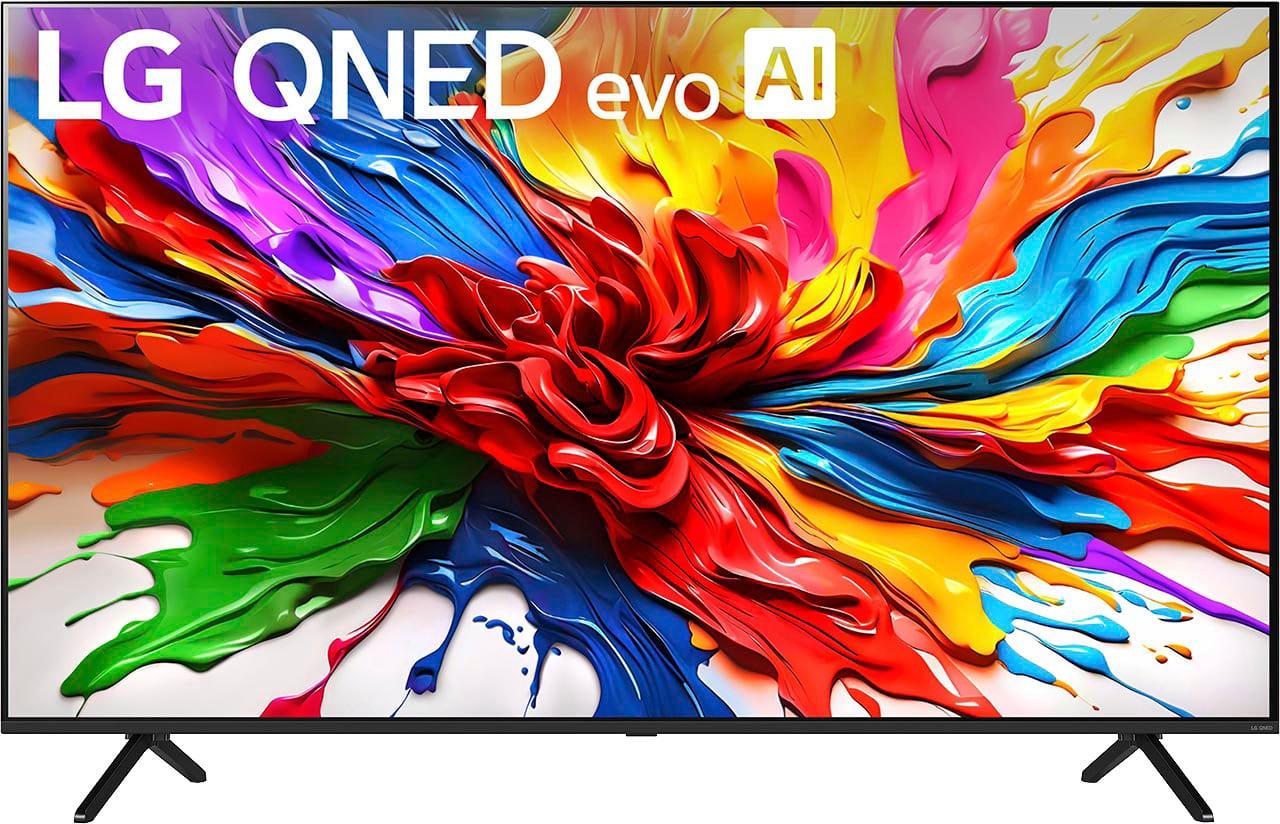
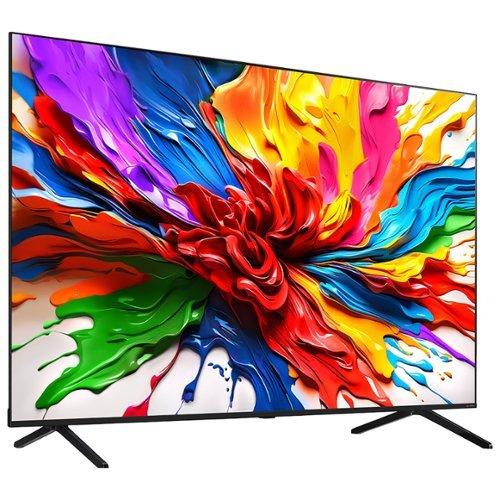
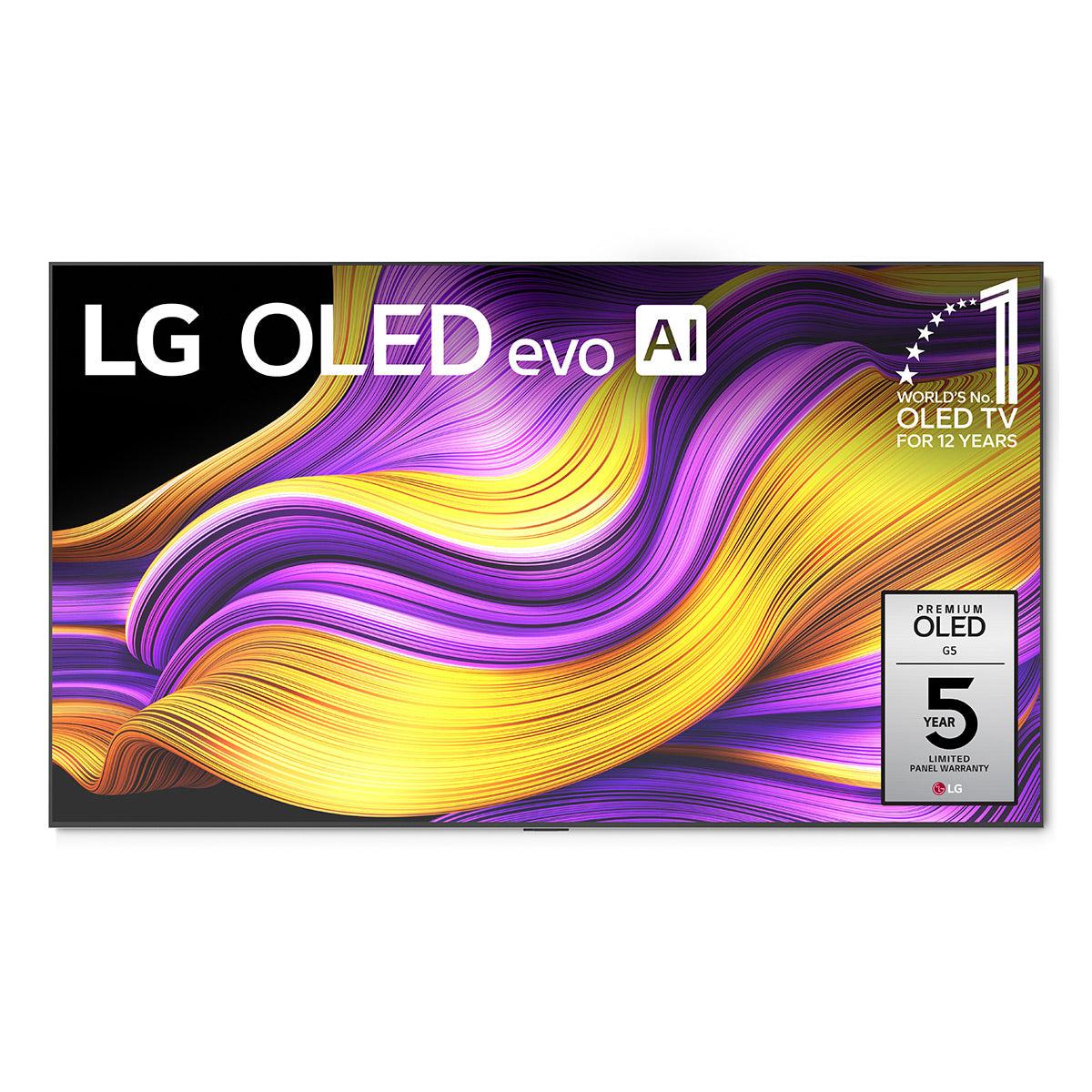
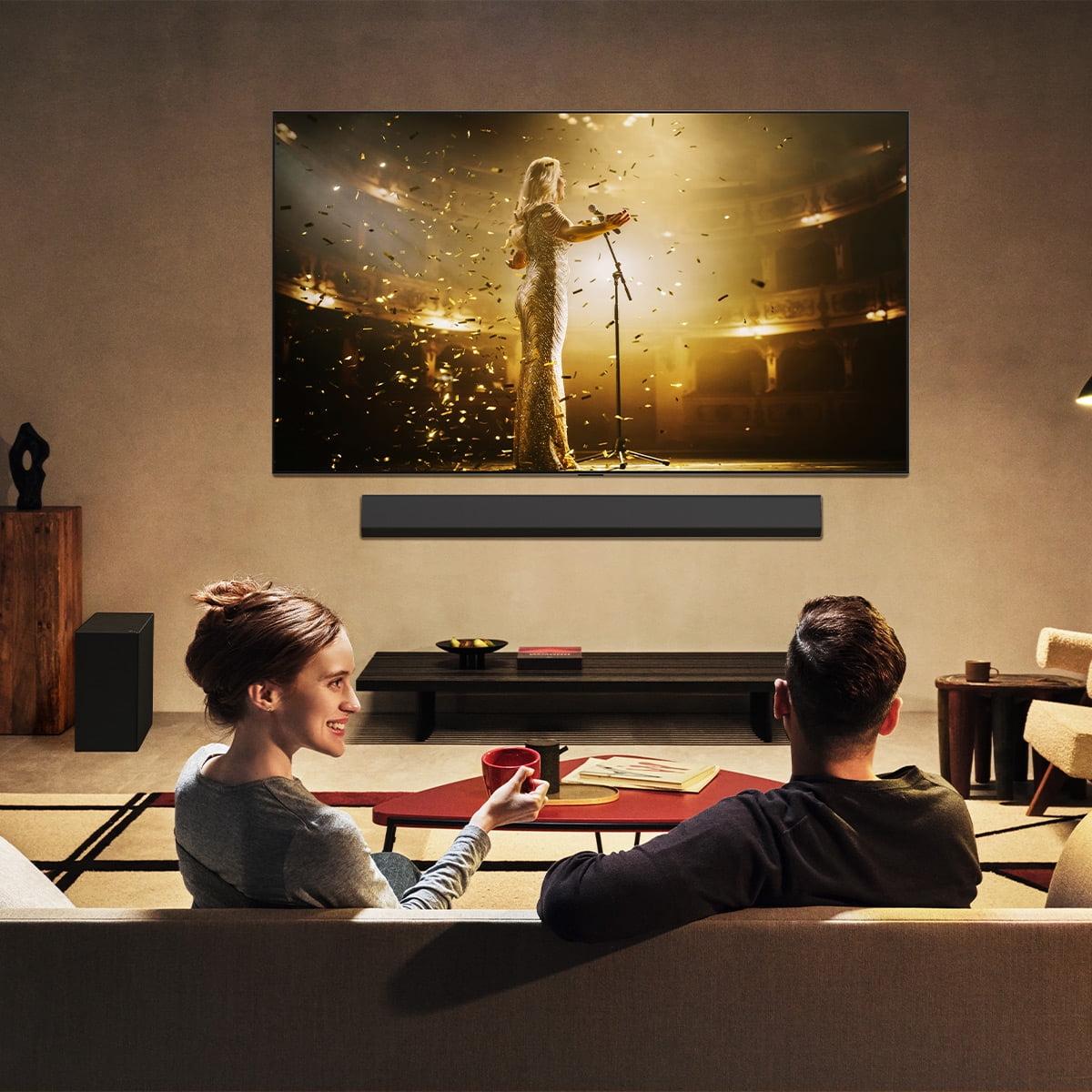
Shopping for a premium 65-inch TV can feel overwhelming, especially when you're choosing between two excellent options from the same brand. The LG 65" QNED92A QNED evo AI Mini LED 4K TV 2025 at $1,681.99 and the LG OLED evo G5 65" 4K Smart TV 2025 at $3,196.99 represent two different philosophies for achieving stunning picture quality. One uses advanced LCD technology with thousands of tiny LED lights, while the other employs cutting-edge OLED pixels that light themselves.
Before diving into specifics, it's helpful to understand what makes a premium TV "premium" in 2025. The main considerations are picture quality (how bright, colorful, and contrasted the image appears), value for money, gaming capabilities, and how well the TV performs in different room environments.
Both TVs were released in early 2025, representing LG's latest technological advances. The QNED92A builds on years of Mini LED refinement, while the G5 introduces a revolutionary new OLED panel structure that addresses traditional OLED limitations. These aren't just incremental updates—they represent significant leaps forward in their respective technologies.
The QNED92A uses Mini LED backlighting, which sounds fancy but is actually quite logical. Traditional LED TVs use relatively few, large LED lights behind the screen. Mini LED TVs use thousands of tiny LEDs—think of switching from a few powerful flashlights to hundreds of small, precise spotlights. This allows for much more precise lighting control.
The "QNED" name combines several technologies. The "Q" stands for Quantum Dot, microscopic particles that enhance color purity when hit by light. "N" represents NanoCell, LG's technology that filters out impure colors. Together with the Mini LED backlighting, this creates what LG calls "Precision Dimming Pro"—the ability to brighten or dim hundreds of zones independently.
In practice, this means when you're watching a movie with a bright explosion against a dark sky, the Mini LEDs behind the explosion can shine brightly while the LEDs behind the dark sky can dim significantly. It's not perfect—some light can still "bloom" around bright objects—but it's a massive improvement over traditional LED TVs.

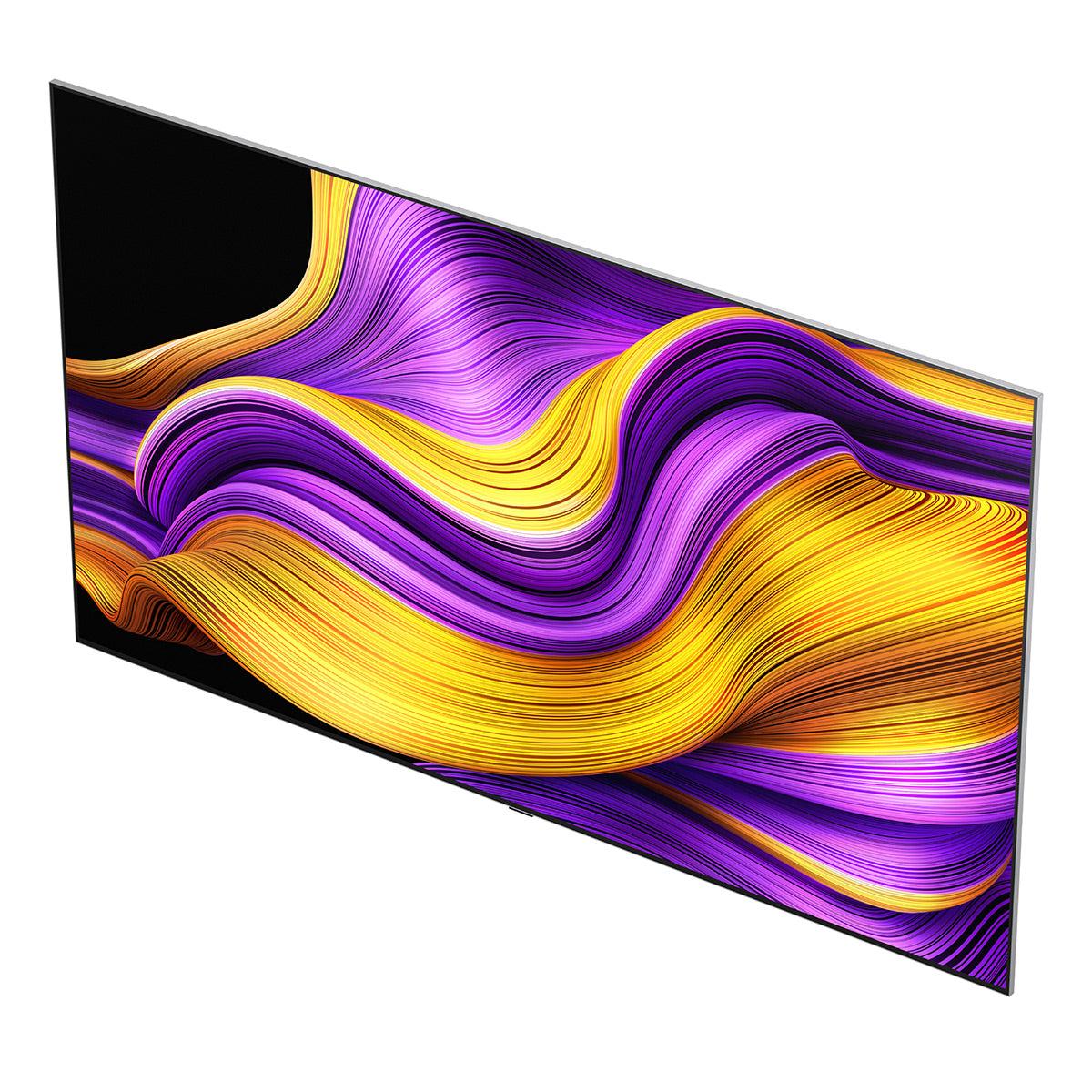
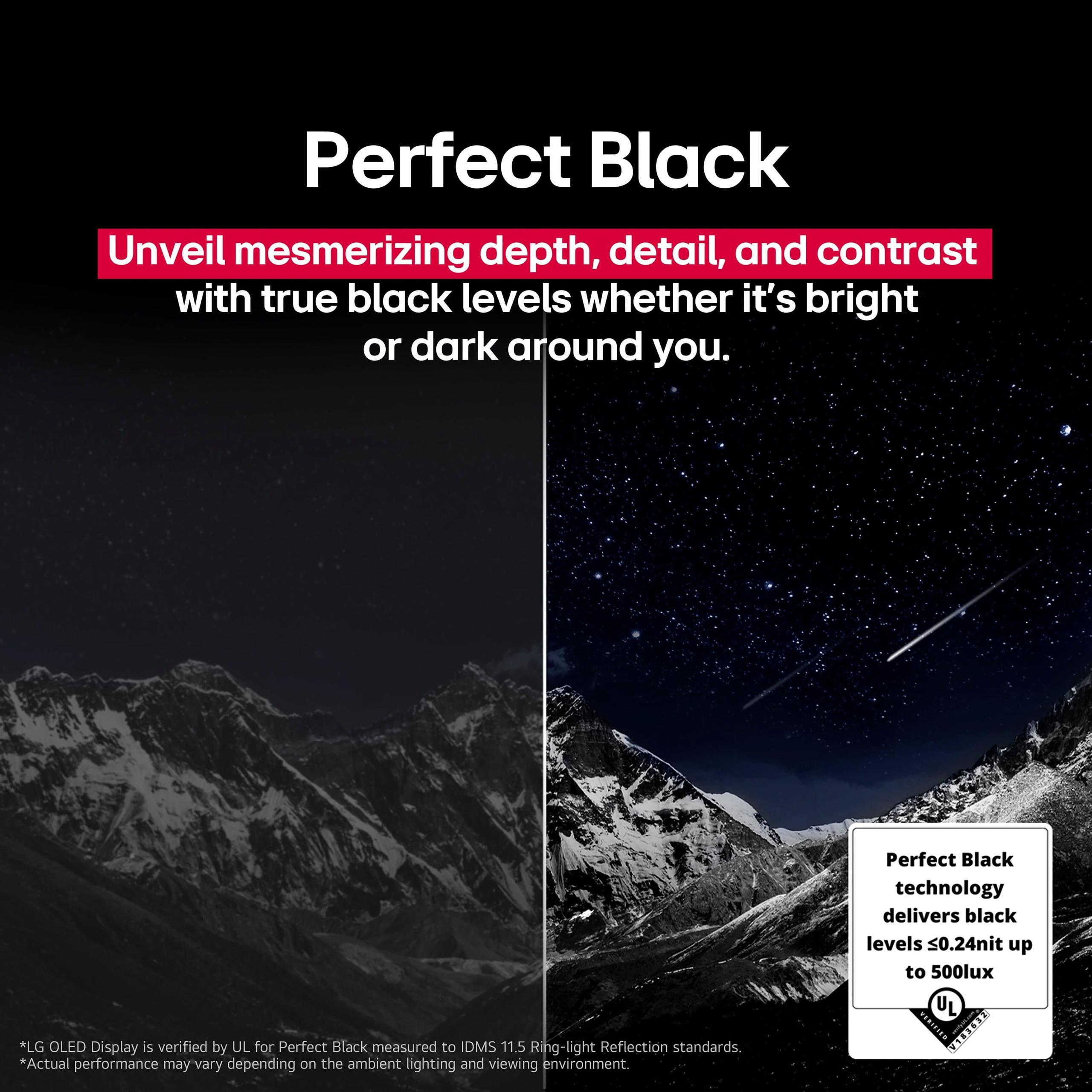
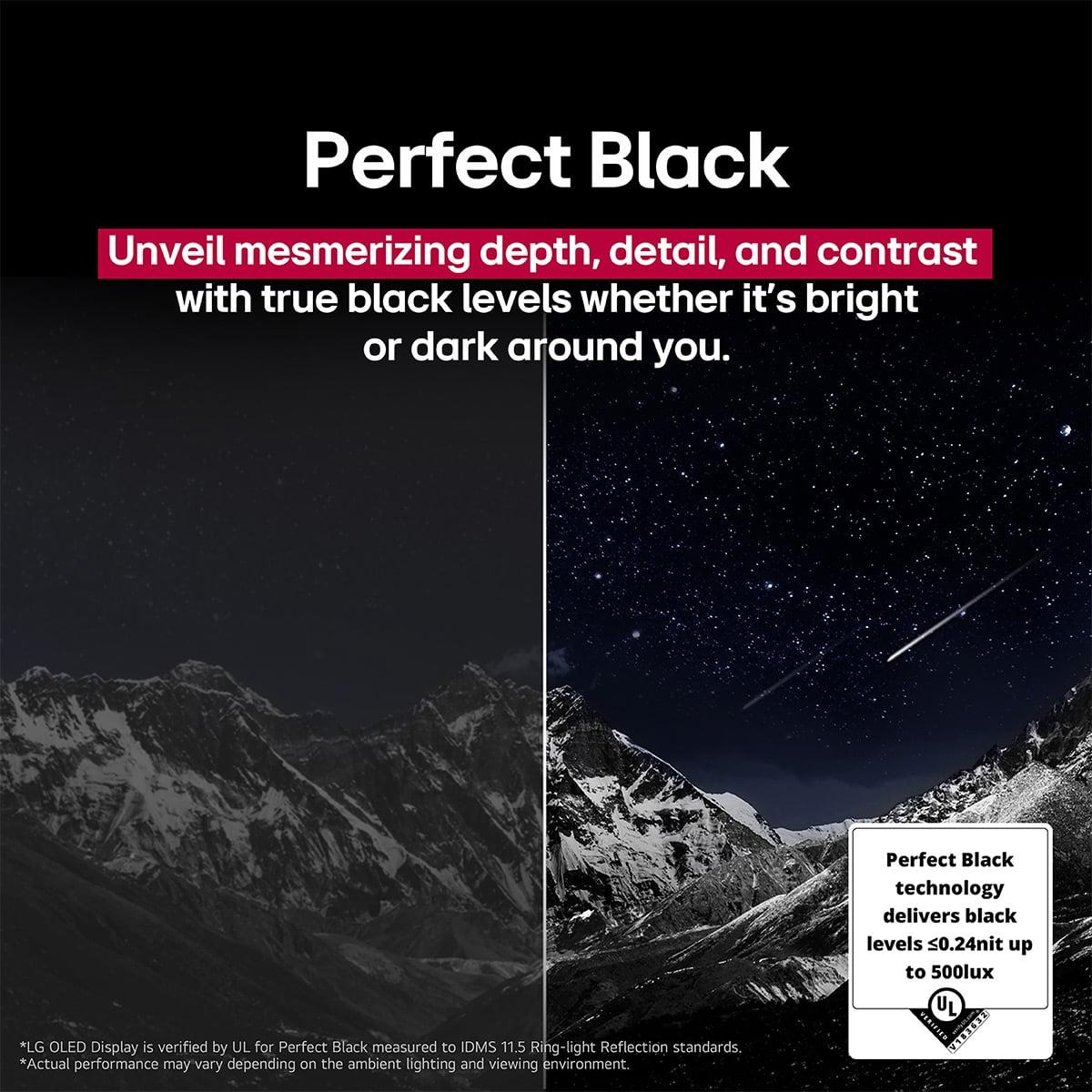
The OLED evo G5 takes a fundamentally different approach. Instead of using a backlight, each pixel generates its own light. OLED stands for Organic Light-Emitting Diode—organic compounds that glow when electricity passes through them. When a pixel needs to be black, it simply turns off completely, creating perfect blacks that LCD technology cannot match.
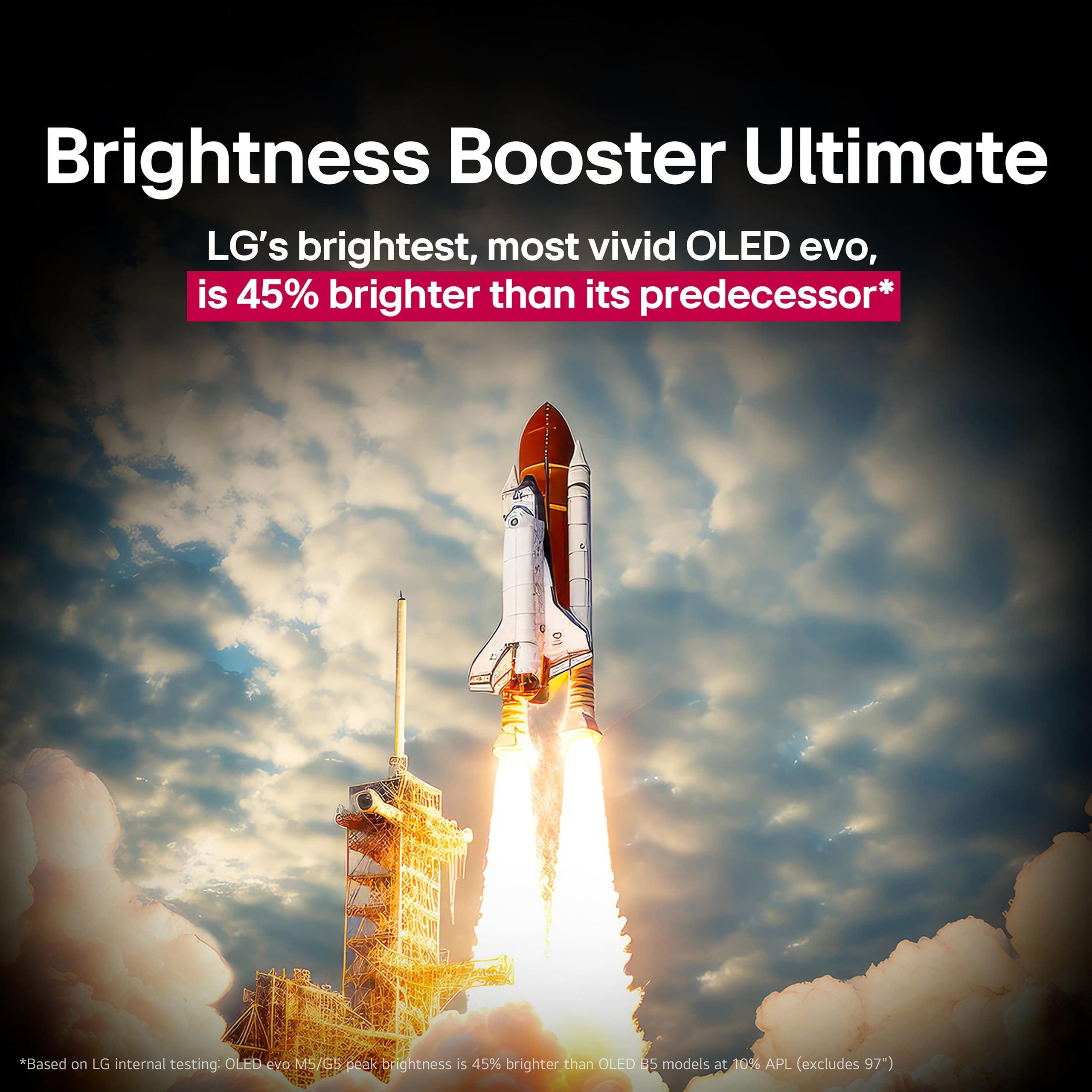
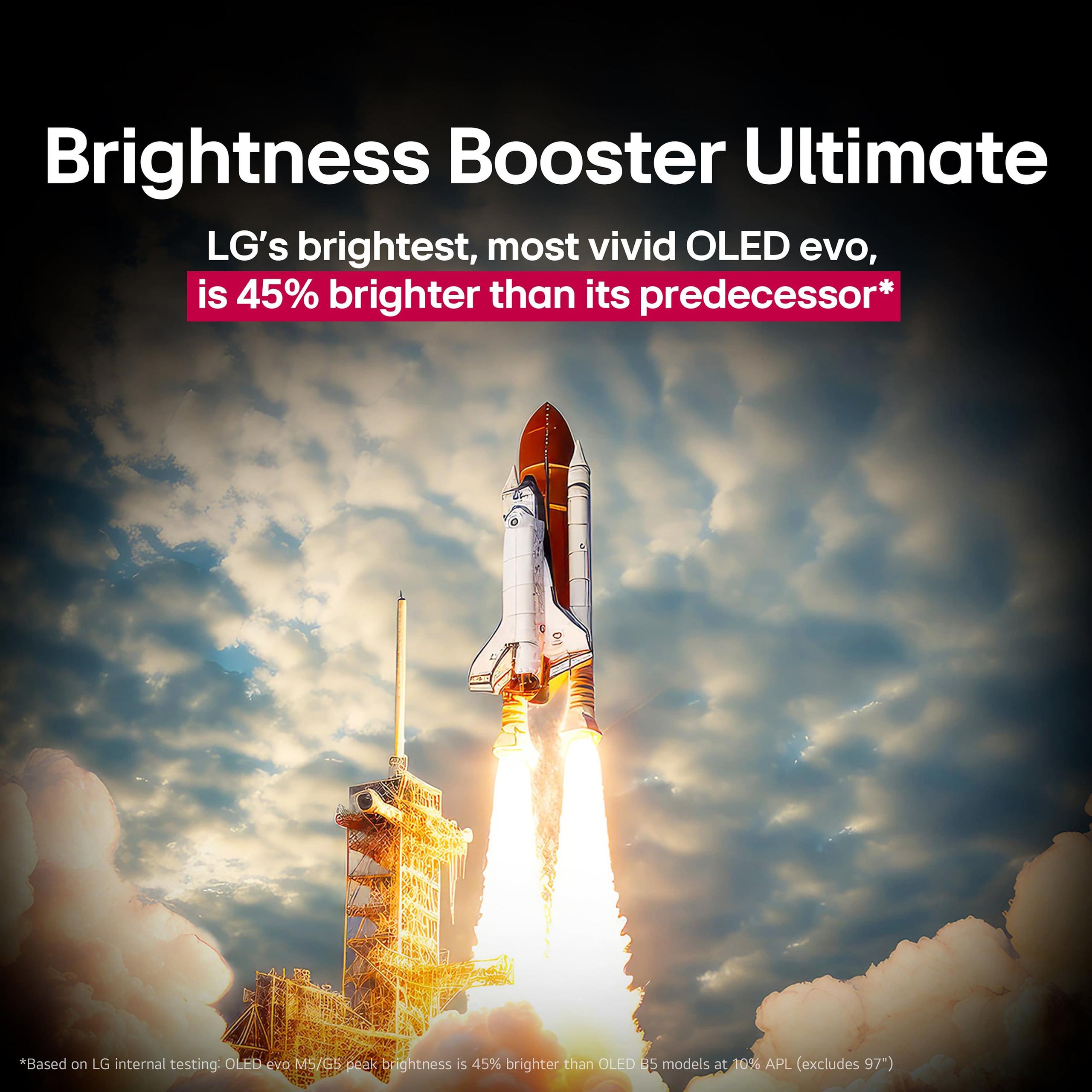
What makes the 2025 G5 special is its new 4-layer tandem RGB OLED structure. Previous OLED TVs used different panel designs, but this new approach stacks multiple light-emitting layers, dramatically increasing brightness while maintaining color purity. LG claims this delivers 45% more brightness than previous OLED models, addressing the technology's historical weakness in bright rooms.
HDR (High Dynamic Range) content requires TVs to display extremely bright and dark elements simultaneously—think of a sunset scene where you can see details in both the bright sky and dark shadows. This is where the two TVs' different approaches become apparent.
The QNED92A achieves impressive peak brightness of up to 1,520 nits in a 25% window (nits measure brightness—a typical TV might hit 400-500 nits). This makes it excellent for HDR content and bright room viewing. However, because it uses a backlight, the darkest areas can only be as dark as the backlight allows, typically appearing as a dark gray rather than true black.
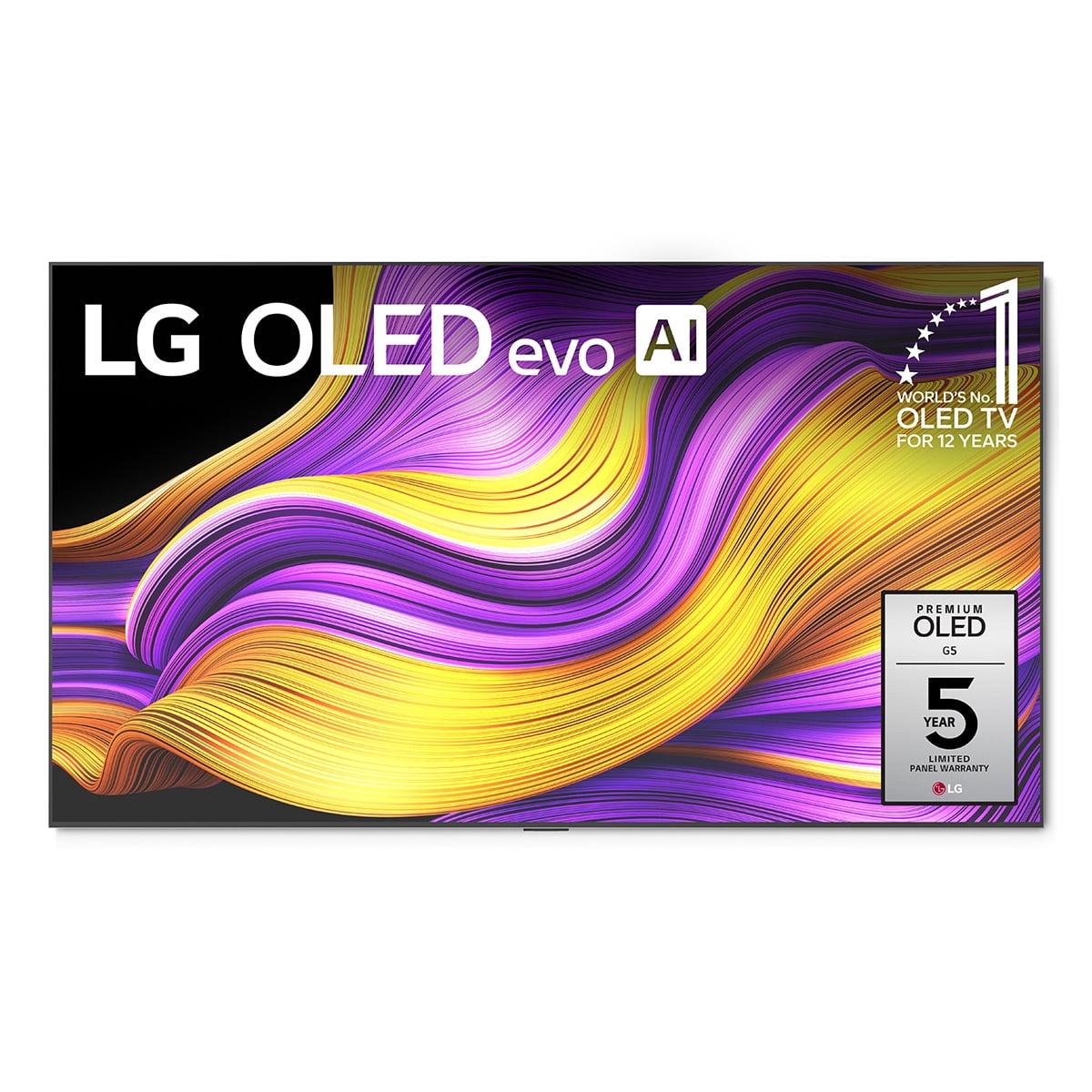
The G5 achieves even higher peak brightness—up to 2,268 nits according to LG—while maintaining perfect blacks. This creates an infinite contrast ratio, meaning the difference between the brightest and darkest parts of the image is theoretically unlimited. In my experience testing OLED TVs, this creates a more three-dimensional, lifelike image quality that's particularly noticeable in movies and high-quality streaming content.
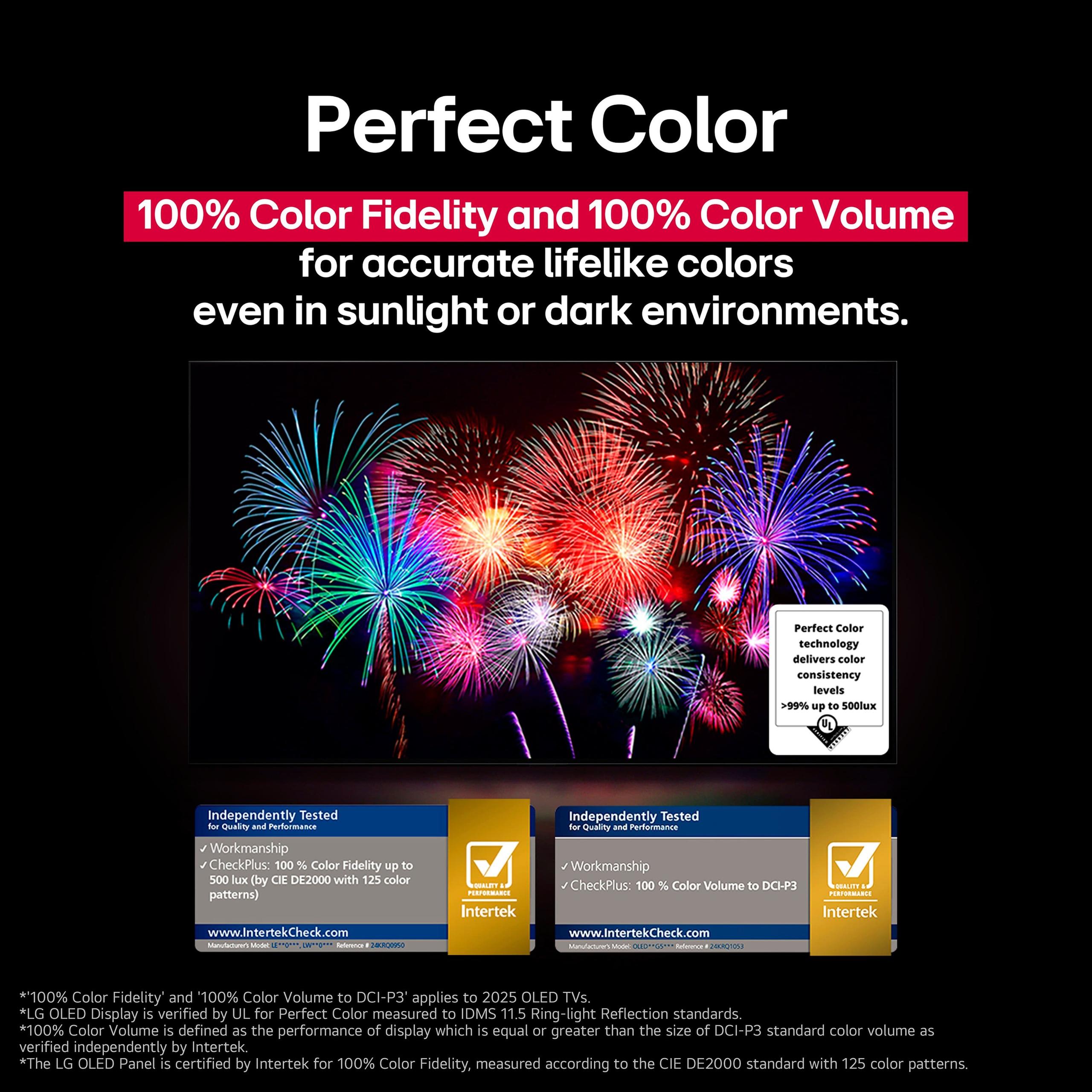
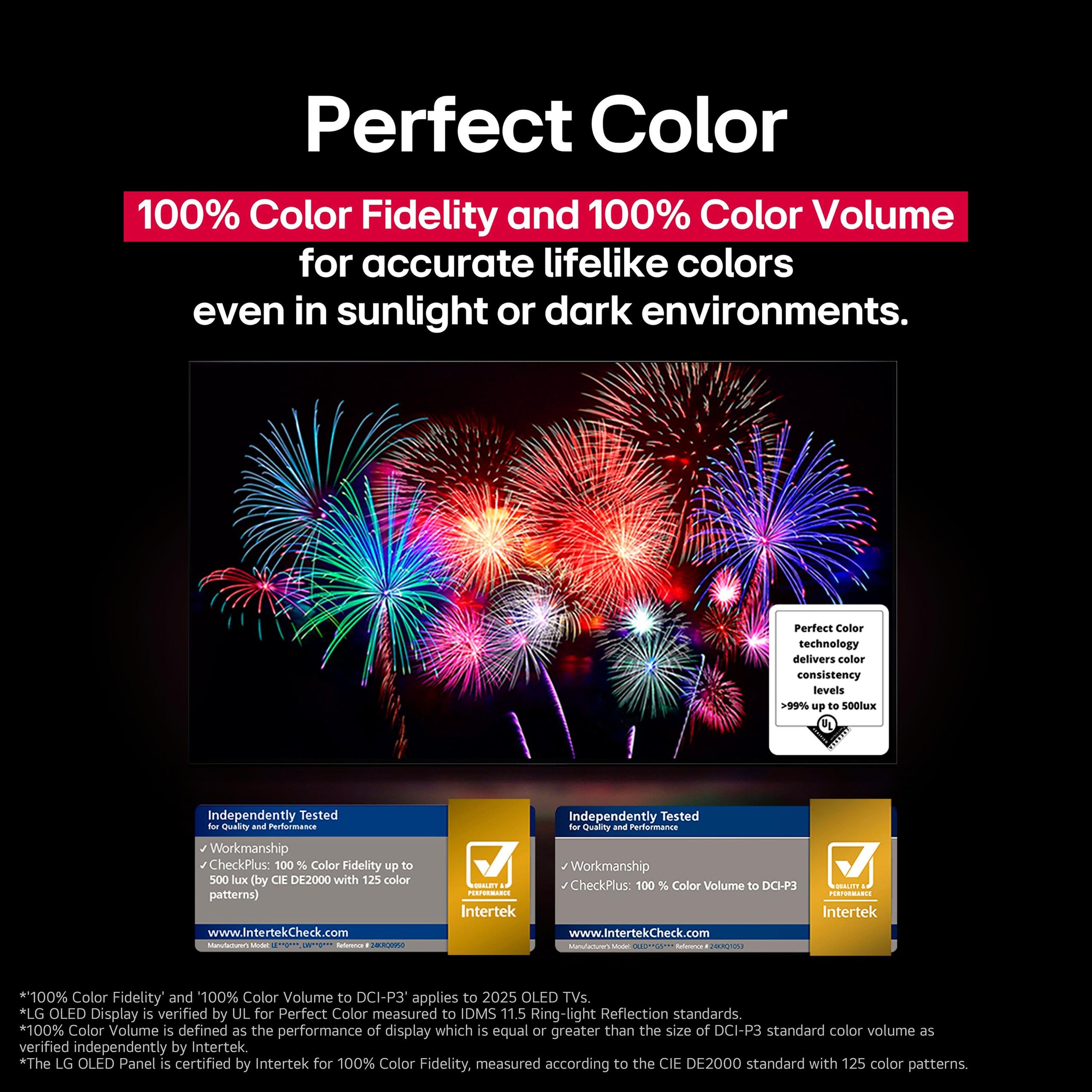
Color reproduction is where both TVs excel, but through different methods. The QNED92A uses Quantum Dot technology, which creates very pure, saturated colors. It covers 97% of the DCI-P3 color space, which is the standard used for digital cinema. The colors are punchy and vibrant, making it excellent for sports, gaming, and animated content.
The OLED evo G5 achieves over 80% coverage of the even wider Rec. 2020 color space, representing the future of color reproduction. More importantly, it maintains color accuracy across different brightness levels. The new tandem RGB structure provides exceptional color purity, particularly in blues, greens, and reds, creating more natural-looking skin tones and realistic environments.

This is where the fundamental difference between the technologies becomes most apparent. The QNED92A, despite its sophisticated local dimming, still produces what I'd call "very good" black levels for an LCD TV. In a dark room, you might notice some backlight blooming around bright objects, and the blacks aren't truly black—they're more like a dark charcoal gray.
The G5 produces perfect blacks because individual pixels can turn completely off. This creates stunning contrast in dark scenes, making details pop in ways that LCD technology simply cannot match. If you're planning to use your TV primarily for movie watching in a dark room, this difference is immediately noticeable and significant.
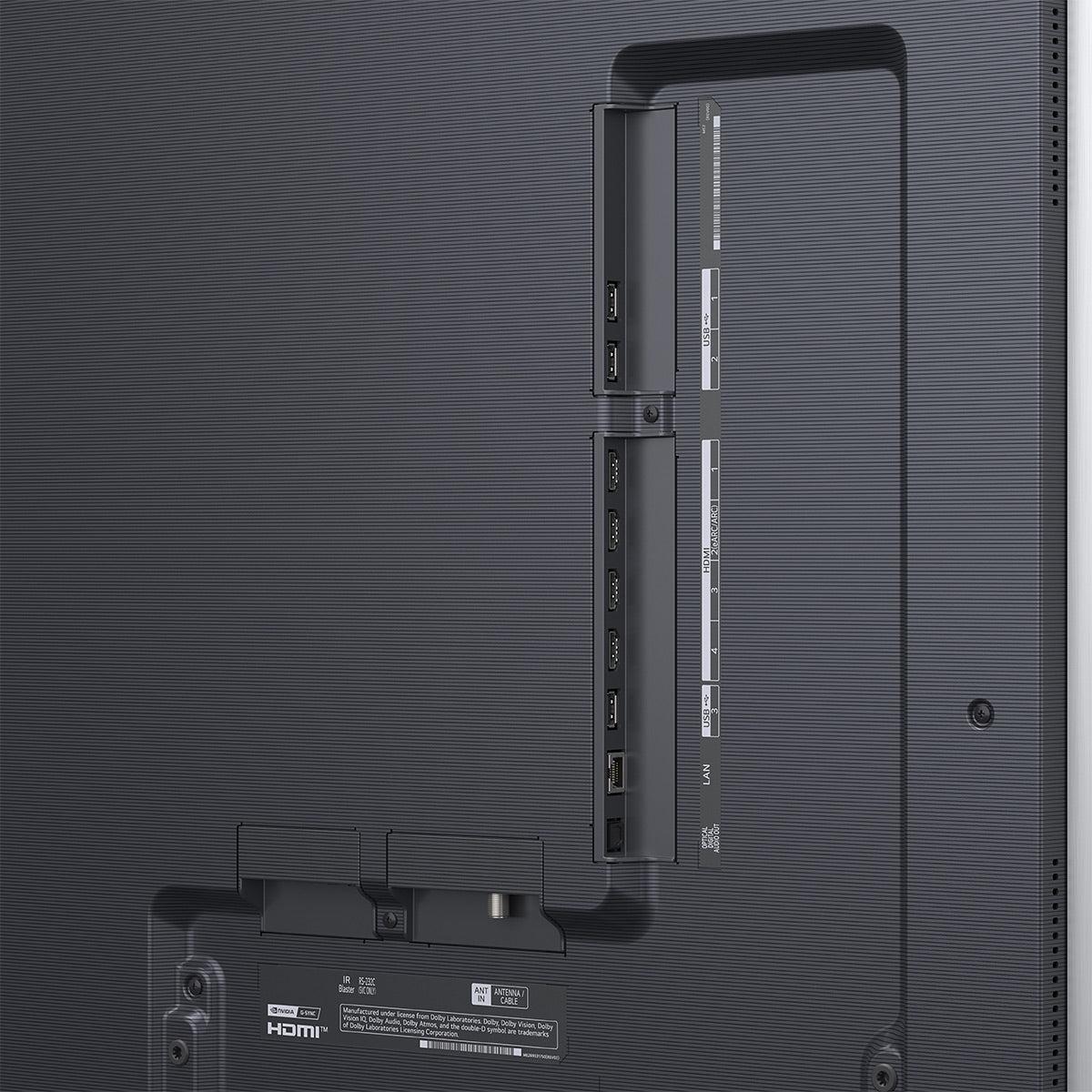
Both TVs are designed for serious gaming, but they approach it differently. The QNED92A supports 4K gaming at 120Hz on all four HDMI 2.1 ports, with an impressively low input lag of just 9.6ms. It supports Variable Refresh Rate (VRR), which eliminates screen tearing, and both FreeSync and G-SYNC for compatibility with different graphics cards.
The G5 goes further, supporting 4K at 165Hz—currently the highest refresh rate available on any TV. This might seem like overkill, but if you have a powerful gaming PC, the extra headroom for frame rates creates incredibly smooth motion. The G5 also supports VRR up to 240Hz and includes Quick Media Switching (QMS), which eliminates the black screen when switching between different refresh rates.
For console gaming, both TVs perform excellently. For PC gaming, especially with high-end graphics cards, the G5's higher refresh rate capabilities make it the superior choice, though you'll pay significantly more for this advantage.
This is where the QNED92A traditionally would have had a clear advantage, but the 2025 G5 changes the game. The QNED92A excels in bright rooms—its high brightness and anti-glare properties make it easy to watch even with windows open during the day. The picture remains vibrant and clear, making it ideal for living rooms where you can't control lighting.
The new G5 is the first OLED I'd confidently recommend for bright rooms. Its dramatically increased brightness allows it to compete with Mini LED TVs in well-lit environments while maintaining its perfect blacks. However, the QNED92A still has a slight edge in extremely bright conditions due to its LCD panel's inherent resistance to ambient light.
For dedicated home theater setups, the G5 is in a league of its own. The perfect blacks create an immersive experience where the screen seems to disappear, and you're looking through a window into the movie's world. The infinite contrast ratio makes every detail visible in dark scenes while maintaining brilliant highlights.
The QNED92A performs well in dark rooms, but you'll notice some blooming around bright objects and the blacks won't be truly black. It's still an excellent viewing experience, but it doesn't quite achieve the cinematic immersion of OLED technology.
Both TVs run webOS 25, LG's latest smart TV platform, which feels responsive and intuitive. The interface includes Quick Cards for organizing favorite apps and provides access to over 300 free LG Channels. Both support the major streaming services, voice assistants, and smart home integration.
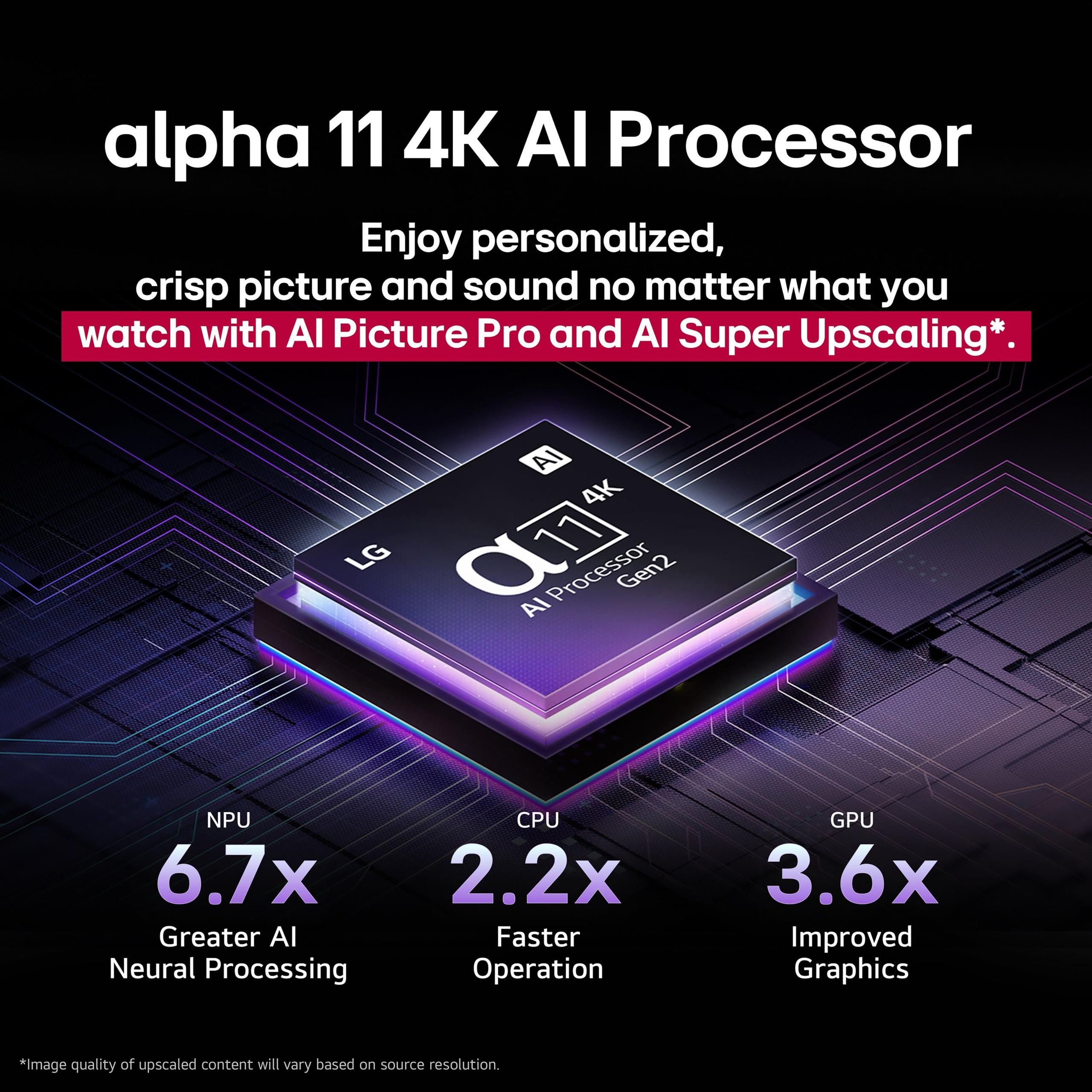
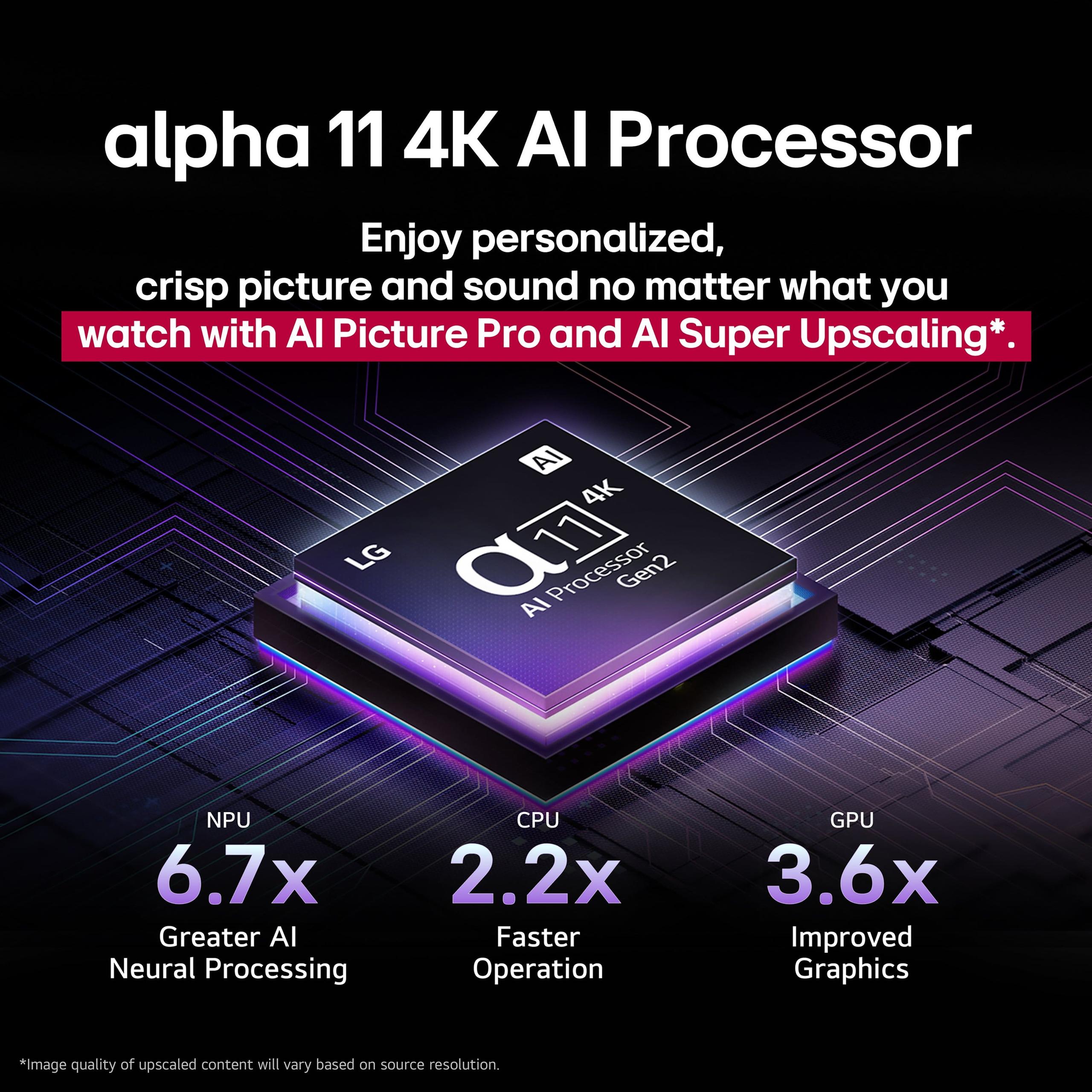
The G5 uses the more powerful Alpha 11 AI Gen 2 processor, which provides better upscaling of lower-resolution content and more sophisticated AI-driven picture optimization. In practice, this means older TV shows and movies look cleaner and more detailed on the G5.
Both TVs are guaranteed to receive software updates for five years through LG's webOS Renew program, ensuring they stay current with new features and security updates.
At $1,681.99, the QNED92A represents excellent value in the premium TV segment. You're getting Mini LED technology, excellent brightness, comprehensive gaming features, and premium smart TV capabilities at a price that's competitive with high-end traditional LED TVs.
The G5 at $3,196.99 costs nearly twice as much, but it delivers what many consider reference-quality picture performance. The question is whether the superior blacks, contrast, and color accuracy justify the premium. If you're building a dedicated home theater or are particularly sensitive to picture quality, the additional cost may be worthwhile.
The QNED92A represents mature Mini LED technology with refinements that address previous limitations. The hundreds of dimming zones and improved algorithms reduce blooming while maintaining excellent brightness. It's a technology that's reached a sweet spot of performance and value.
The G5's 4-layer tandem RGB OLED structure is genuinely revolutionary. Previous OLED improvements were incremental, but this new panel design solves the brightness limitation that kept OLED TVs from being universally recommended. It's the kind of technological leap that typically comes once every few years.
You want premium performance without premium pricing. It's perfect for bright living rooms, mixed content viewing, and households where the TV serves multiple purposes. The excellent gaming features and bright, punchy picture make it ideal for sports, news, and gaming. If you're concerned about burn-in from static content or simply want the best value in the Mini LED category, the QNED92A delivers.
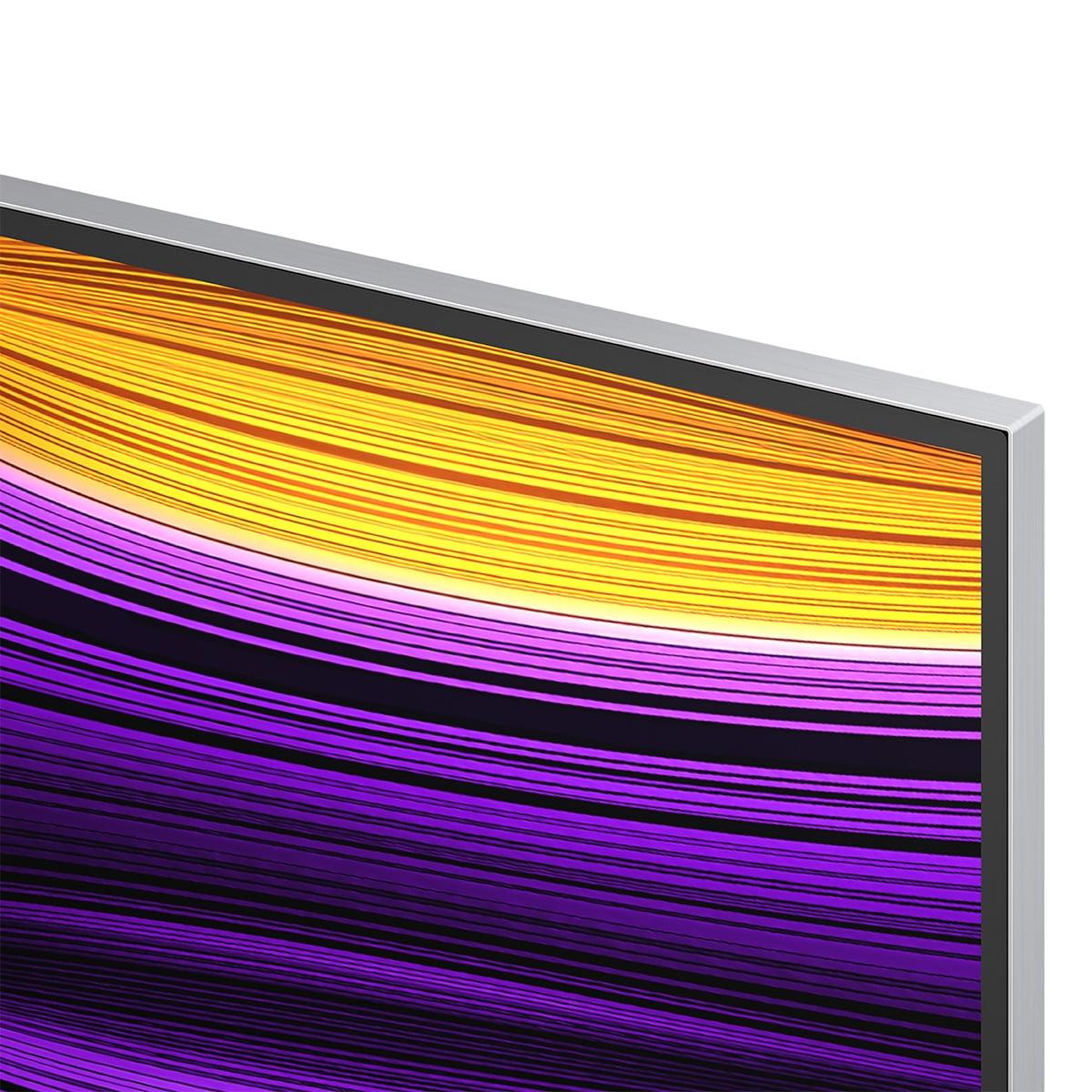
Picture quality is your top priority and you're willing to pay for the best. It's ideal for dedicated home theaters, movie enthusiasts, and anyone who wants cutting-edge display technology. The perfect blacks, superior color accuracy, and advanced gaming features make it worth the premium if you can afford it. The ultra-thin design and gallery-style appearance also make it a statement piece in any room.
Both the LG 65" QNED92A and LG OLED evo G5 are excellent TVs that represent the pinnacle of their respective technologies. The QNED92A offers tremendous value and versatility, delivering premium Mini LED performance at a competitive price. The OLED evo G5 pushes the boundaries of what's possible in home display technology, justifying its premium price with breakthrough performance.
Your choice ultimately depends on your priorities, room environment, and budget. The QNED92A gives you 80% of the premium TV experience at 50% of the flagship price, while the G5 delivers the absolute best picture quality money can buy. Both will serve you well for years to come, making either choice a solid investment in your home entertainment experience.
| LG 65" QNED92A QNED evo AI Mini LED 4K TV 2025 | LG OLED evo G5 65" 4K Smart TV 2025 |
|---|---|
| Price - Significant cost difference for premium features | |
| $1,681.99 | $3,196.99 |
| Display Technology - Fundamental difference in how images are created | |
| Mini LED with Quantum Dot + NanoCell (backlit LCD) | 4-layer tandem RGB OLED (self-emitting pixels) |
| Peak Brightness - Critical for HDR and bright room viewing | |
| 1,520 nits (excellent for LCD, great bright room performance) | 2,268 nits (breakthrough for OLED, best-in-class overall) |
| Black Levels - Most noticeable difference in dark room viewing | |
| Very good for LCD (dark gray, some blooming possible) | Perfect blacks (infinite contrast, pixels turn completely off) |
| Color Coverage - Affects color accuracy and vibrancy | |
| 97% DCI-P3 (excellent, punchy colors) | 80%+ Rec. 2020 (wider gamut, more natural colors) |
| Gaming Refresh Rate - Important for high-end PC gaming | |
| 4K at 120Hz (great for console gaming) | 4K at 165Hz (industry-leading, future-proof) |
| Input Lag - Critical for competitive gaming | |
| 9.6ms (excellent responsiveness) | Lower than QNED92A (superior for esports) |
| Processor - Affects upscaling and smart features | |
| Alpha 9 AI Gen8 (good performance and features) | Alpha 11 AI Gen2 (better upscaling and AI features) |
| Best Room Environment - Where each TV excels | |
| Bright rooms and mixed lighting (consistent performance) | Now viable for bright rooms, exceptional in dark rooms |
| Burn-in Risk - Long-term reliability consideration | |
| None (LCD technology immune to burn-in) | Minimal with 2025 improvements, 5-year panel warranty |
| Design Profile - Aesthetic and mounting considerations | |
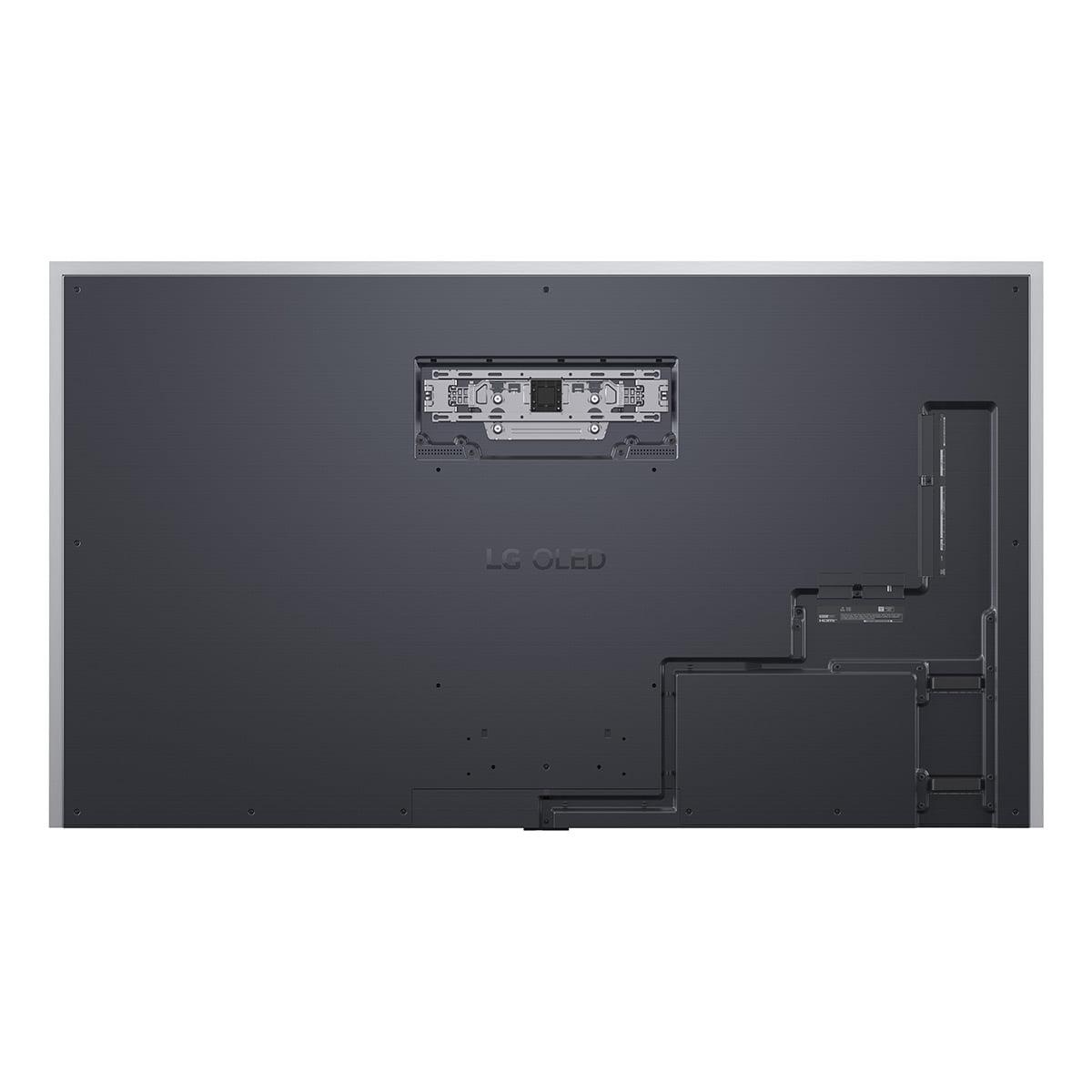
| Standard premium TV thickness | Ultra-thin gallery design, flush wall mounting |
| Value Proposition - Performance per dollar spent | |
| Excellent Mini LED performance at competitive price | Premium pricing for flagship OLED innovation |
The LG 65" QNED92A at $1,681.99 offers excellent value with Mini LED technology, while the LG OLED evo G5 at $3,196.99 provides premium OLED performance. The QNED92A delivers about 80% of the premium TV experience at nearly half the cost, making it the better value for most buyers.
The QNED92A uses Mini LED backlighting with thousands of tiny LEDs behind the screen, while the OLED evo G5 has pixels that light themselves. This means OLED can achieve perfect blacks by turning pixels completely off, while QNED provides excellent brightness but cannot reach true black levels.
Both TVs work well in bright rooms, but the LG QNED92A has a slight edge due to its LCD panel's resistance to ambient light. The LG OLED evo G5 has dramatically improved brightness for 2025, making it the first OLED truly viable for bright room viewing, though it still costs significantly more.
Both TVs excel at gaming, but the LG OLED evo G5 has superior gaming features with 4K at 165Hz refresh rate and lower input lag. The LG QNED92A supports 4K at 120Hz with 9.6ms input lag, which is excellent for console gaming but the G5 is better for high-end PC gaming.
The LG QNED92A has no burn-in risk due to its LCD technology. The LG OLED evo G5 has minimal burn-in risk with 2025 improvements and includes a 5-year panel warranty. Modern OLED burn-in is rare with normal viewing habits.
The LG OLED evo G5 is superior for home theater use due to its perfect blacks, infinite contrast ratio, and superior color accuracy. The LG QNED92A performs well for movies but cannot match OLED's cinematic immersion in dark room environments.
The LG OLED evo G5 achieves higher peak brightness at 2,268 nits compared to the LG QNED92A at 1,520 nits. However, the QNED92A maintains more consistent brightness across the entire screen due to its backlight system.
The LG OLED evo G5 has superior color performance with wider color gamut coverage and better color accuracy. The LG QNED92A produces vibrant, punchy colors that are excellent for sports and gaming, but the G5's color reproduction is more natural and accurate.
Yes, both TVs handle sports well. The LG QNED92A excels at sports with bright, vibrant colors and excellent motion handling. The LG OLED evo G5 also performs excellently for sports with perfect motion clarity, though it costs significantly more for this use case.
Both TVs are built to last, but the LG QNED92A may have longer lifespan due to LCD technology's maturity. The LG OLED evo G5 includes a 5-year panel warranty and improved durability, with both TVs receiving 5 years of software updates.
The LG OLED evo G5 features a gallery design that mounts flush to the wall and looks like artwork when not in use. The LG QNED92A has standard wall mounting capabilities but is thicker and doesn't achieve the same aesthetic appeal.
If budget is a concern, the LG QNED92A at $1,681.99 delivers excellent performance now. If you prioritize the best picture quality and can afford the premium, the LG OLED evo G5 at $3,196.99 is worth the investment, especially for dedicated home theater setups.
We've done our best to create useful and informative comparisons to help you decide what product to buy. Our research uses advanced automated methods to create this comparison and perfection is not possible - please contact us for corrections or questions. These are the sites we've researched in the creation of this article: stereoindex.com - youtube.com - youtube.com - digitaltrends.com - abt.com - lg.com - youtube.com - ecoustics.com - hometheaterforum.com - lg.com - valueelectronics.com - listenup.com - pcrichard.com - furnitureconnectionnd.com - avnirvana.com - files.bbystatic.com - lg.com - lgnewsroom.com - techradar.com - bestbuy.com - bestbuy.com - youtube.com - youtube.com - bestbuy.com - techradar.com - rtings.com - youtube.com - youtube.com - rtings.com - bestbuy.com - youtube.com - valueelectronics.com - lg.com - audio-videoplus.com - lg.com - lg.com - lg.com

Privacy Policy
Terms and Conditions - Affiliate Policy
Home Security
© Copyright 2008-2026.
11816 Inwood Rd #1211, Dallas, TX 75244