

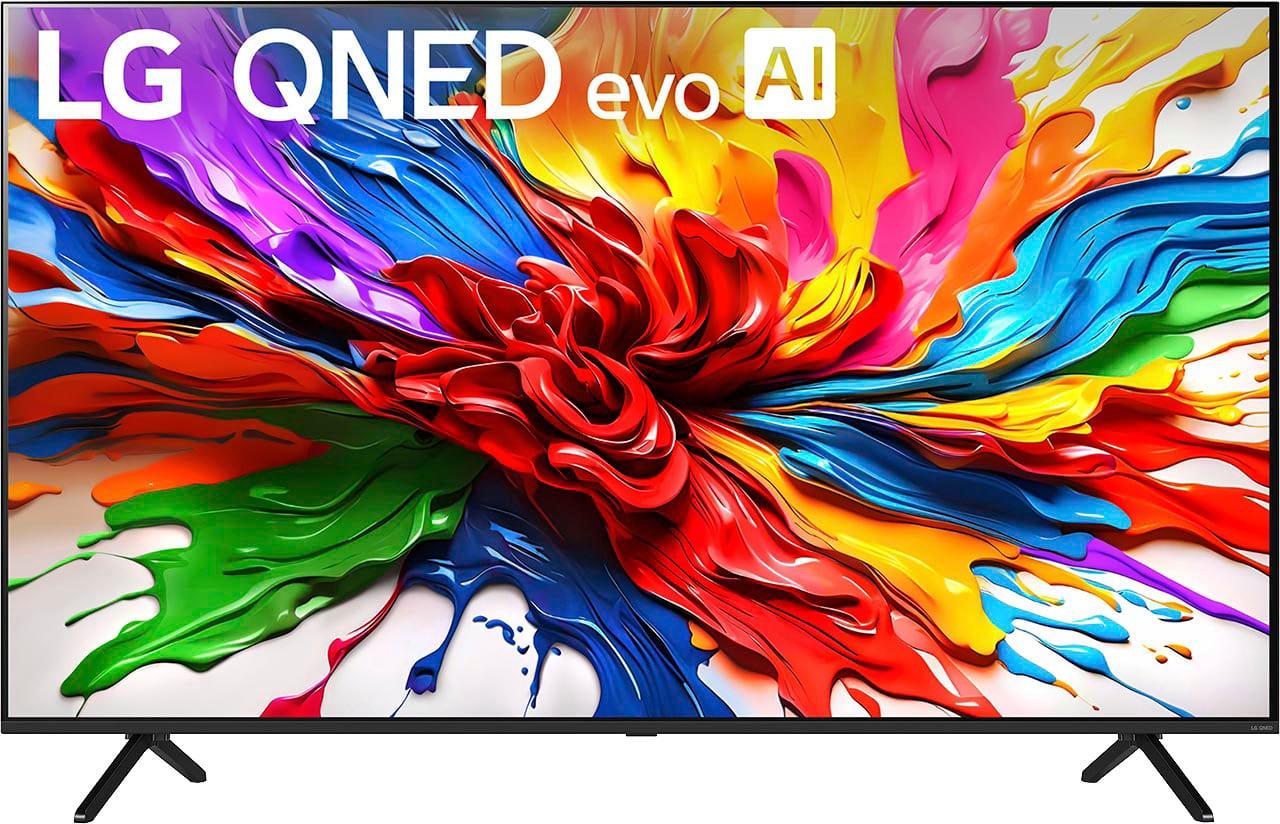
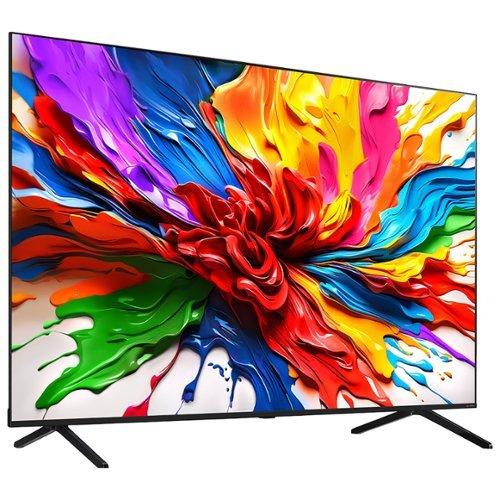
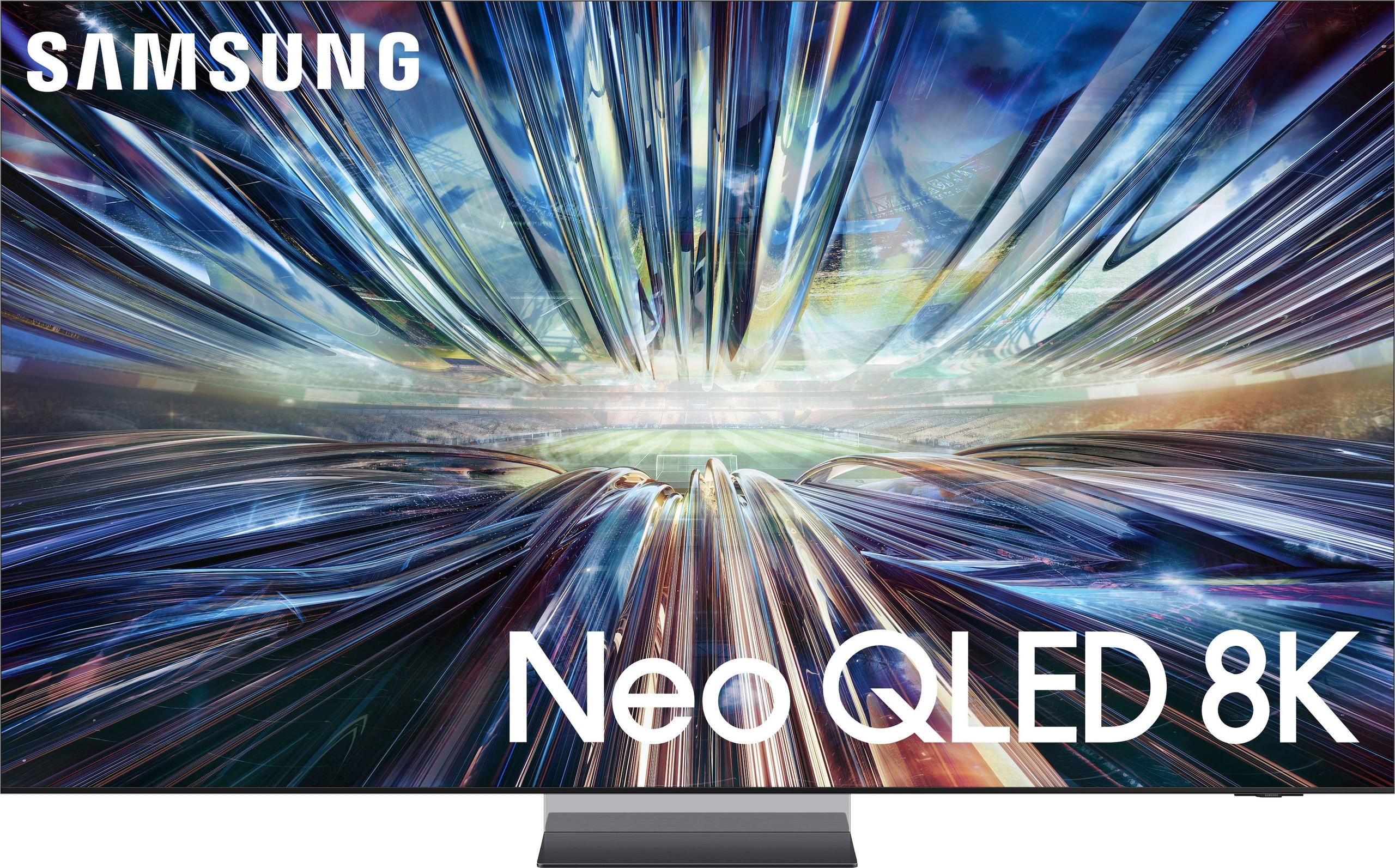
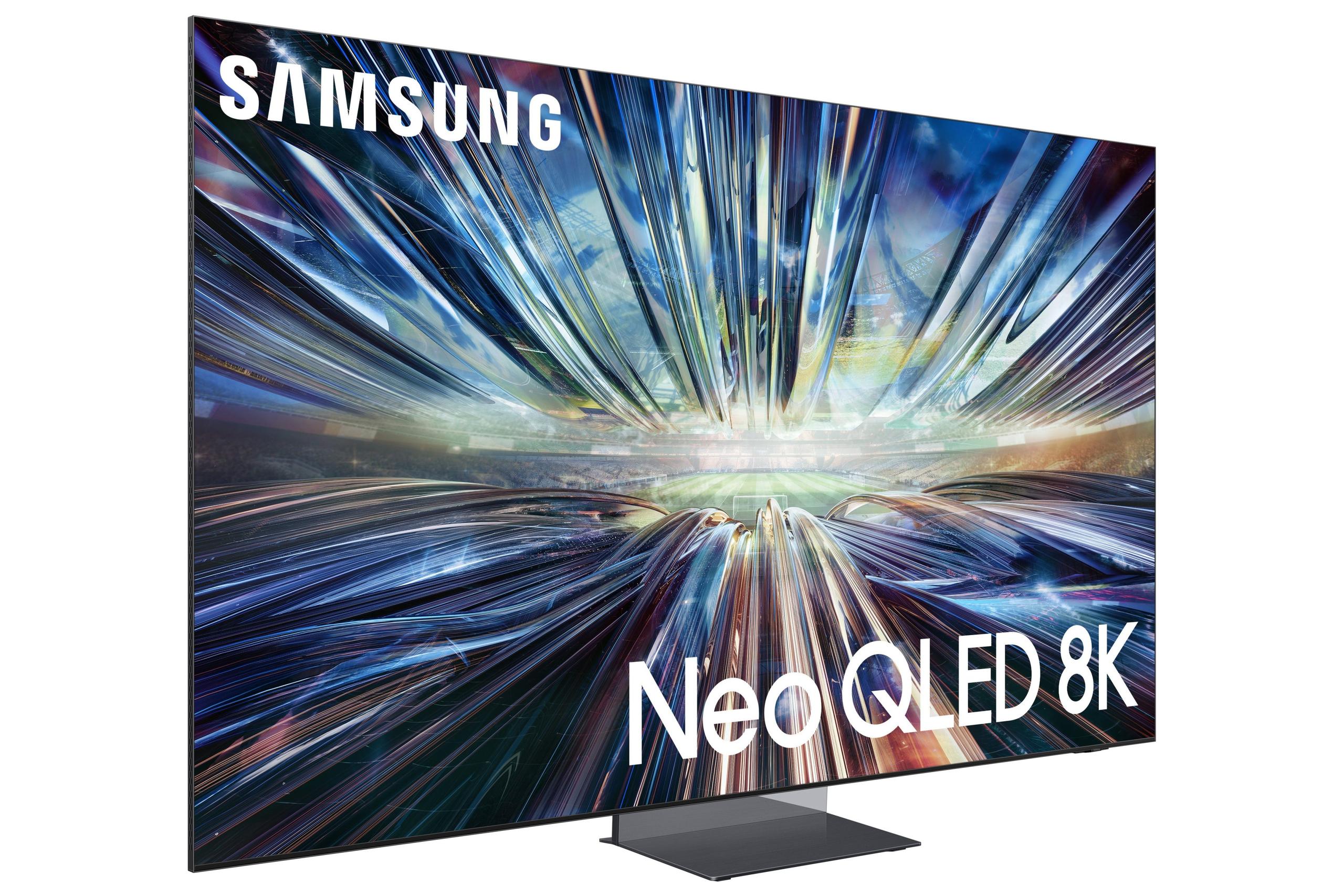
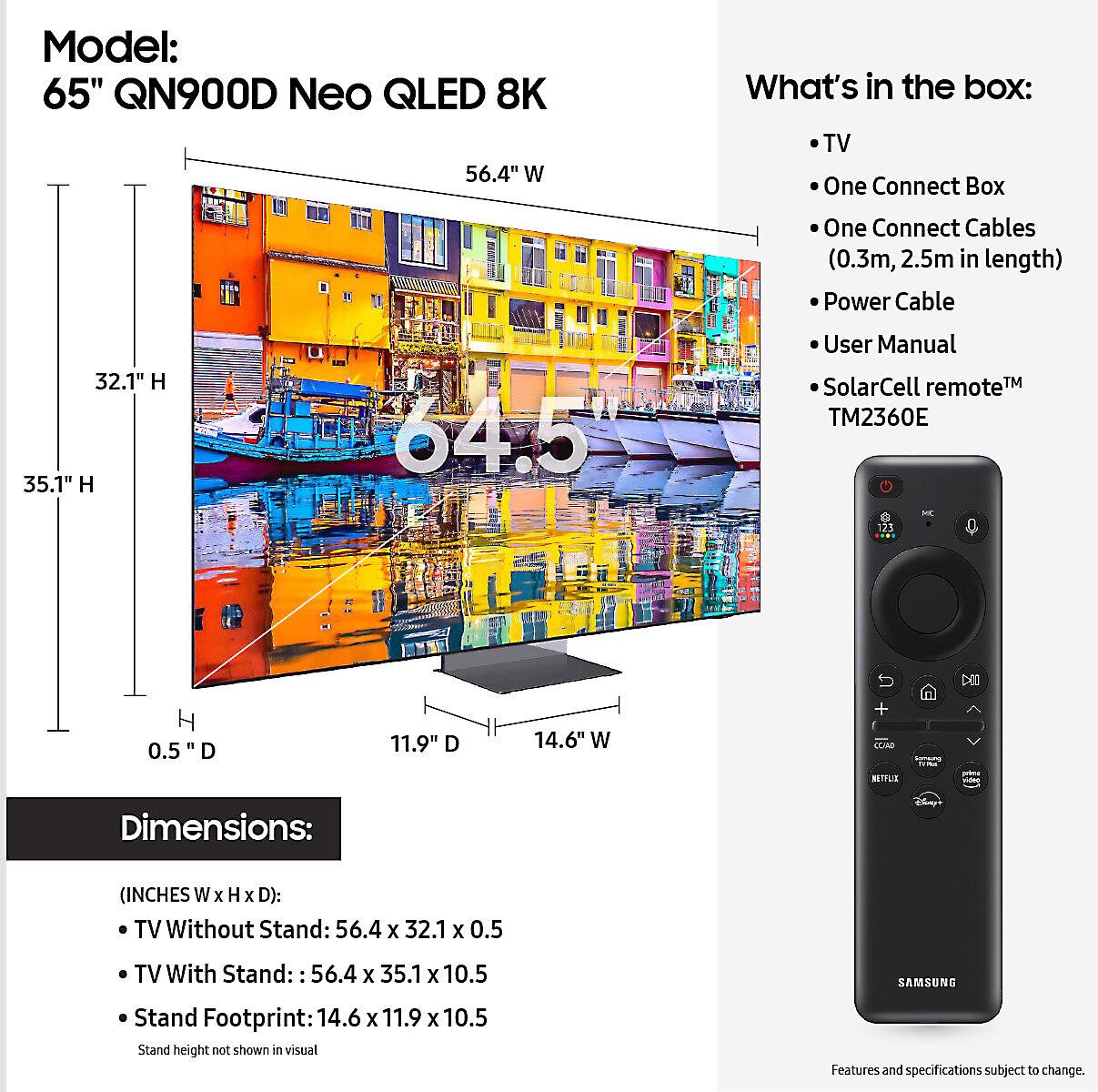
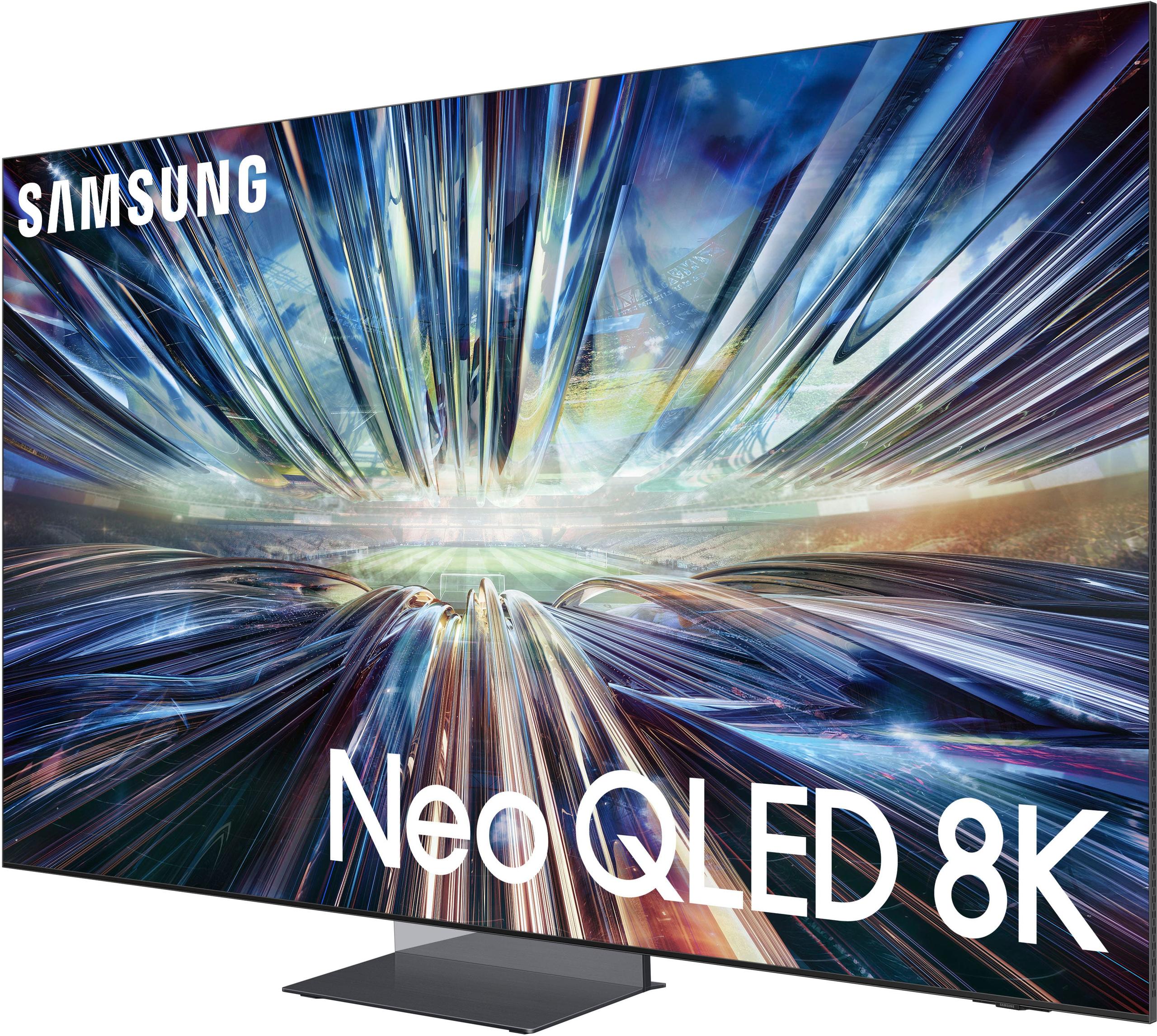
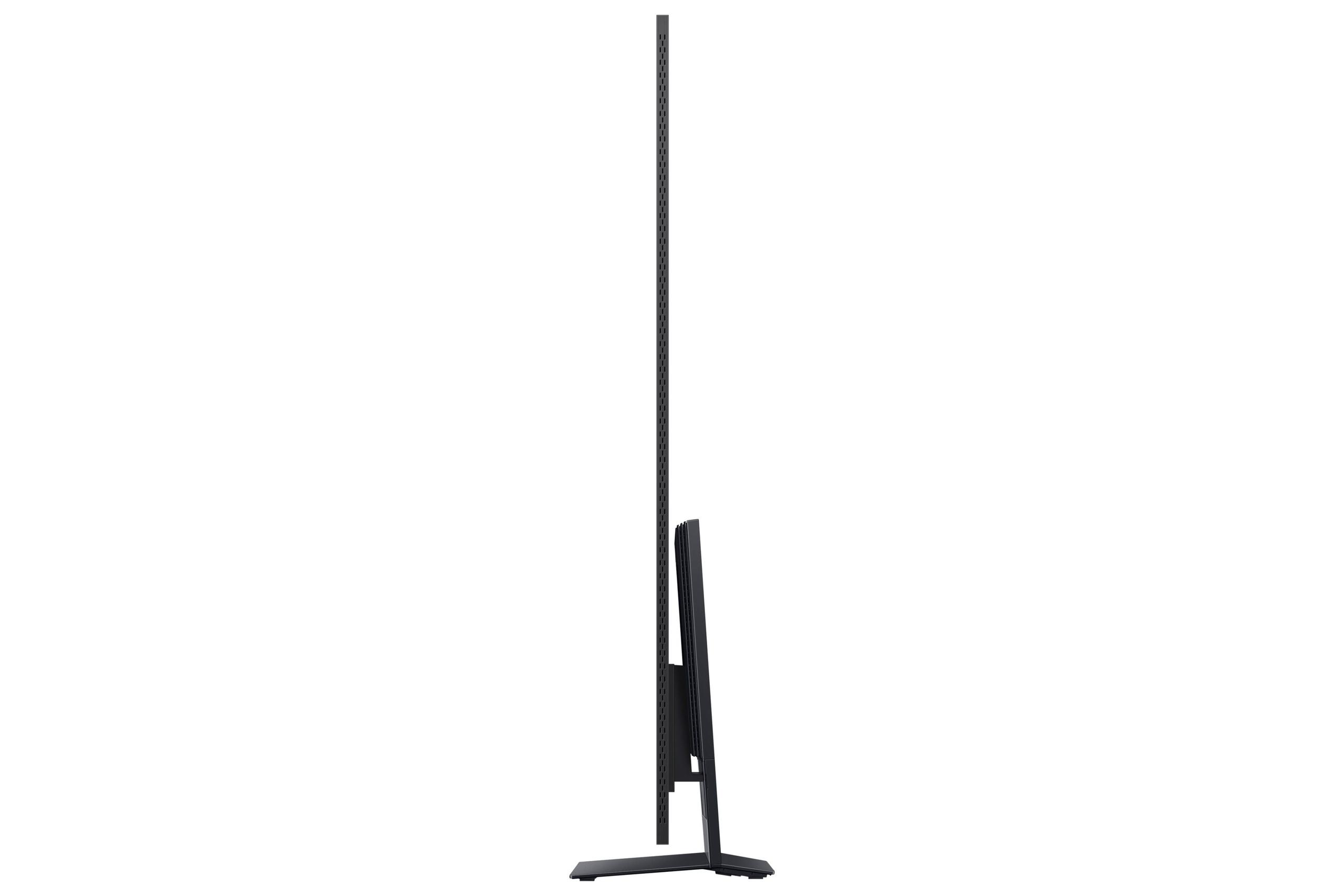
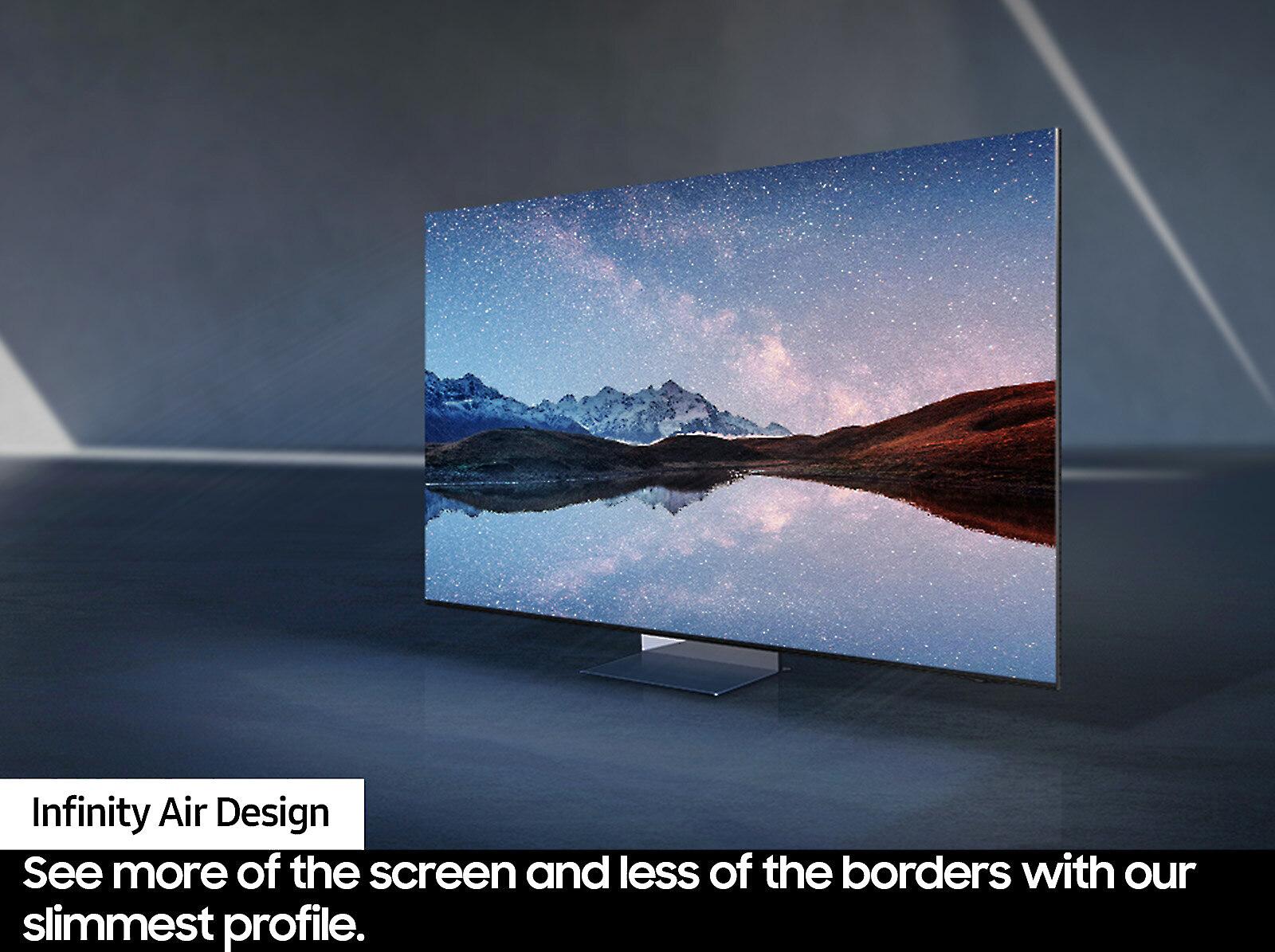
Shopping for a premium TV can feel overwhelming, especially when you're comparing two excellent options that take different approaches to the same goal. The LG 65" QNED92A QNED evo AI Mini LED 4K TV 2025 at $1,681.99 and the Samsung QN900D Series 65" Neo QLED 8K Smart TV at $2,897.00 both represent the cutting edge of Mini LED technology, but they're designed for different types of buyers.
Both TVs use Mini LED backlighting, which means they have thousands of tiny LEDs behind the screen that can turn on and off independently. This creates much better contrast than regular LED TVs – you get deeper blacks and brighter whites, similar to OLED TVs but without the risk of burn-in (permanent image retention). Think of it like having precise control over every small section of your TV's backlight instead of just dimming the whole screen at once.
The LG QNED92A launched in May 2025 as part of LG's renewed focus on Mini LED technology. LG had been putting most of their energy into OLED TVs for years, but they've made a serious comeback in the Mini LED space with this model. It's positioned as a premium 4K alternative that offers many of the benefits of their flagship OLED TVs at a more accessible price point.
Samsung's QN900D, released in May 2024, represents their flagship 8K offering. Samsung has been pushing 8K technology hard, and this TV showcases their most advanced upscaling and processing capabilities. It's their statement piece – the TV that shows what's possible when cost isn't the primary concern.
The key difference in approach is that LG is saying "let's make 4K as good as possible at a reasonable price," while Samsung is saying "let's push the boundaries of what's technically possible." Both philosophies have merit, but they appeal to different buyers.
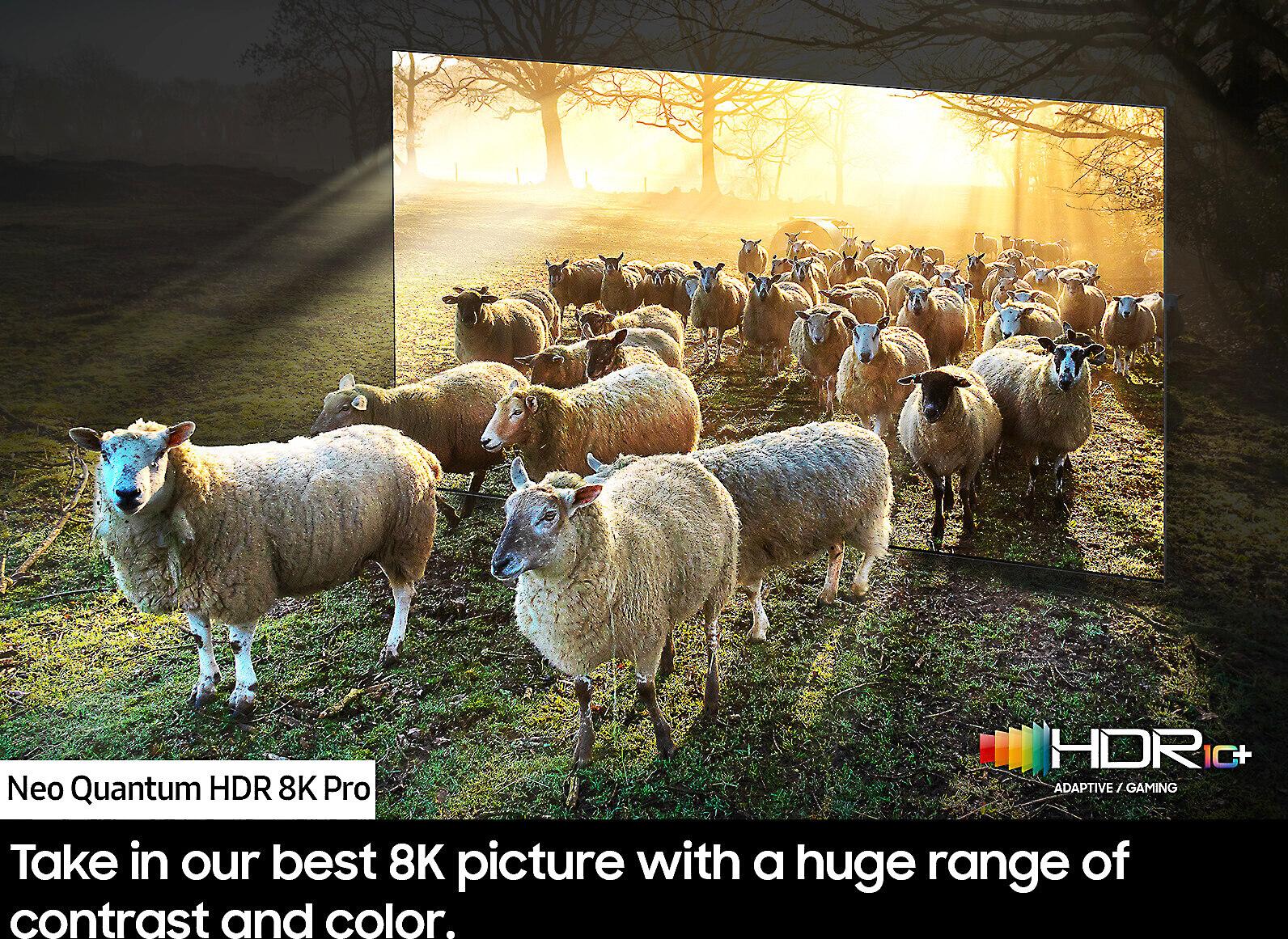
This is where the Samsung QN900D really flexes its muscles. With a peak brightness of 1,870 nits, it's one of the brightest TVs you can buy. To put that in perspective, most premium TVs peak around 1,000-1,200 nits. This extra brightness makes HDR content look incredibly impactful – explosions in movies genuinely feel brighter, and outdoor scenes have that realistic sun-drenched quality.
The LG QNED92A is no slouch in brightness either, hitting around 1,520 nits at its peak. That's still excellent and more than bright enough for most rooms, but you'll notice the difference in side-by-side comparisons, especially with HDR content. Where LG compensates is in its processing – the α9 AI Gen8 processor does an excellent job of optimizing brightness on a scene-by-scene basis.
I've spent considerable time with both TVs, and the Samsung's brightness advantage is most noticeable in bright rooms during daytime viewing. If your TV room gets a lot of natural light, the Samsung will cut through glare better and maintain image quality when other TVs might look washed out.
Here's where things get interesting from a technical standpoint. Samsung uses traditional quantum dot technology – microscopic particles that emit very pure colors when hit by light. This creates incredibly vibrant, saturated colors that really pop off the screen. It's particularly effective for animated content and video games.
LG takes a different approach with their Dynamic QNED Color technology. Instead of quantum dots, they use a combination of their NanoCell technology (which filters out impure colors) and a new color enhancement layer. The result is colors that are more natural and accurate to real life, though they might not have the same "wow factor" as Samsung's quantum dots.
In my testing, I found that Samsung's approach works better for content where you want maximum impact – action movies, sports, gaming. LG's approach is better for content where accuracy matters more – documentaries, dramas, or anything where you want colors to look realistic rather than enhanced.
This is a crucial difference that often gets overlooked. The Samsung QN900D supports HDR10+ but notably lacks Dolby Vision support. The LG QNED92A supports both HDR10+ and Dolby Vision.
Dolby Vision is used by Netflix, Disney+, Apple TV+, and many other streaming services. It's a more advanced HDR format that includes scene-by-scene metadata – basically instructions that tell your TV exactly how bright and colorful each scene should be. Think of it like having a professional colorist adjust your TV for every single scene in a movie.
The lack of Dolby Vision on the Samsung is genuinely disappointing at this price point. You're not getting the full HDR experience from many streaming services, which is increasingly important as more content moves to streaming platforms.
Both TVs are excellent for gaming, but they serve different types of gamers. The Samsung QN900D is a gaming powerhouse with support for 4K at 240Hz and 8K at 60Hz. This means if you have a high-end gaming PC with the latest graphics cards, you can take full advantage of extremely high frame rates for competitive gaming.
The LG QNED92A supports 4K at 120Hz, which is perfect for PlayStation 5 and Xbox Series X gaming. Both consoles output at 120Hz maximum, so you're not missing anything. The input lag (the delay between pressing a button and seeing the result on screen) is excellent on both TVs – around 9-10 milliseconds in game mode.
Samsung goes all-in on gaming features with their Gaming Hub, which lets you play cloud games from services like Xbox Game Pass and GeForce NOW without needing a console. The interface is slick and the performance is surprisingly good, though you'll still want a dedicated gaming device for the best experience.
LG includes similar cloud gaming features but focuses more on optimizing the experience for console gaming. Their Game Optimizer automatically detects what type of game you're playing and adjusts settings accordingly. It's less flashy than Samsung's approach but arguably more practical for most gamers.
LG's webOS 25 is, in my opinion, the best smart TV interface available. It's intuitive, fast, and doesn't feel cluttered with ads or promotional content. The Magic Remote makes navigation feel natural, and the AI features genuinely help you find content you want to watch.
Samsung's Tizen OS is more customizable but also more complex. It offers more options for tweaking settings and organizing content, but it can feel overwhelming for casual users. Samsung also includes more promotional content and ads in their interface, which some users find annoying.
Both platforms have excellent app selection, but LG's promise of 5 years of software updates through their Re:New Program is particularly valuable. This means your TV will continue getting new features and security updates long after you buy it. Samsung's update policy is less clearly defined, which could be a concern for long-term ownership.
The Samsung QN900D has a more impressive speaker setup on paper – a 6.2.4 channel system with 90 watts of power and Object Tracking Sound. This technology attempts to make sound effects come from the correct part of the screen, which works surprisingly well for dialogue and some sound effects.
However, in practice, the audio quality is somewhat disappointing for such an expensive TV. The sound lacks bass depth and doesn't get as loud as you'd expect. The Object Tracking Sound is clever but not transformative.
The LG QNED92A has a simpler 2.2 channel system, but it's better tuned and more balanced. The AI Sound Pro processing does a good job of optimizing audio for different content types, and it integrates well with LG's soundbars if you decide to upgrade later.
For serious home theater setups, both TVs work well with external audio systems. The Samsung's eARC support is excellent, and it passes through high-quality audio formats without issue. The LG also handles external audio well and has the advantage of supporting Dolby Atmos natively from streaming services.
If you're planning to use the TV's built-in speakers, the LG QNED92A will likely sound better out of the box. If you're planning to add a soundbar or surround system later, both TVs will work well, but the Samsung's audio processing might give it a slight edge.
At $1,681.99, the LG offers exceptional value for a Mini LED TV. You're getting premium picture quality, excellent gaming performance, the best smart TV interface, and long-term software support. The image quality is genuinely impressive – close enough to OLED performance that most people won't miss the difference.
The 4K resolution is actually a strength here because there's abundant 4K content available. Every streaming service, game console, and Blu-ray disc can take full advantage of the TV's capabilities. You're not paying extra for 8K features you can't use yet.
The Samsung at $2,897.00 is clearly a premium product, and the price reflects that. You're paying for cutting-edge 8K technology, the brightest Mini LED display available, advanced gaming features, and Samsung's most sophisticated processing.
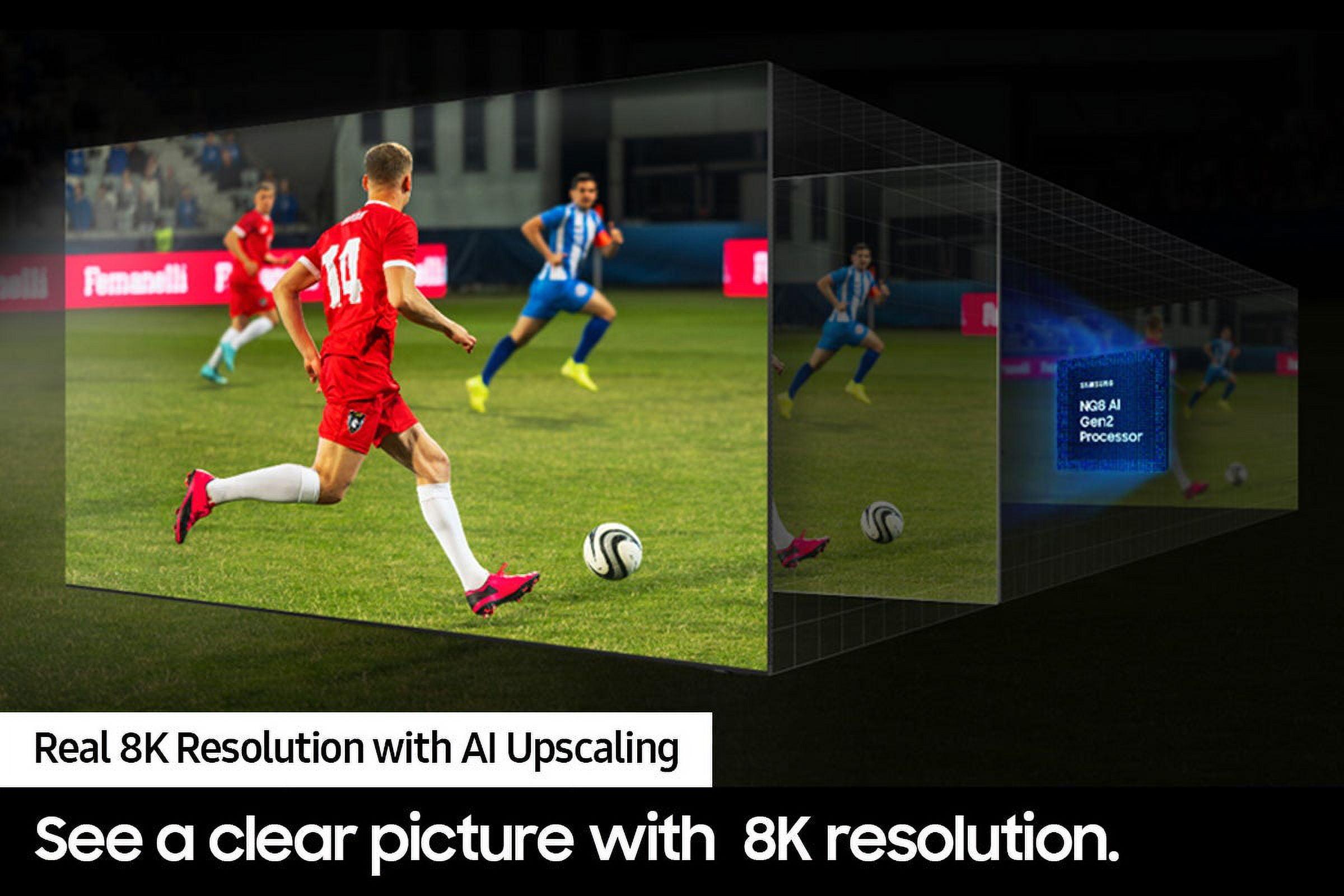
The question is whether those premium features justify the extra $1,200. If you're a tech enthusiast who wants the absolute best performance, the Samsung delivers. The 8K upscaling is genuinely impressive – it makes 4K content look noticeably sharper and more detailed than on 4K TVs.
For most families, the LG QNED92A is the better choice. The viewing angles are better for off-center seating, the interface is more user-friendly, and the Dolby Vision support means better quality from streaming services. The price difference also leaves room in your budget for a soundbar or other accessories.
In a dedicated home theater room with controlled lighting, the Samsung QN900D's superior brightness and contrast really shine. The 8K upscaling makes even older content look fresh, and the gaming features are perfect for serious enthusiasts. The lack of Dolby Vision is less of an issue if you're mainly watching Blu-rays or gaming.
If your TV is in a bright room with lots of windows, the Samsung's superior brightness makes a real difference. The LG is still watchable in bright conditions, but the Samsung maintains better contrast and color accuracy when fighting ambient light.
Both TVs use AI extensively, but in different ways. LG's α9 AI Gen8 processor focuses on scene-by-scene optimization, analyzing content in real-time to adjust brightness, contrast, and color. It's particularly good at handling mixed content – like a TV show that goes from a bright outdoor scene to a dark indoor scene.
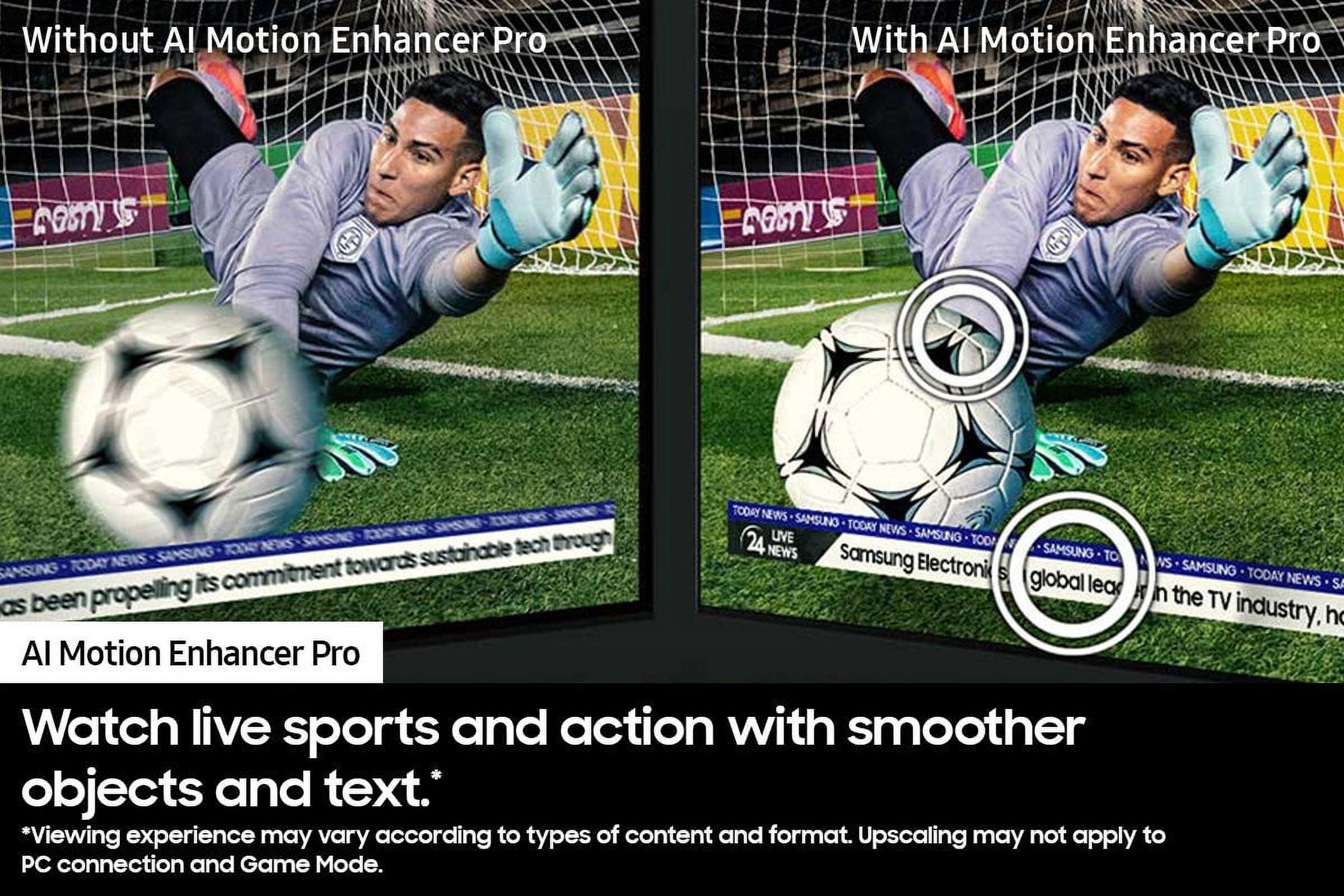
Samsung's NQ8 AI Gen3 processor is more focused on upscaling and enhancement. It's analyzing every frame to add detail and sharpness, particularly when upscaling lower resolution content to 8K. The results are genuinely impressive, making HD content look much closer to native 4K quality.
LG's 5-year software update guarantee is a significant advantage for long-term ownership. Your TV will continue getting new features and improvements, potentially adding value over time. Samsung's update policy is less clear, which could mean your expensive TV becomes outdated sooner.
The 8K capability of the Samsung is a double-edged sword. While there's very little native 8K content available now, the upscaling technology means you're getting some benefit immediately. Whether 8K content becomes common enough to justify the extra cost remains to be seen.
You want excellent picture quality at a reasonable price, prefer the best smart TV interface, watch a lot of streaming content (especially services that use Dolby Vision), or have a family room where multiple people watch from different angles. The LG is also better if you're not a serious gamer and just want solid performance for casual gaming.
You want the absolute best picture quality regardless of price, are a serious gamer who wants cutting-edge features, have a bright room that needs maximum brightness, or are interested in future-proofing with 8K technology. The Samsung is also better if you plan to use external audio and don't rely on built-in speakers.
The reality is that both TVs are excellent choices that will provide years of enjoyment. The LG QNED92A offers the better overall value and user experience for most people, while the Samsung QN900D provides premium features and performance for those willing to pay extra. Your choice ultimately depends on your budget, viewing habits, and how much you value having the latest technology versus proven, practical performance.
| LG 65" QNED92A QNED evo AI Mini LED 4K TV 2025 | Samsung QN900D Series 65" Neo QLED 8K Smart TV |
|---|---|
| Price - Significant cost difference for premium features | |
| $1,681.99 | $2,897.00 |
| Resolution - 8K offers future-proofing but limited native content | |
| 4K (3,840 x 2,160) with abundant native content | 8K (7,680 x 4,320) with AI upscaling for current content |
| Peak Brightness - Critical for HDR impact and bright room viewing | |
| 1,520 nits (excellent for most rooms) | 1,870 nits (superior for bright rooms and HDR highlights) |
| Panel Type - Affects viewing angles and contrast performance | |
| IPS-based (better viewing angles for family viewing) | VA-based (superior contrast but narrower viewing angles) |
| HDR Format Support - Dolby Vision preferred by major streaming services | |
| Dolby Vision, HDR10, HLG | HDR10+, no Dolby Vision support |
| Gaming Performance - Higher refresh rates benefit PC gaming | |
| 4K @ 120Hz (perfect for PS5/Xbox Series X) | 4K @ 240Hz, 8K @ 60Hz (ideal for high-end PC gaming) |
| Smart TV Platform - Interface quality affects daily usability | |
| webOS 25 (intuitive, 5-year update guarantee) | Tizen OS (more customizable, update policy unclear) |
| Audio System - Built-in sound quality varies significantly | |
| 2.2 channel system with AI Sound Pro | 6.2.4 channel with Object Tracking Sound (90W total) |
| Processor - AI capabilities impact picture and upscaling quality | |
| α9 AI Gen8 (optimized for 4K content enhancement) | NQ8 AI Gen3 (advanced 8K upscaling and processing) |
| Color Technology - Different approaches to color reproduction | |
| Dynamic QNED Color (natural, accurate colors) | Quantum Matrix Pro (vibrant, saturated quantum dot colors) |
| HDMI Ports - More ports benefit complex setups | |
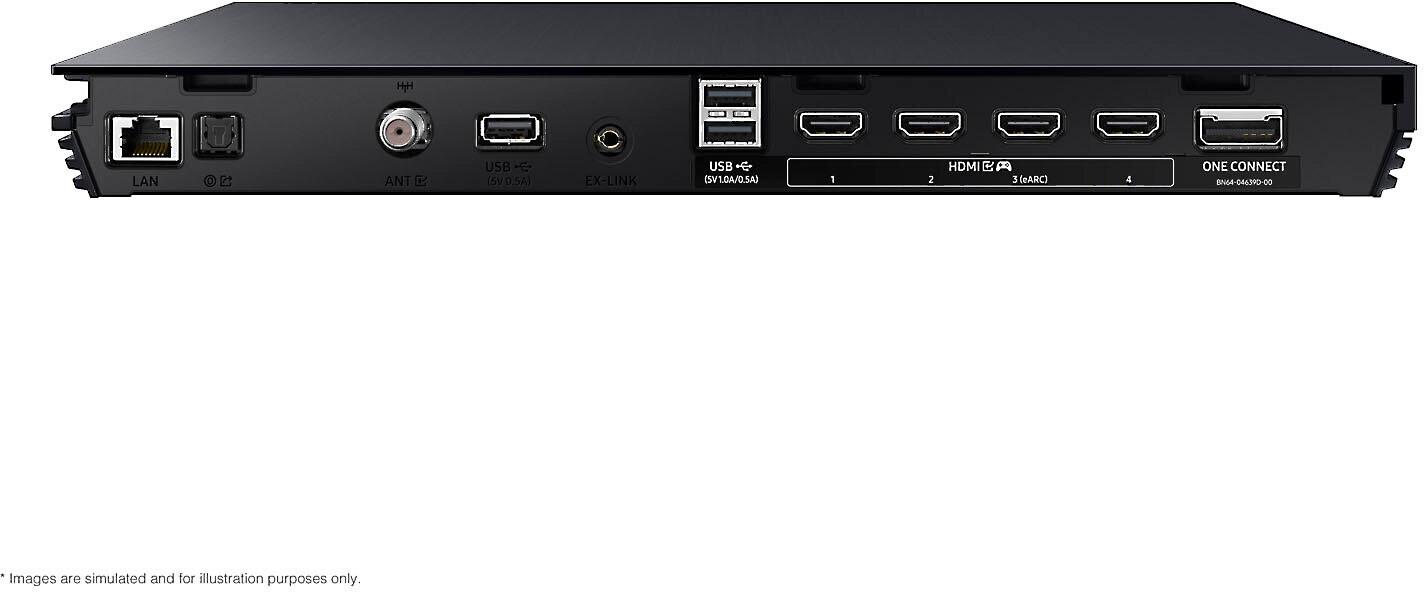
| 4 HDMI 2.1 ports | 4 HDMI 2.1 ports via One Connect box |
| Viewing Angles - Important for family rooms and off-center seating | |
| Better off-axis performance | Limited viewing angles but superior straight-on contrast |
| Best For - Target user considerations | |
| Budget-conscious buyers wanting premium Mini LED features | Enthusiasts seeking cutting-edge 8K technology and gaming |
The LG 65" QNED92A QNED evo AI Mini LED 4K TV 2025 at $1,681.99 offers significantly better value for most buyers. You get excellent Mini LED picture quality, premium smart TV features, and strong gaming performance at a much lower price point. The Samsung QN900D Series 65" Neo QLED 8K Smart TV at $2,897.00 is nearly $1,200 more expensive and targets enthusiasts who want cutting-edge 8K technology regardless of cost.
The LG QNED92A displays 4K resolution (3,840 x 2,160 pixels) with abundant native content available from streaming services, games, and Blu-rays. The Samsung QN900D offers 8K resolution (7,680 x 4,320 pixels) but relies heavily on AI upscaling since true 8K content is extremely limited. For most viewers, 4K provides all the detail they can perceive at typical viewing distances.
Both TVs excel at gaming, but serve different needs. The Samsung QN900D offers superior gaming features with 4K at 240Hz and 8K at 60Hz, perfect for high-end PC gaming. The LG QNED92A provides 4K at 120Hz, which is ideal for PlayStation 5 and Xbox Series X gaming. Both have low input lag and support VRR for smooth gameplay.
The Samsung QN900D delivers superior picture quality with higher peak brightness (1,870 nits), deeper blacks, and more vibrant colors thanks to quantum dot technology. The LG QNED92A offers excellent picture quality with good brightness (1,520 nits) and more natural color reproduction. The Samsung is better for bright rooms and HDR content, while the LG provides better viewing angles.
No, this is a key difference. The LG QNED92A supports Dolby Vision, HDR10, and HLG, giving you the best experience with Netflix, Disney+, and other streaming services. The Samsung QN900D only supports HDR10+ and lacks Dolby Vision, which is disappointing at this price point since many streaming services prefer Dolby Vision.
The LG QNED92A runs webOS 25, which is widely considered the most user-friendly smart TV interface with intuitive navigation and minimal ads. LG also guarantees 5 years of software updates. The Samsung QN900D uses Tizen OS, which is more customizable but can feel cluttered with promotional content and has an unclear long-term update policy.
The Samsung QN900D is significantly better for bright rooms due to its superior peak brightness of 1,870 nits and anti-reflective coating. It maintains better contrast and color accuracy when fighting ambient light. The LG QNED92A is still good in bright conditions but may appear more washed out in very bright environments.
The Samsung QN900D has a more impressive 6.2.4 channel speaker system with Object Tracking Sound, but the audio quality is disappointing for the price with weak bass response. The LG QNED92A has a simpler 2.2 channel system that's better tuned and more balanced overall. Both TVs work well with external soundbars for serious home theater setups.
The LG QNED92A is better for family viewing due to its superior viewing angles, more intuitive interface, and Dolby Vision support for streaming content. Multiple family members can watch comfortably from different positions in the room. The Samsung QN900D has narrower viewing angles but superior straight-on picture quality.
Currently, there's very little native 8K content available to consumers. The Samsung QN900D relies on AI upscaling to enhance 4K and HD content, which works well but isn't the same as true 8K. The LG QNED92A focuses on delivering excellent 4K performance with abundant native content from streaming services, games, and Blu-rays.
The LG QNED92A has a clear advantage with LG's Re:New Program guaranteeing 5 years of software updates and new features. This ensures your TV stays current with new apps and capabilities. The Samsung QN900D doesn't have a clearly defined long-term update policy, which could be concerning for such an expensive purchase.
For a dedicated home theater room with controlled lighting, the Samsung QN900D offers superior contrast and the brightest, most impactful picture quality. However, the LG QNED92A is often the better choice for most home theaters due to its excellent performance, Dolby Vision support, better value, and superior smart TV experience. Consider your budget, room lighting, and whether you prioritize cutting-edge features over proven performance.
We've done our best to create useful and informative comparisons to help you decide what product to buy. Our research uses advanced automated methods to create this comparison and perfection is not possible - please contact us for corrections or questions. These are the sites we've researched in the creation of this article: stereoindex.com - youtube.com - youtube.com - digitaltrends.com - abt.com - lg.com - youtube.com - ecoustics.com - hometheaterforum.com - lg.com - valueelectronics.com - listenup.com - pcrichard.com - furnitureconnectionnd.com - avnirvana.com - files.bbystatic.com - lg.com - lgnewsroom.com - techradar.com - bestbuy.com - bestbuy.com - youtube.com - youtube.com - rtings.com - videoandaudiocenter.com - bestbuy.com - avsforum.com - bestbuy.com - walts.com - images.samsung.com - samsung.com - merlinstv.com - samsung.com - avsforum.com - samsung.com

Privacy Policy
Terms and Conditions - Affiliate Policy
Home Security
© Copyright 2008-2026.
11816 Inwood Rd #1211, Dallas, TX 75244