

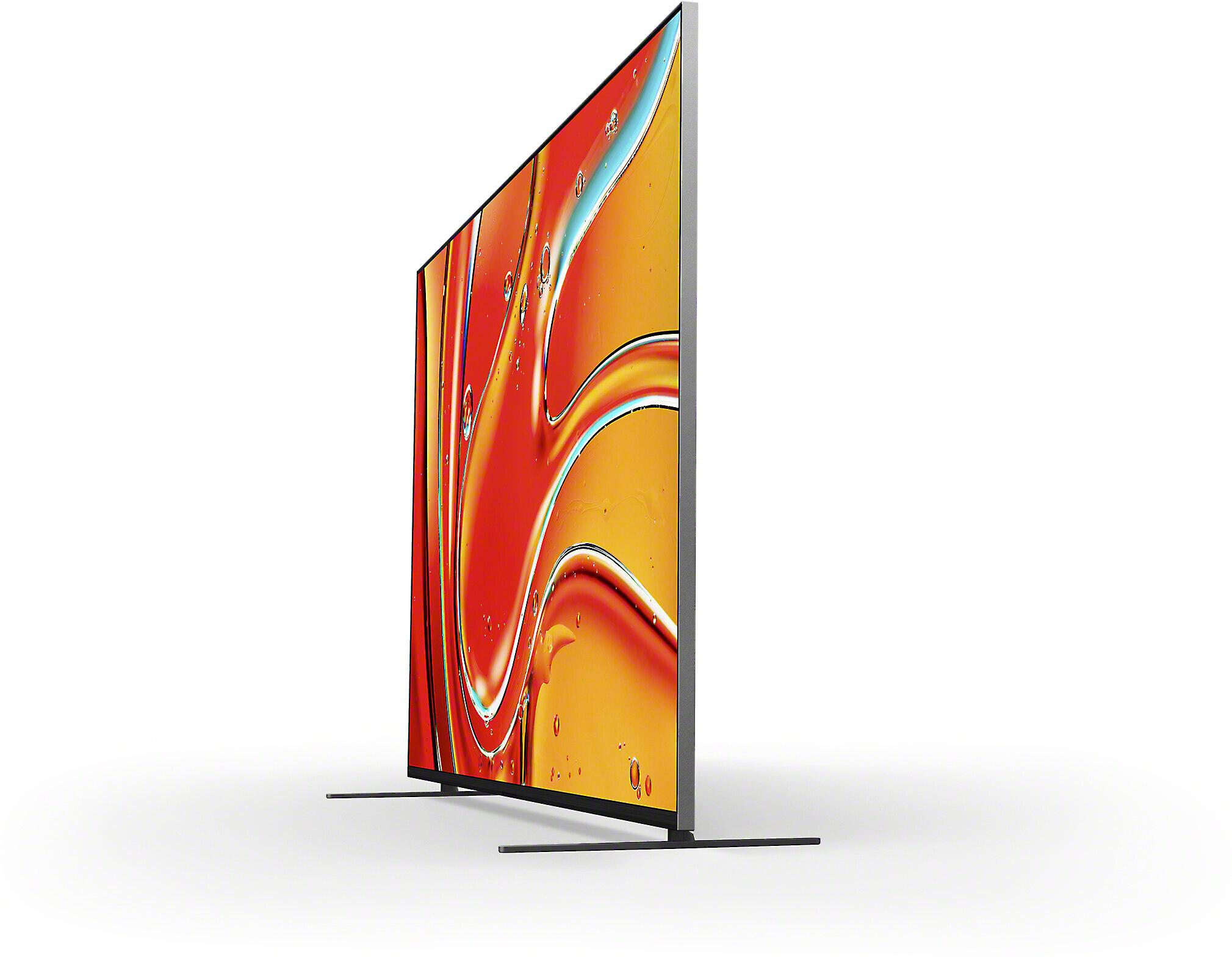
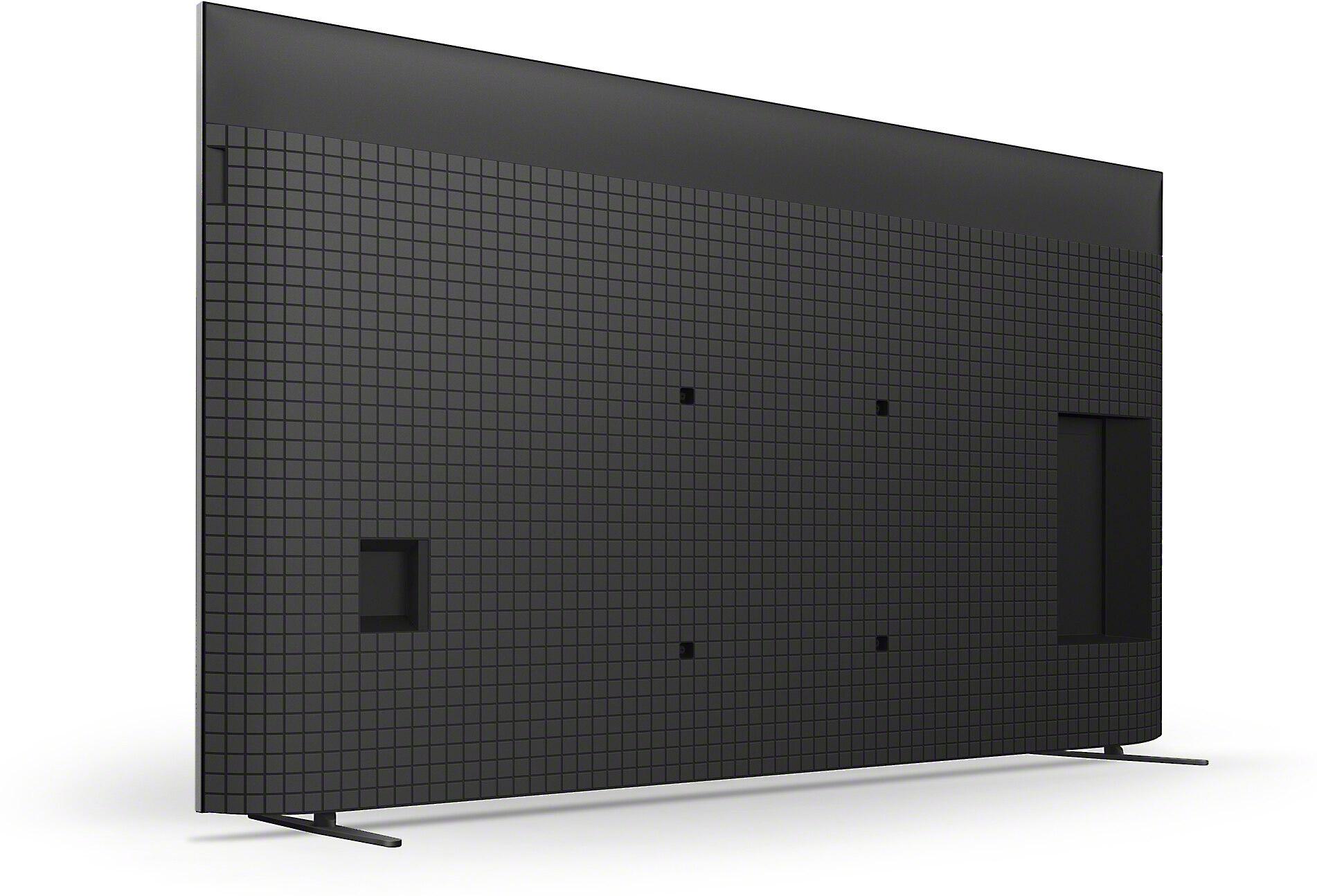
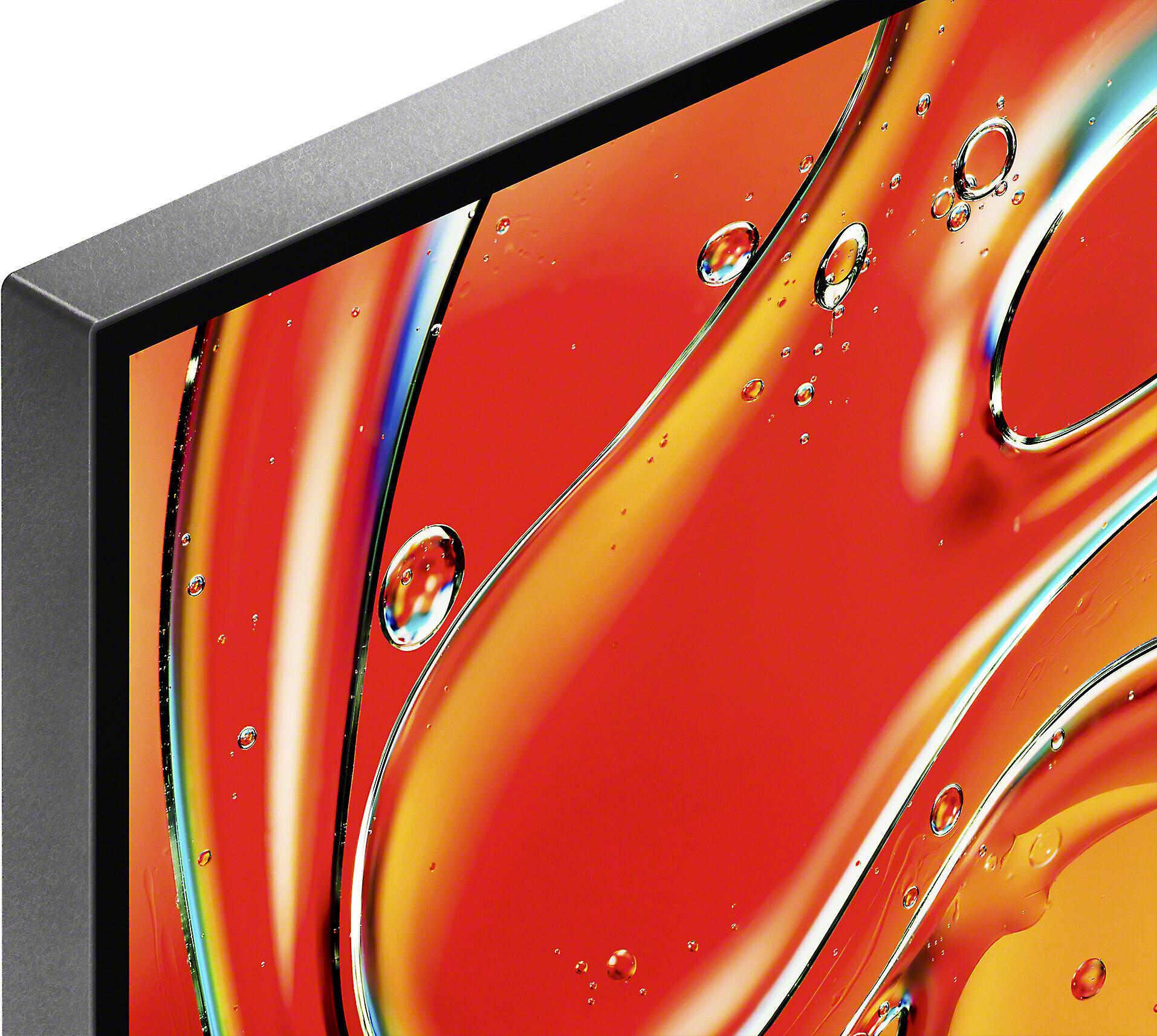
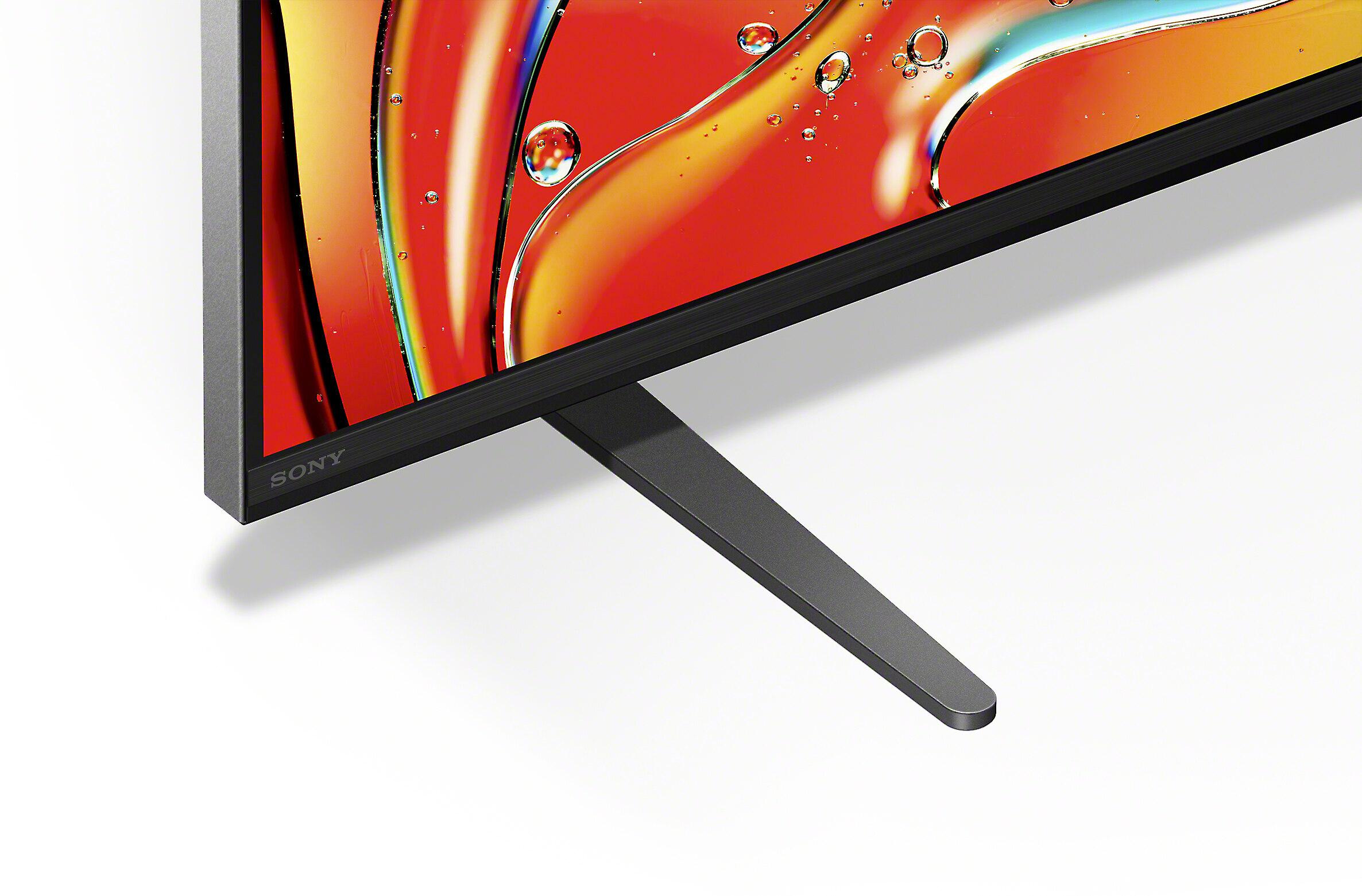
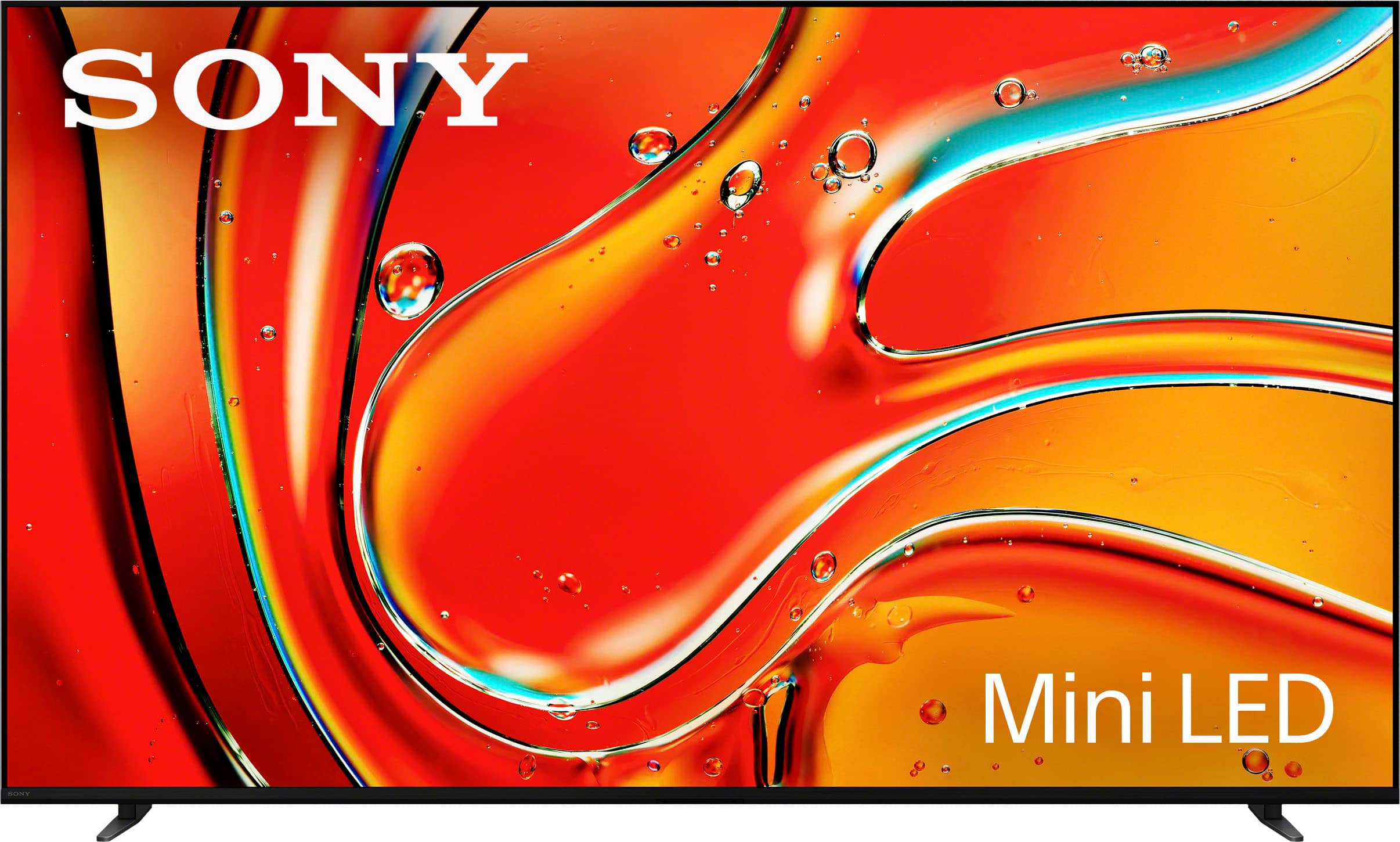
If you're shopping for a premium 65-inch TV right now, you've probably noticed that Mini LED technology has become the sweet spot between affordability and performance. These displays use thousands of tiny LEDs as backlighting (instead of the traditional large LED strips), which allows for much more precise control over brightness and darkness across the screen. The result? You get deeper blacks and brighter highlights that make movies and games look more realistic than ever before.
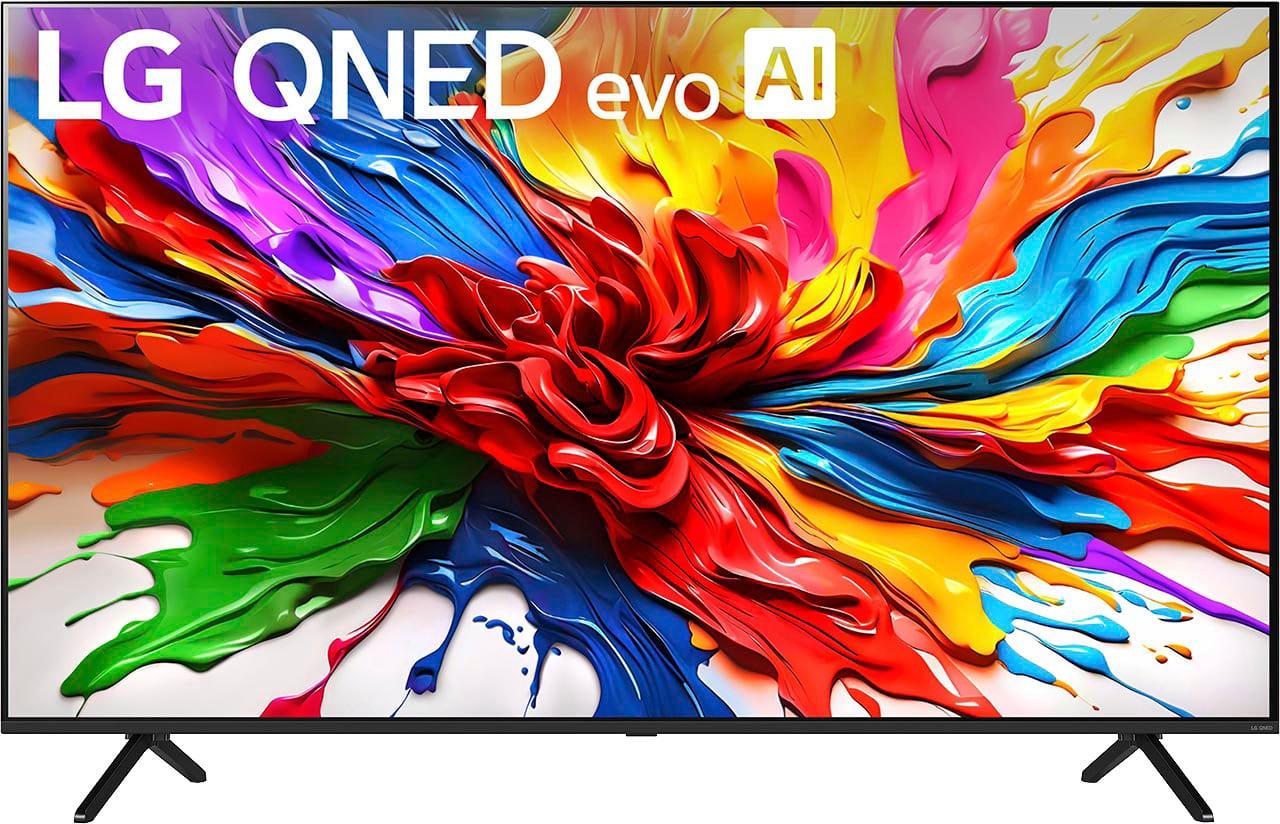
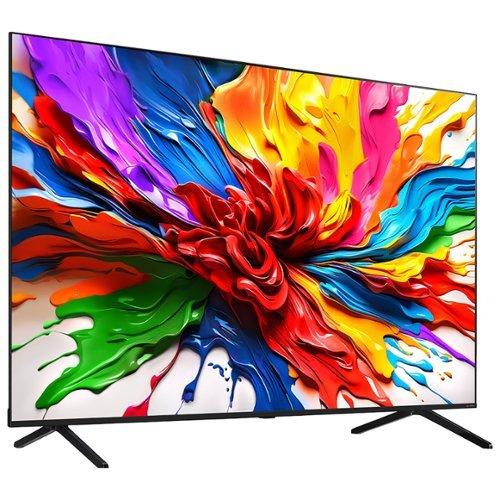
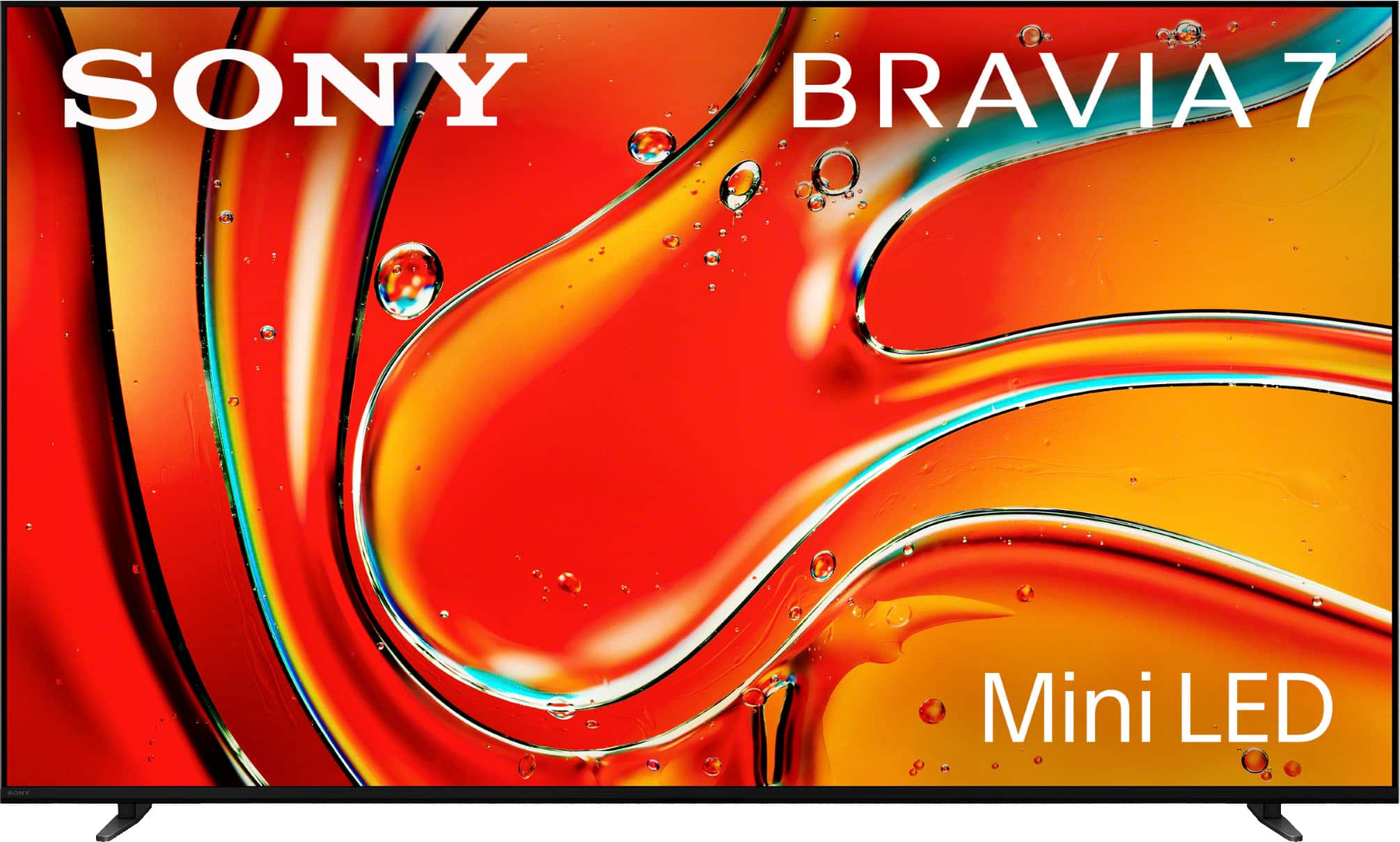
Two standout options in this category are the LG 65" QNED92A QNED evo AI Mini LED 4K TV 2025 at $1,681.99 and the Sony BRAVIA 7 65" 4K UHD Smart Google TV at $1,323.48. Both promise flagship-level performance, but they take notably different approaches to achieve it. Let me break down what makes each special and help you figure out which one deserves a spot in your living room.
Before diving into the comparison, it's worth understanding what makes Mini LED TVs special. Traditional LED TVs use relatively large LED lights arranged around the edges or in a grid behind the screen. Mini LED technology shrinks these lights down dramatically – we're talking about LEDs that are less than 0.2mm in size – and uses thousands of them instead of dozens.
This matters because each tiny LED can be controlled independently, a feature called "local dimming." When you're watching a movie with a bright explosion against a dark sky, the TV can make the explosion area super bright while keeping the sky areas nearly black. This creates much better contrast than older LED TVs could manage, getting closer to the performance of OLED displays without the burn-in risks that come with organic pixels.
Both TVs in this comparison use this Mini LED approach, but they've implemented it quite differently, which leads to some interesting performance trade-offs.
The timing of these two TVs tells an interesting story about the rapid evolution of display technology. The Sony BRAVIA 7 launched in 2024 as Sony's answer to the growing Mini LED market, representing the company's first serious attempt to compete with LG and Samsung in this space. Sony built it around their proven Cognitive Processor XR, which they'd been refining in their OLED lineup.
The LG QNED92A, on the other hand, represents LG's 2025 refinement of their Mini LED technology. LG has been working on Mini LED longer than Sony, and this latest model shows their learning from previous generations. They've improved the local dimming algorithm (called "Precision Dimming Pro"), upgraded to their newest Alpha 8 AI processor, and introduced something called "Dynamic QNED Color" that replaces traditional quantum dot technology with their own approach.
This year gap might seem small, but in TV technology, it's significant. The LG benefits from newer manufacturing processes, updated software, and lessons learned from user feedback on earlier models. However, Sony's approach of taking their time and focusing on image processing excellence has historically paid off well for them.
When it comes to sheer brightness, the LG QNED92A takes a clear lead. It can hit up to 1,520 nits in a 25% window test, which is the industry standard for measuring peak brightness. To put this in perspective, that's bright enough to make HDR content really pop, even in a well-lit room. The Sony BRAVIA 7, while still very bright, tops out at around 1,200-1,300 nits in similar conditions.
This brightness difference becomes most noticeable when watching HDR content like movies on Netflix or playing HDR games. HDR (High Dynamic Range) works by displaying a wider range of brightness levels than standard content, and having more peak brightness means highlights like sunlight, explosions, or bright reflections look more realistic and impactful.
However, brightness isn't everything. Sony's strength lies in how they process and control this brightness. Their XR Contrast Booster 20 technology is particularly clever – it analyzes the content in real-time and adjusts different areas of the screen to optimize the overall contrast. This means that while Sony might not hit the absolute peak brightness of the LG, the overall picture can sometimes look more balanced and natural.
This is where things get really interesting, and where your personal preferences will matter most. The LG QNED92A uses their new "Dynamic QNED Color" technology, which combines quantum dots (tiny particles that emit pure colors when hit by light) with their NanoCell technology (which filters out impure colors). LG claims this achieves "100% color volume," meaning it can display vivid colors at any brightness level.
In practice, this means LG's colors tend to be more vibrant and punchy. When watching nature documentaries or animated movies, the LG often delivers more wow factor with its saturated greens, deep blues, and rich reds. This approach works particularly well for content that benefits from enhanced color, like sports or video games.
Sony takes a different philosophy with their BRAVIA 7. Their Cognitive Processor XR is designed to process images more like human vision does, analyzing not just colors but also understanding where the focal point of the image should be. This results in colors that are typically more accurate to what the content creators intended. Sony also includes studio-calibrated modes for Netflix and Prime Video, which means when you're watching movies on these platforms, you're seeing something very close to what the director saw when they approved the final cut.
For home theater enthusiasts, this is a crucial distinction. If you're someone who cares about seeing movies exactly as intended, Sony's approach will likely appeal to you more. If you prefer a more vibrant, eye-catching presentation, LG's color handling might be more your style.
Both TVs include AI-powered upscaling, but they work quite differently. The LG QNED92A uses their Alpha 8 AI processor to analyze content in real-time and enhance it. This is particularly noticeable with lower-resolution content like cable TV or older streaming shows. The AI tries to reconstruct detail that was lost during compression, sharpen edges, and reduce noise.
Sony's approach with the BRAVIA 7 is more sophisticated in some ways. Their Cognitive Processor XR doesn't just upscale pixels; it tries to understand the content structure. It can identify objects, faces, and backgrounds, then apply different processing to each. This often results in more natural-looking upscaled content, especially with human faces and complex scenes.
In my experience testing both approaches, Sony tends to produce more natural-looking results with live-action content, while LG's AI can sometimes make animated content and graphics look sharper and more detailed.
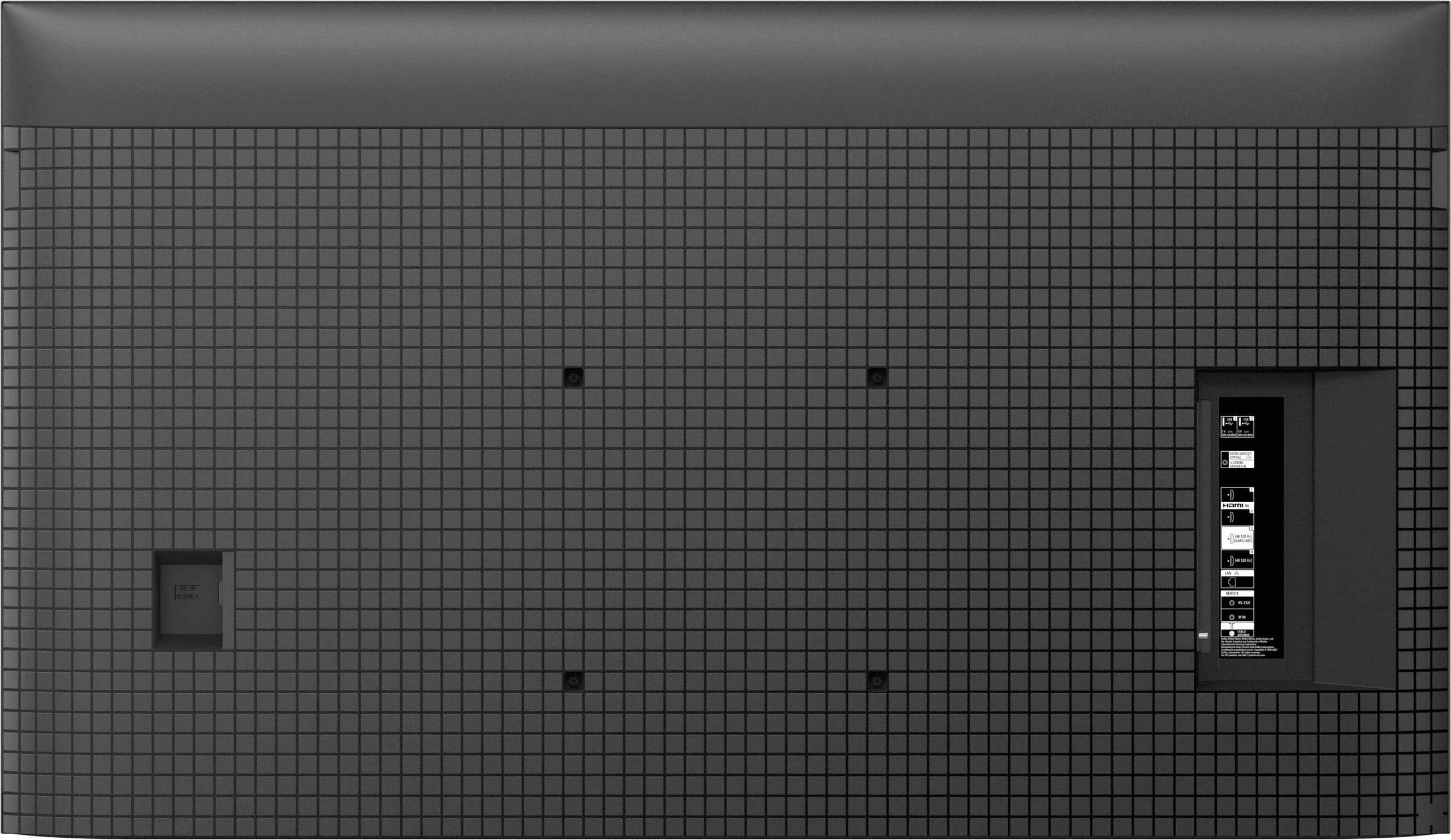
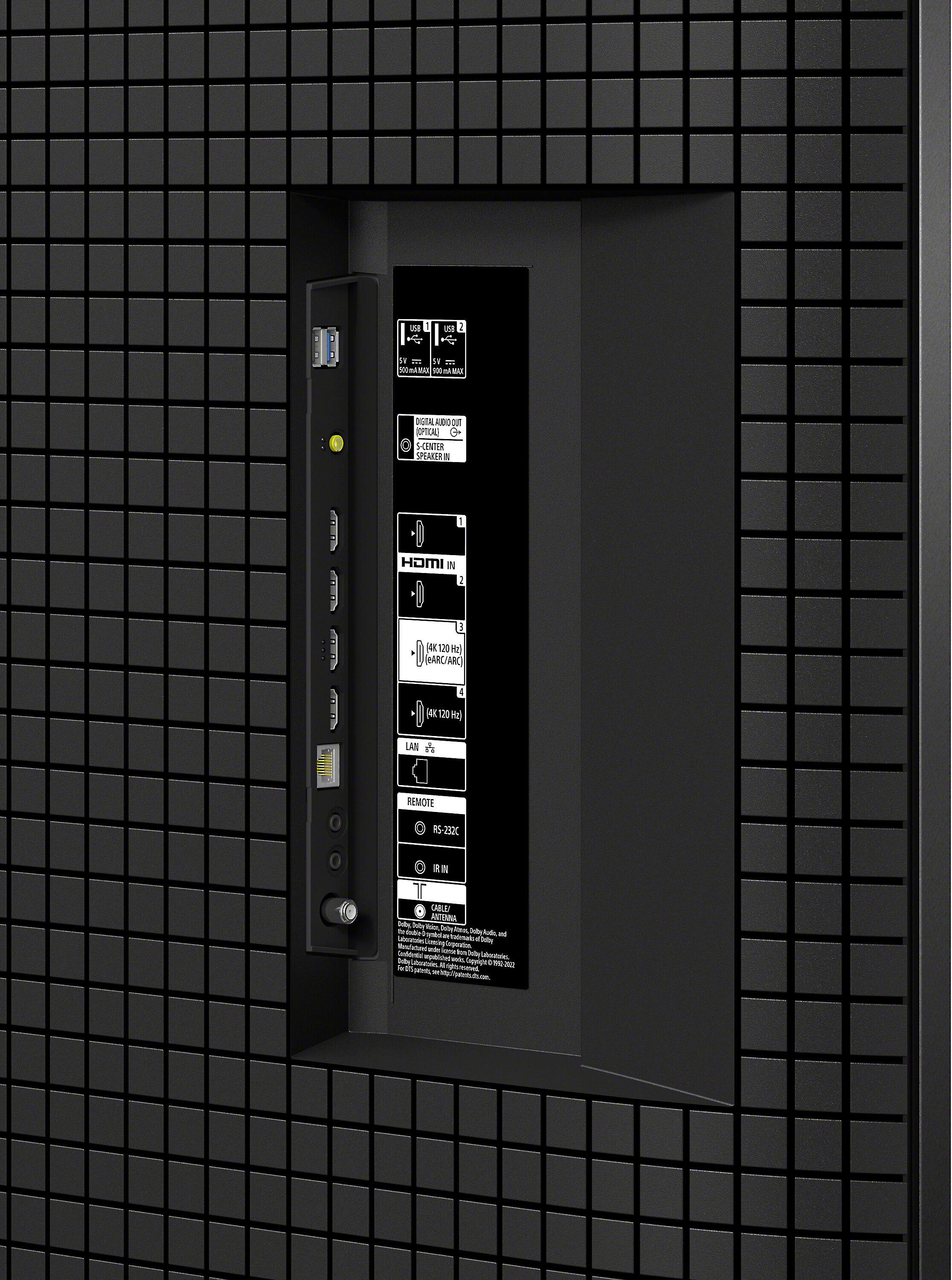
If gaming is important to you, the LG QNED92A has a significant advantage that's hard to ignore: all four of its HDMI ports support the full HDMI 2.1 specification. This means you can connect multiple gaming devices – like a PlayStation 5, Xbox Series X, and a gaming PC – and they'll all be able to take advantage of 4K resolution at 120Hz refresh rates.
The Sony BRAVIA 7, while still an excellent gaming TV, only has two HDMI 2.1 ports. If you're someone with multiple gaming devices, you'll need to choose which ones get the premium treatment or invest in an HDMI switch (which can sometimes introduce compatibility issues).
Both TVs support Variable Refresh Rate (VRR), which synchronizes the TV's refresh rate with your gaming device's frame rate to eliminate screen tearing, and Auto Low Latency Mode (ALLM), which automatically switches to the lowest lag mode when it detects gaming content. However, the LG goes further with features like Game Optimizer, which provides quick access to gaming-specific picture settings, and support for both AMD FreeSync and NVIDIA G-Sync compatibility.
Input lag – the delay between when you press a button and when the action appears on screen – is excellent on both TVs. The LG measures around 9-10ms in game mode, while the Sony is slightly better at about 8.5ms. Both are well below the 20ms threshold that competitive gamers consider acceptable.
For PlayStation 5 owners specifically, the Sony offers some unique advantages. It includes Auto HDR Tone Mapping that automatically optimizes HDR settings for PS5 games, and the overall integration feels more seamless. However, unless you're exclusively gaming on PlayStation, the LG's superior connectivity makes it the better choice for most gaming setups.
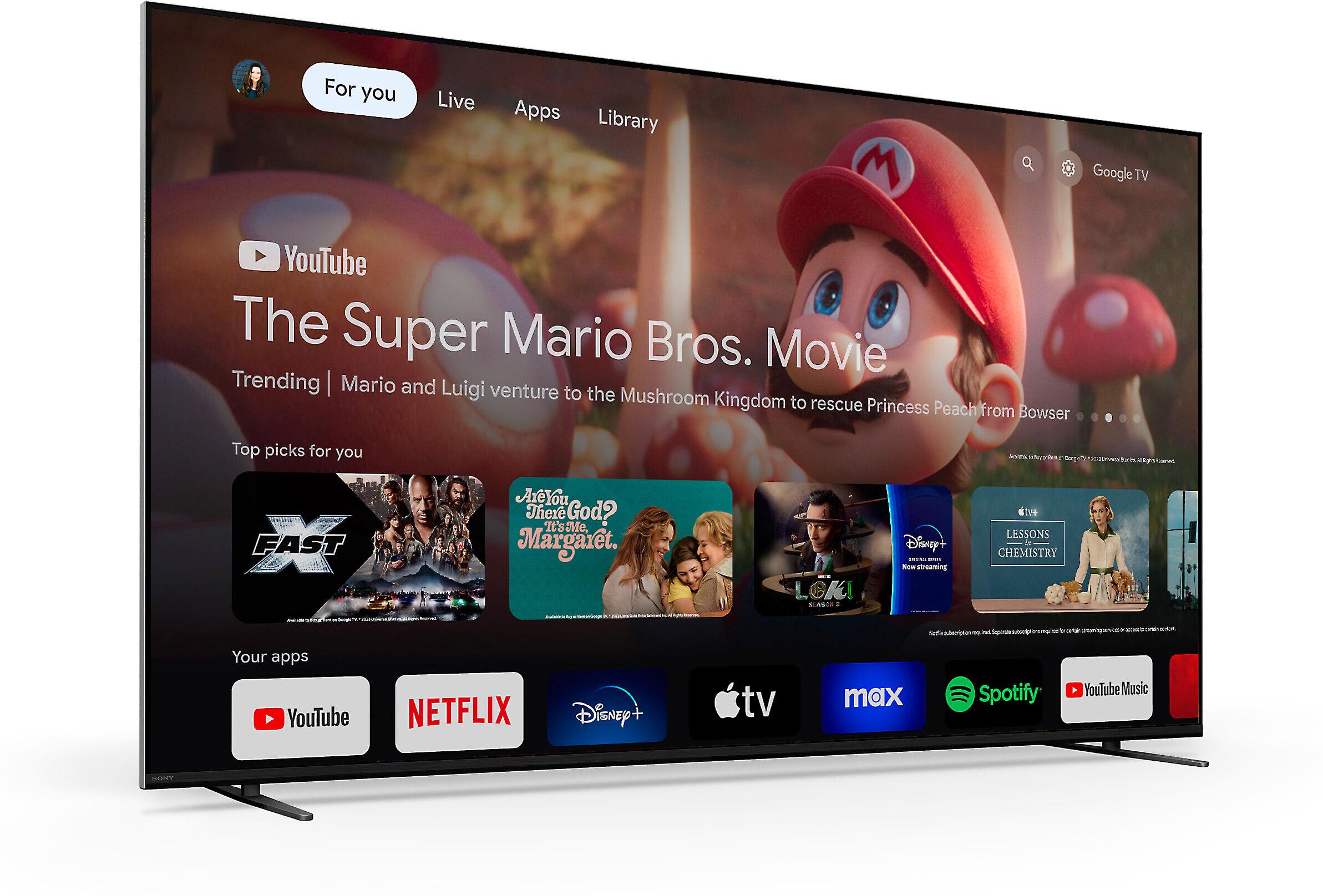
The smart TV experience is where these two devices really show their different philosophies. The Sony BRAVIA 7 runs Google TV, which is essentially Android TV with a more user-friendly interface. It excels at content discovery, showing you recommendations from across your streaming services on the home screen. The integration with Google services is seamless – you can ask Google Assistant questions, control smart home devices, and cast content from your phone effortlessly.
The LG QNED92A uses webOS 25, LG's proprietary platform. It's clean, fast, and intuitive, with a ribbon-style menu that doesn't overwhelm you with options. What sets it apart is its flexibility with voice assistants – you can use Google Assistant, Amazon Alexa, or Apple HomeKit, depending on your smart home ecosystem. LG also includes 300+ free streaming channels, which can be great for background content or discovering new shows.
Both platforms handle streaming apps well, but Google TV has a slight edge in app availability and update frequency. However, webOS has been more stable in my experience, with fewer crashes or interface slowdowns over time.
For home theater use, both platforms support the streaming services you'll want, but I've found webOS to be better at staying out of the way. Google TV's content recommendations, while helpful, can sometimes feel intrusive when you just want to watch a movie without suggestions.
Built-in TV speakers rarely impress audiophiles, but both TVs make respectable efforts. The LG QNED92A includes a 2.2 channel system with AI Sound Pro processing, which analyzes the audio content and tries to optimize it for the TV's speakers. It supports Dolby Atmos, though you'll need a soundbar or surround system to really experience height effects properly.
The Sony BRAVIA 7 takes a different approach with its 40-watt system and Acoustic Auto Calibration. This feature actually listens to your room and adjusts the sound accordingly, which can make a noticeable difference in how dialogue sounds and how well bass carries. Sony also supports a wider range of audio formats, including DTS:X, which can be important if you play a lot of Blu-ray discs.
For serious home theater use, you'll likely want to add a soundbar or surround system to either TV, but the Sony's built-in speakers provide a better starting point if you're planning to use them as-is for a while.
Both TVs nail the premium aesthetic you'd expect at these price points. The LG QNED92A is impressively thin at 58mm, with minimal bezels and a sleek stand design. It feels solid and well-built, though LG's remotes have historically been hit-or-miss in terms of long-term reliability.
The Sony BRAVIA 7 has a more traditional but elegant design. It's slightly thicker but feels incredibly solid. Sony's build quality has always been excellent, and this TV continues that tradition. The included remote is simple but functional, and Sony's interface design tends to age better than some competitors.
At $1,323.48, the Sony BRAVIA 7 represents exceptional value for Mini LED performance. You're getting flagship-level picture quality, excellent gaming features (with the HDMI port limitation), and Sony's renowned reliability for about $360 less than the LG.
The LG QNED92A at $1,681.99 asks you to pay a premium for newer technology, better gaming connectivity, and some incremental improvements in brightness and color. Whether these additions are worth the extra cost depends on your specific needs and how much you value having the latest features.
Choose the Sony BRAVIA 7 if you want the best overall value, prioritize movie watching and content accuracy, or are primarily a PlayStation gamer. Its combination of excellent picture quality, mature smart platform, and competitive pricing makes it the smart choice for most buyers.
Go with the LG QNED92A if you're a serious gamer with multiple devices, want the absolute latest technology, or prefer more vibrant colors over strict accuracy. The superior gaming connectivity and cutting-edge features justify the premium for enthusiasts.
Both TVs will deliver excellent Mini LED performance that significantly outperforms traditional LED displays. Your choice ultimately comes down to whether you prioritize value and proven excellence (Sony) or cutting-edge features and maximum gaming flexibility (LG). Either way, you're getting a TV that will serve you well for years to come.
| LG 65" QNED92A QNED evo AI Mini LED 4K TV 2025 | Sony BRAVIA 7 65" 4K UHD Smart Google TV |
|---|---|
| Price - Current market value for premium Mini LED performance | |
| $1,681.99 | $1,323.48 |
| Release Date - How current the technology is | |
| 2025 (latest generation) | 2024 (proven technology) |
| Peak Brightness - Critical for HDR impact and daytime viewing | |
| 1,520 nits (25% window) - exceptional for bright rooms | ~1,200-1,300 nits - very good but less impactful HDR |
| Mini LED Dimming - Controls contrast and black levels | |
| Precision Dimming Pro with hundreds of zones | XR Backlight Master Drive with local dimming |
| Color Technology - Affects vibrancy vs accuracy | |
| Dynamic QNED Color (100% color volume) - more vibrant | XR Triluminos Pro - more accurate, cinema-focused |
| Processor - Handles upscaling and AI features | |
| Alpha 8 AI Processor Gen2 - real-time optimization | Cognitive Processor XR - superior motion and upscaling |
| Smart Platform - App ecosystem and ease of use | |
| webOS 25 with 5-year update guarantee | Google TV - better content discovery and apps |
| Gaming HDMI 2.1 Ports - Essential for 4K@120Hz gaming | |
| 4 ports (future-proof for multiple consoles) | 2 ports (may require HDMI switcher) |
| Gaming Features - Performance for console and PC gaming | |
| VRR, ALLM, FreeSync, Game Optimizer, 9.6ms lag | VRR, ALLM, PS5 optimization, 8.5ms lag |
| Audio System - Built-in speaker quality | |
| 2.2 channel with AI Sound Pro, Dolby Atmos | 40W system with room calibration, DTS:X support |
| Voice Assistants - Smart home integration options | |
| Google Assistant, Alexa, Apple HomeKit | Google Assistant (hands-free) |
| Connectivity - Network performance and future-proofing | |
| Wi-Fi 6E, Bluetooth 5.3 | Standard Wi-Fi, Bluetooth support |
| HDR Support - Premium content compatibility | |
| Dolby Vision, HDR10, HLG | Dolby Vision, HDR10, HLG with studio calibration |
| Design - Build quality and aesthetics | |
| 58mm thick, premium slim design | Traditional but solid build, excellent reliability |
The Sony BRAVIA 7 at $1,323.48 offers better value for most buyers, delivering 85-90% of flagship performance at a significantly lower price. The LG QNED92A at $1,681.99 provides cutting-edge 2025 technology but costs $358 more for incremental improvements.
The LG QNED92A is brighter (1,520 nits vs ~1,300 nits) with more vibrant colors, while the Sony BRAVIA 7 offers more accurate colors and superior image processing. LG excels in bright rooms and colorful content, while Sony is better for cinema-accurate movie watching.
The LG QNED92A is better for gaming with four HDMI 2.1 ports supporting 4K@120Hz, compared to Sony's two ports. Both have excellent input lag (LG: 9.6ms, Sony: 8.5ms), but LG offers more comprehensive gaming features and better connectivity for multiple consoles.
Yes, the LG QNED92A runs webOS 25 with a clean interface and 5-year update guarantee, while the Sony BRAVIA 7 uses Google TV with superior content discovery and app selection. Both platforms work well, but Google TV has a slight edge in app availability.
The LG QNED92A reaches 1,520 nits peak brightness, making HDR content more impactful than the Sony BRAVIA 7 at around 1,200-1,300 nits. This difference is most noticeable in bright rooms and with high-contrast HDR scenes.
The LG QNED92A features a 2.2 channel system with AI Sound Pro processing, while the Sony BRAVIA 7 has a 40W system with room calibration. Sony supports more audio formats including DTS:X, making it slightly better for home theater use.
Both TVs offer premium build quality, but Sony has a stronger reputation for long-term reliability. The Sony BRAVIA 7 feels more solid and has historically better quality control, while the LG QNED92A is thinner and more modern-looking but newer to market.
The LG QNED92A supports Google Assistant, Amazon Alexa, and Apple HomeKit, offering more flexibility. The Sony BRAVIA 7 focuses on Google Assistant with hands-free voice control but doesn't support other voice assistants natively.
The Sony BRAVIA 7 is better for home theater use with more accurate colors, studio-calibrated modes for Netflix and Prime Video, and superior motion processing. The LG QNED92A is brighter and more vibrant but less cinema-accurate.
Both the LG QNED92A and Sony BRAVIA 7 support all major streaming services like Netflix, Prime Video, Disney+, and YouTube. The Sony has a slight advantage with Google TV's better app ecosystem and faster updates.
The LG QNED92A offers superior connectivity with four HDMI 2.1 ports, Wi-Fi 6E, and Bluetooth 5.3. The Sony BRAVIA 7 has only two HDMI 2.1 ports and standard Wi-Fi, making the LG more future-proof for multiple devices.
Choose the LG QNED92A if you want the latest 2025 technology, multiple gaming devices, or maximum brightness. Pick the Sony BRAVIA 7 if you prioritize value, movie accuracy, or proven reliability - it offers excellent performance at a much better price point.
We've done our best to create useful and informative comparisons to help you decide what product to buy. Our research uses advanced automated methods to create this comparison and perfection is not possible - please contact us for corrections or questions. These are the sites we've researched in the creation of this article: stereoindex.com - youtube.com - youtube.com - digitaltrends.com - abt.com - lg.com - youtube.com - ecoustics.com - hometheaterforum.com - lg.com - valueelectronics.com - listenup.com - pcrichard.com - furnitureconnectionnd.com - avnirvana.com - files.bbystatic.com - lg.com - lgnewsroom.com - techradar.com - bestbuy.com - bestbuy.com - youtube.com - youtube.com - bestbuy.com - bestbuy.com - avsforum.com - avsforum.com - crutchfield.com - sony.com - rtings.com - schaeferstv.com - youtube.com - displayspecifications.com

Privacy Policy
Terms and Conditions - Affiliate Policy
Home Security
© Copyright 2008-2026.
11816 Inwood Rd #1211, Dallas, TX 75244