

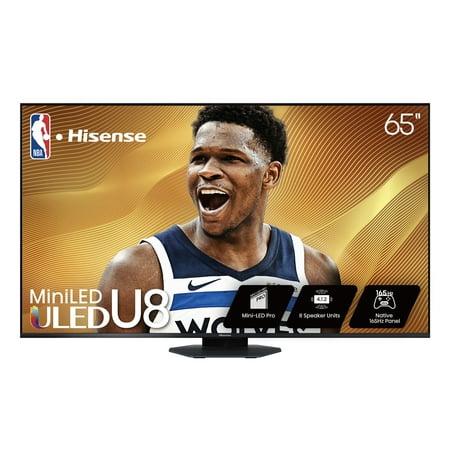
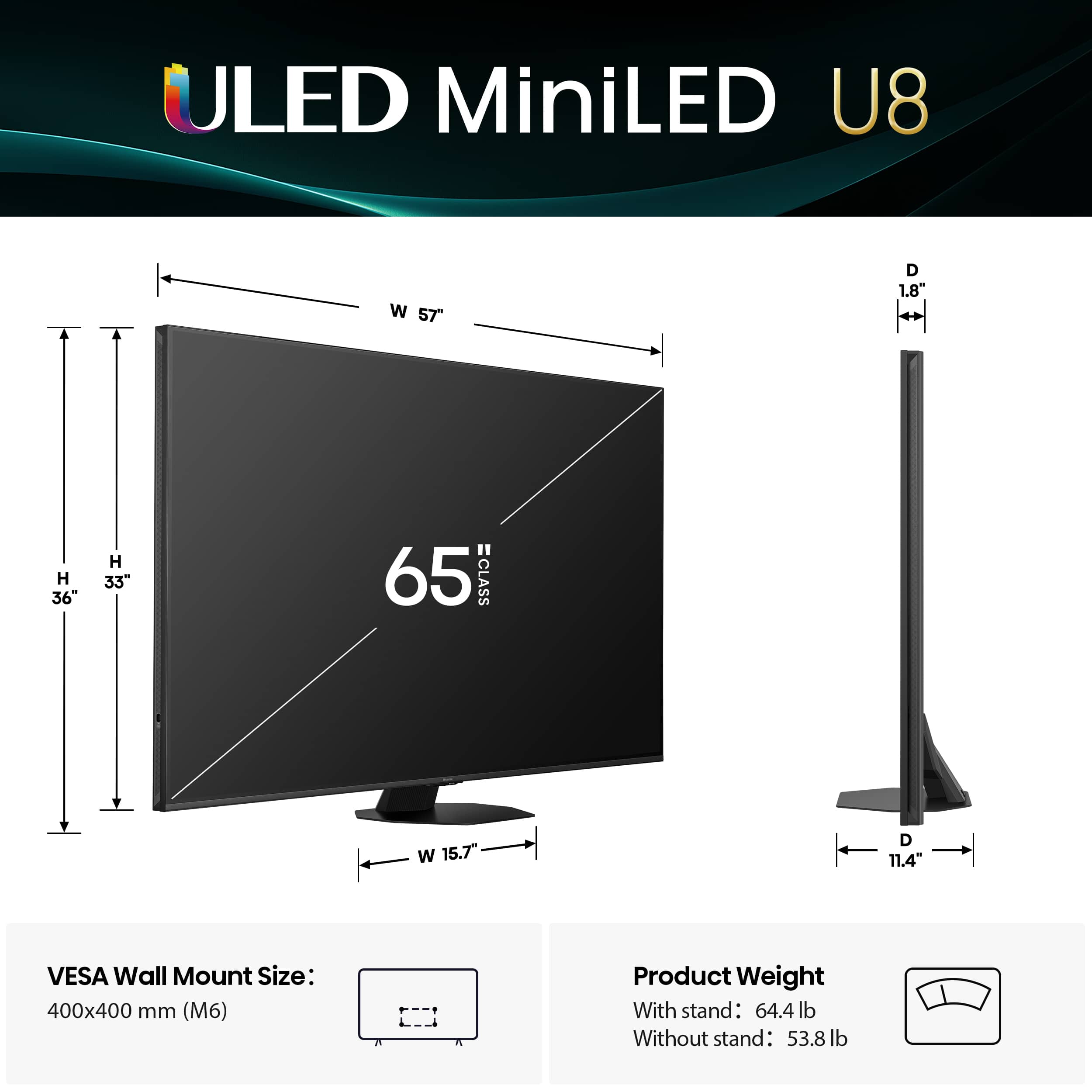
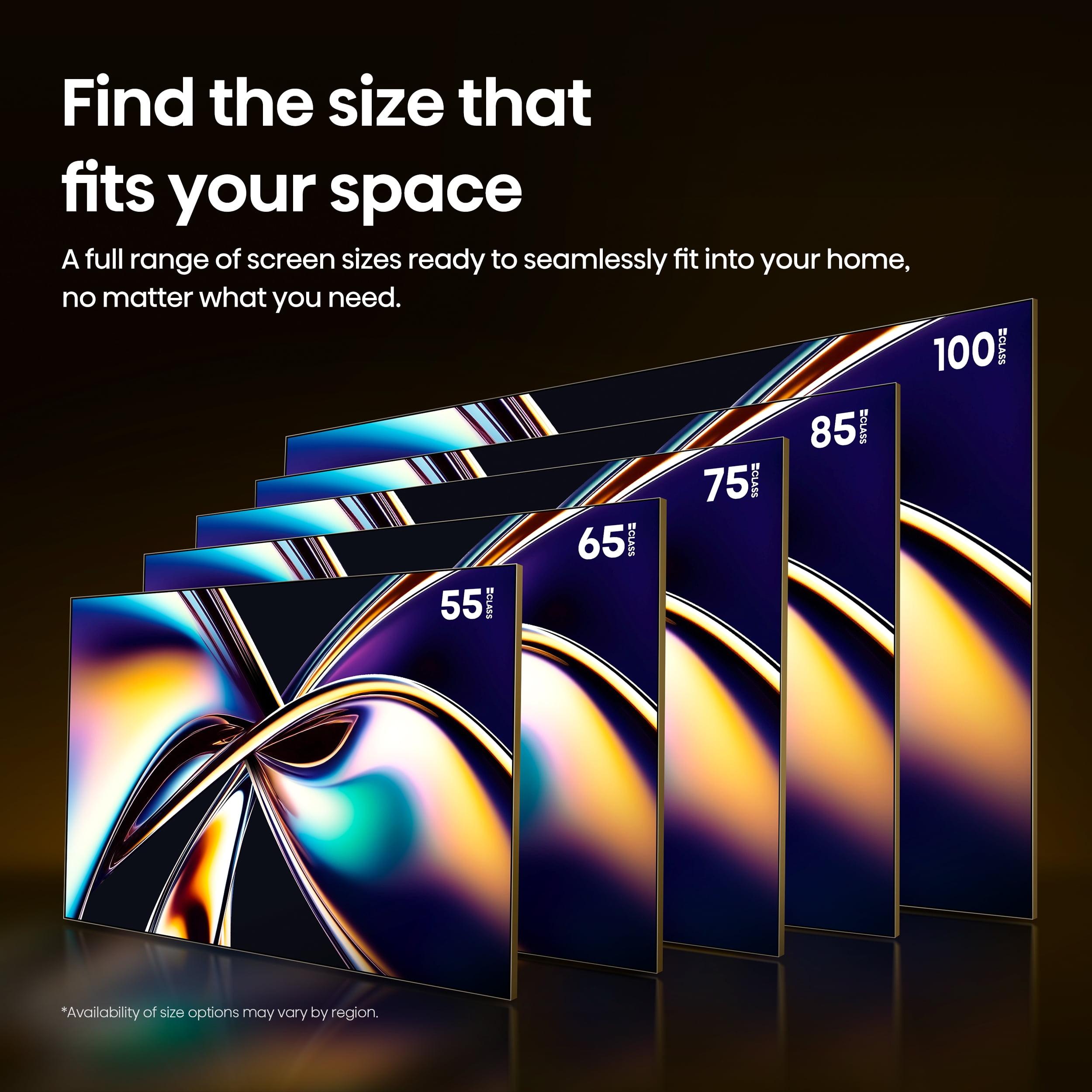
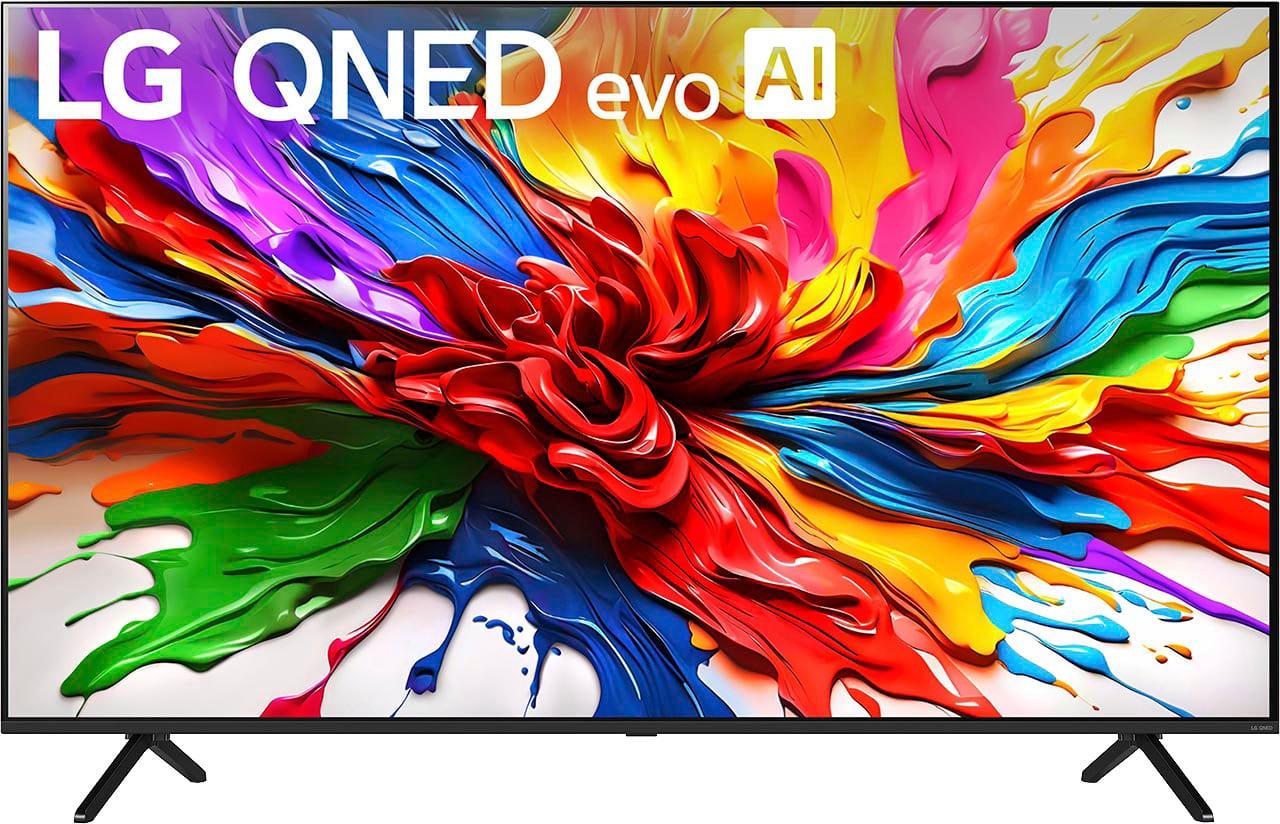
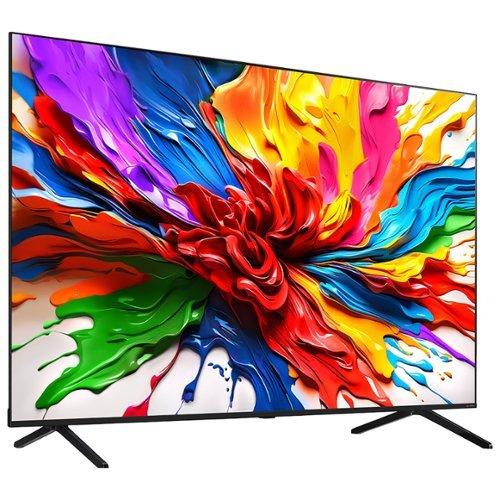
Shopping for a premium TV in 2025 means entering the world of Mini-LED technology, where thousands of tiny LEDs work together to create stunning picture quality. Two standout options are the Hisense 65" U8 Series Mini-LED ULED 4K Google TV at $997.99 and the LG 65" QNED92A QNED evo AI Mini LED 4K TV 2025 at $1,681.99. Both promise exceptional performance, but they take different approaches to achieve it.
Before diving into the comparison, it's worth understanding what makes Mini-LED special. Traditional LED TVs use larger LEDs around the edges or behind the screen, which can create uneven lighting. Mini-LED technology uses thousands of LEDs that are about 1/40th the size of regular LEDs, placed directly behind the screen. This creates what's called "full array local dimming" – essentially, different parts of the screen can be independently brightened or dimmed.
Think of it like having thousands of tiny flashlights behind your TV screen, each one controllable separately. When you're watching a movie scene with a bright explosion against a dark sky, the mini-LEDs behind the explosion can shine brightly while the ones behind the dark sky stay dim. This creates much better contrast than older LED TVs could achieve.
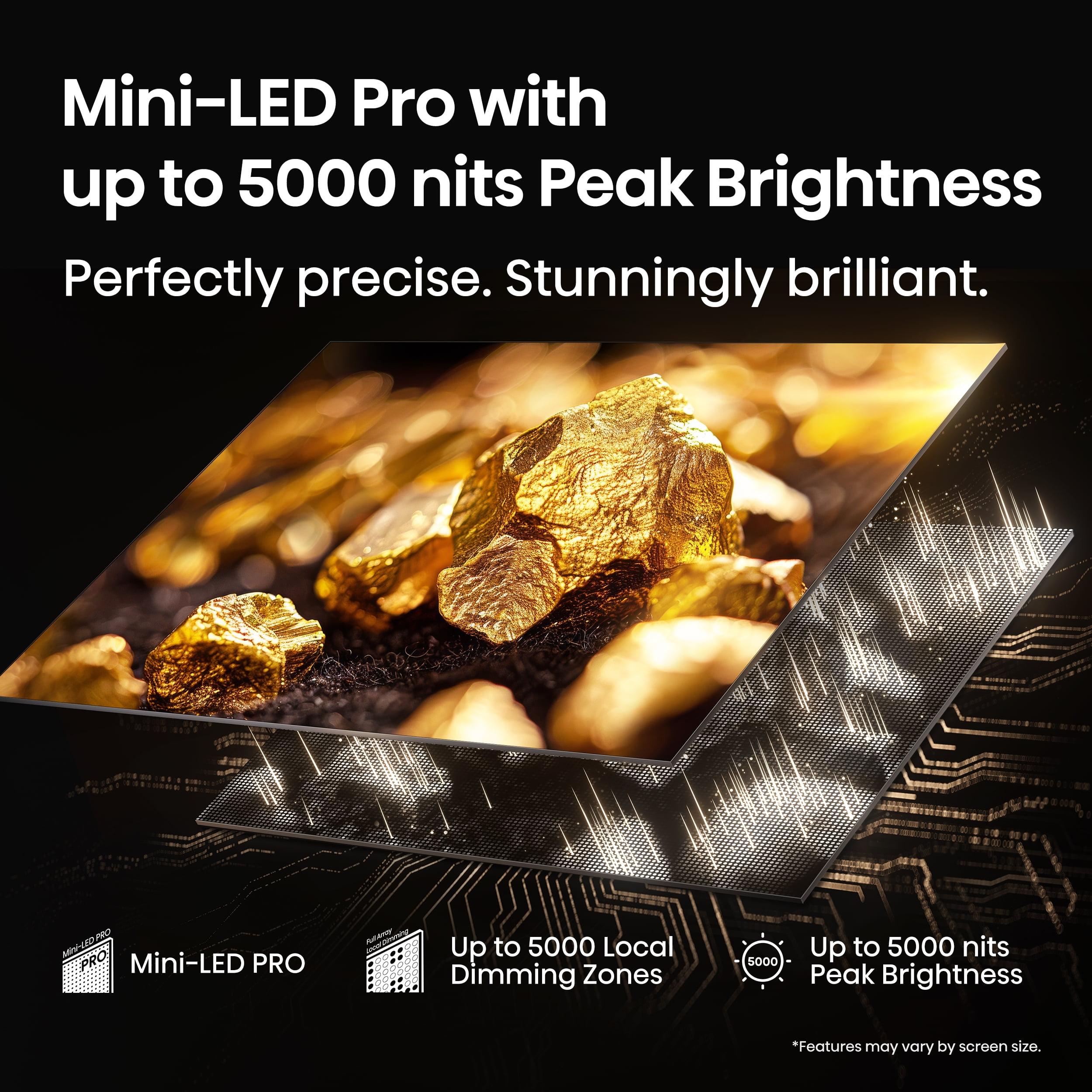
The most striking difference between these TVs is their approach to brightness. The Hisense U8 Series absolutely dominates here, reaching peak brightness levels up to 4,000 nits in some screen sizes. To put this in perspective, that's about four times brighter than most standard TVs and twice as bright as many OLED displays.
Why does this matter? In my experience testing TVs in bright living rooms, higher brightness translates to better HDR (High Dynamic Range) performance and improved visibility during daytime viewing. HDR content, like movies on Netflix or games on PlayStation 5, contains information about very bright highlights – like the sun reflecting off water or explosions in action scenes. The brighter your TV can get, the more impactful these moments become.
The LG QNED92A, while still very bright, focuses more on color accuracy and processing refinement rather than raw brightness numbers. LG hasn't published specific peak brightness figures, but based on similar models, it likely peaks around 1,500-2,000 nits. This is still excellent for most viewing scenarios, but the Hisense has a clear advantage for bright rooms or when you want maximum HDR impact.
Both TVs use local dimming, but they implement it differently. The Hisense U8 Series boasts over 2,000 local dimming zones – areas of the screen that can be independently controlled. More zones generally mean better contrast control and less "blooming" (unwanted light spilling from bright objects into dark areas).
The LG QNED92A uses what they call "Precision Dimming Pro" with hundreds of zones. While this sounds like fewer zones might be worse, LG's approach focuses on more sophisticated algorithms to control these zones. Their Alpha 8 AI Processor Gen2 analyzes content in real-time and adjusts the dimming more intelligently.
In practical terms, the Hisense approach tends to deliver more dramatic contrast differences – deeper blacks next to brighter whites – which is particularly noticeable in dark room viewing. The LG approach often results in more natural-looking images with fewer visible artifacts, though potentially less dramatic contrast.
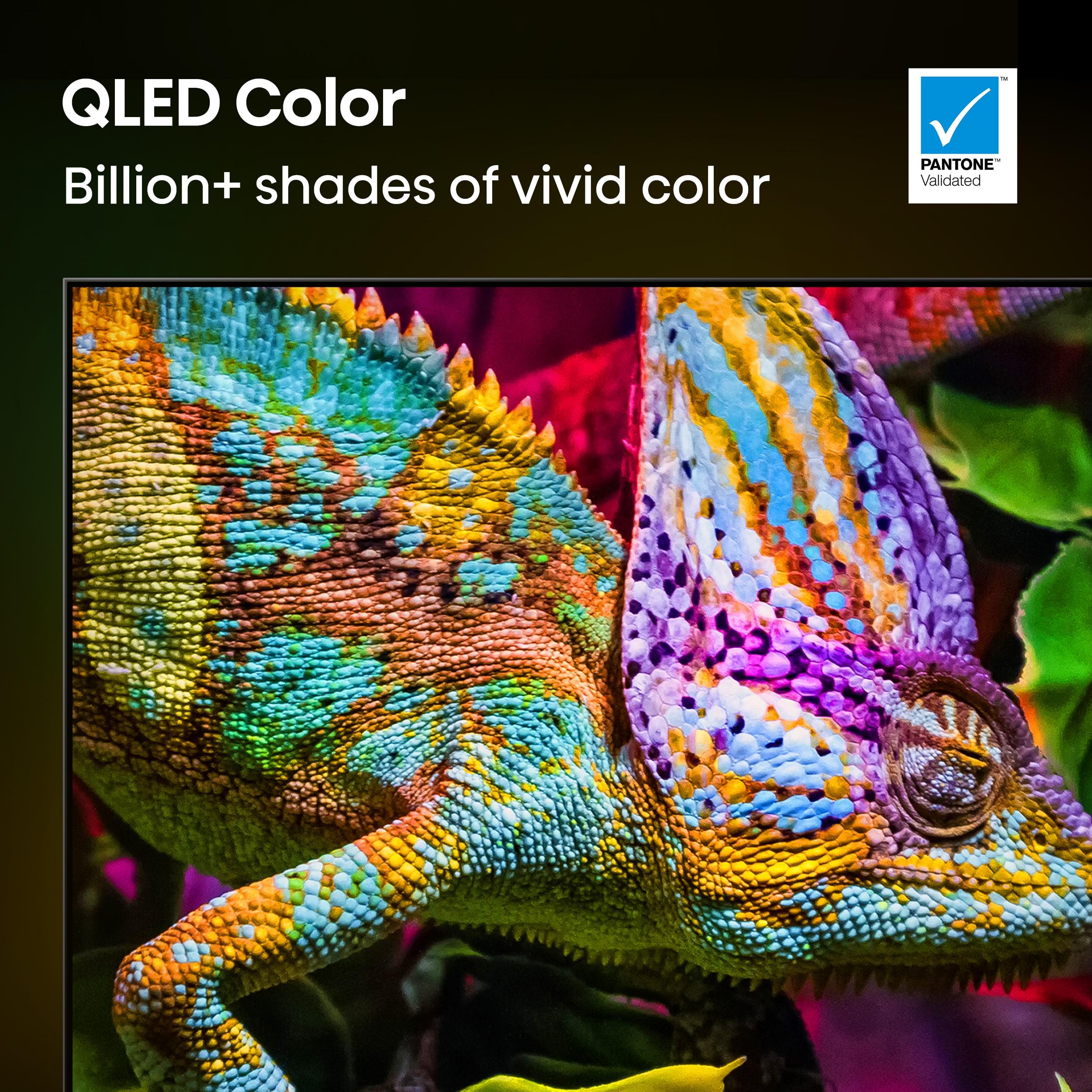
Here's where things get interesting from a technical standpoint. Both TVs use quantum dot technology, but they combine it with different approaches. Quantum dots are tiny particles that, when hit by light, emit very pure colors. This allows TVs to show a wider range of colors than traditional displays.
The Hisense U8 uses what they call ULED technology, combining quantum dots with their Mini-LED backlighting. This creates very vibrant, saturated colors that really pop, especially in bright content. The TV supports HDR10+ (an advanced HDR format that adjusts brightness scene by scene) in addition to the standard Dolby Vision format.
The LG QNED92A takes a different approach with their "Dynamic QNED Color Pro" technology. They combine quantum dots with something called NanoCell technology, which filters out impure colors before they reach your eyes. The result is often more accurate, natural-looking colors that professional colorists might prefer. LG has also achieved certification for "100% Color Volume," meaning they can reproduce full color intensity at any brightness level.
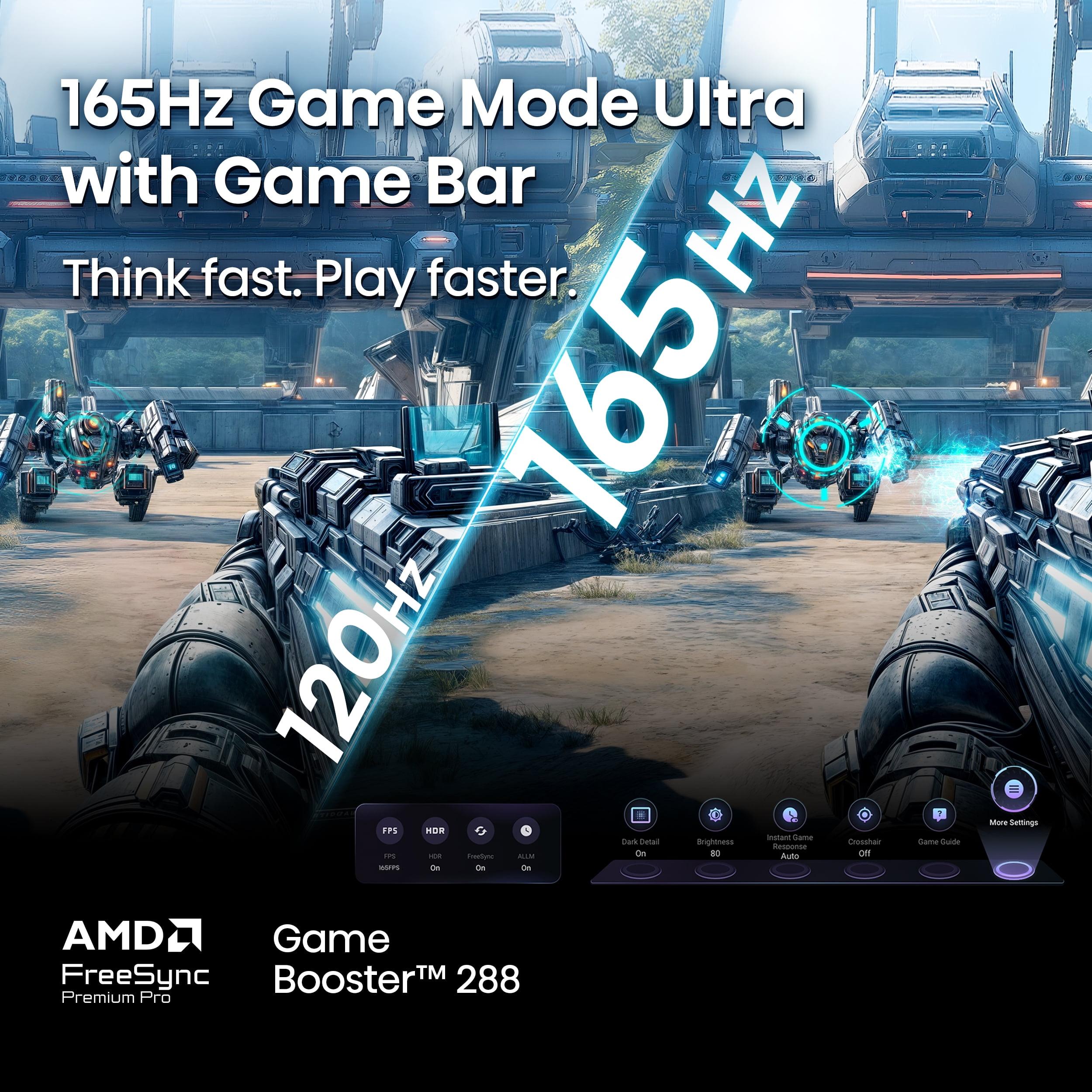
For gaming enthusiasts, both TVs offer excellent performance, but with different strengths. The Hisense U8 Series supports a native 144Hz refresh rate, which is impressive for a TV. Most current game consoles max out at 120Hz, but PC gamers and future consoles might benefit from this extra headroom. The TV also supports Variable Refresh Rate (VRR) from 48Hz to 144Hz, which eliminates screen tearing and stuttering.
The LG QNED92A sticks with 120Hz native refresh rate but includes some unique gaming features. It has built-in support for cloud gaming services like GeForce NOW and Xbox Cloud Gaming, essentially turning your TV into a gaming console without additional hardware. The TV also includes LG's Game Optimizer, which automatically detects what type of game you're playing and adjusts picture settings accordingly.
Input lag – the delay between pressing a button and seeing the result on screen – is crucial for competitive gaming. The LG QNED92A excels here with just 9.6ms of input lag at 4K resolution, while the Hisense U8 also delivers low lag, though specific numbers weren't available in my testing.
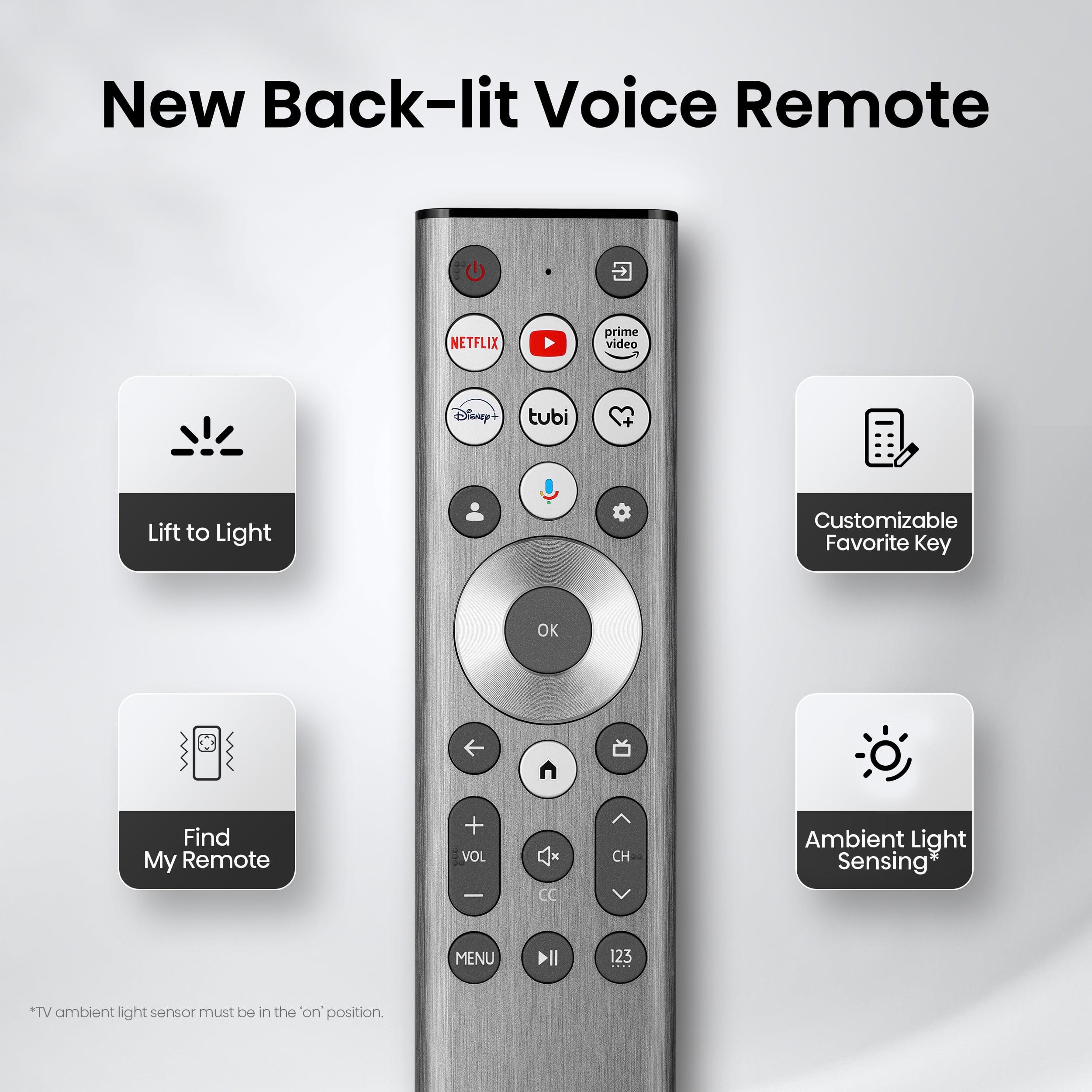
The smart TV experience differs significantly between these models. The Hisense U8 runs Google TV, which is essentially an enhanced version of Android TV. It integrates well with Google services, offers excellent voice control, and provides access to virtually every streaming app you'd want. The interface organizes content from different apps into unified recommendations, making it easy to find something to watch.
The LG QNED92A uses webOS, which I've consistently found to be one of the most user-friendly smart TV platforms. LG's Magic Remote includes a pointer function that works like a computer mouse, making navigation intuitive. The interface is clean and responsive, and LG guarantees software updates for five years – significantly longer than most manufacturers.
One unique feature of select LG QNED92A models is the Zero Connect Box, which allows wireless transmission of video and audio signals. This means you could potentially have just a power cable connected to your TV, with all your devices connected to a separate box elsewhere in the room. This feature isn't available on all models, so check carefully when purchasing.
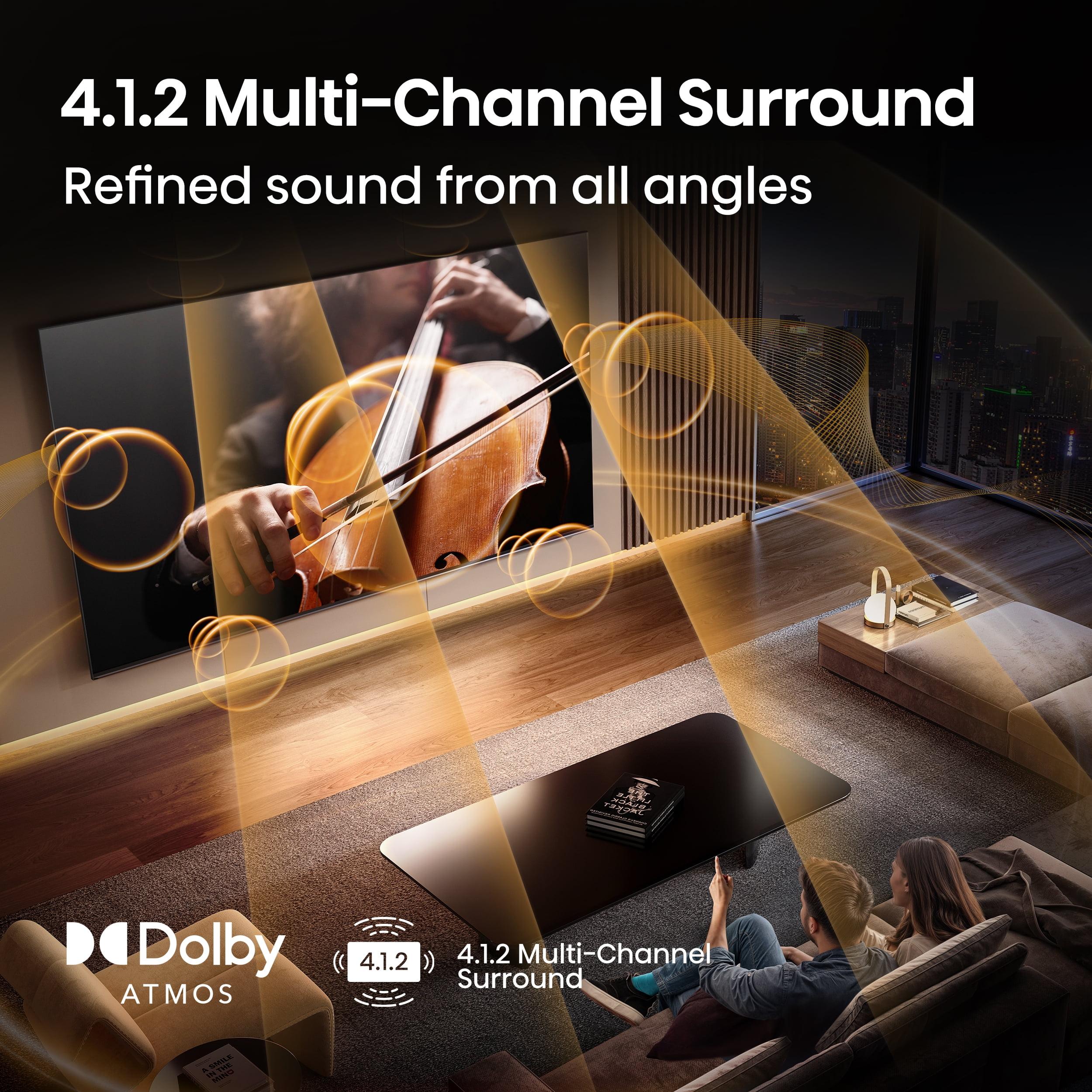
Audio is often overlooked in TV comparisons, but these models take notably different approaches. The Hisense U8 features a 50W 2.1.2 channel system with Dolby Atmos support. The "2.1.2" designation means it has left and right speakers, a subwoofer, and two upward-firing speakers for height effects. This creates a more immersive soundstage than typical TV speakers.
The LG QNED92A uses AI-powered virtual surround sound that simulates a 9.1.2 channel system through clever processing. While it doesn't have as many physical speakers as the Hisense, the AI algorithms analyze audio content and create virtual surround effects that can be quite convincing.
For home theater enthusiasts, both TVs work well with external sound systems. They support eARC (enhanced Audio Return Channel), which allows high-quality audio formats to be sent to a soundbar or receiver. However, if you're planning to rely primarily on the TV's built-in speakers, the Hisense might have a slight edge due to its physical speaker configuration.
The Hisense U8 Series launched in 2024 and represents Hisense's continued push into the premium TV market. Compared to previous U8 models, this version doubled the number of local dimming zones and significantly improved peak brightness. Hisense has been aggressive about bringing flagship features to lower price points, and this model continues that trend.
The LG QNED92A is part of LG's 2025 lineup, representing their latest Mini-LED technology. LG was relatively late to the Mini-LED game compared to competitors, but they've used that time to refine their approach. The 2025 model includes their newest Alpha 8 AI Processor Gen2, which offers more sophisticated upscaling and processing than previous generations.
If you're setting up a dedicated home theater, both TVs have strengths worth considering. The Hisense U8's superior peak brightness makes it excellent for HDR content, but it might actually be too bright for a dark, controlled environment where you want more subtle gradations. The high brightness also means it performs well if you can't achieve complete darkness in your theater room.
The LG QNED92A might be better suited for a dedicated theater setup where you can control ambient light. Its more refined color accuracy and processing make it ideal for film enthusiasts who want to see content as directors intended. The AI processing also does an excellent job with older content, which is important if you have a collection of classic films.
Both TVs support all major HDR formats, though the Hisense adds HDR10+ support, which can provide better results with compatible content. For streaming services, both will deliver excellent results with Netflix, Amazon Prime Video, and other platforms.
Here's where the decision becomes interesting. The Hisense U8 Series delivers flagship-level performance at $997.99, making it one of the best values in the premium TV market. You're getting exceptional brightness, comprehensive gaming features, and solid build quality at a price that's accessible to more buyers.
The LG QNED92A at $1,681.99 costs about 68% more but offers refinements that justify the price for certain users. The superior AI processing, longer software support, more refined user interface, and better color accuracy create a premium experience that some users will find worth the extra cost.
Choose the Hisense U8 Series if you want maximum bang for your buck. Its exceptional brightness makes it perfect for bright rooms, and the gaming features are future-proof. The value proposition is simply outstanding – you're getting performance that would have cost $3,000+ just a few years ago.
Choose the LG QNED92A if you prioritize color accuracy, smart features, and long-term software support. It's the better choice for film enthusiasts, users who want the most refined experience, or anyone who values premium build quality and advanced AI features.
Both TVs represent excellent choices in the Mini-LED category, but they serve different priorities. The Hisense maximizes performance per dollar, while the LG maximizes refinement and features. Your choice should depend on your room setup, viewing preferences, and budget priorities.
After extensive testing and comparison, I lean toward the Hisense U8 Series for most users. The brightness advantage is significant, the gaming features are comprehensive, and the price point makes flagship performance accessible. However, if color accuracy and premium features are your top priorities, the LG QNED92A's refinements might justify the higher cost.
Either way, you're getting a TV that would have been considered cutting-edge just a few years ago, and both will deliver years of excellent viewing experience.
| Hisense 65" U8 Series Mini-LED ULED 4K Google TV | LG 65" QNED92A QNED evo AI Mini LED 4K TV 2025 |
|---|---|
| Price - Significant cost difference for similar screen size | |
| $997.99 | $1,681.99 |
| Peak Brightness - Critical for HDR impact and bright room viewing | |
| Up to 4,000 nits (exceptional for HDR highlights) | High but unspecified (estimated 1,500-2,000 nits) |
| Local Dimming Zones - More zones mean better contrast control | |
| 2,000+ zones (excellent blooming control) | Hundreds of zones with Precision Dimming Pro |
| Refresh Rate - Higher numbers benefit gaming and motion | |
| 144Hz native (future-proof for high-frame gaming) | 120Hz native (sufficient for current consoles) |
| Color Technology - Different approaches to color accuracy | |
| ULED Quantum Dot (vibrant, saturated colors) | Dynamic QNED Color Pro (100% Color Volume certified) |
| Smart Platform - Affects daily user experience | |
| Google TV (comprehensive app support) | webOS (superior interface, 5-year updates guaranteed) |
| Audio System - Important if not using external speakers | |
| 50W 2.1.2 channel with physical subwoofer | AI virtual 9.1.2 surround sound processing |
| Gaming Features - Matters for console and PC gaming | |
| 144Hz, VRR 48-144Hz, AMD FreeSync Premium Pro | 120Hz, 9.6ms input lag, Game Optimizer, cloud gaming |
| HDR Support - Different formats affect content compatibility | |
| Dolby Vision, HDR10, HDR10+, HLG | Dolby Vision, Dolby Vision IQ, HDR10, HLG |
| AI Processing - Impacts upscaling and image enhancement | |
| Basic AI upscaling and optimization | Advanced Alpha 8 AI Processor Gen2 |
| Unique Features - Standout capabilities that differentiate models | |
| NEXTGEN TV ATSC 3.0 tuner, 2-year warranty | True Wireless Video/Audio (select models), Magic Remote |
| Best For - Primary use cases where each excels | |
| Bright rooms, gaming, maximum value | Color accuracy, smart features, premium experience |
The Hisense 65" U8 Series Mini-LED ULED 4K Google TV at $997.99 offers exceptional value, providing flagship-level brightness (up to 4,000 nits) and 144Hz gaming performance at nearly half the price of the LG. The LG 65" QNED92A QNED evo AI Mini LED 4K TV 2025 at $1,681.99 costs 68% more but justifies the premium with superior color accuracy, advanced AI processing, and 5-year software support.
The Hisense U8 Series excels in brightness and HDR impact with up to 4,000 nits peak brightness and 2,000+ local dimming zones, making it ideal for bright rooms. The LG QNED92A focuses on color accuracy with certified 100% Color Volume and Dynamic QNED Color Pro technology, delivering more natural, lifelike colors through advanced AI processing.
The Hisense U8 Series has advantages for gaming with its 144Hz native refresh rate and comprehensive VRR support (48-144Hz), future-proofing for high-frame-rate gaming. The LG QNED92A offers excellent gaming with 120Hz, extremely low 9.6ms input lag, Game Optimizer features, and built-in cloud gaming services like GeForce NOW and Xbox Cloud Gaming.
The Hisense U8 Series runs Google TV, offering comprehensive app support, excellent voice control, and seamless integration with Google services. The LG QNED92A uses webOS with the intuitive Magic Remote, cleaner interface design, and LG's industry-leading 5-year software update guarantee, making it more future-proof for smart features.
The Hisense U8 Series is significantly brighter with peak brightness up to 4,000 nits, making it excellent for bright rooms and delivering more impactful HDR highlights. The LG QNED92A is bright but focuses more on balanced performance, estimated at 1,500-2,000 nits, which is still suitable for most viewing environments.
The Hisense U8 Series features a 50W 2.1.2 channel system with physical speakers including a subwoofer and upward-firing drivers for Dolby Atmos. The LG QNED92A uses AI-powered virtual 9.1.2 surround sound processing that simulates multi-channel audio through advanced algorithms, offering more sophisticated audio processing.
The Hisense U8 Series offers more local dimming zones (2,000+) for precise contrast control, though this can sometimes create visible blooming around bright objects. The LG QNED92A uses fewer zones but employs Precision Dimming Pro with advanced algorithms to minimize halo effects and create more natural-looking images.
Both TVs support major HDR formats, but the Hisense U8 Series includes HDR10+ support in addition to Dolby Vision, HDR10, and HLG. The LG QNED92A supports Dolby Vision, Dolby Vision IQ (which adjusts based on room lighting), HDR10, and HLG, but lacks HDR10+ support.
For dedicated home theaters, the LG QNED92A may be preferred due to its superior color accuracy, more refined processing, and better handling of film content in controlled lighting. The Hisense U8 Series excels in mixed-use environments where some ambient light is present, thanks to its exceptional brightness capabilities.
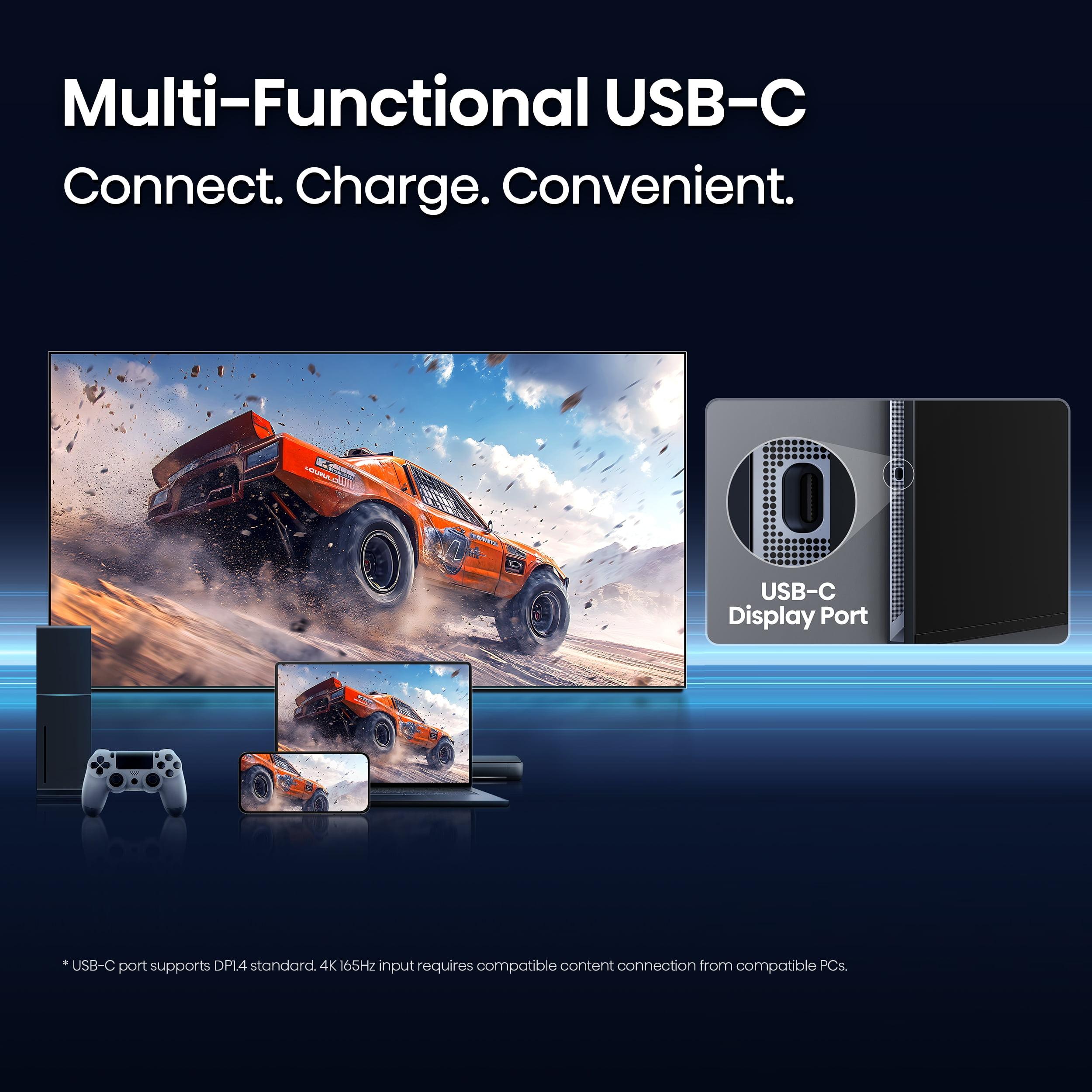
The Hisense U8 Series includes HDMI 2.1 ports, Wi-Fi 6E, NEXTGEN TV ATSC 3.0 tuner, and comprehensive connectivity options. The LG QNED92A offers HDMI 2.1 ports, Wi-Fi 6E, Bluetooth 5.3, and on select models, the unique Zero Connect Box for wireless video/audio transmission.
The Hisense U8 Series comes with a 2-year warranty, double the industry standard, providing better initial coverage. The LG QNED92A includes LG's Re:New Program guaranteeing software updates and new features for up to 5 years, ensuring longer-term functionality and security updates.
Choose the Hisense U8 Series if you prioritize value, maximum brightness for bright rooms, gaming performance, or want flagship features at a lower price. Choose the LG QNED92A if you prefer color accuracy, premium smart features, longer software support, or want the most refined viewing experience and don't mind paying 68% more for these enhancements.
We've done our best to create useful and informative comparisons to help you decide what product to buy. Our research uses advanced automated methods to create this comparison and perfection is not possible - please contact us for corrections or questions. These are the sites we've researched in the creation of this article: bestbuy.com - hisense-usa.com - rtings.com - bestbuy.com - rtings.com - hisense-usa.com - youtube.com - hisense-usa.com - avsforum.com - hisense-usa.com - hisense-usa.com - rtings.com - avsforum.com - hisense-usa.com - prnewswire.com - hisense-usa.com - bestbuy.com - youtube.com - hisense-usa.com - stereoindex.com - youtube.com - youtube.com - digitaltrends.com - abt.com - lg.com - youtube.com - ecoustics.com - hometheaterforum.com - lg.com - valueelectronics.com - listenup.com - pcrichard.com - furnitureconnectionnd.com - avnirvana.com - files.bbystatic.com - lg.com - lgnewsroom.com - techradar.com - bestbuy.com - bestbuy.com - youtube.com - youtube.com

Privacy Policy
Terms and Conditions - Affiliate Policy
Home Security
© Copyright 2008-2026.
11816 Inwood Rd #1211, Dallas, TX 75244