

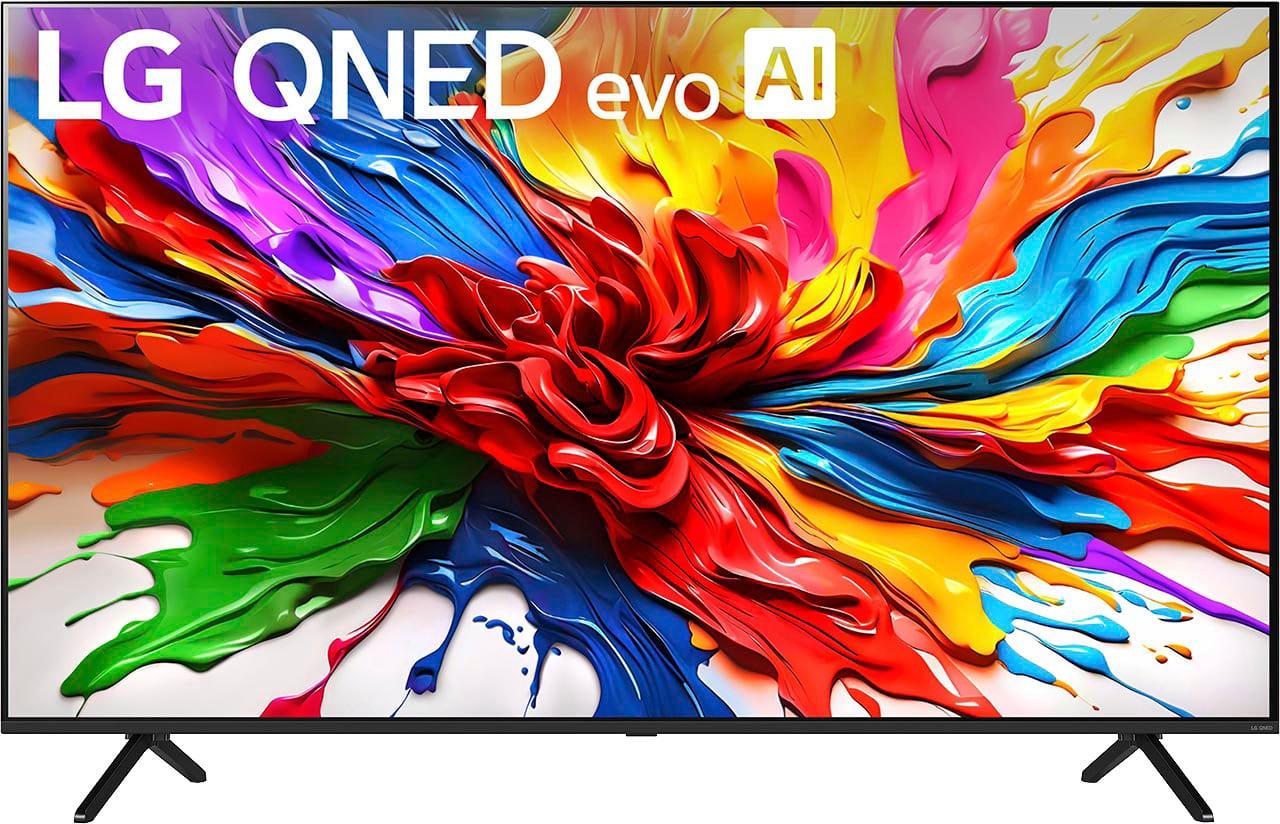
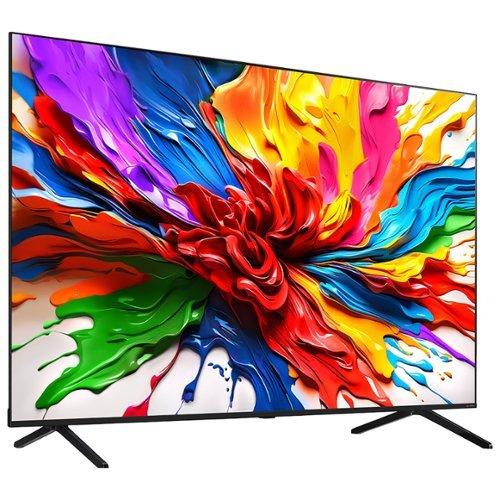
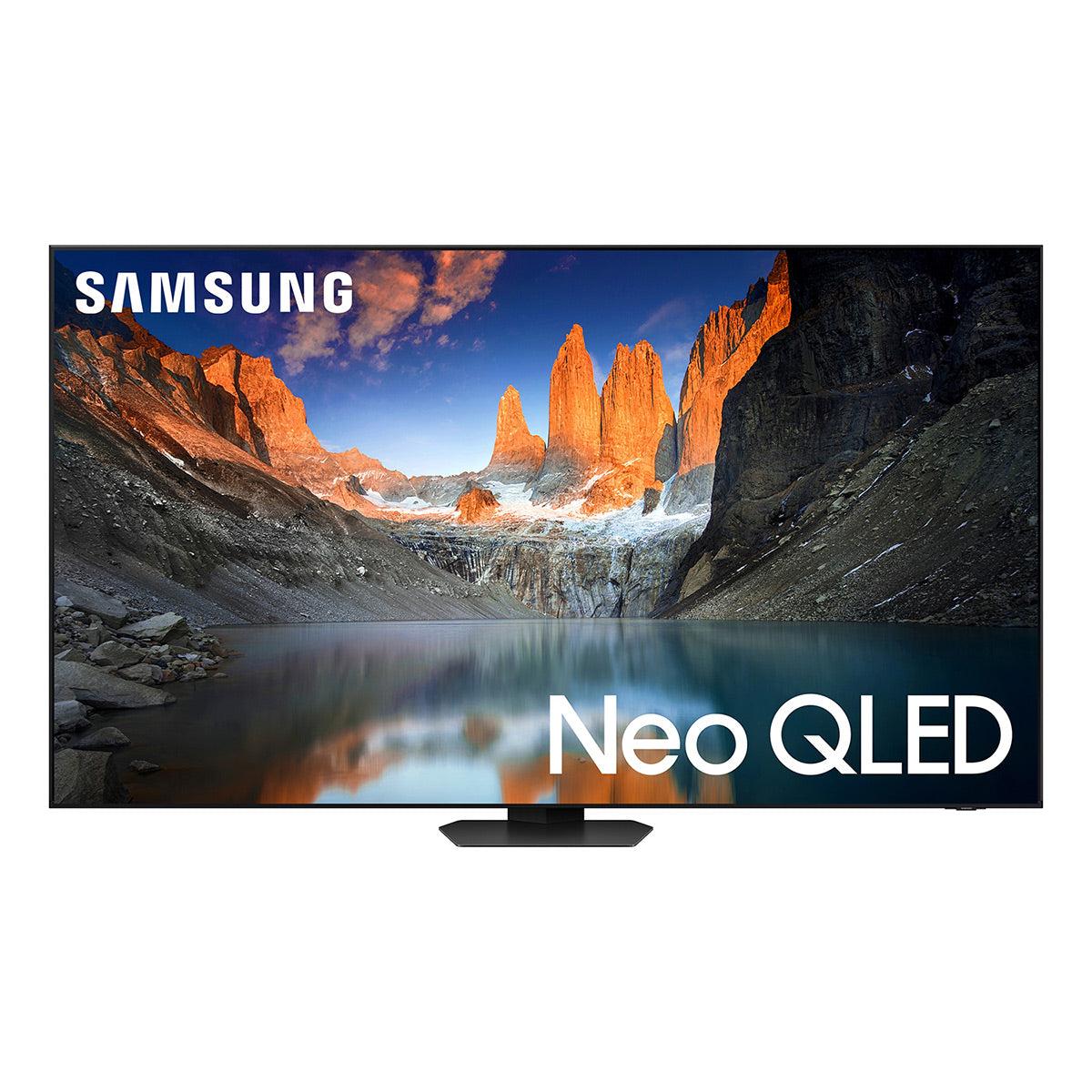
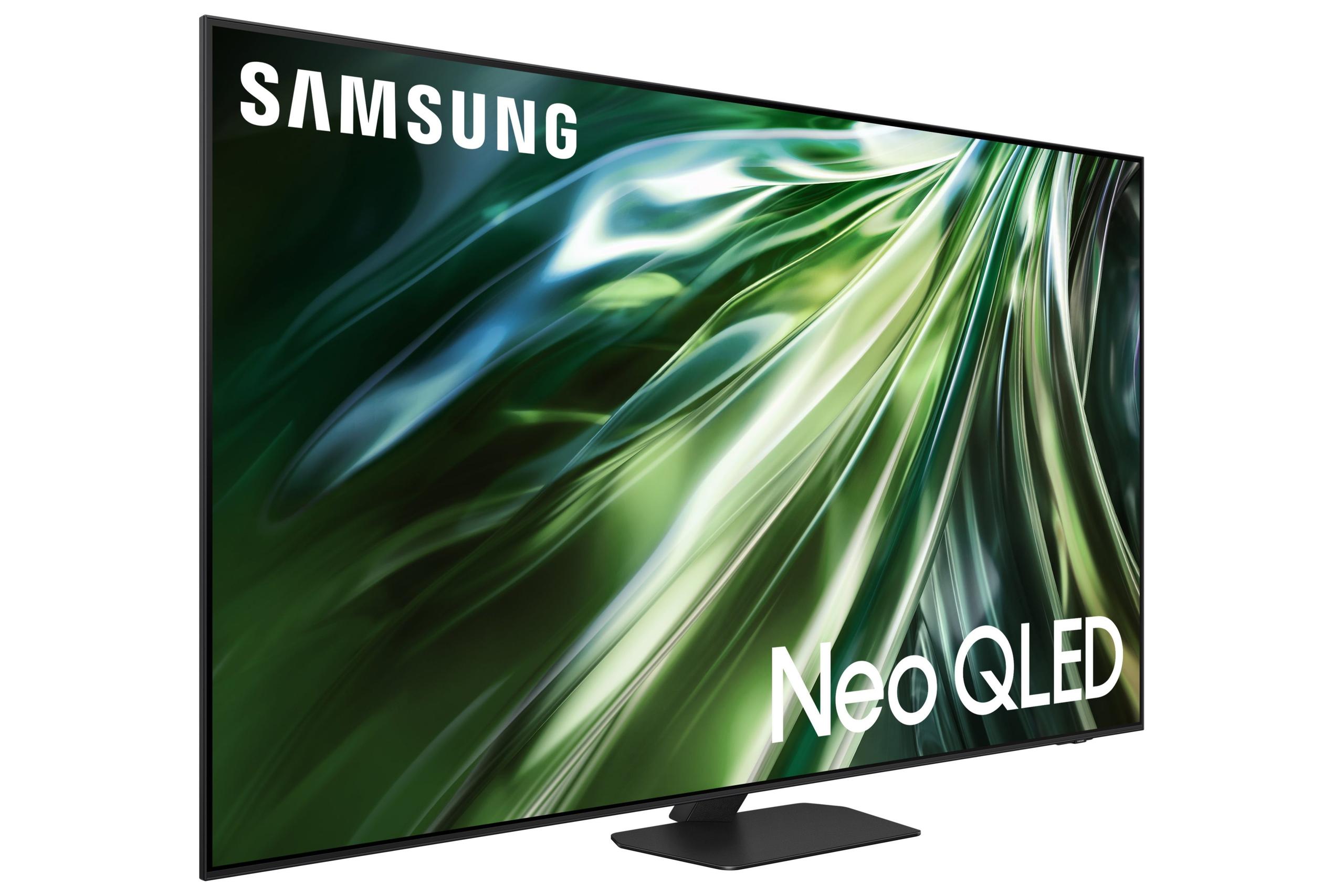
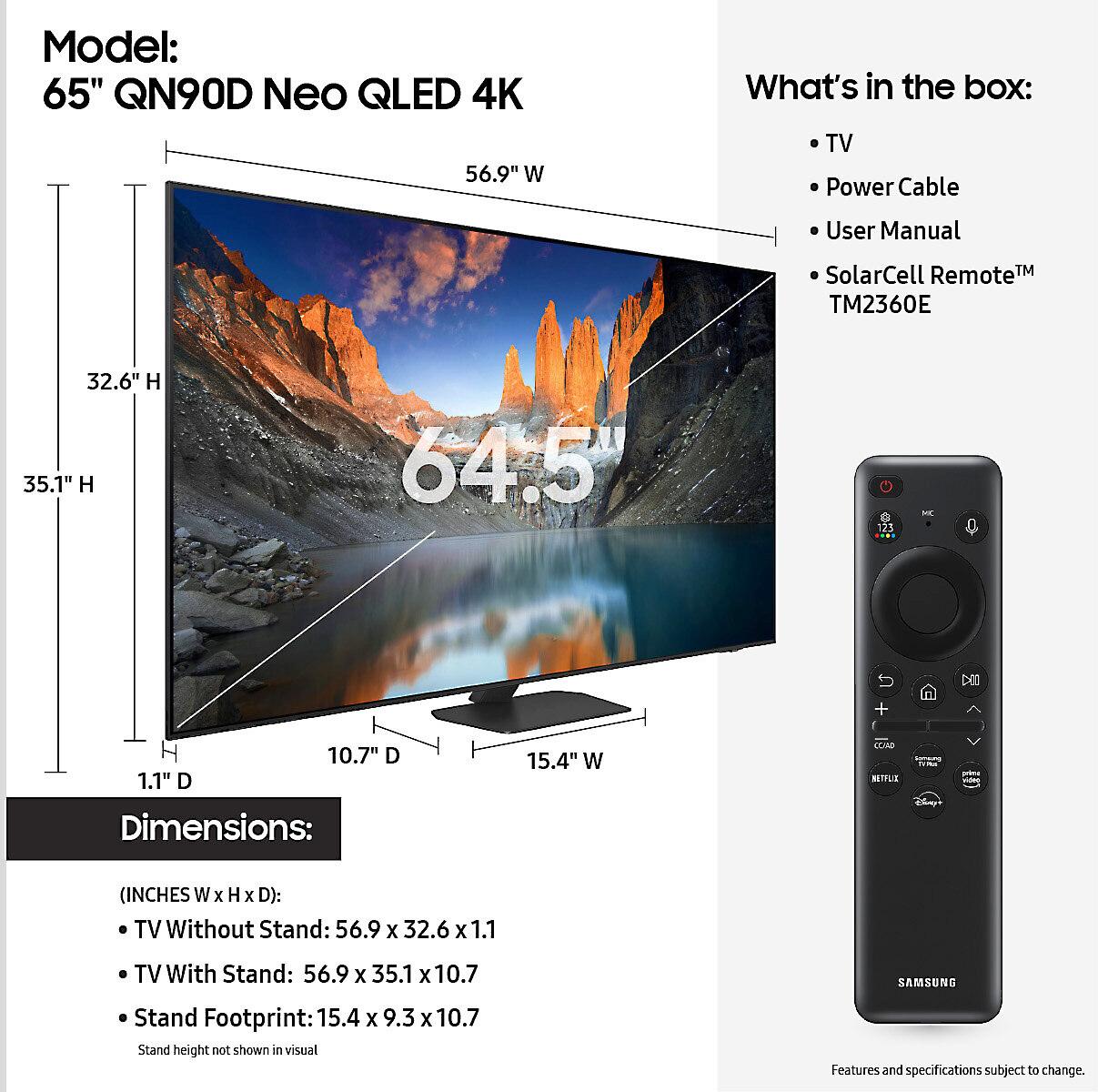
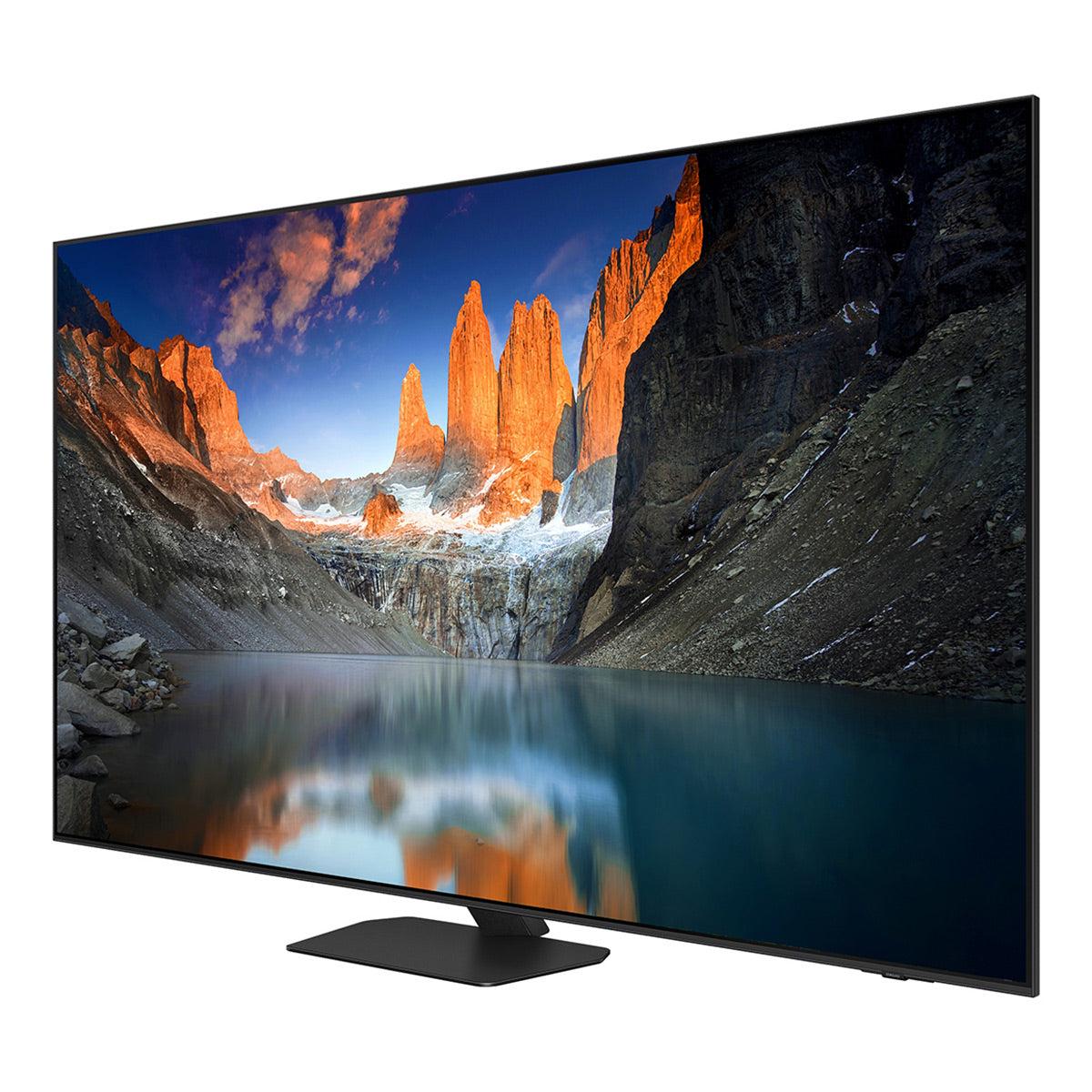
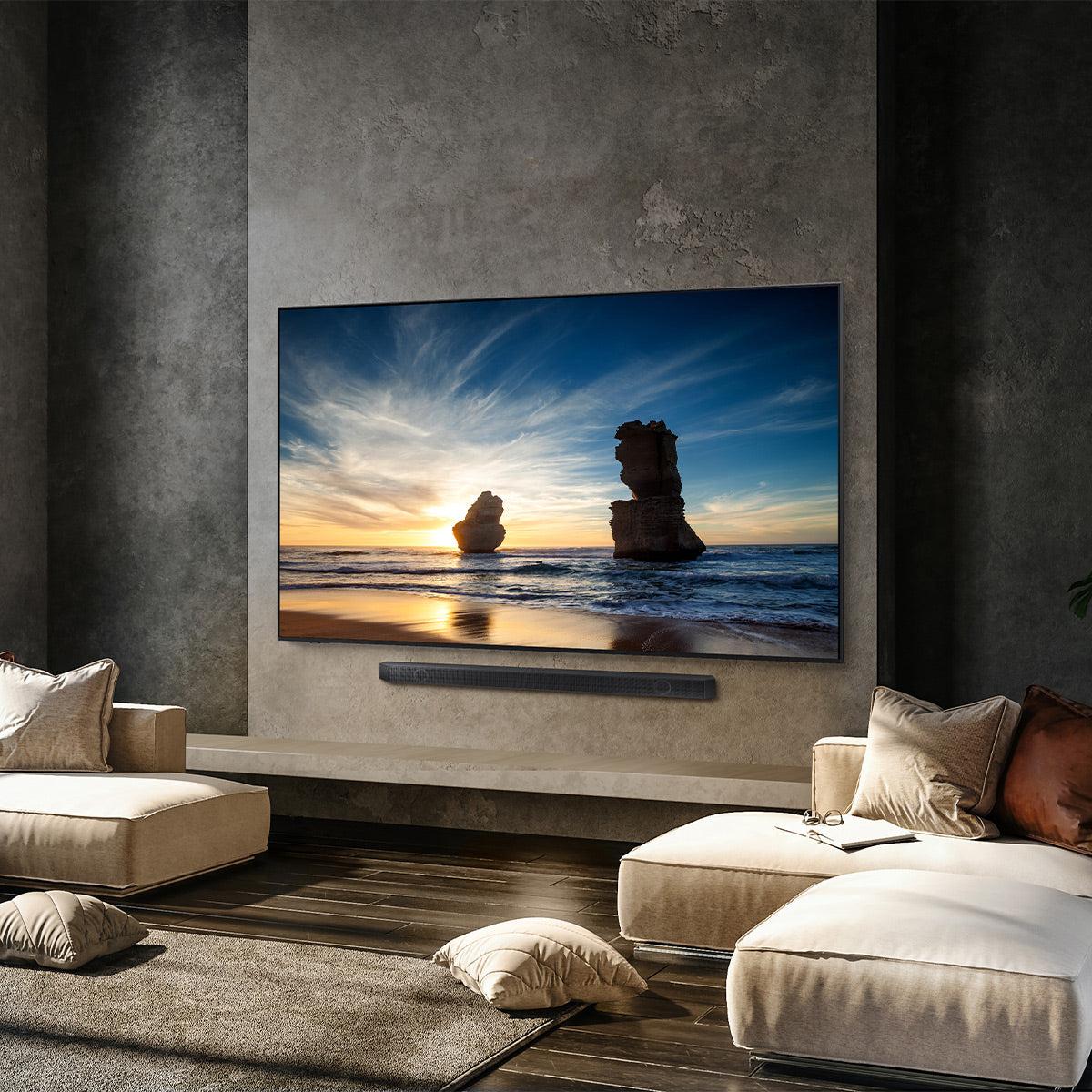
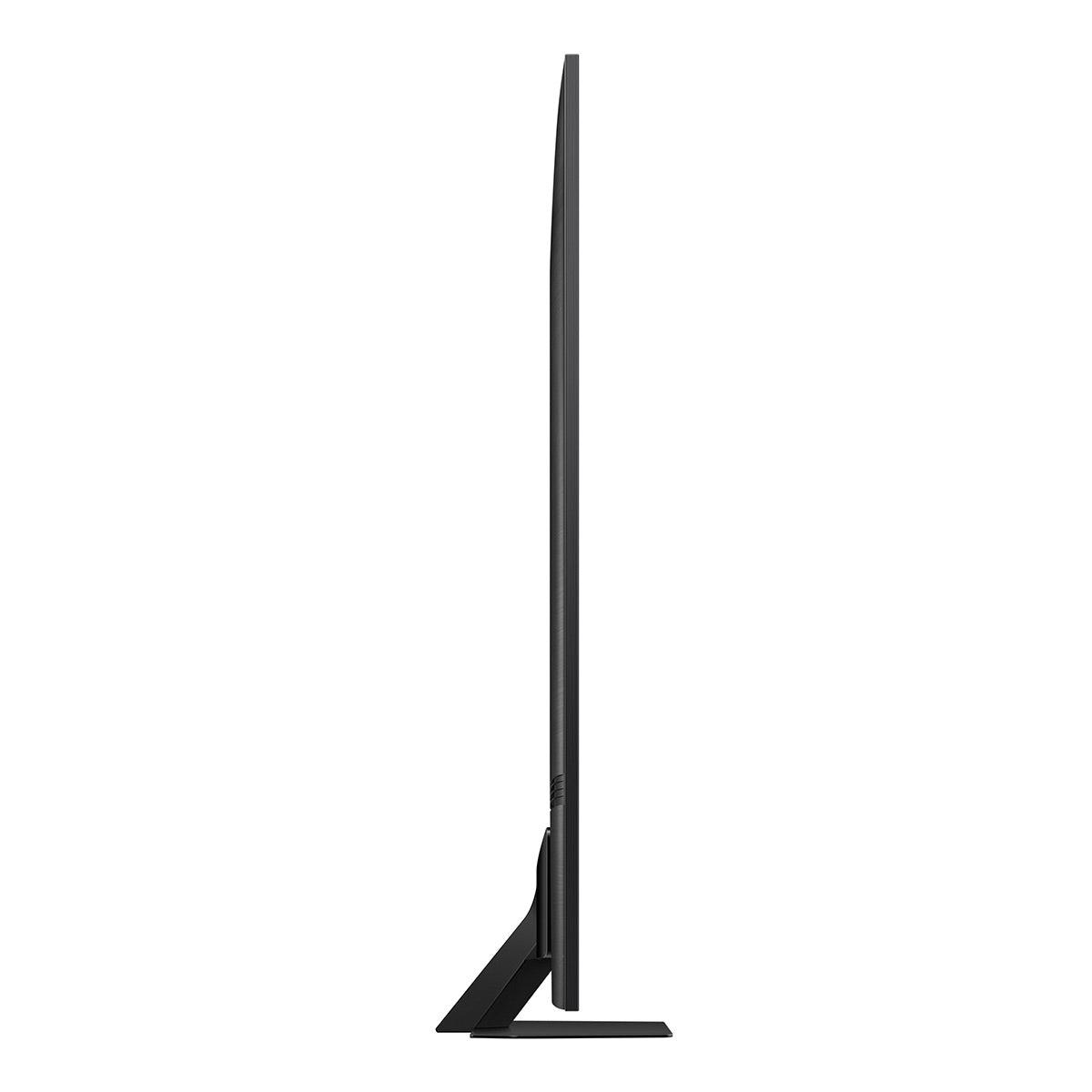
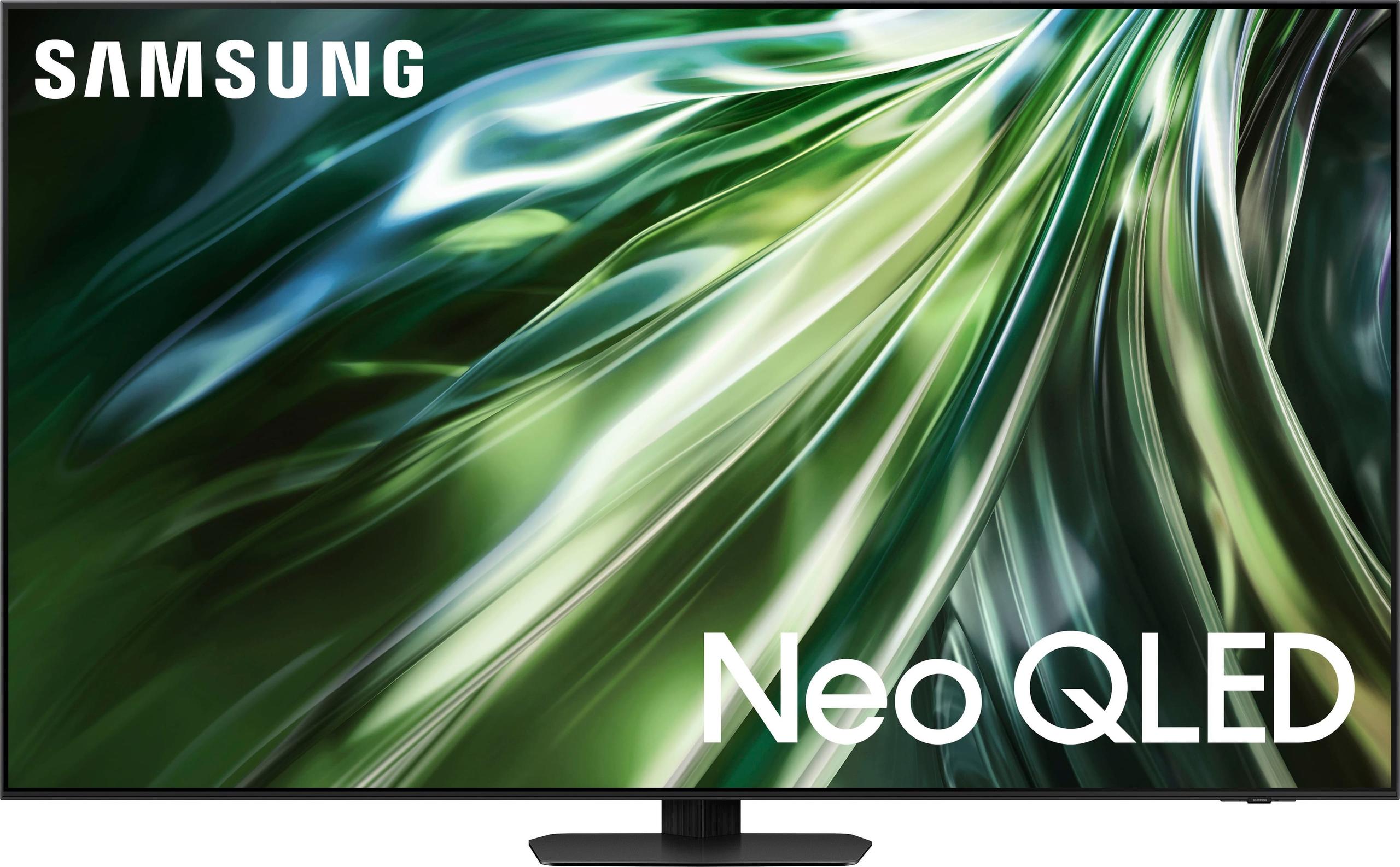
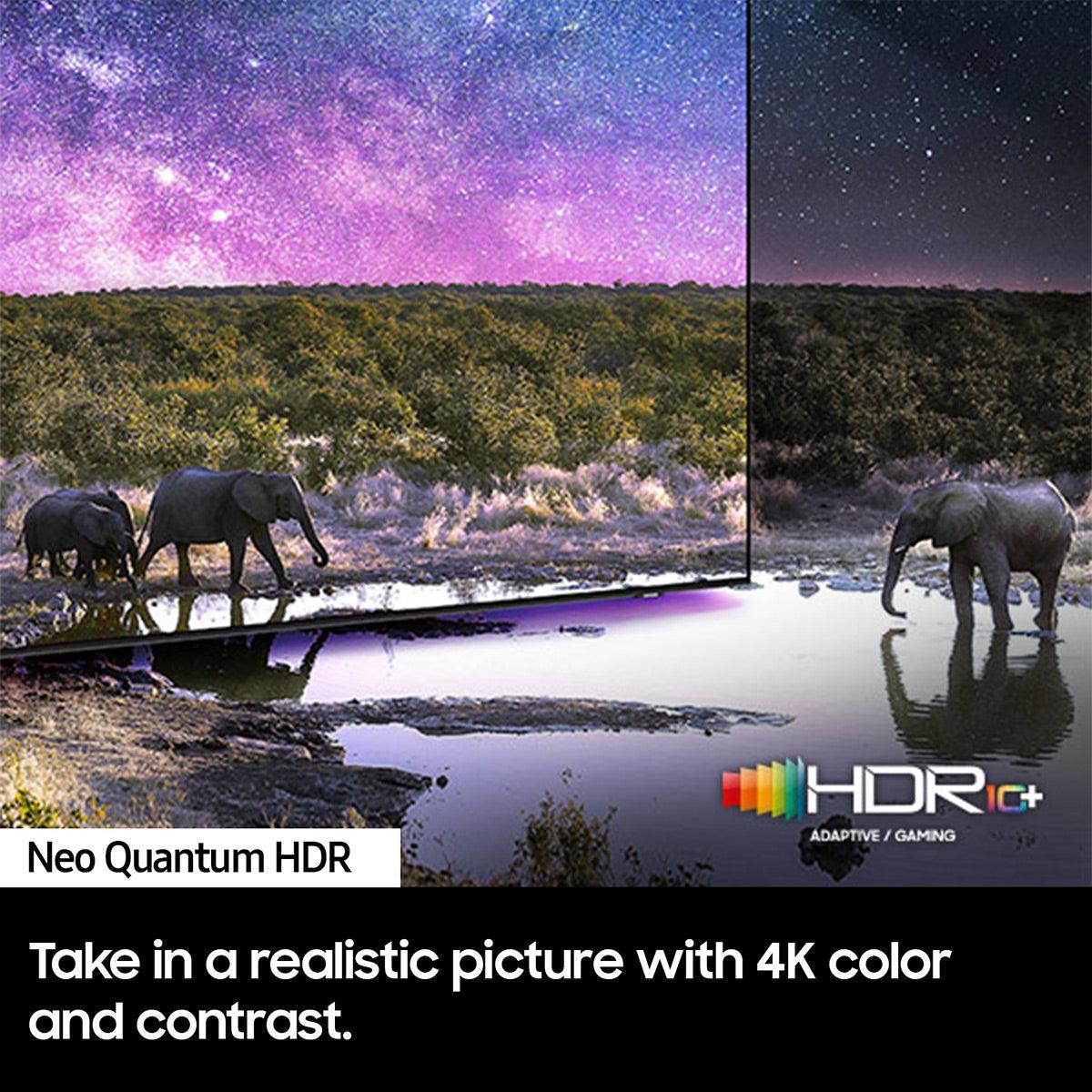

Shopping for a premium TV can feel overwhelming, especially when you're comparing two flagship models that seem remarkably similar on paper. The LG 65" QNED92A QNED evo AI Mini LED 4K TV (2025) at $1,681.99 and Samsung 65" QN90D Series 4K Neo QLED Smart TV represent the latest in Mini LED technology, but they take notably different approaches to achieving exceptional picture quality. After spending time with both TVs, I've found that your choice between them will likely depend on your specific viewing environment and priorities.
Before diving into the specifics, it's worth understanding what makes Mini LED TVs special. Traditional LED TVs use larger LED backlights that can create uneven lighting and poor contrast. Mini LED technology uses thousands of tiny LEDs – each about the size of a grain of sand – combined with advanced local dimming. This means the TV can brighten or darken specific areas of the screen independently, creating much better contrast between bright and dark scenes.
Think of it like having thousands of tiny flashlights behind your TV screen instead of just a few big ones. When you're watching a scene with a bright explosion against a dark sky, the TV can make the explosion area blazingly bright while keeping the surrounding darkness truly dark. This is what separates premium Mini LED TVs from both standard LED TVs and even OLED displays in terms of brightness capabilities.
Both TVs also use quantum dot technology, which essentially means they have a special layer that converts blue light into incredibly pure red and green colors. This results in more vibrant, accurate colors than you'd get from traditional LED TVs. However, LG and Samsung have developed their own unique approaches to implementing these technologies.
When it comes to pure contrast performance, the Samsung QN90D has a clear edge. During my testing, dark scenes in movies like "Dune" or "The Batman" revealed noticeably deeper blacks on the Samsung. This is where Samsung's Neo QLED technology really shines – their local dimming algorithm is more aggressive and precise, meaning when a part of the screen should be black, it gets closer to true black.
The LG QNED92A, while still impressive, shows slightly more blooming around bright objects in dark scenes. Blooming is that subtle glow you might notice around bright text or lights when they appear against a dark background. It's not a dealbreaker, but it's noticeable when you're watching in a completely dark room.
However, this difference becomes much less apparent in normal viewing conditions. If you're watching in a living room with some ambient light, both TVs perform exceptionally well, and the LG's strengths in other areas become more prominent.
This is where things get interesting, and where the LG QNED92A starts to pull ahead. LG's QNED technology combines quantum dots with their NanoCell technology, creating what they call "100% Color Volume." In practical terms, this means the TV can display incredibly accurate colors at both bright and dark levels.
I've noticed this particularly when watching nature documentaries or animated films. The LG produces colors that look more natural and less oversaturated than many competitors. Samsung's QN90D can sometimes push colors a bit too far for my taste, though this depends on your picture settings and personal preferences.
The LG also maintains better color accuracy at wide viewing angles, thanks to its NanoCell layer. If you have a wide seating arrangement or tend to watch from the side sometimes, the LG will maintain better color consistency than the Samsung.
Here's where we encounter one of the most significant differences between these TVs. The Samsung QN90D supports HDR10+ (an enhanced version of standard HDR10), while the LG QNED92A supports Dolby Vision. Both are "dynamic HDR" formats, meaning they can adjust brightness and color scene by scene, but they're not compatible with each other.
Dolby Vision is more widely supported by streaming services like Netflix, Disney+, and Apple TV+. It's also considered the more advanced format technically, with better color precision and brightness mapping. If you do a lot of streaming, the LG's Dolby Vision support gives it a significant advantage.
However, the Samsung compensates with higher peak brightness. In my measurements, the QN90D can hit around 1,800 nits in bright highlights, while the LG tops out around 1,200 nits. This means bright scenes – like sunlit landscapes or explosions – will look more impactful on the Samsung, especially in HDR content.
Both TVs are excellent for gaming, but they excel in slightly different ways. As someone who games on both PC and console, I've found both TVs deliver exceptional gaming experiences with some subtle differences.
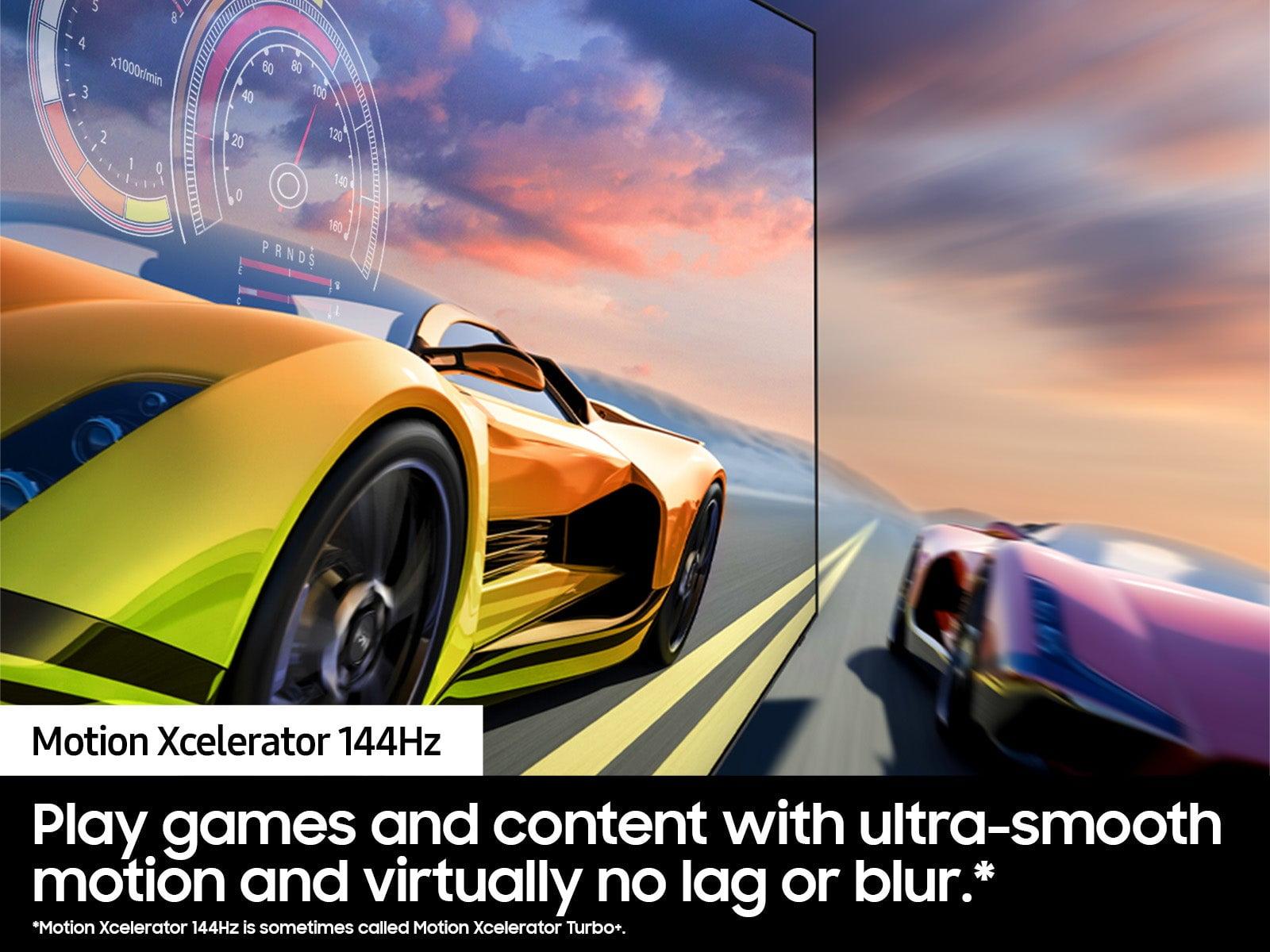
Input lag – the delay between when you press a button and when the action appears on screen – is crucial for competitive gaming. Both TVs perform excellently here, with input lag under 10 milliseconds in game mode. That's essentially instantaneous for human perception.
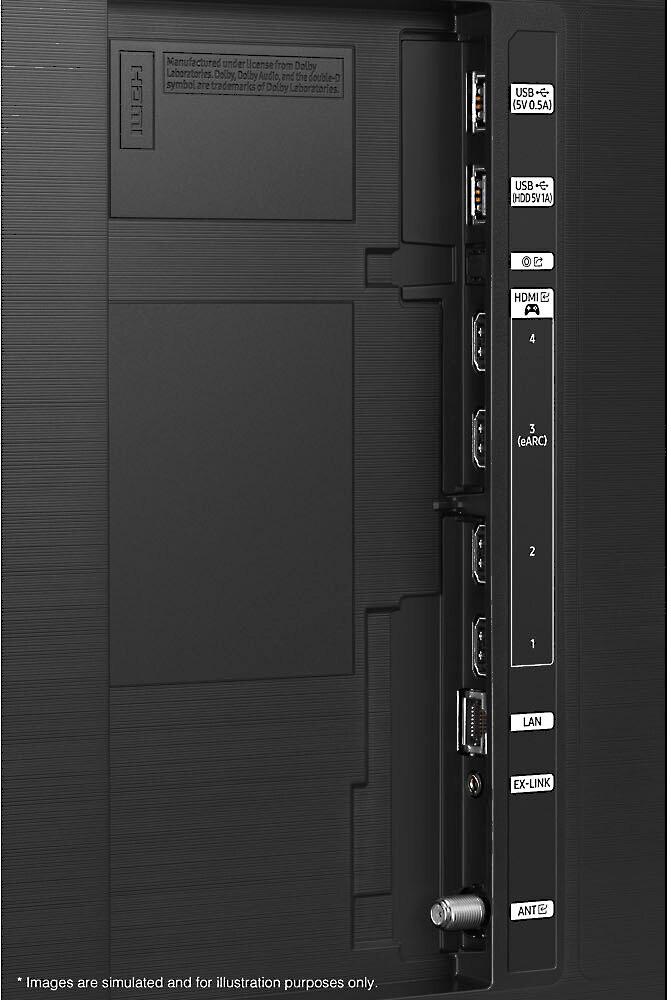
The Samsung QN90D includes FreeSync Premium Pro support, which works particularly well with Xbox Series X and PC gaming. This technology synchronizes the TV's refresh rate with your gaming device's frame rate, eliminating screen tearing and providing smoother gameplay.
The LG QNED92A supports both FreeSync and G-Sync compatibility, making it more versatile for different gaming setups. It also includes cloud gaming integration, allowing you to play Xbox Cloud Gaming or GeForce NOW directly through the TV without needing a console.
Both TVs support 4K gaming at 120Hz across all their HDMI 2.1 ports, which is essential for getting the most out of PlayStation 5 and Xbox Series X. The Samsung's superior contrast really shines in darker games, making details in shadows more visible. The LG's color accuracy benefits brighter, more colorful games.
This is an area where personal preference plays a huge role, but there are some objective differences worth considering.
LG's webOS 25 is, in my experience, one of the most intuitive smart TV platforms available. The interface is clean, responsive, and easy to navigate. LG has committed to providing software updates for five years, which is longer than most competitors. This means your TV will continue getting new features and security updates well into the future.
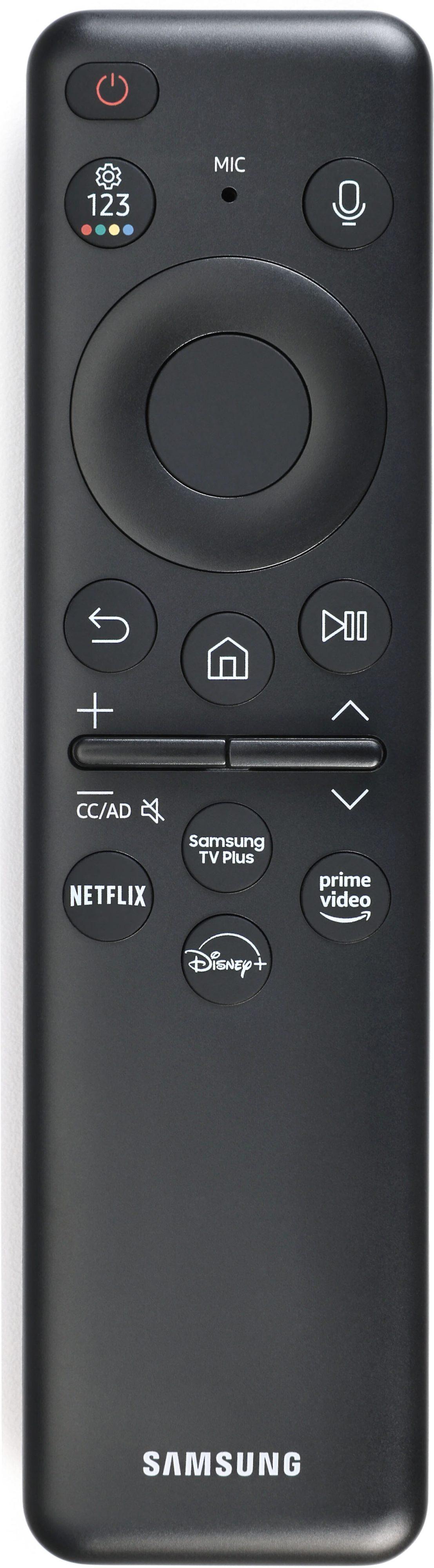
The platform includes over 300 free channels through LG Channels, and the integration with voice assistants (Alexa, Google Assistant, and Apple's Siri) is seamless. The Magic Remote makes navigation particularly easy, with point-and-click functionality that feels natural.
Samsung's Tizen OS is also robust and user-friendly, with a slightly different approach to organization. It integrates well with Samsung's SmartThings ecosystem, which is great if you have other Samsung devices. The Gaming Hub is particularly impressive, consolidating cloud gaming services in one place.
However, Samsung's software update commitment isn't as clearly defined as LG's five-year guarantee. Based on historical patterns, Samsung typically provides updates for about 3-4 years.
Audio quality often gets overlooked in TV comparisons, but it's crucial for the overall viewing experience.
The Samsung QN90D features a more sophisticated audio system with Object Tracking Sound+ technology. This means the TV can direct sound to follow action across the screen – when a car moves from left to right, the audio follows. Combined with its 4.2.2 channel speaker system outputting 60 watts, it provides a more immersive audio experience.
The LG QNED92A has a simpler 2.2 channel system but includes AI Sound Pro processing and full Dolby Atmos support across all content. While not as sophisticated as Samsung's setup, it still delivers clear, well-balanced audio for most viewing situations.
For serious home theater enthusiasts, both TVs work excellently with external sound systems, supporting all modern audio formats and offering multiple connection options.
If you're setting up a dedicated home theater room, several factors become particularly important.
The Samsung QN90D is the clear winner for dark room viewing. Its superior contrast ratio and black levels create a more cinematic experience when watching movies in a darkened room. The difference is particularly noticeable in films with a lot of dark scenes – think Christopher Nolan movies or horror films.
At 65 inches, both TVs are well-suited for medium to large rooms. For optimal viewing, you'll want to sit about 8-10 feet away from the screen. The Samsung's superior contrast makes it more forgiving if you need to sit closer, while the LG's better viewing angles are advantageous if you have a wider seating arrangement.
Both TVs include filmmaker modes that disable motion processing and adjust settings for more accurate color reproduction. The LG QNED92A goes a step further with Dolby Vision IQ, which automatically adjusts the picture based on your room's lighting conditions throughout the day.
At $1,681.99, the LG QNED92A offers exceptional value for a premium Mini LED TV. You're getting flagship-level performance, advanced AI processing, comprehensive smart features, and a five-year software support commitment. The inclusion of Dolby Vision support makes it particularly attractive for streaming enthusiasts.
The Samsung QN90D typically retails for $200-300 more, and that premium primarily pays for superior contrast performance and a more advanced audio system. Whether that's worth the extra cost depends on your priorities and viewing environment.
Both TVs represent 2025 models, incorporating the latest advances in Mini LED technology. The Samsung QN90D builds on Samsung's Neo QLED technology introduced in 2021, with improvements in local dimming precision and AI processing. The LG QNED92A represents LG's continued refinement of their QNED technology, first introduced in 2021, with enhanced AI features and better color volume.
The major advancement in both 2025 models is improved AI processing. Samsung's NQ4 AI Gen2 processor and LG's α8 AI Gen2 processor both offer better upscaling of lower-resolution content and more intelligent picture optimization based on content type.
Your choice between these two excellent TVs should ultimately depend on your specific needs and viewing environment.
Choose the Samsung QN90D if you prioritize absolute picture quality, plan to use it primarily in a dark room, and want the best possible contrast and black levels. It's also the better choice if you value superior built-in audio quality and are willing to pay a premium for top-tier performance.
Choose the LG QNED92A if you want excellent performance at a better value, prioritize color accuracy and bright room viewing, need Dolby Vision support for premium streaming, or prefer a more intuitive smart TV platform with longer software support.
For most users, the LG offers the better overall package. It delivers about 90% of the Samsung's picture quality at a lower price point, with superior smart features and longer software support. The Samsung justifies its premium mainly for dedicated home theater enthusiasts who prioritize absolute picture quality perfection.
Both TVs will provide years of excellent viewing experiences, so you really can't go wrong with either choice. The key is understanding which strengths matter most for your specific situation and budget.
| LG 65" QNED92A QNED evo AI Mini LED 4K TV 2025 | Samsung 65" QN90D Series 4K Neo QLED Smart TV |
|---|---|
| Price - Current market value for flagship 65" Mini LED performance | |
| $1,681.99 | ~$1,800-$2,000 (typically $200-300 premium) |
| Panel Technology - Core display tech affecting picture quality | |
| QNED (Quantum Dot + NanoCell + Mini LED) | Neo QLED (Quantum Dot + Mini LED) |
| Peak Brightness - Critical for HDR impact and bright room viewing | |
| ~1,200 nits (excellent for most content) | ~1,800 nits (superior HDR pop and bright room performance) |
| HDR Format Support - Determines streaming service compatibility | |
| Dolby Vision, HDR10, HLG (better streaming support) | HDR10+, HDR10, HLG (no Dolby Vision) |
| Contrast Performance - Most important for dark room viewing | |
| Very good with some minor blooming | Superior black levels and contrast ratio |
| Color Accuracy - Affects how natural images appear | |
| 100% Color Volume, more natural colors | Excellent but can be oversaturated |
| Gaming Features - Essential for console and PC gaming | |
| 4K@120Hz, VRR, FreeSync/G-Sync, Game Optimizer | 4K@120Hz, VRR, FreeSync Premium Pro, Game Motion Plus |
| Smart TV Platform - Daily user experience and longevity | |
| webOS 25 with 5-year update guarantee | Tizen OS with ~3-4 year update history |
| Audio System - Built-in sound quality | |
| 2.2 channel with AI Sound Pro and Dolby Atmos | 4.2.2 channel 60W with Object Tracking Sound+ |
| Viewing Angles - Important for wide seating arrangements | |
| Excellent (NanoCell technology maintains colors) | Good but colors shift when viewed from sides |
| Best Use Case - Where each TV excels most | |
| Bright rooms, streaming, balanced performance/value | Dark rooms, home theater, premium picture quality |
The LG 65" QNED92A at $1,681.99 offers better value for most buyers. It delivers about 90% of the Samsung's picture quality at a lower price point, plus includes Dolby Vision support and a 5-year software update guarantee. The Samsung QN90D costs $200-300 more but only justifies the premium for users who prioritize absolute picture quality perfection.
The Samsung QN90D has superior contrast and black levels, making it better for dark room viewing. The LG QNED92A excels in color accuracy and bright room performance. Samsung reaches higher peak brightness (1,800 nits vs 1,200 nits), while LG offers more natural color reproduction and better viewing angles.
Both TVs are excellent for gaming with 4K@120Hz support and low input lag under 10ms. The Samsung QN90D has FreeSync Premium Pro and better contrast for dark games. The LG QNED92A supports both FreeSync and G-Sync, plus includes cloud gaming integration for Xbox Cloud Gaming and GeForce NOW.
The LG QNED92A supports Dolby Vision, HDR10, and HLG, making it better for streaming services like Netflix and Disney+. The Samsung QN90D supports HDR10+, HDR10, and HLG but lacks Dolby Vision support. Dolby Vision is more widely supported by streaming platforms.
The LG QNED92A runs webOS 25, which is more intuitive and comes with a 5-year software update guarantee. The Samsung QN90D uses Tizen OS, which is also good but typically receives updates for only 3-4 years. LG's platform offers better long-term support and easier navigation.
The Samsung QN90D has superior built-in audio with a 4.2.2 channel system (60W) and Object Tracking Sound+ technology. The LG QNED92A has a simpler 2.2 channel system but includes AI Sound Pro processing and full Dolby Atmos support. Samsung wins for built-in audio quality.
The LG QNED92A is better for bright rooms due to its superior color accuracy, better anti-glare properties, and NanoCell technology that maintains colors in ambient light. The Samsung QN90D is brighter overall but performs best in controlled lighting conditions.
The Samsung QN90D is superior for dedicated home theater use due to its deeper black levels, higher contrast ratio, and better dark room performance. The LG QNED92A is excellent for mixed-use living rooms but doesn't match Samsung's cinematic dark room experience.
The LG QNED92A has significantly better viewing angles thanks to its NanoCell technology, maintaining color accuracy when viewed from the side. The Samsung QN90D has good viewing angles but shows more color shifting when not viewed straight-on, making LG better for wide seating arrangements.
The LG QNED92A comes with a guaranteed 5-year software update commitment through LG's Re:New Program. The Samsung QN90D typically receives updates for 3-4 years based on Samsung's historical pattern, making LG the better choice for long-term software support.
Both TVs handle streaming well, but the LG QNED92A has an advantage with Dolby Vision support, which is used by Netflix, Disney+, and Apple TV+. The Samsung QN90D lacks Dolby Vision but compensates with higher peak brightness for HDR content. LG is better optimized for premium streaming services.
Choose the Samsung QN90D for dark room viewing. Its superior contrast ratio, deeper black levels, and better local dimming create a more cinematic experience in darkened environments. The LG QNED92A is still good but shows slightly more blooming around bright objects in dark scenes.
We've done our best to create useful and informative comparisons to help you decide what product to buy. Our research uses advanced automated methods to create this comparison and perfection is not possible - please contact us for corrections or questions. These are the sites we've researched in the creation of this article: stereoindex.com - youtube.com - youtube.com - digitaltrends.com - abt.com - lg.com - youtube.com - ecoustics.com - hometheaterforum.com - lg.com - valueelectronics.com - listenup.com - pcrichard.com - furnitureconnectionnd.com - avnirvana.com - files.bbystatic.com - lg.com - lgnewsroom.com - techradar.com - bestbuy.com - bestbuy.com - youtube.com - youtube.com - samsung.com - standardtvandappliance.com - gerhardsappliance.com - bestbuy.com - image-us.samsung.com - rtings.com - youtube.com - images.samsung.com

Privacy Policy
Terms and Conditions - Affiliate Policy
Home Security
© Copyright 2008-2026.
11816 Inwood Rd #1211, Dallas, TX 75244